
Madrid Solo Travel 2026: Safety Tips & Best Experiences
Key Takeaways
- Madrid ranks among Europe’s safest capital cities with low violent crime rates and solo-friendly infrastructure
- Solo travelers easily meet others through free walking tours, hostel common areas, and neighborhood tapas culture
- Restaurant culture accommodates solo diners without stigma or awkward single table assignments
- Women traveling alone face minimal harassment compared to other Mediterranean destinations
- Strategic accommodation choices between hostels (€20-35/night) and budget hotels (€45-80/night) balance social connection with privacy
- Public transportation operates safely until late night with metro service extending to 1:30 AM weekdays
Introduction: Why Madrid Works Perfectly for Solo Travelers in 2026
Madrid establishes itself as one of Europe’s premier solo travel destinations in 2026, combining safety, social infrastructure, cultural accessibility, and welcoming atmosphere that eliminates typical solo travel challenges. The Spanish capital’s late dining culture, abundant public spaces, extensive hostel network, and outgoing social character create natural opportunities for connection without forced socialization pressure. Solo travelers navigate Madrid independently while maintaining options for social interaction, striking the ideal balance between autonomous exploration and community engagement when desired.
The city’s walkability, comprehensive metro system, and concentrated central attractions simplify logistics for solo visitors managing their own planning and transportation in 2026. Major museums, parks, historic neighborhoods, and cultural sites cluster within walkable or short metro distances, eliminating complex journey planning or dependent group coordination. Madrid’s cultural offerings scale perfectly for solo consumption – world-class art museums reward individual contemplation, tapas bars welcome single diners, and parks provide peaceful solitude or social observation based on preference.
Madrid’s safety profile supports confident solo exploration throughout 2026. The city maintains low violent crime rates, well-lit streets in tourist areas, active nighttime street life providing natural surveillance, and responsive police presence. Women traveling alone report positive experiences compared to other Mediterranean destinations, though standard urban precautions remain advisable. This comprehensive guide addresses safety considerations, social opportunities, practical logistics, accommodation strategies, dining approaches, and neighborhood recommendations specifically tailored for solo travelers visiting Madrid during 2026.
People Also Ask About Madrid Solo Travel 2026
Is Madrid safe for solo travelers in 2026?
Madrid ranks among Europe’s safest capital cities for solo travelers in 2026, with low violent crime rates and generally secure tourist areas. Petty theft (pickpocketing, bag snatching) represents the primary risk, concentrated in crowded metro stations, El Rastro flea market, and major tourist attractions like Sol and Gran Vía. Violent crime against tourists remains rare, and solo travelers walk central neighborhoods safely throughout the day and late evening. Women traveling alone report positive experiences with minimal street harassment compared to other Mediterranean cities. Standard urban precautions – securing valuables, avoiding isolated areas late at night, staying alert in crowds – provide adequate safety protocols. The metro operates safely until 1:30 AM weekdays with security presence at major stations. Emergency services respond effectively, and Spain’s national healthcare system provides quality medical care if needed during 2026 visits.
How do solo travelers meet people in Madrid 2026?
Solo travelers connect easily in Madrid through hostel common areas and organized activities, free walking tours departing daily from Plaza Mayor, Meetup groups focused on language exchange, hiking, or cultural activities, tapas bar culture where bar seating encourages conversation, Retiro Park where joggers and park visitors interact naturally, and Couchsurfing social events held weekly throughout 2026. Hostels with social reputations like Cat’s Hostel, Way Hostel, or Sungate One organize pub crawls, group dinners, and walking tours specifically for solo travelers. Free walking tours attract primarily solo visitors creating natural meeting opportunities during 2.5-hour neighborhood explorations. Language exchange meetups pair Spanish speakers learning English with English speakers learning Spanish, fostering conversations in relaxed bar settings. The city’s social infrastructure makes meeting fellow travelers or locals straightforward without forced or awkward social pressures throughout 2026.
Can you eat alone comfortably in Madrid restaurants 2026?
Madrid’s dining culture accommodates solo diners without stigma or awkwardness in 2026. Bar seating at tapas venues provides natural solo dining environment where single diners order small plates, observe kitchen activity, and sometimes converse with bartenders or neighboring diners. Traditional restaurants seat solo diners at regular tables without relegating them to uncomfortable spots or expressing surprise at single occupancy. The Spanish late dining schedule (lunch 2 PM-4 PM, dinner 9 PM-11 PM) means restaurants maintain steady customer flow rather than concentrated rush periods, reducing pressure on table turnover. Menu del día lunch specials (€12-18) provide three-course meals with wine perfect for solo dining without excessive food quantities. Mercado de San Miguel, Mercado de San Antón, and other gourmet markets offer standing room consumption requiring no table commitment. Solo dining in Madrid feels natural rather than conspicuous throughout 2026 visits.
What’s the best accommodation type for solo travelers in Madrid 2026?
Accommodation choice depends on priorities balancing social connection, budget, and privacy in 2026. Hostels (€20-35/night dorm beds) maximize social opportunities through common areas, organized activities, and built-in traveler community, ideal for solo visitors prioritizing meeting others. Budget hotels and guesthouses (€45-80/night private rooms) provide privacy, comfort, and independent schedules without social pressure, suiting solo travelers preferring solitude after daytime exploration. Airbnb private rooms (€30-60/night) offer middle ground with some host/guest interaction possibilities. Central locations in Sol, La Latina, Malasaña, or Chueca neighborhoods reduce solo navigation complexity and provide walkable access to major attractions. Highly-rated social hostels like Cat’s Hostel Madrid or Way Hostel balance cleanliness, security, and community atmosphere. Reading recent reviews identifying current social dynamics helps match accommodation to solo travel style throughout 2026 stays.
Extended multi-day tours – 5+ days
Featured Madrid Multi-Day Tour Packages
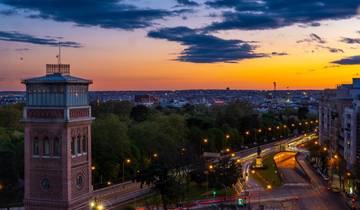
7 days
7 Days in Madrid: Echoes of Empire: Madrid, Ávila & Segovia
- ✓ Comprehensive Madrid tour
- ✓ Expert local guides included
- ✓ All accommodation arranged
- ✓ Transportation provided

4 days
Madrid: Cultural Experience with Toledo Half-day tour, City Break
- ✓ Comprehensive Madrid tour
- ✓ Expert local guides included
- ✓ All accommodation arranged
- ✓ Transportation provided
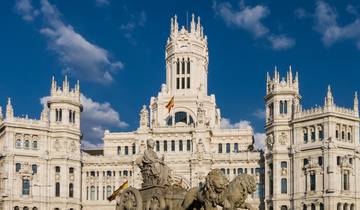
5 days
5-Day Madrid Including Toledo, Avila and Segovia
- ✓ Comprehensive Madrid tour
- ✓ Expert local guides included
- ✓ All accommodation arranged
- ✓ Transportation provided
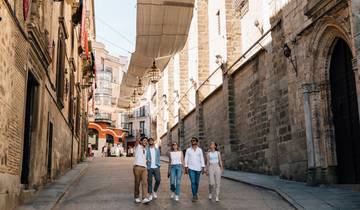
2 days
Segovia, Avila and Toledo in 2 days from Madrid
- ✓ Comprehensive Madrid tour
- ✓ Expert local guides included
- ✓ All accommodation arranged
- ✓ Transportation provided
Multi-day tour packages powered by TourRadar. Prices and availability subject to change.
Safety Strategies for Solo Travelers in Madrid 2026
Understanding Madrid’s Safety Landscape and Risk Areas
Madrid’s overall safety profile ranks favorably among major European capitals in 2026, with violent crime rates significantly below cities like Paris, Rome, or Barcelona. Tourist-targeted crimes concentrate on non-violent property theft rather than physical threats, creating manageable risk environment through awareness and precaution. The city’s economic stability, effective policing, and low unemployment compared to previous economic crisis periods contribute to relatively secure urban environment throughout 2026.
Petty theft hot spots require heightened awareness during solo travel in 2026. Metro stations Sol, Gran Vía, and Atocha experience frequent pickpocketing attempts, particularly during rush hours 8 AM-10 AM and 6 PM-9 PM when crowd density peaks. El Rastro flea market on Sunday mornings attracts pickpocket teams working crowd congestion. Plaza Mayor, Puerta del Sol, and Gran Vía shopping areas see bag snatching attempts targeting distracted tourists. Retiro Park remains generally safe but occasional theft occurs when bags left unattended during picnics or on benches. These locations don’t require avoidance but demand vigilance – securing valuables in front pockets, wearing bags across chest, maintaining awareness of surroundings.
Late-night safety in Madrid 2026 varies by neighborhood and time. Central areas (Sol, Gran Vía, La Latina, Malasaña) maintain active street life until 2 AM-3 AM on weekends, providing natural surveillance and safety through population density. Metro service extends to 1:30 AM weekdays and operates 24 hours Friday-Saturday nights, offering safe late-night transportation. Walking alone after midnight in well-lit, populated central neighborhoods poses minimal risk. Conversely, isolated residential areas, parks after dark, and poorly lit side streets warrant taxi usage rather than walking. Solo travelers prioritizing safety arrange accommodation in central, active neighborhoods minimizing late-night navigation through quiet areas.
Practical Safety Protocols for Solo Navigation
Effective solo safety in Madrid 2026 relies on consistent habits rather than paranoia or excessive restriction. Money management protocols include splitting cash across multiple locations (front pocket, inner jacket pocket, hotel safe), carrying daily spending money separately from reserve funds, using ATMs inside banks during business hours rather than street-accessible machines at night, and maintaining credit card contactless payment option for most purchases. These practices ensure lost or stolen wallets don’t compromise entire trip budgets while maintaining transaction capability.
Bag security requires strategic choices throughout Madrid navigation in 2026. Backpacks worn on front rather than back in crowded metro cars and tourist areas prevent unnoticed access. Crossbody bags worn with strap across chest and bag in front provide maximum pickpocket resistance. Zippered closures defeat casual theft attempts better than magnetic snaps or open-top designs. Valuable items (passport, major credit cards, excess cash) remain in accommodation safe during daily exploration, with only necessary cards and moderate cash carried. Smartphones stay secured in front pockets or bags with hands maintaining contact during metro rides and crowded situations.
Communication and connection protocols enhance solo safety in 2026. Sharing daily itineraries with family or friends via messaging apps creates accountability and enables assistance if communication ceases unexpectedly. Downloading offline Google Maps of Madrid enables navigation without data connectivity. Saving accommodation address and emergency numbers (112 general emergency, 091 national police) in phone contacts ensures immediate access if needed. Learning basic Spanish phrases for emergency situations (“necesito ayuda” – I need help, “llame a la policía” – call police) facilitates communication during crises. These preparations rarely become necessary but provide crucial backup during genuine emergencies.
Women Solo Travelers: Specific Considerations for 2026
Women traveling alone in Madrid encounter generally positive experiences compared to other Mediterranean destinations in 2026. Street harassment (catcalling, unwanted comments) occurs less frequently than in Italy, Greece, or southern France, reflecting more progressive Spanish social attitudes toward women’s independence. Solo female travelers report comfortable navigation throughout central neighborhoods during day and evening hours without constant unwanted attention or aggressive approaches. This doesn’t eliminate all incidents but establishes baseline expectation of respectful treatment in most situations.
Nightlife participation requires standard urban awareness for women traveling alone in 2026. Solo club or bar visits work well in busy establishments with crowds and multiple exits, while isolated late-night venues pose greater risks. Accepting drinks only when observing bartender preparation and maintaining control of beverage throughout consumption prevents drink tampering concerns. Arranging predetermined departure times and transportation before evening outings ensures clear exit strategies when alcohol consumption affects judgment. Many Madrid nightlife districts (Malasaña, Chueca, La Latina) maintain active street populations until 3 AM-4 AM on weekends, providing options for leaving venues and finding transportation without isolated exposure.
Accommodation security particularly matters for women solo travelers in 2026. Hostels with single-sex dorms provide comfortable sleeping environments without concerns about male roommates. Hotels and guesthouses with 24-hour reception desks, security cameras in common areas, and room door security chains offer safety layers beyond basic locks. Ground floor rooms with street-accessible windows carry higher security risks than upper floors requiring building entry. Reading accommodation reviews specifically from solo female travelers identifies properties with positive women-specific experiences and highlights any reported safety concerns before booking.
Emergency Resources and Support Networks in Madrid 2026
Madrid provides comprehensive emergency services accessible to tourists throughout 2026. The 112 emergency number operates 24/7 with multilingual operators handling urgent medical, police, or fire situations. The 091 number connects directly to national police for crime reporting, while 092 reaches local municipal police. Tourist police offices near Plaza Mayor and major attractions staff English-speaking officers assisting with theft reports, document loss, and tourist-specific problems. These services respond effectively, though property crime reports rarely result in recovery given low investigative priority for petty theft.
Medical care in Madrid 2026 follows European standards with quality hospitals and clinics throughout the city. Emergency rooms (urgencias) at major hospitals provide immediate care regardless of insurance status, billing patients later according to regional healthcare policies. EU citizens with European Health Insurance Card (EHIC) access Spanish public healthcare at reduced or no cost. Non-EU travelers rely on travel insurance coverage or pay out-of-pocket for private clinic treatment (€80-150 typical consultation fees). Pharmacies (farmacias) identified by green cross signs operate extended hours with some 24-hour locations, staffed by qualified pharmacists dispensing medications and basic healthcare advice.
Consular support provides safety net for serious situations during 2026 visits. Embassies and consulates assist citizens with lost passports, emergency contact with family, legal problems, or major crises requiring diplomatic intervention. Contact information for embassies remains accessible via government websites and should be noted before arrival. Standard tourist problems (pickpocketing, minor illness, accommodation disputes) fall outside consular scope, but genuine emergencies involving assault, arrest, or major medical issues warrant contacting national representation for guidance and support throughout resolution processes.
Best Solo Travel Experiences in Madrid 2026
Museums and Cultural Attractions Perfect for Solo Visits
Madrid’s world-class museums provide ideal solo travel experiences throughout 2026, rewarding individual contemplation and self-paced exploration without group coordination compromises. The Prado Museum’s masterpiece collections by Velázquez, Goya, and El Greco demand focused attention best achieved through solo visits allowing unlimited time at favorite works. Regular admission costs €15, with free evening hours Monday-Saturday 6 PM-8 PM attracting crowds but eliminating cost for budget-conscious solo travelers. Solo museum visits permit spontaneous itinerary adjustments – spending extra time with unexpected discoveries or skipping sections that don’t resonate without consulting group preferences.
Reina Sofía Museum houses contemporary art including Picasso’s Guernica, Dalí, Miró, and international modern masters. The museum charges €12 regular admission with free access Monday-Saturday 7 PM-9 PM and Sunday afternoons throughout 2026. Solo visits to contemporary art museums feel particularly natural as subjective interpretation and personal response dominate the experience more than historical fact learning. Audio guides (€4.50) enhance solo visits through expert commentary without depending on tour guide quality or pacing. The museum’s courtyard spaces provide rest areas ideal for solo reflection between gallery sections.
Thyssen-Bornemisza Museum completes Madrid’s “Golden Triangle” of art institutions, featuring chronological Western art survey from medieval through contemporary periods. The museum charges €13 admission with free access Mondays 12 PM-4 PM during 2026. The manageable collection size (approximately 2 hours comprehensive viewing) suits solo travelers avoiding museum fatigue from excessive gallery coverage. The museum’s intimate scale and coherent chronological organization create comfortable solo touring without overwhelming choices or complex navigation decisions.
Walking and Urban Exploration as Solo Activities
Madrid’s walkable central districts reward solo exploration throughout 2026, providing flexibility impossible in group contexts and encouraging spontaneous discoveries. Self-directed neighborhood walks through La Latina, Malasaña, Lavapiés, or Barrio de las Letras proceed at individual pace with stops for photography, architecture observation, cafe breaks, or shop browsing without group consensus requirements. Solo walking permits authentic urban experience – following interesting side streets, backtracking to re-examine details, sitting in plazas for extended people-watching periods – reflecting personal curiosity rather than predetermined group itineraries.
Free walking tours operated by companies like Sandeman’s New Europe or Free Walking Tours Madrid depart daily from Plaza Mayor at 10 AM, 11 AM, and 2 PM throughout 2026. These 2.5-hour tours attract predominantly solo travelers, creating natural social opportunities while providing expert local guidance and historical context. The tip-based model (€10-15 customary) offers budget flexibility. Tours cover Habsburg Madrid, Civil War sites, literary quarter, or tapas neighborhoods depending on route selection. Solo participants often continue together for lunch or additional exploration after tours conclude, fostering organic social connections without forced intimacy.
Retiro Park provides 125 hectares of UNESCO World Heritage gardens perfect for solo enjoyment in 2026. Solo park visits support various activities – jogging along tree-lined paths, reading on lawn areas, photographing Crystal Palace and monuments, people-watching from benches, or simply walking without destination. The park’s safety through high visitor volumes, multiple police presence, and open sightlines creates comfortable solo environment throughout daylight hours. Solo travelers appreciate parks for contemplation space and nature access within urban settings, supporting mental health and energy restoration during intensive sightseeing schedules.
Tapas Culture: Solo Dining Done Right in Madrid
Madrid’s tapas culture eliminates solo dining awkwardness that challenges travelers in formal sit-down restaurant cultures throughout 2026. Tapas bars operate on small-plate system where solo diners order 2-4 dishes, consume at bar or standing room, and either move to next venue or order additional plates based on satisfaction. This structure perfectly suits solo travelers avoiding excessive food quantities, maintaining flexibility for spontaneous venue changes, and engaging bar-seated social opportunities with bartenders or neighboring diners when desired.
Strategic tapas solo dining in 2026 targets neighborhood bars (bares de barrio) rather than tourist-focused establishments. La Latina district around Cava Baja and Cava Alta streets features traditional taverns serving house specialties like croquetas, patatas bravas, jamón ibérico, and tortilla española (€3-8 per tapa). Malasaña neighborhood offers modern tapas fusion at venues mixing traditional Spanish with international influences. Bar seating provides front-row kitchen views and natural conversation opportunities with staff who often recommend specialties and explain preparation methods to engaged solo diners.
The ir de cañas tradition (going for beers and tapas) creates built-in social mechanism for solo travelers seeking connection in 2026. Hostel-organized tapas tours, Meetup group gatherings, or simply positioning at busy bar during peak hours (8 PM-10 PM weeknights, 9 PM-11 PM weekends) facilitates conversations with fellow diners. The Spanish cultural norm accepts strangers joining conversations more readily than northern European or American contexts, reducing social barriers for outgoing solo travelers. Alternatively, solo diners preferring solitude simply order, eat, pay, and depart without social obligation – both approaches work equally well within Madrid’s flexible tapas culture throughout 2026.
Day Trips and Excursions from Madrid for Solo Travelers
Solo day trips from Madrid work exceptionally well in 2026 through efficient public transportation and organized tour options balancing independence with social opportunity. Toledo, Spain’s former capital 70 kilometers south, connects via 33-minute high-speed train (€13.60 each way) departing Madrid Atocha hourly throughout the day. Solo travelers explore Toledo’s medieval streets, cathedral, synagogues, and El Greco sites independently using downloaded walking maps or joining small group tours (€40-60 including transport and guide) meeting others with similar interests. The compact historic center prevents getting lost while offering enough complexity for 5-6 hours of engaging exploration.
Segovia’s Roman aqueduct, Alcázar castle, and Gothic cathedral lie 90 minutes from Madrid via bus (€8-16 return) or train (€12-24 return) throughout 2026. Solo visitors navigate Segovia easily given small historic center size and clear landmark orientation. The city’s walkability, English signage at major attractions, and tourist infrastructure support confident solo exploration without tour dependence. Segovia’s famous roast suckling pig (cochinillo) traditionally serves groups, but solo travelers order half portions or alternative tapas enjoying local cuisine without waste or awkwardness.
Organized day tour companies including Viator, GetYourGuide, and local operators offer small group tours (8-20 participants) to Toledo, Segovia, Ávila, Escorial, or combination routes throughout 2026. These tours (€50-90 typically) include transportation, guide, and sometimes entry tickets, appealing to solo travelers preferring structured itineraries with social components. Tours attract predominantly English-speaking tourists and solo travelers, creating natural meeting opportunities during travel time and free exploration periods. The organized structure removes public transport planning stress while maintaining destination flexibility for solo participants wanting independence at lunch or shopping times.
Accommodation Strategies for Solo Travelers in Madrid 2026
Hostel Selection: Balancing Social and Practical Needs
Madrid’s extensive hostel network serves solo travelers throughout 2026, ranging from party-focused venues to quiet, design-oriented options. Dorm beds cost €20-35 per night depending on location, season, and dorm size (4-bed dorms most expensive, 12-bed dorms cheapest). Highly-rated social hostels for solo travelers include Cat’s Hostel Madrid (Sol location, organized activities, rooftop terrace), Way Hostel (Chueca neighborhood, modern design, social atmosphere), The Hat Madrid (Plaza Mayor proximity, boutique design), and Sungate One (Gran Vía location, multiple common areas, tour desk).
Effective hostel selection requires reading recent reviews specifically from solo travelers throughout 2026. Key indicators include mentions of meeting other travelers easily, organized social activities (walking tours, pub crawls, group dinners), common area atmosphere encouraging interaction, and staff facilitating introductions among guests. Negative solo reviews highlighting cliques, empty common areas, or antisocial atmosphere indicate poor matches for travelers prioritizing social connections. Photos showing common area layouts, bar or lounge spaces, and activity boards signal social infrastructure quality before booking.
Security considerations in hostels matter particularly for solo travelers in 2026. Individual lockers in dorms (bring own padlock or rent hostel lock €3-5 deposit) secure valuables during exploration and overnight. 24-hour reception desks provide staff presence and building access control. Female-only dorms offer comfortable sleeping environments for women solo travelers. Reading reviews mentioning theft, inadequate lockers, or security concerns eliminates high-risk properties. Reputable hostels maintain security cameras in common areas, require key card building access, and implement guest verification procedures supporting solo traveler safety throughout stays.
Budget Hotels and Guesthouses for Privacy Seeking Solos
Solo travelers prioritizing privacy over social immersion choose budget hotels or guesthouses offering private rooms €45-80 per night in central Madrid locations throughout 2026. These accommodations provide comfortable sleeping environments, private bathrooms, independent schedules, and quiet spaces for rest without hostel dorm dynamics. This price range delivers clean, safe, centrally-located lodging without luxury amenities, suiting solo travelers allocating budget toward experiences rather than accommodation comfort. Reading reviews identifying noise levels, bed quality, and cleanliness standards helps select adequate properties within budget constraints.
Neighborhood choice affects solo hotel experiences significantly in 2026. Sol and Opera areas provide maximum walkability to major attractions but suffer tourist crowds and higher prices. La Latina offers authentic neighborhood atmosphere, excellent dining options, and good metro connectivity with slightly lower accommodation costs. Malasaña and Chueca neighborhoods feature younger demographics, nightlife proximity, and cultural edge attracting solo travelers preferring alternative over mainstream tourist scenes. Salamanca district provides upscale, quieter environment with fewer budget options. Matching neighborhood character to personal travel style enhances overall solo Madrid experience beyond mere accommodation selection.
Solo traveler hotel considerations in 2026 include single room supplements (some hotels charge 70-80% of double rate for solo occupancy), breakfast inclusion (€8-15 value if included), and reception hours (24-hour desks provide flexibility vs. limited check-in windows). Budget hotel chains like Ibis Budget, Room Mate, or local guesthouses offer consistent standards and online booking reliability. Reading recent reviews from solo travelers identifies properties where staff provide local recommendations, assistance with activity planning, or simply friendly service enhancing solo stays beyond anonymous corporate environments.
Airbnb and Alternative Accommodation Options
Airbnb private rooms (€30-60 per night) offer middle-ground accommodation option in Madrid throughout 2026, providing privacy with potential host interaction and local insights. This format suits solo travelers seeking authentic residential neighborhood experiences while maintaining private sleeping spaces. Hosts sometimes share meals, provide neighborhood recommendations, or facilitate cultural exchange enriching solo stays beyond standard accommodation. Conversely, some private rooms offer minimal host contact functioning essentially as budget guesthouses, requiring careful listing reading to match expectations with reality.
Entire apartment rentals (€50-100+ per night) suit extended solo stays in Madrid during 2026, providing full kitchen access, living space, and residential authenticity. Solo travelers occupying entire apartments pay premium per-person rates but gain cooking capability reducing food costs, laundry access, and neighborhood immersion living among local residents. This option works well for solo digital nomads, extended visits, or travelers prioritizing home-like environments over hotel amenities. Apartment locations in residential neighborhoods (Argüelles, Chamberí, Moncloa) offer lower prices than central tourist zones while maintaining good metro connectivity.
Safety considerations in Airbnb bookings require verification of host identity, reading previous guest reviews thoroughly, confirming exact location before booking, and maintaining clear communication throughout reservation process. Superhost status, multiple positive reviews, and verified profiles indicate reliable hosts. Solo travelers should confirm building security, key exchange procedures, and emergency contact availability before arrival. While Airbnb provides unique local experiences, solo travelers with safety priorities may prefer established hotels or hostels with consistent security protocols and staff presence throughout 2026 visits.
Social Opportunities and Meeting Fellow Travelers in Madrid 2026
Hostel-Based Social Activities and Programs
Social hostels throughout Madrid organize regular activities specifically designed to facilitate traveler connections during 2026. Pub crawls departing 9 PM-10 PM visit 3-4 bars in neighborhoods like La Latina or Malasaña, with group drink discounts, organized games, and natural socializing among predominantly solo participants (€15-20 including some drinks). Walking tours offered through hostel partnerships or organized by hostel staff create immediate bonding opportunities as groups explore neighborhoods together during 2-3 hour tours. Group dinners held weekly in hostel common areas bring travelers together over shared meals (€8-12 per person typically).
Common area design significantly impacts hostel social dynamics in 2026. Hostels with large, comfortable lounges, bar service, and activity programming (movie nights, game tournaments, trivia competitions) naturally facilitate connections among guests. Properties with minimal common areas or layout separating social spaces from rooms produce less spontaneous interaction. Reading reviews mentioning “easy to meet people,” “great atmosphere,” or “made friends” indicates successful social environments. Solo travelers seeking connections prioritize accommodation social infrastructure over minor comfort differences or €5-10 price variations.
Hostel common areas function as ready-made social venues throughout 2026 visits. Solo travelers spending evening time in lounges rather than isolating in dorm rooms maximize meeting opportunities without forced participation. Bringing playing cards, travel guide for conversation starters, or joining existing activity groups breaks initial conversation barriers. The transient nature of hostel populations means new arrivals daily, providing repeated opportunities for connections throughout multi-day stays. Most hostel friendships last only duration of overlapping stays, but these brief connections enrich solo travel experiences, provide companionship for specific activities, and occasionally develop into long-term travel friendships.
Meetup Groups and Language Exchange Events
Meetup.com hosts numerous Madrid groups active throughout 2026, organizing events from hiking to museum visits, language exchange to dining experiences. International social groups like Madrid International Friends, Expats Madrid, or Solo Travelers Madrid hold regular gatherings (weekly or biweekly) specifically for meeting new people. These events attract mix of tourists, expats, and locals seeking international connections. Meetup events clearly list meeting locations, start times, and activity details allowing solo travelers to assess comfort level before attending. Most events are free or low-cost (€5-15 for organized activities requiring venue rental or materials).
Language exchange (intercambio de idiomas) represents Madrid’s most popular social event type for solo travelers throughout 2026. Multiple venues host weekly or twice-weekly exchanges where Spanish speakers learning English mix with English speakers learning Spanish. Popular venues include Café Melo’s (Malasaña, Friday evenings), Numancia (Ríos Rosas, Tuesday evenings), and various bars rotating throughout the week. Events operate free with drink purchase expected. These exchanges create structured conversation opportunities reducing awkwardness of approaching strangers while providing cultural learning beyond tourist experiences. Solo travelers attend multiple exchanges finding preferred venues based on age demographics, language level mixing, and social atmosphere.
Special interest Meetup groups organize activities aligned with specific hobbies or interests throughout 2026. Madrid Photography Meetup arranges photo walks exploring neighborhoods together. Madrid Hiking groups schedule day trips to nearby mountain areas. Book clubs, cooking classes, museum visits, and sports activities all operate through Meetup platform. These specialized groups provide targeted social opportunities around shared interests rather than generic traveler mixing. Solo travelers with specific hobbies find more meaningful connections through interest-based groups than general social gatherings, though both formats work well depending on individual preferences and social goals.
Spontaneous Social Opportunities in Madrid 2026
Madrid’s urban culture creates numerous unstructured social opportunities throughout 2026 for outgoing solo travelers comfortable initiating conversations. Retiro Park attracts joggers, readers, and visitors gathering near major landmarks like the Crystal Palace or Great Pond, with park benches and lawn areas facilitating natural conversations among strangers sharing space. Asking someone to watch belongings during brief restroom trips or inquiring about their book creates low-pressure conversation openings potentially developing into extended discussions or shared exploration.
Tapas bar culture inherently supports spontaneous social interaction throughout 2026. Bar seating places solo diners beside other patrons with natural conversation opportunities during food ordering, dish arrival, or bartender interactions. Commenting on another diner’s food choice, asking recommendations, or remarking on restaurant atmosphere provides organic conversation starters. Spanish locals generally welcome friendly interaction from travelers attempting Spanish language phrases or expressing interest in local culture. These brief exchanges rarely develop beyond momentary connection but enrich solo dining experiences and occasionally lead to travel tips, restaurant recommendations, or extended conversations.
Plaza and public space culture in neighborhoods like Malasaña, La Latina, or around Templo de Debod creates social environments throughout 2026 evenings. Groups of friends, travelers, and locals gather on plaza steps or benches, with fluid boundaries allowing individuals to join existing gatherings or initiate new conversations. Sunset at Templo de Debod attracts photographers and travelers creating natural discussion opportunities around equipment, travel experiences, or photography technique. These unstructured social possibilities depend heavily on individual personality and comfort with stranger interaction but provide authentic Madrid social integration beyond organized tourist activities for solo travelers seeking genuine cultural immersion.
Dining Alone in Madrid: Strategies and Recommendations 2026
Understanding Spanish Meal Culture and Timing
Spanish meal schedule differs significantly from northern European or American patterns, affecting solo dining strategy throughout 2026. Breakfast (desayuno) eaten 7 AM-10 AM consists of coffee and pastry or toast at breakfast bars (€2-4 total), providing quick, casual solo-friendly morning meal. Lunch (comida or almuerzo) eaten 2 PM-4 PM represents the main meal, traditionally involving multiple courses and extended dining time. Dinner (cena) eaten 9 PM-11 PM or later arrives significantly later than other cultures, with restaurants opening 8 PM earliest and filling 9:30 PM-11 PM peak service.
Solo travelers navigating Spanish dining schedule in 2026 face adjustment period but discover advantages once adapted. Late lunch timing allows morning museum or sightseeing without breaking for midday meals, with 2 PM-3 PM lunch completing morning activities. The afternoon siesta period (roughly 4 PM-7 PM) when many shops close creates natural rest time in accommodations or parks before evening activities. Late dinner timing permits extended evening walks, sunset viewpoints, or museum free hours before dining, organizing days differently than breakfast-lunch-dinner structured cultures. Understanding and adapting to Spanish schedule enhances rather than restricts solo travel experiences throughout 2026.
Menu del día (menu of the day) lunch specials provide excellent value for solo travelers throughout 2026. Restaurants offer three-course meals (first course, main course, dessert) plus bread and drink (wine, beer, or soft drink) for fixed prices €12-18. This format suits solo diners perfectly – appropriate food quantity, clear pricing without surprise charges, and standard across Madrid restaurants eliminating menu navigation anxiety. Menu del día service runs 1 PM-4 PM weekdays and sometimes Saturdays, unavailable Sunday or evening dinner service. Solo travelers ordering menu del día integrate seamlessly into lunch crowd without drawing attention as foreign tourists.
Best Solo Dining Venues and Neighborhoods in Madrid
Tapas bars throughout La Latina, Malasaña, Lavapiés, and Chueca neighborhoods provide ideal solo dining environments in 2026. Bar seating allows solo travelers to eat while observing kitchen activity, conversing with bartenders, or maintaining privacy based on preference. Small plate portions (€3-8 per tapa) permit ordering 2-4 items without excessive food or waste. The casual atmosphere, high table turnover, and standing-room culture eliminate formal reservation requirements or extended table occupation pressure. Traditional spots like Casa Lucas (La Latina), La Ardosa (Malasaña), and Bodega de la Ardosa (Colón) welcome solo diners naturally within broader customer mix.
Mercado de San Miguel (near Plaza Mayor) and Mercado de San Antón (Chueca) operate as gourmet food markets with standing room consumption throughout 2026. Solo travelers purchase items from various vendors – jamón ibérico, croquetas, oysters, wine, desserts – consuming at standing tables or counter areas throughout market spaces. This format provides maximum flexibility, allows sampling multiple cuisines, requires no table commitment, and creates natural mingling environment with other solo diners and small groups. Markets open extended hours (10 AM-midnight typically) accommodating flexible meal timing. Food costs €15-30 for complete meal depending on selections and alcohol consumption.
Casual international restaurants in Malasaña, Lavapiés, and Chueca neighborhoods offer solo-friendly dining throughout 2026. Fast-casual Asian restaurants (ramen, poke bowls, Korean), Middle Eastern spots (falafel, shawarma), and pizza/pasta venues provide counter seating or small tables suitable for solo diners. These establishments charge €8-15 per meal, operate during convenient hours including early dinner times, and maintain unpretentious atmospheres welcoming solo visitors. The international food scene supplements traditional Spanish cuisine while providing comfortable solo dining alternatives during appetite or schedule mismatches with Spanish meal timing.
Practical Solo Dining Tips for Madrid 2026
Solo dining confidence improves through simple practices reducing self-consciousness throughout 2026 visits. Bringing reading material (book, tablet, smartphone) provides activity during food waiting periods without appearing lonely or uncomfortable. Many solo diners read between courses, maintaining occupied appearance while enjoying private meal experience. Alternatively, observing restaurant atmosphere, people-watching, or engaging with bartenders/servers provides entertainment without reading material. Both approaches work equally well based on personal preference and venue atmosphere.
Ordering strategy affects solo dining satisfaction in Madrid 2026. Tapas venues permit gradual ordering – starting with 2 items, assessing hunger and interest, then ordering additional plates or moving to different venue. This approach prevents over-ordering while allowing flexibility for spontaneous changes. Menu del día lunch automatically provides appropriate portions eliminating ordering decisions entirely. Restaurants serving individual entrees accommodate solo diners ordering single main course with side, though Spanish portions sometimes exceed single-person capacity. Requesting half portions (media ración) or sharing plates between solo diners seated nearby (with permission) addresses portion size issues occasionally arising at traditional restaurants.
Payment culture in Madrid 2026 follows Spanish norms with servers bringing bills to tables rather than processing at cashier stations. Solo diners request bill (la cuenta, por favor), receive itemized receipt, and leave cash or card payment with server who returns with change or card processing device. Tipping operates minimally in Spain compared to American culture – rounding up bills or leaving €1-2 represents adequate appreciation for good service. The €0.10-0.20 per drink tiny tips left by Spanish locals reflect standard practice rather than tourist expectation. Solo diners follow these norms without pressure for excessive tipping beyond modest amounts.
Budget Planning for Solo Travel in Madrid 2026
Daily Cost Breakdown for Solo Travelers
Budget solo travelers spending conservatively manage €40-60 daily excluding accommodation throughout 2026. Hostel dorm beds €25, supermarket breakfast €3, menu del día lunch €14, tapas dinner €12-15, metro day pass €8.40, museum admission €0-15 depending on free hour utilization. Total daily costs €62-86 provide comfortable budget Madrid experience without luxury spending or severe restrictions. This budget allows museum visits, quality meals, comprehensive transportation, and occasional treats (gelato, craft beer) while maintaining sustainable spending throughout extended stays.
Mid-range solo budgets at €80-120 daily exclude accommodation but include private budget hotel rooms (€60-80), restaurant meals rather than exclusively menu del día and tapas (€25-35), paid museum admissions without relying solely on free hours (€15-25), occasional taxi usage rather than metro-only transport (€10-20), and higher-end tapas or gourmet market dining (€20-30 dinner). This level provides greater comfort, flexibility, and choice while remaining below luxury spending categories. Solo travelers at this budget level balance value consciousness with quality experiences throughout 2026 visits.
Luxury solo spending exceeding €150 daily focuses on upscale accommodation (€120+ hotels), fine dining restaurants (€40-80 per meal), private tours or guides (€100-200 for specialized experiences), taxi/ride-share as primary transport (€20-40 daily), and premium museum experiences including audio guides and special exhibitions (€25-40). Luxury solo travel in Madrid provides maximum comfort, eliminates budget stress, and allows spontaneous high-end experiences without financial consideration. This spending level remains significantly below luxury travel costs in Paris, London, or Zurich, making Madrid attractive destination for upscale solo travelers throughout 2026.
Money-Saving Strategies Specific to Solo Travelers
Solo travelers face inherent cost disadvantages compared to couples or groups sharing accommodation, taxis, and sometimes meal costs throughout 2026. Strategic approaches mitigate these challenges without compromising experience quality. Hostel dorm beds cost the same per person as couples sharing private rooms but provide better per-person value than solo hotel occupancy. Metro passes cost identically regardless of solo or group travel, while taxis charge per trip encouraging solo travelers toward public transport or shared ride services. Understanding these dynamics allows budget optimization specific to solo circumstances.
Free activities and museum free hours eliminate major expense categories throughout 2026 Madrid visits. Retiro Park, neighborhood walking, plaza observations, Royal Palace exteriors, and architectural appreciation provide high-quality experiences at zero cost. Museum free hours (Prado 6 PM-8 PM, Reina Sofía 7 PM-9 PM weekdays) eliminate €15 admissions while providing complete collection access. Free walking tours operate on tip-only basis (€10-15 customary but flexible). Prioritizing these free offerings during first days establishes whether paid admissions provide sufficient additional value to justify spending during later visit portions.
Grocery store meals significantly reduce food costs for budget-conscious solo travelers throughout 2026. Spanish supermarkets (Mercadona, Día, Lidl, Carrefour Express) offer fresh produce, prepared foods, sandwiches, salads, and beverages at fraction of restaurant costs. Breakfast items (€1-2), picnic lunch components (€4-6), and snack supplies (€3-5) enable €8-13 daily food spending when combined with one restaurant meal. Eating supermarket items in Retiro Park, Royal Palace gardens, or accommodation common areas provides outdoor dining experiences without restaurant charges. This approach particularly suits solo travelers prioritizing budget extension over culinary exploration as primary travel motivation.
Practical Logistics for Solo Travelers in Madrid 2026
Airport Arrival and City Center Access
Madrid-Barajas Airport (MAD) lies 13 kilometers northeast of city center with multiple transportation options serving solo travelers throughout 2026. Metro Line 8 connects airport terminals to city metro network requiring one transfer at Nuevos Ministerios station to reach central locations. The journey costs €3 metro ticket plus €3 airport supplement (€6 total), taking 35-45 minutes to Sol depending on connections. Metro operates 6 AM-1:30 AM providing convenient hours for most flight arrivals. Solo travelers with heavy luggage find metro crowded during rush hours, though manageable outside peak times.
Airport Express bus (Exprés Aeropuerto) provides direct 24-hour service between airport and Atocha train station via Cibeles plaza, operating every 15-20 minutes daytime and 35 minutes overnight. The service costs €5, accepts cash only (€10-20 bills only), and runs 40-minute journey times depending on traffic. Buses accommodate luggage easily and provide above-ground views during approach to city center. This option works well for solo travelers prioritizing direct service and luggage convenience over metro cost savings throughout 2026.
Taxis charge fixed €30 fare from airport to any central Madrid location (inside M-30 ring road) throughout 2026. This option suits solo travelers prioritizing convenience and door-to-door service despite higher cost compared to public transport. Taxis depart from dedicated ranks outside arrivals halls, with English-speaking drivers available and credit card payment accepted. Ride-sharing services (Uber, Cabify) operate at Madrid airport with prices comparable to taxis though pickup locations vary by service. Solo travelers sharing taxis with other passengers heading similar directions occasionally offer splitting costs, reducing individual expenditure to €15 each for two passengers.
Getting Around Madrid Solo: Transportation Strategies
Madrid metro system provides primary transportation for solo travelers throughout 2026, operating 13 color-coded lines connecting all major neighborhoods and attractions. Single journey tickets cost €1.50-2 depending on zone, while Tourist Travel Pass offers unlimited metro, bus, and light rail travel for €8.40 (one day), €14.20 (two days), €18.40 (three days), €26.40 (five days), or €35.40 (seven days). Passes pay for themselves after 5-6 journeys daily, making them cost-effective for active itineraries involving multiple daily locations. Metro operates 6 AM-1:30 AM weekdays with 24-hour Friday-Saturday service.
Solo metro navigation requires minimal Spanish language knowledge in 2026. Stations display line names by color and terminus direction rather than compass directions. Maps inside trains show upcoming stops with transfer options clearly marked. Google Maps provides route planning with real-time departure information integrated into metro journey suggestions. The system’s grid-like structure with frequent transfers allows reaching most destinations within 30-40 minutes maximum from any starting point. Solo travelers quickly master essential transfers (Sol, Gran Vía, Nuevos Ministerios) and direct routes to major attractions (Prado on Line 1, Retiro on Line 2, Opera/Palace on Line 2 or 5).
Walking provides primary transportation between central attractions throughout 2026 Madrid visits. Distances between Sol and Prado (10 minutes), Prado and Retiro Park (5 minutes), Royal Palace and Plaza Mayor (8 minutes), or Gran Vía and Malasaña (10 minutes) encourage walking over metro usage for adjacent locations. Solo walking permits spontaneous route modifications, architectural observation, cafe stops, and photography without coordinating group consensus. Madrid’s flat central topology, pedestrian infrastructure, and temperate climate (except mid-summer heat) support walking as enjoyable exploration mode rather than merely functional transit between separate activities.
Staying Connected: WiFi, SIM Cards, and Communication
WiFi access throughout Madrid 2026 accommodates solo travelers through accommodation networks, cafe hotspots, and public spaces offering free connectivity. Hostels and hotels provide password-protected WiFi as standard amenity. Cafes including Starbucks, chain bakeries, and independent coffee shops offer free WiFi with purchase expected. Many museums, cultural centers, and public buildings provide guest WiFi networks. This patchwork coverage supports intermittent online access for maps, messaging, and social media without requiring constant connectivity throughout days.
Spanish SIM cards provide optimal connectivity for solo travelers prioritizing navigation, communication, and emergency access throughout 2026. Major carriers (Movistar, Vodafone, Orange) sell prepaid tourist SIM packages €15-25 including 5-15GB data, domestic calls, and 15-30 day validity. Purchase locations include carrier stores, mobile phone shops, or airport kiosks with passport required for registration. EU travelers with existing EU SIM cards benefit from roaming regulations allowing data usage at domestic rates throughout Spain. North American and other international travelers find Spanish prepaid SIMs worthwhile for navigation reliability and emergency communication capability.
WhatsApp dominates Spanish communication culture in 2026, with locals preferring message-based communication over calls or SMS. Solo travelers using WhatsApp for international contact with family or friends benefit from Spain’s widespread usage enabling potential contact with local connections, tour guides, or accommodation hosts via familiar platform. The app functions over WiFi or data connection, providing free international messaging without SMS charges. Solo travelers maintaining safety check-ins with family utilize WhatsApp’s location sharing and regular messaging capabilities throughout Madrid explorations.
Frequently Asked Questions About Madrid Solo Travel 2026
What’s the best time of year for solo travel to Madrid in 2026?
Spring (April-May) and fall (September-October) provide optimal conditions for solo Madrid travel in 2026, combining pleasant temperatures (18-25°C), manageable tourist crowds, and comfortable conditions for walking, museum visits, and outdoor activities. Winter (November-March) offers fewer tourists, better museum free hour experiences, and lowest accommodation prices but requires warmer clothing and accepts shorter daylight hours. Summer (June-August) brings peak tourist crowds, intense heat (30-40°C), and highest prices but features maximum cultural programming and liveliest street atmosphere. Solo travelers flexible with timing prioritize shoulder seasons balancing weather, crowds, and activity availability for optimal experiences throughout 2026 visits.
Can you make meaningful connections as a solo traveler in Madrid 2026?
Solo travelers regularly form meaningful short-term connections in Madrid through social hostels, free walking tours, language exchange meetups, and tapas culture throughout 2026. These friendships typically last duration of overlapping stays (2-5 days) rather than developing into long-term relationships, though occasional deeper connections form through extended interactions or shared travel plans. The transient nature of travel friendships doesn’t diminish their value – brief connections provide companionship for specific activities, create shared memories, and enrich solo experiences beyond constant independence. Solo travelers seeking ongoing community throughout extended stays find expat meetup groups, volunteer opportunities, or language school enrollment create more sustained social networks than pure tourist accommodation contexts.
How much Spanish do solo travelers need for Madrid 2026?
Solo travelers navigate Madrid successfully with minimal Spanish language skills throughout 2026, though basic phrases enhance experiences significantly. Major tourist areas, museums, and international restaurants employ English-speaking staff. Metro signage includes English translations at key stations. Restaurant menus in central areas provide English versions. However, learning basic phrases (greetings, numbers, ordering vocabulary, directions, thank you/please) demonstrates cultural respect, facilitates interactions in neighborhood settings, and provides emergency communication capability if smartphone translation fails. Spanish people appreciate language efforts and often help travelers struggling with Spanish rather than showing impatience. Solo travelers managing entirely in English experience convenient but less culturally immersive Madrid than those attempting Spanish interaction, even imperfectly.
What solo travel mistakes should you avoid in Madrid 2026?
Common solo travel mistakes in Madrid 2026 include over-planning rigid itineraries eliminating spontaneity and serendipitous discoveries, isolating in accommodation rather than utilizing social opportunities available through hostels or meetups, attempting to match couple/group dining quantities resulting in food waste and expense, skipping essential pickpocketing precautions based on perceived safety leading to avoidable theft, booking accommodation solely on price without considering location walkability or neighborhood character affecting daily experience quality, and failing to embrace Spanish schedule adjustments resulting in missed cultural experiences and awkward meal timing. Successful solo travelers balance planning with flexibility, prioritize strategic social engagement over constant independence, adapt dining approaches to Spanish culture, maintain security awareness without paranoia, and embrace rather than fight against local cultural patterns throughout 2026 visits.
How does solo female travel in Madrid compare to other European cities?
Solo female travelers rate Madrid experiences more positively than destinations like Italy, Greece, or southern France in 2026, reporting less street harassment, more respectful social interactions, and greater comfort navigating independently throughout day and evening hours. Madrid compares favorably to Amsterdam, Copenhagen, or Stockholm for infrastructure and safety while maintaining Mediterranean climate and cultural vibrancy absent from northern European capitals. The city’s progressive social attitudes, high female workforce participation, and cosmopolitan character create environment where women traveling alone encounter minimal gender-specific challenges beyond standard urban safety considerations applicable to all solo travelers. Women report comfortable solo dining, museum visits, neighborhood exploration, and evening activities throughout central Madrid areas with harassment levels significantly below other Mediterranean destinations during 2026 visits.
What’s the biggest challenge of solo travel in Madrid 2026?
Solo travelers identify managing accommodation costs without room-sharing partners as primary budget challenge in Madrid 2026, with hotel single supplements and entire apartment pricing creating per-person cost disadvantages compared to couples or groups. Social challenges include occasional loneliness during evening downtime, lack of companions for restaurant meals despite solo-friendly tapas culture, and missing shared experiences with travel partners when encountering extraordinary moments. Practical challenges involve limited photography assistance requiring selfies or strangers’ help for personal photos, decision fatigue from making all choices independently without consulting travel partners, and carrying full luggage weight without assistance during accommodation transitions. However, solo travelers consistently report these challenges as manageable trade-offs for independence, schedule flexibility, and personal growth experiences throughout Madrid visits rather than prohibitive obstacles preventing satisfying trips.
Should you book accommodation in advance or upon arrival for solo Madrid travel 2026?
Solo travelers benefit from advance booking central accommodation (hostels or budget hotels) during peak season (April-October) when popular properties fill 2-3 weeks ahead throughout 2026. Spring, summer, and fall advance reservations ensure desired neighborhoods, social hostel availability, and reasonable prices before limited inventory increases costs. Off-season (November-March) allows more booking flexibility with properties accepting same-day or next-day reservations without difficulty. Long-stay solo travelers sometimes book first 2-3 nights in advance, then explore neighborhood preferences before committing to extended accommodation once experiencing Madrid firsthand. Complete spontaneity without any advance booking risks limited availability during busy periods or forces acceptance of less-desirable locations, while total pre-booking eliminates flexibility adjusting plans based on actual experience. Balanced approaches book first accommodation ensuring arrival logistics certainty while maintaining flexibility for subsequent night decisions based on developing preferences throughout 2026 visits.
What solo travel essentials specifically matter for Madrid 2026?
Madrid solo travel essentials for 2026 include universal electrical adapter for Spanish outlets (Type C and Type F plugs, 230V), comfortable walking shoes supporting daily 5-10 kilometer pedestrian exploration across varied surfaces, crossbody bag with zipper closure for pickpocket resistance during metro rides and crowded areas, unlocked smartphone enabling Spanish SIM card purchase for reliable navigation and communication, portable battery pack maintaining phone charge throughout intensive photography and map usage days, and Spanish phrasebook or translation app facilitating basic communication attempts beyond English. Additionally, solo travelers benefit from travel insurance covering medical emergencies and evacuation, photocopies of passport and essential documents stored separately from originals, credit cards from multiple providers preventing payment problems if single card fails, and modest emergency cash supply (€100-200) secured separately from daily spending money providing backup during card issues or theft situations throughout 2026 visits.
Can solo travelers enjoy Madrid nightlife safely in 2026?
Solo travelers participate safely in Madrid nightlife throughout 2026 through sensible precautions balancing experience access with risk management. Attending hostels’ organized pub crawls provides built-in social group and guide familiarity with venue safety and neighborhood navigation. Joining Meetup nightlife events creates similar group context with meeting fellow travelers. Solo nightclub visits work well in busy, reputable venues with multiple exits and diverse crowds, while isolated or sketchy establishments warrant avoidance. Drinking moderately maintains judgment and awareness crucial for solo safety decisions. Pre-arranging transportation (last metro timing, taxi app ready, accommodation address saved) ensures clear departure plans before alcohol consumption. Trusting instinct about uncomfortable situations and leaving venues creating unease prevents escalation into dangerous scenarios. Madrid nightlife operates actively until 3 AM-6 AM weekends with continuous street populations providing natural safety through numbers. Solo travelers balancing reasonable caution with confident participation enjoy Madrid’s vibrant nightlife throughout 2026 without excessive risk or complete restriction.
What makes Madrid better for solo travel than Barcelona in 2026?
Madrid offers advantages over Barcelona for solo travelers throughout 2026 including lower accommodation costs (€5-15 cheaper comparable properties), less intense tourist crowding in major attractions, more authentic local neighborhood character versus Barcelona’s tourism saturation, better free museum hour policies at premier institutions, and more walkable central concentration of major sights requiring less transportation coordination. Madrid’s nightlife, tapas culture, and social scene create excellent solo environments, while Barcelona’s beach/party reputation attracts different traveler demographics sometimes less conducive to meaningful connections. Conversely, Barcelona provides beach recreation, more varied architecture, and international character some solo travelers prefer. Both cities work excellently for solo travel with Madrid favoring budget-conscious travelers prioritizing art museums and traditional Spanish culture, while Barcelona suits beach-oriented visitors and Gaudí architecture enthusiasts. Solo travelers visiting Spain long-term benefit from experiencing both cities rather than choosing exclusively between them during 2026 trips.