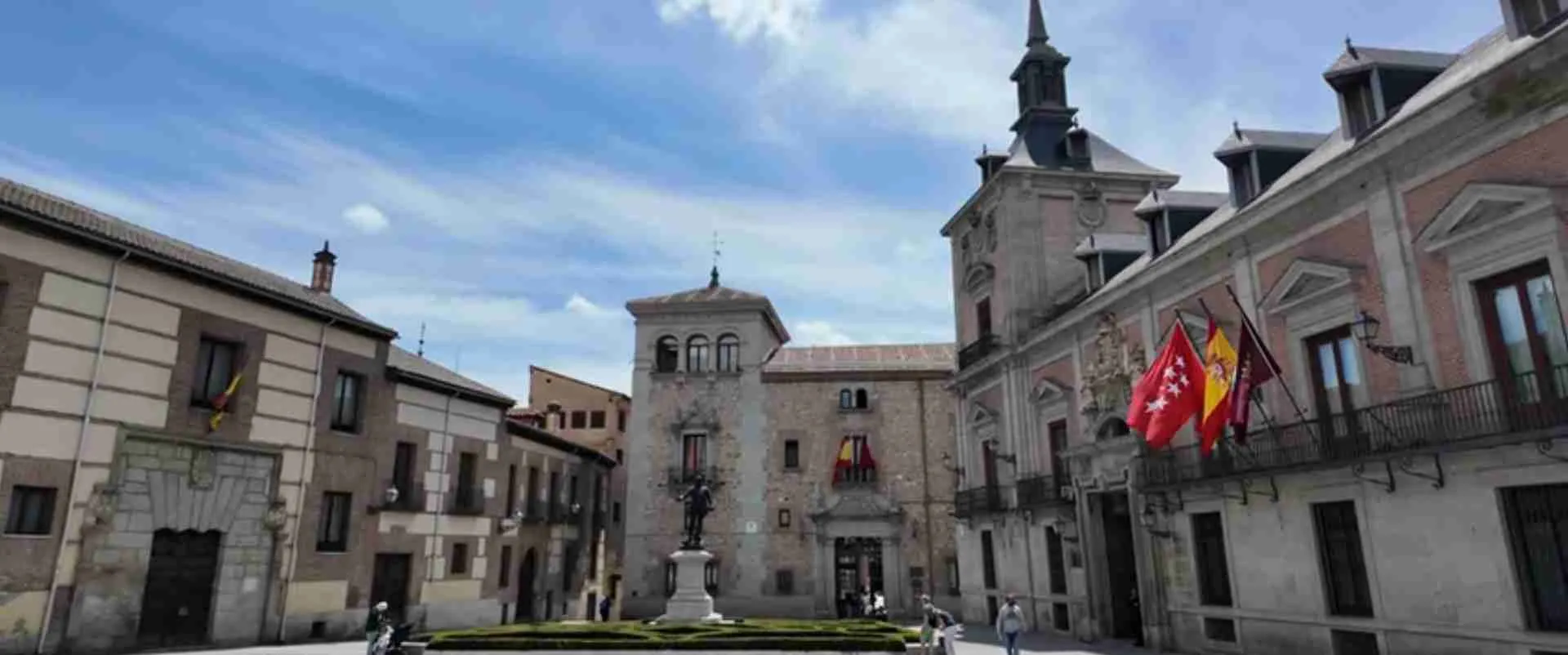
Madrid Local Culture Guide: Traditions & Daily Life
This comprehensive cultural guide explores the rhythms, rituals, customs, and traditions that structure madrileño daily existence. From morning coffee protocols to late-night socializing patterns, from market shopping etiquette to festival participation, from language nuances to neighborhood loyalty—you’ll gain insider understanding of how Madrid truly functions beneath surface impressions. This knowledge transforms casual visits into cultural immersion, enabling meaningful connections with local residents and deeper appreciation for Madrid’s distinctive urban character within broader Spanish cultural context.
Key Takeaways
- Madrid’s distinct meal schedule follows late Spanish patterns with lunch at 2-3 PM and dinner at 9-10 PM, requiring adjustment from Northern European and American dining habits
- The social ritual of “tapas and cañas” (small plates and beer) dominates evening culture, transforming bars into community gathering spaces rather than drinking establishments
- Madrileños maintain strong neighborhood identity with local market shopping, plaza socializing, and barrio loyalty transcending modern commercial patterns
- Language use favors formal “usted” pronouns with strangers while embracing characteristic “madrileño” accent features including aspirated “s” sounds and distinctive intonation
- Traditional festivals blend Catholic heritage (San Isidro, Semana Santa) with modern civic celebrations, reflecting Madrid’s complex relationship between historical roots and contemporary cosmopolitan identity
- The afternoon siesta tradition persists primarily in small businesses and family routines, while modern Madrid increasingly adopts continuous work schedules reducing midday closure patterns
Introduction: Understanding Madrid’s Cultural Identity
Madrid’s cultural fabric weaves together centuries of Castilian tradition with Spain’s contemporary cosmopolitan reality, creating a distinctive urban character that balances provincial roots with international sophistication. As Spain’s capital since 1561, Madrid developed from modest medieval settlement into European metropolis, attracting migrants from across Spain and abroad who infused the city with regional diversity while maintaining core Castilian cultural patterns that define madrileño identity.
Understanding Madrid’s local culture requires recognizing the paradox at the city’s heart—simultaneously proudly provincial (celebrating Castilian traditions, dialect features, culinary heritage) and defiantly cosmopolitan (embracing international cuisine, modern art movements, diverse populations). This cultural duality shapes daily life patterns, social interactions, festival celebrations, and community values. Visitors who appreciate this complexity discover Madrid’s authentic character beyond tourist attractions, engaging with locals through shared cultural participation rather than passive observation.
People Also Ask About Madrid Culture
Why do Madrileños eat dinner so late?
Madrid’s late dining schedule reflects Spain’s historical daily rhythm adjusted for geographic position and climate patterns. Spain operates on Central European Time despite lying geographically west of Greenwich meridian, creating 1-2 hour daylight shift compared to clock time. Combined with traditional Spanish work schedules including long midday breaks, this creates evening meal timing at 9-10 PM when families gather after work concludes. The pattern reinforces social dining culture where meals serve community bonding rather than purely functional eating—extended conversations, multiple courses, leisurely pace characterize Madrid dinner traditions. Summer daylight extending past 10 PM normalizes late dining, while winter darkness arrives earlier yet habits persist year-round.
What makes Castilian culture different from other Spanish regions?
Castilian culture—Madrid’s historical foundation—emphasizes central authority, linguistic standardization, and Catholic heritage contrasting with peripheral regions’ distinct identities. Madrid Spanish (castellano) serves as national standard language, lacking the regional languages (Catalan, Basque, Galician) that define peripheral Spanish regions. Castilian cuisine favors hearty meat dishes, stews, and inland agricultural products rather than coastal seafood traditions. Cultural expressions emphasize formality, reserve, and hierarchical social structures compared to more demonstrative Mediterranean or Atlantic Spanish cultures. However, modern Madrid transcends pure Castilian identity through migration from all Spanish regions, creating hybrid culture maintaining Castilian core while incorporating diverse regional influences—Andalusian flamenco venues, Basque pintxos bars, Galician seafood restaurants all thrive in contemporary Madrid.
How do Madrileños view tourists and foreign visitors?
Madrileños maintain generally welcoming, tolerant attitudes toward tourists, contrasting with overtourism resentment emerging in Barcelona, Venice, or Amsterdam. Madrid’s economic structure depends less on tourism than other major Spanish cities (Barcelona receives double Madrid’s tourist volume), reducing local-tourist friction. Madrileños appreciate visitors learning basic Spanish phrases, respecting local customs, and engaging authentically rather than treating Madrid as theme park. Notable cultural expectations include appropriate dress in religious sites, reasonable noise levels in residential areas, respecting late-night quiet hours (after midnight), and attempting Spanish communication before defaulting to English. Tourists demonstrating cultural awareness and respect receive warm, helpful responses from locals across service industries and casual interactions.
What’s the significance of neighborhood identity in Madrid?
Neighborhood identity (barrio loyalty) structures Madrid social life more intensely than many international cities, with residents identifying primarily as malasañero, chueca resident, lavapiés local rather than generic madrileño. Each barrio maintains distinct character—Malasaña’s bohemian counterculture, Chueca’s LGBTQ+ community, Salamanca’s conservative elegance, Lavapiés’ immigrant diversity, La Latina’s traditional castizo heritage. Locals frequent neighborhood businesses (markets, cafes, bakeries) building personal relationships with shopkeepers, developing social networks within walking radius. This hyperlocal focus persists despite modern mobility and commercial homogenization, creating layered identity—residents feel madrileño citywide but barrio-specific in daily life. Understanding barrio distinctions helps visitors navigate Madrid’s complex social geography beyond tourist center.
Extended multi-day tours – 5+ days
Featured Madrid Multi-Day Tour Packages

3 days
Madrid 3-Day Discovery Tour
- ✓ Comprehensive Madrid experience
- ✓ Expert local guides included
- ✓ All accommodation included
- ✓ Transportation provided
5 days
Madrid 5-Day Highlights Experience
- ✓ Comprehensive Madrid experience
- ✓ Expert local guides included
- ✓ All accommodation included
- ✓ Transportation provided
7 days
Madrid 7-Day Cultural Journey
- ✓ Comprehensive Madrid experience
- ✓ Expert local guides included
- ✓ All accommodation included
- ✓ Transportation provided
10 days
Madrid 10-Day Complete Adventure
- ✓ Comprehensive Madrid experience
- ✓ Expert local guides included
- ✓ All accommodation included
- ✓ Transportation provided
Multi-day tour packages powered by TourRadar. Prices and availability subject to change.
Daily Rhythms and Social Patterns
Morning Routines and Coffee Culture
Madrid mornings commence with coffee rituals defining social interaction patterns before work obligations begin. The café con leche (coffee with milk, equal parts espresso and steamed milk) dominates breakfast consumption, accompanied by tostada (toasted bread with olive oil, tomato, or butter-jam). Madrileños favor standing at bar counters rather than sitting at tables—standing service costs less and aligns with quick morning consumption patterns before workplace arrival. The cortado (espresso “cut” with small milk quantity) provides mid-morning alternative for those avoiding full café con leche volume.
Neighborhood cafeterias serve as community gathering points where regulars receive personalized service and informal social updates. Older establishments maintain traditional atmosphere with minimal decoration, functional furniture, and focus on coffee quality and rapid service. Modern specialty coffee shops (third-wave coffee culture) proliferate in trendy neighborhoods like Malasaña and Chueca, attracting younger demographics and international residents, though traditional cafeterias maintain dominant position in most barrios.
Morning social interactions follow specific protocols—brief greetings exchanged with regular customers and staff, minimal lingering during peak hours (8-9 AM), payment at bar before departing. The morning coffee stop serves functional and social purposes simultaneously—caffeine acquisition, brief neighborhood connection, transition from home to work mindset. This pattern repeats across all social classes and age groups, creating shared morning experience transcending demographic divisions.
The Sacred Midday Break
Traditional Spanish lunch schedule centers on 2-3 PM meal timing, historically accompanied by siesta rest period, though modern Madrid increasingly abandons siesta tradition in favor of continuous work schedules. The midday meal represents primary daily eating occasion—multiple courses, substantial portions, often including wine consumption. Family lunches gather multiple generations when possible, though workplace proximity increasingly determines whether employees return home or eat near offices.
The menú del día (menu of the day) dominates workplace lunch culture, offering first course (salad, soup, pasta), main course (meat, fish, paella), dessert (fruit, flan, ice cream), beverage (wine, beer, soft drink, water), and bread for fixed price ranging €10-15 at basic establishments to €15-25 at quality restaurants. This economical lunch option enables daily restaurant dining for working madrileños, contrasting with packed lunch traditions common in Northern Europe and America. Quality varies enormously—research neighborhood recommendations rather than accepting first encountered menú del día.
Small businesses traditionally close 2-4 PM for lunch break, though this pattern declines in modern Madrid. Chain stores, shopping centers, and international businesses maintain continuous schedules, while family-owned shops, traditional markets, and professional offices (lawyers, architects) preserve midday closure. Visitors planning midday shopping or business appointments must verify operating hours—assumption of continuous availability leads to frustration when encountering closed establishments during siesta hours.
Evening Tapas Tradition
The evening tapas ritual transforms 7-9 PM into primary Madrid social experience, as friends and colleagues gather at bars for small plates (tapas) and drinks (cañas—small beers) before eventual dinner. This tradition differs fundamentally from Anglo-American “happy hour”—emphasis falls on social interaction and food quality rather than alcohol consumption and price discounts. Groups migrate between multiple venues (ir de tapas—going for tapas), sampling specialties at different establishments, standing at bars engaging in animated conversation.
Authentic tapas culture distinguishes between free tapas (small portion accompanying drink purchase, tradition in southern Spain but rare in Madrid) and ordered tapas (deliberately selected dishes from menu, standard Madrid practice). Quality tapas bars offer extensive menus ranging from traditional croquetas, tortilla española, patatas bravas to creative contemporary interpretations. The social dynamics involve shared ordering—groups collectively select diverse tapas for communal sampling, creating culinary variety and social bonding simultaneously.
Neighborhoods maintain distinct tapas characters—La Latina preserves traditional castizo atmosphere with classic preparations, Chueca offers trendy fusion interpretations, Huertas attracts mixed local-tourist crowds, while Salamanca presents upscale refined versions. Understanding neighborhood distinctions helps visitors locate desired experience—authentic traditional versus contemporary creative, local-dominated versus tourist-friendly, economical versus premium pricing.
Late Night Socializing
Madrid’s legendary nightlife extends well past midnight, with dinner service continuing until 11 PM-midnight and bars operating until 2-3 AM on weekends. The progression follows predictable pattern—tapas 7-9 PM, dinner 9-11 PM, copas (drinks) and conversation at bars 11 PM-2 AM, nightclubs 2-6 AM for younger demographics and weekend warriors. This extended schedule shocks visitors from cultures where establishments close by 11 PM, yet represents normal Madrid rhythm especially Thursday-Saturday nights.
Social expectations around late-night culture include flexibility about exact meeting times (“quedamos a las nueve”—let’s meet at nine—tolerates 15-30 minute delays), extended farewells (multiple rounds of goodbyes, hugs, cheek kisses), and assumption that plans evolve organically rather than following rigid schedules. The phrase “Madrid nunca duerme” (Madrid never sleeps) captures local pride in sustained urban energy contrasting with early-closing cities.
However, residential areas enforce noise regulations protecting neighbors—loud conversations, music, street socializing face restrictions after midnight in most neighborhoods. The challenge of balancing vibrant nightlife with residential quality creates ongoing tensions in mixed-use barrios like Malasaña where entertainment venues adjoin residential buildings. Visitors participating in nightlife culture must respect quiet hours when returning to accommodations through residential streets.
Language and Communication Styles
Madrid Spanish Characteristics
Madrid Spanish (madrileño dialect) serves as reference point for Castilian standard despite possessing distinctive features differentiating it from textbook Spanish. The characteristic “s” aspiration (pronouncing final “s” as soft “h” sound) marks authentic madrileño speech—”¿Cómo estás?” becomes “¿Cómo ehtáh?”. This feature, shared with Andalusian Spanish, distinguishes Madrid pronunciation from northern Castilian clarity maintaining crisp “s” sounds.
Vocabulary includes localisms and slang specific to Madrid urban context. Terms like “tío/tía” (literally uncle/aunt, colloquially dude/girl), “molar” (to be cool/great), “guay” (cool), and “mogollón” (a lot, tons) pepper casual madrileño conversation. The distinctive use of past tenses (preferring preterite over present perfect in contexts where other Spanish regions use present perfect) creates subtle grammatical distinctions—”hoy comí” (I ate today, Madrid style) versus “hoy he comido” (standard textbook form).
Intonation patterns emphasize questioning and surprise through rising tones extending beyond standard Spanish patterns, creating musical quality to madrileño speech. Combined with rapid speaking pace and occasional syllable dropping, this creates comprehension challenges for Spanish learners accustomed to carefully enunciated classroom Spanish. Requesting repetition (“¿Puedes repetir, por favor?”) receives understanding responses—locals recognize dialect challenges for non-native speakers.
Formal vs Informal Address
Spanish formal/informal distinction (usted versus tú) follows complex protocols in Madrid social context. Professional settings, service interactions with unknown staff, addressing elderly individuals, and initial encounters default to formal usted forms until relationship establishes informality justifying tú switch. However, younger generations increasingly default to tú in casual contexts, while maintaining usted for clear authority figures (police, doctors, professors) and significant age gaps.
The transition from usted to tú carries social significance—premature informality risks offense, while excessive formality creates distance in contexts expecting warmth. General guidelines suggest following locals’ lead—if addressed with tú, reciprocate; if addressed with usted, maintain formality unless explicitly invited to switch (“puedes tutearme”—you can use tú with me). Tourist-serving contexts (hotels, restaurants, shops) typically default to usted with customers regardless of age, maintaining professional distance.
Visitors speaking Spanish should err toward formality initially, accepting correction if locals indicate informality preference. English speakers often underestimate formality importance in Spanish culture—casual American-style immediate informality with strangers (using first names, casual slang) strikes Spanish sensibility as presumptuous or disrespectful until relationship justifies such familiarity.
Non-Verbal Communication Patterns
Spanish physical proximity during conversation exceeds Anglo-American comfort zones—standing 18-24 inches apart represents normal conversational distance (versus 3-4 feet typical in United States). Backing away to create more space signals coldness or discomfort, offending conversational partners. Touch during conversation (hand on arm, shoulder pat) occurs more frequently than Northern European norms, expressing warmth and engagement rather than romantic or aggressive intent.
Greeting protocols include cheek kisses (dos besos—two kisses, right cheek first then left) for social acquaintances and friends, regardless of gender combinations. Professional contexts and first meetings employ handshakes, while established social connections default to cheek kisses. Men commonly exchange cheek kisses with women and other men in social contexts, contrasting with Anglo cultures where male-male physical contact remains limited to handshakes. Learning smooth cheek kiss execution prevents awkward head collision—light cheek contact (or air kiss near cheek) while making kissing sound, not full lip-to-cheek contact.
Gesture vocabulary includes specific hand movements carrying cultural meaning—the “cutting motion” across throat indicates something’s finished or cut off, tapping under eye signals awareness or warning, thumb-and-forefinger circle (similar to “OK” gesture in English) can carry vulgar meaning depending on context. Observe locals’ gesture patterns to decode non-verbal communication enriching spoken exchanges.
Culinary Culture and Dining Etiquette
Market Shopping and Food Sourcing
Traditional markets (mercados) anchor neighborhood food culture, with vendors selling fresh produce, meat, fish, cheese, and prepared foods in permanent or temporary market buildings. Major markets like Mercado de San Miguel, Mercado de San Antón, and Mercado de Chamberí combine tourist attractions with functional local shopping, while smaller neighborhood markets preserve authentic commercial character. Madrileños maintain regular vendor relationships, receiving personalized service, quality selection, and occasional price considerations through loyalty.
Shopping protocols include greeting vendors when approaching stalls (“buenos días”), allowing vendors to select produce rather than handling items yourself (unless explicitly invited), and accepting vendor recommendations for ripeness and quality. Payment remains primarily cash-based in traditional markets despite modern card acceptance—bring small bills and coins for smooth transactions. Morning hours (9-11 AM) offer best selection before popular items sell out.
The relationship between markets and neighborhood identity runs deep—residents identify with “their” market, developing decade-long vendor relationships transcending commercial transaction into social connection. This pattern contrasts with supermarket anonymity, explaining why traditional markets thrive despite modern retail competition. However, younger generations increasingly choose supermarket convenience over market shopping, creating generational tension between traditional and modern food sourcing patterns.
Dining Customs and Table Manners
Spanish dining emphasizes leisurely pace and social interaction over rapid consumption. Meals last 1-2 hours minimum, particularly dinner, with courses spaced to allow digestion and conversation. Rushing through meals signals disrespect or disinterest in companions. Bread accompanies all meals, used to soak sauces and enjoyed throughout courses rather than pre-meal consumption only. Wine or beer commonly accompanies lunch and dinner, though excessive drinking carries negative stigma—moderation and social drinking prevail over intoxication.
Table manner specifics include keeping hands visible above table rather than in lap (contrasting with American etiquette), using utensils for most foods including fruit and pizza (minimal hand-eating), and finishing all food on plate as compliment to quality and to avoid waste. Summoning servers requires eye contact and subtle hand raise rather than loud calling—shouting “camarero” (waiter) across restaurant marks tourist behavior. Request bill explicitly (“la cuenta, por favor”) as servers avoid rushing patrons with unsolicited checks.
Tipping remains modest compared to American practices—5-10% maximum for good service or simply rounding up bill (“keep the change”). Service charges include in listed prices, making tipping optional recognition of exceptional service rather than subsidizing wages. Over-tipping creates awkwardness rather than appreciation, marking cultural ignorance. Cash tips prove more useful to servers than credit card additions.
Coffee and Cafe Protocol
Madrid’s cafe culture operates on specific unwritten rules governing proper behavior. Ordering “coffee” alone receives clarification question—specify café con leche, café solo (espresso), cortado, or other variant. Request modifications like “descafeinado” (decaf) or “con leche de soja” (with soy milk) explicitly—default assumptions favor standard preparations. Pay at bar when departing (standard practice) or at table after longer stays (server brings bill when requested).
Occupying tables for extended periods (studying, working on laptop) requires purchasing additional items periodically—one coffee entitles 30-45 minutes maximum. This differs from American cafe culture accepting hour-long laptop sessions over single purchase. Some modern cafes accommodate digital nomads with explicit laptop-friendly policies, while traditional establishments expect table turnover. Reading social cues prevents uncomfortable eviction from tables.
Morning cafe visits emphasize quick service and minimal lingering, while late afternoon “merienda” (snack time, 5-7 PM) allows extended socializing over coffee and pastries. Understanding timing-appropriate behavior ensures smooth cafe experiences—morning rush versus afternoon leisure require different customer approaches.
Neighborhood Life and Community Structure
Barrio Identity and Local Loyalty
Madrid’s neighborhood structure creates distinct mini-cities within the larger metropolis, each maintaining unique character, demographics, and community bonds. Residents shop, socialize, and spend leisure time primarily within home barrio, developing strong local attachment transcending generic citywide identity. This hyperlocal focus manifests in neighborhood festivals (fiestas patronales), local business support, plaza socializing patterns, and fierce pride in barrio distinction from neighboring areas.
Traditional barrios like La Latina, Lavapiés, and Malasaña preserve working-class heritage despite gentrification pressures, maintaining local bars, shops, and community institutions resisting chain store homogenization. Older residents remember barrio histories spanning decades, sharing stories of transformation from post-Civil War poverty through Movida Madrileña cultural revolution to contemporary diversification. These oral histories create deep neighborhood memory unavailable in tourist guides.
Newer residential areas (Salamanca development in 19th century, post-civil war growth) lack centuries-deep roots but developed strong identities through distinct demographics and architectural character. Salamanca’s conservative upper-class elegance contrasts sharply with Lavapiés’ immigrant diversity and working-class roots, demonstrating how economic stratification creates cultural geography within single city. Understanding these divisions helps decode Madrid’s complex social structure beyond simplistic center-periphery models.
Plaza Culture and Public Space
Public plazas function as neighborhood living rooms where residents gather for conversation, children’s play, elderly socializing, and community events. Unlike Anglo-American park culture emphasizing active recreation, Spanish plaza culture prioritizes passive socializing—sitting on benches, watching neighbors pass, engaging in informal conversation. Bars and cafes ringing plazas extend indoor space into outdoor realm through terrace seating, creating seamless public-private boundary.
Each neighborhood maintains hierarchical plaza system—major plaza serving as community center (Plaza Mayor, Plaza de la Paja, Plaza Dos de Mayo) with smaller plazas distributed throughout residential areas serving hyperlocal functions. Summer evenings transform plazas into vibrant social spaces as madrileños escape hot apartments for cooler outdoor air, while winter usage declines though sunny afternoon periods attract elderly residents seeking warmth and companionship.
Plaza etiquette includes respecting elderly residents’ traditional bench spots (regular users claim specific benches through decades-long habit), supervising children without helicopter parenting (Spanish children enjoy significant independence in public spaces), and acknowledging neighbors through greetings even without formal acquaintance. These unwritten rules create welcoming public space while maintaining community standards protecting shared resources.
Local Commerce and Small Business Culture
Traditional small businesses (family-owned shops, bars, restaurants) face increasing pressure from chain stores, franchises, and e-commerce, yet maintain strong presence in established neighborhoods through loyal customer bases and personal service. The neighborhood baker, butcher, produce vendor, and corner bar owner know regular customers by name, remember family situations, and provide personalized service creating emotional bonds transcending commercial transaction.
Shopping in small businesses follows specific social protocols—greeting shopkeeper when entering (“buenos días/tardes”), allowing one-on-one service rather than browsing independently, engaging in brief personal conversation (weather, family, neighborhood news), and thanking specifically when departing (“gracias, hasta luego”). These interactions take longer than impersonal supermarket shopping but create community fabric binding neighborhood together.
Support for local commerce represents ideological position for many madrileños resisting globalization and commercial homogenization. Phrases like “compra en tu barrio” (shop in your neighborhood) and “comercio de proximidad” (proximity commerce) capture movement toward localist economic practices. However, younger generations balance local loyalty with convenience and price advantages of modern retail, creating generational tension around commercial culture.
Festivals, Celebrations, and Traditions
Religious and Civic Festival Calendar
Madrid’s festival calendar blends Catholic religious heritage with secular civic celebrations, creating rhythm of special events throughout year. San Isidro (May 15) honors Madrid’s patron saint with week-long festivities including traditional chotis dancing, bullfights, concerts, outdoor meals featuring rosquillas (traditional donuts), and religious processions. This represents Madrid’s most important traditional festival, attracting both devout participants and secular celebrants embracing cultural heritage.
Semana Santa (Holy Week, week preceding Easter) transforms Madrid through elaborate religious processions featuring ornate floats, hooded penitents, brass bands, and candle-bearing participants. While Seville’s Semana Santa receives international fame, Madrid observes significant though less touristed celebrations. Processions follow prescribed routes through historic center, with prime viewing spots claimed by families maintaining decades-long traditions of specific viewing locations.
Secular celebrations include Madrid Pride (Orgullo, late June/early July) claiming status as one of Europe’s largest LGBTQ+ celebrations, transforming Chueca neighborhood and surrounding areas into massive street party combining political activism, cultural celebration, and commercial participation. New Year’s Eve gathering at Puerta del Sol for twelve grape tradition (eating one grape per bell chime at midnight) draws massive crowds in elaborate tradition televised nationally. Local neighborhood festivals (verbenas) occur throughout summer, transforming plazas into multi-day celebrations with live music, dancing, food stalls, and carnival games.
Social Celebration Customs
Personal celebrations (birthdays, name days, graduations, promotions) follow distinct Spanish patterns emphasizing celebrant hosting rather than being feted. Birthday celebrations involve celebrant inviting friends for drinks and tapas, paying for the group rather than receiving treated meal—this reverses Anglo-American custom of friends treating birthday person. The phrase “me toca invitar” (it’s my turn to invite) captures hosting obligation accompanying personal milestones.
Wedding celebrations extend across multiple events—civil ceremony (required legal proceeding), optional religious ceremony, reception meal lasting 4-6 hours through multiple courses, dancing continuing past midnight, and potential post-reception bar gathering. Gift-giving follows specific registry lists or cash contributions in decorative envelopes. Destination weddings and simplified celebrations increasingly challenge traditional elaborate patterns, though family pressure often maintains conventional approaches.
Christmas season focuses more on family gatherings and religious observation than commercial gift-giving (though commercialization increases annually). The traditional gift-giving occurs January 6 (Día de Reyes, Three Kings Day) rather than Christmas Day, maintaining religious tradition of Magi presenting gifts to infant Jesus. Children leave shoes by doors overnight January 5-6, receiving gifts from the Three Kings (or coal for misbehavior) while families gather for elaborate Kings’ Day meals.
Work Culture and Professional Life
Workplace Norms and Schedules
Madrid work culture traditionally followed “split schedule” (horario partido) with morning work 9 AM-2 PM, long lunch break 2-5 PM, and evening return 5-8 PM, creating 11-hour day with substantial midday interruption. However, modern businesses increasingly adopt “continuous schedule” (horario continuo) working 9 AM-6 PM without extended lunch break, aligning with international business practices. This transition creates generational and sectoral divisions—older workers and traditional industries maintain split schedule while younger professionals and international companies favor continuous model.
Professional relationships emphasize personal connection and relationship-building over immediate task focus. Business meals serve relationship development rather than pure negotiation, with substantive discussion often delayed until coffee course after extended lunch conversation. Rushing business relationships signals impatience and disrespect—successful Madrid professionals invest time in personal acquaintance before formal business collaboration.
Workplace hierarchy maintains more formal structure than Anglo-American flat organizational models. Address superiors with usted until explicitly invited to informality, respect titles (doctor, ingeniero, licenciado), and follow proper chains of command rather than casual direct contact with senior leadership. However, workplace culture varies significantly by company size, industry sector, and international exposure—startups and tech companies adopt casual American-style culture while traditional industries preserve Spanish formality.
Professional Networking and Contacts
Professional success in Madrid depends heavily on personal networks (contactos) cultivated through education, family connections, professional associations, and social relationships. The concept of “enchufismo” (literally “plugging in”—securing positions through connections rather than pure merit) carries both critical and pragmatic connotations. While meritocratic ideals receive public support, practical reality recognizes networking importance for accessing opportunities, securing introductions, and navigating bureaucratic processes.
Business card exchange follows formal protocols—present and receive cards with both hands, take moment to read received card rather than immediately pocketing, comment on information if appropriate. However, card exchange importance diminishes in digital age as LinkedIn connections and email contacts replace physical cards for many professionals, especially younger cohorts comfortable with digital networking tools.
Professional socializing extends work relationships into personal sphere through after-work drinks, shared meal occasions, and informal gathering. Drawing sharp boundaries between professional and personal realms (common in Anglo-American corporate culture) strikes Spanish sensibility as cold and transactional. Successful Madrid professionals blur these boundaries, developing genuine friendships with colleagues rather than maintaining strict separation.
Contemporary Cultural Shifts
Generational Changes and Modern Influences
Contemporary Madrid experiences significant generational cultural divergence as younger madrileños (millennials and Generation Z) adopt internationalized patterns contrasting with parents’ and grandparents’ traditional approaches. Language mixing incorporates English terms into Spanish conversation (particularly technology, business, pop culture vocabulary), creating “Spanglish” hybrid criticized by language purists but reflecting globalized reality. Social media, international entertainment, travel experiences, and multicultural education reshape cultural reference points away from purely Spanish foundations.
However, economic circumstances temper cultural change—high unemployment rates (especially youth unemployment exceeding 30% in recent years), expensive housing markets, delayed independence from parents’ homes, and precarious employment contracts create generation facing greater economic challenges than parents despite higher education levels. This tension between cosmopolitan aspirations and constrained economic reality shapes contemporary young adult experience in Madrid, manifesting in political activism, alternative living arrangements, and creative responses to limited traditional opportunities.
Gender role evolution accelerates rapidly in Madrid compared to rural Spain or previous generations. Women’s workforce participation, educational achievement, political representation, and social independence transform from 1970s Franco-era restrictions. However, persistent issues including wage gaps, domestic labor inequality, and harassment concerns demonstrate incomplete cultural transformation. Younger generations demonstrate greater gender equality in attitudes and practices, though traditional patterns remain embedded in institutional structures and older demographics.
Immigration and Multicultural Madrid
Madrid’s transformation into majority-immigrant city in several neighborhoods (particularly Lavapiés, Tetuán, Usera) creates multicultural urban reality challenging traditional Castilian cultural dominance. Latin American immigrants (primarily from Ecuador, Colombia, Peru, Bolivia, Dominican Republic) constitute largest immigrant groups, followed by Romanian, Moroccan, Chinese, and Senegalese communities. This demographic shift introduces new culinary options, religious diversity, linguistic plurality, and cultural practices enriching Madrid’s urban fabric.
Integration processes vary significantly by origin, with Latin American Spanish speakers experiencing linguistic and cultural advantages over non-Spanish speaking immigrants. However, economic stratification often relegates immigrants to service sector employment, domestic work, construction, and other economically precarious positions regardless of education or professional credentials from origin countries. Second-generation immigrant youth navigate complex identity formation balancing parents’ cultural heritage with Spanish/madrileño socialization.
Tensions occasionally emerge around immigration—competition for housing, employment, social services, and cultural space creates friction especially during economic downturns. However, Madrid maintains relatively tolerant multicultural coexistence compared to anti-immigrant sentiment in other European cities. The challenge involves moving beyond simple tolerance toward genuine integration recognizing immigrant communities’ contributions to Madrid’s contemporary cultural and economic vitality.
Frequently Asked Questions About Madrid Culture
How long does it take to adjust to Spanish meal schedules?
Most visitors adapt to Spanish meal timing within 3-5 days through gradual adjustment rather than immediate switch. Start with substantial breakfast (Spanish breakfast provides minimal nutrition—add extra food for early hunger), small snack 11 AM-12 PM bridging to 2 PM lunch, light snack 6-7 PM (merienda tradition), then full dinner 9-10 PM. This four-meal pattern helps transition from three-meal schedule. Stomach adjusts to new hunger signals within one week of consistent timing. However, some visitors never fully adapt, supplementing with afternoon snacks to avoid excessive evening hunger.
Do madrileños expect foreigners to speak Spanish?
Madrileños appreciate visitors attempting Spanish communication even with limited vocabulary, viewing effort as respect for local culture. However, English proficiency varies dramatically by age, education, and professional context—younger people, university graduates, and service industry workers often possess conversational English, while older generations and working-class communities may have minimal English ability. Learn basic Spanish phrases (greetings, please/thank you, numbers, basic questions) minimum, attempting Spanish first before switching to English if necessary. This approach receives positive response contrasting with immediate English assumption marking cultural insensitivity.
What’s the unwritten rule about noise in residential buildings?
Spanish apartment living accepts higher ambient noise levels than northern European standards—audible conversations, television sound, domestic activities during daytime and early evening considered normal. However, strict quiet hours (typically 10 PM-8 AM weekdays, midnight-9 AM weekends) enforce noise restrictions protecting sleep. Violations including loud music, parties, television volume, or renovation work during quiet hours generate complaints and potentially fines. Sunday mornings and siesta hours (2-4 PM) carry particular sensitivity—avoid noise-generating activities during these protected periods. Building communities (comunidades) enforce these norms through administrators and neighborhood police (policía municipal) if necessary.
How do you know when to use tú versus usted in different situations?
Default to usted in first encounters with adults, service interactions (stores, restaurants, offices), addressing elderly individuals, professional contexts, and any situation involving clear social hierarchy (teacher-student, boss-employee). Switch to tú when: explicitly invited (“puedes tutearme”), interacting with peers in casual settings (parties, bars, social events), addressing children and teenagers, or following other person’s lead if they initiate tú forms. Age gaps influence decision—significant age differences default to usted until relationship develops. When uncertain, choose usted—perceived excessive formality causes minimal offense while premature informality risks disrespect. Most service contexts maintain usted throughout interaction even for younger customers.
What should you never do in Madrid to avoid marking yourself as a tourist?
Avoid these behaviors identifying tourists: ordering café con leche after lunch or dinner (coffee follows specific protocols—café solo or cortado post-meal, café con leche breakfast only), dining before 8:30 PM (restaurants accommodate early tourists but mark non-local status), wearing shorts and flip-flops in city center (madrileños dress more formally for urban context, reserving casual wear for beach or exercise), speaking loudly in public transport or restaurants (Spanish conversation volume higher than Anglo cultures but not shouting), attempting to tip 20% American-style (signals cultural ignorance), and requesting separate checks at group meals (Spanish practice involves one person paying then informal cash settlement, or occasionally splitting evenly).
Is it true madrileños are friendlier than people in Barcelona?
This common perception reflects several factors—Barcelona receives triple Madrid’s tourist volume creating overtourism resentment and service fatigue, while Madrid’s lower tourist density allows more authentic local-visitor interactions. Additionally, Catalan-Spanish linguistic politics create tensions where some Barcelona residents resist Spanish communication, while madrileños generally accommodate Spanish speakers universally. However, generalizations obscure individual variation—both cities contain friendly and reserved individuals. Madrid’s advantage involves less tourist saturation enabling more genuine cultural exchange rather than inherent personality differences between populations.
How important is learning about Spanish history for understanding Madrid culture?
Historical knowledge significantly deepens Madrid cultural understanding, particularly Franco dictatorship (1939-1975), Spanish Civil War (1936-1939), and Transition to democracy (1975-1982). These events shape contemporary attitudes toward politics, religion, regional autonomy, and social values. Older madrileños remember Franco era directly, carrying complex memories blending oppression with stability. Younger generations relate to history through family stories and education. Understanding these historical foundations explains contemporary political divisions, cultural sensitivities, and social patterns invisible without historical context. However, basic cultural participation requires minimal historical knowledge—learning develops organically through observation and inquiry.
What’s the proper way to decline food or drink offers from Spanish hosts?
Spanish hospitality involves repeated offerings requiring strategic declining techniques to avoid offense. First refusal receives automatic counter-offer—hosts assume initial “no” represents politeness rather than genuine refusal. Decline persistently but warmly—”de verdad, estoy bien, gracias” (really, I’m fine, thank you) with smile maintains relationship while asserting boundary. Providing specific reason helps—”ya he comido” (I’ve already eaten), “tengo que conducir” (I have to drive, for alcohol), “tengo intolerancia” (I have intolerance, for specific foods). Accepting small portion then not finishing completely provides compromise—shows appreciation while avoiding overconsumption. Spanish hosts feel successful when guests eat and drink abundantly, making complete refusal potentially offensive despite genuine warmth behind it.
Do madrileños care about fashion and appearance?
Madrid maintains higher general appearance standards than casual American culture but lower than fashion-capital Milan or Paris. Clean, coordinated clothing appropriate for context receives expectation—jeans and nice shirts acceptable for most situations, while shorts and athletic wear limited to exercise/beach contexts. Women commonly wear makeup and style hair for daily activities, while men maintain groomed appearance. However, Madrid allows more casual expression than reputation suggests—younger neighborhoods embrace alternative styles, artistic expression, and individuality. The key involves effort and intentionality—looking purposefully casual differs from appearing careless. Expensive brands matter less than overall presentation, making Madrid fashion approachable compared to luxury-obsessed cities.