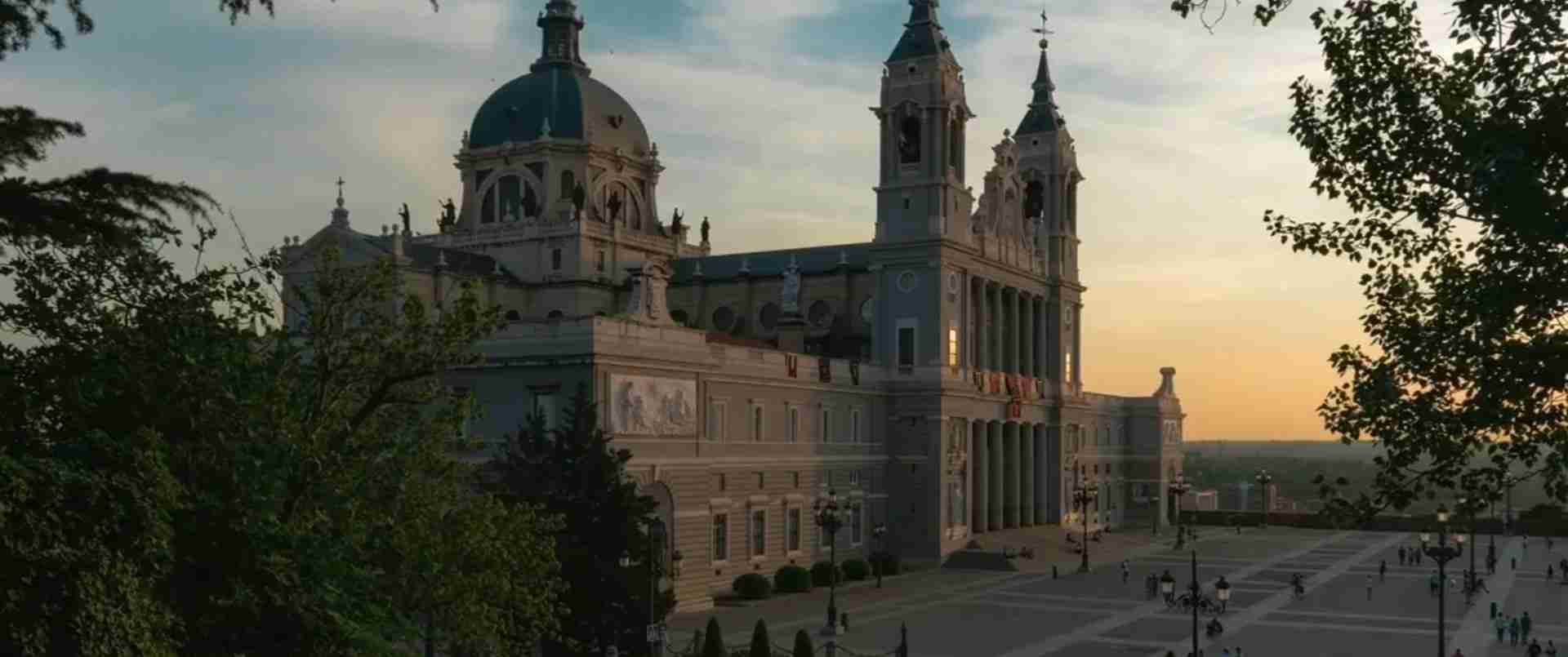
Madrid Budget Guide 2026: Complete Cost Breakdown
Madrid offers exceptional value among major European capitals while delivering world-class cultural experiences, diverse dining, and efficient public transportation. The city costs significantly less than Paris, London, or Rome while providing comparable museums, architecture, and urban amenities, making it an ideal destination for budget-conscious travelers seeking authentic European experiences without excessive spending.
Key Takeaways
- Daily Budget Ranges 2026: Budget travelers need €60-85 daily, mid-range visitors €85-130, and luxury travelers €370-655 per day excluding accommodation
- Accommodation Costs 2026: Hostels €25-40 per night, budget hotels €70-110, mid-range €130-200, luxury €280+ per night in central locations
- Strategic Timing Savings: Visit January-February or July-August for lowest hotel rates, avoiding October and May premium pricing periods
- Transportation Value: Ten-ride Metro pass at €12.20 provides exceptional value compared to €1.50-2 single tickets, airport express costs €5
- Free Museum Access: Prado, Reina Sofía, and Thyssen museums offer free admission during final two daily hours, saving €15-20 per person
- Dining Optimization: Menu del día lunch menus €12-18 provide three-course meals with wine, representing exceptional value compared to dinner à la carte pricing
People Also Ask About Madrid Budget 2026
How much money do you need per day in Madrid in 2026?
Budget travelers require €60-85 daily excluding accommodation, covering menu del día meals €12-18 lunch and €10-15 dinner, Metro pass allocation €4-5 per day from ten-ride ticket, one paid museum entry €10-15, and incidentals €10-15. Combined with hostel accommodation €25-40, total daily spending reaches €85-125 per person. This budget assumes cooking occasional meals, walking extensively, prioritizing free museums, and avoiding paid tours or nightlife expenses.
Mid-range travelers budget €85-130 daily excluding accommodation for restaurant meals €20-35 lunch and €35-50 dinner, transportation €5-8, museum entries €15-20, occasional taxis €10-15, and periodic guided tours. Combined with three-star hotel accommodation €70-110 nightly, total daily spending reaches €155-240 per person. This budget enables comfortable hotels in good locations, quality restaurant dining, convenient transportation, and selective paid experiences without constant cost consciousness.
Luxury travelers spend €370-655 daily excluding accommodation on fine dining €50-80 lunch and €80-150+ dinner, private transportation €30-60, premium museum experiences €25-40, exclusive tours €100-200, and evening entertainment €40-80. Combined with four-star hotel accommodation €150-280+ nightly, total daily spending reaches €520-935+ per person. This budget accesses Madrid’s finest hotels, Michelin-starred restaurants, private guides, and VIP cultural experiences matching expectations for sophisticated European capital travel.
Is Madrid cheaper than Barcelona in 2026?
Madrid costs approximately 10-15% less than Barcelona across accommodation, dining, and attractions. Three-star Madrid hotels average €70-110 nightly versus Barcelona’s €90-130 for comparable properties. Madrid restaurant meals cost €20-35 lunch versus Barcelona’s €25-40. Museum entry runs €12-15 in Madrid versus €15-18 in Barcelona. The cost advantage stems from Madrid’s business-focused economy versus Barcelona’s tourism-dependent pricing and higher Catalan operating costs.
Transportation costs remain similar between cities with Madrid Metro at €1.50-2 per ride versus Barcelona’s €2.40, though Madrid’s ten-ride pass at €12.20 provides better value than Barcelona’s multi-trip options. Grocery prices track virtually identical between cities. Entertainment and nightlife costs similarly across capitals. The meaningful savings appear in accommodation and dining where Madrid’s larger supply and business orientation maintain lower price points than Barcelona’s beach-premium tourist market.
What is the cheapest month to visit Madrid in 2026?
July and August offer lowest accommodation rates with three-star hotels €60-85 versus peak season €110-180. Summer heat reaching 35-38°C deters some visitors while locals vacation elsewhere, reducing demand and enabling significant hotel savings. Restaurants and attractions maintain regular pricing without summer surcharges common in coastal destinations. The trade-off involves hot temperatures requiring afternoon breaks and altered activity timing toward mornings and evenings.
January and February provide moderate pricing with hotels €70-100 and comfortable temperatures 8-15°C ideal for walking and museum visits. The Christmas-New Year peak passes while spring conference season hasn’t begun. Some restaurants close for annual vacation, though sufficient dining options remain accessible. Weather occasionally brings rain requiring flexible planning. These winter months balance reasonable costs with pleasant sightseeing conditions for travelers prioritizing value over guaranteed sunshine.
How much does food cost in Madrid in 2026?
Menu del día lunch specials cost €12-18 for three courses including bread, beverage, and dessert at quality neighborhood restaurants. These fixed-price meals represent Madrid’s best dining value, offering substantial portions and local specialties at prices enabling daily restaurant meals within modest budgets. Menu del día availability extends throughout working weekdays with reduced weekend options.
Dinner à la carte pricing runs €8-15 for appetizers, €15-28 for main courses, and €6-10 for desserts at mid-range restaurants. Budget dining includes bocadillos €5-9, tapas €3-8 per portion, and casual restaurants €10-18 for main courses. Upscale dining reaches €35-65 for mains with total meal costs €60-100 per person including wine. Supermarket ingredients cost €50-70 weekly for self-catering covering breakfast, snacks, and occasional prepared meals, providing significant savings for extended stays in apartments.
Extended multi-day tours – 5+ days
Featured Madrid Multi-Day Tour Packages

7 days
7 Days in Madrid: Echoes of Empire: Madrid, Ávila & Segovia
- ✓ Comprehensive Madrid tour
- ✓ Expert local guides included
- ✓ All accommodation arranged
- ✓ Transportation provided

4 days
Madrid: Cultural Experience with Toledo Half-day tour, City Break
- ✓ Comprehensive Madrid tour
- ✓ Expert local guides included
- ✓ All accommodation arranged
- ✓ Transportation provided
5 days
5-Day Madrid Including Toledo, Avila and Segovia
- ✓ Comprehensive Madrid tour
- ✓ Expert local guides included
- ✓ All accommodation arranged
- ✓ Transportation provided
2 days
Segovia, Avila and Toledo in 2 days from Madrid
- ✓ Comprehensive Madrid tour
- ✓ Expert local guides included
- ✓ All accommodation arranged
- ✓ Transportation provided
Multi-day tour packages powered by TourRadar. Prices and availability subject to change.
Understanding Madrid Costs in 2026
Madrid offers exceptional value among major European capitals while delivering world-class cultural experiences, diverse dining, and efficient public transportation. The city costs significantly less than Paris, London, or Rome while providing comparable museums, architecture, and urban amenities. Budget-conscious travelers enjoy Madrid through strategic timing, free museum hours, affordable menu del día meals, and excellent public transit. Mid-range visitors access comfortable hotels, quality restaurants, and guided experiences without excessive spending. Luxury travelers find sophisticated options across accommodation, dining, and exclusive experiences matching Barcelona’s offerings while maintaining better value ratios.
Madrid’s costs vary substantially by season, neighborhood, and booking timing. October and May represent peak pricing periods with conference activity, pleasant weather, and cultural events driving accommodation rates 30-50% above baseline. Summer months July-August offer lowest hotel prices despite warm temperatures as business travel declines and many madrileños vacation elsewhere. Winter months January-February provide moderate pricing with fewer tourists and comfortable temperatures for sightseeing. Understanding these seasonal patterns enables significant savings through strategic trip timing aligned with personal weather preferences and crowd tolerance.
Neighborhood selection dramatically impacts accommodation costs and overall daily spending. Central districts including Sol, Opera, and Huertas command premium hotel rates but minimize transportation costs and maximize walking access to attractions. Salamanca and Chamberí neighborhoods offer quieter atmospheres with slightly lower accommodation costs and excellent Metro connections. Peripheral districts including Tetuán and Carabanchel provide budget accommodation options requiring longer transit times but delivering authentic local experiences beyond tourist zones. Balancing location convenience against accommodation savings determines optimal neighborhood choice based on individual priorities and mobility preferences.
Madrid’s transparent pricing and minimal tipping culture simplify budget planning compared to destinations with aggressive tourist pricing or complicated service charge expectations. Restaurants display menu prices clearly with IVA tax included. Metro and bus fares remain fixed regardless of distance within zones. Museum admission costs appear straightforward with free hours clearly advertised. Credit cards work universally without surcharges. This pricing transparency enables accurate pre-trip budgeting and prevents surprise expenses common in some European cities employing tourist-specific pricing or hidden service charges.
Essential Planning Information 2026
Current Costs and Pricing Framework 2026
Madrid pricing in 2026 reflects post-pandemic normalization with inflation-adjusted increases from 2019 baseline while remaining below Barcelona and significantly under Paris or London. Museum admission ranges €10-15 for major institutions with Prado Museum at €15, Reina Sofía at €12, and Thyssen-Bornemisza at €13 (check official museum websites for current rates as pricing may vary). Royal Palace admission costs €14-17 depending on areas accessed. City walking tours operate €15-25 per person for group tours, €80-150 for private guides. Flamenco shows range €35-80 depending on venue quality and duration.
The Madrid Card offering unlimited public transport and museum access costs €75-95 depending on duration (2-5 days), providing value for intensive museum schedules but questionable return for moderate sightseeing given free museum hours availability. Calculate potential savings based on planned museum visits against card cost before purchasing. The card works best for 3-4 museum days combined with extensive Metro use, reaching break-even around three paid museums plus transportation.
Currency and Payment Systems 2026
Spain uses the euro with €1 approximately equal to $1.08-1.12 USD and £0.85-0.90 GBP based on 2026 exchange ranges. Credit cards work universally at hotels, restaurants, museums, and shops without surcharges. Contactless payment functions efficiently for Metro tickets, parking, and small purchases. ATMs disperse euros with reasonable fees typically €3-5 per withdrawal at bank machines. Avoid currency exchange bureaus charging 8-12% margins significantly worse than ATM withdrawals or credit card transactions.
Tipping customs remain modest with restaurant service included in bills. Round up to nearest euro for coffee, add €1-2 for bar service, leave 5-10% for exceptional restaurant service, and tip taxi drivers €1-2 for luggage assistance. Hotel porters receive €1-2 per bag, housekeeping €2-3 daily. Tour guides earn €5-10 per person for group tours, more for private guides. This limited tipping culture reduces overall travel costs compared to destinations expecting 15-20% service additions.
Accommodation Costs 2026
Budget Accommodation Options 2026
Hostels in central Madrid charge €25-40 per night for dormitory beds with 4-8 person rooms, lockers, shared bathrooms, and common kitchens. Quality hostels including Cat’s Hostel, Way Hostel, and Sungate One provide clean facilities, social atmospheres, and excellent locations near Sol or Huertas. Private hostel rooms cost €60-85 nightly for doubles, offering budget hotel privacy at hostel prices. Hostel stays suit solo travelers, young couples, and budget-conscious visitors prioritizing location and social opportunities over private space and services.
Budget hotels and pensiones charge €70-110 nightly for basic double rooms with private bathrooms, minimal amenities, and variable maintenance standards. Central locations near Opera, Tirso de Molina, or Lavapiés provide walking access to major attractions while maintaining affordable rates. Peripheral neighborhood options in Tetuán or Carabanchel cost €50-75 with Metro connections requiring 20-30 minutes to reach central attractions. Budget accommodation varies substantially in quality – read recent reviews carefully assessing cleanliness, noise levels, and actual location convenience before booking.
Apartment rentals through Airbnb or Booking.com start €60-90 nightly for studios in residential neighborhoods, rising to €100-140 for one-bedrooms in central districts. Apartments provide kitchen facilities enabling breakfast and occasional meal preparation, offsetting higher nightly rates through dining savings. Minimum stay requirements of 3-5 nights apply for better-priced apartments. Factor cleaning fees €40-80 and potential key exchange complications into total costs. Apartments work best for extended stays, families, or travelers valuing separate living space and cooking capabilities.
Mid-Range Accommodation 2026
Three-star hotels charge €130-200 nightly for comfortable rooms with modern bathrooms, air conditioning, small desks, and breakfast options. Central locations in Sol, Opera, Salamanca, or Huertas enable walking to attractions while providing quiet evenings away from nightlife noise. Chain hotels including NH Collection, Ilunion, and Room Mate deliver consistent quality, modern facilities, and professional service. Boutique hotels offer design-focused rooms with personalized service and distinctive character. Mid-range hotels balance comfort, location, and value for visitors wanting reliable quality without luxury premiums.
Four-star hotels range €180-280 with superior rooms, better locations, fitness facilities, restaurants, and enhanced service. Properties including Hotel Urban, Gran Meliá Palacio de los Duques, and Vincci Capitol provide excellent locations, quality amenities, and comfort appropriate for special occasions or business travel. Four-star rates vary substantially by season and booking timing – advance reservations secure lowest rates while last-minute bookings may find deals during low-demand periods. Compare rates across booking platforms including hotel websites, Booking.com, and Expedia for optimal pricing.
Luxury Accommodation 2026
Five-star hotels command €280-450+ nightly for sophisticated rooms, prime locations, exceptional service, and luxury amenities. Properties including Four Seasons Hotel Madrid, Mandarin Oriental Ritz, and Hotel Villa Magna deliver world-class experiences with spacious rooms, multiple restaurants, spas, and concierge services. Historic palace hotels including Hotel Palace and Gran Hotel Inglés combine heritage architecture with contemporary luxury. Luxury hotels concentrate in Salamanca, Recoletos, and near Prado Museum, providing refined atmospheres and convenient locations for upscale Madrid experiences.
Exclusive apartment rentals in premium locations cost €300-600+ nightly for spacious two-three bedroom properties with designer furnishings, modern kitchens, and concierge services. These rentals suit families or groups wanting luxury space and amenities unavailable in traditional hotels. Historic building apartments in Salamanca or near Retiro Park combine authentic Madrid architecture with contemporary renovations and services. Extended stay rates provide better value than nightly pricing for luxury properties.
Dining Budget Strategies 2026
Budget Dining Approaches 2026
Menu del día lunch specials represent Madrid’s supreme budget dining value at €12-18 for three-course meals including bread, beverage, and dessert. Neighborhood restaurants throughout central districts and residential areas serve these fixed-price lunches weekdays, offering identical quality to dinner à la carte at half the cost. Menu del día typically includes salad or soup, main course with traditional Spanish preparations, and dessert or coffee. Wine or beer often appears included. This lunch tradition enables daily restaurant meals within budget constraints while experiencing authentic Spanish cuisine.
Tapas bars provide affordable evening dining through small portions shared among groups. Order 2-3 tapas per person at €3-8 each plus drinks €2-4, totaling €15-25 per person for satisfying meals with variety. Traditional tapas bars in La Latina, Lavapiés, and Malasaña offer better value than tourist-oriented establishments near Sol or Plaza Mayor. Combine tapas dining with Spanish customs – eat later 9-11 PM when locals dine, share multiple dishes, and embrace casual standing-at-bar experiences reducing costs versus table service.
Supermarkets including Mercadona, Carrefour Express, and Lidl stock groceries at prices enabling substantial savings. Fresh bread costs €0.80-1.50, quality jamón €12-18 per kg, cheese €8-15 per kg, and prepared foods €3-6. Weekly grocery spending of €50-70 covers breakfast, snacks, picnic lunches, and occasional prepared meals. Markets including Mercado de San Miguel offer higher-quality provisions at premium prices €20-35 for market hall dining experiences. Combine self-catering breakfast and occasional meals with restaurant menu del día lunches optimizing both budget and authentic experiences.
Mid-Range Dining 2026
Quality restaurants charge €20-35 per person for lunch including appetizer, main course, dessert, and wine at establishments beyond basic menu del día offerings. These restaurants provide refined preparations, broader menu selections, and comfortable dining rooms while maintaining reasonable pricing. Neighborhoods including Chamberí, Malasaña, and Salamanca offer excellent mid-range restaurants with local clientele and authentic cuisine avoiding tourist markup.
Dinner à la carte costs €35-60 per person including appetizers €8-15, main courses €18-28, desserts €6-10, and wine €15-25 per bottle at quality establishments. This budget accesses Madrid’s diverse culinary scene including traditional Spanish cuisine, innovative contemporary restaurants, and international options. Reservations recommended for popular restaurants especially Thursday-Saturday evenings. Factor tipping 5-10% for exceptional service into total dinner costs.
Upscale Dining Experiences 2026
Fine dining restaurants charge €80-150+ per person for tasting menus and Michelin-starred experiences. Madrid’s culinary scene includes multiple Michelin-starred establishments offering sophisticated cuisine matching Barcelona’s standards while maintaining moderate pricing compared to Paris or London equivalents. Restaurants including DiverXO, Coque, and Ramón Freixa employ innovative techniques and exceptional ingredients justifying premium pricing for special occasion dining. Advance reservations essential weeks ahead for top restaurants especially weekends.
Wine pairing additions cost €40-80 supplementing tasting menus with sommelier-selected wines matching each course. Spanish wine quality reaches exceptional levels across price points – request local wines offering better value than imported options. Restaurant wine markups typically double-triple retail prices though quality remains high across selections. Budget wine lovers purchase bottles from wine shops €8-20 enjoying with picnic meals or apartment dining avoiding restaurant markups.
Transportation Budget 2026
Public Transportation Costs 2026
Madrid Metro single tickets cost €1.50-2 depending on zones with most central attractions within Zone A €1.50 pricing. The ten-ride ticket at €12.20 provides exceptional value at €1.22 per ride, recommended for visitors making 6+ trips during stays. Tourist travel passes cost €8.40 daily or €26.40 for three days including unlimited Metro and bus use plus airport express access. Calculate value based on planned transportation – ten-ride tickets work best for moderate transit use while unlimited passes benefit intensive daily Metro schedules.
Airport express bus costs €5 per person for 40-minute journeys between Barajas Airport and Atocha Station with departures every 15-20 minutes. Metro Line 8 reaches airport terminals charging €3 supplementary fee plus standard Metro fare €1.50-2, totaling €4.50-5 per journey. Taxis cost €30-35 fixed rate between airport and central Madrid including luggage, providing value for groups of 3-4 splitting fares. Compare transportation options based on arrival time, luggage amount, and group size determining optimal balance between cost and convenience.
City buses charge identical €1.50 fares as Metro with ten-ride tickets working across both systems. Buses provide surface transportation showing city character while reaching destinations requiring multiple Metro transfers. Night buses operate after Metro closure 1:30-6 AM charging standard fares maintaining public transit access throughout nights. The integrated ticketing system enables seamless transfers between Metro and buses without additional charges within time windows.
Taxi and Ride-Share Costs 2026
Taxis charge €2.50-3 starting fare plus €1.10-1.30 per kilometer depending on time and day with typical central Madrid rides costing €8-15. Airport fixed rate to central hotels runs €30-35 including luggage. Taxis accept credit cards through onboard readers. Hail taxis at designated stands near attractions and hotels or use MyTaxi app for reliable service. Madrid taxis maintain honest metering without tourist scams common in some cities – drivers follow regulated rates displayed inside vehicles.
Uber and Cabify operate in Madrid with pricing comparable to traditional taxis €8-18 for central rides. Ride-share apps provide price estimates before booking and electronic payment convenience. During surge pricing periods, traditional taxis may offer better value. Ride-share services work best for airport transfers enabling advance booking and luggage accommodation without taxi stand queuing. Factor wait times 5-10 minutes for ride-share pickups versus immediate taxi availability at stands.
Bicycle and Walking Strategies 2026
BiciMAD bike share system charges €25 annual membership or €2 for single rides under 30 minutes. The electric-assist bikes enable comfortable cycling across Madrid’s hills and distances. Stations concentrate in central districts with approximately 250 locations. Bicycle infrastructure continues expanding though dedicated lanes remain limited compared to Amsterdam or Copenhagen. Cycling works best for confident urban cyclists comfortable navigating traffic and mixed-use streets. Helmet use recommended though not legally required.
Walking provides free transportation throughout compact central districts with major attractions within 2-3 km radius around Sol. Madrid’s wide sidewalks, frequent plazas, and pedestrian zones enable comfortable walking covering Prado to Royal Palace to Retiro Park circuits. Summer heat requires early morning or evening walking schedules avoiding midday temperatures 30-35°C. Comfortable walking shoes essential given distance totals typically reaching 15-20 km daily for active sightseeing schedules. Combine walking with selective Metro use for longer distances optimizing both experience and efficiency.
Attraction and Activity Costs 2026
Museum Admission Strategies 2026
The Prado Museum charges €15 general admission but offers free entry Monday-Saturday 6-8 PM and Sundays 5-7 PM, providing significant savings for flexible schedules (check museo.prado.es for current official rates). The free evening hours enable complete museum visits though crowds intensify near closing time. Arrive exactly at free hour commencement for optimal gallery access before closure. The Prado ticket includes permanent collection and temporary exhibitions – allocate 3-4 hours for comprehensive visits.
Reina Sofía Museum charges €12 with free access Monday-Saturday 7-9 PM and Sunday afternoons. The contemporary art collection requires 2-3 hours including Picasso’s Guernica and surrealist works. Thyssen-Bornemisza Museum costs €13 with Monday free admission 12-4 PM. Strategic scheduling enables visiting all three major museums without admission costs, saving €40 per person versus paid entry. The trade-off involves evening timing limiting subsequent activities and potential crowds during free hours.
Royal Palace admission costs €14-17 depending on areas accessed including state rooms, royal armory, and royal pharmacy (check patrimonionacional.es for current official rates). EU citizens under 25 and seniors 65+ receive free admission Mondays-Thursdays. The palace visit requires 2-3 hours for comprehensive tours. Audio guides cost additional €5 providing detailed historical context. Skip-the-line tickets through official website or tours eliminate entrance queuing during peak periods.
Tour and Experience Costs 2026
Free walking tours operate throughout Madrid with English departures multiple times daily from Sol. These pay-what-you-wish tours cover major attractions and history over 2-3 hours. Guides expect €10-15 per person tips for quality tours. Free walking tours provide excellent orientation and historical context early in trips while minimizing costs. Multiple companies operate competing tours – compare starting points and focus areas selecting optimal matches for interests.
Paid walking tours charge €25-35 per person for specialized themes including food tours, Civil War history, literary Madrid, and architectural walks. These tours provide expert guides with deeper knowledge than free options. Private tours cost €120-180 for 3-4 hours accommodating 1-6 people, providing personalized experiences and flexible schedules worth premium pricing for families or groups with specific interests. Book reputable tour companies through reviews avoiding street touts offering questionable quality.
Flamenco shows range from intimate bar performances €25-35 including one drink to professional tablaos €65-95 with dinner and show. Traditional venues in La Latina and Lavapiés offer authentic experiences at lower prices than tourist-focused Corral de la Morería charging €100-160 for dinner shows. Flamenco quality matters more than venue elaboration – research performers and show quality rather than judging by admission prices alone. Shows run 60-90 minutes with dinner adding 1-2 hours to overall experience timing.
Free and Low-Cost Activities 2026
Retiro Park provides free access to 118 hectares of gardens, monuments, and Crystal Palace exhibition space ideal for morning jogging, afternoon relaxation, or evening strolls. The park’s free activities include street performers, open-air concerts in summer, and people-watching from palace steps. Rent rowboats on the central lake €6 per hour for peaceful recreation. The park substitutes expensive organized activities through self-directed exploration of gardens, architecture, and cultural scenes.
Rastro flea market operates Sunday mornings in La Latina offering free entertainment through browsing stalls selling antiques, clothing, crafts, and collectibles. The market atmosphere provides cultural immersion without purchase requirements though quality souvenirs appear at reasonable prices €5-25. Combine market visits with La Latina tapas bars for affordable Sunday experiences. Watch belongings carefully in crowds preventing pickpocket opportunities.
Neighborhoods including Malasaña, Lavapiés, and Chueca offer free walking exploration through distinctive architecture, street art, plazas, and local atmospheres. Self-guided neighborhood walks cost nothing while revealing authentic Madrid beyond tourist attractions. Churches including San Francisco el Grande and Almudena Cathedral permit free entry outside mass times, enabling architectural appreciation and interior art viewing. Markets including Mercado de San Miguel allow free browsing and atmosphere absorption without obligatory purchases.
Sample 2026 Budget Breakdowns
Budget Travel: 3 Days in Madrid 2026
A budget three-day Madrid visit costs €250-340 per person including accommodation, dining, transportation, and selective attractions while prioritizing free experiences and strategic timing.
Day 1: Hostel accommodation €30, breakfast groceries €5, menu del día lunch €15, free Prado Museum evening entry, dinner tapas €18, Metro ten-ride pass €12.20, snacks €8. Total day cost: €58 per person (excluding accommodation €30).
Day 2: Breakfast groceries €5, free walking tour with €12 tip, menu del día lunch €16, free Reina Sofía Museum evening entry, dinner €20, Metro rides from pass purchased Day 1, gelato €5. Total day cost: €58 per person (excluding accommodation €30).
Day 3: Breakfast groceries €5, Royal Palace visit €15, picnic lunch from supermarket €12, free Retiro Park afternoon, Rastro market browsing, dinner €22, Metro rides from existing pass, coffee €3. Total day cost: €57 per person (excluding accommodation €30).
Total Three-Day Budget: Accommodation €90 (3 nights hostel), daily costs €173-185, totaling €263-275 per person. Add €30-40 contingency for unexpected purchases or transportation totaling €293-315 complete trip cost. This budget enables comfortable Madrid experiences through strategic free attractions, menu del día dining, efficient transportation, and budget accommodation while avoiding constant cost consciousness.
Mid-Range Travel: 4 Days in Madrid 2026
A mid-range four-day Madrid visit costs approximately €1,065 per person including comfortable hotels, quality restaurants, convenient transportation, and comprehensive cultural experiences without luxury premiums.
Day 1: Three-star hotel €140, lunch restaurant €28, Prado Museum paid admission €15, audio guide €5, dinner €45, taxi airport €9 (split between two people), Metro day pass €8.40, coffee and snacks €12. Total day cost: approximately €120 per person (excluding accommodation €140).
Day 2: Breakfast at hotel included in rate, guided walking tour €30, lunch €32, Royal Palace €15, audio guide €5, dinner €50, flamenco show €75, Metro/taxi €12, coffee €5. Total day cost: €224 per person (excluding accommodation €140).
Day 3: Breakfast included, Toledo day trip organized tour €75, lunch in Toledo included in tour, free Retiro Park evening, dinner €48, gelato €6, Metro €4. Total day cost: €133 per person (excluding accommodation €140).
Day 4: Breakfast included, Reina Sofía Museum €12, lunch €30, Thyssen Museum €13, shopping €40, farewell dinner €55, airport taxi €9 (split between two people), coffee €8. Total day cost: approximately €167 per person (excluding accommodation for checkout day).
Total Four-Day Budget: Accommodation €420 (3 nights at €140), daily costs €644, totaling approximately €1,065 per person. This represents comfortable Madrid travel with quality hotels, excellent dining, comprehensive museum visits, and selective experiences without budget constraints limiting enjoyment or creating stress over spending decisions.
Luxury Travel: 3 Days in Madrid 2026
A luxury three-day Madrid visit costs approximately €2,820 per person featuring five-star hotels, fine dining, private guides, premium transportation, and exclusive experiences matching sophisticated European capital expectations.
Day 1: Five-star hotel €380, breakfast at hotel €25, private airport transfer €30 (split between two people), lunch fine dining €65, private Prado tour €60 (split €120 total for two people), VIP entrance €25, dinner Michelin restaurant with wine pairing €140, taxi €20, evening drinks €35. Total day cost: €400 per person (excluding accommodation €380).
Day 2: Breakfast included, private walking tour €75 (split €150 total for two people), lunch tasting menu €85, Royal Palace private tour €50 (split €100 total for two people), shopping €200, premium flamenco with dinner €140, private car service €45, late drinks €30. Total day cost: €625 per person (excluding accommodation €380).
Day 3: Breakfast included, private cooking class €180, wine tasting experience €95, spa treatment €120, farewell dinner €150, private airport transfer €30 (split €60 total for two people), gifts and incidentals €80. Total day cost: €655 per person (excluding accommodation for checkout day).
Total Three-Day Luxury Budget: Accommodation €1,140 (3 nights at €380), daily costs €1,680, totaling approximately €2,820 per person. Luxury Madrid travel emphasizes personalized service, exclusive access, exceptional dining, and premium comfort while maintaining better value than Paris or London equivalent experiences. This budget enables sophisticated European capital experiences without excessive spending on inflated tourist pricing.
Money-Saving Strategies 2026
Advance Booking Benefits 2026
Hotel advance booking 2-3 months ahead secures lowest rates with savings reaching 30-40% versus last-minute reservations during peak periods. Monitor prices through Google Hotels or booking platforms setting price alerts for target properties. Book refundable rates enabling cancellation if better pricing appears closer to travel dates. Compare rates across booking platforms, hotel direct websites, and membership programs – best pricing varies by property and season without consistent patterns favoring particular channels.
Flight advance booking 8-12 weeks ahead typically offers optimal pricing for Madrid routes from major European and North American cities. Monitor fares through Google Flights or Skyscanner setting price tracking alerts. Flexibility in travel dates enables significant savings – midweek departures cost less than weekends, morning flights less than peak hours. Consider alternative airports including Valencia or Seville with quick train connections offering sometimes-cheaper flight options than direct Madrid arrivals.
Museum skip-the-line tickets purchased online avoid entrance queuing during peak periods while offering occasional advance purchase discounts €1-2 per ticket. Royal Palace and major museums sell timed entry reducing wait times justifying small booking fees. Some attractions including Prado offer no advance discount but enable queue avoidance worth online purchase convenience. Avoid third-party ticket sellers charging premium markups – purchase directly through official museum or attraction websites.
Seasonal Optimization Strategies 2026
July-August travel delivers 30-50% accommodation savings despite warm temperatures, enabling luxury hotel access at mid-range prices. Five-star properties charging €350-450 peak season drop to €220-300 summer, providing exceptional value for visitors tolerating heat. Adjust sightseeing schedules toward mornings 8-11 AM and evenings 6-10 PM avoiding midday heat. Museums remain comfortable with air conditioning while outdoor activities shift to early and late hours matching local customs.
January-February offers moderate pricing with comfortable temperatures ideal for walking and cultural activities. Three-star hotels charge €70-100 versus peak €130-180, enabling budget travelers to upgrade accommodation quality within original budget parameters. Some restaurants close for annual vacations but sufficient options remain accessible. Weather brings occasional rain requiring flexible planning and indoor alternatives. Winter months work excellently for museum-focused trips and neighborhood exploration.
Avoid October and May for optimal pricing as conference activity, ideal weather, and cultural events drive accommodation rates to annual peaks. If visiting during these months, book hotels 3-4 months ahead locking better rates before peak demand emerges. Consider peripheral neighborhoods with Metro access maintaining lower pricing even during peak periods. The excellent weather and cultural calendar justify higher costs for visitors prioritizing optimal conditions over maximum savings.
Practical Cost Reduction Techniques 2026
Purchase groceries at Mercadona or Carrefour stocking breakfast items, snacks, and picnic components reducing daily dining costs €15-25 per person. Spanish breakfast staples including fresh bread, jamón, cheese, and fruit cost minimal amounts while providing quality nutrition. Pack lunch from supermarket provisions for days with intensive walking or expensive dining areas near major attractions. Combine self-catering breakfast and occasional meals with restaurant menu del día optimizing both budget and authentic experiences.
Walk extensively throughout compact central districts combining free transportation with sightseeing and neighborhood atmosphere. Major attractions cluster within 2-3 km radius enabling full days without Metro expenses while experiencing street life, architecture, and local scenes. Use Metro selectively for longer distances, airport transfer, or when tired rather than defaulting to paid transportation. The ten-ride Metro pass at €12.20 provides backup transportation when walking becomes impractical without daily pass commitment.
Schedule free museum hours strategically visiting Prado evenings, Reina Sofía evenings, and Thyssen Monday afternoons saving €40 per person versus paid admission. Accept evening timing trade-offs and potential crowds accessing world-class collections without costs. Visit smaller museums and cultural centers charging €3-6 admission for variety beyond major museums. Churches, markets, parks, and neighborhoods provide free cultural experiences supplementing paid attractions. Balance comprehensive cultural engagement with strategic free access maximizing experiences within budget constraints.
2026 Planning Strategies
Budget Category Selection 2026
Determine appropriate budget category based on accommodation preferences, dining expectations, and activity priorities rather than external pressure or comparison with other travelers. Budget travel at €60-85 daily excluding accommodation enables comfortable Madrid experiences prioritizing authenticity over comfort with strategic free attractions, local dining, and efficient transportation. This category suits solo travelers, students, young couples, and budget-conscious visitors focusing on experiences over amenities.
Mid-range travel at €85-130 daily excluding accommodation provides quality experiences, diverse dining, convenient transportation, and comprehensive attraction access without constant cost tracking or budget stress. This category accommodates most visitors wanting comfortable travel balancing value and quality. The pricing enables authentic experiences and sufficient flexibility adapting to opportunities and interests without predetermined spending limits constraining spontaneity.
Luxury travel at €370-655 daily excluding accommodation accesses Madrid’s finest experiences matching sophisticated international travel expectations. This budget emphasizes service, exclusivity, convenience, and quality over value comparisons. Luxury travelers focus on personalized experiences, premium comfort, and time efficiency rather than cost optimization. Madrid’s luxury options provide excellent quality while maintaining better value than equivalent Paris or London experiences.
Cost Allocation Optimization 2026
Prioritize budget allocation toward highest personal value categories while economizing on lower-priority items. Food-focused travelers allocate larger percentages toward dining experiencing tasting menus and fine restaurants while accepting budget accommodation. Culture enthusiasts invest in comprehensive museum passes and guided tours while dining simply. Comfort-oriented visitors prioritize luxury hotels and convenient transportation while visiting free attractions and dining moderately. Identify personal priorities determining optimal budget distribution maximizing satisfaction within overall spending parameters.
Accommodation typically represents 40-50% of total travel costs making hotel selection the most impactful budget decision. Upgrading from budget to mid-range hotels significantly improves comfort and location while maintaining overall moderate costs. Downgrading from luxury to mid-range hotels enables budget reallocation toward experiences and dining. Consider total accommodation cost impact on daily budgets determining acceptable trade-offs between location, comfort, and available spending for other categories.
Dining represents 25-35% of daily costs with substantial variation possible through strategic choices. Menu del día lunches enable daily restaurant meals at budget pricing. Self-catering breakfast and occasional meals from supermarkets reduces dining costs 30-40% without eliminating restaurant experiences. Splurge on selected upscale dinners while maintaining moderate lunch and breakfast costs enables experiencing Madrid’s culinary excellence within controlled budgets. Balance authentic local dining with cost management avoiding both excessive tourist pricing and extreme budget restrictions limiting culinary exploration.
Frequently Asked Questions: Madrid Budget 2026
Is €100 per day enough for Madrid in 2026?
Yes, €100 daily covers mid-range Madrid travel excluding accommodation. This budget enables quality restaurant meals €20-35 lunch and €35-50 dinner totaling €60-85, Metro transportation €5-8, one paid museum entry €10-15, coffee and incidentals €10-15. Combined with budget hotel €70-85 nightly, total daily spending reaches €170-185 per person for comfortable travel without luxury premiums or constant budget consciousness.
What is the best way to save money in Madrid in 2026?
Visit during July-August or January-February for lowest hotel rates, saving 30-50% versus peak October-May periods. Schedule free museum hours visiting Prado, Reina Sofía, and Thyssen without admission costs. Eat menu del día lunches for three-course meals €12-18 versus dinner à la carte pricing. Purchase Metro ten-ride pass at €1.22 per ride versus €1.50-2 single tickets. Walk extensively throughout compact central districts combining free transportation with sightseeing. These strategies enable significant savings while maintaining quality experiences.
How much cash should I bring to Madrid in 2026?
Carry €100-200 cash for small purchases, tips, and establishments preferring cash. Credit cards work universally at hotels, restaurants, museums, and shops eliminating needs for large cash amounts. ATMs disperse euros throughout the city with reasonable fees €3-5 per withdrawal. Withdraw modest amounts as needed rather than carrying excessive cash risking loss or theft. Some traditional bars and small shops prefer cash though most accept cards. The minimal tipping culture reduces cash requirements compared to destinations expecting substantial service tips.
Are Madrid restaurants expensive in 2026?
Madrid restaurants offer excellent value compared to other major European capitals. Menu del día lunches cost €12-18 for three courses versus Paris equivalents €20-30 or London £15-25. Dinner à la carte runs €35-60 per person at quality establishments versus €50-80 typical Paris pricing. Fine dining reaches €80-150 for tasting menus below equivalent Barcelona, Paris, or London pricing. The combination of quality ingredients, generous portions, and competitive pricing makes Madrid an exceptional dining destination for budget through luxury travelers.
Do I need to tip in Madrid restaurants in 2026?
Restaurant service charges appear included in bills with tipping remaining optional and modest. Round up bills to nearest euro for casual dining, leave €1-2 for bar service, and add 5-10% for exceptional full-service restaurant experiences. Servers don’t expect 15-20% tips common in American dining. The included service culture simplifies payment and reduces overall dining costs. Tip taxi drivers €1-2 for luggage assistance, hotel porters €1-2 per bag, and tour guides €5-10 per person for group tours.
Is the Madrid Card worth buying in 2026?
The Madrid Card at €75-95 for 2-5 days provides value only for intensive museum schedules combined with extensive Metro use. Calculate break-even point based on planned activities – the card becomes worthwhile at three paid museums plus full-day Metro use. Free museum hours reduce card value for flexible schedules. Skip-the-line benefits provide convenience though advance online tickets offer similar queue avoidance. Most visitors find the ten-ride Metro pass €12.20 plus selective museum tickets more economical than comprehensive card purchase.
Can you visit Madrid on a backpacker budget in 2026?
Yes, backpackers visit Madrid comfortably on €50-70 daily including hostel accommodation €25-35, menu del día meals €12-18, supermarket breakfast and snacks €10-15, Metro transportation €5-8, and selective free attractions. This budget prioritizes authentic experiences over comfort through strategic free museum hours, walking extensively, and combining hostel social opportunities with independent exploration. Madrid’s excellent public transportation, diverse free attractions, and affordable dining enable backpacker travel without constant deprivation or missing major cultural experiences.
How does Madrid compare to other Spanish cities for budget travel in 2026?
Madrid costs more than Seville, Valencia, or Granada while remaining cheaper than Barcelona. Three-star hotels average €70-110 in Madrid versus €50-80 Seville or €90-130 Barcelona. Restaurant meals run €20-35 Madrid versus €15-28 Seville or €25-40 Barcelona. Madrid offers superior museum collections justifying cultural visit costs while smaller cities provide better value for beach, food-focused, or architectural trips. Transportation costs remain similar across Spanish cities. Choose destinations based on interests and experiences rather than costs alone, as Madrid’s cultural depth justifies moderate premiums for museum enthusiasts.
What hidden costs should I budget for Madrid in 2026?
Budget €30-50 daily contingency for unexpected expenses including museum gift shop purchases, additional snacks and beverages especially in summer heat, taxi rides when tired or rushed, tips for tour guides and service staff, attraction audio guides €4-5, and spontaneous experiences or opportunities. Hotel city taxes €1-4 per night appear separate from room rates. Some attractions charge extra for special exhibitions beyond permanent collections. Luggage storage at stations costs €4-6 per bag if needed between checkout and departures. These small costs accumulate but rarely exceed €50 daily when planning includes reasonable contingency amounts.
Is Madrid expensive for families in 2026?
Madrid accommodates families affordably through apartment rentals with kitchens enabling breakfast and occasional meal preparation, family museum passes and children’s discounts reducing admission costs, excellent playgrounds and parks providing free entertainment, and metro transportation costing minimal amounts for children. Family of four visits comfortably on €200-300 daily including apartment €120-180, meals €80-120 combining restaurants and self-catering, transportation €15-25, and activities €40-60. Children under 12 receive free or discounted museum admission. Menu del día lunches accommodate families with diverse children’s preferences at reasonable prices. Madrid’s pedestrian-friendly central districts enable stroller navigation and comfortable family walking.