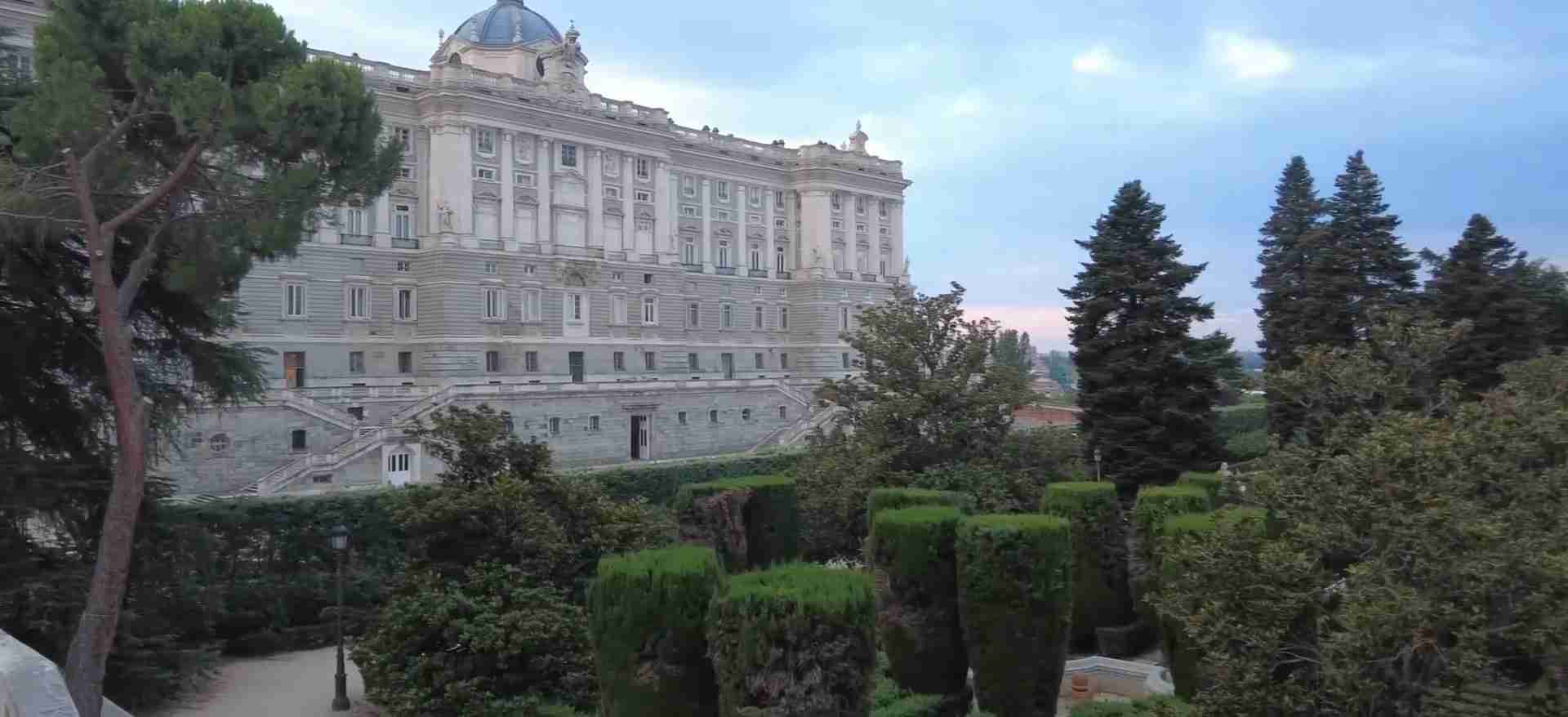
Madrid 7-Day Itinerary 2026: Complete Week-Long Planning Guide
Madrid transforms a week-long visit into an immersive journey through Spanish culture, royal history, world-class art museums, vibrant neighborhoods, and authentic culinary traditions. This seven-day itinerary balances Madrid’s UNESCO World Heritage sites, museum masterpieces, architectural landmarks, and local experiences with strategic daily schedules that maximize your time while avoiding the exhaustion of over-scheduling.
Key Takeaways for Your Madrid Week 2026
- Strategic Museum Planning 2026: Purchase the Paseo del Arte Pass (€35-40) for the three major museums within the first three days, scheduling Prado Museum and Royal Palace visits for mornings to avoid afternoon crowds, and utilizing free evening hours (6-8pm) at museums when your schedule allows budget flexibility.
- Transportation Value 2026: Buy the 7-day Tourist Travel Pass Zone A (€35.40) immediately upon arrival, covering unlimited metro, bus, and light rail travel throughout your week, eliminating individual ticket purchases and enabling spontaneous neighborhood exploration without transport cost concerns.
- Budget Planning 2026: Expect approximately €420-610 per person for the week excluding accommodation (€490-700 for 7 nights mid-range hotels), including €180-280 for dining, museum entries €57-95 (Paseo del Arte Pass €35-40, Royal Palace €12, optional Thyssen €0-13), day trip total costs €60-135 (entries €10-30 plus transport €16-90), and €35.40 for comprehensive public transport coverage.
- Neighborhood Timing 2026: Experience La Latina’s tapas culture Sunday afternoons during El Rastro flea market hours, explore Malasaña’s vintage shops and cafés mid-week mornings, discover Retiro Park Saturday or Sunday mornings when locals gather, and reserve Chueca’s dining scene for Thursday-Saturday evenings when the atmosphere peaks.
- Booking Timeline 2026: Reserve Royal Palace tickets and Prado Museum timed entries 7-10 days before arrival during peak season (April-October), book Toledo or Segovia day trip tours 5-7 days ahead, and secure flamenco show tickets 3-5 days prior, while neighborhood walking tours and restaurant reservations require 1-2 days advance notice.
- Daily Energy Management: Structure each day with morning museum or monument visits (9-1pm), afternoon neighborhood exploration or rest breaks (2-5pm), and evening tapas circuits or cultural experiences (7-11pm), matching Madrid’s natural rhythm where lunch peaks 2-4pm and dinner begins 9-10pm citywide.
People Also Ask About Madrid 7-Day Itinerary 2026
How much does a 7-day trip to Madrid cost in 2026?
A 7-day Madrid trip costs approximately €910-1,310 per person including accommodation (€490-700 for mid-range hotels across 7 nights at €70-100 nightly) and daily expenses (€420-610 covering €180-280 dining, €57-95 museum entries, €60-135 day trip costs, and €35.40 transport), excluding international flights. Budget travelers spending €320-520 per person utilize hostels (€150-250 for week), menu del día lunches (€12-18 daily), free museum hours, and walk/metro combinations, while luxury experiences (€1,800-2,800 per person) include boutique hotels (€800-1,400 per week), Michelin dining experiences, private museum tours, and premium day trip options.
Is 7 days too long for Madrid in 2026?
Seven days provides optimal Madrid immersion without redundancy, allowing comprehensive coverage of the three major art museums (Prado, Reina Sofía, Thyssen-Bornemisza requiring 2-3 days), Royal Palace and historical monuments (1 day), neighborhood exploration across La Latina, Malasaña, Chueca, and Lavapiés (2 days), one full-day excursion to Toledo or Segovia, and strategic rest periods preventing museum fatigue while experiencing Madrid’s evening culture including tapas circuits, flamenco performances, and late-night neighborhood atmospheres that define Spanish capital living.
What is the best way to get around Madrid during a 7-day visit in 2026?
The Madrid Metro combined with the 7-day Tourist Travel Pass Zone A (€35.40) provides the most efficient and economical transportation solution for week-long visits, covering 13 metro lines connecting all major attractions, EMT city buses reaching neighborhood destinations, and light rail access to peripheral areas. The metro operates 6am-1:30am daily with trains arriving every 2-4 minutes during peak hours, while strategic walking between nearby attractions (Sol to Plaza Mayor 5 minutes, Prado to Retiro 8 minutes) reduces underground time and reveals Madrid’s street-level architecture and plaza culture unavailable through metro-only navigation.
Should I take day trips from Madrid during a 7-day itinerary in 2026?
One full-day excursion to either Toledo (€45-85 guided tours including transport and tickets) or Segovia (€50-90 for castle, aqueduct, and cathedral access) enhances your Madrid week by providing UNESCO World Heritage contrast between capital sophistication and preserved medieval architecture, while maintaining 5-6 days within Madrid ensures adequate time for the city’s extensive museum collections, neighborhood diversity, and evening cultural experiences without the rushed multi-city approach that characterizes shorter Spanish itineraries.
Extended multi-day tours – 5+ days
Featured Madrid Multi-Day Tour Packages
7 days
7 Days in Madrid: Echoes of Empire: Madrid, Ávila & Segovia
- ✓ Comprehensive Madrid tour
- ✓ Expert local guides included
- ✓ All accommodation arranged
- ✓ Transportation provided

4 days
Madrid: Cultural Experience with Toledo Half-day tour, City Break
- ✓ Comprehensive Madrid tour
- ✓ Expert local guides included
- ✓ All accommodation arranged
- ✓ Transportation provided
5 days
5-Day Madrid Including Toledo, Avila and Segovia
- ✓ Comprehensive Madrid tour
- ✓ Expert local guides included
- ✓ All accommodation arranged
- ✓ Transportation provided
2 days
Segovia, Avila and Toledo in 2 days from Madrid
- ✓ Comprehensive Madrid tour
- ✓ Expert local guides included
- ✓ All accommodation arranged
- ✓ Transportation provided
Multi-day tour packages powered by TourRadar. Prices and availability subject to change.
Introduction: Planning Your Perfect Madrid Week 2026
Madrid reveals itself gradually across seven days, transforming from a city of famous museums into a living collection of neighborhood identities, culinary traditions, architectural periods, and cultural rituals that operate on distinctly Spanish schedules. Your week unfolds through strategic morning museum visits that leverage early crowds and afternoon siesta closures, neighborhood explorations timed to local market hours and café culture peaks, and evening experiences aligned with Madrid’s late dining traditions where restaurants fill at 10pm and tapas bars sustain energy until midnight.
This itinerary balances Madrid’s primary tourist objectives—the Prado Museum’s Velázquez and Goya collections, the Royal Palace’s baroque grandeur, Reina Sofía’s Picasso masterpieces—with immersive experiences that connect you to contemporary Madrid life: Sunday morning El Rastro flea market chaos, Thursday evening La Latina tapas progression, Saturday afternoon Retiro Park rowing lake serenity, and any weeknight’s Malasaña vintage shop discoveries. The schedule respects human energy limitations, building rest periods and flexibility windows that prevent the museum exhaustion afflicting travelers who attempt comprehensive coverage without strategic pacing.
Seven days provides sufficient time for both depth and breadth. You’ll complete the essential “Golden Triangle” art museum circuit without rushed two-hour speed visits, explore four distinct neighborhoods beyond tourist center Sol/Gran Vía, incorporate one full-day UNESCO excursion to medieval Toledo or Roman Segovia, and maintain evening availability for flamenco performances, rooftop sunset drinks, Michelin-star dining experiences, or simple neighborhood bar tapas circuits that reveal how Madrileños actually spend their evenings.
The itinerary accommodates varying travel styles through optional upgrades (private museum tours versus audio guides, luxury versus budget dining, guided versus independent day trips), seasonal adjustments (summer’s extended evening hours versus winter’s earlier nightfall), and personal interest customization (art enthusiasts extending museum time, architecture photographers prioritizing building facades, food lovers maximizing market and restaurant experiences). Your week in Madrid should feel personally tailored while hitting the universally recommended experiences that justify the city’s position among Europe’s most compelling capitals.
Understanding Madrid’s Layout and Neighborhoods for Week-Long Visits 2026
Madrid’s geographical organization follows concentric expansion from the medieval core, creating distinct neighborhood zones that determine your daily walking distances, metro reliance, and experiential variety. The compact central district (Sol-Gran Vía-Plaza Mayor triangle) concentrates tourist infrastructure, major monuments, and traditional restaurants within 15-minute walking radiuses, while surrounding neighborhoods—La Latina’s tapas density, Malasaña’s bohemian cafés, Chueca’s LGBTQ+ nightlife, Salamanca’s luxury shopping—offer specialized experiences requiring 5-10 minute metro rides from center.
The Art Triangle (Paseo del Arte) stretches along Paseo del Prado’s tree-lined boulevard, positioning the Prado Museum, Reina Sofía Museum, and Thyssen-Bornemisza Museum within 800 meters walking distance. This proximity enables multi-museum days with midday breaks at Retiro Park (adjacent to Prado) or lunch at nearby restaurants, reducing transport time and maintaining art immersion. The Royal Palace anchors Madrid’s western edge, creating a separate monumental zone that combines effectively with Sabatini Gardens, Almudena Cathedral, and Plaza de Oriente plaza views in half-day itineraries.
Retiro Park functions as Madrid’s central green lung, offering 125 hectares of gardens, monuments, rowing lake, and crystal palace exhibition space that provide essential contrast to museum-heavy schedules. The park’s eastern position connects naturally with Salamanca neighborhood’s elegant streets and Serrano shopping district, creating afternoon combinations that balance cultural intensity with outdoor relaxation and retail therapy.
Metro Line 1 (light blue) connects major southern attractions (Atocha station/Reina Sofía) through central Sol to northern Chueca and Malasaña neighborhoods, while Line 2 (red) serves Opera/Royal Palace and eastern Retiro areas. This two-line mastery covers 80% of tourist movement, with occasional Line 5 (green) access to La Latina’s Sunday morning flea market intensity. The 7-day tourist pass (€35.40) eliminates journey planning anxiety, enabling spontaneous “let’s explore that neighborhood” decisions that transform scheduled touring into genuine Madrid discovery.
Pre-Trip Planning Essentials for Madrid Week 2026
Advanced ticket booking prevents entrance line frustration at Madrid’s most popular attractions during 2026’s peak visiting months (April-October). The Prado Museum requires timed entry tickets booked 7-10 days ahead for weekend visits and 3-5 days for weekdays, particularly during temporary exhibition periods when daily visitor caps enforce early sellouts. Royal Palace tickets face similar weekend demand but maintain weekday availability through same-day purchase. Reina Sofía Museum’s lower visitor pressure allows 2-3 day advance booking sufficiency except during major retrospective exhibitions announced months prior.
The Paseo del Arte Pass (€35-40 for one-year validity) purchased online before arrival provides admission to all three Golden Triangle museums with skip-the-line benefits, saving €7-10 versus individual tickets and eliminating the ticket purchase queue decision at each venue. The pass includes permanent collections and most temporary exhibitions, excluding special ticketed shows requiring separate admission. Calculate pass value against your planned museum visits: visiting all three museums justifies the investment (€15 Prado + €12 Reina Sofía + €13 Thyssen = €40 individual cost), while limiting visits to two museums favors separate ticket purchase.
Transportation planning begins at Madrid-Barajas Airport arrival. The Tourist Travel Pass (€35.40 for 7 days Zone A) purchased at airport Metro station ticket machines or information desks activates upon first validation and covers unlimited metro, bus, and light rail travel through your week, including the €3 airport supplement normally added to single metro journeys. Alternative transport options—€33 flat-rate taxi to M-30 ring road destinations, €5 Airport Express bus to Atocha station, or private transfers (€40-60 pre-booked)—serve luggage-heavy arrivals but lack the pass’s ongoing value for daily neighborhood exploration.
Accommodation location dramatically impacts daily convenience and neighborhood evening access. Staying within the Sol-Gran Vía-Opera triangle places major monuments and metro hub stations within 10-minute walks, facilitating morning museum departures and late-night returns from tapas circuits. La Latina accommodation embeds you in Sunday flea market chaos and nightly tapas density but requires 8-12 minute metro rides to Art Triangle museums. Malasaña and Chueca hotels suit younger travelers prioritizing neighborhood café culture and nightlife over monument proximity, accepting 15-minute metro journeys to tourist attractions as trade-off for authentic local atmosphere.
Restaurant reservations matter only for specific high-demand venues: Michelin-starred restaurants (Ramón Freixa, DSTAgE, Coque) require 2-4 week advance booking for weekend dinners, while popular traditional restaurants like Botín or Casa Lucio need 5-7 days for Friday-Saturday tables. Neighborhood tapas bars and casual restaurants welcome walk-in diners throughout the week, though arriving at Spanish dinner hours (9-10pm start) ensures full menu availability and proper atmosphere versus tourist-timed 7pm arrivals at empty establishments.
Day 1: Central Madrid Discovery and Royal Heritage 2026
Your Madrid introduction concentrates on the historical core, establishing geographical orientation while experiencing the city’s royal heritage and central plaza culture. Begin at Puerta del Sol (Metro Sol, Lines 1, 2, 3), Madrid’s official kilometer zero point where distances throughout Spain are measured. The semicircular plaza hosts the iconic Tío Pepe neon sign, clock tower marking New Year’s Eve traditions, and bronze Bear and Strawberry Tree statue (Madrid’s coat of arms symbol) attracting selfie crowds throughout morning hours.
Walk west five minutes along Calle Mayor to Plaza Mayor (€0, open 24 hours), Madrid’s perfectly proportioned 129-meter rectangular plaza surrounded by uniform three-story residential buildings featuring 237 wrought-iron balconies. The arcaded walkways shelter cafés charging premium prices (€8-12 for coffee/pastry) justified by prime people-watching positions, though local pricing appears in side-street establishments 50 meters beyond plaza boundaries. Casa de la Panadería’s facade murals depict mythological scenes that reward 10-minute artistic inspection before continuing through the southwestern archway.
Plaza de la Villa (3 minutes southwest) showcases preserved medieval, renaissance, and baroque administrative buildings representing Madrid’s architectural evolution from 15th-century origins through Habsburg expansion. The Casa de la Villa’s Habsburg towers contrast with Casa de Cisneros’s Plateresque facade, creating architectural diversity within 40-meter plaza dimensions. Free public access enables exterior photography and architectural detail observation, though building interiors remain closed to casual visitors.
Arrive at the Royal Palace (Metro Opera, Line 2 or 5) by 10am, utilizing the official €12 admission purchased online to bypass ticket office lines. Check the Patrimonio Nacional website for current rates as pricing may vary. The self-guided visit requires 60-90 minutes navigating Europe’s largest royal palace (3,418 rooms, though only 50 open to visitors) showcasing baroque and rococo interiors, Gasparini Room’s chinoiserie silk walls, Throne Room’s Tiepolo ceiling frescoes, and Royal Armory’s medieval weapon collection. Skip the €24 Royal Kitchen combination ticket unless culinary history specifically interests you—the standard palace admission provides sufficient royal immersion for first-day schedules.
Exit through Sabatini Gardens (free access, open daily 9am-10pm May-September, 9am-9pm October-April) for northern facade photography and manicured parterre garden symmetry offering respite after palace interior concentration. The gardens provide clear views across Campo del Moro valley to western Madrid suburbs, establishing geographical context for your week-long exploration. Almudena Cathedral (free admission, donations welcome, open 10am-9pm daily) occupies the plaza’s eastern flank, blending neoclassical exterior with surprisingly modern interior completed in 1993. The 15-minute cathedral visit reveals contemporary stained glass and bronze door panels before returning to palace plaza level.
Lunch at Mercado de San Miguel (5 minutes east, open 10am-midnight Sunday-Wednesday, 10am-1am Thursday-Saturday) combines covered market architecture with gourmet tapas stalls offering €3-6 small plates. Budget €25-35 per person for satisfying tapas variety sampling Spanish jamón, croquetas, seafood montaditos, and regional wines. The market’s tourist orientation inflates prices 30-40% above neighborhood tapas bars but provides convenient location, English-speaking vendors, and visual food presentation enabling confident ordering for first-day visitors still calibrating Spanish dining customs.
Spend afternoon hours exploring Gran Vía’s architectural grandeur and retail density. Walk the 1.3-kilometer avenue from Callao Metro (Line 3, 5) eastward toward Cibeles fountain, observing early 20th-century building facades combining Spanish baroque revival with Art Deco elements. The Edificio Metrópolis (Gran Vía 39) and Telefónica Building (Gran Vía 28) represent Madrid’s 1920s architectural ambitions, while Callao cinema palaces maintain period grandeur amid contemporary retail chains. Window shopping or actual purchases span Zara flagship stores, El Corte Inglés department store branches, and international brand outlets without specific spending pressure.
Cibeles Fountain (Metro Banco de España, Line 2) marks Gran Vía’s eastern terminus, positioning the goddess Cybele atop chariot sculpture that functions as unofficial Real Madrid victory celebration site. The surrounding Cibeles Plaza showcases Palacio de Comunicaciones (now City Hall) whose rooftop observation deck (Mirador Madrid, €2 entry, open Tuesday-Sunday 10:30am-1:30pm and 4-7pm) provides 360-degree city views including Retiro Park’s green expanse and northern mountain ranges. The 10-minute rooftop visit rewards €2 minimal investment with orientation context and photograph opportunities impossible from ground level.
Return to Retiro Park’s northwestern entrance (Puerta de Alcalá gate) for late afternoon relaxation. The Estanque Grande rowing lake (€6 for 45-minute rowboat rental, available daily 10am-sunset) offers leisurely water activity surrounded by monument-lined shores, or simply claim lakeside benches for people-watching and park atmosphere absorption. The Crystal Palace (Palacio de Cristal, free admission when exhibitions installed, 10 minutes south through park paths) hosts Reina Sofía Museum contemporary art installations within stunning glass and iron 1887 structure, though closure for renovations occurs periodically—verify current status before walking.
Evening strategy divides between early dinner (8-9pm) or traditional Spanish late dining (10-11pm start). For budget-conscious first evening, seek menu del día offerings (€12-18 three-course meals including wine) at neighborhood restaurants in Huertas district (5 minutes north of Atocha). Mid-range dining (€35-50 per person) appears at Casa Labra (Calle Tetuán 12, famous for cod croquetas since 1860) or Lhardy (Carrera de San Jerónimo 8, preserving 19th-century elegant atmosphere). Reserve energy for tomorrow’s intensive art museum schedule rather than extending Day 1 into exhausting midnight tapas circuits.
Day 1 Transportation and Costs 2026
Transport €35.40 for 7-day Tourist Travel Pass purchased at airport Metro station upon arrival, covering all Day 1 metro journeys and remaining six days. Royal Palace €12 admission. Sabatini Gardens, Almudena Cathedral, and Retiro Park free entry. Mercado de San Miguel lunch €25-35. Cibeles rooftop €2. Optional rowing boat €6. Dinner €12-50 depending on restaurant choice. Total Day 1 costs approximately €85-140 per person excluding accommodation, with seven-day transport pass frontloaded into first-day expenses.
Day 2: Prado Museum and Art Triangle Immersion 2026
Dedicate Day 2 to Madrid’s artistic heritage, anchored by the Prado Museum’s unparalleled Spanish painting collection. Arrive at Puerta de Velázquez entrance (Metro Banco de España, Line 2 or Atocha, Line 1) by 9:30am holding pre-purchased €15 admission tickets with 10am timed entry slot. Check the official Prado website for current rates as pricing may vary. Early arrival avoids 11am-1pm crowd peaks when tour groups concentrate around Las Meninas and Goya’s black paintings, allowing intimate viewing experiences impossible during midday saturation.
The Prado requires minimum 2.5-3 hours for highlight-focused visits covering Velázquez Room 12 (Las Meninas, Las Hilanderas), Goya’s Ground Floor collection (Third of May 1808, Black Paintings series), El Greco’s Mannerist intensity, Bosch’s Garden of Earthly Delights triptych, and Rubens’s baroque opulence. Serious art enthusiasts extend visits to 4-5 hours incorporating Italian Renaissance collections (Titian, Tintoretto), Flemish primitives, and temporary exhibition galleries. The museum’s official audio guide (€4.50, available in 12 languages) provides essential context for major works, though free Prado smartphone apps deliver comparable information enabling personal device usage.
Navigate the Prado strategically: begin Ground Floor with Velázquez Room 12 (immediately right from Velázquez entrance) capturing Las Meninas before tour group arrivals, proceed to First Floor’s Goya collections (Rooms 64-67) for black paintings and royal portraits, descend to Ground Floor’s El Greco and Bosch galleries (Rooms 55A, 56A), then complete with Rubens (Ground Floor, Rooms 9-11) and Titian (Ground Floor, Room 27). This routing minimizes backtracking while sequencing chronologically from Spanish Golden Age through Goya’s romanticism and onto European masters.
Exit the Prado around 12:30-1pm for lunch at nearby Taberna La Dolores (Plaza de Jesús 4, 8 minutes walk) serving traditional Spanish tapas (€3.50-7 per tapa) in preserved 1908 tilework interior. Alternatively, the Prado’s own café provides acceptable sandwiches and salads (€8-14) within museum grounds, enabling shorter breaks before Reina Sofía afternoon transfer without exiting museum security. Budget €15-25 for satisfying lunch depending on tapas quantity and beverage choices.
Walk 12 minutes south along Paseo del Prado to Reina Sofía Museum (Metro Atocha, Line 1, or direct walk) for 2:30-3pm arrival. Your Paseo del Arte Pass (if purchased) covers admission, otherwise pay €12 at ticket desk—single tickets available without advance booking except during major temporary exhibitions. The museum’s modern/contemporary focus (late 19th century through present) contrasts sharply with Prado’s classical emphasis, requiring mental adjustment from Velázquez realism to Picasso’s Guernica cubist anguish and Dalí’s surrealist provocations.
Allocate 2-2.5 hours for Reina Sofía highlights concentrated on Second Floor’s Picasso Guernica room (Room 206) and surrounding Spanish Civil War context galleries, First Floor’s surrealist collection (Dalí, Miró), and Fourth Floor’s contemporary installations rotating through temporary exhibition programming. The Guernica viewing room maintains reverential atmosphere contrasting with Prado’s bustling galleries—allow 15-20 minutes absorbing the massive canvas’s details and adjacent preparatory sketches revealing Picasso’s compositional evolution. Photography prohibited in Guernica room but permitted throughout remaining galleries without flash.
Thyssen-Bornemisza Museum (8 minutes north, Metro Banco de España) represents optional third art venue for dedicated museum enthusiasts. The collection spans 13th-20th centuries filling gaps between Prado and Reina Sofía—Italian primitives, Dutch masters, Impressionism, German Expressionism—but visiting all three major museums in single day creates exhaustion undermining appreciation. Consider Thyssen a Day 3 or Day 5 option when energy permits, or accept two-museum limitation preventing burnout.
Late afternoon recovery occurs at Retiro Park’s southeastern quadrant (10 minutes east from Reina Sofía). The Palacio de Cristal area provides lawn seating, tree shade, and mental decompression after 5-6 hours of intense art viewing. Alternatively, return to hotel for genuine rest period before evening activities—Madrid’s late dinner culture (10-11pm typical start) demands energy reserves impossible to maintain after marathon museum days without afternoon breaks.
Evening dining explores La Latina neighborhood’s tapas density. Metro to La Latina station (Line 5) and walk Cava Baja street’s concentrated tapas bar lineup: Casa Lucas (Cava Baja 30), Txirimiri (Calle Humilladero 6), or Juana La Loca (Plaza Puerta de Moros 4) serve quality small plates (€4-8 each) in authentic atmosphere. Budget €30-45 per person for complete tapas dinner with wine, moving between 2-3 establishments to experience variety rather than settling single-venue. Thursday-Sunday evenings generate shoulder-to-shoulder crowds requiring patience and assertive bar positioning, while Monday-Wednesday maintain comfortable spacing with full menu availability.
Day 2 Costs and Transport 2026
Transport covered by 7-day pass purchased Day 1. Prado Museum €15 (or included in Paseo del Arte Pass €35-40). Lunch €15-25. Reina Sofía Museum €12 (or included in Paseo del Arte Pass). Optional Prado audio guide €4.50. Tapas dinner €30-45. Total Day 2 costs approximately €70-100 per person excluding accommodation and multi-museum pass if purchased separately from Day 1 planning.
Day 3: Neighborhood Exploration and Local Culture 2026
Day 3 shifts from monument tourism toward neighborhood immersion, exploring Madrid’s distinct barrio identities and contemporary culture beyond museum walls. Begin in Malasaña district (Metro Tribunal, Lines 1, 10 or Bilbao, Lines 1, 4) around 10am when cafés open and vintage shops unlock shutters. This bohemian quarter preserves 1980s Movida Madrileña counterculture atmosphere through independent boutiques, record stores, and alternative bookshops lining Calle Fuencarral and intersecting streets.
Explore Malasaña’s specialty coffee culture at Toma Café (Calle Conde Duque 14) or Federal Café (Plaza Comendadoras 9) where €3-4.50 cappuccinos and flat whites demonstrate Spain’s recent Third Wave coffee adoption contrasting traditional bar café solos. Pair coffee with mid-morning pastry (€2-3.50) creating leisurely 45-minute café sessions that reveal how young Madrileños spend weekday mornings. The neighborhood rewards aimless wandering—street art murals, vintage clothing shops (€15-40 for retro finds), vinyl record stores (Discos Maravilla carrying €12-25 used albums), and plaza benches hosting impromptu local gatherings.
Chamberi neighborhood Market of San Ildefonso (10 minutes north, Calle Fuencarral 57, open daily 10am-midnight) offers modern food hall alternative to yesterday’s San Miguel tourist intensity. The two-floor complex houses 15+ food stalls representing Asian fusion, Peruvian ceviche, gourmet burgers, Spanish seafood, and craft beer taps, with most meals costing €8-14 per person. The younger local crowd and 30% lower pricing versus central Madrid markets create authentic atmosphere without sacrificing quality or convenience.
Transfer to Chueca neighborhood (Metro Chueca, Line 5) for afternoon exploration of Madrid’s LGBTQ+ epicenter and fashion-forward shopping district. The pedestrianized Plaza de Chueca hosts afternoon terrace society where €3-5 cañas (small draft beers) fuel hours-long conversations beneath trees. Surrounding streets house fashion boutiques (Camper shoes, Adolfo Domínguez Spanish brands), international chains (Zara, Mango), and independent designers whose window displays warrant browsing regardless of purchase intentions.
Museo del Romanticismo (Calle San Mateo 13, €3 general admission, free Saturday afternoons and Sundays, open Tuesday-Saturday 9:30am-8:30pm November-April, 9:30am-6:30pm May-October, Sunday 10am-3pm) occupies 19th-century palace preserving bourgeois romantic era interiors through furniture, decorative arts, and paintings. The 60-75 minute visit provides cultural context for Goya’s society portraits seen yesterday while offering air-conditioned respite during summer afternoon heat. The museum’s intimate scale (15 rooms) prevents the overwhelm of major institutions, creating manageable cultural injection between neighborhood wandering.
Late afternoon choices include Debod Temple (Metro Plaza de España, Lines 3, 10) viewing Egyptian monument reconstruction gifted to Spain in 1968, positioned for sunset photography overlooking Casa de Campo parklands. The free-access ancient temple (originally 2nd century BCE construction) operates Tuesday-Sunday 10am-8pm April-September, 9:45am-7:15pm October-March with interior admission by free timed tickets booked online. Alternatively, continue Chueca/Malasaña café hopping through 7pm, claiming outdoor terraces for pre-dinner drinks while observing neighborhood transformation from daytime shopping to evening social intensity.
Dinner returns to traditional Spanish cuisine at Casa Labra (Calle Tetuán 12, Metro Sol) famous for salt cod croquetas (€2.50 each) and soldadito de pavía (battered cod, €3) served standing at century-old bars. The casual atmosphere and moderate pricing (€20-30 per person complete meal) suit mid-week dining without reservation stress. Alternatively, explore Huertas literary quarter (Metro Antón Martín, Line 1) where Cervecería Alemana (Plaza Santa Ana 6, Hemingway’s former haunt) serves traditional tapas amid 1904 interior preserving historical ambiance.
Evening entertainment options include flamenco performances at Cardamomo (Calle Echegaray 15, shows 8:30pm and 10:30pm, €40-45 entry including one drink) offering authentic tablao experience in intimate 50-seat venue. Book 3-5 days ahead during high season, accepting basic seating in general admission rather than premium table arrangements inflating costs to €65-80 per person. The 75-minute performance showcases traditional palos (flamenco styles) through professional dancers, singers, and guitarists maintaining artistic integrity despite tourist audience composition.
Day 3 Budget and Activities 2026
Transport covered by 7-day pass. Morning coffee €3-4.50. Market lunch €8-14. Chueca afternoon drinks €3-5. Museo del Romanticismo €3 (or free on weekend visit). Debod Temple free. Dinner €20-30. Optional flamenco show €40-45. Total Day 3 costs approximately €40-100 per person excluding accommodation, with flamenco show representing optional cultural splurge elevating evening experience beyond standard dining.
Day 4: Day Trip to Toledo UNESCO World Heritage City 2026
Day 4 breaks Madrid immersion with full-day excursion to Toledo, the former Spanish capital perched atop granite outcrop 70 kilometers southwest. This UNESCO World Heritage city preserves medieval Christian, Jewish, and Muslim quarter integration creating architectural and cultural complexity impossible to replicate in modern Madrid’s expanded boulevards. Dedicate 8-9 hours (including round-trip transport) allowing 5-6 hours Toledo exploration without rushed monument circuits that undermine appreciation.
Independent train travel via Renfe high-speed AVE (€10-15 each way, 33 minutes, departures every 30-60 minutes from Madrid Atocha station starting 6:50am) provides economical flexibility, arriving Toledo’s modern station 1.5 kilometers below historic center. Bus Line 5, 61, or 62 (€1.40, every 10-15 minutes) climbs to Puerta de Bisagra entrance, or 20-minute uphill walk serves energetic travelers preferring immediate immersion versus vehicular transfer. Purchase round-trip train tickets online 3-5 days ahead avoiding same-day sellouts during April-October peak season.
Guided tours (€45-85 per person, 9-10 hours including Madrid pickup and return) eliminate transport logistics and provide expert commentary contextualizing Toledo’s layered history, though groups of 25-40 participants create cathedral and synagogue bottlenecks undermining private exploration benefits. Small-group tours (€75-95, maximum 15 participants) balance guidance with maneuverability, while private tours (€180-250 per person, 2-4 person minimum) offer complete schedule control and personalized pacing worth premium cost for history enthusiasts or multi-generational family groups.
Toledo’s compact walled center demands strategic routing preventing redundant backtracking across steep cobblestone streets. Begin at Toledo Cathedral (€12.50 admission, audio guide included, open Monday-Saturday 10am-6:30pm, Sunday 2-6:30pm) allowing 75-90 minutes for Spain’s Gothic architectural masterpiece. The Treasury’s 16th-century monstrance (3 meters tall, 18 kilograms gold and silver), Transparent baroque altarpiece, and El Greco paintings justify admission cost and time investment. The cathedral’s central position enables subsequent walking circuits radiating through adjacent quarters.
Santa María la Blanca synagogue (€3, open daily 10am-5:45pm October-March, 10am-6:45pm April-September) and Synagogue of El Tránsito (€3, Tuesday-Saturday 9:30am-7:30pm April-September, 9:30am-6pm October-March, Sunday 10am-3pm) represent Toledo’s Jewish quarter heritage predating 1492 expulsion. The white horseshoe arches and Mudéjar plasterwork demonstrate Christian-Islamic-Jewish artistic synthesis defining Toledo’s medieval cultural crossroads status. Combined visits require 60 minutes including 10-minute walks between sites.
Alcázar fortress (€5, open Tuesday-Sunday 11am-5pm, closed Mondays and holidays) dominates Toledo’s skyline from every approach angle. The 16th-century structure houses Army Museum collections spanning Spanish military history, though architectural exterior and panoramic terrace views (free public access) provide sufficient reward without museum entry commitment during time-limited day trips. Allocate 30-45 minutes for exterior photography and terrace perspective before descending into commercial quarters.
Lunch timing follows Spanish customs: 2-3pm reservations at traditional restaurants serving Toledo specialties including carcamusas (pork and tomato stew, €12-15), venado (venison, €18-22), and perdiz estofada (stewed partridge, €16-20). Budget €25-40 per person for complete meals with house wine at establishments like Adolfo Colección (upscale Toledo cuisine, €40-55 per person) or La Orza (traditional atmosphere, €25-35 per person). Alternatively, quick tapas at standing bars near Plaza Zocodover (€12-18 sufficient quantity) preserve afternoon energy for monument continuation.
Afternoon options include Museo del Greco (€3, Tuesday-Saturday 9:30am-7:30pm April-September, 9:30am-6pm October-March, Sunday 10am-3pm, closed Monday) displaying El Greco paintings in reconstructed 16th-century house, or San Juan de los Reyes monastery (€3, daily 10am-6:45pm) showcasing Isabelline Gothic architecture and ornate cloisters. Select one additional monument preventing late-afternoon exhaustion that undermines Toledo’s atmospheric medieval streets wandering and craft shop browsing (Damascene metalwork souvenirs €15-80, marzipan confections €8-15 per box).
Depart Toledo by 6-6:30pm catching return trains to Madrid Atocha (final departures around 9:30pm provide safety buffer though earlier returns prevent rushed monument visits). Arrive Madrid by 7:30pm allowing light dinner in Las Letras neighborhood near hotel or simple supermarket provisions after day-trip intensity. Save elaborate evening dining for remaining Madrid-based days when energy permits full restaurant experience appreciation.
Day 4 Toledo Excursion Costs 2026
Round-trip train €20-30 or guided tour €45-95. Toledo Cathedral €12.50. Synagogues €6 combined (€3 each). Optional Alcázar €5, Museo del Greco €3, San Juan monastery €3. Lunch €25-40. Souvenirs optional €15-80. Total Day 4 costs approximately €65-135 per person depending on independent versus guided tour choice and monument entry selections, excluding Madrid accommodation and transport to/from Atocha station (covered by 7-day metro pass). Souvenir purchases can add €15-80 to these totals based on personal discretion.
Day 5: Markets, Parks, and Culinary Experiences 2026
Day 5 emphasizes Madrid’s culinary traditions and outdoor spaces, recovering from yesterday’s Toledo intensity through relaxed morning markets, afternoon park leisure, and evening gastronomy focus. Sunday timing transforms this itinerary through El Rastro flea market addition, though Tuesday-Saturday versions substitute Mercado de San Miguel or Mercado San Antón market hall visits maintaining food market centrality.
El Rastro flea market (Sundays and holidays only, 9am-3pm, free entry, Metro La Latina Line 5) sprawls across La Latina neighborhood streets creating Europe’s largest open-air market. Arrive 9:30-10am when vendor setup completes but crushing 11am-1pm crowds haven’t materialized. The main Ribera de Curtidores artery sells new clothing, accessories, and tourist trinkets (quality variable, bargaining expected on items over €20), while parallel side streets house antiques, vintage vinyl, second-hand books, and genuine collectibles requiring discriminating eye separating treasures from junk.
El Rastro budget depends entirely on purchasing discipline: browsers spend €0, collectors targeting specific vintage items (1960s-80s Spanish magazines €5-12, vinyl records €8-25, antique prints €15-40) budget €30-80, while fashion shoppers accumulating scarves, jewelry, and leather goods reach €50-100 rapidly. Pickpocket risk heightens during market density—secure valuables, avoid back pockets, and maintain bag awareness preventing opportunistic theft targeting distracted shoppers. The market atmosphere itself justifies attendance regardless of purchase intentions, revealing Spanish Sunday morning social rituals through families, tourists, and serious collectors navigating identical vendor-lined streets.
Post-market tapas in La Latina (11:30am-1pm) capitalize on neighborhood concentration of century-old establishments. Casa Lucas (Cava Baja 30) serves Andalusian-style fried fish (€6-9 raciones), Txirimiri (Calle Humilladero 6) specializes Basque pintxos (€3-5 each), while Taberna Tempranillo (Cava Baja 38) pours natural wines (€3.50-6 glasses) complementing Spanish cheeses and charcuterie boards (€12-18). Budget €20-30 per person for satisfying late-morning tapas sustaining afternoon activities without heavy lunch torpor.
Retiro Park afternoon (Metro Retiro or Atocha, Line 1, 2) dedicates 2-3 hours to Madrid’s premier green space. Rent rowboats at Estanque Grande lake (€6 for 45 minutes, April-October weather permitting, weekends require early arrival claiming boats before sellouts), visit Palacio de Cristal exhibitions (free admission when installations present), or simply claim lawn areas for reading, sunbathing, or people-watching Spanish families spending Sunday afternoons outdoors. The park’s 125 hectares accommodate endless wandering discovering rose gardens, monument sculptures, puppet shows (weekends), and street performers without prescribed routing or admission fees.
Thyssen-Bornemisza Museum (if not yet visited, 8 minutes west from Retiro, Metro Banco de España) fits naturally into Day 5 afternoon providing art museum option without returning to Prado/Reina Sofía intensity. The €13 general admission grants access to permanent collection spanning European art from medieval through 20th century pop art, filling chronological and stylistic gaps between Spain’s other major museums. Allocate 1.5-2 hours for highlight tour including Italian primitives, Dutch Golden Age masters, Impressionist galleries, and German Expressionism rooms. Your Paseo del Arte Pass (if purchased Day 1-2) covers admission eliminating ticket purchase decisions.
Cooking class experiences (€65-95 per person, 3-4 hours including market visit, tapas preparation, and dining) provide hands-on Spanish culinary immersion. Morning sessions (10am-1pm or 11am-2pm) begin with neighborhood market tours selecting ingredients—jamón varieties, seasonal vegetables, fresh seafood—before transferring to professional kitchens learning tortilla española, patatas bravas, gazpacho, and paella techniques. The classes culminate in communal dining consuming student-prepared dishes with Spanish wine pairings, creating social atmosphere beyond standard restaurant experiences. Book 5-7 days ahead through platforms like Devour Tours or Madrid Food Tour securing preferred dates.
Evening dining explores Madrid’s modern gastronomy scene. StreetXO (Calle Serrano 52, Metro Serrano Line 4, €45-65 per person) offers David Muñoz’s Asian-fusion street food in standing/perching format breaking traditional restaurant formality. Alternatively, Mercado de la Reina (Gran Vía 12) combines market hall diversity with sit-down dining tables (€25-40 per person) serving international cuisines from Japanese ramen to Mexican tacos alongside Spanish classics. Reserve 2-3 days ahead for weekend dining, accepting walk-in weekday availability at most venues outside Michelin-starred tier.
Day 5 Activity Costs 2026
Transport covered by 7-day pass. El Rastro free entry, purchases optional €0-100. Late-morning tapas €20-30. Retiro Park rowing €6. Optional Thyssen-Bornemisza Museum €13 (or included in Paseo del Arte Pass). Optional cooking class €65-95. Dinner €25-65 depending on venue choice. Total Day 5 costs approximately €65-210 per person excluding accommodation, with cooking class representing significant optional expense delivering cultural value beyond monetary cost.
Day 6: Alternative Museums and Evening Entertainment 2026
Day 6 explores Madrid’s specialized museum collections and alternative cultural venues beyond the Golden Triangle triumvirate, demonstrating the city’s depth extending past Prado-Reina Sofía-Thyssen dominance. Morning museum selections depend on personal interests—archaeology, decorative arts, contemporary photography, or Sorolla’s impressionist light—while afternoon flexibility accommodates shopping, additional neighborhood discovery, or simple rest preparation for evening cultural performance.
Museo Arqueológico Nacional (Calle Serrano 13, Metro Serrano or Colón, €3 general admission, free Saturday afternoons from 2pm and Sundays, open Tuesday-Saturday 9:30am-8pm, Sunday 9:30am-3pm, closed Monday) houses Spain’s premier archaeology collection spanning prehistoric Iberian artifacts through Roman mosaics, Visigothic jewelry, and medieval Islamic art. The Dama de Elche sculpture (4th century BCE Iberian masterpiece) and Tesoro de Guarrazar Visigothic votive crowns justify the 90-120 minute visit for history enthusiasts, while general audiences appreciate air-conditioned cultural immersion and significantly lower visitor density than major art museums.
Museo Sorolla (Paseo General Martínez Campos 37, Metro Gregorio Marañón or Iglesia, €3 general admission, free Saturday afternoons from 2pm and Sundays, Tuesday-Saturday 9:30am-8pm, Sunday 10am-3pm, closed Monday) preserves Joaquín Sorolla’s house-studio showcasing the Valencian painter’s luminous beach scenes and Mediterranean light mastery. The intimate museum (14 exhibition rooms) requires only 60 minutes including Andalusian garden exploration, creating manageable cultural injection without major museum exhaustion. Sorolla’s impressionist technique and subject matter offer refreshing contrast to Prado’s classical intensity and Reina Sofía’s modern provocations.
CaixaForum Madrid (Paseo del Prado 36, Metro Atocha, free admission to permanent collection, €6 for temporary exhibitions, open daily 10am-8pm) occupies vertical garden-covered building hosting rotating contemporary art exhibitions, photography retrospectives, and multimedia installations. Exhibition quality varies by programming schedule, but the architectural experience and free permanent access justify exploratory visits during afternoon wandering along Paseo del Prado’s museum corridor.
Salamanca neighborhood shopping (Metro Serrano, Line 4) dedicates afternoon hours to Madrid’s luxury retail district. Calle Serrano and intersecting streets house Spanish fashion brands (Loewe leather goods, Camper shoes, Massimo Dutti), international luxury (Hermès, Louis Vuitton, Prada boutiques), and department stores (El Corte Inglés flagship on Calle Goya). Window shopping costs nothing, actual purchases reflect personal budget and suitcase capacity, while the neighborhood’s elegant architecture and tree-lined boulevards reward walking regardless of retail intentions.
ABC Serrano shopping center (Calle Serrano 61, open Monday-Saturday 10am-9pm) converts former newspaper headquarters into upscale mall combining fashion boutiques, jewelry stores, and rooftop terrace restaurant (El Jardín de Serrano, €25-40 per person lunch/dinner). The preserved 1905 façade contrasts with modern interior retail, demonstrating Madrid’s architectural adaptation maintaining historical shells while accommodating contemporary commercial demands.
Matadero Madrid (Plaza Matadero 1, Metro Legazpi, Line 3, 6, free entry to complex, €3-8 specific exhibitions/performances) occupies converted 1920s slaughterhouse transformed into contemporary culture center. The industrial architecture houses theaters, exhibition spaces, design shops, and outdoor plazas hosting weekend markets, film screenings, and performance art. Visit timing depends on programming schedule (check website for current events), though the complex rewards exploratory wandering discovering unexpected performances, installations, or simply observing Madrid’s creative community congregating in repurposed industrial spaces.
Evening options include Spanish cinema at Cine Doré (Filmoteca Española, Calle Santa Isabel 3, Metro Antón Martín, €2.50 per film, showings 5:30pm, 7:30pm, 10pm) screening classic Spanish and international films in art deco theater preserving 1923 atmosphere. The Filmoteca programs change daily (schedule posted online), offering authentic cultural immersion beyond tourist-oriented flamenco shows, though Spanish language films without English subtitles require language proficiency or adventurous spirit accepting partial comprehension.
Teatro Real opera house (Plaza Isabel II, Metro Opera, ticket prices €18-240 depending on production, seat location, and booking timing) stages opera, ballet, and classical concerts September-July season. Last-minute ticket availability varies by production popularity, though standing room or upper gallery seats (€18-45) provide accessible entry points for operatic curiosity without €150+ orchestra level investment. Dress code remains business casual rather than formal, modern productions balance traditional repertoire, and English surtitles assist non-Spanish speakers during vocal performances.
Conclude evening with late-night tapas in Lavapiés multicultural neighborhood (Metro Lavapiés, Line 3) where traditional Spanish bars coexist with Indian, Moroccan, and Latin American establishments creating diverse street food options (€15-25 per person). The working-class neighborhood maintains authentic local atmosphere and lower pricing than central tourist zones, though safety awareness after midnight becomes relevant in less-policed side streets—stick to main thoroughfares and well-lit plazas during late-night wandering.
Day 6 Museum and Cultural Costs 2026
Transport covered by 7-day pass. Morning museum choice €3 (or free weekend visit). CaixaForum €0-6 depending on exhibitions. Lunch €15-25. Optional shopping €0-unlimited personal discretion. Matadero Madrid €0-8. Evening cinema €2.50 or opera €18-240. Late tapas €15-25. Total Day 6 costs approximately €35-305 per person excluding accommodation, with opera attendance representing significant optional cultural investment versus budget cinema alternative.
Day 7: Segovia Day Trip or Final Madrid Experiences 2026
Day 7 provides fork-in-road decision: second day trip experiencing Segovia’s Roman aqueduct and fairy-tale Alcázar castle, or remaining Madrid-based completing unfinished museums, neighborhoods, or shopping objectives while maintaining relaxed departure-preparation pacing. Both approaches offer valid week-conclusion strategies depending on energy levels, cultural saturation, and flight timing.
Segovia excursion (100 kilometers northwest) requires 9-10 hours including transport. Cercanías trains (€8 each way, 27 minutes, operated by Renfe, departing Madrid Chamartín station hourly 7:30am-9:30pm) provide economical access, though Segovia’s Guiomar station sits 5 kilometers from city center requiring bus transfer (Line 11, €2, 10-minute journey) or taxi (€10-12). Alternative Ávila-Segovia high-speed trains (€13-18 each way, 28 minutes from Chamartín) arrive same peripheral station facing identical transfer logistics.
Guided tours (€50-90 per person, 10-11 hours including Madrid hotel pickup and return) eliminate transport puzzle-solving and provide historical context for Segovia’s Roman, medieval, and Renaissance heritage. Small-group options (15-20 participants maximum, €75-95) balance guided efficiency with personal exploration freedom, while private tours (€200-280 per person, 4-person minimum) customize pacing and emphasis toward specific interests like aqueduct engineering or Alcázar architecture.
Segovia’s compact historic center clusters monuments within 1.5-kilometer walking circuit beginning at Plaza Azoguejo’s Roman aqueduct (free viewing, open 24 hours). The 1st-century engineering marvel—28-meter height, 167 arches, zero mortar construction—demonstrates Roman technical mastery justifying UNESCO World Heritage designation. Photograph from plaza level capturing full aqueduct span, then climb adjacent streets for elevated perspectives revealing construction details invisible from ground position. Allow 30-45 minutes aqueduct photography and surrounding plaza exploration before continuing monument progression.
Segovia Cathedral (€3, open Monday-Saturday 9:30am-6:30pm April-October, 9:30am-5:30pm November-March, Sunday 9:30am-1:30pm and 2-6:30pm) occupies city center positioning its Gothic spires above plaza rooflines. The 16th-century construction represents Spain’s last Gothic cathedral built after Renaissance architectural shifts, creating anachronistic Gothic revival atmosphere. Interior highlights include choir stalls, cathedral museum, and cloister gardens justifying 45-minute visit though less compelling than Toledo Cathedral’s comprehensive artistic wealth.
Alcázar de Segovia (€8 palace and museum, €3 tower additional, open daily 10am-8pm April-September, 10am-6pm October-March) provides fairy-tale castle experience inspiring Disney’s Sleeping Beauty castle design. The 12th-century fortress perches atop rocky outcrop overlooking Eresma and Clamores river confluence, creating dramatic photographs from external viewpoints. Interior rooms display period furniture, weapons collection, and royal chamber recreations, while the Torre de Juan II climb (156 steps) rewards €3 supplemental fee with panoramic Segovia and surrounding Guadarrama mountain views. Allocate 75-90 minutes for complete palace and tower visit including mandatory exterior photography session.
Lunch focuses on Segovia’s culinary specialty: cochinillo asado (roast suckling pig, €28-38 per person) served at traditional restaurants like Mesón de Cándido (Plaza Azoguejo 5, beneath aqueduct) or José María (Calle Cronista Lecea 11). The ceremonial dish preparation involves chef dramatically carving pig using plate edge rather than knife, demonstrating meat’s tenderness through theatrical presentation. Vegetarians substitute judiones de La Granja (large white beans, €12-16) or sopa castellana (garlic soup, €8-10) maintaining Castilian cuisine focus without meat commitment. Budget €30-45 per person for complete meals including house wine and dessert.
Alternative Day 7 Madrid-based activities include Thyssen-Bornemisza Museum completion (if still pending), Museo del Prado return visit utilizing free evening hours (6-8pm weekdays, 5-7pm Sundays) for deeper engagement with previously glimpsed galleries, or Santiago Bernabéu Stadium tour (€25, Metro Santiago Bernabéu Line 10, daily tours 10am-7pm non-match days) exploring Real Madrid’s football cathedral. Shopping procrastinators tackle souvenir acquisition at El Corte Inglés department store (multiple locations, comprehensive Spanish product selection €5-50 typical items), while exhausted travelers simply rest, pack, and prepare tomorrow’s departure logistics.
Final evening emphasizes quality over quantity: book dinner reservation at Sobrino de Botín (Calle Cuchilleros 17, Metro La Latina or Sol, €45-65 per person) claiming world’s oldest continuously operating restaurant (1725 founding, Guinness World Record certified) for roast lamb or suckling pig farewell dinner. Alternatively, StreetXO Madrid (if not yet visited, €45-65 per person) delivers contemporary culinary innovation contrasting week’s traditional dining experiences. Budget final-night splurge treating yourself to quality meal reflecting week’s successful Madrid immersion rather than economizing on last evening when memories crystallize.
Day 7 Segovia Costs or Madrid Alternatives 2026
Segovia option: Round-trip train €16-36 or guided tour €50-90. Aqueduct free. Cathedral €3. Alcázar €8 palace, €3 tower. Cochinillo lunch €30-45. Total Segovia day €60-135 per person. Madrid alternative option: Optional museum revisits €0-13 (many offer free evening hours). Bernabéu tour €25. Shopping €0-unlimited. Farewell dinner €45-65. Total Madrid alternative day €45-100+ per person. All Day 7 transport within Madrid covered by 7-day pass purchased Day 1.
Madrid Accommodation Strategies 2026
Accommodation location decisions impact daily convenience more than budget tier choices, with central positioning (Sol, Gran Vía, Opera neighborhoods) reducing metro dependency while peripheral zones (Chamberí, Salamanca, Argüelles) offer lower costs and authentic residential atmosphere at expense of 10-15 minute commutes to major monuments. Book 4-6 weeks ahead for April-October peak season securing preferred location and price tier, accepting 2-3 week advance windows for winter months (November-March) when hotel availability relaxes and rates drop 25-35%.
Budget accommodation (€150-250 for 7 nights) centers on hostel dormitories (€20-35 per night, 4-8 bed rooms) providing social atmosphere and kitchen facilities at establishments like Room007 Chueca Hostel or Way Hostel Madrid. Private hostel rooms (€45-70 nightly, shared bathroom) suit couples or friends prioritizing budget over luxury, while basic hotels like Petit Palace Puerta del Sol (€60-85 nightly) deliver private accommodations and central location without frills or breakfast inclusion.
Mid-range hotels (€490-700 for 7 nights) occupy renovated historic buildings combining character with modern amenities. Hotel Liabeny (Gran Vía 9, €75-95 nightly), Hotel Atlántico (Gran Vía 38, €70-90 nightly), or Catalonia Las Cortes (Prado 6, €80-100 nightly) position guests within walking distance of major museums, Metro hubs, and restaurant density. These three-star properties include breakfast (continental buffets valued €8-12 per person), air conditioning, WiFi, and occasionally rooftop terraces compensating smaller room dimensions typical of Madrid’s historic center buildings.
Boutique experiences (€700-980 for 7 nights) emphasize design, location, and personalized service over chain hotel standardization. Only YOU Hotel Atocha (Paseo Infanta Isabel 13, €100-140 nightly) occupies 19th-century palace near Art Triangle museums, while Dear Hotel Madrid (Gran Vía 80, €110-150 nightly) combines rooftop pool, design rooms, and excellent Gran Vía position. These four-star properties deliver memorable Madrid base beyond purely functional sleeping arrangements, justifying premium costs through atmosphere and amenity depth.
Luxury accommodations (€1,750-2,800 for 7 nights) concentrate in Salamanca and Retiro neighborhoods. Hotel Ritz Madrid (Plaza Lealtad 5, €250-400 nightly), Gran Meliá Palacio de los Duques (Cuesta Santo Domingo 5, €200-320 nightly), or Villa Magna Madrid (Paseo Castellana 22, €220-350 nightly) provide five-star service, spa facilities, Michelin-restaurant access, and historical grandeur transforming accommodation into destination experiences rather than purely functional necessities. Summer rates peak €50-80 above shoulder season (April-May, September-October) baseline pricing.
Apartment rentals (€490-840 for 7 nights) through Airbnb or Vrbo deliver kitchen facilities enabling breakfast and simple meal preparation reducing dining costs €15-25 daily per person. Central one-bedroom apartments (Sol, Huertas, La Latina) cost €70-120 nightly accommodating 2-4 people through sofa bed arrangements, while two-bedroom Chamberí or Malasaña flats (€100-150 nightly) suit families or groups prioritizing space and local neighborhood immersion. Cleaning fees (€40-80) and platform service charges add 15-20% to nightly rates, calculate total week cost including all fees before comparing hotel alternatives.
Madrid Dining Budget Planning 2026
Daily food expenses span €25-80 per person depending on meal choices, restaurant tiers, and market self-catering balance. Budget dining (€25-35 daily) combines supermarket breakfasts (Mercadona or Carrefour Express, €3-5 for coffee, pastry, fruit), menu del día lunches at neighborhood restaurants (€12-18 three-course meals including wine), and tapas bar dinners (€12-18 sufficient variety sampling multiple establishments). This approach delivers satisfying Spanish cuisine exposure without premium dining investment, accepting basic ambiance over destination restaurant experiences.
Mid-range dining (€50-70 daily) elevates breakfast to hotel buffets or specialty cafés (€8-14), pursues higher-quality menu del día options in central zones (€18-25), and reserves evening sit-down restaurant dinners (€25-40 per person) at traditional establishments like Casa Labra, Lhardy, or neighborhood gems discovered through exploration. This tier enables complete Spanish culinary sampling—seafood, roasts, regional specialties—without Michelin-level pricing or reservation stress typical of fine-dining circuits.
Upscale dining (€80-120 daily) incorporates specialty coffee and pastry breakfasts (€12-18 at Federal Café or Toma Café), quality restaurant lunches (€25-35) avoiding tourist-trap menu pricing, and destination dinners (€50-80 per person) at modern gastronomy venues like StreetXO, Paco Roncero, or Punto MX. This approach positions food as central cultural experience rather than functional necessity, accepting premium costs for memorable culinary moments impossible to replicate at budget price points.
Grocery self-catering reduces daily food costs 40-50% for breakfast and simple meals. Mercadona supermarkets (ubiquitous Madrid presence) sell jamón serrano packages (€4-8), Manchego cheese (€3-6), fresh bread (€0.80-1.50), fruit (€2-4), and Spanish wines (€3-8 bottles) enabling apartment picnics or park lunches. Mercado de San Miguel and Mercado San Antón food halls provide middle ground—prepared foods at 30% below restaurant pricing consumed at shared tables maintaining social dining atmosphere without full-service costs.
Water and beverage costs add €5-12 daily per person. Restaurant water requests yield bottled options (€2-3.50 per liter, free tap water rare in Spanish dining culture), café con leche breakfast coffees cost €1.80-3.50, while evening wine/beer accompaniment (€3-6 glasses, €12-18 bottles) becomes expected rather than optional during tapas circuits. Carry reusable water bottles refilling at hotel rooms or public fountains (safe drinking water citywide) reducing beverage expenses while maintaining hydration through walking-intensive sightseeing days.
Transportation Deep Dive: Metro, Bus, and Walking Combinations 2026
The Madrid Metro’s 13 lines and 302 stations create comprehensive coverage enabling most tourist destinations within 10-minute walks of metro exits. Line 1 (light blue) connects southern Atocha station through central Sol to northern Chamartín transportation hub, serving Prado Museum, Reina Sofía, Retiro Park, and Gran Vía shopping. Line 2 (red) circles through Opera/Royal Palace, Banco de España/Cibeles, and Retiro access points. Line 5 (green) reaches La Latina’s Sunday flea market and tapas concentration. These three lines cover 70% of tourist movement, reducing metro map anxiety to manageable mastery rather than overwhelming 13-line memorization.
The 7-day Tourist Travel Pass Zone A (€35.40) remains optimal choice for week-long visits averaging 4-6 daily metro rides. The pass activates upon first validation and remains valid through 168 hours (exactly seven days), covering unlimited metro, EMT city bus, and light rail travel within Zone A (all central Madrid neighborhoods plus airport access). Purchase at Madrid-Barajas airport Metro station ticket machines accepting credit cards, or city center stations if arriving via alternative airport transport. The Multi Card (€2.50) required for pass loading remains reusable for future Madrid visits or subsequent ticket types.
Alternative 10-journey ticket (€7.30, covers 10 single rides shareable between travelers) serves shorter stays or minimal metro users preferring walking/taxi combinations. Each journey allows transfers between metro/bus within 60-minute validation windows, creating functional flexibility for complex routing. Calculate break-even point: Tourist Pass costs €5.06 daily (€35.40 ÷ 7 days), equivalent to 4.1 single journeys at €1.22 average metro fare (10-journey ticket €7.30 ÷ 10 = €0.73 per ride, though Zone A metro tickets cost €1.50-2 depending on distance). Daily activity schedules averaging 4+ metro rides justify tourist pass investment, while 2-3 daily rides favor 10-journey economics.
EMT city buses complement metro coverage reaching neighborhoods and streets inaccessible underground. Bus routes 001, 2, 74, and 146 service major tourist corridors, though metro speed (30-40% faster than buses in central districts) and simplicity (underground route visualization versus street-level stop identification) favor metro priority except when buses deliver direct connections avoiding metro line transfers. Night buses (Búhos network, midnight-6am service) operate after 1:30am metro closure, maintaining public transport access during late-night tapas circuits or flamenco show returns. Tourist Pass coverage includes all EMT buses eliminating ticket purchasing during nocturnal explorations.
Strategic walking reduces underground time while revealing street-level Madrid architecture invisible from metro stations. Sol to Plaza Mayor (5 minutes), Prado Museum to Retiro Park (8 minutes), Royal Palace to Plaza Mayor (12 minutes), and Gran Vía end-to-end traverse (18 minutes) represent walkable connections worth considering versus metro descent-ascent time investment. Google Maps walking directions provide real-time route visualization, though basic Madrid center familiarity develops quickly through repetition eliminating phone dependency for primary corridors.
Taxi supplements serve luggage-heavy airport transfers (€33 flat rate M-30 zone, 25-40 minutes depending on traffic and terminal), late-night returns avoiding empty metro platform waits, or mobility-limited situations where stair-heavy metro stations create accessibility barriers. Madrid taxis remain economical compared to European capitals—€8-15 typical fares covering Salamanca to La Latina cross-city journeys, €5-8 short hops within central neighborhoods. Green roof lights indicate availability, metered fares prevent negotiation requirements, and credit card acceptance (though cash preferred) enables cashless payment convenience.
Seasonal Considerations: When to Visit Madrid in 2026
Spring (April-May) delivers optimal Madrid conditions: 15-25°C comfortable temperatures enabling all-day outdoor activity, spring flowers blooming in Retiro Park, reduced crowds versus summer peaks, and 20-30% lower hotel rates compared to June-August. Easter week (Semana Santa, April 13-20 in 2026) concentrates Spanish domestic tourism creating accommodation scarcity and pricing spikes—book 8-10 weeks ahead if visiting Easter dates, or avoid entirely favoring quieter pre-Easter April weeks. May Day (May 1) closes some museums and shops, while San Isidro festival (May 15) celebrates Madrid’s patron saint through week-long bullfights, concerts, and street celebrations.
Summer (June-August) brings intense heat: 32-38°C afternoon temperatures drive locals to coastal escapes leaving tourist-heavy center with reduced authentic atmosphere. Accommodation rates peak €50-80 above shoulder season levels, museums concentrate highest visitor density, and August sees many restaurants/shops closing for proprietor vacations. Compensating factors include extended evening hours (sunset 9:30-10pm enabling cool evening exploration), rooftop terrace peak season, and park fountain refreshment. Morning activity scheduling (8am-1pm intensive sightseeing before heat peaks) becomes essential preventing afternoon exhaustion and heat-stroke risk.
Autumn (September-October) matches spring as premier visiting window: 18-26°C pleasant temperatures, grape harvest season enriching wine selections, cultural calendar reactivation after August dormancy, and hotel rate relaxation from summer peaks while maintaining full operational schedules. September combines warm weather with reduced tourist density as school terms resume eliminating family travel. October introduces earlier nightfall (sunset 7:30-8pm) compressing evening activities but delivers reliable weather and comprehensive service availability.
Winter (November-February) experiences 8-14°C daytime temperatures rarely reaching freezing but requiring layers and weatherproof outerwear. Hotel rates drop 30-40% below peak season creating exceptional value (€280-400 week-long mid-range accommodation versus €450-600 summer equivalent). Museum lines disappear enabling spontaneous Prado/Reina Sofía visits without advance booking stress. Christmas season (December 18-January 6) illuminates Gran Vía, Plaza Mayor, and neighborhood streets with elaborate displays, though December 24-25 and January 1 close most attractions beyond churches. January sales (Rebajas, beginning January 7) reduce retail prices 30-70% benefiting shopping-focused itineraries.
Safety, Health, and Practical Madrid Information 2026
Madrid maintains low violent crime rates creating safe environment for tourists exercising standard urban caution. Pickpocketing concentrates around Puerta del Sol, Gran Vía shopping areas, Prado Museum vicinity, and crowded metro stations (particularly Sol, Gran Vía, and Opera) during peak hours. Secure valuables in front-facing bags, avoid phone usage while walking crowded streets, decline street gambling or petition signature requests (distraction tactics), and maintain awareness in tourist-heavy zones. Police presence remains visible throughout central districts—Policía Nacional officers assist with report filing for theft incidents, though replacing stolen passports/documents creates multi-day bureaucratic delays better prevented than managed.
Medical services operate through public health system (emergency room care free for EU citizens with European Health Insurance Card) and private clinics accepting credit cards for non-EU visitors. Pharmacies (farmacias, green cross signage) sell over-counter medications for minor ailments—pain relievers, digestive aids, allergy treatments—without prescription requirements common in other countries. 24-hour pharmacy rotation ensures overnight emergency medication access, with location lists posted at closed pharmacy doors directing to currently open establishments. Travel insurance covering medical evacuation and hospital treatment remains essential for non-EU travelers, though Madrid’s healthcare quality eliminates medical tourism destination concerns.
Tap water quality meets EU drinking standards throughout Madrid—restaurant requests receive bottled water (€2-3.50) as cultural norm rather than safety necessity, though requesting “agua del grifo” (tap water) at casual establishments yields free pitchers. Public restroom access concentrates in department stores (El Corte Inglés, Fnac), museums, and hotel lobbies, with standalone facilities rare outside major parks and plazas. Coffee shop purchases (€1.50-3) provide legitimate restroom access without requiring explanation or apologetic tone—buying coffee specifically for bathroom privileges represents acceptable Madrid social contract.
Electrical outlets operate 230V, 50Hz requiring European plug adapters (Type C or F) for North American/UK devices. Purchase adapters before departure (€8-15 multi-country versions) avoiding airport convenience store markups (€20-25 same products). Most hotels provide hair dryers and voltage converters aren’t necessary for modern electronics (phones, laptops, camera chargers) supporting 100-240V dual voltage—verify device specifications before assuming conversion requirements.
Language barriers diminish in tourist-facing establishments where English proficiency reaches conversational levels, though neighborhood restaurants, markets, and small shops operate Spanish-primary communication. Basic Spanish phrases—por favor (please), gracias (thank you), la cuenta (the check), cuánto cuesta (how much)—facilitate transactions and demonstrate cultural respect. Translation apps (Google Translate camera function) decode menu items and signage real-time, while restaurant staff generally accommodate pointing-based ordering without linguistic sophistication requirements.
Tipping practices differ from North American norms: round up café bills (€2.80 coffee rounded to €3), leave €1-2 per person at casual restaurants, add 5-10% at upscale establishments only for exceptional service. Service charges don’t appear on bills, staff salaries don’t depend on gratuities, and excessive tipping creates awkward situations suggesting cultural ignorance rather than generosity. Bar counter service expects no tipping—exact change or small coin rounding suffices for €2-4 beer or wine purchases.
Madrid Week Budget Summary 2026
Comprehensive week-long Madrid expenses range €910-1,310 per person mid-range budget including accommodation, daily activities, dining, and transportation. Accommodation: €490-700 (7 nights mid-range hotels at €70-100 nightly). Dining: €180-280 (€25-40 daily average). Museum entries and attractions: Paseo del Arte Pass €35-40, Royal Palace €12, day trip entries €10-30, supplemental museums €0-13 (total museums approximately €57-95). Day trip transport: €16-90 for Toledo or Segovia. Madrid transport pass: €35.40. Total daily expenses excluding accommodation: approximately €420-610 per person. Day-specific variations balance high-cost days (Toledo/Segovia excursions, flamenco shows) against economical days (free park afternoons, museum evening hours, tapas circuits).
Budget travelers reduce total costs to €320-520 per person through hostel dormitories (€150-250 weekly), menu del día lunch reliance (€12-18), free museum evening hours, self-catered breakfasts (€3-5 daily), and walking/metro-only transport avoiding taxis. This tier maintains cultural access and satisfying Spanish cuisine exposure while accepting shared accommodations, basic restaurant atmospheres, and strategic timing around free admission windows. Day trip selection favors independent train travel (€16-36 round-trip) over guided tours (€50-90), flamenco attendance shifts to €40-45 general admission rather than premium tables, and shopping limits to €30-50 total week spending.
Luxury budgets exceed €1,800-2,800 per person enabling boutique/five-star hotels (€800-1,400 weekly), Michelin-starred dining experiences (€80-150 per meal), private museum tours with art historians (€200-300), premium flamenco table reservations (€65-80), and guided day trips with driver-guides (€200-280 per person). This approach transforms Madrid into curated cultural immersion prioritizing memorable moments and exclusive access over budget efficiency, accepting 3x-4x budget tier costs for corresponding service quality, personalization depth, and luxury accommodation atmosphere.
Mid-range budget optimization strategies balance quality and economy: purchase Paseo del Arte Pass (€35-40) for three-museum access versus €40 separate tickets, utilize 7-day transport pass (€35.40) maximizing unlimited metro flexibility, schedule one free museum evening versus always paying admission, mix menu del día lunches (€12-18) with quality dinners (€35-50) rather than premium pricing all meals, select mid-range centrally-located hotels (€70-100 nightly) avoiding budget periphery or luxury splurge extremes, and choose one premium experience (flamenco show, Michelin dinner, private tour) rather than attempting luxury across all categories. These tactics deliver 90% of luxury experience at 60% of total cost through strategic allocation rather than blanket economizing.
Frequently Asked Questions About Madrid 7-Day Itinerary 2026
What is the best neighborhood to stay in Madrid for a 7-day visit in 2026?
Sol-Gran Vía-Opera triangle provides optimal accommodation positioning for week-long Madrid visits, placing major monuments, metro hub stations, and restaurant density within 5-10 minute walks, eliminating daily commute time and enabling spontaneous returns for afternoon rest breaks before evening activities. This central location commands €70-110 nightly mid-range hotel rates (€490-770 per week) versus €55-85 nightly in peripheral Chamberí or Argüelles neighborhoods (€385-595 per week), though savings diminish when calculating additional metro time and reduced flexibility for multi-trip daily returns. La Latina suits tapas enthusiasts prioritizing Sunday flea market immersion and nightly bar circuits, while Malasaña/Chueca appeal to younger travelers valuing bohemian café culture over monument proximity, accepting 10-15 minute metro rides to Art Triangle museums as trade-off for authentic neighborhood atmosphere and 20-30% lower dining costs.
How many days should I spend in Madrid versus taking day trips in 2026?
Allocate 5-6 days within Madrid and 1-2 days for UNESCO World Heritage excursions (Toledo and/or Segovia) during week-long visits, ensuring adequate time for Prado Museum deep engagement (3-4 hours minimum), Reina Sofía and Royal Palace visits (2-3 hours each), neighborhood exploration across La Latina, Malasaña, Chueca, and Retiro Park, evening tapas circuits, and strategic rest periods preventing museum exhaustion. Attempting both Toledo and Segovia day trips within seven-day itineraries creates rushed Madrid coverage sacrificing museum revisits, neighborhood café culture, and evening flamenco or cultural performances that distinguish Madrid from purely monument-focused Spanish cities. Toledo alone (requiring 8-9 hours including transport) provides sufficient UNESCO contrast for first-time Madrid visitors, reserving Segovia for return trips or extending stays to 8-9 days accommodating both excursions without Madrid compromise.
Is the Madrid City Pass worth purchasing for a 7-day visit in 2026?
The Madrid City Pass (€95-135 depending on duration and included attractions) delivers value when visiting 3-4 major ticketed venues plus utilizing hop-on-hop-off bus features, breaking even against individual admission costs (Prado €15, Reina Sofía €12, Thyssen €13, Royal Palace €12, Bernabéu Stadium €25 = €77 museum-only total) while adding skip-the-line convenience and bus transport. However, most 7-day itineraries incorporate free museum evening hours (Prado 6-8pm weekdays, Reina Sofía 7-9pm weekdays), utilize regular metro transport (7-day pass €35.40) rather than tourist buses, and spread museum visits across multiple days eliminating skip-the-line necessity for Tuesday-Thursday visits with manageable crowds. Calculate actual planned paid admissions versus pass cost—visitors hitting 5+ ticketed attractions justify purchase, while those leveraging free hours, walking between nearby monuments, and limiting paid entries to 2-3 venues save €30-60 through selective individual ticket buying and strategic timing around free admission windows.
What should I pack for Madrid weather in 2026?
Spring/autumn Madrid visits (April-May, September-October, 15-25°C days) require layering systems combining light jackets for morning/evening cooling (10-14°C), breathable long pants or skirts for museum dress codes and sun protection, comfortable walking shoes handling 8-12 kilometer daily distances across cobblestones and museum floors, and sun hats or sunglasses for afternoon plaza exposure. Summer months (June-August, 32-38°C peaks) demand lightweight moisture-wicking fabrics, portable fans or cooling towels managing afternoon heat, evening layers for 20-25°C after-sunset temperatures, and maximum sun protection including SPF 50 sunscreen, wide-brimmed hats, and UV-blocking sunglasses preventing heat exhaustion during 10am-4pm sightseeing. Winter visits (November-February, 8-14°C days) pack medium-weight jackets or coats handling rare 2-5°C morning temperatures, scarves and layers for indoor-outdoor temperature transitions between heated museums and outdoor monument visiting, weatherproof footwear managing occasional rain, and compact umbrellas for brief precipitation rather than extended downpours. Year-round essentials include portable phone chargers maintaining all-day navigation and photography capabilities, reusable water bottles (Madrid tap water safe), small daypacks carrying layers and purchases, and European plug adapters (Type C/F, 230V) for electronics charging.
How do I handle dining times and meal schedules during a Madrid week in 2026?
Adjust to Spanish meal timing by eating breakfast 8-10am at hotel buffets or specialty cafés (€8-14 complete breakfasts), accepting that most restaurants don’t serve lunch before 1:30pm with peak dining 2-3:30pm when menu del día options (€12-18 three-course meals) appear, planning light afternoon tapas or café stops 5-7pm bridging lunch-dinner gaps during adaptation period, and shifting dinner reservations to 9-10pm starts matching local customs rather than arriving 7pm to empty restaurants lacking atmosphere and limited menu availability. Many traditional restaurants close 4-7pm between lunch and dinner services, while modern establishments maintain continuous kitchen hours accommodating tourist schedules at efficiency cost of experiencing authentic Spanish dining culture. Tapas bars operate flexible hours enabling 6-11pm grazing circuits without formal reservation requirements, creating casual alternative to structured dinner timing for jetlag-affected first days or variable appetite days following intensive museum schedules. Supermarket self-catering provides breakfast and simple meal flexibility outside Spanish restaurant hours, though embracing rather than fighting Madrid’s late dining culture delivers more authentic experience and better restaurant atmosphere than early-bird tourist accommodations.
What are the best free activities in Madrid during a 7-day visit in 2026?
Free Madrid experiences include Prado Museum evening hours (Monday-Saturday 6-8pm, Sunday 5-7pm, requiring timed free tickets booked online), Reina Sofía Museum evening access (Monday and Wednesday-Saturday 7-9pm, Sunday 12:30-2:30pm, free tickets online or walk-up), Retiro Park exploration (125 hectares, rowing lake, Crystal Palace exhibitions when installed, Rosaleda rose garden, monument-lined paths, daily 6am-midnight), El Rastro Sunday flea market wandering (9am-3pm, purchases optional), Royal Palace Wednesday-Thursday 6-8pm free hours for EU citizens (passport required), Almudena Cathedral interior (free admission, donations welcome), Debod Temple Egyptian monument (Tuesday-Sunday, free exterior viewing, interior timed tickets), Gran Vía architectural walking tour photographing Art Deco and baroque revival facades, Plaza Mayor and historic center exploration (medieval street patterns, Habsburg architecture, plaza culture), neighborhood discovery in Malasaña (street art, vintage shops browsing, café terrace people-watching), Chueca district atmosphere (plaza society, window shopping, LGBTQ+ cultural center), Sabatini Gardens (9am-10pm May-September, 9am-9pm October-April, formal parterre gardens, Royal Palace views), and Matadero Madrid contemporary culture center (free complex access, industrial architecture, weekend markets and performances, €3-8 specific exhibitions). Strategic timing around free museum hours combined with park leisure, neighborhood wandering, and market browsing creates satisfying Madrid immersion without requiring daily paid admission expenditures, though premium experiences (flamenco shows, guided tours, premium dining) justify selective splurges enhancing free activity foundation.
Should I book flamenco show tickets in advance for Madrid 2026?
Reserve flamenco tablao tickets 3-5 days ahead during peak season (April-October) securing preferred show times (10:30pm performances offer better atmosphere than 8:30pm tourist-heavy early shows) and avoiding sellouts at quality venues like Cardamomo (€40-45 entry including drink), Corral de la Morería (€45-50 general admission, €75-95 with dinner), or Casa Patas (€38-42 show-only). Weekend performances (Friday-Sunday) sell out faster than Tuesday-Thursday shows maintaining full capacity with primarily Spanish audiences rather than tourist domination. Last-minute tickets occasionally appear via hotel concierge or venue day-of-show availability, though general admission seating rather than premium table positioning results from delayed booking. Dinner-show combinations (€65-95 per person) include mediocre food prioritizing turnover over quality—purchase show-only tickets, dine beforehand at neighborhood restaurants, arrive 20 minutes early claiming optimal sightlines within general admission sections. Free flamenco performances occur occasionally at summer festivals or cultural centers (check Matadero Madrid programming), though professional tablao atmosphere and dancer/musician caliber justify €40-50 investment for authentic rather than amateur experience. Photography/video prohibitions enforce concentration on live performance rather than phone documentation, enhancing artistic engagement impossible when mediating experience through screens.
How walkable is Madrid for a 7-day itinerary in 2026?
Central Madrid delivers exceptional walkability across compact historic district where Puerta del Sol to Plaza Mayor (5 minutes), Plaza Mayor to Royal Palace (12 minutes), Prado Museum to Retiro Park (8 minutes), and Gran Vía end-to-end traverse (18 minutes) represent easily walkable connections reducing metro dependency and revealing street-level architecture, plaza culture, and neighborhood transitions invisible from underground transport. Daily walking averages 8-12 kilometers across museum gallery circuits (Prado alone involves 2-3 kilometers internal walking), plaza connections, neighborhood exploration, and evening tapas bar progressions, demanding comfortable walking shoes with proven all-day support preventing blisters and foot fatigue undermining afternoon/evening activities. Metro supplementation becomes essential for longer distances (Royal Palace to Art Triangle 25 minutes walking versus 10 minutes metro), peripheral neighborhood access (Lavapiés, Chamberí, Argüelles requiring 20-30 minute walks from center), and late-night returns when exhaustion makes 10-minute metro rides preferable to 20-25 minute walks. Mobility-limited visitors navigate Madrid successfully through strategic metro usage (elevator-equipped stations marked on system maps), taxi supplements for stair-heavy locations (Royal Palace approach, Debod Temple hillside), and rest period scheduling between intensive walking days preventing cumulative fatigue. Summer heat (June-August 32-38°C peaks) restricts comfortable walking to morning hours (8am-1pm) and evenings after 7pm, requiring midday metro reliance or indoor museum refuge during 2-6pm afternoon intensity when pavement heat and sun exposure create exhaustion beyond typical walking stress.
What Spanish phrases should I learn before visiting Madrid in 2026?
Essential Spanish phrases facilitating Madrid interactions include greetings (buenos días/good morning, buenas tardes/good afternoon, buenas noches/good evening), politeness (por favor/please, gracias/thank you, de nada/you’re welcome, perdón/excuse me), restaurant necessities (la cuenta por favor/the check please, sin gluten/gluten-free, agua del grifo/tap water, menú del día/daily set menu), shopping basics (cuánto cuesta/how much, demasiado caro/too expensive, solo estoy mirando/just looking), directions (dónde está/where is, a la izquierda/to the left, a la derecha/to the right, todo recto/straight ahead), and emergency communication (ayuda/help, necesito un médico/I need a doctor, no hablo español/I don’t speak Spanish). Numbers 1-20 plus hundreds enable price comprehension and basic arithmetic verification preventing overcharging, while time expressions (mañana/tomorrow, hoy/today, ahora/now) clarify scheduling discussions. Learning pronunciation basics—emphasis typically on second-to-last syllable, “j” pronounced like English “h,” double “ll” as “y” sound—improves comprehension reciprocity when Spaniards respond to your attempts. Download offline translation apps (Google Translate with downloaded Spanish language pack) enabling camera-based menu translation and voice conversation assistance when phrase memorization fails, though attempting Spanish before defaulting to English demonstrates cultural respect generating warmer interactions and occasional insider recommendations impossible when maintaining linguistic tourist bubble throughout visit.
Can I see everything in Madrid in 7 days or should I prioritize specific experiences in 2026?
Seven days provides sufficient time for comprehensive Madrid coverage including all three Golden Triangle art museums (Prado 3-4 hours, Reina Sofía 2-3 hours, Thyssen 1.5-2 hours), Royal Palace and Almudena Cathedral complex (2-3 hours), four neighborhood explorations (La Latina, Malasaña, Chueca, Retiro Park dedicating half-days each), one full-day UNESCO excursion (Toledo or Segovia), evening cultural experiences (flamenco show, opera, or cinema), and multiple tapas circuits across different barrios demonstrating Madrid’s culinary diversity. Attempting “everything” including secondary museums (Sorolla, Arqueológico Nacional, Romantic Museum), all shopping districts (Salamanca, Fuencarral corridor, vintage Malasaña), extensive Retiro Park exploration, both Toledo AND Segovia day trips, nightly flamenco attendance, and comprehensive restaurant coverage creates exhausting schedules undermining enjoyment and preventing strategic rest periods essential for week-long travel sustainability. Prioritize Prado Museum deep engagement (single 4-hour visit superior to rushed 90-minute speed tour), one memorable neighborhood immersion (Sunday La Latina tapas circuit or Thursday-Saturday Malasaña café culture) over superficial multi-barrio sampling, quality evening dining experience (one Michelin-starred meal or traditional century-old restaurant) rather than nightly premium dining unsustainable both financially and gastronomically, and sufficient unscheduled flexibility accommodating spontaneous discoveries (unexpected street festival, local market, recommended café) that transform planned tourism into genuine Madrid cultural absorption.