Machu Picchu is a marvel in the Peruvian Andes, showcasing Incan engineering and culture. Travelers planning to visit must be well-prepared. Peru travel advisories are key for a safe and memorable trip.
Our guide offers vital Machu Picchu travel tips for 2025. They help you tackle challenges and enjoy this ancient wonder. Knowing about local conditions, safety, and visitor rules is essential for a great visit.
Key Takeaways
- Limited daily visitor access to preserve site integrity
- High-altitude environment requires careful health preparation
- Strict entry requirements including printed tickets
- Peak tourist season occurs during July and August
- Advanced planning crucial for a successful visit
- Be aware of potential security risks in surrounding regions
- Contact us for a comfortable and personalized itinerary (Free Service)
Essential Travel Safety Information for Machu Picchu
Traveling to Machu Picchu needs careful planning and knowing about safety issues. Our guide will help you understand the area and its culture. Knowing the local environment and being ready for your trip is key to safety.
Current Security Situation in Peru
Peru’s security situation is complex. Crime rates are high, so you must stay alert, mainly in cities and tourist spots. Getting ready for your trip is vital for a safe visit.
- Major cities like Lima are high-risk areas
- Petty crimes like pickpocketing happen a lot in crowded places
- Traveling at night is risky
- There have been reports of express kidnappings, often in fake taxis
Travel Documentation Requirements
Having the right Peru travel documents is crucial. Make sure you have:
- A valid passport with at least six months left
- Proof of your return or onward travel
- A yellow fever vaccination certificate if needed
- Digital immigration records
“Preparation is the key to a safe and memorable Machu Picchu experience.” – Experienced Travel Guide
Emergency Contact Information
Having important contact numbers ready can be a lifesaver. Always have these numbers with you:
| Service | Contact Number |
|---|---|
| National Emergency | 105 |
| Tourist Police | +51 1 460-0910 |
| U.S. Embassy | +51 1 618-2000 |
Register with your embassy and get good travel insurance for the best protection at Machu Picchu.
Getting to Machu Picchu: Transportation Options and Risks
Planning your trip to Machu Picchu is key. You can travel by train or hike. Each way offers different experiences in Peru.
Trains are the easiest way to get to Machu Picchu. You can start your journey from several places:
- Cusco (San Pedro): 4.5-hour journey
- Cusco (Poroy): 3.5-hour trip
- Urubamba: 2.5-hour ride
- Ollantaytambo: 1.5-hour travel time
Weather can affect your trip. Peru’s climate changes a lot. This can make traveling harder:
- Dry season (April-September): Best time to travel
- Rainy season (November-February): Tougher travel
- Risks of floods and landslides
If you love hiking, there are trails for you. They vary in difficulty:
- Inca Trail: 43 km full trek (4 days)
- KM104 Short Trek: 12 km (6-7 hours)
- Salkantay Trek: 5 days and 4 nights
Train tickets cost between $55 and $70 each way. Traveling off-season can save you $10. Shuttles from Aguas Calientes to Machu Picchu cost $12, with waits up to 30 minutes.
Pro tip: Allow 2-3 days for altitude acclimatization before embarking on your Machu Picchu adventure.


Health and Medical Considerations
Visiting Machu Picchu needs careful health planning. The high altitude and unique setting pose health risks. Travelers aiming for a memorable Peruvian journey must be aware of these challenges.
Altitude Sickness Prevention
Machu Picchu’s high altitude can cause sickness in visitors. At 2,430 meters (7,970 ft) above sea level, it’s crucial to prepare. To avoid altitude sickness, follow these steps:
- Gradual acclimatization for 1-2 days before hiking
- Stay hydrated with water and electrolyte drinks
- Avoid alcohol and heavy meals
- Drink coca tea to manage symptoms
Recommended Vaccinations
Traveling to Peru means certain vaccinations are needed. It’s important to talk to your doctor about:
- Yellow fever vaccination
- Hepatitis A and B immunizations
- Typhoid vaccine
- Routine boosters like tetanus
Medical Facilities and Services
Medical help in the Machu Picchu area is scarce. To stay safe, travelers should:
- Buy comprehensive travel health insurance
- Carry personal medication
- Keep emergency contact numbers handy
- Consider medical evacuation coverage
Be prepared, stay informed, and prioritize your health while experiencing the magnificent Machu Picchu.
Seasonal Weather Patterns and Best Times to Visit

Knowing the weather in Machu Picchu is key for a great Peru trip. This ancient site has two main seasons, each changing the visit experience. Every year, almost a million people visit, and timing is everything.
Seasonal Overview
The climate in Machu Picchu has two main seasons:
- Dry Season: May to October
- Peak temperatures: 69-80°F (21-27°C)
- Low humidity: 77%
- Best for hiking and seeing the site
- Rainy Season: November to April
- More rain (75% of yearly rainfall)
- Temps: 50-75°F (12-24°C)
- Humidity: 91%
Best Time to Visit Peru
Choosing the right time to visit Peru is important. Here are the best months:
| Month | Visitor Experience | Recommended Level |
|---|---|---|
| April-May | Less crowded, nice weather | Excellent |
| June-August | Most tourists | High Demand |
| September-November | Less people, good weather | Very Good |
Travel experts say to book Huayna Picchu tickets early. The first buses leave Aguas Calientes at 5:30 a.m. This lets you explore before the crowds arrive between 10 a.m. and 2 p.m.
Tip: Always pack layers and waterproof gear, regardless of the season!
Machu Picchu Travel Advisories – Know Before You Go
Traveling to Machu Picchu needs careful planning and knowing the latest travel alerts and safety tips. Understanding the local area and possible dangers can make your trip amazing.
Traveling abroad requires being alert and making smart choices. Peru has its own challenges that every traveler should know before starting their journey.
Government Travel Alerts
The U.S. State Department updates travel advisories for Peru often. Important things to consider include:
- Current security conditions in cities and tourist spots
- Potential crime risks in big cities like Lima and Cusco
- Recommended safety steps for travelers
Local Safety Guidelines
To stay safe in Peru, follow these local tips:
- Always travel with official, licensed tour operators
- Avoid walking alone in strange places at night
- Keep valuable items safe and hidden
- Carry copies of important travel documents
Tourist Police Information
Tourist police stations are set up to help international visitors. These dedicated professionals offer quick support and advice for travelers facing issues or safety worries.
Visitors can reach out to tourist police in emergencies or for advice on local conditions. Their main goal is to ensure the safety and comfort of travelers exploring Peru’s incredible sights.
Accommodation Safety and Security Measures
Choosing the right place to stay is key for a safe and fun trip to Machu Picchu. Peru’s accommodation safety depends on many factors. These help keep travelers safe from dangers.
In the Machu Picchu area, you can find many places to stay. From fancy hotels in Aguas Calientes to cheap hostels in Cusco. Each has its own safety issues to think about.
- Select hotels with 24-hour security personnel
- Choose accommodations with secure luggage storage
- Verify hotel safety ratings from reputable travel websites
- Request rooms on higher floors for enhanced security
When picking a hotel in Machu Picchu, look for places with good safety features. Recommended security measures include electronic key card systems, in-room safes, and well-lit common areas.
| Accommodation Type | Safety Rating | Average Cost | Security Features |
|---|---|---|---|
| Luxury Hotels | High | $200-$500/night | 24/7 security, surveillance cameras |
| Mid-Range Hotels | Medium | $100-$200/night | Electronic key cards, front desk monitoring |
| Budget Hostels | Low | $20-$50/night | Basic locks, shared security areas |
Travelers should always be careful and take steps to stay safe. Keep your valuables safe, don’t show off expensive things, and stay alert everywhere you go.
Cultural Etiquette and Local Customs
Visiting Machu Picchu is more than just a trip. It’s about understanding the local customs and etiquette. This way, you can have a respectful and meaningful visit. It’s important to approach this sacred site with care and awareness.
When you visit this UNESCO World Heritage site, keep these cultural tips in mind:
- Always ask permission before taking pictures of locals
- Respect areas that are off-limits within the site
- Carry out all your trash to protect the environment
- Keep the site quiet and peaceful
Respectful Tourism Practices
Peru values its historical sites deeply. At Machu Picchu, visitors must follow strict rules to protect the site and its environment:
- No food or drinks are allowed inside
- Bring only one water bottle per person
- Stay on the paths to avoid damaging the site
- Don’t touch or lean on the ancient stones
Photography Guidelines
Machu Picchu is a favorite spot for photos, with about 2 million visitors each year. Responsible photography means knowing and following local customs:
| Photography Rule | Explanation |
|---|---|
| Avoid Flash Photography | Protect the stones and artifacts from damage |
| Seek Permission | Always ask locals before taking their photo |
| Limit Drone Usage | Drone use is strictly regulated to protect the site |
Interaction with Local Communities
Talking to locals needs cultural awareness. Tipping guides and porters shows appreciation. Learning some Spanish can also improve your interactions and show respect for Peru’s culture.
Travel is about understanding, not just seeing. Respect transforms a simple visit into a profound cultural experience.
Money Safety and Financial Considerations
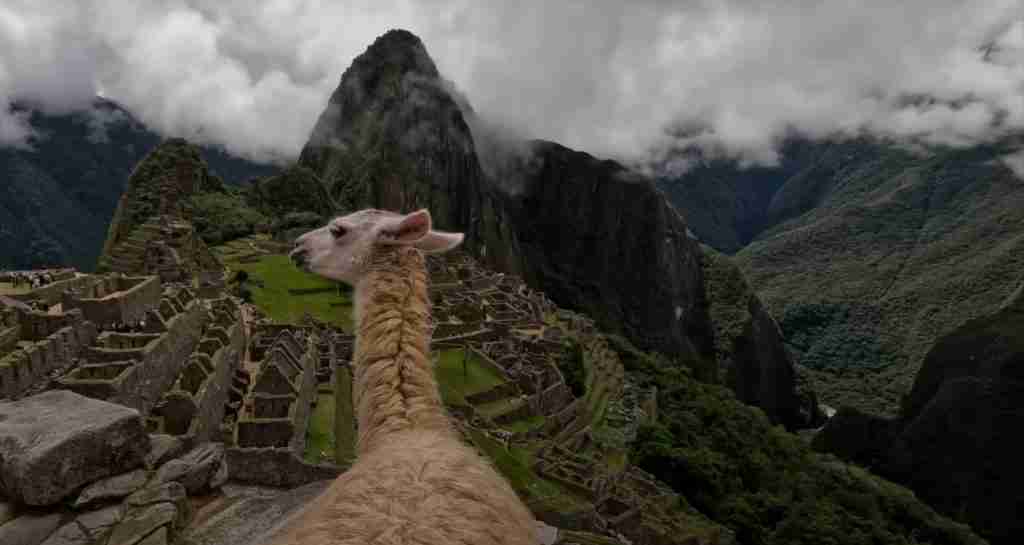
Traveling to Peru means you need to plan your money carefully. Knowing about the Machu Picchu currency and how to stay safe with your money is key. This way, you can have a worry-free trip.
The official money in Peru is the Sol (PEN). You can find banknotes and coins everywhere. Even though credit cards work in tourist spots, it’s smart to carry cash for small buys and off-the-beaten-path places.
- Exchange money at official banks or authorized exchange offices
- Avoid street money changers to prevent potential scams
- Notify your bank about travel plans before departure
- Carry a mix of cash and credit cards
For money safety in Peru, be careful. Keep extra cash and important papers in hotel safes. ATMs are common in big cities like Cusco and Lima. But, use them in banks during the day to stay safe.
Plan to spend about 40-60 Soles a day for food, travel, and small things. Tipping is nice but not required. Aim for 10% in restaurants and for tour guides.
Pro tip: Always have some small denominations for local markets and unexpected expenses.
Using credit cards might cost you 4% extra, so budget for that. Keep both digital and paper copies of your financial info for extra security.
Conclusion
Planning a trip to Machu Picchu needs careful thought and smart choices. With over 1,500,000 visitors each year, it’s key to plan well to make your trip special. Knowing about tickets, seasons, and entry rules is essential for Peru trip planning.
Book your tickets early, mainly from June to August when it’s busiest. Only about 6,000 tickets are sold daily. So, booking early is a must. Knowing about fees, transport, and time limits will help you enjoy Machu Picchu fully.
Your trip to Machu Picchu is more than just a vacation. It’s a chance to dive into a unique culture while following local rules and keeping the site’s history alive. By knowing the entry rules, health tips, and cultural norms, your visit can be truly life-changing.
Good planning makes your Machu Picchu adventure unforgettable. Whether you hike the Inca Trail or take the shuttle, every step of preparation adds to the excitement. Your hard work will pay off as you explore one of the world’s most amazing historical sites.

FAQ
Is Machu Picchu safe to visit?
Yes, Machu Picchu is safe for tourists. Just follow travel advisories, take precautions, and stay alert. The site is managed well by Peruvian authorities and sees many visitors without major issues.
What travel documents do I need to visit Machu Picchu?
You’ll need a valid passport, a return ticket, and maybe a tourist visa. Carry copies of your documents and travel insurance too.
How can I prevent altitude sickness when visiting Machu Picchu?
To avoid altitude sickness, acclimatize in Cusco for a few days. Stay hydrated, eat light, and avoid alcohol. Consider medication or coca tea for symptoms.
What are the best months to visit Machu Picchu?
May to September is best for clear skies and less rain. But, it’s also the busiest time. April or October might have fewer people.
How much should I budget for a trip to Machu Picchu?
Budget $500-$1,500 for a few days. This covers entrance fees, transport, and more. Luxury trips can cost more.
Are there any vaccination requirements for Peru?
Get vaccinated for Hepatitis A, Typhoid, and Tetanus. Yellow Fever might be needed for some areas. Talk to your doctor 4-6 weeks before.
What should I pack for Machu Picchu?
Pack layers, sturdy shoes, rain gear, and sun protection. Don’t forget medication, a water bottle, and a first-aid kit. Bring your passport and hiking permits.
Can I use credit cards in the Machu Picchu area?
Major hotels and some places in Cusco take credit cards. But, cash is preferred in smaller spots. Carry local currency and tell your bank about your trip.
What are the cultural etiquette tips for visiting Machu Picchu?
Dress modestly, ask before taking photos, and learn some Spanish. Respect the site and stay on paths. Don’t remove artifacts.
How physically fit do I need to be to visit Machu Picchu?
You need a moderate fitness level. Some paths are tough, but there are easier options. The Inca Trail is harder, while trains and buses are easier.
re there any vaccination requirements for Peru?
Get vaccinated for Hepatitis A, Typhoid, and Tetanus. Yellow Fever might be needed for some areas. Talk to your doctor 4-6 weeks before.
What should I pack for Machu Picchu?
Pack layers, sturdy shoes, rain gear, and sun protection. Don’t forget medication, a water bottle, and a first-aid kit. Bring your passport and hiking permits.
Can I use credit cards in the Machu Picchu area?
Major hotels and some places in Cusco take credit cards. But, cash is preferred in smaller spots. Carry local currency and tell your bank about your trip.
What are the cultural etiquette tips for visiting Machu Picchu?
Dress modestly, ask before taking photos, and learn some Spanish. Respect the site and stay on paths. Don’t remove artifacts.
How physically fit do I need to be to visit Machu Picchu?
You need a moderate fitness level. Some paths are tough, but there are easier options. The Inca Trail is harder, while trains and buses are easier.