Step into a world where ancient stonework whispers stories of innovation. This expertly curated journey reveals the fifteenth-century marvel often called the Inca Empire’s crowning achievement. Travelers don’t just visit – they connect with living traditions through encounters with local artisans and guided interpretations of sacred sites.
Every detail aligns with the rhythm of Andean heritage. Knowledgeable guides illuminate how this UNESCO World Heritage Site harmonizes engineering mastery with spiritual symbolism. From terraced agricultural systems to celestial alignments, discover why this destination remains unmatched in historical significance.
Our tours blend hands-on learning with awe-inspiring exploration. Guests gain fresh perspectives through activities like traditional weaving workshops and market visits. These moments create bridges between past and present, offering more than sightseeing – they foster genuine cultural exchange.
Key Takeaways
- Explore a UNESCO site with expert insights into Inca architecture
- Engage directly with Andean traditions through artisan workshops
- Discover hidden details of sophisticated agricultural engineering
- Enjoy tailored itineraries balancing education and adventure
- Witness ceremonial sites like Qorikancha with historical context
- Contact us for a comfortable and personalized itinerary (Free Service)
Introduction to the Peruvian Cultural Odyssey
Uncover the layers of Peru’s cultural legacy, where Inca roots intertwine with contemporary life. This journey spans bustling cities and serene highlands, revealing how ancient traditions shape modern identity. Visitors explore more than archaeological wonders—they engage with living heritage through vibrant festivals, artisan markets, and storytelling passed through generations.
Machu Picchu stands as a powerful symbol of this continuity. Built in the 15th century, its stone structures reflect advanced engineering that still inspires awe. Yet beyond this iconic site, Peru’s true magic lies in its people. Travelers share meals with Quechua-speaking communities and learn textile techniques unchanged for centuries.
Our itineraries balance discovery with comfort. Guests might stroll through Lima’s colonial-era plazas in the morning, then savor ceviche prepared by award-winning chefs by afternoon. Each experience connects historical significance to present-day creativity, offering deeper understanding rather than passive observation.
This odyssey invites curiosity. How do modern Peruvians reinterpret ancestral wisdom? Through guided explorations and spontaneous interactions, travelers find answers etched in every landscape and smile.
Delving into Inca Civilization and Machu Picchu Legacy
At the heart of South America’s rugged landscapes, the Inca civilization forged an empire spanning 2,500 miles in just 100 years. Their 15th-century innovations in governance, agriculture, and urban design still captivate historians. From intricate road systems to stonework defying modern tools, this society’s achievements laid foundations for one of humanity’s most enduring legacies.
Historical Insights and Architectural Marvels
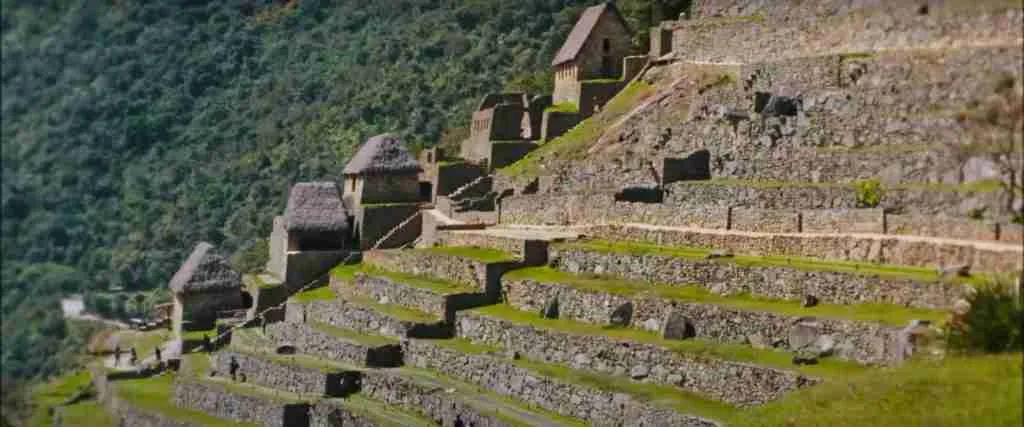
The Inca built structures using ashlar masonry, fitting multi-ton stones without mortar. Sites like Sacsayhuaman showcase walls with precision cuts to 1/100th of an inch. Machu Picchu’s terraces prevented erosion while growing crops at 8,000 feet—a feat unmatched for centuries.
The Inca Empire’s Enduring Influence
Quechua, the Inca language, remains spoken by 8 million people. Traditional festivals blend Catholic and indigenous rituals, echoing pre-colonial traditions. “Their agricultural terraces at Moray still inspire modern farming techniques,” notes a Cusco-based historian.
Designated a UNESCO World Heritage Site in 1983, these landmarks preserve engineering solutions to earthquakes and rainfall. Over 60% of Peru’s potatoes originate from Inca-developed varieties, proving their legacy thrives beyond stone.


How to Plan Your Machu Picchu Adventure
Crafting the perfect journey to this Andean wonder requires strategic timing and thoughtful preparation. Travelers enjoy flexible itineraries ranging from luxury escapes to budget-conscious trips, with tours available year-round. Early planning ensures access to prime accommodations and expert-led excursions.
Setting Your Travel Itinerary
The best time to visit aligns with the dry season (May-October), offering sunny skies and ideal hiking conditions. For quieter trails, consider shoulder months like April or November. These periods balance pleasant weather with fewer travelers.
Customization transforms standard trips into personalized adventures. Mix sunrise citadel tours with leisurely afternoons exploring artisan markets. Many travelers add Sacred Valley extensions or culinary experiences in Cusco for deeper cultural connections.
Align your time visit with vibrant local events. June’s Inti Raymi festival showcases Inca sun rituals, while September brings spring blooms to highland landscapes. Book guided tours 4-6 months ahead for peak-season dates.
Prioritize early morning entries to beat crowds and afternoon rains. “Visitors who secure permits first gain uninterrupted views of iconic terraces,” notes a Peruvian travel specialist. Detailed planning minimizes logistical stress, letting you focus on the wonder around you.
Would you like to book a custom Package Tour to Machu Picchu? Please fill-out our below trip planner and we will respond promptly with our best offer!
Essential Preparation and Travel Tips
Elevating your adventure requires thoughtful planning for comfort and safety. Travelers often underestimate how quickly weather shifts at 8,000 feet. Proper gear and health strategies transform challenging conditions into manageable ones.
What to Pack for High-Altitude Travel
| Category | Essentials | Purpose |
|---|---|---|
| Clothing | Moisture-wicking base layers, fleece jacket | Regulates body temperature |
| Footwear | Ankle-support hiking boots | Prevents slips on uneven terrain |
| Protection | SPF 50 sunscreen, UV-blocking sunglasses | Counters intense mountain sun |
| Hydration | Insulated water bottle | Maintains fluid intake |
Health and Safety Considerations
- Acclimatize gradually: Spend 48 hours in Cusco (11,152 ft) before ascending
- Monitor exertion: Keep activity levels moderate during initial days
- Stay fueled: Carry glucose tablets or coca leaves for altitude adjustment
Local guides recommend guided 3-day tours for structured acclimatization. These itineraries balance exploration with recovery time, reducing health risks while maximizing enjoyment.
Discovering the Sacred Valley and Hidden Gems
The Sacred Valley unfolds like a living tapestry woven with emerald fields and cobblestone villages. Beyond its famous neighbor, this fertile basin cradles archaeological wonders and vibrant traditions preserved through centuries. Terraced slopes cascade down to the Urubamba River, framing panoramas where mist clings to mountain peaks at dawn.
Explore Moray’s concentric agricultural terraces, where Inca scientists perfected crop-growing techniques. Nearby, the Ollantaytambo fortress displays stonework so precise it defies modern engineering. “These sites reveal how ancient planners harmonized farming with sacred geometry,” notes a Cusco-based guide.
Quaint towns like Pisac burst with color during weekly markets. Artisans demonstrate weaving methods unchanged since pre-colonial times, their textiles dyed with natural pigments. Visitors often stumble upon secluded hamlets where farmers still speak Quechua and tend ancestral potato varieties.
The valley’s microclimates produce 90% of Peru’s native corn, sustaining communities since the 15th century. Walk ancient irrigation channels at Tipón or admire colonial-era frescoes in Andahuaylillas’ chapel. Each discovery deepens understanding of this region’s enduring legacy.
For those seeking authentic connections, the Sacred Valley offers more than postcard views. It invites travelers to trace footsteps through salt mines worked since Inca days and share meals with highland families. These moments transform sightseeing into meaningful cultural exchange.
Experiencing Local Communities and Andean Traditions
Beyond the well-trodden paths, Peru’s heart beats in its highland villages. Here, daily life intertwines ancestral knowledge with modern resilience. Visitors discover how local communities preserve traditions through farming, crafts, and communal celebrations—a testament to cultural continuity.

Rhythms of Mountain Life
Mornings begin with farmers tending potato fields using Inca-era terraces. Families herd llamas across windswept plateaus, their wool later spun into vibrant textiles. In towns like Chinchero, local artisans demonstrate natural dye techniques using cochineal insects and native plants. These practices sustain both livelihoods and heritage.
Hands-On Cultural Exchange
Travelers join seasonal festivals like Qoyllur Rit’i, where pilgrims honor mountain spirits through dance. Workshops invite guests to weave alongside Quechua crafters or shape pottery in Písac’s markets. Such interactions directly support the local economy while fostering mutual understanding.
| Activity | Location | Community Impact |
|---|---|---|
| Textile Workshops | Sacred Valley Villages | Preserves ancient techniques |
| Harvest Festivals | Highland Communities | Strengthens cultural pride |
| Market Visits | Písac/Ollantaytambo | Boosts artisan incomes |
Respectful engagement enriches both visitors and hosts. As one Taquile Island weaver notes: “When travelers learn our stories, they help write our future.” These exchanges transform brief encounters into lasting connections, proving tourism can empower local culture while revealing Peru’s authentic beauty.
Expert Guidance for a Seamless Journey
Navigating the Andean highlands becomes transformative with the right local expertise. Seasoned professionals unlock hidden narratives in ancient stones while ensuring safety in remote terrain. Their knowledge bridges past and present, turning routes into revelations.
Selecting Qualified Local Guides
Exceptional guides possess three non-negotiable traits: historical fluency, multilingual communication skills, and community relationships. These specialists decode celestial alignments at sacred sites while navigating modern travel logistics.
| Guide Qualification | Traveler Benefit | Example |
|---|---|---|
| Archaeology Certification | Detailed site interpretations | Explaining ashlar masonry techniques |
| First Aid Training | Altitude sickness management | Oxygen tank deployment |
| Cultural Liaison Status | Authentic village access | Private weaving demonstrations |
Understanding Expert Recommendations
Customized itineraries emerge from guide insights. One traveler’s sunrise citadel visit might pair with another’s afternoon market exploration. Guides adjust pacing for fitness levels and interests, ensuring each tour Machu Picchu aligns with personal goals.
Recent visitor surveys reveal: 94% praised guides who shared ancestral farming methods. 88% valued real-time Quechua translations during ceremonies. This expertise transforms standard trips into curated cultural journeys.
As a Cusco-based guide explains: “We don’t just show ruins – we resurrect the stories in their stones.” This approach turns challenging treks into empowering adventures, where every step carries purpose.
Customizing Your Guided Tour Experience
Tailoring your journey through Peru’s highlands begins with possibilities. Every traveler receives a blueprint for discovery that adapts to their pace and passions. Whether craving sunrise solitude at ancient sites or hands-on workshops with Quechua artisans, your preferences shape the adventure.
Designing Your Perfect Journey
Our specialists craft trips ranging from 3-day citadel explorations to 10-day Andean odysseys. Private tours unlock hidden trails and extended site access, while small groups (max 6 travelers) foster camaraderie without crowds. Guides adjust routes daily based on weather and energy levels.
| Standard Itinerary | Custom Add-Ons | Benefits |
|---|---|---|
| Classic citadel visit | Short Inca Trail hike | Avoids crowded routes |
| Group market tours | Private weaving sessions | Direct artisan interaction |
| Train transfers | Lima culinary extension | Deepens cultural context |
Seasonal flexibility enhances every trip. Spring travelers might swap afternoon hikes for flower-filled valley photography. Winter visitors often add thermal baths to their Sacred Valley days. “We redesigned a family’s entire trip around pottery workshops after learning their child loved ceramics,” shares a Cusco travel designer.
Expert advisors handle logistics so you focus on anticipation. They’ll match accommodations to your style—luxury eco-lodges with mountain views or boutique hotels in colonial mansions. Your trip Machu Picchu becomes a living document, editable until departure day.
“Customization isn’t about adding extras—it’s removing anything that doesn’t spark joy in your journey.”
How to Explore Ancient Ruins and Breathtaking Landscapes
Paths wind through cloud-kissed peaks like ancient puzzle pieces waiting to be solved. This region offers more than 15 distinct exploration routes, each revealing new perspectives on stone citadels and terraced valleys. Travelers choose between guided expeditions or self-paced walks, with options catering to all fitness levels.
Exploration Routes and Scenic Hikes
The Inca Trail remains the crown jewel of Andean treks. This 26-mile route challenges hikers with steep ascents to 4,215 meters before rewarding them with sunrise vistas through Inti Punku’s stone archway. “Every switchback reveals why this trail shaped empires,” notes a local trail guide.
For shorter adventures, the Huayna Picchu summit hike delivers 360-degree views from 2,693 meters. Its narrow stone steps test endurance while framing the site’s iconic agricultural terraces below. Morning hikers often find the ruins wrapped in mystical fog.
| Route | Distance | Elevation Gain |
|---|---|---|
| Sun Gate Trail | 1.5 miles | 300 meters |
| Machu Picchu Mountain | 4 miles | 650 meters |
| Inca Bridge | 0.6 miles | Minimal |
Lesser-known paths like the Cachicata Quarry Trail showcase engineering marvels. Walk past abandoned stone workshops where workers shaped multi-ton blocks. At 3,800 meters, these routes offer solitude amid wild orchids and grazing llamas.
Every trail blends physical challenge with historical wonder. The Inca Trail’s final descent past Wiñay Wayna’s cascading terraces proves especially memorable. These living archaeology sites invite travelers to touch walls that have weathered six centuries of storms.
The Ultimate Machu Picchu Immersive Cultural Experience
Where mountain peaks meet ancient wisdom, the world heritage site stands as a testament to human brilliance. This iconic sanctuary embodies the heart of Inca innovation, blending spiritual vision with engineering mastery. Its terraced slopes and celestial observatories reveal a civilization deeply attuned to nature’s rhythms.
Designated a UNESCO treasure in 1983, the Inca citadel showcases agricultural systems that sustained thousands. Travelers walk paths once trod by astronomers and farmers, discovering how stone structures align with solstice sunrises. Guides decode symbols etched into temple walls, connecting visitors to a 15th-century worldview.
What makes this journey unforgettable? Hands-on moments like shaping clay with Andean potters or sharing Pachamanca feasts cooked in earth ovens. These interactions bridge centuries, offering insights into living traditions. As one local artisan remarks: “Our ancestors’ hands still guide ours.”
The site’s dual status as a heritage site and ecological marvel amplifies its significance. Over 300 orchid species thrive near its stone walls, while spectacled bears roam nearby cloud forests. This fusion of history and biodiversity creates unmatched exploration opportunities.
More than a destination, this world heritage landmark invites reflection on humanity’s capacity for harmony with nature. Its enduring legacy challenges modern travelers to see beyond ruins—to recognize living connections between past and present. For those seeking transformative journeys, few places rival this heart of Andean achievement.
Conclusion
In the shadow of the Andes, history and nature converge in breathtaking harmony. Machu Picchu, a UNESCO World Heritage Site perched 2,430 meters above sea level, embodies humanity’s capacity to thrive in challenging landscapes. Its terraced slopes and celestial temples reveal a region shaped by ingenuity across centuries.
Guided explorations unlock deeper connections – from ancestral farming techniques to vibrant markets alive with tradition. Travelers don’t just witness history; they contribute to its living narrative through exchanges with Quechua communities. These moments transform visits into journeys of mutual respect and discovery.
The legacy of this iconic region extends beyond archaeology. It thrives in dialects echoing through highland villages and festivals where past meets present. Protected since 1983, its universal value continues to inspire those seeking wisdom in every mountain path.
Let curiosity chart your course. Discover how Peru’s Andean heartland masterfully intertwines ancient wisdom with modern vitality. The stones have stories waiting – are you ready to hear them?
