Unlock the secrets of Machu Picchu, one of the world’s most iconic landmarks, with an unforgettable hiking adventure through the Andes. Whether you’re seeking a journey into history, an exploration of diverse nature, or a chance to discover Inca archaeological sites, Machu Picchu hiking tours offer a truly remarkable experience. From the locally-owned adventure experts at Peru For Less to the well-maintained Inca Trail, this guide covers the essential travel information to plan your Peruvian escapade.
Key Takeaways
- Discover the history and engineering marvels of the Inca Trail
- Explore a variety of microclimates and Inca archaeological sites
- Experience top-quality camping equipment and delectable cuisine with Peru For Less
- Learn about the best time to hike the Inca Trail and prepare for the adventure
- Understand the permit process and consider alternative treks to Machu Picchu
- Contact us for a comfortable and personalized itinerary (Free Service)
The Inca Trail: A Journey into History
Start an unforgettable journey on the Inca Trail, built in the 1450s. This ancient path, through the Andes, offers a unique view of Inca sites and stunning nature.
The Trail: A Marvel of Incan Engineering
The Inca Trail shows the Inca’s skill and creativity. It was made with rocks from nearby quarries, showing their amazing masonry. Walking the trail, you’ll see the incredible engineering that went into it.
Diverse Nature and Microclimates
The Inca Trail goes through different climates, from high puna to lush jungle. This variety of landscapes is full of plants and animals, giving you a deep experience of Peru’s sacred valley.
Inca Archaeological Sites Along the Way
Along the Inca Trail, you’ll see important Inca sites like Patallacta/Llactapata and Machu Picchu. These ruins show the Inca’s history and culture, ending at the famous Machu Picchu.
“The Inca Trail is a true testament to the engineering prowess and cultural significance of the Inca Empire, offering hikers an unparalleled journey through history and nature.”
The Inca Trail Day by Day
Start an exciting journey through the ancient Inca world on the famous inca trail trek to machu picchu hiking tours. This trek is a dream for many, known for its history and stunning views.
Day 1: Cusco to Ayapata
The inca trail trek starts with a pickup from Cusco, Urubamba, or Ollantaytambo. Then, a drive takes you to Km 82, the trail’s beginning. You’ll see the Inca site of Patallacta and camp at Ayapata (3,300 meters). This day is easy, with a 14 km hike and a moderate challenge.
Day 2: Ayapata to Chaquicocha
Day 2 is tough, with a steep climb to Dead Woman’s Pass (4,215 meters). After the pass, you’ll go down to the Pacaymayu Valley and up to Runcuracay Pass. You’ll see Inca sites like Runcuracay and Sayacmarca. Camp at Chaquicocha (3,600 meters) for stargazing.
Day 3: Chaquicocha to Wiñaywayna
Day 3 is the most stunning, with the Cloud Forest and Salkantay mountain views. You’ll climb to Phuyupatamarka (3,600 meters) and then down to Wiñaywayna. This is the last campsite before machu picchu hiking tours.
“The Inca Trail is a once-in-a-lifetime experience that combines stunning natural beauty, rich cultural history, and a sense of accomplishment. It’s a journey that will leave you in awe of the resilience and ingenuity of the Inca people.”


machu picchu hiking tours travel information
Machu Picchu hiking tours give you all the details to plan your trip to this famous Incan site. You’ll learn about the Inca Empire’s history and the best time to visit. These tours provide a deep dive into the wonders that await you.
The Inca Trail is a highlight of many tours. It’s a marvel of engineering. Visitors can explore the history and nature along this ancient path. They’ll see Inca sites that give a peek into the past.
Peru For Less is a trusted name in Machu Picchu tours. With over 15 years of experience, they provide top-notch camping gear, tasty meals, and amenities. They make sure your journey is comfortable and convenient.
| Trek Options | Duration | Cost (USD) |
|---|---|---|
| 2 days and 1 night Salkantay trek | 2 days, 1 night | $260 |
| 2 days and 1 night Short Inca Trail | 2 days, 1 night | $550 |
| 2 days and 1 night Rainbow Mountain & Red Valley trek | 2 days, 1 night | $250 |
| 3 days and 2 nights Ausangate & Rainbow Mountain trek | 3 days, 2 nights | $400 |
| 1-day Challenge Inca Trail | 1 day | $400 |
| 3 days and 2 nights The Salkantay Trek Challenge | 3 days, 2 nights | $560 |
Machu Picchu tours give you the best advice on when to visit. They consider the weather, crowd levels, and permits. This ensures you have the best experience.
These tours are perfect for those who want to dive into the Inca Empire’s history and culture. Or for those who love exploring nature. With expert guidance and all the travel info you need, you’re ready for an amazing adventure to this UNESCO World Heritage site.
The Best Time to Hike the Inca Trail
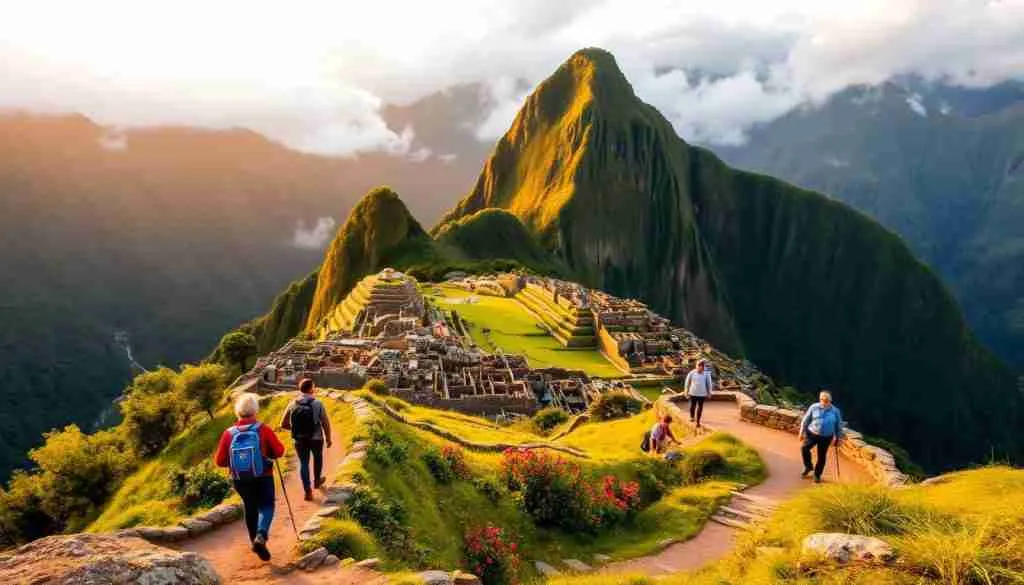
Planning your machu picchu hiking tours? The dry season, from mid-April to October, is the best time. It offers great weather, making your hike more fun.
May through August are the peak months. The weather is mild and sunny, and it rarely rains. This makes the trek more comfortable.
The Inca Trail is closed in February for maintenance. So, no groups can hike then. Plan your trip early and book your permits well in advance. They often sell out up to a year before.
| Best Time to Hike the Inca Trail | Advantages |
|---|---|
| April to October (Dry Season) |
|
| Late March to May and September to mid-December |
|
| June, July, and August |
|
When planning your machu picchu hiking tours, think about the best time to visit. The Inca Trail is best from mid-April to October. With the right altitude acclimatization tips, you’ll have a memorable adventure.
Preparing for the Adventure
Starting the machu picchu hiking tours is thrilling. But, getting ready is crucial for a safe and fun trip. You need to pack right and train for the high-altitude hike.
Essentials to Pack
Packing for the Inca Trail means focusing on quality gear. You’ll need sturdy boots, breathable clothes, rain gear, and sun protection. Remember, you can only carry a 7-kilogram (15-pound) bag, so pack smart.
Don’t forget a headlamp, water bottles, snacks, and any meds you might need.
Physical Training and Acclimatization
The Inca Trail is tough, reaching up to 4,215 meters (13,828 feet) at Dead Woman’s Pass. Start exercising and building strength a few months before. Activities like hiking, cycling, and swimming boost endurance.
Also, spend a few days in Cusco or the Sacred Valley to get used to the altitude. This helps a lot before starting the Inca Trail.
With the right gear, physical prep, and acclimatization, you’re set for the machu picchu hiking tours. Enjoy your Inca Trail adventure!
Alternative Treks to Machu Picchu
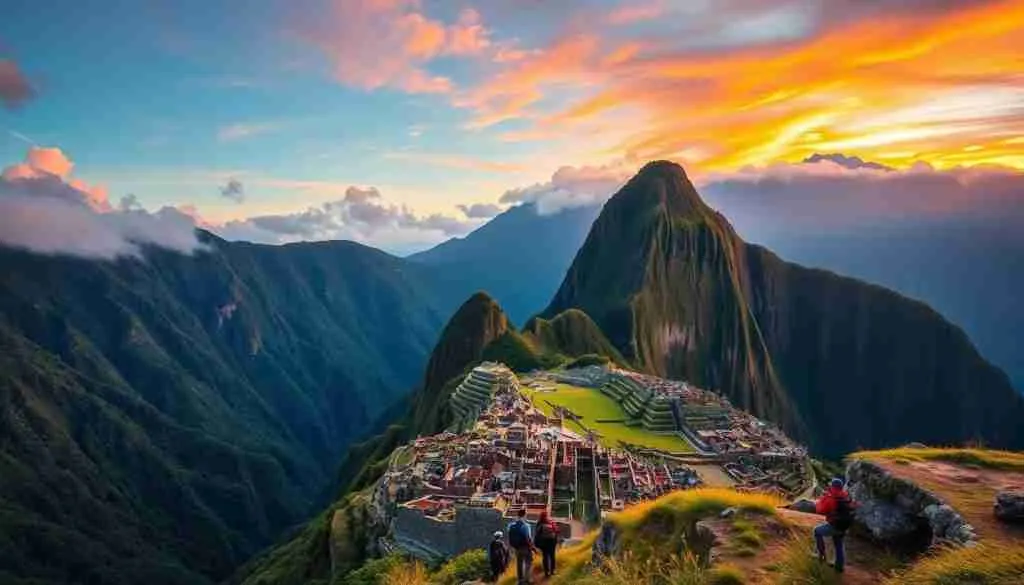
The Inca Trail is famous, but it’s not the only way to Machu Picchu. The Inca road system has many other treks. These offer unique experiences and fewer people than the Inca Trail.
The Salkantay Trek is a favorite. It goes higher than the Inca Trail and shows amazing Andean views. The Choquequirao Trek is tough but rewarding, letting you see the “Cradle of Gold” ruins. For a cultural dive, try the Lares Trek to see traditional Andean life.
Other treks include the Ausangate Trek for its remote beauty and Rainbow Mountain. The Inca Jungle Trek mixes hiking, biking, and rafting. These paths give different views of the Inca legacy and suit various interests and fitness levels.
| Trek | Duration | Difficulty | Highlights |
|---|---|---|---|
| Salkantay Trek | 5 days | Moderate to Challenging | Stunning Andean landscapes, Inca ruins, Humantay Lake |
| Choquequirao Trek | 4-8 days | Challenging | Remote Inca ruins, Machu Picchu’s “Cradle of Gold” |
| Lares Trek | 4 days | Moderate | Immersion in Andean culture, traditional communities |
| Ausangate Trek | 5 days | Challenging | Remote wilderness, Rainbow Mountain, high-altitude passes |
| Inca Jungle Trek | 4 days | Moderate to Challenging | Hiking, biking, and whitewater rafting |
These machu picchu hiking tours offer many experiences for peru adventure travel fans. They match different fitness levels and interests. Whether you want a tough trek, cultural immersion, or a mix of activities, there’s a trek for you.
Permits and Guided Tours
To hike the Inca Trail to Machu Picchu, you need a special permit. These permits are only available through licensed tour operators. There’s a limit of 500 visitors daily, including guides and porters. This means permits sell out fast, especially from April to September.
Since 2001, solo hiking on the Classic Inca Trail is not allowed. You must have an official tour guide. This rule is enforced by law. So, booking with a trusted operator like Peru For Less is essential. They have over 21,000 excellent reviews on Tripadvisor, showing their dedication to great experiences.
The Inca Trail is the only hike needing a guide. But, other paths like Salkantay and Lares Treks can be done with or without a guide. Peru For Less and others offer guided tours. These include everything: permits, transport, food, and expert guides. They make your journey to the Andes unforgettable.
