The Inca Trail to Machu Picchu is a famous hike. It usually takes 4 days and 3 nights to finish the 38km route. The first day is a half-day hike, followed by a longer second day.
The third day is more moderate, and the fourth day is short but early. It ends at the Sun Gate, overlooking Machu Picchu. The hike is challenging due to high altitude but offers an amazing view of ancient ruins and Andean landscapes.
With the right preparation, training, and gear, anyone in decent shape can achieve the Inca Trail trek.
Key Takeaways
- The classic Inca Trail to Machu Picchu is typically a 4-day, 3-night hike covering 38km.
- The hike can be challenging due to high altitude, but is an incredible way to experience Inca history and Andean landscapes.
- Proper preparation, training, and gear are essential for a successful and enjoyable Inca Trail trek.
- The Inca Trail is a popular and limited-permit hike, so planning well in advance is recommended.
- The hike to Machu Picchu can be combined with other trekking options, such as the Salkantay or Lares Treks.
Contact us for a comfortable and personalized itinerary (Free Service)
Introduction to the Inca Trail and Machu Picchu
The Inca Trail was an ancient network of roads and trails. It connected the Inca Empire, which spanned parts of Peru, Bolivia, Ecuador, and Chile. This legendary pathway led to the iconic Machu Picchu, used by the Incas for both practical and ceremonial purposes.
History of the Inca Trail and Machu Picchu
Machu Picchu, the famous Inca citadel, was built in the 15th century. It was an estate for the Inca emperor Pachacuti. Rediscovered in 1911 by explorer Hiram Bingham, it’s known as the “Lost City of the Incas.” In 1983, Machu Picchu was named a UNESCO World Heritage Site for its cultural and historical significance.
Significance of Machu Picchu as a UNESCO World Heritage Site
The Inca Trail and Machu Picchu are of great historical and cultural value. Machu Picchu is a key archaeological site in South America. It shows the advanced civilization of the Inca Empire. Being a UNESCO World Heritage Site highlights its universal value and the need to preserve it for the future.
| Inca Trail Statistics | Details |
|---|---|
| Length | 43km (26 miles) |
| Duration | 4 days, 3 nights |
| Difficulty Level | Moderate |
| Highest Point | Dead Woman’s Pass at 4,200m |
| Daily Permits | 500 (200 tourists, 300 guides/porters) |
| Best Time to Hike | Late March to May, September to November |
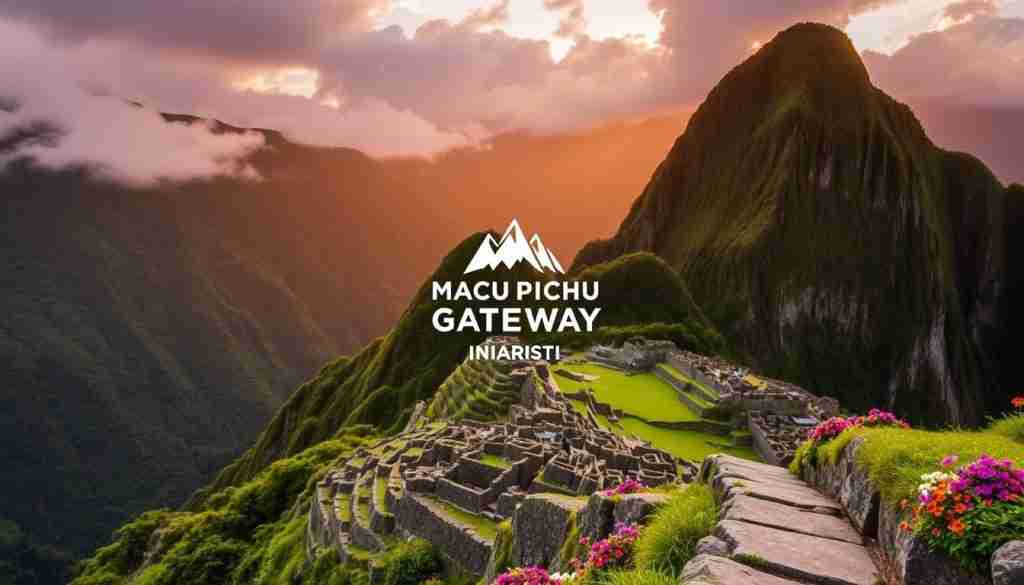
Hiking the Inca Trail and visiting Machu Picchu is a unique experience. It lets you dive into the history of the inca trail and explore the inca empire history. As a machu picchu unesco world heritage site, this ancient wonder continues to fascinate and inspire travelers worldwide.
How Long is the Hike to Machu Picchu?
Many travelers dream of hiking the Inca Trail to Machu Picchu. This iconic journey is 26 miles (42 km) long. It usually takes 4 days and 3 nights to finish.
The first day covers half the distance, preparing you for the challenges ahead. Days two and three are longer, with 9-12 miles (14-19 km) each. You’ll see amazing Andean views. The last day ends with a hike to the Sun Gate for a stunning view of Machu Picchu.
The hike is tough due to high altitude and steep paths. It’s best for those in good shape. Make sure to acclimatize to the thin air before starting.
| Inca Trail Segment | Distance | Estimated Time |
|---|---|---|
| Day 1 | Approximately 13 miles (21 km) | 6-8 hours |
| Day 2 | 9-12 miles (14-19 km) | 7-9 hours |
| Day 3 | 9-12 miles (14-19 km) | 7-9 hours |
| Day 4 (to Sun Gate) | 3.25-4.5 miles (5.2-7.2 km) | 2-3 hours |
| Sun Gate to Machu Picchu | Approximately 2 miles (3.2 km) | 1-2 hours |
Whether you pick the 4-day trek or a shorter version, it’s a chance to explore the Andes. You’ll see incredible landscapes and learn about the Inca history. The journey ends with the breathtaking sight of Machu Picchu.
Preparing for the Inca Trail Hike
Starting the Inca Trail hike to Machu Picchu needs careful planning. You must prepare physically and acclimatize to the altitude.
Physical Training and Altitude Acclimatization
The Inca Trail is challenging, reaching up to 13,828 feet. Start training a few months before. Aim for hikes of 7-9 miles with 2,000 feet of elevation change each week. Gradually increase the distance by 10-20% each week.
Getting used to the high altitude is key. The trek starts at 8,530 feet and peaks at 13,780 feet. Spending time in Cusco helps your body adjust to the thinner air.
Essential Gear and Packing List
Choosing the right gear is crucial for a great Inca Trail experience. You’ll need a comfy backpack, sturdy boots, warm clothes, rain gear, and camping and water purification equipment. Consider hiring a porter to carry some of your stuff.
With proper training, altitude acclimatization, and the right gear, you’re ready for an unforgettable Inca Trail adventure to Machu Picchu.
Daily Itinerary and Highlights of the Inca Trail
The classic 4-day Inca Trail trek to Machu Picchu is full of adventure. Each day of the inca trail daily itinerary brings new challenges and rewards. It shows the inca trail highlights that make this journey unforgettable.
On the first day, hikers start with a half-day hike in the Cusichaca Valley. They see ancient Inca ruins and enjoy stunning views. The second day is the toughest, with a climb over 4,200 meters (13,800 ft) to Dead Woman’s Pass. Here, they see snow-capped Andean peaks and feel proud of their climb.
Days 3 and 4 are easier, with a chance to see many Inca sites, cloud forests, and alpine tundra. The last morning, they hike to the Sun Gate. There, they see Machu Picchu, a moment of triumph after the hike.
“The sense of accomplishment upon reaching Machu Picchu makes the physical demands of the Inca Trail hike well worth it.”
Throughout the trek, adventurers find a mix of Inca history, natural beauty, and personal achievement. The inca trail highlights and varied inca trail daily itinerary make this journey unforgettable. It’s a must for those wanting to explore Peru’s iconic Inca Trail.
Tips for a Successful and Memorable Trek
To have a great time on the Inca Trail, pick the best tour operator and go during the hiking season. These choices help make your Machu Picchu trip unforgettable.
Choosing the Right Tour Operator
Look for an Inca Trail tour operator that cares about porters, offers good gear and food, and has skilled guides. Alpaca Expeditions is a top choice. They treat their porters well and give them all the gear they need for free.
Best Time to Hike the Inca Trail
The best time to hike the Inca Trail is from May to September. This period is dry and perfect for hiking. But, summer is busier. The trail is closed in February for maintenance, so plan ahead.
Drink 4-5 liters of water daily at high altitudes to stay hydrated. Dehydration hits harder at high elevations, so drinking enough water is key for a safe trip.
| Inca Trail Operator | Porter Pay Premium | Fundraising Goal |
|---|---|---|
| Ian Taylor Trekking | 25% more | $25,000 |
| Alpaca Expeditions | 25% more | N/A |
“Altitude sickness affects an estimated half of people who travel to locations above 8,000 feet, so proper preparation and acclimatization are essential for a successful Inca Trail hike.”
Beyond Machu Picchu: Additional Hiking Opportunities
The classic Inca Trail hike to Machu Picchu is famous, but there’s more to explore. Adventurous travelers can find many alternative routes and hikes in the area. These paths offer beautiful Andean views, hidden Inca ruins, and a chance to see more than just the Inca Trail.
Top hiking spots near Machu Picchu include the Salkantay Trek, Lares Trek, and Choquequirao Trek. These hikes last several days. They give a unique view of the Andes and let you dive into the region’s history and beauty.
For those with extra time, hikes to Huayna Picchu and Machu Picchu Mountain offer amazing views of Machu Picchu. These trails are shorter but tough. They give a different view and let you explore the site more deeply.
Whether you want a long, tough trek or a short, easier hike, there’s something for everyone. By exploring beyond Machu Picchu, you can truly experience Peru’s landscapes and find hidden treasures beyond the Inca Trail.
“The journey to Machu Picchu is as much a part of the experience as the ancient citadel itself. Exploring the alternative hiking trails allows you to create your own unique adventure.”
Conclusion
The Inca Trail to Machu Picchu is a unique adventure. It lets travelers follow the Inca Empire’s path to the stunning ruins of Machu Picchu. The trek is challenging, especially because of the high altitude. But, with the right planning and a good tour operator, it’s incredibly rewarding.
Understanding the hike’s length, packing the right gear, and choosing the best time are key. This way, hikers can enjoy an unforgettable journey through Peru’s beautiful Andean landscapes. They’ll also dive into the rich history of the Inca civilization.
Planning is essential for the Inca Trail, with only a few permits available each day. It’s best to book 8 to 10 months in advance. Working with a trusted tour operator like Alpaca Expeditions can help secure a spot. They have a 99% success rate in getting permits.
The Inca Trail offers more than just a hike. It’s a chance to explore ancient ruins and experience Peruvian culture. This adventure will leave a lasting impression on all who take it.
