Machu Picchu is a famous Inca citadel in the Andes Mountains. It’s a dream destination for many. Its history, architecture, and natural beauty draw visitors worldwide. This guide will help you plan your trip, whether it’s your first or you’re coming back.
Key Takeaways
- Machu Picchu can welcome up to 5,000 visitors per day, making it a popular destination.
- The weather in Machu Picchu varies from 8°C to 20°C, with a rainy season from November to March.
- Reaching Machu Picchu can be done by train or the Inca Trail, which is considered one of the world’s best hikes.
- Huayna Picchu mountain hike is not recommended for those with a fear of heights or children under 12.
- Machu Picchu is located at an altitude of 2,430 meters, so visitors should be prepared for the high elevation.
- Contact us for a comfortable and personalized itinerary (Free Service)
What is Machu Picchu?
Machu Picchu is a famous Inca citadel in the Andes Mountains. It was built in the 15th century for the Inca emperor Pachacuti. This UNESCO World Heritage Site shows the machu picchu history and machu picchu cultural significance of the Inca civilization.
Machu Picchu’s History and Cultural Significance
Machu Picchu was built around 1450 AD. It was a private royal estate and a secret mountain retreat. It was also a sacred religious site for the Inca emperor Pachacuti. The machu picchu inca ruins show the Incas’ love for nature. The site is between the Andes and the Amazon, showing their harmony with the environment.
| Machu Picchu Key Facts | Statistics |
|---|---|
| Altitude | 2,400 meters above sea level |
| Yearly Visitors | Over 1.5 million |
| Daily Visitor Limit | 4,044 |
Architectural Wonders of the Inca Citadel
Machu Picchu’s machu picchu architecture is amazing. It has nearly 150 structures, like the Temple of the Sun and the Temple of the Condor. The site’s stonework, terraces, and water system show the Incas’ skill and love for nature.
“Machu Picchu is an extraordinary example of the Inca civilization’s architectural and engineering achievements, as well as their harmonious integration with the natural environment.”


machu picchu frequentky asked questions
Machu Picchu, the stunning Inca citadel in the Andes, is a top dream spot for many. It’s a favorite in Peru, leading to lots of questions about visiting. This guide answers the most machu picchu frequently asked questions to enhance your Machu Picchu adventure.
Tickets and Access
There are 10 types of Machu Picchu tickets for sale, each with different access levels. Prices vary, with the best options being the Classic Machu Picchu entrance and the Classic Machu Picchu entrance (lower terrace).
Visitors can enter from 6 am to 3.45 pm, with timed entry slots. Tickets only cover site admission, not transport or guides. Some groups get discounts, and ticket changes are possible under certain rules.
Exploring Machu Picchu
Inside machu picchu, you’ll find several circuits for unique experiences. Highlights include the Temple of the Moon, Inca Bridge, and Intipunku. These spots offer a deeper dive into the Inca world.
“Machu Picchu was built in the 1450s during the reign of the Inca emperor Pachacuti and housed around 1,000 inhabitants.”
Over 1.2 million people visit Machu Picchu each year, making it Peru’s most visited spot. The Inca Trail, with a daily limit of 500, and the Salkantay trail, ranked by National Geographic, are among the highlights.
When to Visit Machu Picchu
Machu Picchu, the amazing Inca citadel in the Andes, is open all year. But, some seasons are better for visiting. You might want sunny days, fewer people, or to see local festivals. Knowing the machu picchu weather and machu picchu seasons helps plan your trip.
Best Seasons for Traveling to Machu Picchu
The best time to visit is from May to September. The machu picchu weather is warm and sunny. This dry season has clear skies and less rain. But, it also means more people because of machu picchu events and machu picchu festivals.
The shoulder seasons of April-May and September-November are great too. They have nice weather, fewer tourists, and a good balance. These months are comfortable and less crowded.
The rainy season from December to March has more rain and humidity. But, it’s less busy and the landscape is green. It’s a chance to see Machu Picchu with fewer people.
Festivals and Events in Machu Picchu
Machu Picchu’s machu picchu events and machu picchu festivals are part of the culture. Some big celebrations include:
- Inti Raymi (June 24) – A festival of the sun with parades and ceremonies.
- Peru’s Independence Day (July 28) – Celebrated with music, dance, and food.
- Santa Rosa de Lima (August 30) – A festival honoring the patron saint of Lima, with processions and events.
These festivals happen during the dry season. This means more people and higher prices. Plan well to have a great Machu Picchu visit.
Getting to Machu Picchu
Traveling to Machu Picchu in Peru is an adventure with breathtaking views. You can reach this ancient site from Lima and Cusco by different ways.
Transportation Options from Lima and Cusco
First, you can fly or take a bus from Lima to Cusco. Flights are quick, lasting about an hour, and cost between $100-$120. The bus ride, however, takes 20 hours and costs $50-$60.
In Cusco, you can hike the Inca Trail to Machu Picchu in 4 days. Or, you can take a train through the Sacred Valley of the Incas.
Train Routes and Stations
- Peru Rail and Inca Rail are the main train services to Machu Picchu. You can buy tickets online or at their offices in Lima and Cusco.
- The main train stations are San Pedro and Poroy in Cusco, and Urubamba in the Sacred Valley.
- The train journey offers beautiful views of the Andean landscapes on the way to Machu Picchu.
Choosing your travel method is important. Machu Picchu is very popular, especially from May to September. So, book your trip early to avoid missing out.
Exploring Machu Picchu
Visiting Machu Picchu is a dream for many. It’s a must-see for anyone interested in history and architecture. A good tour guide can make your visit unforgettable. They share stories and insights that bring the site to life.
Guided Tours and Self-Guided Visits
Guided tours offer a deep dive into Machu Picchu. They last 2-3 hours and cover key spots like the Temple of the Sun. Guides share stories about the Inca people and their culture.
If you prefer to explore alone, self-guided visits are an option. But, it’s smart to research and get a map first. This way, you can see what interests you most at your own pace.
| Guided Tour | Self-Guided Visit |
|---|---|
| Offered at the entrance or through agencies | Explore at your own pace |
| Duration: 2-3 hours | Requires prior research and preparation |
| Expert guide provides in-depth commentary | Personalized experience, but less structured |
| Covers key structures and highlights | Focus on areas of personal interest |
Whether you go on a guided tour or explore alone, Machu Picchu is unforgettable. With the right prep and guide, you’ll uncover its secrets. You’ll make memories that last a lifetime with your machu picchu tours and machu picchu exploration.
Hiking Adventures in Machu Picchu
The Inca Trail Trek
The Inca Trail trek is a famous hike through the Andes to Machu Picchu. It spans almost 40 kilometers over 4 days. The journey begins at the trailhead and ends at the Sun Gate entrance to the Incan citadel.
Only 500 people can hike the Inca Trail each day. This includes trekkers, cooks, porters, and guides. It’s wise to book your spot 6 months in advance. During peak season, May to September, you should book 8 to 10 months early.
You can’t hike the Inca Trail alone. It must be booked through a licensed tour agency. There’s also a 2-day version for those with less time or fitness.
Huayna Picchu and Machu Picchu Mountain Hikes
Visitors can hike Huayna Picchu and Machu Picchu mountains for stunning views. The Huayna Picchu hike is tough, with steep paths. It’s not for those afraid of heights. The Machu Picchu mountain hike is longer but offers great views of the ruins.
Machu Picchu is always busy, with no low season. The wet season, mid-November to mid-April, is not ideal for hiking. The dry season, April to November, is the best time for machu picchu hiking adventures.

Whether you tackle the inca trail trek or the machu picchu mountain hike, the views are unforgettable. These huayna picchu and machu picchu hiking experiences are the best part of your Machu Picchu trip. With the right planning, they will be unforgettable.
Accommodation and Logistics
Planning a trip to Machu Picchu needs careful thought, especially for where to stay and what to pack. The town of Aguas Calientes at the base of Machu Picchu mountain has many places to stay. You can find cozy hostels or luxury hotels. It’s wise to book your Machu Picchu accommodation early, especially when it’s busy.
Staying in Aguas Calientes
Aguas Calientes, also called Machupicchu Pueblo, is the main entry point to Machu Picchu. This town is close to the site and has many places to stay. You can choose from budget-friendly hostels to fancy resorts. Make sure to book your stay in Aguas Calientes early to get the best spot.
Packing and Luggage Tips
Packing light is key for your Machu Picchu trip. The Machu Picchu luggage rules say bags can’t be over 5 kg (11 lb) or 62 inches (157 cm) in size. Leave big items at your hotel in Cusco or the Sacred Valley. Bring only a small daypack with what you need for Machu Picchu. Many hotels offer free luggage storage, so you can travel light and enjoy your visit.
| Luggage Restrictions | Recommended Items |
|---|---|
| Maximum weight: 5 kg (11 lb) | Comfortable hiking shoes |
| Maximum size: 62 inches (157 cm) | Light, breathable clothing |
| No large or bulky items | Rain jacket or poncho |
| Complimentary hotel luggage storage | Sunscreen and hat |
| Water bottle and snacks |
By following these Machu Picchu packing tips and using luggage storage, you can enjoy your visit without worrying about heavy bags.
Photography and Capturing Memories
Machu Picchu is a dream spot for photographers, with many amazing views to capture. It’s perfect for both pros and hobbyists. Here, you can take incredible machu picchu photography that will last forever.
Best Spots for Machu Picchu Photography
The Guardian House and Sun Gate offer stunning views. Huayna Picchu and Machu Picchu Mountain give you a bird’s-eye view. These spots are sure to impress your camera.
But, remember to follow the rules about taking pictures. Being respectful and careful will make your visit unforgettable. You’ll get to capture the beauty of this Inca wonder in a meaningful way.
| Photography Spot | Key Features |
|---|---|
| Guardian House | Iconic viewpoint overlooking the Inca citadel |
| Sun Gate | Stunning panoramic views of Machu Picchu |
| Huayna Picchu | Dramatic, bird’s-eye perspectives of the ruins |
| Machu Picchu Mountain | Elevated vantage point for capturing the entire site |
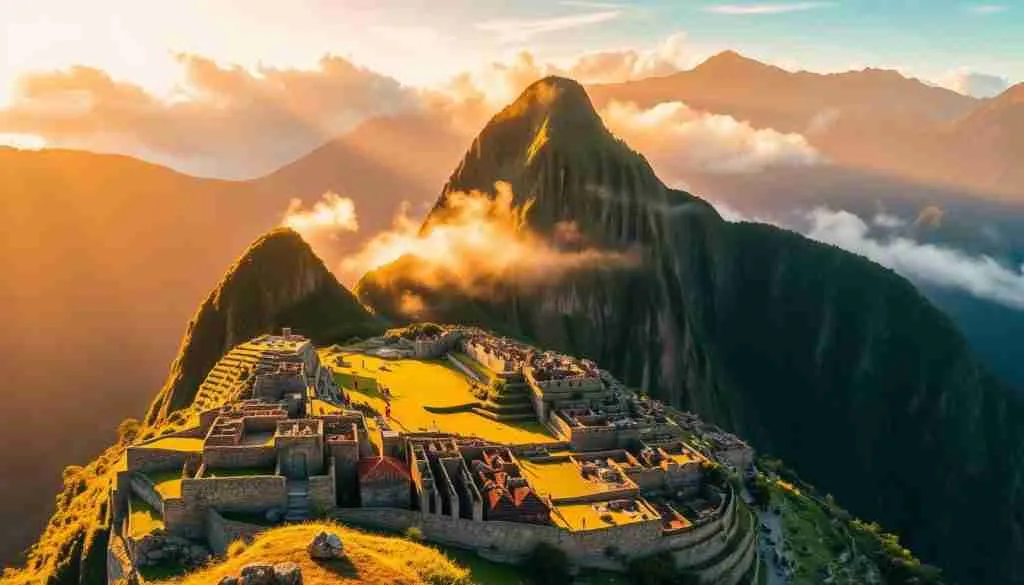
Getting the best machu picchu photography is more than just finding great spots. It’s also about the light and atmosphere. Early morning and late afternoon are best for soft, dramatic light. Midday can be too harsh.
With some planning and a sharp eye, you’ll leave with amazing photos. These will keep the magic of Machu Picchu alive for you.
Machu Picchu Travel Tips
First-time visitors to Machu Picchu need to know a few key things. Knowing about tickets, transportation, and hiking can make your trip better. This info helps you enjoy your Machu Picchu adventure more.
Ticket Purchasing and Entrance Fees
Book your Machu Picchu tickets early because it’s a popular spot. A one-day tour costs about $289 USD. Kids under 3 get in free, and those 4 to 17 pay less.
Transportation and Getting to Machu Picchu
There are many ways to get to Machu Picchu. Peru Rail and Inca Rail offer luxury train rides. Hiking the Inca Trail, Salkantay Trek, or Lares Trek are also options, costing $200 to $1,500 per person.
Guided Tours and Hiking Adventures
You can take a guided tour or explore on your own. The Classic Inca Trail needs booking 6 months ahead. The Inka Jungle Trek and Salkantay Trek are more flexible, costing $250 to $450 per person.
It’s important to book your Machu Picchu activities early. This ensures you get a spot, as it’s a favorite among visitors.
“Machu Picchu is a place that has to be experienced to be believed. The sheer scale and beauty of the ancient Inca citadel are truly breathtaking.”
| Activity | Price Range (USD) |
|---|---|
| Classic Inca Trail | $600 – $1,500 |
| Inka Jungle Trek | $250 – $350 |
| Salkantay Trek | $280 – $450 |
| Lares Trek | $200 – $400 |
Conclusion
Machu Picchu is a place of wonder that everyone should see. It’s filled with history and culture, making it a must-visit. By following this Inca wonder guide, you can make your trip unforgettable.
Whether you choose to hike the Inca Trail or explore with a guide, Machu Picchu will amaze you. It’s a place where memories are made and last forever.
Understanding the ticketing and weather is key to a great visit. This guide helps you make the most of your time there. Whether you go during the busy season or the quieter times, you’ll find something special.
Machu Picchu is a symbol of the Inca’s skill and strength. Visiting this UNESCO site is a journey that changes you. With the right planning and a sense of adventure, you’ll dive into its history and culture.
Creating lasting memories is what Machu Picchu is all about. It’s a place where history comes alive and stories are made. So, get ready for an adventure that will stay with you forever.
