Machu Picchu Circuits 2027: Complete Route, Cost & Changes Guide
Machu Picchu is entered through one of three circuits and ten routes, and the route you choose decides what you see, how long you stay, and what you pay. For 2027 Peru’s Ministry of Culture has set new daily limits, hourly entry caps and tighter mountain schedules. This guide compares every route, breaks down costs by travel style, and lists exactly what changed since 2026.
Key Takeaways
- Machu Picchu allows up to 5,600 visitors a day on 147 high-season days in 2027 (1-3 January, 25-28 March, 19 June to 2 November, and 29-31 December) and 4,500 on every other day, with no more than 800 entering per hour, according to Ministerial Resolution 000408-2026-MC as reported by La República.
- A standard-route ticket costs S/163 ($47) for a foreign adult and a mountain-route ticket costs S/211 ($61), both including the S/11 SERNANP conservation fee at 2026 rates (check the official platform for current rates, because the 2027 tariff schedule had not been published by early November 2026).
- A Machu Picchu visit day, including the train, the bus, one night in Aguas Calientes, meals and entry, costs $250-315 per person on a budget, $385-535 mid-range and $735-1,050 luxury (two sharing a room), and a mountain route adds about $14.
- The biggest changes from 2026 are the end of “reserve now, pay later” tickets (payment is now due within 15 minutes), earlier mountain entry turns, a hard 12:00 PM exit from the mountain summits, and 3 more high-capacity days.
- First-time visitors are best served by Circuit 2 (Route 2-A or 2-B), climbers should book Machu Picchu Mountain (1-A) or Huayna Picchu (3-A) first because their quotas are the smallest, and hikers should pick Route 1-C to arrive by the Sun Gate during the high season.
People Also Ask About Machu Picchu Circuits 2027
Which Machu Picchu circuit is best for first-time visitors in 2027?
Circuit 2, Route 2-A, is the best first choice in 2027 because it is the full classic loop through the city and includes the postcard viewpoint over the citadel. It costs S/163 ($47) at 2026 rates and carries the largest share of daily tickets, so it is also the easiest route to book. Route 2-B covers the lower terraces and suits visitors who have already seen the classic view.
How much does a Machu Picchu ticket cost in 2027?
Plan on S/163 ($47) for a standard route and S/211 ($61) for a mountain route if you are a foreign adult, based on the 2026 tariff plus the S/11 SERNANP fee. The 2027 tariff schedule had not been published by 3 November 2026, so confirm the final amount on tuboleto.cultura.pe before you budget. Students pay S/88 ($26) and children aged 3 to 17 pay S/75 ($22) on standard routes.
What changed for Machu Picchu tickets and circuits in 2027 compared with 2026?
Three changes matter most: tickets can no longer be held without payment, so you pay within 15 minutes or the seats return to sale; the number of 5,600-visitor days rises from 144 to 147; and the mountain routes get fixed early entry turns and a noon exit deadline from 1 January 2027. The ticket is also personal, valid only for the registered holder, date, hour and route.
When do Machu Picchu tickets for 2027 go on sale?
The Ministry of Culture had sold tickets only through 31 March 2027 by mid-October 2026, and the Minister of Culture said on 14 October 2026 that tickets would soon be sold up to a year in advance. For 2026, sales opened on 17 November 2025, so a November or December 2026 opening for later 2027 dates is plausible but not confirmed. Check tuboleto.cultura.pe for the official calendar.
Extended multi-day tours – 5+ days
Featured Machu Picchu Multi-Day Tour Packages
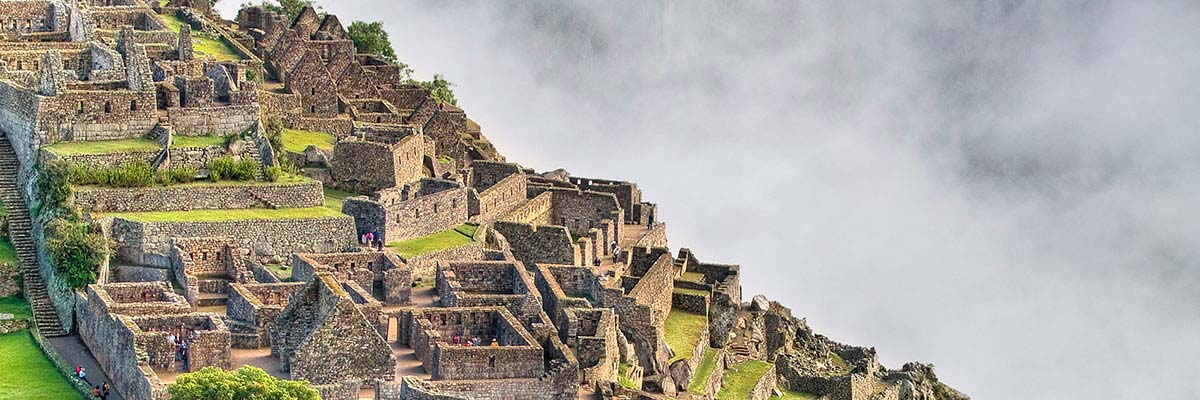
3 days
Machu Picchu 3-Day Discovery Tour
- ✓ Comprehensive Machu Picchu experience
- ✓ Expert local guides included
- ✓ All accommodation included
- ✓ Transportation provided

5 days
Machu Picchu 5-Day Highlights Experience
- ✓ Comprehensive Machu Picchu experience
- ✓ Expert local guides included
- ✓ All accommodation included
- ✓ Transportation provided

7 days
Machu Picchu 7-Day Cultural Journey
- ✓ Comprehensive Machu Picchu experience
- ✓ Expert local guides included
- ✓ All accommodation included
- ✓ Transportation provided
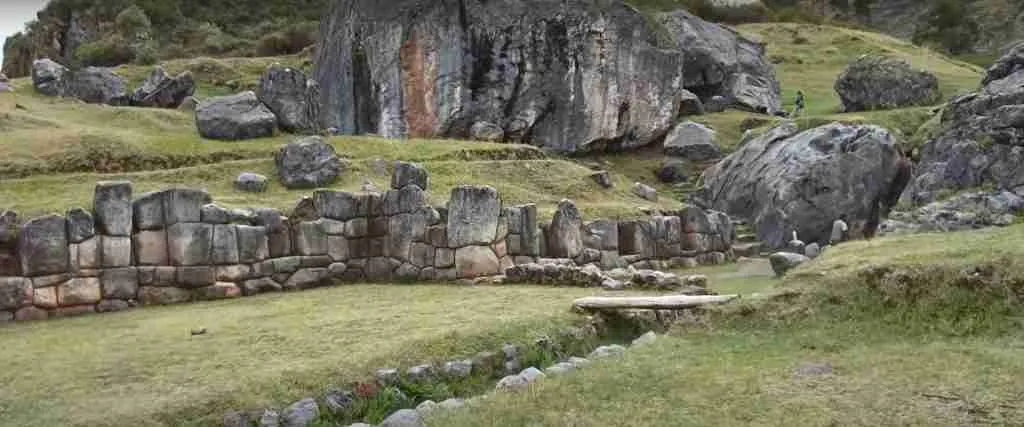
10 days
Machu Picchu 10-Day Complete Adventure
- ✓ Comprehensive Machu Picchu experience
- ✓ Expert local guides included
- ✓ All accommodation included
- ✓ Transportation provided
Multi-day tour packages powered by TourRadar. Prices and availability subject to change.
How Machu Picchu Circuits Work in 2027: Introduction
Machu Picchu is the best known site in South America and one of the most regulated tourist sites in the world. The citadel sits on a ridge above the Urubamba River in Peru’s Cusco region, and it has been a UNESCO World Heritage Site since 1983, listed under both cultural and natural criteria as a mixed site. It also became one of the New Seven Wonders of the World in 2007. That fame is exactly why access is now rationed by circuit, route, date and entry hour.
Archaeologists have long linked the construction of Machu Picchu to the Inca ruler Pachacuti in the middle of the 15th century, a link that rests on later colonial-era accounts and not on a surviving contemporary record. A radiocarbon study published in 2021 reported that the site may have been occupied from around 1420, a few decades earlier than the traditional date, which shows that even the basic chronology continues to be refined. For a visitor, the practical point is simpler: the site is a fragile stone city on a steep mountainside, and Peru manages it with a one-way walking system.
That walking system is the circuit system. A circuit is a defined walking direction through part of the site, and a route is a specific variant within a circuit. There are three circuits and ten routes in the tariff schedule used in 2026: four routes on Circuit 1, two on Circuit 2 and four on Circuit 3. Each ticket is valid for one route, one date and one entry hour, and visitors must follow the signed direction of the circuit without returning to earlier sectors. This is why the choice of route is the most important decision in your planning, more important than the choice of hotel.
This guide is written for travelers planning a visit in 2027. It covers the structure of the circuits, a pros and cons analysis of every route, ticket prices, a full cost analysis in three budget tiers, what changed compared with 2026, and recommendations by traveler type. Where official 2027 numbers are not yet published, the guide says so and uses the 2026 figures as the planning baseline, and where news outlets disagree about a date or a rule, both versions are shown so that you can verify them on the official platform.
A note on sources before you read further. The ticket prices, the SERNANP fee and the route list come from the Ministry of Culture’s tariff schedule and related resolutions as summarized by an established Cusco tour operator, and the 2027 capacity rules come from news coverage of Ministerial Resolutions 000408-2026-MC and 000407-2026-MC published on 31 October 2026. Reseller websites were used only to understand what is currently on sale, and their commercial claims were not treated as authoritative. All sources are listed in the Sources section before the FAQ.
What Changed at Machu Picchu in 2027 Compared With 2026?
Five things changed between the 2026 and 2027 rules: daily capacity days, an hourly entry cap, mountain route timetables, the ticket purchase system, and the way tickets can be bought in advance. Ticket prices for 2027 had not been announced when this guide was written, so the price baseline remains the 2026 schedule. The sections below set out each change with the date it takes effect and the source that reported it.
More High-Capacity Days in 2027: 147 Instead of 144
In 2027 Machu Picchu has 147 days with a 5,600-visitor limit, compared with 144 days in 2026. The 2026 resolution (RM 000285-2025-MC) set the higher limit on 1 January, 2-5 April (Holy Week), 19 June to 2 November, and 30-31 December. For 2027, La República reports that Resolution 000408-2026-MC, published on 31 October 2026, sets it on 1-3 January, 25-28 March (Holy Week), 19 June to 2 November, and 29-31 December. Every other day has a limit of 4,500.
The 2027 count is consistent with those dates: 3 days in January, 4 in Holy Week, 137 between 19 June and 2 November, and 3 at year end add up to 147. One other outlet, Exitosa, described the higher-capacity days as 1 January, Holy Week, 19 June to 2 November, and 30-31 December, which matches the 2026 pattern, so it appears to be repeating the older calendar. Treat the La República list, which cites the resolution number and the 147-day total, as the better reading, and confirm on the Ministry’s platform before you pick a date.
A higher cap does not make tickets easy to get. It means the Ministry expects those days to sell out at the larger number. The days between 19 June and 2 November are the ones that ran out first in 2026, and the same pattern is likely in 2027.
An 800-Visitor Hourly Limit and the Bus Constraint
Entry in 2027 is organized so that no more than 800 visitors enter per hour, and the limit is tied to the transport capacity of the Hiram Bingham road, for which a maximum of 24 authorized vehicles is contemplated. In practical terms the bus ride up from Aguas Calientes, not the gate, is the bottleneck, so a ticket for 6:00 or 7:00 AM and a ticket for 1:00 PM can feel like very different days. Daily visitors are spread across entry hours from 6:00 AM to 3:00 PM, which is the established timetable.
Mountain Routes: Fixed Early Turns and a Noon Exit
The mountain routes (Machu Picchu Mountain 1-A, Huayna Picchu 3-A and the Great Cavern 3-C) get stricter timetables in 2027. La República reports that mountain-route visitors will have scheduled entry turns at 6:00 AM and 8:00 AM. Exitosa, reporting on Resolution 000407-2026-MC, says the latest entry time for the alternate routes moves up to 10:00 AM, that visitors must leave the summits by 12:00 PM, and that the maximum combined time is 6.5 hours for Route 1-A and 5.5 hours for Route 3-A. The same report says these changes take effect on 1 January 2027, once the ticketing platform has been configured.
The two reports are not identical, and the difference is worth knowing. One describes the fixed turns, the other describes the latest permitted entry and the exit deadline, and both can be true at once if the platform offers only a few morning turns inside a 10:00 AM cutoff. Until the platform publishes the 2027 hours for each mountain route, assume the earliest turns are the safest plan and do not build a day around a late-morning mountain entry.
Route 3-C, the Great Cavern, Becomes an Official High-Season Option
Resolution 000407-2026-MC formally incorporates Route 3-C, the Great Cavern, as an alternate route within Circuit 3 during high-season periods. Exitosa reports a latest entry time of 10:00 AM, an estimated walking time of four hours and a required return by midday. The 2026 tariff schedule already listed this route at the mountain price of S/200 before the SERNANP fee, and the 2026 closure resolution mentioned it for 19-30 June, so the 2027 change is best read as a clarification of its rules and schedule and not as a brand new route.
No More Reservations: Pay in 15 Minutes or Lose the Seats
The most important change for planning is the end of the reservation system. On 11 September 2026 the Minister of Culture, Alberto Beingolea, announced that tickets could no longer be held without payment. According to Panamericana and El Peruano, the platform now gives a buyer a maximum of 15 minutes to pay, and the ticket is issued in the visitor’s name only after payment is confirmed. The Minister said, in his own words, that “if you don’t pay at that moment, you simply don’t have a ticket.”
Reported reasons include an audit of eight agencies in which 63% of 209,051 reservations were cancelled and only 35% were ever paid, according to the reseller machupicchu.world citing the announcement, a figure that should be treated as secondhand until the Ministry publishes it. The Minister also said visitor numbers in 2026 were on course to finish 2.5% below 2025, which he attributed partly to ticket-system problems. The platform was given ten days to adapt, followed by a 30-day trial period.
Personal Tickets and Document Rules
Under the rules reported on 14 September 2026, a ticket is nominal. It can be used only on the registered date, at the registered hour, on the registered circuit and by the registered holder. Resale through unofficial channels is prohibited. The date and the holder’s name cannot be changed, and the only permitted correction is a single fix to a passport number when there is an obvious clerical error. Tickets that are not used on the right date and at the right hour expire and cannot be rescheduled or refunded, except for duly proven force majeure.
Visitors must carry an official identity document, which for foreigners means the passport whose number is on the ticket, and students must also show a document proving student status. Tickets must be bought directly by the visitor or through a travel agency registered with the Ministry of Culture’s Cusco office (DDC Cusco), through the tuboleto platform or at authorized offices, and the full amount must be paid at purchase.
Tickets Up to a Year in Advance: Announced, Not Yet Confirmed
On 14 October 2026 the Minister said that tickets would “very soon” be sold up to a year ahead, and the broadcaster Canal N reported an expected start in roughly three weeks. As of mid-October 2026 the official calendar reached 31 March 2027, according to the reseller machupicchu.world. Whether the window for June to November 2027 has opened by the time you read this is something only the official platform can confirm, so check it rather than relying on any website that promises a date.
What Did Not Change: Prices, Documents and the Route List
No 2027 price increase had been published when this guide was written, and the 2026 schedule remains the best baseline. The S/11 SERNANP conservation fee for foreign adults, introduced on 1 May 2026 after a postponement from January, is part of the baseline. The route list of ten routes across three circuits is also the baseline. The fee does not apply to visitors entering through the Inca Trail network.
Machu Picchu Circuits and Routes 2027: All 10 Routes Compared
Machu Picchu has three circuits and ten routes, and seven of the ten cost the standard price. The three mountain or cavern routes (1-A, 3-A and 3-C) cost more because they add a climb, and four routes (1-C, 1-D, 3-C and 3-D) operate only in the high season. The list below is the fastest way to see how the routes differ before the detailed pros and cons that follow.
- Route 1-A, Machu Picchu Mountain: Upper Terrace plus the summit climb, mountain price, roughly 4 to 6 hours, with a 6.5-hour maximum under the 2027 rules.
- Route 1-B, Upper Terrace: the high terraces and the postcard viewpoint, standard price.
- Route 1-C, Sun Gate (Inti Punku): Upper Terrace plus the walk to the Sun Gate, standard price, high season only.
- Route 1-D, Inca Bridge: Upper Terrace plus the Inca Bridge walk, standard price, high season only.
- Route 2-A, Classic Designed Route: the full city loop including the upper viewpoint, standard price.
- Route 2-B, Lower Terrace: the lower sectors of the city, standard price.
- Route 3-A, Huayna Picchu: the lower city plus the Huayna Picchu climb, mountain price, maximum stay of 5.5 hours under the 2027 rules.
- Route 3-B, Lower City Designed Route: the lower city, standard price, and the route used for Inca Trail trekkers’ guided visit.
- Route 3-C, Great Cavern: a four-hour route past Huayna Picchu, mountain price, high season only.
- Route 3-D, Huchuy Picchu: a shorter climb on the Huayna Picchu side, standard price, high season only.
The official visit times differ by source. Circuit descriptions attributed to the Ministry in Peruvian press coverage give roughly three hours for Circuit 1, two and a half hours for Circuit 2 and two hours for Circuit 3, and one reseller states a maximum stay of two and a half hours for Route 2-A. Because the Ministry has revised these times in the past and the 2027 values have not been published for every route, plan with two to three hours for the city routes and use the posted time on your ticket as final.
The price rule is simple. One ticket covers one route, and one ticket cannot combine Machu Picchu Mountain and Huayna Picchu because they belong to different circuits. If you want both a climb and the classic photograph, you need two tickets on the same day at different hours, and the climb must be booked first because its quota is the smaller one.
Circuit 1 in 2027: Panoramic Routes, Pros and Cons
Circuit 1 stays on the high terraces and looks down on the city, which makes it the circuit for the famous postcard photograph and for the routes that leave the citadel on foot. It has four routes: Machu Picchu Mountain (1-A), the Upper Terrace (1-B), the Sun Gate (1-C) and the Inca Bridge (1-D). Three of them cost the standard S/163 ($47) at 2026 rates, and the mountain route costs S/211 ($61). Circuit descriptions in the press give a reference time of about three hours.
Route 1-A, Machu Picchu Mountain 2027: Pros and Cons
Route 1-A is the best choice for a visitor who wants a broad, calm view of the whole citadel from above and is willing to climb for it. The ticket costs S/211 ($61) at 2026 rates, the mountain summit is about 3,082 meters above sea level and roughly 650 meters above the citadel, and the 2027 rules cap the combined time at 6.5 hours with a mandatory exit from the summit by 12:00 PM.
- Pros: the summit view takes in the citadel, the Urubamba valley and the surrounding peaks, and Huayna Picchu appears below you instead of above you. The climb is steady and wide compared with the narrow stairs of Huayna Picchu, which many hikers find less exposed. The route also includes the Upper Terrace, so one ticket delivers both the postcard viewpoint and the summit.
- Cons: it is a long, uphill walk at altitude, and the total outing is the longest of any route. The in-person quota is only 50 tickets a day, so it is a route you book online in advance. The mountain checkpoint allows no arrival tolerance, so a late bus ride can cost you the climb. In cloud or rain the view can be lost entirely.
- Best for: fit travelers who want a quieter viewpoint and are comfortable walking for several hours.
Machu Picchu Mountain and Huayna Picchu are on different circuits, so one ticket never includes both. Travelers who try to combine them need two tickets, and the 2027 time caps make the combination demanding in a single morning. Most visitors should choose one climb.
Route 1-B, Upper Terrace 2027: Pros and Cons
Route 1-B is the simplest Circuit 1 ticket and costs S/152 plus the S/11 SERNANP fee, a total of S/163 ($47) at 2026 rates. It follows the high terraces to the classic viewpoint and is the route that the Inca Trail’s Sun Gate arrival feeds into for trekkers.
- Pros: it delivers the famous photograph with the least effort, it has a dedicated in-person allocation of 100 tickets a day, and it is a good option for visitors with limited time.
- Cons: it covers less of the city than Route 2-A, the walk is mostly one-way on a high path, and the postcard viewpoint is crowded in the middle of the morning.
- Best for: visitors who mainly want the viewpoint, photographers who plan to arrive at the first hours, and travelers with limited mobility who prefer fewer stairs.
Route 1-C, Sun Gate (Inti Punku) 2027: Pros and Cons
Route 1-C adds the walk to the Sun Gate, the pass on the ridge through which Inca Trail hikers first see the citadel, and it operates only in the high season. The price is the standard S/163 ($47) at 2026 rates. Because the 2027 resolution did not appear to change this route, plan on the same high-season window of roughly 19 June to 2 November, and confirm the sale dates on the platform because the Ministry sold these routes only from July to December in 2026 and had not published 2027 dates when this guide was written.
- Pros: it gives the “arrival” perspective that Inca Trail hikers earn, from above and from the direction of the trail, at the standard ticket price. It is the best way to see the citadel framed by the ridge, and the extra walking thins out the crowds.
- Cons: it is available only in high season, the sale dates are not yet published, and the walk adds time and some uphill effort. Cloud at the pass can hide the view.
- Best for: hikers who are not doing the Inca Trail but want its signature moment, and repeat visitors.
Route 1-D, Inca Bridge 2027: Pros and Cons
Route 1-D adds the Inca Bridge, a narrow stone-and-timber path cut into a cliff face on the west side of the site, and is also a high-season route priced at the standard S/163 ($47). A reseller guide describes the walk from the trailhead to the bridge as taking about 20 to 30 minutes along a cloud-forest path and gives a maximum stay of three hours for this route, but those times should be checked against your ticket.
- Pros: it shows a defensive and engineering feature that most visitors never see, with dramatic cliff-side scenery, at the standard price.
- Cons: the bridge itself can be viewed only from a short distance, because visitors are reportedly not allowed to cross it, and the walk is a detour that adds time. It is available only in high season, and it is a route where the “postcard” experience is shorter than on 1-B or 2-A.
- Best for: repeat visitors, photographers and anyone interested in Inca engineering.
Circuit 2 in 2027: Classic Routes, Pros and Cons
Circuit 2 is the classic loop through the heart of the city, and it has two routes: the Classic Designed Route (2-A) and the Lower Terrace (2-B). Both cost S/163 ($47) at 2026 rates. Circuit 2 carries the largest share of daily tickets: the in-person allocation alone is 300 tickets a day for each route, according to figures published by Andina in December 2025, and the online quota is larger still. It is therefore the circuit most likely to have availability when everything else is sold out.
Route 2-A, Classic Designed Route 2027: Pros and Cons
Route 2-A is the most complete first-visit ticket because it combines the postcard viewpoint with the main sectors of the citadel in a single logical walk. A reseller lists a maximum stay of two and a half hours for this route, and the Ministry’s circuit descriptions suggest about the same. Plan 2.5 hours and use the time on your ticket as final.
- Pros: it covers the viewpoint, the agricultural terraces and the main urban sectors in one ticket. It has the largest quota, so it is the easiest to buy, and January to March 2027 availability was wide open in mid-October 2026 according to the reseller’s hourly count. It is the best value among the standard routes.
- Cons: it is the busiest route at the main entry hours, the stay limit is tight if you like to linger, and it does not include any climb. You cannot go back to a sector you have already left.
- Best for: first-time visitors, families and anyone buying a single ticket.
Route 2-B, Lower Terrace 2027: Pros and Cons
Route 2-B covers the lower sectors of the city and costs S/163 ($47), with an in-person allocation of 300 tickets a day. It is the route to choose when 2-A is full or when you want the city interior and not the viewpoint.
- Pros: large quota, easy to buy at short notice, and a good look at the temples and residential areas. It can be paired with a separate afternoon ticket for a viewpoint route.
- Cons: it does not include the classic upper viewpoint unless you pair it with another ticket, and for many first-time visitors that is a disappointment.
- Best for: repeat visitors, visitors who already have a photograph from another route, and travelers whose first choice sold out.
Circuit 3 in 2027: Lower City and Huayna Picchu Routes, Pros and Cons
Circuit 3 covers the lower city and is the only circuit that reaches Huayna Picchu. It has four routes: Huayna Picchu (3-A), the Lower City Designed Route (3-B), the Great Cavern (3-C) and Huchuy Picchu (3-D). The reference time in older circuit descriptions is two hours for the city portion alone, and the mountain routes add several hours.
Route 3-A, Huayna Picchu 2027: Pros and Cons
Route 3-A is the most famous climb at Machu Picchu: it combines the lower city with the ascent of Huayna Picchu, the peak that rises behind the citadel in every classic photograph. The ticket costs S/211 ($61) at 2026 rates, the 2027 maximum stay is 5.5 hours, and the summit is about 2,720 meters above sea level. A reseller describes the entries as morning-only and adults-only, at 7:00 or 10:00 AM in its listing, but the 2027 turns have not been published and the reported 6:00 and 8:00 AM mountain turns may replace them.
- Pros: it is the most dramatic route, with steep stone steps, exposed sections and a summit view straight down into the citadel. It is shorter and more compact than Machu Picchu Mountain, and it includes the lower city, so the ticket delivers both a climb and a tour.
- Cons: the quota is small, with only 50 in-person tickets a day, and online availability is limited too: a reseller counted about 8,300 to 9,200 seats a month for early 2027 against about 30,000 on Route 2-A. The climb is steep and exposed, the route is not suitable for young children or anyone afraid of heights, and the checkpoint allows no arrival tolerance. The route is also closed for maintenance at times: in 2026 it was closed for all of June.
- Best for: fit, confident hikers who plan far ahead and will sacrifice flexibility for the experience.
Route 3-B, Lower City Designed Route 2027: Pros and Cons
Route 3-B is a lower-city route priced at S/163 ($47), with an in-person allocation of 200 tickets a day. It is also the route associated with the guided visit of trekkers who arrive on the Inca Trail, because the Ministry links Inca Trail network entries to Circuit 3 in its sales, according to Caretas.
- Pros: a quieter route at the lower end of the city, a decent in-person quota, and a straightforward option for visitors who do not want a long outing.
- Cons: it omits the upper postcard viewpoint, so it is a weaker first-visit ticket than 2-A.
- Best for: visitors who already have a viewpoint ticket and want a second, shorter visit, and Inca Trail travelers whose agency handles the entry.
Route 3-C, Great Cavern 2027: Pros and Cons
Route 3-C goes past Huayna Picchu to the Great Cavern and is a high-season route at the mountain price of S/211 ($61) at 2026 rates. Under Resolution 000407-2026-MC as reported by Exitosa, the latest entry is 10:00 AM, the estimated walking time is four hours and the return deadline is midday.
- Pros: it reaches a less-visited area behind the main peak and offers a quieter hike with a different character from the standard routes.
- Cons: it is a high-season route only, it is the same price as the more famous climbs, and the route sits within the stricter noon deadline. The sale dates for 2027 are not published, and the route was closed for part of June in 2026.
- Best for: repeat visitors and hikers who value solitude over a signature view.
Route 3-D, Huchuy Picchu 2027: Pros and Cons
Route 3-D includes Huchuy Picchu, a smaller peak next to Huayna Picchu, and costs the standard S/163 ($47) at 2026 rates. It is a high-season route and is usually described as a shorter and less demanding climb than Huayna Picchu, though that comparison comes from visitor guides and not from an official measure.
- Pros: a modest climb at the standard price, with a good view over the citadel from a lower vantage point.
- Cons: high season only, and it was among the routes closed for part of June 2026 maintenance. Its view is lower than that of the two main summits.
- Best for: travelers who want a short climb without paying the mountain price, and visitors with mixed fitness levels.
Which Machu Picchu Circuit Should You Choose in 2027? Recommendations by Traveler Type
For most first-time visitors, Route 2-A is the best choice in 2027. Climbers should choose between Machu Picchu Mountain (1-A) and Huayna Picchu (3-A) and book that ticket before anything else, and hikers who are not walking the Inca Trail should look at the Sun Gate route (1-C) when it opens for sale. The recommendations below are based on route structure, quota size and the 2027 rules, not on any commercial relationship.
- First visit, one ticket: Route 2-A, the classic loop, at S/163 ($47).
- Postcard photograph with minimal walking: Route 1-B, at S/163 ($47).
- A climb with a wide view of the whole site: Route 1-A, Machu Picchu Mountain, at S/211 ($61).
- A climb with a steep, dramatic summit: Route 3-A, Huayna Picchu, at S/211 ($61).
- The hiker’s arrival without the Inca Trail: Route 1-C, the Sun Gate, in high season.
- Photographers: the earliest available turn on Route 1-B or 2-A, and a second afternoon ticket on a different route for different light.
- Families with children under 12: Route 2-A or 2-B, which avoid exposed climbs. Children aged 3 to 17 pay S/75 ($22) on standard routes at 2026 rates and children under 3 enter free.
- Visitors with limited mobility: Route 1-B for the viewpoint, or Route 2-B for the lower terraces, with a slow pace and the bus both ways.
- Repeat visitors: Route 1-D, 3-C or 3-D in high season, for the less common parts of the site.
- Last-minute travelers: any standard route with an afternoon entry, and the in-person office in Aguas Calientes as a fallback.
One decision rule covers most situations: the ticket with the smallest quota decides your date. If you want Huayna Picchu or Machu Picchu Mountain, buy that ticket first and then book the train and the hotel around it. If you want a standard route, you have much more flexibility and can buy the train first.
Machu Picchu Ticket Prices 2027 by Circuit and Route
A foreign adult pays S/163 ($47) for a standard route and S/211 ($61) for a mountain route in the 2026 schedule, which is the baseline for 2027 until the Ministry of Culture publishes a new tariff. The figures include the S/11 SERNANP conservation fee and exclude the small card-processing charge that the platform adds at checkout. Check tuboleto.cultura.pe for current official rates before you pay, because prices and fees can be revised by resolution.
The 2026 base prices before the SERNANP fee are S/152 for standard routes and S/200 for mountain routes (1-A, 3-A and 3-C), under the Ministry’s tariff schedule (annex to RM 000451-2024-MC, as amended). The dollar amounts in this guide use the central bank’s published rate of S/3.437 per US dollar for 6 October 2026, rounded to whole dollars, and your card will convert at its own rate.
Adult, Student and Child Ticket Prices Including the SERNANP Fee
- Foreign adult, standard route: S/163 ($47).
- Foreign adult, mountain route (1-A, 3-A, 3-C): S/211 ($61).
- Foreign undergraduate student, standard route: S/88 ($26).
- Foreign undergraduate student, mountain route: S/136 ($40).
- Child aged 3 to 17, standard route: S/75 ($22).
- Child aged 3 to 17, mountain route: S/123 ($36).
- Child under 3: free.
Students must show the original, valid card of their university or technical institute with name, photo and expiry date, and postgraduate students pay the adult price. Children are counted by age on the day of the visit and must be accompanied by an adult. A student ticket without the matching card, or a child ticket without a passport showing the date of birth, can be refused at the gate.
Prices for Peruvians, Residents and Andean Community Citizens
Peruvian nationals, foreign residents of Peru and citizens of the Andean Community (Bolivia, Colombia and Ecuador) paid promotional rates in 2026 of S/64 for standard routes and S/112 for mountain routes, before the SERNANP fee, under RM 000284-2025-MC. Those rates were approved for 2026 only, so confirm whether they continue in 2027. Residents of the Cusco department who take part in social tourism programs can enter free under the rules reported in September 2026.
Inca Trail Entry Is Priced Separately
Hikers on the Inca Trail do not buy a Machu Picchu ticket on the platform. The classic route entry component is S/292 ($85) for a foreign adult in the 2026 tariff, the SERNANP fee does not apply to entry through the Inca Trail network, and permits are issued only through licensed operators. See the Inca Trail section below for the full cost and the permit calendar.
How Much Does a Machu Picchu Visit Cost per Day in 2027? Budget Analysis
A Machu Picchu visit day costs $250-315 per person on a budget, $385-535 mid-range and $735-1,050 luxury, assuming two people share a hotel room in Aguas Calientes and take the train from Ollantaytambo. These ranges cover the entry ticket, the round-trip train, the bus up to the site, one night in Aguas Calientes, meals and guiding, and exclude the cost of getting to Ollantaytambo and of staying in Cusco. They use the 2026 ticket schedule because 2027 prices are not yet published, and train and hotel prices are market ranges that vary by date.
Budget Traveler: $250-315 per Person per Visit Day
Budget travelers need $250-315 per person for the visit day (two sharing a budget hotel). The components, per person, are the S/163 ($47) standard entry ticket, an economy-class round-trip train at $130-170, the round-trip bus at $24, a share of a budget Aguas Calientes room at $20-30 (the room costs $40-60), meals at $30-45, and no paid guide. Total: approximately $250-315 per person.
The train is the largest item. One 2026 cost guide puts economy one-way fares from Ollantaytambo at roughly $65-85, and the round-trip range above reflects that spread plus lower promotional fares. A self-guided visit saves $25-50, and the free signposts, audio apps and the one-way circuit design make that realistic on Route 2-A, though a guide adds historical context that many first-time visitors value.
Mid-Range Traveler: $385-535 per Person per Visit Day
Mid-range travelers spend $385-535 per person for the visit day (two sharing a mid-range hotel). The components are the S/163 ($47) entry ticket, a higher-class round-trip train at $190-260, the $24 bus, a share of a mid-range room at $45-75 (the room costs $90-150), meals at $55-80, and a group guide at $25-50. Total: approximately $385-535 per person.
Mid-range hotels in Aguas Calientes vary widely. Published 2026 guides disagree widely on mid-range rates in Aguas Calientes, from roughly $50 to $250 per night, so the $90-150 room range used here is a planning midpoint and may run higher in the July to September peak.
Luxury Traveler: $735-1,050 per Person per Visit Day
Luxury visitors invest $735-1,050 per person for the visit day (two sharing a luxury hotel). The components are the S/163 ($47) entry ticket, premium-class round-trip train service at $260-340, the $24 bus, a share of a luxury room at $225-350 (the room costs $450-700), fine dining and drinks at $120-200, and a private guide at $60-90. Total: approximately $735-1,050 per person.
Published 2026 hotel listings place the best-known luxury properties in Aguas Calientes at roughly $500-900 per night, and the only hotel at the site entrance at roughly $600-1,055, so the room range used here is conservative for the highest-end properties. Rates swing sharply by season.
What Does a Mountain Route Add to the Daily Cost?
A mountain route adds about $14 per person at 2026 rates, because the ticket rises from S/163 ($47) to S/211 ($61). That puts the visit day at $265-330 per person on a budget, $400-550 mid-range and $750-1,065 luxury. A mountain climb may also push you into a second night in Aguas Calientes, because the 2027 rules require an early entry turn and a noon exit from the summit.
Solo Travelers: Paying the Full Room Rate
Solo travelers pay the full room rate with no sharing: approximately $270-345 per person on a budget, $430-610 mid-range and $960-1,400 luxury for the visit day. The only difference from the shared figures is the room, which is no longer divided by two.
Cost of the Main Circuit Choices Side by Side
- Standard route (2-A, 2-B, 1-B, 3-B, plus high-season 1-C, 1-D, 3-D): S/163 ($47) entry; budget visit day $250-315, mid-range $385-535, luxury $735-1,050.
- Mountain route (1-A, 3-A, plus high-season 3-C): S/211 ($61) entry; budget visit day $265-330, mid-range $400-550, luxury $750-1,065.
- Inca Trail (4-day classic): permit entry component S/292 ($85); published 2026 operator ranges are about $500-650 on a budget, $650-900 mid-range and $900-1,500 premium for the whole trek, which includes the permit, guides, porters and meals.
Train, Bus and Alternative Routes to Machu Picchu 2027: Transportation Costs
Most visitors reach Machu Picchu by train to Aguas Calientes and then take the bus up to the gate, and the train is the largest single cost. The standard train sequence is a transfer from Cusco or the Sacred Valley to Ollantaytambo, a train of roughly 1.5 hours to Aguas Calientes, and a bus up the Hiram Bingham road. The bus costs $24 round trip at 2026 rates, and a footpath is the only alternative.
Train Options and Typical Fares
Economy-class fares from Ollantaytambo are around $65-85 one way, according to one 2026 cost guide, and another guide quotes a Cusco-origin Expedition service at $280-320 with about 3.5 hours each way. Premium services cost more. Because operators release cheaper fares and sell out specific departures, the most reliable approach is to book the train after your Machu Picchu ticket has fixed your entry hour, with a departure that arrives in Aguas Calientes at least 90 minutes before the entry time.
The Hydroelectric Route: The Lowest Cash Outlay
The cheapest way to reach Aguas Calientes is the overland route by bus to Santa María, a shared taxi to Santa Teresa, a shared taxi to the Hydroelectric station and a walk of about 10 kilometers along the railway. A 2026 transport guide calls it the lowest cash outlay but notes that it trades comfort and safety, because of the narrow mountain roads and variable weather. Reported 2026 prices put the road segments at only a few dollars each, and the whole route at roughly $25-35 from Cusco, though those figures come from guides and not from official tariffs.
The Hydroelectric route suits adventurous budget travelers who have a flexible schedule and can start early. It is a poor fit for travelers on a tight timetable, for anyone with a fixed Machu Picchu entry hour at 6:00 or 7:00 AM, and for the mountain routes, where arriving late can cost the climb.
Walking Up Versus Taking the Bus
The bus runs from Aguas Calientes to the gate on a switchback road, and the 800-per-hour entry cap in 2027 is tied to the capacity of that road, with a maximum of 24 authorized vehicles contemplated. If you take the first buses, expect a queue in town before dawn. The footpath up the hill is an alternative for fit visitors, but it adds a strenuous climb before a long day, and you should not count on it if your route is a mountain climb with no arrival tolerance.
Inca Trail 2027 Versus a Day Visit: Which Is Worth It?
The Inca Trail costs far more than a day visit and gives you a different experience: four days of hiking that ends at the Sun Gate. Permits are limited to 500 people per day, a figure that includes guides, porters and cooks, so the real number of trekkers is much lower, and they sell out as much as six months ahead according to an operator’s 2027 notice. The trail is closed each February for maintenance and is open from 1 March to 31 January the following year, according to the same operator.
For 2027 permits, the Cusco Regional Directorate of Culture announced an exceptional early release for 28-31 December 2026 from 15 July 2026, which shows that the Ministry may adjust its sales calendar when demand rises. For 2026, sales for both Machu Picchu and the Inca Trail opened on 17 November 2025, and the Ministry said it was coordinating the opening of a sixth Inca Trail route to relieve congestion, according to a Ministry statement reported by Caretas. A similar November opening for 2027 is plausible but unconfirmed.
- Choose the Inca Trail if: you want a multi-day trek, can book months ahead, and value arriving at the Sun Gate on foot. Budget $500-650 on a budget operator or $650-900 mid-range for the complete 4-day trek at 2026 prices.
- Choose a day visit if: you have limited time, you are traveling at short notice, or you want flexibility over the route. A mid-range visit day costs $385-535.
- Consider Route 1-C instead if: you want the Sun Gate perspective without the trek. It costs the standard S/163 ($47) and operates in high season.
When to Visit Machu Picchu in 2027: Seasons, Crowds and Route Availability
The best months to visit are the dry season from roughly May to September, and the high-capacity period from 19 June to 2 November is also when tickets sell out first. The rainy season runs roughly from November to March, and February is the wettest month and the month the Inca Trail closes, although the citadel itself stays open and is reached by train. January to March 2027 tickets were open and largely unsold in mid-October 2026, according to a reseller’s hourly count, so those months offer the most choice.
- January to March 2027: rainy season, the best availability, the lowest ticket pressure, and a 5,600 limit only on 1-3 January and 25-28 March.
- April and May 2027: the 4,500 daily limit applies, rain tapers off, and crowds are moderate.
- June to October 2027: the dry season, the 5,600 limit and the high-season routes (1-C, 1-D, 3-C and 3-D) in operation, with the greatest demand. Book these months first.
- November and December 2027: rain returns, the 5,600 limit ends on 2 November and returns on 29-31 December.
How to Buy Machu Picchu Tickets for 2027 Step by Step
Buy only on the Ministry of Culture platform at tuboleto.cultura.pe, or through a registered agency or the in-person office in Aguas Calientes, and have your passport open when you start. Other sites that sell “official tickets” are resellers that buy on the same platform, so they cost more and add no extra availability. The process takes about six steps.
- Create an account with your full name, document type and number, and email address.
- Choose the circuit, route, date, entry hour and number of tickets. One purchase holds one to five tickets for the same route and hour.
- Start the purchase. The hold lasts 15 minutes, and if the timer runs out the tickets return to sale.
- Enter each visitor with country, rate (adult, student or child) and passport number, exactly as printed in the passport.
- Pay by Visa or Mastercard. The charge is in soles, and American Express and Diners cards are not accepted according to 2026 reports.
- Download the PDF ticket and keep a copy. The terms say that once a card payment is processed it cannot be cancelled and that there are no changes, refunds or reimbursements.
The in-person office run by the Cusco culture directorate sells 1,000 tickets a day in Aguas Calientes. Under the standing rule a ticket bought there is for the following day, and in 2026 the office also sold tickets up to three days ahead as an exceptional high-season measure from 7 May. The reported daily allocation is 50 tickets for Machu Picchu Mountain, 100 for the Upper Terrace, 300 each for Routes 2-A and 2-B, 50 for Huayna Picchu and 200 for Route 3-B. Treat the in-person office as a fallback and not as a plan, since each route has a fixed share.
What to Do When Your Route or Hour Is Sold Out
- Try another entry hour or another route on the same day, as a sold-out message usually means one route at one hour.
- Move your date by a day, because the daily limits reset.
- Arrive in Aguas Calientes a day early and use the in-person office, checking live availability on the platform first.
- Do not pay a premium for a “guaranteed” ticket on a slot the platform shows as sold out, since agencies see the same availability you do.
- Do not buy a ticket in someone else’s name, because the name cannot be changed and the gate checks the passport.
Sample Machu Picchu Itineraries 2027 With Visit-Day Costs
Three itineraries cover the most common plans: a one-night classic visit on Route 2-A, a mountain-climb plan on Route 3-A, and a budget plan with the overland route. All costs are per person for the Machu Picchu visit day and use the ranges calculated above, with two travelers sharing a room.
Itinerary 1: Classic Route 2-A, One Night in Aguas Calientes (Mid-Range)
- Day 1: morning transfer from Cusco to Ollantaytambo, midday train to Aguas Calientes, check in, evening walk in town, early dinner.
- Day 2: early bus up, enter on Route 2-A at the first available turn, spend about 2.5 hours in the citadel, descend by bus, afternoon train back.
- Visit-day cost: $385-535 per person (two sharing a mid-range hotel), including entry, train, bus, one night, meals and a group guide.
Itinerary 2: Huayna Picchu Route 3-A With an Afternoon Viewpoint Ticket (Mid-Range)
- Day 1: train to Aguas Calientes in the afternoon, early night, set the alarm for the first bus.
- Day 2: climb Huayna Picchu on the earliest permitted turn, finish before the noon deadline, then use a separate afternoon ticket for a viewpoint route if you want the classic photograph. Pair a morning mountain turn with a second ticket for the early afternoon.
- Visit-day cost: $400-550 per person for the mountain ticket and one night, plus about $47 for the second ticket, which brings the total to approximately $445-600. Whether a second ticket is worth it depends on how much of the afternoon you want to spend on the site.
Itinerary 3: Budget Visit With Route 1-B and the Economy Train
- Day 1: economy train from Ollantaytambo, hostel or budget hotel, market-style meals.
- Day 2: early bus, Route 1-B for the viewpoint, a self-guided walk, a late-morning bus back and an afternoon train.
- Visit-day cost: $250-315 per person (two sharing a budget hotel).
Money-Saving Strategies for Machu Picchu in 2027
The largest savings come from choosing a standard route, an economy train and a shared room, which together hold a visit day near the bottom of each range. The following measures are the most effective and carry no meaningful loss of experience.
- Choose a standard route to save about $14 per person against a mountain route, unless a climb is the reason for the trip.
- Visit from January to March or in April and May to find lower hotel rates and wide ticket availability.
- Book the ticket first and the train second so you never pay for a train you cannot use.
- Use an economy-class train and an off-peak departure.
- Go self-guided on Route 2-A if you are comfortable with signposts and an audio app, saving $25-50.
- Eat away from the entrance. Meals in town range from market prices to hotel-restaurant prices that are several times higher.
- Share a room, since the room is the second-largest cost after the train.
Hidden Costs and Fees to Plan for in 2027
Four costs are easy to miss: the card-processing charge on the ticket platform, the bus, the SERNANP fee that now sits inside the ticket price, and the cost of a late change. The platform’s terms say the final amount carries “the corresponding administrative charges”, so expect a small percentage on top of the price. A reseller listing shows a base price of $62 and a card-inclusive price of about $65 for a standard route, which suggests a surcharge of roughly 5%, though the official platform’s own charge may differ.
- Card charges and exchange rate: the platform bills in soles and your bank applies its own rate and fees.
- Bus up the hill: $24 round trip at 2026 rates, separate from the entry ticket.
- Non-refundable tickets: a wrong passport number or a missed entry hour cannot be refunded, and only one correction of the passport number is allowed.
- Reseller markups: agencies and resellers charge a service fee on top of the Ministry price, which is legitimate if disclosed but should be compared with the platform price.
- An extra night: a mountain route or a late arrival can add a second night at $40-60 for a budget room or $90-150 for mid-range.
Entry Rules and Common Mistakes at Machu Picchu in 2027
Most problems at the gate come from document mismatches and late arrivals, not from the site rules themselves. The entry hour is checked at the main gate, with a tolerance of 30 minutes after your hour, or 45 minutes from 1 June to 15 October and on 30 and 31 December, according to the Cusco directorate’s entry-hour table. The checkpoints for Machu Picchu Mountain, Huayna Picchu and Huchuy Picchu allow no tolerance, so on a climbing ticket you must reach the trail checkpoint on time and not merely the gate.
- Carrying a copy of the passport: bring the original passport whose number is on the ticket.
- Booking the train first: a mountain ticket can force a date that the train cannot meet.
- Misspelling a name or number: the ticket is personal and almost never changeable.
- Underestimating the climb: mountain routes are steep, high and exposed, and the 2027 maximum times are 6.5 hours for Route 1-A and 5.5 hours for Route 3-A.
- Buying from unofficial sellers: resale outside the official channels is prohibited under the 2026 rules.
- Assuming a high-season route is available: Routes 1-C, 1-D, 3-C and 3-D are sold only in the high season, and their 2027 sale dates are unpublished.
Machu Picchu in 2027 for Different Travelers: Families, Seniors, Photographers and Students
Each traveler type has a clear best route, and a few have extra rules. Families with children aged 3 to 17 pay the child rate of S/75 ($22) on standard routes, children under 3 enter free, and the child must be accompanied by an adult and carry a passport that shows the date of birth. Seniors and visitors with limited mobility should pick Route 1-B or 2-B and use the bus both ways, while remembering that the site has many uneven stone steps and no elevators.
Photographers get the best light on the first turns of the day, when the citadel is in side light and the crowds are thin. Students need the original card from their institution. Undergraduate students pay S/88 ($26) on a standard route, while postgraduate students pay the adult price. Visitors with disabilities and people aged 60 and over may be listed for a 50% special rate in the Ministry’s tariff, but it is unclear whether non-resident visitors qualify, so do not count on it unless the checkout offers it.
Sources and Verification Notes for This 2027 Guide
Sources: the 2027 capacity and schedule rules come from reports on Ministerial Resolutions 000408-2026-MC and 000407-2026-MC; the 2026 prices, fees, quotas and route list come from the Ministry of Culture tariff schedule and related resolutions as compiled by a Cusco operator; the ticketing changes come from statements by the Minister of Culture reported in September and October 2026. Prices for 2027 had not been published on 3 November 2026.
- La República: new conditions for Machu Picchu in 2027 (2 November 2026)
- Exitosa Noticias: Ministry of Culture sets official capacity and new visiting rules (1 November 2026)
- Meganoticias: new requirements to buy tickets (14 September 2026)
- Panamericana: reservations to be eliminated, immediate payment required
- Ministry of Culture official ticket platform (tuboleto.cultura.pe)
- UNESCO World Heritage Centre: Machu Picchu
Frequently Asked Questions About Machu Picchu Circuits 2027
How many circuits and routes does Machu Picchu have in 2027?
Machu Picchu has three circuits and ten routes in the tariff schedule that applied in 2026 and that serves as the baseline for 2027. Circuit 1 has four routes (1-A Machu Picchu Mountain, 1-B Upper Terrace, 1-C Sun Gate, 1-D Inca Bridge), Circuit 2 has two (2-A Classic Designed Route, 2-B Lower Terrace) and Circuit 3 has four (3-A Huayna Picchu, 3-B Lower City, 3-C Great Cavern, 3-D Huchuy Picchu). Routes 1-C, 1-D, 3-C and 3-D operate only in the high season. Some resellers describe additional circuits or variants, so rely on the route list shown on the official platform.
Can I climb both Huayna Picchu and Machu Picchu Mountain in 2027?
One ticket never covers both climbs, because Machu Picchu Mountain belongs to Circuit 1 and Huayna Picchu belongs to Circuit 3. A second ticket would be needed, and the 2027 limits make it impractical: the combined time is capped at 6.5 hours for Route 1-A and 5.5 hours for Route 3-A, summit exits are required by 12:00 PM, and the checkpoints allow no arrival tolerance. Most visitors choose one climb and spend the rest of the day on a standard route. If you want a climb plus the classic photograph, book the climb first and add a separate afternoon ticket.
How far in advance should I book Machu Picchu tickets for 2027?
Book as soon as your dates are fixed, and buy the smallest-quota ticket first. A reseller’s measurements suggested that more than 90 days out only about 15% of slots were sold out, and inside 30 days none were left, but that is one company’s data and not an official statistic. Mountain routes have far fewer seats than Route 2-A, and the June to October period runs out first. The official calendar reached 31 March 2027 in mid-October 2026, and the Minister of Culture said sales up to a year ahead would start soon, so check the platform regularly.
Can I change the date or name on a Machu Picchu ticket in 2027?
No. Under the rules reported in September 2026 the ticket is personal and valid only for the registered date, hour, circuit and holder, and the date and name cannot be changed. The only correction allowed is a single fix to a passport number when there is an obvious clerical error. Unused tickets expire without refund, except for proven force majeure. Check every field before paying, and write to the platform’s support if you renew your passport after buying.
Is a guide mandatory at Machu Picchu in 2027?
Sources conflict, so confirm the rule on the official platform before you travel. Some guides state that a licensed guide is required on some routes, while others describe self-guided visits on the main circuits as allowed. Whatever the rule, a group guide costs about $25-50 per person and a private guide about $60-90 in the budget ranges used in this guide. Guides are most useful on Route 2-A, where the history of the main sectors is easy to miss without explanation.
How much time do I get inside Machu Picchu in 2027?
Plan on about 2.5 hours for the city routes and up to 3 hours for Circuit 1 routes, but treat these as approximate because the Ministry has revised stay limits in the past and had not published 2027 values for every route. Mountain routes have fixed maximums for 2027: 6.5 hours for Route 1-A and 5.5 hours for Route 3-A, with summit exits required by 12:00 PM. Your ticket shows the entry hour, and the gate allows 30 minutes of tolerance, or 45 minutes from 1 June to 15 October.
What is the cheapest way to visit Machu Picchu in 2027?
The cheapest realistic plan is a standard route such as 1-B or 2-A at S/163 ($47), an economy train, a shared budget room and self-guiding, which together cost $250-315 per person for the visit day (two sharing). The lowest cash outlay of all is the overland Hydroelectric route, which a 2026 transport guide calls the cheapest option but warns trades comfort and safety for savings. Solo travelers pay about $270-345 per person on the same budget plan because they cover the full room.
How much does the Inca Trail cost in 2027 and when do permits sell?
The Inca Trail entry component is S/292 ($85) for a foreign adult in the 2026 tariff, and complete 4-day treks cost about $500-650 on a budget, $650-900 mid-range and $900-1,500 premium at 2026 prices. Permits are limited to 500 people a day including staff, they are sold only through licensed operators, and an operator notes that they can sell out up to six months ahead. The 2026 permits went on sale on 17 November 2025, and the 2027 calendar had not been announced on 3 November 2026. The trail is closed every February.
What is the difference between Circuit 1, Circuit 2 and Circuit 3 in 2027?
Circuit 1 stays on the high terraces with the postcard view and adds the Machu Picchu Mountain, Sun Gate and Inca Bridge options. Circuit 2 is the full classic loop through the city and is the easiest to book. Circuit 3 covers the lower city and is the only route to Huayna Picchu, the Great Cavern and Huchuy Picchu. The circuit decides what you see and the route decides the price: seven routes cost S/163 ($47) and three cost S/211 ($61) at 2026 rates.
Are Machu Picchu ticket prices going up in 2027?
No 2027 increase had been announced on 3 November 2026. The 2026 schedule of S/152 for standard routes and S/200 for mountain routes, plus the S/11 SERNANP fee that started on 1 May 2026, is the working baseline. Promotional rates for Peruvians and Andean Community citizens were approved for 2026 only, so they may change. Prices are set by Ministry resolution, so confirm the amount on tuboleto.cultura.pe before you budget, and expect the platform to add a small card-processing charge.