Nestled high in Peru’s Andes Mountains, this ancient citadel continues to captivate travelers with its enigmatic beauty. While iconic vistas like the Sun Gate draw crowds, carefully designed routes reveal quieter corners brimming with untold stories. Choosing the right path transforms a standard visit into a journey through time.
As a UNESCO World Heritage Site, the location offers multiple trails catering to diverse interests. Some prioritize panoramic views, while others wind past overlooked temples and residential quarters. These less-traveled paths provide intimate glimpses into Inca daily life and architectural mastery.
This guide uncovers how to experience the site’s hidden gems without sacrificing comfort. We’ll explore routes balancing adventure with expert-guided insights, ensuring every traveler discovers layers beyond guidebook highlights. From sunrise hikes to serene afternoon walks, prepare to craft an itinerary as unique as the ruins themselves.
Key Takeaways
- Multiple trails at the historic site cater to different interests, including quieter routes.
- Lesser-explored areas showcase intricate Inca engineering and cultural practices.
- Selecting the right path enhances both adventure and learning opportunities.
- Expert-guided tours offer deeper context for hidden architectural details.
- Balancing popular viewpoints with secluded spots creates a well-rounded visit.
- Contact us by filling out the trip planner form, our expert travel advisors will work closely with you to create your tailor-made itinerary (Free Service)
Overview of Machu Picchu Circuits and Their Unique Features
Visitors to the Andean ruins can choose from carefully curated routes designed to showcase diverse aspects of Inca heritage. Three primary paths wind through the archaeological wonder, each offering distinct perspectives on its engineering marvels and cultural legacy. These itineraries balance iconic viewpoints with quieter zones where ancient craftsmanship shines.
Historical Significance and Architectural Ingenuity
The Incas mastered landscape integration, constructing terraces and temples that harmonized with natural contours. Dry-stone walls without mortar still stand after six centuries, a testament to their precision. Along certain routes, observant travelers spot ceremonial platforms and water channels reflecting advanced hydrological knowledge.
Understanding the Tourist Flow and Preservation Efforts
To protect fragile areas, authorities limit daily entries and enforce one-way walking directions. Timed entry tickets and mandatory guides reduce overcrowding at sensitive spots. This strategy allows delicate stonework and agricultural terraces to remain intact while letting guests absorb the site’s grandeur.
Modern conservation blends technology with traditional methods. Local teams monitor erosion and repair structures using original techniques. As one ranger notes, “Every visitor’s footsteps matter—we aim to preserve this treasure for future generations.”
An In-Depth Look at Circuit 1 and Circuit 2 Experiences
Circuit 1 and Circuit 2 offer contrasting yet complementary ways to experience the citadel’s grandeur. Both paths unveil the site’s architectural brilliance while catering to distinct traveler priorities. Selecting between them depends on available time, physical stamina, and depth of historical interest.
Classic Highlights and Iconic Landmarks
Circuit 1 delivers the quintessential tour, winding past unmissable landmarks like the Temple of the Sun and Sacred Plaza. Visitors spend hours examining intricate stonework at the Royal Tomb and marveling at the Intihuatana’s celestial alignment. This route includes panoramic viewpoints perfect for photographers capturing the site’s relationship with surrounding peaks.
Comparing Different Visitor Experiences
Circuit 2 streamlines the journey, prioritizing efficiency without sacrificing key sights. It merges the Agricultural Sector’s terraced fields with the Industrial Zone’s functional spaces. Many travelers appreciate its manageable 2.5-hour duration, ideal for families or those acclimating to altitude.
Ticket options let guests tailor their day: Circuit 1 suits history enthusiasts seeking immersion, while Circuit 2 appeals to time-conscious explorers. Guides prove invaluable here, translating weathered stones into vivid stories of Inca rituals. As one expert shared, “The stones whisper—we help visitors listen.”


Which Machu Picchu circuit highlights lesser-known structures?
For travelers craving deeper connections with Inca history, specific pathways unveil the citadel’s best-kept secrets. These carefully curated itineraries wind through agricultural zones and ceremonial spaces rarely featured in brochures. Quiet corners come alive with stories of ancient engineers who shaped stone to serve both function and spirituality.
Revealing Hidden Gems on the Lower Terraces
The lower terraces host underappreciated marvels like intricate water distribution systems and storage units. Guides often note how these areas demonstrate practical innovation, with channels designed to prevent erosion during heavy rains. Visitors walking these sections enjoy unobstructed views of terraced fields that once fed hundreds.
One ranger shared, “These routes feel like stepping into a living museum—every stone has purpose.” Travelers encounter ceremonial platforms adorned with subtle carvings, their meanings still debated by scholars. Such discoveries transform a standard visit into an archaeological detective story.
Exploring Off-the-Beaten-Path Architectural Details
Less crowded paths reveal stonework showcasing the Inca’s mastery of geometry. Look for trapezoidal niches in temple walls or precisely angled windows framing celestial events. These features highlight builders’ deep understanding of their environment.
Sunlight dances across polished rocks in the Industrial Sector, where artisans crafted tools and textiles. Here, the absence of crowds allows time to appreciate subtle design choices—like how staircases mirror mountain silhouettes. It’s a chance to see the site not as a relic, but as a thriving community frozen in time.
Deep Dive into Circuit 3 Variations and Routes
The third circuit family unlocks advanced exploration opportunities for adventurous spirits. With four distinct routes (3-A to 3-D), this network caters to thrill-seekers and history buffs alike. Each path reveals specialized features, from vertigo-inducing climbs to meticulously preserved ceremonial spaces.
Tailored Paths for Diverse Adventurers
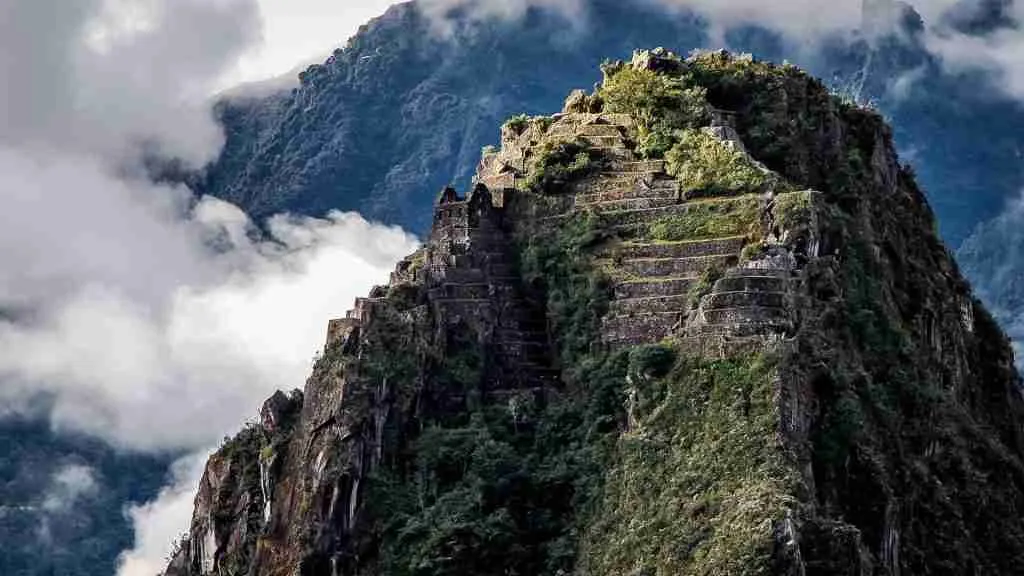
Route 3-A challenges hikers with the legendary Huayna Picchu ascent. This 3-hour trek rewards climbers with panoramic views from the Temple of the Moon and Twelve Openings structure. Guides highlight how these formations align with solstice events—a testament to Inca astronomical precision.
Route 3-B offers gentler terrain along lower agricultural terraces. Ideal for families, this 90-minute walk passes ancient storehouses and water channels. Rangers often pause here to demonstrate how Inca engineers managed mountain hydrology.
Seasonal Treasures and Exclusive Access
During peak months, Route 3-C grants entry to the Great Cavern’s ceremonial platforms. Meanwhile, Route 3-D leads to Huchuy Picchu’s secluded summit. Both require advance bookings and have strict 4-hour time limits.
- Huayna Picchu climb: 1,000 ft elevation gain
- Great Cavern access: Available May-September
- Huchuy Picchu permits: Limited to 100 daily
As one seasoned guide advises, “Match your route choice to both fitness and curiosity—these paths tell different chapters of Inca history.” Morning starts beat crowds, especially when combining these circuits with afternoon train departures.
Special Routes: The Inca Trail and Alternative Machu Picchu Journeys
Beyond the citadel’s stone pathways lie legendary trails that transform a visit into an epic pilgrimage. These routes blend natural grandeur with archaeological wonder, offering travelers diverse ways to connect with Andean history.
Experiencing the 2-Day and 4-Day Inca Trail Options
The 2-day Inca Trail condenses the classic journey into 10 miles, perfect for time-conscious explorers. Hikers enter through the Sun Gate at dawn, witnessing golden light flood the ruins. This version skips camping but still passes Wiñay Wayna’s cascading terraces.
For deeper immersion, the 4-day trek covers 26 miles through cloud forests and mountain passes. Travelers sleep under stars near Runkurakay’s circular watchtower and explore Phuyupatamarka’s ceremonial baths. Permits sell out months ahead—book early through authorized agencies.
Other Notable Treks: Salkantay, Lares, and Inca Jungle Trail
Adventurers seeking rugged terrain favor the Salkantay Route, a 5-day journey past glacial lakes and coffee plantations. The Lares Trail weaves through traditional villages, offering textile workshops with Quechua weavers. Thrill-seekers opt for the Inca Jungle Trail, combining biking and ziplining with ancient staircases.
- Inca Trail permits: Limited to 500 daily (including guides)
- Best booking window: 6-8 months pre-trip for peak season
- Physical demands: Salkantay reaches 15,090 ft elevation
As one seasoned trekker noted, “Choosing your path shapes how the stones speak to you—every route whispers different secrets.” Whether prioritizing cultural depth or adrenaline, these journeys elevate a standard tour into a life-changing adventure.
Planning Your Visit: Practical Information and Essential Tips
Strategic preparation transforms a trip to Peru’s iconic archaeological wonder into a seamless adventure. Securing access and understanding logistics ensures travelers maximize their time exploring ancient marvels. Let’s break down critical steps for crafting an unforgettable journey.
Navigating Reservations and Transportation
Advance ticket purchases via the official government portal are non-negotiable. High-demand slots—especially morning entries—sell out months ahead. Our recommended booking timeline:
| Time Before Visit | Action | Details |
|---|---|---|
| 6-8 months | Secure entry tickets | Choose circuit preference |
| 3-4 months | Book train tickets | PeruRail or Inca Rail from Cusco |
| 1 month | Arrange bus transfers | Aguas Calientes to citadel gates |
Morning departures from Cusco via Ollantaytambo station balance crowd avoidance with daylight exploration. Guides familiar with hidden trails often share, “The early hiker hears the stones speak.”
Essential Preparations for Mountain Terrain
Altitude sickness affects 50% of visitors. Spend 2-3 days acclimating in Sacred Valley towns before ascending. Pack these essentials:
- Layered clothing (40-70°F temperature swings)
- Sturdy hiking shoes with grip soles
- UV-blocking hat and mineral sunscreen
Hydration packs and coca leaves help combat thin air. Afternoon showers are common—waterproof gear keeps focus on scenery rather than soggy socks. Rangers advise, “Respect the mountain, and it rewards you with clarity.”
Sustainable Tourism and Preservation of Machu Picchu
Preserving this UNESCO treasure while accommodating global interest demands innovative strategies. Authorities implement strict protocols to safeguard both cultural heritage and natural ecosystems. Every traveler plays a vital role in maintaining this delicate equilibrium.
Adhering to Visitor Guidelines and Traffic Management
Daily caps of 5600 people in the high season and 4500 in the low season prevent overcrowding, with timed tickets spreading foot traffic across morning and afternoon slots. Mandatory guides ensure guests stay on designated trails, reducing erosion near vulnerable structures. One-way routing through key areas maintains orderly movement while protecting ancient pathways.
Recent initiatives include biodegradable waste systems and solar-powered facilities. Rangers monitor noise levels to minimize wildlife disruption. “Respectful exploration lets the mountains keep their secrets,” shares a conservation officer. These measures allow the archaeological reserve to thrive despite rising global interest.
Supporting Local Community Initiatives and Conservation Efforts
Tourism revenue funds reforestation projects and artisan cooperatives in nearby villages. Over 60% of entry fees directly support preservation teams and Quechua-led educational programs. Visitors can contribute by choosing eco-certified tours or purchasing crafts from certified local markets.
Partnerships with scientific institutions enable cutting-edge preservation techniques. Drones map erosion patterns, while traditional stonemasons repair walls using ancestral methods. This fusion of old and new ensures the site’s story continues unfolding for centuries.
By following trail markers and avoiding restricted zones, travelers help conserve irreplaceable history. Sustainable practices transform each visit into an act of stewardship—a shared commitment to protecting humanity’s architectural marvels.

Expert Advice: Navigating Machu Picchu’s Circuits Like a Pro
Mastering the labyrinth of ancient pathways requires insider knowledge and smart timing. Seasoned explorers know that strategic planning unlocks hidden narratives etched into stone walls and terraced slopes.
Why Hiring a Guide Enhances Your Experience
Local experts transform weathered ruins into vibrant classrooms. Certified guides decode astronomical alignments in temple windows and explain how 15th-century engineers stabilized structures on steep slopes. Their stories breathe life into silent stones, revealing connections between architecture and Andean cosmology.
One guide shared, “We don’t just show sites—we help travelers see through Inca eyes.” These professionals also navigate crowd patterns, ensuring you photograph iconic vistas without jostling.
Seasonal Considerations and Best Times to Visit
Dry season (May-September) delivers crisp skies perfect for panoramic mountain views, but attracts larger crowds. Shoulder months (April/October) balance manageable visitor numbers with moderate rainfall. Rainy season adventurers enjoy lush greenery and last-minute ticket availability.
| Season | Pros | Cons |
|---|---|---|
| High (Jun-Aug) | Clear visibility | Peak pricing |
| Shoulder | Fewer crowds | Brief showers |
| Low (Jan-Mar) | Discounts | Trail closures |
Book train tickets 4-6 months ahead for high-season Huayna Picchu access. Morning departures from Cusco align with golden-hour photography at the Sun Gate. Pair guided tours with afternoon returns to Aguas Calientes for stress-free connections.
Conclusion
Every journey through Peru’s iconic archaeological wonder becomes a dialogue between past and present. The site’s carefully designed routes—whether tracing ceremonial plazas or hidden terraces—reveal how Inca innovation shaped landscapes and communities. By selecting trails aligned with personal curiosity, travelers unlock layers of architectural brilliance often missed in hurried tours.
Guides transform weathered stones into vivid stories, while off-season visits offer serene moments with ancient engineering feats. Sustainable practices, from timed entries to eco-conscious packing, ensure these marvels endure. Balancing popular viewpoints with quieter trails creates a richer narrative of Andean life.
From sunrise ascents to reflective afternoon walks, each path rewards those who prioritize preparation and respect. Early bookings secure access to exclusive areas, while local expertise illuminates subtle details in temple carvings. The true magic lies not just in monumental structures but in whispers of daily rituals etched into forgotten corners.
Let your chosen route reflect both ambition and reverence. In doing so, you’ll craft an unforgettable experience that honors history while forging personal connections with this timeless sanctuary.
