Lyon Food Guide: Bouchons & Culinary Heritage
Key Takeaways
- Lyon earned recognition as France’s gastronomy capital through unique bouchon tradition preserving working-class Lyonnaise cuisine across generations in intimate family-run dining rooms
- The Mères Lyonnaises (Lyonnaise Mothers) revolutionized French cuisine by elevating traditional home cooking into professional gastronomy, establishing Lyon’s culinary reputation in the early 20th century
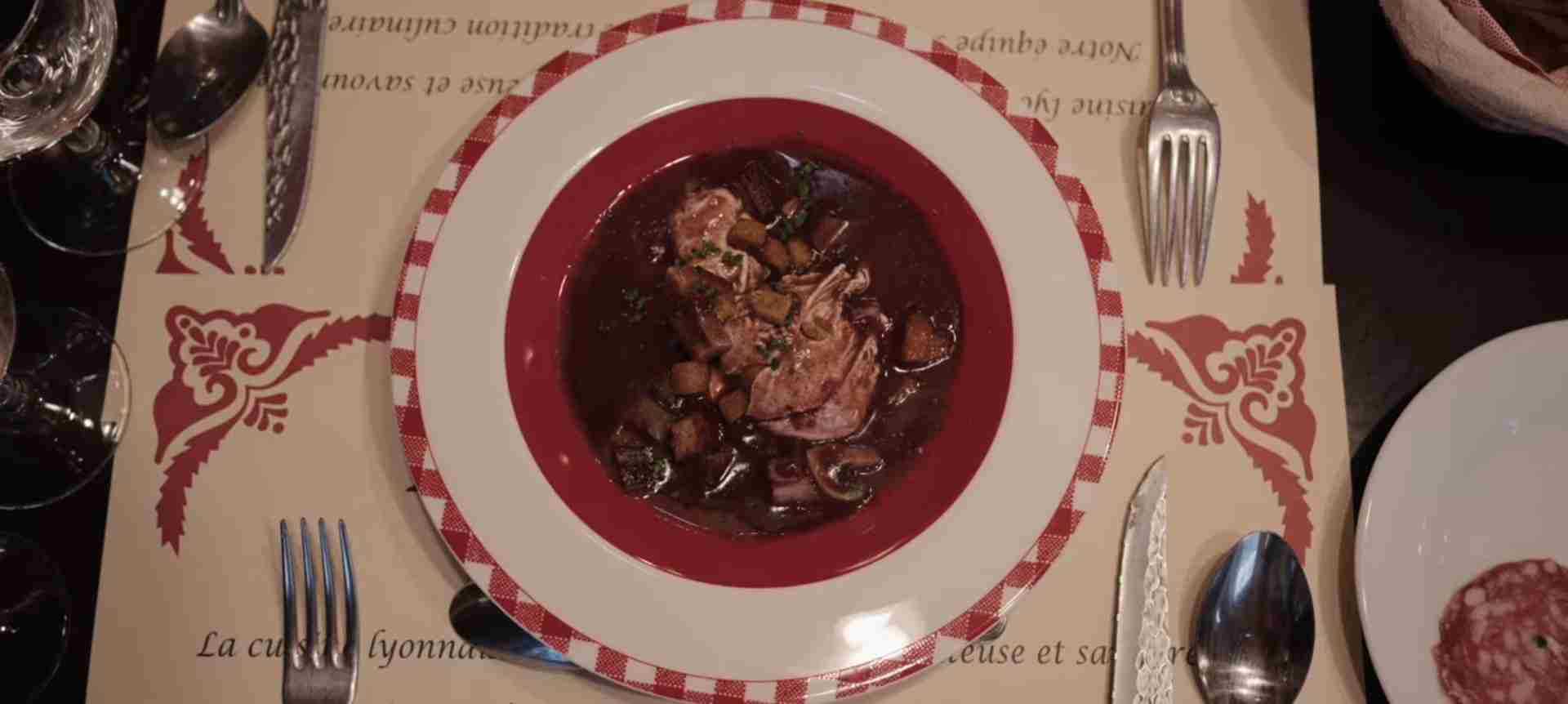
- Authentic bouchon dining follows specific traditions including red-and-white checkered tablecloths, communal seating, handwritten menus, and leisurely three-course meals celebrating local ingredients
- Traditional Lyonnaise dishes include quenelles de brochet (pike dumplings in crayfish sauce), andouillette (traditional sausage), tablier de sapeur (breaded tripe), and cervelle de canut (herbed fresh cheese)
- Lyon’s culinary excellence stems from strategic geographic position between Burgundy’s wines, Bresse’s poultry, Alpine cheeses, Mediterranean produce, and Rhône Valley fruits and vegetables
- The city maintains over 20 certified authentic bouchons preserving traditional recipes, cooking techniques, and dining atmospheres that define Lyonnaise gastronomy
Understanding Lyon’s Culinary Heritage
Lyon claims the title of France’s gastronomy capital not through Michelin stars alone but through deep-rooted culinary traditions spanning centuries of working-class excellence, maternal innovation, and unwavering commitment to local ingredients and authentic preparation. The city’s food culture developed at the intersection of geography, social history, and individual brilliance, creating a unique gastronomic identity that distinguishes Lyon from Paris’s haute cuisine and Provence’s Mediterranean flavors. This heritage lives today in the bouchon tradition, where intimate family-run restaurants preserve recipes, techniques, and atmospheres that transport diners into Lyon’s culinary past while celebrating timeless pleasures of exceptional food, wine, and convivial company.
The term “bouchon” originally referred to bundles of straw hung outside wine merchants’ establishments, signaling the availability of wine for travelers and workers. These 16th-century taverns evolved over centuries into distinctive restaurants serving traditional Lyonnaise cuisine to silk workers, merchants, and bourgeois families seeking hearty sustenance and generous portions. The modern bouchon emerged in the late 19th and early 20th centuries as formalized establishments maintaining specific traditions regarding décor, menu structure, and dining culture that continue defining authentic experiences today.
Lyon’s culinary supremacy owes much to the Mères Lyonnaises (Lyonnaise Mothers), extraordinary women who transformed French gastronomy in the early 20th century by bringing home cooking techniques and traditional recipes into professional restaurant settings. These pioneering chefs including Mère Brazier, Mère Fillioux, and Mère Guy established restaurants that earned international acclaim while maintaining authentic Lyonnaise character and maternal warmth. Their legacy continues shaping Lyon’s food culture, where the best cuisine honors tradition rather than pursuing novelty, and where comfort and quality matter more than fashion and prestige.
The city’s geographic position at the confluence of the Rhône and Saône rivers placed Lyon at the crossroads of France’s finest agricultural regions. Burgundy wines flow from the north, Bresse chickens arrive from the east, Alpine cheeses descend from mountain dairies, Mediterranean vegetables travel up the Rhône Valley, and Beaujolais vineyards sprawl across nearby hillsides. This convergence of exceptional ingredients enabled Lyonnaise cooks to develop sophisticated cuisine celebrating regional abundance rather than relying on exotic imports or complicated techniques masking inferior products. The result is food that tastes distinctly of place, season, and tradition rather than chef ego or culinary trends.
Understanding Lyon’s culinary heritage requires appreciating the philosophical approach underlying bouchon culture: food serves social function bringing people together around shared tables, quality ingredients prepared simply triumph over complicated presentations, and maintaining tradition honors the generations of cooks, farmers, and diners who created and sustained these practices. This perspective explains why Lyon resists celebrity chef culture, why the best restaurants occupy modest storefronts rather than glamorous spaces, and why locals defend traditional recipes against modernization attempts that would dilute authentic flavors in pursuit of broader appeal or contemporary aesthetics.
People Also Ask About Lyon Food Culture
What makes Lyon the gastronomy capital of France?
Lyon’s status as France’s gastronomy capital stems from unique combination of exceptional agricultural geography, revolutionary culinary innovators, and sustained commitment to traditional cuisine maintained across generations. The city occupies a strategic position between France’s finest food regions, enabling access to Burgundy wines, Bresse poultry, Alpine cheeses, Rhône Valley produce, and Mediterranean ingredients that converge in Lyon’s markets and kitchens. This geographic advantage provided raw materials, while the Mères Lyonnaises (pioneering female chefs of early 20th century) developed techniques and recipes that elevated traditional bourgeois cooking into internationally recognized haute cuisine without abandoning authentic local character.
The bouchon tradition preserves this heritage through restaurants maintaining specific standards regarding recipes, ingredients, preparation methods, and dining atmospheres. Unlike Paris’s fashion-driven gastronomy or coastal France’s seafood focus, Lyon’s cuisine emphasizes richness, heartiness, and celebration of land-based proteins including poultry, pork, and river fish. The city holds more Michelin stars per capita than Paris while maintaining vibrant tradition of accessible family-run establishments serving exceptional food without pretension or premium pricing, creating culinary culture where excellence spans from neighborhood bistros to starred temples of gastronomy.
How do you identify an authentic bouchon in Lyon?
Authentic bouchons display certification plaques from Les Authentiques Bouchons Lyonnais, an association established in 1997 to preserve genuine bouchon tradition against tourist-oriented imitations. These certified establishments meet strict criteria regarding menu composition, recipe authenticity, ingredient sourcing, and traditional atmosphere. Visual markers include red-and-white checkered tablecloths (the iconic nappe à carreaux), copper pots and pans decorating walls, handwritten daily menus on chalkboards or paper inserts, communal seating arrangements where strangers share tables, and modest storefronts in working-class neighborhoods rather than prime tourist locations.
The menu provides critical authentication, featuring traditional Lyonnaise dishes including quenelles de brochet, tablier de sapeur, andouillette, tête de veau, and cervelle de canut rather than generic French bistro fare. Authentic bouchons serve pot lyonnais (46cl bottles of Beaujolais or Côtes du Rhône) reflecting traditional working-class serving sizes, and offer formulas (set menus) including entrée-plat-dessert rather than à la carte only. The atmosphere emphasizes conviviality over romance, with lively conversation, paper napkins, robust table settings, and familial warmth replacing hushed elegance and formal service protocols. Prices remain reasonable, with complete three-course meals ranging €25-45 rather than premium pricing that would exclude the working-class clientele these establishments originally served.
Who were the Mères Lyonnaises and why are they important?
The Mères Lyonnaises were pioneering female chefs who revolutionized French gastronomy in the early-to-mid 20th century by bringing traditional Lyonnaise home cooking into professional restaurant settings. These extraordinary women, often former domestic cooks in wealthy households, established their own restaurants where they prepared the bourgeois dishes they had perfected in private kitchens. Eugénie Brazier (Mère Brazier), the most celebrated, became the first woman to earn three Michelin stars and maintained two three-star establishments simultaneously – an achievement unmatched until decades later. Françoise Fayolle (Mère Fillioux) trained Brazier and established standards of excellence that influenced generations of chefs including Paul Bocuse.
These women transformed French cuisine by demonstrating that traditional regional cooking, executed with exceptional ingredients and precise technique, merited equal recognition to Parisian haute cuisine’s elaborate preparations and formal presentations. They popularized dishes including poularde demi-deuil (Bresse chicken with truffle slices under the skin), quenelles de brochet, and fond d’artichaut au foie gras, elevating simple concepts through perfect execution rather than complicated innovation. Their maternal approach to hospitality – treating diners as family, maintaining intimate dining rooms, and personally supervising every aspect of service – created the template for authentic bouchon culture that persists today.
The Mères’ legacy extends beyond specific recipes to philosophical principles: quality ingredients matter more than elaborate techniques, traditional dishes deserve respect and preservation, and food’s primary purpose is bringing people together in warmth and conviviality. This approach directly opposes celebrity chef culture prioritizing innovation, individual expression, and theatrical presentation over tradition, community, and comfort. Contemporary Lyon cuisine, whether in humble bouchons or Michelin-starred establishments, reflects these maternal values through continued emphasis on regional ingredients, classical preparations, and generous hospitality that welcomes rather than intimidates diners.
What is the proper way to eat in a Lyon bouchon?
Bouchon dining follows informal but specific customs reflecting the tradition’s working-class origins and convivial character. Meals begin with aperitif at the bar or table, with kir (white wine and crème de cassis) or Beaujolais by the glass setting the tone for leisurely dining. Reservations are expected for dinner and recommended for lunch, as authentic bouchons maintain limited seating in intimate dining rooms where communal tables seat 6-10 diners alongside individual deuces and quatres. Arriving punctually demonstrates respect for kitchen schedules, as these establishments operate with small staffs preparing dishes to order rather than maintaining extensive mise en place.
The menu structure follows traditional three-course format: entrée (starter), plat (main), and dessert, often offered as formula (set menu) providing better value than à la carte ordering. Entrées include charcuterie plates, gratinée lyonnaise (onion soup with cheese), or salade lyonnaise (frisée with lardons, poached egg, croutons). Plats feature signature dishes specific to each bouchon’s specialties, whether quenelles, andouillette, or boudin noir. Desserts offer comfort food including tarte aux pralines (pink praline tart), île flottante (floating island), or seasonal fruit tarts. Portions are generous, reflecting tradition of nourishing working clientele rather than delicate tasting portions.
Wine service favors regional bottles with Beaujolais and Côtes du Rhône dominating wine lists, often served in traditional pot lyonnais bottles. House wine (vin du patron) provides excellent value and reliable quality, as bouchon proprietors maintain relationships with small producers ensuring consistent supply of honest wines suiting hearty cuisine. Sharing bottles among table companions is customary and encouraged, particularly at communal seating where conversation flows freely among diners. The leisurely pace allows 2-2.5 hours for complete meals, with rushing considered insulting to kitchen’s efforts and counter to bouchon’s social purpose of creating space for relaxed dining and human connection.
Extended multi-day tours – 5+ days
Featured Lyon Multi-Day Tour Packages
5 days
Cote d Azur, Burgundy and Alsace (from Marseille to Paris)
- ✓ Comprehensive Lyon tour
- ✓ Expert local guides included
- ✓ All accommodation arranged
- ✓ Transportation provided
7 days
France and Switzerland with enchanted Alsace
- ✓ Comprehensive Lyon tour
- ✓ Expert local guides included
- ✓ All accommodation arranged
- ✓ Transportation provided
4 days
Rhône River Cruise: Between Terroir, History and Local Traditions. (Port to port) (from Lyon to Tain-l'Hermitage)
- ✓ Comprehensive Lyon tour
- ✓ Expert local guides included
- ✓ All accommodation arranged
- ✓ Transportation provided
5 days
Charming Heritage Journey Through France – 5 days
- ✓ Comprehensive Lyon tour
- ✓ Expert local guides included
- ✓ All accommodation arranged
- ✓ Transportation provided
Multi-day tour packages powered by TourRadar. Prices and availability subject to change.
Historical Development of Bouchon Tradition
Origins and Evolution Through Centuries
The bouchon tradition traces roots to 16th-century taverns serving wine and simple foods to travelers, merchants, and workers moving through Lyon’s bustling commercial center. These early establishments hung bundles of straw (bouchons) outside their doors signaling wine availability to passersby unable to read text signs. The taverns occupied ground floors of residential buildings throughout Lyon’s medieval quarters, creating neighborhood gathering spots where locals consumed wine alongside bread, cheese, charcuterie, and occasional hot dishes prepared by proprietors’ wives using ingredients from nearby markets.
The 18th century saw gradual sophistication as Lyon’s silk industry prosperity created demand for more elaborate meals. Canuts (silk workers) required substantial midday nourishment to sustain their demanding labor, while silk merchants and bourgeois families sought dining establishments between humble taverns and expensive grande cuisine restaurants. Innovative cooks, often women managing family taverns, began preparing dishes that would become Lyonnaise classics: pike from Saône River waters, chickens from Bresse farms, pork specialties from Ardèche valleys, and vegetables from Rhône Valley gardens. These dishes emphasized hearty portions, rich sauces, and robust flavors suiting working-class palates and budgets.
The 19th century formalized the bouchon concept as distinct from standard bistros or wine bars. Proprietors developed signature dishes, maintained regular clientele through neighborhood loyalty, and established physical atmospheres that remain bouchon hallmarks today: checkered tablecloths, communal seating, copper cookware displays, and intimate dining rooms seating 20-40 guests maximum. The establishments clustered in working-class neighborhoods including Vieux Lyon, Croix-Rousse, and Presqu’île commercial districts, serving families, workers, and merchants seeking honest food and generous portions at fair prices. This period established bouchon identity as democratic space where social classes mixed freely around shared tables and common appreciation for good food.
The early 20th century brought the Mères Lyonnaises revolution that elevated Lyon’s culinary reputation internationally while preserving bouchon tradition’s essential character. Women including Mère Brazier, Mère Fillioux, Mère Guy, and Mère Bourgeois transformed professional cooking by bringing domestic expertise into restaurant settings. They maintained bouchon intimacy and conviviality while raising technical standards and ingredient quality to levels earning Michelin recognition. This dual achievement – preserving tradition while pursuing excellence – established the template for contemporary Lyon gastronomy where humble bouchons and starred restaurants share philosophical commitment to local ingredients, classical techniques, and hospitable service.
Post-World War II decades threatened bouchon survival as modernization, fast food culture, and tourism pressures encouraged abandonment of labor-intensive traditional cooking. The 1990s brought renewed appreciation for authentic regional cuisine, leading to creation of Les Authentiques Bouchons Lyonnais certification program in 1997. This association established standards protecting genuine bouchon tradition against imitation establishments exploiting tourist demand without maintaining authentic practices. The program succeeded in preserving viable population of traditional bouchons while educating new generations of chefs, servers, and diners about proper bouchon culture, ensuring tradition’s continuation into the 21st century and beyond.
The Mères Lyonnaises Revolution
The Mères Lyonnaises phenomenon emerged from specific social and economic conditions in late 19th and early 20th century Lyon. Wealthy bourgeois families employed female cooks who prepared elaborate meals in private homes, mastering techniques and recipes through years of daily practice. Economic pressures, personal ambitions, and entrepreneurial spirit led some of these accomplished cooks to establish their own restaurants, bringing their domestic expertise into public dining spaces. Unlike male chefs trained in formal brigade systems, these women approached cooking maternally, treating ingredients with care, diners with familial warmth, and recipes with respect for tradition over innovation.
Eugénie Brazier stands as the most celebrated Mère Lyonnaise, earning three Michelin stars at her Lyon restaurant and three more at her countryside auberge simultaneously – the first woman and first chef to hold six stars concurrently. Born in 1895, Brazier trained under Mère Fillioux before opening her own establishment in 1921. Her cuisine exemplified Lyonnaise principles: exceptional ingredients prepared simply to highlight natural flavors, generous portions reflecting maternal generosity, and precise technique elevating humble dishes to gastronomic excellence. Her poularde demi-deuil (chicken in half-mourning, named for black truffle slices under white skin) became internationally renowned, while her fond d’artichaut au foie gras demonstrated how simple combinations of superb ingredients could rival Parisian haute cuisine’s elaborate constructions.
Mère Fillioux, Brazier’s mentor, established the maternal approach to professional cooking that defined the Mères’ collective style. She operated a small restaurant near Les Halles market, serving fixed-price meals featuring her legendary volaille demi-deuil and other bourgeois classics. Her influence extended through students including not only Brazier but Paul Bocuse’s mentors, creating direct lineage from Fillioux’s maternal excellence to nouvelle cuisine revolution of the 1960s-70s. This lineage demonstrates how Lyon’s traditional cuisine provided foundation for modern French gastronomy’s most innovative movements, with Bocuse and his colleagues maintaining respect for classical techniques while pursuing creative evolution.
Other notable Mères included Léa (Mère Léa), who operated the famous Voûte restaurant serving Lyon’s intellectual and artistic elite; Mère Guy, whose establishment attracted international celebrities; and numerous lesser-known women maintaining neighborhood restaurants where working families and bourgeois diners mixed freely around shared appreciation for honest, delicious food. Collectively, these women created culinary culture where maternal values – generosity, tradition, quality, hospitality – trumped masculine values of hierarchy, innovation, competition, and prestige. This philosophical approach continues distinguishing Lyon’s food scene from Paris’s celebrity chef culture and other cities’ trend-driven gastronomy.
The Mères’ decline began post-World War II as younger generations pursued different careers, social changes reduced domestic service employment, and modern restaurant economics favored larger establishments with standardized operations over intimate maternal dining rooms. By the 1970s, only a handful of Mères remained, with their deaths marking the end of an era. However, their legacy persists through bouchon tradition, through chefs trained in their techniques, and through philosophical principles embedded in Lyon’s culinary identity. Contemporary female chefs operating Lyon restaurants consciously honor this heritage, maintaining the Mères’ commitment to excellence, tradition, and maternal hospitality that distinguished Lyon’s gastronomy from other French culinary capitals.
Essential Lyonnaise Dishes and Specialties
Signature Meat and Poultry Preparations
Lyonnaise cuisine celebrates pork through diverse preparations showcasing the entire animal in accordance with French charcuterie traditions. Rosette de Lyon, the city’s signature dried sausage, combines ground pork with minimal spices (salt, pepper, sometimes garlic) then air-dried for weeks until developing distinctive tang and firm texture. Authentic rosette slices reveal coarse grind with visible fat marbling, producing nutty, savory flavor that pairs perfectly with cornichons and crusty bread. Jésus de Lyon, a larger cousin reaching 45cm length, undergoes extended aging producing more intense flavor and harder texture requiring thin slicing.
Andouillette, perhaps Lyon’s most challenging specialty for uninitiated diners, showcases the French commitment to utilizing entire animal without waste. This sausage combines pork intestines, stomach, and sometimes veal mesentery encased in natural casing, producing distinctive appearance and assertive flavor. Proper preparation involves grilling or pan-frying until crispy exterior forms, then serving with mustard sauce (Moutarde de Dijon or Beaujolais mustard) tempering the rich, slightly funky interior. Authentic andouillette divides diners into enthusiasts celebrating its rustic character and skeptics finding the intestinal reality too confronting, with no middle ground between devotion and rejection.
Tablier de sapeur (firefighter’s apron) transforms beef tripe into breaded, pan-fried delicacy through labor-intensive preparation. The dish marinates tripe in white wine and herbs before breading and frying until golden and crispy. Proper execution creates textural contrast between crunchy coating and tender interior, with mustard-cream sauce providing acidic counterpoint to rich, slightly gelatinous tripe. The name references the leather aprons worn by 19th-century firefighters, which the golden-brown tripe resembles after frying. This dish epitomizes Lyon’s willingness to elevate humble ingredients through technique and presentation rather than masking origins with complicated sauces or expensive accompaniments.
Poulet de Bresse occupies sacred position in Lyonnaise cuisine as the only chicken holding AOC (Appellation d’Origine Contrôlée) designation. Raised in specific regions of Ain, Saône-et-Loire, and Jura departments under strict regulations regarding diet, free-range access, and raising duration, these chickens develop exceptional flavor and tender texture impossible to replicate with industrial poultry. Bouchons prepare Bresse chicken simply – roasted whole or prepared as poularde demi-deuil with truffle slices – allowing the poultry’s natural excellence to shine without elaborate sauces or complicated preparations masking inferior quality. The premium pricing reflects genuine scarcity and superior quality rather than marketing hype, with informed diners readily distinguishing Bresse chicken from standard alternatives.
Pike Dumplings and River Fish
Quenelles de brochet stand as Lyon’s most iconic dish, though their precise origins remain disputed with multiple chefs and Mères claiming invention credit. These delicate dumplings combine pike flesh, panade (flour-based binding), eggs, and butter into light, fluffy ovals that poach in simmering water before serving with sauce Nantua (béchamel enriched with crayfish butter). Proper execution requires careful balance between lightness (excess density suggests insufficient beating or poor ingredient ratios) and structural integrity (overly loose quenelles disintegrate during poaching). The pike provides subtle freshwater flavor enhanced by rich, crustacean-scented sauce creating signature combination that defines Lyonnaise gastronomy for many diners.
Historical importance of quenelles reflects Lyon’s riverine geography, with Saône and Rhône providing abundant freshwater fish including pike, perch, and crayfish that dominated local diets before industrial pollution reduced wild populations. Contemporary quenelles use farmed pike and imported crayfish, though artisan producers continue maintaining traditional production methods despite higher costs and labor intensity compared to industrial alternatives. The best bouchons prepare quenelles to order rather than advance preparation, ensuring optimal texture and temperature when serving. Size varies from small appetizer portions (2-3 per serving) to substantial main course quenelles weighing 150-200 grams each.
Friture du Rhône showcases small fried fish (typically eperlans or atherine) served whole after light flour coating and deep frying. The preparation emphasizes freshness and simplicity, with the fish’s natural flavor highlighted through crispy exterior and tender interior. Diners eat the fish whole, including heads and tails, with lemon wedges providing acidic brightness. This dish represents traditional riverbank dining culture where fishermen’s catches were prepared immediately using minimal ingredients and cooking technique, creating honest food celebrating place and season rather than chef virtuosity or expensive ingredients.
Sauce Nantua, the crayfish-butter enriched béchamel accompanying quenelles, deserves special recognition as culinary achievement requiring substantial skill and quality ingredients. The sauce begins with classic béchamel before incorporating beurre d’écrevisse (butter infused with crushed crayfish shells), producing distinctive coral color and delicate shellfish flavor that complements pike’s subtle taste without overwhelming. Proper Nantua achieves silky consistency and balanced seasoning, neither too thick (masking quenelle texture) nor too thin (failing to coat properly). The sauce demonstrates French classical technique adapted to regional ingredients, elevating simple fish dumplings into refined gastronomic experience worthy of Michelin recognition.
Cheese, Dairy, and Vegetable Specialties
Cervelle de canut (silk worker’s brain, named humorously for its brain-like appearance and association with Lyon’s canuts) exemplifies Lyon’s ability to create memorable dishes from humble ingredients. This fresh cheese preparation combines fromage blanc with crème fraîche, chopped fresh herbs (chives, parsley, chervil), shallots, vinegar, and olive oil into light, spreadable consistency served with crusty bread or crudités. The dish originated as economical protein source for silk workers unable to afford meat, transforming simple cheese into flavorful preparation through herb abundance and acidic balance. Contemporary versions maintain this democratic spirit, appearing on bouchon menus as entrée showcasing quality cheese and fresh herbs rather than expensive ingredients or complicated technique.
Salade lyonnaise represents the city’s approach to composed salads: generous portions of frisée lettuce topped with lardons (thick-cut bacon pieces), poached egg, and croutons, dressed with mustardy vinaigrette incorporating bacon fat. Proper execution requires perfect poached egg with runny yolk that enriches the salad when broken, crispy lardons providing textural and flavor contrast, and sufficient dressing to coat bitter frisée without drowning. This substantial salad functions as light main course or hearty starter, demonstrating how Lyon transforms simple components into satisfying whole through proper technique and generous spirit.
Gratinée lyonnaise, the local interpretation of French onion soup, layers caramelized onions in rich beef stock topped with toasted bread and melted cheese (traditionally Beaufort or Comté rather than Gruyère). The preparation begins with slowly cooking sliced onions until deeply caramelized, building foundation of sweet, complex flavor that distinguishes superior versions from pedestrian alternatives. The stock should be genuinely homemade from beef bones and aromatics rather than commercial bases that produce thin, salty results. Proper gratinée arrives bubbling from broiler with crispy cheese crust, substantial bread pieces, and concentrated onion-beef flavor that warms and satisfies particularly during cold winter months.
Saint-Marcellin cheese, though originating from nearby Isère department, occupies essential position in Lyon’s dairy culture. This small cow’s milk cheese develops from firm, mild young versions to creamy, intensely flavored aged specimens depending on maturation duration. Bouchons serve Saint-Marcellin at various aging stages, allowing diners to select according to preference for mild (jeune) or strong (affiné) versions. The cheese pairs beautifully with Côtes du Rhône wines and crusty bread, providing satisfying conclusion to meals or cheese course preceding dessert in traditional French progression.
Traditional Desserts and Sweet Specialties
Tarte aux pralines, Lyon’s signature dessert, showcases the city’s distinctive pink pralines (almonds coated in bright pink sugar) in buttery tart filling. The dessert balances sweet praline candy with slight bitterness from almond centers and rich tart crust, creating colorful presentation and satisfying sweetness ideal for concluding hearty bouchon meals. Quality versions use generous praline quantities, allowing individual candies to remain slightly crunchy within softer filling, while inferior versions skimp on pralines or pulverize them into paste losing textural interest. The bright pink color makes tarte aux pralines immediately recognizable and photographically distinctive, though some diners find the intense sweetness overwhelming after substantial savory courses.
Bugnes, Lyon’s traditional Carnival pastries, appear in bakeries and markets during the weeks preceding Lent, though year-round availability has increased. These fried dough pastries achieve delicate, lacy texture through proper dough preparation and frying technique, creating light, crispy results that contrast sharply with heavy, greasy doughnuts. Two styles exist: bugnes lyonnaises (thin, crispy, irregular shapes) and bugnes bourguignonnes (thicker, softer, more uniform). The pastries receive light dusting of powdered sugar after frying, providing sweetness without cloying excess. Freshness matters critically, as bugnes lose their delicate texture within hours of frying, becoming tough and stale rapidly.
Coussin de Lyon (Lyon cushion) celebrates the city’s religious history through marzipan confection colored green and containing dark chocolate-cognac ganache center. The candy’s pillow shape references the Plague epidemic cushions bearing Virgin Mary vows that hang in Fourvière Basilica, though the confection itself dates only to early 20th century. Voisin, the creating confectioner, maintains production using traditional methods and natural ingredients, producing superior quality that justifies premium pricing compared to cheaper imitations. These candies function as gifts or souvenirs representing Lyon’s culinary artistry in portable, shelf-stable format.
Île flottante (floating island) concludes many bouchon meals through light, elegant preparation contrasting with rich preceding courses. The dessert features poached meringue “islands” floating in crème anglaise (custard sauce), often garnished with caramel threads or toasted almonds. Proper execution achieves ethereal meringue texture through careful poaching and immediate service, preventing the collapse that occurs when meringues sit too long in liquid. The dessert’s simplicity highlights technical skill, as poor versions produce rubbery meringues or thin, eggy custard rather than the cloud-like textures defining superior preparations. This classic bistro dessert demonstrates how Lyon values perfect execution of traditional recipes over trendy innovations or complicated plating.
The Art of Bouchon Dining
Atmosphere and Décor Traditions
Authentic bouchon interiors create distinctive atmosphere through specific decorative elements that remained remarkably consistent across establishments and decades. The red-and-white checkered tablecloths (nappes à carreaux) provide immediate visual identification, their bold pattern and primary colors establishing unpretentious character that contrasts sharply with white-linen fine dining or minimalist contemporary aesthetics. These tablecloths originated practically, hiding wine stains and food spills while providing cheerful appearance suitable for convivial dining rather than formal occasions. Contemporary bouchons maintain this tradition despite modern laundering capabilities that could support white linens, recognizing the checkered pattern as essential identity marker.
Copper cookware decorating walls serves dual purposes of functional storage and decorative appeal. Pots, pans, and ladles hanging from wall hooks or arranged on shelves demonstrate the kitchen’s commitment to proper equipment while creating warm, reflective surfaces that enhance candlelight and electric lighting. The copper develops natural patina over years of use, gaining character that new equipment cannot replicate. Some establishments display antique cooking tools no longer used in daily service, preserving historical connections while contemporary stainless cookware handles actual cooking demands. These displays transform functional objects into cultural artifacts maintaining visual links to bouchon tradition’s origins.
Communal seating arrangements reflect bouchon’s democratic origins and social purposes. Long tables seating 6-10 diners alongside smaller deuces and quatres create opportunities for conversation between strangers, fostering conviviality impossible in restaurants segregating parties strictly. This seating style originated practically in cramped quarters where maximizing covers required efficient table arrangement, but evolved into philosophical statement about food’s role creating community rather than providing merely fuel or entertainment. Diners who prize privacy or intimate conversation may find communal seating challenging, though most visitors report positive experiences once initial awkwardness passes and conversation flows naturally.
Modest storefronts and unassuming exteriors distinguish authentic bouchons from tourist-focused establishments investing heavily in curb appeal. Traditional bouchons occupy residential building ground floors or small commercial spaces in working-class neighborhoods, their exteriors displaying simple signs, perhaps traditional straw bundle (bouchon), and menu posted in window without elaborate landscaping, outdoor seating arrangements, or theatrical lighting. This modesty reflects both historical working-class clientele’s priorities and contemporary commitment to spending resources on food quality rather than decorative excess. The contrast between humble exteriors and excellent food inside creates pleasant surprise for first-time visitors while reinforcing values of substance over style that define bouchon philosophy.
Service Culture and Hospitality Philosophy
Bouchon service operates through maternal hospitality model rather than formal fine-dining protocols. Servers function as extended family members welcoming guests into communal dining experience, providing guidance on menu selections, explaining traditional dishes to unfamiliar diners, and maintaining friendly but not intrusive presence throughout meals. This approach stems from the Mères Lyonnaises’ maternal management style where proprietors treated customers as guests in their homes rather than transactions in commercial establishments. The warmth and informality create comfortable environments where diners feel welcomed rather than judged, encouraging relaxation and genuine enjoyment rather than anxiety about proper etiquette or social performance.
Menu guidance represents critical service component, as many traditional Lyonnaise dishes challenge diners unfamiliar with French regional cuisine. Servers explain ingredients and preparation methods for dishes like andouillette, tablier de sapeur, or tête de veau, allowing guests to make informed choices about adventurous eating versus safer selections. This educational aspect distinguishes quality bouchons from tourist traps that merely serve food without context or explanation. The best servers share enthusiastically about their favorites, family recipes, or seasonal specialties without pressuring diners toward expensive items or steering away from economical choices. This honest guidance builds trust and enhances experiences even when guests ultimately select conservative options.
Pacing follows French dining rhythms where meals unfold leisurely over 2-2.5 hours without rushing between courses or delivering checks before guests signal readiness to depart. This timing reflects both kitchen realities (dishes prepared to order in small kitchens) and philosophical commitment to meals as social occasions rather than efficiency exercises. Servers read tables to gauge appropriate pacing, accelerating for business lunchers on limited time or extending intervals for leisurely dinners among friends. The flexibility requires attentiveness impossible in establishments maximizing table turns through rigid scheduling, representing another way bouchons prioritize quality experiences over profit maximization.
Wine service embraces casual approachability rather than sommelier formality. Servers recommend wines based on guests’ preferences and budget without pretension or intimidation, often suggesting house wines or modest bottles that pair beautifully with food without premium pricing. The traditional pot lyonnais bottle size (46cl, slightly more than half standard 75cl bottle) allows couples to share wine without excess or waste. Glasses arrive simple and functional rather than elaborate stemware, and servers pour generously without precise measurements or ceremonial presentations. This democratic wine culture makes fine drinking accessible to all diners regardless of wine knowledge or budget, encouraging experimentation and discovery rather than reinforcing hierarchies of expertise and expense.
Menu Structure and Ordering Strategies
Bouchon menus follow standardized structure rooted in French dining traditions: entrées (starters), plats (mains), fromages (cheeses), and desserts, often offered as formulas (set menus) providing better value than à la carte selection. The formula approach encourages complete dining experiences spanning all courses rather than picking individual dishes, reflecting both economic reality (fixed menus streamline kitchen operations and reduce waste) and cultural preference for structured meals over casual grazing. Prices for three-course formulas range €25-45 depending on establishment prestige and ingredient costs, representing excellent value for quantity and quality delivered.
Entrée selections emphasize charcuterie, salads, and traditional preparations like gratinée lyonnaise or cervelle de canut. Charcuterie plates showcase rosette de Lyon, jésus, pâtés, and terrines with cornichons and crusty bread, providing substantial beginnings that set hearty tone for meals ahead. Salade lyonnaise offers lighter alternative while maintaining regional character through lardons, poached egg, and mustardy vinaigrette. These starters prime appetites without overwhelming, leaving room for substantial mains while establishing flavor profiles and ingredient quality that characterize each bouchon’s approach.
Plat choices center on signature Lyonnaise preparations specific to each bouchon’s specialties. Some establishments excel at quenelles, others specialize in andouillette or tablier de sapeur, while traditional recipes like pot-au-feu, blanquette de veau, or coq au vin appear regularly. Portion sizes reflect working-class origins, providing generous servings that satisfy thoroughly without requiring additional sides beyond included accompaniments. Vegetables typically arrive as simple preparations – steamed, sautéed, or gratinéed – supporting proteins without complicated constructions or expensive ingredients. This straightforward approach lets primary ingredients shine while maintaining reasonable pricing that keeps bouchons accessible to neighborhood regulars.
Cheese courses appear optional between plats and desserts, following classical French progression where fromage cleanses palate and transitions from savory to sweet. Selections typically include local specialties like Saint-Marcellin alongside regional varieties from surrounding Rhône-Alpes departments. Portions remain modest, suitable for tasting rather than full consumption, with 2-3 cheese selections common. Accompaniments include crusty bread and sometimes dried fruits or nuts, though elaborate condiments or crackers remain rare in traditional settings preferring simple presentations highlighting cheese quality.
Dessert options embrace comfort food over elaborate pâtisserie: tarte aux pralines, île flottante, crème caramel, and seasonal fruit tarts dominate menus. These familiar preparations emphasize satisfying sweetness and familiar flavors rather than innovation or presentation complexity. Quality varies more in desserts than savory courses, as some bouchons purchase from outside pâtisseries while others prepare in-house. The best establishments make signatures like tarte aux pralines fresh daily, while adequate versions serve commercial products that, while not exceptional, conclude meals pleasantly without detracting from earlier courses’ excellence.
Traditional Recipes and Cooking Techniques
Sauce Foundations and Classical Methods
Lyonnaise cuisine builds upon French classical sauce traditions adapted to regional ingredients and bourgeois tastes. The mother sauces – béchamel, velouté, espagnole, hollandaise, and tomato – appear in various preparations, though Lyon’s repertoire emphasizes béchamel derivatives and enriched stocks rather than emulsified butter sauces or tomato-based preparations. Sauce Nantua exemplifies this approach, beginning with classic béchamel before incorporating crayfish butter that transforms neutral white sauce into distinctive preparation complementing pike quenelles. This transformation through enrichment rather than complete reconstruction characterizes Lyonnaise technique: respecting classical foundations while adapting to local ingredients and tastes.
Stock production forms another fundamental technique distinguishing quality bouchons from inferior imitations. Proper chicken, veal, and fish stocks require hours of gentle simmering to extract maximum flavor and body from bones, aromatics, and vegetables. These stocks provide foundations for sauces, soups, and braised dishes, contributing depth impossible to achieve with commercial bases or shortcuts. Traditional bouchons maintain stock pots on back burners continuously, adding fresh ingredients as needed and straining portions for daily service. This labor-intensive practice reflects commitment to quality over convenience, accepting higher costs and effort required for superior results that diners recognize even without technical knowledge.
Brasing techniques feature prominently in Lyonnaise cooking, transforming tough cuts into tender, flavorful preparations through slow cooking in aromatic liquids. Pot-au-feu, blanquette de veau, and daube de boeuf exemplify this approach, combining economical meats with vegetables, herbs, and stocks that meld into complex, satisfying dishes during extended cooking. The technique originated practically, making tough, inexpensive cuts palatable while stretching ingredients across multiple meals as leftovers improved with reheating. Contemporary bouchons maintain these recipes not from necessity but from recognition that properly executed braises deliver flavors and textures impossible to achieve through quicker modern methods.
Pastry and dough work appears in preparations including tart crusts, quenelle panade, and bugnes, requiring technical precision for optimal results. Tart dough must achieve proper balance between tenderness (from sufficient fat and minimal gluten development) and structure (from adequate flour and careful handling), producing crusts that hold fillings without becoming tough or crumbly. Quenelle panade requires exact flour-to-liquid ratios and careful cooking to create binding that holds dumpling shape without heaviness. These technical demands explain why bouchon quality varies more than restaurant hierarchy suggests: mastering traditional techniques requires years of practice and mentorship impossible to shortcut through formal training or recipe reading alone.
Ingredient Selection and Seasonal Cooking
Lyon’s culinary excellence stems partly from exceptional ingredient access enabled by geographic position and market infrastructure. Les Halles de Lyon Paul Bocuse and neighborhood markets connect chefs directly with producers, enabling daily ingredient selection based on seasonal availability and quality rather than advance ordering from distributors carrying standardized products. This direct relationship between cooks and suppliers ensures freshness, builds trust regarding sourcing and handling, and creates economic relationships supporting regional agriculture rather than industrial food systems prioritizing convenience and shelf life over flavor and nutrition.
Poultry selection illustrates these principles, with Bresse chickens representing gold standard but various quality levels available according to budget and preparation. Bouchons specify poultry sources on menus, indicating whether dishes feature Bresse birds, Label Rouge certified poultry, or standard chickens. This transparency allows diners to make informed choices while understanding price differences reflect genuine quality variations rather than arbitrary markup. The practice extends to other ingredients including pork (specifying regional sources or farming methods), fish (wild versus farmed, origin waters), and vegetables (local production versus imports), creating accountability and education that benefits both diners and producers.
Seasonal cooking remains central to traditional bouchon practice, with menus shifting to reflect ingredient availability throughout the year. Spring brings asparagus, peas, and young vegetables; summer provides tomatoes, zucchini, and fruits; autumn delivers mushrooms, game, and root vegetables; winter offers cabbage, leeks, and preserved products. This rhythm connects diners to agricultural cycles and regional production patterns, providing variety across seasons while ensuring ingredients arrive at peak quality and flavor. Modern supply chains enable year-round ingredient availability regardless of season, but quality bouchons resist this homogenization, accepting menu limitations in exchange for superior ingredients properly suited to current weather and kitchen preparations.
Preservation techniques including charcuterie production, confits, and terrines extend ingredient availability beyond fresh seasons while transforming products through aging, curing, and fermentation. These methods originated from necessity when refrigeration didn’t exist, but persist because they create unique flavors and textures impossible to achieve with fresh products. Rosette and jésus sausages require weeks of aging to develop characteristic tang, duck confit needs slow cooking in fat before storage, and terrines improve as flavors meld during days of refrigeration. These time-intensive processes represent investments in quality that distinguish artisanal producers from industrial manufacturers prioritizing speed and volume over traditional methods’ superior but slower results.
Wine Culture and Pairings
Beaujolais and Regional Wine Traditions
Beaujolais wines occupy central position in Lyon’s drinking culture, with the vineyards lying just 30-45 minutes north of the city providing convenient access and historical supply relationships dating centuries. The region produces exclusively red wines from Gamay grapes grown on granitic hillsides creating distinctive terroir that yields fruity, approachable wines with light tannins and bright acidity. These characteristics make Beaujolais ideal partners for rich Lyonnaise cuisine, cutting through fatty pork preparations, complementing delicate pike quenelles, and refreshing palates between bites of hearty dishes. The tradition of serving Beaujolais chilled (12-14°C) further enhances refreshment qualities that make these wines sessionable across long bouchon meals.
The Beaujolais hierarchy spans from simple Beaujolais and Beaujolais-Villages appellations through ten crus producing more complex, age-worthy wines. Basic Beaujolais provides everyday drinking suitable for casual meals, typically consumed young within a year of harvest. Beaujolais-Villages comes from superior vineyard areas, showing more character while maintaining approachability and value pricing. The ten crus – Morgon, Fleurie, Moulin-à-Vent, Chiroubles, Juliénas, Saint-Amour, Chénas, Régnié, Brouilly, and Côte de Brouilly – occupy granite slopes producing wines of increasing complexity, structure, and aging potential. Bouchons feature multiple Beaujolais options spanning this range, allowing wine exploration from simple to sophisticated while maintaining regional focus and reasonable pricing.
Beaujolais Nouveau, released the third Thursday of November each year, represents Lyon’s most famous wine tradition despite questionable quality reputation. The young wine, fermented just weeks before release, delivers fresh fruit flavors and festive atmosphere celebrating harvest completion. Lyon celebrates Nouveau arrival enthusiastically with special menus and parties throughout the city, though serious wine lovers generally prefer cru Beaujolais offering more complexity and character. The Nouveau tradition connects contemporary Lyon to historical rhythms when wine’s arrival marked seasonal transition and agricultural success, maintaining cultural continuity despite commercial exploitation diminishing the wine’s original significance.
Northern Rhône wines including Côte-Rôtie, Hermitage, Crozes-Hermitage, and Saint-Joseph appear regularly on bouchon wine lists, providing more structured, powerful alternatives to light Beaujolais. These Syrah-based reds offer darker fruit flavors, fuller bodies, and firmer tannins suiting richer dishes like braised meats and game preparations. White Rhône wines from Condrieu (Viognier) and Hermitage (Marsanne/Roussanne) pair beautifully with quenelles and river fish, their richness and aromatic complexity complementing delicate proteins and rich sauces. The geographic proximity makes these wines natural Lyon selections, though higher prices compared to Beaujolais mean they appear more often at upscale bouchons and contemporary restaurants than neighborhood establishments.
Traditional Serving Styles and Wine Etiquette
The pot lyonnais bottle size (46cl, roughly equivalent to 15.5 ounces or two generous glasses) represents Lyon’s most distinctive wine tradition, creating serving size perfectly suited to couples sharing meals without excess waste or insufficient wine. This format originated practically when workers and families needed economical portions matching modest budgets and moderate consumption, but persists because it serves contemporary diners equally well. The bottles arrive chilled for Beaujolais, allowing wine to warm slightly during meals toward optimal serving temperature, or at cellar temperature for more structured reds benefiting from gradual warming in glass.
House wine (vin du patron) carries particular significance in bouchon culture, representing proprietors’ personal selections from trusted producers rather than anonymous commercial products. These wines typically come from small growers maintaining quality relationships with restaurant owners, ensuring consistent supply of honest wines suiting establishment’s cuisine and pricing structure. House wines by the glass or pot provide excellent value while supporting regional producers, though quality varies between establishments based on proprietor knowledge and commitment to sourcing. The best bouchons rotate house selections seasonally, highlighting different producers and regions while maintaining quality standards that make house wine ordering safe bet rather than risky compromise.
Wine service at traditional bouchons embraces informality, with servers opening bottles tableside without elaborate presentation, pouring first tastes without ceremony, and refilling glasses attentively throughout meals. This casual approach removes intimidation that wine service creates in formal settings, encouraging diners to focus on enjoyment rather than etiquette anxiety. Servers provide guidance when asked, recommending wines suited to dishes ordered and explaining regional differences or producer backgrounds, but avoid pretentious vocabulary or condescending attitudes that alienate non-expert drinkers. This democratic wine culture makes quality drinking accessible regardless of prior knowledge or experience.
Pairing philosophy emphasizes regional compatibility rather than elaborate matching exercises. Lyon wines evolved alongside Lyon cuisine, creating natural harmonies that require minimal analysis: light Beaujolais refreshes between bites of fatty charcuterie, fuller cru Beaujolais stands up to richer preparations, white Hermitage complements sauce-heavy fish dishes. These pairings work because they developed organically over centuries of shared consumption rather than through theoretical analysis or contrived combinations. The approach frees diners from pairing anxiety while ensuring satisfying experiences that honor both wine and food without one overwhelming the other through mismatched intensities or conflicting flavors.
Markets and Food Shopping
Les Halles de Lyon Paul Bocuse
Les Halles de Lyon Paul Bocuse represents Lyon’s gastronomic heart, where over 60 specialty vendors occupy permanent stalls selling exceptional cheeses, charcuterie, seafood, produce, baked goods, and prepared foods. The market, renamed in 2006 to honor Lyon’s most famous chef, provides both retail shopping for home cooks and dining opportunities at counters and small restaurants scattered throughout the building. The atmosphere balances tourist appeal with genuine local usage, as Lyon residents shop here regularly for special occasions and everyday needs, maintaining authenticity often lost in purely tourist-oriented food halls.
Notable vendors include Fromagerie Renée Richard (exceptional cheese selection spanning French regions with expert guidance on ripeness and pairings), La Mère Richard (another legendary cheese specialist whose Saint-Marcellin achieves perfect aging), Charcuterie Sibilia (traditional Lyonnaise pork products including rosette and jésus), Colette Sibilia-Rey (exceptional poultry including Bresse chickens and foie gras), Bobosse (oyster bar serving impeccably fresh shellfish with natural wines), and Pâtisserie Pépin (beautiful French pastries for dessert or afternoon treats). These established vendors maintain quality standards and customer relationships spanning decades, creating trust and expertise impossible at anonymous grocery chains.
The market functions as educational resource where vendors explain products, suggest preparations, and guide customers toward appropriate selections based on intended use and budget. This advisory role transforms shopping from transactional experience into cultural exchange where knowledge transfers between generations and cultures. Visitors benefit enormously from engaging vendors with questions about unfamiliar products, preparation methods, or pairing suggestions, as these experts generously share expertise accumulated through years of daily practice. The willingness to educate distinguishes Halles vendors from purely commercial operations focused on maximizing sales rather than building customer knowledge and appreciation.
Dining within the Halles provides immediate gratification, with oyster bars, cheese counters, charcuterie stands, and full-service restaurants allowing immediate consumption of purchased products or prepared foods. Breakfast options include excellent coffee and pastries, lunch brings oysters with white wine or composed plates at various counters, and afternoon shopping might conclude with cheese plates and Beaujolais at one of several wine bars. This flexibility makes the Halles destination for multiple visits rather than single shopping trip, accommodating different times, moods, and appetites while maintaining consistently high quality across all offerings.
Neighborhood Markets and Seasonal Specialties
Lyon’s neighborhood markets supplement the central Halles with regular outdoor markets serving residential areas throughout the city. Marché de la Croix-Rousse operates Tuesday-Sunday mornings on Boulevard de la Croix-Rousse, providing extensive produce, cheese, charcuterie, flowers, and prepared foods in atmospheric neighborhood setting. The market attracts serious shoppers seeking value and quality alongside tourists experiencing authentic local culture, creating lively atmosphere where vendors compete for customers through product quality, pricing, and personality rather than location monopoly or tourist dependency.
Quai Saint-Antoine market runs Tuesday-Sunday mornings along the Saône river near Bellecour, offering another substantial option for produce, regional products, and specialty foods. This market particularly excels at seasonal fruits and vegetables from surrounding agricultural regions, with vendors maintaining direct relationships with farms enabling exceptional freshness and variety impossible at supermarkets sourcing through distribution networks prioritizing consistency and shelf life over peak ripeness and flavor. The riverside location provides scenic shopping environment, though weather dependency means rain or extreme cold can reduce vendor participation and customer traffic.
Seasonal specialties arriving at markets throughout the year provide rhythm and anticipation to Lyon’s food culture. Spring brings asparagus (white and green), fresh peas, tender lettuce, and strawberries. Summer delivers tomatoes, zucchini, eggplant, stone fruits, and melons. Autumn provides wild mushrooms (cèpes, girolles, trompettes), game meats, chestnuts, and pears. Winter offers cabbages, leeks, root vegetables, citrus from Mediterranean regions, and truffles. Markets concentrate these seasonal products from multiple producers, enabling quality and price comparison while ensuring availability of regional specialties during their brief optimal windows.
Vendor relationships reward regular customers through better service, product selection, and occasional generosity impossible at anonymous retail environments. Establishing rapport with preferred cheese vendor, charcuterie specialist, or produce seller provides access to special products, advance notice of seasonal arrivals, and guidance toward optimal selections based on individual preferences and intended uses. These relationships develop through repeated visits and genuine interest in products rather than attempts at friendship or special treatment, with vendors responding positively to customers who appreciate quality, respect expertise, and demonstrate curiosity about food and preparation.
Culinary Influence and Legacy
Lyon’s Impact on French Gastronomy
Lyon’s influence on French gastronomy extends far beyond its geographic boundaries through chefs, techniques, and philosophical approaches that shaped modern French cooking. Paul Bocuse, France’s most celebrated 20th-century chef, trained in Lyon’s bouchon tradition before pioneering nouvelle cuisine revolution of the 1960s-70s. His cooking maintained respect for classical techniques and regional ingredients while pursuing lighter preparations, smaller portions, and artistic presentations that transformed French gastronomy. This evolution exemplifies Lyon’s dual commitment to tradition and innovation: honoring past while embracing thoughtful progress rather than abandoning heritage for novelty’s sake.
The Mères Lyonnaises’ emphasis on quality ingredients simply prepared influenced multiple generations of chefs who recognized that exceptional products required minimal manipulation to shine. This philosophy countered elaborate haute cuisine’s complex sauces and architectural presentations that sometimes masked mediocre ingredients through technique and ceremony. Contemporary French cooking’s focus on sourcing, seasonality, and terroir reflects Lyon’s traditional values more than Paris’s historical emphasis on transformation and elevation through elaborate preparation. The farm-to-table movement, though branded American innovation, embodies principles Lyon cooks practiced for centuries through direct market relationships and regional ingredient focus.
Lyon’s bouchon model demonstrated viability of casual fine dining where exceptional food appears in unpretentious settings without formal service or premium pricing. This concept influenced bistro culture throughout France and internationally, proving that quality experiences needn’t correlate with expense or ceremony. The bouchon’s communal atmosphere, convivial service, and democratic accessibility created template for contemporary restaurants pursuing excellence without exclusivity, making fine gastronomy available to broader audiences than traditional haute cuisine’s elite focus allowed.
The city’s training ground function for French culinary talent persists through restaurant apprenticeships, cooking schools, and mentorship relationships maintaining craft transmission across generations. Young chefs working in Lyon establishments absorb not just techniques but philosophical approaches to ingredients, hospitality, and cuisine’s social role that distinguish Lyon’s food culture. Many subsequently establish restaurants elsewhere carrying these principles into new contexts, spreading Lyon’s influence through diaspora rather than explicit branding or commercial expansion. This organic transmission creates lasting impact more profound than marketing campaigns or franchise operations could achieve.
Contemporary Evolution and Challenges
The bouchon tradition faces ongoing challenges balancing authentic preservation with contemporary expectations regarding dietary preferences, service standards, and economic sustainability. Traditional recipes heavy in pork, organ meats, and rich sauces conflict with modern preferences for lighter eating, vegetarian options, and health-conscious dining. Some bouchons adapt by offering vegetable-forward dishes or lighter preparations alongside classics, while purists resist modification as dilution of authentic tradition. This tension between accessibility and authenticity creates ongoing debate within Lyon’s culinary community about appropriate evolution versus commercialization that sacrifices essential character for broader appeal.
Economic pressures threaten bouchon viability as rising rents, labor costs, and ingredient expenses challenge traditional business models based on accessible pricing and generous portions. Small establishments operating with minimal staff struggle to compete against larger restaurants achieving economies of scale, while maintaining quality standards requires ingredient investments that squeeze profit margins thin. Some bouchons respond by raising prices toward fine dining levels, risking alienation of traditional clientele and philosophical betrayal of democratic accessibility. Others maintain pricing discipline while reducing portion sizes or substituting ingredients, compromising quality that built their reputations. Finding sustainable paths forward represents existential challenge for tradition’s survival.
Certification programs like Les Authentiques Bouchons Lyonnais provide quality assurance and marketing benefits but also risk creating museum culture where bouchons perform tradition for tourists rather than evolving naturally to serve contemporary Lyon residents. The certification standards, while preserving essential elements, can discourage innovation and adaptation that might enable long-term sustainability. Uncertified establishments sometimes deliver equally authentic or superior experiences without official recognition, while certified bouchons occasionally coast on reputation rather than maintaining excellence. These complications illustrate difficulties balancing preservation, evolution, and quality control in living culinary traditions.
The next generation of bouchon proprietors and chefs faces decisions about tradition’s future: strict preservation risking irrelevance, thoughtful evolution maintaining essence while adapting to contemporary contexts, or abandonment in favor of trend-driven concepts offering higher profits and lower operational demands. The outcomes will determine whether bouchon culture survives as living tradition serving Lyon communities or becomes heritage tourism attraction performing historical role without genuine contemporary relevance. Current evidence suggests both preservation and evolution occurring simultaneously, with diverse approaches reflecting individual proprietors’ priorities and capabilities rather than unified strategy or inevitable trajectory.
FAQ – Lyon Food and Bouchons
What is a bouchon and how is it different from a regular restaurant?
A bouchon is a traditional Lyon restaurant type serving authentic Lyonnaise cuisine in intimate, convivial atmosphere following specific cultural traditions. Bouchons distinguish themselves from regular restaurants through several characteristics: red-and-white checkered tablecloths, communal seating arrangements, handwritten menus featuring traditional Lyonnaise dishes, modest storefronts in working-class neighborhoods, maternal hospitality style, pot lyonnais wine service, and certification by Les Authentiques Bouchons Lyonnais association for genuine establishments. The atmosphere emphasizes conviviality and tradition over formality or innovation, with hearty portions, honest pricing, and welcoming service creating experiences fundamentally different from either casual bistros or formal fine dining restaurants.
Are Lyon bouchons expensive?
Authentic bouchons maintain moderate pricing reflecting their working-class origins and democratic philosophy, with three-course meals ranging €25-45 per person including wine. This pricing provides excellent value considering quality ingredients, generous portions, and authentic traditional preparations delivered in atmospheric settings. Budget-conscious diners can reduce costs further by choosing lunch formulas (often €18-28 for three courses), selecting house wines over premium bottles, and sharing plates when appropriate. While not cheap compared to fast food or basic cafés, bouchons offer significantly better value than tourist-oriented restaurants or fine dining establishments charging double or triple for comparable quality, making them accessible to travelers with moderate budgets seeking authentic culinary experiences.
Can vegetarians eat at Lyon bouchons?
Traditional bouchon cuisine centers heavily on meat, pork, and organ preparations, creating challenges for vegetarians seeking authentic experiences. Most bouchons offer limited vegetarian options, typically including salade lyonnaise (omitting lardons), cervelle de canut (fresh cheese with herbs), gratinée lyonnaise (onion soup), and occasionally vegetable gratins or pasta dishes. These options, while tasty, don’t represent traditional Lyonnaise cuisine’s essence the way meat-based specialties do. Vegetarians visiting Lyon will find better options at contemporary restaurants, ethnic establishments, and casual cafés offering plant-based menus, while using bouchons primarily for atmosphere and traditional non-meat dishes rather than expecting comprehensive vegetarian selections. Some modern bouchons are adapting by including vegetarian plates, though purists debate whether such modifications maintain authentic tradition.
What is the most famous Lyon dish?
Quenelles de brochet (pike dumplings in crayfish sauce) hold position as Lyon’s most internationally recognized dish, showcasing the city’s river heritage and technical sophistication through delicate fish dumplings served with rich sauce Nantua. However, several other dishes compete for “most famous” title depending on criteria. Andouillette (pork intestine sausage) represents Lyon’s offal tradition and willingness to celebrate humble ingredients. Salade lyonnaise appears on menus worldwide as Lyon’s contribution to composed salads. Rosette de Lyon dried sausage functions as signature charcuterie product recognized nationally. Tarte aux pralines provides distinctive dessert using Lyon’s unique pink pralines. Rather than single famous dish, Lyon offers constellation of specialties that collectively define its culinary identity and distinguish it from other French regional cuisines.
How do you pronounce common Lyon food terms?
Key pronunciation guidance for Lyon specialties: bouchon (boo-SHON), quenelles (kuh-NELL), andouillette (ahn-doo-YET), tablier de sapeur (tahb-lee-AY duh sah-PUHR), cervelle de canut (sair-VELL duh kah-NU), rosette (rose-ETT), pralines (prah-LEEN), gratinée (grah-tee-NAY), pot lyonnais (po lee-oh-NAY). French pronunciation emphasizes final syllables lightly, avoiding heavy English stress patterns. Regional accent in Lyon tends toward slight southern influence with some vowel rounding, though differences from standard Parisian French remain subtle. Attempting proper pronunciation demonstrates respect even if imperfect, with bouchon proprietors and servers responding positively to linguistic effort regardless of accuracy level.
Are reservations necessary at Lyon bouchons?
Reservations are strongly recommended for dinner at certified authentic bouchons and essential for popular establishments like Daniel et Denise, Café Comptoir Abel, or Chez Paul during peak season. These intimate restaurants maintain limited seating (typically 20-40 covers) that fills rapidly, particularly Thursday-Saturday evenings and during tourist high season. Lunch bookings offer more flexibility, with 2-4 days advance often sufficient, though spontaneous visits sometimes succeed if arriving exactly at opening time (noon). Off-season months (January-March, November) and Tuesday-Wednesday evenings provide best walk-in opportunities, as neighborhood regulars frequent weekends leaving weekdays less crowded. Calling directly (French language helpful but not essential) or using online platforms like LaFourchette enables easy booking with immediate confirmation.
What wine should I order with Lyon food?
Beaujolais wines provide ideal pairings with traditional Lyonnaise cuisine, their light body, bright acidity, and red fruit flavors cutting through rich pork preparations while refreshing palates between bites. House Beaujolais or Beaujolais-Villages offer excellent value and reliable quality for everyday bouchon meals, while cru Beaujolais (Morgon, Fleurie, Moulin-à-Vent) provide more complexity for special occasions or structured dishes. White Hermitage or Condrieu complement quenelles and river fish beautifully through richness matching sauce-heavy preparations. For those preferring non-regional options, light reds with good acidity (Pinot Noir, lighter Loire reds) work better than heavy Bordeaux or Rhône reds overwhelming delicate dishes. Trust house wine recommendations, as bouchon proprietors select carefully to complement their cuisine and pricing structure.
Can I buy Lyon food products to take home?
Many Lyon specialties travel well and make excellent edible souvenirs. Rosette and jésus dried sausages last weeks without refrigeration when vacuum-sealed, though customs regulations regarding meat products vary by destination country. Pralines (both loose candies and packaged for travel) survive journey intact and provide distinctive Lyon flavor unavailable elsewhere. Coussin de Lyon marzipan candies offer shelf-stable gift option in beautiful packaging. Regional mustards, honey, and preserved products from market vendors pack easily. Les Halles de Lyon Paul Bocuse vendors often vacuum-seal cheeses and charcuterie for travel, though perishability requires faster consumption or access to refrigeration. Wine shops package bottles securely for air travel, with Beaujolais crus providing excellent value compared to domestic prices in many countries. Always verify customs regulations regarding food products before purchasing quantities of meat, cheese, or agricultural products potentially restricted in destination countries.
Is Lyon food culture accessible to non-French speakers?
Lyon’s food culture welcomes non-French speakers through increasingly English-friendly establishments, translated menus at tourist-oriented bouchons, and servers willing to explain dishes despite language barriers. However, authentic neighborhood bouchons may offer French-only menus and limited English capability, requiring translation apps, basic French food vocabulary, or willingness to point and trust server recommendations. Learning key terms (viande/meat, poisson/fish, fromage/cheese, entrée/starter, plat/main) plus Lyon specialties improves experiences significantly. The best approach combines linguistic preparation with openness to guidance from servers who, even without fluent English, communicate effectively through friendly gestures and patience. Many visitors report that authentic bouchons provide most memorable meals despite language challenges, while tourist-oriented establishments offering full English support often deliver inferior food quality and less genuine atmosphere.
How has Lyon’s food scene changed recently?
Lyon’s contemporary food scene balances traditional bouchon preservation with growing international cuisine diversity, modern bistro evolution, and fine dining innovation. While certified bouchons maintain classical recipes and atmospheres, younger chefs increasingly open contemporary establishments offering creative French cooking, global influences, and lighter preparations appealing to changing tastes. The Confluence district particularly showcases this evolution with modern restaurants, international options, and innovative concepts alongside traditional establishments. This diversification enables Lyon to welcome broader audiences while maintaining core identity through bouchon tradition preservation. The challenge remains ensuring authentic establishments survive economically while newer concepts establish themselves, avoiding displacement of traditional culture by trend-driven restaurants that may disappear after brief popularity. Overall trajectory suggests coexistence rather than replacement, with Lyon maintaining culinary depth spanning traditional to contemporary rather than abandoning heritage for modernization.