Luxembourg City Food Guide: Traditional Cuisine & Best Food Tours
Luxembourg City’s culinary landscape blends centuries-old rural traditions with contemporary Michelin-starred innovation, creating a unique gastronomic identity at the crossroads of French refinement, German heartiness, and Belgian richness. The Grand Duchy’s capital offers everything from traditional Bouneschlupp served in centuries-old taverns to cutting-edge fusion cuisine in restaurants holding the highest concentration of Michelin stars per capita worldwide, alongside walking food tours that reveal hidden culinary gems tucked into medieval cobblestone streets.
Key Takeaways About Luxembourg City Cuisine
- Multicultural Culinary Heritage: Luxembourg cuisine represents a distinctive fusion of French, German, and Belgian influences, creating hearty traditional dishes like Judd mat Gaardebounen (smoked pork collar with broad beans), Bouneschlupp (bean soup), and Kachkéis (cooked cheese) that reflect the country’s agricultural heritage while incorporating sophisticated preparation techniques from neighboring culinary traditions.
- Michelin Star Concentration: Luxembourg City holds the world’s highest concentration of Michelin stars per capita, with 11 starred restaurants including two establishments holding two stars each—Ma Langue Sourit in nearby Moutfort and Léa Linster in Frisange—alongside innovative venues like Mosconi for Italian cuisine, Ryôdô for Japanese-inspired dishes, and Fields by René Mathieu featuring exclusively plant-based fine dining.
- Guided Food Tour Experiences: The capital offers structured three-hour walking food tours that combine culinary tastings with cultural education, visiting local shops and restaurants to sample Rieslingspaschtéit (meat pie with white wine jelly), Kniddelen (flour quenelles with cream sauce and bacon), artisanal crémants from the Moselle Valley, and Luxembourg chocolates while exploring the historic city center and Grund district.
- Moselle Wine Tradition: Luxembourg’s Moselle Valley produces exceptional white wines and crémants using noble grape varieties including Riesling, Pinot Blanc, Auxerrois, and Pinot Gris, with centuries of winemaking heritage dating to Celtic and Roman cultivation methods now elevated by modern viticultural techniques and international collaboration producing world-class sparkling and still wines that pair perfectly with local cuisine.
- Traditional Market Culture: The city’s open-air markets and Christmas markets showcase Luxembourg’s street food traditions, where vendors serve Gromperekichelcher (crispy potato pancakes with onions and marjoram) fresh from hot oil, alongside traditional sausages like Grillwurst and Mettwurst, artisanal cheeses, locally-produced honey and mustard, and seasonal produce that forms the foundation of Luxembourgish home cooking.
- Contemporary Culinary Innovation: Modern Luxembourg chefs balance respect for traditional recipes with contemporary innovation, incorporating international techniques and sustainable practices while maintaining connections to local ingredients, with venues ranging from casual bistros serving classic Luxembourgish comfort food to experimental restaurants earning green Michelin stars for environmental stewardship and plant-forward cuisine.
People Also Ask About Luxembourg City Cuisine
What is the National Dish of Luxembourg?
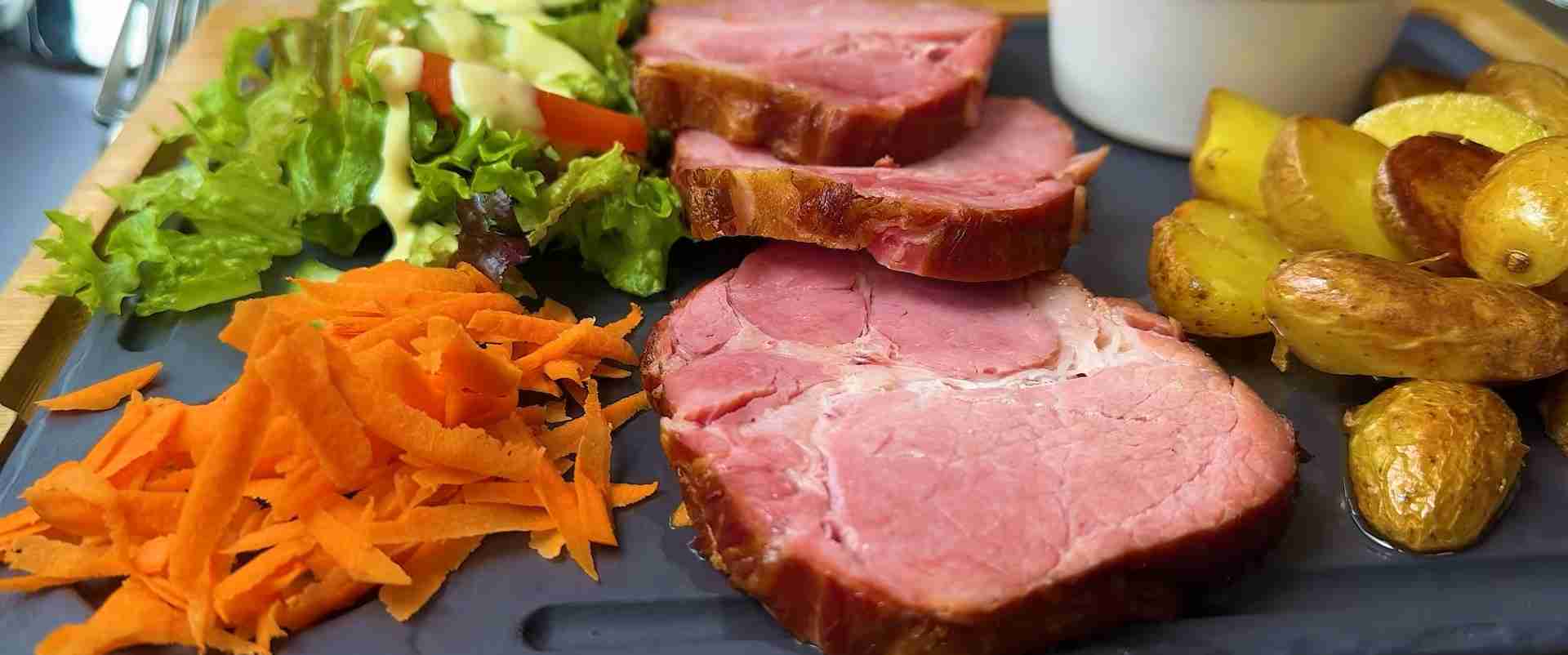
Judd mat Gaardebounen stands as Luxembourg’s quintessential national dish, featuring smoked pork collar served with a rich broad bean stew that originated in traditional country kitchens. The preparation involves brining and smoking pork neck or collar, then simmering it until tender while broad beans cook separately with bacon, onions, and savory herbs to create a hearty stew. The dish represents Luxembourg’s agricultural heritage and working-class culinary traditions, with the smoking process preserving meat through harsh winters while broad beans provided essential protein from kitchen gardens. Modern restaurants across Luxembourg City serve elevated versions of this classic, with establishments like Brasserie du Cercle and traditional taverns in the Grund district offering authentic preparations that maintain the dish’s rustic character while ensuring perfect execution of the smoking and braising techniques.
What Traditional Foods Should I Try in Luxembourg City?
Essential Luxembourg dishes include Bouneschlupp, a hearty bean soup prepared with white beans, bacon, potatoes, vegetables, and sometimes sausages, served warm throughout the colder months and representing the comfort food tradition of Luxembourgish home cooking. Gromperekichelcher, crispy potato pancakes made from grated potatoes mixed with onions, shallots, parsley, eggs, and flour then fried until golden, appear at every festival and Christmas market, typically served with applesauce for a sweet-salty combination. Kachkéis, or cooked cheese, offers creamy satisfaction melted over potatoes or fresh bread, historically created from leftover cheese at village cheesemakers and now served at specialty restaurants like Beim Zeutzius. Bouchée à la Reine, buttery vol-au-vent puff pastry filled with chicken and mushrooms in béchamel sauce, demonstrates French influence on Luxembourg cuisine and appears on menus throughout the capital. Rieslingspaschtéit, meat pie filled with white wine jelly, showcases the integration of Luxembourg’s renowned Moselle wines into traditional cooking, while Quetschentaart, plum tart made with local damson plums, represents the country’s beloved pastry traditions.
How Does Luxembourg Cuisine Differ from French, German, and Belgian Food?
Luxembourg cuisine occupies a unique position borrowing elements from all three neighboring traditions while maintaining distinctive characteristics rooted in the country’s rural agricultural heritage. Unlike French haute cuisine’s emphasis on refinement and technique, Luxembourg food prioritizes heartiness and substance, with larger portions and richer preparations suited to farming communities and cooler climates. German influence appears in smoking and preservation techniques, sausage varieties like Grillwurst and Mettwurst, and potato-based dishes, yet Luxembourg versions incorporate more subtle seasoning and French-influenced sauces rather than bold German spicing. Belgian connections emerge through comfort food approaches and love of fried preparations like Gromperekichelcher, though Luxembourg maintains lighter flavor profiles than Belgium’s heavier beer-based cuisine. The integration of Moselle wine into cooking distinguishes Luxembourg from beer-dominant German and Belgian traditions, while the scale and accessibility of Luxembourg cuisine contrasts with French formality—traditional Luxembourgish restaurants embrace casual conviviality rather than strict dining protocols, and recipes pass through families rather than professional culinary academies, creating authentic home-cooking traditions elevated to restaurant menus rather than chef-driven innovation divorced from cultural roots.
Where Can I Experience Luxembourg Food Culture Through Guided Tours?
Luxembourg City offers structured three-hour guided walking food tours that combine tastings with cultural education, starting at Place de Paris and proceeding through the historic city center and Grund district under the guidance of local experts who share stories about Luxembourg’s culinary heritage, history, and contemporary food scene. Tours typically include five to seven tasting stops at carefully selected local establishments, serving Rieslingspaschtéit at traditional charcuteries, refined local ham paired with Luxembourg crémant at wine shops, Kniddelen with cream sauce and bacon at authentic Luxembourgish restaurants, and finishing with hot chocolate and handcrafted sweets at boutique chocolateries. The Dinnerhopping Luxembourg experience offers a unique approach, conducting tours aboard a converted American school bus transformed into a mobile dining venue, with stops including Briddeler Stuff restaurant for sampling iconic Luxembourg dishes while traveling through the city with large windows for sightseeing and a high-tech sound system for historical commentary. Both tour types accommodate small groups, require minimum participant numbers, offer cancellation policies, and include English-language guidance with other languages available for private bookings, providing comprehensive introductions to Luxembourg’s gastronomic scene suitable for first-time visitors and food enthusiasts seeking deeper understanding of the country’s culinary identity beyond individual restaurant visits.
Extended multi-day tours – 5+ days
Featured Western Europe Multi-Day Tour Packages

3 days
Western Europe 3-Day Discovery Tour
- ✓ Comprehensive Western Europe experience
- ✓ Expert local guides included
- ✓ All accommodation included
- ✓ Transportation provided
5 days
Western Europe 5-Day Highlights Experience
- ✓ Comprehensive Western Europe experience
- ✓ Expert local guides included
- ✓ All accommodation included
- ✓ Transportation provided
7 days
Western Europe 7-Day Cultural Journey
- ✓ Comprehensive Western Europe experience
- ✓ Expert local guides included
- ✓ All accommodation included
- ✓ Transportation provided
10 days
Western Europe 10-Day Complete Adventure
- ✓ Comprehensive Western Europe experience
- ✓ Expert local guides included
- ✓ All accommodation included
- ✓ Transportation provided
Multi-day tour packages powered by TourRadar. Prices and availability subject to change.
Introduction: Luxembourg City’s Distinctive Culinary Identity
Luxembourg City’s gastronomic landscape defies easy categorization, occupying a unique position where medieval market traditions meet Michelin-starred innovation, where hearty peasant cooking coexists with sophisticated wine culture, and where a nation of barely 600,000 residents maintains one of Europe’s most distinctive and internationally recognized culinary scenes. The capital’s food culture reflects Luxembourg’s historical position as a crossroads of European power and trade, absorbing influences from French refinement, German substance, and Belgian comfort while developing indigenous traditions rooted in the Moselle Valley’s agricultural bounty and winemaking excellence.
The city’s culinary character emerges from centuries of cultural fusion accelerated by Luxembourg’s role as a financial center attracting international residents who demand diverse dining options while respecting local traditions. This dynamic creates a restaurant scene where traditional taverns serving Bouneschlupp and Judd mat Gaardebounen operate alongside experimental venues earning Michelin recognition for plant-based innovation, where Christmas markets overflow with Gromperekichelcher fried in centuries-old methods while contemporary bistros reinterpret these classics with modern techniques and presentation.
Luxembourg’s gastronomic reputation rests on several pillars: exceptional local ingredients including Moselle wines and crémants, artisanal cheeses and charcuterie, seasonal produce from surrounding farms; skilled chefs trained in French techniques but grounded in Luxembourgish traditions; and a dining culture that values quality and authenticity over pretension, creating accessible yet refined experiences across all price points. The concentration of Michelin stars per capita—highest in the world—demonstrates technical excellence, while the preservation of traditional dishes like Kachkéis and Träipen reveals cultural commitment to culinary heritage.
Understanding Luxembourg City’s food culture requires moving beyond surface comparisons to neighboring countries and recognizing how geography, history, and economics shaped a distinctive gastronomic identity. The Moselle Valley’s microclimate produces world-class wines despite Luxembourg’s northern latitude, while the country’s multilingual population creates demand for diverse cuisines presented through a uniquely Luxembourgish lens. Traditional recipes evolved in rural farmhouses where preservation techniques ensured year-round sustenance, creating smoking, pickling, and curing methods that remain central to contemporary Luxembourg cuisine even as chefs apply modern interpretations.
The capital’s compact historic center concentrates culinary experiences within walkable distances, from the Grund district’s riverside restaurants to Place d’Armes’ café terraces, from Chemin de la Corniche’s panoramic dining venues to the covered market halls where local producers sell ingredients that appear on restaurant menus hours later. This geographic concentration, combined with Luxembourg’s small size and strong sense of national identity, creates a food culture where innovation respects tradition, where Michelin-starred chefs source from the same farms supplying home cooks, and where visitors encounter authentic culinary heritage rather than tourist-oriented approximations of Luxembourg cuisine.
Traditional Luxembourg Dishes and Ingredients
Luxembourg’s traditional cuisine centers on hearty, flavor-rich preparations using locally-sourced ingredients that reflect the country’s agricultural heritage and continental climate. Potatoes, cabbage, beans, pork, game, dairy products, and Moselle wines form the foundation of classic Luxembourgish cooking, with recipes passed through generations of home cooks and refined in professional kitchens that maintain connections to rural culinary traditions while elevating presentation and technique.
Judd mat Gaardebounen: Luxembourg’s Signature Dish
Judd mat Gaardebounen represents the pinnacle of traditional Luxembourgish cooking, featuring smoked and salted pork collar or neck served with a rich stew of broad beans cooked with bacon, onions, leeks, carrots, and savory herbs. The preparation begins days in advance with brining the pork in salt, sugar, juniper berries, and spices, followed by cold smoking over beech or oak wood to develop deep flavor and preserve the meat. The pork simmers gently until fork-tender while broad beans cook separately with diced bacon, creating rendered fat that enriches the bean stew with smoky depth.
Traditional preparations include the whole cooking process in farmhouse kitchens where families cured their own pork and grew broad beans in kitchen gardens, making Judd mat Gaardebounen a celebration of self-sufficiency and seasonal eating. Modern Luxembourg restaurants maintain authentic methods while ensuring consistent quality and sophisticated presentation, serving the dish with boiled potatoes and sometimes mustard or horseradish for additional sharpness that cuts through the rich, smoky flavors.
The dish appears on menus throughout Luxembourg City, from casual bistros to upscale establishments, with variations including the ratio of meat to beans, the intensity of smoking, and accompanying side dishes. Restaurants in the Grund district and traditional taverns near the covered market specialize in classic versions that honor the recipe’s rural origins, while contemporary bistros might present deconstructed interpretations or incorporate additional seasonal vegetables. The smoking technique distinguishes Luxembourg’s version from similar dishes in neighboring countries, with local preferences favoring cold smoking that preserves moisture while developing complex flavor rather than hot smoking that cooks the meat during the smoking process.
Bouneschlupp: The Beloved Bean Soup
Bouneschlupp earns its place as Luxembourg’s most popular comfort food, with countless regional and family variations that share common elements: white beans, bacon, potatoes, vegetables, and a savory broth that warms through cold months. The basic preparation involves soaking dried white beans overnight, then simmering them with diced bacon or lardons that render fat and smoky flavor into the cooking liquid. Potatoes, carrots, leeks, celery, and onions join the pot, creating layers of sweetness and earthiness that balance the bean’s creamy texture.
Traditional recipes often include bouquet garni of parsley, thyme, and bay leaf, while some versions incorporate smoked sausage or additional pork for enhanced richness. The soup typically simmers for several hours until beans break down slightly, thickening the broth naturally without added flour or cream. Final seasoning with salt, pepper, and sometimes a splash of vinegar brightens the flavors and cuts through the richness, while fresh parsley adds color and freshness just before serving.
Modern interpretations maintain the soup’s essential character while varying ingredients based on seasonal availability and chef preferences. Some establishments serve Bouneschlupp as a starter in refined presentations with croutons or crispy bacon garnish, while traditional restaurants offer generous bowls as main courses with crusty bread for dipping. The soup’s popularity extends beyond restaurants into home cooking, where Luxembourg families prepare large batches on Sunday afternoons that improve over several days as flavors meld and intensify.
Regional variations include the addition of cream for extra richness, the use of green beans instead of or alongside white beans for color and textural contrast, and the incorporation of smoked ham hock for deeper smoky notes. Winter versions often feature heartier ingredients like root vegetables and game sausage, while summer preparations lighten the recipe with fresh herbs and seasonal vegetables. The soup’s versatility and affordability made it a staple of working-class Luxembourg households, and its continued prominence on restaurant menus demonstrates how traditional recipes maintain relevance in contemporary dining culture.
Gromperekichelcher: Crispy Potato Pancakes
Gromperekichelcher stands as Luxembourg’s quintessential street food, appearing at every festival, Christmas market, and outdoor event where vendors fry the crispy potato pancakes to order in large batches that fill the air with aromas of onions, nutmeg, and marjoram. The preparation begins with grating raw potatoes and squeezing excess moisture, then mixing the potato with grated onions, shallots, chopped parsley, eggs, flour, and characteristic seasonings of nutmeg and marjoram that distinguish Luxembourg’s version from similar potato pancakes in neighboring countries.
The batter rests briefly to allow flavors to meld before being dropped by spoonfuls into hot oil for frying until golden brown and crispy on the exterior while remaining tender inside. Proper preparation requires managing oil temperature to achieve crispness without greasiness, and timing the frying to create even coloring and thorough cooking of the potato interior. Traditional vendors serve Gromperekichelcher immediately after frying in paper cones or on plates, often accompanied by applesauce that provides sweet-tart contrast to the savory, onion-rich pancakes.
Variations include Gromperekichelcher Cordon Bleu, which sandwiches Luxembourg cheese and smoked ham between two potato pancakes before frying, creating a more substantial snack or light meal. Some versions incorporate additional vegetables like grated carrot or zucchini for color and nutritional variety, while creative interpretations might use sweet potatoes or add cheese directly to the batter. The pancakes appear in both casual and upscale contexts, with street vendors maintaining traditional simple preparations while restaurants present refined versions as appetizers or side dishes with elevated garnishes and sauces.
The Christmas market tradition particularly emphasizes Gromperekichelcher, where the pancakes become inseparable from the festive atmosphere and cold-weather comfort food experience. Market stalls dedicate themselves entirely to frying Gromperekichelcher throughout the day, creating constant queues of locals and visitors seeking the warm, crispy pancakes. The dish’s accessibility and crowd-pleasing nature make it an ideal introduction to Luxembourg cuisine for first-time visitors, while its deep roots in local culture ensure continued popularity among Luxembourg residents across all ages and backgrounds.
Kachkéis: Traditional Cooked Cheese
Kachkéis, or cooked cheese, represents Luxembourg’s distinctive dairy tradition, creating a creamy, melted cheese preparation traditionally made from leftover cheese at village cheesemakers combined with butter, milk, and sometimes egg to create a smooth, spreadable consistency. The cooking process involves melting aged Luxembourg cheese over gentle heat while incorporating liquid and sometimes baking soda to achieve proper emulsification and texture. The result resembles a cheese sauce but with more body and complex flavor derived from the aged cheese’s sharpness and the slight fermentation that occurs during preparation.
Traditional service involves pouring hot Kachkéis over boiled potatoes or spreading it on fresh crusty bread, creating simple but deeply satisfying combinations that highlight the cheese’s creamy richness and tangy flavor. Some preparations incorporate beer or white wine for additional complexity, while others maintain pure cheese flavor without alcoholic additions. The dish appears on menus throughout Luxembourg City, with specialty restaurants like Beim Zeutzius building reputations on their Kachkéis preparations that follow time-honored family recipes.
Contemporary presentations expand beyond traditional boiled potatoes to include Kachkéis as a fondue-style shared dish, as a sauce for vegetables or pasta, or incorporated into more complex preparations that use the melted cheese as a component rather than the centerpiece. The pairing with Moselle white wine, particularly crisp Riesling, creates classic Luxembourg food and wine harmony, with the wine’s acidity cutting through the cheese’s richness while complementing its savory depth.
Regional variations exist in the types of cheese used, the cooking method and temperature, and the additions that modify texture and flavor. Some versions create firmer cheese suitable for slicing when cooled, while others maintain flowing consistency for immediate consumption. The dish’s roots in thrifty farmhouse cooking—using cheese scraps that might otherwise go to waste—connect it to Luxembourg’s broader culinary philosophy of resourcefulness and respect for ingredients, values that persist even as contemporary chefs apply the technique to premium cheeses in upscale presentations.
Bouchée à la Reine: French-Influenced Elegance
Bouchée à la Reine demonstrates French influence on Luxembourg cuisine while showing how the country adapted foreign dishes into its culinary repertoire. The preparation features buttery vol-au-vent puff pastry filled with chicken and mushrooms bound in creamy béchamel or velouté sauce, creating an elegant dish that originated in French court cuisine but found widespread popularity in Luxembourg restaurants and home cooking. The pastry requires skilled lamination to create dozens of flaky layers that puff dramatically during baking, while the filling demands careful sauce preparation to achieve silky texture without heaviness.
Luxembourg’s version sometimes incorporates local variations, including the use of creamy veal sauce instead of or alongside chicken, or the addition of Luxembourg-produced cream and dairy that enhance richness and flavor. The dish appears on menus throughout the capital at establishments ranging from casual brasseries to upscale restaurants, with Brasserie du Cercle particularly noted for preparing Bouchée à la Reine from scratch and serving it with French fries and salad as a complete meal.
Traditional service presents the vol-au-vent as a main course rather than an appetizer, reflecting Luxembourg’s preference for substantial portions and the dish’s evolution from French aristocratic dining to Luxembourg middle-class cuisine. The combination of crispy pastry, tender chicken, earthy mushrooms, and luxurious sauce creates textural and flavor contrasts that appeal across generations of Luxembourg diners, while the dish’s technical requirements ensure it remains a restaurant specialty rather than everyday home cooking.
Modern interpretations might incorporate seasonal ingredients like asparagus or wild mushrooms when available, or substitute different proteins while maintaining the essential preparation method and presentation style. The dish’s continued prominence on Luxembourg menus demonstrates how the country’s culinary identity includes adopted traditions alongside indigenous recipes, creating a diverse food culture that respects both local heritage and international influences without subordinating one to the other.
Träipen: Traditional Black Pudding
Träipen represents Luxembourg’s blood sausage tradition, preparing black pudding from pork blood, pork head meat, fat, onions, and spices stuffed into natural casings and cooked until firm. The traditional preparation follows methods developed when rural families slaughtered pigs and used every part of the animal, with blood pudding providing a way to preserve and utilize blood that would otherwise spoil quickly. The mixture incorporates breadcrumbs or grain to bind ingredients while seasoning with marjoram, thyme, pepper, and sometimes cloves creates the characteristic flavor profile that distinguishes Luxembourg’s version from blood sausages in neighboring countries.
Service typically involves slicing the Träipen and frying until crispy on the exterior, then serving with applesauce and mashed potatoes that provide sweet and creamy contrasts to the sausage’s rich, mineral-forward flavor and coarse texture. Some preparations grill rather than fry the sausage, developing char that adds smokiness and textural variation. The dish appears primarily at traditional establishments and during folk festivals where Luxembourg’s rural culinary heritage receives particular emphasis, rather than at contemporary or international restaurants where blood sausage might challenge diners unfamiliar with offal preparations.
Regional variations include the ratio of meat to blood, the grain or filler used to extend and bind the mixture, and the specific spicing that some families guard as treasured secrets passed through generations. The sausage’s bold flavor and unique texture make it a polarizing dish that devoted enthusiasts seek out while others avoid, creating a divide between Luxembourg residents who embrace their culinary heritage’s more challenging elements and those who prefer the country’s milder, more universally appealing dishes.
Contemporary chefs occasionally reinterpret Träipen in modern contexts, using the traditional preparation as a component in composed dishes or presenting it with unexpected accompaniments that highlight rather than mask its distinctive character. These innovations respect the sausage’s cultural significance while making it accessible to diners who might be intimidated by traditional presentations, demonstrating how Luxembourg’s food culture balances preservation and evolution.
Sweet Specialties and Pastries
Luxembourg’s pastry traditions showcase the country’s sweet tooth and the influence of French pâtisserie techniques applied to local ingredients and preferences. Quetschentaart, plum tart made with local damson plums arranged over sweet pastry crust and sometimes enriched with custard or almond cream, represents the height of Luxembourg’s fruit tart tradition. The plums provide tart-sweet flavor that balances the pastry’s richness, while baking concentrates the fruit’s juices into jammy intensity. The tart appears in bakeries and restaurants during plum season in late summer and early autumn, with variations including the pastry thickness, the presence or absence of custard layer, and additional spicing with cinnamon or vanilla.
Äppelklatzen, apple tart garnished with cinnamon, demonstrates similar fruit-forward pastry traditions using Luxembourg’s abundant apple harvest. The preparation might involve arranging thin apple slices in decorative patterns over pastry, or mixing chunked apples with sugar and spices before filling the tart shell. Some versions incorporate custard or frangipane similar to French tarte aux pommes, while others maintain simpler preparations that let apple flavor dominate.
Luxembourg chocolatiers contribute to the country’s sweet traditions, producing artisanal chocolates, truffles, and confections that rival Belgian and Swiss productions while maintaining distinctive Luxembourg character. Food tours typically include stops at chocolate shops where visitors sample Luxembourg-produced chocolates paired with hot chocolate prepared using traditional methods and premium cacao. The chocolate culture reflects Luxembourg’s prosperity and sophisticated tastes, with local chocolatiers sourcing high-quality ingredients and applying meticulous techniques to create premium products.
Seasonal pastries including Verwurreltchen (twisted butter cookies) and Kréiwelcher (carnival fritters dusted with sugar) appear at specific times of year, connecting Luxembourg’s sweet traditions to the liturgical calendar and folk celebrations. These seasonal specialties maintain cultural relevance by appearing only during appropriate periods, creating anticipation and emphasizing connections between food and community identity that extend beyond mere consumption to encompass tradition and shared experience.
Luxembourg City’s Michelin-Starred Restaurant Scene
Luxembourg City holds the distinction of possessing the world’s highest concentration of Michelin stars per capita, with 11 starred establishments throughout the Grand Duchy including numerous restaurants in and immediately surrounding the capital. This extraordinary density of culinary excellence reflects Luxembourg’s prosperity, sophisticated international population, commitment to quality ingredients, and the country’s position as a financial center where business dining demands exceptional standards. The Michelin landscape includes two two-star establishments and nine one-star restaurants representing diverse culinary approaches from traditional French technique to Italian specialization, Japanese precision, and groundbreaking plant-based innovation.
Two-Star Excellence: Ma Langue Sourit and Léa Linster
Ma Langue Sourit, Luxembourg’s longest-standing two-star restaurant located in the village of Moutfort just outside the capital, represents the pinnacle of the country’s culinary achievements under chef Cyril Molard who earned his second star in 2023 after years at one-star level. The restaurant’s name, translating to “my tongue smiles,” captures the joyful precision of Molard’s cooking that blends French technique with Luxembourg’s exceptional local ingredients in dishes like lobster with yuzu, duck with truffle, and seasonal preparations that evolve throughout the year. The dining room occupies a cozy countryside setting with wooden beams creating an intimate atmosphere that contrasts with the sophistication of the cooking, while service maintains warmth and approachability despite the technical excellence on display.
Molard’s background includes training in elite French kitchens before establishing his reputation in Luxembourg, bringing international experience while developing deep relationships with local farmers, foragers, and producers who supply seasonal ingredients. The menu reflects these connections through dishes that showcase Luxembourg’s forests, farms, and Moselle Valley while applying classical French foundations and modern techniques. The wine program emphasizes Luxembourg crémants and Moselle wines alongside carefully selected international bottles, creating pairings that honor local viticulture while offering global perspectives.
Léa Linster earned its second Michelin star in the latest guide, elevating the restaurant to two-star status under chef Louis Linster who took over from his mother Léa, herself an iconic figure in Luxembourg cuisine and the first woman to win the Bocuse d’Or competition. The restaurant in Frisange, a short distance from Luxembourg City, maintains the family’s commitment to impeccable technique, beautiful presentation, and faultless wine pairings while Louis Linster brings contemporary sensibilities and “crosses a new threshold of quality” according to Michelin inspectors. The dining experience combines warm welcome with refined service and meticulously composed dishes that demonstrate the evolution from one to two stars.
Both two-star establishments require advance reservations, command premium pricing, and attract international visitors alongside Luxembourg’s dining elite. The restaurants represent Luxembourg’s ability to compete at the highest levels of global gastronomy while maintaining distinctive character rooted in the country’s ingredients, wine culture, and hospitality traditions rather than simply replicating French or other international fine dining models.
One-Star Italian Excellence: Mosconi and Fani
Mosconi occupies a prime location in the Grund district beside the Alzette River, earning its Michelin star through chef Ilario Mosconi’s dedication to Italian culinary traditions executed with precision and respect for premium ingredients. The restaurant regained a second star briefly in 2017 before returning to one-star status, demonstrating the high level of execution that characterizes even the single-starred category in Luxembourg. Mosconi’s menu features Italian classics like tortelli with parmesan, veal with marsala, and seasonal preparations that honor regional Italian cooking rather than attempting fusion or excessive innovation. The elegant upstairs dining room accessible by lift provides refined setting for experiencing dishes rooted in Italian tradition but elevated through technical skill and premium ingredients.
The wine program naturally emphasizes Italian bottles alongside Luxembourg selections, creating pairing opportunities that complement the cuisine’s regional character. Mosconi’s steady presence in Luxembourg’s Michelin constellation demonstrates the country’s appreciation for authentic Italian cuisine prepared at the highest level, with the restaurant attracting both Italian expatriates seeking familiar flavors and Luxembourg diners interested in experiencing regional Italian cooking beyond the typical pasta and pizza offerings found in casual establishments.
Fani, located in the quiet village of Roeser outside Luxembourg City, brings additional Italian warmth and expertise to the Grand Duchy’s starred restaurant scene under chef Roberto Fani. The cooking balances tradition with contemporary flair through dishes like ricotta ravioli with truffle and seabass with artichoke that respect Italian culinary foundations while showcasing seasonal evolution. The modern interior creates contrast with the village’s old-world character, while Fani’s long-held star reflects his ability to maintain consistent excellence across years and seasons while staying true to Italian culinary identity.
Japanese Precision: Ryôdô
Ryôdô earned its Michelin star in 2022, bringing Asian-inspired cuisine to Luxembourg’s fine dining landscape under chef Ryôdô Kajiwara who received Gault & Millau’s Chef of the Year recognition the same year. The restaurant demonstrates Japanese culinary precision applied to local ingredients, creating dishes like miso-glazed fish using cod from Luxembourg suppliers and wagyu preparations with yuzu that bridge Japanese techniques with European ingredients. The minimalist dining room centers on an open kitchen where diners observe Kajiwara’s meticulous work, creating engagement and transparency that aligns with Japanese culinary philosophy.
The cooking philosophy emphasizes ingredient quality, precise knife work, careful seasoning, and beautiful presentation that honors Japanese aesthetic principles while adapting to Luxembourg’s ingredient availability and dining culture. The star recognizes Kajiwara’s ability to bridge cultures with elegance, creating cuisine that feels authentically rooted in Japanese traditions while speaking to European diners and incorporating local elements that ground the restaurant in its Luxembourg context rather than simply transplanting Tokyo dining to Central Europe.
Sustainable Innovation: Fields by René Mathieu
Fields by René Mathieu represents Luxembourg’s most radical fine dining concept, earning both a Michelin star and a green Michelin star for sustainability through exclusively plant-based cuisine that would have been inconceivable in traditional fine dining contexts just years ago. Chef René Mathieu, who previously operated Michelin-starred restaurants featuring conventional protein-centric menus, transformed his approach to work exclusively with plants in response to environmental concerns and the challenge of demonstrating vegetables’ culinary potential at the highest level.
The restaurant at Findel near Luxembourg Airport creates sophisticated tasting menus from seasonal vegetables, grains, legumes, mushrooms, and plant-based preparations that achieve the complexity, depth, and satisfaction traditionally associated with meat and seafood-based fine dining. The green star recognizes Mathieu’s commitment to sustainable practices including local sourcing, minimal waste, and environmental stewardship that extends beyond the menu to encompass the restaurant’s entire operation. The success demonstrates growing acceptance of plant-forward fine dining and Luxembourg’s position at the forefront of sustainable gastronomy.
Additional One-Star Restaurants
La Villa de Camille et Julien earned its star in 2022, championing sustainability in the Pulvermühl area through seasonal cooking and environmental consciousness. Grünewald Chef’s Table offers intimate dining experiences focused on ingredient-driven preparations. Guillou Campagne in Schouweiler brings countryside refinement to Luxembourg’s starred scene, while Apdikt in Steinfort and Archibald de Prince in Lauterborn, the latter newly starred in 2025 under young chef Clovis Degrave, demonstrate the geographic spread of culinary excellence beyond the capital proper.
This distribution of Michelin recognition throughout Luxembourg and surrounding villages creates a dining landscape where excellence exists at multiple price points and geographic locations rather than concentrating exclusively in the capital’s most expensive neighborhoods. The diversity of cuisines represented—French, Italian, Japanese, plant-based—alongside Luxembourg’s own gastronomic traditions ensures that the country’s fine dining scene offers variety and choice while maintaining consistently high standards across all starred establishments.
Traditional Restaurants and Brasseries
Luxembourg City’s traditional restaurant scene provides accessible introductions to Luxembourgish cuisine through establishments that prioritize authentic recipes, casual atmosphere, and reasonable pricing rather than Michelin ambitions. These restaurants maintain cultural connections to Luxembourg’s culinary heritage, serving the dishes that define the country’s food identity in settings that range from historic taverns to contemporary bistros. The traditional category encompasses everything from centuries-old establishments in the Grund district to modern interpretations in the city center, united by commitment to Luxembourgish flavors and hospitality rather than international trends or fusion concepts.
Beim Zeutzius: Kachkéis Specialist
Beim Zeutzius has built its reputation on serving exceptional Kachkéis prepared according to time-honored family recipes that showcase Luxembourg’s cooked cheese tradition. The restaurant specializes in the dish to the point where it becomes the primary reason many visitors and locals seek out the establishment, demonstrating how focused expertise on a single traditional preparation can create destination dining experiences. The Kachkéis arrives at the table hot and creamy, served over boiled potatoes or with fresh bread for dipping, accompanied by crisp Moselle Riesling that cuts through the cheese’s richness.
The atmosphere maintains traditional Luxembourgish character without excessive rusticity or theme-restaurant artifice, creating comfortable settings where the food takes precedence over décor. The menu extends beyond Kachkéis to include other Luxembourg classics, but the cheese dish remains the signature that draws repeat customers and recommendations from food tours and local dining guides. The restaurant’s success demonstrates market demand for authentic traditional cuisine executed with care and consistency rather than innovation or fusion approaches.
Brasserie du Cercle: Luxembourg Classics
Brasserie du Cercle occupies a central location in Luxembourg City’s heart, serving a variety of popular Luxembourgish dishes alongside Italian and French options that reflect the capital’s cosmopolitan dining preferences. The menu features Bouchée à la Reine made from scratch and served with French fries and salad, demonstrating the brasserie’s commitment to proper preparation rather than convenience shortcuts. The setting provides casual elegance suitable for business lunches, family dinners, or visitor meals seeking authentic Luxembourg cuisine in accessible presentations.
The kitchen maintains standards across a diverse menu that spans Luxembourg traditions, French brasserie classics, and Italian favorites, creating broad appeal while ensuring each category receives proper attention and execution. The wine list emphasizes Luxembourg crémants and Moselle wines alongside French and Italian selections, supporting the menu’s geographic range with appropriate beverage pairings. Service maintains professional efficiency appropriate to the brasserie format, balancing attentiveness with the informal atmosphere that defines the brasserie category.
Bistrot Presse: Authentic Bouneschlupp
Bistrot Presse earns recognition for serving authentic Bouneschlupp that captures the soul of Luxembourg’s beloved bean soup through proper technique and quality ingredients. The establishment maintains connections to Luxembourg’s culinary heritage while operating in contemporary bistro format, creating approachable dining that respects tradition without excessive formality. The Bouneschlupp arrives steaming hot in generous portions suitable as a main course, accompanied by crusty bread and often ordered alongside other Luxembourg classics for shared sampling experiences.
The menu accommodates vegetarian preferences through adaptations that maintain the essential character of traditional dishes while substituting vegetable stock and smoked tofu or mushrooms for bacon and pork, demonstrating how Luxembourg cuisine can evolve to meet contemporary dietary preferences without abandoning its identity. The bistro format encourages casual drop-in dining rather than requiring advance reservations, making it accessible for spontaneous meals and convenient for visitors exploring the city center.
Grund District Traditional Taverns
The Grund district’s riverside location and historic character create ideal settings for traditional taverns that specialize in Luxembourg cuisine served in atmospheric surroundings. Establishments throughout the neighborhood maintain centuries-old buildings with exposed stone walls, wooden beams, and cozy interiors that evoke Luxembourg’s medieval heritage while providing comfortable modern amenities. These restaurants typically feature extensive menus of Luxembourg classics including Judd mat Gaardebounen, Bouneschlupp, Träipen, and seasonal specialties prepared according to traditional methods.
The Grund location offers scenic riverside dining with views of the Alzette River and dramatic cliff faces that define the neighborhood’s geography, creating memorable settings that enhance the dining experience beyond the food itself. Evening visits during warm months allow outdoor seating where diners enjoy Luxembourg cuisine while watching the river and observing the illuminated upper city’s lights reflected in the water. The traditional taverns attract both locals seeking familiar comfort food and visitors wanting authentic Luxembourg dining experiences in settings that communicate the country’s history and cultural character through architecture and atmosphere as much as through cuisine.
Guided Food Tours: Exploring Luxembourg’s Culinary Heritage
Luxembourg City offers structured food tours that combine culinary tastings with cultural education, providing comprehensive introductions to the country’s gastronomic traditions through guided walks that visit carefully selected establishments while sharing historical context and contemporary food culture insights. These tours serve multiple audiences: first-time visitors seeking efficient overviews of Luxembourg cuisine, food enthusiasts wanting deeper knowledge of local culinary traditions, and travelers who prefer guided experiences over independent restaurant research. The format typically involves small groups led by local guides who possess both culinary knowledge and storytelling ability, creating engaging experiences that educate while entertaining.
Three-Hour Walking Food Tours
The standard three-hour walking food tour represents Luxembourg City’s most popular culinary tourism offering, operated by local companies including Sightseeing Luxembourg and available through platforms like Viator, GetYourGuide, and ByFood. Tours begin at Place de Paris in front of Coffee Fellows, where groups meet guides wearing identifying jackets or carrying flags before embarking on journeys through the paved streets of the historic city center and Grund district. The walking route covers major landmarks and hidden gems while stopping at five to seven establishments for tastings that progress from savory to sweet throughout the experience.
Typical tastings include Rieslingspaschtéit, the Luxembourg meat pie filled with white wine jelly that showcases the integration of Moselle wine into traditional cooking, served at local charcuteries or specialty food shops that prepare the dish according to traditional recipes. Refined local ham appears accompanied by glasses of Luxembourg crémant, introducing visitors to the country’s sparkling wine tradition while demonstrating appropriate food and wine pairings. Kniddelen, flour quenelles with cream sauce and smoked bacon, represents Luxembourg’s comfort food traditions through the simple but satisfying combination of soft dumplings and rich sauce. The tour concludes at Luxembourg chocolateries where participants sample artisanal chocolates and hot chocolate prepared using premium cacao and traditional methods.
Guides provide historical context about Luxembourg’s position at the crossroads of European cultures, explaining how French, German, and Belgian influences shaped the country’s cuisine while indigenous traditions maintained distinct character. Stories about specific dishes’ origins, preparation methods, and cultural significance accompany the tastings, creating educational experiences rather than simple sampling sessions. The tours accommodate dietary restrictions when notified in advance, offering vegetarian alternatives and managing allergies through careful communication with participating establishments.
Operational details include minimum participant requirements of three people for tours to proceed, full refunds for cancellations made 24 hours before scheduled start times, and primarily English-language guidance with other languages available for private bookings. The walking nature requires comfortable shoes and reasonable fitness to navigate cobblestone streets and some inclines, though the pace remains leisurely with frequent stops. Tours operate year-round with particular popularity during Christmas market season when the festive atmosphere and traditional foods create enhanced experiences.
Dinnerhopping Luxembourg: Bus Tour Experience
Dinnerhopping Luxembourg offers a unique approach to culinary tourism through tours conducted aboard a converted American school bus transformed into a mobile dining venue with large windows for viewing, high-tech sound system, and bar service. The concept creates distinctive experiences that combine sightseeing with food sampling while traveling through Luxembourg City in the recognizable yellow bus that becomes part of the tour’s appeal and memorability. The route includes stops at traditional restaurants including Briddeler Stuff where participants sample Luxembourg’s iconic dishes in sit-down settings rather than quick street-food-style tastings.
The bus format provides comfort and novelty while solving logistical challenges of moving groups between distant locations, particularly valuable during cold or rainy weather when extensive walking becomes less appealing. The vehicle’s audio system allows guides to provide commentary while traveling between stops, maximizing educational content and entertainment value throughout the entire tour duration rather than limiting information sharing to periods between tastings. The bar service enables beverage purchases including Luxembourg wines and beers that complement the food samples.
The experience targets different audiences than walking tours, appealing to visitors interested in novelty experiences, families with children who might find extended walking challenging, and groups seeking more structured environments with comfortable seating throughout. The bus tour’s visibility as it travels through the city creates awareness and interest from other visitors and residents, potentially serving marketing functions alongside the primary culinary tourism purpose.
Private and Customized Food Tours
Tour operators offer private and customized food tour options that adapt the standard three-hour format to specific group preferences, dietary requirements, language needs, and timing constraints. Private tours accommodate requests for extended durations, additional tasting stops, focus on particular cuisine types, or integration with other sightseeing priorities. The customization allows celebrating special occasions, corporate team building, or educational groups seeking Luxembourg culinary knowledge tailored to specific learning objectives.
Language options expand for private bookings to include French, German, Luxembourgish, and other languages spoken by available guides, removing the English-default limitation of shared public tours. The pricing structure for private tours reflects the dedicated guide time and customization work rather than per-person rates based on group size, making private options economically viable for couples or small groups willing to pay premiums for personalized experiences and schedule flexibility.
Tour Reviews and Participant Experiences
Food tour reviews consistently praise the combination of cultural education and culinary sampling, with participants appreciating guides’ knowledge about Luxembourg history and food traditions alongside the quality and variety of tastings. The walking tours receive particular recognition for efficient coverage of city highlights while maintaining focus on food culture, allowing participants to experience both sightseeing and culinary elements within the three-hour timeframe. Guide personalities frequently appear in reviews, with names like Tessy and Megan mentioned for creating engaging, relaxed atmospheres that balance information with entertainment.
Some reviews note that tasting portions remain modest relative to tour costs, creating value perceptions that vary based on individual expectations about appropriate food quantities versus the educational and cultural components’ worth. The tours generally receive recognition for introducing Luxembourg cuisine effectively to first-time visitors while providing insights that enhance subsequent independent dining experiences through increased knowledge about dishes, ingredients, and restaurant options.
Luxembourg Wine and Crémant Culture
Luxembourg’s Moselle Valley wine tradition represents one of the country’s most significant culinary contributions, producing exceptional white wines and crémants that rival productions from larger, more famous wine regions while maintaining distinctive character derived from the valley’s microclimate, limestone soils, and winemaking traditions dating to Celtic and Roman cultivation. The wine culture integrates thoroughly into Luxembourg’s food scene, with restaurants emphasizing local wine pairings and food tours including crémant tastings that introduce visitors to products they likely haven’t encountered in their home markets.
Moselle Valley Terroir and Grape Varieties
The Moselle Valley’s southeastern location creates microclimates that allow successful viticulture despite Luxembourg’s northern latitude, with river-moderated temperatures, limestone slopes that drain effectively and reflect sunlight, and careful vineyard management producing grapes with balanced acidity and sugar development. The valley concentrates on white grape varieties particularly suited to the region’s conditions, with Riesling leading production followed by Pinot Blanc, Auxerrois, Pinot Gris, Gewürztraminer, and Elbling. Each variety expresses Luxembourg terroir differently, creating diverse wine portfolios from individual producers.
Riesling thrives in Luxembourg’s conditions, producing wines ranging from bone-dry expressions that showcase mineral character and crisp acidity to slightly off-dry versions with fruit-forward appeal and subtle sweetness that balances acidity. The region’s Rieslings demonstrate the grape’s ability to reflect terroir through variations in vineyard location, with slopes and exposures creating identifiable differences in wine character. Pinot Blanc and Auxerrois, often blended, create approachable wines with moderate body, gentle fruit flavors, and food-friendly profiles that pair easily with Luxembourg cuisine’s rich, hearty dishes.
Pinot Gris produces fuller-bodied whites with rich texture and ripe fruit character, while Gewürztraminer creates aromatic wines with distinctive spice and floral notes that complement Asian-influenced cuisines and stronger cheeses. Elbling, one of Europe’s oldest grape varieties with particular historical significance in Luxembourg, produces light, crisp wines with high acidity suited to sparkling wine production and casual drinking rather than extended aging or premium positioning.
Crémant de Luxembourg: Sparkling Excellence
Crémant de Luxembourg represents the country’s sparkling wine production created using traditional méthode champenoise techniques with secondary fermentation in bottle and extended aging on lees that creates complex flavors and fine bubbles. The category has achieved international recognition for quality that rivals Champagne and Crémant productions from other French regions, with Luxembourg producers benefiting from ideal grape growing conditions, careful viticulture, and modern winemaking technology applied to traditional methods. The crémants typically blend multiple grape varieties, with Pinot Blanc, Auxerrois, Riesling, Chardonnay, and Pinot Noir contributing different characteristics to final cuvées.
Production standards require minimum aging periods, specific grape varieties, hand harvesting, and traditional production methods that ensure quality and maintain the category’s reputation. The results span from fresh, aperitif-style crémants emphasizing fruit and acidity to more complex prestige cuvées that rival high-end Champagnes in depth and aging potential. Luxembourg crémant consumption integrates into daily life rather than reserving sparkling wines exclusively for celebrations, with restaurants offering crémant by the glass and food tours including tastings that pair the wines with local charcuterie and cheeses.
The food pairing versatility makes crémant particularly valuable in Luxembourg’s culinary context, with the wines’ acidity and effervescence cutting through rich dishes like Kachkéis and Judd mat Gaardebounen while complementing lighter preparations like fish and salads. Food tour programs typically pair refined local ham with Luxembourg crémant, demonstrating the classic combination of cured pork and sparkling wine that works across quality levels from casual to premium.
Wine Tourism and Moselle Valley Visits
While Luxembourg City itself doesn’t contain vineyards, the Moselle Valley’s proximity enables easy wine tourism excursions that combine tasting room visits with scenic drives along the river through picturesque wine villages. Producers throughout the valley welcome visitors for tastings, cellar tours, and direct purchases, creating opportunities to experience Luxembourg wine culture beyond restaurant pairings and retail shops. The valley’s compact size allows visiting multiple producers in single days, while the scenic beauty and charming villages make wine tourism appealing even to casual wine drinkers more interested in atmosphere than technical wine knowledge.
Luxembourg City wine shops and bars provide urban alternatives to valley excursions, offering curated selections of Luxembourg wines alongside international bottles in settings ranging from casual wine bars to sophisticated wine shops with expert staff capable of guiding customers through the country’s wine landscape. Some establishments focus exclusively on Luxembourg wines, creating educational opportunities and supporting local producers through dedicated retail channels.
Markets, Food Shopping, and Local Ingredients
Luxembourg City’s market culture provides connections between consumers and local producers, showcasing the ingredients that form the foundation of traditional cuisine while offering prepared foods, artisanal products, and seasonal specialties that reflect Luxembourg’s agricultural calendar. The markets range from daily covered market halls to outdoor weekly markets and seasonal Christmas markets that transform the city center into festive food destinations. Understanding Luxembourg’s market traditions enhances appreciation for the country’s food culture by revealing the sourcing networks and ingredient quality that support both home cooking and restaurant menus.
Covered Market Halls
Luxembourg City’s covered market halls operate throughout the week, providing permanent venues where local farmers, butchers, fishmongers, cheese makers, and specialty food producers sell directly to consumers. The indoor setting ensures year-round operation regardless of weather while maintaining the personal interactions and product diversity that characterize traditional market shopping. Vendors specialize in particular categories—meat, cheese, produce, bread—creating expert knowledge bases that help customers select ingredients and learn preparation techniques.
The meat vendors offer Luxembourg-produced pork, beef, veal, and game including wild boar and venison during hunting seasons, alongside prepared charcuterie, smoked meats, and specialty sausages that include varieties used in traditional recipes. The smoking facilities and curing operations often occur on-site or at closely connected facilities, ensuring freshness and allowing vendors to explain their methods and ingredient sourcing. Cheese counters feature Luxembourg artisanal productions alongside imports from neighboring countries, with vendors offering samples and pairing advice that help customers understand regional cheese traditions.
Produce stalls emphasize seasonal availability rather than year-round tropical imports, creating rotating selections that reflect Luxembourg’s agricultural calendar and import patterns from nearby European regions. Spring brings asparagus, early lettuces, and herbs; summer delivers tomatoes, cucumbers, beans, and berries; autumn produces apples, pears, plums for Quetschentaart, and root vegetables; winter focuses on storage crops including potatoes, cabbage, and preserved items. The seasonal rhythm connects market shopping to Luxembourg’s culinary traditions that evolved around preserving summer abundance for winter consumption.
Weekly Outdoor Markets
Outdoor markets operate on specific days throughout Luxembourg City neighborhoods, bringing vendors into residential areas and creating social gathering points alongside commercial functions. The markets combine food vendors with other product categories including flowers, clothing, and household goods, but food remains the primary draw with emphasis on fresh produce, bread, cheeses, prepared foods, and specialty items. The outdoor setting during favorable weather creates pleasant shopping experiences with opportunities to sample products, chat with vendors and neighbors, and enjoy the market atmosphere.
Place Guillaume II hosts one of the city’s prominent weekly markets, drawing residents and visitors to its central location where vendors set up temporary stalls displaying seasonal produce, artisanal breads, local honey, preserves, and specialty foods. The market serves both practical shopping needs and tourism functions, with visitors purchasing picnic supplies, trying local products, and experiencing Luxembourg’s market culture. The rotating vendor lineup includes regulars who establish loyal customer bases alongside occasional participants offering seasonal specialties or surplus from small-scale production.
Christmas Markets and Seasonal Food Culture
Luxembourg City’s Christmas markets transform the historic center into festive destinations where traditional foods take center stage alongside crafts, decorations, and holiday atmosphere. The markets operate from late November through late December, creating extended periods when Gromperekichelcher vendors fry potato pancakes continuously, mulled wine and hot chocolate stalls provide warming beverages, and specialty food vendors sell seasonal items including Christmas cookies, roasted chestnuts, and traditional Luxembourg sweets.
The Gromperekichelcher tradition particularly associates with Christmas markets, where the crispy potato pancakes become inseparable from the festive experience and cold-weather comfort food needs. Market stalls dedicate themselves entirely to producing Gromperekichelcher throughout operating hours, creating constant queues and filling the air with characteristic onion and marjoram aromas. The pancakes served immediately after frying in paper cones or on plates with applesauce represent quintessential Christmas market experiences that locals and visitors seek annually.
Beyond Gromperekichelcher, the Christmas markets feature Luxembourgish sausages grilled over wood fires and served in white buns, demonstrating the Grillwurst tradition’s integration into festive food culture. Mulled wine prepared with Luxembourg or imported wines, spices, citrus, and sometimes honey provides warming alternatives to beer and cold beverages, while hot chocolate vendors offer premium preparations using quality cacao and traditional methods. The concentration of food vendors creates opportunities for sampling diverse Luxembourg specialties in single visits, making Christmas market periods particularly valuable for visitors interested in experiencing the country’s culinary traditions efficiently.
Artisanal Producer Shops
Specialty food shops throughout Luxembourg City sell artisanal products including Luxembourg-made cheeses, charcuterie, honey, mustard, preserves, chocolates, and baked goods from small-scale producers who maintain traditional methods. These shops serve both local customers seeking quality ingredients and visitors wanting to purchase Luxembourg food products as gifts or for home consumption. The retail format allows detailed product explanations, sampling opportunities, and connections to production stories that enhance appreciation for artisanal foods beyond their immediate consumption.
Cheese shops feature Luxembourg artisanal productions made from local milk alongside imports from neighboring countries, creating curated selections that represent regional cheese traditions while supporting Luxembourg dairy farmers and cheese makers. Staff knowledge about production methods, aging periods, flavor profiles, and pairing suggestions helps customers navigate unfamiliar products and discover new favorites. Many shops offer vacuum packaging for travel, enabling visitors to transport cheese home successfully.
Butcher shops and charcuterie specialists maintain Luxembourg’s smoking and curing traditions, producing Mettwurst, Lyoner, and other specialty sausages alongside fresh meats and prepared items. Some establishments operate smoking facilities visible to customers, creating transparency about production methods and connection to traditional techniques. The shops often stock ingredients used in classic Luxembourg recipes, allowing home cooks to recreate traditional dishes with appropriate authentic components rather than improvising with substitutes that alter flavor profiles.
Dining Neighborhoods and Restaurant Districts
Luxembourg City’s compact size concentrates dining options within walkable distances, yet distinct neighborhoods develop different culinary characters based on their locations, historical development, and resident demographics. Understanding the geographic distribution of restaurants, cafés, and food establishments helps visitors navigate the city’s dining landscape efficiently while appreciating how Luxembourg’s urban geography influences food culture.
Grund District: Riverside Dining and Traditional Taverns
The Grund district occupies the Alzette River valley beneath Luxembourg’s dramatic cliff faces, creating a historic neighborhood characterized by medieval architecture, narrow streets, and riverside settings that attract restaurants emphasizing traditional Luxembourg cuisine and romantic atmosphere. The lower elevation and river proximity create distinct microclimate and ambiance compared to the upper city, with stone buildings, bridges, and water views providing scenic settings for dining experiences. The neighborhood concentrates traditional taverns, Michelin-starred establishments including Mosconi, and casual restaurants that leverage the dramatic geography and historic character.
The walking access from the upper city via elevators, stairs, or winding roads creates sense of discovery as visitors descend into the valley and encounter the changed atmosphere. Evening dining in the Grund particularly appeals through illuminated cliff faces, reflected lights on the river water, and the intimate scale of the neighborhood’s streets. Restaurant terraces extend toward the river during warm months, creating outdoor dining options with water views and natural cooling from the river’s presence.
The Grund’s character attracts date dining, special occasion meals, and visitors seeking atmospheric settings alongside quality food. The neighborhood’s traditional taverns maintain connections to Luxembourg’s culinary heritage through architecture and menu offerings, while contemporary establishments use the location and views as backdrops for modern interpretations of Luxembourg and international cuisines. The combination creates diverse options within concentrated geographic area, allowing diners to explore the neighborhood and choose based on specific atmosphere and menu preferences.
Place d’Armes and City Center: Café Culture and Diverse Dining
Place d’Armes represents Luxembourg City’s social and culinary heart, with tree-filled square, café terraces, bandstand hosting free concerts during summer months, and concentration of restaurants representing diverse cuisines. The location attracts both residents and visitors for coffee breaks, casual meals, and people-watching from terrace seats that provide views of passing pedestrians and square activities. The café culture combines French influences—extended coffee sessions, pastry service, afternoon socializing—with Luxembourg’s own traditions of outdoor gathering during favorable weather.
The restaurants surrounding Place d’Armes range from traditional Luxembourg establishments to Italian, French, Asian, and international cuisines, reflecting the capital’s cosmopolitan population and dining preferences. The diversity allows groups with varied preferences to find suitable options within the square’s perimeter, while the central location makes the area natural gathering point for dining before or after cultural activities, shopping, or business meetings. The concentration creates competitive environment that generally maintains quality standards while offering range of price points from casual to upscale.
The bandstand concerts create enhanced atmosphere during summer evenings when live music accompanies outdoor dining, turning the square into festive gathering space that combines food, drink, and entertainment. The seasonal programming includes diverse musical genres from classical to jazz to contemporary, creating varied soundscapes that influence the square’s character throughout the performance season.
Gare District: International Dining and Contemporary Options
The area surrounding Luxembourg’s central train station develops different culinary character than the historic center, with contemporary restaurants, international cuisines, and establishments serving the neighborhood’s residential and business populations. The district attracts younger demographics and international residents working in Luxembourg’s financial sector, creating demand for diverse dining options, extended service hours, and contemporary atmospheres rather than traditional settings. The restaurant landscape includes Asian cuisines, Middle Eastern options, contemporary European dining, and fusion concepts alongside some traditional establishments.
The station vicinity provides convenient dining for travelers arriving or departing Luxembourg, business visitors staying at nearby hotels, and residents living in the modern apartment buildings that characterize the neighborhood. The accessibility via public transportation and parking availability relative to the congested historic center make the Gare district practical for certain dining occasions despite lacking the medieval charm and tourist appeal of the Grund or Place d’Armes areas.
Clausen: Emerging Dining and Nightlife District
Clausen occupies former industrial area transformed into dining and entertainment district, with converted breweries and warehouses housing restaurants, bars, and cultural venues that create vibrant nightlife scene. The neighborhood attracts younger crowds and offers contemporary dining options, international cuisines, and casual establishments emphasizing social atmosphere and extended hours rather than formal dining experiences. The industrial heritage creates distinctive settings with exposed brick, high ceilings, and repurposed architectural elements that contribute unique character compared to historic district restaurants.
The brewery heritage maintains presence through establishments serving beer-focused menus and incorporating brewing history into their identities, creating connections to Luxembourg’s beverage traditions while operating in contemporary contexts. The transformation from industrial to cultural-culinary uses demonstrates Luxembourg City’s urban evolution and the expansion of dining districts beyond the traditional historic center as the city grows and demographics shift.
Budget to Luxury: Dining Across Price Points
Luxembourg City accommodates diverse budgets despite its reputation as Europe’s wealthiest capital, with dining options ranging from street food and casual eateries through mid-range restaurants to Michelin-starred establishments commanding premium pricing. Understanding the cost landscape helps visitors and residents make informed choices while experiencing Luxembourg’s food culture at appropriate price points for their circumstances and preferences.
Budget and Casual Dining Options
Street food and market vendors provide Luxembourg’s most affordable dining, with Gromperekichelcher at Christmas markets and festivals, sausages grilled at outdoor events, and market-stall prepared foods offering authentic Luxembourg flavors at low price points. These options suit quick meals, snacks between activities, and budget-conscious eating while maintaining connection to traditional food culture. The vendors typically charge per item rather than creating full meals, allowing flexible spending based on appetite and budget.
Casual restaurants and bistros throughout the city serve Luxembourg classics, European standards, and international cuisines at moderate prices suitable for regular dining rather than special occasions. These establishments prioritize efficient service, approachable atmospheres, and practical pricing over luxury ingredients or elaborate presentations, creating value-oriented dining that maintains quality standards while controlling costs. The casual category includes ethnic restaurants—Asian, Middle Eastern, Mediterranean—that broaden Luxembourg’s dining diversity while offering economical options compared to traditional Luxembourgish restaurants and upscale European cuisines.
Bakeries and patisseries provide breakfast and light meal options through pastries, sandwiches, quiches, and salads suitable for quick lunches or budget-friendly sustenance. The quality generally exceeds typical fast food while maintaining convenient formats and reasonable prices. Some bakeries offer seating for consuming purchases on premises, creating café-like experiences at bakery price points.
Mid-Range Traditional and Contemporary Restaurants
The mid-range category encompasses most traditional Luxembourg restaurants, brasseries, and contemporary bistros where dinner for two with wine typically costs moderate amounts without approaching luxury pricing. These establishments provide comfortable settings, skilled cooking, and quality ingredients while maintaining accessibility for regular dining occasions. The menu offerings balance Luxembourg classics with seasonal specials and contemporary preparations, creating diverse options within individual restaurants.
Service standards in mid-range establishments generally include professional trained staff, reasonable waiting times, and attention to customer needs without the elaborate choreography or extensive wine service associated with fine dining. The atmosphere ranges from casual to moderately formal depending on specific restaurant character, with most accepting appropriate casual dress while some maintain traditional expectations about dining appearance and behavior.
Wine lists typically emphasize Luxembourg selections at the lower end of restaurant wine pricing, with markup structures that make local bottles accessible while international wines command higher premiums. The approach supports Luxembourg’s wine industry while creating opportunities for diners to experience Moselle Valley productions paired with appropriate foods at reasonable cost increases over retail pricing.
Fine Dining and Michelin-Starred Experiences
Luxembourg’s Michelin-starred restaurants and other fine dining establishments command premium pricing that reflects luxury ingredients, elaborate preparations, skilled service, extensive wine programs, and the costs of maintaining facilities and staff at the highest levels. Tasting menus at two-star establishments reach significant price points before wine pairings, creating meal costs that position fine dining as special occasion experiences rather than regular dining options for most customers.
The value proposition in fine dining extends beyond food quantity to encompass ingredient quality, technical execution, creative composition, service excellence, and overall experience design that creates memorable occasions. The pricing reflects labor-intensive preparations, premium ingredient sourcing including imported luxuries and rare local products, skilled service staff, and overhead costs of maintaining establishments at elite levels. Reservations typically require advance booking, particularly for weekend dinner services, with some starred restaurants maintaining waiting lists during peak seasons.
Wine pairings at fine dining establishments significantly increase meal costs while enhancing experiences through carefully selected wines matched to specific courses. The pairings demonstrate sommeliers’ expertise and provide opportunities to experience wines that diners might not select independently, creating educational components alongside immediate enjoyment. The option exists to order wines by the bottle or glass separately, allowing cost control for those preferring to manage wine expenses independently of suggested pairings.
Vegetarian and Dietary Accommodations
Luxembourg’s traditional cuisine evolved from rural meat-based cooking that emphasized pork, game, and dairy products, creating challenges for vegetarians, vegans, and diners with dietary restrictions seeking authentic Luxembourg food experiences. The contemporary dining scene increasingly accommodates diverse dietary needs through adaptations of traditional recipes, dedicated vegetarian and vegan restaurants, and awareness among chefs about allergies and religious dietary requirements. Understanding the landscape helps diners with restrictions navigate Luxembourg City’s food culture successfully.
Vegetarian Adaptations of Traditional Dishes
Several Luxembourg classics admit vegetarian adaptations that maintain essential character while substituting plant-based ingredients for meat components. Bouneschlupp transforms most successfully, with vegetable stock replacing bacon-based broth and smoked tofu or mushrooms providing umami depth that approximates the original’s smoky richness. The adaptation preserves the soup’s comforting nature and hearty texture while making it accessible to vegetarians, with establishments like Bistrot Presse offering the vegetarian version alongside traditional preparation.
Gromperekichelcher naturally suits vegetarian diets as the potato pancakes contain no meat, though traditional service with bacon fat for frying requires verification and potential substitution with vegetable oil. The pancakes served with applesauce create complete vegetarian-friendly experiences when properly prepared. Some restaurants offer vegetable-enhanced versions incorporating grated carrots, zucchini, or other vegetables for nutritional variety and visual appeal.
Kachkéis served with bread or potatoes provides vegetarian options, though strict vegetarians should verify that the cheese production doesn’t use animal rennet. The dish’s dairy-forward character makes it unsuitable for vegans without complete reconceptualization. Salads, vegetable sides, and potato dishes appearing throughout Luxembourg menus create vegetarian-friendly options when separated from meat-based main courses, though the prevalence of bacon, ham, and lardons in Luxembourg cooking requires careful menu reading and server communication.
Plant-Based Fine Dining: Fields by René Mathieu
Fields by René Mathieu’s exclusively plant-based Michelin-starred menu represents Luxembourg’s most sophisticated vegan offering, demonstrating that plant-forward cuisine achieves fine dining standards when approached with creativity and technical skill. The restaurant serves vegans and vegetarians seeking premium dining experiences while attracting omnivores interested in innovative cuisine and sustainable eating. The success proves market demand for high-end plant-based dining in Luxembourg despite the country’s traditional meat-centric food culture.
The green Michelin star recognizing Fields’ sustainability practices extends beyond menu composition to encompass sourcing, waste management, and environmental consciousness throughout operations. The restaurant sources seasonal local vegetables, supports organic farming, and minimizes environmental impact while creating tasting menus that satisfy fine dining expectations for complexity, creativity, and satisfaction. The pricing reflects fine dining positioning rather than creating budget-friendly vegan options, placing Fields at premium price points comparable to other starred establishments.
International Restaurants and Dietary Diversity
Luxembourg City’s international restaurant scene provides vegetarian and vegan options through Asian, Middle Eastern, Mediterranean, and other ethnic cuisines naturally accommodating plant-based diets. Indian restaurants offer extensive vegetarian menus rooted in cultural traditions rather than adaptation, creating authentic plant-based options with complex spicing and diverse preparations. Middle Eastern establishments serve mezze, falafel, hummus, and vegetable dishes that suit vegetarian and vegan diets while maintaining traditional character.
Asian cuisines including Thai, Vietnamese, and Chinese offer vegetable-based dishes, tofu preparations, and rice or noodle combinations that create complete vegetarian meals. The quality and authenticity vary across establishments, with some maintaining traditional recipes while others adapt to European preferences and ingredient availability. The international diversity ensures that vegetarians and vegans find suitable dining options beyond adapted Luxembourg classics or exclusively plant-focused venues.
Allergy Awareness and Religious Dietary Requirements
Luxembourg restaurants generally accommodate allergy concerns and religious dietary requirements when informed in advance or questioned during ordering. The professional service standards and international customer base create familiarity with gluten-free needs, nut allergies, shellfish restrictions, and other common allergies that require menu modifications or careful ingredient verification. Advanced notice for reservations allows kitchens to prepare appropriate alternatives rather than improvising during service.
Kosher and halal dining options remain limited compared to larger European cities, though some Middle Eastern and Asian restaurants serve halal-certified meats. Jewish visitors seeking kosher meals face challenges due to Luxembourg’s small Jewish community and limited kosher infrastructure. The city lacks dedicated kosher restaurants, requiring observant visitors to rely on vegetarian options, self-catering, or traveling to nearby cities with established kosher dining scenes.
Practical Dining Information and Cultural Customs
Successfully navigating Luxembourg City’s dining landscape requires understanding practical information about reservations, tipping, service styles, meal timing, and cultural expectations that differ from other countries. These operational details enhance dining experiences while preventing misunderstandings and awkward situations that arise from unfamiliarity with local customs and standard practices.
Reservations and Walk-In Dining
Michelin-starred restaurants and upscale establishments require advance reservations, particularly for weekend dinners when tables book weeks or months ahead at the most popular venues. The reservation culture reflects limited seating capacity, kitchen planning requirements, and customer expectations for confirmed tables at fine dining establishments. Online reservation systems and telephone booking accommodate advance planning, while some restaurants maintain waiting lists for cancellations or offer early or late seating times with shorter notice.
Mid-range restaurants accept walk-in customers for lunch and early dinner service, though weekend evenings often fill completely requiring reservations or early arrival to secure tables. The casual dining category and bistros generally accommodate walk-ins throughout service periods, creating flexibility for spontaneous meals. Christmas market season, major festivals, and holiday periods increase reservation pressure across all categories as both residents and visitors create enhanced dining demand.
Service Charges, Tipping, and Payment
Luxembourg restaurant bills typically include service charges, indicated by “service compris” on menus or bills, eliminating mandatory tipping requirements. The included service represents baseline compensation, with additional tips remaining optional based on service quality and customer satisfaction. Luxembourg dining culture accepts modest rounding up or leaving small additional amounts for excellent service, with tips of five to ten percent considered generous rather than standard expectations. Credit card payments dominate at mid-range and upscale establishments, while cash remains useful at casual restaurants, markets, and street food vendors.
Separate bills for individual diners in group settings require requesting during ordering rather than assuming automatic bill splitting at payment time. The cultural preference leans toward single bill payment with diners settling among themselves, though restaurants accommodate splitting requests when asked appropriately. Some establishments impose administrative fees for separate bills or limit splitting to specific numbers of divisions.
Meal Timing and Service Pace
Luxembourg dining schedules reflect continental European patterns with lunch typically served from noon to 2 PM and dinner beginning around 7 PM extending through 10 PM or later at some establishments. The service pace favors leisurely dining experiences rather than quick turnover, particularly at dinner when multi-course meals and extended conversation form expected dining patterns. Rushing through meals or requesting checks immediately after finishing courses conflicts with cultural expectations about appropriate dining duration and enjoyment.
Weekend lunches create family dining occasions lasting several hours, while weekday lunches serve business functions requiring reasonable efficiency. The distinction between business and leisure dining influences service expectations and appropriate meal duration, with servers adjusting pace to match occasion type. Requesting checks requires explicit signals to servers rather than assuming automatic delivery, as Luxembourg dining culture avoids rushing customers through implicit pressure to vacate tables.
Language and Communication
Luxembourg’s trilingual population creates dining environments where staff typically speak Luxembourgish, French, German, and often English, allowing menu explanations and service in multiple languages. Visitors can generally rely on English at tourist-oriented restaurants and upscale establishments, while traditional taverns and neighborhood restaurants may require French or German for detailed communication. Menus often appear in multiple languages or include English descriptions alongside Luxembourgish and French dish names.
Understanding basic Luxembourgish food terms enhances dining experiences and demonstrates respect for local culture, though complete fluency remains unnecessary given Luxembourg’s multilingual hospitality industry. Key terms include Gudden Appetit (enjoy your meal), Merci (thank you), and traditional dish names that appear consistently across menus. The cultural appreciation for multilingualism means that attempting French or German receives positive reception even when English ultimately becomes the communication language.
Seasonal Food Experiences and Annual Culinary Events
Luxembourg City’s food culture follows seasonal rhythms that influence available ingredients, traditional dishes, market offerings, and special culinary events throughout the year. Understanding the seasonal calendar helps visitors time trips to experience specific traditions, festivals, or ingredients at peak availability, while residents structure their dining and cooking around Luxembourg’s agricultural and cultural seasons.
Spring: Asparagus Season and Easter Traditions
Spring brings asparagus season when white and green asparagus appear at markets and on restaurant menus throughout April and May, celebrated through special asparagus menus and festivals. The vegetable’s brief season creates anticipation and concentration of consumption during peak weeks when quality and availability reach their height. Traditional preparations include steamed asparagus with hollandaise sauce, ham-wrapped asparagus, and asparagus soups that showcase the vegetable’s delicate flavor without overwhelming accompaniments.
Easter traditions include specific pastries and dishes associated with the holiday, though Luxembourg’s Easter food culture remains less elaborate than Christmas traditions. The arrival of spring vegetables including new potatoes, early lettuce, herbs, and radishes refreshes menus after winter’s root vegetable dominance, while lamb preparations reflect both Easter religious symbolism and seasonal appropriateness for young spring lamb.
Summer: Outdoor Dining and Fresh Produce
Summer transforms Luxembourg City’s dining landscape through outdoor terraces, extended daylight hours encouraging evening dining, and abundant fresh produce from regional farms. The Place d’Armes bandstand concerts create enhanced atmosphere for terrace dining, while the Grund’s riverside locations capitalize on warm weather outdoor seating with water views and natural cooling. The seasonal produce includes tomatoes, cucumbers, beans, berries, and stone fruits that appear in salads, desserts, and seasonal menu specials.
The Moselle Valley wine harvest begins in late summer, creating opportunities for wine tourism and tastings of new vintages. The grape harvest timing varies annually based on weather conditions and grape variety ripeness, with producers monitoring sugar and acid levels to determine optimal picking dates. The harvest period creates festive atmosphere in wine villages with opportunities to observe vineyard work and taste young wines alongside the previous year’s bottled production.
Autumn: Plum Season and Game Hunting
Autumn centers on plum harvest when Luxembourg’s damson plums reach peak ripeness for Quetschentaart production. Bakeries, patisseries, and restaurants feature plum tarts throughout September and October, celebrating the fruit’s brief season through traditional preparations and contemporary interpretations. The tarts range from rustic home-style versions to refined pastry shop creations with precise fruit arrangements and glazed finishes.
Game hunting season opens in autumn, introducing venison, wild boar, pheasant, and other game to restaurant menus through traditional preparations and contemporary techniques. The game tradition connects Luxembourg cuisine to its rural heritage and forest resources, with skilled butchering and cooking essential to managing game’s distinct flavors and textures. Traditional game stews, roasted preparations, and sausages made from game meat appear alongside modern presentations that showcase premium cuts with refined sauces and seasonal vegetable accompaniments.
Winter: Christmas Markets and Holiday Specialties
Winter dominates Luxembourg City’s culinary calendar through Christmas markets that transform the historic center into extended food festivals lasting from late November through late December. The markets concentrate traditional Luxembourg foods including Gromperekichelcher fried continuously at dedicated stalls, grilled Luxembourgish sausages served in white buns, mulled wine prepared with spices and citrus, hot chocolate from premium cacao, and specialty Christmas cookies and sweets. The market atmosphere combines food vendors with crafts, decorations, and holiday entertainment, creating festive experiences that draw residents and international visitors.
Traditional Christmas meals in Luxembourg homes and restaurants feature goose, turkey, or game birds alongside seasonal side dishes, while New Year’s celebrations incorporate champagne, Luxembourg crémant, and festive meals marking the calendar transition. The cold weather months emphasize hearty soups, stews, and braised dishes that provide warming comfort food, with Bouneschlupp and other bean-based preparations particularly popular during the coldest periods.
Frequently Asked Questions About Luxembourg City Food
What is Luxembourg’s Most Famous Traditional Dish?
Judd mat Gaardebounen, smoked pork collar with broad beans, holds the position as Luxembourg’s most iconic traditional dish, representing the country’s rural agricultural heritage through ingredients and preparation methods that evolved in farmhouse kitchens. The dish combines brined and smoked pork with stewed broad beans cooked with bacon, onions, and herbs, creating rich, hearty flavors that reflect Luxembourg’s continental climate and farming traditions. Modern restaurants throughout Luxembourg City serve authentic versions that maintain traditional smoking and braising techniques while ensuring consistent quality and refined presentation. The preparation requires advance planning for brining and smoking the pork, making it primarily a restaurant or special occasion home-cooking dish rather than everyday fare, though its cultural significance and distinctive flavors ensure continued prominence on menus at establishments emphasizing Luxembourg culinary traditions.
How Many Michelin-Starred Restaurants Does Luxembourg Have?
Luxembourg currently holds 11 Michelin-starred restaurants throughout the Grand Duchy including numerous establishments in and surrounding Luxembourg City, representing the world’s highest concentration of Michelin stars per capita. The constellation includes two restaurants holding two stars each—Ma Langue Sourit in Moutfort and Léa Linster in Frisange—alongside nine one-star establishments including Mosconi for Italian cuisine, Ryôdô for Japanese-inspired dishes, Fields by René Mathieu for exclusively plant-based fine dining, and several others representing diverse culinary approaches from traditional French technique to contemporary innovation. The high concentration reflects Luxembourg’s prosperity, sophisticated international population, commitment to quality ingredients, and the country’s position as a financial center where business dining demands exceptional standards. The restaurants distribute throughout Luxembourg and surrounding villages rather than concentrating exclusively in the capital proper, creating a dining landscape where excellence exists at multiple locations accessible from Luxembourg City as day trips or destination dining experiences.
What Should Vegetarians Know About Dining in Luxembourg City?
Luxembourg’s traditional cuisine evolved from rural meat-based cooking centered on pork, game, and dairy products, creating limited vegetarian options within authentic Luxembourg restaurants focused on heritage recipes. Vegetarians find greater success through several strategies: requesting vegetarian adaptations of dishes like Bouneschlupp prepared with vegetable stock and smoked tofu instead of bacon and pork; ordering naturally vegetarian items like Gromperekichelcher potato pancakes, Kachkéis cooked cheese, salads, and vegetable sides; seeking international restaurants including Indian, Middle Eastern, Asian, and Mediterranean establishments that offer extensive vegetarian menus rooted in cultural traditions rather than adaptation; and visiting Fields by René Mathieu, the exclusively plant-based Michelin-starred restaurant that demonstrates Luxembourg’s progressive approach to vegetarian fine dining. Food tours accommodate dietary restrictions when notified in advance, offering vegetarian alternatives at tasting stops, while markets and bakeries provide vegetarian-friendly options including fresh produce, cheeses, breads, and pastries suitable for self-catering or quick meals. Advance communication with restaurants about vegetarian requirements ensures appropriate menu planning rather than forcing kitchens to improvise during service, with Luxembourg’s professional hospitality industry generally accommodating dietary needs when given appropriate notice.
What Local Ingredients and Products Define Luxembourg Cuisine?
Luxembourg cuisine centers on ingredients reflecting the country’s agricultural heritage and geographic position, with potatoes forming the foundation of numerous traditional dishes from Gromperekichelcher to the boiled potatoes accompanying Judd mat Gaardebounen and Kachkéis. Pork dominates meat consumption through fresh preparations, smoked varieties like the collar used in Judd, and sausages including Grillwurst, Mettwurst, and Lyoner produced by local butchers maintaining traditional smoking and curing methods. Broad beans, white beans, and other legumes provide protein and substance to dishes like Judd mat Gaardebounen and Bouneschlupp, while cabbage, root vegetables, and seasonal produce from regional farms supply vegetable components. Dairy products including artisanal Luxembourg cheeses and cream enrich dishes like Kachkéis and various sauces, with local cheese makers producing varieties ranging from soft fresh cheeses to aged wheels with complex flavors. Moselle Valley grapes create Luxembourg’s distinctive white wines and crémants using varieties including Riesling, Pinot Blanc, Auxerrois, and Pinot Gris that integrate into cooking through dishes like Rieslingspaschtéit. Game including venison, wild boar, and birds supplement farmed meats during hunting seasons, while freshwater fish from rivers including the Moselle appear in traditional preparations often featuring Riesling sauces. Honey, mustard, preserves, and other artisanal products from small-scale Luxembourg producers add flavor complexity and demonstrate the country’s continued support for traditional food crafts.
How Do Luxembourg Food Tours Operate and What Do They Include?
Luxembourg City food tours typically operate as three-hour guided walking experiences starting at Place de Paris and proceeding through the historic city center and Grund district under local guides who combine culinary tastings with cultural education about Luxembourg’s history and food traditions. The standard tour includes five to seven tasting stops at carefully selected establishments serving representative Luxembourg dishes and products: Rieslingspaschtéit meat pie with white wine jelly at traditional charcuteries, refined local ham paired with Luxembourg crémant at wine shops, Kniddelen flour quenelles with cream sauce and bacon at authentic restaurants, and artisanal chocolates with hot chocolate at boutique chocolateries. Tours accommodate small groups with minimum participant requirements of three people, offer English-language guidance with other languages available for private bookings, provide full refunds for cancellations made 24 hours before start times, and require comfortable walking shoes for navigating cobblestone streets and moderate inclines at leisurely pace. Alternative tour formats include Dinnerhopping Luxembourg conducted aboard converted American school bus with stops at traditional restaurants like Briddeler Stuff, offering unique mobile dining experiences with large windows for sightseeing and comfort during cold or rainy weather. Both tour types serve multiple audiences including first-time visitors seeking efficient introductions to Luxembourg cuisine, food enthusiasts wanting deeper knowledge of culinary traditions, and travelers preferring guided experiences over independent restaurant research, with guides sharing stories about specific dishes’ origins, preparation methods, and cultural significance alongside the immediate tasting experiences.
What are Luxembourg’s Traditional Sausage Varieties?
Luxembourg’s sausage traditions reflect the country’s pork-based cuisine and preservation techniques developed before refrigeration allowed fresh meat storage. Grillwurst represents white sausages traditionally grilled over wood fires at village festivals and festive events, served hot in white buns similar to hot dogs with mustard or other condiments creating quintessential Luxembourg festival food experiences. Mettwurst comprises smoked sausages typically served with soup for warming winter meals, with the smoking process preserving the sausages while developing complex flavor through wood smoke absorption. Lyoner, a large sausage rolled upon itself, appears sliced and served cold as snack or light meal, with butcher shops traditionally offering pieces to children as treats. Träipen represents Luxembourg’s blood sausage tradition, preparing black pudding from pork blood, pork head meat, fat, onions, breadcrumbs or grain, and spices including marjoram and thyme, stuffed into natural casings then sliced and fried until crispy for serving with applesauce and mashed potatoes. The various sausage types demonstrate Luxembourg’s historical reliance on preserving pork through smoking, curing, and other techniques that extended meat’s usability while developing distinctive flavors that remain valued in contemporary cuisine despite modern refrigeration eliminating the preservation necessity. Local butchers throughout Luxembourg City maintain traditional sausage production methods using family recipes and specialized equipment, with markets and specialty shops selling the varieties alongside fresh meats and other charcuterie products.
What Role Do Christmas Markets Play in Luxembourg Food Culture?
Luxembourg City’s Christmas markets serve as major culinary events transforming the historic center into extended food festivals where traditional dishes take center stage alongside holiday atmosphere, crafts, and entertainment from late November through late December. The markets create annual traditions where Gromperekichelcher vendors fry potato pancakes continuously at dedicated stalls, filling the air with characteristic onion and marjoram aromas and creating constant queues of locals and visitors seeking the warm, crispy pancakes served with applesauce. Luxembourgish sausages including Grillwurst grill over wood fires and arrive in white buns, demonstrating traditional festival food culture, while mulled wine prepared with Luxembourg or imported wines, spices, citrus, and honey provides warming beverages alongside hot chocolate from premium cacao. The concentration of food vendors creates opportunities for sampling diverse Luxembourg specialties efficiently, making Christmas market periods particularly valuable for visitors interested in experiencing the country’s culinary traditions compressed into accessible formats and festive settings. The markets serve both tourism and local cultural functions, with Luxembourg residents attending regularly throughout the season to enjoy traditional foods, socialize, and participate in shared cultural experiences that connect contemporary life to historical traditions. The festival atmosphere combines food vendors with Christmas decorations, holiday gifts, entertainment, and community gathering, creating holistic experiences where cuisine integrates with broader cultural celebration rather than existing as isolated commercial transactions. The annual rhythm and specific seasonal availability create anticipation and emphasis on traditions’ cyclical nature, with certain foods becoming inseparable from Christmas market contexts and contributing to Luxembourg’s cultural identity through their specific seasonal associations and continued prominence in contemporary holiday celebrations.
How Does Luxembourg Wine Culture Integrate with Food Traditions?
Luxembourg’s Moselle Valley wine production creates deep integration between viticulture and cuisine, with restaurants emphasizing local wine pairings, traditional dishes incorporating wines into cooking, and crémant serving as everyday beverage rather than reserved exclusively for celebrations. The wine-food harmony appears through classic combinations like Kachkéis cooked cheese with crisp Riesling, where the wine’s acidity cuts through cheese richness while complementing savory depth, and Rieslingspaschtéit meat pie filled with white wine jelly that directly incorporates Moselle wine into the recipe. Food tours typically include Luxembourg crémant tastings paired with refined local ham, demonstrating the versatility of sparkling wines with cured pork and introducing visitors to products they likely haven’t encountered in home markets. Restaurants maintain wine lists emphasizing Luxembourg selections at accessible price points, creating opportunities to experience Moselle Valley productions without premium markups while international wines command higher prices that make local bottles economically attractive alongside their quality and cultural appropriateness. The wine culture reflects centuries of Moselle Valley viticulture dating to Celtic and Roman cultivation, with modern quality improvements through noble grape varieties including Riesling, Pinot Blanc, Auxerrois, and Pinot Gris creating internationally competitive wines while maintaining distinctive Luxembourg character. The geographic concentration of wine production in the southeastern Moselle Valley creates easy access for wine tourism excursions from Luxembourg City, with compact size allowing visits to multiple producers in single days while scenic beauty and charming villages enhance experiences beyond pure wine tasting. The integration extends to cooking techniques where wine-based sauces appear throughout Luxembourg cuisine, demonstrating how viticulture influences culinary traditions beyond simple beverage pairings to encompass ingredient use, flavor profiles, and cooking methods that distinguish Luxembourg’s food culture from neighboring countries despite shared influences.
What Practical Tips Help First-Time Visitors Navigate Luxembourg City Dining?
First-time visitors successfully navigate Luxembourg City’s dining landscape through several practical strategies: making advance reservations for Michelin-starred restaurants and weekend dinners at popular mid-range establishments while accepting walk-in availability at casual restaurants and bistros; understanding that service charges typically appear included in bills with additional tipping optional and modest rather than mandatory; recognizing Luxembourg’s trilingual environment where restaurant staff generally speak Luxembourgish, French, German, and English allowing menu explanations and service in multiple languages; timing meals according to continental European patterns with lunch from noon to 2 PM and dinner beginning around 7 PM while accepting leisurely service pace favoring extended dining over quick turnover; requesting checks explicitly rather than assuming automatic delivery as Luxembourg dining culture avoids rushing customers; considering food tours as efficient introductions to Luxembourg cuisine combining tastings with cultural education through three-hour guided walks visiting representative establishments; exploring diverse neighborhoods from the Grund’s riverside traditional taverns to Place d’Armes’ café culture and international options near the train station; budgeting appropriately for Luxembourg’s expensive reputation while recognizing that street food, markets, and casual restaurants provide affordable options alongside premium fine dining; understanding seasonal rhythms where Christmas markets transform food availability and atmosphere while summer outdoor terraces and autumn game season create distinct dining experiences; communicating dietary restrictions and allergy concerns when making reservations rather than during service allowing kitchens to prepare appropriate alternatives; and balancing tourist-oriented establishments in the historic center with neighborhood restaurants serving local populations for authentic rather than adapted Luxembourg cuisine. The compact city size enables walking between most dining districts, while the concentration of options creates competitive environment maintaining quality standards across price points and allowing informed choices based on specific preferences, budgets, and dining occasions.
What Makes Luxembourg Cuisine Unique Despite Neighboring Influences?
Luxembourg cuisine achieves distinctive identity despite obvious French, German, and Belgian influences through specific characteristics rooted in the country’s rural agricultural heritage, Moselle Valley wine production, geographic position, and cultural synthesis that creates something beyond simple combination of neighboring traditions. The integration of Moselle wine into cooking through dishes like Rieslingspaschtéit distinguishes Luxembourg from beer-dominant German and Belgian cuisines while creating different flavor profiles than French wine regions’ approaches, with Luxembourg’s white wine focus particularly affecting sauce development and pairing traditions. The smoking and curing techniques applied to pork create distinctive products like the collar used in Judd mat Gaardebounen and various Luxembourgish sausages that reflect German preservation influences adapted through Luxembourg methods and preferences favoring particular spicing and smoking intensity. The emphasis on hearty substance and generous portions reflects farming community needs and cooler climate while incorporating French refinement through proper technique and presentation that elevates rural recipes beyond simple peasant food. The small-scale artisanal production of cheeses, charcuterie, honey, mustard, and preserves maintains traditional methods and family recipes rather than industrializing production, creating products with distinctive character tied to specific producers and regions within Luxembourg. The cultural synthesis appears through dishes like Bouchée à la Reine adapted from French court cuisine into Luxembourg middle-class dining with local dairy enrichment and service as substantial main courses rather than delicate appetizers, demonstrating how Luxembourg transformed borrowed concepts rather than simply replicating them. The concentration of Michelin stars per capita creates fine dining excellence that rivals larger European capitals while maintaining Luxembourg character through local ingredient emphasis and hospitality traditions rather than attempting to replicate Parisian or other international fine dining templates. The preservation of traditional dishes like Kachkéis, Träipen, and Gromperekichelcher demonstrates cultural commitment to culinary heritage despite Luxembourg’s prosperity and international population, with these dishes maintaining prominence on contemporary menus rather than disappearing as outdated peasant food unsuitable for modern cosmopolitan dining. The multilingual environment and international business community create demand for diverse global cuisines served through Luxembourg hospitality lens, resulting in ethnic restaurants adapted to local preferences while maintaining cultural authenticity, creating dining diversity that complements rather than replacing indigenous traditions.