
Lucerne Travel Tips 2026: Essential Planning & Practical Advice
Lucerne combines stunning Alpine scenery, pristine lake vistas, and medieval architecture into one remarkably accessible Swiss destination. Smart travelers who understand transportation options, seasonal pricing patterns, and local customs transform Switzerland’s famously high costs into manageable daily budgets while experiencing everything from mountain excursions to historic old town wanderings. These travel tips cover everything you need to navigate Lucerne efficiently in 2026.
Key Takeaways
- Free Transportation Secret 2026: Your hotel accommodation automatically includes the Lucerne Visitor Card, providing completely free travel on all buses and trains within Zone 10, plus discounts on mountain excursions and museums. This single benefit saves CHF 10-20 ($11-22) daily compared to paying individual fares.
- Budget Reality Check 2026: Daily costs in Lucerne range from CHF 83-133 ($93-149) for budget travelers staying in hostels, CHF 212-303 ($235-340) per person for mid-range comfort assuming two sharing hotel rooms, and CHF 510-810 ($570-905) per person for luxury experiences. Weekly trips cost approximately CHF 581-931 ($650-1,040), CHF 1,484-2,121 ($1,660-2,370), or CHF 3,570-5,670 ($3,990-6,335) respectively across these three tiers.
- Seasonal Strategy 2026: May, June, and September offer the ideal balance of pleasant weather with temperatures around 18-24°C (64-75°F), fewer crowds than July-August peak season, and accommodation prices 20-30% lower than summer highs. November through March sees hotel rates drop 40% below peak but brings cold temperatures averaging 2-9°C (36-48°F).
- Transportation Pass Decision 2026: Buy the Swiss Travel Pass (CHF 216-458 / $242-512 depending on duration) only if you’re taking multiple intercity trips or visiting mountain peaks like Rigi where the pass provides full coverage. For stays primarily in Lucerne, the free Visitor Card plus occasional point-to-point tickets costs significantly less.
- Money-Saving Essentials 2026: Fill water bottles at 200+ public fountains offering fresh Alpine water, eat lunch at Manor Food or Coop Restaurant for CHF 20-25 ($22-28) hot meals versus CHF 40-65 ($45-73) dinner prices, and walk the Museggmauer ramparts free for panoramic views instead of paying for observation decks.
- Currency and Payment Reality 2026: While cards work widely, many smaller establishments, public transport ticket machines, and market vendors still prefer cash. Withdraw Swiss Francs from ATMs after arrival for better exchange rates than airport bureaus, and keep CHF 50-100 ($56-112) cash daily for convenience.
People Also Ask About Lucerne Travel 2026
How much does visiting Lucerne cost per day in 2026?
Daily costs in Lucerne vary significantly by travel style. Budget travelers staying in hostel dormitories, eating at self-service restaurants, and focusing on free attractions spend CHF 83-133 ($93-149) per person daily. Mid-range travelers sharing hotel accommodation, dining at regular restaurants, and enjoying paid attractions spend CHF 212-303 ($235-340) per person daily. Luxury visitors staying in upscale hotels, dining at fine restaurants, and booking premium tours invest CHF 510-810 ($570-905) per person daily. These ranges assume two people sharing hotel rooms for mid-range and luxury tiers, while budget figures reflect hostel dormitory pricing. The significant cost range exists because accommodation, dining, and activity choices dramatically impact daily spending in Switzerland’s expensive market.
What’s the best time to visit Lucerne in 2026 for weather and value?
May, June, and September represent the optimal visiting window for Lucerne in 2026, combining comfortable temperatures of 18-24°C (64-75°F), manageable tourist crowds, and reasonable pricing. July and August bring peak season congestion, highest hotel rates, and frequent afternoon thunderstorms despite warm 24°C (75°F) temperatures. Winter months from December through March offer the lowest prices with hotel rates 40% below summer but feature cold 2-9°C (36-48°F) temperatures, limited daylight of eight hours, and frequent snow or rain. April and October shoulder seasons provide decent weather around 15-16°C (59-61°F) with moderate pricing and smaller crowds, though April sees considerable rainfall. Plan your 2026 visit during May-June or September to experience Lucerne at its most balanced intersection of weather, value, and accessibility.
Do I need the Swiss Travel Pass for visiting Lucerne in 2026?
The Swiss Travel Pass makes financial sense in 2026 only if you’re taking multiple intercity train journeys or visiting mountain peaks where it provides coverage. For trips involving Zurich-Lucerne-Interlaken-Geneva routes or daily mountain excursions to Rigi (where the pass covers the CHF 71 / $79 ticket completely), the 3-day pass at CHF 216 ($242) or 4-day pass at CHF 263 ($294) provides value. However, travelers staying primarily in Lucerne should skip the Travel Pass entirely. Your hotel automatically provides the free Lucerne Visitor Card covering all local buses and trains within Zone 10, eliminating daily transport costs. Add occasional point-to-point tickets for day trips like Engelberg-Titlis for CHF 92 ($103) round-trip, and you’ll spend substantially less than purchasing a multi-day pass. Calculate your specific itinerary: if intercity and mountain transport exceeds CHF 216 ($242), buy the pass; otherwise, rely on the Visitor Card plus individual tickets.
Is Lucerne expensive compared to other Swiss cities in 2026?
Lucerne ranks as a moderately expensive Swiss destination in 2026, positioned between Geneva and Zurich on the high end and smaller mountain towns on the lower end. Mid-range hotel rooms averaging CHF 170-220 ($190-246) nightly compare similarly to Bern and Basel, while remaining 25-35% cheaper than Zurich’s CHF 230-300 ($257-335) average. Restaurant main courses costing CHF 35-50 ($39-56) match typical Swiss pricing, though Lucerne offers more budget alternatives near the train station and Old Town than luxury-focused Zermatt or St. Moritz. The city’s compact size allows walking to most attractions, eliminating excessive transport costs that accumulate in spread-out Geneva. Tourist tax adds CHF 4-5 ($4.50-5.60) per person nightly regardless of hotel class. Overall, Lucerne costs about 15% less than Switzerland’s most expensive cities while offering comparable quality, making it better value than Geneva or Zurich but still expensive by international standards.
Extended multi-day tours – 5+ days
Featured Lucerne Multi-Day Tour Packages

3 days
Lucerne 3-Day Discovery Tour
- ✓ Comprehensive Lucerne experience
- ✓ Expert local guides included
- ✓ All accommodation included
- ✓ Transportation provided
5 days
Lucerne 5-Day Highlights Experience
- ✓ Comprehensive Lucerne experience
- ✓ Expert local guides included
- ✓ All accommodation included
- ✓ Transportation provided

7 days
Lucerne 7-Day Cultural Journey
- ✓ Comprehensive Lucerne experience
- ✓ Expert local guides included
- ✓ All accommodation included
- ✓ Transportation provided
10 days
Lucerne 10-Day Complete Adventure
- ✓ Comprehensive Lucerne experience
- ✓ Expert local guides included
- ✓ All accommodation included
- ✓ Transportation provided
Multi-day tour packages powered by TourRadar. Prices and availability subject to change.
Introduction to Navigating Lucerne 2026
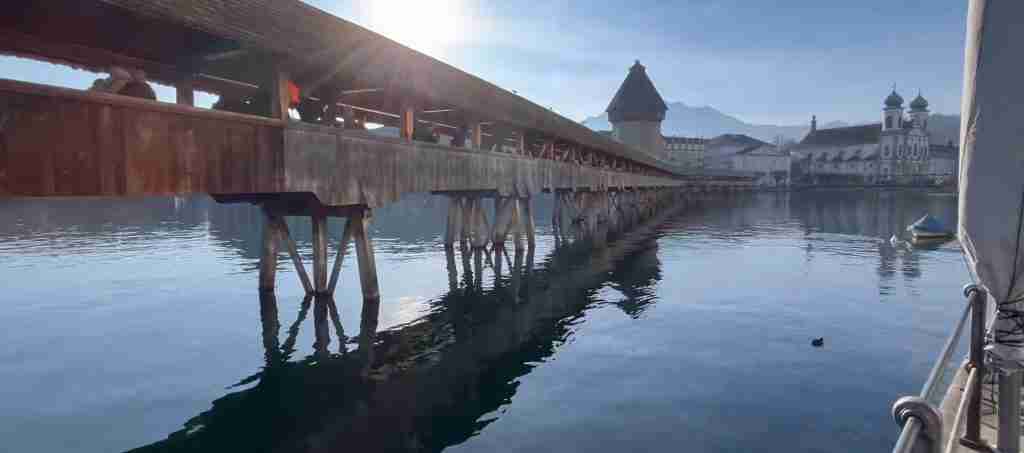
Switzerland’s reputation for eye-watering costs intimidates many travelers, but Lucerne rewards those who understand the city’s transportation systems, accommodation patterns, and seasonal rhythms with experiences that justify every franc spent. The medieval Chapel Bridge spanning the Reuss River, the dramatic Lion Monument carved into rock, and Lake Lucerne reflecting surrounding peaks create postcard-perfect scenes accessible through smart planning rather than unlimited budgets.
Central Switzerland’s geographic position places Lucerne at the intersection of major rail routes and mountain access points, making it both a destination and gateway for broader Swiss exploration. The compact Old Town concentrates restaurants, museums, and historic sites within easy walking distance, while the efficient public transport network extends to lakeside villages and Alpine foothills. Understanding which transportation passes provide actual value versus marketing hype saves hundreds of francs over a week-long visit.
The 2026 travel landscape in Lucerne features several important changes from previous years. The Lucerne Travel Pass (formerly Tell Pass) now covers three to ten consecutive days of unlimited public and mountain transport throughout Central Switzerland, offering an alternative to the nationwide Swiss Travel Pass. Hotel prices have stabilized following post-pandemic increases, with mid-range properties averaging CHF 170-220 ($190-246) nightly in 2026. Restaurant pricing remains high but predictable, with lunch specials providing the best value for sit-down meals. Weather patterns follow historical norms, making May through September the most reliable period for outdoor activities despite Switzerland’s year-round appeal.
These travel tips address the practical questions that determine whether your Lucerne experience becomes financially overwhelming or remarkably manageable. From maximizing the value of free Visitor Cards to navigating tipping customs, from understanding when restaurants automatically charge for table bread to knowing which mountain excursions justify their premium prices, the following sections provide the insider knowledge that transforms good trips into exceptional ones.
Understanding Lucerne’s Transportation System 2026
Lucerne’s public transport network operates with Swiss precision, combining local buses, regional trains (S-Bahn), lake boats, and mountain railways into one integrated system that accepts common tickets and passes. The city’s compact layout makes many attractions accessible on foot, but understanding transportation options unlocks both efficiency and significant cost savings throughout your 2026 visit.
The Lucerne Visitor Card Advantage
Every person staying in official Lucerne accommodation automatically receives the Lucerne Visitor Card, which provides completely free travel on VBL city buses and local trains within Zone 10. This covers the entire central city including the train station, Old Town, lakefront, and nearby residential areas. The card also delivers discounts on mountain railways, cable cars, museums, and lake cruises. Most hotels hand over Visitor Cards at check-in or include them in pre-arrival information. Budget travelers booking hostels receive identical benefits, making this the single most valuable inclusion in Lucerne accommodation pricing. The free transport alone saves CHF 10-20 ($11-22) daily compared to buying individual tickets at CHF 4 ($4.50) per ride.
The Visitor Card functions as your primary transportation solution for all in-city movement. Buses run approximately 5:00 AM to 12:30 AM, with night buses called Nachtstern operating Friday and Saturday nights to surrounding areas. Validate the card when boarding if required, though many digital versions activate automatically from check-in date. The Zone 10 coverage extends surprisingly far, reaching Kriens Mattenhof to the south and areas north of the train station, eliminating the need for paid transport during typical sightseeing activities.
Swiss Travel Pass: When It Makes Financial Sense 2026
The Swiss Travel Pass provides unlimited travel on trains, buses, and boats throughout Switzerland’s public transport network, plus free entry to over 500 museums nationwide and 25-50% discounts on most mountain railways. The 2026 pricing ranges from CHF 216 ($242) for three consecutive days to CHF 458 ($512) for fifteen days, with intermediate options at four days (CHF 263 / $294), eight days (CHF 378 / $423), and fifteen days with flexible usage.
Purchase the Swiss Travel Pass only if your itinerary includes multiple expensive elements: intercity train journeys like Zurich-Lucerne-Interlaken-Bern, full-price mountain excursions to Jungfraujoch or Titlis, and numerous museum visits. For travelers planning five or more days in Central Switzerland with daily mountain trips, the pass pays for itself. However, most Lucerne-focused visitors find better value combining the free Visitor Card with strategic point-to-point tickets. A Lucerne-Zurich round trip costs CHF 50 ($56), Lucerne-Engelberg for Titlis runs CHF 46 ($51) each way, and Lake Lucerne boat cruises cost CHF 31-74 ($35-83) depending on route. Total these actual planned expenses before committing to the pass.
The Swiss Travel Pass includes valuable perks beyond transport: children under 16 travel free with the Swiss Family Card when parents hold passes, seat reservations on scenic routes like Glacier Express cost only the booking fee rather than full fare, and spontaneous travel decisions become cost-free since transport is prepaid. These intangible benefits add value for travelers who prefer flexibility over meticulous planning.
Lucerne Travel Pass (Tell Pass) for Regional Exploration 2026
The Lucerne Travel Pass offers unlimited travel on public transport and mountain railways throughout the Lake Lucerne region, covering areas beyond basic Visitor Card zones. Available for three, four, five, or ten consecutive days, adult passes cost CHF 245-385 ($274-431) in 2026, with children aged 6-15 paying only CHF 30 ($34) regardless of duration. The pass covers boats on Lake Lucerne, trains to Engelberg and surrounding valleys, mountain railways to Rigi and Stanserhorn, and all local buses throughout Central Switzerland.
Choose the Lucerne Travel Pass over the Swiss Travel Pass when staying five or more days in the Lucerne region with plans for multiple mountain excursions. The math works favorably: a 5-day Lucerne Travel Pass at approximately CHF 290 ($325) covers boat trips (CHF 74 full-day pass), Rigi mountain railway (CHF 71 / $79 round-trip), Pilatus Golden Round Trip (CHF 110 / $123), and daily local transport that would otherwise cost CHF 450+ ($503+) separately. The pass doesn’t work for intercity travel to Zurich, Bern, or Geneva, making it optimal for regional rather than nationwide exploration.
Winter versions of the Lucerne Travel Pass operate November through March with similar coverage excluding mountains closed seasonally. These passes allow riding mountain railways as pedestrians for viewpoints and winter hiking trails but don’t function as ski passes. Dog passes cost the same as children’s rates at CHF 30 ($34), while bikes require separate tickets not covered by the pass.
Point-to-Point Tickets and City Transport
Travelers staying fewer than three days or taking limited excursions often find point-to-point tickets more economical than multi-day passes. Purchase tickets from vending machines at train stations and bus stops, through the SBB Mobile app, or at ticket counters. Machines offer English language options and accept credit cards, cash, and contactless payment. Single bus rides within Lucerne cost CHF 4 ($4.50) for short distances, though the Visitor Card eliminates this expense entirely for accommodation guests.
Half-Fare Cards reduce all public transport costs by 50% for one month at CHF 120 ($134), making sense for visitors staying three weeks or planning expensive mountain excursions without other passes. The card works across Switzerland’s entire public transport network and stacks with other discounts. Saver Day Passes purchased two months advance through SBB cost as little as CHF 29 ($32) for unlimited daily travel, though prices increase closer to travel dates and availability limits apply.
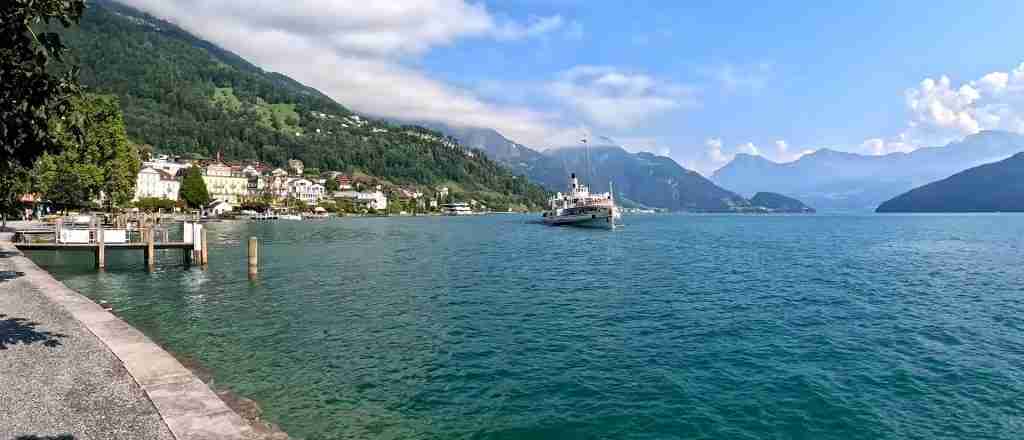
Lake Lucerne boat services connect Lucerne with lakeside villages, mountain railway bases, and scenic viewpoints. Standard boat tickets cost CHF 31-74 ($35-83) depending on distance, with the Visitor Card providing 20-30% discounts on most routes. Boat schedules reduce significantly October through April, so verify seasonal timetables before planning lake-dependent itineraries. The boats accept all major public transport passes including Swiss Travel Pass and Lucerne Travel Pass.
Accommodation Strategies and Costs 2026
Lucerne accommodation spans from CHF 40 ($45) hostel dormitory beds to CHF 700+ ($783+) per night luxury suites, with location, season, and booking timing dramatically affecting available rates. Understanding neighborhood dynamics and reservation strategies transforms accommodation from your largest expense into a manageable budget component with excellent value.
Budget Accommodation Options 2026
Hostel dormitory beds in Lucerne cost CHF 40-55 ($45-62) nightly in 2026, with properties like Backpackers Lucerne and Bellpark Hostel offering six to twelve-bed dorms including the essential Lucerne Visitor Card. Budget private rooms in hostels run CHF 90-140 ($101-157) for doubles, providing privacy at higher cost than shared dorms but still 40% less than hotel rates. All official hostels include the Visitor Card free transport benefit, making them financially competitive beyond just room rates.
Budget hotels and guesthouses charging CHF 100-140 ($112-157) nightly for private rooms with shared bathrooms offer middle ground between hostel atmosphere and hotel comfort. Properties near Kriens Mattenhof train station, about two kilometers south of Old Town, frequently price 15-25% lower than central locations while remaining fully connected via the Visitor Card free bus system. The Swiss Youth Hostel Association properties add a daily membership fee of CHF 6-9 ($7-10) for non-members, though annual membership at CHF 33 ($37) eliminates this surcharge after four nights.
Book budget accommodation three to four months advance for May-September 2026 visits, as the limited supply of affordable beds sells out quickly during peak season. November through March offers walk-in availability even for last-minute bookings, with some hostels reducing winter rates by 20-30% below summer pricing.
Mid-Range Hotels in Central Lucerne 2026
Three-star hotels averaging CHF 170-220 ($190-246) per night dominate Lucerne’s mid-range accommodation market in 2026, offering private bathrooms, breakfast options, and the automatic Visitor Card inclusion. Properties within a ten-minute walk of the train station like Hotel de la Paix, Hotel Central Luzern, and ibis budget Luzern City balance convenience with reasonable pricing. Rooms feature modern amenities including WiFi, flat-screen TVs, and daily housekeeping, with many hotels occupying renovated historic buildings adding character to standard facilities.
Breakfast at mid-range hotels adds CHF 18-25 ($20-28) per person when not included in room rates. Many properties bundle breakfast with higher room prices appearing as CHF 190-240 ($213-268) nightly, making the actual value unclear until comparing itemized versus bundled rates. Calculate whether paying separately for breakfast at nearby cafes or supermarkets saves money against bundled hotel pricing. A pastry and coffee from Brezelkönig costs CHF 6 ($7), potentially saving CHF 24-38 ($27-43) daily for couples versus hotel breakfast.
Riverfront rooms overlooking the Reuss River command premium pricing of CHF 30-50 ($34-56) above standard rooms, while street-facing rooms can suffer from tram and traffic noise despite double-glazed windows. Request courtyard or rear rooms if sensitive to noise, as Old Town’s compact streets amplify sound even with modern insulation.
Luxury and Upscale Properties 2026
Four and five-star hotels in Lucerne range CHF 450-700+ ($503-783+) nightly in 2026, with properties like Hotel Schweizerhof Luzern, Bürgenstock Resort, and The Hotel offering lakefront positions, exceptional service, fine dining restaurants, and premium amenities. These establishments frequently include breakfast, feature spas or fitness centers, provide concierge services for activity bookings, and occupy the most desirable lakefront real estate. The Bürgenstock Resort, located on a mountain ridge above the lake, includes private funicular access and commands prices reaching CHF 1,000+ ($1,118+) for suites.
Luxury properties near the Chapel Bridge and waterfront cluster around Schweizerhofquai and Haldenstrasse, placing guests seconds from lake promenades and the historic city center. These locations enable walking to virtually all major attractions while maintaining quiet residential character. Rooms feature designer furnishings, marble bathrooms, Nespresso machines, and often balconies or terraces with Alpine or lake views.
Book luxury properties six months advance for peak summer weeks or Christmas/New Year periods when they fill completely. Many upscale hotels offer midweek discounts Sunday-Thursday, reducing nightly rates by 15-25% compared to weekend pricing. Direct booking through hotel websites occasionally provides better rates than third-party platforms, particularly for properties offering price-match guarantees plus additional perks like room upgrades or late checkout.
Alternative Accommodation 2026
Apartment rentals through platforms like Airbnb and Booking.com cost CHF 120-300 ($134-335) nightly for one-bedroom units, offering kitchen facilities that enable grocery shopping and meal preparation. Families or groups staying four or more nights recover the slightly higher per-night cost through breakfast and dinner savings of CHF 60-100 ($67-112) daily. Verify whether apartments include the Lucerne Visitor Card, as some private rentals don’t qualify for official accommodation benefits.
Lakeside villages like Weggis, Vitznau, and Gersau provide quieter alternatives ten to twenty kilometers from central Lucerne, with hotel rates averaging 15-30% lower than city center prices. These locations require boat or bus travel into Lucerne, adding twenty to forty minutes each way but offering peaceful Alpine village atmosphere. The Lucerne Travel Pass covers all transport from these villages, making them practical bases for pass holders.
Dining and Food Cost Management 2026
Restaurant meals represent the second-largest expense in Lucerne after accommodation, with sit-down dinner entrees averaging CHF 35-50 ($39-56) and beverages adding CHF 6-12 ($7-13) each. Strategic meal timing, understanding restaurant types, and mixing self-catering with dining out transforms food from a budget killer into a manageable daily expense.
Budget Dining Strategies 2026
Self-service restaurants like Coop Restaurant and Manor Food in Old Town’s shopping areas serve hot meals for CHF 18-25 ($20-28), including main courses like pasta, rice bowls with protein, and daily specials. These cafeteria-style establishments price by weight or offer fixed-price plates, operating 9:00 AM to 8:00 PM six days weekly with reduced Sunday hours. The food quality surpasses typical cafeteria standards, featuring fresh ingredients and Swiss-German preparations that satisfy rather than merely sustain.
Supermarket prepared foods from Migros and Coop cost CHF 8-15 ($9-17) for substantial salads, sandwiches, and hot takeaway meals. Both chains operate multiple locations throughout Lucerne, with flagship stores at Hertensteinstrasse near the train station. Look for orange ‘Aktion’ (sale) stickers marking discounted items approaching expiration dates, reducing prepared food costs by 30-50%. A pre-made sandwich marked from CHF 12 to CHF 6 ($13 to $7) provides identical quality and nutrition at half price.
Brezelkönig bakeries at the train station and Old Town locations sell filled pretzels for CHF 6-9 ($7-10), offering portable sustenance during sightseeing days. A Gefüllte Brezel with cheese and ham provides surprising satiation for under CHF 10 ($11). Turkish and Asian fast-casual restaurants near Pilatusstrasse serve döner kebabs, falafel wraps, and noodle bowls for CHF 12-18 ($13-20), delivering full meals at 60% less than Swiss restaurant equivalents.
Fill water bottles at Lucerne’s 200+ public fountains providing fresh Alpine spring water year-round, eliminating the CHF 5-9 ($6-10) restaurants charge for bottled water. All fountain water meets drinking standards unless posted otherwise. Tap water remains free even in restaurants when requested as “Hahnenwasser,” though servers sometimes add small service charges of CHF 2 ($2).
Mid-Range Restaurant Dining 2026
Traditional Swiss restaurants serving fondue, raclette, and rösti charge CHF 30-50 ($34-56) per main course, with classic cheese fondue around CHF 30 ($34) per person requiring minimum two diners. Restaurant Pfistern near Chapel Bridge offers river views with fondue at CHF 30 ($34) and other Swiss specialties at CHF 35-48 ($39-54). Italian restaurants like Made in Sud provide better value with pasta dishes at CHF 18-28 ($20-31) and pizzas at CHF 20-32 ($22-36), substantially undercutting Swiss cuisine pricing.
Lunch menus at mid-range restaurants typically cost 25-35% less than identical dinner dishes, with two-course lunch specials around CHF 25-35 ($28-39) versus CHF 45-65 ($50-73) for similar dinner portions. This pricing gap makes lunch the optimal time for sit-down restaurant experiences, reserving dinner for lighter supermarket meals or budget takeaway options. Many restaurants serving lunch specials operate 11:30 AM to 2:00 PM only, requiring earlier arrival than typical North American lunch timing.
Wine and beer significantly inflate restaurant bills. A small beer (3 deciliters) costs CHF 8-11 ($9-12), house wine by the glass runs CHF 10-15 ($11-17), and soft drinks cost CHF 5-8 ($6-9). A couple sharing a bottle of wine adds CHF 50-80 ($56-90) to their meal cost, potentially exceeding food pricing at budget-conscious establishments. Order tap water instead of beverages to keep two-person meals under CHF 80-100 ($90-112) at mid-range restaurants.
Upscale and Fine Dining 2026
Fine dining restaurants in Lucerne charge CHF 60-90 ($67-101) per main course, with multi-course tasting menus ranging CHF 120-200 ($134-224) per person before wine pairings. Establishments like Scala at Hotel Schweizerhof and Old Swiss House offer exceptional cuisine and service justifying premium pricing for special occasions. Three-course dinners with wine easily exceed CHF 200 ($224) per person at these venues.
Lakefront restaurants around Nationalquai command 20-40% premiums over identical food served inland, with the view justifying higher prices for many diners. A pasta dish costing CHF 28 ($31) at an Old Town trattoria runs CHF 38-42 ($43-47) at lakefront establishments steps away. Consider whether the ambiance premium aligns with your priorities versus seeking excellent food at better value locations.
Automatic bread service at upscale restaurants often incurs CHF 5-8 ($6-9) per person charges even when unsolicited. Decline bread service immediately upon seating if cost-conscious, as eating any portion obligates payment. This practice, while not deceptive, catches budget travelers unaware when bills arrive higher than menu prices suggested.
Groceries and Self-Catering Costs 2026
Supermarket grocery shopping enables substantial food savings for travelers with apartment access or picnic preferences. Milk costs CHF 1.80 ($2) per liter, bread runs CHF 2-4 ($2-4) per loaf, cheese averages CHF 12-25 ($13-28) per kilogram depending on variety, and fresh fruit costs CHF 3-6 ($3-7) per kilogram. A breakfast of yogurt, muesli, and fruit assembled from Migros costs under CHF 6 ($7) per person versus CHF 18-25 ($20-28) at hotel breakfast buffets.
Dinner ingredients for two people cooking pasta with sauce, salad, and bread run CHF 18-28 ($20-31), matching single-person budget restaurant meals while feeding two. Cheese fondue prepared at home with retail cheese, wine, and bread costs CHF 35-45 ($39-50) for two versus CHF 60 ($67) minimum at restaurants. The kitchen time investment and limited vacation cooking appeal must balance against clear cost savings.
Migros typically prices 10-15% lower than Coop for identical products, though Coop carries more international brands and specialty items. Both chains offer loyalty programs providing additional discounts, though tourists may not accumulate sufficient purchases for meaningful savings during short visits.
Money, Currency, and Payment Practices 2026
Switzerland uses the Swiss Franc (CHF), divided into 100 centimes or rappen. Exchange rates fluctuate around CHF 1 = USD 1.12 in early 2026, though rates vary daily. Understanding payment methods, tipping customs, and currency exchange options prevents costly mistakes and social missteps throughout your Lucerne visit.
Cash versus Card Usage 2026
Credit and debit cards function widely at hotels, larger restaurants, major attractions, and chain stores in Lucerne. Visa and Mastercard enjoy near-universal acceptance, while American Express works less reliably and often incurs surcharges. Contactless payment through cards or mobile devices operates at most modern terminals, with tap limits around CHF 80 ($90) before PIN entry requirements.
Cash remains essential for smaller establishments, market vendors, public toilets (CHF 2 / $2 typical), parking meters, and some mountain restaurants or remote locations. Many Swiss still prefer cash for daily transactions despite widespread card acceptance. Carry CHF 50-100 ($56-112) daily for flexibility, particularly when visiting smaller villages or engaging vendors at outdoor markets.
Ticket vending machines at train stations accept credit cards, cash, and contactless payment, though some older machines cash-only. The SBB Mobile app provides card payment for all ticket purchases, eliminating machine interaction entirely when combined with digital tickets.
Currency Exchange and ATM Strategy 2026
ATMs provide the best exchange rates when withdrawing Swiss Francs, typically 3-5% better than airport currency exchange bureaus and 6-10% better than hotel exchange services. Lucerne’s ATMs cluster around the train station, Old Town, and major shopping streets, accepting international cards on Cirrus, Plus, and Maestro networks. Withdraw CHF 200-300 ($224-335) per transaction to minimize per-withdrawal fees while avoiding carrying excessive cash.
Your home bank likely charges foreign transaction fees of 1-3% plus fixed ATM fees around $3-5 per withdrawal. Some travel-focused credit cards and bank accounts waive these fees entirely, potentially saving $20-40 over a week-long trip. Check your card’s international fee structure before departure and consider obtaining a fee-free card for extended Swiss travel.
Avoid dynamic currency conversion when paying by card, which offers payment in your home currency at terrible exchange rates favoring merchants. Always select “pay in Swiss Francs” when prompted, allowing your home bank to handle currency conversion at standard wholesale rates rather than inflated tourist rates. This single choice saves 3-8% on every card transaction.
Tipping Customs and Service Charges 2026
Swiss restaurants include 15% service charges in all menu prices by law, making additional tipping optional rather than obligatory. Locals round bills up to the nearest convenient amount or add CHF 5-10 ($6-11) for exceptional service, but 15-20% American-style tipping exceeds Swiss norms. For a CHF 87 ($97) meal, leaving CHF 90-95 ($101-106) represents appropriate appreciation without over-tipping.
Hotel porters expect CHF 2-5 ($2-6) per bag for carrying luggage, while housekeeping tips of CHF 2-3 ($2-3) daily are appreciated though not required. Taxi drivers receive rounded-up fares or CHF 5-10 ($6-11) tips for particularly helpful service. Tour guides on organized excursions appreciate CHF 5-10 ($6-11) per person for half-day tours and CHF 10-20 ($11-22) for full-day experiences.
Coffee shops and cafes operate similarly to restaurants with included service, making small coin tips of CHF 1-2 ($1-2) appropriate when paying CHF 7 ($8) for a cappuccino. Counter-service establishments like takeaway shops don’t expect tips at all. When uncertain about tipping appropriateness, defaulting to small amounts errs on the generous side without offensive over-tipping.
Tourist Tax and Hidden Costs 2026
Lucerne charges mandatory tourist tax of CHF 4-5 ($4.50-5.60) per person nightly, added to accommodation bills regardless of hotel class. This tax funds tourism infrastructure and the Visitor Card program, appearing as a separate line item on hotel invoices. Budget this additional cost when comparing accommodation prices, as a CHF 100 ($112) hotel room actually costs CHF 104-105 ($116-118) after tourist tax.
Restaurant service charges appear embedded in menu prices rather than added at payment, eliminating surprise surcharges on bills. Some upscale establishments add automatic bread service charges or cover fees for live music, disclosed in small print on menus. Read menu footnotes before ordering to avoid unexpected costs.
Public restrooms in Lucerne cost CHF 1-2 ($1-2) for access, with payment via coins at turnstiles or staffed attendant desks. Railway station toilets, shopping center facilities, and standalone public toilets all typically charge. Budget CHF 4-6 ($4.50-7) daily per person for restroom access during full days of sightseeing.
Seasonal Weather and Timing Considerations 2026
Lucerne’s temperate continental climate produces distinct seasons with significant temperature variation, substantial precipitation year-round, and weather patterns that dramatically impact activity options and travel costs. Understanding these seasonal characteristics enables optimal timing aligned with your priorities.
Spring Season in Lucerne 2026 (March-May)
March through May sees Lucerne transitioning from winter’s cold into mild spring weather, with temperatures progressing from 11°C (52°F) average highs in March to 18°C (64°F) by May. Early spring remains cool with lows around 2-4°C (36-39°F), requiring layers and weatherproof outerwear. April and May deliver the most unpredictable weather, alternating between sunny 20°C (68°F) days and cold rainy periods dropping to 8°C (46°F). Pack clothing for all conditions during spring visits.
Spring flowers begin blooming in April across valleys and lower elevations, with Alpine meadows flowering progressively later at higher altitudes through May. Lake Lucerne boat services resume full schedules by mid-April after winter reductions, reopening connections to mountain railway bases and lakeside villages. Many mountain peaks remain snow-covered through April, with hiking trails and high-altitude attractions opening progressively through May as snowmelt advances.
Tourist crowds remain manageable during spring compared to summer peaks, with accommodation availability strong and prices 15-25% below June-August rates. May represents a sweet spot balancing improving weather, blooming landscapes, operational mountain attractions, and reasonable pricing. Book popular hotels and mountain excursions two months advance for May visits, as savvy travelers increasingly target this shoulder season.
Summer Peak Season 2026 (June-August)
Summer in Lucerne brings the warmest weather and highest tourist numbers, with temperatures averaging 20-24°C (68-75°F) and occasional peaks reaching 30°C (86°F) during heat waves. June and early July offer the best weather balance, combining warmth with relatively lower crowds before July-August peak congestion arrives. All mountain attractions, boats, and seasonal restaurants operate full schedules throughout summer.
Rainfall remains substantial during summer months despite Switzerland’s sunny reputation, with July and August receiving the year’s highest precipitation. Afternoon thunderstorms develop frequently around 3:00-5:00 PM, particularly during warm humid conditions. These storms typically clear within one to two hours but can disrupt outdoor activities and mountain excursions. Pack rain jackets and plan indoor alternatives for late afternoons during summer visits.
Summer accommodation requires booking four to six months advance, with popular mid-range hotels selling out completely for July-August weekends. Hotel rates peak 30-40% above spring/fall prices, and popular restaurants may require reservations even for lunch. The Blue Balls Festival in late July and Lucerne Festival classical music concerts in August/September increase accommodation demand further.
Lake swimming becomes viable from mid-June through September, with water temperatures reaching 20-23°C (68-73°F) in July-August. Public swimming areas along the lakefront offer free access with changing facilities, while lidos (paid swimming complexes) charge CHF 8-12 ($9-13) for day admission with enhanced amenities.
Autumn Shoulder Season 2026 (September-November)
September combines summer-like weather with diminishing crowds as schools resume, creating ideal conditions for visitors seeking balance. Temperatures around 18°C (64°F) in September remain comfortable for all outdoor activities, with noticeably fewer tourists after mid-month. October temperatures drop to 15°C (59°F) with increasing rainfall and shorter daylight, while November grows cold at 9°C (48°F) as winter approaches.
Fall foliage colors peak mid-October in valleys and lakeside areas, with mountain slopes displaying vibrant reds, oranges, and golds against evergreen forests. This period attracts photographers and scenery enthusiasts, though weather unpredictability increases with frequent rain and occasional early snow at high elevations. Mountain attractions begin closing for seasonal maintenance from late October, with boat schedules reducing significantly by November.
Accommodation prices drop 20-30% below summer peaks during September-October, making fall excellent value for weather-flexible travelers. November sees another 10-15% reduction as winter low season approaches, though cold temperatures and reduced daylight limit outdoor appeal. Cultural attractions, museums, and indoor activities become primary focuses during late autumn visits.
Winter Low Season 2026-2027 (December-February)
Winter transforms Lucerne into a cold, frequently snowy landscape with temperatures averaging 2-5°C (36-41°F) and regular drops below freezing. December features eight hours of daylight, increasing slightly to nine hours by February. Snow falls regularly at city level but rarely accumulates substantially for extended periods, creating slushy conditions rather than pristine winter wonderland scenery. Higher elevations receive deep snow throughout winter.
The Christmas market period from late November through December brings magical atmosphere to Old Town squares despite cold weather, with illuminated stalls selling crafts, food, and Glühwein (mulled wine). The Lights Festival Lucerne (Lilu) in January features artistic light installations throughout the city center, providing winter-specific attractions beyond traditional sightseeing. Hotels offer their lowest rates of the year during January-February, dropping 40-50% below summer prices.
Winter sports enthusiasts access nearby ski resorts like Engelberg, Klewenalp, and Andermatt within forty-five to ninety minutes of Lucerne, making the city a viable base for skiing day trips. Mountain railways operate reduced winter schedules, with some routes closing entirely. Lake boat services run minimal schedules December-March, limiting some excursions popular during warmer months.
Mountain Excursions and Day Trips 2026
Lucerne’s position among Central Switzerland’s peaks provides access to multiple world-class mountain destinations within one hour, each offering unique experiences at varying price points. Understanding which mountains justify their premium costs versus which provide comparable experiences at better value enables strategic allocation of both time and budget.
Mount Rigi: The Queen of the Mountains
Mount Rigi reaches 1,798 meters (5,899 feet) elevation accessed via Europe’s oldest mountain railway from Vitznau or via cable car from Weggis. The summit provides 360-degree panoramas spanning thirteen Swiss lakes and surrounding Alpine peaks including Eiger, Mönch, and Jungfrau. Round-trip tickets from lakeside bases to Rigi Kulm summit cost CHF 71 ($79), though the Swiss Travel Pass covers this completely, making Rigi the optimal mountain choice for pass holders.
Reach Rigi via boat from Lucerne to Vitznau (fifty-five minutes) or Weggis (forty minutes), combining scenic lake cruising with mountain railway ascent. The cogwheel train climbs steep gradients through meadows and forests, taking thirty minutes Vitznau-Kulm. Summer hiking trails of varying difficulty connect different stations and ridges, with marked routes from ninety minutes to six hours. Winter visitors access groomed sledding runs and winter hiking paths.
The mountain receives fewer tourists than Pilatus or Titlis despite comparable views, creating a more relaxed summit experience. Restaurants at Rigi Kulm and intermediate stations serve Swiss specialties at mountain premium pricing (CHF 25-45 / $28-50 for mains). Plan three to four hours minimum for basic summit visits, or full days when combining hiking with multiple stations.
Mount Pilatus: The Golden Round Trip
Mount Pilatus rises 2,128 meters (6,982 feet) south of Lucerne, accessed via the world’s steepest cogwheel railway (48% gradient maximum) from Alpnachstad or by aerial cable car from Kriens. The famous Golden Round Trip combines boat to Alpnachstad, cogwheel railway ascent, summit time, cable car descent to Kriens, and bus return to Lucerne, creating a six to eight-hour circular journey costing CHF 110 ($123) round-trip or CHF 55 ($62) with Swiss Travel Pass 50% discount.
The summit features two peaks connected by walkways, multiple restaurants and viewing platforms, and the Dragon Path adventure walkway. Views encompass Lake Lucerne, seventy-three Alpine peaks, and surrounding valleys in all directions. Summer crowds peak 11:00 AM to 3:00 PM, making early morning or late afternoon visits less congested. Weather can change rapidly, with summit temperatures 10-15°C (50-59°F) cooler than valley levels even in summer.
The cogwheel railway operates May through November only, closing entirely during winter months. Cable cars from Kriens operate year-round, providing winter access though Golden Round Trip routing becomes impossible. Winter visitors access groomed toboggan runs and winter hiking trails rather than summer’s extensive hiking network. Book Golden Round Trip tickets advance online for slight discounts and guaranteed departure times during peak season.
Mount Titlis: Glacier Paradise
Mount Titlis at 3,020 meters (9,908 feet) elevation represents Central Switzerland’s highest accessible peak, featuring year-round snow, glacier landscapes, and the Cliff Walk suspension bridge spanning a 500-meter (1,640-foot) drop. Located forty-five kilometers from Lucerne near Engelberg, the mountain requires train to Engelberg (CHF 23 / $26 each way) plus cable car ascent (CHF 92 / $103 round-trip), totaling CHF 138 ($154) from Lucerne including all transport.
The journey involves three consecutive cable car stages, with the final Rotair section featuring the world’s first rotating cable car cabin completing one revolution during the six-minute ascent. Summit facilities include restaurants, ice cave, glacier park with snow activities, and the Cliff Walk bridge. The alpine glacier environment provides year-round snow experience and stunning white landscapes even during hot summer valley days.
Titlis receives significant Asian tourism creating crowded conditions year-round, particularly during cable car boarding and summit attractions. Morning visits starting around 8:00 AM find substantially smaller crowds than midday arrivals. Weather closures occur regularly during storms, with wind restrictions shutting cable cars entirely. Check operational status before departing Lucerne to avoid wasted journey if weather closes the mountain. The Swiss Travel Pass provides 50% discount on cable cars but no discount on access trains.
Mount Stanserhorn: Open-Top Cable Car
Mount Stanserhorn at 1,898 meters (6,227 feet) features Switzerland’s first double-decker open-top cable car CabriO, providing unenclosed viewing during ascent. Located near Stans, thirty kilometers from Lucerne, the mountain attracts fewer tourists than more famous peaks while delivering excellent panoramas. Round-trip tickets cost CHF 64 ($72) including cogwheel railway and cable car stages, positioning Stanserhorn as better value than premium-priced alternatives.
The open-top upper deck allows 360-degree unobstructed viewing and remarkable wind-in-hair experience weather permitting. The summit restaurant Rondorama revolves slowly, creating changing perspectives during meals. Hiking trails include the Stanserhorn ridge walk to adjacent peaks requiring four hours for experienced hikers. The mountain’s lower tourist numbers create a more intimate Alpine experience than mobbed Titlis or Pilatus summits.
Day Trip Destinations Beyond Mountains
Interlaken lies ninety kilometers from Lucerne, reachable in two hours by train for CHF 32 ($36) each way, providing access to the Jungfrau region’s dramatic peaks and valleys. Day trips combining Interlaken town exploration with cable car ascents to Harder Kulm or boat trips on Lake Thun create full-day itineraries. The Jungfraujoch “Top of Europe” excursion from Interlaken costs an additional CHF 115-140 ($129-157) with Swiss Travel Pass, making same-day Lucerne-Jungfraujoch journeys expensive but feasible.
Zurich sits fifty-five kilometers north of Lucerne, connected by frequent trains taking forty-five to sixty minutes at CHF 25 ($28) each way. Day visits enable Zurich Old Town exploration, shopping on Bahnhofstrasse, museum visits, and lake promenades before evening return. Bern, Switzerland’s capital, lies ninety-five kilometers from Lucerne with seventy-five-minute train journeys costing CHF 32 ($36) each way, offering UNESCO-listed Old Town, the Bear Park, and federal government buildings.
Practical Safety and Health Considerations 2026
Lucerne ranks among Europe’s safest cities, with minimal violent crime, excellent healthcare infrastructure, and well-maintained public spaces. Understanding practical safety measures, healthcare access, and common scams prevents the few problems that occasionally affect travelers in this overwhelmingly secure destination.
Personal Safety and Crime Prevention
Violent crime against tourists in Lucerne occurs extremely rarely, with most reported incidents involving pickpocketing in crowded tourist areas rather than confrontational theft. The train station, Chapel Bridge crowds, and lake promenade present the highest pickpocket risk, particularly during summer peak season. Secure valuables in front pockets or concealed money belts, avoid displaying expensive electronics unnecessarily, and remain aware of surroundings in dense crowds.
Bike theft represents the most common property crime affecting visitors who rent bicycles for lakeside rides. Always use provided locks, secure bikes to fixed objects rather than leaving freestanding, and park in visible high-traffic areas when possible. Hotel safes protect passports, extra cash, and valuable electronics during sightseeing days, with most properties providing in-room or front desk security boxes at no charge.
Walking anywhere in Lucerne including Old Town streets, lakefront areas, and neighborhoods feels safe at all hours, though reduced crowds after midnight increase vulnerability to the rare opportunistic crime. Solo travelers including women report feeling comfortable walking evening streets, and late-night public transport operates without significant safety concerns. The pervasive security cameras and frequent police presence maintain order throughout the city center.
Common Tourist Scams in Lucerne 2026
Train station “helpers” at Lucerne’s main railway station approach travelers claiming to assist with ticket machine purchases, then skim credit card data or demand tips after completing the transaction. Politely decline all unsolicited ticket assistance and use machines independently, requesting official railway staff help if needed. Legitimate staff wear SBB uniforms and never ask for tips.
Unsolicited flower sellers near Chapel Bridge and lakefront areas hand flowers to couples, then aggressively demand payment once held. This isn’t technically theft but employs pressure tactics to extract CHF 10-20 ($11-22) for unwanted flowers. Refuse flowers immediately if approached, or prepare to pay if accepting them even momentarily. Similarly, petition signature solicitors claiming charitable causes occasionally operate, with some collecting donations under false pretenses.
Restaurant bread charges appear automatically at some upscale establishments, with bread placed on tables generating CHF 5-8 ($6-9) per person fees whether consumed or not. While disclosed in menu fine print, many tourists miss this notation and receive unexpected charges. Decline bread service immediately when seated if cost-conscious, stating preference to order bread separately if desired.
Healthcare and Medical Services 2026
Switzerland’s healthcare system provides world-class medical care at correspondingly high prices. Lucerne’s Luzerner Kantonsspital (Cantonal Hospital) offers comprehensive emergency services, with English-speaking doctors common throughout major medical facilities. Minor injuries and illnesses can be addressed at walk-in clinics and pharmacies (Apotheke) throughout the city center.
Travel insurance covering medical emergencies becomes essential for non-European visitors, as healthcare costs in Switzerland rank among the world’s highest. A simple emergency room visit costs CHF 2,000-5,000 ($2,236-5,590) without insurance, while ambulance transport adds CHF 1,500-3,000 ($1,677-3,354). Insurance premiums of $150-300 for week-long trips provide protection against potentially devastating medical expenses from accidents or sudden illness.
Pharmacies stock over-the-counter medications for common ailments, with pharmacists authorized to provide medical advice and recommend appropriate treatments. Most basic medications cost CHF 15-40 ($17-45), comparable to or slightly higher than North American prices. Prescription medications require Swiss prescriptions, so carry sufficient supplies of necessary medications from home along with prescription documentation.
Mountain rescue services respond to hiking accidents and medical emergencies on Alpine peaks, with helicopter evacuations costing CHF 15,000-50,000+ ($16,770-55,900+) depending on location and conditions. Travel insurance covering mountain rescue becomes essential for hiking enthusiasts, as Swiss authorities bill patients directly for these services. Rega air rescue organization memberships (CHF 40 / $45 annually) provide discounted rescue costs for frequent Alpine travelers.
Emergency Numbers and Assistance 2026
The European emergency number 112 connects to police, fire, and medical services from any phone including locked mobiles. Switzerland also maintains separate emergency numbers: 117 for police, 118 for fire, and 144 for medical emergencies. English speakers staffing 112 can transfer calls to appropriate services and provide assistance coordinating emergency response.
The Lucerne Tourism Office at the train station provides multilingual assistance with lost property, emergency accommodation bookings, and general visitor support during weekday business hours. After-hours assistance for serious emergencies comes through hotel front desks, which maintain 24-hour operations and can coordinate police or medical response.
Cultural Norms and Etiquette 2026
Swiss cultural expectations emphasize punctuality, quietness, and rule-following, with social norms differing significantly from more relaxed Mediterranean or North American cultures. Understanding and respecting these customs enhances local interactions and prevents unintentional offense during your Lucerne visit.
Greetings and Social Interactions
Swiss Germans greet with “Grüezi” (GREW-et-see) in Lucerne, though English speakers receive English responses at hotels, restaurants, and tourist attractions. Learning basic German phrases shows cultural respect: “Danke” (thanks), “Bitte” (please/you’re welcome), and “Entschuldigung” (excuse me) facilitate positive interactions. Shop assistants and service staff appreciate greeting acknowledgment when entering establishments, even a simple “hello” or nod.
Swiss maintain more personal space during conversations than Southern Europeans or Americans, preferring arm’s length distance during interactions with strangers. Physical contact beyond handshakes remains uncommon in professional or casual social settings. Handshakes are firm and brief, with eye contact expected during greetings.
Noise and Quiet Hours
Swiss culture emphasizes quietness in public spaces, residential areas, and shared accommodations. Loud conversations, phone calls, music, and boisterous behavior on trains, buses, and public spaces draw negative attention. Keep voices conversational rather than projecting, particularly during evening hours after 9:00 PM. Hotels typically enforce quiet hours from 10:00 PM to 7:00 AM, with noise complaints taken seriously by property managers.
Sunday remains a protected quiet day with restrictions on loud activities, lawn maintenance, and construction. Most shops close Sundays, with only tourist-area restaurants, some supermarkets, and essential services operating. The Sunday quiet culture reflects Swiss emphasis on rest days and community tranquility rather than religious observance in secular modern Switzerland.
Punctuality and Rule-Following
Swiss culture treats punctuality as fundamental courtesy rather than ideal aspiration. Arrive for restaurant reservations within five minutes of booking time, meet tour departures at stated times exactly, and respect posted operating hours. Trains and buses depart precisely on schedule, with passengers expected to board before departure time rather than assuming grace periods.
Switzerland’s extensive regulations govern public behavior, with locals expecting compliance rather than treating rules as suggestions. Jaywalking across streets outside marked crossings, littering, cycling in pedestrian zones, and similar minor violations receive social disapproval and potential fines. The culture emphasizes community benefit over individual convenience, making rule-following a social expectation rather than optional behavior.
Dining Customs and Table Etiquette
Swiss dining follows continental European customs: keep both hands visible on the table (not in lap), rest wrists on table edge between bites, and place knife and fork parallel on plate when finished. Restaurants seat parties together at communal tables during busy periods rather than leaving anyone standing, so expect sharing tables with strangers at popular establishments.
Service pace runs slower than American expectations, with servers checking in less frequently and allowing extended meal enjoyment without rushing. Request the bill (“die Rechnung, bitte”) when ready to depart rather than expecting automatic delivery. Splitting bills among multiple cards or individuals works at most restaurants, though specifying this when ordering simplifies final payment.
Eating while walking through streets remains uncommon though not forbidden, with most locals finishing takeaway food before resuming movement. Public benches, parks, and designated picnic areas provide better alternatives for portable meal consumption than eating while strolling Old Town alleys.
Connectivity and Communication 2026
Staying connected while traveling requires understanding mobile networks, WiFi availability, and communication options that balance convenience with reasonable costs. Lucerne’s modern infrastructure provides excellent connectivity through various means suitable for different traveler needs and budgets.
Mobile Phone Options and SIM Cards 2026
Switzerland’s mobile networks use standard European frequencies, with phones unlocked for international use working seamlessly. The three major carriers—Swisscom, Sunrise, and Salt—operate extensive 4G and 5G networks covering cities and mountain areas with remarkable reliability. Tourist SIM cards available at the airport, train station shops, and electronics stores cost CHF 20-40 ($22-45) for one-week prepaid packages including 5-20GB data plus local calls.
Swisscom provides the most extensive mountain coverage, important for travelers planning high-altitude excursions where other carriers show reduced signal. Sunrise and Salt offer competitive pricing with adequate coverage in valleys and cities. Compare included data allowances against expected usage: basic navigation and messaging consume 500MB-1GB daily, while extensive social media posting and video streaming can exceed 5GB daily.
European Union roaming regulations don’t apply to Switzerland, making EU SIM cards potentially expensive for Swiss usage through roaming charges. Check your home carrier’s Swiss roaming rates before arrival, as some plans include reasonable international data while others charge prohibitive rates like $10/MB. Many travelers find purchasing local Swiss SIM cards more economical than home carrier roaming fees.
WiFi Availability and Public Internet
Free WiFi operates throughout Lucerne Old Town via “Free WiFi – LUZERN.COM” hotspots marked with stickers on buildings and signage. Connection requires simple registration with email address, providing reasonable speeds for messaging, maps, and web browsing though not ideal for large downloads or streaming. The network covers Chapel Bridge area, main squares, lakefront promenades, and shopping streets.
Hotels universally provide free WiFi to guests, with speeds ranging from adequate for basic usage at budget properties to excellent at upscale hotels. Some older buildings in Old Town experience connectivity challenges due to thick stone walls, making lobby areas more reliable than certain rooms. Request rooms with confirmed good WiFi if connection speed matters for work or streaming.
Restaurants and cafes typically offer free WiFi to customers, with passwords displayed on menus or provided on request. Starbucks, McDonald’s, and other international chains maintain consistent WiFi without purchase requirements, useful for quick connection needs while sightseeing. Railway stations provide paid WiFi through the SBB network, though the Lucerne Visitor Card may include limited free railway WiFi access.
Essential Apps for Lucerne Travel 2026
The SBB Mobile app provides comprehensive Swiss public transport planning, ticket purchasing, and real-time departure information for trains, buses, and boats throughout Switzerland. Download before arrival and save home location as Lucerne to streamline journey planning. The app accepts credit cards and mobile payment for ticket purchases, displaying digital tickets for conductor verification.
Google Maps and Apple Maps function reliably for navigation throughout Lucerne and surrounding regions, with detailed pedestrian routing, public transport integration, and generally accurate business information. Download offline maps before departure for data-free navigation, particularly useful for travelers without local SIM cards. The maps work adequately for basic mountain hiking trails, though dedicated hiking apps provide more detailed topographic information.
Myswitzerland.com official tourism app offers comprehensive information on attractions, hiking trails, weather conditions, and regional events. The app includes detailed descriptions, operating hours, and pricing for major tourist sites, plus practical tips for specific regions. MeteoSwiss provides reliable weather forecasts essential for mountain planning, with mountain-specific forecasts differing significantly from valley predictions.
Calling and Messaging
WhatsApp functions as the primary messaging platform in Switzerland, with most locals preferring it over SMS. Hotels, tour operators, and restaurants commonly provide WhatsApp contact numbers for booking and inquiries. Ensure WhatsApp installation before travel to facilitate communication with Swiss contacts.
International calling becomes expensive from Swiss mobile numbers, with per-minute rates often exceeding CHF 2 ($2) to North America or Asia. Use WiFi-based calling through WhatsApp, FaceTime, Skype, or similar services to avoid these charges. Many hotels allow free local calls from room phones, useful for restaurant reservations and local inquiries.
Language and Communication Essentials 2026
Lucerne lies in Switzerland’s German-speaking region, though the local Swiss German dialect differs substantially from standard German. English proficiency among tourism workers, hotel staff, and younger locals remains high, while older residents and some service workers know limited English.
Basic German Phrases for Travelers
Learning essential phrases enhances interactions and demonstrates cultural respect, even when English ultimately facilitates communication. “Grüezi” (hello/good day), “Merci” (thank you – borrowed from French), “Bitte” (please/you’re welcome), “Entschuldigung” (excuse me/sorry), “Ja” (yes), “Nein” (no), and “Auf Wiedersehen” (goodbye) cover most basic social interactions.
Restaurant phrases include “die Rechnung, bitte” (the bill, please), “Hahnenwasser” (tap water), and “ist gut” (that’s fine/good). Shop interactions use “wie viel kostet?” (how much costs?), though prices display clearly on most items. “Sprechen Sie Englisch?” (do you speak English?) politely determines whether English conversation works better than struggling through German.
Swiss Germans appreciate even clumsy attempts at their language, responding with patience and often switching to English after recognizing non-native speakers. Don’t hesitate to attempt German phrases, as locals universally prefer effort over assumption that English should prevail everywhere.
Navigating Language Barriers
Tourist-facing businesses including hotels, major restaurants, attractions, and transport operators employ English-speaking staff or provide English signage and materials. Railway station announcements broadcast in German, English, and French, while major museums offer English audio guides and description plaques. Booking platforms, official websites, and tourist information materials maintain English versions with content parity to German originals.
Smaller shops, neighborhood restaurants, and local markets may employ only German speakers, creating occasional communication challenges. Translation apps like Google Translate function adequately for simple interactions, with the camera translation feature proving particularly useful for menus and signs. Pointing, gestures, and showing pictures on phones facilitate basic transactions when language barriers arise.
Swiss hospitality culture encourages asking for clarification rather than pretending comprehension, so request explanations or translations without embarrassment when confusion occurs. Most locals prefer ensuring accurate understanding over assuming successful communication that may lead to mistakes.
Sustainable and Responsible Travel Practices 2026
Switzerland’s environmental consciousness and Lucerne’s commitment to sustainable tourism create opportunities for travelers to minimize their impact while enjoying this remarkable destination. Understanding and adopting sustainable practices aligns with local values and preserves the Alpine environment for future generations.
Public Transport Over Car Rentals
Lucerne’s comprehensive public transport network eliminates car rental necessity while reducing environmental impact. Trains, buses, and boats operate with clean Swiss hydroelectric power, producing minimal emissions compared to rental car driving. The integrated transport system reaches virtually all tourist destinations efficiently, often faster than driving when factoring parking challenges and traffic.
Car rentals in Lucerne average CHF 65-100 ($73-112) daily plus fuel costs around CHF 15-25 ($17-28) per 100 kilometers, totaling substantially more than transport passes while complicating travel with parking fees (CHF 3-5 / $3-6 per hour) and navigation challenges. Old Town streets prohibit car access entirely, making vehicles liabilities rather than assets for city exploration.
Responsible Mountain and Nature Tourism
Switzerland’s extensive hiking trail network requires minimal environmental disturbance to maintain. Stay on marked trails rather than creating new paths that cause erosion and damage fragile Alpine vegetation. Pack all trash for proper disposal in valley facilities rather than leaving anything on mountains or trails, as high-altitude environments recover slowly from human impact.
Wildlife viewing opportunities on mountains and in valleys increase when maintaining quiet behavior and respecting animal space. The sound carries extensively in mountain environments, making loud groups disruptive kilometers away. Keep music off and voices conversational during hikes, allowing others to enjoy natural soundscapes and avoiding wildlife stress.
Summer Alpine meadows feature protected flower species that should never be picked or trampled. Photograph flowers from trail edges rather than walking into meadows for closer shots. Many colorful Alpine species face threats from climate change and tourist impact, making individual preservation efforts meaningful for ecosystem health.
Supporting Local Businesses and Communities
Prioritizing locally owned hotels, restaurants, and shops over international chains keeps tourism revenue within Lucerne’s economy rather than extracting it to foreign headquarters. Family-run guesthouses, independent restaurants serving Swiss cuisine, and local craft shops provide authentic experiences while supporting community businesses. These establishments often charge competitive rates with chains while offering more personalized service and local knowledge.
Shopping at local markets and Swiss brands rather than seeking international products reduces transport emissions and supports regional agriculture and production. Coop and Migros supermarket chains, while large, remain Swiss-owned cooperatives rather than international corporations, making them reasonable choices when seeking convenience without international chain engagement.
Special Considerations for Different Traveler Types 2026
Different traveler categories face unique challenges and opportunities in Lucerne, from families managing children’s needs to solo travelers navigating safety and social dynamics. Understanding type-specific considerations enables better planning regardless of your particular travel situation.
Family Travel with Children 2026
Lucerne accommodates families well through park spaces, child-friendly restaurants, and attractions appealing to young visitors. The Swiss Museum of Transport features interactive exhibits, vehicle simulators, and hands-on displays engaging children for three to four hours. The lakefront promenade offers flat walking paths suitable for strollers, with playgrounds scattered along the route. Boat cruises provide relaxing family activities with minimal walking requirements and scenic entertainment.
Children under 6 travel free on all Swiss public transport, while children 6-15 receive 50% discounts on standard tickets or travel free when parents hold Swiss Travel Passes plus Junior Cards costing CHF 30 ($34) annually. Mountain excursions welcome children, with cogwheel trains and cable cars providing excitement beyond just summit views. Pack layers for children visiting mountains, as summit temperatures drop significantly even during warm valley days.
Restaurant high chairs appear standard at family-oriented establishments, though fancier restaurants discourage young children through atmosphere rather than explicit policies. Coop and Migros supermarkets carry international baby food brands, diapers, and children’s medications at prices comparable to home markets. Most hotels accommodate cribs and extra beds with advance request, sometimes charging CHF 20-40 ($22-45) nightly supplements for additional bedding.
Solo Traveler Safety and Social Opportunities 2026
Solo travelers find Lucerne extremely safe for independent exploration, with single women regularly reporting feeling comfortable walking anywhere day or night. Hostels provide social atmospheres facilitating connections with other travelers through common areas, organized activities, and shared dormitory conversations. The Social Hostel chain properties specifically design programming encouraging guest interaction.
Solo dining at restaurants proceeds without stigma or poor service, though bar seating or counter spots feel more natural for single diners than requesting full tables. Many restaurants welcome solo diners at communal tables during busy periods, providing opportunities for casual conversation with fellow travelers or locals. Lunch visits feel more comfortable for solo diners than dinner reservations at upscale establishments.
Join organized day tours or mountain excursions to meet other travelers while accessing professional guidance and group pricing. Tour operators like Best of Switzerland Tours and Switzerland Tourism activities combine multiple solo travelers into small groups, creating social dynamics while maintaining flexibility. Free walking tours departing from tourist information centers provide similar social opportunities at minimal cost.
Accessibility for Travelers with Mobility Challenges 2026
Lucerne’s modern infrastructure accommodates wheelchair users and travelers with limited mobility reasonably well in central areas, though Old Town’s cobblestone streets and historic buildings present challenges. The train station features elevators to all platforms, accessible restrooms, and mobility assistance services arranged through advance contact with SBB. Most city buses operate low-floor designs allowing wheelchair boarding, with designated wheelchair spaces near front doors.
Hotels built or renovated recently include accessible rooms with roll-in showers, grab bars, and appropriate door widths, though older properties in historic buildings may lack elevator access or accessible facilities. Specify accessibility requirements when booking to ensure appropriate room allocation. Major attractions including Swiss Museum of Transport and KKL Concert Hall maintain full accessibility with ramps, elevators, and accessible restrooms.
Mountain excursions present variable accessibility, with some cable cars accommodating wheelchairs while cogwheel trains and certain aerial tramways create challenges. Mount Pilatus cable cars from Kriens accept wheelchairs, making summit visits possible for mobility-limited travelers. Boat cruises on Lake Lucerne accommodate wheelchairs with advance notification ensuring boarding assistance. Contact specific attraction operators before visiting to confirm accessibility and arrange necessary assistance.
Frequently Asked Questions About Lucerne Travel 2026
How much money should I budget per day for Lucerne in 2026?
Budget CHF 83-133 ($93-149) daily if staying in hostels, eating at self-service restaurants, and focusing on free or low-cost attractions. Mid-range travelers sharing hotel rooms, dining at regular restaurants, and enjoying paid attractions should budget CHF 212-303 ($235-340) per person daily. Luxury visitors preferring upscale hotels, fine dining, and premium experiences need CHF 510-810 ($570-905) per person daily. These ranges include accommodation, all meals, local transport via the included Visitor Card, and typical sightseeing activities. Add mountain excursions separately at CHF 64-138 ($72-154) per peak depending on destination. Weekly budgets multiply daily figures by seven: CHF 581-931 ($650-1,040) budget tier, CHF 1,484-2,121 ($1,660-2,370) mid-range tier, or CHF 3,570-5,670 ($3,990-6,335) luxury tier.
Is the Swiss Travel Pass worth buying for a Lucerne-focused trip in 2026?
Skip the Swiss Travel Pass for stays primarily in Lucerne, as the free Lucerne Visitor Card covers all local transport needs within Zone 10 including buses and trains to nearby areas. Purchase the pass only when planning multiple intercity journeys (Zurich, Interlaken, Bern) or daily mountain excursions where the pass provides coverage. Calculate your specific itinerary costs: if intercity trains plus mountain railways exceed CHF 216 ($242) for three days or CHF 263 ($294) for four days, the pass saves money. For Lucerne-based stays with one or two day trips, buying point-to-point tickets combined with the free Visitor Card costs substantially less than multi-day pass pricing. The Lucerne Travel Pass (CHF 245-385 / $274-431 for 3-10 days) serves regional travelers better than the nationwide Swiss Travel Pass when focusing entirely on Central Switzerland.
What are the main safety concerns for tourists in Lucerne 2026?
Lucerne presents minimal safety concerns, with violent crime against tourists virtually nonexistent. Pickpocketing in crowded areas around the train station, Chapel Bridge, and lake promenade represents the primary risk, easily mitigated through basic awareness and securing valuables in front pockets or under clothing. Train station “helpers” occasionally approach travelers offering ticket assistance, then skim credit card data or demand tips—decline all unsolicited assistance and use machines independently. Unsolicited flower sellers near tourist areas employ pressure tactics to extract payment after handing flowers to couples, so refuse flowers immediately or prepare to pay. Medical emergencies require travel insurance, as Swiss healthcare costs reach CHF 2,000-5,000 ($2,236-5,590) for basic emergency room visits without coverage. Mountain hiking requires appropriate preparation, as helicopter rescues cost CHF 15,000-50,000+ ($16,770-55,900+) billed directly to patients.
Can I get by speaking only English in Lucerne 2026?
English functions adequately in Lucerne for all tourist-facing businesses including hotels, major restaurants, attractions, and public transport. Staff at tourism-dependent establishments speak functional to excellent English, with younger workers typically more fluent than older generations. Railway announcements broadcast in English, major museums provide English materials and audio guides, and restaurant menus often include English translations. Challenges arise occasionally in neighborhood shops, smaller restaurants away from tourist areas, and when seeking local expertise beyond standard tourist information. Learning basic German phrases shows cultural respect and facilitates smoother interactions: “Grüezi” (hello), “Merci” (thanks), “Entschuldigung” (excuse me), and “Sprechen Sie Englisch?” (do you speak English?) cover essential situations. Translation apps help bridge remaining gaps, with Google Translate’s camera function particularly useful for menus and signs. Overall, monolingual English speakers navigate Lucerne successfully while missing some nuances available to German speakers.
What’s included in the Lucerne Visitor Card in 2026?
The Lucerne Visitor Card provides free travel on all buses and trains within Zone 10 covering central Lucerne and surrounding residential areas, 20-30% discounts on lake cruises, 10-25% reductions on mountain railway and cable car tickets, discounted museum entry fees, and free WiFi access at official hotspots throughout Old Town. Every person staying in official Lucerne accommodation receives the card automatically from their hotel, hostel, or guesthouse at check-in or via pre-arrival information. The free transport benefit alone saves CHF 10-20 ($11-22) daily compared to buying individual bus tickets at CHF 4 ($4.50) per ride. The card remains valid for your entire stay duration, operating from check-in through check-out day. While the card doesn’t cover intercity trains to Zurich or Bern, it includes local S-Bahn service extending to Horw, Kriens, and other Zone 10 communities. Mountain railway discounts apply to major peaks including Pilatus, Rigi, Stanserhorn, and Titlis, though discount percentages vary by operator from 10-25% off standard rates.
When is the best month to visit Lucerne in 2026 for good weather and fewer crowds?
May, early June, and September offer optimal conditions balancing pleasant weather, manageable tourist numbers, and reasonable pricing. May temperatures average 18°C (64°F) with spring flowers blooming and mountain attractions reopening after winter closures. Early June continues warming to 20-24°C (68-75°F) before peak summer crowds arrive in late June. September delivers summer-like 18°C (64°F) temperatures with substantially fewer tourists after schools resume, plus fall foliage beginning in mountain valleys. These shoulder months price accommodation 20-30% below July-August peaks while maintaining full operational schedules for boats, mountain railways, and seasonal restaurants. July-August brings warmest weather around 24°C (75°F) but suffers from massive crowds, highest prices, and frequent afternoon thunderstorms. April and October present decent weather with occasional cold rainy periods and further reduced crowds, appealing to budget-conscious travelers accepting weather unpredictability. Avoid November through March unless specifically seeking winter activities, as these months feature cold 2-9°C (36-48°F) temperatures, limited daylight, frequent rain or snow, and reduced mountain attraction access.
Do I need to tip at restaurants in Lucerne 2026?
Swiss restaurants include 15% service charges in all menu prices by law, making additional tipping optional rather than obligatory. Round bills up to the nearest convenient amount or add CHF 5-10 ($6-11) for exceptional service, but avoid American-style 15-20% tips that significantly exceed Swiss norms. For a CHF 87 ($97) meal, leaving CHF 90-95 ($101-106) shows appropriate appreciation. Alternatively, tell servers “stimmt so” (that’s fine) when paying to indicate keeping small change as tip. Tipping 5-10% reflects gratitude for outstanding service rather than standard expectation. Hotel porters receive CHF 2-5 ($2-6) per bag, while housekeeping tips of CHF 2-3 ($2-3) daily are appreciated though not required. Taxi drivers get rounded-up fares or CHF 5-10 ($6-11) for helpful service. Tour guides receive CHF 5-10 ($6-11) per person for half-day tours and CHF 10-20 ($11-22) for full-day experiences. Counter-service establishments like takeaway shops don’t expect tips at all.
What are the hidden costs to watch out for in Lucerne 2026?
Tourist tax adds CHF 4-5 ($4.50-5.60) per person nightly to all accommodation bills regardless of hotel class, appearing as a separate line item not included in quoted room rates. Budget this extra cost when comparing properties. Restaurant bread service at upscale establishments generates CHF 5-8 ($6-9) per person charges even when unsolicited, disclosed in menu fine print but easily overlooked—decline bread immediately if cost-conscious. Public restrooms throughout Lucerne cost CHF 1-2 ($1-2) per use including train stations, shopping centers, and standalone facilities—budget CHF 4-6 ($4.50-7) daily per person. Some hostels charge non-member daily fees of CHF 6-9 ($7-10) on top of bed rates, eliminated by purchasing CHF 33 ($37) annual membership. Bottled water at restaurants costs CHF 5-9 ($6-10) while tap water remains free or incurs small CHF 2 ($2) service charges—request “Hahnenwasser” to avoid beverage expenses. Mountain restaurant pricing typically runs 30-50% above valley equivalents, with main courses reaching CHF 35-50 ($39-56) at summit locations versus CHF 25-35 ($28-39) for similar food in town.
How do mountain excursions work from Lucerne in 2026?
Major peaks accessible from Lucerne include Mount Rigi (CHF 71 / $79 round-trip), Mount Pilatus Golden Round Trip (CHF 110 / $123), Mount Titlis (CHF 138 / $154 including Engelberg train), and Mount Stanserhorn (CHF 64 / $72). Each mountain requires combination transport: boats, trains, cogwheel railways, cable cars, or aerial tramways working in sequence. The Swiss Travel Pass covers some mountains fully (Rigi) and provides 50% discounts on others (Pilatus, Titlis, Stanserhorn). The Lucerne Travel Pass includes all Central Switzerland mountains without additional fees. Purchase tickets at railway stations, boat docks, base stations, or advance online for slight savings. Weather closures occur regularly during storms, with operations suspending entirely during high winds or heavy snow—check operational status before departing Lucerne to avoid wasted journeys. Most mountains require three to six hours minimum including transport time, summit visits, and return, though all-day itineraries work well combining hiking with cable car travel. Dress in layers regardless of valley weather, as summit temperatures drop 10-15°C (50-59°F) cooler than Lucerne even during hot summer days. Book popular mountain excursions like Pilatus Golden Round Trip advance during peak July-August season to guarantee departure times and cable car capacity.
Is Lucerne expensive compared to other European cities in 2026?
Lucerne ranks among Europe’s most expensive destinations, typically costing 50-100% more than major Southern European cities like Rome, Barcelona, or Athens. Mid-range hotel rooms averaging CHF 170-220 ($190-246) nightly compare to $100-130 equivalents in Mediterranean destinations. Restaurant main courses at CHF 35-50 ($39-56) far exceed €15-25 ($16-27) typical in Italy or Spain. However, Lucerne costs approximately 15% less than Switzerland’s most expensive cities Zurich and Geneva while offering comparable quality and attractions. The combination of Swiss franc strength, high local wages, stringent quality standards, and Switzerland’s overall high cost of living creates pricing substantially above most European norms. Budget travelers find particular difficulty in Switzerland, as even hostels, self-catering, and economy restaurants significantly exceed budget-destination pricing. The experience quality, safety, cleanliness, efficiency, and natural beauty justify costs for many visitors, but Switzerland absolutely requires larger budgets than most European alternatives. Travelers accustomed to expensive destinations like London, Oslo, or Copenhagen find Swiss pricing familiar though still elevated, while those expecting Southern European value experience significant sticker shock.