
Lucca Best Tours & Walking Routes 2026: Secret Spots & Lesser-Known Treasures
Lucca’s Renaissance walls have kept invaders out for over four centuries and still do a remarkably good job of keeping mass tourism at bay — which is precisely why the city repays careful, slow exploration on foot or by bike. This 2026 planning guide covers every tour option and walking route available, from the free 4.2-kilometre wall circuit that frames the whole city to underground Roman excavations, baroque gardens tucked behind austere palazzo façades, and countryside e-bike rides through Lucca’s wine hills. Plan your time and budget here before you arrive, and you will leave with experiences most Tuscany visitors never find.
Key Takeaways
- Lucca’s 4.2-km Renaissance wall circuit is freely accessible at all hours and takes approximately one hour at a comfortable walking pace — the best no-cost experience in Tuscany.
- Shared guided walking tours of the historic center start at €15 per adult for two hours through local specialists such as Turislucca, with private three-hour tours running approximately €170 for groups of up to ten people (check official site for current rates).
- Standard bike rental starts at €3–6.50 per hour for the wall circuit; guided e-bike tours combining city highlights with countryside wine tastings cost €95–125 per person.
- The most rewarding lesser-visited sites — the San Giovanni e Reparata underground excavations (€4), the baroque Palazzo Pfanner garden (approximately €8–10, check official site), and the Orto Botanico botanical garden (€4–6) — are rarely crowded even in midsummer.
- Budget travelers spending a full day on tours and site visits need approximately €85–125 per person daily (two sharing a budget hotel); mid-range visitors covering guided tours and key monuments can expect €155–210 per person daily.
- Peak season runs May through September — guided tours and food experiences sell out fast, so book at least a week ahead; the walls, all piazzas, and street-level exploration require no booking at any time of year.
People Also Ask About Lucca Tours 2026
How much do tours in Lucca cost in 2026?
Tour costs in Lucca in 2026 range from completely free (the wall circuit and all historic piazzas) to approximately €125 per person for a guided e-bike tour with countryside wine tasting in the Lucca hills. Shared walking tours with a licensed guide start at €15 per adult for a two-hour introduction to the historic center through Turislucca. Private three-hour guided tours for a couple or small group cost approximately €170 for up to ten people, which works out to around €85 per person for two travelers. Food tours run €60–95 per person depending on inclusions. Admission to individual monuments adds €4–10 per site: the San Giovanni e Reparata archaeological complex costs €4, Torre Guinigi costs €8 for adults, and a combined ticket covering the Cathedral of San Martino, its bell tower, the Cathedral Museum, and the San Giovanni complex is available for €10 per adult. Budget travelers covering self-guided routes plus a couple of paid entries need approximately €85–125 per person daily; mid-range visitors adding a guided tour and additional monuments can expect €155–210 per person daily.
What is the best walking route in Lucca in 2026?
The best walking route for 2026 visitors combines the full wall circuit with a structured loop through the historic center’s key layers. Start by ascending to the walls via any access ramp and completing the full 4.2-km loop (about one hour at a comfortable pace), then descend at Porta Santa Maria and work through the neighborhood streets toward Piazza dell’Anfiteatro, north along Via Fillungo, and west to Piazza San Michele in Foro before continuing to the Cathedral of San Martino. Extending this route to include the underground excavations at San Giovanni e Reparata, the Palazzo Pfanner garden on Via degli Asili, and the quiet stretch of Via dell’Angelo Custode converts a half-day walk into a full-day discovery that covers the iconic highlights and several corners most visitors walk straight past. At every step, the ancient Roman street grid — still legible in the plan of the city — connects the eras: what begins as a wall walk ends as a two-thousand-year cross-section of Lucca’s history.
What secret and hidden spots can you discover on Lucca tours in 2026?
The most rewarding hidden highlights that tours and walking routes unlock in 2026 include the underground Roman and early Christian excavations beneath the Church of Santi Giovanni e Reparata, where five archaeological layers from the 2nd century BC to the medieval period are accessible on metal walkways for just €4 entry. The baroque garden of Palazzo Pfanner on Via degli Asili — visible from the top of the walls and sheltering 18th-century statuary, citrus groves, and box-hedge parterres — receives a fraction of the visitors it deserves; most day-trippers pass the entrance without noticing it. Piazza dei Servi, a quiet medieval square a few streets from the Anfiteatro, the Villa Bottini public garden tucked into the southwestern section of the city, and the Orto Botanico botanical garden beside the northeastern walls offer genuine tranquility even in high season. Specialist tours of the underground wall bastions — the military infrastructure beneath the park promenade — are available through Turislucca on limited dates and reveal a layer of Lucca’s engineering that the surface-level wall walk never shows.
Are guided tours of Lucca worth the cost in 2026?
For first-time visitors, a guided walking tour offers genuine value in 2026: a licensed local guide explains Lucca’s street grid (still following its Roman castra plan), unlocks the context of the Romanesque churches, and steers visitors toward the lesser-known corners the standard guidebook ignores. The €15 shared tour through Turislucca is one of the best-priced introductions to any Italian city. For cycling visitors, a guided bike tour that includes the wall circuit and a countryside wine stop at a Lucca hillside estate adds structure to what could otherwise be an enjoyable but surface-level pedal. Food tours justifying their €60–95 per person price point by accessing family-run osterias and specialist shops invisible from the street receive consistently excellent reviews from recent visitors. The exception is anyone who prefers their own pace: the walls, the piazzas, and the historic center streets need no guide and reward slow, independent exploration at any hour.
Extended multi-day tours – 5+ days
Featured Lucca Multi-Day Tour Packages
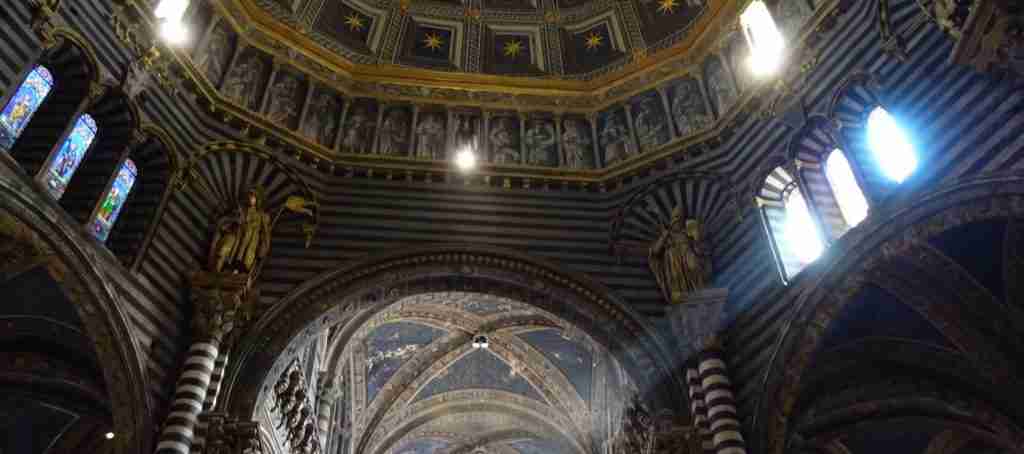
3 days
Lucca 3-Day Discovery Tour
- ✓ Comprehensive Lucca experience
- ✓ Expert local guides included
- ✓ All accommodation included
- ✓ Transportation provided
5 days
Lucca 5-Day Highlights Experience
- ✓ Comprehensive Lucca experience
- ✓ Expert local guides included
- ✓ All accommodation included
- ✓ Transportation provided
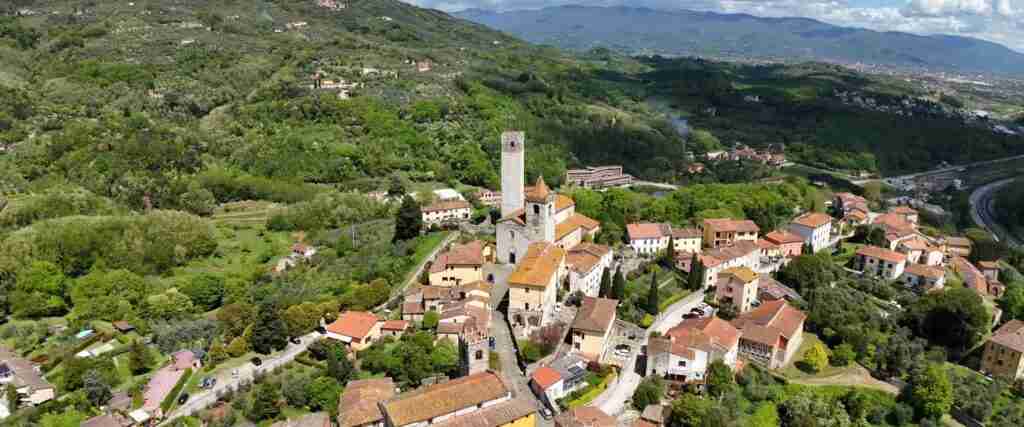
7 days
Lucca 7-Day Cultural Journey
- ✓ Comprehensive Lucca experience
- ✓ Expert local guides included
- ✓ All accommodation included
- ✓ Transportation provided
10 days
Lucca 10-Day Complete Adventure
- ✓ Comprehensive Lucca experience
- ✓ Expert local guides included
- ✓ All accommodation included
- ✓ Transportation provided
Multi-day tour packages powered by TourRadar. Prices and availability subject to change.
Introduction: What Makes Lucca Unique for Tours and Walking in 2026
Lucca occupies a singular position among Tuscan cities. It is large enough to offer a full day of layered discovery — Roman ruins lying beneath medieval churches, baroque gardens wedged behind austere palazzo walls, a 14th-century tower with ancient oak trees growing from its rooftop — yet compact enough that the entire historic center can be crossed on foot in twenty minutes. The Renaissance walls encircling it measure exactly 4 kilometres and 223 metres and constitute what may be the most civilized city park in Italy: a wide, tree-lined promenade approximately 30 metres across and 12 metres high that locals use for morning runs, evening socializing, and weekend cycling while the city below keeps its own rhythm entirely.
What distinguishes Lucca from Tuscany’s better-known destinations is the relative ease with which independent travelers can step off the main tourist circuit. The principal axis running through Piazza San Michele in Foro, along Via Fillungo, and down to the Anfiteatro attracts most visitor attention. Fifty metres in any direction, the streets belong to the Lucchesi. Palazzo Pfanner sits a three-minute walk from the busiest section of the walls and receives a fraction of the visitors who stroll past its entrance on Via degli Asili. The archaeological complex beneath the Church of Santi Giovanni e Reparata, one of the most layered sites in Tuscany, charges €4 and is rarely busy. Piazza dei Servi, a medieval square with a 16th-century porticoed church, is almost entirely absent from tourist itineraries.
This is the essential advantage for 2026 visitors: Lucca has not been overrun. The city does fill up in the high season — May through September, and especially in autumn during the celebrated Lucca Comics & Games festival — but even at peak times the volume of visitors is manageable compared with Siena, Florence, or the Cinque Terre. The wall circuit remains accessible at all hours and never congests. Most of the secret gardens and archaeological sites stay quiet regardless of season.
Lucca’s deep history contributes substantially to what tours and walking routes reveal. The city was founded as a Roman colony in 180 BC, and its street plan still follows the Roman castra grid, with the intersection of the ancient cardo and decumanus — now reflected in the city’s main axes — still readable on a modern map. The phrase “in Foro” in the name of the Church of San Michele in Foro is a literal record: the church stands on the site of the Roman forum. In the medieval period, Lucca became a major stop on the Via Francigena, the pilgrimage route south to Rome, and this generated the dense concentration of Romanesque churches — San Frediano, San Michele in Foro, San Martino — that remain among the finest in Tuscany. The Republic of Lucca maintained its independence from Florence for centuries through diplomacy and the formidable Renaissance walls, construction of which began with the formal establishment of the Office above the Walls in 1513 and was completed in 1648. This pride in independence is still palpable among the Lucchesi today.
The practical consequence of all this history for 2026 visitors is variety within a small area. A single day can move from the military engineering of the walls to Roman layers underground, from Romanesque façades to a baroque garden, from a medieval tower garden to a nightly Puccini concert in a church with 2,000 years of occupation beneath its floor — all within a few hundred metres. The sections that follow cover every tour format available in 2026, the verified admission costs for all key sites, self-guided route options for independent explorers, and the specific less-visited corners most first-time itineraries never reach.
Why Lucca Rewards Walking and Cycling in 2026
Most Italian historic centers impose a compromise on visitors: the best monuments cluster in one or two famous piazzas while everything else requires effort or navigation. Lucca is structured differently. The compact footprint enclosed by the walls — roughly 2 km north to south and 1.5 km east to west — places every major site within fifteen minutes’ walk of every other, and the flat terrain means that cycling is genuinely effortless in a way that hilly Tuscan towns like Siena or San Gimignano cannot match. The consequence is that no single touring approach dominates: walkers, cyclists, guided-tour participants, and self-guided explorers all find Lucca accommodating.
The city’s relationship with bicycles deserves particular mention. Lucca is widely regarded as one of the most cycle-friendly cities in Italy. Locals use bikes for daily errands, commuting, and shopping in numbers that would be exceptional elsewhere in Tuscany. The walls provide the most obvious cycling circuit, but the traffic-limited streets within the historic center also welcome bikes, and several rental shops provide routes extending into the surrounding countryside. For visitors who want to see Lucca quickly, the bike is faster. For those who want to see it well, the bike enables the hybrid approach of covering ground efficiently between targeted stops on foot.
Beyond logistics, Lucca rewards slow exploration because its hidden qualities are architectural and spatial rather than museum-based. The great Renaissance walls reveal their genius not from a photograph but from the walk: the enormous width of the bastions becomes clear only when you stroll across them, and the sequence of views — city interior and Apuan Alps alternating as you turn each corner — is a continuous, slowly unfolding experience. The Piazza dell’Anfiteatro does not fully reveal itself until you step through one of the four arched gateways and find the elliptical interior, its proportions determined by a Roman amphitheater that was completed nearly two thousand years ago. Via dell’Angelo Custode, the street tracing the eastern boundary of the ancient Roman settlement, requires knowing its history to appreciate the coincidence that the medieval builders left it nearly intact over the Roman footprint. This is a city that rewards knowledge — and the best tours in 2026 provide exactly that.
Walking the Renaissance Walls in 2026
The walls of Lucca are the city’s defining feature and its best free attraction. At 4 kilometres and 223 metres in circumference, they constitute the second largest intact example of a fully walled Renaissance city in Europe, surpassed only by the walls of Nicosia in Cyprus. They enclose the historic center as a wide green promenade that locals and visitors share at all hours. There is no ticket, no timed entry, and no closing time: the walls of Lucca are a public park accessible from dozens of ramps and stairways distributed around the full perimeter.
Construction spanned more than a century. The Office above the Walls was formally established in 1513, the construction site opened in the following decades, and the circuit was complete by 1648 — a period that saw the successive contributions of Italian and Flemish military engineers refining the design through twelve curtain walls and eleven earthwork bastions. The walls were conceived as a deterrent against Florentine expansionism, but the deterrent worked without the walls ever being tested in battle: the only occasion the gates were bolted was during the catastrophic flood of the Serchio river in November 1812, when the walls successfully held the floodwaters out of the city center. They were converted into a public promenade in the early 19th century under the governance of Maria Luisa of Bourbon-Spain, and the tree-lined avenues above the curtain walls date from that period.
For 2026 visitors, the practical information is simple: arrive at any ramp, ascend to the wide, flat avenue at the top, and walk in either direction. At a comfortable pace the complete circuit takes approximately one hour; at a brisk pace around 45 minutes; by bicycle approximately 25 minutes. The width of the promenade at the top — approaching 30 metres across the broader bastions — means that walkers and cyclists share the space easily without conflict. A café, gelato carts, water fountains, and a small playground are distributed along the route.
The Best Sections for Views and Secret Perspectives in 2026
Every section of the wall circuit has its distinct character. The northern stretch, accessible from the Baluardo San Frediano between Porta Santa Maria and Porta San Jacopo, offers the clearest views toward the Apuan Alps on fine days and passes closest to the Palazzo Pfanner garden, visible below from the wall top. The Baluardo San Colombano near the train station provides an elevated view of the Cathedral of San Martino emerging from the rooftops, one of the most photographed perspectives in Lucca. The southern and eastern sections are quieter, running through residential neighborhoods where the wall promenade is used more heavily by local joggers and dog-walkers than by tourists.
The bastions themselves reward attention. Each of the eleven is slightly different in size and configuration, and several contain underground spaces — former powder stores, cannon platforms, and service passages — that are invisible from the surface promenade. These underground bastions are one of Lucca’s most genuine secrets: most visitors spend an hour on the wall without realizing that an entire military infrastructure lies beneath their feet. Turislucca offers specialist tours of the underground sections on a limited schedule (typically a few dates per month in the main season; check their website at turislucca.it for current availability). These tours book out quickly — they are among the best-value experiences in Lucca for visitors interested in military history or architecture, and they reveal a dimension of the walls that no guidebook photograph conveys.
Practical Information for Wall Walking in 2026
The six main historic gates — Porta Santa Maria (1592), Porta San Pietro (1565), Porta San Donato, Porta Elisa (1811, opened by Napoleon’s sister Elisa Baciocchi), Porta San Jacopo (1930, the most recent), and Porta Vittorio Emanuele — each provide vehicle access through the walls. For walkers and cyclists, numerous ramps and stairways cut into the wall interior at regular intervals, making it easy to ascend and descend at any point on the circuit. The tourist information office at Piazzale Verdi, near Porta San Donato in the northwest, is a natural starting point for the wall walk and for picking up maps. No ticket is required at any access point. The walls are fully accessible with gradual ramps for visitors with limited mobility at most access points, though the grassy verges of the bastions are not accessible for safety reasons.
Bike rental shops cluster near the wall access points. Cicli Bizzarri at Piazza Santa Maria and Tourist Center Lucca near the train station are among the most established; independent shops near other gates offer competitive rates. Standard bikes rent for approximately €3–6.50 per hour depending on the shop and bike type; tandem bikes run around €6.50–8 per hour; surrey-style pedal vehicles accommodating families run €14–20 per hour. Electric bikes are available for the wall circuit and beyond at around €30 per hour or as part of guided e-bike tour packages. Shops hold your identity document while bikes are out; most provide a lock and a printed or digital route map. You do not need to reserve a standard bike in advance unless booking for a group; peak Saturday mornings in summer are the busiest time for rentals.
The Historic Center Walking Routes in 2026
Inside the walls, Lucca’s historic center is navigable on foot in a way that rewards an understanding of its layers. The Roman grid is still legible in the street plan: Via dell’Angelo Custode follows the eastern boundary of the Roman settlement; Corso Garibaldi traces the southern; Via San Giorgio the northern. The intersection of the ancient cardo (the north-south axis, now running through Via Calderia and Via degli Asili) and the decumanus (the east-west axis, now Via San Paolino and Via Santa Croce) defines the site of the Roman forum — and therefore the location of the Church of San Michele in Foro, whose very name preserves the record of what stood here before the church was built in the Romanesque period.
The Roman Grid and Ancient Layers Route
Starting at Piazza San Michele in Foro, the Roman forum site and the commercial heart of the modern city, this route traces the ancient street plan while collecting the best Romanesque architecture along the way. The church of San Michele in Foro presents one of the most exuberant Romanesque façades in Tuscany: tier upon tier of small columns, carved animals, and interlaced arcading that continues building upward in decorative ambition beyond any structural logic. The church dates from the 11th and 12th centuries, built over the Roman forum pavement, though the façade reached something close to its current form across several centuries of incremental addition.
From Piazza San Michele, walking southeast along Via Roma and turning south onto the Piazza Napoleone brings you to the Palazzo Ducale with its Neoclassical façade, and the Teatro del Giglio, one of the oldest public theatres in Italy. Continuing south and then east reaches the Cathedral of San Martino, the city’s principal church. The Cathedral’s foundation is attributed in tradition to the Irish bishop Frediano in the 6th century, and the current Romanesque structure was substantially rebuilt from the 11th century onward. Its marble façade — asymmetric because a bell tower was already standing on the south side when the façade was built — is best appreciated at a distance from the small piazza in front. Inside, the Cathedral houses the Holy Face (Volto Santo), a carved wooden crucifix of medieval date that has been venerated here since the early medieval period and that drew pilgrims on the Via Francigena for centuries, as well as the funeral monument of Ilaria del Carretto, a masterpiece of early 15th-century Italian sculpture by Jacopo della Quercia.
Cathedral entry for the main nave is €5 for adults (€3 reduced), with a combined ticket including the bell tower, Cathedral Museum, and San Giovanni complex available for €10 (adults) and €8 (reduced). Hours run Monday through Saturday 10:00–18:00, Sunday and holidays 12:00–18:00 (check museocattedralelucca.it for current hours as these are subject to liturgical variations).
The Medieval Tower Circuit
Lucca once had dozens of tower-houses, the medieval equivalent of status symbols, and though most were reduced or absorbed into palazzo walls in subsequent centuries, a significant number survive either intact or as embedded fragments. The most visited is the Torre Guinigi on Via Sant’Andrea, a 14th-century red-brick tower whose rooftop garden — a small terrace planted with ancient holm oak trees — is the defining image of Lucca. The 230-step climb is steep and the staircase narrow, but the panoramic view from the top, looking across the city’s roofscape to the surrounding Tuscan plain and the Apuan Alps, is among the finest in the region. Admission is €8 for adults and €6.50 reduced (children under 8, students, families; check official Lucca cultural sites for current rates). A combined ticket with the Torre delle Ore (the Clock Tower, similar height and similar climb) is available for approximately €9–10.
The Torre delle Ore on Via Fillungo houses a working clock mechanism and offers comparable views to the Guinigi tower from a slightly different position in the city. Via Fillungo itself — the main commercial street running roughly north to south through the historic center — is studded with evidence of the city’s merchant past: Art Nouveau shopfronts, preserved medieval tower-house fragments incorporated into later buildings, and the rhythm of life that has been commercial here since Roman times.
The Puccini and Music Heritage Walk
Lucca was the birthplace of Giacomo Puccini, one of the most performed opera composers in history, and the city’s relationship with music is woven into its urban fabric in ways a casual walk reveals gradually. The Casa Natale di Puccini (Puccini birthplace museum) on Corte San Lorenzo preserves the room where the composer was born in 1858 along with personal objects and scores; it is worth pausing here even for visitors not deeply interested in opera, as the scale of the house and the ordinariness of the surroundings make Puccini’s trajectory from small Tuscan city to global recognition genuinely striking. Admission prices and hours vary — check current listings before visiting.
The Church of San Paolino, where the young Puccini learned the organ, and the nightly Puccini concert at the Church of Santi Giovanni e Reparata represent the most atmospheric way to engage with this heritage. The concerts at San Giovanni run nightly at 7:00 PM and consist of selections from Puccini operas performed by trained singers in the intimate setting of the Romanesque basilica. Tickets cost €30 per person and are purchased in cash at the door; a libretto is available for €5. The setting — a church that also contains two thousand years of archaeological history beneath its floor — makes this among the most memorable evenings available in any Tuscan city.
Hidden Gems and Secret Spots to Discover in Lucca in 2026
The gap between what most first-time visitors see in Lucca and what the city actually contains is wider than in almost any other Tuscan destination. The following section maps the most rewarding hidden corners, with practical information on access and cost.
Underground Lucca: The Santi Giovanni e Reparata Archaeological Complex
The most significant hidden experience in Lucca is not hidden at all — it has been open since 1992 — but it remains largely off the radar of visitors focused on the Cathedral next door. The Church of Santi Giovanni e Reparata was Lucca’s original cathedral until the 8th century, when the neighboring San Martino assumed that role, and systematic archaeological excavations beginning in the late 1960s and completed in the 1990s revealed five stratigraphic layers of occupation beneath the church floor: a Roman domus of the 2nd century BC; public baths of the 1st–2nd century AD; the early Christian basilica and baptistery of the 5th century; Lombard-era tombs; and the remains of the early medieval baptistery and Carolingian crypt.
The entire archaeological area is accessible on metal walkways that allow visitors to move through and above the excavated structures, and audio guides in English explain what is visible at each level. Mosaic flooring from the Roman domus, the channeling systems of the ancient baths, and early Christian mosaic pavements are all visible beneath the medieval church floor. The experience is genuinely immersive and takes around 45 minutes at a careful pace. Entry to the church, baptistery, bell tower, and archaeological area is €4 for adults, free for children under 6. The combined ticket with the Cathedral, Cathedral Museum, and bell tower is €10 adults, €8 reduced. The complex is open daily 10:00–18:00 (check museocattedralelucca.it for current hours). The nightly Puccini concert uses the same space — meaning the church serves simultaneously as archaeological site, museum, and concert hall, a combination available nowhere else in Tuscany.
The Baroque Garden of Palazzo Pfanner
Palazzo Pfanner on Via degli Asili is visible from the top of the northern walls as a formal garden of box hedges, gravel paths, 18th-century statuary, and citrus trees in terracotta pots arranged around a central octagonal fountain. Most visitors walking the walls look down at it without knowing what they are seeing or how to get in. Descending from Porta Santa Maria and walking south a few minutes along Via degli Asili brings you to the entrance.
The palace was built in 1667 for the Moriconi family and later enlarged by the Controni, a wealthy silk-merchant dynasty; the property was subsequently acquired in the mid-19th century by Felix Pfanner, an Austrian brewer who established one of the early breweries here. The garden, attributed to the architect Filippo Juvarra in local and scholarly sources (the precise documentation of this attribution varies; the Palazzo’s own materials describe it as such), was laid out in the early 18th century and preserves its Baroque Italian layout substantially intact. The statuary represents deities of the Greek Olympus and the Four Seasons. The residence itself contains a large reception hall with frescoes attributed to Pietro Paolo Scorsini and painted around 1720, as well as a small museum of historical medical instruments associated with a later owner, Pietro Pfanner, a surgeon and former mayor of Lucca.
The palazzo and garden are open approximately March 15 through December 31, typically 10:00–18:00; because the site is privately managed, exact hours and occasional closures for weddings or private events vary, so checking the official site at palazzopfanner.it before visiting is advisable. Admission for garden and museum combined is typically around €8–10 per person (check the official site for current pricing). The palace has served as a film location on multiple occasions, and the combination of architecture, garden design, and local history in a single 45–60 minute visit makes it one of the best-value paid sites in the city.
Piazza dell’Anfiteatro: Beyond the Obvious
Piazza dell’Anfiteatro is Lucca’s most photographed square and appears on most itineraries, but its history is less widely understood than its image. The elliptical shape of the buildings surrounding the piazza directly traces the outline of a Roman amphitheater begun under Emperor Claudius in the 1st century AD and completed during the Flavian period through a generous donation by a citizen of equestrian rank, according to an honorary inscription discovered during 19th-century excavations. The amphitheater could accommodate approximately 10,000 spectators across its 54 arches. As the Roman Empire declined the structure was stripped, repurposed, and gradually built over; during the Middle Ages the interior was known as the Parlascio (from the Latin paralisium, meaning amphitheater) and served as a marketplace, salt warehouse, and prison.
The piazza as it exists today resulted from the work of the Lucchese architect Lorenzo Nottolini, who in the 1830s cleared the interior buildings, opened the four gateways into the square, and created the ring of varied-height houses that preserved the elliptical footprint. The floor of the current piazza stands approximately three metres above the original Roman arena floor; original Roman stonework is visible as vaults and arches in the lower portions of some surrounding buildings, and the lowest of the four arched gateways is the only surviving original Roman arch. The cross engraved in the center of the piazza floor marks the intersection of the four axes. Today the piazza is ringed by cafés and restaurants; the most rewarding time to visit is early morning before the café tables fill, when the geometry is clear and the light is best for photography.
Villa Bottini: The Public Garden Most Visitors Never Find
Near the southwestern corner of the historic center, Villa Bottini and its attached garden represent one of the few genuinely free green spaces inside the walls that most visitors never encounter. The garden, attached to the historic Villa Bottini (now used for institutional purposes), is publicly accessible during open hours and provides a quiet pocket of lawn, mature trees, and some of the most tranquil seating in the city. It functions as a neighborhood park for the residents of the southwestern quarters and sees almost no tourist footfall. There is no admission charge (subject to any temporary closures for events). It is easily combined with a walk along the southern section of the city walls, the quietest and most residential stretch of the circuit.
Piazza dei Servi: The Overlooked Square
A five-minute walk south of the Anfiteatro, Piazza dei Servi is a small square dominated by the 16th-century Church of the Servants of Mary, recognizable by its porticoed façade. Unlike the great Romanesque churches on the main tourist circuit, this square sees relatively little visitor traffic and offers a genuine sense of neighborhood life — particularly on weekday mornings when the square serves as an informal meeting point for local residents. There is no entry fee and no organized tour typically stops here, which makes it a useful landmark for anyone wanting to experience the residential character of the historic center away from the crowds. It is best visited as part of a longer walking route through the eastern and southeastern neighborhoods.
The Orto Botanico (Botanical Garden)
Lucca’s Orto Botanico, the university botanical garden founded in 1820, occupies a corner of the city between the northeastern city walls and the Via dell’Angelo Custode. It contains a wide variety of trees and plants including notable camellia specimens, and provides a distinctly unhurried alternative to the busier monuments nearby. Entry costs approximately €4–6 per person; combined tickets with the Torre Guinigi and Torre delle Ore have been available at a reduced rate — check the official Summae ticket platform (summae.it) for current combined pricing. The botanical garden is particularly pleasant in spring when the camellias are in flower.
Best Guided Tours of Lucca in 2026
The organized tour market in Lucca in 2026 ranges from economical shared walks through to private experiences tailored entirely to individual interests. Understanding the available formats helps match the right tour to the right traveler.
Shared Walking Tours: The Accessible Introduction in 2026
Turislucca’s “Look at Lucca” shared walking tour is the city’s most established introduction and one of the most competitively priced guided experiences in Tuscany. The two-hour bilingual English-Italian tour meets at the Tourist Information Office at Piazzale Verdi at 1:50 PM (departure at 2:00 PM) and covers the historic center’s main monuments, ending at the Cathedral of San Martino. Cathedral interior access can be added for €3 per person at the guide’s discretion. The tour runs daily from April 1 through October 30, and on Saturdays and Sundays from November through the end of March. Admission is €15 per adult; children under 15 are free when accompanied by a paying adult. Book through turislucca.com or directly at the Piazzale Verdi tourist office. The same operator offers a themed music tour, “Andante… ma con brio,” that moves through Lucca’s musical heritage from Puccini to more contemporary artists, as well as a specialist tour of the city’s military engineering history tracing the evolution of fortifications from the 13th to the 17th centuries.
Small-group walking tours through platforms such as GetYourGuide and Viator are also widely available in 2026, typically running two to three hours at prices of €20–35 per person for groups capped at around 10–26 people. These tend to depart from the train station area in the morning and cover the wall circuit, Piazza dell’Anfiteatro, Via Fillungo, and the Cathedral. Reviews from spring 2026 consistently highlight guides named Chiara, Alessandra, Michela, and others associated with Lucca-based specialist tour companies as knowledgeable and welcoming. For the best experience with these shared tours, book at least 48 hours ahead in peak season and check the group size cap: the smaller the group, the more access you get to the guide’s commentary on individual questions.
Themed and Specialist Guided Tours in 2026
Beyond the general introduction, Lucca supports a range of specialist guided experiences. The underground wall bastions tour offered by Turislucca reveals the military infrastructure beneath the park promenade: cannon positions, original powder magazines, and the engineering solutions that allowed the earthwork bastions to absorb cannon fire rather than shatter under it. These tours run on a limited schedule — typically a few dates per month during the main season — and sell out well in advance; check the Turislucca website for the calendar and book directly. The experience lasts approximately 90 minutes and is led by specialist local guides with deep knowledge of Renaissance military engineering.
World War II history tours of the Lucca area are another specialist offering. The Liberation Route Europe partnership with Turislucca maps the wartime history of the region, covering sites connected with the Allied advance through Tuscany in 1944. These tours require advance arrangement with the operator and suit visitors with a specific interest in 20th-century military history.
Private and Small-Group Tours in 2026
Private guided tours of Lucca’s historic center run three hours and can be arranged through several local operators including Turislucca, Arianna & Friends (ariannandfriends.com), and licensed independent guides available through the Tuscany region’s official guide association. Group rates for a private three-hour licensed guide run approximately €170 for up to ten people, regardless of group size, making the per-person cost highly favorable for families or groups of four or more. Individual prices for solo travelers or couples work out to around €85–170 per person depending on the number in the party. Private guides typically offer full itinerary customization — focusing on architecture, food, music, history, or specific interests — and many speak excellent English (confirmed in 2026 reviews: guides are consistently described as fluent and well-informed). For private tours, booking at least a week ahead is recommended in summer; for shoulder season, three to five days’ notice is generally sufficient.
Cycling Tours of Lucca in 2026
Lucca’s cycling infrastructure in 2026 supports everything from a casual 25-minute wall circuit to full-day countryside rides combining city sightseeing with vineyard visits. The flat terrain and the relatively traffic-limited streets inside the walls make Lucca accessible to cyclists of all abilities, including those who have not cycled in years.
Self-Guided Bike Rental in 2026: The Wall Circuit and Beyond
Bike rental shops are concentrated near the wall access points, particularly around Porta Santa Maria in the north and near the train station. Standard bikes rent for approximately €3–6.50 per hour; the range reflects differences between basic city bikes and better-quality trekking bikes. Tandem bikes for two riders cost approximately €6.50–8 per hour. Larger surrey-style pedal vehicles accommodating families of four to six rent for €14–20 per hour. Electric bikes start at around €30 per hour for standalone rental. Most shops request an identity document as a deposit in lieu of a cash deposit. Helmets, locks, and phone holders are typically included or available at small additional cost.
The wall circuit at 4.2 km takes approximately 25 minutes at a relaxed cycling pace, making one full circuit a natural start before venturing into the city streets. Within the historic center, the combination of the wall circuit plus a ride through the main piazzas and Via Fillungo is manageable in 60–90 minutes and covers the essential geography. For longer rides, shops can provide routes following the Serchio river downstream, out to the Lucca hills through the Piana di Lucca, or along the Puccini Cycle and Footpath to Lake Massaciuccoli, a wetland area associated with the composer’s love of hunting and nature.
Guided Bike Tours of Lucca in 2026
Turislucca’s “Lucca and its Wall by Bike” guided tour runs on Monday evenings in summer (June through late September), meeting at Piazza Santa Maria by the Poli bike rental shop at 4:50 PM for a departure at 5:00 PM. The 100-minute tour covers the best-kept secrets of the walls and the city on bicycle, with a licensed guide providing historical and local context throughout. Admission is €30 per adult and €10 for children up to 15 accompanied by a paying adult; bike rental is additional at approximately €3 per hour. Book through turislucca.com.
The “Bikes and Bites” style tours available through GetYourGuide and Viator combine a half-day bike ride through the walls and city streets with stops at local food producers, specialty shops, and tastings of Lucca’s traditional food culture — cecina (chickpea flatbread), local charcuterie, artisan gelato, cheese, and wine. Recent visitor reviews from spring 2026 rate these consistently as among the best value in Lucca: the bicycle gives the tour a sense of movement and local authenticity that purely pedestrian food tours lack. Prices for these combined tours run approximately €95–103 per person for a three-hour experience, with small-group sizes of around ten typically producing a personal experience. Check official site for current rates before booking.
E-Bike Countryside and Wine Tours in 2026
The hills immediately surrounding Lucca — the Piana di Lucca and the slopes rising toward Montecarlo to the east and the Versilia foothills to the west — are genuinely beautiful and undervisited compared with the better-marketed Chianti wine country further south. Several operators run e-bike tours that begin in the city, circuit the walls, then venture into the countryside on quiet secondary roads to visit a family winery for tastings and a snack of local products. Chrono Bikes / DMC Piana di Lucca (pianadilucca.it) operates a countryside e-bike tour with wine tasting at approximately €125 per person for a half-day experience including a professional cycling guide, e-bike, helmet, water bottle, and the winery visit with tastings; the tour runs March through October and requires a minimum of two participants. Natural Italy Tours (based in Florence) offers a full-day bike experience from Florence that includes Lucca and the surrounding countryside for approximately €100 per person including private transport, a licensed guide, and bike rental.
The advantage of the e-bike countryside format over a standard city tour is the shift in experience: the Lucca hills look nothing like the city, and a visit to a family winery tucked into the vineyards 15–20 minutes’ cycling from the walls offers a complete contrast to the Romanesque churches and medieval towers of the afternoon. The wine produced in the Lucca hills — principally from the Montecarlo DOC zone east of the city — is little known outside the region, which keeps vineyard visits genuinely local in character. The Tenuta Adamo estate in the Piana di Lucca receives strong recent reviews for its informal atmosphere and quality of tasting.
Food and Wine Tours in Lucca 2026
Lucca’s food culture is deeply local in ways that reward guided investigation. The city’s cuisine is rooted in Tuscan traditions shared across the region but contains several specialties that are specific to Lucca and rarely found beyond its walls, making a food tour here more about genuine discovery than tourism-oriented tasting.
The Essential Lucchese Foods Worth Seeking in 2026
Understanding what makes Lucca’s food culture distinctive helps navigate both guided tours and independent exploration. Tordelli lucchese is the defining local pasta dish: large handmade pockets filled with a mixture of meat, cheese, chard, and mortadella, served with a slow-cooked ragù or with local olive oil and cacio cheese. This is considered the city’s Sunday dish and is deeply tied to the local identity; food tour guides in 2026 consistently note that you will rarely find it on restaurant menus outside Lucca. Buccellato is the city’s ceremonial sweet bread — an oval loaf fragrant with aniseed and studded with raisins, baked in ring form for centuries before the oval became standard, and traditionally brought home from church celebrations. Cecina, a thin crispy flatbread made from chickpea flour, water, salt, and olive oil, comes from the coastal towns near Lucca and Livorno and serves as the city’s definitive street snack. Lucca’s olive oil is also distinctive: the surrounding hills produce oil of considerable reputation, and the local DOC produces wines that offer an underrated alternative to Chianti.
Walking Food Tours in Lucca 2026
The Lucca food tour market in 2026 is well-developed, with multiple operators offering two to three-hour routes through the historic center that combine four or more tasting stops with the city’s cultural heritage. Do Eat Better Experience (doeatbetterexperience.com) runs daily departures at 11:45 AM and 5:30 PM (summertime) from the Cappella Musicale Santa Cecilia, with tastings of tordelli, cecina, buccellato, local charcuterie and wines, artisan gelato, and chocolate. All food included in the ticket price. The 2Italia food tour (2italia.com) runs on Fridays and by arrangement for groups of six or more, with guides praised in recent reviews for their depth of historical knowledge alongside the culinary content — visitors consistently note that the tour covers the history of Lucca and its food traditions rather than simply moving from snack to snack. Prices for standard food walking tours typically run €60–80 per person; check individual operator sites for current rates.
Private food tours through platforms such as Withlocals offer fully personalized itineraries guided by local hosts who live and eat in Lucca. These are less structured than the group options and suit travelers who want to follow the guide’s genuine recommendations rather than a fixed route; they are also better suited to dietary requirements or specific interests (olive oil, wine, traditional pastry). Reviews from late 2025 and early 2026 highlight guides named Maria Lucrezia, Emma, and Sara as particularly well-regarded. Private food tours typically run two to three hours and cost in the €70–100 per person range depending on the scope of tastings. For the best experience with any Lucca food tour in 2026, book at least a few days ahead in the main season; the Friday 2Italia departures are popular and fill up.
Wine and Olive Oil Experiences in the Lucca Hills in 2026
Beyond the city walls, the hills of the Lucca province harbor family wineries and olive producers rarely accessed by tourists who arrive by day trip. The Montecarlo DOC zone, approximately 15 km east of Lucca, produces both white and red wines of notable quality in a landscape of medieval hilltop villages and terraced vineyards. Several estate operators offer small-group vineyard tours with cellar visits and tastings, combined with local cheese and charcuterie; these can be booked through individual estates or arranged as combined transport-and-tasting packages through operators in Lucca. The Enoteca Vanni in the city center, established in 1965 and considered the oldest wine shop in Lucca, provides an excellent starting point for understanding the regional range before committing to a hill visit.
Day Excursion Tours from Lucca in 2026
Lucca’s location in northwestern Tuscany places several major destinations within easy day-trip distance, and the city functions as a base for tours and excursions that extend the Tuscan experience well beyond the walls. The following routes are the most practical for 2026 visitors.
Pisa: The Efficient Neighbor in 2026
Pisa is the easiest and most obvious day trip from Lucca, and in 2026 it remains justifiably popular. Regional trains run between Lucca and Pisa Centrale approximately every 30 minutes; the journey takes around 30 minutes and costs approximately €3–5 per journey (check Trenitalia or Italo for current fares before traveling). From Pisa Centrale the Piazza dei Miracoli and its famous ensemble — the Cathedral, Baptistery, Campanile (the Leaning Tower), and Camposanto — are approximately a 20-minute walk north through the city center. An early departure from Lucca (first train around 6:30 AM) allows arrival in Pisa before the large tour coaches and reaches the Tower before the heat of summer midday.
For visitors who prefer an organized approach, several Lucca-based operators run combined Pisa-Lucca day tour packages for cruise passengers arriving at Livorno or Viareggio; Turislucca offers cruiser-specific excursion formats from those ports. Pisa can also be combined with a Lucca visit on a day trip from Florence, with direct trains from Florence Santa Maria Novella to Pisa (approximately 1 hour) and from Pisa to Lucca completing the circuit.
Cinque Terre: The Classic Day Trip in 2026
The five villages of the Cinque Terre on the Ligurian coast are reachable from Lucca in approximately 1 hour 45 minutes by train via La Spezia — a total journey that opens up one of Italy’s most scenically dramatic coastlines. The combination of Lucca and Cinque Terre in a single day is a popular format offered by Lucca-based tour operators including Turislucca, which runs a Cinque Terre small-group excursion by minivan for flexibility in timing and village access. Private minivan excursions for couples or families offer full customization of which villages to visit and how long to spend at each. The logistics of Cinque Terre — train connections between villages, ferry services, and the national park entry fees — can be complex to navigate independently, making an organized excursion genuinely practical for first-time visitors. Check current operator pricing on GetYourGuide and Viator; these tours typically run €95–150 per person including transport.
The Garfagnana Valley: The Undervisited Option in 2026
The Garfagnana Valley, running north from Lucca along the Serchio river between the Apuan Alps to the west and the Apennines to the east, is one of the least-visited corners of Tuscany accessible in a day from the city. Medieval villages perched on rocky outcrops, forests of chestnut and beech, the dramatic marble quarrying landscape of the upper Apuan range, and the town of Barga — a small, largely intact medieval hilltop town with a summer jazz festival — make the Garfagnana a compelling contrast to the Romanesque and Renaissance Tuscany of the lowlands. A local train line from Lucca runs up the valley and serves Barga-Gallicano station (approximately 45 minutes from Lucca); from the station a taxi or uphill walk reaches the town. For those with a car, the valley roads offer full flexibility. Organized excursions to the Garfagnana are available through some Lucca-based operators, though this remains primarily independent traveler territory.
Carrara Marble Caves: A Geological and Artistic Discovery in 2026
The marble caves of Carrara, in the Apuan Alps approximately 45 km northwest of Lucca, are accessible as a half-day excursion combining quarry visit, marble cave entry (one of the few tours that enters inside a working or historic cave), and typically a stop at Colonnata, a village famous for its distinctive lardo (cured pork lard aged in marble basins) which serves as a counterintuitive gastronomic highlight. Organized small-group tours from Lucca and Pisa airports run approximately €95–125 per person including transport and guide; these are among the most distinctive day excursions in the region because the inside-the-cave element and the Colonnata lardo tasting together deliver experiences that no city tour can replicate. Check GetYourGuide or Viator for current availability and pricing.
Florence and Pistoia: Cultural Day Trips in 2026
Florence is reachable from Lucca by direct train in approximately 1 hour 20 minutes, making it a feasible day trip though a demanding one given the distance and Florence’s own depth of content. Pistoia, 30 km to the east and only 35–40 minutes from Lucca by regional train, is a significantly underrated alternative: a medieval city of beautiful Romanesque architecture, important art collections including works by Giovanni Pisano, a magnificent central piazza, and almost no mass tourism. For visitors who have already seen Florence, Pistoia on a day trip from Lucca is among the best decisions in Tuscany — it offers a comparable density of medieval and Renaissance quality at a fraction of the visitor volume. The combination of a morning in Lucca and an afternoon in Pistoia, or vice versa, is achievable with an early start.
Self-Guided Walking Routes in Lucca 2026
For visitors who prefer independent exploration over organized tours, the following three routes provide a structured framework without requiring a guide or advance booking. All routes start at Piazzale Verdi near the tourist information office in the northwest of the city, close to the train station, and can be adjusted freely for time and interest.
The 90-Minute Essential Circuit in 2026
This route prioritizes the wall experience and the two most distinctive piazzas, and is the minimum viable introduction for visitors with limited time. Ascend to the walls at the Baluardo San Frediano ramp near Piazzale Verdi and walk east along the northern wall section for the Apuan Alps views, then south along the eastern section as far as the Baluardo San Martino for the Cathedral rooftop view. Descend from the wall at Porta Santa Maria and walk south through Via degli Asili (passing the entrance to Palazzo Pfanner on the right) to Piazza dell’Anfiteatro, entering through the northern arch to appreciate the elliptical space. Exit south, continue along Via Fillungo north to Piazza San Michele in Foro, then return west via Via San Paolino to Piazzale Verdi. Total walking time approximately 90 minutes at a gentle pace, not including any stops. Admission: free throughout.
The Half-Day Discovery in 2026
The half-day route extends the essential circuit with the city’s best hidden paid experience and its principal church. Follow the 90-minute circuit but at Palazzo Pfanner turn in and spend 45–60 minutes in the garden and museum. Continue south to the Cathedral of San Martino and its piazza (allow 30–45 minutes if entering; bring the combined ticket from the tourist office for best value at €10). Cross to the adjacent Santi Giovanni e Reparata and spend 45 minutes in the underground archaeological complex (€4 separate, or included in the €10 combined ticket). Return north through the medieval street grid, including a detour along Via dell’Angelo Custode, to the Anfiteatro for lunch at one of the piazza restaurants. Total: three to four hours including monument time. Cost: €4–10 per person depending on sites entered.
The Full-Day Hidden Gems Itinerary in 2026
The full-day route maximizes depth and reaches most of the hidden corners described in this guide. Morning: rent a bike at Piazzale Verdi or Porta Santa Maria and complete the full wall circuit (25–30 minutes cycling, noting the views at each major bastion). Return bike and enter the city on foot through Porta Santa Maria. Visit Palazzo Pfanner (45–60 minutes). Walk to the Cathedral of San Martino for the Ilaria del Carretto monument and the Volto Santo (allow 30 minutes). Move to the adjacent Santi Giovanni e Reparata for the underground excavations (45 minutes). Lunch in the Piazza dell’Anfiteatro or along Via Fillungo. Afternoon: climb the Torre Guinigi for the rooftop garden and panoramic views (allow 30–45 minutes including the 230-step ascent; €8 adults). Walk to the northeastern corner of the city to visit the Orto Botanico (30–45 minutes; approximately €4–6). Walk south to the Villa Bottini garden for a quiet rest stop. Settle in Piazza dei Servi for an early-evening aperitivo with local Lucchesi. Evening: attend the Puccini concert at San Giovanni e Reparata (7:00 PM; €30, cash only; arrive at least 15 minutes early). Total: one full day from approximately 9:00 AM to 9:00 PM. Cost: approximately €50–65 per person in entries and concert, plus meals and bike rental.
Tour and Admission Costs in Lucca 2026
Every visitor category has a viable approach in Lucca in 2026. The following section provides a transparent breakdown of what different types of days actually cost, including accommodation for those basing themselves here.
Free Activities and No-Cost Highlights in 2026
Lucca offers an unusually generous set of free experiences. The complete wall circuit including all bastions and ramparts is free and accessible at any time. All historic piazzas — dell’Anfiteatro, San Michele in Foro, Napoleone, dei Servi — are free to enter and sit in. The exterior facades of all major Romanesque churches (San Michele, San Frediano, San Martino, San Paolino) are freely viewable. Via Fillungo and the full medieval street network require no admission. The Villa Bottini public garden is free when open. Browsing the Enoteca Vanni and other specialist food and wine shops costs nothing to enter. The total for a full day of self-guided exploration of Lucca’s streets, piazzas, and walls comes to €0 in admission fees — a rare distinction among major Tuscan cities.
Budget Travelers in Lucca 2026
Budget travelers relying primarily on self-guided exploration, one bike rental, and a single paid monument entry spend approximately €85–125 per person daily, assuming two people share a budget hotel room. This calculation covers hotel at €70–90 per room (€35–45 per person after dividing by two), three meals including a simple trattoria dinner at €32–50, two hours of bike rental at €7–13, one entry fee such as San Giovanni at €4–8, and coffee, gelato, and snacks at €5–8. The walls circuit, all piazzas, and street-level exploration are included at no additional cost. Lucca is one of the most affordable major Tuscan cities for budget travelers because so much of its best content requires no admission.
Mid-Range Visitors in Lucca 2026
Mid-range visitors adding a licensed guided walking tour and two to three monument entries to their day spend approximately €155–210 per person daily (two sharing a mid-range hotel at €120–170 per room). This calculation covers hotel at €120–170 per room (€60–85 per person after dividing), meals across three courses at €53–79, the Turislucca shared guided tour at €15, Torre Guinigi at €8, Palazzo Pfanner garden and museum at approximately €8, and coffee, gelato, and snacks at €10–15. A mid-range day in Lucca delivers excellent value against comparable Tuscan cities: the tour quality is high and the additional admission costs are modest by Italian museum standards.
Luxury and Private Experiences in Lucca 2026
Visitors seeking a fully private guide, fine dining, and a comprehensive experience of Lucca’s depth spend approximately €340–520 per person daily (two sharing a boutique hotel at €180–300 per room). This calculation covers hotel at €180–300 per room (€90–150 per person), restaurant meals across lunch and dinner at €100–160, a private three-hour licensed guided tour at approximately €85–125 per person for a couple, all principal monument entries at €20–30, the evening Puccini concert at €30, and wine, gelato, and café stops at €15–25. The Lucca luxury tier is substantially less expensive than Florence or Venice for comparable quality of experience, because the city itself is more accessible and the premium on private guides is lower in a city where guides are plentiful and the competitive market keeps rates reasonable.
Booking, Seasonal Timing, and Practical Advice for Lucca in 2026
Getting the most out of Lucca in 2026 involves some straightforward timing decisions. The following section covers when to visit, what to book, and the practical logistics of moving through the city.
Seasonal Patterns for Tours in 2026
Peak season runs from May through September, with July and August generating the highest visitor numbers. Guided walking tours operated by Turislucca run daily in this period; food tours and e-bike wine experiences are at full schedule. The upside of peak season is full tour availability and the longest daylight hours; the downside is heat (July and August temperatures in Lucca regularly exceed 35°C), advance booking requirements, and the city’s busiest streets and Anfiteatro café tables. If visiting in July or August, plan wall and outdoor activities for early morning (before 9:00 AM) or evening (after 6:00 PM) when temperatures are tolerable and the light for photography is best.
April and October are the ideal shoulder months for Lucca tours in 2026. Temperatures are pleasant, the city is less crowded, all tours and sites are operating, and accommodation prices are lower than peak. October in particular combines the harvest season in the surrounding wine hills — wine tasting tours at their most atmospheric — with the approach of the Lucca Comics & Games festival (typically late October to early November), which transforms the city into Italy’s largest pop culture event and books every hotel room within 30 km. If visiting in late October or early November, either embrace the Comics festival atmosphere or arrive and depart well before it begins; accommodation during the festival books out months in advance.
November through March sees reduced tour schedules — Turislucca’s shared daily walking tours drop to weekends only from November through March — but the city is quieter, the light is dramatic in winter, and independent exploration of the walls and monuments is fully viable throughout. Several monument interiors have reduced hours in this period (the Palazzo Pfanner garden is closed from the end of December); check individual sites before planning a winter visit around specific paid attractions.
How to Book Tours and Access the City in 2026
For shared guided walking tours, book directly through the Turislucca website (turislucca.it) or at the Piazzale Verdi tourist information office on arrival — in low season, walk-ups are usually possible, but in peak season the shared tours sometimes fill, so a day’s advance booking is prudent. For specialist tours (underground bastions, military engineering, themed music walks), book well ahead: these run on fixed dates with limited places and are not available as walk-up options.
For food tours and e-bike tours, GetYourGuide, Viator, and individual operator websites all offer online booking with free cancellation typically up to 24 hours before the tour. Availability fills fastest for Friday departures and Saturday morning tours; weekday tours in shoulder season are more likely to have same-day availability. The Bikes and Bites and e-bike wine tours require a minimum of two participants and may not run for solo travelers without pre-arrangement.
Arriving by train places visitors immediately next to the city walls at Porta San Pietro, with the tourist information office at Piazzale Verdi (a short walk following the wall perimeter to the northwest) providing maps, ticketing for multiple sites through the Summae platform, and information on current tour availability. Lucca is exceptionally easy to navigate on arrival: the walls are visible from the station, all access points are marked, and the flat terrain within the historic center eliminates the navigational challenges that defeat visitors in hillier Tuscan towns.
Frequently Asked Questions About Lucca Tours 2026
How long do you need in Lucca to see both the walls and the hidden gems?
A full day — approximately eight to ten hours — allows a complete wall circuit, a visit to the San Giovanni e Reparata underground complex, the Palazzo Pfanner garden, the Torre Guinigi, and exploration of the quiet piazzas and medieval streets. An overnight stay extending into a second morning or evening is worth serious consideration: the city behaves differently after 7:00 PM when day-trippers leave and the locals emerge, and the Puccini concert adds an evening dimension that changes the texture of the experience entirely. A single half-day visit can cover the wall circuit and one or two hidden sites but leaves the majority of the city’s depth unexplored.
Is Lucca suitable for visitors who do not cycle?
Absolutely. The entire historic center and all the sites described in this guide are accessible on foot. The wall circuit is easily walked in one hour. Cycling is optional, not required, and the flat, traffic-limited streets make walking the primary mode of exploration. Visitors with limited mobility will find most of the city accessible on foot, with ramps onto the walls at multiple points, though the Torre Guinigi (230 steep steps, no lift) and some underground excavation access points require physical agility. The Tourist Information Office at Piazzale Verdi provides current accessibility information for individual sites.
What is the best way to experience Lucca’s food culture in 2026?
The most direct approach combines a guided food tour for context with independent eating at the specific places the guide recommends. A morning walking food tour covers the cultural background of tordelli lucchese, buccellato, cecina, and local olive oil and wine, introduces the guides’ favorite shops and osterias, and delivers a full meal-worth of tastings over approximately 2.5 hours. From that foundation, independent lunches and dinners at the recommended spots deliver the full experience at restaurant rather than tour-group pace. Food tours in Lucca run approximately €60–95 per person; look for tours with a maximum of 10–12 participants for a genuinely personal experience rather than a large group format.
Do the Lucca walking tours include the city walls?
Most standard guided walking tours of the historic center focus on the streets and monuments within the walls rather than on the wall promenade itself, though some do include a section of the wall walk. Turislucca’s “Lucca and its Wall by Bike” tour specifically combines the wall circuit with a guided explanation of the engineering, running on summer Monday evenings for €30 per adult. For visitors who want a guided experience specifically of the walls and their military architecture — including the underground bastion sections — the specialist Turislucca military engineering tour and the underground bastions tour are the appropriate options. The wall circuit itself requires no guide and is freely accessible; a guided walk adds historical and technical context that transforms the experience from a pleasant park circuit into an understanding of one of Europe’s most sophisticated Renaissance fortification systems.
How do you get from Florence to Lucca for a day trip in 2026?
Direct regional trains run between Florence Santa Maria Novella and Lucca approximately every hour; the journey takes around 1 hour 20 minutes and costs approximately €8–12 per direction (check Trenitalia for current fares). Trains arrive at Lucca Centrale station, which sits directly against the city walls, making the transition from train to city walk immediate and smooth. Departing Florence by 8:00–9:00 AM and returning after 7:00 PM allows a full day in Lucca including the wall circuit, a guided tour, the main monuments, and an early dinner before the last convenient train back. Organized day tours from Florence combining Pisa and Lucca are also available through the major booking platforms for visitors who prefer a guided format with transport included.
What hidden spot in Lucca do most visitors miss?
The San Giovanni e Reparata underground excavations (€4) and the Palazzo Pfanner garden (approximately €8–10) receive consistent mentions from visitors who discover them as their private highlights of Lucca. The Palazzo Pfanner is particularly instructive in how it is missed: the entrance on Via degli Asili is a few steps from the busiest section of the northern walls, the garden is visible from the wall top, and yet the majority of visitors walk past without registering the entrance. The underground bastions tour offered by Turislucca on limited dates is perhaps the most genuinely secret experience because its existence is entirely unknown to the majority of Lucca visitors — a military underworld beneath the park promenade that reframes the entire wall experience. If you are based in Lucca for more than one day, joining one of these limited tours is the single best hidden experience available in 2026.
Is a guided food tour in Lucca worth the price in 2026?
Recent reviews from early 2026 consistently say yes — for a specific reason. The food specialties of Lucca are different enough from generic Tuscan cuisine that most visitors need a guide to locate the specific shops, bakeries, and family-run osterias where tordelli and buccellato are made to local standard rather than tourist specification. Via Fillungo has cafes and restaurants visible from the street, but the best food in Lucca is consistently described by guided tour visitors as coming from places they would never have found independently. The additional context — why buccellato is made only in Lucca, how cecina arrived from Livorno, what makes the local olive oil distinctive — converts eating into understanding. At €60–95 per person including all tastings (which typically constitute a full meal), Lucca food tours represent good value compared with equivalent experiences in Florence or Rome.
What is the combination ticket for Lucca’s monuments and what does it cover in 2026?
The standard combined ticket for Lucca’s Cathedral complex covers the Cathedral of San Martino, its bell tower, the Cathedral Museum, and the Church of Santi Giovanni e Reparata with its baptistery, bell tower, and archaeological area, for €10 per adult, €8 reduced (students, over-65s, teachers with ID, groups of 10 or more), and €20 for a family (parents with children over 6). A ticket covering only the Cathedral and Ilaria del Carretto monument is available for €5 (adults) and €3 reduced. The San Giovanni complex alone (without the Cathedral) costs €4 full price. The Torre Guinigi and Torre delle Ore are sold separately with an optional combined rate of approximately €9–10. The Orto Botanico, Torre Guinigi, and Torre delle Ore together have been available in a combined rate through the Summae online platform (summae.it) — check this platform before visiting for current bundled options and advance purchase discounts. Palazzo Pfanner is managed privately and tickets are purchased separately on-site or from the official palazzopfanner.it website.
When is the best time of day to visit the Lucca walls in 2026?
Early morning before 8:00 AM offers the wall circuit in near-solitude, with soft light and the city below still quiet. In summer this is also the most comfortable time temperature-wise, as the midday heat on the open promenade can be intense in July and August. Evening from around 5:30 PM onward sees the wall circuit at its most local and atmospheric: Lucchesi emerge for the passeggiata and the traditional evening circuit on foot or bike, children play on the bastions, couples watch the sun set behind the Apuan Alps from the northwestern stretches near Baluardo San Regolo, and the café on the walls serves drinks with the city lights beginning to appear below. This evening animation is one of the most genuinely Italian experiences in Tuscany, entirely free, and visible only to those who stay beyond the day-trip hours. Cycling the walls at dusk, with the Apuan Alps silhouetted to the west, is among the most evocative things you can do in Lucca in any season.
What tours in Lucca are best for families with children in 2026?
Families consistently rate three Lucca tour formats highly in 2026: the bike wall circuit (with surrey-style pedal vehicles available for families of four to six at €14–20 per hour, making the circuit a cooperative and engaging experience for children who cannot manage solo bikes); the Torre Guinigi climb for the rooftop oak garden (children who can manage 230 steps find the trees-on-a-tower concept deeply memorable); and the Turislucca children’s guided tour tailored for ages 6–11, which leads children through the decorations of the churches and palazzi looking for the carved animals on the façades — a genuinely interactive activity that transforms the Romanesque architecture from an adult’s art history lesson into a search-and-find adventure. For families, the underground San Giovanni excavations are also very well-suited to older children and teenagers who can follow the archaeological narrative; the metal walkways above the excavations feel more active than a standard museum and the layering of history from Roman domus to medieval church is concrete and visible.