Louvre Museum Photography Guide 2026: Expert Tips & Techniques
Photography at the Louvre Museum presents unique opportunities and challenges that require technical knowledge, artistic vision, and cultural sensitivity to capture meaningful images while respecting both artworks and fellow visitors. The world’s largest art museum offers extraordinary photographic subjects from ancient sculptures to Renaissance masterpieces, but success requires understanding lighting conditions, equipment limitations, and museum policies.
Key Takeaways
- No flash rule: Flash photography strictly prohibited throughout museum – damages artworks and disturbs visitors
- Camera settings: Use ISO 800-3200, wide apertures (f/1.8-2.8), and image stabilization for handheld shots
- Best lighting: Morning light through glass pyramid and evening gallery illumination provide optimal conditions
- Prohibited equipment: Tripods, selfie sticks, and professional lighting equipment not permitted in galleries
- Respectful photography: Quick shots followed by extended viewing shows courtesy to other visitors
- Composition focus: Include architectural context and avoid pure artwork reproduction for creative results
Introduction
Professional photographers and serious enthusiasts develop specialized techniques for museum photography that overcome low-light conditions, crowd management, and technical restrictions while creating compelling visual narratives that extend beyond simple documentation. These skills enable creation of artistic photographs that capture both individual artworks and the cultural atmosphere of this UNESCO World Heritage site.
Strategic photography planning enhances your 2026 Louvre experience by providing structured approaches to image creation that complement rather than compete with cultural appreciation and learning. Understanding technical requirements, artistic opportunities, and respectful practices ensures photography enriches rather than detracts from your museum experience while creating lasting visual memories.
People Also Ask About Louvre Museum Photography 2026
Can I take photos inside the Louvre Museum?
Yes, photography is permitted throughout most museum areas without flash, which damages artworks and disturbs other visitors. Specific restrictions apply in certain temporary exhibitions. Handheld photography only – tripods and professional equipment prohibited.
What camera settings work best for Louvre photography?
Use ISO 800-3200, wide apertures (f/1.4-2.8), shutter speeds 1/60s minimum with image stabilization. Manual or aperture priority mode provides control over depth of field. Higher ISO necessary due to no-flash restrictions in museum lighting.
When is the best time for photography at the Louvre?
Early morning (9:00-10:30 AM) provides optimal natural light through glass pyramid and fewer crowds. Evening visits (Wednesday/Friday 6:00-9:00 PM) offer atmospheric gallery lighting and minimal visitor interference.
Are there areas where photography is prohibited?
Certain temporary exhibitions may restrict photography – check specific signage upon entry. Some sensitive collections or conservation areas may have restrictions. When in doubt, ask museum staff for clarification before photographing.
Extended multi-day tours – 5+ days
Featured Paris Multi-Day Tour Packages

3 days
Paris 3-Day Discovery Tour
- ✓ Comprehensive Paris experience
- ✓ Expert local guides included
- ✓ All accommodation included
- ✓ Transportation provided
5 days
Paris 5-Day Highlights Experience
- ✓ Comprehensive Paris experience
- ✓ Expert local guides included
- ✓ All accommodation included
- ✓ Transportation provided

7 days
Paris 7-Day Cultural Journey
- ✓ Comprehensive Paris experience
- ✓ Expert local guides included
- ✓ All accommodation included
- ✓ Transportation provided
10 days
Paris 10-Day Complete Adventure
- ✓ Comprehensive Paris experience
- ✓ Expert local guides included
- ✓ All accommodation included
- ✓ Transportation provided
Multi-day tour packages powered by TourRadar. Prices and availability subject to change.
Essential Photography Equipment and Settings
Camera Equipment Recommendations
Camera Body Selection: Full-frame sensors perform better in low-light museum conditions with superior high-ISO performance and dynamic range. Mirrorless cameras offer silent shooting modes preventing disturbance to other visitors during cultural experiences.
In-body image stabilization significantly improves handheld photography success rates in museum lighting conditions where tripods are prohibited and camera support unavailable.
Compact cameras with large sensors (1-inch or larger) provide excellent museum photography capabilities while maintaining discretion and portability throughout extended cultural visits.
Lens Selection Strategy: Fast lenses (f/1.4-2.8) essential for adequate shutter speeds in museum lighting. 35mm and 50mm focal lengths provide versatile coverage for both individual artworks and architectural context.
Wide-angle lenses (24-35mm) capture gallery architecture and environmental context, while medium telephoto lenses (85-135mm) enable detailed artwork photography from respectful distances.
Avoid zoom lenses with variable apertures that limit low-light performance – constant aperture lenses maintain consistent performance across focal length ranges.
Essential Accessories: Extra batteries crucial as low-light photography drains power rapidly. Memory cards with fast write speeds prevent buffer delays during multiple shot sequences.
Camera straps provide security during extended handheld photography while lens cleaning cloths maintain image quality in dusty museum environments.
Portable phone chargers ensure smartphone backup photography and navigation capabilities throughout extended museum visits.
Optimal Camera Settings Configuration
ISO Performance and Noise Management: Modern cameras handle ISO 1600-3200 effectively for museum photography with acceptable noise levels. Higher ISO settings enable proper exposure while maintaining adequate shutter speeds for sharp handheld images.
Expose to the right (ETTR) technique maximizes signal-to-noise ratio while preventing highlight clipping in mixed lighting conditions common throughout museum galleries.
Shoot RAW format for maximum post-processing flexibility with noise reduction and exposure adjustment capabilities essential for challenging museum lighting.
Aperture and Depth of Field Control: Wide apertures (f/1.4-2.8) provide necessary light gathering while creating subject isolation through shallow depth of field that separates artworks from busy backgrounds.
Consider focus stacking techniques for artwork details requiring front-to-back sharpness when shallow depth of field limitations prevent single-shot solutions.
Balance depth of field requirements with shutter speed needs – stopping down reduces light but may require unacceptably slow shutter speeds for handheld photography.
Shutter Speed and Camera Stability: Maintain minimum 1/60s shutter speeds for handheld photography, faster for longer focal lengths following reciprocal rule guidelines.
Image stabilization systems enable 2-4 stops slower shutter speeds but require proper handholding technique and breathing control for maximum effectiveness.
Burst mode photography increases sharp image odds when working at stability limits in challenging lighting conditions.
Lighting Conditions and Technical Challenges
Museum Lighting Analysis
Natural Light Sources: The glass pyramid provides dramatic natural lighting during morning hours, creating excellent photographic opportunities with directional illumination and interesting shadow patterns.
Skylights throughout various galleries contribute natural light that varies by time of day and weather conditions, requiring exposure adjustment throughout extended visits.
Window light from exterior walls provides additional natural illumination in certain galleries, particularly effective for sculpture photography with directional modeling light.
Artificial Gallery Lighting: LED gallery lighting provides consistent color temperature (typically 3000-4000K) with excellent color rendering for accurate artwork reproduction.
Spotlighting creates dramatic contrast but may cause exposure challenges requiring careful metering to balance highlights and shadows effectively.
Track lighting systems provide even illumination for paintings but may create reflections on glass-protected works requiring angle adjustment for clear photography.
Mixed Lighting Challenges: Combination of natural and artificial lighting creates color temperature variations requiring white balance adjustments or post-processing correction.
Varying light intensity throughout galleries necessitates frequent exposure adjustments as you move between differently illuminated spaces.
Understanding lighting direction helps predict optimal viewing and photography angles for dimensional works like sculptures and relief carvings.
Exposure and Metering Strategies
Metering Mode Selection: Spot metering provides precise exposure control for individual artworks, particularly useful when dramatic lighting creates extreme contrast conditions.
Center-weighted metering works well for balanced compositions including both artwork and environmental context without extreme contrast variations.
Matrix/evaluative metering handles general gallery photography but may be fooled by dramatic lighting or highly reflective surfaces requiring exposure compensation.
Exposure Compensation Techniques: Underexpose by 1/3 to 2/3 stops to prevent highlight clipping in bright gallery lighting while maintaining shadow detail recoverable in post-processing.
Bracket exposures for challenging lighting conditions, enabling HDR processing or best exposure selection during post-production.
Monitor histogram displays rather than LCD previews for accurate exposure assessment in varying ambient lighting conditions throughout galleries.
Composition and Artistic Techniques
Creative Composition Approaches
Environmental Context Integration: Include architectural elements, gallery lighting, and spatial context to create images that communicate the museum experience beyond simple artwork documentation.
Frame artworks within their gallery settings using doorways, arches, or architectural details that provide environmental context and visual interest.
Capture visitor interactions with artworks to document the cultural experience and human scale relationships with monumental works.
Perspective and Viewpoint Selection: Experiment with different viewing angles to discover unique perspectives on familiar works that create fresh visual interpretations.
Low angles emphasize sculpture monumentality while high angles provide different spatial relationships and compositional opportunities.
Detail photography reveals artistic techniques and surface textures invisible from standard viewing distances, creating intimate artwork studies.
Symmetry and Geometric Composition: Museum architecture provides excellent opportunities for symmetrical compositions and geometric patterns that create visually striking images.
Use leading lines from gallery architecture to direct attention toward featured artworks while creating dynamic compositional structures.
Repetitive elements like columns, arches, or gallery layouts create rhythm and pattern opportunities for abstract architectural photography.
Artwork Photography Techniques
Painting Photography: Shoot perpendicular to painting surfaces to minimize distortion and ensure accurate proportional representation of artwork dimensions.
Avoid reflections from protective glass by adjusting shooting angle and position – slight angles often eliminate reflections without significant distortion.
Include frame edges when artistically appropriate to provide scale reference and complete artwork documentation.
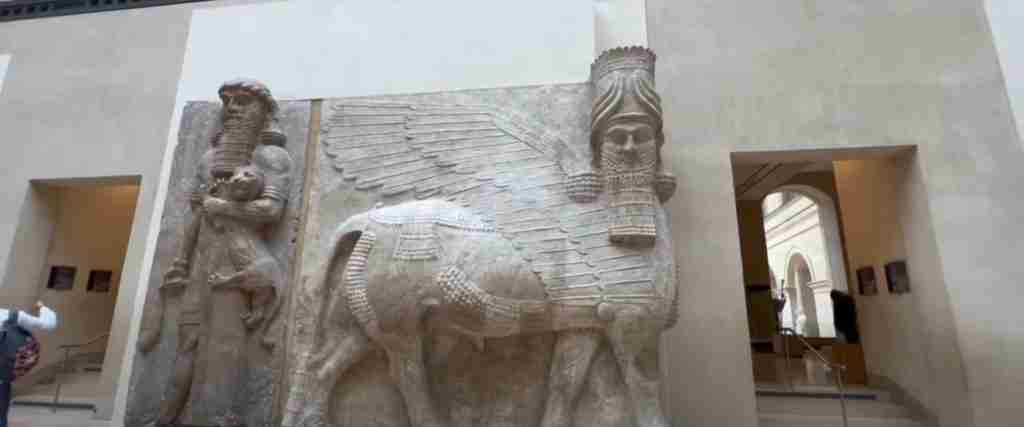
Sculpture Photography: Circular movement around three-dimensional works reveals different lighting angles and compositional opportunities throughout the viewing process.
Use directional gallery lighting to emphasize sculptural form through shadow and highlight patterns that reveal artistic intention and technical execution.
Multiple angles document sculptural complexity while individual shots capture specific viewpoints highlighting particular artistic achievements or details.
Architectural Detail Photography: Focus on architectural elements that provide historical context and artistic achievement beyond displayed artworks themselves.
Ceiling details, column capitals, and decorative elements demonstrate comprehensive artistic achievement throughout museum spaces.
Pattern recognition in architectural repetition creates abstract photographic opportunities that complement representational artwork photography.
Crowd Management and Timing Strategies
Optimal Photography Timing
Early Morning Advantages (9:00-10:30 AM): First entry provides 30-45 minutes of minimal crowd interference around major works, enabling clear photography of famous pieces without visitor obstruction.
Morning light through glass pyramid creates optimal natural illumination for central gallery photography with directional lighting and minimal artificial supplement.
Security personnel and museum staff are fully deployed and attentive, providing assistance with photography questions and location guidance.
Evening Photography Sessions (6:00-9:00 PM Wednesday/Friday): Extended evening hours offer dramatically different lighting conditions with theatrical gallery illumination creating atmospheric photography opportunities.
Reduced visitor numbers during evening hours enable extended photography sessions without time pressure or crowd interference affecting composition and execution.
Evening visitors tend to be serious art enthusiasts creating quieter, more contemplative atmosphere conducive to focused photography work.
Midday Strategy Adjustments: Use peak crowd periods (11:00 AM – 3:00 PM) for architectural photography, detail work, and lesser-known collections that attract fewer casual visitors.
Photograph crowd interactions and cultural engagement during busy periods to document the social aspect of museum experiences.
Respectful Photography Practices
Visitor Consideration: Quick photography followed by extended viewing demonstrates respect for other visitors while still achieving documentation goals.
Avoid blocking viewing access for extended periods, especially around popular works where crowds gather for limited viewing opportunities.
Use silent shooting modes to prevent camera noise from disturbing contemplative gallery atmosphere and other visitors’ cultural experiences.
Gallery Etiquette: Position yourself considerately when composing shots, avoiding disruption to traffic flow or other visitors’ viewing positions.
Wait for natural breaks in crowd patterns rather than pushing through groups or interrupting other visitors’ cultural engagement.
Offer to take photos for other visitors as gesture of courtesy and cultural sharing, often resulting in reciprocal assistance with your own photography needs.
Specific Photography Locations and Opportunities
Iconic Photographic Locations
Glass Pyramid Interior: Central pyramid provides dramatic architectural photography with geometric patterns, natural light, and unique perspective on modern museum architecture.
Underground pyramid view offers different geometric relationships and visitor scale references with interesting shadow patterns throughout the day.
Spiral staircase around pyramid creates leading lines and architectural detail opportunities for abstract and environmental photography.
Winged Victory Staircase: Daru staircase provides multiple photography angles for this iconic sculpture with dramatic lighting and architectural context.
Lower viewpoints emphasize sculpture monumentality while upper positions provide different perspective relationships and background opportunities.
Staircase architecture itself offers geometric composition opportunities and visitor scale references that complement sculpture photography.
Mona Lisa Gallery: Room 711 presents unique photography challenges due to crowds and protective barriers, requiring patience and creative approaches for meaningful images.
Focus on visitor reactions and cultural engagement rather than attempting artwork reproduction that security barriers make difficult.
Wide-angle photography captures room context and crowd dynamics that document cultural phenomena surrounding famous artwork.
Architectural Photography Opportunities
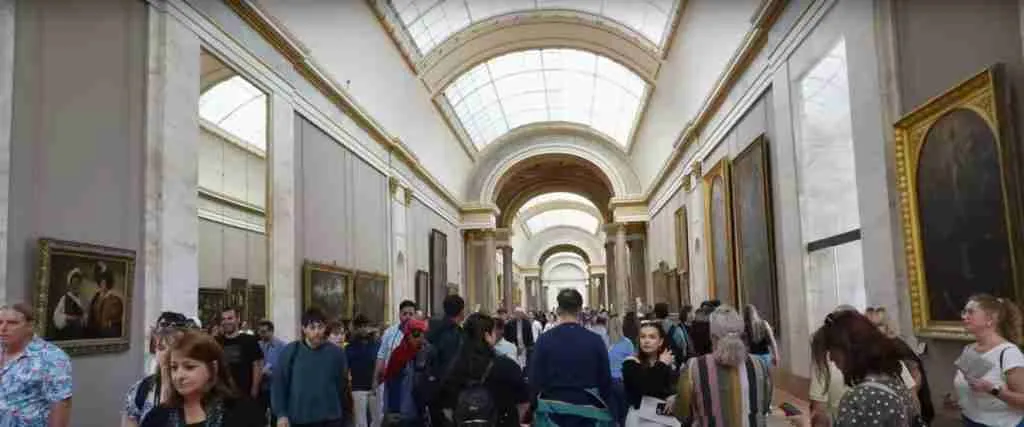
Grande Galerie: Long gallery provides excellent perspective photography with repetitive architectural elements creating rhythm and pattern opportunities.
Natural light from windows creates directional illumination for architectural detail work and visitor scale reference throughout extended interior space.
Gallery ceiling details and architectural ornament provide upward-looking compositional opportunities often overlooked by casual visitors.
Napoleon Apartments: Decorative arts galleries showcase period room photography with luxury furnishings and architectural details demonstrating 19th-century imperial style.
Rich decorative elements provide macro photography opportunities for surface textures, patterns, and material details.
Room lighting designed for period atmosphere creates warm, intimate photography conditions different from standard gallery illumination.
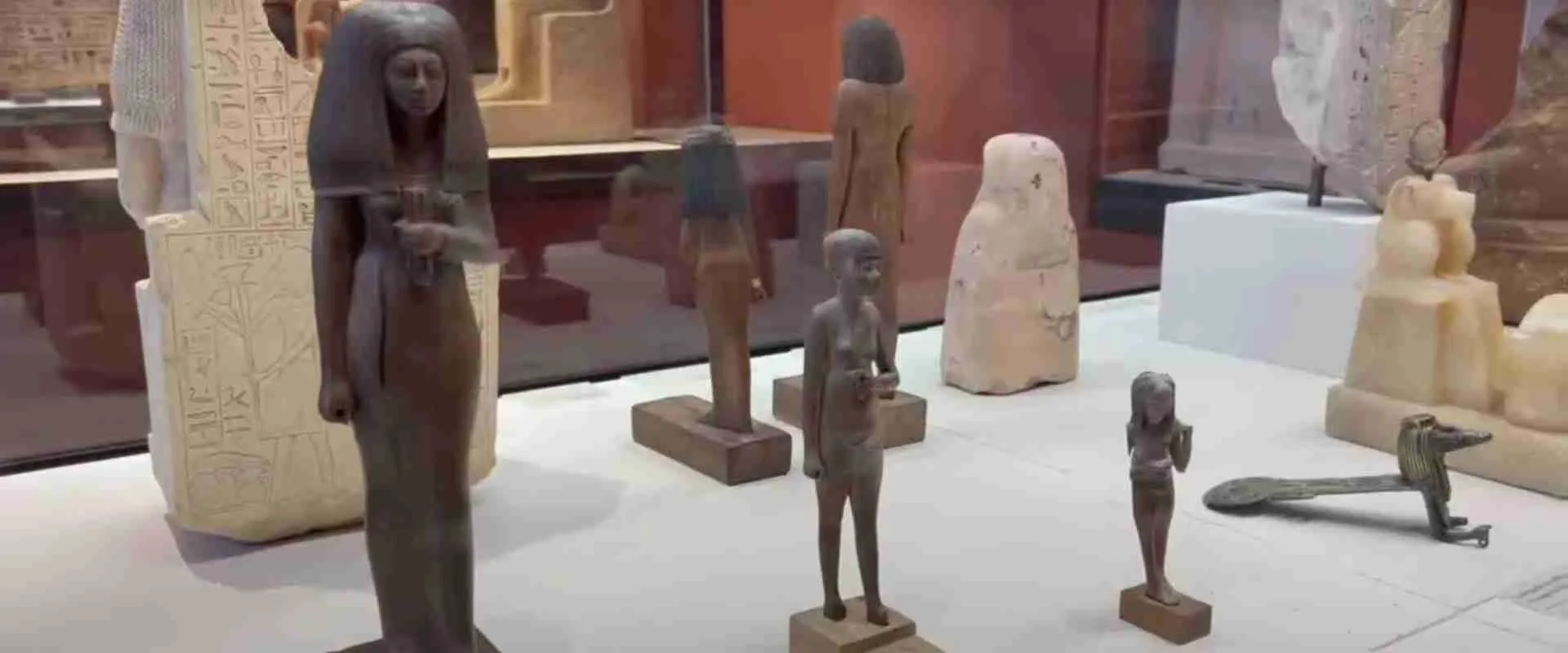
Ancient Egypt Galleries: Lower level galleries provide dramatic lighting for sculpture photography with atmospheric conditions emphasizing ancient cultural context.
Large-scale architectural elements like temple fragments offer environmental context for smaller artifacts and provide scale references.
Gallery design emphasizes dramatic lighting effects that enhance photography of three-dimensional ancient works.
Post-Processing and Digital Workflow
RAW Processing Techniques
Noise Reduction and Detail Enhancement: Modern RAW processors handle high-ISO museum photography effectively with sophisticated noise reduction algorithms that preserve detail while reducing sensor noise.
Luminance noise reduction more important than color noise for museum photography where color accuracy takes priority over absolute noise elimination.
Detail enhancement and clarity adjustments can restore fine artwork details that high ISO settings may soften during capture.
Color Correction and White Balance: Mixed lighting conditions require careful white balance adjustment to ensure accurate color reproduction for artwork documentation.
Custom white balance settings or post-processing correction ensures faithful color representation important for artwork photography.
Selective color adjustments can correct for specific lighting color casts while maintaining overall image naturalness.
Exposure and Dynamic Range Optimization: Shadow/highlight recovery tools help balance extreme contrast conditions common in dramatic gallery lighting.
Graduated adjustments can balance exposure differences between bright and dark gallery areas within single compositions.
Local adjustments enable fine-tuning of specific artwork areas without affecting overall image balance.
Creative Enhancement and Artistic Interpretation
Black and White Conversion: Monochrome processing emphasizes form, texture, and composition while eliminating color distractions that may compete with artistic content.
Different black and white conversion approaches can emphasize various aspects of artwork or architectural photography depending on creative goals.
Split-toning and selective colorization create artistic interpretations that enhance rather than compete with original artwork appreciation.
Architectural Correction: Lens correction and perspective adjustment ensure accurate architectural representation and eliminate distortion that may misrepresent museum spaces.
Keystone correction and perspective alignment create clean architectural lines that emphasize museum design excellence.
Selective corrections can address specific compositional issues while maintaining overall image naturalness and accuracy.
Legal and Ethical Considerations
Copyright and Usage Rights
Artwork Copyright Status: Many museum artworks remain under copyright protection requiring permission for commercial use, though personal photography is generally permitted under fair use provisions.
Ancient and historical works typically fall within public domain, but modern and contemporary pieces may have active copyright protection affecting usage rights.
Museum photography policies cover personal documentation but may restrict commercial usage, publication, or reproduction without specific permission.
Photography Rights and Restrictions: Personal use photography generally permitted throughout most museum areas, but commercial photography requires advance permission and may incur fees.
Social media sharing falls within personal use parameters, but large-scale reproduction or commercial exploitation requires different permission levels.
Professional photographers working on commercial projects must coordinate with museum media relations for proper licensing and access arrangements.
Cultural Sensitivity and Respect
Religious and Cultural Considerations: Some artworks represent religious or culturally sensitive subjects requiring respectful photographic treatment and thoughtful sharing decisions.
Sacred objects and religious artwork deserve respectful photography approaches that honor cultural significance beyond aesthetic considerations.
Indigenous and cultural artifacts may have specific cultural protocols affecting appropriate photography and sharing practices.
Visitor Privacy and Consent: Photographing other visitors requires consideration for privacy rights and cultural sensitivity regarding unwanted inclusion in tourist photography.
Crowd photography for environmental context differs from individual portrait photography requiring explicit consent for recognizable individuals.
Children and families deserve particular privacy consideration when documenting cultural engagement and museum experiences.
Frequently Asked Questions
Can I use a flash or external lighting in the Louvre?
No, flash photography is strictly prohibited throughout the museum as it damages artworks and disturbs other visitors. Use high ISO settings and image stabilization instead. External lighting equipment is also prohibited.
Are tripods allowed for photography in the Louvre?
No, tripods, monopods, and selfie sticks are prohibited throughout the museum. All photography must be handheld. Use image stabilization and proper breathing techniques for sharp images in low light.
What’s the best smartphone camera setting for Louvre photography?
Use manual or pro mode with ISO 800-1600, fastest aperture available, and enable optical image stabilization. Avoid digital zoom and use RAW capture if available for better post-processing flexibility.
Can I photograph the Mona Lisa?
Yes, photography is permitted, but protective barriers and crowds make close-up shots difficult. Focus on environmental context and visitor reactions rather than attempting detailed artwork reproduction.
How do I get sharp photos without a tripod in low museum lighting?
Use proper handholding technique, image stabilization, minimum 1/60s shutter speed, higher ISO settings (800-3200), and burst mode for multiple shots. Brace against walls or cases when possible.
Are there areas where photography is completely forbidden?
Most areas permit photography, but some temporary exhibitions may restrict it. Check for no-photography symbols and ask guards when uncertain. Special collections occasionally have restrictions for conservation reasons.
What’s the best time of day for museum photography?
Early morning (9:00-10:30 AM) provides optimal natural light and minimal crowds. Evening hours (Wednesday/Friday 6:00-9:00 PM) offer atmospheric lighting and fewer visitors for better photography conditions.
How do I handle reflections from glass-protected artworks?
Shoot at slight angles to the glass surface, use polarizing filters if permitted, and position yourself to avoid reflection zones. Sometimes reflection elimination requires moving to different viewing positions.
Can I sell photos taken at the Louvre?
Personal photography is permitted, but commercial use may require museum permission. Ancient works are generally public domain, but modern pieces may have copyright restrictions. Check specific artwork status for commercial usage.
What camera equipment should I bring for optimal Louvre photography?
Fast lenses (f/1.4-2.8), camera with good high-ISO performance, extra batteries, fast memory cards, and lens cleaning cloths. Avoid bulky equipment that complicates security screening and gallery navigation.