Los Glaciares 3-Day Itinerary 2026: First-Time Visitor Guide
This guide provides the detailed planning information you need for successful 2026 visits: exact costs with strategic disclaimers for accuracy, realistic time requirements based on actual conditions, booking deadlines that secure optimal experiences, weather contingencies that keep you safe, and insider knowledge that distinguishes prepared travelers from disappointed tourists. The itinerary accommodates various fitness levels through optional extensions and alternative activities while maintaining the core experiences that define Los Glaciares exploration.
Key Takeaways
- Perfect Introduction: This 3-day itinerary covers Los Glaciares National Park’s essential experiences: Perito Moreno Glacier, El Chaltén trekking, and glacier navigation tours in optimal sequence for first-time visitors in 2026
- Strategic Timing: The itinerary balances active trekking days with easier glacier viewing, allowing proper acclimatization while maximizing your limited time in Patagonia’s premier UNESCO World Heritage site
- Budget Planning: Expect total costs of $420-580 per person for three days excluding accommodation, with park entry fees, guided tours, meals, and transportation clearly itemized for accurate 2026 budget planning
- Booking Strategy: Reserve Perito Moreno walkways tickets and glacier navigation tours 2-3 months ahead for optimal 2026 summer season availability, while El Chaltén trails require no advance booking
- Flexibility Built-In: Weather contingencies and alternative options included for each day, essential for Patagonian conditions where wind and visibility can change rapidly
- Base Location: El Calafate serves as your accommodation base for all three days, offering superior lodging options, restaurants, and services compared to El Chaltén while keeping travel times manageable
Planning Your Los Glaciares Adventure in 2026
Los Glaciares National Park stands as Argentina’s most spectacular natural wonder, where massive ice rivers descend from the Southern Patagonian Ice Field into turquoise lakes surrounded by granite spires that pierce the sky. This UNESCO World Heritage site protects 726,927 hectares of pristine wilderness, including 47 major glaciers that flow from the continental ice cap, creating landscapes so dramatic they redefine your understanding of nature’s power and beauty.
Your three days in Los Glaciares in 2026 will introduce you to the park’s most accessible and impressive features through a carefully structured itinerary that balances iconic glacier viewing with authentic Patagonian trekking experiences. Day One focuses on Perito Moreno Glacier, the world’s most accessible advancing glacier where you’ll witness ice calving from multiple viewpoints and optional ice trekking. Day Two explores El Chaltén’s legendary trails beneath Mount Fitz Roy, offering Argentina’s finest day hiking with views that rival anywhere on Earth. Day Three takes you onto the waters of Lago Argentino for glacier navigation, approaching massive ice walls from sea level aboard comfortable expedition vessels.
This itinerary assumes El Calafate as your accommodation base for all three nights, the practical choice for first-time visitors in 2026. El Calafate offers international airport access, extensive lodging options from budget hostels to luxury lodges, established restaurant scene, reliable tour operators, and superior infrastructure compared to El Chaltén. The town sits just 80 kilometers from Perito Moreno and 215 kilometers from El Chaltén, making both destinations feasible for day trips while ensuring comfortable evenings with hot showers, varied dining options, and evening amenities after long days exploring.
Weather planning proves critical in Patagonia where conditions change hourly. Summer months December through February 2026 offer optimal conditions with 14-16 hours daylight, temperatures reaching 15-25°C during day (though wind chill reduces this significantly), and lowest precipitation probability. Shoulder seasons October-November and March 2026 deliver fewer crowds and lower prices but bring higher wind speeds, shorter days, and increased rain probability. Winter May-September sees many services closed, extreme cold, and limited daylight, making it unsuitable for this itinerary.
The three-day structure provides comprehensive introduction without overwhelming first-time visitors. You’ll experience the park’s three distinct environments: the accessible glacier walkways of Perito Moreno, the mountain trails of El Chaltén, and the water-level glacier approaches of Lago Argentino. Each day builds on the previous, increasing your understanding of glacial processes, Patagonian ecology, and the unique challenges of exploring one of Earth’s most remote protected areas. By the end of three days, you’ll have photographed calving ice, hiked beneath Patagonia’s most famous peaks, sailed past towering blue ice walls, and gained lasting appreciation for why Los Glaciares earned UNESCO protection.
People Also Ask About Los Glaciares 2026
How much does a 3-day Los Glaciares trip cost in 2026?
A 3-day Los Glaciares itinerary costs $420-580 per person excluding accommodation in 2026, covering park entry ($17 per person for the 3-day period), Perito Moreno access, El Chaltén transportation and trekking, glacier navigation tour, all meals, and local transport. Budget travelers using hostel accommodation and preparing some meals spend $650-850 total for three days including lodging. Mid-range visitors choosing comfortable hotels and restaurant meals invest $1,100-1,400 for the complete three-day experience. Luxury travelers selecting premium lodges and private tours budget $2,000-3,000 for three days. These figures include all activities in this itinerary plus accommodation appropriate to each budget level, providing accurate planning numbers for 2026 Los Glaciares trips.
Is 3 days enough for Los Glaciares National Park in 2026?
Three days provides excellent introduction to Los Glaciares covering the park’s essential highlights: Perito Moreno Glacier from walkways, El Chaltén’s classic trails including Laguna de los Tres or Laguna Torre, and glacier navigation on Lago Argentino viewing Upsala and Spegazzini glaciers. This duration works perfectly for first-time visitors with limited Patagonia time, allowing comprehensive experience of the park’s three distinct zones without requiring extended vacation time or excessive transportation costs. Five days enables adding ice trekking on Perito Moreno, multi-day trek to Laguna Torre base camp, additional El Chaltén trails, and possible Estancia Cristina visit. Seven days incorporates everything plus El Chaltén to Fitz Roy base camp overnight trek, multiple glacier navigation tours, and weather buffer days. Three days represents the minimum for meaningful Los Glaciares experience while maintaining sustainable pace without exhaustion.
What is the best base location for Los Glaciares in 2026?
El Calafate serves as the optimal base for this 3-day itinerary in 2026, offering international airport access, 200+ accommodation options spanning budget hostels to luxury lodges, established restaurant and cafe scene, reliable tour operators with daily departures, evening entertainment and amenities, and strategic location 80 kilometers from Perito Moreno and 215 kilometers from El Chaltén. Staying in El Calafate means returning to comfortable beds, hot showers, and varied dining after long activity days, crucial for recovery and enjoyment. El Chaltén provides authentic mountain village atmosphere and immediate trailhead access but offers limited accommodation options, basic restaurant selection, no airport, and requires 3-hour bus transfer from El Calafate. Most first-time visitors in 2026 prefer El Calafate’s superior infrastructure while making El Chaltén a rewarding day trip, maximizing both comfort and authentic experiences.
When should I book Los Glaciares activities for 2026?
Book Perito Moreno walkways access and glacier navigation tours 2-3 months ahead for 2026 summer season (December-February), when daily visitor limits and tour vessel capacities fill weeks in advance. Advance booking secures preferred departure times, optimal weather windows, and English-speaking guides while avoiding disappointment from sold-out dates. El Chaltén trekking requires no advance booking since trails remain open access, but reserve accommodation in El Calafate 3-4 months ahead for peak season to secure good value and preferred locations near town center. Shoulder season visitors (October-November, March) book 4-6 weeks ahead with more availability and flexibility. Tour operators begin accepting 2026 summer bookings in September-October 2025, with early booking sometimes qualifying for 5-10% discounts. Travel insurance purchased at booking time protects against cancellations from weather, health issues, or travel disruptions common in remote Patagonia.
Extended multi-day tours – 5+ days
Featured Park Los Glaciares National Park Multi-Day Tour Packages
9 days
Patagonia Hiking
- ✓ Comprehensive Park Los Glaciares National Park tour
- ✓ Expert local guides included
- ✓ All accommodation arranged
- ✓ Transportation provided
4 days
Land of Glaciers: El Calafate
- ✓ Comprehensive Park Los Glaciares National Park tour
- ✓ Expert local guides included
- ✓ All accommodation arranged
- ✓ Transportation provided
3 days
3-Day El Calafate Escape with Optional Airfare from Buenos Aires
- ✓ Comprehensive Park Los Glaciares National Park tour
- ✓ Expert local guides included
- ✓ All accommodation arranged
- ✓ Transportation provided
4 days
4 Days and 3 Nights: El Calafate & El Chalten Majestic Wonders
- ✓ Comprehensive Park Los Glaciares National Park tour
- ✓ Expert local guides included
- ✓ All accommodation arranged
- ✓ Transportation provided
Multi-day tour packages powered by TourRadar. Prices and availability subject to change.
Essential Planning Information 2026
Park Entry and Access Requirements
Los Glaciares National Park charges entry fees of 17,000 Argentine pesos (approximately $17) for international visitors in 2026, valid for three consecutive days from first entry. Check the official Parques Nacionales website for current rates as Argentine peso fluctuations affect pricing. Purchase entry permits at park gates when arriving at Perito Moreno Glacier or El Chaltén, accepting cash Argentine pesos or credit cards. The fee grants access to all park areas including Perito Moreno walkways, El Chaltén trails, and Lago Argentino shorelines, though separate tickets apply for ice trekking tours and glacier navigation vessels. Entry permits remain non-transferable and require passport presentation for international visitor rates.
El Calafate serves as the entry point for most visitors, hosting Comandante Armando Tola International Airport (FTE) with direct flights from Buenos Aires (3 hours, $150-350 roundtrip), seasonal connections from Ushuaia, El Chaltén, and Bariloche, plus increasing international services during peak summer 2026 season. The airport sits 20 kilometers from town center, connected by shuttle buses ($8-12 per person), remises (private cars, $15-25 per car), and rental vehicles. Book airport transfers alongside accommodation for seamless arrival, especially important after long travel days from Buenos Aires or international connections.
Weather and Seasonal Conditions 2026
Patagonian weather demands respect and preparation regardless of season. Summer December-February 2026 delivers optimal conditions with daytime temperatures 15-25°C in valleys, fierce winds 40-70 km/h most afternoons, occasional rain showers, and 14-16 hours of daylight enabling long activity days. Morning starts at 6-7 AM capture best light and calmest conditions before wind intensifies around noon. Shoulder seasons October-November and March offer fewer crowds, lower prices, and excellent photography light but bring stronger winds, shorter days, and increased precipitation probability. Spring October-November sees ice calving peak at Perito Moreno as warmer temperatures accelerate glacial movement.
Pack layered clothing regardless of season: thermal base layer, insulating mid-layer fleece, windproof and waterproof outer shell, warm hat covering ears, neck gaiter or balaclava, quality gloves, sturdy hiking boots broken in before arrival, and UV-protection sunglasses essential for glacier viewing. Patagonian wind creates severe wind chill, making 15°C feel like 5°C during afternoon gusts. Weather changes hourly in mountains, with El Chaltén experiencing rapid transitions from sunshine to rain to wind to clear skies within single treks. Pack rain gear in daypack for all activities regardless of morning forecast.
Fitness Requirements and Activity Levels
This itinerary accommodates moderate fitness levels with options for both easier and more challenging experiences. Day One Perito Moreno walkways involve 1-2 hours walking on maintained paths with stairs and viewing platforms, manageable for most visitors. Optional ice trekking adds 3-5 hours on glacier wearing crampons, requiring good balance and moderate endurance. Day Two El Chaltén trails range from easy Laguna Capri (2 hours roundtrip, minimal elevation) to demanding Laguna de los Tres (8 hours, 400-meter final ascent) based on your abilities and ambitions. Day Three glacier navigation requires no physical exertion beyond boarding vessels and walking on stable decks.
Altitude proves minimal concern since El Calafate sits at 200 meters elevation and highest point in this itinerary (Laguna de los Tres viewpoint) reaches 1,200 meters, below levels causing altitude sickness. However, Patagonian wind and weather create physical challenges beyond simple distance or elevation. Wind fatigue accumulates over long days, making afternoon activities more exhausting than morning efforts. Build rest time into your schedule, stay hydrated at 2-3 liters daily despite cool temperatures, and listen to your body’s signals about pacing and breaks.
Currency and Payment Methods 2026
Argentina operates dual exchange rate system in 2026, with official rate and blue dollar rate (unofficial exchange) showing significant differences. US dollars provide best value when exchanged locally at casas de cambio (exchange houses) in El Calafate rather than using ATMs or official bank rates. Bring clean, new US dollar bills ($50 and $100 denominations) for optimal exchange rates, as torn or marked bills receive reduced rates or rejection. Credit cards work at established hotels, restaurants, and tour operators but incur less favorable exchange rates compared to cash transactions.
Budget $100-150 cash daily per person for meals, tips, snacks, and incidental expenses beyond pre-booked tours and accommodation. ATMs in El Calafate dispense Argentine pesos but apply official exchange rate and charge international withdrawal fees of $5-8 per transaction plus your bank’s foreign transaction fees. Exchange enough cash upon arrival to cover several days, as exchange houses offer more favorable rates than on-the-fly ATM withdrawals. Keep small denomination bills (500-1,000 peso notes) for taxis, snacks, and casual purchases, as vendors struggle making change from large bills.
Day 1: Perito Moreno Glacier Experience
Morning: Perito Moreno Walkways 7 AM – 12 PM
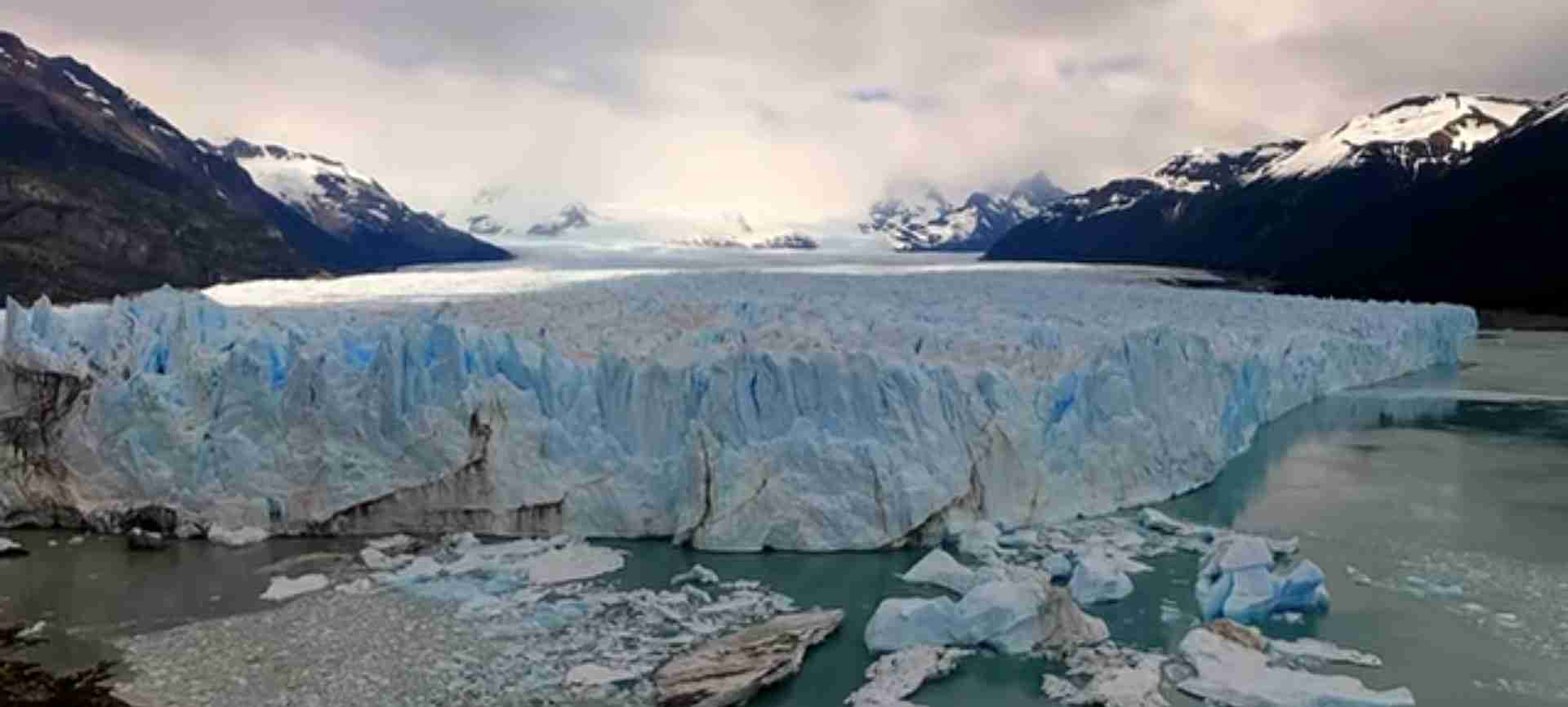
Begin your Los Glaciares adventure at Perito Moreno Glacier, the park’s most accessible and spectacular ice formation, where advance booking secures entry for peak 2026 summer season (check Parques Nacionales website for current reservation requirements and pricing). Depart El Calafate at 7 AM for the 80-kilometer drive southwest on well-maintained Route 11, arriving at park entrance by 8 AM to purchase entry permits ($17 per person for 3-day access) before reaching glacier walkways by 8:30 AM. Early arrival provides crucial advantages: capturing golden morning light illuminating the glacier’s blue ice, experiencing calmer winds before afternoon gusts intensify, viewing the glacier before tour buses arrive around 10 AM, and securing optimal positioning on viewing platforms for calving events.
The Perito Moreno walkways system extends for 4 kilometers along the peninsula facing the glacier’s southern terminus, featuring multiple viewing platforms at different elevations providing varied perspectives on this 5-kilometer-wide, 60-meter-high ice wall. Lower walkways place you at water level just 400 meters from the glacier face, where the proximity creates visceral impact as house-sized ice chunks calve into Brazo Rico with thunderous cracks echoing across the water. Middle platforms offer comprehensive overview showing how the glacier flows from the ice field, navigates through the mountain pass, and terminates at the lake. Upper walkways provide photographer’s paradise with elevated angles capturing the glacier’s massive scale against surrounding peaks.
Spend 2-3 hours walking between platforms, allowing time to position yourself for calving events that occur irregularly but frequently enough that patient observers witness dramatic ice falls during extended visits. Major calving events happen when large ice sections separate from the glacier face, creating spectacular displays visible across the lake and audible for kilometers. Smaller calving occurs continuously as the glacier advances 2 meters daily, making Perito Moreno one of few advancing glaciers worldwide in an era of general glacial retreat. Bring binoculars for detail viewing, extra camera batteries as cold drains power quickly, and patience for positioning on popular platforms during crowded periods.
The walkways cafeteria serves coffee, sandwiches, and snacks at premium prices ($8-15 per item) with limited seating and long lines during peak hours 10 AM-2 PM. Bring your own snacks and water bottles (refill at bathrooms) for better value and flexibility. Bathroom facilities exist at cafeteria only, requiring planning around your walkway route. Weather protection proves essential even on sunny mornings as wind accelerates through the valley, creating wind chill that makes 15°C feel like 5°C. Layer clothing with windproof outer shell, keep hat and gloves accessible, and seek shelter behind viewing platform windbreaks during strongest gusts.
Afternoon: Optional Ice Trekking 2 PM – 6 PM
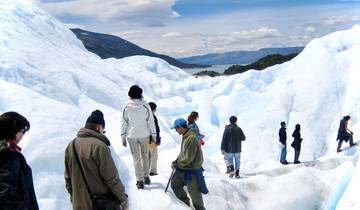
For visitors seeking immersive glacier experience beyond viewing, ice trekking on Perito Moreno delivers unforgettable adventure walking across the glacier’s surface wearing crampons among ice formations ranging from delicate sculptures to towering seracs. Two ice trekking options serve different abilities and ambitions in 2026. Mini Trekking (3 hours on ice, $185-220 per person, ages 18-55, moderate fitness required) provides substantial glacier experience with 1.5 hours walking on ice wearing crampons, exploring crevasses and ice caves under guide supervision. Big Ice (5 hours on ice, $265-310 per person, ages 18-50, good fitness required) extends the experience deeper into the glacier with 3 hours on ice reaching more remote formations and ice features inaccessible on shorter tours.
Reserve ice trekking tours 2-3 months ahead for 2026 summer season through operators like Hielo y Aventura, the exclusive concessionaire for Perito Moreno ice access. Check operator websites for current official rates as glacier tour pricing fluctuates with currency and operational costs. Tours include boat crossing of Brazo Rico ($5 included in tour price), crampons and safety equipment, expert guide providing glaciology interpretation, and approximately 1 hour walking to and from ice access point. Groups limited to 12-15 participants ensure personalized attention and safety management on the ice.
Ice trekking requires sturdy hiking boots (rigid sole, ankle support, waterproof), layered clothing that allows movement but provides warmth, and physical ability to walk on uneven surfaces while wearing crampons. Guides provide crampon fitting and basic training before accessing ice, but previous experience helps with confidence. The experience proves transformative as you walk through blue ice tunnels, peer into deep crevasses showing layers of compressed snow from centuries past, drink pure glacier meltwater from surface streams, and gain understanding of glacial dynamics impossible from distant viewing platforms.
Skip ice trekking if your budget limits prevent the $185-310 cost, if your fitness level creates uncertainty about completing the trek, if weather conditions deteriorate making ice access dangerous, or if you prefer maximizing time on walkways for calving observation and photography. The walkways provide excellent glacier experience without additional cost or physical demands, making ice trekking optional enhancement rather than essential element.
Evening: Return to El Calafate and Dinner
Return to El Calafate by 7 PM for dinner and rest after your full glacier day. El Calafate’s restaurant scene focuses on Patagonian specialties with excellent value in 2026. La Tablita serves traditional Argentine parrilla (grilled meats) with full dinners $25-40 per person including wine, featuring Patagonian lamb as regional specialty. Pura Vida offers casual atmosphere with pasta, pizza, and local dishes $18-30 per person, popular with travelers seeking comfortable setting and reliable food. Casimiro Bigua provides upscale dining $45-70 per person with innovative Patagonian cuisine, extensive wine list, and elegant ambiance worth celebrating your first Los Glaciares day.
Budget travelers find value at La Lechuza with empanadas $3-5 each and simple mains $12-18, or purchase groceries at supermarkets for in-room dinners reducing costs substantially. Mid-range visitors enjoy varied options along Avenida Libertador, the main tourist street, with international cuisines, brewpubs serving craft beers, and cafes offering evening coffee and desserts. Evening activities include visiting Ice Museum (Glaciarium) if missed earlier, evening walk along Lago Argentino waterfront, or simply resting for tomorrow’s demanding El Chaltén trek.
Day 1 Cost Summary
Park entry €17, Perito Moreno walkways access included in entry, optional ice trekking $185-220 (Mini) or $265-310 (Big Ice), breakfast in El Calafate $8-15, cafeteria snacks $8-12, dinner $18-40. Total Day 1 cost: $51-84 per person without ice trekking, $236-330 per person with ice trekking (excluding accommodation).
Day 2: El Chaltén Trekking Adventure
Early Departure to El Chaltén 6 AM – 9 AM
Depart El Calafate by 6 AM for the 215-kilometer journey north to El Chaltén, Argentina’s trekking capital nestled beneath Mount Fitz Roy’s dramatic spires. Multiple bus companies operate this route in 2026 including Cal-Tur, Chaltén Travel, and Taqsa, with departures at 6 AM, 7 AM, and 8 AM daily during summer season. Book tickets 2-3 days ahead online or at El Calafate bus terminal for guaranteed seating, costing $25-35 per person one-way with return tickets purchased separately for schedule flexibility. The journey takes 3 hours along Route 40 through spectacular Patagonian steppe, passing estancias (ranches), guanaco herds, and increasingly dramatic mountain views as you approach El Chaltén.
Buses arrive at El Chaltén terminal at 9-10 AM depending on departure time and road conditions. The village requires mandatory orientation at Parques Nacionales ranger station upon arrival, presenting passport for entry registration and receiving trail conditions briefing, weather forecast, and safety requirements taking 15-20 minutes. This orientation proves invaluable for understanding current trail status, river crossing conditions, and weather warnings that affect your hiking plans. Rangers provide printed trail maps, recommend routes matching your abilities and available time, and emphasize safety protocols for Patagonian mountain trekking.
El Chaltén feels different from El Calafate immediately upon arrival: smaller scale (2,000 residents vs. 25,000), mountain village atmosphere vs. tourist town, hiking-focused services vs. general tourism, and surrounded by peaks vs. situated on lake plains. The entire village spans 15 blocks, making orientation simple and trailheads reachable on foot from any location. Morning arrival provides full day for trekking, with most trails requiring 4-8 hours roundtrip from village center.
Trekking Options: Choose Your Adventure 10 AM – 5 PM
El Chaltén offers Argentina’s finest day hiking with trails ranging from easy riverside walks to demanding mountain ascents, all starting from village center without need for private transport or guide services. Your second day in Los Glaciares presents choice based on fitness, ambition, and weather conditions, with three primary options covering different difficulty levels and rewards.
Option A: Laguna de los Tres (Fitz Roy Base Camp) represents El Chaltén’s signature trek, combining river valley approach with spectacular payoff viewing Mount Fitz Roy from alpine lagoon at its base. The trail extends 20 kilometers roundtrip requiring 8-10 hours walking, beginning with gentle ascent through lenga forest along Río Blanco valley for 9 kilometers before reaching Campamento Poincenot base camp. Here the route steepens dramatically with final 400-meter ascent gaining elevation through rocky switchbacks emerging above treeline to Laguna de los Tres viewpoint. Fitz Roy’s granite spires tower directly above the turquoise lagoon, creating Patagonia’s most iconic view worth every step of the demanding climb.
Begin Laguna de los Tres trek at 10 AM from Madsen trailhead at village edge, reaching Campamento Poincenot by 12:30-1 PM for lunch break before final ascent. Allow 1.5-2 hours for the steep final section, arriving at lagoon by 2:30-3 PM for optimal afternoon light on Fitz Roy’s east face. Spend 30-60 minutes at the viewpoint photographing the peaks, resting before descent, and absorbing the dramatic landscape. Descend same route reaching El Chaltén by 6-7 PM. The trail requires moderate-high fitness for elevation gain and distance, brings no technical climbing or exposure, and rewards effort with world-class mountain scenery justifying El Chaltén’s reputation.
Option B: Laguna Torre provides excellent alternative with easier hiking and different scenery focusing on Cerro Torre’s distinctive needle spire rising above glacier-fed lagoon. This route covers 18 kilometers roundtrip requiring 6-7 hours, following Río Fitz Roy valley through gentle terrain before gradual ascent to the lagoon viewpoint. The trail demands less fitness than Laguna de los Tres with minimal elevation gain, making it ideal for visitors preferring relaxed pace or uncertain about eight-hour trek. Laguna Torre delivers spectacular rewards: Cerro Torre’s vertical granite spike, surrounding spires forming dramatic skyline, terminal moraine overlooking glacier remnants, and comprehensive Fitz Roy massif views from different angle than Laguna de los Tres.
Start Laguna Torre trek at 10:30 AM from village, walking along generally flat valley trail reaching lake by 1:30 PM for extended lunch and photography session. The lagoon’s setting provides perfect midday rest with glacier views, sheltered spots escaping wind, and excellent photography opportunities. Return same route reaching El Chaltén by 5-6 PM with energy remaining for evening activities. This option suits visitors prioritizing quality over difficulty, those wanting shorter day after yesterday’s Perito Moreno experience, or travelers hiking with less-experienced companions.
Option C: Laguna Capri and Mirador Fitz Roy combines short morning hike with afternoon rest and village exploration, ideal for visitors wanting El Chaltén experience without full-day commitment. Laguna Capri sits just 2 hours roundtrip from village, offering excellent Fitz Roy views across photogenic lake perfect for morning light photography. Continue to Mirador Fitz Roy viewpoint adding 1 hour for elevated perspective over valley. These shorter routes provide authentic El Chaltén hiking with manageable distance, returning to village by early afternoon for lunch, craft beer at local brewpub, equipment shopping, and relaxation before evening bus return.
Trail Conditions and Safety Requirements
All El Chaltén trails remain unmarked wilderness routes following cairns (rock piles) and worn paths rather than maintained trails with signage. Navigation proves straightforward in good visibility as trails receive heavy use creating obvious paths, but fog or snow obscure markers making route-finding challenging. Download maps.me offline maps before arrival, providing GPS navigation when cellular service fails beyond village. Rangers strongly recommend against solo hiking, encouraging groups of 2-3 minimum for safety and emergency assistance.
Weather changes rapidly in Fitz Roy massif with morning sunshine transforming to afternoon storms within hours. Start early capturing calmest conditions and allowing retreat before weather deteriorates. Pack extra layers, rain gear, emergency snacks, and first aid supplies in daypack regardless of morning forecast. River crossings on trails involve walking on logs or hopping stones, requiring care when water runs high from glacier melt or recent rain. Turn back if conditions deteriorate beyond comfort level, as Patagonian mountains deserve respect and trails remain accessible for return visits.
Evening Return to El Calafate 6 PM – 9 PM
Return buses depart El Chaltén at 6 PM, 6:30 PM, and 7:30 PM for El Calafate, arriving 9-10:30 PM depending on departure time. Book return tickets either at El Chaltén terminal morning of travel or online advance if preferring guaranteed seating on specific departure. Late arrival means simple dinner in El Calafate focusing on quick service and light meals after your substantial hiking day. Grab empanadas at late-night vendors $3-5 each, order pizza delivery to accommodation $12-20, or visit restaurants near accommodation staying open until 11 PM.
Day 2 Cost Summary
Bus roundtrip El Calafate-El Chaltén $50-70, breakfast in El Calafate $8-15, packed lunch snacks $12-18, trail snacks and water $8-12, dinner $15-30. Total Day 2 cost: $93-145 per person (excluding accommodation).
Day 3: Upsala and Spegazzini Glaciers Navigation 2026
Morning: Glacier Navigation Departure 8 AM – 9 AM
Your final Los Glaciares day explores the park from water level aboard glacier navigation vessels crossing Lago Argentino to remote ice walls inaccessible by land. Multiple operators run full-day glacier cruises in 2026 including Solo Patagonia, Fernández Campbell, and René Fernández, departing Puerto Banderas (45 kilometers west of El Calafate) between 8-9 AM and returning 4-6 PM. Reserve navigation tours 2-3 months ahead for summer 2026 season, costing $180-240 per person including boat transportation, onboard guide, and approaching multiple glaciers. Check operator websites for current official rates as cruise pricing varies with fuel costs and seasonal demand.
Tours include private transfer from El Calafate accommodation to Puerto Banderas departing 7-7:30 AM, or self-drive if renting vehicle with free parking at port. Puerto Banderas serves as embarkation point for all glacier navigation vessels, featuring modern terminal with bathrooms, snack shop, and waiting area. Arrive 30 minutes before scheduled departure for check-in, boarding pass, and safety briefing. Vessels range from large capacity boats carrying 100-150 passengers with multiple decks to smaller expedition-style vessels with 30-50 passengers providing more intimate experience, with pricing varying accordingly.
Dress in layers for unpredictable lake weather, bringing windproof jacket (essential for deck time), warm hat and gloves, UV-protection sunglasses, camera with extra batteries and memory cards, and binoculars for wildlife spotting. Vessels provide indoor heated cabins for warming breaks, outdoor deck space for viewing and photography, bathroom facilities, and small cafeteria selling sandwiches, coffee, and snacks at elevated prices. Pack your own lunch and snacks for better value and dietary control during the 8-hour journey.
Upsala Glacier Approach 10 AM – 12 PM
The navigation begins crossing Lago Argentino’s main body toward the northwest arm containing Upsala Glacier, Argentina’s longest glacier at 60 kilometers extending from Southern Patagonian Ice Field to lake level. The 90-minute crossing passes scattered icebergs of increasing size and vivid blue color as you approach the glacier terminus, creating dramatic foreground for photography. Icebergs calved from Upsala and other glaciers drift across the lake for weeks before melting, some measuring house-sized with complex sculptural forms revealing layers of compressed ice accumulated over centuries.
Upsala Glacier faces recession challenges in recent decades, with terminus retreating several kilometers and ice wall height decreasing from previous 60-meter elevations. Despite retreat, the glacier maintains impressive scale with 5-kilometer-wide ice front stretching across the fjord’s width. Vessels approach within 500-800 meters (exact distance varies by ice and weather conditions) providing close views of the glacier’s fractured surface, blue ice walls, and calving events that occur regularly as unstable ice sections break free. The glacier’s remote location and large scale create wilderness atmosphere distinct from Perito Moreno’s accessible walkways, emphasizing the ice field’s vast extent beyond areas reachable overland.
Guides provide glaciology commentary explaining ice formation, glacier movement, climate change impacts on Patagonian glaciers, and the unique dynamics of Upsala’s rapid recession. Understanding these processes enhances appreciation for the privilege of witnessing these ice rivers in person, as they transform visibly within human timescales rather than geological epochs. Photography proves excellent from vessel decks with opportunities for wide-angle glacier landscapes, telephoto ice detail shots, and iceberg closeups as the boat navigates around floating ice.
Spegazzini Glacier Experience 1 PM – 3 PM
After Upsala viewing, vessels navigate to Spegazzini Glacier via Brazo Spegazzini, a narrow fjord leading to the glacier face towering 135 meters above water level (making it the highest glacier wall in Los Glaciares accessible by boat). The approach through the fjord builds anticipation as ice walls grow progressively taller, creating dramatic perspective on glacial scale. Spegazzini maintains stable position unlike retreating Upsala, with massive ice face presenting vertical wall of compressed blue ice rising over ten stories above the lake surface.
Vessels approach to within 200-300 meters of Spegazzini’s face (closer than Upsala due to less ice calving activity), allowing exceptional views of the glacier’s layered structure, vertical crevasses creating geometric patterns, deep blue color of dense ancient ice, and occasional calving events sending ice chunks into the lake. The glacier’s stability and accessible approach make it ideal for photography, with various angles possible as vessels maneuver in the bay. Some tours include disembarkation at nearby shore for walking on terminal moraine with elevated views of the glacier from land, adding terrestrial perspective to the water-level viewing.
Lunch break occurs either during Spegazzini viewing or at nearby sheltered bay, with vessels pausing engines allowing passengers to eat while surrounded by glacier scenery. Onboard cafeterias sell sandwiches $12-18, coffee $4-6, and snacks $5-10, or bring your own food prepared in El Calafate before departure. The midday break provides opportunity to warm in heated cabins, review morning photos, and rest before return journey across Lago Argentino.
Return Journey and Wildlife Viewing 3 PM – 5 PM
The return navigation crosses Lago Argentino’s central expanse, passing Bahía Onelli where some tours include brief approach to view Onelli Glacier from distance (without disembarkation). Wildlife sightings increase on return journey as afternoon activity peaks: Andean condors soaring on thermals, black-necked swans feeding in shallows, occasional flamingos in protected bays, and imperial cormorants nesting on rocky outcrops. Guides point out wildlife and provide natural history interpretation complementing morning’s glaciology focus.
Photography opportunities continue throughout return with changing light illuminating icebergs differently than morning crossing, mountains surrounding the lake emerging from shadows, and potential for dramatic clouds as afternoon weather systems develop. Position yourself on port or starboard side (guides indicate optimal direction) for best light angles and glacier views. Vessels arrive Puerto Banderas by 5-6 PM, with transfers returning you to El Calafate accommodation by 6:30-7 PM.
Final Evening in El Calafate
Celebrate your three-day Los Glaciares adventure with quality dinner reflecting on experiences from Perito Moreno walkways through El Chaltén trekking to today’s glacier navigation. Choose upscale restaurant like Casimiro Bigua for special meal $45-70 per person, or enjoy casual atmosphere at La Tablita with excellent Patagonian lamb $25-35 per person. Evening options include visiting craft breweries like Chopen sampling local beers, walking along Laguna Nimez nature reserve bordering El Calafate for sunset views over Lago Argentino, or browsing souvenir shops for Patagonian crafts and wool goods.
Pack tonight for tomorrow’s departure, organize your photos and memories from three transformative days in Argentina’s glacier paradise, and rest before travel connections onward. The experiences you’ve accumulated – watching ice calve from Perito Moreno, hiking beneath Fitz Roy’s granite spires, and navigating among towering ice walls – provide lifetime memories and deep appreciation for why Los Glaciares earned UNESCO World Heritage designation protecting these irreplaceable natural treasures.
Day 3 Cost Summary
Glacier navigation tour $180-240, breakfast in El Calafate $8-15, packed lunch and snacks $15-22, dinner $25-50. Total Day 3 cost: $228-327 per person (excluding accommodation).
Sample 2026 Budget Breakdown
Three-Day Core Activity Costs
The following budget breakdown provides realistic 2026 costs for three days in Los Glaciares following this itinerary, separated by cost category for transparent planning. All figures represent per-person costs in US dollars with ranges reflecting seasonal variation, booking timing, and service level choices.
Park Entry and Admissions:
- Los Glaciares 3-day entry permit: $17
- Perito Moreno walkways: Included in park entry
- El Chaltén trails: Free open access
Major Activities and Tours:
- Optional Perito Moreno ice trekking Mini: $185-220
- Optional Perito Moreno ice trekking Big Ice: $265-310
- Glacier navigation day tour: $180-240
Transportation:
- El Calafate airport shuttle: $8-12
- Bus El Calafate to El Chaltén roundtrip: $50-70
- Local transport and taxis: $15-25 total three days
Meals:
- Breakfast (3 days): $24-45 ($8-15 daily)
- Lunch (3 days): $45-75 ($15-25 daily)
- Dinner (3 days): $60-120 ($20-40 daily)
- Snacks and beverages: $25-40
Total Three-Day Costs by Scenario:
Scenario A – Core Itinerary without Ice Trekking:
Park entry $17, glacier navigation $180-240, El Chaltén transport $50-70, local transport $15-25, meals $154-280. Total: $416-632 per person excluding accommodation.
Scenario B – Full Experience with Mini Ice Trekking:
Core itinerary $416-632, Mini ice trekking $185-220. Total: $601-852 per person excluding accommodation.
Scenario C – Ultimate Adventure with Big Ice:
Core itinerary $416-632, Big Ice trekking $265-310. Total: $681-942 per person excluding accommodation.
Accommodation Options 2026
El Calafate accommodation ranges from budget hostels to luxury lodges, with three-night stays (check-in Day 1, check-out Day 4) falling into these categories:
Budget Tier ($25-45 per person per night):
Hostels with shared dormitory rooms, basic private rooms in budget hotels, shared bathrooms, simple breakfast included, basic amenities. Three nights: $75-135 per person. Recommended hostels include America del Sur, Calafate Hostel, and I Keu Ken offering reliable budget accommodation with social atmosphere and basic services.
Mid-Range Tier ($80-140 per person per night):
Comfortable hotels with private rooms and bathrooms, full breakfast included, WiFi and heating, central locations near restaurants and services. Three nights: $240-420 per person. Recommended options include Hotel Schilling, Patagonia Rebelde, and Sierra Nevada offering good value with professional service and complete amenities.
Luxury Tier ($200-400 per person per night):
Premium lodges and boutique hotels with superior rooms, gourmet breakfast included, spa services, lake views, concierge assistance, refined atmosphere. Three nights: $600-1,200 per person. Top properties include Eolo Patagonia’s Spirit, Design Suites Calafate, and Alto Calafate Hotel delivering exceptional experiences worth celebrating special occasions.
Complete Trip Budget Examples 2026
Budget Traveler: Core itinerary without ice trekking $416-632, hostel accommodation $75-135, airport transfers $16-24. Three-day total: $507-791 per person.
Mid-Range Traveler: Full experience with Mini ice trekking $601-852, comfortable hotel $240-420, airport transfers $16-24. Three-day total: $857-1,296 per person.
Luxury Traveler: Ultimate adventure with Big Ice $681-942, premium lodge $600-1,200, private airport transfers $40-60. Three-day total: $1,321-2,202 per person.
These totals exclude flights to/from El Calafate, travel insurance, equipment purchases, souvenirs, and contingency funds for weather delays or itinerary changes. Add 15-20% buffer for unexpected expenses, price fluctuations due to Argentine peso volatility, and personal spending variations.
Booking Your 2026 Los Glaciares Trip
Advance Booking Timeline
Successful 2026 Los Glaciares visits require strategic booking timing that balances early reservations securing availability against flexible planning allowing weather adjustments. Begin major bookings 3-4 months ahead for summer season (December-February), when visitor numbers peak and services fill to capacity. Tour operators open 2026 summer bookings in September-October 2025, with early reservations sometimes qualifying for 5-10% discounts and guaranteeing preferred dates before sellouts occur.
4-5 Months Ahead: Book El Calafate accommodation securing preferred hotels at better rates before prices increase closer to travel dates. Research tour operators reading reviews, comparing offerings, and contacting companies with questions about services, group sizes, and departure times. Purchase travel insurance at this stage protecting against cancellations from health issues, weather disruptions, or travel delays common in remote Patagonia.
3 Months Ahead: Reserve glacier navigation tour securing optimal departure times and English-speaking guides while availability remains strong. Book ice trekking tours if planning these optional activities, as daily group sizes limit to 12-15 participants and popular time slots fill quickly. Confirm flight reservations to El Calafate coordinating with your complete Patagonia itinerary.
2-3 Weeks Ahead: Purchase bus tickets El Calafate to El Chaltén confirming outbound and return departures that align with your hotel checkout times and activity plans. Double-check all confirmation numbers, email confirmations, and vouchers, creating backup copies accessible offline. Review weather forecasts beginning extended-range planning, understanding typical Patagonian conditions rather than expecting precise predictions.
1 Week Ahead: Verify all bookings contacting hotels, tour operators, and transport companies confirming reservations remain active and accurate. Check park website for any changes to entry requirements, trail closures, or operational updates affecting your plans. Prepare packing list specific to forecasted conditions, purchasing any missing gear from outdoor retailers in your home location rather than expensive Patagonian shops.
Official Booking Channels 2026
Book major services through official websites and established operators avoiding third-party booking sites that add commission fees without additional value. Los Glaciares park entry requires no advance booking for walkways access, purchased at entrance gates upon arrival, though future capacity management may introduce reservation systems during peak 2026 season (monitor Parques Nacionales website for updates).
Glacier navigation tour operators maintain websites with English-language booking systems, detailed trip descriptions, safety information, and customer service contacts. Major operators include Solo Patagonia (solopatagonia.com), Fernández Campbell (fernandozcampbell.com), and René Fernández (cruceromarpatag.com.ar) offering reliable service with modern vessels and professional guides. Contact operators directly via email or phone with questions about specific dates, group sizes, or service details, receiving responsive assistance in English during business hours.
Ice trekking on Perito Moreno books through Hielo y Aventura (hieloyaventura.com), the exclusive concessionaire for glacier access, offering Mini Trekking and Big Ice options with clear booking process and detailed preparation information. Bus transportation El Calafate to El Chaltén reserves through Cal-Tur (cal-tur.com.ar), Chaltén Travel (chaltentravel.com), or Taqsa (taqsa.com.ar) with online booking systems showing availability and allowing schedule flexibility.
Payment Methods and Currency Strategy
Most tour operators accept payment by international credit card with online booking, charging in US dollars or Argentine pesos at current exchange rate. Credit card payments provide consumer protection, simplify payment without cash carrying, and create transaction records useful for expense tracking and reimbursement. However, credit cards apply less favorable exchange rates compared to cash transactions, adding 3-5% effective cost through exchange rate markups and foreign transaction fees.
Consider paying major tour bookings by credit card for convenience and protection, while handling daily expenses (meals, snacks, tips, minor purchases) with cash pesos exchanged at favorable rates through El Calafate casas de cambio. Bring US dollar cash ($50 and $100 bills, clean and new) exchanging sufficient amounts upon arrival to cover multiple days of expenses. Budget $150-200 per person daily cash for meals and incidentals beyond pre-paid tours and accommodation.
Cancellation Policies and Insurance
Review cancellation policies carefully when booking, as Patagonian tour operators enforce varying terms reflecting their remote location and operational challenges. Many operators offer full refund if canceling 30+ days before travel, partial refund (50-75%) for 14-30 days notice, and no refund for cancellations within 14 days of departure. Weather cancellations decided by operators due to safety concerns receive full refunds or alternative date options, while cancellations by customers due to weather preferences receive no refunds.
Purchase comprehensive travel insurance covering trip cancellation, medical emergencies, evacuation from remote areas, and weather-related delays essential for Patagonian travel. Insurance costs $60-120 for three-day Los Glaciares trip depending on trip value and coverage limits, providing protection worth cost for avoiding total financial loss from cancellation circumstances. Read policy terms verifying coverage includes adventure activities like ice trekking and hiking, as some policies exclude these activities requiring rider additions.
Weather Contingency Planning
Build flexibility into your itinerary recognizing Patagonian weather creates inevitable disruptions even during optimal summer season. Consider booking 4 days in El Calafate rather than minimum 3 days, allowing weather delay buffer for critical activities like glacier navigation or El Chaltén trekking. Extra day costs $80-140 accommodation plus meals but prevents disappointment from missed experiences due to weather cancellations.
Develop backup plans for each activity: if El Chaltén trails close due to weather, visit Laguna Nimez nature reserve, explore El Calafate museums, or book alternative Estancia tour experiencing Patagonian ranch life. If glacier navigation cancels, spend additional time at Perito Moreno walkways capturing calving events, or visit nearby attractions like Walichu Caves viewing prehistoric rock art. Flexibility transforms weather challenges into opportunities discovering unexpected aspects of Los Glaciares region.
Practical Tips for 2026 Visitors
Physical Preparation and Fitness
Prepare physically for Los Glaciares trekking beginning 6-8 weeks before travel, focusing on hiking endurance and leg strength essential for multi-hour mountain trails. Walk or hike 2-3 times weekly gradually increasing distance and elevation, building to 3-4 hour hikes with 300-400 meter elevation gains simulating El Chaltén conditions. Break in hiking boots during training preventing blisters and discomfort during actual Patagonia trekking. Strong legs and cardiovascular endurance transform challenging trails into enjoyable experiences rather than suffering ordeals.
Ice trekking requires balance and coordination beyond simple endurance, as walking on glacier wearing crampons demands attention to foot placement and adaptation to uneven surfaces. Practice balance exercises, strengthen ankles through targeted exercises, and consider wearing crampons on snow or ice before your trip if possible. Guides provide instruction before ice access, but prior comfort with uneven terrain and adaptable movement proves beneficial.
Photography Equipment and Techniques
Pack essential photography gear maximizing Los Glaciares opportunities while minimizing weight during long hiking days. Recommended equipment includes camera body with weather sealing protecting against Patagonian rain and spray, wide-angle lens (16-35mm range) capturing glacier scale and mountain landscapes, telephoto zoom (70-200mm or longer) isolating ice details and distant peaks, polarizing filter reducing glare on ice and water while saturating blue skies, and neutral density filter enabling long exposures showing glacier movement and water flow.
Bring extra camera batteries (cold drains power rapidly), multiple memory cards (better than single large card risking complete loss), protective camera wrap or rain cover, lens cleaning cloth removing water drops and dust, and lightweight tripod if serious about photography. Consider waterproof camera bag or dry bag protecting equipment during glacier navigation when spray and splashing occur. Smartphone photography works well for casual shooting, though dedicated cameras provide superior results in challenging Patagonian light conditions.
Capture morning light at Perito Moreno before 10 AM when sun illuminates glacier face creating rich blue tones and detail in ice formations. Use fast shutter speeds (1/500 second or faster) freezing calving ice action, or slow shutters (1-2 seconds) showing water movement and cloud motion. Photograph El Chaltén trails during golden hours after sunrise and before sunset when warm light enhances granite peaks and creates dramatic contrast. Glacier navigation offers consistent lighting throughout day, though morning departure provides better conditions before afternoon winds increase wave action complicating stable shooting.
What to Pack for Three Days
Patagonian packing requires layering strategy accommodating extreme weather variability within single days. Essential clothing includes moisture-wicking base layer (thermal underwear for cool weather), insulating mid-layer (fleece or down jacket), windproof and waterproof outer shell (Gore-Tex or equivalent), hiking pants (convertible pants work well), warm hat covering ears, buff or balaclava protecting neck and face, quality gloves (consider two pairs – light for hiking, heavy for extreme cold), hiking boots (ankle support, waterproof, broken in), camp shoes or sandals for evening accommodation use, and warm socks (multiple pairs).
Additional essentials include daypack (25-35 liter capacity) for trail use, water bottles or hydration system (2-3 liters capacity), sunglasses with UV protection (essential for glacier viewing), sunscreen SPF 50+ (Patagonian sun intense at high latitude), lip balm with SPF, first aid kit with blister treatment, headlamp with extra batteries, trekking poles (helpful for El Chaltén descents), and dry bags protecting electronics and documents from moisture.
Leave behind cotton clothing (loses insulation when wet), excessive electronics (focus on essentials), jewelry and valuables (minimal security risk but unnecessary weight), and multiple shoe options beyond hiking boots and camp shoes. Pack light recognizing you’ll wear same hiking outfit multiple days without social judgment in outdoor-focused Patagonia culture.
Health and Safety Considerations
Los Glaciares presents minimal serious risks beyond typical hiking hazards and weather challenges. Primary concerns include dehydration from dry Patagonian air and physical exertion (drink 2-3 liters daily even when cool), sunburn from intense UV at southern latitude (apply SPF 50 every 2 hours), blisters from extended hiking in improperly fitted boots (carry moleskin and treat hot spots immediately), and hypothermia risk from wet clothing in windy conditions (change to dry layers promptly).
Medical facilities exist in El Calafate with hospital and private clinics providing emergency care, though El Chaltén offers only basic first aid station requiring evacuation to El Calafate for serious issues. Travel insurance providing emergency evacuation coverage proves essential for remote Patagonia travel. Carry basic medications including pain relievers, anti-diarrheal, antihistamines for allergies, and any prescription medications with extra days buffer for travel delays.
Water from mountain streams in El Chaltén trails generally proves safe drinking without treatment due to glacier source and minimal human impact upstream, though some visitors prefer treating water for added security. Glacier water extremely pure, though access proves limited during navigation tours. El Calafate tap water meets Argentine drinking standards, suitable for most visitors though some prefer bottled water during adjustment period.
Communication and Connectivity
Cellular coverage exists throughout El Calafate and along Route 11 to Perito Moreno, but disappears in El Chaltén beyond village limits on mountain trails. Purchase local SIM card if unlocked phone available, providing data access for maps, weather updates, and communication at reasonable rates compared to international roaming. Major Argentine carriers include Personal, Claro, and Movistar with retail locations in El Calafate selling tourist SIM cards for $10-20 with data packages.
Download offline maps before activities using apps like maps.me providing GPS navigation without cellular connection essential for El Chaltén trekking. Download weather forecasts, trail information, and emergency contact numbers accessible offline. Inform accommodation staff of daily plans and expected return times, creating safety net for overdue hiker situations.
Environmental Responsibility
Practice Leave No Trace principles protecting Los Glaciares fragile environments for future visitors. Pack out all trash including organic waste (orange peels and banana peels take months decomposing in cold Patagonian conditions), stay on established trails preventing erosion and vegetation damage, respect wildlife by maintaining distance and never feeding animals, and minimize noise pollution preserving natural soundscapes.
Use bathrooms at trailheads before departing rather than defecating on trails (El Chaltén trails offer no facilities requiring planning), and if emergency arises, follow proper wilderness toilet protocols digging cat hole 15-20 centimeters deep and 70 meters from water sources. Climate change threatens Patagonian glaciers making your visit potentially last chance to witness certain ice formations, emphasizing responsibility to minimize impact and support conservation efforts.
Frequently Asked Questions
Can I do Los Glaciares in 3 days without a guide?
Yes, this entire 3-day itinerary works perfectly without hiring guides, as Perito Moreno walkways provide self-guided access with informational signage, El Chaltén trails remain open-access wilderness routes requiring no guide services, and glacier navigation tours include onboard guides in the tour price. Solo travelers and independent couples manage this itinerary successfully with proper planning, decent fitness, and basic outdoor skills. Only ice trekking on Perito Moreno requires mandatory professional guides due to safety requirements and technical glacier travel, but these guides come included in ice trekking tour prices rather than hired separately.
What if weather cancels my activities?
Tour operators refund or reschedule weather cancellations they determine pose safety risks, giving you alternative date options or full refunds if no acceptable alternatives exist. Your responsibility involves checking weather forecasts daily, maintaining flexible attitude toward itinerary changes, and developing backup plans for each activity. Build extra day into your El Calafate stay if possible, allowing weather buffer without missing experiences. El Chaltén proves particularly weather-dependent, with strong winds and rain regularly closing mountain trails for hiker safety, making morning departures and early-week scheduling advantageous for catching better weather windows.
Do I need Spanish to visit Los Glaciares?
Basic Spanish helps but English suffices at tourist-oriented services including hotels, tour operators, restaurants in El Calafate, and park facilities. Tour guides on glacier navigation and ice trekking speak English on designated tours marketed to international visitors, though confirming English-speaking guide when booking ensures clear communication. Download translation app for basic Spanish phrases useful at markets, taxis, and casual restaurants where English proves less common. Carry written address and hotel information in Spanish facilitating communication with taxi drivers and bus station staff.
Can children do this itinerary?
Children handle Perito Moreno walkways and glacier navigation tours successfully with appropriate attention and safety precautions, as these activities require minimal physical demands beyond walking and standing. Ice trekking has minimum age requirement of 18 years for safety reasons related to glacier environment and crampon use. El Chaltén trekking depends entirely on children’s age, fitness, and hiking experience – Laguna Capri works for fit children 8-10 years and older, while Laguna de los Tres demands endurance and determination unsuitable for most children under 12-14 years. Consider children’s attention spans for long bus rides, sitting through boat tours, and managing Patagonian weather changes before committing to this active itinerary.
Is altitude a concern at Los Glaciares?
Altitude proves negligible concern since El Calafate sits at 200 meters elevation and highest point in this itinerary (Laguna de los Tres viewpoint) reaches just 1,200 meters, well below levels causing altitude sickness symptoms. Most visitors experience no altitude effects whatsoever, making acclimatization unnecessary before starting activities. Shortness of breath during El Chaltén climbs results from fitness and exertion rather than altitude, improving with conditioning rather than acclimatization time.
What’s the best order for these three activities?
This itinerary sequences activities optimally starting with easiest (Perito Moreno walkways requiring minimal exertion), progressing to most demanding (El Chaltén trekking requiring full-day hiking), and concluding with relaxing (glacier navigation requiring no physical effort). This progression allows gentle introduction to Patagonian conditions, builds confidence through successive achievements, and provides recovery day after strenuous hiking. Alternative sequences work if booking availability demands flexibility, but avoid placing El Chaltén trekking immediately after long-haul travel when jet lag and fatigue reduce enjoyment and safety.
Can I drive myself instead of using buses and tours?
Rental vehicles provide flexibility and comfort compared to buses, with several agencies in El Calafate offering 4-door sedans and small SUVs for $50-80 per day in 2026. Driving yourself to Perito Moreno saves $10-15 per person versus tour buses while allowing flexible timing, though you miss guided commentary and worry about parking at crowded walkways. El Chaltén drive takes 3 hours each direction on paved Route 40, manageable for confident drivers and potentially cheaper than bus tickets when splitting costs among 3-4 passengers. Glacier navigation tours include transport from El Calafate to Puerto Banderas making separate vehicle unnecessary, though driving allows stopping at viewpoints along the way. Consider fuel costs ($40-60 for three days of driving), rental insurance requirements, and comfort driving on Patagonian roads before deciding.
Are there ATMs and where should I exchange money?
Multiple ATMs exist throughout El Calafate dispensing Argentine pesos with international cards, but charge $5-8 withdrawal fees plus your bank’s foreign transaction fees while applying unfavorable official exchange rate. Exchange houses (casas de cambio) along Avenida Libertador offer better rates for US dollar cash than ATMs or banks, making pre-arrival cash preparation worthwhile. Exchange $300-500 per person upon arriving El Calafate covering three days of meals, snacks, tips, and incidentals beyond pre-paid tours and accommodation. Save receipts from exchanges as sometimes required when departing Argentina. Credit cards work at hotels and established restaurants but receive less favorable exchange rates than cash transactions.
What happens if Perito Moreno’s bridge ruptures during my visit?
Perito Moreno Glacier famously creates ice dam blocking Brazo Rico channel, building water pressure until dam ruptures in spectacular release occurring every 1-20 years (most recently 2016). Bridge formations and ruptures follow unpredictable timing making witnessing rupture events essentially lottery chance rather than planned experience. If bridge exists during your visit, you’ll see massive ice dam spanning canal width with elevated water level behind, impressive but lacking dramatic rupture action. If rupture occurs during your visit, you’ve won glacial lottery witnessing event few travelers experience. Either way, your Perito Moreno experience remains exceptional through regular calving events and massive ice wall presence regardless of bridge status.
Can I see Southern Lights from El Calafate?
El Calafate’s southern latitude (50°S) places it within aurora australis viewing zone, with southern lights visible during strong geomagnetic activity particularly during autumn and spring equinox periods (March-April, September-October). Summer visits December-February see limited aurora due to extended daylight and weak geomagnetic activity typical of solar minimum periods. If visiting during aurora season and strong solar storm occurs, seek dark locations away from El Calafate’s light pollution, checking Aurora forecast apps like Space Weather Live or Aurora Alerts providing real-time geomagnetic activity predictions. Aurora viewing requires clear skies, strong storm activity, and luck with timing, making it bonus possibility rather than planned activity for Los Glaciares trips.