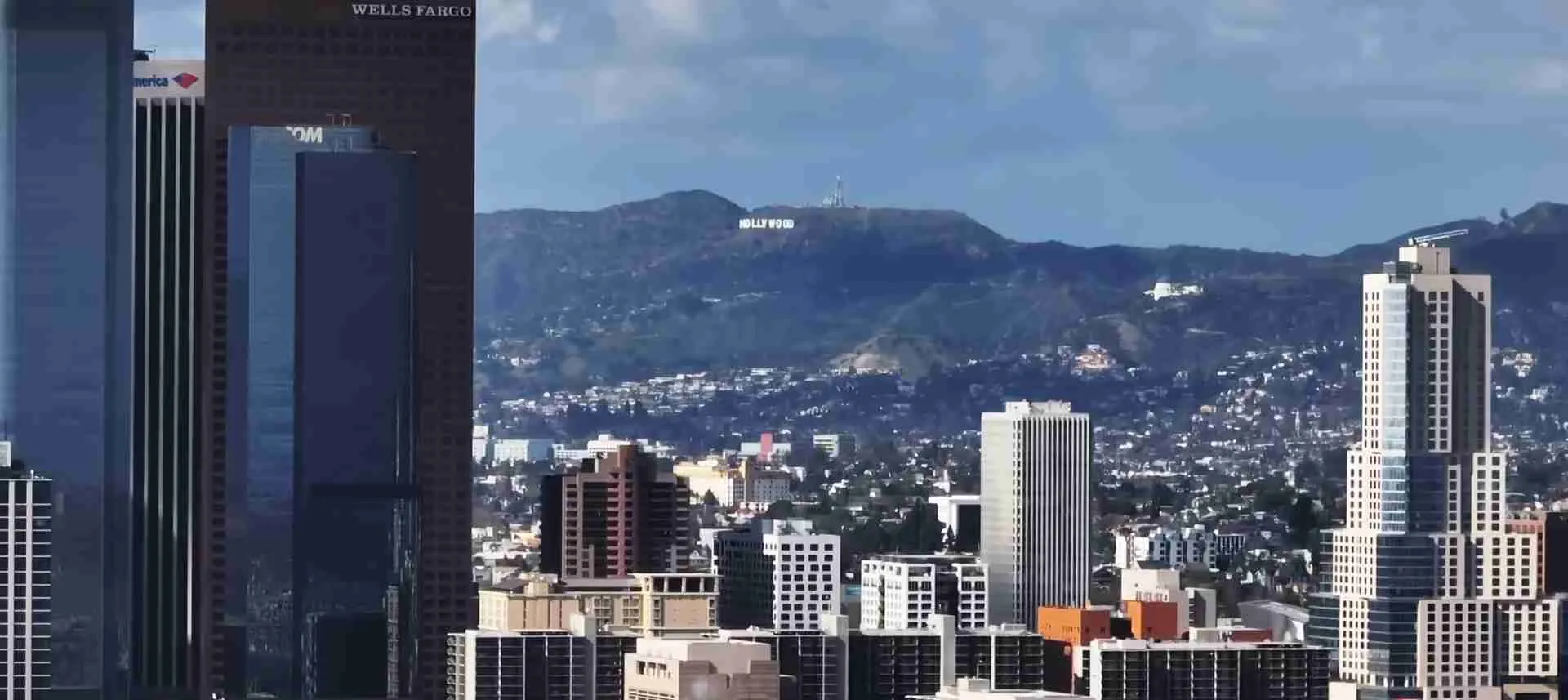
Los Angeles Travel Guide 2026: Ultimate Planning Resource
Los Angeles combines 75 miles of Pacific coastline with world-renowned cultural institutions, diverse neighborhoods spanning mountains to beaches, and a creative energy that defines California dreaming. This comprehensive guide provides verified 2026 pricing, neighborhood strategies, and insider insights to help you navigate America’s second-largest city efficiently and authentically.
Key Takeaways
- Budget Planning 2026: Daily costs per person (two sharing hotel) range from $85-160 for budget travel, $170-280 for mid-range comfort, and $350-550+ for luxury experiences, with accommodation representing the largest expense category across all tiers.
- Transportation Strategy: The Metro system charges $2 per ride with fare capping at $5 daily or $18 weekly, making public transit the most economical option for visitors covering Downtown, Hollywood, Santa Monica, and Long Beach attractions without rental car expenses.
- Neighborhood Selection Matters: Where you stay significantly impacts both costs and experience – Downtown offers urban walkability and cultural attractions, Hollywood provides entertainment industry access, Santa Monica delivers beach proximity, while neighborhoods like Koreatown and East LA offer authentic dining at 40-60% below tourist area prices.
- Seasonal Timing: November through March offers the best value with hotel rates 30-40% below summer peaks, fewer crowds at major attractions, and mild weather (60-70°F) ideal for outdoor activities, while avoiding June-August price spikes driven by family vacation demand.
- Attraction Pass Value: Multi-attraction passes save 35-50% for visitors planning three or more paid attractions, with Go City Los Angeles pass covering Universal Studios, Warner Bros Studio Tour, and 40+ additional experiences versus purchasing tickets individually.
- World Cup 2026 Impact: Los Angeles hosts World Cup matches at SoFi Stadium in July-August 2026, creating extraordinary citywide atmosphere but requiring advance accommodation booking 6-9 months early as hotel availability tightens and rates increase 50-80% during tournament weeks.
People Also Ask About Los Angeles 2026
How much does a trip to Los Angeles cost in 2026?
A 5-day Los Angeles trip for two people sharing accommodation costs approximately $2,125-4,000 total ($1,065-2,000 per person) depending on travel style. Budget travelers spending $170-320 daily for two ($85-160 per person including shared hotel, meals, Metro transit, and free attractions) total $850-1,600 for the trip. Mid-range travelers at $340-560 daily ($170-280 per person with comfortable hotels, restaurant dining, rental car or rideshares, and paid attractions) spend $1,700-2,800. Luxury visitors investing $700-1,100+ daily ($350-550+ per person in upscale hotels, fine dining, private transportation) reach $3,500-5,500+. These figures include accommodation divided equally between two travelers, all meals, local transportation, attraction admissions, and incidental expenses but exclude international flights.
What is the best area to stay in Los Angeles for first-time visitors in 2026?
Downtown Los Angeles offers first-time visitors the best combination of walkability, Metro access, and attraction proximity in 2026. Hotels near Pershing Square or Grand Park station provide direct Metro connections to Hollywood (20 minutes), Universal City (30 minutes), and Santa Monica (45 minutes) while placing you within walking distance of Walt Disney Concert Hall, The Broad museum, Grand Central Market, and Little Tokyo. Mid-range hotels in Downtown range $160-220 nightly versus $200-300 in beachfront Santa Monica or Hollywood tourist areas, with superior public transit connections reducing transportation costs. Alternative considerations include West Hollywood for nightlife and dining walkability, or Santa Monica for beach-focused trips willing to sacrifice central location for coastal atmosphere.
Is Los Angeles expensive to visit in 2026?
Los Angeles ranks as moderately expensive compared to other major US cities, with daily costs comparable to San Francisco or New York but offering significantly better value through strategic neighborhood selection and free cultural attractions. Hotel accommodation represents the primary expense at $80-280 nightly per room for mid-range options, but this cost divided between two travelers ($40-140 per person) becomes manageable. Dining costs vary dramatically by neighborhood – meals in Beverly Hills or beachfront Santa Monica average $35-60 per person while identical quality food in Koreatown, East LA, or the San Gabriel Valley costs $15-25. Major museums like The Getty Center, Getty Villa, and Griffith Observatory offer free admission, and the 75-mile coastline provides endless beach access at no cost. Budget-conscious travelers leveraging these advantages can visit Los Angeles for $85-160 per person daily, well below typical major city costs.
How many days do you need in Los Angeles in 2026?
Four to seven days provides the ideal duration for first-time Los Angeles visitors to experience essential neighborhoods without rushing. Four days covers core highlights – one day each for beaches (Santa Monica to Venice), Hollywood and entertainment districts, Downtown cultural attractions, and either Universal Studios or a day trip to Disneyland. Seven days allows deeper neighborhood exploration including Griffith Park hiking, museum circuit (Getty, LACMA, Broad), food tours through Koreatown and San Gabriel Valley, plus evening experiences like Hollywood Bowl concerts or sunset viewings from scenic overlooks. Ten days accommodates everything above plus day trips to Santa Barbara, Joshua Tree, or Palm Springs. Three days remains possible for highlights-only visits but requires sacrificing neighborhood immersion for rapid attraction checking, leaving you with a surface impression rather than genuine city understanding.
Extended multi-day tours – 5+ days
Featured Los Angeles Multi-Day Tour Packages

3 days
Los Angeles 3-Day Discovery Tour
- ✓ Comprehensive Los Angeles experience
- ✓ Expert local guides included
- ✓ All accommodation included
- ✓ Transportation provided

5 days
Los Angeles 5-Day Highlights Experience
- ✓ Comprehensive Los Angeles experience
- ✓ Expert local guides included
- ✓ All accommodation included
- ✓ Transportation provided
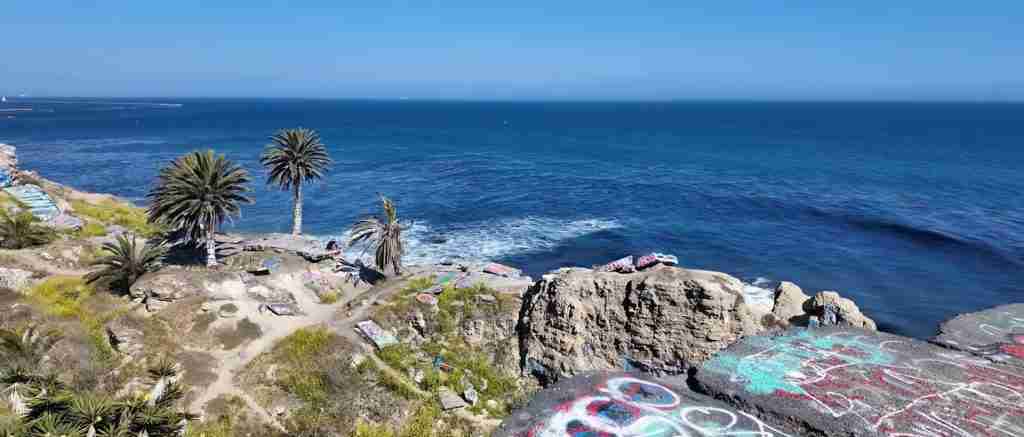
7 days
Los Angeles 7-Day Cultural Journey
- ✓ Comprehensive Los Angeles experience
- ✓ Expert local guides included
- ✓ All accommodation included
- ✓ Transportation provided
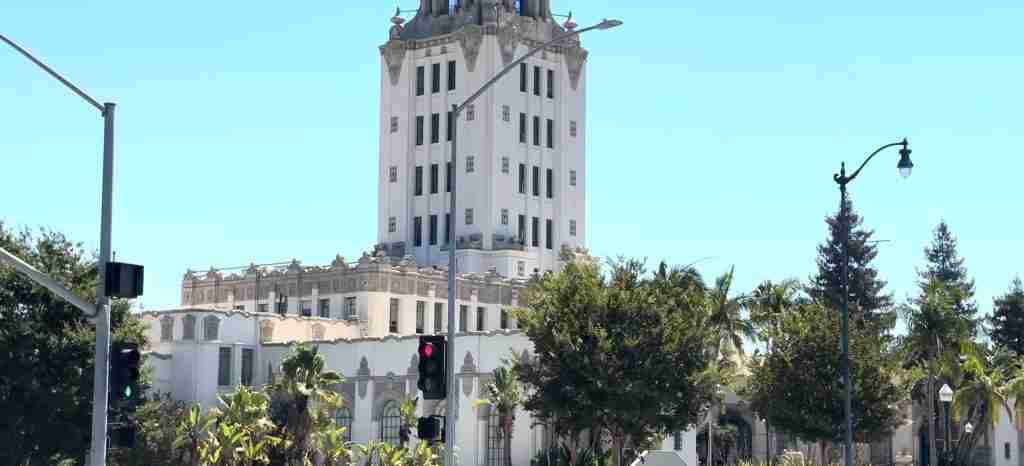
10 days
Los Angeles 10-Day Complete Adventure
- ✓ Comprehensive Los Angeles experience
- ✓ Expert local guides included
- ✓ All accommodation included
- ✓ Transportation provided
Multi-day tour packages powered by TourRadar. Prices and availability subject to change.
Introduction
Los Angeles sprawls across 503 square miles from Pacific beaches through urban valleys to mountain wilderness, creating not one city but dozens of distinct neighborhoods connected by freeways and increasingly by Metro rail. This geographic complexity initially overwhelms visitors accustomed to compact European cities or Manhattan’s grid, but understanding LA’s neighborhood logic transforms confusion into opportunity. The city rewards strategic planning over spontaneous wandering – knowing where to stay, when to use public transit versus rental cars, which neighborhoods offer authentic experiences versus tourist traps, and how to time your visit for optimal weather and value.
The 2026 Los Angeles landscape presents unique planning considerations. The city hosts FIFA World Cup matches at SoFi Stadium in July-August, creating extraordinary atmosphere but requiring advance accommodation booking and flexibility around tournament dates. The Lucas Museum of Narrative Art opens in Exposition Park, adding major cultural draw to an already rich museum circuit. Metro expansion continues connecting previously car-dependent neighborhoods, while the post-pandemic restaurant and entertainment scene has evolved with new concepts in Arts District, Echo Park, and Chinatown replacing tourist-focused establishments with locally-oriented venues.
This guide provides comprehensive 2026 planning information organized by decision priority. We begin with accommodation strategy and neighborhood selection, as where you stay fundamentally shapes your LA experience and represents your largest single expense. Transportation planning follows – understanding when Metro works versus when rental cars prove necessary or economical. Budget breakdowns cover all cost categories with verified 2026 pricing, structured as daily per-person costs assuming two people sharing hotel rooms as most travelers visit in pairs or groups. Neighborhood guides detail what makes each area distinct, followed by attraction recommendations, dining strategies, and seasonal timing advice.
Los Angeles in 2026 offers more accessibility and value than stereotypes suggest. Free world-class museums rival any European capital, public beaches stretch for miles, ethnic neighborhood dining delivers authentic international cuisine at remarkable value, and the Metro system now connects most tourist destinations efficiently. The city’s reputation as expensive and car-dependent reflects outdated assumptions – strategic planning leveraging neighborhood knowledge and transit options creates affordable, enriching experiences without requiring luxury budgets or vehicle ownership.
Understanding Los Angeles Geography and Neighborhoods 2026
Los Angeles comprises dozens of distinct municipalities and unincorporated areas united under LA County jurisdiction but maintaining separate identities, creating a decentralized urban landscape where “Los Angeles” means different things depending on context. The City of Los Angeles proper extends from San Pedro harbor north through downtown to the San Fernando Valley and west to Pacific Palisades, but excludes Beverly Hills, Santa Monica, Culver City, and many communities visitors associate with LA. This administrative complexity matters less than understanding neighborhood character and geographic relationships that determine where you should base yourself and how to structure your itinerary.
The city organizes around several geographic anchors. Downtown Los Angeles forms the historic and increasingly cultural center, connected by Metro rail to Hollywood (north), Long Beach (south), Santa Monica (west), and Pasadena (northeast). The Westside encompasses affluent communities from Beverly Hills through Brentwood to the coast, offering upscale shopping and dining but limited transit and higher costs. The beach communities stretch from Malibu south through Santa Monica, Venice, Manhattan Beach to San Pedro, each with distinct character ranging from bohemian (Venice) to family-oriented (Manhattan Beach) to surfer-casual (Malibu). East LA and the San Gabriel Valley provide authentic Asian and Latino culture with exceptional dining value. Hollywood and the eastern neighborhoods between downtown and Griffith Park offer entertainment industry access and vintage architecture.
Understanding this geography prevents common planning mistakes. First-time visitors often stay in Hollywood expecting central location but find themselves equidistant from beaches (16 miles west), Downtown cultural attractions (8 miles east), and Universal Studios (4 miles north), requiring 30-50 minute drives or Metro rides to reach most destinations. Downtown positioning provides superior Metro access to all directions. Santa Monica beach location appeals emotionally but places you 45-60 minutes from Hollywood, Universal, and eastern attractions even by car during traffic hours. The “best” neighborhood depends on your priorities – cultural attractions favor Downtown, beach activities suit Santa Monica or Venice, entertainment industry experiences point to Hollywood or Studio City, authentic dining suggests Koreatown or San Gabriel Valley.
The Los Angeles Basin’s famous traffic influences planning more than distance alone. The 16-mile trip from Santa Monica to Downtown takes 25 minutes at 10 PM, 45 minutes at 10 AM, and 75+ minutes during afternoon rush (3-7 PM weekdays). Morning commute traffic flows toward Downtown and Westside employment centers, creating easier westbound travel 7-10 AM. Afternoon patterns reverse, with smoother eastbound movement possible 3-7 PM. Weekend traffic remains heavy near beaches and shopping districts but eases on freeway commuter routes. These patterns inform scheduling – visit beach communities mid-morning before crowds arrive and depart by 3 PM, tackle Griffith Park and Hollywood attractions during afternoon when others sit in beach traffic, schedule Downtown cultural activities for weekday mornings when business commuters have cleared.
Metro rail expansion since 2020 transformed LA from car-mandatory to car-optional for visitors focusing on core tourist destinations. The system now connects LAX airport (via shuttle to Aviation/LAX station) to Downtown, Hollywood, Universal City, Santa Monica, Long Beach, and Pasadena through six rail lines. This coverage suffices for visitors emphasizing cultural attractions, beaches, and entertainment districts. Rental cars become necessary or significantly more convenient for Griffith Park hiking access, Malibu coastal drives, Getty Center visits (despite free shuttle from Sepulveda station), San Gabriel Valley food tours, and day trips beyond county borders. Many visitors optimize costs by using Metro for core days then renting cars for 1-2 specific excursion days rather than week-long rentals.
Accommodation Costs and Strategy 2026
Hotel costs in Los Angeles range from $66-115 nightly for budget properties, $161-215 for mid-range comfort, and $326-530+ for luxury experiences, with significant variation by neighborhood, season, and day of week. These per-room rates divided between two sharing travelers translate to $33-58 per person nightly budget tier, $81-108 mid-range, and $163-265+ luxury. Understanding price patterns and neighborhood differences enables strategic booking that can save $300-600 over a week-long stay without sacrificing location quality or safety.
Downtown Los Angeles offers the best value-to-location ratio for first-time visitors, with newly renovated historic hotels and modern properties ranging $140-200 nightly mid-week for comfortable 3-star accommodations. Properties near Pershing Square, 7th/Metro Center, or Grand Park stations provide direct Metro access to all major destinations while positioning guests within walking distance of Walt Disney Concert Hall, The Broad, MOCA, Grand Central Market, and Little Tokyo. Weekend rates increase 15-25% but remain below beachfront or Hollywood equivalents. The neighborhood’s business-oriented hotel infrastructure means excellent weekday availability and value, with restaurant and entertainment options improving dramatically since 2020 as residential conversions brought evening street life.
Santa Monica and beachfront hotels command premium pricing $200-300 nightly for mid-range properties due to coastal location and limited supply. These rates divide to $100-150 per person nightly for two sharing, representing 25-40% premium over comparable quality Downtown. The beach proximity justifies costs for visitors prioritizing coastal experiences, but requires realistic assessment of trade-offs – Santa Monica’s Expo Line Metro connection to Downtown takes 45 minutes, and beach weather often disappoints May-July during “June gloom” marine layer periods. Manhattan Beach and Hermosa Beach alternatives offer similar coastal atmosphere at 10-20% lower rates with less tourist saturation but no Metro access.
Hollywood hotel rates reflect tourist demand more than actual location value, averaging $180-250 for properties along Hollywood Boulevard despite limited walkable attractions beyond the Walk of Fame and Chinese Theatre. The neighborhood’s Metro Red Line connection to Downtown and Universal City provides good transit access, but visitors often find better value staying Downtown with equally convenient Hollywood access via the same Metro line. Hollywood excels for visitors prioritizing nightlife and live music venues concentrated along Sunset Boulevard, or those attending specific events at Hollywood Bowl or Dolby Theatre.
Koreatown presents exceptional value for budget-conscious travelers comfortable with less tourist-oriented neighborhoods. Modern hotels and older properties recently renovated range $85-130 nightly, providing the same room quality as $160-200 Hollywood equivalents at 40% savings. The neighborhood offers authentic dining at remarkable value, 24-hour Korean spas, and Metro Purple Line access to Downtown (8 minutes) and Wilshire corridor attractions. Safety concerns sometimes mentioned about Koreatown reflect outdated perceptions – the area has gentrified significantly with young professional residents, though it maintains grittier urban character than sanitized tourist zones.
Seasonal pricing patterns significantly impact accommodation budgets. Summer months June-August see rates peak 30-50% above off-season, driven by family vacation travel and European visitors escaping Mediterranean heat. November-February offers lowest rates and best availability, with January particularly attractive for value-focused travelers willing to accept 60-70°F weather instead of beach swimming conditions. March-May and September-October provide intermediate pricing with excellent weather – these shoulder seasons deliver optimal value-experience balance. The 2026 World Cup (July-August) will create extreme pricing spikes and availability constraints during specific tournament weeks, requiring booking 6-9 months advance for any reasonable rates.
Day-of-week patterns favor Sunday-Thursday bookings, with Friday-Saturday rates averaging 20-35% higher across all hotel categories. Business hotels Downtown and near LAX offer strongest weekday value, while beach properties show less weekly variation due to consistent leisure demand. Booking Sunday-Thursday for a 5-day visit versus Friday-Saturday departure can save $150-300 total on mid-range accommodations.
Alternative accommodation options provide budget relief. Hostels in Venice, Hollywood, and Downtown charge $25-45 per bed in shared dormitories, reducing accommodation costs to $175-315 weekly for solo travelers versus $462-770 for budget hotel single occupancy. Quality varies significantly – HI Los Angeles hostels maintain consistent standards while independent hostels require review research. Airbnb entire apartment rentals make economic sense for groups of 3-4 travelers, with 2-bedroom units in good neighborhoods averaging $180-250 nightly ($45-63 per person for four) versus $140-190 per person for two hotel rooms. Short-term rentals work best for visits exceeding 4 nights when cleaning fees amortize across more days.
Public Transportation Costs and Strategy 2026
Los Angeles Metro charges $2 per ride on buses and rail with fare capping that makes rides free after spending $5 in a single day or $18 within seven days, creating exceptional value for visitors using public transit as primary transportation. A TAP card costs $2 for the physical card plus initial fare load, available at vending machines at all Metro Rail stations or online through the TAP app. Each ride includes two hours of free transfers between Metro buses and trains, allowing multi-segment journeys on a single $2 fare provided trips complete within the transfer window.
The fare capping system rewards frequent riders automatically without requiring pass purchases. On day one, your first ride deducts $2, second ride $2, third ride $2 – once you’ve paid $5 total, all subsequent rides that day cost nothing. The same logic applies weekly – after accumulating $18 in fares across seven days, all additional rides during that week become free. This structure benefits visitors planning 3+ transit days, as the daily cap ($5) costs less than roundtrip to many destinations, while the weekly cap ($18) provides unlimited travel cheaper than four days of capped fares.
Metro rail lines cover most tourist destinations efficiently in 2026. The B Line (Red) connects Union Station Downtown through Hollywood to North Hollywood, accessing Hollywood/Highland, Universal City/Studio City, and NoHo Arts District stations in 25-35 minutes from Downtown. The D Line (Purple) serves Koreatown and Wilshire corridor museums (Wilshire/Fairfax for LACMA), reaching Mid-City in 15 minutes from Downtown. The E Line (Expo) connects Downtown to Santa Monica in 46 minutes, with stops at USC, Expo Park museums (Natural History, California Science Center, future Lucas Museum), and Culver City. The A Line (Blue) reaches Long Beach in 50 minutes, the C Line (Green) serves LAX area via Aviation/LAX station, and the L Line (Gold) connects Pasadena, Chinatown, and East LA.
This coverage handles core tourist itineraries successfully. A visitor staying Downtown can reach Hollywood Walk of Fame (30 minutes B Line to Hollywood/Highland), Santa Monica Pier (46 minutes E Line to Downtown Santa Monica), Natural History Museum (15 minutes E Line to Expo Park/USC), and Long Beach waterfront (50 minutes A Line) entirely on Metro for $2 per destination or $5 maximum daily. Universal Studios requires B Line to Universal City station plus 10-minute walk or free shuttle. Dodger Stadium offers free express shuttle from Union Station on game days.
Metro’s limitations appear in three scenarios. First, Griffith Observatory and Griffith Park trail access require either DASH bus connections (slow) or rideshare ($12-18 from Hollywood, $15-22 from Downtown). Second, Getty Center sits 1.5 miles from Sepulveda Metro station requiring shuttle bus (free but runs every 30 minutes). Third, beach neighborhoods along the coast (Malibu, Manhattan Beach, Venice Boardwalk’s northern sections) lack direct rail access, though Santa Monica E Line station provides beach access via short walk or bus connection.
Metro bus network fills gaps in rail coverage but requires more planning and time. Express buses cost the same $2 with transfer privileges. The 720 Rapid bus runs Wilshire Boulevard from Santa Monica through Downtown to East LA faster than local buses via limited stops. Beach cities connect through Big Blue Bus (Santa Monica), Culver City Bus, and municipal systems requiring separate fares or TAP stored value. Budget-conscious visitors find Metro buses serviceable; time-pressed travelers often conclude the $12-18 rideshare cost worthwhile for direct routing.
Rental car economics compare unfavorably to Metro for visitors staying centrally and focusing on transit-accessible attractions. Compact car rentals average $35-50 daily plus $15-30 parking at major hotels and $10-25 at paid attractions, totaling $60-105 daily. Gas adds $8-15 for typical daily driving. This $68-120 daily cost divided between two travelers ($34-60 per person) exceeds the $5 daily Metro cap significantly, while requiring navigation, parking searches, and traffic stress. Rental cars make economic and practical sense for specific use cases – day trips beyond county borders (Santa Barbara, Joshua Tree, Palm Springs), Malibu coastal drives, or itineraries emphasizing car-dependent neighborhoods (Getty Center, Griffith Park hiking, San Gabriel Valley food tours).
The hybrid strategy works well – Metro for core downtown, Hollywood, beach days, museum visits, plus 1-2 day rental car for specific excursions. Picking up a car at LAX or Downtown location for 24-48 hours costs $70-140 total versus $350-600 for full week rental, while still providing necessary vehicle access for Griffith Park sunrise, Getty Center visit, and Malibu beach hopping that Metro serves poorly. Enterprise, Hertz, and National maintain locations near Metro stations enabling pickup without initial rideshare expense.
Food and Dining Expenses 2026
Dining costs in Los Angeles range from $10-20 per person for casual meals to $25-40 for mid-range restaurants and $80-150+ for fine dining, with extraordinary variation by neighborhood and cuisine type that rewards research and strategic planning. Daily food budgets assuming three meals plus coffee and snacks range from $35-55 per person for budget-conscious eating to $65-95 for comfortable restaurant dining and $120-180+ for upscale experiences. Understanding neighborhood pricing dynamics and meal timing strategies can reduce food costs 40-60% without sacrificing quality or authentic experiences.
Budget dining options abound for travelers willing to seek out ethnic neighborhoods and local favorites over tourist-area restaurants. Mexican taquerias throughout East LA, Boyle Heights, and South Central serve authentic tacos at $1.50-3 each, carnitas or carne asada plates for $8-12, with horchata or jamaica drinks $2-3. Korean restaurants in Koreatown offer bibimbap, soon tofu, or kimchi jjigae lunch specials $10-15, while all-you-can-eat Korean BBQ ranges $20-28 per person at dinner. Chinese and Taiwanese restaurants in San Gabriel Valley provide exceptional value – hand-pulled noodles $8-12, Sichuan mapo tofu $10-14, Taiwanese beef noodle soup $10-13, dim sum $4-7 per plate. Thai Town along Hollywood Boulevard east of Western Avenue serves pad Thai, curries, and noodle dishes $10-16. These neighborhoods deliver restaurant quality and authenticity superior to tourist-area equivalents at 40-50% lower prices.
Grand Central Market Downtown exemplifies the city’s diverse affordable food hall culture, housing 30+ vendors serving everything from Salvadoran pupusas ($3-5) and Filipino sisig ($9-12) to acclaimed Eggslut breakfast sandwiches ($8-14) and artisanal ice cream ($6-8). The market’s central location near Pershing Square Metro station makes it ideal for budget lunch between museum visits. Similar food hall concepts include Smorgasburg LA in ROW DTLA (Sundays), with 60+ food vendors charging $8-16 per item, and various neighborhood farmers markets offering prepared food alongside produce.
Mid-range restaurant dining averages $25-40 per person including entrée, beverage, tax, and tip in most LA neighborhoods. This category encompasses neighborhood bistros, ethnic restaurants beyond budget tier, popular brunch spots, and casual chains. Areas like Silver Lake, Echo Park, Arts District, and Highland Park offer independently owned restaurants serving creative California cuisine, farm-to-table concepts, or elevated ethnic food at these price points. Expect dishes priced $16-28, with appetizers $8-16 and desserts $8-12. Beverage costs add significantly – beer $7-10, wine by glass $10-16, cocktails $12-18, though water remains free and abundant in California restaurants.
Fine dining in Beverly Hills, West Hollywood, Malibu, and upscale Downtown restaurants ranges $80-150 per person before wine, with Michelin-starred establishments reaching $200-350 for tasting menus. These venues suit special occasion meals rather than daily budgets. LA’s celebrity chef restaurants (Nancy Silverton, Wolfgang Puck, Suzanne Goin) cluster in this category, offering exceptional food and atmosphere at prices comparable to major European or East Coast cities.
Daily meal cost breakdowns by budget tier structure as follows. Budget travelers spending $35-55 daily per person might allocate breakfast $7-10 (coffee and pastry at cafe, or grocery purchases), lunch $12-18 (food truck, ethnic restaurant, or market food hall), dinner $15-25 (same restaurant categories, slightly larger portions or appetizer addition), with $3-5 remaining for snacks or second coffee. Mid-range dining budgets of $65-95 per person daily allow breakfast $12-18 (sit-down cafe with full meal), lunch $20-30 (neighborhood restaurant with beverage), dinner $30-45 (nicer restaurant, appetizer or dessert, alcoholic drink), plus coffee and snacks. Luxury food budgets exceeding $120 daily enable upscale breakfast spots, lunch at acclaimed restaurants, fine dining dinner with wine, and specialty coffee or dessert stops.
Strategic dining timing reduces costs significantly without quality sacrifice. Many upscale restaurants offer lunch menus 30-40% cheaper than dinner for identical kitchen quality – the same chef preparing similar dishes but smaller portions and lower prices matching midday dining expectations. Happy hour promotions 3-6 PM provide discounted appetizers and drinks at restaurants and bars, enabling quality food at budget prices. Restaurant week events in January and July offer prix-fixe menus at participating restaurants, typically $25-45 for three courses versus $60-90 normal pricing. Food truck culture thrives in Arts District, Venice, and various office district concentrations, serving chef-quality food at $10-16 per meal versus $25-35 for equivalent restaurant presentations.
Grocery shopping and meal preparation saves substantially for visitors with accommodation kitchen access. Major chains include Ralphs, Vons, and Whole Foods charging typical US supermarket prices, while ethnic markets (99 Ranch for Asian products, Northgate for Mexican, Middle Eastern markets) offer better values on produce and specialty items. A grocery budget of $15-25 daily per person covers breakfast supplies (yogurt, fruit, pastry), lunch ingredients (bread, cheese, prepared salads), and dinner basics, reducing three-meal restaurant costs by 60-70%.
Major Attractions and Ticket Costs 2026
Los Angeles attractions range from free world-class museums to $350 VIP theme park experiences, with strategic planning and pass purchases enabling significant savings over individual ticket purchases. Understanding which attractions warrant advance tickets, which accept walk-ups, and which offer free admission helps structure itineraries that balance costs with experiences efficiently.
Universal Studios Hollywood charges $142 for adults 10+ and $113 for children 3-9 for standard admission in 2026 (check official website for current rates as pricing varies by date and season). The park offers immersive Wizarding World of Harry Potter, studio backlot tram tour, and numerous themed rides. Express Pass upgrades providing one-time express access to each attraction start at $186 per person, worthwhile for visitors wanting to minimize wait times during busy seasons. VIP Experience packages begin at $349 offering guided tours, unlimited express access, exclusive backlot locations, and included lunch. Universal makes economic sense for theme park enthusiasts willing to invest full day (8-10 hours) and standard admission costs; casual visitors may find Warner Bros Studio Tour ($95-105) more focused and affordable.
Disneyland Resort in nearby Anaheim (45 minutes from Downtown LA via car, or Metrolink plus bus connection) represents California’s premier theme park destination separate from Universal Studios. One-day tickets start around $150-190 depending on date, with multi-day passes providing better per-day value for visitors dedicating multiple days to parks. While technically outside Los Angeles proper, many LA visitors include Disneyland as day trip or overnight excursion.
Free museums deliver exceptional cultural value. The Getty Center on hilltop site overlooking Los Angeles to Pacific Ocean houses European paintings, sculptures, decorative arts, and photography from Medieval to contemporary periods. Admission costs nothing, parking $20 per car (free after 3 PM weekdays). The museum’s architecture, gardens, and views rival the art collection itself. Free shuttle connects Sepulveda Metro station to Getty Center every 30 minutes. The Getty Villa in Malibu (separate campus focusing on Greek and Roman antiquities) maintains identical free admission policy requiring advance online reservations.
The Broad museum Downtown provides free admission to contemporary art collection including works by Basquiat, Haring, Koons, Kusama, and Warhol. The museum requires timed tickets reservable online or via standby line same-day. No admission fee but online reservation recommended to avoid potential 30-90 minute standby waits during peak periods. Located steps from Walt Disney Concert Hall and Grand Park.
Griffith Observatory offers free admission to exhibits, telescopes, and arguably Los Angeles’ best views. Planetarium shows cost $10 per person. The hilltop location overlooking Hollywood sign and entire Los Angeles basin makes sunset visits particularly dramatic. Access requires rideshare or DASH bus from Metro stations as no direct rail connection exists. Weekend parking extremely limited; weekday mornings or late evenings provide better vehicle access or consider rideshare drop-off.
Los Angeles County Museum of Art (LACMA) charges $25 adults, $21 seniors in 2026, but Los Angeles County residents receive free general admission after showing ID (check official website for current policies). The iconic Urban Light installation (202 restored street lamps) sits outdoors available 24/7 at no cost for photography. Museum admission provides access to comprehensive collections spanning Asian art to European masters to contemporary installations. Located on Wilshire corridor with Metro Purple Line access to Wilshire/Fairfax station.
Natural History Museum, California Science Center, and Lucas Museum of Narrative Art (opening 2026) cluster in Exposition Park, accessible via Metro E Line to Expo Park/USC station. The Science Center offers free general admission with Space Shuttle Endeavour viewing, while Natural History Museum charges $15 adults. The new Lucas Museum will showcase George Lucas’ narrative art collection in dramatic architectural building, with admission prices to be announced.
Warner Bros Studio Tour Hollywood provides behind-the-scenes access to working film and television studios, visiting active sets, backlot streets, prop departments, and sound stages. Tours run 2-3 hours with prices around $95-105 per person (check official website for current rates). More intimate and authentic than Universal Studios’ theme park approach, appealing to visitors interested in actual production processes over rides. Advance booking required.
Hollywood attractions beyond walk-and-look experiences offer mixed value. TCL Chinese Theatre (Grauman’s) charges $18 for courtyard access and celebrity hand/footprint viewing available free from public sidewalk. Dolby Theatre tour of Academy Awards venue costs $25. The Hollywood Museum in historic Max Factor building charges $18 adults for film and television memorabilia collections. These prices seem steep for brief visits; budget-conscious travelers can experience Hollywood atmosphere walking the Walk of Fame, photographing Chinese Theatre exterior, and browsing memorabilia shops at no cost.
Multi-attraction passes provide substantial savings for visitors planning three or more paid attractions. Go City Los Angeles pass offers several formats – Explorer Pass choosing 3, 4, or 5 attractions from curated list ($155-220), or All-Inclusive Pass for unlimited attractions over chosen number of days (1-7 days, $150-450). All-Inclusive Plus option includes Universal Studios, San Diego Zoo, and LEGOLAND in addition to 40+ LA attractions. Passes typically save 35-50% versus individual ticket purchases when fully utilized. Calculate whether your planned attractions and pace warrant pass purchase – visitors spending leisurely time at free museums may find individual tickets for 1-2 paid attractions more economical than rushing through pass-included options.
Neighborhood Guide: What Makes Each Area Distinct in 2026
Downtown Los Angeles combines historic architecture with contemporary cultural renaissance, housing world-class museums (The Broad, MOCA), performing arts venues (Walt Disney Concert Hall, Dolby Theatre), diverse dining from Grand Central Market to rooftop restaurants, and improving street life as residential conversions bring 24-hour activity to formerly business-only districts. The neighborhood excels for visitors prioritizing cultural attractions and authentic urban atmosphere over beach scenes or entertainment industry tourism. Metro rail hub status provides superior public transit access to all parts of the city. Hotel values remain strong particularly weekdays, with modern properties in renovated historic buildings offering character absent from generic suburban hotels. Evening safety has improved significantly with increased residential population, though standard urban awareness applies – stick to populated areas, use common sense, avoid isolated streets late night.
Hollywood trades heavily on its name despite limited actual entertainment industry presence remaining in the neighborhood. The Walk of Fame, Chinese Theatre, and Dolby Theatre cluster along Hollywood Boulevard provide tourist photo opportunities, while the Hollywood Bowl amphitheater in adjacent hills offers unmatched outdoor concert experiences May-September. The district suffers from overtourism, with crowds, costumed characters demanding tips, and inflated prices diminishing authentic experiences. That said, Hollywood Bowl concerts, Griffith Observatory access, and Metro Red Line connectivity justify hotel stays here for visitors prioritizing these specific attractions or nightlife along Sunset Boulevard. Skip restaurants on Hollywood Boulevard itself in favor of options in adjacent Los Feliz or Thai Town neighborhoods offering better value and quality.
Santa Monica delivers classic Southern California beach town atmosphere with pier, Third Street Promenade shopping, beach volleyball courts, and cycling path extending south through Venice to Marina Del Rey. The neighborhood works best for visitors building trips around coastal activities – morning beach time, afternoon bike rides, sunset viewing – rather than using it as base for city-wide touring given its western periphery location. Accommodations cost 25-40% above Downtown equivalents, justified primarily by beach proximity and walkable urban village character rare in sprawling LA. The Expo Line Metro connection enables Downtown cultural visits without vehicle, though transit time (46 minutes) discourages frequent trips. Consider Santa Monica for 2-3 night beach-focused segment within longer LA itineraries rather than entire stay base.
Venice Beach epitomizes bohemian beach culture with boardwalk street performers, murals, Muscle Beach outdoor gym, and skateboard culture. The neighborhood has gentrified significantly with tech workers and young professionals displacing some historical artist population, but retains grittier edge than polished Santa Monica adjacent. Accommodations and dining run 15-25% cheaper than Santa Monica while maintaining beach access. Venice canals neighborhood (inland from beach) provides quieter residential atmosphere with historic 1905 canal system worth exploring. The scene appeals to travelers seeking authentic beach culture over resort atmosphere, comfortable with urban beach environment’s occasional characters and cannabis-friendly vibe.
Beverly Hills and West Hollywood occupy adjacent territory north of Santa Monica Boulevard, Beverly Hills emphasizing luxury retail (Rodeo Drive) and celebrity sightings, WeHo offering LGBTQ+ culture, nightlife, and design district shopping. Beverly Hills hotels range $300-600 nightly for mid-range to luxury, justified primarily by cachet and shopping proximity rather than practical tourist advantages. West Hollywood provides better value with mid-range hotels $180-280 and superior restaurant density including celebrity chef establishments, trendy cafes, and Sunset Strip music venues. The neighborhoods work well for visitors prioritizing upscale shopping, fine dining, and nightlife over museums, beaches, or cultural attractions. No Metro access requires vehicle or rideshare for city-wide touring.
Koreatown packs remarkable density of authentic Korean restaurants, 24-hour spas, karaoke venues, and craft cocktail bars into compact area west of Downtown. The neighborhood delivers genuine local culture rather than tourist performances, with businesses catering to Korean-American residents and spillover gentrification from adjacent areas. Hotels offer exceptional value $85-130 nightly for quality matching $160-200 Hollywood equivalents. Metro Purple Line provides 8-minute Downtown connection and access to Wilshire corridor. Dining represents the primary attraction – Korean BBQ all-you-can-eat from $20-28, traditional dishes $10-18, late-night food culture extending past midnight. Travelers comfortable with urban neighborhoods and seeking authentic experiences over sanitized tourist zones find Koreatown offers some of LA’s best value and cultural authenticity.
Silver Lake and Echo Park represent eastern neighborhoods undergoing creative gentrification, attracting young professionals, artists, and musicians priced out of more expensive areas. The result creates excellent independent restaurant and bar scene, vintage architecture, and local character absent from chain-dominated areas. These neighborhoods lack major tourist attractions but provide authentic LA residential experience and superior dining/nightlife value compared to Hollywood or beach areas. Hotel options limited; Airbnb rentals more common. Consider for visitors seeking to understand contemporary LA life beyond tourist circuit.
Pasadena functions as self-contained city 10 miles northeast of Downtown, connected via Metro L Line (35 minutes from Union Station). The area offers Old Town historic district, Huntington Library gardens and art collections, Norton Simon Museum, Rose Bowl, and Caltech campus. Pasadena makes sense as day trip destination or alternative base for visitors emphasizing cultural attractions over beach scenes, particularly during shoulder seasons when Pasadena’s inland location provides warmer weather than coastal areas.
San Gabriel Valley comprises dozens of communities east of Los Angeles proper, notable for housing North America’s premier Asian food destinations. Cities like Monterey Park, Alhambra, San Gabriel, Rowland Heights, and Arcadia concentrate Chinese, Taiwanese, Vietnamese, and other Asian restaurants of exceptional authenticity and value – often operated by chefs who relocated from Asia bringing traditional recipes and techniques. Food tours here reveal dim sum palaces, hot pot specialists, regional Chinese cuisines (Sichuan, Shanghainese, Cantonese), Taiwanese breakfast shops, and Vietnamese pho restaurants that surpass anything in Hollywood or beach neighborhoods. No Metro access requires vehicle for efficient touring, but the destination rewards serious food enthusiasts with experiences and values unavailable elsewhere.
Daily Budget Planning 2026
Understanding realistic daily costs per person helps set appropriate budgets and make informed spending decisions throughout your Los Angeles visit. The following budget breakdowns assume two travelers sharing hotel accommodation, with hotel costs divided equally between both travelers before calculating per-person daily totals. Solo travelers should expect higher daily costs due to single-occupancy hotel pricing, while groups of 3-4 sharing apartment rentals or hotel suites can reduce per-person accommodation costs below these figures.
Budget Traveler: $85-160 Per Person Daily (Two Sharing Accommodation)
Budget-conscious travelers visiting Los Angeles can maintain daily costs of $85-160 per person by combining strategic accommodation selection, public transportation, ethnic neighborhood dining, and emphasis on free cultural attractions. Accommodation in hostels ($25-45 per bed), budget hotels in Koreatown or near LAX ($85-130 per room = $43-65 per person for two sharing), or Downtown weekday deals ($140-170 per room = $70-85 per person) keeps lodging costs manageable. Meals budget $35-55 daily through breakfast coffee and pastry ($7-10), lunch at taquerias or Korean restaurants ($12-18), dinner at similar establishments ($15-25), with coffee and snacks ($3-5). Public transportation via Metro costs maximum $5 daily with fare capping or $18 weekly unlimited. Attractions focus on free options (Getty Center, Getty Villa, The Broad, Griffith Observatory, beaches) with occasional paid admission ($15-25 budget reserved for one museum or attraction every 2-3 days). This total provides genuine Los Angeles experience without luxury, requiring comfort with public transit, ethnic neighborhoods, and prioritizing experiences over brand-name locations.
Sample budget day breakdown: Hotel $70 per person (two sharing $140 room), breakfast $9, lunch $15, dinner $22, Metro transit $5, Griffith Observatory planetarium $10, snacks/coffee $4. Total: approximately $135 per person daily.
Mid-Range Traveler: $170-280 Per Person Daily (Two Sharing Accommodation)
Mid-range travelers spending $170-280 per person daily achieve comfortable experiences balancing quality accommodation, mix of restaurant dining, selective paid attractions, and transportation flexibility. Hotels range $160-220 nightly in good Downtown, Hollywood, or Santa Monica locations ($80-110 per person for two sharing), providing comfortable rooms, convenient Metro access or parking, and reliable amenities. Food budget $65-95 daily allows sit-down breakfast ($12-18), lunch at neighborhood restaurants ($20-30), dinner at nicer establishments with appetizer or dessert ($30-45), plus coffee and treats ($8-12). Transportation combines Metro rail for core destinations with occasional rideshares or 1-2 day rental car for car-dependent attractions ($15-35 daily transportation budget). Attractions include 1-2 paid admissions weekly (Universal Studios, Warner Bros Tour, museum admissions) while still incorporating free options. This budget level enables full LA experience without constant cost concerns, supporting various dining types, neighborhood exploration, and attraction flexibility.
Sample mid-range day breakdown: Hotel $105 per person (two sharing $210 room), breakfast $16, lunch $28, dinner $42, transportation $20 (Metro plus one rideshare), LACMA admission $25, coffee/snacks $10. Total: approximately $246 per person daily.
Luxury Traveler: $350-550+ Per Person Daily (Two Sharing Accommodation)
Luxury travelers investing $350-550+ per person daily access upscale hotels, fine dining, private transportation, VIP experiences, and premium attractions without budget constraints. Accommodations in Beverly Hills, beachfront Santa Monica luxury properties, or Downtown premium hotels range $326-530+ per room ($163-265+ per person for two sharing), providing resort amenities, prime locations, and superior service. Dining budget $120-180+ daily supports upscale breakfast venues, acclaimed lunch restaurants, fine dining dinners with wine pairings, and specialty coffee or dessert stops. Private transportation via rental luxury vehicle or rideshare services eliminates transit limitations ($40-80 daily). Attractions include VIP experiences like Universal VIP tour ($349), helicopter tours ($200-400), private studio tours, premium concert seating at Hollywood Bowl, and Michelin-starred restaurant reservations. This tier prioritizes comfort, convenience, and exclusive access over value optimization.
Sample luxury day breakdown: Hotel $265 per person (two sharing $530 room), breakfast $35, lunch $55, dinner $95 with wine, private car service $65, Universal VIP tour $349, specialty experiences $45. Total: approximately $909 per person daily (noting that $349 Universal VIP represents occasional splurge attraction rather than daily cost).
Weekly Budget Examples for 7-Day Los Angeles Trips
Budget Week (Two Sharing): Accommodation $490-595 per person (7 nights at $70-85 per person nightly), meals $245-385 ($35-55 daily), transportation $18 (Metro weekly cap), attractions $50-75 (1-2 paid admissions, mostly free options), incidentals $50. Total: approximately $853-1,123 per person for the week.
Mid-Range Week (Two Sharing): Accommodation $560-770 per person (7 nights at $80-110 per person nightly), meals $455-665 ($65-95 daily), transportation $105-245 (Metro plus selective rideshares or 2-day car rental), attractions $150-250 (Universal Studios, museums, 1-2 other paid attractions), incidentals $100. Total: approximately $1,370-2,030 per person for the week.
Luxury Week (Two Sharing): Accommodation $1,141-1,855 per person (7 nights at $163-265 per person nightly), meals $840-1,260 ($120-180 daily), transportation $280-560 (rental car or private services), attractions $600-900 (VIP experiences, premium admissions), incidentals $200. Total: approximately $3,061-4,775 per person for the week.
Best Time to Visit Los Angeles 2026
Los Angeles’ Mediterranean climate provides year-round visitation appeal, but seasonal patterns in weather, crowds, and pricing create distinct advantages for different travel periods. Understanding these patterns enables optimized timing balancing ideal conditions against costs and crowd levels for your priorities.
November through March offers exceptional value for budget-conscious travelers willing to accept mild rather than warm weather. Hotel rates drop 30-40% below summer peaks, with shoulder month promotions in November and January delivering particularly strong deals. Temperatures average 60-70°F days and 45-55°F nights – comfortable for city touring, hiking, and attractions though typically too cool for beach swimming. Rain remains minimal (3-5 days per month) and brief, rarely disrupting full-day plans. Cultural attractions, museums, and neighborhoods maintain normal operations without summer’s overwhelming crowds. This period suits visitors emphasizing urban exploration, food culture, museums, and entertainment over beach activities. Holiday periods (Thanksgiving week, Christmas-New Year’s) create exceptions with higher rates and bookings despite winter timing.
April through May provides arguably the best weather-value-crowd balance of the year. Temperatures climb to 65-75°F daytime warmth enabling beach activities while avoiding summer’s heat and tourist crowds. Hotel rates remain 15-25% below summer levels, positioned between off-season bargains and peak pricing. Wildflower blooms in surrounding mountains peak mid-April through May, creating exceptional hiking conditions at Griffith Park and nearby natural areas. Rain nearly disappears (1-2 days monthly), and marine layer fog affecting beaches remains minimal. The only drawback involves limited evening outdoor events compared to summer’s concert and festival season. This window appeals to first-time visitors wanting pleasant weather without summer’s expenses or masses.
June through August represents peak season characterized by highest prices, maximum crowds, and ironically often disappointing beach weather during “June gloom” marine layer periods. Hotel rates spike 40-60% above winter levels, attraction wait times extend significantly, and restaurants in tourist areas see maximum pressure. June specifically brings dense coastal fog (“May gray, June gloom”) that can blanket beaches until afternoon, creating 60-65°F temperatures under gray skies despite 80°F+ forecast temperatures inland. July-August improve with clearer skies but bring intense heat inland (90-100°F+ San Fernando Valley and east LA) driving everyone to beaches and creating maximum crowds. Summer works best for visitors requiring school vacation dates, emphasizing specific summer events (Hollywood Bowl season, outdoor concerts, festivals), or willing to pay premiums for guaranteed warm weather and extended evening daylight.
September-October delivers outstanding conditions for those with flexible schedules. Summer crowds dissipate after Labor Day, hotel rates drop 20-30% from peak, yet weather remains excellent with 75-85°F temperatures, minimal rain, and clearest skies of the year. Ocean water temperatures peak in September-October after months of summer warming, creating optimal beach swimming conditions. Cultural season resumes with museums launching new exhibitions, concert series beginning, and restaurant scene refreshing after summer. Fire season peaks in September-October bringing occasional air quality concerns during Santa Ana wind events, but most years see only scattered poor air days. This window particularly suits active travelers and beach enthusiasts wanting optimal outdoor conditions without summer’s premium pricing.
The 2026 World Cup creates unique timing considerations. Los Angeles hosts matches at SoFi Stadium in July-August, generating extraordinary citywide atmosphere with international visitors, viewing parties, and festival energy. However, accommodation availability tightens significantly during tournament weeks with rates spiking 50-80% above normal summer levels. Visitors wanting World Cup atmosphere should book hotels 6-9 months advance and expect premium pricing. Those seeking to avoid crowds and costs should specifically avoid tournament week dates unless soccer interest justifies the premium.
Day-of-week patterns favor Sunday-Thursday visits regardless of season. Weekend hotel rates average 20-35% higher across all categories, attraction crowds peak Saturday-Sunday, and restaurant reservations become harder to secure. A Wednesday arrival versus Friday departure on a 5-day trip saves $150-300 on accommodations while providing more pleasant touring conditions.
Los Angeles Itinerary Suggestions 2026
The following itineraries provide frameworks for different trip lengths and priorities, structured around realistic daily schedules accounting for LA’s geographic sprawl and traffic patterns. Costs represent per-person expenses assuming two travelers sharing accommodation, with prices based on mid-range spending patterns unless otherwise noted.
3-Day Los Angeles Highlights (First-Time Visitor)
Day 1 – Downtown and Cultural Center: Begin at Grand Central Market for breakfast ($8-14), then walk to The Broad museum for contemporary art (free admission, 2 hours). Explore Grand Park and photograph Walt Disney Concert Hall exterior. Metro Red Line to Hollywood/Highland station (30 minutes, $2), walk Hollywood Walk of Fame and Chinese Theatre courtyard. Lunch at Thai Town restaurant ($12-16). Return Downtown via Metro, dinner in Arts District ($25-35). Day cost: Hotel $105 per person, meals $55, Metro $2 (first ride; capped at $5 total day), museum free. Total: approximately $162 per person.
Day 2 – Beaches and Coastal Experience: Metro Expo Line from Downtown to Santa Monica (46 minutes, $2). Explore Santa Monica Pier and beach, rent bikes for coastal path ride to Venice Beach and back (bike rental $18-25 for 3 hours). Lunch at Venice boardwalk or restaurant ($18-28). Afternoon at Venice canals neighborhood and Abbot Kinney Boulevard boutique shopping. Return Santa Monica for Third Street Promenade and dinner ($28-42). Metro back Downtown by 9 PM. Day cost: Hotel $105 per person, meals $65, Metro $2 (hits $5 daily cap), bike rental $22. Total: approximately $194 per person.
Day 3 – Universal Studios or Museum Day: Choice day depending on preferences. Option A – Universal Studios: Early arrival for maximum park time. Admission $142, lunch in park $18-28, water/snacks $12. Return Downtown evening, light dinner near hotel ($15-22). Day cost: Hotel $105 per person, admission $142, food $45, transportation $5 Metro or $30 rideshare roundtrip. Total: approximately $297-322 per person. Option B – Getty Center and Westside: Metro to Sepulveda station then free Getty shuttle to Getty Center (free admission, parking $20 divided by 2 = $10 per person if driving instead). Spend 3-4 hours at museum and gardens. Lunch at Getty restaurant ($25-35). Afternoon at nearby UCLA campus and Westwood Village. Dinner in Westwood ($28-38). Day cost: Hotel $105 per person, Getty parking $10, meals $68, transportation $5. Total: approximately $188 per person.
3-Day Trip Total: Approximately $544-678 per person depending on day 3 choice and transportation mode, including accommodation ($315 for 3 nights at $105 per person nightly), meals ($165-188), attractions ($22-164), transportation ($9-34).
5-Day Comprehensive Los Angeles Experience
Days 1-3: Follow 3-day itinerary above (Downtown/Hollywood, Beaches, Universal or Museums).
Day 4 – Griffith Park and Observatory: Morning rideshare to Griffith Observatory ($15-22 from Downtown) for morning light and fewer crowds. Explore observatory exhibits (free), planetarium show ($10). Hike to Hollywood Sign viewpoint via Mount Hollywood trail (2-3 hours moderate hiking). Late lunch Los Feliz neighborhood ($18-28). Afternoon at Griffith Park attractions – Los Angeles Zoo ($24) or Autry Museum of the American West ($16), or additional hiking. Dinner Silver Lake or Echo Park neighborhood ($25-35). Rideshare return hotel ($18-25). Day cost: Hotel $105 per person, transportation $42 rideshares, meals $60, observatory/zoo $20. Total: approximately $227 per person.
Day 5 – Pasadena and San Gabriel Valley Day Trip: Metro Gold Line to Pasadena (35 minutes from Downtown, $2). Old Town Pasadena breakfast and shopping ($12-18). Norton Simon Museum ($18) or Huntington Library/Gardens ($29). Lunch Pasadena ($18-28). Afternoon rideshare to San Gabriel Valley for dinner tour ($18 rideshare) – hit dim sum restaurant, Taiwanese beef noodle shop, or hot pot specialist ($22-35 for substantive multi-course dinner). Return Downtown via rideshare ($22-30). Day cost: Hotel $105 per person, transportation $42, meals $65, museum $24. Total: approximately $236 per person.
5-Day Trip Total: Approximately $1,007-1,141 per person including accommodation ($525 for 5 nights at $105 per person nightly), meals ($235-298), attractions ($22-186), transportation ($51-76).
7-Day In-Depth Los Angeles Exploration
Days 1-5: Follow 5-day itinerary above.
Day 6 – Rental Car Day Trip: Pick up rental car ($45-65 daily including insurance). Drive Malibu coastal route – breakfast Malibu ($18-28), beach time at Zuma or El Matador beaches (free), Getty Villa visit (free admission, requires advance reservation). Lunch Malibu ($25-40). Afternoon options: Continue north to Ventura/Santa Barbara (1 hour), or return via Mulholland Drive scenic route with valley views. Dinner West Hollywood ($35-50). Return car Downtown evening. Day cost: Hotel $105 per person, car rental $55 divided by 2 = $28 per person, gas $12 divided by 2 = $6 per person, meals $80, attractions free. Total: approximately $219 per person.
Day 7 – Special Experience Day: Choose based on interests. Option A – Warner Bros Studio Tour: Morning tour ($95-105), lunch Burbank or Studio City ($20-30), afternoon shopping and exploring Burbank/Toluca Lake neighborhood. Return Downtown, farewell dinner at acclaimed restaurant ($45-70). Day cost: Hotel $105 per person, studio tour $100, transportation $15 rideshares, meals $85. Total: approximately $305 per person. Option B – Hollywood Bowl Concert: Daytime at Koreatown spas and restaurants ($30-60 for spa entry plus meals), evening concert at Hollywood Bowl ($25-150 tickets depending on artist and seats), picnic dinner at venue or pre-concert meal ($25-40). Day cost: Hotel $105 per person, spa $30, concert $75, meals $50, transportation $10. Total: approximately $270 per person.
7-Day Trip Total: Approximately $1,496-1,665 per person including accommodation ($735 for 7 nights at $105 per person nightly), meals ($315-378), attractions ($22-291), transportation ($95-127), car rental day included.
Money-Saving Strategies for Los Angeles 2026
Implementing strategic cost-reduction approaches can lower Los Angeles trip expenses 30-50% without sacrificing experience quality or missing essential attractions. The following tactics proven effective by budget-conscious travelers deliver maximum savings impact.
Stay outside tourist zones. Hotels in Koreatown, near LAX, or Downtown on weekdays cost $85-140 nightly for quality matching $180-250 Hollywood or beach equivalents – savings of $95-110 per room nightly ($48-55 per person for two sharing) or $336-385 per person weekly. The differential funds entire week’s Metro transit or 2-3 day rental car while maintaining good location and Metro access. Specifically avoid hotels on Hollywood Boulevard, Santa Monica beachfront within 2 blocks of pier, or Venice Beach boardwalk where tourist premiums inflate prices 40-60% above comparable properties 0.5 mile inland or in adjacent neighborhoods.
Master Metro fare capping. The $5 daily cap and $18 weekly cap make rides free after hitting thresholds, but only when using same TAP card for all trips. Couples traveling together sometimes inadvertently pay double by using separate TAP cards when one card serving both travelers more efficiently triggers caps faster. For stays exceeding 4 days, the weekly cap ($18) costs less than 4 days of daily caps ($20), automatic when using TAP card system. Load sufficient value initially to avoid multiple small reloads that waste time at vending machines.
Eat in ethnic neighborhoods, specifically Koreatown, East LA, San Gabriel Valley, Thai Town rather than Hollywood, beach areas, or Downtown tourist zones. Identical quality meals cost 40-60% less – Korean BBQ $20-28 all-you-can-eat versus $45-65 in tourist areas, tacos $1.50-3 authentic versus $4-6 hipster versions, dim sum $4-7 per plate traditional versus $10-15 trendy. This differential saves $20-35 daily per person on three meals ($140-245 weekly), funding entire attraction budget. Grand Central Market provides budget exception in Downtown tourist zone, offering authentic food court pricing despite central location.
Schedule free attraction days. The Getty Center, Getty Villa, The Broad, Griffith Observatory, all beaches, and Huntington Library (free first Thursday monthly for LA County residents with ID) provide world-class experiences at zero admission cost. A well-planned week can include 3-4 full free attraction days leaving budget for 1-2 paid experiences (Universal Studios, museum admissions) rather than spreading limited funds across multiple mediocre paid options. LACMA offers free admission for LA County residents; non-residents should verify current policies for any free admission days.
Avoid rental cars unless specifically needed. A week-long rental costs $245-350 plus $100-175 gas plus $80-200 hotel parking plus $50-150 paid attraction parking, totaling $475-875. Metro unlimited weekly ($18) plus 3-4 strategic rideshares ($50-80) provides equivalent access to tourist destinations for $68-98, savings of $407-777 per trip funding 2-3 additional nights’ accommodation or 10-15 restaurant meals. Rent cars only for specific 1-2 day needs (Malibu coastal drive, Griffith Park dawn visit, Getty Center trip) rather than default week-long booking.
Book Sunday-Thursday. Weekend rates spike 20-35% across all hotel categories. A 5-night trip Sunday-Thursday checkout costs $140-180 per room nightly versus $175-250 Friday-Saturday, saving $175-350 total on mid-range accommodations. This applies to most business-oriented and urban hotels; beach resort properties show less weekly variation but still favor weekdays. Similarly, many upscale restaurants offer lunch menus at 30-40% discounts versus dinner despite same chef and ingredients – the same dish costs $18 lunch versus $32 dinner based purely on meal timing expectations.
Use multi-attraction passes only when appropriate. Go City Explorer Pass covering 3 attractions costs $155 per person – economical if your three choices retail $65+ each (like Universal $142 + Warner Bros $100 + museum $25 = $267 value). However, visitors emphasizing free museums and single paid attraction might spend $142 Universal tickets versus $155 pass providing no value advantage. Calculate actual admission costs for your planned attractions before purchasing passes. Unused pass options represent wasted money despite theoretical savings percentages.
Visit November-March for lowest rates. Off-season hotel savings ($40-80 nightly per room = $20-40 per person for two sharing) over 5 nights saves $100-200, while shoulder months (April-May, September-October) still offer 15-25% discounts ($15-30 nightly = $105-210 weekly) versus peak summer with superior weather to winter. Avoid June specifically for beach trips given marine layer issues – July-August or September-October provide better actual beach conditions despite June’s summer season classification.
Transportation from LAX Airport 2026
Los Angeles International Airport (LAX) sits 11 miles southwest of Downtown Los Angeles with several transportation options varying significantly in cost, convenience, and time required. Understanding these choices enables optimal selection based on budget, luggage load, arrival time, and final destination neighborhood.
Metro rail connection requires free shuttle bus from LAX to Aviation/LAX Metro C Line station, followed by rail service to destinations throughout LA. The Airport Shuttle G operates from all LAX terminals to the Metro station every 10-15 minutes, taking 10-15 minutes transit time. From Aviation/LAX station, travelers connect to C Line (Green) train serving Norwalk, Redondo Beach, and connection points to other Metro lines. Reaching Downtown requires transfer at Metro Center station to A, B, D, or E lines (total time 60-75 minutes including shuttle and transfers). Cost: Free LAX shuttle plus $2 Metro fare. This option works well for budget travelers with light luggage, staying near Metro stations, arriving during daytime hours when trains run frequently, and comfortable with 60-90 minute total journey times including waits and transfers.
FlyAway Bus provides direct non-stop service from LAX to Union Station Downtown ($10 one-way), Van Nuys in San Fernando Valley ($10), or Hollywood ($10), operating every 30-60 minutes depending on route and time of day. Buses feature luggage storage, restroom facilities, and comfortable seating for 45-60 minute journey times depending on traffic. This represents best value for travelers heading to Downtown, Hollywood, or San Fernando Valley with moderate luggage who want direct service avoiding Metro transfers. Purchase tickets at FlyAway kiosks in each terminal or via TAP mobile app. Service runs 24 hours on Downtown route, limited hours on other routes.
Shared-ride shuttles like SuperShuttle or Prime Time operate door-to-door service to hotels throughout Los Angeles area for $18-30 per person depending on distance. Shuttles collect multiple passengers heading to same general area, making several stops before reaching your destination. Total journey time 60-120 minutes depending on number of stops and traffic. This option suits solo travelers with heavy luggage heading to hotels where per-person shuttle cost beats taxi/rideshare single occupancy rate, though couples or groups typically find rideshare equivalently priced with superior convenience. Book advance online for best rates and guaranteed space, or arrange at LAX ground transportation center.
Rideshare services (Uber, Lyft) charge $35-65 to most LA destinations depending on traffic conditions, time of day, and surge pricing. LAX pickup occurs at designated LAX-it lot requiring free shuttle bus from terminals to the lot (5-10 minutes including wait). Rideshare pricing typically splits favorably for two or more travelers versus other options – $45 Downtown ride divided by two ($23 per person) beats FlyAway ($10) marginally but provides direct door-to-door service with luggage handling. For groups of 3-4, rideshare almost always proves most economical option, i.e. $55 ride divided four ways ($14 per person) beats any alternative. Use both Uber and Lyft apps to compare pricing; rates vary by driver availability and current surge multipliers.
Traditional taxis queue at each terminal charging metered rates approximately $50-75 to most LA destinations, slightly higher than average rideshare costs without dynamic pricing benefits. Taxis make sense primarily when rideshare surge pricing creates extreme spikes (major holidays, severe weather, special events) or when travelers prefer established taxi system over app-based services. No advance booking required; simply follow airport taxi signs to designated pickup areas outside each terminal.
Rental cars add complexity at LAX as rental company lots sit off-airport requiring shuttle bus from terminals to consolidated rental facility (10-15 minutes). This option works well for travelers planning immediate departure for non-LA destinations (driving to San Diego, Santa Barbara, or beginning California road trip) or those committed to driving throughout LA stay. For visitors planning to explore LA primarily via public transit with occasional rental car needs, pickup from Downtown or neighborhood location later in trip proves more efficient than immediate airport rental.
Private car services and luxury transportation range $80-150 for sedan service to LA destinations, offering premium experience with professional drivers, luggage assistance, and guaranteed availability but limited value proposition over rideshare for most travelers. Consider primarily for business travel expense accounts or luxury vacations where convenience justifies premium pricing.
Safety and Practical Considerations 2026
Los Angeles presents typical large American city safety profile requiring standard urban awareness rather than extraordinary precautions. Understanding neighborhood contexts, avoiding obvious risk behaviors, and exercising situational awareness creates safe experiences for millions of annual visitors. The city’s geographic sprawl means safety conditions vary significantly by neighborhood and even by block, making location-specific knowledge more useful than citywide generalizations.
Downtown LA safety has improved substantially with residential development bringing 24-hour street life to formerly business-only districts, but the neighborhood still exhibits urban characteristics requiring awareness. The Arts District, Financial District around Grand Park, and areas near museums (The Broad, MOCA, Walt Disney Concert Hall) remain busy and generally safe during daytime and evening hours. Skid Row concentrated around 5th-7th Streets east of Main Street should be avoided by tourists – this area houses homeless services and has visible street population. Visitors staying Downtown should maintain awareness after dark, stick to populated areas, avoid displaying expensive jewelry or electronics obviously, and use common sense regarding dark or isolated streets. The Metro stations themselves remain reasonably safe but homeless population presence can feel uncomfortable to visitors unfamiliar with American urban environments.
Hollywood’s tourist corridor along Hollywood Boulevard sees heavy foot traffic creating generally safe conditions during daytime and early evening, though aggressive costumed characters demanding photo payment, petty theft targeting distracted tourists, and occasional confrontations with intoxicated individuals require vigilance. The neighborhood’s safety degrades significantly after midnight away from main corridors. Visitors should secure bags, avoid engaging with aggressive panhandlers or street vendors, decline photo offers from costumed characters unless willing to pay $10-20 tips, and stay aware of surroundings in crowds where pickpockets operate.
Beach communities (Santa Monica, Venice, Manhattan Beach) present low violent crime risk with safety concerns primarily involving property theft from vehicles or unattended beach belongings. Venice Beach specifically attracts diverse population including homeless individuals, street performers, and occasionally aggressive vendors creating atmosphere some visitors find uncomfortable though actual crime risk remains low. Never leave valuables in parked cars visible from outside, even in trunk – smash-and-grab thefts target tourist vehicles. Use hotel safes for passports, excess cash, jewelry not needed for daily activities.
Westside neighborhoods (Beverly Hills, West Hollywood, Brentwood, Santa Monica residential areas) present minimal safety concerns with low crime rates and heavy security presence. These areas require primarily standard precautions against property crime rather than personal safety concerns.
Neighborhoods like Koreatown, East LA, and South LA sometimes trigger concern from visitors based on outdated perceptions or unfamiliarity with multiethnic urban areas. These neighborhoods have gentrified significantly and present primarily property crime risk rather than violent crime concerns for daytime visitors exploring restaurants and businesses. Exercise normal awareness, avoid walking alone late at night in unfamiliar areas, stay in commercial corridors rather than residential streets, but don’t avoid these areas based solely on stereotypes – you’ll miss authentic LA culture and exceptional dining.
Metro rail safety involves primarily awareness of homeless population presence on trains and in stations rather than crime targeting. Violent crime on Metro remains rare; harassment, aggressive panhandling, or exposure to erratic behavior from mentally ill individuals occurs occasionally. Riding during daytime hours, staying in more crowded cars, keeping bags secure and phones pocketed rather than visible, and moving away from uncomfortable situations provides adequate protection. Some visitors find Metro environment off-putting despite low actual crime risk – this represents individual comfort level decision rather than objective danger.
Scams targeting tourists concentrate around major attractions. The Hollywood Boulevard “free CD” or “free mixtape” offer results in aggressive demands for $20+ payment once accepted – firmly decline and keep walking. Parking meter scams involve individuals approaching tourists at meters offering to “help” then demanding payment – meters accept credit cards directly requiring no assistance. Restaurant and attraction “discount ticket” sellers on sidewalks often sell invalid tickets or overcharge legitimate tickets – purchase only from official venues, hotel concierges, or established online sources.
Emergency services dial 911 for police, fire, or medical emergency from any phone. Non-emergency police matters use local precinct numbers or 311 city services line. Hospitals throughout LA area provide emergency care; UCLA Medical Center, Cedars-Sinai, and USC Medical Center represent major facilities with comprehensive emergency departments.
Weather-related safety involves primarily sun exposure awareness and heat precautions during summer months. LA’s moderate climate deceives visitors underestimating sun intensity – sunscreen (SPF 30+), hats, and sunglasses prevent burns even in 70°F cloudy conditions. Summer inland valley temperatures reaching 95-105°F require hydration awareness, afternoon heat avoidance for strenuous activities, and air conditioning access. Earthquake preparedness means knowing basic procedures (drop, cover, hold on during shaking; evacuate buildings after if structural damage evident) though visitor statistical risk remains extremely low. Wildfire season (September-November) occasionally creates air quality issues – check AQI (Air Quality Index) reports during Santa Ana wind events and limit outdoor activity if levels exceed 150 (unhealthy tier).
Los Angeles with Kids and Families 2026
Los Angeles offers exceptional family travel opportunities combining beaches, theme parks, museums, and outdoor activities suitable for all ages, with infrastructure supporting families through child-friendly restaurants, accessible attractions, and family accommodation options. Strategic planning addressing children’s attention spans, LA’s geographic sprawl, and budget impacts of family sizing creates successful multigenerational trips.
Attraction selection for families prioritizes interactive experiences over passive viewing. Universal Studios provides full-day entertainment for children 6+ with themed lands (Wizarding World of Harry Potter particularly engaging), character interactions, and age-appropriate rides. Height requirements exclude toddlers from many attractions; check official height charts before purchasing tickets for very young children. The California Science Center in Exposition Park offers free admission with hands-on exhibits, IMAX theater, and Space Shuttle Endeavour viewing appealing to elementary through teenage children. Interactive displays explain science concepts through play, and the adjacent Natural History Museum adds dinosaurs, gem halls, and wildlife exhibits. Combined, these venues provide full educational day at minimal cost ($0-15 depending on IMAX tickets).
The Getty Center welcomes families with garden exploration, architecture scavenger hunts, and family-oriented audio guides making art accessible to children. The outdoor terraces and tram ride up the hill add adventure elements beyond museum viewing. Free admission makes this exceptional value for families versus costly theme park alternatives. Similarly, Griffith Observatory combines free admission with planetarium shows ($10), telescope viewing, and trails exploring surrounding park – children engage with astronomy concepts through interactive exhibits while adults appreciate views and architecture.
Beaches provide free entertainment for all ages with swimming, sandcastle building, tide pool exploration, and people watching. Santa Monica Pier adds classic amusement park atmosphere with arcade, carousel, Ferris wheel, and aquarium (Pacific Park admission free, rides $5-10 each or unlimited wristbands $35-45). Manhattan Beach and Hermosa Beach offer calmer family beach atmospheres versus Venice Beach’s occasionally edgy boardwalk scene. Tide pooling at Leo Carrillo State Beach or Abalone Cove requires research for optimal low tide timing but reveals sea stars, anemones, and crabs fascinating to children.
The Los Angeles Zoo in Griffith Park houses 1,400+ animals across 133 acres with children’s discovery center, playground areas, and seasonal activities. Admission costs $24 adults, $19 children 2-12, representing affordable full-day option particularly for animal-loving kids. The adjacent Travel Town Museum displays vintage trains children can climb on (free admission), and the nearby Griffith Park Merry-Go-Round ($3 rides) adds classic entertainment.
Family dining strategies balance nutrition, cost, and children’s preferences. Grand Central Market provides diverse food court options allowing family members to select different cuisines from various vendors, solving the common “everyone wants something different” challenge. Outdoor seating, casual atmosphere, and moderate pricing ($8-16 per person) suit family budgets. Mexican restaurants throughout LA welcome families with children’s menus, quick service, and affordable pricing – combination plates $8-14 provide substantial portions suitable for sharing with young children. Many Asian restaurants (Korean, Chinese, Vietnamese) embrace multi-generational dining with large tables, shared dishes, and tolerance for children’s restaurant behavior common in these cultures.
Accommodation considerations for families involve space and location optimization. Standard hotel rooms accommodate two adults and two children but feel cramped for extended stays – suite hotels or vacation rentals provide living areas, kitchenettes for breakfast/snacks, and separation enabling adult evening time after children sleep. Downtown hotels position families centrally for Metro access to attractions without driving stress. Beach community rentals work well for beach-focused trips but require vehicle for wider LA exploration. Specific family-friendly hotel amenities include pools (allowing children to burn energy after touring days), complimentary breakfast (reducing daily food costs $20-40 for family of four), and laundry facilities (essential for trips exceeding 4 days with children).
Transportation with children complicates LA navigation. Metro works well for older children comfortable with stairs, crowds, and standing when trains fill during rush hours. Young children (under 6) ride free on Metro but require adult supervision and patience during transfers. Strollers create challenges on crowded trains and at stations with escalators rather than elevators. Rental cars provide flexibility and comfort particularly valuable with multiple children, car seats (required California law for children under 8), luggage, and inevitable forgotten items requiring returns to hotel. Many families choose hybrid approach – Metro for adult-only evening activities after children sleep with sitter, rental car for full-family day trips. Rideshare with car seat options (Uber Car Seat) costs premium over standard rideshare but eliminates car seat travel hassle.
Budget impacts of family travel multiply per-child but create economies through sharing. Attraction costs scale directly – four Universal Studio tickets cost $510-620 versus $280-310 for couple. Hotel rooms accommodating four cost minimally more than double occupancy ($15-30 nightly premium for rollaway bed or suite upgrade), creating per-person savings. Food costs increase less than linearly as children eat smaller portions and share adult meals. Overall, family of four budget approximately 2.5x couple’s costs rather than straight doubling, i.e. couple’s $1,500 week becomes family’s $3,750 week, not $6,000 despite twice the people.
Pacing requires realistic attention span acknowledgment. Young children (under 8) manage 3-4 hours morning touring before needing break, pool time, or quiet hotel rest. Attempting full adult touring pace (8+ hours attractions daily) creates meltdowns, complaints, and miserable experiences. Successful family days structure as morning attraction (3 hours), midday break (pool, hotel rest, playground), late afternoon/early evening secondary activity (2-3 hours), dinner, and return to hotel by 8-9 PM. This pacing covers fewer attractions but creates positive experiences versus forced marching through full itineraries producing exhausted, cranky children and frustrated parents.
Frequently Asked Questions
Do I need a car in Los Angeles in 2026?
Car necessity depends on your itinerary focus and comfort with public transit. Visitors emphasizing Downtown cultural attractions (museums, Disney Hall, Grand Central Market), Hollywood entertainment sites, and beach communities (Santa Monica, Venice, Long Beach) can navigate entirely via Metro rail and buses, as these destinations now connect through expanded rail network. Metro’s $18 weekly fare cap makes transit extremely economical compared to $245-350 weekly rental costs plus $100-175 gas plus parking fees. However, rental cars become necessary or significantly more convenient for specific experiences – Griffith Park trail access (limited bus service, challenging with hiking gear), Getty Center (possible via Metro plus shuttle but inconvenient), Malibu coastal drives, San Gabriel Valley food tours, and day trips beyond county borders. The hybrid strategy works best for many visitors: rely on Metro for core downtown/Hollywood/beach days (4-5 days), then rent car for 1-2 specific days requiring vehicle access to car-dependent attractions. This approach provides necessary vehicle access while avoiding week-long rental costs and parking hassles.
What should I pack for Los Angeles in 2026?
Pack layering pieces suitable for 60-85°F temperature range depending on season, with significant variation between inland valleys (hotter) and coastal areas (cooler, especially mornings and evenings). Essential items include comfortable walking shoes for extensive city touring, sun protection (sunscreen SPF 30+, sunglasses, hat) as UV intensity remains high even on cloudy days, light jacket or sweater for air-conditioned interiors and cool mornings/evenings even during summer months, and reusable water bottle as California culture emphasizes hydration and water fountains appear throughout public spaces. Beach visits require swimsuit, beach towel (hotels provide pool towels but not beach towels typically), and flip-flops. Modest casual clothing suits most LA situations – jeans and t-shirts work everywhere except upscale restaurants requiring business casual minimum. Athletic wear for hiking Griffith Park or beach cycling. Rain jacket only November-March; summer months bring virtually zero precipitation. Avoid overpacking formal attire as LA culture skews casual even in many upscale venues. Electrical adapters unnecessary as USA uses 110V with standard American plugs. Consider portable phone charger as navigation, photos, and rideshare apps drain batteries quickly.
Is Los Angeles safe for solo travelers in 2026?
Los Angeles provides safe solo travel environment comparable to other major American cities when exercising standard urban awareness. Solo travelers should choose accommodations in well-regarded neighborhoods (Downtown near Grand Park, Santa Monica, Pasadena, West Hollywood) avoiding Skid Row area and sketchy budget hotels in marginal areas. Use rideshare or taxi for late-night transportation rather than walking alone after midnight, particularly in less familiar neighborhoods. Metro remains reasonably safe during daytime hours but some solo travelers (particularly women) prefer avoiding Metro late evenings when trains carry lighter passenger loads and homeless population becomes more visible. Solo dining presents no issues – LA’s casual culture and ethnic restaurant focus creates comfortable atmosphere for individuals eating alone, particularly at casual restaurants, ramen shops, and food halls like Grand Central Market. Join walking tours or group activities (studio tours, Hollywood Bowl concerts, beach volleyball) to meet fellow travelers and create social experiences. Solo travel actually offers advantages in LA – easier Metro navigation without group coordination, flexibility to pursue specific interests (museums, beaches, food tours) without compromise, and ability to score last-minute restaurant reservations or attraction tickets that groups cannot accommodate. Budget-conscious solo travelers should note hotel costs remain fixed per room rather than per person, making hostels ($25-45 per bed) significantly more economical than budget hotels ($85-130 single occupancy).
What are the best free things to do in Los Angeles 2026?
Los Angeles offers exceptional free attractions rivaling paid experiences. The Getty Center provides free admission to world-class art collection, architecture, and gardens with only $20 parking fee (free after 3 PM weekdays). The Getty Villa in Malibu maintains identical free admission policy for Greek and Roman antiquities. The Broad museum Downtown delivers free contemporary art access including Kusama Infinity Rooms and extensive postwar collection (advance online reservations recommended). Griffith Observatory offers free admission, telescope viewing, and legendary city views. The 75-mile coastline provides unlimited free beach access – Santa Monica, Venice, Manhattan Beach, Malibu all charge zero for sand, swimming, and sunset viewing. Grand Park Downtown hosts free concerts and events, particularly summer film screenings and seasonal festivals. The Hollywood Walk of Fame and Chinese Theatre exterior viewing costs nothing (interior tours charge admission). Los Angeles Central Library offers stunning 1920s architecture and free exhibitions beyond book collections. Street art tours through Arts District reveal world-class murals and graffiti at no cost beyond Metro fare to reach the neighborhood. The Third Street Promenade in Santa Monica provides free people-watching and street performer entertainment. Hiking Griffith Park trails to Hollywood Sign viewpoints costs nothing. These free options enable budget travelers to experience LA authentically while minimizing attraction expenses, saving hundreds of dollars versus paying admissions to multiple museums and attractions.
How far in advance should I book Los Angeles hotels for 2026?
Booking timeline depends primarily on travel dates and World Cup 2026 impact. For peak summer season (June-August) especially July-August when FIFA World Cup matches occur at SoFi Stadium, book 3-6 months advance to secure reasonable rates and preferred locations – World Cup tournament weeks specifically require 6-9 months advance booking as international visitors absorb hotel inventory creating availability constraints. Shoulder seasons (April-May, September-October) permit 1-2 months advance booking for mid-range properties, though popular weekend dates (three-day holiday weekends, major events) benefit from earlier reservations. Off-season (November-March) allows flexible booking even 2-4 weeks advance for non-holiday periods, and last-minute deals sometimes appear as hotels discount unsold inventory. Major events beyond World Cup affecting availability include Grammy Awards (late January/early February), Academy Awards (late February/early March), E3 gaming convention (June), and various music festivals. Downtown hotels show most weekday availability due to business travel focus, while beach properties and Hollywood hotels maintain consistent demand requiring earlier booking. Budget travelers willing to stay in less central neighborhoods (Koreatown, near LAX, Pasadena) find greater last-minute flexibility than those demanding Santa Monica beachfront or Hollywood Boulevard locations. Monitor prices after initial booking as hotels sometimes reduce rates closer to dates if occupancy runs lower than expected – many booking platforms allow free cancellation enabling rebooking at lower rates if prices drop.
What is the best neighborhood for first-time Los Angeles visitors in 2026?
Downtown Los Angeles offers first-time visitors optimal combination of central location, Metro access, attraction proximity, and accommodation value. Staying near Grand Park, Pershing Square, or 7th/Metro Center stations provides direct Metro connections reaching Hollywood (20 minutes), Universal City (30 minutes), Santa Monica (46 minutes), Long Beach (50 minutes), and Pasadena (35 minutes) while placing you walking distance from The Broad, MOCA, Walt Disney Concert Hall, Grand Central Market, Little Tokyo, and emerging Arts District. Hotel rates in Downtown typically run $140-200 for comfortable mid-range properties versus $200-300 for equivalent quality in Santa Monica or Hollywood, with the savings funding transportation or attraction budgets. The neighborhood’s transformation since 2020 brought residential density creating safer 24-hour street life, diverse dining from food halls to upscale restaurants, and cultural calendar of concerts, festivals, and events. Metro hub status cannot be overstated – other neighborhoods require vehicles or lengthy Metro trips to reach attractions, while Downtown places you equidistant from all directions with frequent train service. Alternative recommendations include West Hollywood for visitors prioritizing nightlife, dining scene, and LGBTQ+ culture over broad city touring; Santa Monica for beach-focused trips accepting premium pricing and peripheral location; or Pasadena for cultural attraction emphasis with inland weather advantage. However, most first-time visitors benefit from Downtown’s central positioning enabling exploration in all directions rather than locking into single neighborhood character.
Can you do Los Angeles without speaking English in 2026?
Los Angeles’ extraordinary diversity makes travel possible for non-English speakers more easily than most American cities, particularly for Spanish, Korean, Mandarin, and Cantonese speakers who will find entire neighborhoods operating in these languages. Koreatown businesses predominantly speak Korean, San Gabriel Valley restaurant staff speak Mandarin/Cantonese, East LA and Boyle Heights operate in Spanish. However, tourist attractions, hotels, Metro system, and Downtown businesses operate primarily in English with limited guaranteed translation services. Major museums offer audio guides in Spanish, Mandarin, and other languages. Metro signage uses English exclusively but color-coded lines and numbered stations enable navigation without language comprehension. Smartphone translation apps (Google Translate) bridge communication gaps at restaurants and shops. Budget accommodation and dining in ethnic neighborhoods allows travelers to function in heritage languages, while upscale hotels and tourist services provide English-speaking staff. Solo travelers with zero English face challenges with emergency services, complex directions, and nuanced communication. Traveling with English-speaking companion dramatically improves navigation and problem-solving. Basic English phrases covering common situations (ordering food, asking directions, requesting assistance, discussing prices) significantly enhance comfort and independence. The practical reality: Spanish speakers find LA very navigable, Asian language speakers succeed in specific neighborhoods but struggle in tourist zones, other language speakers face more significant barriers requiring translation apps or English-speaking companions. Consider guided tours in heritage languages if available for major attractions.
What is June gloom and should I avoid June for Los Angeles beach trips?
June gloom describes marine layer fog phenomenon affecting coastal Los Angeles typically May-July, with June experiencing most consistent impact. The weather pattern develops when warm inland air meets cool Pacific Ocean water creating dense fog banks that blanket beaches until afternoon. Forecast shows 75-80°F and sunny, but actual beach conditions deliver 60-65°F under gray overcast skies until 2-4 PM when fog “burns off” revealing promised sunshine. This creates disappointing beach experiences for visitors expecting summer beach weather – cold enough to discourage swimming, gloomy atmosphere for sunbathing, and abbreviated afternoon sunshine window. Inland areas (Downtown, Hollywood, Pasadena) remain sunny and warm while coast suffers fog. The condition varies year to year and day to day – some June days bring early morning clearing, others maintain fog all day, creating unpredictable beach conditions difficult to plan around. July-August show dramatically reduced marine layer with reliable beach weather, while September-October deliver optimal beach conditions after summer ocean warming creates comfortable water temperatures (65-70°F) and marine layer essentially disappears. May experiences June gloom’s beginning phases with less consistency than June itself. For beach-focused trips, avoid June specifically despite summer season classification – September-October provide superior actual beach weather with added benefits of lower hotel rates and reduced crowds. If visiting June for work or family vacation constraints, plan beach activities after 2 PM when fog typically clears, and have backup indoor attractions ready for all-day fog events. June works fine for city touring, museums, and entertainment districts unaffected by coastal fog.
How much should I tip in Los Angeles restaurants in 2026?
Standard restaurant tipping in Los Angeles follows American norms of 18-20% for satisfactory table service at sit-down restaurants, calculated on pre-tax bill total. Basic service warrants 18%, good service 20%, exceptional service 22-25%. Poor service might justify 15% though discussing issues with management often resolves problems better than reduced tips impacting servers financially. Fast-casual restaurants where you order at counter and bus your own table typically have tip jars suggesting $1-2 per transaction rather than percentage-based tipping. Counter-service coffee shops, bakeries, and similar establishments now frequently present electronic payment screens suggesting 15-20% tips for simple transactions (coffee, pastry) where historical norms suggested $1 tip jar contributions – these suggestions represent vendor preference rather than obligation, and many locals decline or select custom lower amounts for counter service. Delivery services (UberEats, DoorDash) suggest 15-20% but allow custom amounts – $5-8 minimum recommended regardless of order size to compensate driver time and vehicle costs. Bar service follows $1-2 per beer/wine, $2-3 per cocktail, or 18-20% tab for multiple rounds. Tipping remains optional legally but culturally expected as California restaurant servers receive minimum wage ($16 per hour in 2026) supplemented by tips. Sales tax in LA County ranges 9.5-10.25% depending on city, added automatically to bills and excluded from tip calculation base – calculate tips on subtotal before tax. Some upscale restaurants include automatic 18-20% gratuity for parties of 6+ or for all parties – check bill carefully to avoid double-tipping. For tourists: calculate tips using convenient 20% math (double the tax amount which sits around 10%, provides approximate guideline) or use smartphone calculator for precise percentages. Refusing to tip or tipping below 15% for standard service marks you as either foreign tourist unaware of American customs or problematic customer.
What are the best day trips from Los Angeles in 2026?
Santa Barbara sits 90 minutes north via US-101 offering Spanish colonial architecture, wine country atmosphere, beach town charm, and Mediterranean climate. Visit the historic mission, stroll State Street shopping district, explore waterfront and harbor area, wine taste at urban tasting rooms, then return to LA same day. This represents the premier day trip for visitors wanting coastal California experience beyond Los Angeles. Alternatively, Disneyland in Anaheim (45 minutes southeast) provides full-day theme park adventure accessible via car or Metrolink train plus bus connection – though most visitors prefer overnight stay to experience both Disneyland and Disney California Adventure parks across two days. Joshua Tree National Park sits 2.5 hours east delivering desert landscape of bizarre rock formations and Joshua Tree forests, exceptional for hiking, rock climbing, and photography but requiring very early departure (5-6 AM) to maximize park time and avoid afternoon desert heat exceeding 100°F summer months. Malibu coastal drive along Pacific Coast Highway north to Ventura creates scenic full-day excursion with beach stops, Getty Villa visit, seafood lunch, and stunning ocean views – budget 6-8 hours for leisurely pace with multiple beaches and photo stops. Catalina Island accessed via ferry from Long Beach or San Pedro (1 hour each way, $75-80 round-trip) offers Mediterranean-style village, snorkeling, hiking, and distinct island atmosphere – requires full day minimum and benefits from overnight stay to fully experience the island. Palm Springs and Coachella Valley sit 2 hours east providing mid-century modern architecture, desert landscapes, aerial tramway to 8,500-foot elevation for dramatic temperature change, and boutique hotel/spa culture – best as overnight trip though achievable as very long day trip. Wine regions in Temecula (90 minutes south) or Paso Robles (3.5 hours north) suit wine enthusiasts willing to invest full day or overnight for vineyard visits and tastings. San Diego (2 hours south) offers beaches, Balboa Park museums, Gaslamp Quarter, and border culture – realistically requires 2-3 days for proper exploration but achievable as extremely full day trip hitting highlights only.