
Los Angeles Budget Guide 2026: How Much Does a Trip Really Cost?
Los Angeles offers experiences for every budget level, from free beach access and world-class museums to luxury dining in Beverly Hills. This comprehensive guide breaks down actual 2026 costs for accommodation, dining, transportation, and attractions across budget, mid-range, and luxury tiers to help you plan an accurate trip budget for America’s entertainment capital.
Key Takeaways: Los Angeles Budget 2026
- Budget Travel 2026: Expect $80-130 per person daily for budget-conscious travel, staying in budget hotels or hostels with two sharing, eating at casual spots and food trucks, using Metro public transit, and enjoying LA’s many free attractions like Griffith Observatory and beaches.
- Mid-Range Comfort 2026: Plan for $185-270 per person daily when sharing mid-range hotel accommodation, dining at sit-down restaurants, mixing Metro with rideshare transport, and visiting paid attractions like Universal Studios and Getty Villa.
- Luxury Experience 2026: Luxury travelers invest $405-640 per person daily for upscale hotel stays with two sharing, fine dining experiences, private transportation, and premium VIP tours and exclusive events.
- Weekly Trip Costs 2026: A week in Los Angeles ranges from approximately $560-910 per person for budget travelers, $1,295-1,890 for mid-range comfort, and $2,835-4,480 for luxury experiences, all assuming two people sharing hotel accommodation.
- Hidden Costs: Factor in 9.5% sales tax on restaurant meals, 18-20% tipping standard, parking fees ranging $10-25 daily in popular areas, and potential resort fees at some hotels that can add 10% to published room rates.
- Money-Saving Opportunities 2026: Metro fare capping never charges more than $18 weekly, many world-class museums offer free admission days or are permanently free like The Getty Center, and ethnic neighborhood restaurants in Koreatown and East LA deliver authentic meals at $10-15 compared to $25-40 in tourist zones.
People Also Ask About Los Angeles Budget 2026
How Much Does Los Angeles Cost Per Day in 2026?
Los Angeles daily costs range $80-130 per person for budget travel, $185-270 for mid-range comfort, and $405-640 for luxury experiences in 2026. Budget travelers stay in budget hotels or hostels (two sharing), eat at casual restaurants and food trucks, use Metro public transit, and visit free attractions. Mid-range visitors enjoy sit-down dining, mix Metro with rideshare, and access paid attractions. Luxury travelers stay in upscale hotels, dine at fine restaurants, use private transport, and enjoy VIP experiences. All costs assume two people sharing hotel accommodation.
What’s the Biggest Expense When Visiting Los Angeles in 2026?
Accommodation typically represents the largest single expense in Los Angeles 2026, with mid-range hotels averaging $160-220 nightly in desirable neighborhoods like Santa Monica or Hollywood. Budget hotel rooms cost $80-103 nightly, while luxury properties in Beverly Hills or beachfront locations range $350-550. When split between two people, hotel costs consume $40-52 daily for budget travelers, $80-110 for mid-range, and $175-275 for luxury. Dining ranks as the second major expense, with three meals daily costing $33-53 for budget eaters, $60-90 for mid-range diners, and $140-215 for fine dining experiences.
Is Los Angeles More Expensive Than New York or San Francisco in 2026?
Los Angeles hotel and dining costs in 2026 generally fall below Manhattan and San Francisco rates but exceed most other major US cities. Mid-range LA hotels average $160-220 nightly compared to $250-350 in Manhattan and $200-280 in San Francisco. Restaurant meal costs align closely across all three cities for mid-range dining at $25-40 per person, though LA offers more affordable ethnic dining options in neighborhoods like Koreatown where quality meals cost $15-20. LA’s car-dependent layout can increase transportation expenses compared to transit-focused New York, though Metro expansion has improved public transport access to major attractions.
How Much Should I Budget for a Week in Los Angeles in 2026?
Budget $560-910 per person for a week of budget travel in Los Angeles 2026, $1,295-1,890 for mid-range comfort, or $2,835-4,480 for luxury experiences. Budget week includes budget hotel or hostel accommodation with two sharing, casual dining and food trucks, Metro public transit, and free attractions. Mid-range week covers mid-range hotel with two sharing, sit-down restaurant meals, mixed Metro and rideshare transport, and paid attraction entries. Luxury week encompasses upscale hotel stays with two sharing, fine dining, private transportation, and premium VIP experiences. Add approximately 15-20% contingency for shopping, unexpected meals, and activity upgrades.
Extended multi-day tours – 5+ days
Featured Los Angeles Multi-Day Tour Packages
3 days
Los Angeles 3-Day Discovery Tour
- ✓ Comprehensive Los Angeles experience
- ✓ Expert local guides included
- ✓ All accommodation included
- ✓ Transportation provided
5 days
Los Angeles 5-Day Highlights Experience
- ✓ Comprehensive Los Angeles experience
- ✓ Expert local guides included
- ✓ All accommodation included
- ✓ Transportation provided

7 days
Los Angeles 7-Day Cultural Journey
- ✓ Comprehensive Los Angeles experience
- ✓ Expert local guides included
- ✓ All accommodation included
- ✓ Transportation provided

10 days
Los Angeles 10-Day Complete Adventure
- ✓ Comprehensive Los Angeles experience
- ✓ Expert local guides included
- ✓ All accommodation included
- ✓ Transportation provided
Multi-day tour packages powered by TourRadar. Prices and availability subject to change.
Introduction: Understanding Los Angeles Costs in 2026
Los Angeles presents a fascinating cost paradox where travelers can access world-class experiences across dramatically different price tiers. The Getty Center museum rivals any European institution yet charges zero admission. Griffith Observatory offers planetarium shows for $10 with views worth millions. Meanwhile, Beverly Hills restaurants serve $150 tasting menus and beachfront hotels command $500 nightly rates. This pricing diversity creates opportunities for every budget level when travelers understand where costs concentrate and where to find value.
The city’s 503 square miles spread entertainment, culture, and dining across distinct neighborhoods with vastly different pricing structures. Downtown LA offers mid-range hotel rooms at $140-180 nightly that would cost $250-300 in beachfront Santa Monica. Korean BBQ in Koreatown delivers $20 all-you-can-eat experiences while similar quality in West Hollywood runs $40-50. Understanding these geographic price variations helps travelers maximize experiences while controlling costs.
Los Angeles entered 2026 with hotel industry changes affecting pricing. A new wage ordinance increasing hotel worker minimum wages from $22.50 in 2025 toward $30 by 2028 has prompted many hotels to raise rates approximately 10% during 2026, particularly affecting mid-range and budget properties. This guide incorporates these 2026 pricing realities while identifying strategies to offset increases through smart booking, neighborhood selection, and free attraction access.
Public transportation expansion continues improving budget travel options. Metro’s growing rail network now connects LAX airport to Downtown, Hollywood, Santa Monica, and Pasadena for $1.75 per ride with fare capping that never exceeds $18 weekly. This infrastructure reduces reliance on expensive rideshare and rental cars, though LA’s sprawling layout still makes car access valuable for reaching dispersed attractions efficiently.
This guide analyzes actual 2026 costs across accommodation, dining, transportation, and attractions. All daily budgets reflect per-person costs assuming two people sharing hotel rooms, following standard travel budgeting practice. Solo travelers should expect approximately 60-70% higher accommodation costs when paying full room rates, while groups of three or four can reduce per-person lodging expenses by sharing larger rooms or vacation rentals.
Accommodation Costs Los Angeles 2026
Los Angeles hotel rates in 2026 range from $66 budget hostels to $669 luxury resort properties, with location and season creating significant price variations. The 2026 hotel wage ordinance has added approximately 10% to many hotel rates compared to 2025, particularly affecting properties with 60+ rooms in city limits. Understanding neighborhood pricing patterns and seasonal fluctuations helps travelers find appropriate accommodation within budget constraints.
Budget Accommodation Los Angeles 2026 ($66-103 Per Night)
Budget travelers find hostels and economy hotels in Downtown LA, Hollywood, and near LAX airport offering rooms $66-103 nightly. Hostels like Banana Bungalow Hollywood and USA Hostels provide dormitory beds $28-45 per person with shared bathrooms and communal kitchens. Private rooms in these properties cost $66-85, suitable for couples wanting budget rates without dormitory sharing. Budget hotel chains near LAX including Motel 6 and Travelodge offer private rooms with basic amenities $75-95 nightly, convenient for early flights but requiring transit to reach attractions.
Downtown LA budget hotels concentrate near Metro stations providing easy rail access to Hollywood, Universal Studios, and Santa Monica. Properties like Bunk Hotel and Freehand LA blend hostel affordability with boutique design, offering shared rooms $35-55 and private rooms $85-103. San Fernando Valley neighborhoods including North Hollywood and Burbank offer budget chain hotels $70-90 nightly with free parking and proximity to Universal Studios, though distances to beach areas require car access.
Budget accommodation typically excludes breakfast, parking costs $10-20 daily where available, and resort fees generally don’t apply. Many budget properties offer shared kitchens letting travelers prepare meals to offset dining costs. Location trade-offs often mean 30-45 minute transit commutes to major attractions, though Metro connections make car-free travel feasible. Solo budget travelers find shared hostel dormitories most economical at $28-45 nightly rather than paying full private room rates.
Mid-Range Accommodation Los Angeles 2026 ($160-220 Per Night)
Mid-range hotels in Los Angeles cost $160-220 nightly in 2026, concentrated in Hollywood, Downtown, Mid-Wilshire, and near beaches. These properties include national chains like Hilton, Marriott, and Hyatt plus independent boutique hotels offering private bathrooms, on-site restaurants, fitness centers, and often rooftop pools. Hollywood area mid-range options like Hollywood Roosevelt and Loews Hollywood Hotel provide $180-220 rates with walkable access to Walk of Fame, TCL Chinese Theatre, and Metro Red Line.
Downtown LA mid-range properties including InterContinental and Omni offer $165-200 rates with proximity to Grand Central Market, Arts District restaurants, and excellent Metro connections. These hotels often include business amenities suitable for combining leisure with work travel. Mid-Wilshire area around Museum Row provides quieter mid-range stays $160-185 near LACMA, La Brea Tar Pits, and Farmers Market with less tourist congestion than Hollywood or Santa Monica.
Santa Monica and Venice Beach mid-range hotels command premium rates $200-240 for ocean proximity, though properties one block inland drop to $175-200. Parking typically costs $25-35 daily at mid-range hotels in popular areas, while resort fees add $20-30 nightly at some beach properties. Many mid-range hotels include breakfast buffets reducing daily food costs by $12-15 per person. Couples sharing mid-range accommodation pay $80-110 per person nightly, representing approximately 40-45% of total daily mid-range budgets.
Luxury Accommodation Los Angeles 2026 ($350-669 Per Night)
Luxury hotels in Beverly Hills, West Hollywood, and beachfront locations cost $350-669 nightly in 2026. Iconic properties like Beverly Hills Hotel command $500-700 with bungalow accommodations, celebrity clientele, and legendary Polo Lounge. Shutters on the Beach in Santa Monica offers $450-600 ocean-view rooms with direct beach access and fine dining. Four Seasons Beverly Hills provides $400-550 rates with rooftop pool, spa services, and proximity to Rodeo Drive shopping.
West Hollywood luxury boutique properties including Sunset Marquis and Mondrian LA range $350-475 with rock-and-roll heritage, rooftop bars, and nightlife proximity. Downtown luxury options like The Ritz-Carlton and JW Marriott offer $380-500 rates with executive facilities and skyline views. Malibu beachfront resorts reach $550-750 for ocean-front suites with private beach access and coastal hiking trails.
Luxury properties typically include valet parking $45-60 daily, resort fees $35-50 nightly, and optional spa services $150-300 per treatment. In-room dining, minibar access, and premium bedding distinguish luxury from mid-range categories. Concierge services arrange private tours, restaurant reservations, and VIP attraction access. Couples sharing luxury accommodation pay $175-275 per person nightly, consuming approximately 40% of daily luxury budgets while delivering premium location, service, and amenity experiences.
Vacation Rentals and Alternative Accommodation 2026
Airbnb and VRBO vacation rentals provide alternatives to traditional hotels, particularly for groups and longer stays. Studio apartments in Hollywood and Downtown rent $90-140 nightly, one-bedroom units $120-180, and two-bedroom properties $180-260. Venice and Santa Monica beach rentals command premiums with studios $140-190 and one-bedrooms $200-280. Cleaning fees typically add $75-150 per stay regardless of length, making rentals most economical for stays exceeding four nights.
Vacation rentals include full kitchens reducing dining costs for groups preparing breakfast and some meals. Parking often included at no charge, saving $20-35 daily compared to hotel parking. Groups of four splitting two-bedroom rentals pay $45-65 per person nightly, undercutting budget hotel rates while gaining more space and amenities. Location selection proves crucial as rentals spread across residential neighborhoods sometimes requiring car access to reach attractions.
Extended-stay hotel brands including Residence Inn and Homewood Suites offer suite accommodations with kitchenettes $150-200 nightly, blending hotel services with apartment-style living. These properties suit families and business travelers planning week-long stays. Monthly rental rates sometimes available for stays exceeding 28 nights, reducing daily costs by 30-40% compared to nightly bookings.
Neighborhood Accommodation Pricing Comparison 2026
Accommodation costs vary dramatically across Los Angeles neighborhoods. Beverly Hills luxury hotels average $450-600 nightly while budget options barely exist in this affluent area. Hollywood provides balanced choices with budget hotels $75-95, mid-range properties $175-210, and luxury boutiques $350-450. Downtown LA concentrates budget and mid-range options with hostels $30-50 per bed, budget hotels $70-90, mid-range properties $160-200, and luxury towers $380-500.
Santa Monica beach area commands premium rates across all tiers with budget motels $95-130, mid-range hotels $200-240, and luxury beachfront properties $450-600. Venice Beach aligns closely with Santa Monica pricing though some budget options exist one block inland at $85-110. West LA and Mid-Wilshire neighborhoods offer value with budget chains $65-85, mid-range hotels $145-180, and limited luxury $300-400.
San Fernando Valley including North Hollywood, Burbank, and Studio City provides the city’s best accommodation value with budget hotels $60-80, mid-range chains $130-170, and boutique properties $220-300. Proximity to Universal Studios makes this area attractive for families, though beach access requires 30-45 minute drives. Pasadena offers similar value proposition with budget options $70-90, mid-range hotels $140-180, and historic properties $250-350.
Seasonal Pricing Patterns Los Angeles Hotels 2026
Los Angeles hotel rates peak during summer months June through August when rates increase 25-40% above winter levels. Mid-range Hollywood hotels averaging $165 in January reach $210-220 in July. Santa Monica beachfront properties jump from $180 winter rates to $280-320 summer peaks. Budget hotels show smaller seasonal variation with $75 winter rates rising to $90-95 summer, as demand pushes budget travelers toward limited inventory.
Shoulder seasons of April-May and September-October deliver optimal value with pleasant weather and rates 10-20% below summer peaks. Spring hotel rates run $10-25 below summer highs while maintaining 70-75°F temperatures ideal for beach and outdoor activities. Fall rates drop similarly while September-October weather remains warm and sunny. Holiday periods including Thanksgiving week, Christmas through New Year, and President’s Day weekend see rate spikes 15-30% above shoulder season levels.
Major sporting events affect 2026 pricing dramatically. FIFA World Cup matches scheduled at SoFi Stadium July-August will compress hotel availability and inflate rates 40-60% during match weeks. Super Bowl LXI scheduled for February 2028 creates advance booking challenges for surrounding weeks. Academy Awards in March typically raise Beverly Hills and Hollywood rates 20-30% for the award week. Planning around these events or embracing them with advance reservations six months ahead helps manage costs.
Food and Dining Costs Los Angeles 2026
Los Angeles dining costs in 2026 span from $10 food truck meals to $295 tasting menu experiences, with neighborhood and cuisine type creating dramatic price variations. The city’s diverse population supports authentic ethnic dining at prices well below tourist-oriented restaurants. Understanding where locals eat versus where tourists congregate helps travelers access quality meals across budget levels while experiencing LA’s celebrated food culture.
Budget Dining Los Angeles 2026 ($6-25 Per Meal)
Budget-conscious travelers access quality meals $6-25 per person through food trucks, ethnic restaurants, and casual chains. Grand Central Market in Downtown LA offers pupusas $4, tacos $3-5, and rice bowls $8-12 from dozens of vendors in a historic setting. Korean BBQ all-you-can-eat restaurants in Koreatown provide unlimited meat, banchan, and rice $18-25 per person for lunch, $22-28 for dinner, representing exceptional value compared to individual dish pricing.
Food trucks throughout LA serve quality meals $8-15 including burgers, tacos, Korean-Mexican fusion, and Thai noodles. Concentrated food truck locations include Arts District on weekend evenings, Smorgasburg LA on Sundays, and various office district lunch locations. Fast food chains including In-N-Out Burger, Chipotle, and local chains El Pollo Loco provide meals $8-14. Breakfast costs minimize at coffee shops offering pastries and coffee $5-8 or fast food breakfast sandwiches $6-9.
Ethnic neighborhood restaurants deliver authentic cuisine at local prices. Thai Town offers pad thai and curry dishes $11-16. East LA taquerias sell combination plates $10-14. Monterey Park’s Chinese restaurants serve noodle soups $9-13 and dim sum $15-22 per person. Little Tokyo ramen shops provide bowls $12-17. These neighborhoods require brief transit or drive from tourist zones but deliver significantly better value than equivalents in Hollywood or Santa Monica where similar meals cost $18-28.
Grocery stores and supermarkets let budget travelers prepare breakfast and lunch. Trader Joe’s and Ralphs supermarkets sell breakfast items $3-6 and sandwich ingredients $8-12 for two people. Preparing two meals daily while eating dinner out reduces daily food costs to $25-35 per person compared to $45-60 eating all restaurant meals. Budget daily food allocation $33-53 per person covers coffee and pastry breakfast $6-10, casual or food truck lunch $12-18, and modest sit-down dinner $15-25.
Mid-Range Dining Los Angeles 2026 ($25-45 Per Meal)
Mid-range restaurants throughout LA charge $25-45 per person for sit-down meals with table service. Hollywood and Santa Monica concentrate mid-range casual dining chains and independent restaurants serving burgers, pasta, and seafood $18-28 per entrée plus drinks $6-12. West Hollywood offers trendy restaurants with California cuisine, fusion concepts, and craft cocktails $22-35 per entrée. Mid-Wilshire area near Museum Row provides neighborhood restaurants less tourist-oriented with similar food quality at $20-32 per entrée.
Downtown LA’s revitalized Arts District and historic core features brewpub restaurants, modern American concepts, and upscale casual dining $24-38 per entrée. Lunch at these establishments costs $15-24 for same quality as dinner, making lunch the optimal mid-range meal time. Happy hour promotions typically 3-6 PM offer appetizers $8-14 and drink specials reducing costs 20-30% compared to dinner pricing.
Beach area restaurants in Santa Monica and Venice charge premium rates with ocean-view locations adding $5-10 per entrée compared to inland equivalents. Santa Monica Pier area restaurants serve seafood and American fare $28-42 per person while establishments one block inland drop to $20-30. Beverly Hills mid-range options start at $30-45 per person representing the area’s premium pricing floor. Pasadena’s Old Town provides mid-range value with quality restaurants $22-32 per person.
Mid-range daily dining budget $60-90 per person includes cafe breakfast with sit-down service $10-15, casual lunch at sit-down restaurant $20-30, and mid-range dinner $30-45. Adding one cocktail or glass of wine per meal increases costs $8-12 per drink. Sales tax of 9.5% and customary 18-20% gratuity add 28-30% to menu prices, so $30 entrée becomes $38-39 with tax and tip. Mid-range travelers alternating restaurant meals with some casual dining and one breakfast from coffee shop can reduce daily food costs to $50-70.
Upscale and Fine Dining Los Angeles 2026 ($80-295 Per Meal)
Fine dining restaurants throughout Los Angeles offer tasting menus $80-295 per person before beverages, tax, and gratuity. Michelin-starred restaurants including n/naka in Palms provide 13-course kaiseki experiences $395 per person. SELINE in Santa Monica offers 14-17 course tasting menu $295 featuring California ingredients. Holbox at Mercado La Paloma serves 8-course Mexican seafood tasting $130, making it among LA’s most accessible Michelin-starred experiences.
Beverly Hills and West Hollywood concentrate celebrity-chef restaurants and upscale steakhouses charging $80-150 per person for multi-course meals. Wolfgang Puck’s Spago and other iconic establishments command $120-180 per person before wine. Wine pairings add $85-150 to tasting menu costs. Cocktails at upscale restaurants run $18-24 each. Fine dining experiences typically span 2-3 hours with service, ambiance, and presentation justifying premium pricing.
Upscale casual restaurants occupy the $50-80 per person range, bridging mid-range and fine dining categories. These establishments offer chef-driven menus, quality ingredients, and refined preparation without tasting menu formality. Trendy restaurants in West Hollywood, Silver Lake, and Venice Beach serve California-Mediterranean fusion and farm-to-table concepts in this price tier. Reservations weeks in advance often required for popular fine dining establishments, with some restaurants like n/naka booking two months ahead.
Luxury travelers budgeting $140-215 daily for dining can enjoy upscale breakfast $20-35 at hotel restaurants or trendy cafes, upscale lunch $40-60, and fine dining or upscale casual dinner $80-120. Adding cocktails and wine increases costs $30-50 daily. Special occasion fine dining tasting menus with wine pairings reach $500-650 per person, suitable for celebratory evening replacing typical daily budget. Most luxury travelers mix fine dining experiences with upscale casual meals rather than tasting menus nightly.
Neighborhood Dining Cost Comparison 2026
Dining costs vary significantly across LA neighborhoods based on tourist density and local demographics. Beverly Hills restaurants average $35-65 per person for casual dining, $80-150 for upscale experiences. Hollywood tourist areas charge $25-40 for casual meals with equivalent food available $18-28 in surrounding neighborhoods. Santa Monica beachfront restaurants command $30-50 for casual dining while establishments two blocks inland offer $22-35.
Downtown LA Arts District provides value with quality restaurants $22-38 per person and food hall options at Grand Central Market $8-18. Koreatown delivers LA’s best dining value with all-you-can-eat Korean BBQ $22-28, quality restaurants $15-25, and late-night dining until 2-4 AM. East LA and Monterey Park offer authentic Mexican and Chinese cuisine $10-18 per person, less than half tourist area pricing for comparable quality.
West Hollywood trendy restaurants charge $28-48 for casual dining with cocktail culture adding $15-25 per person in drinks. Silver Lake and Echo Park neighborhoods east of Hollywood provide hip dining $20-35 with local crowds rather than tourist scenes. Pasadena balances quality and value with Old Town restaurants $20-35 per person and residential area establishments $16-28.
Beach cities beyond Santa Monica including Manhattan Beach, Hermosa Beach, and Redondo Beach offer seafood and casual dining $25-42 per person with local rather than tourist atmospheres. San Fernando Valley neighborhoods deliver value dining with quality restaurants $18-30 per person and extensive chain restaurant options $12-20. Culver City’s emerging dining scene provides chef-driven restaurants $24-38 in revitalized downtown area.
Hidden Food Costs: Tax, Tips, and Additional Fees 2026
Restaurant meals in Los Angeles incur 9.5% sales tax plus 18-20% gratuity bringing total additional charges to 28-30% above menu prices. A $30 entrée becomes $33 with tax and $39-40 after standard 20% tip calculated on post-tax total. Budget travelers using predominantly food trucks and casual counters encounter lower tipping expectations of 10-15% or $1-2 per order. Fast food and coffee shops position tip jars but don’t obligate gratuities.
Delivery services including Uber Eats, DoorDash, and Grubhub add delivery fees $3-6, service fees $2-4, and small order fees $2-3 if order totals below $12-15. Recommended delivery driver tips of 15-20% bring total delivery costs 40-50% above menu prices. A $20 meal ordered for delivery costs $28-30 total. Pickup orders avoid delivery fees while still incurring restaurant tax and optional tip.
Upscale restaurants sometimes add automatic service charges of 3-5% for parties of any size to offset credit card processing and operational costs. These charges appear separately from gratuity. Groups of six or more commonly face automatic 18-20% gratuity added to bills. Corkage fees for bringing wine range $25-50 per bottle at restaurants allowing outside alcohol. Parking fees at restaurant locations range $8-25 depending on neighborhood, with valet parking $10-20 plus $3-5 tip expected.
Special event dining including Dine LA Restaurant Week in January-February and July offers prix-fixe menus at participating restaurants $15-110 depending on restaurant tier. These events provide opportunities to experience upscale restaurants at reduced prices. Hotel minibar charges reach $6-15 for snacks and $8-18 for alcohol, significantly exceeding convenience store pricing. In-room dining service fees add $5-8 plus delivery gratuity to food costs, making hotel dining expensive compared to nearby restaurants.
Transportation Costs Los Angeles 2026
Los Angeles transportation costs in 2026 range from $1.75 Metro single rides to $60-90 daily rental car expenses including parking. The city’s sprawling layout creates different transportation strategies for budget travelers using public transit versus visitors prioritizing convenience with rental cars or rideshare. Understanding LA’s expanding Metro system, neighborhood walkability, and parking costs helps travelers choose appropriate transportation modes for their priorities and budget levels.
Metro Public Transportation Los Angeles 2026
LA Metro charges $1.75 per ride on buses and trains with fare capping that limits costs to $5 maximum daily and $18 maximum weekly. This capping system makes Metro economical for frequent riders as the third ride daily becomes free and rides beyond eleventh in seven days cost nothing. TAP cards purchased for $2 one-time fee work across Metro buses, Metro Rail lines, and 23 partner transit agencies throughout LA County with automatic fare calculation and transfer coordination.
Metro Rail network includes six color-coded lines connecting major destinations. Red and Purple Lines serve Hollywood, Downtown, and Koreatown. Expo Line reaches Santa Monica beach from Downtown in 45 minutes. Gold Line connects Pasadena and East LA. Blue Line runs Downtown to Long Beach. Green Line serves South Bay beach cities. Metro construction continues expanding with new stations opening through 2027, improving access to Westwood, Century City, and LAX airport.
TAP card mobile versions available on iPhone and Android eliminate physical card requirement while providing same fare capping benefits. Loading $20-30 stored value on TAP card covers most week-long visits for travelers using Metro as primary transport. Two-hour free transfer window allows connecting between multiple Metro routes on single $1.75 fare. Transfers to municipal bus systems including Santa Monica Big Blue Bus cost additional $0.50 using TAP card.
Metro operates 5 AM to midnight on most routes with select lines offering 24-hour service. Trains run every 6-12 minutes during peak hours, 12-20 minutes midday and evenings. Sunday and holiday frequencies reduce to 15-25 minute intervals. Metro journey planner app and Google Maps provide accurate schedules and route planning. Budget travelers using Metro exclusively need $5-18 weekly for unlimited travel throughout LA County via public transit.
Rideshare and Taxi Costs Los Angeles 2026
Uber and Lyft rides in Los Angeles cost $12-30 for typical trips within neighborhoods, $25-45 for cross-city journeys, and $35-55 for airport transfers. Base fare starts $4.30 with per-mile charges $1.70 and per-minute rates creating variable pricing based on distance, time, and traffic conditions. Surge pricing during peak hours, events, and high demand periods increases base rates 1.5-2.5 times, making Friday-Saturday evening rides significantly more expensive than Tuesday midday equivalent trips.
Common rideshare routes demonstrate typical 2026 costs. Hollywood to Santa Monica runs $22-32 depending on traffic. Downtown LA to Beverly Hills costs $18-26. LAX airport to Hollywood hotels ranges $35-45 while shared shuttle services offer $18-25 per person. Universal Studios to Venice Beach spans $32-42. Rideshare pool options where available reduce costs 20-30% by sharing rides with other passengers heading similar directions, though longer trip times result from multiple pickups and drop-offs.
Traditional taxis charge meter rates starting $4.30 base plus $2.85 per mile, generally 15-20% higher than rideshare costs before tips. Taxi drivers expect 15-20% gratuity whereas rideshare apps include gratuity in quoted prices with option to add tips. Airport taxi queues provide immediate availability without app requirements but cost more than advance-booked rideshare. Taxi access works well for travelers without smartphones or internet connection.
Mid-range travelers typically budget $15-25 daily for rideshare supplementing Metro use, taking rideshare for time-sensitive journeys, late-night returns, and routes poorly served by transit. Luxury travelers using rideshare exclusively budget $40-70 daily covering 3-5 trips throughout city. Budget travelers minimize rideshare except for airport transfers and occasional convenience trips, using Metro for most journeys to maintain $5-7 daily transportation costs.
Rental Car Costs and Considerations 2026
Car rentals in Los Angeles cost $45-75 daily for economy vehicles, $60-95 for mid-size sedans, and $85-140 for SUVs during 2026. Weekly rates reduce daily costs 25-35% with economy cars $260-380 weekly, mid-size vehicles $350-500, and SUVs $480-700. LAX airport rental counters add $12-18 daily in facility and concession fees while off-airport locations reduce fees but require shuttle transfers. Insurance options add $15-35 daily unless covered by credit card benefits or personal auto insurance.
Gasoline costs approximately $5 per gallon in Los Angeles with 25 MPG vehicle consuming $20-30 weekly fuel for typical tourist driving covering 100-150 miles. Parking emerges as significant rental car expense with hotel parking $20-35 nightly, attraction parking $10-25 daily, and street meter parking $2-4 per hour with enforcement until 8 PM weekdays, 6 PM Saturdays. Valet parking at restaurants runs $8-15 with $3-5 tip expected.
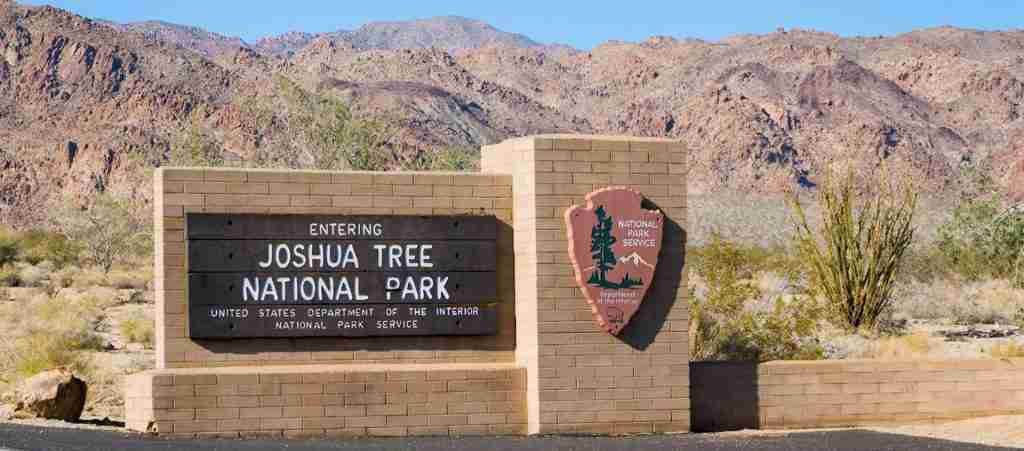
Rental car value calculation depends on itinerary. Visitors staying primarily in Hollywood and Santa Monica using Metro connections find rental cars unnecessary and parking costs prohibitive. Travelers planning Malibu coastal drives, Griffith Park hiking, or day trips to Disneyland, Santa Barbara, or Joshua Tree benefit from rental car flexibility. Families with children often find rental cars essential for managing schedules and transporting belongings despite parking costs.
Car-sharing services including Zipcar and Getaround provide hourly rentals $12-18 per hour plus mileage, suitable for occasional day trips from hotel base rather than week-long rentals. These services work well for travelers using Metro most days but needing car access for specific excursions. Total weekly rental car cost including vehicle $350-500, fuel $25-35, and parking $100-175 reaches $475-710, representing major budget item for mid-range and luxury travelers choosing car access convenience.
Airport Transportation Options LAX 2026
LAX airport transportation to Los Angeles hotels costs $16-55 depending on service type and destination. Metro Rail connection opened late 2024 provides $1.75 train access from LAX to Downtown, Hollywood, Santa Monica, and Pasadena using LAX shuttle to Aviation Station then continuing on Metro C and E Lines. Journey time ranges 45-75 minutes depending on final destination, making Metro the most economical option for solo budget travelers.
FlyAway Bus service operates between LAX and Union Station Downtown for $9.75 with departures every 30 minutes and 40-minute journey time. Additional FlyAway routes serve Hollywood $9.75 and Van Nuys $9.75. Shared shuttle services including SuperShuttle and Prime Time charge $18-28 per person to most hotels with multiple passenger stops extending journey times 60-90 minutes. These shuttles work well for budget travelers with flexible schedules willing to accept longer transit times for cost savings.
Rideshare pickups from LAX require walking to designated LAX-it lot near Terminal 1 and using app to request service. Uber and Lyft rides cost $35-50 to Hollywood hotels, $40-55 to Santa Monica, $45-60 to Beverly Hills, and $30-40 to Downtown depending on traffic. Surge pricing during peak flight arrival times increases costs 20-40%. Private car services offer fixed-rate airport transfers $70-95 with advance reservation eliminating surge pricing uncertainty.
Taxi queue at each terminal provides immediate access with fares matching or exceeding rideshare costs. Rental car center reached via free LAX shuttle with all major agencies represented. Traffic congestion near LAX during afternoon rush hours 3-7 PM adds 15-30 minutes to surface transportation times. Early morning and late evening transfers complete fastest. Budget travelers use Metro or FlyAway bus. Mid-range visitors choose rideshare. Luxury travelers book private car service for seamless arrival experience.
Neighborhood Walkability and Transit Access 2026
Los Angeles walkability varies dramatically by neighborhood with some areas supporting car-free exploration while others require vehicle access. Santa Monica offers 2-mile beachfront walk from Venice to Santa Monica Pier with pedestrian-friendly streets, Metro Expo Line terminal, and Big Blue Bus local service. Downtown LA’s historic core, Arts District, and Grand Central Market cluster within one-mile radius suitable for walking between attractions, restaurants, and Metro stations.
Hollywood Boulevard from Highland Avenue to Vine Street covers one mile containing Walk of Fame, TCL Chinese Theatre, Dolby Theatre, and restaurants accessible on foot. Metro Red Line stations at Hollywood/Highland and Hollywood/Vine anchor neighborhood transit. West Hollywood lacks Metro access but operates frequent local buses and proves walkable for Sunset Strip exploration over half-mile span between La Cienega and Doheny.
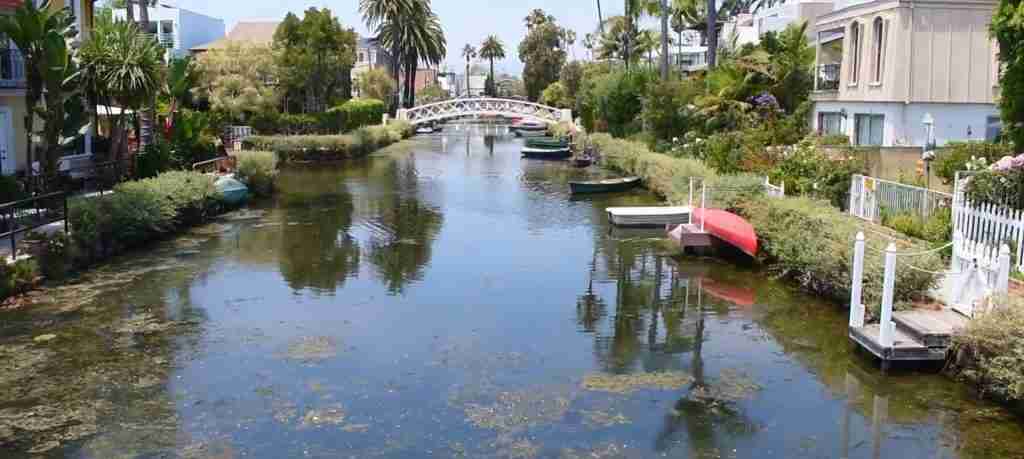
Beverly Hills’ Rodeo Drive shopping district covers four blocks walkable in 15 minutes with surrounding restaurants accessible on foot, though Metro doesn’t serve area requiring bus connections or rideshare access. Pasadena’s Old Town concentrates shopping, dining, and museums in half-mile walkable area served by Metro Gold Line. Venice Beach and Abbott Kinney Boulevard support walking and cycling with bike rentals available $15-25 daily.
Most LA neighborhoods require combination of walking short distances between attractions and using Metro, bus, or rideshare for neighborhood-to-neighborhood travel. Griffith Observatory accessed via DASH shuttle $0.35 from Metro Red Line rather than attempting steep uphill walk. Getty Center requires parking at museum with tram access from lot. Universal Studios needs car or rideshare as Metro connection requires bus transfer adding 30 minutes each direction.
Weekly Transportation Budget Comparison 2026
Budget transportation strategy using Metro exclusively costs $18 maximum weekly through fare capping plus occasional rideshare for airport transfer $35-40 and one late-night return $15-20, totaling $68-78 for week. This approach requires planning activities around Metro routes, accepting 45-60 minute transit times between major areas, and walking significant distances within neighborhoods. Budget travelers staying in Hollywood or Downtown find Metro network adequate for reaching major attractions without car rental.
Mid-range transportation mixing Metro base travel with rideshare convenience allocates $100-150 weekly. Strategy includes TAP card for neighborhood transit and attraction access $18, rideshare for 6-8 trips weekly averaging $20 per ride $120-160, totaling $138-178. This approach balances economy with time savings, using Metro for high-frequency corridors like Hollywood to Downtown while choosing rideshare for routes poorly served by transit or late evening returns.
Rental car strategy costs $475-710 weekly including economy vehicle rental $260-380, fuel $25-35, hotel parking $105-175 (7 nights × $15-25), and attraction parking $85-120 (estimate $12-17 daily). This investment delivers maximum schedule flexibility and access to Malibu, mountain hiking, and day trip destinations beyond Metro network. Families and visitors prioritizing beach exploration, hiking access, or Disneyland day trips find rental car value justifies cost despite parking challenges in dense neighborhoods.
Luxury transportation using rideshare exclusively without rental car parking hassles allocates $280-490 weekly, covering 2-3 daily trips averaging $20-35 each with surge pricing and longer distances. Private car service for airport transfers adds $140-190 for round-trip. This approach provides door-to-door convenience without driving, parking, or navigation stress, suitable for visitors prioritizing time efficiency over cost economy. Total luxury transportation budget reaches $420-680 weekly.
Attraction and Activity Costs Los Angeles 2026
Los Angeles attractions range from permanently free world-class museums to $186 Universal Studios admission, creating opportunities for every budget level to access entertainment and culture. Understanding which major attractions require admission fees, where multi-attraction passes deliver value, and how to access free alternatives helps travelers maximize experiences while controlling costs. Many of LA’s most celebrated attractions including The Getty Center, Griffith Observatory, and beach access cost nothing, allowing budget-conscious visitors to enjoy world-class experiences.
Major Paid Attractions Los Angeles 2026
Universal Studios Hollywood represents LA’s most expensive single attraction at $142 general admission for ages 10+ and $113 for ages 3-9 in 2026, with peak season dates commanding higher rates. Express passes adding one-time fast lane access to each ride cost additional $186. VIP Experience with expert guide, exclusive access, and unlimited express starts $349. Universal delivers full-day theme park entertainment with movie studio tour, Wizarding World of Harry Potter, and thrill rides justifying premium pricing for theme park enthusiasts.
Warner Bros Studio Tour Hollywood charges approximately $75-95 for standard studio tour providing behind-scenes access to working film and television production facilities. Tours span 2-3 hours exploring soundstages, backlots, and production areas with knowledgeable guides. La Brea Tar Pits and Museum charges $15-18 admission showcasing Ice Age fossils and active excavation sites. Natural History Museum costs $15-18 displaying dinosaur skeletons, gem collections, and natural history exhibits.
Getty Villa in Malibu offers free admission with advance timed reservation required, displaying ancient Greek and Roman art in recreated villa setting overlooking Pacific Ocean. Parking costs $20 per vehicle. California Science Center provides free general admission with IMAX theater tickets $9-12 additional. Battleship USS Iowa docked in San Pedro charges $25 adults, $15 seniors and military for self-guided tour of historic World War II vessel.
Santa Monica Pier attractions operate on pay-per-ride basis with Ferris wheel $10, arcade games $1-5 per play, and small amusement rides $5-8 each. Pacific Park unlimited ride wristband costs $35-45 depending on height. Hollywood tours including celebrity homes tours range $35-65 per person for 2-3 hour bus excursions. Hop-on hop-off bus tours cost $45-65 for day passes covering Hollywood, Beverly Hills, and beach areas with unlimited reboarding.
Multi-Attraction Passes and Discount Strategies 2026
Go City Los Angeles Pass provides up to 50% savings for visitors planning multiple paid attractions. All-Inclusive Pass offers unlimited admission to 40+ attractions for 1, 2, 3, 5, or 7 consecutive days starting $129 for single day. Explorer Pass lets visitors choose 3, 4, or 5 attractions from curated list with 30-day redemption window starting $99 for 3 attractions. Pass value depends on attraction selection, with high-value options like Universal Studios and full-day bus tours maximizing savings.
CityPASS Los Angeles bundles 4-5 top attractions starting approximately $135 adults with validity for 9 consecutive days. Included attractions vary but typically feature Universal Studios, Warner Bros tour, and museum options. Purchasing individual tickets to included attractions would cost $200-250, generating savings $65-115. CityPASS requires visiting all included attractions to maximize value, making it suitable for first-time visitors planning comprehensive sightseeing rather than selective exploration.
Discount ticket websites including Undercover Tourist and AttractionTickets.com offer 10-20% savings on Universal Studios and other theme park admissions compared to gate prices. Costco members access discounted Southern California attraction tickets through Costco Travel. AAA membership provides 10-15% discounts at many attractions. Military personnel and dependents receive discounted admission at Universal Studios, museums, and tours upon presenting valid military ID.
Booking attractions online in advance typically saves $5-15 per ticket compared to gate purchases while guaranteeing admission during peak periods when capacity limits apply. Combination packages bundling attraction admission with transportation or dining create modest savings 10-15% while adding convenience. Multi-day Universal Studios passes reduce per-day costs for visitors spending multiple days at theme park, though most tourists find single-day visit sufficient for available attractions.
Free Attractions and Activities Los Angeles 2026
The Getty Center provides free admission to world-class art museum rivaling any European institution, displaying European paintings, sculptures, decorative arts, and photography in Richard Meier’s acclaimed architectural setting. Parking costs $20 per vehicle with free admission after 5 PM Saturdays. The Getty Center’s collection, gardens, and panoramic city views deliver full-day cultural experience without admission fee, making it essential budget travel inclusion.
Griffith Observatory offers free access to exhibits including Foucault pendulum, Tesla coil, meteorite displays, and outdoor telescopes with planetarium shows $10. The observatory sits atop Mount Hollywood providing panoramic city views across Los Angeles basin to Pacific Ocean, particularly spectacular at sunset and after dark when city lights sparkle below. Free public telescopes available nightly weather permitting let visitors view moon, planets, and stars through professional equipment.
Venice Beach Boardwalk provides free street performance entertainment, skateboard park, outdoor gym Muscle Beach, and people-watching along 1.5-mile oceanfront path. Santa Monica State Beach offers free beach access with lifeguards, volleyball courts, and sunset viewing. Manhattan Beach and Hermosa Beach deliver quieter beach experiences without Venice’s commercial density. Beach parking costs $8-15 daily though free street parking exists in surrounding residential areas with 10-15 minute walk to sand.
Downtown LA’s Grand Central Market operates as free-entry historic food hall with vendor dining optional. Browsing architecture, vendors, and atmosphere costs nothing. The Broad museum showcasing contemporary art charges zero admission with advance online reservation required due to popularity. Hollywood Walk of Fame exists as public sidewalk with 2,700 celebrity stars viewable without admission fee. TCL Chinese Theatre forecourt with celebrity handprints and footprints remains publicly accessible without paying for theater tours.
Hiking throughout Griffith Park, Runyon Canyon, and coastal trails from Pacific Palisades to Palos Verdes provides free outdoor recreation with ocean and city views. Runyon Canyon trails near Hollywood offer celebrity sightings and urban hiking requiring no permits or fees. Los Angeles County Museum of Art urban light installation by Chris Burden remains permanently outdoors and freely accessible 24/7 for photography despite museum charging $25 general admission. Free concerts and events occur regularly at parks, beaches, and public spaces throughout summer months.
Seasonal Events and Special Experiences 2026
FIFA World Cup matches scheduled at SoFi Stadium during July-August 2026 bring international soccer competition to Los Angeles with ticket prices ranging $75-500 depending on match significance and seating location. Eight matches including key group stage games create multi-week festival atmosphere throughout city even for visitors without match tickets. Public viewing events, fan zones, and cultural celebrations will occur citywide during tournament dates. Hotel rates during World Cup weeks increase 40-60% with advance booking essential.
Hollywood Bowl summer concert series June through September offers outdoor amphitheater performances ranging from Los Angeles Philharmonic classical concerts to popular music acts. Ticket prices range $10 bench seats to $150+ premium seating with picnic dinner packages $70-120. Bowl atmosphere and setting in Hollywood Hills create unique entertainment experiences. Subscription packages and rush tickets provide discounted access to popular shows.
Museum Free Days occur monthly or quarterly at many LA museums. Natural History Museum offers free admission Los Angeles County residents with ID proof. Japanese American National Museum provides free admission third Thursday monthly. Chinese American Museum offers free admission regularly. Checking individual museum websites for free admission schedules helps budget travelers access paid attractions without cost. First Fridays in Downtown LA Arts District bring gallery openings, food trucks, and street events with free admission.
Beach activities including surfing lessons cost $75-95 for 2-hour group instruction, stand-up paddleboard rentals $25-35 hourly, and bike rentals $15-25 daily along beach paths. Kayaking Malibu coast with gear rental runs $65-85 for half-day. Helicopter tours over Los Angeles start $150-200 for 15-20 minute flights showcasing aerial city views. Hot air balloon rides in nearby valleys cost $200-300 per person for sunrise flights. These special experiences appeal to celebration occasions rather than daily activities.
Activity Costs by Interest Category 2026
Shopping experiences range from free window shopping on Rodeo Drive to luxury purchases at Beverly Hills boutiques. Third Street Promenade in Santa Monica and The Grove near Fairfax offer outdoor shopping with street performers and architecture creating entertainment beyond purchases. Outlet shopping at Camarillo Premium Outlets 40 miles northwest provides designer discounts 25-65% off retail. Sales tax of 9.5% applies to all purchases with no tax-free shopping available.
Arts and culture seekers find Museum Row along Wilshire Boulevard concentrating LACMA $25, Petersen Automotive Museum $19, and Academy Museum of Motion Pictures $25 within walking distance. Music venues throughout LA span from $20-35 cover charges at small clubs to $75-150 amphitheater concerts. Comedy clubs including The Comedy Store and Laugh Factory charge $15-25 covers plus two-drink minimum $20-30. Live theater ranges from $35-75 small productions to $95-250 major musicals at Pantages Theatre.
Outdoor enthusiasts access hiking free at Griffith Park, Topanga State Park $10 parking, and coastal bluffs. Bicycle rentals $15-25 daily along beach paths and Venice-Santa Monica corridor. Kayak and paddleboard rentals $25-35 hourly at Marina del Rey and Malibu. Surfboard rentals $20-30 daily with lessons $75-95 for 2-hour group instruction. Golf courses range from $35-65 municipal courses to $150-300 resort courses with cart rental $25-35 additional.
Family activities concentrate at Santa Monica Pier with free beach access and pay-per-ride amusements. California Science Center offers free admission with IMAX $9-12. Natural History Museum charges $15-18 with children finding dinosaur exhibits engaging. Kidspace Children’s Museum in Pasadena costs $16 admission. Zoo admission runs $24 adults, $19 children ages 2-12. Universal Studios and Disneyland appeal to families willing to invest $113-142 per person for full-day theme park experiences.
Complete Daily Budget Breakdowns Los Angeles 2026
Understanding how accommodation, dining, transportation, and attraction costs combine into total daily expenses helps travelers plan realistic budgets aligned with comfort expectations. These comprehensive breakdowns reflect actual spending patterns across budget, mid-range, and luxury tiers with all costs expressed per person assuming two people sharing hotel accommodation. Individual travelers should expect 30-40% higher accommodation costs when paying full room rates alone.
Budget Daily Costs Los Angeles 2026 ($80-130 Per Person)
Budget travelers can experience Los Angeles for $80-130 per person daily by staying in budget hotels or hostels with two sharing, eating at food trucks and casual restaurants, using Metro public transit exclusively, and prioritizing free attractions with occasional paid entries. Accommodation in budget hotel with two sharing costs $40-52 per person nightly in neighborhoods like Downtown LA, Hollywood, or near LAX. Hostel dormitory beds reduce accommodation to $28-45 per person for solo budget travelers willing to share rooms with other travelers.
Breakfast costs minimize to $6-10 through coffee shop pastries, fast food breakfast, or grocery items prepared at hostel. Lunch from food trucks, Grand Central Market vendors, or fast food runs $12-18. Dinner at casual ethnic restaurants in Koreatown, Thai Town, or East LA costs $15-25 for quality meals significantly better than fast food. Total daily food budget $33-53 assumes three restaurant meals with budget selections and no alcohol.
Transportation using Metro exclusively with fare capping costs maximum $5 daily or $18 weekly, averaging $2.50-7 per day depending on trip frequency. Occasional rideshare for airport transfer or late return adds $15-20 when needed but not daily expense. Walking combines with Metro for most movement between neighborhoods and attractions. Budget travelers accept 45-60 minute Metro transit times and plan activities around rail lines and bus routes.
Attraction costs stay low through free options like Getty Center, Griffith Observatory, beaches, Hollywood Walk of Fame, and hiking. Occasional paid attraction like Natural History Museum $15-18 or planetarium show $10 adds variety without breaking budget. Budget travelers skip Universal Studios $142 and expensive tours, instead exploring free neighborhoods, markets, and natural areas. Total daily budget breakdown: accommodation $40-52, meals $33-53, transport $5-7, attractions $0-15, totaling $80-130 per person daily.
Mid-Range Daily Costs Los Angeles 2026 ($185-270 Per Person)
Mid-range travelers enjoy comfortable Los Angeles experiences for $185-270 per person daily through mid-range hotels with two sharing, sit-down restaurant meals, mixed Metro and rideshare transportation, and balanced free and paid attractions. Accommodation in mid-range hotel with two sharing costs $80-110 per person nightly in neighborhoods like Hollywood, Downtown, Mid-Wilshire, or near beaches. These properties include private bathrooms, on-site dining, pools, and often complimentary breakfast reducing daily food costs.
Breakfast at cafe or hotel restaurant costs $10-15 when not included. Lunch at mid-range sit-down restaurant runs $20-30 for entree, beverage, tax, and tip. Dinner at quality restaurant with cocktail or wine reaches $30-45. Total daily dining budget $60-90 assumes three restaurant meals with mid-range selections and moderate alcohol consumption. Alternating some meals with casual options or preparing breakfast reduces costs toward lower range.
Transportation mixing Metro base service $5-7 daily with rideshare convenience for 2-3 trips averaging $20 costs $20-32 daily. This strategy uses Metro for high-frequency routes while choosing rideshare for poorly served areas, time-sensitive journeys, and evening returns from restaurants and entertainment. Mid-range travelers balance economy with convenience rather than exclusively optimizing for cost or time.
Attraction budget $25-40 daily covers one paid museum, tour, or attraction entry plus occasional premium experiences. Universal Studios visit $142 replaces several days of $25-40 attraction budgets rather than occurring daily. Mid-range travelers visit Getty Center free, pay for La Brea Tar Pits $15-18, take bus tour $45-65, or book studio tour $75-95 depending on interests. Total daily budget breakdown: accommodation $80-110, meals $60-90, transport $20-32, attractions $25-40, totaling $185-270 per person daily.
Luxury Daily Costs Los Angeles 2026 ($405-640 Per Person)
Luxury travelers invest $405-640 per person daily in premium Los Angeles experiences through upscale hotels with two sharing, fine dining, private transportation, and VIP attraction access. Accommodation in luxury hotel with two sharing costs $175-275 per person nightly in Beverly Hills, West Hollywood beachfront, or Downtown luxury properties. These hotels provide valet parking, spa services, rooftop pools, concierge assistance, and prime locations justifying premium rates through service quality and experience enhancement.
Breakfast at upscale cafe or hotel restaurant costs $20-35. Lunch at upscale casual restaurant runs $40-60. Dinner at fine dining or upscale establishment reaches $80-120 before wine which adds $30-60 per bottle or $15-20 per glass. Total daily dining budget $140-215 assumes three upscale meals with wine or cocktails. Luxury travelers occasionally splurge on $295-395 tasting menu experiences replacing several days of standard luxury dining budget.
Transportation using rideshare exclusively for 3-5 daily trips averaging $20-35 per ride costs $40-70 daily. Private car service for airport transfer adds one-time $70-95 charge. Luxury travelers avoid rental car parking hassles while maintaining door-to-door convenience through rideshare on-demand service. Valet parking when driving costs $10-20 per restaurant or venue with tips additional $3-5.
Attraction budget $50-80 daily covers VIP tour experiences, premium museum visits, and special events. Universal Studios VIP Experience $349 replaces multiple days of attraction budget. Luxury travelers book private guides $250-400 for customized city tours, helicopter flights $150-200, and exclusive after-hours museum access $100-150. Total daily budget breakdown: accommodation $175-275, meals $140-215, transport $40-70, attractions $50-80, totaling $405-640 per person daily.
Solo Traveler Budget Adjustments 2026
Solo travelers face higher per-person costs due to paying full hotel room rates without sharing. Budget solo traveler using hostel dormitory bed $28-45 nightly achieves similar accommodation costs to couples sharing budget hotel rooms. Private budget hotel room for solo traveler costs $66-103 nightly, increasing daily budget to $100-160 total compared to $80-130 for couples. Mid-range solo traveler paying $160-220 nightly for private hotel room faces $185-240 accommodation costs, raising total daily budget to $265-360 compared to couples’ $185-270.
Dining costs remain relatively stable for solo travelers as restaurant meals price per person regardless of party size. Transportation costs actually favor solo travelers using Metro and rideshare as no coordination needed with travel partner and single-rider flexibility. Attraction costs identical per person whether visiting alone or with others. Solo travelers save money selecting hostels with shared rooms but pay premium for private hotel accommodations compared to couples splitting costs.
Family Budget Considerations Four People 2026
Families traveling with two adults and two children face different budget dynamics than couples. Hotel rooms accommodating four people cost $95-130 nightly budget hotels with two double beds, $190-260 nightly mid-range properties, and $400-600 luxury hotels. Dividing costs across four people yields $24-33 per person budget accommodation, $48-65 mid-range, and $100-150 luxury, lower than couple per-person rates due to spreading fixed room costs across more people.
Dining costs increase as children eat smaller portions but still order meals. Family of four budgets $50-80 daily for budget casual dining, $100-140 for mid-range restaurants, and $180-280 for upscale experiences. Children’s menus reduce costs 20-30% at family-friendly restaurants. Universal Studios family admission costs $455-568 for two adults and two children, significant single-day expense. Families often choose vacation rentals with kitchens to prepare breakfast and lunch, reducing dining costs 30-40% while providing more space than hotel rooms.
Transportation costs favor families renting cars despite parking fees as four rideshare passengers cost more than rental and parking combined for multi-day trips. Families budget $60-85 daily for rental car, fuel, and parking versus $80-140 for equivalent rideshare coverage. Metro fare capping benefits families as children under 5 ride free and family daily maximum reaches $15-20 total rather than per person. Family daily budgets range $140-180 per person for budget travel, $195-270 mid-range, and $330-500 luxury.
Sample Los Angeles Itineraries with Daily Costs 2026
These detailed multi-day itineraries demonstrate how daily budgets combine with specific attraction choices, dining selections, and transportation modes to create comprehensive trip costs. Each itinerary reflects realistic spending patterns across budget, mid-range, and luxury tiers with itemized daily breakdowns showing how costs accumulate throughout visits.
Budget 3-Day Los Angeles Itinerary ($250-395 Per Person Total)
Day 1 focuses on Hollywood and Griffith Park with budget hotel accommodation Downtown LA $40 per person (two sharing), Metro travel to Hollywood $1.75, Hollywood Walk of Fame exploration free, lunch at Grand Central Market $12, Metro to Griffith Observatory $1.75, observatory visit and sunset free with planetarium show $10, DASH bus return $0.35, dinner at Thai Town restaurant $18, Metro back to hotel $1.75. Day 1 total approximately $86 per person.
Day 2 covers Santa Monica and Venice with Metro Expo Line to Santa Monica $1.75, Third Street Promenade browsing free, beach access free, lunch from beachfront food truck $14, Venice Beach Boardwalk walk free, afternoon coffee $6, Getty Villa visit free with advance reservation plus parking $10 per person (split between two), dinner at casual Santa Monica restaurant $22, Metro return $1.75. Day 2 total approximately $56 per person plus accommodation $44.
Day 3 explores Downtown arts and culture with Grand Central Market breakfast $8, The Broad contemporary art museum free with reservation, downtown walking tour free, lunch at Arts District restaurant $16, Natural History Museum admission $15, Exposition Park rose garden free, early dinner at Koreatown KBBQ $24, Metro throughout day $1.75. Day 3 total approximately $65 per person plus accommodation $44. Three-day budget itinerary total including accommodation $250-395 per person for solo to sharing scenarios.
Mid-Range 5-Day Los Angeles Itinerary ($960-1,360 Per Person Total)
Day 1 arrival includes LAX rideshare to Hollywood hotel $45, hotel check-in mid-range property $90 per person (two sharing), afternoon Getty Center visit free with parking $10 per person, sunset viewing, dinner at Hollywood mid-range restaurant $38, evening Hollywood Boulevard stroll free. Day 1 total approximately $183 per person.
Day 2 Universal Studios features hotel breakfast included, rideshare to Universal Studios $22, park admission $142, full day at theme park with lunch and snacks $25, rideshare return to hotel $22, dinner at West Hollywood restaurant $42. Day 2 total approximately $253 per person plus accommodation $95.
Day 3 beach day covers hotel breakfast included, rideshare to Santa Monica $25, Santa Monica Pier and beach exploration with Pacific Park rides $35, lunch at beachfront restaurant $30, afternoon Venice Beach visit, paddleboard rental $30, sunset dinner at Venice restaurant $40, rideshare return $25. Day 3 total approximately $185 per person plus accommodation $95.
Day 4 explores culture with hotel breakfast included, rideshare to Museum Row $18, LACMA visit $25, lunch at Farmers Market $24, La Brea Tar Pits $15, rideshare to Beverly Hills $15, Rodeo Drive window shopping free, dinner at Beverly Hills restaurant $48, rideshare to hotel $18. Day 4 total approximately $163 per person plus accommodation $95.
Day 5 departure involves hotel breakfast included, rideshare to Downtown $15, Grand Central Market exploration and purchases $20, late checkout and rideshare to LAX $45. Day 5 total approximately $80 per person. Five-day mid-range itinerary total approximately $960-1,360 per person including variable accommodation scenarios.
Luxury 3-Day Los Angeles Weekend ($1,250-1,940 Per Person Total)
Day 1 features private car service LAX to Beverly Hills luxury hotel $95, hotel check-in luxury property $185 per person (two sharing), afternoon spa treatment $200, late lunch at hotel restaurant $55, evening dinner at Spago Beverly Hills $160 with wine, after-dinner cocktails at rooftop bar $35. Day 1 total approximately $730 per person.
Day 2 Warner Bros VIP Studio Tour begins with hotel breakfast $32, private car to studio $35, VIP tour admission $95, lunch at studio commissary $28, afternoon shopping Rodeo Drive with personal shopper assistance complimentary, rideshare to Malibu $45, sunset dinner at Nobu Malibu $180, rideshare return $45. Day 2 total approximately $460 per person plus accommodation $200.
Day 3 beach and art day includes hotel breakfast $32, private car to Getty Center $40, museum visit free, cafe lunch at Getty $35, afternoon helicopter tour Los Angeles $185, landing at Santa Monica, beachfront dinner at fine dining restaurant $150, private car to LAX evening departure $95. Day 3 total approximately $537 per person. Three-day luxury weekend total approximately $1,250-1,940 per person depending on accommodation tier selection and activity choices.
Seasonal Price Variations Los Angeles 2026
Los Angeles costs fluctuate throughout the year based on weather patterns, school vacation schedules, and major events creating high and low seasons with price variations reaching 40% between peak summer and value winter periods. Understanding these seasonal patterns helps travelers choose optimal visit timing balancing weather preferences against budget constraints and crowd levels.
Summer Peak Season Costs June-August 2026
Summer represents Los Angeles peak tourism season when hotel rates increase 25-40% above winter baseline pricing. Mid-range Hollywood hotels averaging $165 in January reach $210-220 in July. Santa Monica beachfront properties jump from $180 winter to $280-320 summer peaks. Budget hotels show smaller seasonal increases with $75 winter rates rising to $90-95 summer as demand pushes budget travelers into limited inventory. Luxury properties increase moderately 15-25% as high-end travelers prove less price sensitive to seasonal variations.
Summer weather delivers perfect beach conditions with 75-85°F temperatures, minimal rainfall, and ocean water warming to 65-70°F by August. Beach neighborhoods including Santa Monica, Venice, Manhattan Beach, and Malibu see heaviest visitation June through August creating parking challenges and restaurant waits. Inland areas including Downtown LA and San Fernando Valley experience heat waves reaching 95-105°F making beach proximity more valuable during summer visits.
Attraction crowds peak during summer school vacation June through August when families with children dominate visitor demographics. Universal Studios and other theme parks reach capacity many summer days requiring advance ticket purchases. Museums and indoor attractions provide air-conditioned refuge during afternoon heat. Summer brings outdoor concerts, food festivals, and beach events adding free entertainment options offsetting higher accommodation costs for budget travelers willing to camp or stay in hostels.
Shoulder Season Value April-May and September-October 2026
Spring April-May and fall September-October deliver optimal value balancing pleasant weather with rates 10-20% below summer peaks. Mid-range hotels drop to $180-195 from summer $210-220 while maintaining 70-80°F temperatures ideal for beach and outdoor activities. Santa Monica properties reduce to $220-250 from summer $280-320. Budget hotels maintain relatively stable pricing year-round with minimal shoulder season discounts due to consistent budget traveler demand.
April and May provide ideal weather before summer crowds arrive with wildflower blooms in mountain areas and comfortable beach temperatures. September and October extend summer beach season as ocean water remains warm from summer heating while tourist crowds dissipate after Labor Day. Fall brings best hiking weather with cooler mountain temperatures and clearer air quality than summer smog periods. These shoulder seasons suit travelers prioritizing weather over absolute lowest pricing.
Attraction crowds moderate during shoulder seasons making Universal Studios, museums, and tours more pleasant without summer congestion. Restaurant reservations become easier to secure with less advance planning required. Rideshare and rental car availability improves with less competition for vehicles during peak times. Event calendars fill with festivals, outdoor concerts, and cultural celebrations particularly September-October when weather cools slightly from summer peaks.
Winter Value Season November-March 2026
Winter November through March offers Los Angeles lowest hotel rates with mid-range properties dropping to $145-165 from summer $210-220, representing 30-35% savings. Santa Monica hotels fall to $180-220 from summer $280-320. Budget hotels maintain $70-85 rates with minimal seasonal variation. Luxury properties reduce moderately to $350-450 from summer $420-550. Winter rates exclude holiday weeks including Thanksgiving, Christmas-New Year, and President’s Day when prices spike 20-40% above normal winter levels.
Winter weather remains pleasant by most standards with daytime temperatures 65-75°F and minimal rainfall except January-February when LA receives majority of annual precipitation averaging 2-3 inches monthly. Ocean water cools to 55-60°F making swimming less appealing though beach walks and activities remain comfortable with light jacket. Occasional rain days 4-6 monthly require indoor activity backup plans unlike summer’s guaranteed sun.
Winter represents optimal value season for travelers prioritizing budget over guaranteed beach weather. Hotel savings of $30-60 nightly for mid-range properties accumulate to $210-420 weekly, significant budget enhancement funding additional dining, attractions, or trip extensions. Cultural attractions, museums, and urban experiences remain fully accessible regardless of weather. Winter brings awards season in Hollywood with potential celebrity sightings and premiere events adding glamour to city atmosphere.
Major Event Impact on 2026 Pricing
FIFA World Cup matches at SoFi Stadium July-August 2026 create extraordinary pricing pressure during tournament dates. Hotels within 20 miles of Inglewood stadium increase rates 40-60% during match weeks with many properties requiring 3-5 night minimum stays. Mid-range hotels normally $190-210 summer reach $300-380 World Cup weeks. Budget hotels jump to $120-150 from typical $90-95. Advance booking 6-12 months ahead essential for reasonable rates and availability during tournament.
Award season events February-March 2026 including Academy Awards affect Beverly Hills, Hollywood, and West Hollywood hotel rates increasing 20-30% during award weeks. SAG Awards, Golden Globes, and Oscars create celebrity sightings and premiere events attracting visitors willing to pay premium rates for red carpet proximity. Downtown LA hotels less affected by award season though general winter visitation keeps rates reasonable except specific award nights.
Coachella and Stagecoach music festivals in nearby Indio April 2026 indirectly affect LA hotel rates as some festival attendees stay in Los Angeles commuting to desert events. LAX area hotels see modest rate increases 10-15% during festival weekends. Rose Bowl college football games in Pasadena New Year’s Day create local hotel rate spikes though downtown LA largely unaffected. Los Angeles Marathon in March brings minor rate increases near course neighborhoods.
Money-Saving Strategies Los Angeles 2026
Smart travelers can reduce Los Angeles costs 30-50% through strategic choices around timing, location, dining, and attraction selection without sacrificing experience quality. These proven strategies help visitors maximize budgets while accessing same attractions, neighborhoods, and activities as travelers spending significantly more through less informed approaches.
Accommodation Money-Saving Tactics 2026
Booking hotels 60-90 days in advance secures rates 15-25% below last-minute pricing particularly during summer peak season when availability tightens. Price comparison across booking platforms including hotel direct websites, Booking.com, Hotels.com, and Expedia reveals variations of $10-30 nightly for identical rooms. Hotels.com rewards program provides free night after 10 stays accumulated across visits. Credit cards offering hotel points including Chase Sapphire and American Express Platinum enable free nights at luxury properties after points accumulation.
Choosing neighborhoods slightly removed from prime tourist zones delivers major savings. Mid-Wilshire hotels cost $145-180 versus Hollywood’s $175-210 while maintaining Metro access to attractions. Burbank and Glendale hotels run $130-170 compared to Beverly Hills $200-280 with 15-minute drive to major sights. Downtown LA hotels near Metro stations provide similar access to Hollywood at $140-185 versus Hollywood’s $175-210. These location choices save $30-60 nightly while requiring minimal transportation adjustment.
Vacation rentals through Airbnb and VRBO become economical for groups of three or more and stays exceeding four nights when cleaning fees amortize across multiple days. Two-bedroom apartments $180-260 nightly split among four people cost $45-65 per person versus hotel rooms $80-110 per person in mid-range category. Kitchen access lets groups prepare breakfast and lunch saving $25-40 daily per person on dining costs. Extended stays of seven nights sometimes qualify for weekly discounts reducing daily rates 10-15%.
Dining Cost Reduction Strategies 2026
Eating in ethnic neighborhoods rather than tourist zones cuts dining costs 40-60% while often improving food quality and authenticity. Korean BBQ in Koreatown costs $22-28 all-you-can-eat versus $45-60 in West Hollywood. Thai Town curry and noodle dishes run $11-16 compared to Santa Monica’s $20-28. East LA taquerias charge $10-14 for combination plates costing $18-24 in Venice Beach tourist areas. Monterey Park Chinese restaurants serve authentic cuisine $9-16 versus $18-26 Downtown equivalents.
Happy hour promotions typically 3-6 PM offer appetizers $8-14 and drink specials reducing costs 20-30% compared to dinner pricing. Many restaurants serve identical food at lunch for $15-24 that costs $24-38 at dinner. Dine LA Restaurant Week events January-February and July provide prix-fixe menus at participating upscale restaurants $25-65 representing 30-50% savings versus regular pricing. Following restaurants on social media reveals one-time promotions and special events.
Grocery shopping at Trader Joe’s, Ralphs, or ethnic supermarkets enables breakfast and lunch preparation at fraction of restaurant costs. Breakfast items for two people cost $8-12 total versus $20-30 restaurant breakfast. Sandwich ingredients, fresh fruit, and snacks for lunch run $12-18 versus $30-45 sit-down lunch. Preparing two daily meals while dining out for dinner reduces daily food costs from $60-90 to $40-55 per person.
Food truck pods and food halls including Grand Central Market, Smorgasburg LA, and various Arts District locations offer quality meals $8-18 with diverse options. These venues provide restaurant-quality food at casual pricing while creating social dining atmosphere. Bringing reusable water bottles refilled from fountains and hotel rooms saves $3-5 daily versus purchasing bottled water. Avoiding alcohol at restaurants reduces bills 30-40% as cocktails $12-18 and wine $10-15 per glass significantly inflate meal costs.
Transportation Savings Techniques 2026
Metro fare capping provides best public transit value automatically limiting costs to $5 daily and $18 weekly regardless of ride frequency. Loading $25-30 stored value on TAP card covers week-long visits without worrying about individual fare costs. Metro delivers significant savings compared to rental car expenses when visiting primarily Metro-connected areas including Hollywood, Downtown, Santa Monica, and Pasadena. Seven-day Metro pass $18 costs less than single day parking fees $20-25 in many neighborhoods.
Timing rideshare trips outside surge pricing periods saves 30-50% compared to peak hours. Weekday evenings 5-7 PM and weekend nights 10 PM-2 AM face highest surge multipliers while midday and early evening 7-9 PM offer baseline rates. Comparing Uber and Lyft prices before each ride reveals differences of $3-8 for identical trips as surge pricing algorithms vary. Shared rideshare options when available reduce costs 20-30% accepting longer trip times from multiple passenger pickups.
Rental car comparison across companies and booking platforms shows variations of $15-35 daily for identical vehicle categories. Off-airport rental locations eliminate facility fees of $12-18 daily though requiring shuttle transfers from airport. Weekly rental rates reduce daily costs 25-35% compared to 3-4 day bookings. Declining collision damage waiver insurance and using credit card coverage saves $15-25 daily for travelers with appropriate card benefits. Refueling car before return rather than purchasing prepaid fuel saves $15-25 by avoiding inflated per-gallon rates.
Attraction and Activity Savings Approaches 2026
Prioritizing free world-class attractions including Getty Center, Griffith Observatory, beaches, and Hollywood Walk of Fame provides full days of quality experiences without admission costs. Adding one paid attraction every 2-3 days rather than daily museum visits reduces weekly attraction budgets from $175-280 to $60-90 while maintaining activity variety. Free museum days at Natural History Museum, Autry Museum, and others scheduled monthly enable paid attraction access without fees for flexible travelers.
Multi-attraction passes including Go City and CityPASS deliver value when visiting 4+ paid attractions during trip. Go City 5-attraction Explorer Pass $159 covers Universal Studios $142, studio tour $75-95, and three museums totaling $45-55 retail value $262-292, saving $103-133. Passes justify costs only when actually visiting all included attractions, making them suitable for comprehensive itineraries not selective exploration. Discount ticket websites offer 10-20% savings on individual attraction tickets compared to gate purchases.
Booking tours and activities through Groupon and LivingSocial reveals deals 30-60% off regular pricing. Helicopter tours normally $185-225 appear on Groupon $99-135. Food tours $75-95 retail offer Groupon rates $45-60. These deals require flexibility around specific dates and times but deliver significant savings for non-time-sensitive visitors. Following attraction social media accounts reveals flash sales and promotional periods.
Beach activities using free public access rather than paid beach clubs and rental equipment saves substantially. Bringing beach items from home or purchasing inexpensive beach chairs $15-25, umbrellas $20-30, and coolers $25-40 at Target or Walmart costs less than single day beach equipment rental $40-75. Public beach showers and changing facilities available free at most LA County beaches. Parking in residential areas near beaches with short walk to sand saves $8-15 daily versus beach lot parking.
Hidden Costs and Budget Surprises Los Angeles 2026
Los Angeles contains numerous costs beyond obvious expenses that catch unprepared travelers, potentially inflating budgets 20-40% above planned amounts. Understanding these hidden charges helps travelers budget accurately and avoid unwelcome surprises when settling bills. Many tourists underestimate true costs by failing to account for taxes, tips, parking, resort fees, and other add-ons transforming quoted prices into significantly higher final charges.
Sales Tax and Restaurant Tipping 2026
California state and Los Angeles county sales taxes combine to 9.5% on restaurant meals, retail purchases, and many services. This tax applies to all food consumed on premises whether fast casual or fine dining. A $30 restaurant entrée becomes $33 after tax before gratuity. Sales tax doesn’t apply to groceries purchased for home preparation, creating incentive for budget travelers to prepare some meals rather than eating exclusively at restaurants.
Restaurant tipping expectations range 18-20% for good service calculated on post-tax total. Some establishments add automatic 18-20% gratuity for all parties, not just large groups. A $30 entrée plus 9.5% tax plus 20% tip becomes $39-40 final cost, representing 30% markup over menu price. This pattern applies across dining tiers from $15 casual meals becoming $19-20 to $80 fine dining becoming $104. Budget planning should multiply stated menu prices by 1.30 to estimate true costs.
Bars and cocktail lounges expect $1-2 per drink tips for bartender service or 15-20% on total bar tabs. Coffee shops position tip jars with suggested amounts $1-3 though tips remain optional for counter service. Food trucks and casual counters suggest tips 10-15% through payment terminals though lower percentages acceptable for quick service without table attendance. Delivery app tips separate from service fees with 15-20% recommended for delivery drivers.
Parking Fees and Transportation Hidden Costs 2026
Parking costs accumulate rapidly in Los Angeles with hotel parking averaging $20-35 nightly, restaurant valet $10-20 plus $3-5 tip, attraction parking $10-25 daily, and street meters $2-4 hourly. Visitors renting cars often underestimate these parking costs which can exceed $40-80 daily in beach neighborhoods and tourist areas. Valet parking adds to costs through expected gratuities of $3-5 when retrieving vehicle even if valet service is hotel-provided.
Some hotels charge resort fees $20-40 nightly covering wifi, pool access, and amenities. These fees appear separately from quoted room rates and inflate total accommodation costs 10-15%. Travelers should confirm whether quoted rates include resort fees before booking as some comparison sites exclude these mandatory charges from displayed prices. Downtown and business hotels less likely to charge resort fees compared to beach and resort properties.
Rental car insurance adds $15-35 daily unless declined in favor of credit card coverage or personal auto insurance. Young drivers under 25 face surcharges $20-35 daily at most rental companies. One-way rental drop-offs at different locations incur $75-150 fees. Returning rental cars with less than full fuel tank triggers inflated refueling charges $25-45 versus market gas prices. Toll roads throughout LA automatically charge rental car accounts $3-8 per toll segment plus administrative fees $3-5 per transaction day.
Theme Park and Attraction Hidden Costs 2026
Universal Studios and other theme parks charge for parking $30-40 unless using public transit or rideshare. Locker rentals for storing belongings on rides cost $10-20 daily. Express or fast pass upgrades to skip regular lines add $60-186 to base admission. On-site food and beverage at theme parks costs premium prices with meals $15-25 and bottled water $5-6 versus outside alternatives at half prices. Full day theme park visit total costs often reach $200-300 per person including admission, parking, food, and souvenirs versus advertised admission $142.
Museum gift shops and attraction stores feature expensive souvenirs targeting tourists with markup prices 100-200% above equivalent items at Target or souvenir shops outside attraction gates. Hollywood Walk of Fame street vendors sell bottled water $3-5 and snacks $4-8 at prices double convenience store rates. Beach equipment rental companies charge $40-75 daily for chairs and umbrellas purchasable at stores for $35-55 one-time cost. Tour guides expect tips 10-20% for group walking tours and private guide services.
Seasonal and Event Cost Surcharges 2026
Holiday periods bring airline ticket surcharges $50-150 over non-holiday pricing for same routes. Hotels implement minimum stay requirements during peak weekends and events requiring 2-4 night bookings when travelers might prefer shorter stays. Premium pricing for New Year’s Eve, Fourth of July, and major events adds 20-50% to normal costs for hotels, restaurants, and attractions. FIFA World Cup match weeks in July-August 2026 create compressed availability and inflated rates across all expense categories.
Rental cars face premium holiday pricing $20-40 daily above normal rates during Thanksgiving, Christmas, spring break, and summer peak weeks. Rideshare surge pricing during major events reaches 2-3 times baseline rates with LAX airport pickups during peak hours adding $15-30 to standard trip costs. Special event tickets for concerts, sports, and entertainment at venues including Hollywood Bowl and Staples Center charge Ticketmaster fees $10-25 per ticket beyond stated ticket prices.
Communication and Connectivity Fees 2026
International visitors face mobile phone roaming charges unless arranging US SIM cards or international plans before arrival. Hotel wifi typically provided free at mid-range and luxury properties but budget hotels sometimes charge $10-15 daily. Café and restaurant wifi requires password requests and often carries expectations of food or beverage purchase $5-10. Public wifi at Metro stations, libraries, and parks provides free connectivity though security concerns recommend VPN usage for sensitive transactions.
Currency exchange at airports and hotels charges rates 3-8% worse than bank rates plus service fees $5-10 per transaction. ATM withdrawals incur foreign transaction fees from home banks 1-3% plus LA bank charges $3-5 per withdrawal. Credit cards without foreign transaction fees save 3% on all purchases for international visitors. Tipping in US dollars expected even when paying with credit cards as many service workers rely on cash tips not credit card tip additions.
Budget Planning for Different Traveler Types 2026
Los Angeles costs vary significantly based on travel style, group composition, and priorities beyond simple budget tier selection. Solo travelers, couples, families, seniors, and students each face unique cost patterns and money-saving opportunities. Understanding how demographic factors and travel priorities affect budgets helps each traveler type plan realistic amounts and identify relevant cost-reduction strategies.
Solo Traveler Budget Strategies 2026
Solo travelers face accommodation challenges as hotel rooms price per room not per person, making solo rates $66-220 nightly compared to couples’ $40-110 per person in shared rooms. Hostel dormitory beds $28-45 provide budget accommodation without solo supplement though privacy sacrifices required. Single supplements at hotels typically don’t exist so solo travelers pay full double occupancy rates. Vacation rentals prove less economical for solo travelers as cleaning fees $75-150 don’t reduce with single occupancy.
Dining costs favor solo travelers at casual restaurants where single meals cost less than couple portions. Food trucks and counters work well for solo dining avoiding awkward single-table restaurant situations. Solo travelers save on rideshare pool options unavailable to couples needing two seats. Metro fare capping benefits solo travelers identically to couples at $5 daily maximum. Solo travelers can spontaneously join free walking tours and group activities meeting other travelers without coordinating partner schedules.
Total solo traveler budgets range $115-180 daily for budget tier using hostels and Metro, $245-350 mid-range with private room and mixed transport, and $580-890 luxury with upscale hotels and rideshare. Solo budget travelers choosing hostels actually spend less than couples splitting budget hotel rooms due to dormitory bed savings. Solo mid-range and luxury travelers pay premium 30-40% above couple per-person costs due to accommodation single supplements.
Couple Travel Budget Optimization 2026
Couples achieve best value in Los Angeles as hotel costs split evenly between two people and vacation rentals suit two-person occupancy. Mid-range hotels $160-220 become $80-110 per person nightly, affordable tier for couples wanting private rooms with amenities. Vacation rental studios $90-140 nightly provide $45-70 per person accommodation with kitchen saving $20-30 daily per person on meals through breakfast and lunch preparation.
Dining costs for couples allow sharing appetizers and desserts reducing per-person costs 10-15% compared to two individual meals. Couples can split entrees at casual restaurants when portion sizes exceed hunger levels. Rideshare costs identical per trip whether one or two passengers making couples’ per-person transport costs half solo traveler rates. Rental car costs spread across two people making daily $75-95 rental become $38-48 per person competitive with rideshare for couples planning multiple daily trips.
Couple daily budgets range $80-130 per person budget tier, $185-270 mid-range, and $405-640 luxury as detailed in main budget breakdowns. Couples enjoy best cost-per-person value among traveler types due to accommodation sharing without coordination complexity of larger groups. Romantic dinner splurges and special experiences fit couple travel priorities with $150-300 fine dining dates replacing several days of standard dining budgets.
Family Travel Cost Considerations 2026
Families with two adults and two children ages 5-12 face unique budget dynamics. Hotel rooms accommodating four require two beds costing $95-260 nightly depending on tier, but dividing across four people yields $24-65 per person competitive with couple rates. Vacation rental two-bedroom apartments $180-260 split four ways cost $45-65 per person while providing kitchen for meal preparation saving $40-80 daily on family dining compared to all restaurant meals.
Children’s meals at family-friendly restaurants cost $8-14 compared to adult meals $15-30, reducing family dining costs 15-25% versus four adult meals. Fast food and casual chains prove economical for families with four-person meals $32-52 total. Preparing breakfast and lunch at vacation rental reduces daily family food costs to $80-120 compared to $140-200 all restaurant meals. Theme park admission for four costs $455-568 at Universal Studios, significant expense requiring budget allocation.
Transportation costs favor rental cars for families as four rideshare passengers cost more than rental car and parking combined. Family of four pays $60-70 rideshare trips versus rental car daily $75-95 plus parking, becoming economical after 2-3 daily trips. Metro benefits families through children under 5 riding free and family fare capping reaching $15-20 daily maximum versus per-person costs. Family daily budgets range $140-180 per person budget tier, $195-270 mid-range, and $330-500 luxury depending on accommodation and dining choices.
Senior Traveler Discounts and Planning 2026
Senior travelers age 62+ access reduced fares on Metro at $0.75-0.85 per ride versus standard $1.75, cutting public transit costs 50-55%. Senior fare capping limits costs to $2.50 daily and $5 weekly compared to standard $5 daily and $18 weekly. Museums including LACMA offer senior rates $21 versus standard $25. Universal Studios and attractions provide senior discounts 10-15% off regular admission with ID verification required. These discounts accumulate to $15-30 daily savings for seniors using public transit and visiting attractions.
Senior travelers often prioritize comfort over budget with preferences for mid-range hotels offering elevators, accessible rooms, and breakfast included. Many seniors travel during off-peak periods October-April when rates drop 20-35% and crowds moderate. Senior travel insurance costs more than younger traveler policies due to age-based medical risk requiring $50-85 weekly for comprehensive coverage versus $25-45 for travelers under 60.
AARP membership provides hotel discounts 5-15% at many chains including Hilton, Marriott, and Best Western. National Parks annual senior pass $20 covers federal recreation sites though California state beaches charge standard $10-15 parking. Senior travelers typically avoid hostel dormitories and budget hotels preferring mid-range comfort making their budget profiles align with standard mid-range tier $185-270 daily minus transit and attraction discounts reducing costs to $165-245 daily.
Student and Youth Traveler Savings 2026
Students with valid ID access discounted museum admission at LACMA $10 students versus $25 adults. University students at participating institutions receive free Metro transit through GoPass programs eliminating $18 weekly transit costs. International students with ISIC cards receive additional discounts at attractions and tours 10-20% off standard pricing. Student travelers typically embrace budget tier strategies staying in hostels $28-45 dormitory beds and eating casual food $35-50 daily.
Youth hostels in Hollywood and Downtown provide social atmospheres conducive to meeting fellow travelers and sharing transportation costs for day trips. Student travelers commonly travel in groups of 3-4 splitting vacation rental costs $180-260 divided by group yielding $45-65 per person with shared amenities. Spring break periods March-April see inflated rates 20-30% as student demand increases though student budgets remain constrained requiring budget tactics despite peak pricing.
Student daily budgets typically $75-115 include hostel dormitory $28-45, budget dining $35-50, Metro transit $2.50-7, free and discount attractions $10-15. Students prioritize experiences over comfort accepting hostel dormitories, food trucks, and Metro-only transportation to maximize activity budgets. Working holiday travelers and gap year students sometimes extend LA stays weeks or months accessing monthly rental rates $800-1,200 for shared rooms significantly reducing daily costs to $25-40 accommodation component.
Frequently Asked Questions Los Angeles Budget 2026
Is Los Angeles an Expensive City to Visit in 2026?
Los Angeles ranks as moderately expensive to expensive among major US cities with costs below Manhattan and San Francisco but exceeding most Southern and Midwest destinations. Daily costs range $80-130 per person for budget travel, $185-270 for mid-range comfort, and $405-640 for luxury experiences in 2026. Hotel rates increased approximately 10% during 2026 due to wage ordinances affecting hospitality workers though multi-tier accommodation options let travelers control largest budget component through neighborhood and property type selection. Free world-class attractions including Getty Center, Griffith Observatory, and beaches enable quality experiences without admission costs.
What is the Cheapest Month to Visit Los Angeles in 2026?
January and February represent Los Angeles cheapest months with mid-range hotel rates $145-165 compared to summer peaks $210-220, delivering 30-35% savings. November and early December also offer value pricing before holiday season rate increases. Winter months feature pleasant 65-75°F temperatures though occasional rain days 4-6 monthly. Travelers prioritizing absolute lowest costs should target January-February accepting potential rain days. Shoulder seasons April-May and September-October provide weather-cost balance with rates 10-20% below summer peaks while maintaining ideal 70-80°F beach weather.
How Much Cash Should I Bring to Los Angeles for a Week in 2026?
Most Los Angeles expenses accept credit cards including hotels, restaurants, attractions, and rideshare making extensive cash unnecessary. Carrying $200-300 cash weekly covers small vendors, food trucks, tips, and emergencies. Some parking meters and smaller ethnic restaurants prefer cash. ATMs widely available though foreign transaction fees of $3-8 per withdrawal encourage withdrawing larger amounts less frequently. Credit cards without foreign transaction fees provide best value for international visitors. Budget travelers using food trucks and cash-preferred vendors should carry $300-400 weekly while mid-range and luxury travelers need minimal cash $100-150 as most transactions process via card.
Can I Visit Los Angeles Without a Car in 2026?
Los Angeles increasingly accessible without car through expanded Metro rail network connecting Hollywood, Downtown, Santa Monica, Pasadena, and LAX airport for $1.75 per ride with fare capping at $18 weekly. Travelers staying in Hollywood or Downtown and visiting primarily Metro-connected attractions including Universal Studios via Metro Red Line, Getty Center via bus connections, and Santa Monica beach via Expo Line can tour city without car. Rideshare supplements Metro for routes poorly served by transit. Budget travelers save significantly using Metro-only strategy compared to rental car costs $475-710 weekly including parking. Car access benefits travelers visiting Malibu, mountain hiking, or multiple daily destinations as LA’s sprawling layout makes some routes time-intensive via transit.
What Are Los Angeles Must-See Attractions That Are Free in 2026?
Getty Center offers free admission to world-class art museum with parking $20 per vehicle. Griffith Observatory provides free exhibits and outdoor telescopes with planetarium shows $10. Hollywood Walk of Fame exists as public sidewalk with 2,700 celebrity stars. Santa Monica State Beach and Venice Beach Boardwalk deliver free beach access and entertainment. The Broad contemporary art museum charges zero admission with advance reservation. Downtown LA Grand Central Market operates as free-entry historic food hall. LACMA’s outdoor Urban Light installation remains freely accessible 24/7. Hiking throughout Griffith Park and Runyon Canyon provides free outdoor recreation with city views. These free attractions enable quality Los Angeles experiences for budget travelers willing to skip paid theme parks and tours.
How Much Does a 3-Day Weekend in Los Angeles Cost in 2026?
A 3-day weekend in Los Angeles costs approximately $250-395 per person for budget travel, $575-810 for mid-range comfort, and $1,250-1,940 for luxury experiences. Budget weekend includes hostel or budget hotel accommodation $120-156 (3 nights × $40-52 per person two sharing), meals $99-159 (3 days × $33-53), transport $15-21 (Metro), attractions $15-45. Mid-range weekend covers mid-range hotel $240-330 (3 nights × $80-110 per person two sharing), meals $180-270 (3 days × $60-90), transport $60-96 (mixed Metro and rideshare), attractions $75-120. Luxury weekend includes upscale hotel $525-825 (3 nights × $175-275 per person two sharing), meals $420-645 (3 days × $140-215), transport $120-210 (rideshare), attractions $150-240. Add $70-90 for LAX airport transfers each direction.
Is the Go City Los Angeles Pass Worth Buying in 2026?
Go City Los Angeles Pass delivers value when visiting 4-5 paid attractions during trip. Five-attraction Explorer Pass $159 covers Universal Studios $142, Warner Bros tour $75-95, and three museum entries $45-55 totaling retail $262-292, saving $103-133. All-Inclusive day passes benefit travelers planning intensive single-day sightseeing visiting 3-4 attractions valued $75-125 total with pass costs $129. Pass value depends on actually visiting included attractions rather than purchasing pass then skipping entries due to time constraints or fatigue. Travelers visiting 1-2 paid attractions weekly alongside free options save money purchasing individual tickets versus pass. Calculate retail cost of planned attractions to determine if pass justifies investment.
What Hidden Costs Should I Budget For in Los Angeles 2026?
Restaurant meals incur 9.5% sales tax plus 18-20% tipping totaling 28-30% above menu prices. Hotel parking costs $20-35 nightly plus potential resort fees $20-40. Rental cars require parking $10-25 at attractions and valet $10-20 at restaurants. Theme parks charge parking $30-40 beyond admission. Rideshare surge pricing during peak hours increases costs 30-50% versus baseline rates. Many budget travelers underestimate these add-ons inflating costs 20-40% above quoted prices. Build 15-20% contingency into budgets for taxes, tips, parking, and unexpected costs. These hidden charges explain how $30 restaurant entrées become $39-40 and $75 rental cars become $95-110 daily with parking and insurance.
When is the Best Time to Book Los Angeles Hotels for 2026 Rates?
Booking 60-90 days in advance secures optimal hotel rates balancing early booking discounts against last-minute deals. Summer peak season June-August benefits from 90-day advance booking as availability tightens and rates increase closer to arrival. Winter and shoulder seasons offer flexibility with 30-60 day advance booking often sufficient. Major events including FIFA World Cup matches July-August 2026 require 6-12 months advance booking for reasonable rates and availability. Comparing rates across booking platforms and setting price alerts reveals optimal purchase timing. Hotel loyalty programs and credit card points provide free nights reducing accommodation costs significantly for frequent travelers.
How Much Money Do I Need Per Day in Los Angeles as a Budget Backpacker 2026?
Budget backpackers using hostels, street food, and free attractions can experience Los Angeles for $65-95 per person daily. Hostel dormitory bed costs $28-45, food from trucks and markets $25-35, Metro transit maximum $5, free attractions with occasional paid museum $5-10. This budget requires accepting shared dormitory rooms, predominantly casual dining, Metro-only transportation with occasional rideshare for airport transfer, and prioritizing free attractions over paid theme parks. Weekly budget backpacker costs $455-665 total. Adding occasional mid-range restaurant meal or paid tour increases budget to $75-110 daily. Solo backpackers find LA more expensive than Southeast Asia or Central America but manageable through hostel selection and free attraction focus.