Los Angeles Best Tours & Walking Routes 2026: Complete Travel Guide
Los Angeles transforms from a sprawling car-dependent metropolis into an intimate collection of walkable neighborhoods and expertly curated tours when you know where to look. From hop-on hop-off buses connecting Hollywood’s golden landmarks to self-guided walks through downtown’s architectural treasures, the city rewards both structured exploration and independent discovery with equal richness.
Key Takeaways
- Tour Budget Planning 2026: Hop-on hop-off bus passes cost $39-85 depending on duration, guided walking tours range $25-135, while quality self-guided routes remain completely free with downloadable maps and GPS apps.
- Optimal Tour Strategy 2026: Combine a 48-hour hop-on hop-off pass ($65-75) for covering distant neighborhoods with two targeted guided walking tours ($50-60 each) in Hollywood and Downtown for deep historical context unavailable from buses.
- Walking Route Accessibility: Downtown Los Angeles, Hollywood Boulevard, and Beverly Hills offer the most pedestrian-friendly concentrations with 2-4 hour self-guided routes connecting 15-25 landmarks each, while beach communities require bus connections between walkable segments.
- Peak vs Off-Peak Touring 2026: Book morning departures (9-10 AM) for tours reaching the Hollywood Sign to avoid afternoon heat and crowds, while sunset tours (4-6 PM start) deliver superior photography lighting across Hollywood Hills and coastal routes.
- Insider Access Value: Studio tours at Warner Bros ($95) and Universal ($109-169) provide behind-the-scenes access impossible to replicate independently, while celebrity homes tours ($59-89) offer curated routes to current residences that change too frequently for reliable self-guided exploration.
- Combo Package Savings 2026: Bundling hop-on hop-off access with studio tours or attraction passes saves $15-40 versus separate bookings, with 72-hour bus passes including multiple walking tour add-ons delivering best per-day value at approximately $28 daily.
People Also Ask About Los Angeles Tours 2026
What is the best way to tour Los Angeles in 2026?
The most effective Los Angeles touring strategy combines a 48-hour hop-on hop-off bus pass ($65-75) with one or two specialized guided walking tours. The bus pass provides efficient transportation between dispersed neighborhoods like Hollywood, Beverly Hills, Santa Monica, and Downtown while offering overview commentary, while guided walks in specific districts deliver the historical depth, architectural details, and insider stories that bus tours cannot provide. This hybrid approach covers maximum ground while maintaining quality engagement, typically costing $115-195 total for comprehensive two-day exploration versus $300+ for equivalent private car tours.
How much do Los Angeles walking tours cost in 2026?
Guided walking tours in Los Angeles range from $18 to $135 depending on duration, specialization, and group size. The Los Angeles Conservancy offers architectural tours at $25 for adults ($18 for members), standard downtown historical walks cost $22-60, comprehensive full-day experiences like “LA in a Day” reach $135, while specialized food tours average $75-95. Free options exist through Angels Walk LA’s self-guided routes and various downtown docent-led programs, though these lack the live expert commentary and insider access that paid tours provide.
Can you walk around Los Angeles or do you need a car in 2026?
Los Angeles requires strategic planning for car-free exploration but rewards walkers within specific concentrated areas. Downtown Los Angeles, Hollywood Boulevard, Beverly Hills’ Golden Triangle, and Santa Monica’s beachfront district each offer 2-4 hours of quality walking with 15-30 attractions within comfortable distance. Connecting these walkable zones requires public transportation (Metro Red/Purple Lines, bus routes) or hop-on hop-off services, as attempting to walk between neighborhoods proves impractical due to 5-15 mile separations. The optimal strategy combines intensive walking within districts using Metro or tour buses for inter-neighborhood transfers.
What are the best self-guided walking routes in Los Angeles for 2026?
The highest-quality self-guided routes include Downtown LA’s Historic Core Walk (2.5 hours, Union Station to Central Library via Broadway Theater District), Hollywood Boulevard Heritage Trail (2 hours, Pantages Theatre to Grauman’s Chinese Theatre), and Beverly Hills’ Architecture Loop (1.5 hours, Rodeo Drive circuit). Angels Walk LA provides professionally designed routes with downloadable PDF guidebooks and sidewalk stanchions marking points of interest, while The Real Los Angeles Tours offers free GPS-enabled routes through Hollywood, Downtown, and Beverly Hills requiring only smartphone access. These routes deliver architectural, historical, and cultural engagement comparable to $25-60 guided tours.
Extended multi-day tours – 5+ days
Featured Los Angeles Multi-Day Tour Packages

3 days
Los Angeles 3-Day Discovery Tour
- ✓ Comprehensive Los Angeles experience
- ✓ Expert local guides included
- ✓ All accommodation included
- ✓ Transportation provided
5 days
Los Angeles 5-Day Highlights Experience
- ✓ Comprehensive Los Angeles experience
- ✓ Expert local guides included
- ✓ All accommodation included
- ✓ Transportation provided
7 days
Los Angeles 7-Day Cultural Journey
- ✓ Comprehensive Los Angeles experience
- ✓ Expert local guides included
- ✓ All accommodation included
- ✓ Transportation provided

10 days
Los Angeles 10-Day Complete Adventure
- ✓ Comprehensive Los Angeles experience
- ✓ Expert local guides included
- ✓ All accommodation included
- ✓ Transportation provided
Multi-day tour packages powered by TourRadar. Prices and availability subject to change.
Introduction
Los Angeles defies its reputation as a city where nobody walks through an expanding network of guided tours and self-directed routes that reveal layers invisible from car windows. The 2026 touring landscape offers unprecedented accessibility, combining established operators like Starline Tours (operating since 1935) with innovative walking tour companies, comprehensive hop-on hop-off networks covering 40-50 stops, and sophisticated self-guided GPS systems transforming smartphones into personal docents.
The touring ecosystem divides into four distinct categories, each serving different exploration styles and budgets. Hop-on hop-off buses solve Los Angeles’ fundamental transportation challenge while delivering overview narration, typically running 9:30 AM to 5:00 PM across Hollywood, Beverly Hills, Santa Monica, and Downtown loops. Guided walking tours provide concentrated expertise in specific neighborhoods, led by historians, architects, and entertainment industry insiders who animate locations with stories unavailable in guidebooks. Specialized vehicle tours access otherwise unreachable destinations like current celebrity residences, studio backlots, and optimal Hollywood Sign viewpoints. Self-guided walking routes empower independent exploration through professionally designed itineraries with GPS navigation, detailed historical information, and flexible pacing.
Strategic tour selection maximizes Los Angeles exploration efficiency. First-time visitors benefit from hop-on hop-off orientation followed by targeted walking tours in neighborhoods that resonated during bus overview. Repeat visitors dive directly into specialized experiences like architecture walks, food tours, or behind-the-scenes studio access. Weekend explorers combine Saturday morning guided walks with Sunday self-directed routes using downloaded materials. The common thread connecting successful touring strategies involves recognizing Los Angeles as a collection of distinct villages rather than a unified downtown, then deploying appropriate tools for each neighborhood’s character and scale.
The 2026 season introduces refined options across all categories. Hop-on hop-off operators expanded Downtown coverage with dedicated routes serving the Arts District and Little Tokyo. Walking tour companies added sunset departures capturing golden-hour lighting across Hollywood Hills viewpoints. Studio tours implemented advanced booking systems ensuring guaranteed access during peak summer months. Self-guided route providers integrated augmented reality features revealing historical photographs overlaid on current streetscapes through smartphone cameras.
This guide organizes Los Angeles touring options by methodology and neighborhood, providing pricing transparency, booking strategies, route specifications, and quality comparisons enabling informed decisions aligned with interests, budgets, and available time. Whether investing three hours in a concentrated downtown walk or three days exploring via comprehensive hop-on passes, the information structures efficient, rewarding engagement with the City of Angels’ multifaceted geography and heritage.
Hop-On Hop-Off Bus Tours Los Angeles 2026
Hop-on hop-off buses solve Los Angeles’ dispersed geography challenge through double-decker coaches circulating between major neighborhoods on color-coded routes, allowing unlimited boarding and disembarking throughout ticket validity periods. Two primary operators dominate the market—Starline Tours and Big Bus Tours—covering 40-50 combined stops across Hollywood, Beverly Hills, Santa Monica, Venice Beach, and Downtown Los Angeles with multilingual audio commentary.
Tickets cost $39 for 24-hour access, $65-75 for 48-hour passes, and $85 for 72-hour coverage in 2026 (check official websites for current rates as seasonal promotions may vary). The 48-hour option delivers optimal value for most visitors, providing two full days to explore Hollywood and coastal routes without rushing. Buses operate approximately 9:30 AM to 5:00 PM with 45-85 minute frequencies depending on route, requiring realistic expectations about wait times at stops during off-peak hours.
Starline Tours operates four distinct routes: Red Route (Hollywood and Beverly Hills, 15 stops), Blue Route (Beach Shuttle to Santa Monica and Venice, 8 stops), Yellow Route (Downtown LA including Arts District and Little Tokyo, 12 stops), and Purple Route (Universal Studios shuttle). Audio commentary covers nine languages including Spanish, Mandarin, French, German, Italian, Japanese, Korean, and Portuguese. The 72-hour pass at $85 provides excellent per-day value at approximately $28 daily when fully utilized across three consecutive days.
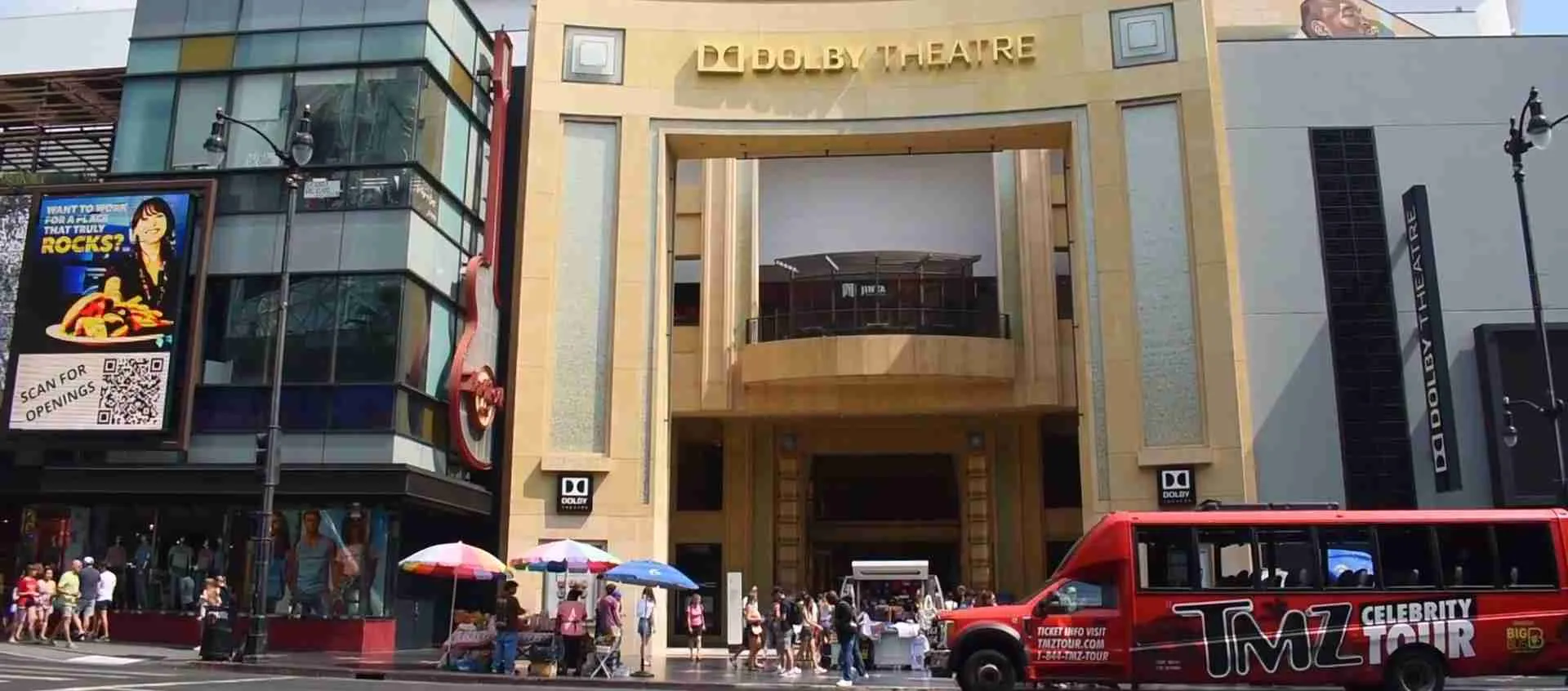
Big Bus Tours focuses on two primary circuits: Hollywood Loop (covering Walk of Fame, Dolby Theatre, Beverly Hills, Sunset Strip, 12 stops) and Beach Loop (Santa Monica Pier, Venice Boardwalk, coastal viewpoints, 8 stops). Their 48-hour ticket includes complimentary TCL Chinese Theatre walking tour and bicycle rental voucher at Unlimited Biking locations. Audio narration operates in English, Spanish, and Mandarin. Big Bus emphasizes combo packages bundling bus access with Celebrity Homes tours, TMZ studio experiences, and attraction admissions at bundled discounts of $15-30 versus separate purchases.
Strategic usage maximizes hop-on hop-off value. Start early (9:30-10:00 AM first boarding) to complete one full route loop while identifying locations meriting extended stops during subsequent circuits. Download operator apps (Big Bus Tours and Starline Tours available iOS/Android) for real-time bus tracking preventing frustrating 40-60 minute waits at stops. Select seats on upper deck front-left position for optimal photography angles and unobstructed Hollywood Sign views. Budget 90-120 minutes per complete route circuit without disembarking, plus 30-90 minutes at each stop you exit to explore.
The Hollywood Loop serves as the essential starting point for first-time visitors, connecting Dolby Theatre, Walk of Fame, Grauman’s Chinese Theatre, Sunset Strip, Rodeo Drive, and Beverly Hills’ Golden Triangle in one circuit. The Beach Loop complements with Santa Monica Pier, Venice Boardwalk, and coastal perspectives unavailable on inland routes. Downtown Route (Starline exclusive) appeals to architecture enthusiasts and repeat visitors seeking perspectives beyond conventional tourist corridors.
Combo packages deliver genuine savings for visitors planning multiple activities. Big Bus combinations include 48-Hour Pass with Warner Bros Studio Tour ($170 versus $190 separate), Celebrity Homes Tour bundle ($95 versus $115 separate), and Madame Tussauds package ($85 versus $100 separate). Starline offers 1-Day Pass with Original Celebrity Homes Tour ($75 versus $95 separate). Evaluate packages against your actual intended activities rather than purchasing extras simply because bundled discounts appear attractive.
Practical considerations include limited wheelchair accessibility (lower deck only, advance notice recommended), child pricing for ages 3-12 at approximately 50% adult rates, and free admission for children under 3. Mobile tickets display directly from smartphones eliminating printing requirements. Free date changes provide flexibility if weather or schedule shifts, with 24-hour advance cancellation policies standard across operators. Hop-on hop-off buses cannot access the Hollywood Sign itself (viewing only from designated stops) or Universal Studios interior (shuttle service to entrance gates only).
Guided Walking Tours Hollywood 2026
Hollywood guided walking tours deliver concentrated expertise impossible to replicate through self-guided exploration, led by entertainment industry historians, former studio employees, and local researchers who animate the boulevard’s evolution from agricultural suburb to global entertainment capital. Tours typically span 2-3 hours covering 1-2 miles at leisurely pace with frequent stops for photography and storytelling.
The Real Los Angeles Tours operates comprehensive “Real Hollywood” experience departing 10:00 AM and 1:00 PM daily, priced at $60 per person (check their website for current rates). The route begins at Pantages Theatre, progresses through Hollywood Boulevard’s golden age theaters including Egyptian and Chinese, explores the Walk of Fame’s selection process and notable stars, visits founding film studios’ original locations, and concludes near Hollywood & Vine. Guides emphasize architectural details, industry history, and contemporary entertainment business realities over celebrity gossip, appealing to visitors seeking substantive understanding rather than superficial glamour.
LA Conservancy Hollywood walking tours focus on architectural preservation and design history at $25 for general public, $18 for members and youth under 17. Saturday morning departures (varying times, check schedule) explore Art Deco theaters, Mission Revival landmarks, and adaptive reuse projects transforming historic structures. The organization’s guides bring architectural training and preservation expertise, discussing construction techniques, style evolutions, and ongoing conservation challenges. Advanced registration proves essential as tours limit capacity to 15-20 participants ensuring acoustic clarity and group cohesion.
Hollywood Sign hiking tours represent specialized walking experiences combining moderate physical challenge with iconic photography opportunities. These 2.5-hour excursions typically cost $60-75 and require reasonable fitness levels for 3-4 mile roundtrip hikes gaining 500-700 feet elevation. Guides navigate optimal routes through Griffith Park accessing viewpoints unavailable to casual visitors while narrating Hollywood history, film industry development, and sign’s evolution from 1923 real estate advertisement to global symbol. Sunset departures (4:00-6:00 PM starts depending on season) deliver superior lighting conditions for sign photography as golden hour illumination enhances definition against mountain backgrounds.
Specialty Hollywood tours address niche interests. “Ghosts of Hollywood” explores paranormal history and tragic deaths at historic theaters, hotels, and nightclubs through 90-minute evening walks departing Hollywood & Highland, typically $30-35. Hollywood Speakeasy Bar Tour (Friday 6:00 PM, $75-95 including drinks) visits Prohibition-era establishments while discussing golden age nightlife and celebrity drinking culture. Movie Locations Tours ($65-85) identify filming sites for classic and contemporary productions, enhanced by guides’ entertainment industry connections providing behind-the-scenes anecdotes.
Group size significantly impacts experience quality. Tours capping participation at 12-15 people enable better guide interaction and neighborhood mobility versus 25-30 person groups creating acoustic challenges and sidewalk congestion. Private tour options ($200-300 for 2-4 people) allow customized pacing, specific interest focus, and flexible scheduling around other commitments.
Optimal Hollywood walking tour strategy involves morning or late afternoon timing avoiding midday heat and peak sidewalk crowds. Comfortable walking shoes prove essential given 1-2 mile distances on concrete sidewalks. Bring water and sun protection as most routes offer limited shade. Photography policies vary—commercial tours generally permit personal photos while restricting professional equipment, though guides accommodate reasonable photography stops at major landmarks.
Downtown Los Angeles Walking Tours 2026
Downtown Los Angeles walking tours reveal layers of history, architecture, and cultural diversity invisible from passing vehicles, guided through Historic Core, Bunker Hill, Little Tokyo, Arts District, and Civic Center by local experts emphasizing preservation, urban development, and multicultural heritage.
LA Conservancy Downtown walking tours operate Saturday mornings exploring specific themes and districts at $25 general admission, $18 for members. The “Historic Downtown” route examines Beaux-Arts banking halls, Art Deco towers, and Broadway’s theater district through 2-hour walks emphasizing architectural styles and preservation victories. “Pershing Square to Grand Park” traces downtown’s civic evolution from 1920s core to contemporary cultural corridor. Advanced registration through laconservancy.org proves mandatory as tours consistently reach capacity weeks ahead, particularly during spring and fall optimal weather seasons.
The Real Los Angeles Tours offers “Central Downtown LA Tour” departing 1:00 PM daily at $60 per person, combining historical narrative with contemporary urban issues including homelessness, gentrification, and preservation battles. Routes encompass Union Station’s Mission Revival grandeur, Olvera Street’s Mexican heritage preservation, Little Tokyo’s Japanese-American history, and Grand Central Market’s food hall revival. Guides address Los Angeles’ complex realities honestly rather than sanitizing downtown’s challenges, appealing to visitors seeking authentic urban understanding.
“DTLA Murder Mystery Ghost Tour” operates Saturday 6:00 PM departures ($60) exploring notorious crimes including the Black Dahlia case, Hotel Cecil’s dark history, and historic district tragedies through 3-hour noir-themed walks. This specialized experience combines true crime narrative with architectural context, visiting actual crime scenes while discussing 1940s Los Angeles’ corruption, entertainment industry connections, and unsolved mysteries that shaped the city’s mythology.
Downtown Los Angeles Food Tour (operated by Sidewalk Food Tours, $75-95 including tastings) visits six establishments across 3 hours, sampling regional cuisines reflecting downtown’s cultural diversity while discussing neighborhood food culture evolution. Tastings typically include Grand Central Market vendors, historic Filipino restaurants, contemporary Arts District cafes, and Little Tokyo specialties, providing substantive portions constituting light meal equivalent rather than mere samples.
Self-paced architecture enthusiasts benefit from joining tours despite strong independent research capabilities, as guides access building interiors normally closed to public including historic banking halls, theater lobbies, and preserved offices. LA Conservancy tours particularly excel at securing special access through preservation community relationships, offering opportunities impossible to replicate independently.
Downtown walking tours demand different logistics than Hollywood counterparts. The area concentrates more architectural variety in smaller geographic radius, enabling 2-3 hour tours covering equivalent landmark density to Hollywood’s spread. However, downtown presents more variable street conditions including construction zones, homeless encampments, and industrial transitions requiring flexible routing. Morning tours (9:00 AM-12:00 PM) encounter quieter streets facilitating photography and acoustic clarity, while afternoon departures experience greater pedestrian activity and restaurant availability for post-tour dining.
Practical recommendations include Metro rail access (Red/Purple Lines to Pershing Square or Civic Center stations, Gold Line to Little Tokyo) eliminating parking challenges in downtown’s confusing street grid and expensive lots. Walking shoes prove even more essential than Hollywood tours given longer distances on varied pavement conditions. Bring layered clothing as downtown’s urban canyon effect creates temperature variations between sunny plazas and shaded corridors.
Beverly Hills and Coastal Walking Tours 2026
Beverly Hills and coastal Los Angeles tours shift from historical architecture to contemporary luxury, celebrity culture, and beach lifestyle through walks emphasizing current residences, high-end retail, and scenic waterfront rather than preserved heritage.
Beverly Hills Segway Tours ($85-110 for 2-hour experiences) provide motorized alternative to pure walking, covering greater distance through residential neighborhoods normally inaccessible via bus tours. Routes glide along tree-lined streets viewing current and historic celebrity estates while guides share ownership histories, architectural styles, and real estate values. The seated Segway format reduces physical demands while expanding geographic coverage to areas impractical for walking tours, though sacrificing the intimate street-level engagement that foot-based exploration provides.
Santa Monica and Venice Beach walking experiences emphasize outdoor culture over architectural heritage. Guided beach walks ($40-60 for 2-3 hours) explore Santa Monica Pier’s amusement park history, Venice Boardwalk’s counterculture evolution, and contemporary beach community dynamics. These tours suit families and casual visitors seeking accessible outdoor experiences rather than intensive historical education, with flexible pacing accommodating varied fitness levels and frequent stops for beach photography.
Self-guided Beverly Hills walking routes focus on Rodeo Drive’s retail district and surrounding residential streets where public sidewalks permit legal viewing of mansion exteriors. The Golden Triangle (bounded by Wilshire Boulevard, Santa Monica Boulevard, and Cañon Drive) offers 1.5-hour walks exploring luxury retail, hotel architecture, and street art without requiring guide services. However, celebrity homes tours benefit enormously from professional guides who navigate current residence locations, distinguish between owned versus rented properties, and provide context about Hollywood’s real estate market that transforms anonymous mansions into storytelling opportunities.
Coastal self-guided routes include Santa Monica Pier to Venice Beach walk (3 miles, 1.5-2 hours) following beachfront paths through distinct community personalities. This accessible flat route requires no special fitness, offers continuous Pacific Ocean views, and provides cultural immersion from Santa Monica’s family-oriented pier through Muscle Beach’s fitness culture to Venice’s bohemian boardwalk.
Studio Tours and Specialty Experiences 2026
Studio tours and specialized vehicle experiences provide access to locations and perspectives impossible through walking or standard bus tours, justifying premium pricing through exclusive behind-the-scenes entry and expert insider narration.
Warner Bros Studio Tour Hollywood costs $95 for standard 3-hour experiences (check official website for current rates as prices vary by season and demand). The tour accesses working studio backlot including outdoor sets, soundstages, prop warehouses, and costume departments impossible to visit independently. Guests view Central Perk café from “Friends,” explore DC Universe and Harry Potter recreated sets, observe green-screen technology demonstrations, and potentially witness active filming depending on production schedules. Advanced booking proves essential, particularly for weekend and summer visits when tours sell out weeks ahead.
Universal Studios Hollywood blurs lines between theme park and studio tour, with tickets ranging $109-169 depending on date and package level. The included Studio Tour component aboard multi-car trams provides behind-the-scenes access to working sets, special effects demonstrations including Jaws, King Kong 360, and Fast & Furious experiences, and backlot exploration. This represents the most accessible studio tour option given included theme park admission, though delivers less intimate behind-the-scenes access than Warner Bros’ smaller group walking format.
Celebrity Homes Tours via comfortable tour buses cost $59-89 for 2-hour guided drives through Beverly Hills, Bel-Air, and Hollywood Hills residential neighborhoods. Starline Tours operates the longest-running celebrity homes service (since 1935), while numerous competitors offer similar routes at comparable pricing. These tours justify professional guidance through current residence knowledge that changes too frequently for reliable self-guided navigation, plus access to residential areas where parking proves impossible and walking would appear suspicious to private security patrols.
TMZ Celebrity Tour ($65-75 for 2 hours) combines standard celebrity homes elements with entertainment news focus, visiting current gossip-worthy locations including paparazzi hotspots, restaurant and nightclub favorites, and sites featured in recent tabloid stories. Guides maintain connections with entertainment industry insiders providing relatively current intelligence about celebrity movements, though the inherently ephemeral nature of gossip means information accuracy varies.
Specialty vehicle tours include Los Angeles Night Tour ($50-70) showcasing illuminated landmarks after dark, particularly effective for photographing downtown skyline, Griffith Observatory city views, and Hollywood Sign against twilight skies. These evening experiences suit visitors who’ve completed daytime touring and seek different perspectives on familiar landmarks, though offer limited walking opportunities and rely primarily on bus-window viewing.
Self-Guided Walking Routes Los Angeles 2026
Self-guided walking routes provide maximum flexibility and zero direct cost through professionally designed itineraries accessible via downloadable maps, GPS apps, and printed guidebooks, enabling exploration on personal schedules without tour departure time constraints or group coordination.
Angels Walk LA stands as the premier self-guided resource, offering 12 neighborhood routes designed in partnership with City of Los Angeles and Metro. Each walk includes professionally produced PDF guidebooks featuring maps, photographs, historical information, and walking directions, plus optional sidewalk stanchions mounted at points of interest providing on-site information. Routes cover Downtown (Bunker Hill, Historic Core, Union Station, Chinatown), East Hollywood, Silverlake, Boyle Heights, and additional neighborhoods, typically requiring 1.5-3 hours at moderate pace.
The Downtown LA Historic Core Walk begins at Union Station’s 1939 Mission Revival architecture, proceeds through Olvera Street’s preserved Mexican marketplace, explores Broadway’s theater district with Art Deco movie palaces, and concludes at Central Library’s Egyptian Revival tower. This 2.5-hour route (approximately 2 miles) covers Los Angeles’ founding through contemporary revival, representing the highest-quality self-guided downtown experience through superior route design and comprehensive supporting materials available via angelswalkla.org.
The Real Los Angeles Tours provides free self-guided routes through their website (thereallosangelestours.com) for Hollywood, Downtown, and Beverly Hills, designed by professional tour guides who normally charge $60 for equivalent led experiences. These routes include detailed turn-by-turn directions, historical information at each stop, and recommendations for food breaks and photography angles. While lacking Angels Walk LA’s formal partnerships and sidewalk markers, they offer insider perspectives from guides with years of professional touring experience.
GPS My City app (available iOS/Android) transforms smartphones into GPS-enabled tour guides through 13 Los Angeles self-guided walks covering Downtown, Beverly Hills, Hollywood, Venice, and specialized themes like architecture and shopping. The app provides offline functionality eliminating international data concerns, detailed maps with navigation cues, and background information for featured attractions. Free basic access covers essential routes, while $4.99 unlock fee provides expanded content and ad-free experience.
Specialized self-guided experiences include DTLA Food Walk exploring Grand Central Market and surrounding dining destinations through downloadable PDF route, Hollywood Boulevard Heritage Trail following sidewalk markers identifying historic buildings and entertainment industry milestones, and Marina del Rey Self-Guided Walk (County of Los Angeles PDF) covering harbor, beaches, and canal neighborhoods.
Self-guided success requires realistic planning. Routes designed as “2 hours” typically require 2.5-3 hours when including photography stops, information reading, and occasional navigation corrections. Download materials before departing accommodations to ensure offline access, as relying on cellular data while navigating unfamiliar neighborhoods creates frustration when signals weaken in urban canyons or underground passages. Charged phone batteries prove essential—bring portable chargers for longer routes or multiple consecutive walks.
Self-guided routes excel for specific visitor profiles: architectural photographers requiring unlimited time at photographic opportunities, visitors with irregular schedules incompatible with fixed tour departures, solo travelers preferring personal pacing over group coordination, and budget-conscious explorers willing to research independently rather than pay guide premiums. These routes prove less suitable for visitors seeking expert storytelling, those uncertain about personal navigation capabilities in unfamiliar cities, and travelers prioritizing efficiency over depth.
Specialized Theme Tours Los Angeles 2026
Specialized theme tours address niche interests through focused experiences impossible within general overview tours, led by experts in architecture, food culture, paranormal history, and entertainment industry specifics.
Los Angeles Conservancy Architecture Tours ($25 general public, $18 members) operate beyond standard walking tours through specialized experiences including Lloyd Wright Home Tour accessing one of the architect’s textile-block residences in Hollywood, normally closed to public. These limited-capacity experiences (often 8-12 participants) provide rare interior access to architecturally significant private properties through the Conservancy’s preservation relationships, justifying premium value despite matching standard walking tour pricing through exclusive access opportunities.
Food tours transform dining into cultural education through guided tastings at 5-6 establishments across 2.5-3 hours, typically costing $75-95 per person including food. Downtown Los Angeles Food Tour emphasizes the neighborhood’s cultural diversity through Filipino, Mexican, Chinese, and contemporary American establishments while discussing immigration history, gentrification impacts, and food industry evolution. Tastings provide substantial portions totaling light meal equivalent rather than mere samples, making the experience legitimate dining investment rather than pure entertainment.
Sunset and Photography Tours ($65-85 for 2-3 hours) time departures to capture golden hour lighting across Hollywood Hills, Griffith Observatory, and coastal viewpoints. These experiences suit serious photographers seeking optimal lighting conditions and guides familiar with precise sunset timing, positioning angles, and seasonal variations affecting light quality. Small group sizes (typically 6-10 participants) enable individualized positioning advice and technical photography discussion impossible in larger standard tours.
Arts District Walking Tours ($40-60 for 2 hours) explore Downtown’s transformed industrial neighborhood through street art, gallery openings, and creative workspace evolution. Guides often include working artists familiar with neighborhood history from pre-gentrification industrial era through contemporary creative economy, providing perspectives unavailable from general interest tour operators. These tours suit visitors interested in contemporary urban culture, street art documentation, and creative community dynamics rather than historic preservation themes.
Griffith Observatory Tours led by observatory employees ($18-25 depending on package) combine exterior architecture exploration with planetarium shows and telescope viewing. These specialized experiences provide insider technical knowledge about astronomical instruments, building design integrating scientific function, and Hollywood filming history impossible to access through general tours passing the observatory as mere viewpoint.
Tour Booking Strategies and Timing 2026
Strategic booking maximizes tour value through advance purchase discounts, seasonal timing optimization, and package combinations avoiding redundant coverage while building comprehensive Los Angeles understanding.
Advanced booking windows vary by tour type and season. Hop-on hop-off passes require no advance purchase given daily availability, though online booking often provides $5-10 discounts versus on-bus purchases. Studio tours (Warner Bros, Universal) demand 2-4 week advance booking during peak summer months (June-August) and holiday periods when capacity fills rapidly. Walking tours through LA Conservancy sell out 1-3 weeks ahead for popular Saturday morning departures, while commercial operators like The Real Los Angeles Tours typically maintain availability with 2-3 day notice except during convention periods when downtown hotel occupancy peaks.
Seasonal considerations affect tour quality significantly. Summer (June-September) delivers reliable sunshine but intense midday heat making afternoon walking tours uncomfortable and creating harsh photography lighting. Spring (March-May) and fall (October-November) provide optimal weather conditions with moderate temperatures, occasional spring flowers in hillside areas, and golden hour sunlight arriving at convenient afternoon times rather than late evening. Winter (December-February) offers lowest tourist volumes and occasional dramatic storm lighting, though rain cancellations increase and shorter daylight limits available touring hours.
Daily timing patterns create predictable quality variations. Morning tours (9:00-11:00 AM starts) encounter less congested sidewalks, cooler temperatures, and better acoustic clarity for guide narration. Midday tours (12:00-2:00 PM) suffer from heat, harsh overhead lighting for photography, and crowded streets during business district lunch hours. Late afternoon and sunset tours (4:00-6:00 PM starts) deliver superior photography lighting, cooler temperatures, and transition into evening ambiance but require faster pacing to complete routes before darkness.
Package combinations demand careful evaluation. Legitimate value packages bundle complementary experiences—hop-on hop-off bus access with single specialized walking tour provides overview transportation plus deep-dive focus. Questionable packages combine redundant coverage—celebrity homes bus tour bundled with standard Hollywood bus route largely duplicates content. Calculate actual savings by pricing components separately, confirming you genuinely intend to use all included elements rather than purchasing extras simply because discounts appear attractive.
Free cancellation policies standard across most operators (typically 24-hour advance notice) enable flexible booking without financial risk. Reserve popular tours immediately upon confirming Los Angeles dates, then adjust or cancel if plans shift. This proves particularly valuable for outdoor tours where weather significantly impacts enjoyment—booking with free cancellation allows weather-watching and last-minute pivoting to alternative activities if conditions deteriorate.
Online booking platforms (GetYourGuide, Viator, Klook) sometimes offer prices $3-8 below direct operator websites, though come with intermediary booking complications if issues arise. Direct operator booking provides clearer customer service channels and occasionally includes loyalty benefits or package discounts unavailable through third-party platforms. Compare both options before purchasing, factoring customer service accessibility alongside pure price differences.
Combining Tours with Independent Exploration 2026
Optimal Los Angeles exploration combines guided tours providing expert context with independent walking utilizing knowledge gained from guides, creating comprehensive understanding impossible through either methodology alone.
The strategic sequence begins with hop-on hop-off bus orientation providing neighborhood overview and identifying districts meriting deeper exploration. Day one aboard complete Hollywood and Beach routes establishes geographic relationships between disparate areas while overview commentary identifies historical themes and architectural highlights. This foundation enables informed selection of specialized walking tours for day two, choosing specific neighborhoods that resonated during bus overview rather than randomly selecting tours without contextual understanding.
Day two deploys specialized guided walking tours in one or two selected districts, typically morning Hollywood architecture tour followed by afternoon Downtown historical walk. Guides provide depth, insider stories, and architectural details invisible during bus overview, plus practical recommendations for dining, shopping, and photography angles enriching subsequent independent exploration.
Days three and following execute self-guided routes armed with knowledge framework established by previous guided experiences. Return to neighborhoods visited via tours for independent photography at preferred pacing, explore adjacent areas using navigation confidence gained from guided orientation, and visit recommendations accumulated from guides’ insider suggestions. This progression from overview to guided depth to independent application creates comprehensive Los Angeles understanding matching week-long residency despite 3-4 day visit duration.
The inverse sequence—beginning with walking tours before hop-on hop-off orientation—provides equally valid alternative. Intensive first-day walking tour in Hollywood or Downtown establishes deep neighborhood knowledge, creating reference point for evaluating other districts encountered during subsequent bus touring. This approach suits visitors with specific neighborhood interests who prioritize depth over breadth, willing to thoroughly understand one district even if coverage of other areas remains superficial.
Budget allocation between guided and independent exploration depends on available resources and learning preferences. Minimum viable touring budget dedicates $65-75 to 48-hour hop-on hop-off pass providing essential transportation and overview, supplemented by completely free self-guided routes using downloadable materials. Mid-range budget ($165-195) adds two specialized walking tours providing expert guidance in priority neighborhoods while maintaining self-guided exploration for secondary districts. Premium budget ($495-530) combines hop-on hop-off convenience with multiple specialized tours, studio access, and food tour experiences enabling comprehensive expert-led understanding across diverse topics.
Independent exploration tactics learned from guided tours include architectural detail observation (ornamental elements, construction materials, style transitions), historical research methodology (official landmarks, preservation databases, building permit records), and navigation efficiency (Metro station locations, pedestrian-friendly routes, photography angles). Guides inadvertently teach these research and exploration skills through demonstrated expertise, enabling visitors to apply equivalent analysis independently in neighborhoods lacking comparable tour coverage.
Practical Logistics and Preparation 2026
Successful Los Angeles touring requires preparation addressing the city’s unique challenges including transportation coordination, weather variability, and physical demands across diverse neighborhood characters and elevations.
Footwear selection proves critical given 2-6 mile daily walking distances on concrete sidewalks, uneven pavement, and occasional hiking trail segments during Hollywood Sign excursions. Broken-in athletic shoes or walking shoes with cushioned soles prevent blisters and foot fatigue undermining enjoyment. Avoid new shoes during tours—the walking demands reveal any fit issues that prove minor during regular daily use but debilitating during sustained tourism.
Weather preparation addresses Los Angeles’ temperature variations and microclimates. Coastal areas (Santa Monica, Venice) remain 10-15 degrees cooler than inland Hollywood and Downtown, while hillside areas (Griffith Park, Hollywood Hills residential tours) experience wind exposure absent from sheltered streets. Layered clothing enables adaptation across these transitions, particularly important for all-day hop-on hop-off experiences transitioning between multiple climates. Sun protection (hat, sunscreen, sunglasses) proves essential year-round given Los Angeles’ intense UV exposure even during winter months.
Hydration management requires active attention given walking tour physical demands and dry Southern California climate. Bring refillable water bottles rather than purchasing expensive bottled water throughout tours—most tour operators permit personal water bottles and many routes pass water fountains or cafes allowing refills. Budget $8-12 daily for water purchases if relying on commercial sources versus $0-2 using refillable bottles with occasional cafe refills.
Photography equipment selection balances quality against physical burden. Smartphone cameras suffice for most touring purposes given modern computational photography capabilities, while eliminating weight and theft concerns of expensive camera equipment. Serious photographers benefit from compact mirrorless cameras with versatile zoom lenses (24-105mm equivalent) handling architecture, street scenes, and distant Hollywood Sign captures without requiring lens changes. Tripods generally prove impractical during guided group tours given rapid pacing, though acceptable during self-guided routes where unlimited time at each location permits setup.
Cash requirements remain minimal given Los Angeles’ comprehensive card acceptance, though carrying $20-40 cash proves wise for food truck vendors, street musicians, and occasional cash-only establishments. Tipping guidelines include 15-20% for food tour meals (often included in tour price), $5-10 for exceptional guided walking tour guides (not mandatory but appreciated), and nothing for hop-on hop-off buses (no tipping culture for recorded audio tours).
Meeting point navigation demands advance planning. Tours departing “Dolby Theatre Hollywood” actually meet at specific entrances or nearby corners requiring precise address confirmation—arriving at wrong Dolby Theatre entrance can mean missing departure by 30 seconds despite standing 100 feet from actual meeting point. Download meeting point addresses to smartphone maps before departure day, arrive 10-15 minutes early allowing navigation error correction, and contact tour operator if location proves ambiguous.
Mobile phone battery management becomes critical during full-day touring utilizing GPS navigation, photography, and app-based hop-on hop-off tracking. Fully charge phones overnight, enable low-power mode reducing background app drain, and carry portable battery pack (10,000+ mAh capacity) providing at least one full recharge. Download offline maps before tours eliminating reliance on cellular data for basic navigation.
Metro system integration enhances tour logistics. Red and Purple Lines connect Downtown to Hollywood in 15-20 minutes ($1.75 single ride), eliminating expensive rideshare transfers between morning Downtown tours and afternoon Hollywood experiences. Gold Line serves Little Tokyo and Union Station for Downtown route connections. Download TAP card app enabling contactless payment versus purchasing physical cards, though physical cards ($2 at Metro stations) provide backup if phone batteries drain.
Safety and Accessibility Considerations 2026
Los Angeles touring involves diverse neighborhood safety profiles and accessibility standards requiring realistic assessment and appropriate precautions beyond typical tourist cautions.
Neighborhood safety varies significantly across tour routes. Hollywood Boulevard, Beverly Hills, and Santa Monica maintain high tourist presence creating inherent safety through visibility and commercial activity. Downtown Los Angeles presents more complex conditions with secure daytime business district streets adjacent to neighborhoods experiencing homelessness and substance abuse challenges. Guided tours navigate these transitions safely through professional route design and group presence, while independent walkers should research specific streets before spontaneous exploration beyond marked routes.
Standard urban precautions apply universally: maintain awareness of surroundings, secure valuables in front pockets or cross-body bags, avoid displaying expensive jewelry or electronics unnecessarily, and trust instincts about uncomfortable situations. Downtown tours occasionally encounter aggressive panhandling or erratic behavior from individuals experiencing mental health crises—maintain calm, continue walking, and notify tour guides of significant concerns rather than confronting individuals directly.
Evening and night tours require enhanced awareness given reduced street populations and visibility challenges. Stick to well-lit main streets, travel in groups when possible, and use rideshare services for transportation between venues rather than walking through unfamiliar areas after dark. Night tours operated by established companies maintain safety through guide expertise and group presence, but independent evening exploration demands cautious route selection avoiding isolated areas.
Accessibility standards for walking tours vary dramatically by operator and route type. Hop-on hop-off buses accommodate wheelchairs on lower deck with advance notice, though upper deck remains inaccessible. Flat walking routes through Downtown and Hollywood boulevards suit mobility-limited visitors, while Hollywood Sign hikes and hillside tours present insurmountable challenges for wheelchair users and significant difficulties for those with limited mobility. Contact tour operators directly regarding specific accessibility needs rather than assuming ADA compliance—many routes simply cannot accommodate certain disabilities given terrain realities.
Los Angeles Conservancy provides detailed accessibility information for each tour route, noting elevation changes, sidewalk conditions, and building access challenges. Their commitment to accessible tourism results in frank assessment of route difficulties enabling informed decisions rather than discovering insurmountable obstacles upon arrival. Other operators maintain less consistent accessibility communication requiring direct inquiry for reliable information.
Heat-related health concerns affect summer touring significantly, particularly for visitors from cooler climates unaccustomed to prolonged sun exposure. Schedule intensive walking tours for morning hours (completing by 12:00 PM), seek shade during midday breaks, maintain consistent hydration, and recognize early heat exhaustion symptoms (dizziness, nausea, excessive fatigue) permitting intervention before serious complications. Consider indoor alternatives like studio tours during peak afternoon heat hours, reserving outdoor walking for cooler morning and evening periods.
Medical facilities proximity varies by neighborhood. Hollywood and Beverly Hills maintain nearby urgent care centers and hospitals, while some residential tour areas require 15-20 minute drives to nearest emergency facilities. Visitors with serious health conditions should research facility locations along tour routes and maintain medical information cards (allergies, conditions, medications, emergency contacts) accessible to tour guides if emergency arises.
Seasonal Variations and Special Events 2026
Los Angeles touring experiences shift significantly across seasons affecting weather conditions, tourist volumes, special event access, and pricing structures requiring strategic timing for optimal value and enjoyment.
Spring (March-May) delivers peak touring conditions through moderate temperatures (65-75°F), blooming jacaranda trees creating purple canopies along residential streets, and extended daylight permitting longer daily touring schedules. Tourist volumes increase from winter lows but remain manageable compared to summer peaks. Spring timing catches award season aftermath (Oscars late February through early March) when entertainment industry buzz remains elevated and celebrity sightings probability increases marginally around industry establishments.
Summer (June-September) presents maximum tourist crowds, elevated pricing, and intense heat (80-95°F inland, 70-80°F coastal) creating challenging midday conditions. However, summer uniquely offers consistent sunshine enabling reliable outdoor scheduling without rain contingencies, plus extended evening daylight (sunset 7:30-8:00 PM) allowing sunset tours capturing twilight ambiance. Summer represents optimal timing for studio tours given maximum production activity and potential for active filming observation.
Fall (October-November) mirrors spring’s favorable conditions while adding autumn light quality creating warm photography tones and comfortable temperatures (70-80°F). Tourist volumes decline post-Labor Day through Thanksgiving enabling better tour availability and occasional promotional pricing. Fall timing accesses Halloween-themed specialty tours and seasonal decorations transforming Hollywood Boulevard and theme parks.
Winter (December-February) delivers lowest prices and smallest crowds offset by increased rainfall probability (particularly January-February), shorter daylight hours (sunset 5:00-5:30 PM), and cooler temperatures (60-70°F days, 45-55°F evenings). However, winter provides unique opportunities including holiday decorations along Hollywood Boulevard, Griffith Observatory holiday shows, and occasional dramatic storm lighting creating exceptional photography conditions for visitors willing to work around weather.
Special events create both opportunities and challenges. Award season (January-March) concentrates industry activity around Hollywood & Highland, Dolby Theatre, and Beverly Hills hotels creating celebrity sighting possibilities and elevated entertainment industry energy. However, street closures and increased security during actual ceremonies (Academy Awards late February, Emmy Awards September) disrupt standard tour routes requiring flexible planning.
Cultural festivals including Chinese New Year (January-February, Chinatown), Nisei Week Japanese Festival (August, Little Tokyo), and Dia de los Muertos celebrations (late October-early November, Olvera Street) enhance themed tours but create crowding challenges in normally accessible neighborhoods. Research event calendars before finalizing tour dates, considering whether festival attendance or avoidance aligns with touring priorities.
Budget Planning for Tours and Walking Routes 2026
Comprehensive Los Angeles tour budgets range from completely free self-guided exploration through mid-range guided combinations to premium all-inclusive packages depending on expertise priorities, available time, and learning preferences.
Minimum budget approach ($0-50 per person for full visit) utilizes exclusively free resources: Angels Walk LA self-guided routes with downloadable PDF guidebooks, The Real Los Angeles Tours free self-guided maps, GPS My City app basic features, and Angeles Walk self-guided audio tours. Free docent tours through LA Conservancy and volunteer-led Olvera Street programs supplement with occasional expert guidance. Transportation costs $1.75 per Metro ride or $7 for day pass enabling downtown-to-Hollywood connections. This approach demands significant self-research but delivers comprehensive Los Angeles understanding for visitors prioritizing budget over convenience.
Mid-range budget ($165-195 per person for 2-3 day visit) combines strategic guided experiences with self-directed exploration: 48-hour hop-on hop-off pass $65-75 providing transportation and overview, two specialized walking tours $50-60 each delivering expert depth in priority neighborhoods (typically Hollywood and Downtown), plus self-guided routes in secondary areas using free downloaded materials. This balanced approach provides professional guidance where most valuable while controlling costs through selective self-exploration.
Premium budget ($495-530 per person for 3-4 day visit) accesses comprehensive expert-led experiences: 72-hour hop-on hop-off pass $85, Warner Bros Studio Tour $95, three specialized walking tours $60 each ($180 total), food tour $75-95, and Hollywood Sign sunset hike $60-75. This approach maximizes learning efficiency and insider access while minimizing research burden, suited to visitors prioritizing depth over budget constraints or those with limited time requiring intensive experiences.
Luxury approach ($800-1200+ per person) deploys private tours and exclusive access: private Hollywood tour $200-300 for 2-4 people enabling customized routing and flexible pacing, private celebrity homes tour $250-350, exclusive studio tour experiences with production executives, private food tour with celebrity chef encounters, and helicopter tours providing aerial Hollywood Sign photography. These premium experiences deliver unmatched access and personalization while requiring significant budget allocation.
Value maximization strategies across all budget levels include booking combo packages delivering genuine savings rather than purchasing components separately, prioritizing free self-guided routes in secondary interest neighborhoods while investing guided tour budgets in primary passion areas, utilizing Metro rather than rideshare for inter-neighborhood transfers saving $15-30 daily, and scheduling tours during shoulder seasons (spring/fall) accessing promotional pricing and smaller group experiences.
Hidden cost awareness prevents budget overruns. Food and beverage during full-day touring adds $30-50 daily beyond tour costs, particularly if hop-on hop-off routes don’t align with meal timing requiring expensive on-route dining rather than strategic meal planning. Attraction admission not included in tours (museums, theme parks, observation decks) adds $25-50 per venue. Photography stop impulse purchases at tour-adjacent shops target tourist spending patterns—budget discipline prevents unplanned $50-100 daily shopping expenditures.
Frequently Asked Questions
How many days do you need for Los Angeles tours in 2026?
Three days provide optimal touring depth for first-time Los Angeles visitors, allocating day one to hop-on hop-off bus orientation covering Hollywood, Beverly Hills, and coastal neighborhoods, day two to specialized walking tours in two priority districts (typically Hollywood and Downtown), and day three to self-guided routes in remaining neighborhoods plus studio tour or specialty experience. Two-day visits compress this sequence by combining hop-on hop-off orientation with one evening guided tour on day one, followed by intensive walking tours on day two. Single-day visitors should prioritize either comprehensive hop-on hop-off coverage providing overview breadth or intensive guided Hollywood walking tour delivering focused depth rather than attempting both superficially.
Can you do Los Angeles tours without a car in 2026?
Car-free Los Angeles touring proves entirely feasible through combination of Metro rail system, hop-on hop-off buses, and walking tours within concentrated neighborhoods. Metro Red/Purple Lines connect downtown to Hollywood in 15-20 minutes, Gold Line serves Little Tokyo and Union Station, and Expo Line reaches Santa Monica Pier. Hop-on hop-off buses fill gaps between Metro stations and specific attractions while providing narration and sightseeing value beyond pure transportation. Walking tours concentrate within 1-3 mile radiuses accessible entirely on foot once reaching neighborhood starting points via Metro or initial bus drop-off. This car-free approach actually enhances touring quality by eliminating parking stress, traffic navigation, and the distraction of driving while attempting to sightsee.
What is the best month to take Los Angeles tours in 2026?
April, May, October, and November deliver optimal Los Angeles touring conditions through moderate temperatures (65-78°F), minimal rainfall probability, comfortable humidity levels, and golden hour sunlight arriving at convenient afternoon times enabling quality photography without extreme timing constraints. April particularly excels through spring flower blooms including jacaranda trees creating purple street canopies and desert wildflowers in hillside areas. October offers autumn light quality creating warm photography tones plus Halloween preparations adding seasonal character to Hollywood Boulevard. These shoulder season months combine weather advantages with reduced tourist crowds compared to summer peaks and occasional promotional pricing from tour operators.
How much should I budget for Los Angeles tours for a weekend in 2026?
Weekend Los Angeles touring budgets depend on methodology priorities. Minimum approach utilizing free self-guided routes plus Metro transportation ($7 day pass × 2 days = $14) delivers comprehensive exploration for under $20 total. Mid-range weekend allocating Saturday to 48-hour hop-on hop-off pass ($65-75) and Sunday to two specialized walking tours ($50-60 each, $100-120 total) requires $165-195 per person. Premium weekend including hop-on hop-off access, studio tour ($95), and food tour ($75-95) requires $235-265 per person. These figures exclude meals, attraction admissions, and shopping, focusing purely on tour and transportation costs.
Are Los Angeles walking tours safe for solo travelers in 2026?
Los Angeles guided walking tours maintain excellent safety records for solo travelers through group presence (typically 10-20 participants), professional guide expertise navigating safe routes, and concentration in tourist-frequented neighborhoods maintaining high visibility. Hollywood Boulevard, Beverly Hills, and most Downtown routes present minimal concerns during daylight hours when tours operate. Solo travelers should exercise standard urban precautions including securing valuables, maintaining awareness of surroundings, and avoiding post-tour independent exploration in unfamiliar neighborhoods after dark. Self-guided routes demand enhanced caution for solo walkers, particularly in Downtown areas adjacent to neighborhoods experiencing homelessness challenges—stick to marked routes during daylight hours and consider joining guided tours when venturing into less familiar districts.
Can you see the Hollywood Sign on walking tours in 2026?
Standard Hollywood Boulevard walking tours provide distant Hollywood Sign views from street level viewpoints but don’t approach the sign itself given its location on Mount Lee several miles from boulevard attractions. Specialized Hollywood Sign hiking tours ($60-75 for 2.5-3 hours) access Griffith Park trails leading to close-proximity viewpoints within several hundred feet of the 45-foot letters, requiring moderate fitness for 3-4 mile roundtrips gaining 500-700 feet elevation. These hiking experiences deliver photography opportunities and sign access impossible through standard walking tours, though demand significantly greater physical effort than flat boulevard routes. Hop-on hop-off buses provide sign viewing from designated stops at Lake Hollywood Park and Griffith Observatory but cannot access the sign location itself given restricted vehicle access on Mount Lee.
What is the best Los Angeles tour for families with kids in 2026?
Hop-on hop-off buses deliver optimal family touring through flexible pacing allowing bathroom breaks, snack stops, and early departure if children tire, plus upper deck excitement and moving entertainment maintaining engagement beyond what walking tours provide. The 48-hour pass ($65-75 adults, approximately $33-38 children ages 3-12) enables two-day exploration spreading intensive touring across manageable daily segments rather than exhausting children through forced-march full-day experiences. Santa Monica and Venice Beach routes particularly suit families through accessible beaches, playgrounds, and amusement options at Santa Monica Pier. Studio tours at Universal Studios combine behind-the-scenes access with theme park attractions creating mixed educational-entertainment experiences appealing to children ages 6+ while maintaining adult interest through production insights.
How far in advance should I book Los Angeles tours for 2026?
Studio tours (Warner Bros, Universal) require 2-4 week advance booking during peak summer months (June-August) and holiday periods when daily capacity fills completely, with weekend dates particularly competitive. LA Conservancy walking tours sell out 1-3 weeks ahead for popular Saturday morning architectural experiences given limited group sizes (15-20 participants). Commercial walking tour operators (The Real Los Angeles Tours, specialty food tours) typically maintain availability with 3-7 day notice except during major convention periods when downtown hotels reach capacity. Hop-on hop-off buses never sell out given continuous daily operations, though online advance purchase often provides $5-10 discounts versus on-board purchases. The safest strategy books all tours immediately upon confirming Los Angeles travel dates, utilizing free cancellation policies (standard 24-hour advance notice) to adjust if plans shift.
What is the difference between Big Bus and Starline hop-on hop-off tours in 2026?
Starline Tours operates four distinct routes including dedicated Downtown LA coverage (unavailable through Big Bus), offers audio commentary in nine languages versus Big Bus’ three, and provides 72-hour pass option delivering best per-day value at approximately $28 daily ($85 total). Big Bus focuses on two primary circuits (Hollywood and Beach loops) while emphasizing combo packages bundling bus access with studio tours, celebrity homes experiences, and attraction admissions at $15-30 savings versus separate purchases. Both operators cover essential Hollywood, Beverly Hills, and coastal neighborhoods with comparable 40-50 total stops and similar pricing for equivalent duration passes ($39 for 24 hours, $65-75 for 48 hours). The practical difference favors Starline for visitors wanting Downtown architectural coverage and extended 72-hour flexibility, while Big Bus serves those prioritizing combo package convenience and simpler two-route structure.
Are food tours in Los Angeles worth the cost in 2026?
Food tours justify $75-95 pricing for visitors prioritizing culinary culture understanding and efficient quality restaurant discovery over pure cost-per-calorie value. The 3-hour Downtown LA Food Tour visits six establishments representing Filipino, Mexican, Chinese, and contemporary American cuisines while discussing immigration patterns, gentrification impacts, and food industry evolution—delivering cultural education impossible to replicate through independent dining. Tastings provide substantial portions totaling light meal equivalent (approximately $25-35 food value) meaning the effective guide service premium reaches $40-60 rather than full $75-95 cost. Tours excel at introducing exceptional restaurants visitors might never discover independently and providing historical context transforming meals into learning experiences. However, pure dining value proves poor compared to independent restaurant selection—food tours serve educational and discovery priorities rather than maximizing quantity or minimizing cost.