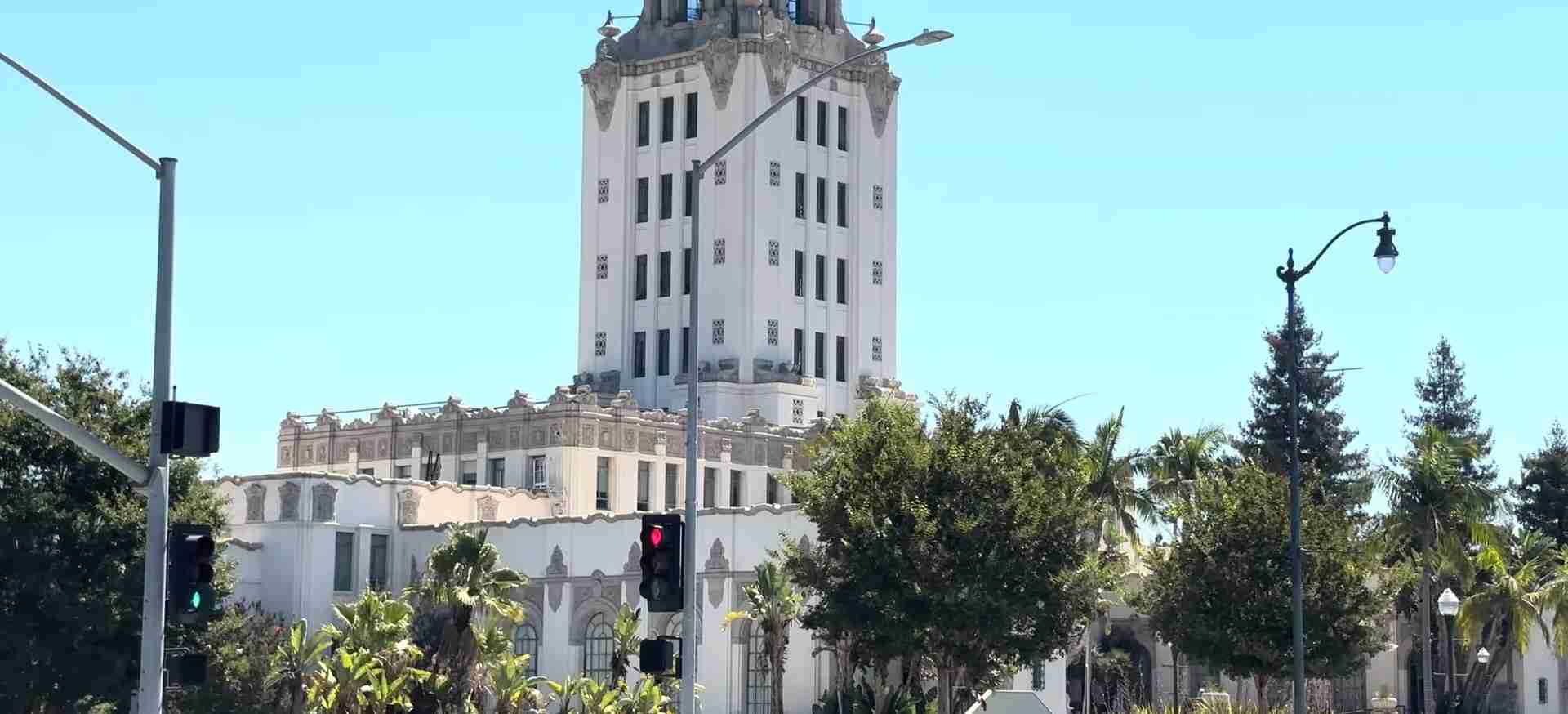
Los Angeles 3-Day Itinerary 2026: Complete Planning Guide
Los Angeles rewards strategic planning with extraordinary experiences across 502 square miles of distinct neighborhoods, world-class museums, iconic beaches, and Hollywood landmarks. This comprehensive three-day itinerary balances must-see attractions with hidden gems, maximizes your time across LA’s sprawling geography, and provides verified 2026 pricing for budget planning.
Key Takeaways
- Geographic Strategy: LA’s size demands neighborhood clustering — Day 1 covers Hollywood and Griffith Park, Day 2 explores Getty Center and coastal areas, Day 3 focuses on Universal Studios, allowing efficient travel between attractions without backtracking across the basin.
- Budget Planning 2026: Expect $175-295 per person daily for mid-range comfort, assuming two sharing hotel accommodation, with significant savings available through free attractions like Griffith Observatory and Getty Center admission offsetting paid experiences like Universal Studios at $101-149.
- Transportation Timing: Metro fare capping at $5 daily maximum makes public transit economical for Days 1-2, while ride-sharing proves more efficient for Universal Studios access on Day 3 given the park’s location and operating hours.
- Free Premium Experiences: Two of LA’s finest attractions — Griffith Observatory and Getty Center — charge zero admission, delivering world-class experiences that would cost $20-30 elsewhere, fundamentally changing the cost equation for cultural tourism in Los Angeles.
- Dining Flexibility: Food costs range dramatically from $40 daily using food trucks and casual spots to $100+ at sit-down restaurants for all meals, giving you control over the single most variable expense category in your LA budget.
- Seasonal Considerations 2026: Visit September through November or January through April for hotel savings of 15-30% compared to peak summer months, with weather remaining excellent and attractions less crowded throughout shoulder seasons.
People Also Ask About Los Angeles 3-Day Itinerary 2026
Is 3 Days Enough Time to See Los Angeles in 2026?
Three days provides sufficient time to experience LA’s essential highlights across Hollywood, beaches, museums, and a major theme park while understanding the city’s geographic scale and neighborhood diversity. This timeframe allows one full day at Universal Studios, one day exploring Griffith Observatory and Hollywood, and one day experiencing Getty Center and coastal areas without feeling rushed. You’ll complete the iconic experiences that define Los Angeles while recognizing that the city’s full depth — from Arts District galleries to San Gabriel Valley dining to Malibu hiking — could occupy weeks of exploration. The three-day structure works exceptionally well for first-time visitors seeking the classic LA experience before deciding which neighborhoods merit deeper future exploration.
What is the Best Way to Get Around Los Angeles for 3 Days in 2026?
The optimal transportation strategy combines Metro rail for Hollywood and downtown connectivity with ride-sharing for beach access and Universal Studios trips, avoiding rental car costs and parking hassles at major attractions. Metro’s $5 daily fare cap makes public transit economical for Days 1-2 covering Hollywood, Griffith Observatory access via DASH bus, and potential downtown exploration. Ride-sharing becomes more practical for Getty Center visits given the hilltop location, beach neighborhoods like Santa Monica and Venice where parking runs $10-20 daily, and Universal Studios where Metro connections require transfers and extended travel time. This hybrid approach costs $30-45 total across three days versus $75-120 for a rental car plus parking fees, while eliminating navigation stress in LA’s notorious traffic. The strategy shifts if your hotel location provides easy beach access or if you plan extensive coastal exploration beyond the core itinerary.
How Much Money Should I Budget for 3 Days in Los Angeles in 2026?
Budget $521-884 per person for three days in Los Angeles assuming mid-range travel style with two people sharing hotel accommodation, meals at a mix of casual and sit-down restaurants, public transit and ride-shares for transportation, and admission to Universal Studios as the primary paid attraction. Accommodation represents $270-450 of this total at $90-150 per person nightly for hotel shares, dining adds $120-240 at $40-80 daily depending on restaurant choices, Universal Studios tickets cost $101-149, and transportation including Metro passes and ride-shares totals $30-45 across the three-day period. Budget travelers choosing hostels at $35-50 per bed, eating primarily at food trucks and casual spots at $30-40 daily, and substituting free attractions for Universal Studios can reduce total costs to $210-285 per person. Luxury travelers selecting hotels at $200-300 per person nightly, dining at upscale restaurants at $100-150 daily, and adding premium experiences like Universal VIP tours expand budgets to $1,449-1,999 per person for the three-day visit.
Should I Visit Universal Studios or Disneyland for a 3-Day Los Angeles Trip in 2026?
Universal Studios Hollywood fits better into a three-day Los Angeles itinerary because the park occupies one full day, integrates the authentic Studio Tour through working film sets, and positions perfectly within LA city limits alongside Hollywood and beach exploration. Disneyland in Anaheim sits 35 miles southeast of central Los Angeles, requires two full days to experience both Disneyland Park and Disney California Adventure properly, and shifts your entire geographic focus away from LA’s core neighborhoods. Universal’s single-day structure leaves two additional days for Griffith Observatory, Getty Center, Hollywood Boulevard, and coastal experiences that define Los Angeles beyond theme parks. The Studio Tour provides genuine Hollywood content unavailable at Disneyland while attractions like Wizarding World of Harry Potter and Super Nintendo World deliver comparable immersive experiences. Disneyland makes sense for four-plus day trips when theme park focus justifies the Anaheim commitment, or for visitors whose primary goal centers on Disney experiences rather than exploring Los Angeles itself.
Extended multi-day tours – 5+ days
Featured Los Angeles Multi-Day Tour Packages

1 days
1-Day Classic Los Angeles City Tour (Small Group: Less than 12 Guests)
- ✓ Comprehensive Los Angeles tour
- ✓ Expert local guides included
- ✓ All accommodation arranged
- ✓ Transportation provided
7 days
California Dreaming: Yosemite, Death Valley & Coastal Camping
- ✓ Comprehensive Los Angeles tour
- ✓ Expert local guides included
- ✓ All accommodation arranged
- ✓ Transportation provided
7 days
Highlights of the West Adventure 7D/6N
- ✓ Comprehensive Los Angeles tour
- ✓ Expert local guides included
- ✓ All accommodation arranged
- ✓ Transportation provided
7 days
Los Angeles Loop – 7 days
- ✓ Comprehensive Los Angeles tour
- ✓ Expert local guides included
- ✓ All accommodation arranged
- ✓ Transportation provided
Multi-day tour packages powered by TourRadar. Prices and availability subject to change.
Introduction
Los Angeles presents unique planning challenges that reward strategic thinking. Unlike compact cities where attractions cluster within walking distance, LA spans 502 square miles across dozens of distinct neighborhoods, each offering completely different experiences from Arts District warehouses to Venice Beach boardwalks to San Gabriel Valley dim sum halls. Success requires understanding this geography and clustering destinations intelligently rather than attempting to cross the basin multiple times daily.
This three-day itinerary solves LA’s geographic puzzle by organizing experiences into logical daily clusters. Day 1 focuses on Hollywood and Griffith Park on the city’s east side, maximizing Metro rail efficiency while exploring the neighborhood most visitors associate with Los Angeles. Day 2 shifts west to Getty Center’s hilltop museum before descending to Santa Monica and Venice Beach, completing the coastal experience that defines Southern California. Day 3 dedicates full attention to Universal Studios Hollywood, justifying the single-destination day with the park’s comprehensive entertainment value and working film studio authenticity.
The itinerary balances free premium experiences with paid attractions strategically. Griffith Observatory and Getty Center charge zero admission while delivering world-class experiences, offsetting Universal Studios’ $101-149 ticket cost and creating budget flexibility for dining and transportation choices. This structure provides excellent value while ensuring you experience LA’s essential highlights from Hollywood’s Walk of Fame to Pacific Ocean sunsets to behind-the-scenes studio magic.
Budget planning for 2026 requires understanding LA’s cost structure. Accommodation ranges from $35 hostel beds to $300+ luxury hotels per person nightly, dining spans $10 food truck meals to $80+ fine dining experiences, and transportation costs between $5 Metro daily caps and $30+ ride-sharing depending on neighborhood access. Mid-range travelers sharing hotel rooms and mixing restaurant tiers typically spend $175-295 per person daily, totaling $521-884 for the complete three-day experience including Universal Studios admission. Budget travelers substituting hostels and food trucks can reduce costs to $210-285 total, while luxury seekers at upscale hotels and fine dining reach $1,449-1,999 per person.
Seasonal timing significantly impacts both costs and experience quality. Summer months from June through August bring peak hotel rates, larger crowds at attractions, and coastal fog known locally as “June Gloom” that burns off by afternoon. Shoulder seasons from September through November and January through April offer hotel savings of 15-30%, smaller crowds, excellent weather, and greater restaurant availability. Winter months from December through February provide the lowest prices but require avoiding major award show weeks in January and February when hotel rates spike across Hollywood and Beverly Hills.
Transportation strategy fundamentally shapes your LA experience. Metro rail connects Hollywood, downtown, and Universal City efficiently at $5 daily maximum through fare capping, making public transit economical for Days 1-2. Ride-sharing becomes practical for Getty Center hilltop access, beach neighborhoods where parking costs $10-20 daily, and situations where Metro connections require multiple transfers. Car rentals add $75-120 for three days plus parking fees but provide flexibility for exploring beyond core tourist areas, particularly if you plan Malibu hiking, San Gabriel Valley dining, or spontaneous neighborhood discoveries.
Dining deserves careful planning as LA’s restaurant scene rewards research. The city’s extraordinary ethnic diversity concentrates authentic cuisines in specific neighborhoods — Korean barbecue in Koreatown, dim sum in San Gabriel Valley, Mexican seafood in Boyle Heights — often at prices lower than generic tourist restaurants in Hollywood or Santa Monica. Food trucks throughout the city deliver quality meals at $10-15, casual restaurants serve satisfying dinners at $20-35 per person, and mid-range establishments provide memorable experiences at $40-60 before drinks. Understanding these tiers lets you control the single most variable expense in your budget while experiencing LA’s culinary excellence.
Day 1: Hollywood and Griffith Park Exploration 2026
Day 1 concentrates on Hollywood and Griffith Park, maximizing Metro rail efficiency while exploring the neighborhood that embodies Los Angeles mythology. This eastern section of LA provides dense attraction clustering, allowing you to experience multiple iconic sites without extensive travel time between destinations. The day progresses from Hollywood Boulevard’s street-level energy through Griffith Observatory’s hilltop panoramas, balancing tourist landmarks with genuine local favorites.
Morning: Hollywood Boulevard and Walk of Fame
Begin at Hollywood/Highland Metro station around 9 AM to explore Hollywood Boulevard before midday crowds arrive. The Hollywood Walk of Fame spans 15 blocks along Hollywood Boulevard from Gower Street to La Brea Avenue, featuring over 2,700 terrazzo and brass stars honoring entertainment industry figures. This free attraction allows self-guided exploration, with most visitors focusing on the dense concentration between Highland and Vine Street where landmark theaters cluster.
TCL Chinese Theatre (formerly Grauman’s Chinese Theatre) at 6925 Hollywood Boulevard displays celebrity handprints and footprints in concrete, a tradition dating to 1927. The forecourt entry remains free for viewing the impressions, while 30-minute guided tours cost $18 for adults exploring the historic movie palace interior. The adjacent Dolby Theatre at 6801 Hollywood Boulevard hosts the Academy Awards annually, offering 30-minute guided tours at $25 per person daily from 10:30 AM to 4 PM with departures every 30 minutes. Reserve tours online in advance during peak seasons when same-day tickets sell out.
Hollywood and Highland Center provides shopping, dining, and the Dolby Theatre complex, but more importantly offers the best Hollywood Sign viewing point accessible by Metro. The center’s upper levels and Babylon Court frame the famous sign positioned 1,600 feet above sea level in the Hollywood Hills, creating the classic photo opportunity without requiring hiking or driving to sign-proximity viewpoints. Morning light provides optimal conditions for photography before afternoon haze reduces clarity.
Breakfast options along Hollywood Boulevard range from $12 fast-casual spots to $25 sit-down restaurants. Griddle Cafe at 7916 Sunset Boulevard (short walk from Metro) serves enormous pancakes and American breakfast classics at $15-25 per person with portions designed for sharing, drawing local crowds alongside tourists. Coffee shops like Alfred Coffee at multiple locations provide quick $5-8 options for those prioritizing attraction time over lengthy meals.
Midday: Griffith Observatory Journey
Travel to Griffith Observatory requires strategic planning as the hilltop location sits beyond Metro’s direct reach. From Hollywood/Highland station, take Metro Red Line north to Vermont/Sunset station, then transfer to DASH Observatory shuttle bus operating weekends and holidays from 10 AM to 8 PM at $1 per ride. The shuttle departs every 20 minutes, climbing Griffith Park’s winding roads to deliver visitors directly to the observatory entrance. Weekday visitors must arrange ride-shares at $12-18 each way from Hollywood Boulevard, as DASH Observatory operates limited weekday service during school year periods.
Griffith Observatory stands as Los Angeles’s premier free attraction, charging zero admission to access exhibits, telescopes, and panoramic views stretching from downtown skyscrapers to Pacific Ocean horizons. The building opens Tuesday through Friday at noon and Saturday through Sunday at 10 AM, closing daily at 10 PM. Arrive by 1 PM to avoid afternoon crowds that pack the terrace and exhibits, particularly on weekends when local families join tourists exploring the 60,000-square-foot complex.
Exhibits spread across three levels exploring astronomy, space science, and Los Angeles’s relationship with the cosmos. The Foucault Pendulum in the central rotunda demonstrates Earth’s rotation through mesmerizing 240-pound bronze ball swings knocking down pegs throughout the day. The Wilder Hall of the Eye explores telescopes and observational astronomy through interactive displays, while the Gunther Depths of Space examines cosmology and the universe’s scale. The Tesla Coil demonstrates high-voltage electricity through dramatic lightning displays during scheduled shows included in free admission.
The Samuel Oschin Planetarium presents 45-minute shows combining cutting-edge projection technology with astronomy education, requiring separately purchased tickets at $10 for adults, $6 for children ages 5-12, and $8 for seniors and students. Shows sell out on weekends, making advance online purchase through Griffith Observatory’s website essential for guaranteed seats. Skip the planetarium if budget constraints dominate, as the free exhibits and views provide exceptional value independently.
Outdoor terraces deliver Los Angeles’s finest panoramic views without requiring hiking or driving to remote viewpoints. The front terrace frames downtown LA’s skyline 10 miles southeast, while side terraces overlook Hollywood Hills homes and the San Fernando Valley stretching northward. The Hollywood Sign appears prominently on Mount Lee directly across the canyon, perfectly positioned for photos without the crowds and parking challenges at closer sign-proximity trails. Sunset visits transform the experience as city lights illuminate the basin below, though evening temperatures drop 10-15 degrees from afternoon highs requiring layered clothing.
Public telescopes provide free solar and nighttime viewing through research-grade instruments, with volunteer astronomers explaining celestial objects and answering questions. Solar telescopes operate during daytime hours showing sunspots and solar features safely, while nighttime viewing begins at sunset focusing on planets, moon craters, star clusters, and deep space objects visible from urban Los Angeles despite light pollution. Telescope lines form quickly after sunset on clear evenings, with 15-30 minute waits typical on weekends.
The Cafe at the End of the Universe offers sandwiches, salads, and snacks at $12-18, providing convenient on-site dining with terrace seating overlooking the city. Most visitors eat before arriving or after departing given the limited menu and captive-audience pricing compared to Hollywood Boulevard’s restaurant diversity. Water fountains throughout the building allow refilling bottles without purchasing drinks.
Afternoon: Griffith Park Exploration
Griffith Park surrounds the observatory with 4,310 acres of urban wilderness offering hiking trails, picnic areas, and additional attractions within LA’s largest municipal park. The park’s size exceeds New York’s Central Park by nearly fivefold, creating legitimate wilderness experiences including mountain lion and coyote sightings despite the urban setting. Most three-day visitors limit exploration to observatory vicinity trails rather than attempting comprehensive park coverage requiring separate days.
The Charlie Turner Trail and West Observatory Trail create a 3-mile loop circling the observatory with varying difficulty levels and city views from multiple angles. The moderate terrain requires 90 minutes for most hikers, passing through chaparral vegetation and oak groves while providing Hollywood Sign perspectives different from the main terrace viewpoints. Trail access begins at the observatory’s east parking lot, clearly marked with signage and trail maps available at the visitor center inside the observatory building.
The Greek Theatre outdoor amphitheater hosts concerts May through October in a natural canyon setting, though concert schedules rarely align with specific three-day visit dates. The venue sits one mile downhill from the observatory, accessible via park roads but requiring car or ride-share given distance and elevation change. Check the Greek Theatre website for current concert schedules if your visit dates overlap with performances you might want to attend.
Evening: Sunset Boulevard Dining and Entertainment
Return to Hollywood area by 5 PM via DASH Observatory bus or ride-share, positioning for Sunset Boulevard evening exploration. The Sunset Strip section between Crescent Heights Boulevard and Doheny Drive concentrates legendary music venues, restaurants, and nightlife within a walkable 1.5-mile stretch, though most three-day visitors focus on dining and early evening activities rather than late-night club experiences.
Restaurant options span budget to upscale categories within walking distance of Hollywood/Highland Metro station. Musso and Frank Grill at 6667 Hollywood Boulevard, operating since 1919, serves classic American steakhouse fare at $35-60 per person, providing old Hollywood atmosphere with red leather booths where legendary screenwriters dined during Hollywood’s Golden Age. Pink’s Hot Dogs at 709 North La Brea Avenue delivers LA institution status with gourmet hot dogs at $6-10, drawing lines of locals and tourists for chili cheese dogs and celebrity-named specialty creations.
Mid-range choices like Mel’s Drive-In at 1660 North Highland Avenue recreate 1950s diner experiences at $15-25 per person with American comfort food and retro atmosphere. The restaurant operates 24 hours, providing flexibility for late evening meals after attraction exploration. Chain options including In-N-Out Burger at 7009 Sunset Boulevard deliver authentic California fast food at $10-15 per person, offering quality burgers at budget prices while experiencing the regional institution tourists specifically seek during West Coast visits.
Evening entertainment options include comedy shows at clubs like Laugh Factory and The Comedy Store on Sunset Strip, typically charging $20-40 cover with two-drink minimums adding $20 to the total bill. Shows begin at 8 PM with multiple performances nightly, though these venues skew toward visitors prioritizing nightlife over early morning starts. Most three-day itinerary followers choose dinner and leisurely Hollywood Boulevard evening walks over late-night comedy given the packed Day 2 schedule beginning at Getty Center.
Day 2: Getty Center, Santa Monica, and Venice Beach 2026
Day 2 shifts focus to LA’s westside, combining the Getty Center’s world-class art collection with quintessential beach experiences. This geographic clustering maximizes efficiency across widely separated attractions, with the Getty’s hilltop location providing morning cultural immersion before descending to sea-level coastal exploration. The day progresses from quiet museum contemplation through bustling beach neighborhoods, experiencing LA’s complete cultural spectrum.
Morning: Getty Center Art and Architecture
Arrive at the Getty Center by 10 AM to experience the museum during quiet morning hours before midday crowds fill galleries and terraces. The Getty sits atop the Sepulveda Pass at 1,200 feet elevation, requiring a brief tram ride from the parking area regardless of arrival method. Parking costs $20 per vehicle but admission to the museum, galleries, gardens, and grounds remains free, making the Getty one of the world’s finest free art experiences. Visitors without cars arrange ride-shares from Hollywood or Santa Monica hotels at $18-28 each way, as Metro connections require multiple transfers totaling 90 minutes from central LA locations.
The museum complex designed by architect Richard Meier sprawls across 110 acres with multiple pavilions housing collections from the Middle Ages through contemporary periods. European paintings from the Renaissance through Post-Impressionism fill the North Pavilion’s upper level galleries, including works by Rembrandt, Monet, Van Gogh, and Cézanne that would anchor any major international museum. The collection emphasizes pre-20th century European art rather than contemporary works, distinguishing the Getty from LA’s other major museums like MOCA and The Broad focusing on modern and contemporary collections.
The Central Garden designed by artist Robert Irwin descends the hillside in a living sculpture combining plants, water features, and valley oaks in constantly changing seasonal displays. The garden path spirals downward to a floating azalea maze surrounded by water, providing both horticultural interest and architectural context for the museum’s geometric travertine buildings. Budget 30 minutes for garden exploration separately from gallery time, as the outdoor spaces warrant leisurely appreciation rather than rushed passage between buildings.
Terrace views span from downtown LA’s skyscrapers to Pacific Ocean horizons on clear days, though morning coastal fog (“marine layer” in local terminology) sometimes obscures beach areas until afternoon sun burns through the mist. The Getty’s elevated position allows simultaneous views across the LA basin and westward toward Catalina Island visible 26 miles offshore on exceptionally clear days following rain systems that temporarily clear the atmosphere.
Gallery recommendations focus on the North Pavilion’s painting collection and the South Pavilion’s decorative arts including French furniture and neoclassical sculpture. Most visitors allocate 2-3 hours for comprehensive exploration without rushing through galleries, though art enthusiasts easily spend entire days examining the 125,000-square-foot exhibition space. Free gallery talks and tours depart throughout the day from the Museum Entrance Hall, providing expert context for specific collections and periods.
The Restaurant and The Cafe offer dining with city and garden views, serving lunch from 11:30 AM daily. The Restaurant requires reservations and operates at fine dining price points at $25-45 per person, while The Cafe provides counter-service food at $12-20 with indoor and outdoor seating overlooking the Central Garden. Most visitors opt for The Cafe’s convenience and budget-friendly pricing or bring packed lunches to enjoy in designated picnic areas near the Central Garden, particularly if planning afternoon beach dining experiences.
Depart the Getty by 1 PM to allow sufficient time for beach exploration before sunset. The museum’s location provides easy westward access toward the coast, with ride-shares to Santa Monica Pier taking 20 minutes and costing $15-22 depending on exact drop-off location.
Afternoon: Santa Monica Pier and Beach
Santa Monica Pier extends 1,600 feet into the Pacific Ocean, anchoring the beach experience that defines Southern California for many visitors. The pier contains Pacific Park amusement area with a 1922 carousel, solar-powered Ferris wheel providing 360-degree coastal views, and various rides and games charging per-attraction fees rather than admission gates. Individual rides cost $6-12, while unlimited wristbands run $35-45 depending on height restrictions, though most adult visitors photograph the pier from the beach or walkways rather than purchasing ride tickets.
The pier’s free attractions include street performers, musicians, fishing without requiring California fishing licenses (unique to this pier), and the classic route terminus where historic Route 66 officially ended its 2,448-mile journey from Chicago. The route marker photo opportunity draws visitors year-round, though the actual sign’s historical significance often surprises those unaware of Santa Monica’s role as the Mother Road’s Pacific endpoint.
Santa Monica Beach stretches three miles along the coast with wide sandy expanses, designated swimming areas supervised by lifeguards year-round, and the signature palm-lined beach path featured in countless films and television shows. Beach access requires no fees, making this genuinely free entertainment contrasting with many coastal destinations charging beach parking or admission. Swimming conditions remain excellent May through October with water temperatures reaching 65-70 degrees, while winter months from November through April see temperatures dropping to 55-60 degrees discouraging all but wetsuit-wearing surfers and locals.
The beach bike path extends 22 miles from Santa Monica through Venice, Marina del Rey, Manhattan Beach, and Hermosa Beach to Torrance, creating the region’s premier coastal cycling and walking route. Bike rentals near the pier cost $10-15 per hour or $30-40 for full-day rentals, allowing riders to cover the three miles to Venice Beach in 20-30 minutes of leisurely pedaling. Walking the same distance requires 45-60 minutes, manageable for most visitors and providing closer engagement with the beach environment than cycling allows.
Third Street Promenade sits three blocks inland from the beach, creating a pedestrian shopping and dining district running from Wilshire Boulevard to Broadway. The promenade hosts street performers during afternoons and evenings, features mainstream retail from Apple to Sephora, and offers diverse dining from food court options at $10-15 to sit-down restaurants at $25-40 per person. The Santa Monica Place mall anchors the southern end with additional shopping and a rooftop dining deck overlooking the ocean.
Afternoon dining strategy depends on your appetite timing. Beach-adjacent restaurants like The Albright on the pier serve lunch and dinner at $20-35 per person with ocean views and outdoor seating capturing the seaside atmosphere. Casual options like Dogtown Coffee or Blue Plate Oysterette provide $12-22 meals focusing on quality over price, while food trucks along the beach path offer $10-15 options for budget-conscious visitors prioritizing beach time over restaurant experiences.
Late Afternoon: Venice Beach and Boardwalk Experience
Venice Beach sits immediately south of Santa Monica, accessible via the beach bike path or Ocean Front Walk pedestrian boardwalk connecting the two neighborhoods. The walk from Santa Monica Pier to Venice Beach takes 45-60 minutes, passing through quieter beach sections before emerging at Venice’s energetic boardwalk scene. Ride-shares cover the distance in 10 minutes at $8-12 for visitors prioritizing time over the walking experience.
Venice Beach Boardwalk creates LA’s most distinctive beach experience, concentrating street performers, artists, vendors, bodybuilders at Muscle Beach gym, skateboarders at Venice Skatepark, and generally bohemian atmosphere into a half-mile stretch of organized chaos. The free spectacle draws both tourists and locals year-round, with weekend afternoons bringing the densest crowds and most active performance schedules. Weekday visits offer slightly calmer experiences while maintaining the essential Venice character that distinguishes this neighborhood from Santa Monica’s polished beachfront.
Muscle Beach outdoor gym where Arnold Schwarzenegger famously trained remains active with serious bodybuilders pumping iron in the open-air weight pen visible from the boardwalk. The original Muscle Beach operated in Santa Monica from 1934-1958 before moving to this Venice location, maintaining traditions of outdoor fitness displays and acrobatic performances that defined California beach culture during the 20th century. Viewing requires no admission, though the adjacent Muscle Beach Gym charges membership fees for those wanting to train alongside the displays.
Venice Skatepark occupies 16,000 square feet with bowls, street sections, and snake runs where skilled skaters perform aerial tricks and complex maneuvers while spectators watch from surrounding rails and benches. The park operates free and open to the public daily from sunrise to sunset, attracting professional skateboarders, local kids, and tourists attempting their first bowl drops under the intimidating gaze of experienced riders. Photography from the surrounding berms captures Venice’s action sports culture without requiring skating skills.
Venice Canals sit two blocks inland from the boardwalk, recreating the Italian city’s waterways in an extraordinarily peaceful residential neighborhood invisible from the beach chaos. Developer Abbot Kinney designed Venice of America in 1905 with canals, Italian-style architecture, and gondola rides attempting to reproduce Venice, Italy, in Southern California. Most canals were paved into streets during the automobile era, but four remaining canals lined with charming homes and pedestrian bridges create a hidden neighborhood perfect for quiet walks contrasting with boardwalk energy. Access Dell Avenue or Strong’s Drive between Venice and Washington Boulevards, then wander the bridges and canal paths freely.
Abbot Kinney Boulevard runs parallel to the beach several blocks inland, concentrating boutique shopping, restaurants, and cafes along the half-mile stretch that GQ magazine called “the coolest block in America.” The street provides upscale counterpoint to boardwalk grunge, with farm-to-table restaurants at $30-55 per person, design-focused shops, and coffee bars serving $5-8 specialty drinks. Evening dining here transitions smoothly into Day 2’s conclusion, or alternatively provides daytime lunch destinations for visitors seeking quieter meals before heading to Venice Beach’s crowds.
Evening: Coastal Sunset and Dinner
Remain on the westside for sunset around 6-7 PM depending on season, as the Pacific horizon provides LA’s finest sunset viewing without requiring drives to Malibu cliffs or other remote locations. Santa Monica Beach’s west-facing orientation creates ideal conditions, with the pier providing elevated viewing platforms or beach level offering intimate connection with the ocean during the golden hour transition.
Dinner options concentrate along Main Street in Santa Monica or Abbott Kinney Boulevard in Venice, both offering walkable restaurant clusters accessible via ride-shares from beach areas. Main Street’s laid-back neighborhood feel hosts restaurants like Tar and Roses serving small plates at $25-45 per person, or casual options like Ashland Hill for pizzas at $18-28. Abbot Kinney’s more upscale atmosphere features destinations like Gjelina providing California-Mediterranean cuisine at $35-55 per person or Superba Food + Bread offering fresh pastas and wood-fired items at $22-38.
Budget-conscious visitors find excellent value at Venice Beach’s boardwalk restaurants like The Sidewalk Cafe serving breakfast through dinner at $15-25 per person with outdoor seating directly on the boardwalk, or food trucks near the beach offering $10-15 meals ranging from tacos to gourmet sandwiches. The Cow’s End Cafe at 34 Washington Boulevard provides coffee shop meals at $12-20 with local atmosphere and none of the tourist-trap feeling pervading some boardwalk establishments.
Return to your hotel by Metro from Downtown Santa Monica station or arrange ride-shares costing $20-35 depending on exact hotel location. Metro’s Expo Line connects Santa Monica to downtown LA and Hollywood via transfers, requiring 60-90 minutes for most central LA hotels but offering budget-friendly transportation at the standard $5 daily maximum through fare capping. Evening Metro travel remains safe and well-lit, though ride-shares provide door-to-door convenience worth the premium for most three-day visitors already tired from full-day sightseeing.
Day 3: Universal Studios Hollywood Full Experience 2026
Day 3 dedicates complete attention to Universal Studios Hollywood, justifying the single-destination focus with the park’s comprehensive entertainment combining working film studio tours, major themed attractions, and interactive experiences requiring 8-10 hours for thorough exploration. This strategy maximizes value from the $101-149 ticket investment while avoiding the frustration of rush visits attempting to combine theme parks with other destinations on the same day.
Planning and Arrival Strategy 2026
Purchase tickets online in advance through Universal Studios’ official website to guarantee admission and avoid potential capacity closures on peak days. Date-based pricing ranges from $101 base price on slower weekdays to $149 for weekends and holidays, making Wednesday through Thursday optimal value days if your three-day visit window allows flexible park scheduling. Child tickets for ages 3-9 cost approximately $96-146 depending on date, while children under 3 enter free.
Arrive at park opening at 9 AM to maximize attraction access before afternoon crowds fill queues. The park’s relatively compact footprint compared to Disneyland or Disney California Adventure allows covering major attractions in one day if you arrive early and move efficiently, while visitors starting at 11 AM or noon struggle to complete premium experiences before closing. Universal Studios Hollywood typically operates 9 AM to 6 or 7 PM off-season and extends to 8 or 9 PM during summer and holidays, with exact hours posted on the website 30 days in advance of your visit date.
Transportation from central LA to Universal Studios requires choosing between Metro and ride-sharing based on your hotel location and schedule. Metro Red Line trains serve Universal City station adjacent to the park, connecting Hollywood/Highland station in 11 minutes at $5 daily maximum cost, though the station sits downhill from the park entrance requiring a 10-minute walk uphill or free shuttle bus connection. Ride-shares from Hollywood hotels cost $12-18, from Santa Monica $35-45, providing door-to-door convenience worth considering if your Day 2 evening concluded late or you’re traveling with children.
Essential Attractions Priority List 2026
The World-Famous Studio Tour operates as Universal Studios Hollywood’s signature attraction, distinguishing this park from all other theme parks globally by taking visitors through working film production facilities. The 60-minute tram experience departs the park’s lower lot, traveling through backlot sets where actual productions occur, examining outdoor sets from films ranging from “Jaws” to “War of the Worlds,” and entering soundstages for immersive experiences including the “Fast and Furious” 3D segment. Ride this attraction first at park opening to avoid 60-90 minute waits that develop by midday, as the tour’s popularity and limited hourly capacity create the park’s longest queues.
The studio tour reveals authentic production facilities, passing soundstages where television shows like “The Office” and “Parks and Recreation” filmed, examining the sprawling Western street sets built in 1915 and still used for modern productions, and exploring the iconic courthouse square appearing in countless films from “Back to the Future” to “Bruce Almighty.” The experience demonstrates genuine movie-making infrastructure rather than purely themed entertainment, creating educational value alongside entertainment.
The Wizarding World of Harry Potter recreates Hogsmeade village and Hogwarts Castle across the park’s upper lot, anchored by “Harry Potter and the Forbidden Journey” as the land’s signature dark ride. The queue winds through Hogwarts Castle’s detailed interior, showcasing the Defense Against the Dark Arts classroom, Dumbledore’s office, and other film locations before boarding enchanted benches that fly through scenes combining physical sets and projection screens. Ride this attraction second after the Studio Tour or risk 90-120 minute midday waits, as Harry Potter’s massive popularity fills queues throughout operating hours.
“Flight of the Hippogriff” provides the Wizarding World’s family-friendly coaster option, appropriate for children too small for Forbidden Journey’s height requirements. The brief outdoor coaster swoops past Hagrid’s Hut and pumpkin patch, delivering mild thrills without the intensity of the park’s major attractions. Lines grow to 45-60 minutes by afternoon despite the relatively short 1-minute ride duration, making morning rides strategic for families with young children.
Super Nintendo World opened as the park’s newest land, transporting visitors into Super Mario environments with interactive games, colorful design, and “Mario Kart: Bowser’s Challenge” as the flagship attraction. The ride combines physical sets with augmented reality headsets, allowing riders to throw shells, collect coins, and compete against other vehicles through Mario Kart-inspired environments. Morning arrival proves essential as the land implements virtual queue systems on busy days limiting admission to timed entry windows when same-day capacity fills early.
Additional priority attractions include “Jurassic World — The Ride” featuring animatronic dinosaurs and an 84-foot plunge finale creating significant splash potential, “Transformers: The Ride 3D” delivering high-intensity motion simulation through Transformers battle sequences, and “The Revenge of the Mummy” combining indoor coaster thrills with special effects in Egyptian tomb settings. These attractions typically maintain 30-60 minute waits throughout the day, making them secondary priorities after Studio Tour, Harry Potter, and Super Nintendo World experiences.
Dining and Budget Management 2026
Universal Studios Hollywood’s dining costs significantly exceed outside restaurants, with in-park meals ranging from $15-25 for quick-service counter restaurants to $35-60 for Three Broomsticks table service in the Wizarding World. The park prohibits outside food except for dietary restrictions and baby food, though enforces this policy inconsistently at bag checks, making packed lunches risky strategies that may require returning items to vehicles or discarding food at security.
Budget-conscious strategies include eating substantial breakfast before arrival and planning late afternoon/early evening dinner outside the park after departing around 5 or 6 PM. Universal CityWalk adjacent to the park entrance hosts restaurants at prices 20-30% below in-park options, with choices like Voodoo Doughnut for $8-15 quick meals, Buca di Beppo for $20-35 Italian family-style dining, and Jimmy Buffett’s Margaritaville for $25-45 casual restaurant experiences. CityWalk entry requires no admission, allowing visitors to exit the park mid-afternoon for meal breaks before returning for evening attractions and shows.
Mid-day in-park dining recommendations focus on quick-service locations like Jurassic Cafe serving burgers and chicken tenders at $15-22, or Mel’s Drive-In replicating the Hollywood Boulevard location with 1950s diner atmosphere and $18-28 meals. Three Broomsticks in the Wizarding World serves British pub fare including fish and chips, shepherd’s pie, and Butterbeer at $20-35 per person, delivering theme immersion alongside food quality that justifies slightly higher pricing compared to generic park counter-service options.
Express Pass and VIP Tour Considerations 2026
Universal Express passes provide one-time front-of-line access to each major attraction, drastically reducing wait times but adding $169-299 to per-person costs depending on date. The passes work best during peak season when regular queues exceed 90 minutes at top attractions, potentially allowing visitors to experience all major rides by early afternoon. Off-season weekday visitors often cover primary attractions through early arrival and strategic touring without purchasing Express access, making the add-on unnecessary despite its convenience.
VIP Experience tours deliver all-inclusive packages at $399 per person including escorted access to soundstages closed to regular tours, backlot areas unavailable on standard trams, unlimited Express access to all attractions, and gourmet lunch. The premium experience suits movie industry enthusiasts prioritizing behind-the-scenes access over budget constraints, particularly for once-in-a-lifetime visits justifying splurge spending. Most three-day LA itinerary followers choose standard admission given competing budget demands from hotels, dining, and other attractions across the three-day schedule.
Evening Strategy and Departure
Complete major attractions by 5-6 PM if arriving at opening, leaving evening hours for shopping in Universal Studios Store, exploring CityWalk’s entertainment options, or departing early to maximize evening free time in your hotel neighborhood. The park’s relatively early closing times compared to Disneyland (which operates until midnight during peak seasons) make evening re-entry strategies unnecessary for most visitors who’ve spent 8-9 hours touring since morning arrival.
Universal CityWalk extends operating hours beyond park closing, providing entertainment and dining until 11 PM most nights with AMC Universal CityWalk 19 movie theater operating later for post-dinner film options. The free entertainment district offers live music performances, outdoor seating areas, and quirky shops like Voodoo Doughnut drawing crowds alongside moviegoers and park departures. Budget 30-60 minutes for CityWalk exploration if energy and interest remain after full theme park days.
Return to your hotel via Metro from Universal City station or ride-sharing at costs similar to morning arrival. Evening departures around 7-8 PM avoid rush hour traffic that plagues afternoon travel through Cahuenga Pass connecting Universal Studios to central Hollywood. Metro trains operate until midnight daily, providing safe and economical transportation for budget-conscious visitors willing to walk 10 minutes downhill from park entrance to the station.
Transportation Costs and Strategies 2026
Los Angeles transportation costs and logistics fundamentally shape your three-day itinerary experience and budget. The city’s 502-square-mile sprawl creates real challenges for visitors accustomed to compact walkable cities, requiring strategic decisions balancing public transit economy against ride-sharing convenience and rental car flexibility. Understanding LA’s transportation options allows intelligent choices matching your specific hotel location, daily destinations, and budget priorities.
Metro Rail and Bus System Economics 2026
Metro rail provides the most economical transportation for Hollywood, downtown, and Universal Studios access, operating at $1.75 per ride or reaching daily maximum caps at $5 per person through fare capping. The TAP card system automatically tracks rides and stops charging once you reach the $5 daily cap after three rides, effectively providing unlimited travel for the remainder of that calendar day. Weekly caps at $18 total make Metro extremely economical for extended LA stays, though three-day visitors rarely exceed daily caps since most days focus on specific geographic areas rather than basin-wide transit.
TAP cards cost $2 for the reusable plastic card purchased at Metro station vending machines, with the card usable indefinitely across multiple LA visits as long as you maintain value loaded on the account. Load sufficient value for your anticipated rides at vending machines using credit cards or cash, starting with $15-20 to cover potential three-day transit needs without requiring mid-trip reloads. The TAP mobile app provides digital card options for smartphone users, eliminating physical card requirements but demanding consistent phone battery management throughout travel days.
Metro Red Line serves as the primary tourist-useful route, connecting downtown LA through Hollywood/Highland and Hollywood/Vine stations to Universal City station near Universal Studios. Trains operate every 10 minutes during midday hours, reducing to 20-minute frequencies during early morning and late evening periods. The 11-minute ride from Hollywood/Highland to Universal City costs the standard $1.75 whether purchased as single ride or applied against daily fare cap progress, making Metro dramatically cheaper than $12-18 Uber rides covering the same route.
Metro Expo Line connects downtown LA to Santa Monica, providing beach access for Day 2 westside exploration. The Downtown Santa Monica station terminus sits 1.2 miles north of Santa Monica Pier, requiring 25-minute walks or $8-12 ride-shares to reach the beach directly. Many visitors find this connection less convenient than ride-sharing entire journeys from Hollywood to beach areas, particularly when traveling as couples or groups where split ride-share costs approach per-person Metro fares while delivering door-to-door service without walks and transfers.
DASH Observatory shuttle bus provides critical Griffith Observatory access from Vermont/Sunset Metro station, operating weekends and holidays at $1 per ride with 20-minute frequencies throughout service hours. Weekday service operates limited schedules during school year periods, potentially requiring ride-share alternatives for weekday visitors. The shuttle’s economy makes weekend Griffith Observatory visits particularly budget-friendly, costing just $3.50 total ($1.75 Metro plus $1 DASH each direction) compared to $24-36 round-trip ride-shares from Hollywood hotels.
Ride-Sharing Strategic Applications 2026
Ride-sharing through Uber and Lyft provides superior convenience for specific destinations where Metro connections require multiple transfers or extended walking. Getty Center visits benefit dramatically from ride-sharing given the hilltop museum’s lack of convenient public transit access, with $18-28 rides from Hollywood or Santa Monica delivering visitors directly to the parking structure entrance versus 90-minute Metro journeys requiring bus transfers. Beach destinations similarly justify ride-shares when traveling from Hollywood hotels, cutting transit time from 90 minutes to 25 minutes while eliminating walks with beach gear or post-beach fatigue.
Cost-effectiveness improves significantly when splitting rides between two or more travelers. A $24 Hollywood-to-Santa Monica ride costs $12 per person when shared by couples, approaching Metro’s $5 per person daily cap while delivering 60 minutes of time savings and door-to-door convenience. Groups of three or four travelers often find ride-sharing cheaper per person than public transit when comparing total travel time value alongside direct monetary costs.
Morning airport transfers from LAX to Hollywood hotels range $35-55 depending on traffic conditions and exact hotel location, with flat-rate options sometimes available through hotel concierges. Afternoon LAX departures encounter heavier traffic potentially increasing costs $10-15 beyond morning rates. Split between two travelers, airport ride-shares cost $18-28 per person, remaining competitive with FlyAway bus service at $10 per person plus Metro connections to Hollywood requiring additional time and transfers.
Rental Car Considerations and Costs 2026
Rental cars add $75-120 for three-day periods during off-season weeks, rising to $100-160 during summer and holidays when demand increases prices significantly. Additional costs include parking at hotels ranging from $20-45 nightly depending on location, parking at attractions averaging $10-25 daily, and fuel costs around $30-40 for three days of city driving and potential highway trips. Total rental car costs reach $200-300 across three days when accounting for all expenses, representing substantial budget allocation compared to Metro and selective ride-sharing strategies.
Cars provide flexibility for exploring neighborhoods beyond core tourist areas, particularly San Gabriel Valley dining, Malibu hiking, Pasadena museums, or spontaneous discoveries impossible when committed to Metro routes and schedules. First-time visitors following structured three-day itineraries rarely benefit from this flexibility given packed schedules focused on must-see attractions clustered along Metro lines. Return visitors exploring deeper neighborhood experiences or travelers prioritizing beach access and Malibu coastal drives find rental cars justify costs through expanded destination options.
Parking challenges concentrate in beach neighborhoods where public lots charge $10-20 daily and often fill by noon on summer weekends. Universal Studios parking costs $30 general parking or $50 preferred closer spaces, adding substantially to theme park expenses. Getty Center parking at $20 per vehicle remains reasonable but eliminates the free admission advantage for solo travelers who might otherwise uber-pool the journey. Downtown LA and Hollywood parking varies by destination, with street parking requiring careful meter monitoring and time limits while many attractions offer validated or free parking offsetting rental costs partially.
Three-Day Transportation Budget Summary 2026
Budget transportation strategy combining Metro for Hollywood/Universal Studios access with selective ride-shares for Getty Center and beaches totals $30-45 per person across three days. This approach applies TAP cards at $5 daily maximum on Days 1 and 3, uses $15-22 ride-shares for Getty Center access Day 2, and employs $25-35 ride-shares for beach transfers, delivering comprehensive LA access at minimal cost while maximizing time efficiency at expensive destinations.
Mid-range transportation budgets employing ride-shares for most destinations reach $75-110 per person for three days, trading cost savings for consistent door-to-door convenience and time efficiency. This strategy suits travelers prioritizing schedule flexibility, those staying at hotels inconveniently located relative to Metro stations, or visitors uncomfortable navigating public transit in unfamiliar cities. The additional $45-65 per person buys significant stress reduction and time savings accumulating across multiple daily transfers.
Luxury transportation approaches utilizing private drivers or car services cost $150-250 per person for three days, delivering black car comfort, flexible scheduling allowing itinerary modifications, and complete door-to-door service without any navigation requirements. These costs make sense for business travelers expensing transportation, luxury hotel guests receiving bundled car service, or visitors prioritizing ultimate convenience over budget considerations. Most leisure travelers find this tier unnecessary given LA’s robust ride-sharing infrastructure and improving Metro system.
Accommodation Costs Breakdown 2026
Los Angeles hotel costs vary dramatically by neighborhood, property type, and seasonal timing, with strategic booking decisions potentially saving $300-600 across three nights while maintaining quality and location advantages. Understanding LA’s accommodation landscape allows matching budget constraints to appropriate properties without sacrificing access to major attractions or experiencing unsafe neighborhoods. Mid-range travelers sharing rooms typically spend $270-450 total per person for three nights, with this range accommodating various location and amenity preferences.
Budget Accommodation Options in Los Angeles 2026
Hostel dormitory beds provide LA’s most economical sleeping arrangements at $35-50 per person nightly in neighborhoods like Hollywood, Downtown Arts District, and Santa Monica. Hostels International locations in Santa Monica and Hollywood offer reliable quality with common kitchens, social areas, and sometimes complimentary breakfast, though private room options at these properties typically cost $90-120 nightly — approaching budget hotel rates while sacrificing privacy. Hostels suit solo budget travelers or small groups willing to accept shared bathroom facilities and dormitory sleeping arrangements in exchange for $105-150 total accommodation costs across three nights.
Budget hotels and motels cluster along Sunset Boulevard near Hollywood and in neighborhoods like Koreatown and North Hollywood, offering private rooms at $75-110 nightly for basic properties with limited amenities. These establishments provide functional accommodation with private bathrooms, air conditioning, and parking at properties like Ramada by Wyndham Hollywood or Best Western Plus Hollywood Hills Hotel. Quality varies significantly within this tier, making review research on booking platforms essential before committing to specific properties. Three-night stays total $225-330, representing approximately $110-165 per person when sharing rooms between two travelers.
Mid-Range Hotel Selection and Neighborhoods 2026
Mid-range hotels at $150-250 per night deliver comfortable accommodations with modern amenities, convenient locations, and brand reliability from chains like Marriott, Hilton, and Hyatt properties. Hollywood and Universal City locations provide central access to Day 1 and Day 3 itinerary components, with properties like Loews Hollywood Hotel or Sheraton Universal offering three-night totals of $450-750, translating to $225-375 per person when sharing rooms. These hotels include fitness centers, business facilities, and often restaurants, though their prices reflect premium Hollywood locations rather than necessarily superior quality compared to similar properties elsewhere in LA.
Downtown Los Angeles hotels have emerged as mid-range alternatives offering excellent Metro access, interesting dining neighborhoods, and typically lower rates than Hollywood equivalents. Properties like The Hoxton Downtown LA or Freehand Los Angeles provide boutique experiences at $130-200 nightly, totaling $390-600 for three nights or $195-300 per person when sharing. Downtown locations require 15-20 minute Metro rides to Hollywood attractions but position visitors near Arts District galleries, Grand Central Market, and DTLA’s growing entertainment scene offering alternatives to tourist-focused Hollywood.
Coastal accommodations in Santa Monica and Venice command premium pricing at $200-300 nightly for mid-range properties, reflecting beach proximity and desirable neighborhood atmospheres. Shore Hotel in Santa Monica or Hotel Erwin in Venice deliver ocean access and neighborhood walkability at total costs of $600-900 for three nights, translating to $300-450 per person when sharing. These properties make sense for visitors prioritizing beach experiences over Hollywood attractions or those splitting their LA visit with extended beach time beyond this three-day itinerary’s balanced approach.
Luxury Accommodation Experiences 2026
Luxury hotels at $300-600 per night occupy properties like Beverly Wilshire, Chateau Marmont, or Shutters on the Beach, delivering five-star service, rooftop pools, spa facilities, and restaurants where celebrities occasionally dine. Beverly Hills locations at $400-600 nightly create three-night totals of $1,200-1,800 or $600-900 per person when sharing, justified only for travelers whose budget priorities emphasize accommodation quality and status over attraction experiences or destination diversity.
Four-star properties occupy a sweet spot at $250-400 nightly, combining luxury amenities with somewhat more accessible pricing. The Hollywood Roosevelt on Hollywood Boulevard or The LINE LA in Koreatown cost $750-1,200 for three nights or $375-600 per person when sharing, delivering memorable stays without reaching truly extravagant spending levels. These hotels feature rooftop bars, designer rooms, excellent on-site dining, and service levels significantly exceeding mid-range chains while remaining within reach for travelers willing to splurge on accommodation as part of special occasion trips.
Seasonal Booking Strategies and Savings 2026
Hotel rates drop 15-30% during shoulder seasons from September through November and January through April, with specific weeks offering even deeper discounts when no major events or award shows drive demand. A Hollywood mid-range hotel costing $180 nightly in July might drop to $130 in October or February, saving $150 across three nights or $75 per person — substantial savings applicable toward attractions, dining, or other experiences enhancing the overall trip.
Advance booking typically delivers best rates, with properties releasing lowest pricing 60-90 days before arrival dates. Last-minute bookings sometimes find deals when hotels need to fill inventory, but this strategy risks high prices or limited availability during busy periods. Flexible date searches on booking platforms reveal price variations across different arrival dates, potentially saving $100-200 for three nights by shifting visit windows by just a few days to avoid peak demand periods.
Package deals bundling hotel stays with attraction tickets occasionally offer savings, though careful math often reveals minimal discounts compared to booking components separately. Compare total package costs against individual hotel and attraction prices before assuming packages deliver value, particularly for Universal Studios tickets where advance online purchase already provides below gate-price rates. Hotel booking platforms like Hotels.com and Booking.com frequently offer loyalty programs providing free night credits after certain stays, potentially benefiting frequent travelers planning multiple LA visits over time.
Dining Budget Planning 2026
Food represents the most variable expense category in LA travel budgets, ranging from $30 daily using food trucks and casual spots to $150+ at upscale restaurants for three meals. The city’s extraordinary culinary diversity and competitive restaurant scene create exceptional value opportunities alongside expensive tourist-trap establishments, making informed dining choices crucial for budget management without sacrificing experience quality. Smart strategies allow controlling costs while experiencing LA’s remarkable food culture spanning dozens of global cuisines and price points.
Budget Dining Strategies and Food Truck Culture 2026
Food trucks scattered throughout LA provide $10-15 meals rivaling sit-down restaurant quality while eliminating service charges and table wait times. Taco trucks concentrate in neighborhoods like Boyle Heights and East LA serving authentic Mexican seafood and street tacos at $3-4 per taco, with three tacos plus agua fresca totaling $12-15 for filling lunches. Korean BBQ taco trucks in Koreatown fusion neighborhoods deliver creative combinations at similar prices, while gourmet food trucks near beach areas and downtown offer elevated casual dining at $12-18 per meal.
Fast-casual chains specific to California provide regional authenticity at budget-friendly pricing. In-N-Out Burger delivers the iconic Double-Double meal at $10-12, offering quality significantly exceeding national fast-food chains while representing authentic California culture tourists specifically seek. Chipotle, Panera, and similar chains occupy the $12-15 meal range, providing reliable quality and fast service useful for maximizing attraction time over leisurely dining experiences.
Grocery stores and markets allow self-catering breakfasts and lunches, with Trader Joe’s locations throughout LA offering prepared foods, sandwiches, and snacks at $8-12 compared to $18-25 restaurant breakfast equivalents. Hotels with room refrigerators enable breakfast and snack storage, potentially saving $20-30 per person daily when applied strategically. This approach works best for breakfast and lunch while preserving budget for dinner experiences at LA’s remarkable restaurant scene.
Mid-Range Restaurant Selection and Neighborhood Specialties 2026
Mid-range restaurants at $25-40 per person deliver authentic cuisine in neighborhood settings reflecting LA’s cultural diversity. Koreatown’s Korean BBQ restaurants like Park’s BBQ or Kang Ho Dong Baekjeong provide all-you-can-eat experiences at $30-40 per person, combining entertainment value with substantial portions and authentic preparations impossible to replicate outside Korean communities. These restaurants operate late night hours until 2-3 AM, accommodating post-entertainment dining when most other options close.
Thai Town along Hollywood Boulevard east of Western Avenue concentrates authentic Thai restaurants at prices dramatically below tourist-area equivalents. Jitlada serves Southern Thai specialties at $15-25 per person, while Ruen Pair delivers Northern Thai home cooking at similar prices. These neighborhood restaurants attract Thai-American diners validating authenticity, with English menus accommodating tourists while maintaining genuine flavors and traditional preparations.
Mexican restaurants beyond taco trucks include sit-down establishments like Guelaguetza in Koreatown serving Oaxacan mole and tlayudas at $20-35 per person, or Holbox in downtown’s Mercado la Paloma offering Baja-style seafood at $25-40. These restaurants provide complete meal experiences with appetizers, mains, and occasionally drinks while delivering cuisine quality justifying the premium over taco truck prices through complex preparations, generous portions, and comfortable dining environments.
Grand Central Market in downtown LA houses 30+ vendors serving everything from Thai curries to oyster bars to pupusas at individual stalls, with meals ranging $12-22 per person. The historic market operates since 1917, recently renovated to maintain authentic vendors alongside newer upscale additions like Eggslut and DTLA Cheese. This environment allows groups with different budget levels and cuisine preferences to eat together, with shared seating areas and accessible Metro connections from Hollywood hotels.
Upscale Dining Experiences and Special Occasion Restaurants 2026
Fine dining restaurants charge $80-150 per person before drinks, delivering Michelin-level quality and memorable experiences justifying occasional splurges during three-day visits. Republique on La Brea Avenue serves French-inspired cuisine in a stunning 1929 building at $60-90 per person for dinner, while Providence in Hollywood delivers seafood tasting menus at $120-180 per person representing LA’s finest dining. These restaurants require advance reservations days or weeks ahead, particularly for weekend dinner seating during popular times.
Mid-range splurge options at $40-65 per person occupy the sweet spot between casual dining and true fine dining, delivering quality ingredients and chef-driven menus without reaching extravagant pricing. Bestia in Arts District serves Italian-inspired cuisine at $50-75 per person, Jon and Vinny’s in Fairfax provides upscale Italian-American at $40-60, and Night + Market Song in Silver Lake delivers elevated Thai at $35-55. These restaurants book solid but offer bar seating for walk-ins willing to dine without reservations.
Celebrity chef restaurants including Wolfgang Puck’s Spago in Beverly Hills or Nancy Silverton’s restaurants command premium pricing at $70-120 per person, delivering both quality cuisine and potential celebrity sightings that some visitors prioritize. These establishments work best for special occasion dinners celebrating anniversaries or milestones rather than routine meals during standard LA tourism, given costs reaching $200-300 per couple before drinks and gratuity.
Daily Food Budget Examples and Realistic Costs 2026
Budget dining at $30-40 per person daily applies strategies including hotel complimentary breakfast when available, food truck lunches at $12-15, and casual restaurant dinners at $20-25. This approach provides satisfying meals without gourmet experiences, allocating three-day food budgets of $90-120 per person total. The strategy works well for travelers prioritizing attraction spending over dining experiences or those planning splurge meals elsewhere during longer California trips.
Mid-range dining at $60-80 per person daily includes coffee shop breakfasts at $12-18, sit-down lunches at $20-30, and quality dinner restaurants at $30-45. Three-day totals reach $180-240 per person, delivering good food without constant budget anxiety while experiencing LA’s dining diversity across neighborhoods and cuisine types. This tier provides flexibility for occasional upscale meals or wine with dinner without derailing overall budgets.
Upscale dining at $100-150 per person daily applies frequent fine dining, premium restaurants, craft cocktails, and wine with meals across breakfast, lunch, and dinner. Three-day totals of $300-450 per person work for travelers prioritizing LA’s world-class restaurant scene alongside attraction experiences, or those celebrating special occasions justifying splurge spending. This budget level allows reservations at renowned establishments without cost concerns limiting destination choices.
Complete 3-Day Budget Breakdown 2026
Total three-day Los Angeles costs vary from $210 per person for extreme budget travel to $1,999 for luxury experiences, with most visitors falling into mid-range categories at $521-884 per person. These totals include accommodation, dining, attractions, and transportation but exclude flights to Los Angeles, pre-trip shopping, souvenirs, and incidental purchases. Understanding complete costs across all categories allows realistic budget planning and identifies potential savings areas when total expenses exceed comfortable spending levels.
Budget Traveler Three-Day Costs 2026
Budget travelers choosing hostels, food trucks, public transit, and free attractions total $210-285 per person for three days. This calculation assumes hostel dormitory beds at $35-50 nightly totaling $105-150, food at $30-40 daily totaling $90-120, Metro transit at $5 daily totaling $15, and free attractions substituting for Universal Studios’ $101-149 ticket. Budget travelers typically skip Universal Studios to avoid major ticket costs, instead dedicating Day 3 to free experiences like Griffith Observatory extended visit, Hollywood Boulevard, Venice Beach, and coastal exploration maximizing time at zero-cost destinations.
This budget tier requires significant trade-offs including shared hostel dormitories sacrificing privacy, limited sit-down restaurant experiences favoring food trucks and fast-casual chains, Metro travel demanding time flexibility and tolerance for transfers, and forgoing major paid attractions like Universal Studios. Budget travelers often extend LA visits to four or five days to experience more free attractions across extended timeframes, reducing daily costs through longer stays while maintaining satisfying itineraries without constant financial stress.
Mid-Range Traveler Three-Day Costs 2026
Mid-range travelers sharing hotel rooms, mixing restaurant tiers, combining Metro with selective ride-shares, and visiting Universal Studios total $521-884 per person for three days. Accommodation at $90-150 per person nightly for hotel shares totals $270-450 for three nights. Dining at $40-80 per person daily totals $120-240 for three days. Universal Studios admission costs $101-149. Transportation combining Metro passes and selective ride-shares totals $30-45. The complete calculation yields $521-884 total per person, with most mid-range travelers falling toward the middle of this range at approximately $650-700 per person for three days.
This mid-range approach balances quality and cost, providing comfortable accommodation without luxury premiums, satisfying meals mixing casual and sit-down restaurants, efficient transportation without rental car expenses, and comprehensive experiences including LA’s premier theme park. Mid-range budgets accommodate occasional splurges like Getty Center-to-beach ride-shares or upscale dinners while maintaining overall financial discipline. Most first-time LA visitors following three-day itineraries budget at this level, finding it delivers excellent experiences without requiring extreme economizing or extravagant spending.
Couples traveling together split accommodation costs reducing per-person expenses significantly compared to solo travelers bearing full room rates. A mid-range hotel at $180 nightly costs $90 per person when shared, versus solo travelers paying full $180 affecting budget calculations substantially. This sharing advantage makes mid-range comfort accessible for couples at per-person costs approaching budget solo traveler levels, encouraging higher accommodation quality without proportional budget increases.
Luxury Traveler Three-Day Costs 2026
Luxury travelers choosing four or five-star hotels, fine dining, private transportation, and premium experiences total $1,449-1,999 per person for three days. Hotel accommodation at $200-300 per person nightly totals $600-900 for three nights in shared rooms. Dining at $100-150 per person daily totals $300-450 for three days. Universal Studios VIP Experience costs $399 per person. Transportation via car services totals $150-250. The complete calculation yields $1,449-1,999 total per person, with many luxury travelers exceeding these ranges through additional experiences like helicopter tours, yacht rentals, or extended spa treatments.
Luxury budgets eliminate all cost-based decision making, allowing choices based purely on quality and convenience preferences. Five-star hotels provide exceptional service and amenities, fine dining delivers memorable culinary experiences, private drivers eliminate navigation stress, and VIP tours provide behind-the-scenes access unavailable through standard tickets. This spending level makes sense for special occasion trips, luxury-focused travelers, or those with business expense coverage offsetting personal cost concerns.
Cost Savings Strategies Across Budget Tiers 2026
Shoulder season visits from September through November or January through April save 15-30% on accommodation costs compared to peak summer rates, reducing mid-range hotel expenses $45-90 per night or $135-270 across three nights. A couple sharing mid-range accommodation saves $68-135 per person through seasonal timing alone, applying those savings toward attractions, dining upgrades, or reducing overall trip costs.
Advance booking for accommodation and attraction tickets provides best available rates, with hotels releasing lowest pricing 60-90 days before arrival and Universal Studios offering online discounts below gate prices. A mid-range hotel booked 90 days advance might cost $150 versus $200 same-week booking, saving $150 across three nights. Universal Studios online purchase at $101 saves $20-40 versus gate prices, applying similarly across all advance-bookable components.
Strategic attraction selection balancing free premium experiences with paid destinations optimizes value without sacrificing quality. Substituting free Griffith Observatory and Getty Center admission saves $40-60 in admission fees that would apply at comparable museums elsewhere, while still delivering world-class experiences worth traveling specifically to visit. This strategy allows splurging on Universal Studios’ $101-149 ticket without budget guilt, knowing other days provide exceptional value through zero-admission costs.
Dining flexibility choosing lunch at upscale restaurants instead of dinner saves 20-40% at the same establishments, with many fine-dining restaurants offering prix-fixe lunch menus at $35-55 versus $80-120 dinner equivalents. A couple dining upscale lunches instead of dinners saves $90-130 per meal, totaling $180-260 across two upscale meals during three-day visits. This strategy delivers identical restaurant quality and ambiance at significantly reduced costs while freeing evening dinner slots for more casual neighborhood explorations.
Practical Planning Tips for Los Angeles 2026
Successful Los Angeles visits require understanding practical details beyond itinerary planning and budget calculations. Weather patterns, booking timelines, packing requirements, and safety considerations all impact experience quality, with informed preparation preventing common frustrations that diminish vacation enjoyment. These practical elements determine whether your three-day visit flows smoothly or encounters avoidable obstacles requiring time and energy to resolve.
Weather and Seasonal Considerations 2026
Los Angeles maintains mild year-round temperatures with summer highs of 75-85°F and winter lows rarely dropping below 45°F, creating consistently pleasant conditions for outdoor sightseeing. The region’s Mediterranean climate produces distinct wet and dry seasons, with rainfall concentrating from December through March and complete drought typical from May through October. Winter rain rarely impacts tourism since storms arrive every few days rather than creating extended rainy periods, with most storms clearing quickly leaving sunny afternoons perfect for attractions.
Coastal fog known as “June Gloom” affects beach areas during late spring and early summer, creating overcast mornings that burn off by afternoon but potentially disappointing visitors expecting constant sunshine during peak travel months. This marine layer phenomenon results from cool Pacific waters meeting warm air, producing morning cloudiness that typically clears by 1-2 PM. Inland areas including Hollywood and Griffith Observatory enjoy full sun during these periods, making geographic timing relevant when ocean views matter significantly to your experience expectations.
Temperature variations between neighborhoods require layered clothing even during summer. Coastal areas maintain comfortable 70-75°F temperatures while inland valleys reach 85-95°F during the same days, with Griffith Observatory’s elevation creating evening temperatures 10-15 degrees cooler than sea level. Bring light jackets for evening observatory visits and air-conditioned attractions, sunscreen for midday beach exposure, and comfortable walking shoes suitable for both pavement and occasional trail hiking.
Booking Timelines and Advance Reservations 2026
Hotel booking 60-90 days before arrival captures optimal rates while maintaining reasonable availability across most LA properties, with exceptions during major events like award shows requiring 6+ month advance reservations. Popular mid-range Hollywood hotels book solid 30 days before summer weekends, making early commitment valuable for securing preferred properties and rates. Cancellation policies typically allow free cancellations 24-72 hours before arrival, reducing risk when booking early before firm itinerary decisions.
Universal Studios tickets require no advance purchase for admission but benefit from online booking providing date-specific pricing below walk-up gate rates. Purchase tickets 7-14 days before visiting to lock in specific date pricing, particularly important during variable-pricing periods when weekend tickets cost $30-40 more than weekday equivalents. Check Universal Studios’ calendar for park hours confirming operating schedule before booking specific visit dates, as hours vary significantly across seasons.
Restaurant reservations become essential at popular establishments, with destinations like Republique, Bestia, and celebrity chef restaurants booking weeks ahead for weekend prime dining slots. Reserve top-choice restaurants immediately after confirming travel dates, typically 30-60 days advance for weekend dinner seating. Many restaurants hold bar seating for walk-ins, providing backup options when reservations unavailable, though bar seating means counter positions without full table comfort or privacy.
Safety and Neighborhood Awareness 2026
Los Angeles maintains generally safe conditions for tourists following common-sense urban precautions, though neighborhood variations demand awareness when exploring beyond major tourist corridors. Hollywood Boulevard, Santa Monica Pier, Venice Beach, and Universal Studios area provide constant security presence and tourist-friendly environments where concerning situations rarely develop. Downtown LA Arts District and certain Hollywood areas east of Highland Avenue encounter more street homelessness and occasional aggressive panhandling, though violent crime targeting tourists remains statistically rare.
Evening safety in major tourist areas exceeds many visitors’ expectations, with Hollywood/Highland area maintaining crowds until 11 PM and Santa Monica Promenade bustling until midnight during summer months. Metro rail operates safely late evening, though trains become less frequent after 10 PM requiring longer waits between connections. Walking after dark concentrate on well-lit main streets avoiding side streets in unfamiliar neighborhoods, with ride-shares providing safe door-to-door alternatives when comfort levels suggest avoiding specific walking routes.
Car break-ins represent the most common tourist-affecting crime, with beach parking lots and tourist attraction areas targeted by thieves breaking windows to steal visible bags and electronics. Never leave visible items in parked cars, storing all belongings in trunks before reaching destinations to avoid advertising contents while parking. Vehicle break-ins occur regardless of neighborhood quality, affecting expensive cars at Getty Center as frequently as budget vehicles at beach lots.
Mobile Connectivity and Navigation Tools 2026
Reliable cellular data proves essential for LA navigation, ride-sharing, restaurant reservations, and real-time transit information. Major carriers provide excellent coverage throughout tourist areas, though data roaming charges can impact international visitors using home country plans. Tourists planning extensive smartphone use should consider temporary US SIM cards from T-Mobile or AT&T providing unlimited data at $30-50 for week-long coverage, cheaper than most international roaming plans while delivering superior network performance.
Google Maps provides superior LA navigation compared to Apple Maps, offering better public transit integration, real-time traffic updates, and more accurate business hours for restaurants and attractions. Download offline map areas before arrival to maintain navigation capability during any temporary connectivity issues, particularly important when relying on transit directions in unfamiliar neighborhoods. The app’s timeline feature automatically tracks visited locations, providing useful records for remembering restaurant names or attraction details days after visiting.
TAP mobile app allows loading Metro transit value directly from smartphones, eliminating physical card requirements and providing balance tracking through the app interface. This convenience proves valuable for tourists maintaining packed schedules, avoiding mid-trip station stops to reload physical TAP cards at vending machines. The app requires one-time setup including payment method registration, making pre-departure configuration smart strategy versus attempting complex registration while rushing to catch trains.
Frequently Asked Questions About Los Angeles 3-Day Itinerary 2026
Can You Do Disneyland and Universal Studios in the Same Los Angeles Trip?
Combining Disneyland and Universal Studios requires minimum four full days, dedicating two days to Disneyland Park and Disney California Adventure, one day to Universal Studios Hollywood, and one day to other LA attractions like beaches or Getty Center. Three-day itineraries force choosing between theme parks, with Universal Studios integrating better into broader LA exploration given its city location versus Disneyland’s 35-mile Anaheim distance requiring separate geographic focus. Visitors prioritizing theme parks over LA sightseeing should allocate four to five days total, spending two days at Disneyland Resort, one day at Universal Studios, and remaining time at beaches, Griffith Observatory, and Hollywood Boulevard. This extended schedule prevents the rushed feeling accompanying attempts to fit multiple major theme parks into insufficient timeframes, while still experiencing essential Los Angeles highlights beyond pure theme park entertainment.
Should I Rent a Car or Use Public Transportation in Los Angeles?
The optimal strategy combines Metro rail for Hollywood and Universal Studios connectivity with selective ride-sharing for Getty Center, beaches, and destinations requiring transfers, avoiding rental car costs while maintaining reasonable convenience. This hybrid approach costs $30-45 total across three days versus $200-300 for rental cars including parking and fuel, while eliminating navigation stress in LA traffic and parking challenges at major attractions. Rental cars make sense for travelers planning Malibu exploration, San Gabriel Valley dining adventures, or visits beyond standard tourist corridors, particularly for groups of three or four where per-person costs drop substantially. First-time visitors following structured three-day itineraries focusing on must-see attractions clustered along Metro lines benefit minimally from rental car flexibility while bearing significantly higher transportation costs and parking hassles at every destination.
What is the Best Neighborhood to Stay in for a 3-Day Los Angeles Visit?
Hollywood provides optimal location for three-day visits, offering Metro Red Line access to Universal Studios within 11 minutes, short DASH bus connections to Griffith Observatory, central positioning for westside beach trips, and walkable attraction density around Hollywood Boulevard and Sunset Strip. Hotels in Hollywood range from budget properties at $75-110 nightly to mid-range chains at $150-250 and upscale options like The Hollywood Roosevelt at $250-400, accommodating all budget tiers while maintaining geographic advantages. Downtown LA emerges as increasingly attractive alternative delivering lower hotel rates, excellent Metro connectivity, interesting dining neighborhoods, and Arts District cultural attractions, though requiring slightly longer commutes to Hollywood tourist sites and beaches. Santa Monica suits visitors prioritizing beach experiences over Hollywood attractions, commanding premium hotel rates at $200-300 nightly but providing ocean access, great dining, and the walkable beach town atmosphere some travelers prefer over Hollywood’s tourist-district energy.
How Much Walking Should I Expect During This 3-Day Itinerary?
Expect 6-8 miles of walking daily across the three-day itinerary, with Day 1 covering Hollywood Boulevard and Griffith Observatory trails, Day 2 spanning Getty Center galleries and beach boardwalks, and Day 3 concentrating at Universal Studios theme park. Comfortable walking shoes prove essential given the extended standing and walking across various surfaces from pavement to trails to theme park queues. Visitors with mobility limitations or those traveling with young children should plan ride-share transportation for longer segments like Hollywood Boulevard to Griffith Observatory or Santa Monica Pier to Venice Beach, reducing daily walking to 4-5 miles while maintaining itinerary coverage. Universal Studios provides wheelchair rentals and maintains ADA accessibility throughout the park, though the hilly terrain and spread-out attraction layout still demands significant mobility even with assistance devices. Consider your realistic walking tolerance when evaluating this itinerary, potentially substituting less walking-intensive activities or spreading experiences across four days for more leisurely pacing.
Can I Visit All These Attractions Without Crowds in 2026?
Weekday visits from September through November or January through April offer lowest crowd levels at all attractions, with Griffith Observatory, Getty Center, and Universal Studios experiencing notably thinner crowds on Tuesday through Thursday compared to weekends year-round. Arriving at opening times proves crucial regardless of season, with early access to Griffith Observatory before noon and Universal Studios at 9 AM providing 2-3 hours of relatively empty experiences before midday crowds fill venues. Summer months from June through August and holiday periods including spring break and between Christmas and New Year’s bring peak crowds making early arrival and strategic attraction sequencing even more critical for avoiding 90-minute wait times at popular Universal Studios rides. No timing completely eliminates crowds at LA’s most popular attractions, but shoulder season weekday visits with early morning starts reduce congestion substantially compared to peak summer weekend experiences. Accept that Hollywood Walk of Fame and Venice Beach maintain continuous activity regardless of timing given their free-access open-air nature, while Universal Studios’ ticketed controlled-access environment allows meaningful crowd avoidance through early arrival strategy.
Is Los Angeles Safe for Tourists in 2026?
Los Angeles maintains safe conditions for tourists following standard urban precautions, with major tourist areas like Hollywood Boulevard, Santa Monica, Universal Studios, and Getty Center providing constant security presence and low violent crime risk. Street homelessness concentrated in certain downtown and Hollywood blocks creates uncomfortable situations for some visitors encountering aggressive panhandling, though these encounters rarely escalate beyond verbal requests for money. Violent crime targeting tourists remains statistically rare in tourist districts, with property crimes like car break-ins representing more common risks easily mitigated by removing all visible items from vehicles and parking in attended lots when possible. Evening safety in primary tourist zones exceeds expectations for major cities, with Hollywood/Highland area, Santa Monica Promenade, and Universal CityWalk maintaining crowds and activity until late night. Exercise normal urban awareness avoiding isolated areas after dark, keep valuables secured and inconspicuous, and use ride-shares for door-to-door transportation when walking routes through unfamiliar neighborhoods create uncertainty or discomfort.
What Should I Pack for 3 Days in Los Angeles in 2026?
Pack layers accommodating 20-degree temperature variations between beach areas, inland valleys, and elevated locations like Griffith Observatory, with typical May through September conditions ranging from 65°F mornings to 85°F afternoon highs dropping to 60-70°F evenings. Comfortable walking shoes prove essential given 6-8 miles daily walking across pavement, trails, and theme parks, with athletic sneakers providing better support than fashion sandals or dress shoes. Sunscreen rated SPF 30 or higher prevents burns during extended outdoor exposure at beaches and Griffith Park, while sunglasses and wide-brim hats shield intense California sun lacking the humidity that softens sunlight in other regions. Light jacket or sweater for evening observatory visits, air-conditioned museums, and morning coastal fog addresses temperature variations without requiring bulky winter coats. Reusable water bottles allow constant hydration and fountain refills throughout Los Angeles, reducing purchases while maintaining comfort in dry climate conditions where visitors easily underestimate water needs. Skip umbrellas during May through October drought season, but include compact rain gear for December through March visits when occasional storms interrupt otherwise pleasant conditions.
How Do I Get from LAX Airport to Hollywood Hotels?
Ride-shares from LAX to Hollywood cost $35-55 depending on traffic and exact hotel location, providing door-to-door service in 30-45 minutes during off-peak hours extending to 60-90 minutes during rush periods from 7-10 AM and 3-7 PM. FlyAway bus operates direct service from LAX to Hollywood/Vine Metro station at $10 per person with departures every 30 minutes, followed by short Metro Red Line ride or walk to most Hollywood hotels adding 15-30 minutes to total journey but saving $25-45 compared to ride-sharing. Metro rail connections from LAX require Airport shuttle bus to Aviation/LAX station followed by transfers through downtown LA to reach Hollywood, consuming 90-120 minutes while costing only $1.75, suitable for extreme budget travelers but frustrating after long flights when convenience justifies higher transportation costs. Rental car pickup at LAX adds 30-45 minutes navigating airport traffic and rental center shuttles before beginning the drive to Hollywood, making this option slow despite eventually providing vehicle access for remaining trip days. Most three-day visitors choose ride-shares for initial airport transfer given reasonable costs split between couples, saving rental cars for longer trips when multi-day vehicle needs justify pickup inconvenience and costs.
Can I See the Hollywood Sign Up Close?
The Hollywood Sign sits on restricted Mount Lee land prohibiting close approach, with nearest legal viewpoints maintaining 100-200 yard distances through hiking trails requiring 3-6 miles round-trip depending on route selection. Griffith Observatory provides excellent sign views from 1.5 miles across the canyon without hiking requirements, delivering the classic sign-and-city photograph most visitors seek from comfortable paved terraces with protective railings. Hiking enthusiasts choose Mount Hollywood Trail or Wisdom Tree Trail accessing sign-proximity viewpoints through moderate 3-mile round-trip hikes gaining 500-800 feet elevation, arriving at ridge viewpoints with dramatic sign perspectives unavailable from observatory distances. These trails operate sunrise to sunset daily, requiring early morning starts during summer heat and adequate water given exposed hillside conditions. Most three-day itinerary followers allocate limited time to hiking given packed attraction schedules, making Griffith Observatory’s effortless viewing platform the practical choice delivering satisfying sign photos without consuming hours climbing hills in LA heat. Photographers seeking unique sign perspectives or hiking enthusiasts building exercise into sightseeing days find trails worth dedicated time, particularly when combined with extended Griffith Park exploration beyond observatory building confines.
Should I Buy a Los Angeles Attraction Pass for 3 Days?
LA attraction passes like Go City typically bundle Universal Studios, sightseeing tours, and minor attractions at packages claiming 30-50% savings, but mathematical analysis often reveals minimal discounts compared to individual ticket purchases when including free attractions like Griffith Observatory and Getty Center in itinerary planning. A Go City 3-day pass costs approximately $200-250 per person including Universal Studios access, though purchasing Universal Studios directly online at $101-149 plus free attractions delivers comparable experiences at lower total costs. Attraction passes make sense for visitors planning bus tours, wax museums, celebrity home tours, and other commercial attractions beyond this itinerary’s focus on authentic LA experiences, or for travelers prioritizing schedule flexibility over optimized value. Most three-day visitors following strategic itineraries save money purchasing Universal Studios tickets separately, visiting free Getty Center and Griffith Observatory, and allocating savings toward superior dining experiences rather than bundled attraction packages encouraging mediocre tourist-trap activities. Calculate specific attraction pass savings based on your actual planned destinations before purchase, avoiding assumptions that bundles automatically deliver value regardless of included attractions’ alignment with your interests and preferences.