
London Photography Guide: Mastering Iconic & Hidden Perspectives
Key Takeaways
- Golden hour transforms architectural photography – Sunrise 5:30-7 AM and sunset 7-8:30 PM (summer) provide warm, directional light that enhances London’s historic structures
- Blue hour captures magical city illumination – 30-45 minutes after sunset creates balance between ambient light and artificial illumination for dramatic urban scenes
- Westminster Bridge offers classic Parliament composition – Position yourself mid-bridge facing northeast for textbook Big Ben and Houses of Parliament framing
- Sky Garden provides free panoramic perspectives – Book advance reservations for 360-degree elevated views capturing London’s evolving skyline without admission fees
- Thames foreshore creates unique reflections – Low tide reveals riverside perspectives with water reflections doubling visual interest in architectural compositions
- Overcast conditions suit London perfectly – Diffused cloud light eliminates harsh shadows and creates even illumination ideal for architectural details and street photography
Understanding London’s Photographic Character
London presents photographers with extraordinary diversity spanning centuries of architectural evolution, from medieval fortifications through Victorian grandeur to contemporary glass towers. The city’s photographic appeal emerges from layered complexity – Gothic spires rising behind modernist facades, historic bridges framing futuristic skyscrapers, ancient stones reflecting in contemporary glass. This visual richness rewards photographers who invest time understanding how light, weather, and perspective transform familiar scenes into compelling images.
The Thames River serves as London’s photographic spine, providing reflective surfaces that double compositional opportunities while creating natural leading lines through the urban landscape. Riverside paths enable photographers to explore changing perspectives as buildings shift relationships with one another along curved river routes. Historic bridges punctuate the waterway, each offering distinct viewpoints toward both banks. Understanding this geographic framework helps photographers plan efficient shooting routes that maximize varied perspectives within compact walking distances.
London’s famously changeable weather creates photographic advantages rather than obstacles. Overcast skies act as giant diffusers, eliminating harsh shadows and creating even, flattering light perfect for architectural details and street scenes. Brief rain showers create reflective surfaces on pavements and streets, adding depth and visual interest to compositions. Dramatic cloud formations provide dynamic skies that prevent empty, flat backgrounds. Learning to work with London’s atmospheric conditions rather than fighting them represents a fundamental shift toward successful urban photography.
People Also Ask About London Photography
What are the best locations for photographing London?
Classic London photography locations include Westminster Bridge for Parliament views, Tower Bridge walkways for architectural details, Millennium Bridge for St Paul’s Cathedral framing, South Bank for skyline perspectives, Primrose Hill for elevated panoramas, Sky Garden for interior cityscape views, and Covent Garden for street photography. Hidden gems include Leadenhall Market’s Victorian glass architecture, Neal’s Yard’s colorful courtyard, God’s Own Junkyard neon installations, and Columbia Road Flower Market’s weekend chaos. Each location offers distinct photographic opportunities requiring different technical approaches and optimal timing considerations.
When is the best light for photography in London?
Golden hour – the period shortly after sunrise and before sunset – provides optimal light for London photography. Summer golden hours extend 5:30-7 AM and 7-8:30 PM, while winter compresses them to 7:30-8:30 AM and 3:30-4:30 PM. Blue hour, occurring 30-45 minutes after sunset, creates magical balance between fading natural light and artificial illumination. Overcast midday conditions work excellently for architectural details, street photography, and interior spaces. Harsh midday sun on clear days creates challenging high-contrast situations better suited for abstract compositions emphasizing geometry and shadow patterns.
What camera settings work best for London architectural photography?
Aperture priority mode (f/8-f/16) ensures maximum sharpness throughout architectural compositions. ISO 100-400 maintains image quality in adequate light, rising to ISO 800-3200 for low-light situations. Shutter speeds vary with lighting conditions – 1/125-1/250 second for handheld shots, slower speeds on tripods for light trails and smooth water effects. Manual white balance (daylight 5500K, shade 6500K, tungsten 3200K) provides consistent color rendering across multiple images. Shoot RAW format for maximum post-processing flexibility. Use exposure compensation (+0.3 to +1 stop) to prevent underexposure of bright limestone buildings.
Do I need special permits to photograph in London?
Casual photography in public spaces requires no permits or permissions throughout London. Commercial photography involving models, props, artificial lighting, or blocking public access may require location permits from local councils. Private property interiors need owner permission regardless of purpose. Museums implement varying photography policies – some allow photography without flash, others prohibit it entirely, some charge fees for certain galleries. The Royal Parks permit casual photography but restrict commercial shoots. Underground stations prohibit tripods during peak hours for safety reasons. Always verify specific location policies before arriving with professional equipment.
Extended multi-day tours – 5+ days
Featured London Multi-Day Tour Packages
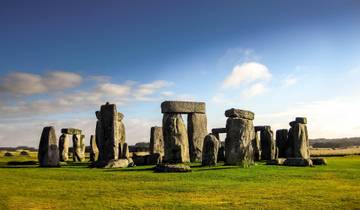
2 days
Windsor, Stonehenge, Bath & Oxford from London – 2 Days
- ✓ Comprehensive London tour
- ✓ Expert local guides included
- ✓ All accommodation arranged
- ✓ Transportation provided
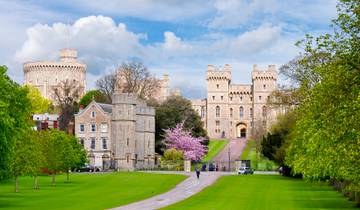
5 days
Classic England – 5 Days
- ✓ Comprehensive London tour
- ✓ Expert local guides included
- ✓ All accommodation arranged
- ✓ Transportation provided
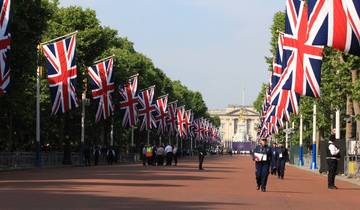
5 days
Royal Indulgence | London, England
- ✓ Booking needs min. 2 travelers
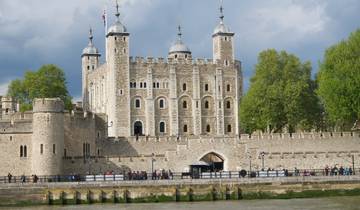
7 days
Spotlight on London (2026)
- ✓ Comprehensive London tour
- ✓ Expert local guides included
- ✓ All accommodation arranged
- ✓ Transportation provided
Multi-day tour packages powered by TourRadar. Prices and availability subject to change.
Essential Technical Foundations
Camera Equipment Selection
Full-frame or APS-C sensor cameras provide optimal image quality for London’s challenging lighting conditions. Wide-angle lenses (16-35mm full-frame equivalent) capture sweeping architectural compositions and tight urban spaces. Standard zoom lenses (24-70mm) offer versatility for both environmental shots and compressed perspectives. Telephoto lenses (70-200mm) isolate architectural details and create compressed perspectives emphasizing London’s layered skyline. Prime lenses (35mm, 50mm) provide superior image quality and low-light performance for street photography and evening scenes.
Sturdy tripods enable long exposures for light trails, smooth water effects, and low-light situations where ISO increases would compromise image quality. Carbon fiber models balance portability with stability during extended photography sessions. Ball heads provide quick adjustment across multiple angles. Remote shutter releases or camera timers eliminate vibration during exposures. Circular polarizing filters reduce reflections on glass buildings and deepen blue skies. Neutral density filters enable long exposures during daylight hours for crowd-free scenes and ethereal water effects.
Exposure Management Strategies
London’s bright limestone buildings and darker brick structures create high-contrast scenes challenging camera metering systems. Spot metering on midtones provides accurate exposure for primary subjects while accepting highlight or shadow clipping in extreme tonal ranges. Evaluative metering works well in even lighting but struggles with backlit situations. Exposure bracketing (±1-2 stops) captures detail across tonal ranges for HDR processing or exposure blending. Histogram monitoring prevents clipped highlights in bright stone facades and crushed shadows in deep archways.
Manual exposure mode provides complete control in challenging lighting situations. Begin with base settings: f/8 aperture for depth of field, ISO 100-400 for image quality, then adjust shutter speed for proper exposure. Aperture priority mode enables quick response to changing light while maintaining consistent depth of field. Shutter priority mode controls motion blur in street photography and flowing water effects. Auto ISO maintains proper exposure as light changes throughout golden hour transitions.
Iconic Location Mastery
Westminster and Parliament Complex
Westminster Bridge provides the quintessential Parliament photography position. Station yourself mid-bridge facing northeast for classic Big Ben tower framing with Houses of Parliament extending behind. Low viewpoints from bridge level create powerful perspectives with Westminster Bridge’s green ironwork adding foreground interest. Dawn shoots (6-7 AM) offer warm light illuminating honey-colored stonework with minimal crowds. Evening blue hour (30-45 minutes post-sunset) balances illuminated buildings against deep blue skies. Westminster Pier provides alternative riverside angles with tour boats adding scale and human interest.
Victoria Tower Gardens offer elevated perspectives showing Parliament’s full Gothic Revival architecture with Victoria Tower dominating southern compositions. The gardens’ mature trees frame buildings naturally while lawns provide uncluttered foregrounds. Abingdon Street Gardens provide close perspectives emphasizing Parliament’s vertical Gothic elements. Lambeth Bridge creates distance views compressing Parliament complex into compact compositions. Each position requires different focal lengths – wide angles (16-24mm) from Westminster Bridge, standard to telephoto (35-70mm) from Victoria Tower Gardens, telephoto (70-200mm) from Lambeth Bridge.
Tower Bridge Engineering Marvel
Tower Bridge’s Victorian Gothic architecture rewards photographers who explore multiple perspectives around this engineering landmark. South bank approaches from Butler’s Wharf provide symmetrical compositions with both towers framing central bascule sections. Sunrise illuminates eastern facades while sunset highlights western elevations. Blue hour transforms the bridge into illuminated sculpture suspended over darkening Thames waters. St Katharine Docks marina provides reflections doubling visual interest while boats add scale and activity.
North bank perspectives from Tower of London grounds create powerful diagonal compositions with fortress walls adding historical context. Walking across the bridge enables changing perspectives as relationships between towers, cables, and skyline evolve. Glass walkways high above roadway (ticketed access) provide unique downward perspectives impossible from street level. Low tide reveals Thames foreshore beneath northern approach, creating unusual urban beach scenes with bridge architecture overhead. Wide-angle lenses (16-24mm) capture complete bridge span while telephoto compression (100-200mm) isolates architectural details and patterns.
St Paul’s Cathedral Baroque Majesty
Millennium Bridge creates the definitive St Paul’s photography perspective, with pedestrian bridge providing centered leading line toward Wren’s masterpiece dome. Position yourself bridge center facing north for symmetrical compositions as worshippers and tourists stream across foreground. Dawn light illuminates cathedral’s Portland stone facade in warm tones while morning mist occasionally softens urban context. Twilight shoots balance cathedral illumination against deepening blue skies, with bridge lights creating foreground interest. Wide-angle lenses (16-24mm) include entire bridge span and surrounding context.
Bankside riverside paths south of Thames offer complete cathedral elevation views with riverside buildings providing scale. One New Change shopping center rooftop terrace (free access) positions photographers at dome level for intimate perspectives impossible from ground level. Paternoster Square immediately north provides close perspectives emphasizing baroque architectural details. Festival Pier provides distance views with Thames creating reflective foreground during calm conditions. Each position works best at different times – Millennium Bridge at dawn/dusk, One New Change midday, riverside paths golden hour.
Hidden Perspective Discoveries
Sky Garden Panoramic Viewpoint
Sky Garden at 20 Fenchurch Street (“Walkie Talkie” building) provides London’s best free elevated perspective. Book advance reservations (released three weeks ahead) for timed entry slots. The 155-meter-high garden level offers 360-degree views through floor-to-ceiling windows. Western perspectives capture St Paul’s dome, Thames bridges, and Westminster complex. Eastern views frame Canary Wharf towers and Olympic Park. Northern aspects show the City’s dense cluster of contemporary architecture. Southern vistas extend across Thames to South Bank cultural quarter.
Photograph through clean glass areas avoiding reflections by positioning lens directly against windows using circular polarizing filters to minimize glare. Dawn and dusk visits provide optimal lighting with sunrise/sunset colors enhancing city views. Midday shoots emphasize geometric patterns of streets and buildings. Clear weather enables distant views to 20+ miles while overcast conditions create atmospheric effects. Wide-angle lenses (16-35mm) capture sweeping panoramas while standard zooms (24-70mm) isolate specific architectural clusters. Internal garden foliage adds unexpected tropical foreground elements to urban compositions.
Primrose Hill Elevated Overview
Primrose Hill summit provides London’s most accessible elevated overview, with 78-meter height revealing skyline stretching from Westminster to Canary Wharf. The southern slope offers unobstructed views across Regent’s Park toward central London. Sunset shoots position photographers facing southeast with warm light illuminating distant buildings while park trees create foreground depth. Clear winter evenings provide sharpest definition with cold air reducing atmospheric haze. Summer sunsets create warmer tones but increased atmospheric diffusion softens details.
Telephoto lenses (100-300mm) compress skyline into dramatic compositions isolating specific architectural clusters. Wide angles (16-35mm) include park landscape creating environmental context for urban views. Foreground elements – park benches, walking paths, mature trees – add depth and scale to compositions. Dawn shoots reverse lighting direction, illuminating eastern facades while western buildings remain in shadow. Blue hour creates silhouetted skyline against colorful twilight sky. Tripods enable long exposures capturing light trails along distant streets and illuminated building details.
Thames Path Riverside Discoveries
Thames Path walking route extends 184 miles from source to sea, with central London sections providing continuously changing photographic perspectives. The 5-mile stretch from Westminster to Greenwich offers extraordinary architectural diversity with minimal crowd pressure outside peak tourist hours. Dawn walks capture golden light progressively illuminating eastern building facades while western sides remain shaded. Sunset routes reverse lighting patterns with warm light highlighting western elevations.
Low tide reveals Thames foreshore creating urban beach scenes with historical detritus, bottle fragments, and pottery shards scattered across mud and gravel. These textural foregrounds add unexpected elements to architectural backgrounds. High tide brings water to embankment walls creating clean reflections of riverside buildings. South Bank stretch passes cultural institutions, historic bridges, and mixed architecture from medieval to contemporary. North bank route threads through City financial district with glass towers reflecting surrounding historic structures. Side streets branching from river path reveal hidden courtyards, ancient churches, and Victorian warehouses converted to modern uses.
Specialized Photography Techniques
Architectural Detail Isolation
London’s architectural richness extends beyond grand facades to intricate details rewarding patient observation. Gothic Revival decorations on Parliament display carved stonework, heraldic symbols, and figurative sculptures. Victorian industrial architecture reveals decorative ironwork, terra cotta panels, and geometric tile patterns. Modernist buildings expose structural systems, material junctions, and proportional relationships. Contemporary architecture showcases innovative facades, sustainable systems, and sculptural forms.
Telephoto lenses (70-200mm) isolate details from surrounding context, compressing perspective and eliminating visual distractions. Close-focusing ability enables macro-style detail capture of textures, materials, and weathering patterns. Soft, overcast light reveals subtle surface variations without harsh shadows obscuring details. Side-lit conditions emphasize three-dimensional relief in carved elements and textured surfaces. Shoot details at multiple focal lengths – wide context shots establishing location, medium shots showing detail relationships, tight crops isolating individual elements. Build comprehensive detail libraries documenting specific buildings or architectural periods.
Long Exposure Motion Blur
Long exposure techniques transform London’s bustling movement into ethereal motion blur contrasting with static architecture. Use sturdy tripods, remote releases, and mirror lockup (DSLR) to eliminate camera shake during exposures ranging from 1 second to several minutes. Neutral density filters (3-10 stops) enable daylight long exposures that would otherwise overexpose. Experiment with shutter speeds discovering creative thresholds – 1-2 seconds creates slight blur suggesting motion, 10-30 seconds renders moving elements as ghostly streaks, 1-5 minutes eliminates all transient elements creating empty urban scenes.
Thames water smooths to glass-like surfaces during 30+ second exposures, creating mirror reflections of bridges and buildings. Light trails from buses, cars, and boats create dynamic linear elements through static compositions. Tourist crowds blur into transparent ghosts or disappear entirely, leaving landmark architecture unobscured. Cloud movement during multi-minute exposures creates directional streaks emphasizing sky drama. Calculate exposures using 10-stop ND filter formula: base exposure without filter, then add 10 stops (multiply time by 1000). Example: 1/100 second becomes 10 seconds with 10-stop ND filter.
Street Photography Approaches
London’s diverse population and vibrant street life create endless opportunities for candid human-centered photography. Busy pedestrian zones – Oxford Street, Covent Garden, Borough Market, Brick Lane – provide constant activity and character studies. Markets offer colorful chaos with vendors, shoppers, and produce creating visually rich environments. Transportation hubs capture travelers, commuters, and urban movement patterns. Residential neighborhoods reveal daily life rhythms with school runs, dog walkers, and local businesses.
Compact cameras or small mirrorless systems attract less attention than large DSLRs enabling more natural candid captures. Standard prime lenses (35mm, 50mm) provide human-scale perspective matching eye-level vision. Pre-focus using zone focusing technique (f/8-f/11 at 3-5 meters) for instant capture without autofocus delay. Shoot from hip level or while appearing to photograph something else to capture genuine unposed moments. Respect privacy and cultural sensitivity – avoid photographing children without parent permission, religious ceremonies without understanding protocols, or individuals who clearly object to being photographed. London’s cultural diversity requires awareness and respect for varying attitudes toward photography.
Seasonal Photography Opportunities
Spring Botanical Abundance
London’s parks and gardens explode with botanical photography opportunities throughout spring months. Cherry blossoms transform Royal Parks into pink-canopied wonderlands during April’s peak bloom weeks. Kew Gardens displays comprehensive spring bulb collections with formal bedding schemes creating color patterns. Holland Park’s Kyoto Garden combines Japanese maples, water features, and traditional stone elements. Greenwich Park’s avenue plantings create natural perspective lines leading toward maritime museum architecture.
Early morning shoots capture dew-covered blooms with soft directional light enhancing delicate petal textures. Overcast conditions provide even illumination preventing harsh shadows and blown highlights in white flowers. Macro lenses (90-105mm) isolate individual blooms while wide angles (16-35mm) capture mass plantings creating color fields. Shallow depth of field (f/2.8-f/5.6) isolates foreground flowers against soft backgrounds. Include architectural elements – pavilions, conservatories, garden structures – providing context and scale within floral compositions.
Autumn Urban Transformation
Autumn color transforms London’s numerous parks and tree-lined streets into warm-toned environments contrasting with gray stone architecture. October through November provides peak foliage color with diverse tree species displaying yellow, orange, and red leaves. Richmond Park’s 2,500 acres include ancient oaks and imported species creating varied autumn palettes. Regent’s Park’s formal avenues create perspective compositions with color-changing trees lining pathways toward classical architecture.
Side-lit conditions during golden hour create translucent leaf glow emphasizing autumn colors. Overcast skies saturate leaf colors while eliminating high-contrast lighting challenges. Include fallen leaves creating colorful ground layers adding depth to compositions. Photograph reflected autumn colors in puddles, river surfaces, and building glass doubling visual interest. Balance warm leaf tones against cool stone architecture using complementary color relationships. Capture seasonal transition documenting early autumn yellows through peak mixed colors to late-season bare branches revealing architectural forms.
Winter Atmospheric Drama
Winter conditions create London’s most dramatic atmospheric photography opportunities. Short daylight hours (8:30 AM – 4:30 PM) compress golden hour periods into extended morning and afternoon sessions with low-angle light illuminating building facades. Occasional fog transforms familiar scenes into mysterious atmospheric compositions with limited visibility emphasizing nearest elements while distant architecture fades into gray. Frost crystals decorate bare winter branches and urban surfaces with temporary natural ornament.
Overcast winter skies provide perfect architectural detail photography lighting throughout short days. Monument illumination becomes visible earlier allowing extended blue hour shooting periods. Seasonal decorations and lighting schemes transform Oxford Street, Covent Garden, and major landmarks into illuminated spectacles. Christmas markets add human activity and warm lighting to winter compositions. Cold-weather challenges require battery management (carry spares in warm pockets), lens fog prevention (gradual temperature adjustment when moving indoors), and weather protection for equipment during rain and snow.
Light Quality Management
Golden Hour Strategies
Golden hour provides photographers with warm, directional light transforming ordinary scenes into extraordinary images. The hour following sunrise and preceding sunset offers low-angle illumination that emphasizes texture, creates long shadows adding depth, and bathes scenes in warm orange-gold tones. Summer golden hours extend longer with gradual light transitions while winter sessions compress into brief but intense lighting periods. Plan specific locations for golden hour shoots based on building orientation – eastern facades for sunrise, western elevations for sunset.
Arrive 30-45 minutes before optimal timing allowing position selection, composition refinement, and technical preparations before light peaks. Scout locations during midday visits noting sun positions relative to desired compositions. Apps like PhotoPills and The Photographer’s Ephemeris calculate precise sun positions for any date and location enabling accurate planning. Bracket exposures during rapid light transitions capturing optimal exposure across constantly changing conditions. Continue shooting through entire golden hour period as lighting quality transforms from warm directional light toward cooler blue hour illumination.
Blue Hour Balance
Blue hour creates unique photographic opportunities when fading natural light balances artificial illumination. This brief period beginning 30 minutes after sunset extends 45-60 minutes depending on season and weather. Deep blue skies maintain color and detail while building lights, street lamps, and monument illumination become prominent. The perfect balance point lasts approximately 15-20 minutes requiring efficient shooting workflows to maximize limited timing windows.
Use tripods for exposures ranging from 1-30 seconds depending on desired effects. Include illuminated architectural details, monument lighting, street scenes, and reflected lights in water surfaces. Shoot RAW format capturing maximum shadow and highlight detail for post-processing refinement. Manually set white balance (daylight 5500K or custom for specific color casts) ensuring consistent color rendering across sequence. Continue shooting into deeper twilight experimenting with longer exposures and higher ISOs as natural light fades completely. Blue hour provides London’s most magical urban photography lighting, transforming familiar landmarks into luminous sculptures against darkening skies.
Overcast Advantage
London’s frequent overcast conditions create ideal architectural and street photography lighting contrary to common assumption that gray skies hamper photography. Cloud cover acts as giant diffuser eliminating harsh shadows, reducing contrast to manageable ranges, and providing even illumination across entire scenes. This soft light reveals architectural details obscured by harsh shadows in direct sun. Street photography benefits from even facial lighting and absence of squinting subjects. Texture photography shows subtle surface variations without competing shadow patterns.
Expose for midtones allowing slight highlight and shadow clipping at extreme ranges. Add +0.3 to +0.7 exposure compensation preventing gray-card metering from underexposing bright overcast scenes. Use entire day for photography rather than limiting shooting to golden hour periods. Embrace gray skies as authentic London atmosphere rather than apologizing for absent blue skies. Convert images to black and white emphasizing architecture, form, and texture rather than relying on color and dramatic lighting. Overcast conditions suit documentary photography, architectural surveys, and detail studies requiring consistent repeatable lighting across multiple shooting sessions.
Post-Processing Foundations
RAW Processing Workflow
RAW format captures maximum image data enabling extensive post-processing refinement impossible with JPEGs. Import images into Adobe Lightroom, Capture One, or similar RAW processors. Begin with lens corrections removing distortion, vignetting, and chromatic aberration. Adjust white balance correcting color casts and establishing mood – cooler for contemporary architecture, warmer for historic structures. Set black and white points maximizing tonal range without clipping important detail. Adjust overall exposure correcting underexposure or overexposure from initial capture.
Use graduated filters darkening bright skies while maintaining foreground exposure. Apply adjustment brushes selectively lightening shadows and reducing highlights in specific areas. Enhance clarity slider emphasizing midtone contrast and architectural detail without over-sharpening. Adjust vibrance slider increasing color saturation naturally without oversaturation. Apply noise reduction for high-ISO images balancing detail preservation with noise elimination. Export processed images as high-quality JPEGs for sharing while maintaining RAW masters for future reprocessing as techniques evolve.
Perspective Correction Techniques
Vertical perspective distortion (converging verticals) occurs when tilting camera upward to include building tops, creating appearance of buildings leaning backward. Correct this digitally using transform tools in Lightroom or Photoshop’s adaptive wide-angle filter. Alternatively, shoot with tilt-shift lenses maintaining camera level while shifting lens upward including building tops without distortion. Digital correction crops significant image areas reducing resolution – compose with extra space anticipating post-processing crops.
Horizontal perspective distortion occurs with wide-angle lenses creating stretched appearance at frame edges. Position primary subjects near frame center minimizing distortion’s visual impact. Use lens-specific corrections in processing software applying manufacturer-calibrated adjustments. Accept some distortion as creative perspective rather than technical flaw – wide-angle distortion emphasizes space and depth in ways standard perspective cannot achieve. Balance technical perfection with creative expression, correcting obvious distractions while accepting characteristics contributing to image impact.
Practical Logistics Management
Weather Adaptation Strategies
London weather changes rapidly requiring adaptive planning and flexible approaches. Carry weather-sealed equipment or protective covers enabling photography during light rain. Keep lens cloths accessible for cleaning water spots from front elements. Protect equipment during heavier rain with waterproof bags or covers. Use weather apps monitoring real-time conditions and short-term forecasts enabling tactical decisions about shooting locations and timing. Have backup indoor photography options – museums, covered markets, arcade shopping areas – when weather deteriorates significantly.
Rain creates photographic opportunities with reflections on wet streets, dramatic storm clouds, and rain-effect adding atmosphere to urban scenes. Shoot immediately after rain ends capturing wet surfaces while storm clouds remain. Use faster shutter speeds (1/500+) freezing rain droplets as visible elements or slower speeds (1/30-1/60) creating atmospheric rain streaks. Protect yourself as well as equipment – waterproof clothing and comfortable footwear enable extended shooting sessions in challenging conditions. London photographers learn to work with weather rather than waiting for perfect conditions that rarely occur.
Location Access and Timing
Plan photography schedules around location accessibility and optimal lighting. Popular landmarks experience massive crowds during midday summer periods making clean compositions nearly impossible. Dawn shoots (before 7 AM) provide empty streets and soft light at major tourist sites. Evening shoots (after 8 PM summer, after 5 PM winter) offer reduced crowds with evening light or illumination. Weekday mornings see fewer tourists than weekend periods. School holidays and major events significantly increase visitor numbers requiring earlier arrival times.
Research specific location restrictions before arrival. Some churches and religious sites prohibit photography during services. Museums implement varying policies from complete prohibition to restrictions on flash, tripods, or commercial use. Private property requires permission regardless of visibility from public spaces. Parks close at dusk requiring exit before locked gates trap equipment and photographers inside. Underground stations prohibit tripods during peak hours creating safety hazards in crowded spaces. Respect all restrictions maintaining positive relationships between photographers and location managers while ensuring continued access for future visits.
Frequently Asked Questions
What is the single best location for photographing London?
No single “best” location exists given London’s photographic diversity, but Westminster Bridge provides the most iconic and accessible classic view. Mid-bridge positioning facing northeast creates textbook Big Ben and Parliament compositions recognizable worldwide. The location combines historic architecture, river reflections, bridge infrastructure, and passing boats into comprehensive London imagery. Dawn and evening blue hour provide optimal lighting. Free access and proximity to Tube stations make this every photographer’s essential London location.
Do I need a professional camera for good London photos?
Modern smartphones capture excellent London photography given appropriate technique and lighting. Understand your device’s capabilities and limitations – smartphones excel in bright even light but struggle in low-light situations and lack telephoto reach for distant subjects. DSLR and mirrorless cameras provide superior image quality, low-light performance, lens versatility, and manual controls enabling creative expression impossible with smartphones. Advanced compact cameras balance portability with image quality. Choose equipment matching your skill level, budget, and photographic goals rather than assuming expensive gear automatically produces better images. Strong compositional skills and lighting understanding matter more than equipment specifications.
Can I sell my London photographs?
Street photography and public architecture photography can be sold legally when captured from public spaces. Property releases aren’t required for editorial use (news, education, commentary). Commercial use (advertising, products, endorsements) requires property releases for recognizable private property. Identifiable people require model releases for commercial use though editorial use generally doesn’t. Modern landmarks like the Gherkin, Shard, and Heron Tower are protected by copyright though incidental inclusion in broader scenes generally acceptable. Research specific image licensing requirements matching your intended use – stock agencies provide detailed guidance on property releases, model releases, and acceptable content.
How do I photograph London in harsh midday sun?
Harsh midday sun creates challenging high-contrast situations requiring adaptive approaches. Embrace shadows as compositional elements creating geometric patterns and dramatic contrasts. Photograph architectural details and textures emphasized by strong directional light. Shoot black and white images eliminating color distraction and emphasizing form and contrast. Use high contrast creatively rather than fighting it. Alternatively, photograph indoors – museums, markets, arcades, Underground stations – during harsh exterior conditions. Plan midday periods for location scouting, lunch breaks, and equipment management returning to outdoor photography during softer morning and evening light.
What photography apps help in London?
PhotoPills and The Photographer’s Ephemeris calculate sun and moon positions for any date, time, and location enabling precise planning of golden hour and blue hour shoots. Google Maps provides location identification, walking routes, and transit directions. Weather apps (Met Office, BBC Weather) offer location-specific forecasts and radar enabling tactical timing decisions. Instagram and Flickr show other photographers’ work at specific locations revealing perspectives and optimal conditions. Note-taking apps record technical settings, locations, and observations for future reference. Offline maps enable navigation without cellular data usage.
How do I avoid tourist crowds in my photos?
Shoot during early morning hours before major tourist sites open and before crowds arrive – 6-8 AM summer, 7-9 AM winter. Evening hours after dinner time (8-10 PM) see reduced tourist activity at outdoor locations. Long exposure photography (30 seconds to several minutes using ND filters) renders moving tourists invisible as blur or complete elimination. Compose shots emphasizing architecture over ground-level crowds using elevated perspectives or tight crops. Visit popular sites during off-peak seasons (November-March excluding Christmas) when international tourism decreases significantly. Accept that tourists constitute authentic London scenes rather than elements to eliminate – including people provides scale, activity, and contemporary context.
Should I shoot in JPEG or RAW format?
RAW format captures maximum image data providing extensive post-processing flexibility impossible with JPEGs. London’s challenging lighting conditions – overcast skies, high-contrast buildings, mixed color temperatures – benefit greatly from RAW’s adjustment latitude. Correct exposure, white balance, highlights, and shadows extensively without image degradation. JPEGs apply in-camera processing discarding data that cannot be recovered later. The processing flexibility RAW provides proves essential for architectural photography’s technical demands. Shoot RAW+JPEG if storage space permits, keeping JPEGs for quick sharing while maintaining RAW files for serious processing. Modern camera RAW processing capabilities make the storage and workflow requirements worthwhile investments for serious photography.
What focal length is most useful for London photography?
24-70mm zoom lenses provide optimal versatility covering wide establishing shots through moderate telephoto compressions suitable for most London photography situations. Wide angles (16-24mm) excel for sweeping architectural compositions, tight urban spaces, and environmental context. Standard focal lengths (35-50mm) match human vision providing natural perspective for street photography and documentary work. Telephoto lenses (70-200mm) isolate architectural details and compress perspective creating layered skyline compositions. Prime lenses offer superior image quality and low-light performance at single focal lengths. Carry one or two lenses matching anticipated subjects rather than complete lens collection creating unnecessary weight during extended walking photography sessions.
How can I improve my architectural photography composition?
Study London’s architecture understanding design principles, historical periods, and structural systems informing compositional decisions. Use leading lines – bridges, streets, fences, architectural elements – directing viewer attention toward primary subjects. Apply rule of thirds placing important elements at intersection points rather than center-frame. Include foreground elements adding depth through layered compositions. Frame subjects within architectural elements – arches, doorways, windows – creating natural compositional boundaries. Simplify compositions eliminating distracting elements through tight crops, careful positioning, or selective focus. Shoot from multiple perspectives discovering angles revealing structure, proportion, and relationships other photographers overlook. Most importantly, invest time studying location from multiple positions and returning during different lighting conditions revealing transformational possibilities invisible during single visits.
What’s the best time of year for London photography?
Each season offers distinct advantages making “best” time dependent on photographic priorities. Spring (April-May) provides blooming flowers, fresh green foliage, and increasing daylight hours with moderate crowds. Summer (June-August) offers longest daylight extending golden hours, warmest weather enabling extended shooting sessions, but peak tourist crowds. Autumn (September-October) displays colorful foliage, reduced crowds, and pleasant temperatures with shorter days. Winter (November-February) creates dramatic atmospheric conditions with fog and low-angle light, minimal crowds, and festive decorations but shortest daylight and coldest weather. Serious photographers visit repeatedly across seasons documenting how changing light, weather, and atmosphere transform familiar locations throughout the annual cycle.