
London Hidden Gems Guide: Secret Spots & Lesser-Known Treasures
Key Takeaways
- Secret Gardens & Green Spaces: London conceals over 40 hidden gardens, courtyards, and green spaces accessible to the public but unknown to most visitors, from medieval physic gardens to Victorian cemetery parks.
- Underground London: Beneath the modern city lies a network of Roman ruins, medieval crypts, Victorian tunnels, and World War II bunkers offering extraordinary historical experiences away from surface crowds.
- Forgotten Churches & Spiritual Spaces: Beyond Westminster Abbey and St. Paul’s, London preserves dozens of Wren churches, medieval chapels, and hidden places of worship containing remarkable art and architecture.
- Victorian Curiosities: The city’s 19th-century expansion created extraordinary museums, markets, cemeteries, and public spaces that remain beautifully preserved yet vastly undervisited.
- Artisan Quarters & Local Neighborhoods: Traditional craftsmen, independent bookshops, family-run establishments, and authentic local culture thrive in neighborhoods bypassing the mainstream tourist circuit.
- Architectural Secrets: Hidden courtyards, private squares, ancient alleyways, and architectural details reveal London’s layered history to those who know where to look.
Understanding London’s Hidden Treasures
London’s greatest secrets hide in plain sight. While millions of visitors photograph Big Ben and queue for the Tower of London, the city’s most extraordinary experiences unfold in forgotten corners, beneath ancient streets, and behind unmarked doors. This comprehensive guide reveals the hidden gems that define authentic London—places where history breathes without crowds, where architecture astonishes without fanfare, and where the city’s true character emerges.
The concept of “hidden London” extends beyond simple obscurity. These locations possess genuine historical, architectural, or cultural significance equal to their famous counterparts. Many served crucial roles in London’s development—medieval trade routes, Victorian public health innovations, wartime survival infrastructure. Others represent artistic movements, social reforms, or architectural experiments that shaped the modern city. What unites them is their remarkable preservation combined with relative anonymity.
Understanding why these gems remain hidden illuminates London’s complex character. Some occupy private spaces open only through special arrangements. Others require local knowledge to access—unmarked doors, specific opening hours, insider connections. Many simply suffer from London’s overwhelming abundance of attractions, overshadowed by more famous neighbors. This guide provides the knowledge, access strategies, and historical context to experience these extraordinary places.
The hidden gems of London cluster in distinct categories, each offering unique insights into the city’s layered past. Secret gardens provide green sanctuaries designed by master gardeners. Underground spaces reveal London’s subterranean history from Roman foundations to World War II shelters. Forgotten churches showcase architectural genius in intimate settings. Victorian curiosities demonstrate the era’s ambition and eccentricity. Artisan quarters preserve traditional crafts and authentic local culture. Together, they create a parallel London—equally fascinating, vastly more accessible, infinitely more personal.
People Also Ask About London Hidden Gems
What are the most secret places in London?
The most genuinely secret places in London include Postman’s Park with its Victorian memorial to everyday heroes, the Brunel Museum revealing the world’s first underwater tunnel, Dennis Severs’ House offering time-travel through a preserved Georgian home, and the Cross Bones Graveyard commemorating outcast burials. These locations combine historical significance with remarkable obscurity—most Londoners have never visited despite their proximity to major attractions. Access varies: some require advance booking, others maintain limited opening hours, several demand insider knowledge to locate. The Geffrye Museum (now Museum of Home) explores domestic life through period rooms. The Old Operating Theatre Museum preserves Victorian surgical practices in a church attic. Leighton House Museum showcases an artist’s Victorian palace filled with Islamic tiles. Each offers experiences impossible at mainstream attractions.
Where can you find hidden gardens in Central London?
Central London conceals dozens of hidden gardens accessible to persistent visitors. The Phoenix Garden near Covent Garden transforms a former car park into a wildlife sanctuary. St. Dunstan in the East converts a bombed Wren church into a stunning public garden with Gothic ruins. The Chelsea Physic Garden, established in 1673, grows medicinal plants in a walled riverside location. Temple’s Inner and Middle Temple Gardens provide private green spaces open during limited hours. Postman’s Park features the Watts Memorial with its heroic sacrifice tiles. The Barbican Conservatory creates a tropical paradise within the Brutalist complex. Russell Square offers Victorian landscaping by Humphry Repton. Lincoln’s Inn Fields combines London’s largest public square with hidden corners and architectural follies. Each garden possesses unique character—some formal and maintained, others wild and romantic, all providing refuge from urban intensity.
What underground spaces can you explore in London?
London’s underground spaces span two millennia of history. The London Mithraeum reveals a reconstructed Roman temple with atmospheric lighting and artifacts. The Crypt at St. Martin-in-the-Fields operates as both historical space and modern cafe. The Churchill War Rooms preserve the underground headquarters directing World War II operations. The Brunel Museum accesses the Thames Tunnel, the world’s first underwater passage. The Chislehurst Caves extend through 20 miles of man-made tunnels used from Roman times through World War II. The Bank of England Museum includes access to historical vaults. The Mail Rail experience rides through underground postal railway tunnels. The London Silver Vaults house the world’s largest retail collection of antique silver in subterranean shops. Westminster Abbey’s Queen’s Diamond Jubilee Galleries occupy the medieval triforium with views over the nave. Each underground space offers unique atmospheric qualities—cool temperatures, dramatic lighting, tangible connections to past events.
Are there unknown museums in London worth visiting?
London contains hundreds of specialist museums bypassing tourist itineraries. The Sir John Soane’s Museum preserves an architect’s extraordinary house-museum filled with antiquities, paintings, and architectural models. The Hunterian Museum displays surgical specimens and anatomical preparations in a Victorian medical collection. The Foundling Museum tells the story of London’s first children’s charity through art and social history. The William Morris Gallery celebrates the Arts and Crafts movement in the designer’s former home. The Geffrye Museum explores domestic interiors through period rooms spanning 400 years. The Fan Museum houses the world’s most comprehensive fan collection in restored Georgian townhouses. The Old Operating Theatre Museum occupies a church attic with preserved Victorian surgical theater. The Cinema Museum preserves film history in a former workhouse. The Cartoon Museum traces British cartoon and comic art. The Viktor Wynd Museum of Curiosities offers Cabinet of Curiosities experiences. Each provides deep expertise in specialized subjects, intimate viewing environments, and personal engagement impossible at larger institutions.
Extended multi-day tours – 5+ days
Featured London Multi-Day Tour Packages
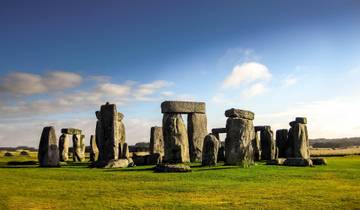
2 days
Windsor, Stonehenge, Bath & Oxford from London – 2 Days
- ✓ Comprehensive London tour
- ✓ Expert local guides included
- ✓ All accommodation arranged
- ✓ Transportation provided
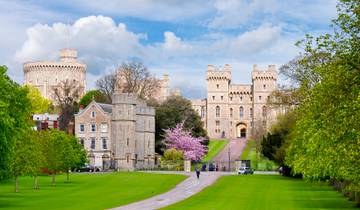
5 days
Classic England – 5 Days
- ✓ Comprehensive London tour
- ✓ Expert local guides included
- ✓ All accommodation arranged
- ✓ Transportation provided
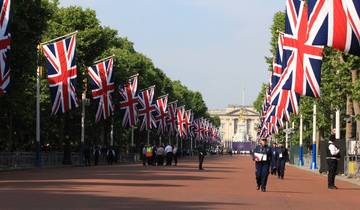
5 days
Royal Indulgence | London, England
- ✓ Booking needs min. 2 travelers
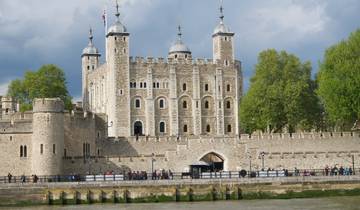
7 days
Spotlight on London (2026)
- ✓ Comprehensive London tour
- ✓ Expert local guides included
- ✓ All accommodation arranged
- ✓ Transportation provided
Multi-day tour packages powered by TourRadar. Prices and availability subject to change.
Secret Gardens & Green Sanctuaries
London’s hidden gardens represent the city’s most magical discoveries. These green spaces existed for centuries serving specific purposes—monastic herb gardens, private residential squares, institutional landscapes, cemetery grounds. Many remain technically private but welcome respectful visitors during designated hours. Others hide behind unmarked gates or down forgotten alleys. Together they create a network of urban oases where nature, history, and design converge.
The Chelsea Physic Garden stands as London’s oldest botanical garden, established in 1673 by the Worshipful Society of Apothecaries. The four-acre walled garden occupies a Thames-side location warming the microclimate and enabling cultivation of unusual species. The garden maintains historical plant collections including Europe’s oldest rock garden, built with stones from the Tower of London and lava from Iceland. Medicinal plants grow in systematic beds demonstrating their pharmaceutical properties. The garden played crucial roles in botanical history—cotton seeds from here established the American cotton industry, quinine plants grown here enabled treatment of malaria across the British Empire. Today the garden combines scientific research with public education, offering peaceful wandering through historical landscapes.
St. Dunstan in the East transforms World War II destruction into romantic beauty. This Wren-designed church suffered severe bomb damage in the Blitz, leaving only the tower and portions of the walls standing. Rather than demolishing the ruins, the City of London Corporation created a public garden within the remaining structure. Climbing plants engulf Gothic windows, trees grow from the former nave, ivy drapes over medieval stones. The garden achieves a sublime atmosphere—part ruins, part nature, wholly enchanting. Office workers lunch among the greenery, photographers capture the Gothic arches, visitors discover unexpected tranquility. The space demonstrates London’s creative approach to preserving damaged heritage while serving contemporary needs.
Postman’s Park occupies a former churchyard near St. Paul’s Cathedral, named for its popularity with postal workers from the nearby General Post Office. The park itself provides pleasant green space, but the true gem is the Watts Memorial to Heroic Self Sacrifice. Victorian artist George Frederic Watts created this memorial wall commemorating ordinary people who died saving others’ lives. Fifty-three ceramic plaques record acts of extraordinary courage—a teenager drowning saving his younger brother, a mother dying in a theater fire protecting her children, workers killed rescuing colleagues from industrial accidents. Each plaque tells a complete story in a few lines, creating powerful emotional connections across time. The memorial represents Victorian social consciousness and celebrates working-class heroism rarely recognized in traditional monuments.
The Phoenix Garden demonstrates community activism transforming urban wasteland into biodiverse sanctuary. Located behind Charing Cross Road near Covent Garden, this community garden occupies a former car park. Volunteers created ponds, planted native species, established habitats for birds, bees, and butterflies. The garden functions as an educational resource and neighborhood meeting place. Winding paths lead through dense plantings creating intimate spaces within a small footprint. The garden proves that significant urban nature can thrive in compact spaces through thoughtful design and community commitment.
The Barbican Conservatory creates London’s most unexpected tropical experience. This second-largest conservatory in London occupies the top of the Barbican’s arts complex, hidden within the Brutalist architecture. Over 1,500 species of tropical plants and trees grow in controlled conditions, creating a jungle atmosphere. Koi carp swim in ponds, exotic birds inhabit the space, sculptures emerge from the foliage. The conservatory opens only on weekends, contributing to its hidden status despite its scale. The space demonstrates how modernist architecture can incorporate nature, and how contemporary London preserves unexpected environments.
Underground London: Subterranean Secrets
Beneath London’s streets lies a hidden city spanning two thousand years of history. Roman ruins, medieval crypts, Victorian infrastructure, World War II bunkers—each layer reveals how London solved problems of worship, commerce, defense, and public health underground. These spaces offer atmospheric experiences impossible above ground, where temperature, lighting, and acoustics create unique sensory environments.
The London Mithraeum provides one of the city’s most innovative heritage experiences. Discovered during post-war construction in 1954, this Roman temple to the god Mithras occupied the bank of the long-buried River Walbrook. The temple dates to around 240 CE, serving a mystery religion popular among Roman soldiers and merchants. After archaeological excavation, the temple was relocated to make way for modern development. Recently, Bloomberg’s new European headquarters incorporated a stunning reconstruction in the temple’s original location, seven meters below modern street level. Visitors descend into atmospheric darkness where lighting and sound recreate the temple’s ritual use. Original Roman artifacts display in galleries above. The installation demonstrates how contemporary development can enhance rather than destroy archaeological heritage.
The Brunel Museum tells the story of the Thames Tunnel, the world’s first underwater tunnel. Engineer Marc Brunel developed revolutionary tunneling technology to excavate beneath the Thames between Rotherhithe and Wapping from 1825 to 1843. The project encountered floods, fires, and financial crises, yet succeeded through engineering innovation and determination. The tunnel opened as a pedestrian passage attracting millions of visitors to walk beneath the river. Later it became part of the London Underground. The museum occupies the original engine house and provides access to the tunnel’s dramatic brick-vaulted Grand Entrance Hall. The space combines industrial archaeology with Victorian ambition, showing how 19th-century London solved seemingly impossible engineering challenges.
The Churchill War Rooms preserve the underground headquarters coordinating Britain’s World War II effort. Deep beneath Whitehall, a warren of rooms served as Cabinet War Rooms, Map Room, and Churchill’s personal quarters. The complex remained secret throughout the war, enabling government continuity during the Blitz. When the war ended, the doors closed and the rooms remained untouched until opening as a museum in 1984. Visitors walk through authentic spaces—Churchill’s bedroom, the transatlantic telephone room, military planning chambers. Maps still show wartime troop positions, original furniture fills the rooms, the atmosphere evokes the tension and determination of wartime London. The Churchill Museum within the complex provides comprehensive coverage of his life and leadership.
The Cross Bones Graveyard commemorates London’s marginalized dead. This unconsecrated burial ground in Southwark interred “single women” (prostitutes), paupers, and others denied burial in consecrated ground. The graveyard operated from medieval times until closing in 1853, by which time it contained over 15,000 bodies in appalling conditions. The site became a car park, then faced redevelopment. Local activists created a memorial garden decorated with ribbons, tokens, and remembrances honoring the outcast dead. The space provides a place of reflection on those excluded from Victorian society’s compassion. Monthly vigils continue the tradition of remembering the forgotten.
Temple Church, built by the Knights Templar in the late 12th century, contains one of London’s finest medieval church interiors. The Round Church, modeled on Jerusalem’s Church of the Holy Sepulchre, features a circular nave and remarkable Purbeck marble effigies of medieval knights. The Gothic chancel extends the church with soaring architecture and exceptional acoustics. The church survived the Great Fire of 1666 and extensive World War II damage, requiring careful restoration. Services continue in this active church, but visitors can appreciate the medieval architecture, Templar history, and remarkable survival of such ancient fabric in modern London.
Forgotten Churches & Spiritual Spaces
London contains over fifty churches designed by Christopher Wren following the Great Fire of 1666, yet most visitors see only St. Paul’s Cathedral. These smaller City churches showcase Wren’s architectural genius in intimate settings, each developing unique solutions to constrained urban sites. Many combine medieval foundations with Baroque superstructures, creating fascinating architectural hybrids. Beyond Wren, London preserves medieval chapels, Victorian masterpieces, and modern spiritual spaces, each contributing to the city’s religious and architectural heritage.
St. Stephen Walbrook, considered Wren’s finest parish church, pioneered the architectural ideas later developed at St. Paul’s Cathedral. The church dome, mounted on eight arches and columns, creates a miraculous sense of space within a compact footprint. The design inspired the larger cathedral dome, making this church a prototype for one of the world’s iconic buildings. The interior combines Wren’s architecture with Henry Moore’s modernist altar, a controversial 1980s addition that creates fascinating dialogue between 17th and 20th-century aesthetics. The church also hosts the Samaritans charity, connecting architectural beauty with social compassion.
St. Bartholomew-the-Great stands as London’s oldest church, founded in 1123 as part of a medieval priory. The Norman architecture survives in remarkable condition—rounded arches, massive columns, atmospheric lighting filtering through ancient windows. The church escaped the Great Fire due to its location beyond the City walls, preserving authentic medieval atmosphere. Film productions frequently use the church for period dramas, recognizing its architectural authenticity. Shakespeare likely attended services here, and American founding father Benjamin Franklin worked in the nearby printing shop. The church connects visitors directly to medieval London, offering experiences unavailable in more heavily restored buildings.
St. Bride’s Fleet Street, known as the “journalists’ church” due to its location in the historic newspaper district, contains London’s tallest Wren spire. The tiered spire inspired the design of tiered wedding cakes—local baker William Rich copied the church tower’s form, creating an enduring tradition. The church crypt museum displays Roman mosaic floors, Saxon remains, and medieval charnel house bones, revealing 2000 years of continuous occupation. The church maintains close connections with journalism and media, holding memorial services for prominent journalists and providing spiritual support for the profession.
St. Etheldreda’s represents London’s oldest Catholic church still in use, built in 1250 as the chapel of the Bishop of Ely’s London residence. The church preserves remarkable medieval stained glass, one of the finest collections surviving in London. The intimate scale and rich decoration create powerful spiritual atmosphere. The church survived the Reformation, Great Fire, and World War II through various circumstances and ownership changes. Today it serves the Catholic community while welcoming visitors interested in medieval architecture and religious history.
All Hallows by the Tower combines Saxon origins with 20th-century restoration, creating fascinating architectural layering. The church contains a Saxon arch from 675 CE, making it London’s oldest church fabric. Roman pavement displays in the crypt, along with medieval undercrofts and remarkable historical artifacts. Samuel Pepys watched the Great Fire of London from the church tower, recording the devastation in his famous diary. John Quincy Adams married here in 1797 before becoming American president. The church provides historical continuity across 1,400 years while maintaining active worship and community engagement.
Victorian Curiosities & 19th Century Wonders
Victorian London created extraordinary institutions reflecting the era’s confidence, curiosity, and social reform movements. The 19th century produced remarkable museums, markets, cemeteries, and public infrastructure demonstrating technological innovation and civic ambition. Many Victorian creations remain beautifully preserved yet vastly undervisited, offering insights into the era that shaped modern London.
Highgate Cemetery represents Victorian cemetery design at its most romantic and Gothic. The West Cemetery, opened in 1839, features the Egyptian Avenue, Circle of Lebanon catacombs, and dense plantings creating a garden cemetery atmosphere. Victorian society embraced the garden cemetery movement, designing burial grounds as public parks and moral education sites. Highgate attracted wealthy families building elaborate monuments and tombs. Over time, nature reclaimed much of the cemetery, creating romantic overgrowth and Gothic atmosphere. The cemetery requires guided tours for access, adding to its mysterious appeal. The East Cemetery, accessible independently, contains Karl Marx’s tomb among thousands of Victorian graves. The cemetery demonstrates how Victorian London approached death, memorial, and urban green space.
Leadenhall Market occupies a covered market designed by architect Horace Jones in 1881, replacing medieval markets on the site. The ornate Victorian ironwork, hand-painted roof decorations, and cobblestone floors create a stunning architectural environment. The market served the City’s food and general goods trade, maintaining traditional butchers, cheesemongers, and florists alongside modern restaurants and shops. The Victorian details remain beautifully preserved—decorative metalwork, elaborate lamp posts, painted ceilings. Film productions use the market for period settings; it appeared as Diagon Alley in Harry Potter films. The market demonstrates Victorian public architecture at its finest, combining functional commerce with aesthetic ambition.
The Sir John Soane’s Museum preserves an architect’s extraordinary house-museum exactly as he designed it. Soane, architect of the Bank of England, collected art, antiquities, and architectural fragments, displaying them in his Lincoln’s Inn Fields home according to innovative design principles. The house contains Hogarth’s Rake’s Progress paintings, the sarcophagus of Egyptian pharaoh Seti I, architectural models, and thousands of books and drawings. Mirrors multiply spaces, skylights illuminate interiors, furniture unfolds to reveal hidden collections. The museum maintains Soane’s arrangement through Parliamentary Act, creating a time capsule of Regency collecting and display. The atmosphere combines cabinet of curiosities, architectural laboratory, and personal dwelling in unique fashion.
The Old Operating Theatre Museum occupies the attic of St. Thomas’s Church, where a women’s operating theater operated from 1822 to 1862. The theater survived hospital relocation through abandonment and forgetting, discovered only in 1956. The wooden operating table, tiered viewing gallery, and surgical instruments create visceral connections to pre-anesthetic surgery. Sawdust boxes beneath the table collected blood, herb displays show Victorian pharmacology, medical artifacts demonstrate the era’s surgical practices. The museum provides unflinching examination of Victorian medicine, acknowledging both innovation and suffering. The setting in a church attic emphasizes the religious context of Victorian hospitals.
Leighton House Museum showcases artist Frederic, Lord Leighton’s purpose-built studio-house in Holland Park. The centerpiece is the Arab Hall, decorated with Middle Eastern tiles and featuring a gilt dome and fountain. Leighton collected Islamic tiles during travels, incorporating them into a stunning Orientalist interior. The house combines Victorian aesthetics with Arts and Crafts details and Middle Eastern influences. Leighton’s paintings display throughout, showing Pre-Raphaelite and Classical influences. The house demonstrates how Victorian artists lived and worked, creating total artwork environments reflecting their aesthetic philosophies.
Artisan Quarters & Authentic Neighborhoods
Beyond tourist zones, London maintains neighborhoods where traditional crafts, independent businesses, and local culture thrive. These areas preserve authentic London character—family businesses operating for generations, craftsmen practicing traditional skills, communities maintaining distinct identities. Exploring these neighborhoods reveals the working city beneath the global metropolis.
Bermondsey hosts a remarkable concentration of antique dealers, furniture restorers, and artisan craftspeople. Bermondsey Street evolved from industrial area to creative quarter while maintaining authentic character. Maltby Street Market operates weekends beneath railway arches, offering street food and independent vendors without corporate presence. Fashion and Textile Museum occupies a Zandra Rhodes-designed building exploring British design history. The area combines industrial heritage with contemporary creativity, demonstrating how London neighborhoods adapt while preserving character.
Clerkenwell maintains its historic connection to craft industries—watchmakers, jewelers, bookbinders, printers. Medieval religious foundations established the area, then craft guilds clustered here from the 16th century. Today, the neighborhood balances heritage buildings with contemporary design studios, independent restaurants, and craft workshops. The Museum of the Order of St. John occupies the Knights Hospitaller’s medieval priory, telling the story of this military-religious order. Exmouth Market offers independent shops and cafes in a pedestrianized street. The neighborhood demonstrates how craft traditions sustain urban identity across centuries.
Cecil Court, known as London’s “book row,” concentrates antiquarian booksellers, print dealers, and specialist shops in a single pedestrian street connecting Charing Cross Road to St. Martin’s Lane. The street dates to the 1670s, originally housing grand residences. Victorian conversion to shops established the book trade concentration continuing today. Shops specialize in subjects from dance and theater to travel and maps, military history to children’s literature. The street maintains traditional shop fronts and personal service, providing alternatives to chain bookstores and online purchasing.
Columbia Road Flower Market operates Sunday mornings in East London, continuing a tradition established in the 1860s. Cockney flower sellers call their wares, nurseries offer seasonal plants, the street fills with locals and visitors buying flowers, plants, bulbs, and garden supplies. The surrounding Victorian streets house independent shops, cafes, and galleries opening for Sunday trade. The market demonstrates authentic London street life—colorful, loud, commercial, community-focused. Arriving early provides best selection and genuine market atmosphere before tourist crowds arrive.
Architectural Secrets & Hidden Details
London’s architectural heritage extends beyond famous buildings to include hidden courtyards, private squares, ancient alleyways, and forgotten details. These spaces reveal how London developed over centuries, preserving medieval street patterns within modern development, maintaining private green squares from Georgian expansion, hiding architectural details in plain sight.
The Inns of Court—Lincoln’s Inn, Gray’s Inn, Inner Temple, Middle Temple—occupy extensive areas near the Royal Courts of Justice, functioning as barristers’ professional quarters and training institutions. These ancient institutions date to medieval times, maintaining collegiate atmospheres within walled precincts. Gardens, courtyards, chapels, and halls create self-contained communities. Public access varies by Inn and time, but walkways through Temple provide access to gardens and architecture. The Inns preserve London’s legal heritage while demonstrating how professional communities shaped urban development.
Bleeding Heart Yard occupies a quiet courtyard off Greville Street in Clerkenwell, named for a gruesome murder legend from the 17th century. Lady Elizabeth Hatton supposedly died here, her body torn apart with only her still-beating heart remaining. The courtyard now houses restaurants and shops in converted warehouses, but the atmospheric name and hidden location preserve Gothic London mythology. The space demonstrates how London’s folklore survives in place names and local legend.
St. James’s Park contains several secret architectural gems including the Nash Shrubberies, Birdcage Walk, and the Guards Memorial. The park balances its role as major royal park with intimate spaces offering refuge. The pelicans, resident since 1664, provide quirky living heritage. Walking paths along the lake offer views of Whitehall and Westminster while maintaining park atmosphere. The park demonstrates how London balances ceremonial grandeur with accessible public space.
Hampstead Village preserves an entire historic neighborhood with narrow streets, Georgian houses, hidden alleys, and village atmosphere. The area escaped Victorian redevelopment due to its elevated position and wealthy residents, maintaining 18th and 19th-century street patterns. Flask Walk, Church Row, and Well Walk contain beautiful period architecture. Hampstead Heath provides wilderness within London, with Parliament Hill offering stunning city views. The area combines village community with proximity to central London, creating a preserved historic environment.
Literary & Artistic Hidden Gems
London’s literary and artistic heritage extends beyond major museums and famous houses to include specialist collections, writers’ local haunts, artistic communities, and creative spaces operating beneath mainstream cultural attention. These locations reveal how artists and writers lived, worked, and created in London across centuries.
The William Morris Gallery occupies Morris’s family home in Walthamstow, showcasing the Arts and Crafts movement through textiles, furniture, wallpapers, and decorative arts. Morris revolutionized British design, rejecting industrial production in favor of handcrafts and traditional techniques. The gallery displays his design work alongside personal history, demonstrating connections between political philosophy, artistic practice, and domestic life. The location in suburban East London emphasizes Morris’s middle-class origins and local connections.
Two Temple Place, a Victorian mansion built by William Waldorf Astor, houses rotating exhibitions exploring British regional heritage. The building itself astonishes with elaborate interiors, carved woodwork, and decorative details. The exhibitions combine objects from regional museums with context about local history, crafts, and traditions. The building demonstrates Victorian wealth and ambition while contemporary use promotes regional cultural heritage.
The Foundling Museum tells the story of London’s Foundling Hospital, established in 1739 by Thomas Coram to care for abandoned children. The museum explores the hospital’s history through art, objects, and personal stories of the children. Composer George Frideric Handel supported the hospital through benefit concerts, and artists including William Hogarth donated works to decorate the building and raise funds. The Court Room preserves original interiors and art collection. The museum examines the intersection of social reform, artistic patronage, and charitable institutions in Georgian London.
Dennis Severs’ House provides an extraordinary artistic installation rather than traditional museum. Severs created a “still-life drama” in this Huguenot silk-weaver’s house, furnishing ten rooms as if the occupants just departed. Fires burn, candles illuminate, sounds suggest presence, smells evoke daily life. Visitors move through the house in silence, experiencing time travel through sensory immersion. Each room represents a different period from 1724 to 1914, showing the house’s evolution and inhabitants’ lives. The house operates as artwork, historical recreation, and imaginative experience.
Markets & Traditional Commerce
London’s markets range from famous tourist destinations to local neighborhood institutions. The hidden gems combine authentic local trade with historical settings, maintaining traditional practices and community connections.
Borough Market’s history extends back a thousand years, making it London’s oldest food market. While the market achieved tourist prominence, early morning visits reveal wholesale trade and restaurant provisioning maintaining market traditions. The Victorian iron structure shelters artisan producers, specialist importers, and street food vendors. The surrounding streets contain additional food businesses and historic pubs. The market demonstrates London’s continuous food trading traditions.
Brixton Market combines Caribbean food culture with African businesses, vintage shops, and emerging creative enterprises. Brixton Village and Market Row occupy Victorian covered arcades, hosting restaurants, shops, and community spaces. The market reflects the area’s multicultural identity, preserving ethnic grocery shops alongside contemporary cafes and galleries. The atmosphere balances commercial activity with community gathering, authenticity with adaptation.
Old Spitalfields Market occupies a Victorian market hall near Liverpool Street Station. The original produce market relocated, but the building maintains market traditions through craft vendors, vintage dealers, food stalls, and independent businesses. The market balances commercial viability with heritage preservation, demonstrating adaptive reuse of Victorian market architecture.
Conservation & Access
London’s hidden gems face ongoing conservation challenges balanced against public access and financial sustainability. Heritage organizations, local councils, charitable trusts, and private owners maintain these sites through varied funding models and access strategies.
Many hidden spaces maintain limited opening hours, advance booking requirements, or guided tour access to manage conservation and visitor impact. Understanding access protocols enhances successful visits—checking opening times, booking ahead where required, respecting photography restrictions, supporting sites through donations or memberships.
Heritage organizations including Historic England, The National Trust, and London’s Parks and Green Spaces manage significant hidden sites. Local heritage groups and community organizations maintain neighborhood gems through volunteer efforts. Private ownership of churches, houses, and gardens requires balancing conservation with financial sustainability.
The challenge of “hidden gems” involves maintaining their character while enabling discovery. Increased visitation provides financial support and public engagement but risks overwhelming intimate spaces and changing their essential character. Responsible visiting—respecting rules, making donations, visiting during off-peak times—helps preserve these treasures for future discovery.
Frequently Asked Questions
How do you find hidden places in London?
Finding London’s hidden places requires multiple research strategies. Local history websites and walking tour organizations identify lesser-known sites in specific neighborhoods. Heritage organization publications, including Historic England’s listings and The National Trust’s London properties, reveal protected sites often overlooked. Specialist guidebooks focusing on architectural, historical, or neighborhood themes provide deeper coverage than mainstream tourist guides. Social media accounts dedicated to London history and hidden gems share current access information. Wandering with attention rewards curious explorers—noticing unmarked doors, following interesting alleyways, investigating intriguing architecture. Local residents provide invaluable knowledge; respectful conversation in pubs, shops, and cafes often reveals neighborhood secrets. Time investment yields discoveries—spending extended periods in single neighborhoods reveals layers invisible during brief visits.
Which London neighborhoods have the most hidden gems?
Clerkenwell and Farringdon concentrate remarkable hidden sites including medieval churches, Victorian markets, artisan workshops, and specialist museums within a compact area. The City of London preserves numerous Wren churches, Roman ruins, medieval halls, and architectural curiosities often overshadowed by financial district skyscrapers. Southwark combines historic Borough Market, medieval churches, theater history, and riverside walks often bypassed by visitors heading to Tate Modern. Bloomsbury contains garden squares, specialist museums, literary connections, and Georgian architecture creating an intellectual and cultural quarter. Hampstead and Highgate preserve village atmospheres with historic houses, artistic heritage, cemetery architecture, and heath wilderness within London’s boundaries. Each neighborhood rewards extended exploration beyond single attractions.
Are London’s hidden gardens free to visit?
Many hidden gardens maintain free admission while others charge entry fees supporting conservation and maintenance. Free gardens include Postman’s Park, St. Dunstan in the East, and most City of London public gardens. The Chelsea Physic Garden charges admission, helping fund its botanical research and education programs. Phoenix Garden operates through volunteer efforts and welcomes free visits. Temple Gardens open during limited hours without charge. Private residential squares generally restrict access to keyholding residents, but some participate in Open Garden Squares Weekend enabling annual public access. Church gardens usually welcome visitors during opening hours without fees, though donations support building maintenance. Checking individual gardens’ access policies and opening times before visiting prevents disappointment and enables proper visit planning.
Can you visit underground London locations independently?
Some underground locations offer independent visiting while others require guided tours or advance booking. The Churchill War Rooms operates as standard museum with timed entry tickets available for purchase. The London Mithraeum requires free advance booking through Bloomberg’s website but allows independent exploration once inside. The Crypt at St. Martin-in-the-Fields welcomes walk-in visitors during operating hours. The Brunel Museum offers both self-guided museum visits and guided tunnel tours requiring booking. The Mail Rail experience operates as ticketed attraction with departure times throughout the day. The Chislehurst Caves requires joining scheduled guided tours for safety and conservation reasons. Many churches with significant crypts or undercrofts maintain restricted access or offer tours during services and special events. Checking specific venue policies ensures appropriate planning for underground explorations.
What are the best hidden viewpoints in London?
London conceals numerous viewpoints offering spectacular perspectives without the crowds and costs of major observation platforms. Parliament Hill on Hampstead Heath provides free, iconic city skyline views from natural elevation. Primrose Hill offers similar panoramas from a more compact summit. The Millennium Bridge presents Thames views framing St. Paul’s Cathedral without building access charges. Greenwich Park combines royal heritage with stunning Thames valley and Canary Wharf views from its elevated position. Richmond Hill delivers the only river view protected by Act of Parliament, inspiring painters including Turner. Severndrake Street in Deptford offers unexpected Canary Wharf perspectives. Waterlow Park in Highgate creates romantic city views from garden terraces. St. Paul’s Cathedral’s churchyard provides free ground-level appreciation of Wren’s architecture without building admission. Each viewpoint combines visual reward with accessibility and atmosphere lacking in commercial observation decks.
How can you access private London squares and gardens?
Private London squares and gardens generally restrict access to keyholding residents of surrounding properties, but several opportunities enable public visits. Open Garden Squares Weekend, occurring each June, opens over 200 private gardens and squares for weekend public access. The event requires purchasing tickets providing access to selected gardens throughout London. Some squares open during Heritage Open Days in September, offering free heritage site access across England. Certain hotels and private clubs overlooking squares provide guest access to gardens. Residents sometimes grant access to friends and visitors, though requesting this privilege requires existing relationships. A few squares maintain public pathways through otherwise private spaces—Russell Square, Lincoln’s Inn Fields, and some Temple Gardens offer partial public access year-round. Memberships in heritage organizations occasionally include access events at private properties. Patience and planning enable experiencing these exclusive spaces during limited access opportunities.
What hidden museums are suitable for children?
Several hidden museums engage children through interactive exhibits, unusual subjects, and manageable scale. The Horniman Museum in Forest Hill combines natural history, musical instruments, and aquarium in a friendly environment designed for families. The Ragged School Museum explores Victorian education through reconstructed classroom experiences where children sit at period desks and experience historical lessons. The Brunel Museum engages children with engineering stories and underground spaces. The Foundling Museum offers family activities exploring 18th-century childhood while addressing serious historical themes appropriately. The Cinema Museum allows children to experience film history through artifacts and demonstrations. The Fan Museum’s decorative objects and craft workshops appeal to artistic children. The London Transport Museum Depot in Acton opens for Heritage Open Days, offering bus and train enthusiasts extensive vehicle collections. Each museum provides focused experiences contrasting with overwhelming major institutions, enabling children to engage deeply with specific subjects in intimate settings.
Are hidden churches in London always open to visitors?
London’s historic churches maintain varied opening hours balancing preservation, security, financial constraints, and community use. Some City churches open weekday lunchtimes for office worker services and visiting, closing evenings and weekends. Others open Saturday mornings or specific days for services and tourism. Many churches require volunteer staffing to welcome visitors, limiting opening hours to available volunteer capacity. Active parish churches generally open for services, enabling visits during worship times. Some churches participate in Open House London weekend, providing guaranteed annual access. Checking individual church websites or calling ahead prevents disappointment—opening hours change seasonally and volunteer availability affects access. Major historic churches including Temple Church and St. Bartholomew-the-Great generally maintain published visiting hours. Respecting service times, photography policies, and donation suggestions ensures continued public access to these architectural treasures.
What Victorian hidden gems remain in excellent condition?
Victorian London created extraordinary architecture and institutions, many surviving in remarkable original condition. Leighton House Museum preserves an artist’s studio-house with virtually intact Victorian interiors including the stunning Arab Hall with Middle Eastern tiles. Linley Sambourne House maintains complete Victorian domestic interiors frozen in time. The Old Operating Theatre Museum preserves surgical spaces and medical collections demonstrating Victorian medicine. The Crossness Pumping Station showcases Victorian engineering with ornate ironwork and massive beam engines. The Victorian Bath House in Bishopsgate provides underground bathing facilities maintained in original condition. Tower Bridge’s Victorian engine rooms display the hydraulic machinery that operated the bridge. Leadenhall Market’s Victorian ironwork and decorative details remain beautifully preserved. Each site demonstrates Victorian aesthetics, technology, and social values through authentic preserved environments rather than reconstructions.
Can you explore London’s Roman remains without museums?
London preserves visible Roman remains throughout the city, though many occupy museum contexts. The London Wall sections visible near Tower Hill and Museum of London show original Roman city fortifications built around 200 CE. The Temple of Mithras reconstruction occupies the Bloomberg building at street level, allowing viewing without museum entry. Roman amphitheater foundations display beneath Guildhall Art Gallery, visible through pavement markers showing the arena outline above ground. The Bank of England Museum includes Roman remains found during construction. All Hallows by the Tower church crypt displays Roman pavement and artifacts discovered beneath the church. Some Roman remains integrate into later buildings—medieval crypts sometimes incorporate Roman stonework, while building basements occasionally expose Roman layers. Walking London’s ancient street patterns, particularly in the City, follows routes established by Roman urban planning two millennia ago, connecting modern pedestrians to Roman London’s physical legacy.