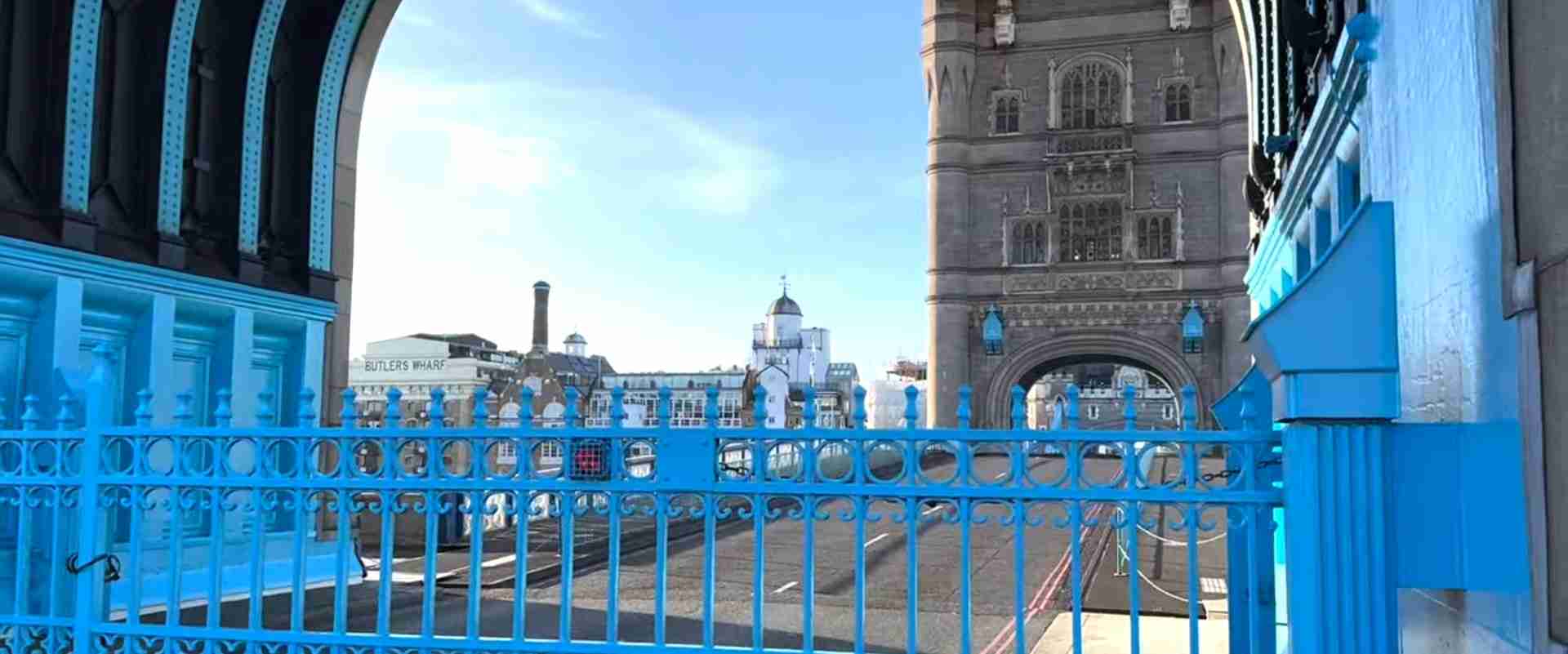
London 3-Day Itinerary 2026: First-Time Visitor Complete Guide
Key Takeaways
- Three comprehensive days cover London’s essential UNESCO sites, royal landmarks, museums, and cultural experiences with verified 2026 pricing
- Daily budgets range £85-135 per person excluding accommodation, with strategic timing to minimize costs and maximize experiences
- Oyster Card provides unlimited Zone 1-2 travel for £8.50 daily, covering all itinerary destinations efficiently
- Advance booking for Tower of London (£34.80), Westminster Abbey (£27), and London Eye (£32.50) saves time and guarantees entry
- Strategic restaurant timing and free museum access deliver premium London experiences within budget constraints
- Morning starts at major attractions avoid afternoon crowds while evening walks along Thames and through neighborhoods provide atmospheric cultural immersion
Introduction: Planning Your First London Experience in 2026
London rewards first-time visitors with an extraordinary concentration of world-class attractions, from UNESCO World Heritage sites like the Tower of London and Westminster Abbey to globally renowned museums, royal palaces, and vibrant neighborhoods. This comprehensive 3-day itinerary balances essential historical landmarks with cultural experiences, strategic timing to avoid crowds, and budget-conscious planning that delivers maximum value. The route design minimizes travel time between attractions while allowing natural discovery of London’s diverse character—from the regal grandeur of Westminster to the creative energy of South Bank and the historic charm of the City.
Each day follows a tested framework: morning visits to ticketed attractions when crowds are lightest, midday exploration of free museums during peak visitor hours elsewhere, afternoon neighborhood walks that reveal London’s authentic character, and evening experiences that showcase the city’s contemporary culture. This itinerary provides specific costs, verified transportation routes, realistic timing expectations, and practical strategies developed through extensive on-ground research. Whether you’re navigating London’s transport system for the first time or maximizing limited vacation days, this guide delivers confident, actionable planning for an unforgettable introduction to Britain’s capital.
People Also Ask About London 3-Day Itinerary 2026
How much does a 3-day London trip cost in 2026?
A 3-day London trip costs £255-405 per person for attractions, meals, and local transport in 2026, excluding accommodation. The Tower of London costs £34.80, Westminster Abbey £27, and St. Paul’s Cathedral £25 (check official websites for current rates). Budget accommodation ranges £45-80 per night in hostels, £90-150 for mid-range hotels, and £200-400+ for luxury properties. Daily Oyster Card travel costs £8.50 for unlimited Zone 1-2 rides. Most major museums including the British Museum, National Gallery, Tate Modern, and Natural History Museum offer free admission, significantly reducing overall costs. Meals range £8-15 for casual dining, £15-25 for mid-range restaurants, and £35-60+ for upscale experiences, with strategic timing at lunch versus dinner providing substantial savings.
What are the must-see attractions for first-time visitors to London in 2026?
First-time visitors prioritize five essential attractions that define London’s heritage: the Tower of London for 1,000 years of royal history and Crown Jewels, Westminster Abbey where coronations occur since 1066, the British Museum housing world civilizations, St. Paul’s Cathedral with its iconic dome and Whispering Gallery, and Buckingham Palace for Changing of the Guard ceremonies. The UNESCO Westminster area includes Big Ben, Parliament, and Downing Street within walking distance. South Bank delivers contemporary culture with the London Eye, Tate Modern, and Shakespeare’s Globe. These core experiences provide comprehensive introduction to London’s historical significance, architectural grandeur, and cultural vitality. Secondary priorities include the National Gallery, Tower Bridge, Hyde Park, and neighborhood exploration in Covent Garden and Borough Market.
Is 3 days enough time to see London in 2026?
Three days provides sufficient time to experience London’s essential highlights and develop genuine familiarity with the city’s character, though visitors inevitably discover attractions meriting return visits. This timeframe allows morning visits to three major ticketed sites (Tower of London, Westminster Abbey, St. Paul’s), afternoon exploration of four world-class museums, evening experiences on South Bank and in dynamic neighborhoods, plus strategic walking tours connecting Westminster, the City, and riverside areas. The itinerary covers approximately 15-20 kilometers of walking across three days, revealing London’s layered history from Roman foundations through medieval development to contemporary creativity. First-time visitors gain confident navigation skills, understanding of London’s geography, and curated exposure to British culture spanning 2,000 years—sufficient foundation for either future visits or departure with comprehensive London experience.
Do you need to book London attractions in advance for 2026?
Advance booking proves essential for three major attractions and highly recommended for optimal experiences elsewhere. The Tower of London requires advance tickets during peak season (April-October) as walk-up entry often sells out by 11 AM, with online booking at £34.80 versus £37+ at the door. Westminster Abbey benefits from advance purchase (£27 online) for guaranteed entry and shorter security queues. The London Eye charges £32.50 for standard tickets with significant premium for walk-up purchases. St. Paul’s Cathedral (£25) and Churchill War Rooms (£28) accept walk-ups but advance booking eliminates waiting time. The British Museum, National Gallery, Tate Modern, and Natural History Museum offer free admission without reservations, though special exhibitions require tickets. Booking 2-4 weeks ahead for summer visits and 1-2 weeks for shoulder seasons provides optimal pricing and flexibility.
Extended multi-day tours – 5+ days
Featured London Multi-Day Tour Packages
2 days
Windsor, Stonehenge, Bath & Oxford from London – 2 Days
- ✓ Comprehensive London tour
- ✓ Expert local guides included
- ✓ All accommodation arranged
- ✓ Transportation provided
5 days
Classic England – 5 Days
- ✓ Comprehensive London tour
- ✓ Expert local guides included
- ✓ All accommodation arranged
- ✓ Transportation provided
5 days
Royal Indulgence | London, England
- ✓ Booking needs min. 2 travelers
7 days
Spotlight on London (2026)
- ✓ Comprehensive London tour
- ✓ Expert local guides included
- ✓ All accommodation arranged
- ✓ Transportation provided
Multi-day tour packages powered by TourRadar. Prices and availability subject to change.
Essential Planning Information 2026
Understanding London’s 2026 Pricing Structure
London’s 2026 attraction pricing reflects tiered access levels and seasonal variations that reward strategic planning. The Tower of London charges £34.80 for adults with online advance purchase, Westminster Abbey costs £27, and St. Paul’s Cathedral £25 (check official websites including hrp.org.uk for Tower, westminster-abbey.org, and stpauls.co.uk for current rates as pricing may vary). The London Eye costs £32.50 for standard experience, £42 for Fast Track, and significantly more for walk-up purchase. Churchill War Rooms charges £28 for comprehensive access. These five major attractions total £147.30 with advance booking versus £165+ with door purchases—advance planning saves £18-25 per person.
London’s extraordinary museum access delivers exceptional value: the British Museum, National Gallery, National Portrait Gallery, Tate Modern, Tate Britain, Natural History Museum, Science Museum, Victoria & Albert Museum, and Maritime Museum offer free admission to permanent collections. Special exhibitions cost £15-22 per entry. This free museum network enables cultural immersion totaling £120-150 in equivalent value across a 3-day visit. Restaurant costs vary dramatically by timing: the same meal costs £15-18 at lunch versus £25-35 at dinner, with pre-theatre menus (5:30-7 PM) offering £18-25 two-course meals at restaurants charging £35-50 for standard dinner service. Strategic meal timing saves £30-45 across three days without compromising dining quality.
Transportation Strategy for 2026 First-Time Visitors
The Oyster Card provides optimal transport value and convenience for visitors spending three days in central London. The daily cap costs £8.50 for unlimited travel in Zones 1-2, covering all major attractions from Tower of London east to Kensington west and Camden north to Greenwich south. Purchase Oyster Cards at any Underground station with £5 refundable deposit plus initial £25-35 credit sufficient for three days. Contactless payment cards offer identical pricing but lack the refund option—Oyster Cards remain superior for visitors.
The London Underground (“Tube”) operates 5:30 AM to midnight Monday-Saturday with reduced Sunday hours starting 7 AM. Key lines for this itinerary include Circle/District for Tower to Westminster, Northern for Leicester Square to Borough, and Jubilee for Westminster to South Bank. Buses supplement Underground access with frequent service and identical Oyster pricing—Routes 11 and 15 connect major tourist areas using heritage Routemaster buses. Walking routes connect Westminster to Trafalgar Square (10 minutes), Covent Garden to British Museum (8 minutes), and Tower Bridge to Borough Market (12 minutes), revealing neighborhood character between major attractions. Download Citymapper or Transport for London apps for real-time journey planning and service updates.
Day 1: Royal London & Westminster UNESCO Sites 2026
Morning: Tower of London Experience (3 hours)
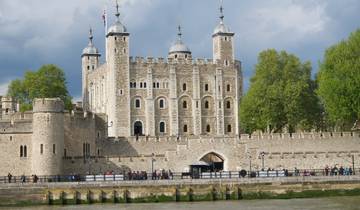
Begin at Tower Hill Underground station by 9 AM for 9:30 AM Tower of London entry when Yeoman Warder tours commence. The £34.80 admission includes Crown Jewels, White Tower museum, medieval palace rooms, torture exhibition, and wall walks with Thames views. Join the free Yeoman Warder tour immediately upon entry—these 60-minute guided experiences deliver entertaining historical narrative covering 1,000 years of royal intrigue, executions, and the Tower’s evolution from Norman fortress to royal residence to prison.
Following the guided tour, visit the Crown Jewels exhibition housing working coronation regalia including St. Edward’s Crown (1661), Imperial State Crown with 2,868 diamonds, and Sovereign’s Sceptre containing the 530-carat Cullinan I diamond. The moving walkway past the main displays ensures everyone views the collection while managing crowds. Allocate 30-45 minutes for Crown Jewels depending on queue length. Explore the White Tower containing Royal Armouries displays of medieval armor, weapons, and the Line of Kings exhibition showing mounted armor from Henry VIII through Charles II. The Medieval Palace recreates Edward I’s 13th-century royal chambers with period furnishings and interactive displays. Walk the Tower walls for Thames riverfront views and perspectives of Tower Bridge.
Exit through the Tower Bridge approach around 12:30 PM. The Tower Bridge Exhibition costs £13.40 extra—budget travelers skip this and photograph the exterior from South Bank after lunch. Walk west along Tower Bridge Approach and cross using the western (free) pedestrian walkway for South Bank access.
Afternoon: Borough Market & South Bank Culture (4 hours)
Cross Tower Bridge to South Bank by 12:45 PM and walk west 12 minutes to Borough Market for lunch. This 1,000-year-old food market operates Monday-Saturday with peak atmosphere Thursday-Saturday when 100+ vendors offer international cuisines, artisan products, and fresh produce. Street food costs £8-15 per substantial meal—recommended vendors include Roast for British fare, Bread Ahead for focaccia sandwiches, Kappacasein for grilled cheese, and Feng Sushi for Japanese options. Outdoor seating along Borough High Street provides market atmosphere while Cathedral Street offers quieter dining. Budget 45-60 minutes for lunch exploration and dining.
Walk 5 minutes north to Southwark Cathedral (free admission, requested donation £5) for 12th-century Gothic architecture and connections to Shakespeare—the playwright’s brother Edmund is buried here. The cathedral offers peaceful respite from market crowds. Continue west along riverside Bankside past Shakespeare’s Globe Theatre—exterior viewing is free, guided tours cost £19 and performances £20-65. The Tate Modern occupies the transformed Bankside Power Station 200 meters ahead, offering free admission to one of the world’s premier contemporary art museums.
Spend 90-120 minutes exploring Tate Modern’s collection spanning 1900-present across 10 levels. Level 2 houses works from 1900-1960 including Picasso, Matisse, and Rothko, while Level 4 covers 1960-now with contemporary installations and video art. The 10th-floor viewing gallery delivers panoramic London vistas without charge—superior views to the paid London Eye across the river. Free tours depart hourly from the information desk. Exit around 4 PM for South Bank riverside walk.
Walk east along Queen’s Walk past street performers, second-hand book stalls, and the National Theatre to Gabriel’s Wharf—independent shops and cafes with artistic character. Continue to the London Eye area, photographing Big Ben and Parliament across the river. The Westminster Bridge crossing delivers classic London views in both directions. Walk north across Westminster Bridge by 5 PM to begin Westminster exploration.
Evening: Westminster UNESCO Walking Tour (2.5 hours)
Westminster Bridge deposits you at the Parliament Square UNESCO World Heritage site containing Britain’s most significant political and religious landmarks within 400 meters. The Palace of Westminster (Parliament) with Big Ben’s clock tower dominates the eastern side—exterior photography opportunities are excellent from Parliament Square Gardens and Abingdon Street Gardens along the western side. Parliament tours cost £30.50 for 90-minute experiences including House of Commons and Lords, but most first-time visitors prioritize exterior viewing and Westminster Abbey interior access.
Walk 200 meters north to Westminster Abbey (£27 admission with advance booking recommended) around 5:30 PM for late-afternoon visiting when crowds diminish. This 1,000-year-old church hosts British coronations since 1066, royal weddings, and burials of 17 monarchs plus cultural giants including Chaucer, Dickens, and Darwin. Audio guides (included with admission) provide comprehensive historical narrative. Essential highlights include the Coronation Chair used for every coronation since 1308, Poets’ Corner commemorating British literary heritage, royal tombs in Henry VII’s Lady Chapel featuring spectacular Tudor fan vaulting, and the Shrine of Edward the Confessor who founded the abbey in 1065.
The abbey permits 90 minutes to two hours for thorough exploration—last entry is 6 PM with closure at 7 PM Wednesday and Friday, 6 PM other weekdays, 5 PM Saturday (Sunday closed to tourists). Exit into Dean’s Yard around 7 PM and walk through Parliament Square to Whitehall and Downing Street. The Prime Minister’s residence at 10 Downing Street permits exterior photography from Whitehall gates. Continue north through Whitehall past Horse Guards Parade to Trafalgar Square, arriving around 7:30 PM for evening atmosphere and National Gallery exterior viewing (gallery closes 6 PM but worth noting location for Day 2).
Dinner options surround Trafalgar Square and Leicester Square areas. Recommended budget-mid range options include Stockpot (traditional British, mains £8-15), Bella Italia (Italian chains with reliable quality, £12-18), and Dishoom Covent Garden (excellent Indian, £15-25, advance booking recommended). Alternatively, explore Chinatown’s Gerrard Street where quality restaurants offer £10-18 meals. Budget 60-90 minutes for dinner before returning to accommodation via Underground from Leicester Square or Charing Cross stations.
Day 1 Budget Summary
Tower of London £34.80, Borough Market lunch £10-15, Tate Modern free, Westminster Abbey £27, dinner £15-25, Oyster Card travel £8.50, snacks/coffee £5-10. Total day cost: £100-120 per person (excluding accommodation).
Day 2: Museum Mile & Royal Parks Experience 2026
Morning: British Museum Exploration (3.5 hours)
Start Day 2 at Russell Square Underground station by 9:45 AM for 10 AM British Museum opening (free admission). This world-class institution houses 8 million objects spanning 2 million years of human civilization—the most comprehensive cultural collection globally. Comprehensive exploration requires 3-4 hours minimum given the museum’s scale across 94 galleries. Download the museum’s mobile app or join free guided tours (40 minutes) departing hourly from the Great Court information desk.
Priority galleries for first-time visitors include: Room 4 housing the Rosetta Stone that unlocked hieroglyphic translation, Rooms 6-10 featuring Assyrian palace reliefs including winged bulls from Khorsabad and lion hunt scenes from Nineveh, Room 18 containing Parthenon Sculptures (Elgin Marbles) from Athens’ Acropolis, Rooms 62-63 with Egyptian mummies and funerary artifacts including Ginger (pre-3400 BCE preserved body) and Cleopatra’s Egypt displays, Room 41 showcasing the Sutton Hoo Anglo-Saxon ship burial treasure, and Rooms 33-34 featuring the Lewis Chessmen and medieval Europe collections. The museum’s Great Court designed by Norman Foster provides architectural drama with its geometric glass roof spanning the Reading Room.
The museum’s cafe and restaurant occupy the Great Court ground level—coffee and pastries cost £3-6, sandwiches £7-10, hot meals £12-18. Alternatively, exit around 1 PM for nearby lunch options along Great Russell Street or in Bloomsbury’s quieter streets north of the museum where independent cafes offer £8-15 meals with superior value to tourist-focused Museum Street establishments.
Afternoon: Covent Garden, National Gallery & Trafalgar Square (4 hours)
Walk 10 minutes south from the British Museum through Bloomsbury streets to Covent Garden Piazza, arriving around 1:30 PM. This converted 19th-century market hall now houses boutique shops, cafes, and daily street performer shows under the Victorian glass roof. The Apple Market operates Tuesday-Sunday selling crafts and antiques, while Jubilee Market offers budget goods daily. Street performers entertain from central piazza stages 12-6 PM—classical musicians, acrobats, and magicians perform 20-minute shows. Covent Garden rewards 45-60 minutes of casual wandering through covered markets, pedestrian streets, and Neal’s Yard’s colorful courtyard spaces.
Exit Covent Garden Piazza southward through Bedford Street to Strand, then walk 5 minutes east to Trafalgar Square and the National Gallery occupying the northern side. Free admission provides access to one of the world’s greatest painting collections spanning 1250-1900. The collection arranges chronologically: Sainsbury Wing (1250-1500) housing early Renaissance works including Van Eyck’s Arnolfini Portrait and Botticelli’s Venus and Mars, West Wing (1500-1600) featuring Italian High Renaissance including Leonardo da Vinci’s Virgin of the Rocks and works by Michelangelo, Raphael, and Titian, North Wing (1600-1700) containing Dutch and Spanish masters including Rembrandt’s self-portraits, Vermeer’s standing woman, and Velazquez’s Rokeby Venus, and East Wing (1700-1900) showcasing Impressionism and Post-Impressionism including Turner’s Fighting Temeraire, Monet’s water lilies, and Van Gogh’s Sunflowers.
The National Gallery merits 90-120 minutes for highlights coverage or 3+ hours for comprehensive viewing. Free audio guides enhance understanding. The gallery’s cafe and restaurant overlook Trafalgar Square with main courses £12-18 and afternoon tea £18-28. Exit around 4 PM to Trafalgar Square for Nelson’s Column, lion sculptures, and fountain areas popular with visitors and locals. Walk down Whitehall toward Westminster for Horse Guards Parade—daily Changing of the Guard occurs 11 AM weekdays, 10 AM Sundays, but afternoon exterior viewing of Georgian architecture and Horse Guards provides photo opportunities.
Evening: St. James’s Park & Buckingham Palace (2.5 hours)
Enter St. James’s Park from Horse Guards Road around 4:30 PM for London’s most picturesque royal park. This 57-acre green space provides peaceful contrast to urban intensity with 17th-century landscape design, ornamental lake, and exceptional views of government buildings. Walk southwest along the lake path where pelicans have resided since 1664—the colony receives daily feeding at 2:30 PM, but afternoon viewing still captures these unusual London residents. The Blue Bridge at the lake’s center delivers the finest park vistas with Whitehall’s Foreign Office visible northeast and Buckingham Palace southwest.
Exit St. James’s Park at Queen Victoria Memorial facing Buckingham Palace around 5:30 PM. The palace remains the monarch’s official London residence and working royal headquarters. Changing of the Guard ceremonies occur at 11 AM Monday, Wednesday, Friday, and Sunday (April-July daily) when regiments switch duty at the palace forecourt—the evening visit allows exterior photography without ceremony crowds. The State Rooms open July-September for public tours (£30.50 for 2-3 hour self-guided visits with audio guide) showcasing palace interiors, art collection, and throne room, but most visitors explore exterior architecture and forecourt.
Walk east through Green Park to Hyde Park Corner around 6 PM, then north up Park Lane to Marble Arch or alternatively through Hyde Park’s eastern edge to Lancaster Gate—this walking route reveals London’s royal park system spanning Buckingham Palace to Kensington Palace. Budget transport option: walk east to Green Park Underground station for return journey to accommodation area or dinner destination.
Evening Dining Strategy
Recommended dinner areas include Soho (15 minutes walk from Green Park Underground) with international cuisines and lively atmosphere where Flat Iron serves excellent steaks for £12-20, Dishoom offers Indian dining at £15-25, and Hoppers provides Sri Lankan food at £10-20 per person. Alternatively, Chinatown offers reliable meals at £10-18, while Covent Garden delivers ambiance at higher prices £18-35. Pre-theatre menus (5:30-7 PM) at quality restaurants provide £18-25 two-course meals—Balthazar, Joe Allen, and Ivy Market Grill near Covent Garden offer this timing advantage. Budget travelers find excellent value at Pret A Manger and Leon chains offering £5-10 substantial meals, or explore supermarket dining at Tesco Metro or Sainsbury’s Local where prepared meals cost £4-8.
Day 2 Budget Summary
British Museum free, lunch £10-15, National Gallery free, St. James’s Park free, dinner £15-25, Oyster Card travel £8.50, coffee/snacks £5-10. Total day cost: £48-73 per person (excluding accommodation).
Day 3: St. Paul’s Cathedral, City of London & Neighborhoods 2026
Morning: St. Paul’s Cathedral Experience (2.5 hours)
Begin Day 3 at St. Paul’s Underground station by 9:30 AM for 10 AM cathedral opening. St. Paul’s Cathedral admission costs £25 for comprehensive access including cathedral floor, crypt, Whispering Gallery, Stone Gallery, and Golden Gallery at the dome’s summit. This Christopher Wren architectural masterpiece (1675-1710) represents English Baroque style at its finest with the iconic dome dominating London’s skyline. Audio guides (included) provide architectural history and cultural significance narrative.
The cathedral floor features extraordinary craftsmanship in the choir mosaics, organ case, and quire screen wrought ironwork. Wellington and Nelson memorials occupy the nave, while the American Memorial Chapel honors 28,000 Americans stationed in Britain who died in World War II. The Whispering Gallery requires climbing 257 steps spiraling up the dome interior—the acoustic phenomenon allows whispers to travel around the 30-meter circumference. Continue 119 steps to the Stone Gallery (376 total from ground level) for exterior dome walkway and central London views, then 152 additional steps (528 total) to the Golden Gallery at the dome’s summit 85 meters above ground delivering 360-degree panoramic London vistas.
Descend to the crypt housing tombs of Wellington, Nelson, Wren, Turner, and other British luminaries, plus the cathedral treasury displaying historic plate and vestments. Budget 2-2.5 hours for complete cathedral experience including dome climb, crypt, and main floor exploration. Exit around 12:30 PM for lunch in the City of London area.
Afternoon: City of London Historic Sites (3.5 hours)
Walk east from St. Paul’s along Cheapside—one of medieval London’s primary commercial streets—to Bank junction where the Bank of England, Royal Exchange, and Mansion House converge. The Bank of England Museum (free admission, open weekdays) occupies the bank’s eastern edge on Bartholomew Lane, displaying currency history, gold bars visitors can lift, and banking evolution. Budget 45-60 minutes for museum exploration.
Continue east 400 meters along Cornhill and Leadenhall Street to Leadenhall Market—a Victorian covered market (1881) featuring ornate painted roof and architecture used for Diagon Alley scenes in Harry Potter films. The market operates weekdays with wine bars, restaurants, and boutique shops. Lunch options include City pubs serving traditional British fare (£10-18 mains) such as The Lamb Tavern or The Leadenhall, or modern chains like Pret and Leon offering £5-10 quick meals. Budget 45-60 minutes for lunch.
Walk 5 minutes south to Monument commemorating the 1666 Great Fire of London. The 62-meter Doric column (1677) provides viewing platform accessed via 311-step spiral staircase—admission costs £6.20. The climb delivers intimate London views between modern towers and historic churches. Continue 200 meters east along Monument Street to the Thames riverside and Tower Bridge views. Walk east along Thames Path to the Tower of London exterior (visited Day 1) and continue to St. Katharine Docks—a converted 19th-century dock basin now housing restaurants, yachts, and riverside atmosphere. Budget 30-45 minutes for docks exploration.
Late Afternoon: Natural History Museum (2.5 hours)
Travel from Tower Hill Underground via District Line westbound to South Kensington station (25 minutes), exiting directly to Exhibition Road where three world-class museums cluster. The Natural History Museum offers free admission with architecture and collections rivaling any global natural history institution. The Romanesque-style building (1881) by Alfred Waterhouse features cathedral-like Hintze Hall housing the blue whale skeleton suspended from the ornate ceiling—the 25-meter specimen replaced “Dippy” the Diplodocus in 2017.
Priority galleries for limited-time visits include the Dinosaur Gallery (Blue Zone) featuring animatronic T-Rex and complete fossil skeletons, Earth Hall (Red Zone) with escalator through hollow globe and earthquake simulator, Mammals Gallery (Blue Zone) showcasing the life-size blue whale model and diverse species displays, and the Darwin Centre housing 80 million specimens including insects, plants, and spirit collections. The museum’s cafe and outdoor gardens provide rest areas. Budget 2-2.5 hours for highlights—comprehensive coverage requires 4-5 hours. Exit around 5:30 PM for neighborhood evening exploration.
Evening: Kensington & Notting Hill Exploration (2.5 hours)
Walk north from Natural History Museum through South Kensington’s Victorian residential streets to Kensington High Street, then west to Notting Hill’s Portobello Road (15 minutes total walk or take bus 52 from South Kensington to Ladbroke Grove). Portobello Road Market operates daily with Saturday’s full antiques and collectibles market attracting maximum crowds—weekday and Sunday evening visits deliver neighborhood character without tourist intensity. The pastel-colored Victorian townhouses along Portobello Road and surrounding streets create Instagram-famous streetscapes. Walk north along Portobello Road from Pembridge Road to Golborne Road (1.5 kilometers) exploring vintage shops, cafes, and local boutiques.
Dinner options in Notting Hill include The Shed (British seasonal dining £18-30 mains), Electric Diner (American-style comfort food £14-22), and numerous Portobello Road pubs offering traditional British meals at £12-20. Alternatively, return to South Kensington for upscale dining on Beauchamp Place or Old Brompton Road where restaurants range £18-40 per main course. Budget option: grab takeaway from Honest Burgers (£10-15) or Lebanese cafes along Edgware Road (£8-15 meals). Evening Underground travel to accommodation from Ladbroke Grove, Notting Hill Gate, or South Kensington stations depending on final location.
Day 3 Budget Summary
St. Paul’s Cathedral £25, City of London lunch £12-18, Monument £6.20, Natural History Museum free, Notting Hill dinner £15-28, Oyster Card travel £8.50, coffee/snacks £5-10. Total day cost: £71-95 per person (excluding accommodation).
Strategic Planning Tips for Your 2026 Visit
Accommodation Selection Strategies 2026
London accommodation varies dramatically by neighborhood and budget tier. Budget hostels in King’s Cross, Paddington, and Victoria areas cost £25-45 per dorm bed with private rooms at £65-95 per night. Recommended budget-friendly options include Generator London, Wombat’s City Hostel, and YHA London Central providing modern facilities and social atmosphere. Mid-range hotels in Bloomsbury, Southwark, and Paddington range £90-150 per night—Premier Inn, Holiday Inn, and Hilton Garden Inn chains deliver reliable quality with strategic locations. Boutique hotels in Covent Garden and South Kensington charge £140-220 for character and prime positioning. Book 2-3 months ahead for summer visits (June-August) and 3-4 weeks for shoulder seasons (April-May, September-October) to secure optimal rates.
Location priorities for first-time visitors include: Central London (Zone 1) neighborhoods of King’s Cross, Bloomsbury, Paddington, Victoria, and Southwark offer 10-20 minute Underground access to major attractions; avoid accommodations in Zones 3-4 unless budget constraints are severe as transport time erodes exploration hours. Breakfast inclusion proves valuable—£8-12 daily breakfast savings across three days offsets £25-35 in accommodation premium. Check cancellation policies for flexibility—free cancellation until 24-48 hours before arrival provides weather and schedule adaptation options.
Money-Saving Strategies for 2026
London’s premium pricing rewards strategic planning. Primary savings opportunities include: visiting during shoulder seasons (April-May, September-October) when accommodation costs 25-35% less than summer peaks while weather remains favorable; maximizing free museum access by spending 2-3 hours minimum in each institution to capture equivalent £15-25 per visit value; dining at lunch instead of dinner at quality restaurants saves 30-40% for identical menus; pre-theatre meal timing (5:30-7 PM) at upscale restaurants provides £18-25 two-course specials versus £35-50 standard dinner prices; purchasing London Pass (£90 for 3 days) provides value only if visiting 5+ paid attractions—calculate specific itinerary costs to determine savings; booking accommodation and major attraction tickets 6-8 weeks ahead locks favorable rates before peak demand surges; using Oyster Card daily cap eliminates per-ride transport decisions and guarantees lowest fares.
Additional budget optimization includes: avoiding airport Heathrow Express (£32 single) by using Underground Piccadilly Line (£5.60, 50 minutes versus 15 minutes—acceptable time trade-off); skipping tourist-trap restaurants on Piccadilly Circus, Leicester Square, and major thoroughfares where identical meals cost 40-60% more than parallel streets one block away; bringing refillable water bottles as London tap water is excellent and free refills available at museums and cafes; downloading Citymapper app for optimal journey planning avoiding unnecessary Zone escalations; visiting Parliament viewing gallery (free on sitting days) for House of Commons atmosphere without paid tour expense.
Booking Timeline for 2026 Success
Optimal booking timeline for London 2026 visits: 3-4 months before travel, book accommodation and flights during fare sale periods; 6-8 weeks before, purchase Tower of London, Westminster Abbey, and London Eye tickets for guaranteed access and lowest online rates; 2-4 weeks before, book popular restaurants for dinner (Dishoom, Sketch, Dinner by Heston require reservations) and any special experiences like Harry Potter Studio Tour (£52, books out 2-3 months ahead for weekend slots); 1-2 weeks before, check London theatre availability for West End shows if desired (£20-85 per ticket)—TKTS booth in Leicester Square offers day-of discounts of 25-50%; final week, review weather forecasts and London events calendar for any schedule adjustments, confirm all booking confirmations are accessible offline, and load Oyster Card app or purchase at arrival.
Last-minute visitors (1-2 weeks before travel) still find options but face premium pricing for accommodation (20-40% higher) and sold-out status for summer Tower of London morning slots. Christmas and New Year periods (December 20-January 3) require 4-5 month advance planning as London’s popularity for holiday atmosphere drives accommodation scarcity and premium rates. Avoid last-minute planning during major events: London Marathon (April), Wimbledon (June-July), and summer holidays (July-August) when accommodation and attraction capacity maximize.
Frequently Asked Questions About London 3-Day Itinerary 2026
What is the best order to visit London attractions in 3 days?
The optimal order starts Day 1 with Tower of London when morning crowds are lightest, continues to Borough Market for lunch, explores South Bank museums and Westminster in afternoon-evening when Westminster Abbey extends hours. Day 2 prioritizes British Museum at opening for manageable crowds, adds National Gallery for complementary art experience, and concludes with royal parks and Buckingham Palace exterior viewing. Day 3 begins with St. Paul’s Cathedral, explores City of London historic areas, and finishes at Natural History Museum plus neighborhood walks in Kensington-Notting Hill. This sequence balances morning visits to ticketed attractions with afternoon free museum access, prevents attraction fatigue through varied experiences, and positions Westminster’s UNESCO sites for optimal late-afternoon lighting.
Should I buy London Pass for 3-day itinerary in 2026?
The London Pass costs £90 for 3 days and provides value only if visiting 5+ paid attractions from their network. This itinerary includes three paid attractions (Tower of London £34.80, Westminster Abbey £27, St. Paul’s Cathedral £25) totaling £86.80—adding London Eye (£32.50), Churchill War Rooms (£28), and Tower Bridge (£13.40) reaches £160.70 in potential value. However, the itinerary deliberately maximizes free museum access (British Museum, National Gallery, Tate Modern, Natural History Museum) providing equivalent £80-100 value without pass necessity. Calculate your specific interest in additional paid attractions: if visiting Churchill War Rooms, Kensington Palace, and Hampton Court in addition to core itinerary, the pass delivers savings. Most first-time visitors focusing on essential experiences save money by purchasing individual tickets.
How much walking does this 3-day London itinerary require?
This itinerary involves approximately 15-20 kilometers of walking across three days, equivalent to 5-7 kilometers daily. Day 1 includes heaviest walking with Tower of London to Borough Market to South Bank to Westminster route covering 6-7 kilometers. Day 2 reduces walking to 4-5 kilometers concentrated in British Museum exploration and Covent Garden to Trafalgar Square to St. James’s Park route. Day 3 involves 5-6 kilometers split between City of London morning walks and Natural History Museum afternoon. All routes utilize flat pavement with frequent rest opportunities at museums, parks, and cafes. Moderate fitness suffices for comfortable completion. Reduce walking by using Underground stations strategically: Tower Hill to Westminster (Westminster line), Russell Square to Covent Garden (Piccadilly line), St. Paul’s to Tower Hill (District/Circle line) eliminate 1-2 kilometers on heavy walking days.
What are the best budget restaurants for 3 days in London 2026?
Reliable budget dining includes: Dishoom (Indian, £15-25 mains, excellent quality-to-price ratio), Flat Iron (steaks £12-20, no reservations, queue forms early), Hoppers (Sri Lankan, £10-20, Soho location), Padella (fresh pasta £8-14, Borough Market area, queue system), Bao (Taiwanese buns £5-8, Soho), Barrafina (Spanish tapas £6-15 per plate, counter seating), and Kanada-Ya (ramen £12-16, Leicester Square). Chain reliability comes from Pret A Manger (sandwiches £5-8), Leon (Mediterranean-inspired, mains £7-12), Wagamama (Asian fusion £10-18), and Honest Burgers (£10-15). Pub dining at historic establishments like The Churchill Arms, Ye Olde Cheshire Cheese, and Princess Louise provides traditional British meals at £12-20 with authentic atmosphere. Avoid Piccadilly Circus and Leicester Square immediate surrounds where tourist-focused restaurants charge 40-60% premiums—parallel streets one block away offer superior value.
Is London safe for first-time visitors in 2026?
London ranks among Europe’s safest major cities with violent crime rates significantly below comparable American cities. First-time visitors face minimal safety concerns when following standard urban precautions: maintain awareness in crowded tourist areas (Leicester Square, Oxford Street, Piccadilly) where pickpockets target distracted visitors; secure bags in front-body position on Underground during rush hours (8-9:30 AM, 5-7 PM); avoid displaying expensive electronics or jewelry unnecessarily; keep valuables in hotel safes rather than carrying full daily amounts; stay aware when walking in poorly-lit areas after 11 PM, particularly in South Bank between attractions and residential neighborhoods. The Westminster, South Bank, City, and Kensington areas covered in this itinerary maintain high police presence and tourist infrastructure. Emergency services dial 999 for immediate assistance or 101 for non-emergencies. Download What3Words app for precise location communication if assistance needed. Female solo travelers report comfortable navigation of London attractions and transport.
What time do I need to start each day of this London itinerary in 2026?
Optimal daily start times balance crowd avoidance with realistic vacation pacing. Day 1 requires 8:30 AM departure from accommodation to reach Tower of London by 9:30 AM opening, allowing Yeoman Warder tour participation and Crown Jewels viewing before peak crowds arrive 10:30 AM-12 PM. Day 2 permits more relaxed 9 AM departure for 10 AM British Museum opening—this museum rewards slower morning exploration before afternoon National Gallery transition. Day 3 benefits from 9 AM departure for 10 AM St. Paul’s Cathedral opening, though the cathedral manages crowds effectively through timed dome climb slots making 10:30-11 AM arrival acceptable. Each day concludes around 8-9 PM with dinner, providing 11-12 hours of active sightseeing. Build flexibility for slower mornings by prioritizing essential morning activities (Tower, museums at opening) while keeping afternoon-evening activities adaptable to energy levels.
How do I get from Heathrow Airport to central London for this itinerary in 2026?
Four primary transport options connect Heathrow to central London with varying time-cost trade-offs. Underground Piccadilly Line costs £5.60 single (Oyster Card) for 50-60 minute journeys to central stations including King’s Cross, Russell Square, Covent Garden, and Green Park—optimal budget choice running 5 AM-midnight with 5-10 minute frequencies. Heathrow Express train costs £32 single (£25 online advance) for 15-minute nonstop service to Paddington station, requiring Underground connection to final accommodation—speed premium rarely justifies cost for leisure travelers. Elizabeth Line (Crossrail) offers £12.80 journeys taking 35-45 minutes to central stations including Paddington, Bond Street, Tottenham Court Road, and Liverpool Street—superior speed-cost balance versus Heathrow Express. National Express buses cost £8-12 for 50-70 minute journeys to Victoria Coach Station—uncomfortable with luggage but acceptable extreme budget option. Taxis charge £55-75 for 45-60 minute central London journeys—worthwhile for groups of 3-4 sharing costs or late-night arrivals after midnight when Underground closes.
Can I visit London in winter instead of summer 2026?
Winter visits (November-March) deliver significant advantages despite shorter daylight hours and cooler temperatures. Accommodation costs decrease 30-40% compared to summer peaks, attraction tickets offer occasional winter discounts, and major sites experience 40-50% fewer visitors enabling superior viewing experiences. The Tower of London, Westminster Abbey, British Museum, and National Gallery provide identical access year-round with indoor climate control. Weather averages 5-10°C with rain on 12-15 days monthly—layered clothing and waterproof jacket suffice for comfortable exploration. Winter disadvantages include 8 AM sunrise and 4 PM sunset (December-January) limiting optimal photography hours and reducing park appeal. Christmas period (December 1-26) transforms London with markets, lights, and festive atmosphere while maintaining manageable crowds except December 20-26. Winter months suit culture-focused visitors prioritizing museums, theaters, and indoor attractions over outdoor activities and photography.
What should I pack for 3 days in London in 2026?
Essential packing for London 3-day visits: comfortable walking shoes with broken-in soles and support (daily 5-7 kilometers walking makes new shoes problematic), layered clothing for variable weather including light jacket even in summer as evenings cool to 12-15°C, compact umbrella or lightweight rain jacket for sudden showers, crossbody bag or front-pack securing valuables on Underground, refillable water bottle saving £2-3 daily on bottled water, portable phone charger maintaining navigation app functionality throughout long days, electrical adapter for UK three-pin plugs, printed copies of booking confirmations for Tower of London and Westminster Abbey in case phone battery fails. Optional but valuable items include: lightweight backpack for museum visits and daily supplies, sunglasses and hat for summer visits, small notepad for journaling observations, and comfortable change of shoes for evening dining. Avoid overpacking—London weather changes rapidly so versatile layers trump extensive wardrobe, and accommodation laundry facilities or sink-washing extends outfit use across multiple days.
Are there any free walking tours in London for 2026?
Free walking tours operate daily in London with guides working for tips (£10-15 per person recommended). Sandemans New Europe offers 2.5-hour Westminster and Whitehall tour departing 11 AM and 2 PM from Covent Garden covering Parliament, Downing Street, Westminster Abbey exterior, and royal landmarks—excellent introduction to political and royal London. Free Tours by Foot provides City of London walks focusing on medieval history, Tower of London exterior, and St. Paul’s area. These tours suit arrival days or can substitute portions of this itinerary’s self-guided walks. Independent self-guided walks offer superior flexibility and timing control—download CityMapper or Maps.me for offline navigation. Westminster to Tower of London riverside walk (4 kilometers, 1.5 hours) follows Thames Path past Parliament, London Eye, Globe Theatre, Borough Market, and City landmarks. Alternatively, the Royal London walk connects Buckingham Palace through St. James’s Park to Horse Guards Parade and Westminster covering royal pageantry areas in 90 minutes.