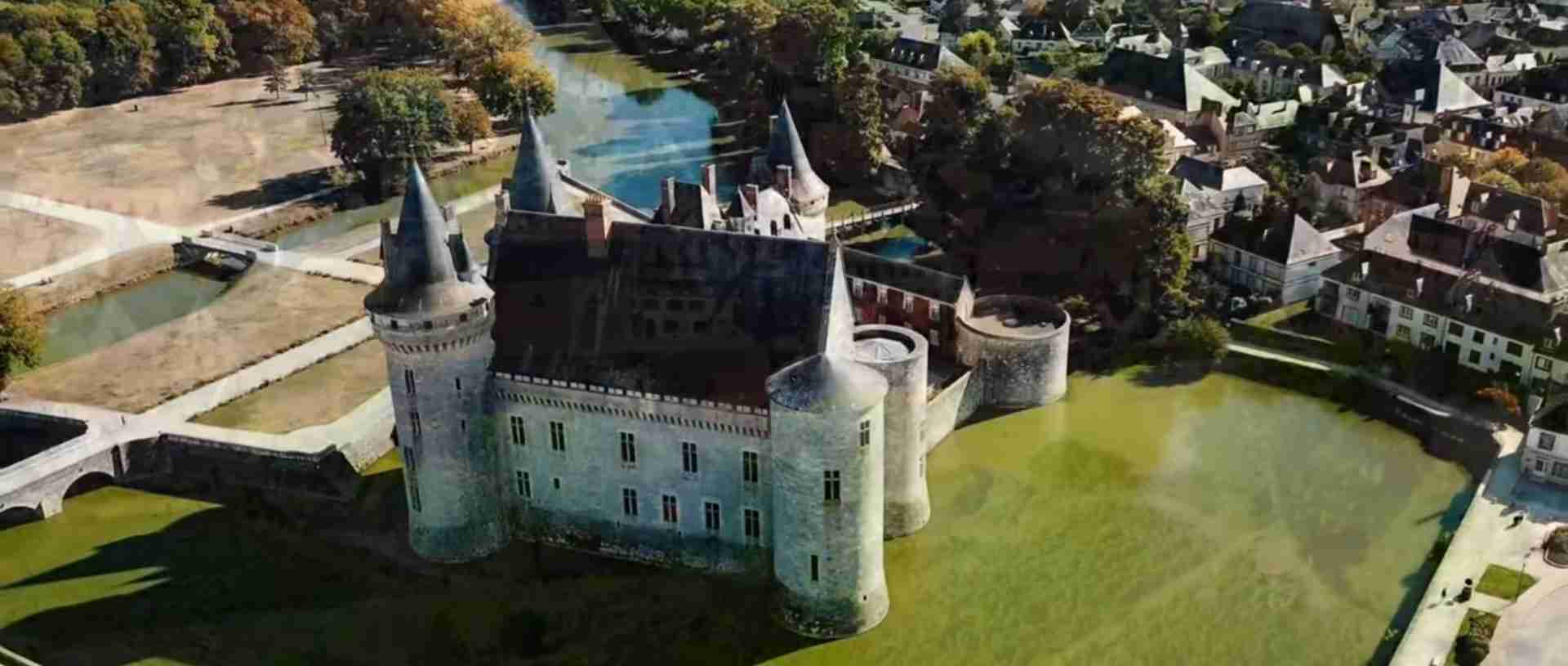
Loire Valley Châteaux Guide 2026: Complete Castle Route
Key Takeaways
- Visit 20+ magnificent Renaissance châteaux along a 280-kilometer route through France’s royal valley
- Plan 3-7 days to explore major châteaux with admission prices ranging €12-18 per castle in 2026
- Base yourself in Tours or Amboise for central access to château clusters within 30-60 minute drives
- Book château tickets 1-2 weeks ahead for summer 2026 visits to avoid sold-out time slots
- Rent a car for maximum flexibility at €45-75 per day, or join organized tours at €65-95 per person
- Budget €120-180 per day per person excluding accommodation for comprehensive château exploration
Planning Your Loire Valley Châteaux Experience in 2026
The Loire Valley presents the world’s most spectacular concentration of Renaissance châteaux, with over 300 castles scattered along a 280-kilometer stretch of the Loire River between Orléans and Angers. In 2026, this UNESCO World Heritage landscape offers travelers an unparalleled journey through French royal history, with twenty major châteaux accessible to visitors alongside countless smaller manor houses and fortified castles.
Your château route planning requires strategic decisions about timing, transportation, and castle selection. The valley divides into three main clusters: the eastern section around Orléans features royal hunting lodges like Chambord, the central Tours area concentrates ten major châteaux within 40 kilometers, and the western Angers region showcases medieval fortifications alongside Renaissance pleasure palaces. Most visitors focus on the central cluster, where Chenonceau, Amboise, Villandry, and Azay-le-Rideau create an ideal 3-4 day circuit.
Understanding château visiting patterns helps optimize your 2026 itinerary. Each major castle requires 90-120 minutes for comprehensive exploration including gardens, while smaller châteaux take 60-90 minutes. Summer opening hours extend to 7:00 PM or 8:00 PM at most properties, winter hours close around 5:00 PM or 6:00 PM. The valley experiences peak visitor concentrations July-August with 8,000-12,000 daily visitors at Chambord and Chenonceau, moderate crowds May-June and September with 4,000-6,000 visitors, and minimal congestion October-April with 1,000-2,000 daily guests.
Transportation choices significantly impact your château touring efficiency. Car rental provides maximum flexibility for accessing multiple castles daily, with rental costs of €45-75 per day plus fuel at €1.80-2.10 per liter. Organized tours from Tours or Amboise eliminate driving concerns at €65-95 per person for full-day château circuits visiting 2-3 properties. Public buses serve major châteaux from Tours and Blois, though limited frequencies restrict daily castle combinations. Bicycle touring attracts adventurous visitors, with dedicated Loire à Vélo cycling routes connecting châteaux through 35-60 kilometer daily stages.
People Also Ask About Loire Valley Châteaux 2026
How much does it cost to visit Loire Valley châteaux in 2026?
Major Loire Valley châteaux charge €12-18 admission in 2026, with combined tickets offering savings for multiple properties. Chambord costs €16 for adults, Chenonceau €16.50, Villandry €13 for château and €8 for gardens only, and Amboise €14.50 in 2026. Check official château websites for current pricing as rates may vary seasonally. Most châteaux offer family passes at €35-48 covering two adults and children under 18, student discounts at €10-13 with valid ID, and free admission for children under 7-12 depending on property.
Multi-château passes provide cost savings for intensive touring. The Pass’Châteaux offers access to five major properties (Chambord, Cheverny, Blois, Beauregard, and Villesavin) at €39.50 versus €60+ for individual tickets. The Châteaux Pass Digital covers ten châteaux for €75 versus €120+ separately. Audio guides cost €4-6 extra at most properties, while guided tours add €8-12 to base admission. Budget €50-70 daily for château admissions when visiting 3-4 properties, plus €15-25 for audio guides or tours.
What is the best time to visit Loire Valley châteaux in 2026?
May, June, and September offer optimal visiting conditions in 2026, combining pleasant weather, manageable crowds, and full château opening schedules. May temperatures average 15-22°C with gardens at peak bloom, June provides 18-25°C with long daylight hours extending until 9:30 PM, and September delivers 16-23°C with harvest season color and smaller tour groups. These shoulder months see 40-60% fewer visitors than July-August while maintaining complete access to château interiors, gardens, and special exhibitions.
April and October present budget-friendly alternatives with reduced hotel rates and minimal crowds, though some châteaux operate shortened hours or close certain wings. April brings unpredictable weather with temperatures of 10-17°C and frequent rain showers, while October offers stable conditions at 12-18°C with autumn foliage enhancing château photography. Winter months November-March feature lowest prices and empty châteaux, but many properties close entirely or limit access to main rooms only, gardens become dormant, and short daylight hours (sunset around 5:00 PM) restrict daily château combinations.
How many days do you need for Loire Valley châteaux in 2026?
Three to five days allows comprehensive exploration of major châteaux while maintaining comfortable touring pace. A three-day itinerary covers 6-8 essential châteaux including Chambord, Chenonceau, Villandry, Amboise, and Azay-le-Rideau with time for gardens and interiors. Five days enables 12-15 château visits spanning royal palaces, Renaissance masterpieces, medieval fortresses, and smaller manor houses, plus wine touring in Vouvray or Chinon appellations. Seven days accommodates the complete valley from Orléans to Angers with 18-22 château visits and cultural side trips to Tours or Blois medieval quarters.
Single-day château touring from Paris or Tours covers 2-3 properties maximum given driving distances and exploration time. Chambord and Cheverny pair effectively at 35 kilometers apart, Chenonceau combines with Amboise at 15 kilometers separation, and Villandry joins Azay-le-Rideau at 25 kilometers. Most visitors underestimate château visit durations—Chambord requires 2-3 hours minimum for château and grounds, Chenonceau needs 90-120 minutes, and Villandry gardens alone consume 90 minutes for comprehensive exploration.
Do you need advance bookings for Loire Valley châteaux in 2026?
Advance reservations become essential for summer 2026 visits to major châteaux, particularly Chambord, Chenonceau, and Villandry during July-August peak season. These properties implement timed entry slots limiting hourly capacity to prevent overcrowding, with tickets selling out 1-3 weeks ahead for preferred morning and late afternoon time slots. Book 7-14 days in advance for July-August visits, 3-7 days for May-June and September, and same-day or next-day for April-May and October.
Online booking provides guaranteed entry and often includes small discounts of €1-2 versus gate prices. Most châteaux offer flexible cancellation policies allowing changes up to 24-48 hours before visit dates. Smaller châteaux like Azay-le-Rideau, Chaumont, or Ussé rarely sell out even in peak season, accepting walk-up visitors throughout the day. Special events like Chambord’s evening illuminations or Chenonceau’s garden festivals require advance booking regardless of season, with tickets selling out 2-4 weeks ahead.
Extended multi-day tours – 5+ days
Featured Loire Valley Multi-Day Tour Packages
8 days
Cycling in France – Loire Valley
- ✓ Comprehensive Loire Valley tour
- ✓ Expert local guides included
- ✓ All accommodation arranged
- ✓ Transportation provided
7 days
Cycle the Loire Valley
- ✓ Comprehensive Loire Valley tour
- ✓ Expert local guides included
- ✓ All accommodation arranged
- ✓ Transportation provided
8 days
Cycling the Chateaux of the Loire – Upgraded
- ✓ Comprehensive Loire Valley tour
- ✓ Expert local guides included
- ✓ All accommodation arranged
- ✓ Transportation provided

8 days
Castles on the river Loire
- ✓ Comprehensive Loire Valley tour
- ✓ Expert local guides included
- ✓ All accommodation arranged
- ✓ Transportation provided
Multi-day tour packages powered by TourRadar. Prices and availability subject to change.
Essential Planning Information 2026
Loire Valley Geography and Château Clusters
The Loire Valley extends 280 kilometers from Orléans in the east to Angers in the west, with châteaux concentrated in three distinct clusters. The eastern section around Orléans and Blois features Chambord (50 kilometers from Orléans), Cheverny (18 kilometers from Blois), Blois (60 kilometers from Tours), and Chaumont (20 kilometers from Blois). The central Tours cluster places ten major châteaux within 40 kilometers of Tours including Chenonceau (35 kilometers), Amboise (25 kilometers), Villandry (15 kilometers), and Azay-le-Rideau (28 kilometers). The western section around Saumur and Angers showcases Saumur château, Brézé underground fortress, and Angers medieval castle.
Understanding these geographical groupings optimizes daily touring logistics. Visitors based in Tours access the central cluster châteaux within 20-40 minute drives, while Blois serves as the ideal base for eastern properties. Amboise provides a charming small-town alternative with direct access to Chenonceau, Chaumont, and Clos Lucé. Most itineraries focus on the Tours-Amboise-Blois triangle, where fifteen major châteaux concentrate within 60 kilometers, enabling efficient multi-château days without excessive driving.
Château Categories and Visiting Priorities
Loire châteaux divide into distinct categories reflecting different historical periods and architectural styles. Royal châteaux like Chambord, Amboise, and Blois served as primary residences for French kings, featuring grand State apartments, ceremonial halls, and extensive grounds. Renaissance pleasure palaces including Chenonceau, Azay-le-Rideau, and Villandry emphasize elegant proportions, artistic interiors, and elaborate gardens. Medieval fortresses like Angers, Chinon, and Langeais preserve defensive architecture with thick walls, towers, and strategic hilltop positions. Smaller manor houses such as Beauregard, Talcy, and Troussay offer intimate insights into noble lifestyle.
First-time visitors should prioritize the essential six: Chambord for royal grandeur and iconic architecture, Chenonceau for Renaissance elegance and arched gallery, Villandry for formal French gardens, Amboise for Leonardo da Vinci connections, Azay-le-Rideau for fairytale water setting, and Cheverny for furnished interiors and active estate. These properties represent the valley’s architectural diversity while providing comprehensive historical context. Additional days allow exploration of Blois for royal apartments evolution, Chaumont for contemporary garden festival, Ussé for Sleeping Beauty inspiration, and Chinon for Joan of Arc medieval fortress.
Current Admission Costs and Multi-Château Passes
Individual château admission prices for 2026 range €12-18 per property for adults, with Chambord at €16, Chenonceau €16.50, Villandry €13 (château) or €8 (gardens only), Amboise €14.50, Azay-le-Rideau €12.50, Cheverny €13.50, Blois €14, Chaumont €13, Ussé €15, and Chinon €10.50. Check official websites for current pricing as rates may vary. Children under 7-12 enter free at most properties depending on individual château policies, while students aged 18-25 receive reduced rates of €10-13 with valid international student cards.
Multi-château passes deliver significant savings for intensive touring. The Pass’Châteaux (€39.50) covers five major properties—Chambord, Cheverny, Blois, Beauregard, and Villesavin—versus €60+ for separate admissions, representing 35% savings. The Châteaux Pass Digital (€75) includes ten châteaux with one-year validity, saving €45+ versus individual tickets. Family passes at most properties cost €35-48 for two adults and unlimited children under 18, compared to €24-36 for two adults alone. Consider passes only when visiting 4+ included châteaux, as flexibility to skip properties outweighs savings for shorter itineraries.
Additional costs beyond base admission include audio guides at €4-6 per device available in 8-12 languages at major châteaux, guided tours at €8-12 above standard entry providing 60-90 minute expert-led visits, and special access tours to restricted areas at €18-25 per person. Parking costs €3-6 at most properties, or remains free at smaller châteaux. Gardens-only tickets at properties like Villandry (€8) or Chaumont (€8) suit visitors primarily interested in landscape design rather than interior tours.
Best Time to Visit Loire Valley Châteaux 2026
Seasonal Analysis for 2026 Château Touring
Spring season April-May delivers excellent visiting conditions as gardens awaken with 500+ varieties of tulips, daffodils, and flowering trees at properties like Villandry, Chaumont, and Rivau. April temperatures average 10-17°C with 8-12 rainy days monthly requiring flexible planning, while May warms to 15-22°C with longer daylight extending until 9:00 PM. Crowd levels remain manageable at 3,000-5,000 daily visitors to major châteaux, hotels offer shoulder-season rates 20-30% below summer peaks, and restaurant reservations stay available even weekend evenings. May proves particularly attractive for garden enthusiasts, with Chaumont’s International Garden Festival opening late April and Villandry’s potager reaching first-season abundance.
Summer months June-August bring peak season conditions with maximum daylight, warmest temperatures, and highest visitor concentrations. June offers the best summer balance at 18-25°C with 14-15 hour days, moderate crowds of 5,000-8,000 at major properties, and complete access to château programming including evening concerts and light shows. July-August heat reaches 22-30°C with occasional 35°C+ peaks, crowds swell to 8,000-12,000 daily visitors at Chambord and Chenonceau creating 30-60 minute entry queues, and accommodation prices peak at summer maximums. However, extended hours until 7:00 PM-8:00 PM enable early morning or late afternoon touring to avoid midday congestion, special events proliferate including Chambord evening illuminations and Chenonceau nighttime garden promenades, and vibrant atmosphere compensates for crowd challenges.
Fall season September-October provides many travelers’ preferred visiting window, combining comfortable weather, reduced crowds, and harvest season ambiance. September maintains summer warmth at 16-23°C with dramatic reduction in visitor numbers as schools resume, creating optimal touring conditions with 3,000-5,000 daily château visitors and immediate accommodation availability. October cooling to 12-18°C brings autumn foliage color framing châteaux in golden light, wine harvest activities in surrounding vineyards, and hotel rates dropping 30-40% from summer peaks. However, daylight shortens to 11-12 hours by late October limiting daily château combinations, and some properties begin reducing hours or closing certain wings for winter preparation.
Winter period November-March offers the valley’s lowest prices and smallest crowds but comes with significant limitations. November-December temperatures of 5-10°C and frequent rain create challenging touring conditions, many châteaux close entirely or operate weekend-only schedules, and gardens lie dormant providing minimal visual interest. January-February cold at 2-8°C keeps most tourists away entirely, with daily château visitors numbering 200-500 even at major properties, but short daylight (sunset around 5:00 PM) restricts visits to 2-3 châteaux maximum. March transition sees gradual warming to 8-14°C, châteaux resuming full schedules by mid-month, and early spring flowers emerging, making late March acceptable for budget-conscious visitors willing to sacrifice gardens and warm weather for unprecedented access to empty castles.
Weather Patterns and Seasonal Recommendations
Loire Valley weather exhibits continental characteristics with distinct seasons and moderate precipitation year-round. Spring brings variable conditions with April averaging 45mm rain across 11 days and May 60mm across 12 days, requiring waterproof layers and flexible scheduling. Summer delivers the driest months with June receiving 50mm across 9 days and July-August 45mm across 8 days, though afternoon thunderstorms occur 3-5 times monthly during heat waves. Fall transitions gradually with September’s 55mm across 9 days increasing to October’s 70mm across 12 days. Winter peaks at 65-75mm monthly with December-January rain on 13-15 days.
Temperature ranges directly impact touring comfort and château garden appreciation. Spring progresses from April’s 10-17°C requiring light jackets to May’s 15-22°C enabling comfortable full-day outdoor exploration. Summer heat builds from June’s pleasant 18-25°C to July-August’s 22-30°C with occasional 35°C+ extremes during heat waves creating midday touring challenges at châteaux lacking air conditioning. Fall cooling from September’s 16-23°C to October’s 12-18°C provides ideal walking temperatures for château grounds and gardens. Winter cold at 2-10°C limits outdoor time, with château interiors typically unheated or minimally heated due to historical preservation requirements.
For optimal 2026 visiting conditions, prioritize May 15-June 20 or September 5-October 10. These windows deliver the best combination of pleasant weather (15-25°C), manageable crowds (3,000-6,000 daily visitors), complete château access, beautiful gardens, and reasonable prices. Avoid July 15-August 25 unless crowds and heat don’t concern you, as peak season stress often diminishes the château experience despite maximum facilities and programming. Consider April or late October only if budget constraints override comfort priorities, accepting weather uncertainty and limited garden displays in exchange for 30-50% accommodation savings.
Transportation Options for 2026 Château Touring
Car Rental for Maximum Flexibility
Renting a car provides the most efficient approach to Loire Valley château touring, enabling visits to 3-4 properties daily with complete schedule control. Major rental agencies operate at Tours airport, Tours train station, and Blois, with compact cars costing €45-65 daily and mid-size vehicles €60-75 in 2026. Book 2-4 weeks ahead for best rates, particularly during summer peak season when available cars become limited. Most châteaux offer free or low-cost parking (€3-6), with Chambord’s large lot accommodating 1,000+ vehicles and smaller properties providing spaces for 50-200 cars adjacent to château entrances.
Driving distances between major châteaux remain manageable, with most routes taking 15-40 minutes via well-maintained departmental roads. Tours to Chenonceau covers 35 kilometers in 35 minutes, Chenonceau to Amboise takes 15 kilometers in 15 minutes, Amboise to Chambord spans 45 kilometers in 45 minutes, and Chambord to Cheverny measures 18 kilometers in 20 minutes. Navigation proves straightforward with clear signage directing visitors to châteaux, though GPS or smartphone mapping apps help optimize routing for multiple daily stops. Fuel costs €1.80-2.10 per liter in 2026, with typical daily château circuits consuming 40-80 kilometers at 6-8 liters per 100km for compact cars, totaling €5-10 daily fuel expense.
Car rental enables access to smaller châteaux rarely reached by public transport, including Beauregard, Talcy, Troussay, Fougères-sur-Bièvre, and dozens of privately-owned manor houses. These lesser-known properties often provide more intimate experiences with minimal crowds, authentic furnished interiors, and knowledgeable owner-guides. Additionally, cars facilitate spontaneous stops at viewpoints, vineyards, riverside picnic spots, and charming valley villages impossible to reach via organized tours or public buses. For groups of 2-4 travelers, car rental costs equal or beat tour prices while offering vastly superior flexibility.
Organized Tours from Tours and Amboise
Small-group minibus tours eliminate driving concerns while providing expert commentary and château skip-the-line access at major properties. Full-day tours from Tours visit 2-3 châteaux (typically Chenonceau + Chambord, or Chenonceau + Villandry + Azay-le-Rideau) at €65-85 per person including transportation and guide, with château admissions purchased separately. Half-day tours covering single châteaux or two nearby properties cost €45-55 per person for 4-5 hour excursions. Luxury small-group tours in 8-passenger vans with expert guides charge €95-120 per person but include all admissions, wine tastings, and gourmet lunches.
Tour schedules operate daily April-October with 8:30 AM or 9:00 AM departures from central Tours hotels, returning 5:30 PM-6:30 PM after full-day circuits. Morning tours departing 8:30 AM-9:00 AM and returning 1:00 PM-2:00 PM suit travelers with afternoon commitments or combining château visits with other activities. Most tours require minimum 4-6 participants to operate, with cancellations possible during slow periods November-March. Book tours 3-7 days ahead during summer peak season, 1-3 days in shoulder seasons, and often same-day or next-day in winter.
Tour advantages include stress-free transportation with hotel pickup/drop-off, expert historical commentary providing context often missed during self-guided visits, priority entry at popular châteaux bypassing general admission queues, and social interaction with fellow travelers. However, tours impose rigid schedules allocating 60-90 minutes per château versus unlimited time for car renters, limit château selection to mainstream properties, and prevent spontaneous detours to interesting discoveries. Consider tours for single-day château sampling, visitors without driving confidence, or solo travelers seeking companionship, but choose car rental for comprehensive multi-day exploration.
Public Transportation Challenges and Solutions
Public buses connect Tours and Blois to major châteaux, though limited frequencies restrict daily combinations and impose fixed schedules. From Tours, Rémi Line C runs to Chenonceau (45 minutes, €2.50) with 3-4 daily departures, Line B serves Villandry (30 minutes, €2) with 5-6 daily buses, and Line A reaches Azay-le-Rideau (35 minutes, €2) with 4-5 daily trips. From Blois, buses serve Chambord (40 minutes, €2.50) with 3-4 daily departures and Cheverny (25 minutes, €2) with 2-3 daily trips. However, buses typically operate morning outbound and late afternoon return, forcing visitors into either rushed 2-3 hour château visits or extended 5-6 hour stays waiting for return buses.
Regional trains provide limited château access, serving only Blois, Amboise, Tours, and Saumur—cities with historic centers worthy of exploration but requiring additional buses or taxis to reach most châteaux. Tours serves as the main rail hub with hourly TGV connections to Paris Montparnasse (70 minutes, €25-55 depending on booking timing) and regional trains to Blois (30 minutes, €12) and Amboise (20 minutes, €8). From train stations, taxis to nearby châteaux cost €15-25 one-way, making return trips uneconomical versus tour costs.
Combining public transportation with bicycle rental creates a viable car-free strategy for adventurous visitors. Tours to Villandry measures 15 kilometers via dedicated Loire à Vélo cycling path (60-75 minutes each way), Amboise to Chenonceau spans 12 kilometers along quiet roads (45-60 minutes), and Blois to Chambord covers 18 kilometers through forest trails (75-90 minutes). Bicycle rentals cost €18-25 daily for standard bikes or €35-45 for electric-assist models handling hills effortlessly. This approach requires reasonable fitness, flexible scheduling accounting for weather, and careful luggage management, but rewards cyclists with scenic valley vistas and intimate château approaches impossible from cars.
Loire à Vélo Cycling Routes
The Loire à Vélo cycling network spans 900 kilometers along the Loire River with dedicated bike paths, quiet country roads, and comprehensive cyclist infrastructure connecting dozens of châteaux. The central Tours-Blois section covers 80 kilometers passing Amboise, Chaumont, and numerous smaller châteaux via mostly flat riverside paths. Cycling 35-50 kilometers daily enables 2-3 château visits while maintaining comfortable touring pace, with electric bikes reducing physical demands for moderate-fitness riders.
Cycling logistics require careful planning around accommodation, luggage transport, and weather contingencies. Self-guided cycling tours arrange hotel-to-hotel routes with luggage transfer service at €12-18 per bag daily, eliminating the need to carry belongings between properties. Fully-guided cycling tours provide expert leadership, mechanical support, and cultural commentary at €120-160 per person daily including accommodation, but impose group pace and fixed itineraries. Independent cyclists can use Accueil Vélo certified accommodations offering secure bike storage, basic tools, weather forecasts, and route advice specifically for cycling tourists.
Ideal cycling periods span April-May and September-October when moderate temperatures (15-22°C) and light traffic create pleasant conditions for 4-6 hour daily rides covering 40-60 kilometers. Summer heat makes midday cycling uncomfortable, though early morning departures at 7:00 AM-8:00 AM and late afternoon rides enable touring despite warmth. Winter cycling proves challenging due to cold temperatures, reduced daylight, and many châteaux closing November-March. Budget €18-25 daily for standard bike rental, €35-45 for electric bikes, plus €12-18 for luggage transfer service if using hotel-to-hotel touring.
Major Loire Valley Châteaux Overview 2026
Chambord: Royal Hunting Lodge
Chambord stands as the Loire Valley’s largest and most architecturally ambitious château, with 440 rooms, 282 fireplaces, and 84 staircases spanning 5,440 square meters across five floors. François I commissioned this hunting lodge in 1519, creating a masterpiece blending French medieval traditions with Italian Renaissance innovations. The famous double-helix staircase attributed to Leonardo da Vinci enables two people to ascend or descend simultaneously without meeting, demonstrating Renaissance engineering genius. Admission costs €16 in 2026 for adults, with the château open daily 9:00 AM-6:00 PM April-September and 9:00 AM-5:00 PM October-March.
Exploring Chambord requires 2-3 hours minimum, with the State apartments showcasing royal furniture, tapestries, and hunting trophies across furnished Renaissance chambers. The rooftop terrace provides spectacular views across the 5,440-hectare enclosed forest park—Europe’s largest walled estate at 32 kilometers of perimeter walls. Gardens restored to 18th-century French formal designs in 2017 add 6.5 hectares of parterres, fountains, and tree-lined allées framing the château’s north facade. Free forest walking trails, horse-drawn carriage rides (€12 per person), and electric boat rentals (€10 per 30 minutes) on the Cosson River extend visits beyond château interiors.
Chambord’s location 50 kilometers from Tours and 18 kilometers from Blois makes it the valley’s most isolated major château, requiring dedicated travel time in any itinerary. Pair Chambord with Cheverny (18 kilometers, 20 minutes drive) for eastern valley day trips, or visit independently as a morning or afternoon excursion. Avoid July-August midday visits when 8,000+ daily visitors create congestion in State apartments; instead, arrive at 9:00 AM opening or after 4:00 PM when tour buses depart. Evening illuminations April-September showcase the château’s 365 chimneys and Renaissance roofline in dramatic uplighting visible from the north garden forecourt.
Chenonceau: Gallery over Water
Chenonceau’s distinctive gallery spanning the Cher River creates the Loire Valley’s most photographed château, with five arches supporting a 60-meter ballroom above flowing water. Known as the “Château des Dames” for influential women including Diane de Poitiers and Catherine de Medici who shaped its history, Chenonceau features elegantly furnished Renaissance interiors, exceptional tapestry collections, and two contrasting formal gardens. Admission costs €16.50 in 2026 with audio guides included in base price, operating daily 9:00 AM-7:00 PM June-August, 9:00 AM-6:00 PM April-May and September, and 9:00 AM-5:00 PM October-March.
The château visit follows a logical progression through grand Renaissance chambers including François I’s bedroom, Catherine de Medici’s study, Louis XIV salon, and the Gallery spanning the river with checkerboard stone floor and windows overlooking water on both sides. Furnished interiors showcase period furniture, Flemish tapestries, and paintings by Rubens, Tintoretto, and Veronese. Allow 90-120 minutes for comprehensive exploration including both gardens—Diane de Poitiers’ formal French parterre east of the château and Catherine de Medici’s Italian-style garden west of the main building.
Chenonceau’s central location 35 kilometers from Tours and 15 kilometers from Amboise makes it essential for any Loire Valley itinerary. The château receives 800,000-900,000 annual visitors, creating peak crowds July-August when 10,000-12,000 daily guests strain capacity. Book timed entry tickets 1-2 weeks ahead for summer visits to guarantee preferred morning or late afternoon slots avoiding midday tour bus congestion. The château offers special evening visits July-August with garden illuminations and classical music concerts (€10-15 additional), providing magical nighttime château experience when standard visitors have departed.
Villandry: Renaissance Gardens
Villandry showcases the Loire Valley’s most elaborate Renaissance gardens, with four terraced levels spanning 12 acres featuring ornamental parterre, decorative vegetable potager, water garden, and sun garden created in early 20th century from historical plans. The château itself, a Renaissance U-shaped structure built 1532-1536, receives less attention than its spectacular gardens which attract garden enthusiasts worldwide. Admission offers two options in 2026: château and gardens €13 or gardens only €8, with most visitors choosing gardens-only tickets for 90-120 minute garden exploration.
The ornamental garden occupies the château’s front terrace with geometric box hedges forming elaborate love symbols including tender love hearts, passionate love flames, fickle love butterflies, and tragic love sword patterns. The decorative kitchen garden (potager) presents 9 squares of vegetables arranged by color—blue-green leeks and cabbages, red beets and lettuces, green ornamental cabbages—changed seasonally for continuous visual interest April-October. Water garden pools reflect sky and surrounding trees while providing irrigation reservoir, and the sun garden upper terrace offers panoramic views across all levels plus the Loire River valley beyond.
Villandry sits 15 kilometers west of Tours with direct bus service (Line B, €2, 30 minutes), making it accessible without car rental. The gardens reach peak beauty late April-May with tulip displays, June-September for vegetable abundance, and September-October for fall color. Visit early morning at 9:00 AM opening or late afternoon after 4:00 PM for best photography light raking across geometric patterns and minimal crowds. Combined visits with nearby Azay-le-Rideau (25 kilometers, 25 minutes) create ideal western valley day trips from Tours. Allow minimum 90 minutes for gardens alone or 2 hours including brief château interior tour of furnished Renaissance rooms.
Amboise: Royal Residence and Leonardo’s Tomb
Amboise served as principal royal residence during the reigns of Charles VIII, Louis XII, and François I from 1483-1560, hosting Italian artists including Leonardo da Vinci who lived his final three years in Amboise and lies buried in the château’s Saint-Hubert chapel. The château retains only one-fifth of its original size after Revolutionary destruction, but surviving Gothic and Renaissance wings showcase royal apartments furnished with period pieces and Gobelin tapestries. Admission costs €14.50 in 2026 for adults, operating daily 9:00 AM-7:00 PM June-August, 9:00 AM-6:00 PM April-May and September-October, and 9:00 AM-12:30 PM and 2:00 PM-5:00 PM November-March.
The château’s hilltop position above the Loire River and Amboise town provides spectacular panoramic views from gardens and terraces extending along cliff edges. Royal apartments feature Renaissance furniture including the extraordinary circular bed in Queen Claude’s chamber and illuminated manuscripts in Charles VIII’s rooms. Saint-Hubert chapel contains Leonardo da Vinci’s tomb marked with simple marble plaque, though debates continue whether remains transferred during church reconstruction actually belonged to Leonardo. Gothic underground passages connecting château wings create atmospheric exploration of medieval infrastructure.
Amboise château combines effectively with nearby Clos Lucé (500 meters walk through town), Leonardo’s final residence now museum celebrating his inventions, paintings, and engineering genius. Together, these two properties create compelling half-day exploration of Renaissance royal life and artistic patronage. The château operates full hours March-October but closes midday November-February, affecting winter itineraries. Avoid July-August midday when crowds peak; instead, visit early morning or late afternoon when tour groups thin. Evening concerts June-August in the château courtyard (€25-35) provide memorable cultural experiences combining Renaissance music, architecture, and Loire River sunset views.
Azay-le-Rideau: Jewel in Water
Azay-le-Rideau presents a fairytale vision rising from the Indre River, with white tufa stone façades reflected in surrounding moat creating the valley’s most romantic château setting. Built 1518-1527 for François I’s financial minister Gilles Berthelot, this intimate Renaissance masterpiece demonstrates the transition from medieval fortress to pleasure palace while maintaining defensive appearance through decorative towers and machicoulis. Admission costs €12.50 in 2026 for adults, operating daily 9:30 AM-7:00 PM June-August, 9:30 AM-6:00 PM April-May and September, and 10:00 AM-5:15 PM October-March.
The château features beautifully furnished Renaissance interiors spanning 15 rooms including the famous staircase with elaborately decorated coffers, the great hall with monumental fireplace, and bedroom suites with period furniture and tapestries. Recently restored to 19th-century appearance when the Marquis de Biencourt owned the property, interiors showcase Second Empire elegance alongside Renaissance architecture. English-style landscaped park surrounds the château with cedar trees, sequoias, and walking paths along the Indre River creating serene setting for picnics or relaxation after interior tours.
Azay’s location 28 kilometers southwest of Tours pairs effectively with Villandry (25 kilometers apart) for western valley day trips. The château receives moderate visitor numbers compared to Chenonceau or Chambord, with 250,000-300,000 annual guests creating manageable crowds even July-August. The intimate size enables complete exploration in 60-90 minutes, though surrounding park merits additional time for walks along river paths and photography from various château viewpoints. Evening illuminations April-September highlight the water reflection and Renaissance architectural details in dramatic nighttime presentation free for ticket holders after 6:00 PM.
Cheverny: Furnished Interiors and Hunting Heritage
Cheverny represents the only Loire château continuously inhabited by the same family since construction in 1634, with Hurault family descendants maintaining the property as active residence while welcoming visitors to sumptuously furnished interiors. The symmetrical Classical architecture presents uniform white stone façades devoid of defensive elements, creating pure pleasure palace aesthetic. Admission costs €13.50 in 2026 for adults, operating daily 9:00 AM-6:30 PM April-September and 10:00 AM-5:00 PM October-March, with additional €3 supplement for Tintin exhibition in château outbuildings.
Interior rooms showcase continuous family ownership through 17th-century furniture, tapestries, paintings, and decorative arts displayed in lived-in atmosphere rather than museum setting. Highlights include the Dining Room with leather wall coverings and table set with Delftware, the King’s Bedroom featuring embroidered bed hangings and painting collections, and the Grand Salon with monumental fireplace and Renaissance ceiling. The active hunting kennel houses 100 foxhounds maintaining 400-year hunting tradition, with daily feeding ceremony at 5:00 PM April-September attracting crowds to witness hounds consuming 5 kilograms of meat.
Cheverny sits 18 kilometers from Chambord making these châteaux ideal partners for eastern valley day trips from Tours (65 kilometers, 65 minutes) or Blois (20 kilometers, 20 minutes). The château receives moderate crowds of 300,000-350,000 annual visitors, with July-August peaks remaining manageable compared to Chenonceau or Chambord. Allow 90-120 minutes for château interior, gardens, and kennel visit. The Tintin exhibition celebrates Hergé’s use of Cheverny as model for Marlinspike Hall in the comic series, displaying original drawings, films, and life-size set reconstructions appealing to Tintin enthusiasts.
Sample Loire Valley Châteaux Itineraries 2026
Three-Day Essential Châteaux Circuit
Day 1 focuses on Chenonceau and Amboise, the valley’s most historically significant châteaux within 15 kilometers. Start Chenonceau at 9:00 AM opening before tour buses arrive, spending 90 minutes exploring the gallery over water, Renaissance chambers, and both formal gardens. Drive 15 kilometers to Amboise (15 minutes), arriving 11:30 AM for château tour of royal apartments and Leonardo’s tomb, requiring 75 minutes. Walk 500 meters through Amboise town to Clos Lucé for Leonardo museum and park (90 minutes, €18.50 admission). Chenonceau entry €16.50, Amboise château €14.50, Clos Lucé €18.50, lunch €18-25, dinner €35-45, local driving. Total day cost: €103-120 per person (excluding accommodation).
Day 2 covers Villandry gardens and Azay-le-Rideau in the western valley, both accessible from Tours by car or bus. Visit Villandry at 9:00 AM opening for morning light on geometric gardens, allocating 90 minutes for all four garden terraces and brief château interior (€13 admission). Drive 25 kilometers to Azay-le-Rideau (25 minutes), arriving 11:30 AM for château tour of Renaissance interiors and park walks (90 minutes, €12.50 admission). Afternoon options include Ussé castle (15 kilometers from Azay, €15) for Sleeping Beauty inspiration, or Langeais fortress (20 kilometers, €10.50) for medieval architecture. Villandry €13, Azay-le-Rideau €12.50, optional third château €10.50-15, lunch €18-25, dinner €35-45, local driving. Total day cost: €89-111 per person (excluding accommodation).
Day 3 explores Chambord and Cheverny in the eastern valley, requiring full day for these largest properties. Begin Chambord at 9:00 AM opening, spending 2.5 hours for château interior, rooftop terrace, and formal gardens (€16 admission). Drive 18 kilometers to Cheverny (20 minutes), arriving 12:30 PM for lunch in nearby village, then Cheverny château tour 2:00 PM-3:30 PM of furnished interiors and kennel (€13.50). Optional afternoon addition: Beauregard (5 kilometers from Cheverny, €10) for portrait gallery of 327 historical figures, or return to Tours via Blois for château visit (€14). Chambord €16, Cheverny €13.50, optional third château €10-14, lunch €18-25, dinner €35-45, 80km driving. Total day cost: €93-113 per person (excluding accommodation).
Five-Day Comprehensive Valley Exploration
Day 1 introduces the central valley with Chenonceau, Amboise, and Chaumont. Start Chenonceau 9:00 AM (€16.50, 90 minutes), proceed to Amboise château 11:00 AM (€14.50, 75 minutes), walk to Clos Lucé 12:30 PM (€18.50, 90 minutes), drive to Chaumont-sur-Loire 3:00 PM (€13, 90 minutes) for International Garden Festival and château. This packed day covers 50 kilometers driving and four properties. Chenonceau €16.50, Amboise €14.50, Clos Lucé €18.50, Chaumont €13, lunch €15-20, dinner €35-45, snacks €8-12, local driving. Total: €121-139 per person (excluding accommodation).
Day 2 explores Chambord and eastern châteaux. Depart 8:30 AM for Chambord opening at 9:00 AM (€16, 2.5 hours including gardens and rooftop), proceed to Cheverny 12:00 PM (€13.50, 90 minutes plus kennel feeding), visit Beauregard 2:30 PM (€10, 60 minutes) for portrait gallery, and finish Fougères-sur-Bièvre 4:00 PM (free, 45 minutes) for authentic medieval fortress. Route covers 80 kilometers with four contrasting properties from royal grandeur to modest fortification. Chambord €16, Cheverny €13.50, Beauregard €10, Fougères free, lunch €18-25, dinner €35-45, snacks €10-15, 80km driving. Total: €103-125 per person (excluding accommodation).
Day 3 focuses on western valley gardens and Renaissance gems. Visit Villandry 9:00 AM (€13, 90 minutes) for morning garden light, drive to Azay-le-Rideau 11:00 AM (€12.50, 75 minutes), continue to Ussé 1:00 PM (€15, 90 minutes) for Sleeping Beauty castle, and finish Rivau 3:30 PM (€12, 75 minutes) for fairytale gardens. This western circuit covers 90 kilometers with four distinct properties emphasizing gardens alongside architecture. Villandry €13, Azay-le-Rideau €12.50, Ussé €15, Rivau €12, lunch €15-20, dinner €35-45, snacks €8-12, 90km driving. Total: €111-127 per person (excluding accommodation).
Day 4 adds Blois and Tours area châteaux often overlooked by shorter itineraries. Tour Blois château 9:00 AM (€14, 90 minutes) for evolution of royal apartments across four wings, drive to Chaumont 11:00 AM if not visited Day 1, or substitute Talcy (€9) for intimate Renaissance manor, lunch in Amboise, visit Pagode de Chanteloup 2:00 PM (€11.50) for unusual Chinese-style tower with valley panoramas. Afternoon options include Tours cathedral and old town exploration or wine tasting in Vouvray vineyards (€15-25 per tasting). Blois €14, second château €9-13, Pagode €11.50, wine tasting €15-25, lunch €18-25, dinner €35-45, 70km driving. Total: €103-132 per person (excluding accommodation).
Day 5 ventures to western valley extremes around Saumur and Angers. Drive to Saumur 9:00 AM (100 kilometers from Tours, 90 minutes) for château visit (€8.50, 75 minutes), explore underground fortress Brézé 11:30 AM (€12.50, 90 minutes) with medieval tunnels, lunch in Saumur, visit Château de Brissac 2:30 PM (€11, 75 minutes) for seven-story Renaissance splendor, return via Angers for medieval fortress (€10, 75 minutes) if time permits. This long-distance day covers 220 kilometers round trip revealing western valley diversity. Saumur €8.50, Brézé €12.50, Brissac €11, optional Angers €10, lunch €18-25, dinner €35-45, 220km driving €25-30 fuel. Total: €120-151 per person (excluding accommodation).
Seven-Day Complete Valley Immersion
Days 1-5 follow the five-day comprehensive itinerary above, covering 15-18 major châteaux across central, eastern, and western sections. Day 6 explores smaller manor houses and specialized interests: Château de Goulaine (€8.50) near Nantes for butterfly conservatory, Château de Serrant (€13) for exceptional furniture collections, or focus on wine routes with Chinon château (€10.50) and Fontevraud Abbey (€11.50) combining heritage with wine tasting. This flexible day accommodates personal interests beyond mainstream château touring. Variable admissions €30-50 total, lunch €18-25, dinner €35-45, tastings €20-30, long-distance driving. Total: €103-150 per person (excluding accommodation).
Day 7 provides relaxation and reflection through easy-paced activities. Morning walk or bike ride along Loire à Vélo paths, leisurely Tours market visit and shopping, wine cellar tours in Vouvray troglodyte caves (€12-18), or spa session at château hotel (€60-90). Alternatively, revisit favorite château from the week with fresh perspective, explore château region museums like Amboise’s Leonardo da Vinci park, or drive scenic back roads discovering unknown manor houses and viewpoints. Light activity day budget €30-50 for tastings or museums, lunch €25-35, farewell dinner €45-65. Total: €100-150 per person (excluding accommodation).
Seven-day total excluding accommodation: €800-1,100 per person covering 20+ château admissions, all meals, transportation costs, wine tastings, and miscellaneous activities. Add €650-1,400 accommodation for mid-range hotels (€95-200 nightly) for complete trip budget of €1,450-2,500 per person, or reduce to €1,100-1,850 with budget accommodations (€65-120 nightly).
Accommodation Strategies for 2026 Loire Valley Visits
Central Base Selection: Tours vs. Amboise
Tours offers the valley’s largest city base with 140,000 population, extensive hotel options across all price ranges, train connections to Paris and regional destinations, restaurants, shopping, and cultural attractions beyond châteaux. Hotels range €80-120 nightly for budget chains, €120-180 for mid-range properties near train station or old town, and €200-350 for luxury hotels in converted historic buildings. Tours positions visitors within 40 kilometers of ten major châteaux including Villandry, Azay-le-Rideau, Chenonceau, and Amboise, though Chambord requires 65-kilometer drive. The city’s infrastructure supports car rental pickup, tour departures, and comprehensive services for extended stays.
Amboise provides intimate small-town charm with 13,000 population, immediate château access, riverside promenades, and Leonardo heritage sites. Hotels cluster around €100-150 nightly for charming 3-star properties in historic buildings, with limited budget options (€75-95) and several luxury château hotels (€250-450) in surrounding countryside. Amboise sits 25 kilometers from Tours, 15 kilometers from Chenonceau, 35 kilometers from Chambord, but 50+ kilometers from western châteaux like Villandry and Azay-le-Rideau. The compact town center enables car-free relaxation between château days, with quality restaurants, wine bars, and evening riverside walks enhancing the experience.
For first-time visitors touring 3-5 days, base in Tours for maximum flexibility accessing all valley sections with similar driving times east and west. For romantic couples seeking charm over convenience, choose Amboise for immediate château atmosphere and small-town ambiance. For eastern valley focus on Chambord-Cheverny-Blois châteaux, consider Blois (60,000 population) offering mid-size city amenities with superior access to Chambord (20 kilometers) and Cheverny (12 kilometers). Budget-conscious travelers find better value in Tours with competitive hotel rates and numerous dining options across price ranges.
Château Hotels for Luxury Experiences
Château hotels transform Loire Valley visits into aristocratic experiences, with 30+ converted castles offering luxury accommodation ranging €250-650 nightly for standard rooms and €450-1,200 for suites. Domaine de la Tortinière near Montbazon provides 4-star elegance in 19th-century château with pools, tennis courts, and Michelin-quality restaurant at €280-380 nightly. Château de Rochecotte near Langeais offers intimate 5-star luxury in Renaissance castle perched above Loire River at €350-550 nightly. Château de Noizay between Tours and Amboise delivers authentic château living with period furnishings and extensive grounds at €320-480 nightly.
Practical considerations temper château hotel romance: locations typically sit 5-15 kilometers from nearest towns requiring car dependency for all dining beyond hotel restaurants, room sizes often reflect historic constraints with smaller spaces than modern hotels, and amenities may prioritize authenticity over convenience with potentially limited WiFi or air conditioning. However, unique experiences like dining in Renaissance halls, sleeping in canopy beds, exploring private château grounds, and soaking in genuine aristocratic atmosphere justify premium pricing for special occasions or once-in-lifetime Loire Valley trips.
Mid-range château accommodations at €150-250 nightly provide château atmosphere without extreme luxury pricing. Château de Beaulieu near Amboise offers comfortable 3-star rooms in 18th-century residence with pools and gardens at €180-220. Château des Arpentis near Amboise combines château architecture with practical modern amenities at €160-200. These properties balance authentic setting with reasonable costs, appealing to travelers wanting château experience without €400+ nightly rates at top properties.
Budget and Mid-Range Hotel Options
Tours city center concentrates mid-range hotels at €120-180 nightly within walking distance of restaurants, train station, and tour departure points. Best Western Central Hotel (€135-165) provides updated rooms near Place Jean Jaurès, Hotel Kyriad Centre (€110-145) offers basic comfort close to old town, and Hotel Oceania L’Univers (€165-210) delivers 4-star service in historic building facing François I square. Budget chains cluster near Tours périphérique ring road at €75-95 nightly including Ibis Budget (€75-90), B&B Hotel (€70-85), and Premiere Classe (€65-80), requiring car for downtown access but offering free parking impossible in city center.
Amboise concentrations focus on charming 2-3 star properties in historic buildings. Hotel Le Choiseul (€140-190) provides riverside luxury in 18th-century mansion with pool and gardens, Hotel Bellevue (€95-130) offers basic rooms with château views from town center location, and Novotel Amboise (€115-155) delivers modern comfort just outside town center with parking. Budget travelers find limited Amboise options, with Ibis Amboise (€85-110) representing the most affordable reliable choice positioned between town and highway.
Blois hotels serve eastern valley explorers planning Chambord-Cheverny focus. Hotel Mercure Centre (€125-165) provides modern 4-star comfort facing Loire River, Ibis Blois Centre (€90-120) offers reliable budget accommodation near train station, and Best Western Blois Château (€110-145) positions guests within sight of Blois château. These properties cost 15-25% less than equivalent Tours hotels while providing superior access to eastern châteaux, making Blois smart choice for budget-conscious travelers prioritizing Chambord and Cheverny over western valley properties.
Alternative Accommodation: Vacation Rentals and B&Bs
Vacation rentals through Airbnb or Abritel offer space and value for groups or families, with 2-bedroom apartments in Tours at €100-150 nightly, 3-bedroom houses near Amboise at €150-220, and full château wings accommodating 6-8 guests at €300-500. Rentals provide kitchen facilities reducing dining costs, multiple bedrooms spreading expenses across travelers, and authentic residential neighborhoods revealing local life beyond tourist zones. However, rentals typically require 2-3 night minimums, cleaning fees add €60-100 to total costs, and locations may require car dependency for château access.
Chambres d’hôtes (French B&Bs) combine personal hospitality with local insights, featuring family-run properties throughout the valley at €80-130 nightly including breakfast. These accommodations often occupy historic buildings, vineyard estates, or converted farm complexes, with hosts providing château recommendations, restaurant tips, and cultural context enhancing visits. English-speaking hosts remain common in tourist areas, though basic French phrases help in smaller villages. Reserve 2-4 weeks ahead for summer visits, particularly for highly-rated properties featured in guidebooks or review sites.
Gîtes de France certified properties guarantee quality standards, with inspection systems ensuring cleanliness, amenities, and accurate descriptions. Search filters enable finding accommodations with specific features like pools, bike storage, WiFi quality, or proximity to particular châteaux. Booking directly through property websites often saves 10-15% versus aggregator platforms, though convenience and review systems favor sites like Booking.com or Airbnb for comparison shopping and secure payment processing.
Money-Saving Strategies for 2026 Château Visits
Multi-Château Pass Analysis and Optimization
The Pass’Châteaux (€39.50) covers five eastern valley properties—Chambord, Cheverny, Blois, Beauregard, and Villesavin—delivering €20+ savings versus €60+ individual admissions when visiting all included châteaux. Calculate break-even at three properties: Chambord (€16) + Cheverny (€13.50) + Blois (€14) = €43.50 individual versus €39.50 pass, saving €4 minimum with two additional châteaux included free. However, the pass restricts flexibility to eastern châteaux only, excluding valley favorites like Chenonceau (€16.50), Villandry (€13), and Azay-le-Rideau (€12.50) from coverage.
The Châteaux Pass Digital (€75) includes ten properties across the valley with one-year validity from first use. Included châteaux span Azay-le-Rideau, Langeais, Villandry, Chinon, Rivau, Clos Lucé, Goulaine, Saché, Champchevrier, and Candé, representing €120+ value when visiting all properties. Break-even requires six châteaux, making this pass ideal for 5-7 day comprehensive valley tours but poor value for 2-3 day essential visits focusing on Chambord, Chenonceau, and Amboise which aren’t included. The digital format enables mobile app activation eliminating physical ticket pickup requirements.
Analyze your specific itinerary before purchasing passes. A typical 3-day essential route visiting Chenonceau (€16.50), Chambord (€16), Cheverny (€13.50), Villandry (€13), Azay-le-Rideau (€12.50), and Amboise (€14.50) totals €86 individual admissions but only Chambord and Cheverny qualify for Pass’Châteaux coverage. Instead, skip passes and book individual tickets, saving pass cost while maintaining full flexibility. For eastern valley specialists visiting Chambord, Cheverny, Blois, Beauregard, and Villesavin specifically, the Pass’Châteaux delivers genuine savings and convenience.
Seasonal Pricing and Booking Timing
Accommodation costs fluctuate 40-60% between peak summer and low winter seasons, with Tours mid-range hotels averaging €155-180 nightly July-August, €120-145 May-June and September, €95-125 April and October, and €80-110 November-March. Book summer accommodation 4-8 weeks ahead for best selection and rates, shoulder season 2-4 weeks advance, and winter stays 1-2 weeks or same-day for maximum flexibility. Cancellation-friendly rates cost €10-20 extra nightly but provide valuable insurance against itinerary changes or weather disruptions.
Restaurant pricing similarly varies seasonally, with fixed-price menus increasing €5-8 in July-August tourist peak. A €32 three-course lunch menu in May rises to €38-40 August, while dinner menus jump from €45 to €52-55. Budget 15-20% more for summer dining, or seek local brasseries and cafés where pricing remains stable year-round. Market shopping and picnic assembly in Tours or Amboise markets slashes lunch costs from €18-25 restaurant meals to €8-12 market purchases, with Loire riverside parks providing scenic picnic locations near most châteaux.
Car rental costs peak July-August with compact cars at €65-75 daily compared to €45-55 April-June or September-October. Book rentals 3-6 weeks ahead for summer at locked-in rates, as prices often increase 20-30% for last-minute summer reservations when availability tightens. Consider 3-day or weekly rentals at €130-180 total (3 days) or €250-320 (7 days) versus daily rates of €150-225 (3 days) or €315-525 (7 days), saving €20-200 through multi-day discounts.
Budget Dining and Picnic Strategies
Tours and Amboise markets offer exceptional prepared foods, fresh produce, cheeses, charcuterie, and wines at 40-60% below restaurant prices. Tours covered market (Les Halles) operates daily 7:00 AM-7:30 PM with 50+ vendors selling regional specialties, while Amboise market fills Place Michel Debré Friday-Sunday mornings with fresh produce and artisan products. Assemble château picnics for €8-12 per person including baguette (€1.50), cheese selection (€4-6), charcuterie (€3-5), fruit (€2-3), and bottle of local wine (€6-10), versus €18-25 château café lunches or €25-35 restaurant meals.
Most châteaux welcome picnics in gardens or designated areas, with Chambord, Chenonceau, and Villandry providing extensive grounds ideal for outdoor dining. Pack reusable containers, utensils, and bottle opener, or purchase disposable versions at supermarkets for €5-8. Château café prices inflate significantly—bottled water €3-4 versus €0.50 supermarket, sandwiches €8-12 versus €4-6 boulangerie, coffee €3.50-4.50 versus €1.50 café—making outside food substantial savings source.
Budget restaurant chains provide reliable, affordable dining with consistent quality across locations. Flunch cafeterias offer €10-14 all-you-can-eat buffets plus main course, Hippopotamus grills serve €16-22 steak-frites meals, and countless pizzerias deliver €12-16 wood-fired pizzas. These options supplement occasional splurge meals at renowned restaurants like L’Opidum in Amboise (€45-65 menus) or Charles Barrier in Tours (€65-85 menus), balancing budget consciousness with culinary exploration of Loire regional cuisine.
Transportation Cost Reduction
Carpooling through BlaBlaCar connects travelers sharing Paris-Tours routes at €12-18 per person versus €25-55 train tickets, with drivers offering Tours pickups for château day trips at €8-15 per person including admission costs split among passengers. Search rides 1-2 weeks ahead for best availability matching your schedule, understanding that flexibility in departure times expands options significantly. Carpooling works best for solo travelers or couples willing to coordinate with strangers, but proves impractical for families wanting schedule autonomy.
Public bus costs dramatically undercut car rental for single-château excursions, with Tours-Chenonceau round trip at €5 per person (Line C) versus €45-65 car rental plus fuel. However, bus schedules restrict combinations—visiting only Chenonceau or Villandry separately rather than touring 3-4 châteaux daily possible with rental car. Calculate break-even based on number of château days: one day benefits from buses (€5 per person), two days favors buses for solo travelers (€10) but approaches rental costs for couples (€20 vs. €45-65), three+ days makes rentals economical for all group sizes through ability to visit multiple châteaux daily.
Bicycle rental at €18-25 daily for standard bikes or €35-45 for electric-assist models provides car-free château access with exercise and scenic benefits. The Loire à Vélo network enables Tours-Villandry (15km), Amboise-Chenonceau (12km), and Blois-Chambord (18km) routes on dedicated paths or quiet roads. However, cycling requires favorable weather, reasonable fitness, and time flexibility that groups with children or elderly members may lack. Electric bikes make cycling accessible to moderate-fitness riders, with battery-assist reducing physical demands while maintaining scenic touring advantages.
Booking and Reservations for 2026 Loire Valley Visits
Official Château Booking Channels and Processes
Each major château operates independent booking systems through official websites, with Chambord at chambord.org, Chenonceau at chenonceau.com, Villandry at chateauvillandry.fr, Amboise at chateau-amboise.com, and Azay-le-Rideau at azay-le-rideau.fr. Online booking provides guaranteed admission, often slight discounts (€1-2 versus gate prices), and flexible cancellation policies allowing changes 24-48 hours before visit dates. Mobile tickets eliminate physical pickup requirements, with QR codes scanned at château entrances for immediate access bypassing ticket office queues.
Timed entry slots at major châteaux like Chambord, Chenonceau, and Villandry during peak season limit hourly capacity preventing overcrowding. July-August slots typically divide 30-60 minute windows (example: 9:00-9:30 AM, 9:30-10:00 AM) with 500-800 visitors per window depending on château size. Popular morning slots (9:00-11:00 AM) and late afternoon times (4:00-6:00 PM) sell out 1-2 weeks ahead, while midday windows (12:00-2:00 PM) remain available same-day even busy periods. Book preferred times 7-14 days ahead for July-August, 3-7 days for May-June and September, and same-day for April-May and October.
Multi-château booking requires separate transactions at each property’s website, as no centralized Loire Valley reservation system exists. Budget 15-20 minutes per château for account creation, date selection, ticket type confirmation, and payment processing. Save all confirmation emails and download mobile tickets immediately, as château WiFi can be unreliable for accessing tickets on-site. Consider creating spreadsheet tracking confirmation numbers, visit dates/times, and cancellation deadlines preventing last-minute scrambles locating booking information.
Tour Operator Comparison and Selection
Small-group minibus tours from Tours operate daily April-October with various châteaux combinations. Acco-Dispo Tours offers Chenonceau + Amboise full-day at €68 per person, Touraine Evasion provides Chenonceau + Chambord at €72, and Loire Valley Tours delivers Chenonceau + Villandry + Azay-le-Rideau at €75. These prices include transportation and expert guide but exclude château admissions (add €30-45 depending on properties visited). Tours depart 8:30-9:00 AM from central Tours hotels, returning 5:30-6:30 PM after 8-9 hours.
Luxury small-group tours in 8-passenger vans with expert guides cost €95-120 per person and include all château admissions, wine tastings, and gourmet lunches. Loire Valley Wine Tours offers premium Chambord + Cheverny + Beauregard with wine tasting at €115, while Ackerman tours provide Chenonceau + Clos Lucé + Amboise with lunch at €105. These higher-tier options justify premiums through skip-the-line château access, smaller groups enabling personalized attention, and included meals/tastings adding €30-40 value.
Private guided tours accommodate 2-6 guests at €300-450 total (not per person), with pricing approaching group tour costs for parties of 3-4 while providing complete itinerary customization. France Just For You, Loire Valley Uncovered, and Loire Private Tours offer tailored château selections, flexible timing, expert commentary, and specialized focuses (photography, architecture, gardens). These services suit travelers with specific interests, mobility limitations requiring door-to-door service, or groups wanting conversation with guide versus listening to commentary on larger buses.
Advance Planning Timeline and Deadlines
Six to eight weeks before travel, finalize itinerary decisions including base location, number of days, and essential châteaux selections. Book accommodation for July-August visits at this stage securing preferred properties and rates, as best-value mid-range hotels sell out 4-8 weeks ahead peak season. Reserve car rental if planning independent touring, locking in summer rates before last-minute price increases. Research restaurant options and make reservations for renowned establishments like La Maison d’à Côté in Montlivault (Michelin-starred, books 2-3 weeks ahead summer) or L’Évidence in Blois (contemporary French, reserve 1-2 weeks advance).
Four weeks before travel, book château tickets for July-August visits to popular properties, particularly Chambord, Chenonceau, and Villandry where preferred time slots sell out 2-4 weeks ahead. Reserve organized tours if choosing group travel over car rental, as small-group luxury tours limit to 8 passengers filling 1-2 weeks advance summer peak. Purchase multi-château passes if analysis confirms savings for your specific itinerary, activating passes on first château visit rather than pre-selecting activation dates for maximum flexibility. Make dinner reservations for special occasions or Michelin-recommended restaurants requiring advance booking.
One week before travel, book remaining château tickets for May-June or September visits where advance reservations provide modest advantages but same-day availability often exists. Confirm all accommodation reservations and note cancellation deadlines, typically 24-72 hours before arrival. Download offline maps for châteaux routing, as rural valley areas may lack reliable cell coverage. Create day-by-day itineraries with château addresses, opening hours, and confirmation numbers for organized reference. Review weather forecasts adjusting outdoor-heavy days (garden châteaux like Villandry) or indoor-focus days (museum châteaux like Blois) based on conditions.
Planning Your Loire Valley Château Experience in 2026
Creating Efficient Daily Château Circuits
Successful château touring balances ambition with realism, avoiding the common mistake of attempting 5-6 châteaux daily resulting in exhausting rushed visits with minimal appreciation. Three châteaux represents the practical daily maximum for comprehensive touring including gardens, allowing 90-120 minutes per property plus driving time between sites. Strategic clustering minimizes driving—pair Chenonceau + Amboise (15km), Chambord + Cheverny (18km), or Villandry + Azay-le-Rideau (25km)—creating efficient circuits maximizing château time while minimizing windshield time.
Optimal daily schedules start early at 9:00 AM château opening times, securing 60-90 minutes of crowd-free exploration before 10:30-11:00 AM tour bus arrivals. Visit the day’s largest or most popular château first, then proceed to smaller properties where afternoon crowds matter less. For example, start Chambord at 9:00 AM for 2-3 hours before crowds peak, drive to Cheverny arriving 12:30 PM for lunch, tour Cheverny 2:00-3:30 PM, optionally add Beauregard 4:00-5:00 PM before returning to Tours. This rhythm provides thorough exploration without exhaustion, with evening hours free for town walks, restaurant dinners, or relaxation.
Weather considerations influence daily châteaux selection and visiting sequence. Rainy days favor châteaux with extensive interiors requiring minimal outdoor time—Blois for four wings of royal apartments, Cheverny for furnished rooms and covered areas, or Amboise for comprehensive indoor touring. Garden-focused properties like Villandry, Rivau, or Chaumont best suit sunny days when landscape displays shine and outdoor exploration remains comfortable. Heat waves make morning château tours essential, with afternoon hours reserved for shaded river walks, air-conditioned museum visits in Tours, or wine cellar explorations in cool underground troglodyte caves.
Photography Planning and Timing
Loire château photography benefits enormously from careful light consideration and timing strategies. Morning light from the east illuminates west-facing châteaux like Chenonceau’s garden gallery façade, Azay-le-Rideau’s water reflections, and Chambord’s north façade from formal gardens. Arrive 9:00-10:00 AM for these properties, capturing soft golden light before harsh midday shadows. Afternoon light serves east-facing properties, with Villandry gardens photographed best 4:00-6:00 PM when low sun angles enhance geometric patterns and create dramatic shadows in box hedges.
Seasonal photography considerations affect château portrait quality throughout the year. Spring blooms April-May provide colorful foregrounds for château compositions, with Villandry tulips, Chaumont experimental gardens, and Rivau fairytale plantings at peak display. Summer full foliage creates lush green backdrops but can overwhelm architectural details in photographs. Fall October color frames châteaux in golden yellows and reds, particularly along Loire riverside properties with mature tree collections. Winter bare branches reveal architectural details often obscured by summer foliage, creating stark dramatic compositions appealing to artistic photographers.
Sunset photography requires location research and timing precision. Chambord north gardens face sunset providing dramatic evening light on Renaissance architecture with long shadows from the double-helix roofline. Chenonceau gallery over water reflects sunset colors in the Cher River, photographed best from the south bank walking path. Amboise château position above Loire River creates silhouette opportunities against sunset sky, accessible from riverside promenades below the castle. Summer sunset extends until 9:30-10:00 PM enabling evening château visits followed by golden hour photography, while winter sunset around 5:00 PM restricts late-day shooting to October-March château operating hours.
Special Events and Seasonal Programming 2026
Chambord evening illuminations run April-September, featuring sound and light projections transforming the château façade into canvas for Renaissance-themed presentations. Shows begin 30 minutes after sunset (varying 9:00-10:00 PM seasonally) and run 45-60 minutes, with château grounds access included in daytime admission tickets enabling visitors to stay for evening displays. Special evening tickets (€10-15) accommodate those visiting only for illuminations. The shows attract 2,000-3,000 guests on summer weekends, requiring early arrival by 7:30-8:00 PM for optimal viewing positions in north garden facing château façade.
Chaumont International Garden Festival operates late April-early November, transforming 30+ garden plots into experimental contemporary landscape designs by international designers. Each year’s theme inspires diverse creative interpretations—2026 likely continues sustainability and climate-adaptation focuses of recent editions. The festival adds significant value to Chaumont visits, justifying €13 admission (versus €8-10 at comparable châteaux without festivals) through unique contemporary garden art. Garden enthusiasts should prioritize Chaumont visits during festival season, as basic château and park outside festival dates lack comparable interest.
Summer concert series at Chenonceau, Amboise, and Villandry feature classical music performances in château courtyards, gardens, or Renaissance halls. Chenonceau’s garden concerts run July-August weekend evenings (€25-35) combining baroque or classical programs with illuminated gardens access. Amboise château hosts chamber music series in Royal apartments June-September (€30-40), providing rare evening access to normally-closed State rooms. Villandry offers outdoor garden concerts with orchestral performances framed by geometric parterres (€28-35). These cultural events elevate château visits beyond daytime sightseeing into memorable evening experiences, though tickets sell out 2-4 weeks ahead requiring advance planning.
Frequently Asked Questions About Loire Valley Châteaux 2026
Do Loire Valley châteaux have restaurants and cafés?
Major châteaux operate on-site cafés or restaurants with varying quality and pricing. Chambord features a full-service restaurant (€18-28 mains) and café (€8-15 light meals) in the visitor center complex, while Chenonceau offers café service (€12-18) in renovated stables adjacent to gardens. Villandry’s on-site restaurant serves €16-24 lunches overlooking kitchen gardens, and Amboise château operates small café (€8-14) with terrace views across Loire River. However, château restaurants typically charge 30-50% premiums versus town restaurants for captive-audience convenience, with quality varying from excellent (Villandry) to mediocre (some properties).
Most visitors find better value dining in nearby villages between château visits, with excellent restaurants clustered in Amboise, Tours, and Blois. Alternatively, château picnics enable budget-friendly al fresco dining in spectacular settings, with most properties welcoming outside food in designated garden areas. Pack market purchases or boulangerie sandwiches for €8-12 per person versus €15-25 château café meals, enjoying Loire Valley scenery while saving significantly on daily food costs.
Are Loire Valley châteaux wheelchair accessible?
Accessibility varies dramatically between properties, with Renaissance architecture predating modern accessibility standards creating challenges for wheelchair users and mobility-limited visitors. Chambord offers ground floor access to main State apartments via ramped entries, but upper floors and famous double-helix staircase remain inaccessible. Chenonceau provides entry ramps and ground floor touring including the gallery over water, with elevator accessing first floor chambers. Villandry gardens feature mostly flat terrain with firm gravel paths accommodating wheelchairs, though some garden sections have steps.
Smaller châteaux often lack comprehensive accessibility due to historic preservation requirements and limited budgets for modifications. Amboise château involves significant elevation changes with stairs throughout, limiting wheelchair users to ground level exploration. Azay-le-Rideau offers ground floor access but stairs prevent upper level visits. Before visiting, check individual château websites for detailed accessibility information, or contact properties directly to discuss specific needs and available accommodations. Many châteaux provide free admission for accompanying caregivers supporting mobility-limited visitors.
Can you visit Loire Valley châteaux in winter?
Winter visiting November-March remains possible with significant limitations and adjustments. Many châteaux reduce hours, closing midday or operating weekend-only schedules, with November-December seeing Chambord (9:00 AM-5:00 PM daily), Chenonceau (9:00 AM-5:00 PM daily), and major properties maintaining access. January-February brings closures or extreme hour reductions, though Chenonceau, Chambord, Amboise, and Villandry maintain minimal winter schedules typically 10:00 AM-4:30 PM or 5:00 PM. Smaller châteaux like Beauregard, Rivau, or Ussé close entirely November-March, reopening for spring season late March or early April.
Winter château visits appeal to travelers prioritizing empty properties over gardens and weather, with daily visitor counts dropping to 200-500 at major châteaux versus 8,000-12,000 summer peaks. Accommodation costs plummet 40-60% from summer rates, restaurants offer better availability even weekend evenings, and authentic off-season valley atmosphere replaces July-August tourist intensity. However, gardens lie dormant providing minimal visual interest, short daylight (sunset 5:00-5:30 PM December-January) restricts daily château combinations to 2 maximum, and cold temperatures (2-8°C) with frequent rain create challenging touring conditions requiring substantial cold-weather clothing and waterproofs.
Do you need to speak French to visit Loire Valley châteaux?
English proficiency at major châteaux remains generally adequate for comfortable touring without French language skills. Chambord, Chenonceau, Villandry, Amboise, and Azay-le-Rideau provide English audio guides included in admission or available for €4-6 rental, with multilingual signage in château rooms explaining historical context and architectural features. Ticket desk staff at popular properties typically speak conversational English handling reservations and visitor questions. Guided tours in English operate daily summer season at major châteaux, though French-language tours run more frequently with better guides.
Beyond châteaux, basic French phrases significantly improve experiences interacting with hotel staff, restaurant servers, and local shopkeepers, particularly in smaller towns and villages. English proficiency declines outside major tourist establishments, with neighborhood restaurants, local markets, and rural accommodations requiring more French communication. However, translation apps, gesture communication, and patience overcome most language barriers, with Loire Valley tourism infrastructure developed sufficiently that English-only visitors navigate successfully if willing to work through occasional communication challenges.
What should you wear for château visiting?
Château touring requires comfortable walking shoes for exploring multiple properties covering 2-5 kilometers daily across cobblestone courtyards, gravel paths, formal gardens, and occasionally uneven medieval floors. Avoid heels, flip-flops, or unsupportive footwear, instead choosing sneakers, walking shoes, or supportive sandals for summer visits. Many châteaux lack climate control, remaining cool (15-18°C) even summer days, so bring light jacket or cardigan for interior tours regardless of outside temperature. Gardens require sun protection including hats, sunglasses, and sunscreen for extended outdoor exploration during warm months.
Dressy casual attire suits château visits, with jeans or casual pants perfectly acceptable alongside neat shirts or blouses. Unlike certain European palaces, Loire châteaux impose no strict dress codes regarding covered shoulders, long pants, or formal appearance. However, extremely casual attire (gym clothes, beachwear) appears out of place in elegant Renaissance settings. Layers prove essential for variable conditions, enabling adaptation to warm gardens, cool château interiors, air-conditioned buses, and changing weather throughout days often spanning 8-10 hours of touring.
Can children enjoy Loire Valley châteaux?
Children’s château enjoyment depends heavily on age, interests, and parental approach. Teenagers interested in history, architecture, or French culture appreciate château visits when provided context and engaging commentary through audio guides or knowledgeable parents. Elementary-age children (6-12) often enjoy châteaux with special features—Chambord’s rooftop forest of chimneys, Chenonceau’s gallery over water, or Cheverny’s hunting dog kennel—but tire quickly of identical Renaissance furniture rooms. Preschool children (3-5) rarely appreciate historical significance, benefiting more from château grounds for running and playing than interior tours.
Several châteaux offer child-specific programming improving family experiences. Clos Lucé provides hands-on Leonardo da Vinci invention models children manipulate and test, Ussé presents Sleeping Beauty fairy-tale theme with costumed displays, and Rivau features fantasy-themed gardens with giant boots, dragon statues, and play areas. These properties engage younger visitors more effectively than standard historical châteaux requiring sustained attention to architectural details and historical context. Family passes (€35-48 for two adults plus unlimited children) provide cost savings over individual tickets at most properties, reducing financial burden of bringing children through expensive admission gates.
How do Loire Valley châteaux compare to Versailles?
Loire châteaux offer more intimate, authentic experiences than Versailles’ overwhelming scale and extreme crowds. While Versailles receives 10-12 million annual visitors creating intense congestion requiring timed entry and advance booking months ahead, individual Loire châteaux max out at 800,000-900,000 visitors (Chenonceau) with far more manageable crowd levels. Loire properties maintain smaller scales enabling comprehensive exploration in 90-120 minutes versus Versailles’ overwhelming size requiring 4-6 hours minimum for château and gardens. Additionally, Loire Valley concentration offers architectural diversity across 20+ major properties versus Versailles’ single (albeit spectacular) palace complex.
However, Versailles delivers unmatched royal grandeur, artistic sophistication, and historical significance that Loire châteaux cannot match. The Hall of Mirrors, State Apartments, and formal gardens represent peak European palace architecture and design, while Loire châteaux function more as elegant country estates than principal royal residences. Visitors should consider Loire Valley and Versailles complementary rather than competitive destinations, with Loire offering relaxed multi-day château discovery versus Versailles’ intense single-day palace experience. Many travelers combine both regions, visiting Versailles from Paris then continuing to Loire Valley for 3-5 day château immersion in less crowded, more varied settings.
Are there good wine tasting opportunities near châteaux?
Loire Valley ranks among France’s major wine regions, with renowned appellations including Vouvray (Chenin Blanc), Chinon (Cabernet Franc), Saumur (sparkling), Bourgueil (red), and Montlouis (white) surrounding châteaux clusters. Vouvray sits 15 kilometers from Amboise, offering dozens of wine cellars carved into tufa cliffs where producers offer tastings at €8-15 for 4-6 wines including cave tours. Chinon château area features red wine estates with tastings at €10-18 per session, while Saumur appellations west of Tours specialize in méthode traditionnelle sparkling wines at €12-20 tastings.
Many château tours combine castle visits with wine tasting, creating comprehensive cultural experiences. Organized tours from Tours often include Vouvray or Bourgueil cellar visits alongside château touring, with full-day circuits at €75-95 covering 2-3 châteaux plus wine tasting. Independent travelers can map wine routes between châteaux, visiting producers’ caves near Amboise, Chinon, or Saumur for casual drop-in tastings or advance-booked cellar tours. The Loire à Vélo cycling network passes numerous wine estates offering cyclist-friendly tastings and bottle sales, with electric bike rental enabling worry-free sampling without driving concerns.
What is the best single-day Loire château itinerary from Paris?
Day trips from Paris require early departure and focused château selection due to 2.5-3 hour travel time each direction. The most efficient circuit combines Chenonceau and Chambord, Loire Valley’s two most iconic properties, via organized tour (€95-120 including transportation, guide, and admissions) departing Paris 7:00-7:30 AM and returning 7:00-8:00 PM. These tours visit Chenonceau 10:00-11:30 AM, provide lunch break in Amboise or Tours, then explore Chambord 2:30-4:30 PM before returning to Paris. The 12-13 hour day proves exhausting but delivers comprehensive Loire Valley introduction when time constraints prevent overnight stays.
Independent travelers using rental cars or trains from Paris can visit 2 châteaux maximum in single day given driving logistics. Take TGV from Paris Montparnasse to Tours (70 minutes, €25-55 depending on booking timing), rent car at Tours station, visit Chenonceau (35km, 35 minutes) for 90-minute morning tour, return to Tours for lunch, visit Villandry (15km, 15 minutes from Tours) for afternoon garden exploration, return car at Tours station, and catch evening TGV back to Paris. This self-directed approach costs €80-120 per person total (train + car rental share + admissions) versus €95-120 organized tour, providing more flexibility but requiring navigation and driving skills.
The Chenonceau-only day trip represents the minimum viable Loire Valley experience, focusing entirely on the valley’s most beautiful château. Train to Tours, bus or taxi to Chenonceau (€2.50 bus or €30-40 taxi), explore château and gardens 2-3 hours, return via bus or taxi, enjoy Tours lunch and old town exploration, return Paris evening TGV. This relaxed pace prevents exhaustion while delivering quality château experience, though many visitors feel the significant Paris-Loire travel time justifies visiting 2 châteaux rather than single property even with rushed touring pace.