
Livigno & Bormio Museums, Galleries & Photography Guide 2026
Tucked into the high valleys of Alta Valtellina along the Lombardy–Switzerland border, Livigno and Bormio offer a cultural and photographic richness that surprises most visitors who arrive expecting only ski slopes. In 2026, between heritage museums, medieval historic centres, ancient thermal complexes, and some of the most dramatic mountain scenery in the Alps, the two towns reward careful exploration beyond the pistes. This guide covers every cultural site, every key photography location, and the practical information you need to get the most from your visit.
Key Takeaways
- The main museum in Livigno is the MUS! Museum of Livigno and Trepalle, an engaging ethnographic house museum housed in an ancient timber dwelling, with a 2026 adult ticket of €5 and a free audio guide app in Italian, English, and German.
- Bormio’s cultural centrepiece is the Bormio Civic Museum, 27 rooms of art, ethnography, and Alpine history spread across the 17th-century Palazzo De Simoni; a €5 adult ticket covers two full hours of exploration in summer.
- The Valfurva Valley Museum in nearby Sant’Antonio di Valfurva is an appointment-based ethnographic museum with a working rye mill and a remarkable World War I mountain-combat collection.
- The Fraele Towers — two medieval watchtowers built in 1391 on the historic trade route between Alta Valtellina and northern Europe — stand at 1,930 metres between Bormio and Livigno and are free to visit, with restored interiors as of 2024.
- For photography, the cascade of numbered hairpin bends on the eastern descent of the Stelvio Pass, Bormio’s medieval Kuerc Square at blue hour, and the turquoise surface of Livigno Lake are among the most dramatic Alpine shots accessible by road in northern Italy.
- Both towns served as competition venues for the Milano Cortina 2026 Winter Olympics — Livigno for freestyle skiing and snowboard events, Bormio for alpine skiing on the Stelvio slope — lending additional photographic and cultural programming to the 2026 season.
People Also Ask About Livigno & Bormio 2026
What museums are open in Livigno and Bormio in 2026?
In summer 2026, the MUS! Museum of Livigno and Trepalle opens Tuesday through Saturday — mornings from 10:00 to 12:30 and afternoons (Friday and Saturday only) from 15:00 to 18:30, closed Sundays and Mondays. It is located on Via Domenion 53 in central Livigno and charges €5 for adults (18–64), €2.50 for children and seniors, and is free for children under four. In Bormio, the Bormio Civic Museum on Via Buon Consiglio opens every day from 15 June to 15 September, 10:00 to 12:30 and 15:00 to 19:00 (closed Monday mornings). The adult ticket costs €5, with a €3 reduced rate for groups, students, and local residents. The Valfurva Valley Museum in Sant’Antonio di Valfurva operates by appointment for groups and can be reached at [email protected]. Check official websites before visiting as seasonal hours vary.
What are the best photography spots in Livigno and Bormio in 2026?
The Stelvio Pass summit viewpoint — looking down over the cascade of approximately 48 numbered hairpin bends on the eastern descent toward Val Venosta — is one of the most photographed road vistas in Europe and is accessible by car from Bormio from late May to October. In Livigno, the raised northern shore of Livigno Lake (an artificial reservoir at 1,805 metres) gives wide-angle views down the valley framed by the surrounding peaks. Bormio’s Kuerc Square, with the medieval Kuerc loggia, the Alberti Tower, and the Clock Tower visible in a single frame, is best photographed at dawn or late afternoon when the stone glows warm. The Fraele Towers at 1,930 metres are perfectly placed between forest and sky for architectural landscape photography, especially in early summer when the meadows below are still green.
Is Bormio’s historic centre worth visiting for culture in 2026?
Absolutely. Bormio’s compact historic centre rewards slow exploration: the medieval Kuerc Square, the 13th-century Alberti Tower, the Church of the Holy Spirit with its richly frescoed interior (access mainly through guided tours or special events), and the Baroque Church of Sant’Ignazio with its octagonal plan and ornate marble and fresco decoration. The Bormio Civic Museum at Palazzo De Simoni then extends that cultural walk indoors, adding 4,000-plus objects ranging from 15th-century altarpieces to stagecoaches that crossed the Stelvio Pass until 1915. A half-day combining the historic centre and the museum covers Bormio’s cultural core comfortably.
How do Livigno and Bormio compare as cultural destinations in 2026?
The two towns offer complementary experiences at different scales. Bormio is the richer cultural town: a thousand-year history as a trading crossroads left it with stone palaces, frescoed churches, a civic tower, and a museum collection that spans art, ethnography, and Alpine transport. Livigno, historically more isolated and later in opening to tourism, has a smaller institutional cultural footprint but a deeply authentic ethnographic character — its traditional timber houses (the so-called “civilization of wood” documented in the MUS! museum) and high-altitude pastoral landscapes tell a story of mountain survival found nowhere else in the province. Photographically, Bormio anchors the architectural story; Livigno and the Stelvio Pass together anchor the landscape story. Planning for both towns across two or three days provides a complete picture of Alta Valtellina’s cultural and natural heritage.
Extended multi-day tours – 5+ days
Featured Trentino Alto Adige Multi-Day Tour Packages
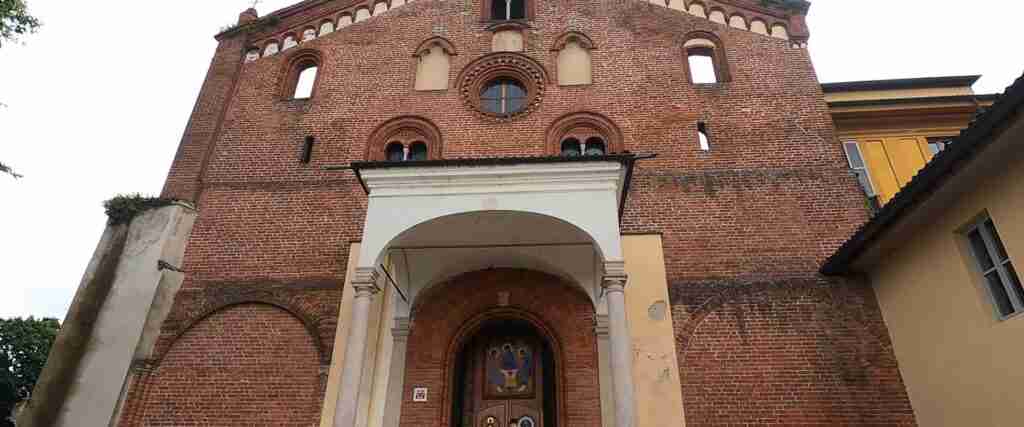
3 days
Trentino Alto Adige 3-Day Discovery Tour
- ✓ Comprehensive Trentino Alto Adige experience
- ✓ Expert local guides included
- ✓ All accommodation included
- ✓ Transportation provided
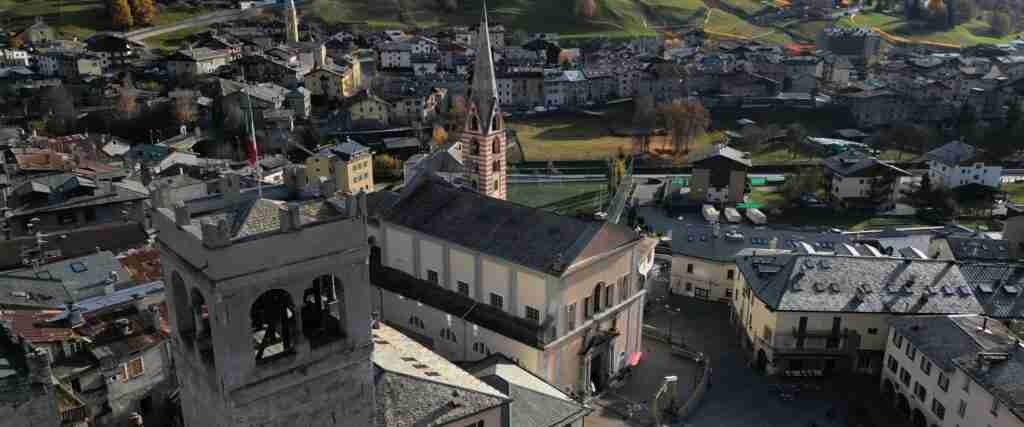
5 days
Trentino Alto Adige 5-Day Highlights Experience
- ✓ Comprehensive Trentino Alto Adige experience
- ✓ Expert local guides included
- ✓ All accommodation included
- ✓ Transportation provided

7 days
Trentino Alto Adige 7-Day Cultural Journey
- ✓ Comprehensive Trentino Alto Adige experience
- ✓ Expert local guides included
- ✓ All accommodation included
- ✓ Transportation provided

10 days
Trentino Alto Adige 10-Day Complete Adventure
- ✓ Comprehensive Trentino Alto Adige experience
- ✓ Expert local guides included
- ✓ All accommodation included
- ✓ Transportation provided
Multi-day tour packages powered by TourRadar. Prices and availability subject to change.
Introduction: Two Alpine Towns, One Cultural Valley
At first glance, Livigno and Bormio look like ski resorts. Cable cars thread the slopes above both towns, ski rental shops line the central streets, and the winter calendar fills with races and freeski events. That surface impression, though accurate in winter, misses what makes these two settlements genuinely interesting to the culturally curious visitor: both are old towns with deep roots, shaped by geography, trade, faith, and centuries of Alpine ingenuity, and both have been preserving that heritage with care.
Bormio sits at 1,225 metres at the confluence of four valleys — Valtellina proper, Valfurva, Valdidentro, and the road corridor to the Stelvio Pass — and it was precisely this junction that made it wealthy. From at least the medieval period, Bormio was a customs point, a market town, and a political entity called the “Magnifica Terra di Bormio,” a semi-autonomous community that negotiated treaties with Venice, Milan, and the Grisons. The wealth that accumulated is still visible: the stone palaces along Via Roma, the towers that noble families raised as symbols of power, the churches whose interiors bear frescoes and carved wooden altarpieces commissioned by a community that could afford quality artisans. The thermal springs — known since at least the Roman period and in continuous use through the medieval era — gave the town an additional identity as a place of healing that has lasted into the modern era.
Livigno, at 1,816 metres and enclosed on almost all sides by peaks that kept it snowbound for months each winter, developed differently. Its relative isolation — only partly broken when it became a duty-free zone in 1910, a status formalised after World War II — preserved a form of Alpine self-sufficiency that the MUS! Museum of Livigno and Trepalle now documents with skill. The traditional timber houses, the domestic crafts, the cheese-making and wool-working tools, the relationship between the community and the high summer pastures: these are not museum reconstructions but the lived culture of a community that adapted to an extreme environment and kept adapting. Where Bormio looks outward to its trading connections, Livigno looks inward to its mountain resources.
In 2026, both towns carry an additional layer of cultural significance. As venues for the Milano Cortina 2026 Winter Olympics — Livigno for freestyle skiing and snowboard events, Bormio’s Stelvio slope for alpine skiing — the towns hosted international attention and, in the Cultural Olympiad programme, a series of photography exhibitions linking winter sport, landscape, and Alpine heritage. Those exhibitions have given the cultural season added depth for visitors arriving in the months that follow.
This guide covers the museums and collection spaces, the historic architecture and its photography potential, the outdoor landscape locations, and the seasonal and practical information needed to plan a culturally focused visit to both towns in 2026.
Museum Scene in Livigno 2026
MUS! Museum of Livigno and Trepalle
The MUS! Museum of Livigno and Trepalle is the primary cultural institution in Livigno, and it is considerably better than its modest reputation outside Italy might suggest. It occupies an actual ancient dwelling — a substantial traditional timber house on Via Domenion — rather than a purpose-built exhibition hall, and that architectural decision structures everything about the visit. The house itself is the first exhibit: the roof construction, the load-bearing timbers, the domestic spaces arranged around the central hearth, the storage arrangements that reflect a mountain economy built on wood, wool, milk, and the rhythms of the pastoral year.
The museum’s declared purpose is to accompany visitors “through the dynamics that have led to its present” — which, in practice, means tracing how a community that spent winters snowbound and summers at high pasture created a coherent and self-sufficient culture. The domestic interiors are arranged around a narrative of daily life: spinning and weaving equipment, cheese-making tools (the milk-processing section includes the copper cauldron where curds were worked), agricultural implements calibrated to thin mountain soils, and the modest material culture of a community that had very little and wasted nothing.
The museum is part of the broader Sistema Museale Valtellina network, which links heritage institutions across the province of Sondrio, and takes that connection seriously: the digital and interpretive infrastructure is noticeably more thoughtful than the typical small-town Alpine museum. The free audio guide app (available on Android and iOS under “Museo Livigno,” in Italian, English, and German) uses three characters — a child-friendly ermine called Lorina, a traditional craftsman called Enrico, and his wife Domenica — to present three different interpretive routes through the same building. Visitors can follow one narrator or listen to all three; the child-friendly track works well for families, while the adult tracks add historical and anthropological depth that rewards a second pass through the rooms.
In July 2026, the museum opens Tuesday through Thursday from 10:00 to 12:30, and Friday and Saturday from 10:00 to 12:30 and again from 15:00 to 18:30. Sundays and Mondays are closed. Tickets cost €5 for adults aged 18 to 64, €2.50 for children aged 4 to 17 and for visitors over 65, and are free for children under four. A family ticket (minimum two adults plus two children) costs €2 per person. Group entry (13 or more people) is also €2 per person. Guided tours cost €5 per adult on top of the entry ticket (€2.50 for young visitors and groups) and must be reserved at least 24 hours in advance by phone (+39 0342 977891) or WhatsApp (+39 337 1239487). The museum has an elevator, accessible toilets, and a baby pit stop area. Note: only small dogs carried in a bag or carrier are admitted. Check the official website at museolivigno.it for seasonal hours outside July, as the schedule varies considerably between winter, spring, and autumn opening periods.
Church of San Rocco and Livigno’s Religious Heritage
Beyond the MUS! museum, Livigno’s cultural character is primarily expressed through its vernacular architecture and its churches. The Church of San Rocco, a short walk from the museum in the pedestrian zone, is the town’s most historically visible religious building and a regular point of cultural programming. San Rocco was the patron saint invoked against plague, and churches dedicated to him across the Alpine arc tend to date from community crises of the 14th to 17th centuries; Livigno’s example sits within the rhythm of the town’s seasonal life and is used as both a place of worship and an occasional venue for guided historical tours organised in connection with the MUS! museum.
Livigno also has the Church of Sant’Anna, perched above the town at some altitude, which is one of several small oratories and chapels that the MUS! museum actively incorporates into its programme — the 2026 seasonal events listed on museolivigno.it include a dedicated visit to Sant’Anna’s Church. These high-altitude oratories were fundamental to the devotional life of mountain communities spread across pastures and summer hamlets, and understanding them adds a layer to the ethnographic narrative the museum begins indoors.
The Carderia and Textile Heritage
The MUS! museum’s 2026 programme also includes periodic visits to the carderia — the carding house — which gives visitors direct access to wool-processing equipment and techniques that are part of Livigno’s documented textile history. In communities where winters were long and wool was one of the few abundant resources, textile production was not a craft hobby but a survival economy, and the tools associated with it (carders, spindles, looms, and dyeing equipment) are among the most evocative objects in the museum’s collection. These visits are ticketed separately and require advance reservation; details appear on the museum’s events page (museolivigno.it/en/appuntamenti/).
Cultural Treasures of Bormio 2026
The Bormio Civic Museum at Palazzo De Simoni
The Bormio Civic Museum, housed in the 17th-century Palazzo De Simoni on Via Buon Consiglio, is the most comprehensive cultural institution in Alta Valtellina and the best single argument for spending a cultural half-day in Bormio rather than on the slopes. The palace itself is the frame: its frescoed and stuccoed reception rooms, wood-panelled stua (a characteristic Alpine heated lounge), noble chapel, garden, and service areas all survive substantially intact, and the museum uses this full range of domestic and ceremonial spaces to deploy a collection of over 4,000 objects across 27 rooms.
The collection is organised in two interlocking sections: artistic and ethnographic. The artistic section occupies the palatial rooms of the piano nobile, where portraits, paintings, gilded altarpieces, carved wooden panels, frescoes, and church furnishings from the surrounding parishes have been preserved. The quality is genuinely surprising: Bormio’s position as a wealthy trading town in the 15th and 16th centuries — its “golden century,” when it operated as a prosperous crossroads between Lombardy, Venice, and the Alpine north — generated both local patronage and access to outside workshops. The furniture and decorative objects that filled Palazzo De Simoni during the De Simoni family’s occupation are also on display, giving the artistic section an intimate, lived-in quality unusual in a civic museum.
The ethnographic section moves through the service spaces and outbuildings to reconstruct the material life of Bormio and Alta Valtellina across several centuries. The tools of traditional Alpine crafts — carpentry, cobbling, rope-making, blacksmithing, milk-processing, grain-farming — are displayed in roughly functional arrangements that suggest their original contexts. The milk-processing cellar, with its cheesecloth, copper vessels, and wooden presses, is particularly evocative. A substantial textile section documents women’s work: spindles, carders, bobbins, and a full working loom, all testifying to the economic weight of domestic textile production in a mountain community.
Two sections of the museum are often remembered most vividly by visitors. The transport room houses the great stagecoach that ran across the Stelvio Pass until 1915 — a massive, well-preserved vehicle that conjures immediately the heroic improbability of 19th-century trans-Alpine travel — alongside sledges, carriages, and coaches that operated on lower-altitude routes. And the ski collection, documenting the development of alpine skiing in Bormio from the earliest days of the sport, bridges elegantly between the town’s historic identity and its modern one as a World Cup alpine racing destination.
The World War I section is sobering. Bormio sits at the junction of valleys that became frontlines between Italian and Austro-Hungarian forces from 1915 to 1918, and the mountain war fought on the peaks and glaciers surrounding the town generated a particular form of suffering: high-altitude trench warfare in permanent snow, supply lines dependent on mule tracks and human carriers, artillery that triggered avalanches as readily as it hit enemy positions. The museum’s collection of military artefacts, photographs, and personal objects from this period gives a human scale to a largely forgotten theatre of World War I.
The Bormio Civic Museum opens from 15 June to 15 September daily from 10:00 to 12:30 and 15:00 to 19:00 (closed Monday mornings). An adult ticket (ages 18–65) costs €5; the reduced ticket is €3 for groups of 15 or more, university students up to 25, and residents of Bormio. A family ticket (two parents with at least one child) costs €8. Children under 18 accompanied by an adult are admitted free. Note that the museum building, a historic palazzo, does not meet mobility accessibility requirements for visitors with motor disabilities. Verify current hours at museocivicobormio.it before visiting, as the schedule differs significantly between the summer and the winter/spring seasons.
The Giardino del Tempo
At the Bormio Civic Museum, the lovely garden that the museum’s official description mentions has been developed in recent years into what is now called the Giardino del Tempo (Garden of Time), a multipurpose outdoor space created in collaboration between the Amaro Braulio distillery, the municipality of Bormio, and the Stelvio National Park. The result is a rare garden where aromatic and medicinal mountain plants — the botanicals that are central to the production of Amaro Braulio, the Alta Valtellina digestivo created by pharmacist Francesco Peloni in 1875 with a recipe of 13 herbs and mountain plants — grow within a historically significant setting. The garden functions as a living illustration of the relationship between mountain flora and human culture, supplementing the indoor collection with an outdoor dimension. It is accessible during museum opening hours without additional charge.
Bormio’s Historic Centre as an Open-Air Gallery
The centre of Bormio is, in architectural terms, a remarkably intact late-medieval and early-modern Alpine town, and walking through it is itself a cultural experience. Most of the buildings visible today date from the 15th and 16th centuries — the height of Bormio’s influence as a trading crossroads — and the dense concentration of stone palaces with elaborately carved portals, towers raised by competing noble families, frescoed church interiors, and cobbled alleyways between them constitutes an open-air gallery of Alpine civic architecture.
The heart of the town is Kuerc Square (Piazza Cavour, also known as Piazza del Kuèrc), named for the medieval loggia structure at its centre — a large stone canopy with benches running around the interior walls. The word “Kuerc” means “lid” or “cover” in the local Bormio dialect, and the structure, built in the 1300s, functioned as the outdoor assembly hall and court of justice of the Magnifica Terra di Bormio during the community’s era of self-governance. Citizens gathered under it to debate, vote, and hear legal decisions. The Kuerc, the civic tower (the Clock Tower — named for the historic Bajona bell that still rings for civic occasions) rising immediately behind it with its sundial and painted clock face, and the Collegiate Church of Saints Gervasius and Protasius on the same square form a civic ensemble of considerable historical completeness.
The Alberti Tower on Via Roma — a 24-metre shaft of grey stone construction dating to the 13th century, with columns of arched windows on each face — is one of the best-surviving examples of the defensive and status towers that noble families built across the town. It is also sometimes called the Torre Marioli or Torre di Dossiglio in older sources. Several of the dozens of towers that once defined Bormio’s skyline were destroyed in 1376 during a regional military episode; the Alberti Tower and the Clock Tower are the most substantial survivors.
The Church of the Holy Spirit (a short walk from Kuerc Square, not always open to visitors) contains an interior of particular richness. Its walls are covered floor to ceiling with medieval frescoes depicting biblical scenes in a chromatic intensity unusual even in fresco-rich Lombardy. The official Bormio tourism office describes these frescoes as deriving from the Giotto school — and they have earned the church its informal nickname “Bormio’s Sistine Chapel” — though this attribution should be understood as a characterisation of style rather than a documented primary attribution. The frescoes are early 14th-century in date; access is primarily through guided tours and special events, and visitors should check the official Bormio tourism website (bormio.eu) for the current programme.
The Church of Sant’Ignazio, inaugurated in 1674 at the commission of the Jesuit community, takes an unusual octagonal plan and fills its interior with Baroque frescoes and decorative marbles. It sits on Via De Simoni, a short distance from the church of the Holy Spirit, and is generally open to visitors without guided access. The Collegiate Church of Saints Gervasius and Protasius on Kuerc Square, completed in 1641 and the main parish church of Bormio, holds frescoes dated to 1393 and a 17th-century sculptural ensemble of seven carved wooden figures depicting the Lamentation over the Dead Christ, attributed by the museum to the hand of Giovanni Pietro Della Rocca. The Combo Bridge — a single-arch stone humpback bridge over the Frodolfo stream, dating to the 1300s — is one of the most photographed structures in the historic centre and a five-minute walk from Kuerc Square.
The Fraele Towers and Alta Valtellina Historic Sites 2026
The Fraele Towers
Between Bormio and Livigno, where the road climbs the Foscagno valley toward the Cancano Lakes and the reservoir system above, two medieval towers appear on a rocky outcrop at 1,930 metres above sea level. The Fraele Towers were built in 1391 during the period of Visconti rule over Bormio. Their purpose was to control the passage through the Scale Pass — named for the wooden stairs (scale) anchored into the cliff face that made an otherwise impassable section of the route navigable — and to monitor movement both from the north (particularly from the Grisons region, a recurring threat) and through Val Viola toward the Livigno basin.
The context for their construction is the trade route they guarded: the Via Imperiale Alemagna, the ancient road that carried Valtellina wine northward to Austria and Bavaria and brought Austrian rock salt (from the mines at Hall in the Inn valley) back southward to Bormio. This was not a minor track but one of the primary commercial arteries linking Lombardy with northern Europe, and the towers’ function was both military and fiscal — controlling transit and presumably collecting dues on a heavily trafficked route.
The towers were reinforced by the Duke of Milan in the late 15th century. They were then destroyed by Grisons forces that invaded Bormio in 1513 — a military event that effectively ended the independence of the Magnifica Terra di Bormio and integrated the area into the Grisons’ sphere of influence for the following three centuries. The towers survived as ruins until 20th-century restoration work stabilised and partly rebuilt the larger of the two (the western tower), bringing it to its current height of approximately 13 metres. In 2024, a substantial interior renovation added new wooden staircases, three accessible floors, glass windows, and interpretive panels; an informative video and a visitor’s book have also been installed. Access is free, and the towers can be reached by the paved road from Bormio that follows signs to the Cancano Lakes or the Adda River Springs.
The setting is exceptional. The towers stand at the exact point where the road bends toward the reservoir plateau, the surrounding peaks of Cima Piazzi and its neighbours filling the background, and the valley dropping away below in a panorama that explains immediately why this was a strategic control point. In summer — roughly June through early October — the road is passable and the site is surrounded by meadow flowers at altitude, making the towers one of the more photogenic heritage sites in Alta Valtellina.
The Cancano Lakes
Immediately above and behind the Fraele Towers, the road continues to the Cancano lake system: two large artificial reservoirs — Lake Cancano and Lake San Giacomo di Fraele — created by hydroelectric dams constructed between 1922 and the early 1950s for the AEM energy company of Milan. Lake Cancano sits at approximately 1,902 metres; Lake San Giacomo at a slightly higher elevation behind it. The 21-hairpin road that climbs to the plateau was itself built as a construction access road and is now one of the most popular cycling and cycling-tourism routes in the region. The turquoise water, pine forest backdrop, and surrounding peaks make this one of the most photographed high-altitude lake landscapes in Lombardy, and a short flat circuit on foot or by bike connects the two reservoirs along a dirt path accessible to all fitness levels.
The Valfurva Valley Museum in Sant’Antonio
On the opposite side of Bormio, the Valfurva Valley Museum (formally named after its founder Mario Testorelli) in Sant’Antonio di Valfurva completes the ethnographic picture of Alta Valtellina with a community-founded institution that feels distinctly different from both the MUS! museum in Livigno and the Bormio Civic Museum. Founded in 1979 by the local community association and by Mario Testorelli, the museum reconstructs the domestic and working environments of Valfurva — a valley that historically ran its own life on rye-growing, cattle pasture, and the crafts that support both — in their actual physical forms rather than as display cases.
The rye-grinding mill (still operational) and the wood-burning bread oven are the emotional centrepieces: visitors can observe the mill working and occasionally the oven in use, giving the museum a sensory quality that no amount of labelled objects can replicate. The craftsmen’s sections — carpenters, cobblers, rope-makers, blacksmiths — are arranged as reconstructed workshops, and the domestic kitchen and living room fill out the picture of how families lived at altitude across several centuries. The school room and the devotional section (with religious objects from local churches and oratories) add social and spiritual dimensions to the material narrative.
The World War I section is the museum’s most distinctive contribution to the regional heritage picture. Valfurva was directly adjacent to the mountain war fought on the Ortles–Cevedale chain from 1915 to 1918, and the museum holds a substantial collection of military artefacts — weapons, personal effects, equipment, and memorabilia — alongside a reconstruction of a high-altitude mountain bivouac that conveys something of the extraordinary conditions in which soldiers on both sides lived and died. The collection also documents the specialised mountain ski troops (Alpini) trained to operate in these extreme conditions, with particular attention to the fighting on Monte San Matteo.
The Valfurva Valley Museum is located in Piazza Forba, Sant’Antonio di Valfurva. It opens on request for groups; individuals wishing to visit should contact the museum in advance at [email protected] or by phone at +39 348 3941831. During the summer tourist season, guided visits are often available on specific days listed in the Bormio tourism office’s cultural programme.
Photography Locations: Livigno in 2026
Livigno Lake and the Valley Floor
Livigno Lake — an artificial reservoir created by the damming of the Spöl river, sitting at 1,805 metres along the western edge of the town’s valley — is the most accessible landscape photography location in Livigno for visitors without specialist alpine equipment. The lake stretches for several kilometres along the valley floor, and its surface can shift from deep blue-green to bright turquoise depending on the sediment load from melt-water and the angle of the light. The northern and western shores are most easily accessed from the road that runs alongside, and the combination of water, surrounding peaks, and the reflection-capable surface gives this location a versatility that few Alpine lakes of this size can match. In summer, the water is calm in the mornings before any wind picks up, making dawn and early morning the most reliable time for reflections. In winter, the lake freezes and becomes a smooth white foreground plane beneath the surrounding snowfields — a different but equally effective compositional tool.
The valley floor itself, in the Livigno basin proper, offers a range of traditional Alpine architecture: the clusters of dark timber houses and granaries in the Teola and San Rocco districts retain their historical structure, with the characteristic Livigno building typology — low-pitched roofs, wide overhanging eaves, external staircases, and split arrangements between dwelling and outbuilding — visible at street level without entering private property. The museum’s interpretive material on these structures makes walking the town centre more productive for visitors who spend an hour in the MUS! museum before photographing the streets around it.
Mottolino and the High Ridge
From the Mottolino gondola lift station (operating in summer as well as winter), visitors can reach the upper ridge above Livigno and access an entirely different photographic register: wide, treeless high-Alpine terrain with glacially smoothed ridges and long sight lines across the valley and toward the Swiss border. The summit area around Mottolino offers views back down over the entire Livigno basin — the town’s elongated linear form, the lake, the ski installations, and the surrounding peaks — that are compelling in summer for their depth of field and in winter for the transformation into a continuous snowfield. The Camanel di Planon viewpoint along the ridge is a documented photography location for panoramic valley shots. Cable car operation times in 2026 vary by season; verify at mottolino.com before planning a summit visit, as summer operations depend on weather and trail conditions.
Lago Nero (Black Lake)
Lago Nero — Black Lake — is a small natural mountain lake above the treeline north of Livigno, accessible by hiking trail. Its name comes from the very dark colour of its water, which results from the depth and tannin content of its source drainage rather than pollution. The combination of dark water, rocky cirque walls, and the clean lines of high-alpine scenery makes it a different photographic proposition from the turquoise surface of Livigno Lake below. The hike to reach it is moderate — accessible to fit walkers with appropriate footwear — and best undertaken in clear summer weather. No motorised access is possible; this is a destination for hikers who want to earn their photography location.
The Stelvio National Park Borderland Around Livigno
Livigno sits adjacent to the Stelvio National Park — one of the largest protected natural areas in the Alps — and the park boundary runs close to the town on several sides. The park’s wildlife (ibex, chamois, marmots, red deer, and raptors including golden eagles) is most reliably observed in the higher meadow and rocky terrain above the valley floor, particularly in early morning and late afternoon when animals move between feeding areas. Wildlife photography in this zone requires patience, long telephoto lenses, and willingness to move quietly at altitude; it rewards visitors who prepare for it specifically rather than hoping to encounter animals near the ski infrastructure. The park’s visitor information points in the area can advise on current wildlife concentration zones.
Photography Locations: Bormio, the Stelvio Pass, and the High Alps in 2026
The Stelvio Pass: The Classic Shot and Beyond
The Stelvio Pass — at 2,758 metres, the highest paved mountain road in Italy and the second highest in the Alps — is the single most photographed location accessible by car in the entire northern Italian mountain region. The road was constructed between 1820 and 1825 under the Austrian Empire as a military corridor linking Lombardy with the Austrian heartland, with the engineer Carlo Donegani overseeing a project that required extraordinary ingenuity at altitude. The result is a road famous for its engineering as much as its views.
The canonical photograph — looking down from the summit viewpoint over the eastern descent toward Val Venosta — shows the road zigzagging in approximately 48 numbered hairpin turns down a near-vertical cliff face in a single composition. Different sources give slightly different hairpin counts for different sections of the road (the eastern descent is most commonly described as having around 48 numbered turns; the total for all approaches combined is higher), and the experience of driving up from the Bormio side adds long straights, dramatic tunnels, and a different, less geometric character than the numbered-hairpin spectacle of the eastern face. From a photography standpoint, the summit viewpoint on a clear day offers the cascade of hairpins in deep focus against the valley below — a image of human engineering embedded in an immense natural landscape that is one of the great road photography subjects in Europe.
The Stelvio Pass road typically opens in late May or early June, depending on the winter snowpack, and closes in late October or November when early snowfall returns. In 2026, with the Olympic skiing events completed, the road returned to normal seasonal access; verify the current opening status at the official provincial roads website or the Bormio tourism portal (bormio.eu) before planning a visit, as high-altitude passes can reopen and close again multiple times during shoulder seasons.
Beyond the summit shot, the Stelvio Pass rewards exploratory photography. The drive up from Bormio passes through several distinct altitudinal zones — forest, sub-alpine scrub, high meadow, rock and ice — and the roadside viewpoints at various hairpin levels offer compositions that are less iconic than the summit panorama but often more interesting for foreground variety. The tunnel sections cut through the mountain rather than clinging to its face, giving drivers on the Bormio side an experience that alternates between enclosed darkness and sudden Alpine revelation.
Kuerc Square and Bormio’s Historic Centre
Kuerc Square is Bormio’s most rewarding urban photography location, and the one that most repays both early-morning and late-afternoon visits. At dawn, before the tourist traffic reaches the pedestrian zone, the square is empty and the stone surfaces catch the first angled light in ways that reveal the texture of the medieval loggia and the clock tower’s aged face. The square’s proportions — compact without being claustrophobic, framed on one side by the church facade and on the other by the civic tower — allow a range of compositions from wide-angle establishing shots to tight telephoto compressions of the architectural detail. The Kuerc structure itself, with its open sides and benches, photographs particularly well from a position across the square that places the loggia against the tower behind it.
Along Via Roma from Kuerc Square, the Alberti Tower provides a second major vertical element in Bormio’s architectural photography. The tower reads cleanly against the sky from the approach along the pedestrian street, and at low sun angles the arched stone window decorations throw shadows across the grey stone face in ways that define the construction’s age and texture. The Combo Bridge over the Frodolfo stream, downstream from the historic centre, is best photographed from the lower riverbank level rather than from the road above it; the single-arch profile framed against the valley background is the image that most captures its medieval character.
The Cancano Lakes and Fraele Towers Landscape
The drive from Bormio to the Cancano Lakes is itself a photography route — the 21-hairpin ascent road frames the valley below at each bend, and the Fraele Towers appear dramatically at the bend where the road levels into the reservoir plateau. For landscape photographers, the plateau’s high-altitude light quality in summer — strong, clean, with long shadows in the morning and evening — is notably different from the hazy atmospheric conditions that affect lower-altitude locations. The turquoise reservoir surface, the ring of peaks, and the minimal infrastructure on the plateau combine to produce a high-Alpine wilderness aesthetic unusual for a location accessible by car.
Lake Cancano and Lake San Giacomo are linked by a flat circuit path of about 7 kilometres that can be walked or cycled. The photographer on foot has access to shoreline perspectives, dam-face views, and the meadow terrain between the lakes that are unavailable from the road. Wildflowers peak in July in the meadows above the lakes, adding colour to compositions that might otherwise be dominated by blue water and grey rock. The Fraele Towers themselves, when approached from below, are best photographed from the meadow below the rocky outcrop — the position that gives the fullest sense of their height and their isolation on the cliff edge.
Old Baths and the Thermal Landscape of Bormio 2026
Bormio’s thermal area, approximately two kilometres above the town centre on the Stelvio road, is an unusually photogenic industrial and cultural landscape. The Old Baths thermal complex occupies a cliffside cave system above the Adda valley. Local historical tradition associates the springs with Roman-era use, and the springs emerge naturally from the rock at temperatures that have supported bathing since antiquity. The present installation — now operated as a luxury QC Terme spa property — has been developed into a series of indoor and outdoor pool spaces that exploit the cave structures and cliff-face drama of the original site. The visual language of the Old Baths is unlike any other thermal site in the Alps: raw rock, steaming water, and the precipitous valley below. Photographing the exterior of the building and the valley panorama from the road does not require entry; access to the thermal pools themselves requires a valid QC Terme ticket (check qcterme.com for 2026 pricing, as rates are not verified here).
The New Baths thermal complex (also a QC Terme property) across the road offers a contrasting architectural vocabulary — a neoclassical grand hotel building with outdoor pools that include an infinity pool overlooking the valley — that photographs effectively in wide-angle from the road level below, particularly at dusk when the pool lighting creates a reflection on the water surface.
Planning Your Cultural Visit in Livigno and Bormio 2026
How to Combine Both Towns
Livigno and Bormio are separated by approximately 35 kilometres of mountain road (via the Foscagno Pass and through Valdidentro), a drive of roughly 45 minutes to one hour depending on traffic and conditions. The road crosses the Passo di Foscagno at 2,291 metres and passes through Valdidentro, where the turn-off to the Fraele Towers is located. A two-day cultural itinerary that spends day one in Livigno (MUS! museum, church and vernacular architecture, lake photography) and day two in Bormio (Bormio Civic Museum, historic centre, Stelvio Pass photography) covers the core of both towns without feeling rushed. Adding a third day for the Valfurva Valley Museum, the Cancano Lakes, and the Fraele Towers completes the Alta Valtellina cultural picture.
Visitors arriving from Milan (approximately 3.5 hours by car) typically choose Bormio as a base for its larger hotel selection and direct road access to the Stelvio Pass, making day trips to Livigno straightforward. Visitors based in Livigno can reach Bormio with equal ease. Neither town has a train station; the nearest rail connection is Tirano at the end of the Valtellina train line from Milan, from which regular bus connections serve Bormio (approximately one hour) and Livigno (approximately two hours). Timetables for the Sondrio province bus network (SAB/ASF) should be checked in advance at trenord.it or the local bus operator’s site.
Ticket Prices in 2026: Summary
The MUS! Museum of Livigno and Trepalle charges €5 for adults (18–64 years), €2.50 for children aged 4–17 and seniors 65 and over, and is free for children under four. Family tickets (minimum two adults plus two children) reduce the rate to €2 per person. Guided tours add €5 per adult to the entry fee (€2.50 for young visitors and group members). Check official rates at museolivigno.it.
The Bormio Civic Museum charges €5 for a full adult ticket (ages 18–65), with a reduced rate of €3 for groups of 15 or more, university students up to 25, and Bormio residents. A family ticket (two parents with at least one child) costs €8. Children under 18 accompanied by an adult enter free. Verify current rates at museocivicobormio.it, as the museum’s operating body is the Province of Sondrio / Sistema Museale Valtellina network and pricing updates are published on the official website.
The Fraele Towers are free to visit and have no timed entry system; they are accessible whenever the road to the Cancano Lakes is open (typically late spring through late autumn, but check road conditions at the start and end of the season). The Bormio historic centre and all outdoor public spaces are of course free to walk.
What to Photograph in Each Season
Summer (June to mid-September) is the principal season for cultural and photography visitors to both towns. The Stelvio Pass is open, the museums run their longest hours, wildflowers are at peak on the high meadows, and the lakes hold their fullest levels. The light quality in the Alta Valtellina in July and early August — given the high altitude and clean mountain air — is exceptional by Italian standards, with genuine transparency at altitude that lowland destinations cannot match. The downside of high summer is crowds at the Stelvio Pass summit and the Cancano Lakes, particularly on weekends; planning photography at these locations for early morning (before 8:00) substantially reduces the human element in frames.
Autumn (mid-September to late October) is arguably the finest photography season in the valley. Larch forests — dominant on the mid-altitude slopes of both the Stelvio and the Valfurva — turn golden yellow in September and early October in a colour shift that transforms the grey-rock-and-evergreen palette of summer into something far warmer. The light is lower in the sky and more angled; the tourist density drops sharply after mid-September; and the passes are still open for several weeks more. This is the window most frequently chosen by landscape photographers who know the region well.
Winter (November to April) is the ski tourism high season and the period when the MUS! museum in Livigno runs its most restricted hours. The Stelvio Pass is closed. Photography rewards shift entirely to the snow-covered architectural character of both historic centres, the winter drama of the frozen lake, and the high-contrast aerial landscape of ski terrain. Bormio’s Kuerc Square under snow, or the Alberti Tower with a snow cap, are images that have their own completeness. The Bormio Civic Museum maintains winter hours (typically afternoons on most weekdays and Sunday mornings; check the official site), making it a natural destination on a rest day between ski sessions.
Photography Equipment and Technique in the Alta Valtellina
Camera Systems and Lenses
The Alta Valtellina rewards a versatile kit rather than any single specialised system. For museum interiors — where natural light enters through small windows and artificial lighting is often warm-toned and directional — a lens capable of wide apertures (f/1.8 to f/2.8) in the 24–50mm equivalent range handles most of the MUS! museum’s domestic interiors comfortably. The Bormio Civic Museum’s palatial rooms are somewhat brighter, but the depth of the architectural spaces still benefits from a wide prime or a mid-range zoom that can work at moderate ISOs without introducing heavy noise. Flash photography is not permitted in either museum.
For the Bormio historic centre and the Stelvio Pass, the requirements diverge sharply. The compressed urban alleyways of Bormio are best served by a wide-angle perspective (16–24mm equivalent) that can capture the full height of towers and church facades from close distances, while the Pass’s signature composition — the cascade of hairpin bends seen from the summit — demands either a standard to mild telephoto (50–100mm equivalent) for the classic compression of the road against the valley, or a very wide angle to place the road in the broader landscape context. Having both options available is the practical answer.
Wildlife photography around the Stelvio National Park zone requires long telephoto capacity (400mm equivalent at minimum, 600mm for comfortable working distances from ibex and chamois), a stable tripod or monopod, and the patience to position for good light rather than simply recording an animal sighting. The mountain light at altitude can be very contrasty in midday hours; early morning and the two hours before sunset give the most workable conditions for animal subjects.
Conditions and Practical Considerations
Weather at altitude in the Alta Valtellina changes rapidly, and photography planning must account for this. Clear mornings can cloud over by midday, particularly in July and August when convective thunderstorms build over the peaks in the afternoon. The practical consequence for photographers working the Stelvio Pass or the Cancano Lakes is that morning sessions starting before 8:00 and wrapping by early afternoon are more reliably productive than afternoon sessions. Summer thunderstorms at 2,758 metres are not a minor inconvenience but a genuine electrical hazard; the standard recommendation is to be below the treeline or in a vehicle before any storm approaches.
Drone operation in and around the Stelvio National Park is regulated by the park authority and by general Italian civil aviation rules; many zones within the park prohibit drone flights entirely to protect wildlife. The camera-carrying visitor arriving with a drone for landscape aerials should consult the park authority’s current permitted-zone map (parco.stelvio.it) before planning any aerial photography.
In both towns, photography of the museum interiors for personal non-commercial use is generally permitted where there is no specific notice prohibiting it; flash photography and tripod use inside both the MUS! museum and the Bormio Civic Museum require prior arrangement and are rarely approved. Always confirm with staff at the entrance.
Seasonal Considerations for Visitors in 2026
Summer Season (June–September)
Peak season for cultural and photography tourism runs from mid-June to mid-September. Both museums are at their fullest opening hours; the Stelvio Pass is accessible; the Fraele Towers and Cancano Lakes are open; and the range of guided tours, evening events, and cultural programming offered by both the MUS! museum and the Bormio civic authorities is at its broadest. Book the MUS! guided tours at least 24 hours ahead, as they fill quickly in July and August. Hotel accommodation in both Livigno and Bormio at this time of year is in demand from both cultural visitors and summer sports tourists (cyclists on the Stelvio Pass, hikers, mountain bikers); reserving at least 6–8 weeks ahead for late July and August is advisable.
Note that Livigno’s duty-free status — the town has been a duty-free zone since its formal designation after World War II — makes it a significant shopping destination, and parts of central Livigno in high summer are busy with shoppers as well as outdoor sports enthusiasts. The MUS! museum and the traditional timber district around it are somewhat removed from the main shopping street and offer a quieter cultural environment.
Shoulder Season (May and October)
May and October bracket the summer season with genuine advantages for the cultural visitor: lower accommodation prices, reduced crowds at all sites, and — in October — the larches in autumn colour. The tradeoff is that the Stelvio Pass may still be closed in May (the date varies year to year depending on snowpack) and closes again in late October; the MUS! museum and Bormio Civic Museum operate reduced hours; and some facilities on the high-altitude routes may not yet be open in May. May is useful for planning a visit that combines cultural sites in Bormio and Livigno with early-season hiking; October is arguably the finest single month for landscape photography in the valley.
Winter Season (November–April)
Cultural tourism in winter concentrates on the Bormio Civic Museum (which maintains limited but regular winter hours — check museocivicobormio.it for the precise schedule), the Bormio historic centre (which is particularly atmospheric in snow), and the MUS! museum in Livigno when it is open (hours are most restricted in the November–April window; verify in advance at museolivigno.it). The Stelvio Pass, the Fraele Towers road, and the Cancano Lakes are all inaccessible in winter due to road closures. The gain of winter is the ski season itself — Bormio’s Stelvio slope and Livigno’s broad ski domain add a sporting dimension to a cultural visit — and the architectural photography of historic centres in snow, which has its own quality.
Frequently Asked Questions
How much does it cost to visit the MUS! Museum of Livigno and Trepalle in 2026?
Admission to the MUS! Museum of Livigno and Trepalle in 2026 costs €5 for adults aged 18 to 64, and €2.50 for children aged 4 to 17 and for visitors aged 65 and over. Children under four enter free. A family ticket (minimum two adults plus two children) reduces the per-person rate to €2, as does the group ticket for parties of 13 or more. A guided tour costs an additional €5 per adult on top of the entry ticket, or €2.50 for young visitors and group members. Advance reservation for guided tours is required at least 24 hours before the visit. The free audio guide app (available on iOS and Android) provides English, Italian, and German routes through the collection without an additional charge. Verify current rates at museolivigno.it before visiting, as pricing may be updated seasonally.
What does the Bormio Civic Museum contain and how long does a visit take?
The Bormio Civic Museum spans 27 rooms in the 17th-century Palazzo De Simoni and holds a collection of over 4,000 objects organised in artistic and ethnographic sections. The artistic section covers paintings, frescoes, carved wooden altarpieces, furniture, and sacred objects from the surrounding parishes, reflecting the town’s wealthy trading history in the 15th and 16th centuries. The ethnographic section reconstructs Alpine crafts and domestic life, with notable displays of milk-processing equipment, textile tools, transport vehicles (including a stagecoach that crossed the Stelvio Pass until 1915), historical skis, and World War I mountain-warfare artefacts. A typical full visit takes 90 minutes to two hours. The museum’s garden, the Giardino del Tempo, with its collection of aromatic and medicinal mountain plants, is included in the standard admission.
When is the Stelvio Pass open for photography visits in 2026?
The Stelvio Pass road typically opens in late May or early June, depending on winter snowpack, and closes in late October or November with the return of heavy snowfall. In 2026, the pass operated on its normal seasonal schedule following the conclusion of the Milano Cortina Winter Olympics alpine skiing events held there in February. The road on the Bormio side (the southwestern ascent) and the eastern descent toward Val Venosta both require verification of current status before a visit, as high-altitude passes can close temporarily after late-season snow events. The official road status is published by the Anas road authority (stradeanas.it) and by the Bormio tourism portal. The classic summit photograph — looking down over the numbered eastern hairpin turns — is best shot in clear morning light before convective clouds build over the peaks.
Can I visit the Fraele Towers and how do I get there from Bormio in 2026?
The Fraele Towers are free to visit and accessible by the paved road that leaves Bormio toward the Cancano Lakes (signs for the Cancano Lakes or the Adda River Springs). The drive from central Bormio takes approximately 20 to 25 minutes and climbs through 21 hairpin bends to the reservoir plateau; the towers appear dramatically on a rocky outcrop as the road levels out. Parking is available near the site. The western tower was substantially restored in 2024 with new wooden staircases, three accessible floors, glass windows, and interpretive panels including a video; the restoration makes the interior a genuinely worthwhile visit rather than a ruin inspection. The towers are accessible whenever the Cancano road is open — typically from late spring (late May or early June) through late autumn (late October or early November). The circuit around both Cancano reservoirs (roughly 7 kilometres flat) can be walked or cycled from the same starting point.
Is there an art gallery scene in Livigno or Bormio in 2026?
Neither Livigno nor Bormio has a major commercial contemporary art gallery district of the kind found in larger Italian cities, and visitors expecting gallery-hopping in the Milanese or Roman sense will not find it. What both towns offer instead is art within their institutional museums and historic buildings: the artistic section of the Bormio Civic Museum is a genuine art collection of regional importance, with altarpieces, frescoes, and decorative arts spanning the Renaissance and Baroque periods. The MUS! Museum of Livigno and Trepalle holds curated periodic exhibitions on ethnographic and historical themes. The Cultural Olympiad programme connected to the Milano Cortina 2026 Winter Olympics produced photography exhibitions in both towns’ venues in the early months of 2026, some of which may still have programming through the summer season; the Bormio tourism website (bormio.eu) carries current exhibition listings.
What is the best time of year for photography in Alta Valtellina?
For landscape photography, September and early October are broadly regarded as the finest weeks in the Alta Valtellina — the larch forests on the mid-altitude slopes turn a warm golden yellow that fundamentally transforms the visual character of the valley, the tourist crowds thin significantly after mid-September, and the light quality at altitude is excellent. For wildflower photography on the high meadows, July offers the greatest botanical variety. For architectural and museum photography that combines outdoor sites with cultural visits, mid-June to late August provides the best combination of open facilities and long daylight hours. Winter offers dramatically different photographic possibilities — the valley under snow, the medieval centres of Livigno and Bormio in wintry quiet — but requires accepting the closure of high-altitude roads and shorter museum hours.
What are the opening hours of the Bormio Civic Museum in summer 2026?
From 15 June to 15 September, the Bormio Civic Museum opens every day from 10:00 to 12:30 and from 15:00 to 19:00, with Monday mornings closed. Outside this summer window the hours change significantly: from 16 April to 14 June and from 16 September to 30 November, the museum opens only on Tuesday, Thursday, and Saturday afternoons and Sunday mornings. From January through mid-April, it operates on a winter schedule of afternoon openings on most weekdays and Sunday mornings. Always verify the current schedule at museocivicobormio.it before visiting, as the hours given here reflect the information available in July 2026.
Do the museums in Livigno and Bormio have audio guides available in English?
Yes. The MUS! Museum of Livigno and Trepalle offers a free audio guide app available on Android and iOS, providing three separate interpretive routes through the collection in Italian, English, and German. The Bormio Civic Museum does not offer a dedicated app as of July 2026 but does provide introductory information panels in Italian and, in the main sections, in English. Both institutions can arrange English-language guided tours with advance reservation; for the Bormio Civic Museum contact the museum at the number or email listed on museocivicobormio.it; for the MUS! museum call +39 0342 977891 or use the WhatsApp number listed on museolivigno.it.
How accessible are the museums for visitors with mobility needs?
The MUS! Museum of Livigno and Trepalle has an elevator and accessible toilets, and small dogs carried in a bag or carrier are admitted. The Bormio Civic Museum, by contrast, is located in a historic palazzo that does not meet Italian legal accessibility standards for visitors with motor disabilities; significant portions of the museum involve stairs and changes in floor level that cannot be bypassed. Visitors with mobility needs should contact the Bormio Civic Museum directly before visiting to understand which sections are accessible and plan accordingly. The Bormio historic centre itself, while cobblestoned in parts, has relatively gentle gradients and is passable with care for wheelchair users on the main pedestrian routes.
What photographic subjects make Livigno distinct from other Alpine resorts?
Livigno’s photographic distinctiveness lies in its combination of architectural authenticity and landscape extremity. The traditional timber architecture of the town — the dark-stained wooden houses and granaries of the Teola and San Rocco districts, documented in detail by the MUS! museum — is found in the same visual field as high-Alpine ski terrain and a large reservoir lake, giving the town a layered quality that allows both vernacular cultural photography and expansive landscape shooting within a small area. The town’s duty-free status and relative commercial prominence have brought modern infrastructure but have not erased the historical street pattern or the traditional architecture in the inner districts. For photographers interested in the human cultural landscape as much as in the natural one, Livigno’s combination of documented material culture and physical isolation at 1,816 metres is both unusual and productive.