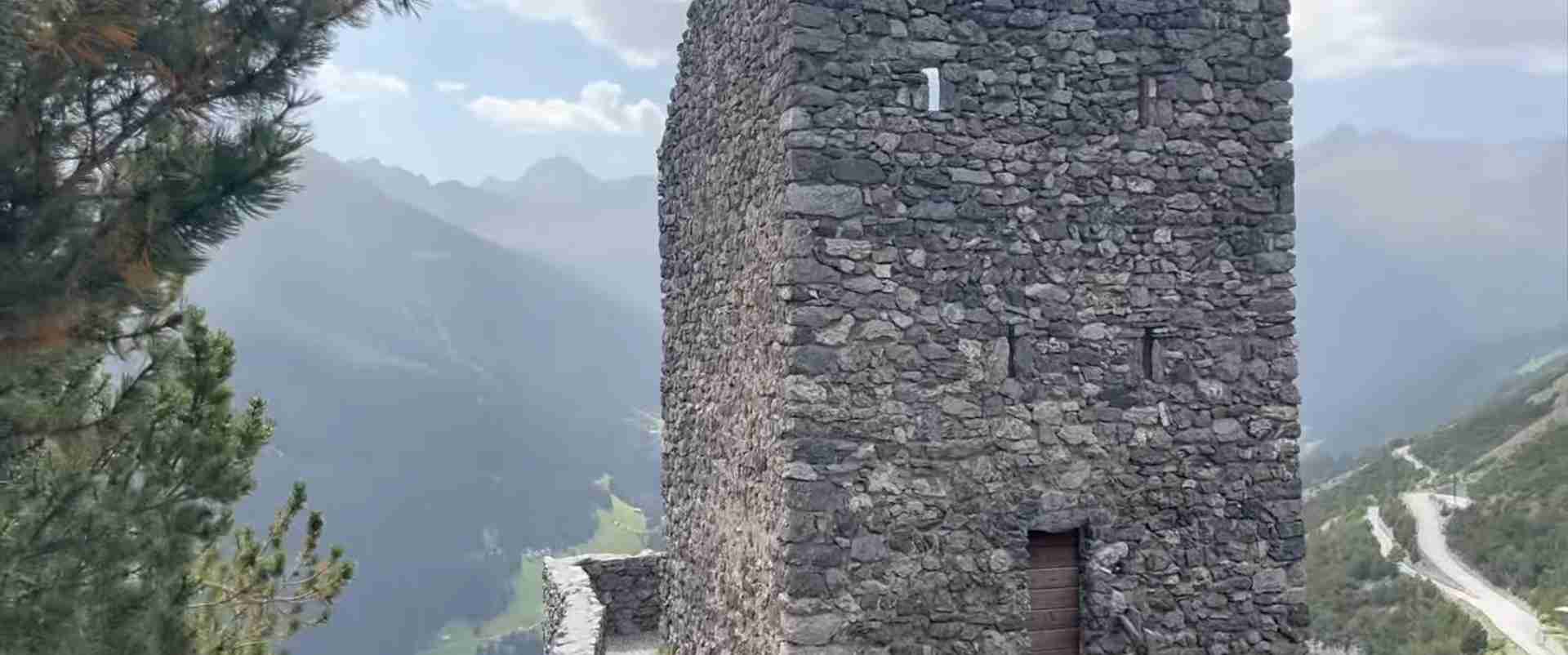
Livigno & Bormio Best Tours & Walking Routes 2026: Secret Spots & Lesser-Known Treasures
Tucked into the Italian Alps on either side of Valtellina’s highest ridge, Livigno and Bormio together form one of Europe’s most rewarding mountain walking destinations — yet the crowds that fill both resorts rarely stray beyond the main gondola base stations and spa receptions. This guide maps the best guided tours, tested self-guided walking routes, and genuinely overlooked corners of both resorts for summer 2026, from adventure trails threading through Mine Valley to ancient thermal grottos and a wild border valley that almost nobody walks.
Key Takeaways
- Outventure Alpine Guides runs a daily group excursion programme across Livigno’s high peaks from late June to mid-September at €35 per person; private mountain guide hire is available from €220 for a half day, dropping significantly per person in a group.
- Bormio’s summer gondola lifts reopen in 2026 after an extensive renovation (July 4–September 6), carrying hikers from the town centre up to Cima Bianca at 3,017m; a combined round-trip ticket costs €27 for adults, with up to 20% off when booked online in advance.
- Both resorts offer extensive free trail networks; Livigno’s 17-km valley-floor circuit and Bormio’s Reit foothill walk (6.5 km flat through larch forest) are stroller-accessible and need no ticket of any kind.
- Livigno and Bormio sit approximately 50 minutes apart by car via Foscagno Pass and Eira Pass, making a combined four-to-five-day walking trip practical from a single base in either resort.
- QC Terme Bagni Vecchi near Bormio offers a historic thermal wellness experience with 5-hour sessions from approximately €84 per person; the municipal Bormio Terme is a more accessible alternative at €28 for an adult full-day pass.
- Genuinely quiet corners — the Trepalle plateau, Viola Valley, and the Forcola Lakes high above Livigno — see far fewer visitors than the main resort areas even at peak summer, rewarding those who venture beyond the obvious routes.
People Also Ask About Livigno & Bormio Walking Routes 2026
What are the best guided tours and walking routes in Livigno and Bormio in 2026?
In Livigno, the Outventure Alpine Guides’ daily Livigno In Quota programme (€35 per person, running June 29–September 15) takes small groups to peaks including Monte Vago (3,059m), Monte Breva (3,103m), and the Paradisin Glacier (2,905m); the Mine Valley Avventurando adventure trail adds a via ferrata and suspended cable traverse for the same price. In Bormio, the best structured routes in 2026 use the reopened gondola system to reach Cima Bianca (3,017m) and the high-altitude Bei Laghetti lakes. For free self-guided walking, Livigno’s Federia Valley and Bormio’s Reit foothill circuit are consistently the strongest options among independent hikers, covering classic alpine terrain without the crowds that build after mid-morning. Check the official Outventure website and bormio.eu for the most current seasonal schedules before visiting.
How much do guided tours and gondola access cost in Livigno and Bormio in 2026?
Livigno group-guided excursions through Outventure cost €35 per person including Alpine Guide accompaniment and any technical equipment needed for the route; private guide hire starts at €220 for a half day for one person (€15 per additional person). The Mottolino gondola in Livigno offers a pedestrian round-trip ticket with lunch from €28, discounted to €26 when booked online in advance; a one-way MTB ticket starts at €13 (€12 online). In Bormio, a combined round-trip gondola from town to Cima Bianca costs €27 for adults (one-way €19); single-section rides from Bormio to the Bormio 2000 mid-station start at €13. Bormio’s lifts use dynamic pricing, so buying online in advance can save up to 20%. All prices are current for summer 2026; verify on official sites before travel as rates may vary through the season.
What secret spots and lesser-known trails near Livigno and Bormio are worth exploring in 2026?
Around Livigno, the plateau hamlet of Trepalle (2,069m) is one of Europe’s highest permanently inhabited settlements and sits only 6 km from the resort centre along the Foscagno Pass road — yet very few organised tours stop there. The Forcola Lakes above the Livigno Pass and the Black Lake (Lago Nero) in the Foscagno Pass area are similarly overlooked by mainstream itineraries. Around Bormio, the Viola Valley is the region’s best-kept walking secret: a genuinely wild, sparsely visited valley on the Swiss border that rewards a four-to-five-hour round trip with high-alpine wilderness and historic stone buildings on the valley floor. The Fraele Towers near Cancano Lake and Bormio’s medieval kuerc courtyard houses are two culturally distinctive stops that most visitors walk past without recognising.
When is the best time for walking tours in Livigno and Bormio in 2026?
The core walking season runs from late June through mid-September, with July and August offering the longest reliable dry-weather windows. Peak wildflower conditions typically arrive from late June to mid-July in both resorts, with high-altitude meadows above 2,000m particularly vivid. The Livigno In Quota guided programme runs June 29 to September 15; Bormio’s gondola lifts operate July 4 to September 6. Early September brings cooler days, shorter crowds, and crisper long-range visibility — often the overall best hiking conditions of the summer — but some higher mountain huts begin closing from mid-September. Visitors planning purely free self-guided valley routes can stretch the season from mid-June to early October with appropriate layering and sturdy footwear.
Extended multi-day tours – 5+ days
Featured Trentino Alto Adige Multi-Day Tour Packages
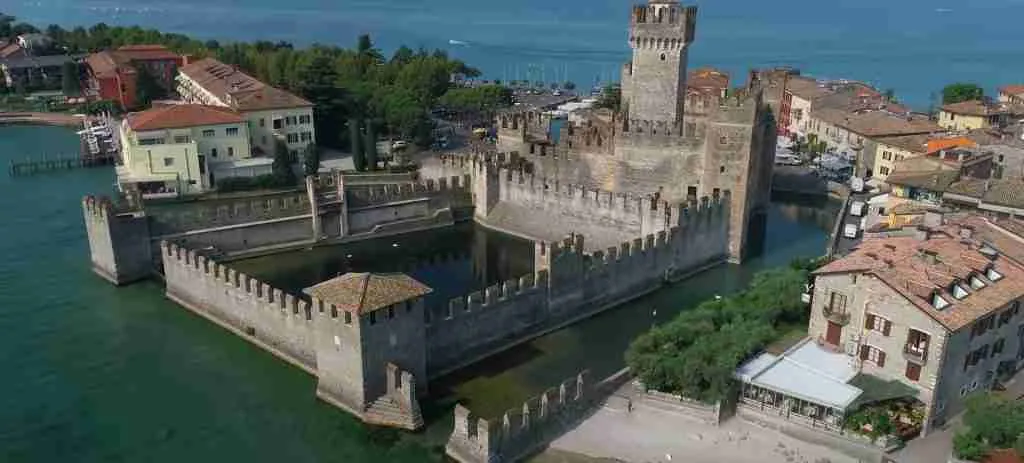
3 days
Trentino Alto Adige 3-Day Discovery Tour
- ✓ Comprehensive Trentino Alto Adige experience
- ✓ Expert local guides included
- ✓ All accommodation included
- ✓ Transportation provided
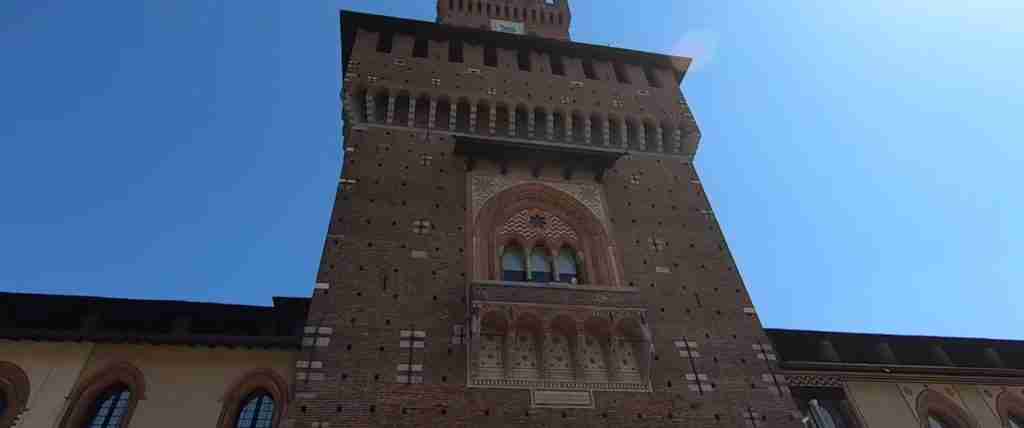
5 days
Trentino Alto Adige 5-Day Highlights Experience
- ✓ Comprehensive Trentino Alto Adige experience
- ✓ Expert local guides included
- ✓ All accommodation included
- ✓ Transportation provided

7 days
Trentino Alto Adige 7-Day Cultural Journey
- ✓ Comprehensive Trentino Alto Adige experience
- ✓ Expert local guides included
- ✓ All accommodation included
- ✓ Transportation provided
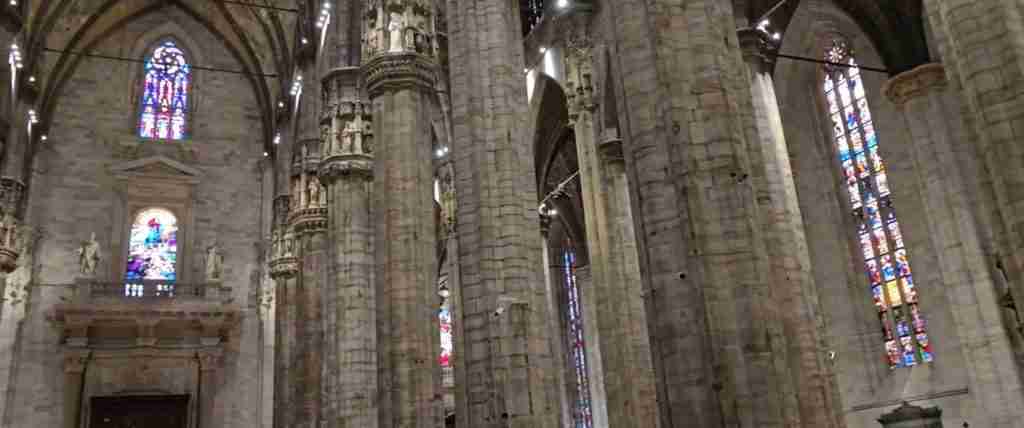
10 days
Trentino Alto Adige 10-Day Complete Adventure
- ✓ Comprehensive Trentino Alto Adige experience
- ✓ Expert local guides included
- ✓ All accommodation included
- ✓ Transportation provided
Multi-day tour packages powered by TourRadar. Prices and availability subject to change.
Two Alpine Resorts, One Walking Region 2026
Livigno and Bormio are neighbours by Alpine standards — barely 30 kilometres apart as the crow flies — but they feel like different worlds. Livigno occupies a long, unusually flat valley at 1,816 metres altitude, surrounded on all sides by peaks rising above 3,000m, with a duty-free status that owes itself to centuries of deliberate fiscal isolation. Bormio, 1,225m lower in the valley system, is a compactly medieval town with a thermal heritage stretching back to Roman times and immediate access to the Stelvio Pass road, one of the most dramatic mountain passes in the Alps. Together they cover complementary walking ground: Livigno gives walkers high-altitude starts and an immense free-roaming trail network, while Bormio offers lift-accessed summit terrain, a historic urban core worth exploring on foot, and two thermal spa complexes for end-of-day recovery.
The Stelvio National Park — Italy’s largest protected area — wraps around and into both resorts. Walking inside the park requires no ticket; the landscape is simply the terrain the trails pass through. Ibex, chamois, and golden eagles are regularly sighted on higher routes from both bases. Swiss National Park territory begins immediately across Livigno’s western border, accessible via the Munt La Schera road tunnel, giving the resort a second wilderness dimension that most Italian mountain towns cannot match.
The drive between the two resorts — roughly 50 minutes via Foscagno Pass (2,291m) and Eira Pass (2,208m) — is an attraction in itself: the road climbs above the treeline, crosses open plateau terrain, and descends through a completely different Alpine character on the Bormio approach. The journey is open to regular vehicles in summer but can be subject to closures in early-season or after late-summer storms; check local conditions before driving. A summer bus connection (Line 323) provides a public transport alternative at approximately 1.5 hours for those not renting a car; confirm current timetables with Regione Lombardia transport information before travel.
Summer 2026 carries additional significance for Bormio: the resort is an official venue for the Milano-Cortina 2026 Winter Olympics men’s downhill race on the Stelvio run, and the associated investment programme has delivered a renovated gondola network that reopens for summer hikers from July 4. Visitors in summer 2026 benefit directly from upgraded infrastructure on routes they would otherwise have found in partial operation.
The walking philosophy of both resorts rewards different approaches. Those who want structured days with expert local knowledge hire Alpine guides or join the programme excursions described in the sections below. Those who prefer to move at their own pace will find comprehensive GPS-tagged trail networks available free through both tourist offices, with clearly marked paths graded by difficulty and duration. And those willing to step slightly beyond the obvious routes will discover that significant mountain wilderness begins almost immediately — on an August weekday, the Forcola Lakes above Livigno and the Viola Valley above Bormio see a fraction of the visitors who crowd the gondola queues below.
Best Guided Tours in Livigno 2026
Livigno’s mountains are not technical climbing terrain, but they are seriously high: the daily group excursion programme regularly visits summits above 3,000 metres, reaching elevations where altitude fatigue can catch flat-landers off guard and where weather can change from warm sunshine to lightning-carrying cloud in under an hour. Hiring an Alpine Guide removes both of those risks. Guides know which valleys channel storm systems earliest, where the ibex move in August, and which ridge crossings are exposed in afternoon sun versus protected in morning. The cost — and the logistical simplicity — is hard to argue with at these prices.
Outventure Alpine Guides is the principal guiding operation in Livigno, operating from an office at the Carosello 3000 gondola departure station (hours 10:00–13:00, and 14:30–17:00 for group registrations). Phone and WhatsApp bookings: +39 371 3892480, 10:00–19:00. The programme runs from approximately mid-June to mid-October on request for private tours, and from June 29 to September 15 for the daily group programme described below.
Livigno In Quota: Daily Group Excursions
The centrepiece of the guided offer is the Livigno In Quota programme, which runs every day from June 29 to September 15, 2026. The price is €35 per person, including Alpine Guide accompaniment throughout; groups of four or more qualify for a 10% reduction. Departure is at 8:45 AM from various car park meeting points across the resort (specific location varies by destination — confirmed when booking). Return is typically around 4:30 PM.
The destination rotates daily, ensuring that repeating visitors cover different terrain each time. A sampling of the programme’s peak-season destinations illustrates the range available: Pizzo Orsera (3,032m), an aerial ridge walk with Swiss glacier views; Monte Vago (3,059m), a broad summit popular for its 360-degree panorama; Monte Breva (3,103m), the highest regularly visited point on the calendar; the Paradisin Glacier (2,905m), where permanent ice field is reached across alpine terrain; the Forcola Lakes area (Piz Minor, 3,048m), combining high-altitude lake scenery with a summit; Black Lake (Lago Nero) and Monte Rocca (2,810m), a more accessible option with dramatic lake reflections; and Nera Valley combined with Mine Valley (2,945m), a route through two of Livigno’s finest side valleys. Sundays frequently feature the Carosello 3000 gondola ascent as a route component, reducing early-morning climbing time and opening the longer summit options.
Book by 18:30 the previous evening — either at the Outventure office during afternoon hours or by phone. The programme requires minimum numbers to run; Saturday and Sunday slots fill fastest, especially in August. Early June and September slots are usually available with 24–48 hours notice even during peak summer.
Avventurando: Mine Valley Adventure Trail
The Avventurando route in Mine Valley is Livigno’s most distinctive guided outdoor experience and one of the few in the Alps that genuinely earns the word “adventure” at this price point. The trail threads through a steep-sided gorge above the Mine Valley stream, using a short via ferrata section, suspended cableways crossing the canyon, ford crossings, balance courses, and scrambling passages. Duration is approximately two hours. The route is suitable from age six, with a family ticket (two adults plus up to two children maximum age 16) priced at €95; individual entry is €35, the same as a full-day summit excursion. Harness, helmet, via ferrata kit, and pulley systems are all provided and included in the price.
Departure times give walkers flexibility: 9:30 AM, 11:45 AM, and 2:30 PM slots are available. The meeting point is the Mine Bridge hut at the entrance to Mine Valley (car park P6 at Tresenda). Avventurando runs on alternating days through the main season — typically three days per week — so check the published calendar when booking. Minors must be accompanied by at least one parent.
Private Mountain Guide Hire
For families with young children, groups with mixed fitness levels, or visitors who want an itinerary tailored to a specific valley or summit, Outventure arranges private guided excursions on request every day from mid-June to mid-October. The pricing structure is: half day (three to four hours, morning or afternoon) at €220 for one person plus €15 for each additional person; full day (over four hours) at €280 for one person plus €20 for each additional person. A group of four sharing a private half-day guide pays approximately €65 per person — slightly less than the public programme rate, with the added advantage of a custom itinerary.
Notable private programme options include a sunset hike to Vago Lake (2,687m) at €200 for one person plus €15 each additional, with turquoise glacial waters and optional dinner at the mountain hut on descent; and the Monte Campaccio summit (3,007m) via Carosello 3000, priced at €290 for one person plus €30 each additional, with the Carosello 3000 gondola ticket already included in the price. The Campaccio route ascends the aerial northeast ridge of the mountain — dramatically exposed terrain with sweeping views toward the Swiss Engadin — and is rated suitable for good walkers from age 14. On Sundays, an optional early gondola at 6:30 AM allows the summit to be reached for sunrise, a genuinely uncommon alpine experience available at accessible cost.
Horse-Riding and Carriage Tours
Tresenda farm in Livigno offers guided horse-riding tours through the valley meadows and lower forest paths, with both private lessons and group excursions available. For families or travellers who prefer a slower pace through the landscape, Livagea also operates historic wooden-carriage rides in summer — the carriage itself is over 100 years old. Booking for both through the Livigno tourist office (livigno.eu) or directly with the operators; confirm 2026 availability and current pricing directly with each.
Top Self-Guided Walking Routes in Livigno 2026
Livigno’s official trail network covers approximately 3,200 km of GPS-tracked paths, ranging from the valley-floor circuit accessible in flip-flops to technical ridgeline routes demanding full alpine kit. GPS files are available free from livigno.eu. Below are the best options for visitors who prefer to walk independently.
The Valley-Floor Circuit: 17 km, Free, No Elevation
The 17-kilometre pedestrian and cycling path that rings the Livigno valley floor is the resort’s most accessible route and, despite its flat character, one of the most rewarding for understanding the scale of the surrounding landscape. The path follows both sides of the valley, connecting Livigno’s various districts with picnic areas at regular intervals. It is open throughout the season, takes approximately four to five hours at a walking pace, and can be shortened at any point. The flat gradient makes it genuinely suitable for pushchairs, elderly walkers, and those recovering from previous-day exertions at altitude. Evening light along the valley is particularly striking, as the surrounding peaks catch alpenglow well after the valley floor falls into shade.
Federia Valley: Glacial Cirque and High-Alpine Lake
Federia Valley cuts into the mountains south-west of the main Livigno valley, climbing from the village area through increasingly open terrain toward a glacial cirque that holds a high-altitude lake. The approach through the lower valley passes traditional summer farm buildings and requires no technical equipment; the upper section steepens as the landscape opens into classic high-alpine scenery with permanent ice visible on the enclosing ridges. The round trip is a moderately demanding half-day to full-day undertaking depending on how far into the upper valley walkers venture; exact distances and timings vary with route choice, so download the GPS track from livigno.eu and plan according to your group’s pace. The valley is at its most dramatic in early-to-mid July when snowmelt streams are in full flow and wildflowers cover the lower meadows.
Nera Valley and Mine Valley: North-Side Wilderness
North of the main resort, Nera Valley and Mine Valley offer the widest alpine wilderness within easy reach of the village. Nera Valley features a waterfall in its lower section, visible from the approach path, and climbs into terrain used by the Livigno In Quota programme for its higher summit days. Mine Valley is the setting for the Avventurando guided trail (described above), but its lower sections — before the via ferrata — are accessible to independent walkers and offer dramatic canyon scenery with the valley stream rushing below sculpted rock faces. Both valleys are quieter than the gondola-accessed terrain on the south side of the resort and reward walkers who commit to an early start.
Alpisella Valley: Pastoral and Peaceful
Alpisella Valley extends north-east from Livigno, following a gentler character than the wilder side valleys. The valley floor retains active summer farming, and the path through it passes cheese-producing mountain farms where purchases can sometimes be made directly. The upper Alpisella Valley approaches the Swiss border terrain, and the walking here has a different, quieter quality than the more dramatic ridgelines. This is an excellent option for walkers who want distance and scenery without elevation stress.
La Corta: Walking Up to Mottolino Without the Gondola
For those who want the reward of the Mottolino high-altitude plateau under their own steam, the La Corta trail connects the village to the Mottolino gondola top station and the M’eating Point mountain hut complex on foot, beginning at the Mottolino headquarters. The climb is real — the gondola rises to 2,396m from a village at 1,816m — but at 580m of elevation gain it is well within reach of most regular walkers in two to three hours. The trail descends back on the gondola or continues further along the high-altitude route network from the top station.
Secret Spots and Hidden Corners of Livigno 2026
Livigno’s most interesting layer is invisible to visitors who spend their time between the main street and the gondola bases. The following spots require no special equipment and minimal extra time — but none of them appears on the standard resort maps handed out at check-in.
Trepalle: Europe’s Highest Inhabited Plateau
Six kilometres from the Livigno resort centre along the road toward Foscagno Pass, a small road branches onto a plateau at 2,069m altitude where the hamlet of Trepalle sits in near-complete quiet. Trepalle is one of Europe’s highest permanently inhabited settlements — a handful of stone buildings, a working farm or two, and the tiny church of San Giacomo, whose interior frescoes and simple bell tower have served this high-altitude community for centuries. In July and August, wildflowers cover the surrounding meadows in concentrations rarely seen at lower altitudes, and the plateau offers unobstructed views back toward the main Livigno valley and across toward the Swiss peaks. The hamlet sees virtually no tourist traffic despite its proximity to one of Italy’s most visited mountain resorts. Reaching it requires only a short detour from the Foscagno Pass road by car or bicycle, or a pleasant 1.5-hour walk from the edge of Livigno. No entry fee, no booking required.
The Forcola Lakes and Livigno Pass Area
The high ground around the Livigno Pass (Forcola di Livigno, 2,315m) holds a series of small alpine lakes — the Forcola Lakes — scattered across a landscape of granite boulders, snowmelt streams, and wind-sculpted heath. This terrain is visited by the Livigno In Quota programme on its Laghi Forcola–Piz Minor (3,048m) excursion day, but independent walkers can also reach the lower lake cluster from the Livigno Pass road. The area also marks the Italian-Swiss border at this point, with genuinely remote terrain on both sides. Early morning visits, before any guided groups arrive, offer the best chance of complete solitude and wildlife sightings.
Black Lake (Lago Nero) and Monte Rocca: The Foscagno Plateau
Black Lake sits at 2,810m in the high terrain above the Foscagno Pass, reached via a trail that begins from car park P13 near the pass itself. The lake’s dark, cold waters reflect the surrounding ridgeline on calm days, and the surrounding plateau terrain is wide and open, giving an unusual sense of space rarely found at this altitude in the Alps. Monte Rocca forms the visual backdrop and is reachable by experienced walkers continuing beyond the lake. This is a Livigno In Quota destination but also one of the more accessible independent routes to genuinely high-altitude scenery, since the Foscagno Pass road removes most of the elevation work from the car park.
The Old Smugglers’ Paths and Swiss Border Routes
Livigno’s peculiar fiscal status — it remains outside the European Union customs territory — has historical roots in the valley’s deliberate isolation behind Alpine passes. For centuries before the modern road era, its residents supplemented subsistence farming by carrying untaxed goods across high passes into Switzerland and Austrian-controlled Valtellina, using a web of mule tracks that crossed the surrounding mountains at every navigable point. Several of these historical routes survive as marked paths today, including crossings toward the Swiss Engadin via the Livigno Pass and connections to the Swiss National Park terrain via the Munt La Schera area. Walking these routes adds a layer of human history to what is already exceptional mountain scenery; the contrast between the utterly empty high terrain and the busy resort visible far below in the valley is striking.
San Rocco: The Hilltop Church Above the Valley
The Church of San Rocco occupies a small hilltop above the Livigno valley with panoramic views down the resort and toward the surrounding peaks. It is among the oldest ecclesiastical buildings in the area and sits a short walk above the village on a path that most visiting skiers and hikers simply never discover. The church itself is modest, but the viewpoint from its approach path is excellent and the walk takes under 30 minutes from the village. It is consistently overlooked in favour of the gondolas and makes a very good early-morning or late-evening short excursion when the light is at its best over the valley.
Gondola-Accessed Alpine Walking in Livigno 2026
Livigno operates three gondola systems in summer, each serving a different area of the surrounding mountains. Together they give walkers access to terrain between roughly 2,100m and 3,000m without needing to earn the elevation on foot, making genuinely high-alpine walking accessible even to those who are fit but not conditioned for sustained climbing.
Mottolino Gondola: June 13–September 27, 2026
The Mottolino gondola is the most active summer lift in Livigno, running daily from June 13 to September 27, 2026, between 9:00 AM and 4:40 PM. Its 10-seat cabins carry walkers and mountain bikers from the Mottolino headquarters (a short walk or shuttle from the village centre) to the top station at 2,396m in under ten minutes. At the top, the M’eating Point mountain hut complex offers bar, restaurant, and a summer barbecue terrace — a new addition from 2023 — with views across to the Swiss glacier terrain.
From the top station, signed walking routes include the Crap de la Paré route (a traverse along an impressive rock face), the Mont da la Néf walk (a longer ridgeline route through terrain that holds late-season snow well into July), and connections into Mine Valley’s upper sections. Pedestrian ticket options include a one-way ride for walkers who intend to descend on foot, a round-trip ticket, and a round-trip-with-lunch package (from €28 at the ticket office, €26 online). Online purchase is recommended both for the price advantage and to skip the ticket office queue on busy days. Dogs ride free; disabled access is available at both base and summit stations.
Carosello 3000: June 20–September 13, 2026
Carosello 3000 provides lift access to the southern mountain group above Livigno, including the approach to Monte Campaccio (3,007m) — the primary destination for Outventure’s guided Monte Campaccio summit excursion. The gondola runs from June 20 to September 13, 2026. At the Carosello 3000 upper station, the Outventure office (open 10:00–13:00) is the booking and meeting point for most guided excursions. Independent walkers who take the gondola up can explore the extensive trail network from the high station on their own account; trail signs and difficulty grades are clearly marked at the station.
Sitas Mountain Park: July 1–August 31, 2026
Sitas operates for two months only and covers easier high-mountain terrain compared to the other two systems. It is the most suitable lift for families with younger children who want altitude without demanding terrain, and for walkers looking for meadow and lake scenery rather than summit routes. The combined ski-area pass covering Mottolino, Carosello 3000, and Sitas is available for multi-day visitors who plan to use multiple systems; confirm the 2026 summer bikepass/walkpass pricing at skipasslivigno.com.
Walking Bormio’s Historic Centre 2026
Bormio is not merely a mountain resort with a good spa. It is one of upper Valtellina’s most complete medieval towns, with a historic centre that rewards a full morning of careful exploration on foot and carries architectural details unique to this part of the Alps. Admission to the streets and lanes themselves is free at all hours; a few specific museums and churches may have entry fees, which should be confirmed at the local tourist office in Piazza Cavour before visiting.
The Kuerc: Bormio’s Most Distinctive Architectural Tradition
The dominant architectural feature of Bormio’s historic centre is the kuerc (plural kuerchi): a system of enclosed courtyard houses in which a covered passageway and an internal loggia organize the domestic space around a central covered area. The word is traditionally derived from the Latin cooperculum, meaning a cover or lid, referring to the covered nature of the central space, though this etymology should be understood as traditional rather than definitively established. The kuerc typology is found throughout upper Valtellina but reaches its finest expression in Bormio, where several examples survive in near-complete form. Walking through the sotoportici — the archway passages that connect the covered internal space to the street — and emerging into the loggia courtyards offers an architectural experience specific to this valley. No ticket is needed; the historic centre is a living neighbourhood and the passages are open to the public.
The best cluster of kuerc buildings is found between Via Roma, Via Buona Fortuna, and the lanes behind the Collegiate Church. A free walking map with the main kuerc locations is available from the tourist office at Piazza Cavour. Allow at least 90 minutes to walk the old town thoroughly, including time to look up at the carved lintels, frescoed facades, and exterior staircase details that the main street does not reveal.
The Collegiate Church and Historic Towers
The Bormio Collegiate Church anchors the historic centre; its foundation dates to at least the early medieval period, and the current structure incorporates elements from several subsequent centuries of building and rebuilding. The exterior loggia and the apse decorative details are among the most photographed elements. Bormio’s medieval fortifications left a legacy of stone towers that punctuate the historic skyline — visible from most approach streets into the centre. Check current visiting hours for interior access to the church with the tourist office, as these vary seasonally.
Via Crucis: The Processional Route Above the Town
Rising from the edge of the historic centre, the Via Crucis (Way of the Cross) is a processional route climbing the hillside above Bormio through a sequence of chapel stations. The uphill walk takes 20–30 minutes, and the viewpoint from the upper station looks back over the historic roofline, the valley, and the surrounding mountain walls. The route follows an established devotional path — a type found across the Italian Alpine arc — but its practical function here doubles as one of the best viewpoints accessible on foot from the town without any lift ticket. Combine it with the kuerc walking tour for a full morning’s exploration of Bormio without spending anything.
Bormio Civic Museum and Mineralogical Museum
Two small museums in the historic centre serve as useful context for visitors who want to understand the valley’s geological and human history before heading out to walk it. The Bormio Civic Museum covers the town’s history from pre-Roman through medieval periods, with exhibits on the thermal heritage and the alpine trade routes that made Bormio prosperous. The Mineralogical and Natural History Museum focuses on the geology and natural history of the Stelvio National Park region. Confirm current opening hours and entry fees directly with each museum before visiting, as seasonal hours can vary.
Hiking Around Bormio 2026
Beyond the historic centre and the gondola-accessed high terrain, Bormio sits at the entry point to a series of valley walks and longer routes that range from completely flat family excursions to a demanding multi-hour wilderness hike on the Swiss border. The following routes require no gondola ticket and can be started directly from or near the town.
Reit Foothill Walk: 6.5 km, Flat, Stroller-Accessible
The Reit foothill walk is the single best easy walking route in the Bormio area and one of the finest family trails in the Italian Alps. The path runs for approximately 6.5 km through a magnificent larch forest on the lower slopes above the Stelvio Pass road, flat for almost its entire length, with a picnic area at the Reit plain roughly halfway. The starting point is the Pravasivo car park, a few kilometres from Bormio along the road toward the Stelvio and Bagni Nuovi di Bormio — the thermal hotel complex that sits along the same valley. The larch forest canopy provides welcome shade on hot days, the path surface is firm and even, and the route is genuinely navigable with a pushchair or for elderly walkers. In October, the larch needles turn vivid gold, making this one of the most spectacular autumn walks in northern Italy, though that falls outside the main resort season.
Reit Cross: 2,132m Summit, 2.5 Hours from Town
For walkers wanting a more substantial ascent from Bormio on foot, the trail to the Reit Cross (2,132m) begins from behind Via Castello in the town itself and climbs through the Stelvio National Park forest before opening onto higher ground. The route takes approximately two and a half hours of steady uphill walking to reach the cross, which stands on a rocky promontory above the town with panoramic views back over Bormio and toward the main valley. The path follows a historically used route through the mountains — described in local sources as of military origin — making it one of those trails that carries traces of human use beyond simple recreation. Return by the same path.
Cancano Lakes and Fraele Towers: A Half-Day Excursion
The Cancano Lakes are two artificial reservoirs created in the early twentieth century for hydroelectric production, occupying a high valley that branches from the main Stelvio road approximately 7 km from Bormio. On a calm day the water surface reflects the surrounding mountain walls with perfect clarity. The lake shores are flat and walkable, with the complete circuit taking two to three hours. Most visitors arrive by car at the upper lake parking area and walk from there, though the road up the Fraele Valley is also rideable by bicycle.
The Fraele Towers — a pair of medieval stone towers on a rocky promontory above the lower lake — are the outstanding cultural feature of the excursion and among the most evocative medieval structures in Valtellina. The towers were part of a fortification system controlling passage through the valley; their strategic position on the promontory is immediately clear from below. A short walking track leads up to and around the towers from the road. The towers and lake area are free to visit. No facilities beyond basic parking exist at the site; bring water and food.
Viola Valley: The Serious Secret Walk
For walkers willing to commit to a four-to-five-hour round trip on genuinely demanding terrain, the Viola Valley on the Swiss border is the finest and least-visited walking destination in the entire Bormio area. The valley begins above Bormio near the hamlet of Oga and climbs steeply through forest before opening into a wide, high-alpine basin that crosses toward the Swiss canton of Graubünden (Grisons) and the Val Müstair on the far side of the ridge. The valley floor holds old stone mountain buildings — some restored as seasonal shelter — and the transition from enclosed forest to open alpine meadow happens at a point where ibex and chamois are regularly seen. Very few organised tour groups venture into Viola Valley; on a weekday even in August, significant stretches of the route are completely empty. This is a route for walkers who are fit, carry navigation capability (download the GPS track from bormio.eu before setting out), and have proper trail footwear.
Rezia Alpine Botanical Garden: Livigno and Bormio
Near Bormio, the Rezia Alpine Botanical Garden displays a labelled collection of Stelvio National Park plant species in a natural mountainside setting — an excellent orientation to the flora visitors will encounter on the higher routes. The garden is typically open through the summer walking season; confirm current hours and any entry fee with the Bormio tourist office before visiting. For wildflower enthusiasts, this is the most efficient introduction to what they will see on the Reit or Cancano routes without the effort of identification in the field.
Bormio Lift-Accessed Mountain Walks 2026
Bormio’s gondola network occupies Mount Vallecetta and runs from the town centre up through three stages to Cima Bianca at 3,017m. The system was fully renovated ahead of the Milano-Cortina 2026 Winter Olympics (where the Stelvio downhill run serves as the men’s speed venue) and reopens for summer walking from July 4 to September 6, 2026. Children born in 2019 or later ride free with a paying adult.
The Lift System and 2026 Prices
The gondola carries walkers from the Bormio valley floor to Bormio 2000 (1,945m) with a one-way adult ticket of €13 and a round-trip of €18. From Bormio 2000, the chairlift to Cimino (2,636m) adds €9 one-way or €13 round trip for adults. The cable car from Bormio 2000 to Cima Bianca (3,017m) costs €13 one-way or €18 round trip. The combined ticket from Bormio town directly to Cima Bianca runs €19 one-way or €27 round trip for adults, making a full-day ascent to the summit station and return a straightforward single-ticket purchase. Dynamic pricing applies: buying online in advance through bormioski.eu saves up to 20% on the listed rates. Junior tickets (born between 2011 and 2018) are approximately 35% lower across all rides.
Bormio 2000 and Cimino: Mid-Mountain Walking
Bormio 2000 serves as the starting point for several self-contained walking routes that do not require the further ascent to Cima Bianca. The mid-mountain terrain here transitions from upper forest into the first alpine meadow zone, with mountain huts offering food and rest. From Cimino (2,636m), reached by the chairlift, a network of panoramic ridge walks opens up, with views reaching across to the main Stelvio National Park massif on clear days. These mid-mountain routes are appropriate for walkers who want altitude without committing to the full Cima Bianca ascent.
Cima Bianca: Bei Laghetti and Profa Lakes at 3,017m
The outstanding destination for gondola-accessing hikers is Cima Bianca (3,017m) and the trail network radiating from its summit station. Below the high point, the Bei Laghetti — a series of small alpine lakes — sit in a landscape of streams, late-season snowfields, and high pasture that is unlike anything accessible without a long approach climb elsewhere in the area. The Profa lakes nearby offer similarly pristine scenery. Walking between the lakes and back to the cable car station takes one to two hours depending on pace and the route taken; the terrain is open and the footing is generally good, though mountain footwear is strongly recommended as the ground can be wet and the rock surfaces slippery after rain. The views from this altitude — across the Stelvio Pass area, toward the Swiss Engadin, and down the Valtellina — are some of the finest accessible by gondola in the Italian Alps.
Bike Park: July 18 Onward
For visitors combining walking days with mountain biking, Bormio Bike Park opens from July 18 (closed Mondays). Day bike passes start at €34 for adults (€28 for a four-hour morning or afternoon session). The 3 Gondole circular e-bike or mountain-bike route — a 66-km loop connecting Bormio, Santa Caterina Valfurva, and Isolaccia via three cable car systems — is available for those who want a full riding day across the Stelvio National Park region; confirm lift compatibility and current route status at bormioski.eu before attempting this route.
The Thermal Wellness Walking Route 2026
Bormio’s thermal waters are the resort’s oldest attraction. The springs have been used since at least Roman times — documented in accounts from the ancient world — and among the historical figures said to have made the journey to these waters was Leonardo da Vinci, who is traditionally credited with having recorded the Bormio area springs in his notebooks during his Alpine travels in the late 15th century, though scholars differ on precisely which source he visited. What is certain is that the springs have served travellers, merchants, and military forces crossing the Stelvio region for well over two thousand years, and that the current spa infrastructure preserves genuine Roman-era chambers alongside modern wellness facilities.
In 2026, two distinct thermal bath establishments cater to different budgets and expectations — and both fit naturally into a walking day that uses the Reit foothill path or the Bormio town walking route as a warm-up.
QC Terme Bagni Vecchi: Ancient Grottos and an Infinity Pool
QC Terme Bagni Vecchi is situated in the narrow gorge of the Valdidentro valley, 4 km from Bormio along the Stelvio Pass road, carved into a cliff face that the Romans first exploited and that subsequent generations expanded over two millennia. The spa experience moves through named historic spaces — thermal Roman grotto pools, the San Martino sweating cave (a natural steam chamber cut from rock), the Archduchess pool with its mountain-framed view, and an outdoor panoramic infinity pool suspended above the valley with a view that extends toward the Stelvio range. Robe, towel, and slippers are included in the entry ticket; massages, treatments, and restaurant meals are charged separately. An exclusive evening aperitif (the Aperiterme) is included for those arriving for evening sessions.
Entry for 2026: a 5-hour daytime session runs approximately €84 per person based on recent visitor reports; full-day and evening tickets are priced differently, and seasonal fluctuations apply. Check qcterme.com for the current price schedule before booking, as the official rate card uses a dynamic structure with higher rates on weekends and peak summer dates. Advance booking is not just recommended but effectively required for weekends and Italian public holidays — the spa has limited capacity and sells out regularly. Children under 14 are not admitted to the thermal wellness area. The spa is closed on Sundays; on weekdays it opens at 11:00 AM and runs to 10:00 PM. Parking is limited at the site; arriving early or using a taxi/transfer from Bormio avoids the parking problem on busy days.
Bormio Terme: The Public Thermal Alternative
For visitors travelling with children, those who prefer an active spa over a contemplative wellness experience, or simply those for whom QC Terme’s price point is prohibitive, the municipal Bormio Terme is a compelling alternative. Located in the town itself, it offers indoor and outdoor thermal pools fed by the same natural spring system, a 60-metre water slide, a wellness zone (entry for visitors aged 16 and over), relaxation areas, and a poolside bar. Adult day entry costs €28; junior and over-65 rates are €22; a family ticket for two adults and one child runs €58, and two adults with two children costs €74. A 2.5-hour short session is available for adults at €22. The facility is family-operated in terms of atmosphere and genuinely suitable for mixed groups — unlike Bagni Vecchi, there is no age minimum for the pools.
The Reit-to-Terme Walking Combination
The most natural pairing of physical and thermal activity in the Bormio area uses the Reit foothill walk as the morning component: the Pravasivo car park start point is along the same valley road as QC Terme Bagni Nuovi (the sister establishment to Bagni Vecchi, also operated by QC Terme). Walk the flat 6.5 km Reit path in the morning, then drive or walk the short remaining distance to Bagni Vecchi for an afternoon session. This combination fills a full day satisfyingly and splits the expenditure between a free walk and a single-entry spa ticket, making the overall day cost significantly more manageable than attempting both paid attractions.
Family Walking and Easy Routes 2026
Both Livigno and Bormio have invested in making mountain access genuinely inclusive for families with young children. The following options require minimal fitness and no specialist equipment.
Livigno: Valley Floor, Gondola, and Summer Camp
The 17-km valley-floor circuit described earlier is the natural starting point for families visiting Livigno. Multiple picnic areas dot the route, the surface is firm throughout, and the full loop can be shortened to a simple out-and-back at any point. The Mottolino gondola is accessible to families without height restrictions on the pedestrian side; the M’eating Point hut at 2,396m has a children’s playground area, and the restaurant offers straightforward mountain food. Dogs ride the gondola free.
For families who want the children occupied while adults take a more demanding guided excursion, the Mottolino Summer Camp runs from July 3 to September 3 (excluding Thursdays), 9:00 AM to 4:00 PM, for children aged 3–12. Activities include outdoor games, creative workshops, nature exploration, and altitude activities supervised by resident staff. Contact Mottolino directly for 2026 pricing and booking; places are limited and fill fast in August.
Bormio: Free Lifts for Young Children and Flat Alternatives
Children born in 2019 or later ride Bormio’s entire gondola system free when accompanied by a paying adult — making the Cima Bianca (3,017m) ascent effectively free for the youngest family members. Bei Laghetti lakes are genuinely safe terrain for children old enough to walk independently, with no exposed scrambling required to reach the lake area from the gondola top station.
On the ground, Cancano Lake’s flat shore path makes an excellent family outing — the combination of mountain reflections in still water and the visual drama of the Fraele Towers on their promontory is immediately engaging for children without requiring any uphill effort. The Reit foothill walk, with its firm larch-forest path and midpoint picnic area, is the safest option for very young walkers or pushchairs.
Sample Walking Itineraries for Livigno and Bormio 2026
Three Days in Livigno: Guided Programme Plus Independent Routes
Day 1 — Valley Orientation and Federia Valley. Morning: walk the valley-floor circuit or a portion of it to orient to the surrounding landscape and locate the gondola bases, trailhead car parks, and the Outventure booking office at Carosello 3000. Afternoon: take the Federia Valley path from the village area, climbing to the first alpine meadow zone for views back over the resort. Return by the same path in time for dinner.
Day 2 — Livigno In Quota Group Excursion. Pre-book at Outventure the previous evening by 18:30; confirm the destination and meeting point. Depart 8:45 AM and spend the day on a guided ascent to one of the high peaks or glacier routes — Monte Vago (3,059m) or the Paradisin Glacier (2,905m) depending on the day’s programme. Return approximately 4:30 PM. This is the day to see the landscape at altitude with someone who knows where the ibex graze and when the clouds come in.
Day 3 — Mottolino Gondola and Mine Valley Adventure. Morning: take the Mottolino gondola to 2,396m (buy online the night before for the €26 discounted rate); walk the Crap de la Paré traverse or the Mont da la Néf route from the top station. Return to the gondola base for lunch. Afternoon: join the 2:30 PM Avventurando session in Mine Valley (€35, book by phone or at the Carosello 3000 office in the morning). The via ferrata-and-cable adventure is a genuinely different physical experience from the morning’s ridge walking. Full day cost per person: approximately €61 (gondola + Avventurando, lunches and accommodation additional).
Three Days in Bormio: Town, Altitude, and Wellness
Day 1 — Historic Centre and Reit Foothill Walk. Morning: two-hour self-guided tour of Bormio’s historic centre, collecting the free kuerc walking map from the tourist office at Piazza Cavour. Focus on the kuerc courtyard system, the Collegiate Church exterior, and the Via Crucis viewpoint above the town. Afternoon: drive to the Pravasivo car park and walk the Reit foothill path (6.5 km flat, through larch forest, picnic possible at the Reit plain). Return to town for dinner. Full day cost: free.
Day 2 — Cima Bianca and Bei Laghetti Lakes. Buy the combined Bormio–Cima Bianca round-trip ticket online the previous evening (€27 adult; children born 2019 or later free). Take the gondola from town to Bormio 2000 (1,945m) and continue via cable car to Cima Bianca (3,017m). Walk the trail network to Bei Laghetti and Profa lakes, exploring the high-altitude lake landscape for two to three hours before descending. Return to town by gondola. This is the most spectacular single day available in the Bormio area without a guiding fee. Full day cost per adult: €27 (gondola); younger children free.
Day 3 — Cancano Lakes and Thermal Afternoon. Morning: drive 7 km up the Fraele Valley road to the Cancano Lakes parking area. Walk the lake shore, visit the Fraele Towers, and explore the valley floor on foot (two to three hours, free). Drive back to Bormio for lunch. Afternoon: QC Terme Bagni Vecchi (5-hour session approximately €84; book in advance at qcterme.com) or Bormio Terme (€28 adult day entry) depending on budget and whether children are in the group. Full day cost per adult: approximately €28–84 plus meals.
Five Days Combined: Livigno and Bormio
Days 1 and 2 in Livigno as above. On day 3, check out of Livigno accommodation after breakfast and drive the 50-minute route via Foscagno Pass and Eira Pass to Bormio — the drive itself is worth an early start for the pass-top scenery. Arrive in Bormio by noon, walk the historic centre in the afternoon, and settle into accommodation. Days 4 and 5 in Bormio as the three-day itinerary above, compressed to two days by prioritising the gondola day and the thermal day. This five-day structure gives a complete picture of both resorts across a single trip with no repeated overnight location.
Practical Guide to Planning Your Walks and Tours 2026
Getting Between Livigno and Bormio in 2026
The standard car route follows the SS301 from Livigno to Foscagno Pass (2,291m), then descends via Eira Pass (2,208m) and the main Valtellina valley road to Bormio — approximately 50–60 minutes in normal summer conditions. The road is paved throughout and open to regular vehicles but rises above 2,200m, which means early-season snowfall (typically before mid-June) can cause temporary closures; check viabilitaitalia.it or the local weather services before travelling in June. A summer bus connection on Line 323 runs between Bormio and Livigno (approximately 1.5 hours); confirm current 2026 timetables and stop locations with regional transport services before relying on it for schedule-sensitive connections.
What to Pack for Mountain Walking
Both resorts demand the same basic kit regardless of which route is planned. A waterproof layer is non-negotiable even on forecast-sunny days — the mountains generate their own afternoon thunderstorm patterns from July onward, typically building between 1:00 PM and 3:00 PM. Sturdy trail shoes with ankle support are minimum requirements for any route above the valley floor; sandals and canvas trainers are appropriate only on the 17-km valley circuit in Livigno. Carry at least 1.5 litres of water per person for a half-day outing and 2.5+ litres for full-day routes; natural water sources exist on most trails but should not be relied upon in dry periods. Sun protection at these altitudes is significantly more critical than at sea level — UV exposure increases roughly 10% per 1,000m of altitude gain.
Booking Tips and Advance Planning
For Outventure guided tours, book daily programme excursions by 18:30 the previous evening; the office is open 14:30–17:00 for in-person registration at Carosello 3000. For QC Terme Bagni Vecchi, book as far in advance as possible for weekend visits — the spa regularly sells out on Saturdays and Italian holidays. For Bormio gondola lifts, buy online at bormioski.eu for up to 20% off on the dynamic rate; dynamic pricing means the earlier you buy, the lower the price on any given day. For the Mottolino gondola, online booking at mottolino.com saves a small amount on the pedestrian round-trip ticket. None of the free routes (valley-floor path, Reit walk, historic centre, Cancano Lakes, Reit Cross) require any advance booking or ticket at all.
Duty-Free Shopping in Livigno: A Practical Walking Benefit
Livigno’s exemption from EU customs duties makes it a materially useful place to purchase outdoor gear before a multi-day walking trip. Sunscreen, waterproof clothing, trekking poles, water bottles, and trail footwear are all priced noticeably lower than in the rest of Italy or in Switzerland. The main shopping street runs through the valley; stock up on kit here rather than at standard Italian resort prices before heading to Bormio for the second half of a combined trip.
Weather and Safety
Mountain weather in both resorts follows a summer pattern of stable mornings and afternoon convective storms building from approximately 1:00 PM through 4:00 PM, particularly in July and August. The general rule across the Alps — be off exposed ridges and summits by 1:00 PM — applies directly to all routes in both Livigno and Bormio. Lightning is the primary hazard on high terrain; if you hear thunder, descend immediately. For emergencies: Italian mountain rescue is 118; European general emergency is 112. Both numbers work from mobile phones across most of the trail network in both resorts, though coverage is intermittent in deep valley sections.
Frequently Asked Questions About Livigno & Bormio Tours 2026
Can I walk from Livigno to Bormio on foot in 2026?
The two resorts are not connected by a standard day-walking route, but the high ground between them is crossed by trails, including paths that pass over the Foscagno Pass area. A full traverse between the two resorts on foot is a serious multi-day undertaking requiring alpine experience, navigation competence, and good weather conditions. It is not a casual excursion. For most visitors, the 50-minute car drive or the summer bus connection (approximately 1.5 hours) is the appropriate way to move between the two resorts. The mountain terrain en route is excellent walking terrain visited by the Livigno In Quota programme, but as a destination rather than a through-route.
Do I need a guide to hike in Livigno or Bormio in 2026?
No guide is required for the valley-floor routes, the Reit foothill walk, Cancano Lakes, or the mid-level gondola-accessed trails. For routes above approximately 2,800m, or for routes described as demanding in this guide (Monte Vago, Monte Breva, Viola Valley, the Forcola Lakes peaks), hiring an Alpine Guide is strongly recommended for visitors who do not have regular experience of alpine terrain. The Livigno In Quota programme at €35 per person makes professional guiding on high-altitude routes genuinely affordable, and the peace of mind it offers on routes with exposed passages and rapidly changing weather is disproportionate to the cost.
Are children admitted to the Bormio thermal baths in 2026?
QC Terme Bagni Vecchi does not admit children under 14 to its thermal wellness area; the same restriction applies to pregnant visitors. QC Terme Bagni Nuovi operates a comparable adults-only policy. For families with children of any age, Bormio Terme (the municipal thermal facility in the town centre) is the correct choice — it is designed for all ages, includes a 60-metre water slide, and offers family ticket pricing (€58 for two adults and one child; €74 for two adults and two children). Children born 2019 or later also ride Bormio’s gondola lifts free with a paying adult, making the Bei Laghetti lake walk a genuinely free day-out option for young families.
What is the best gondola option for hikers in Livigno in 2026?
For the widest variety of self-guided walking terrain, the Mottolino gondola (open June 13–September 27) is the most useful starting point, reaching 2,396m with multiple marked hiking routes at the top. For joining guided excursions to the highest peaks, Carosello 3000 (June 20–September 13) is the departure point for the most demanding routes including Monte Campaccio (3,007m). Buy both gondola tickets online at the respective official sites for discounted rates. If you plan multiple gondola days across a single stay, check the multi-day pass pricing available through skipasslivigno.com, which covers all three summer lift systems. The Mottolino pedestrian round-trip-with-lunch package (from €28, or €26 online) is the best single-ticket value for a walking-focused day.
Is the Stelvio Pass worth visiting on foot or only by car in 2026?
The Stelvio Pass (2,757m) is primarily experienced as a road in summer — the famous 48 hairpin bends on the Bormio approach are best appreciated by cycling or driving them, and the summit attracts enormous numbers of motorcyclists and cyclists from June through September. However, the summit area does offer short walks into the surrounding terrain, with views extending to the Ortler massif and across toward Switzerland. A summer ski and glacier area on the Stelvio also has its own cable car infrastructure, though visitors should verify 2026 summer glacier operations independently before planning a visit, as glacier ski seasons can vary year to year. For walkers, the Stelvio Pass is best visited as a brief scenic stop en route between Bormio and the South Tyrolean valleys rather than as a primary walking destination; the walking terrain around Bormio itself — particularly via the gondola to Cima Bianca — is superior for sustained mountain walking.
Can I reach Livigno and Bormio by public transport in 2026?
Both resorts are accessible by a combination of regional rail and bus. From Milan, the rail line to Tirano takes approximately two and a half hours; from Tirano, buses serve both Bormio (approximately one hour) and, with a connection, Livigno (approximately 2.5–3 hours total from Tirano via Bormio or via the Engadin approach through Switzerland). Within the resorts, free shuttle buses connect the various districts to the gondola base stations in Livigno; Bormio’s compact size makes the centre walkable on foot. For the journey between the two resorts, the summer bus on Line 323 (approximately 1.5 hours) is a reasonable public-transport option, though frequency may be limited and advance schedule checking is essential. Confirm all current 2026 timetables with the relevant transport authorities before building these connections into a tight itinerary.
What is the Avventurando trail in Mine Valley and who is it suitable for in 2026?
The Avventurando is a guided adventure trail through the Mine Valley gorge near Livigno that combines a short via ferrata section, cable traverses suspended over the valley stream, balance courses, and fords in a two-hour circuit designed to provide genuine outdoor adventure at an accessible cost (€35 per person, family ticket €95 for two adults and two children). Full technical equipment — harness, helmet, via ferrata kit, and pulley systems — is provided and included in the price. The trail is suitable from age six, though children must be accompanied by at least one parent, and the younger participants should be reasonably confident around heights. Departure times are 9:30 AM, 11:45 AM, and 2:30 PM, giving flexible scheduling. It is not suitable for those with a significant fear of heights or those who cannot manage scrambling terrain. Book through Outventure at +39 371 3892480; confirm the schedule the previous day as the trail alternates with other programme activities through the week.
Are dogs allowed on the hiking routes and gondolas in Livigno and Bormio in 2026?
Dogs ride the Mottolino gondola in Livigno free of charge and are generally permitted on the walking routes through and around the resort. On trails that enter the Stelvio National Park, dogs must be kept on a lead at all times — this rule is consistently enforced and essential to protect the park’s ibex and chamois populations. Dogs are explicitly excluded from the Avventurando adventure trail. Bormio’s gondola system also allows dogs free of charge. QC Terme Bagni Vecchi does not permit dogs inside the spa; Bormio Terme’s dog policy should be confirmed directly with the facility before visiting. Always carry water for dogs on high-altitude routes, as many streams at altitude cannot be relied upon in dry July and August conditions.
What is a kuerc in Bormio and where can I find one in 2026?
A kuerc (plural kuerchi) is a type of enclosed courtyard house found in Bormio and upper Valtellina, in which the domestic space is organized around a central covered area — the covered roof is the defining feature, traditionally described as derived from the Latin word for a covering. Walking through the old town of Bormio, the kuerc are entered via sotoportici — arched passageways from the street — which open into partially roofed courtyards with exterior staircases, wood-balconied loggias, and sometimes carved stone details. The highest concentration of well-preserved examples is in the lanes between Via Roma and the area behind the Collegiate Church. A free self-guided map with kuerc locations is available from the Bormio tourist office at Piazza Cavour at no charge; the walking route to see the main examples takes approximately 45–90 minutes at a relaxed pace and is accessible to all ages and fitness levels.
How early should I book guided tours in Livigno and Bormio for summer 2026?
For the Livigno In Quota daily group programme, booking by 18:30 the previous evening is sufficient for most weekday slots outside peak August. Saturday programme excursions and any date falling within the first two weeks of August should be booked two to three days ahead by phone or at the Outventure office. For QC Terme Bagni Vecchi, weekend and holiday dates in July and August can sell out a week or more in advance; book as soon as dates are confirmed. For Bormio’s gondola lifts, no advance booking is technically required (purchase at the ticket office on the day), but buying online at bormioski.eu several days ahead guarantees the lowest dynamic price for your specific date. Free trails and the Bormio Terme municipal facility require no advance booking at any time during the season.