Liverpool 3-Day Itinerary 2026: First-Time Visitor Complete Guide
Liverpool offers a perfect three-day introduction to Merseyside’s cultural heart, blending Beatles heritage with maritime history, architectural grandeur, and vibrant modern attractions. This comprehensive itinerary balances iconic landmarks with local experiences, providing first-time visitors with practical day-by-day plans and verified 2026 costs across all budget tiers.
Key Takeaways: Liverpool 3-Day Visit 2026
- Budget Travelers: Expect £75-105 per person daily assuming two sharing budget accommodation, utilizing free museums, public transport daily passes, and affordable pub dining for total three-day costs of £225-315 per person.
- Mid-Range Comfort 2026: Plan for £130-180 per person daily with two sharing mid-range hotels near the waterfront, balanced restaurant meals, paid attractions including The Beatles Story and Liverpool Cathedral Tower, and Saveaway transport passes for total three-day costs of £390-540 per person.
- Luxury Experience: Budget £275-390 per person daily when two sharing premium hotels, fine dining experiences, private Beatles tours, premium event tickets, and taxi transport for total three-day costs of £825-1,170 per person.
- Free Attractions Save Money: Liverpool’s National Museums (Walker Art Gallery, Museum of Liverpool, Merseyside Maritime Museum, World Museum) offer free admission, while both cathedrals provide free entry with optional paid tower access at the Anglican Cathedral for panoramic city views.
- Transport Efficiency: The Solo daily bus pass at £5.70 provides unlimited bus travel, while the Saveaway pass at £6.50 adds trains and Mersey Ferries, making central Liverpool and waterfront attractions easily accessible without taxis.
- Beatles Heritage Concentration: Day 1 focuses entirely on Beatles experiences from Mathew Street’s Cavern Club to Albert Dock’s Beatles Story museum, maximizing efficiency for fans by consolidating these attractions into dedicated exploration time rather than scattering across all three days.
People Also Ask About Liverpool 3-Day Itinerary 2026
How much does a 3-day trip to Liverpool cost per person in 2026?
A 3-day Liverpool trip costs £225-315 per person for budget travelers, £390-540 for mid-range comfort, and £825-1,170 for luxury experiences, all assuming two people sharing accommodation. Budget visitors stay in hostels or budget hotels, use public transport passes, eat at pubs and cafés, and focus on free museums. Mid-range travelers choose central hotels, mix free and paid attractions including The Beatles Story and cathedral towers, dine at sit-down restaurants, and use comprehensive transport passes. Luxury visitors book premium waterfront hotels, arrange private Beatles tours, enjoy fine dining, and travel by taxi.
What are the must-see attractions in Liverpool for first-time visitors in 2026?
First-time Liverpool visitors should prioritize The Beatles Story museum at Albert Dock, the Cavern Club on Mathew Street where the Beatles performed 292 times, Liverpool Cathedral (Britain’s largest cathedral with spectacular tower views), the Royal Albert Dock waterfront complex, and the Museum of Liverpool showcasing city history. The Walker Art Gallery houses exceptional Pre-Raphaelite collections with free admission, while the Georgian Quarter and Hope Street connecting both cathedrals provide architectural context. All major attractions concentrate within a compact central area walkable in approximately 30 minutes or accessible via frequent buses.
Is 3 days enough time to see Liverpool in 2026?
Three days provides sufficient time to experience Liverpool’s essential attractions, Beatles heritage sites, maritime history, both cathedrals, and waterfront districts without rushing. This duration allows one full day dedicated to Beatles experiences, one day for museums and cultural attractions, and one day for cathedrals and neighborhood exploration. Visitors can comfortably see 8-12 major attractions, enjoy multiple meals at diverse restaurants, and experience evening entertainment at venues like the Cavern Club. Extended stays of 4-5 days permit day trips to Chester, North Wales coastal towns, or deeper Beatles pilgrimage sites in suburban Liverpool.
What is the best way to get around Liverpool during a 3-day visit in 2026?
The Solo daily bus pass at £5.70 provides unlimited bus travel across Liverpool’s compact central area, connecting all major attractions from Albert Dock to both cathedrals, Mathew Street, and the Georgian Quarter. The Saveaway pass at £6.50 adds Merseyrail trains and Mersey Ferries for wider exploration including Birkenhead and waterfront cruises. Central Liverpool attractions cluster within 1-2 miles of each other, making walking the primary method between Albert Dock, the Cavern Quarter, and Liverpool Cathedral, with buses covering longer distances to Anfield Stadium or suburban Beatles sites like Penny Lane and Strawberry Field.
Extended multi-day tours – 5+ days
Featured Liverpool Multi-Day Tour Packages
2 days
Essential England
- ✓ Comprehensive Liverpool tour
- ✓ Expert local guides included
- ✓ All accommodation arranged
- ✓ Transportation provided
6 days
6 Day London And Liverpool By Train
- ✓ Comprehensive Liverpool tour
- ✓ Expert local guides included
- ✓ All accommodation arranged
- ✓ Transportation provided

6 days
England in a Week (Classic, Winter)
- ✓ Comprehensive Liverpool tour
- ✓ Expert local guides included
- ✓ All accommodation arranged
- ✓ Transportation provided
4 days
4-Day Liverpool Adventure
- ✓ Comprehensive Liverpool tour
- ✓ Expert local guides included
- ✓ All accommodation arranged
- ✓ Transportation provided
Multi-day tour packages powered by TourRadar. Prices and availability subject to change.
Introduction: Planning Your Liverpool 3-Day Adventure 2026
Liverpool transforms first-time visitors into devotees through its unique combination of musical legacy, maritime heritage, and contemporary cultural vibrancy. This Merseyside metropolis offers more substance than many expect, moving far beyond Beatles nostalgia to reveal architectural treasures from two magnificent cathedrals, UNESCO-listed waterfront districts at Albert Dock, world-class free museums, and a dining scene reflecting centuries of international connections. The city’s compact central layout concentrates essential attractions within walkable or short-bus-ride distances, making three days ideal for comprehensive first-visit exploration without the exhaustion of larger UK cities.
Your three-day Liverpool itinerary balances structured sightseeing with spontaneous discovery. Day 1 immerses you in Beatles heritage, tracing the band’s journey from Mathew Street’s Cavern Club through multimedia exhibitions at The Beatles Story museum and waterfront exploration at Albert Dock. Day 2 shifts to cultural depth through National Museums Liverpool’s exceptional free collections, the Tate Liverpool temporary location at RIBA North, and maritime history that built this once-great port city. Day 3 contrasts two cathedral masterpieces separated by Hope Street, explores the Georgian Quarter’s elegant architecture, and provides shopping time at Liverpool ONE before concluding with evening entertainment options.
Budget considerations shape but don’t limit Liverpool experiences. The city’s abundance of free museums, free cathedral entry, and affordable public transport passes democratize access to major attractions across all spending levels. Budget travelers focusing on free museums, pub dining, and Cavern Club general admission create memorable three-day visits for £225-315 per person when sharing accommodation. Mid-range visitors adding paid attractions like The Beatles Story, cathedral tower climbs, and restaurant meals invest £390-540 per person for enhanced comfort and access. Luxury travelers prioritizing premium hotels, private tours, fine dining, and VIP Beatles experiences budget £825-1,170 per person for exclusive access and elevated service.
Seasonal timing affects both costs and experiences. Summer months from June through August bring higher hotel rates, larger crowds at Beatles attractions, and extended daylight for waterfront strolls, but also peak pricing for accommodation that can increase daily budgets by 30-40 percent. Spring months of April and May or autumn’s September and October offer moderate weather, reduced crowds at major museums, and better value accommodation while maintaining full attraction access. Winter December visits capture festive markets and decorations but face shorter daylight hours and occasional attraction closures for Christmas holidays, with compensating savings on dramatically reduced hotel rates.
This itinerary prioritizes efficiency without rigidity. Each day’s suggested schedule groups geographically proximate attractions to minimize transport time and walking fatigue, but builds in flexibility for personal pace adjustments. Some visitors will linger three hours at The Beatles Story while others complete it in 90 minutes. Museum enthusiasts might dedicate entire afternoons to single collections while casual browsers move quickly between exhibitions. The framework provides structure while permitting spontaneous detours to discovered cafés, unexpected street musicians, or recommended local pubs that often create the most memorable travel moments.
Understanding Liverpool’s Layout and Neighborhoods 2026
Liverpool’s compact central area makes navigation intuitive for first-time visitors. The Mersey River defines the western boundary, with the iconic Royal Albert Dock waterfront complex serving as the city’s tourist heart. From this waterfront anchor, the city center extends eastward through the shopping district of Liverpool ONE, the Cavern Quarter around Mathew Street, and up to Lime Street Station. Liverpool Cathedral dominates the southeastern skyline, while the contrasting Metropolitan Cathedral sits approximately one kilometer north, connected by Hope Street which passes through the elegant Georgian Quarter.
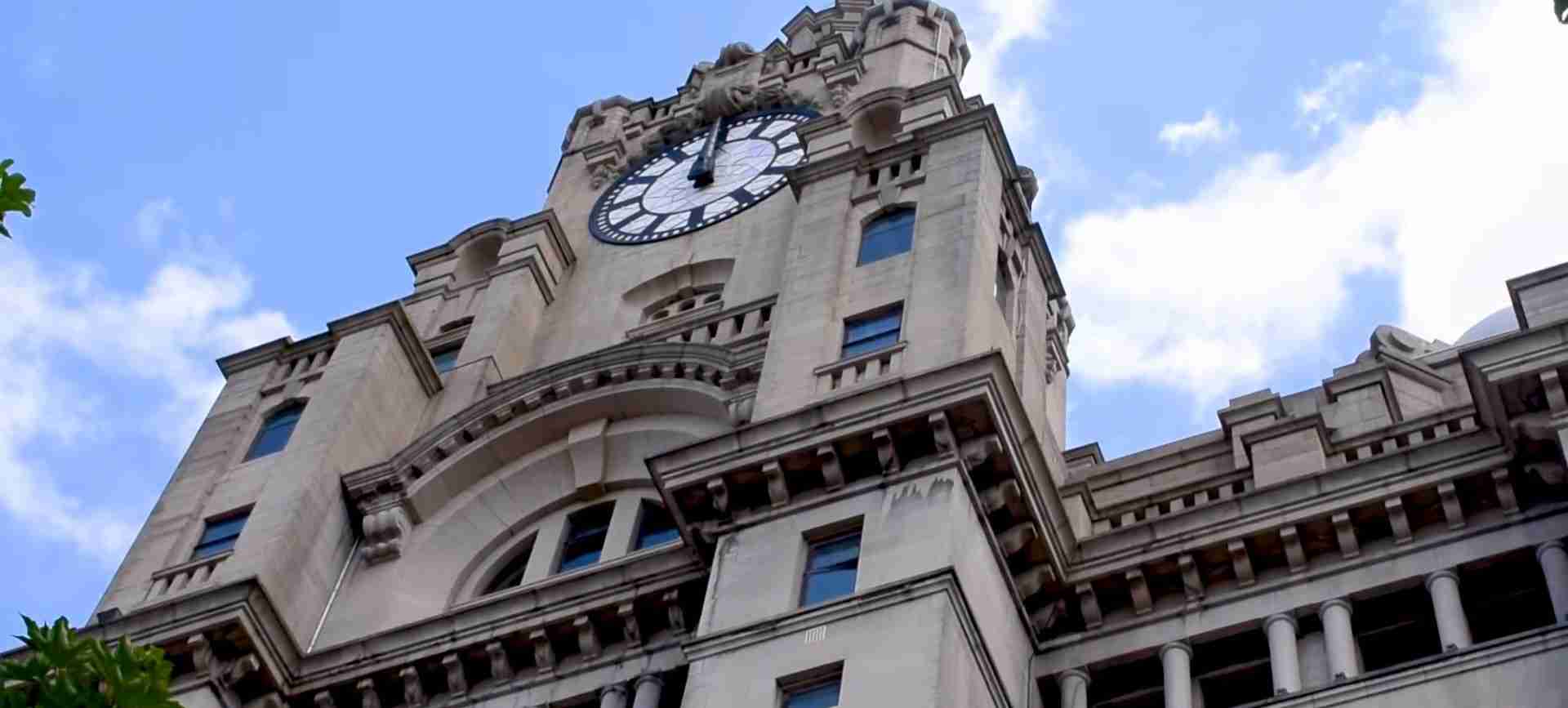
Albert Dock concentrates Beatles heritage, maritime museums, and waterfront dining in a renovated warehouse complex. The Beatles Story museum occupies prime dock-side space alongside the Merseyside Maritime Museum, International Slavery Museum, and Tate Liverpool’s temporary RIBA North location during Albert Dock gallery renovations. This UNESCO World Heritage Site provides self-contained exploration for 3-4 hours with cafés, restaurants, and gift shops clustered within the brick warehouse architecture. The Pier Head waterfront promenade extends north from Albert Dock past the Three Graces buildings (Royal Liver Building, Cunard Building, Port of Liverpool Building) to the Museum of Liverpool.
The Cavern Quarter centers on Mathew Street, a pedestrian lane dominated by the Cavern Club where the Beatles performed 292 times between 1961 and 1963. This compact nightlife and music district sits approximately 800 meters inland from Albert Dock, easily reached by a 10-minute walk through the commercial center. Surrounding streets contain Beatles-themed pubs, restaurants, souvenir shops, and the Liverpool Beatles Museum with its extensive memorabilia collection. Evening entertainment concentrates here with live music venues, traditional pubs, and the Cavern Pub complementing the main Cavern Club venue.
Liverpool Cathedral and the Georgian Quarter occupy elevated ground south of the central shopping district. Hope Street, one of Britain’s finest streets according to many assessments, connects the massive Anglican Liverpool Cathedral at its southern end to the modernist Metropolitan Cathedral one kilometer north. Georgian townhouses, the Liverpool Philharmonic Hall, and numerous restaurants and cafés line this cultural corridor. The adjacent Georgian Quarter features elegant 18th and 19th century residential streets, the Walker Art Gallery on William Brown Street, and Liverpool Central Library in a cluster of neoclassical civic buildings.
Outlying Beatles pilgrimage sites scatter across suburban Liverpool, requiring bus transport or organized tours to visit efficiently. Penny Lane sits approximately 5 kilometers southeast of the city center, reachable via bus routes or included in Magical Mystery Tour packages. Strawberry Field, childhood homes of John Lennon and Paul McCartney, and Anfield Stadium (Liverpool FC’s home ground) occupy different suburban zones best accessed through dedicated Beatles bus tours that package multiple sites into single excursions. Budget-conscious visitors can reach these locations via public buses using the Solo daily pass, though this requires route planning and potentially 30-45 minutes each way.
3-Day Itinerary Cost Overview 2026
Liverpool’s three-day visit costs vary significantly based on accommodation choices, dining preferences, and paid attraction selections, though the city’s exceptional free museums democratize access across all budget levels. This section details verified 2026 daily cost breakdowns per person assuming two people sharing accommodation, with all figures representing realistic spending ranges rather than theoretical minimums or maximums.
Budget Tier Daily Costs 2026 (£75-105 Per Person)
Budget travelers access Liverpool’s essential experiences while minimizing costs through strategic choices. Accommodation in hostels or budget hotels like Premier Inn, Travelodge, or independent guesthouses costs £60-90 per night, divided by two for £30-45 per person nightly when sharing rooms. Breakfast at hotel buffets or independent cafés ranges £5-8, lunch from pub chains or ethnic takeaways costs £8-12, and evening meals at Wetherspoon pubs, fish and chip shops, or budget restaurants total £12-18. The Solo daily bus pass at £5.70 covers all central Liverpool transport. Attraction costs remain minimal by prioritizing free National Museums, free cathedral entry, and selecting one paid attraction like the Cavern Club at £6. Daily spending totals £75-105 per person.
The 3-day budget calculation: accommodation £90-135 total (£30-45 × 3 nights, per person share), meals £75-114 (£25-38 daily × 3 days), transport £17.10 (£5.70 Solo pass × 3 days), attractions £15-30 (primarily free museums plus Cavern Club and possibly Beatles Story discount ticket). Total three-day costs range £225-315 per person for budget-conscious travel maintaining comfort and access to major attractions.
Mid-Range Tier Daily Costs 2026 (£130-180 Per Person)
Mid-range travelers balance comfort with value, selecting central hotels near Albert Dock or the city center in the £110-150 per night range, providing £55-75 per person nightly when two share rooms. Breakfast at hotel restaurants or quality independent cafés costs £10-15, lunch at sit-down restaurants or waterfront venues ranges £15-20, and dinner at mid-range restaurants totals £25-35. The Saveaway pass at £6.50 adds Mersey Ferries to unlimited bus and train access. Paid attractions including The Beatles Story at £18-20, Liverpool Cathedral Tower at £8-10, and Cavern Club all-day pass at £8.50 total £20-30 daily. Complete mid-range daily spending reaches £130-180 per person.
The 3-day mid-range calculation: accommodation £165-225 total (£55-75 × 3 nights, per person share), meals £150-210 (£50-70 daily × 3 days), transport £19.50 (£6.50 Saveaway pass × 3 days), attractions £60-90 (Beatles Story, both cathedral towers, Cavern Club, possible Beatles bus tour). Total three-day costs range £390-540 per person for comfortable mid-range Liverpool exploration with full attraction access and quality dining.
Luxury Tier Daily Costs 2026 (£275-390 Per Person)
Luxury visitors prioritize premium experiences, booking upscale waterfront hotels in the £240-350 per night range such as Titanic Hotel Liverpool or The Nadler Liverpool, providing £120-175 per person when two share rooms. Breakfast at hotel restaurants costs £18-25, lunch at quality establishments ranges £30-40, and fine dining dinner experiences total £50-70. Taxi transport for convenience averages £15-20 daily. Premium attractions including private Beatles tours at £80-150 per person, VIP Cavern Club experiences, and special event tickets total £40-60 daily. Luxury daily spending reaches £275-390 per person.
The 3-day luxury calculation: accommodation £360-525 total (£120-175 × 3 nights, per person share), meals £294-405 (£98-135 daily × 3 days), transport £45-60 (taxis), attractions £120-180 (private Beatles tour, premium experiences, special events). Total three-day costs range £825-1,170 per person for luxury Liverpool experiences with exclusive access, premium service, and elevated comfort throughout.
Day 1: Beatles Heritage and Waterfront 2026
Day 1 concentrates Liverpool’s Beatles legacy into comprehensive exploration, tracing the band’s journey from underground club performances to global phenomenon through authentic venues and multimedia exhibitions. This thematic focus maximizes efficiency by consolidating Beatles experiences rather than scattering them across multiple days, allowing dedicated fans to immerse fully while providing casual visitors with essential context before moving to other Liverpool attractions on subsequent days.
Morning: Mathew Street and The Cavern Quarter
Begin your Liverpool Beatles pilgrimage at Mathew Street, arriving around 10:00 AM to explore before lunchtime crowds intensify. The Cavern Club opens daily at 11:00 AM with live music starting at 11:30 AM, allowing early arrival for photographs of the iconic façade and street murals without evening crush. The original Cavern where the Beatles performed closed in 1973, but the rebuilt venue incorporates 15,000 original bricks and occupies the same Mathew Street location, maintaining authentic atmosphere despite not being the precise physical space where Lennon, McCartney, Harrison, and Starr developed their stage presence through 292 performances between 1961 and 1963.
Entry to the Cavern Club costs £6 for single admission or £8.50 for all-day access permitting re-entry throughout operating hours. The all-day pass provides better value for visitors planning to return for evening live music, effectively offering two separate experiences for £2.50 additional cost. Interior photography captures the arched brick ceilings plastered with band photographs, memorabilia, and historical markers noting that Queen first performed Bohemian Rhapsody at this venue. Morning performances typically feature Beatles tribute acts or solo acoustic performers covering Fab Four classics, providing soundtrack to your exploration of the three connected venues: the main Cavern Club, Cavern Live Lounge, and Cavern Pub.
Surrounding Mathew Street contains concentrated Beatles tourism infrastructure including the Wall of Fame featuring Beatles members’ signatures, the John Lennon statue, and numerous souvenir shops selling everything from tasteful limited-edition prints to novelty wigs. The Liverpool Beatles Museum at 23 Mathew Street houses extensive private collections across three floors of a Grade II listed building, displaying instruments, stage costumes, personal letters, and rare photographs. This museum charges separate admission beyond Cavern Club entry, with adult tickets around £16-18, making it optional for budget-conscious visitors who can absorb Beatles history through the free street environment and Cavern Club atmosphere.
Cafés and pubs throughout the Cavern Quarter provide mid-morning refreshment. The Grapes pub on Mathew Street, directly opposite the Cavern Club, claims association with the Beatles’ early days and serves traditional pub breakfasts for £8-12. Alternatively, independent cafés along surrounding streets offer coffee and pastries for £5-8, providing fuel before the afternoon’s main Beatles attraction at Albert Dock.
Afternoon: The Beatles Story and Albert Dock
Walk approximately 15 minutes from Mathew Street to Albert Dock, or catch any bus heading to the waterfront for £2 single fare. The Beatles Story museum opens daily at 9:00 AM with last entry at 5:15 PM on weekdays and 4:15 PM Sundays, though arriving around 12:00 PM-1:00 PM after your Cavern Quarter morning provides ideal timing to avoid both opening rush and late afternoon tour groups. Advance online tickets cost £18-20 for adults and include audio guides available in 12 languages, while student discounts reduce costs to approximately £16 with valid identification.
The Beatles Story chronologically traces the band’s evolution through recreated environments including Hamburg’s Kaiserkeller club, the Casbah Coffee Club, Abbey Road Studios, and the psychedelic Sgt. Pepper era. Life-size displays, authentic instruments, original clothing, handwritten lyrics, and interactive multimedia stations require 90 minutes to 2.5 hours depending on audio guide listening depth and reading pace. The Pier Head second location, included in your single ticket, focuses on solo Beatles careers and the band’s cultural impact, accessible via a pleasant 10-minute waterfront walk north from the main Albert Dock exhibition.
Budget lunch options cluster around Albert Dock. The Fab4 Café inside The Beatles Story serves sandwiches, soups, and light meals for £8-15, providing convenient mid-visit sustenance without leaving the museum. Alternatively, Albert Dock’s waterfront restaurants offer sit-down meals ranging from pub food at Tate Liverpool’s café (£10-18 for mains) to Italian cuisine at Gusto or American dining at Hard Day’s Night Hotel’s restaurant (£15-25 for mains). Takeaway fish and chips from nearby shops cost £8-12, eaten at dockside benches overlooking the water.
Late Afternoon: Albert Dock Exploration
After The Beatles Story, dedicate 1-2 hours exploring Albert Dock’s additional free attractions. The Merseyside Maritime Museum traces Liverpool’s shipping history through galleries covering emigration, the Titanic connection, and the Battle of the Atlantic. The International Slavery Museum confronts Liverpool’s dark role in the transatlantic slave trade through powerful exhibitions requiring emotional engagement. Both museums offer free admission and close at 5:00 PM, with sufficient time for selective gallery viewing rather than comprehensive coverage.
The Tate Liverpool, Britain’s premier modern art gallery outside London, temporarily operates from RIBA North at Mann Island during Albert Dock gallery renovations scheduled through 2025-2026. The temporary venue maintains free admission and presents rotating exhibitions of contemporary art alongside selections from the Tate collection. Opening hours run 10:00 AM-5:50 PM daily, positioned conveniently near Albert Dock for integrated waterfront exploration.
Shopping opportunities concentrate within Albert Dock’s converted warehouses. The Beatles Shop offers official merchandise and collectibles, while independent retailers sell Liverpool-themed gifts, maritime memorabilia, and artisan crafts. Prices reflect tourist-location premiums, with Beatles t-shirts starting around £20-25 and specialty items ranging substantially higher. Budget-conscious souvenir shopping may prefer central city locations away from prime waterfront real estate.
Evening: Waterfront Dining and Cavern Club Return
Dinner options around Albert Dock span budget pub meals to upscale waterfront restaurants. Budget visitors return to nearby city center Wetherspoon pubs like The Richard John Blackler for £8-15 mains and discounted drinks, or choose ethnic takeaways in the commercial district. Mid-range diners select from Albert Dock’s Italian, American, or British restaurants where three-course meals cost £25-40 per person before drinks. Luxury visitors book waterfront fine dining establishments where tasting menus reach £50-80 per person, often requiring advance reservations for weekend tables.
Return to the Cavern Club for evening live music using your all-day pass purchased that morning, or pay £6 entry if you skipped morning admission. Evening performances typically run from 7:30 PM or 8:00 PM with Beatles tribute acts most nights and occasional original bands on specialized music nights. The venue fills significantly by 9:00 PM on weekends, arriving earlier secures better viewing positions in the compact underground space. Monday nights offer free entry from 8:00 PM for Ian Prowse’s Monday Club featuring original artists in open mic format.
Alternative evening entertainment includes the Cavern Pub’s free live music from 3:00 PM onwards, the Philharmonic Dining Rooms (a spectacularly ornate Victorian pub worth visiting for architecture alone), or catching performances at Liverpool Philharmonic Hall if classical music or contemporary concerts align with your visit dates. Budget-conscious visitors choose free Cavern Pub music or scenic waterfront walks rather than paid entertainment, while mid-range and luxury travelers might book theater tickets, comedy shows, or premium music venues.
Day 1 Cost Summary
Budget day cost breakdown: accommodation £30-45 per person (two sharing budget hotel), breakfast £5-8, lunch £8-12, dinner £12-18, transport £5.70 (Solo daily pass), attractions £6-18 (Cavern Club plus optionally Beatles Story at student rate). Total Day 1 budget range: £67-107 per person, consistent with overall £75-105 daily average.
Mid-range day cost: accommodation £55-75 per person (two sharing mid-range hotel), breakfast £10-15, lunch £15-20, dinner £25-35, transport £6.50 (Saveaway pass), attractions £25-30 (Beatles Story plus Cavern Club all-day pass). Total Day 1 mid-range: £137-182 per person, aligning with £130-180 daily target.
Luxury day cost: accommodation £120-175 per person (two sharing luxury hotel), breakfast £18-25, lunch £30-40, dinner £50-70, transport £15-20 (taxis), attractions £25-30 (Beatles Story plus Cavern Club). Total Day 1 luxury: £258-360 per person, within £275-390 average allowing for Day 2-3 private tour premiums.
Day 2: Museums, Culture, and Albert Dock 2026
Day 2 shifts focus from Beatles heritage to Liverpool’s broader cultural and historical significance through world-class museums, maritime legacy, and architectural treasures. The concentration of free National Museums Liverpool venues provides exceptional value across all budget tiers, allowing comprehensive museum exploration without admission costs while maintaining flexibility for paid special exhibitions or premium experiences.
Morning: William Brown Street Cultural Quarter
Start Day 2 at William Brown Street, arriving around 10:00 AM when museums open. This neoclassical civic precinct concentrates four major free attractions within immediate proximity: the Walker Art Gallery, World Museum, Central Library, and St. George’s Hall. The Walker Art Gallery, often called the “National Gallery of the North,” houses Britain’s finest art collection outside London with exceptional Pre-Raphaelite holdings including works by Rossetti, Millais, and Burne-Jones alongside Renaissance masters, Impressionist paintings by Monet and Degas, and significant British art from 1880-1950 featuring Nash, Freud, and Lowry.
Dedicate 1.5-2 hours to the Walker Art Gallery, focusing on floors aligned with personal interests rather than attempting comprehensive coverage of all galleries. The Pre-Raphaelite collection alone merits extended viewing, while the Big Art for Little Artists family gallery engages younger visitors under eight years old. Free admission extends to all exhibitions and events, making this exceptional value for art enthusiasts. The gallery shop sells quality art books, prints, and gifts for those seeking cultural souvenirs beyond Beatles memorabilia.
The World Museum occupies the adjacent building, offering five floors covering natural history, ancient civilizations, planetarium shows, and interactive science exhibits. Budget 1-1.5 hours for selective gallery viewing, prioritizing the planetarium (free tickets distributed at information desk, subject to availability) or Egyptian collections depending on interests. Young families appreciate hands-on science floors while solo travelers might focus on natural history or ethnographic displays.
Late Morning: Liverpool Central Library
Cross to Liverpool Central Library, a stunning contemporary building opened in 2013 combining historic Picton Reading Room restoration with modern library facilities. Free entry provides access to reading rooms, exhibitions, and the rooftop terrace offering panoramic city views. The Hornby Library contains rare books and historical documents relating to Liverpool and Lancashire history. Budget 30-45 minutes for architecture appreciation and rooftop views, longer if research interests or exhibition content warrants extended stay.
Midday: St. George’s Hall and Lunch
St. George’s Hall, Liverpool’s most impressive neoclassical building, combines concert hall and law courts in Grade I listed splendor. The Heritage Centre offers free admission to view the Great Hall, Concert Room, and cells where historic trials occurred, though opening hours vary and some areas require pre-booked tours. Allow 30-45 minutes for self-guided exploration of accessible spaces.
Lunch options cluster around William Brown Street and nearby streets. Budget diners choose cafés and sandwich shops within Central Library or walk to nearby Wetherspoon pubs for £8-12 meals. Mid-range restaurants in the surrounding blocks serve lunch menus for £15-20, while the Art School Restaurant near the Metropolitan Cathedral offers upscale dining for £25-40 if elevated lunch experiences appeal. Alternatively, walk 10 minutes to Liverpool ONE shopping complex for diverse food court options spanning all price points.
Afternoon: Museum of Liverpool and Waterfront
After lunch, travel to Pier Head via 10-minute bus ride or 20-minute walk through the commercial center. The Museum of Liverpool, opened in 2011, presents city history through interactive galleries covering Liverpool’s global significance as a port, the city’s musical heritage beyond just the Beatles, cultural contributions, and social history. Free admission to this purpose-built modern museum makes it exceptional value, requiring 1.5-2 hours for thorough exploration of permanent galleries plus any temporary exhibitions.
The museum’s waterfront location on Mann Island positions it perfectly for Three Graces appreciation. These three iconic buildings dominating the Pier Head skyline include the Royal Liver Building with its mythical Liver Bird statues, the Cunard Building reflecting the shipping company’s headquarters history, and the Port of Liverpool Building’s Edwardian baroque grandeur. While all three remain working buildings with limited public access, exterior photography from the waterfront promenade captures Liverpool’s maritime architectural legacy.
Late Afternoon: Mersey Ferry Experience
Consider the 50-minute Mersey Ferry River Explorer Cruise departing from Pier Head terminal adjacent to the Museum of Liverpool. This commentary-enhanced circular route sails to Birkenhead and Seacombe, providing unique perspectives of Liverpool’s waterfront, the Three Graces, and modern development areas while narrating maritime history and contemporary regeneration. Adult fares cost approximately £10-12, with combined tickets sometimes available bundling ferry rides with other attractions. The Saveaway transport pass at £6.50 includes Mersey Ferries, making this cruise effectively free for pass holders and exceptional value.
The ferry made famous by Gerry and the Pacemakers’ 1964 song “Ferry Cross the Mersey” offers relaxing conclusion to intensive museum morning, though winter months (November-March) face reduced schedules and weather-dependent cancellations. Budget travelers using the Saveaway pass maximize value through this included cruise, while those without the pass weigh the £10-12 cost against alternative activities.
Evening: Liverpool ONE and Dining
Dedicate evening hours to Liverpool ONE, the open-air shopping complex containing 170+ stores, restaurants, bars, and entertainment venues. This contemporary retail district provides contrast to historical morning explorations, offering familiar international brands alongside independent retailers. Budget visitors browse without purchasing or choose affordable chain restaurant dining for £10-18 per person. Mid-range shoppers balance browsing with selected purchases and restaurant meals for £20-35 per person. Luxury visitors book upscale restaurants within or adjacent to Liverpool ONE where dinner reaches £40-70 per person.
Alternative evening options include returning to Albert Dock for waterfront dining skipped on Day 1, exploring independent restaurants in the Baltic Triangle neighborhood (approximately 15 minutes walk south of Albert Dock, known for street food, craft breweries, and creative venues), or choosing traditional pub experiences in the Georgian Quarter near Hope Street. Each option offers distinct atmosphere and price points aligned with different budget tiers.
Day 2 Cost Summary
Budget day cost: accommodation £30-45 per person (two sharing), breakfast £5-8, lunch £8-12, dinner £12-18, transport £5.70 (Solo daily pass or included Mersey Ferry with Saveaway), attractions £0 (all museums free). Total Day 2 budget: £61-101 per person, noting savings from free museums allow higher meal budgets or premium Day 3 experiences.
Mid-range day cost: accommodation £55-75 per person (two sharing), breakfast £10-15, lunch £15-20, dinner £25-35, transport £6.50 (Saveaway pass including Mersey Ferry), attractions £0-10 (free museums, possible special exhibition). Total Day 2 mid-range: £112-161 per person, providing budget flexibility for Day 3 paid attractions.
Luxury day cost: accommodation £120-175 per person (two sharing), breakfast £18-25, lunch £30-40, dinner £50-70, transport £15-20 (taxis), attractions £0 (free museums). Total Day 2 luxury: £233-330 per person, with museum cost savings enabling elevated dining experiences.
Day 3: Cathedrals, Shopping, and Maritime History 2026
Day 3 concludes your Liverpool exploration through architectural grandeur, spiritual contemplation, and final attraction selections based on personal interests developed over previous days. The contrasting cathedral styles bookending Hope Street provide cultural climax, while afternoon flexibility accommodates shopping, additional museum visits, or alternative experiences aligned with individual preferences.
Morning: Liverpool Cathedral
Begin Day 3 at Liverpool Cathedral, arriving around 9:30 AM when the cathedral opens at 8:00 AM daily. This Anglican cathedral ranks as Britain’s largest cathedral and the world’s fifth largest, with total external length of 189 meters and internal length of 150 meters. Designed by Giles Gilbert Scott and constructed between 1904 and 1978, the Gothic Revival masterpiece dominates Liverpool’s southeastern skyline from its elevated position offering views across the city and Mersey estuary.
Cathedral entry remains free with suggested £5 donation, democratizing access to this architectural marvel regardless of budget tier. The vast interior nave, Lady Chapel dedicated to the Blessed Virgin, Great West Window spanning 9.75 meters, and world’s highest and heaviest peal of bells in the tower all merit exploration. Allow 45-75 minutes for self-guided cathedral touring at contemplative pace, longer if attending one of the daily worship services or events coinciding with your visit.
The Tower Experience provides the city’s finest panoramic views from 500 feet above sea level, ascending via two consecutive lifts followed by 108 stairs to the upper viewing platform. This optional paid addition costs £8-10 for adults with concessions for students and seniors, requiring separate tickets purchased from the Cathedral Shop or online in advance. The 30-45 minute tower visit rewards effort with 360-degree vistas encompassing Liverpool’s urban landscape, the Mersey River, and on clear days extending to Blackpool Tower and Welsh mountains. Budget travelers weigh the cost against value, while mid-range and luxury visitors typically include this spectacular viewpoint.
Late Morning: Hope Street and Georgian Quarter
Walk north along Hope Street, one of Britain’s most architecturally distinguished streets, connecting Liverpool Cathedral to the Metropolitan Cathedral one kilometer distant. This cultural corridor passes the Liverpool Philharmonic Hall, numerous restaurants and cafés housed in Georgian buildings, independent shops, and the Liverpool Institute for Performing Arts occupying the building where Paul McCartney once studied. Budget 20-30 minutes for the walk, longer with café stops or architectural photography pauses.
The Georgian Quarter’s elegant 18th and 19th century townhouses spread east and west of Hope Street, providing atmospheric neighborhood wandering. Rodney Street, Falkner Square, and surrounding streets display well-preserved residential architecture contrasting with commercial city center zones. This area requires no admission costs, making it ideal for budget-conscious architectural appreciation and atmospheric photography.
Midday: Metropolitan Cathedral
Liverpool Metropolitan Cathedral of Christ the King presents striking modernist contrast to the Gothic Liverpool Cathedral. This Roman Catholic cathedral, designed by Frederick Gibberd and completed in 1967, features revolutionary circular design with central altar surrounded by congregation seating and massive stained glass lantern tower flooding the interior with colored light. The nickname “Paddy’s Wigwam” reflects both Liverpool’s Irish Catholic population and the structure’s distinctive conical form.
Free admission to the cathedral enables exploration of the vast circular interior, crypt chapel, and architectural innovation without cost across all budget tiers. The stained glass designed by John Piper and Patrick Reyntiens creates extraordinary light effects, particularly on sunny days when multicolored illumination transforms the interior atmosphere. Allow 30-45 minutes for cathedral appreciation, noting the much more compact size compared to the Anglican cathedral permits quicker yet equally impressive visits.
Afternoon: Flexible Options Based on Interests
Day 3 afternoons accommodate personalized itineraries based on interests developed during Days 1-2 or activities deferred from earlier scheduling. Options include returning to any Day 2 museums for deeper exploration, shopping at Liverpool ONE if evening crowds deferred purchases, visiting Anfield Stadium for Liverpool FC stadium tours (approximately £25 for adults, requiring advance booking), or exploring the Baltic Triangle’s independent shops, street food venues, and craft breweries.
Beatles enthusiasts might book the Magical Mystery Tour bus departing from Albert Dock at various times throughout the day. This 2-hour guided tour includes Penny Lane, Strawberry Field, childhood homes of John Lennon and Paul McCartney, and concludes with Cavern Club drop-off. Adult tickets cost approximately £22-25 and provide efficient access to suburban Beatles sites otherwise requiring multiple bus connections. Budget travelers can reach Penny Lane independently via bus routes for £2 single fares or use the Solo daily pass, though this consumes significantly more time than the organized tour’s direct routing.
Alternative afternoon experiences include Williamson’s Tunnels, an extensive network of underground passages hand-carved in the 19th century offering guided tours (approximately £12-15 for adults), or the Museum of Liverpool if deferred from Day 2. Weather-dependent options include Sefton Park with its Palm House conservatory, or Liverpool Waterfront walks extending beyond Albert Dock to explore ongoing regeneration areas.
Late Afternoon: Final Shopping and Preparation
Dedicate late afternoon to final souvenir purchases, café relaxation, or hotel return for rest before evening activities. Liverpool ONE provides convenient one-stop shopping for varied budgets, while independent shops around Bold Street and the Cavern Quarter offer unique Liverpool-specific items avoiding international chain store uniformity. Budget travelers might focus on practical items like postcards and small gifts for £5-15 total, while mid-range shoppers select quality Beatles memorabilia or local artisan products for £30-60, and luxury visitors invest in premium collectibles or designer goods reaching hundreds of pounds.
Evening: Departure Preparation or Final Night Experience
Final evening choices depend on your departure schedule. Early morning departures might favor quiet dinner and hotel return, packing, and rest. Later departures permit final Liverpool experiences such as theater performances at Liverpool Empire or Playhouse (tickets £15-50+ depending on production and seating), comedy shows at various city center venues, or returning to favorite restaurants or pubs discovered earlier in your stay.
Budget travelers conclude with affordable pub dinners for £12-18 and evening walks along the illuminated waterfront. Mid-range visitors book final restaurant meals at previously identified but not yet visited establishments for £25-40 per person. Luxury travelers might arrange private dining experiences, premium entertainment tickets, or farewell drinks at upscale hotel bars for £50-80 per person, creating memorable conclusions to their Liverpool exploration.
Day 3 Cost Summary
Budget day cost: accommodation £30-45 per person (two sharing), breakfast £5-8, lunch £8-12, dinner £12-18, transport £5.70 (Solo daily pass), attractions £0-10 (free cathedrals, optional tower or museum). Total Day 3 budget: £61-101 per person, consistent with £75-105 daily average.
Mid-range day cost: accommodation £55-75 per person (two sharing), breakfast £10-15, lunch £15-20, dinner £25-35, transport £6.50 (Saveaway pass), attractions £8-30 (cathedral tower, possible Magical Mystery Tour or stadium tour). Total Day 3 mid-range: £120-182 per person, aligning with £130-180 target.
Luxury day cost: accommodation £120-175 per person (two sharing), breakfast £18-25, lunch £30-40, dinner £50-70, transport £15-20 (taxis), attractions £20-40 (cathedral tower, premium experiences). Total Day 3 luxury: £253-370 per person, within £275-390 average acknowledging variation across three days.
Where to Stay in Liverpool 2026
Accommodation location significantly impacts Liverpool exploration efficiency and costs. Central locations near Albert Dock, the Cavern Quarter, or Liverpool ONE minimize transport time and maximize walking access to major attractions, though typically command premium pricing. Budget travelers balance location convenience against cost savings from peripheral neighborhoods, while mid-range and luxury visitors prioritize central positions for time efficiency and evening convenience.
Budget Accommodation Options (£60-90 Per Night)
Budget hotels and hostels cluster around Lime Street Station and extend through peripheral city center zones. Premier Inn Liverpool City Centre (Lime Street) offers reliable chain hotel comfort for £65-80 per night in standard rooms with breakfast available at supplement. Travelodge Liverpool Central Exchange Street provides similar pricing at £60-75 per night for basic but clean accommodation walking distance from major attractions. These budget chains deliver predictable quality, central locations, and online booking deals permitting advance cost certainty.
Independent hostels like Euro Hostel Liverpool provide dormitory beds from £25-35 per person per night and private double rooms for £60-75 per night, appealing to solo budget travelers and young couples willing to sacrifice hotel amenities for cost savings. The Lord Nelson Hotel near Lime Street Station charges £70-85 per night for budget hotel rooms in converted historic building, offering character absent from modern chains at comparable pricing.
Location considerations for budget accommodation prioritize areas within 10-15 minute walks of Albert Dock and the Cavern Quarter, minimizing transport costs while maintaining access. Neighborhoods immediately around Lime Street Station, the city center commercial district between Lime Street and Liverpool ONE, and the Baltic Triangle south of Albert Dock all offer acceptable budget hotel locations with good daytime safety and evening access to restaurants and attractions.
Mid-Range Accommodation Options (£110-150 Per Night)
Mid-range hotels concentrate around Albert Dock, Liverpool ONE, and the waterfront, providing superior locations and enhanced comfort. The Resident Liverpool near Liverpool ONE offers contemporary hotel-apartment hybrids for £120-140 per night with kitchenettes in rooms, earning excellent ratings for sustainable practices and service quality. Hope Street Hotel occupies a beautifully converted Victorian building between both cathedrals for £110-135 per night, combining boutique character with central cultural quarter positioning.
Chain hotels in mid-range pricing include Holiday Inn Liverpool City Centre Albert Dock (£115-145 per night) with waterfront views and direct Albert Dock access, and Pullman Liverpool (£125-150 per night) offering upscale chain comfort in the Kings Dock development near Albert Dock. These established brands deliver consistent quality, loyalty program benefits, and family-friendly amenities like connecting rooms and breakfast buffets.
Independent mid-range options include Hard Day’s Night Hotel near the Cavern Quarter (£135-155 per night) with Beatles-themed décor and memorabilia throughout, appealing to fans willing to pay modest premiums for immersive experience. The hotel’s central Mathew Street location places guests steps from the Cavern Club and walking distance to Albert Dock.
Luxury Accommodation Options (£200-400+ Per Night)
Luxury hotels deliver premium comfort, locations, and service for visitors prioritizing elevated experiences. Titanic Hotel Liverpool (£240-320 per night) occupies a spectacularly converted Stanley Dock warehouse combining maritime heritage architecture with contemporary luxury, located slightly north of central attractions but offering distinctive character and upscale amenities including spa facilities. The Nadler Liverpool (£220-280 per night) provides boutique luxury in the Seel Street area with superior rooms, complimentary pantry items, and central positioning.
The Shankly Hotel (£200-260 per night) commemorates legendary Liverpool FC manager Bill Shankly with football heritage theming, appealing to supporters combining cultural exploration with sporting passion. Premium suites reach £350-400+ per night for larger accommodations with enhanced amenities. Malmaison Liverpool (£210-280 per night) delivers boutique luxury in a converted warehouse near Princes Dock, combining industrial chic design with upscale service and highly-rated restaurant.
Luxury travelers might also consider serviced apartments for extended stays or families, with options like Staycity Aparthotels Liverpool (£180-240 per night) providing multiple bedrooms, full kitchens, and apartment living spaces at competitive rates compared to equivalent luxury hotel room capacity.
Getting Around Liverpool 2026
Liverpool’s compact central area makes most tourist attractions accessible via walking combined with strategic public transport for longer distances. The city’s bus network comprehensively connects all major sites, while Merseyrail trains serve wider Merseyside. Understanding transport options and daily pass economics maximizes mobility while controlling costs across all budget tiers.
Walking Liverpool’s Central Zone
Walking remains the primary transport method for central Liverpool exploration. Albert Dock to the Cavern Quarter measures approximately 800 meters requiring 10-12 minutes walking via the pedestrianized shopping streets. Liverpool Cathedral sits roughly 1.5 kilometers from Albert Dock, covering in 18-22 minutes at moderate pace. The Metropolitan Cathedral occupies another kilometer north from Liverpool Cathedral, though Hope Street’s gentle incline extends walking time to 15-20 minutes. William Brown Street’s museum quarter positions approximately 1 kilometer northeast of Albert Dock, reachable in 12-15 minutes through the commercial center.
These walking distances make Liverpool ONE shopping, all major museums, both cathedrals, Albert Dock, and the Cavern Quarter accessible within 20-minute maximum walks from any central point. Comfortable walking shoes become essential equipment given uneven cobblestones around Albert Dock, inclines approaching Liverpool Cathedral, and extended daily walking totals easily reaching 8-12 kilometers across full sightseeing days. Budget travelers maximize free walking, while those prioritizing time efficiency or physical limitations supplement with buses or taxis for longer connections.
Bus Network and Daily Passes
Liverpool’s extensive bus network operated by multiple companies including Arriva and Stagecoach provides comprehensive coverage with frequent services on main routes. Single bus fares cost £2 when paid contactless or via tap-and-go payment cards, making individual journeys affordable for occasional bus users. However, visitors making three or more bus trips daily save money through daily passes offering unlimited travel.
The Solo ticket at £5.70 provides unlimited bus travel across Liverpool for one day, available as one-day, three-day (£16.10), or five-day (£25) bundles. Three and five-day bundles don’t require consecutive use, permitting flexibility to skip bus days when walking central attractions. This represents optimal value for budget travelers planning bus-intensive days visiting suburban Beatles sites like Penny Lane and Strawberry Field without organized tours.
The Saveaway pass at £6.50 adds unlimited Merseyrail train travel and Mersey Ferries to bus access, providing comprehensive public transport coverage including the 50-minute River Explorer Cruise between Liverpool, Birkenhead, and Seacombe. This £0.80 premium over the Solo bus-only ticket delivers exceptional value through included ferry cruise alone (normally £10-12 as standalone ticket), making the Saveaway the recommended choice for most visitors seeking maximum transport flexibility and ferry experience inclusion. The pass operates on off-peak restrictions weekdays before 9:30 AM but provides all-day access on weekends and bank holidays.
Merseyrail Trains
The Merseyrail network connects central Liverpool stations (Liverpool Central, James Street, Lime Street, Moorfields) with suburbs and regional destinations including Chester, Birkenhead, Southport, and Ormskirk. For central Liverpool tourist attractions, trains provide limited value as most sites cluster within walking distance. However, specific scenarios benefit from train access including Liverpool John Lennon Airport (via bus connection from Liverpool South Parkway station), Chester day trips, or reaching suburban neighborhoods.
The Trio weekly pass (£34-60 depending on zones) combines bus, train, and ferry access for seven consecutive days, appealing to extended Liverpool stays or business travelers needing daily commuting flexibility. Tourists on standard 3-4 day visits derive better value from daily Saveaway passes rather than weekly Trio commitments unless staying full weeks.
Taxis and Ride-Sharing
Licensed black cabs and ride-sharing services like Uber operate throughout Liverpool, providing convenient point-to-point transport for luggage-heavy airport transfers, late-night returns from entertainment venues, or mobility-challenged visitors finding extensive walking difficult. Typical taxi fares within central Liverpool range £6-12 for short trips like Lime Street Station to Albert Dock, £12-18 for longer central connections like cathedrals to waterfront, and £15-25 for airport transfers to city center.
Budget travelers generally avoid taxis except for luggage-heavy airport connections, preferring daily bus passes and walking for comprehensive cost control. Mid-range visitors might budget one or two taxi rides for convenience during their stay, perhaps late-night returns or weather-deterred transport. Luxury travelers comfortably incorporate taxis for regular convenience, budgeting £15-20 daily for multiple point-to-point trips eliminating walking and bus schedules.
Organized Tours and Hop-On Hop-Off Buses
The Magical Mystery Tour bus provides Beatles site access including Penny Lane, Strawberry Field, childhood homes, and Cavern Club drop-off in 2-hour guided format. Adult tickets approximately £22-25 deliver efficient suburban Beatles site access without navigating multiple bus routes, appealing to mid-range and luxury travelers valuing time efficiency over budget optimization. The tour’s commentary provides historical context absent from independent visits.
City Sightseeing Liverpool operates hop-on hop-off double-decker buses covering major attractions with 24-hour tickets around £19-22 for adults. This option suits visitors preferring guided overview and weather-protected transport, though Liverpool’s walkable central area makes these buses less essential than in more spread-out cities. Budget-conscious travelers achieve equivalent coverage walking and using daily bus passes for £5.70, saving £13-16 per person daily while maintaining comprehensive attraction access.
Money-Saving Strategies for Liverpool 2026
Liverpool’s exceptional free museum access, walkable central attractions, and affordable public transport create natural cost controls, but strategic planning amplifies savings across accommodation, dining, and paid attractions. These proven strategies reduce three-day costs while maintaining comprehensive Liverpool experiences.
Maximize Free Attractions
National Museums Liverpool venues including Walker Art Gallery, Museum of Liverpool, Merseyside Maritime Museum, International Slavery Museum, World Museum, and Tate Liverpool provide world-class collections without admission charges. Both Liverpool Cathedral and Metropolitan Cathedral offer free entry with optional paid tower access at the Anglican cathedral only. This extensive free attraction network enables comprehensive cultural immersion without ticket costs, differentiating Liverpool from cities like London where major museums charge £15-25 admission.
Free walking creates additional savings. Hope Street between cathedrals, Georgian Quarter architecture, Albert Dock exterior exploration, and waterfront promenades cost nothing while delivering atmospheric Liverpool experiences. Budget travelers focusing on free museums, cathedrals, and walking can reduce daily attraction costs to £0-10 even while seeing major sites, reserving limited paid-attraction budgets for truly special experiences like The Beatles Story or cathedral tower climbs.
Public Transport Pass Economics
The Saveaway pass at £6.50 daily provides unlimited bus, train, and ferry access including the normally £10-12 River Explorer Cruise, effectively saving £3.50-5.50 on the ferry alone. Three bus trips in a day at £2 each totals £6, making the Solo pass at £5.70 economical for three-plus journeys. Run this calculation daily rather than automatically purchasing passes for all days—if planning mostly walking and only one or two bus trips, paying £2-4 for individual journeys saves money versus buying unnecessary £5.70-6.50 daily passes.
The three-day Solo bundle at £16.10 costs £5.37 per day versus £5.70 for individual daily passes, saving £1 across three days. While modest, these incremental savings accumulate across transport, dining, and attraction choices. However, the Saveaway ferry inclusion usually delivers better overall value for tourists interested in Mersey crossings.
Dining Cost Controls
Breakfast at hotels offering inclusive buffets eliminates daily £8-15 separate breakfast costs, though budget hotels charging £8-10 supplements reduce savings. Evaluate total nightly rate including breakfast versus cheaper room rate plus separate breakfast costs—sometimes paying £10 more for inclusive breakfast actually saves £5-8 overall if separate breakfast would cost £15-18 at cafés.
Lunch provides maximum savings opportunities. Pub lunch specials offer two courses for £12-15 compared to £15-20 evening main courses alone. Supermarket meal deals combine sandwich, crisps, and drinks for £3-4, eaten at Albert Dock benches or park spaces. Independent cafés around the Georgian Quarter charge £8-12 for substantial lunch plates versus £15-25 for equivalent dinner service. Shifting your main meal to midday lunch pricing saves £10-15 daily while maintaining quality dining.
Evening meals at budget-conscious chains including Wetherspoon pubs offer substantial mains for £8-12 with regular food-and-drink deals. Liverpool Restaurant Week in April offers participating restaurants’ set menus from £15-35 for multiple courses, significantly below standard pricing. January 2026 saw widespread 2-for-1, 50% off, and special set menu promotions across numerous restaurants—checking current promotional periods before your visit identifies temporary savings.
Accommodation Booking Strategies
Advance booking secures lower hotel rates compared to last-minute walk-in pricing, particularly for weekend stays in popular summer months. Book 3-6 weeks ahead for optimal rate/flexibility balance, with some flexibility-preserving free cancellation options. Tuesday or Wednesday night stays cost 20-30% less than Friday-Saturday nights at identical hotels, making weekday Liverpool visits considerably more affordable for flexible travelers.
Package deals bundling train tickets with hotels sometimes deliver savings compared to separate bookings, particularly from distant UK cities. Compare package rates from trainline.com or hotel booking sites against separate Virgin Trains or Avanti West Coast advance purchase tickets plus independent hotel bookings to identify better-value approach.
Location trade-offs save money—hotels 10-15 minutes walk from central attractions charge £15-30 less per night than immediate waterfront positions, though this adds daily walking and potentially reduces evening convenience. Calculate whether £60-90 saved across three nights on peripheral hotels justifies additional walking and reduced spontaneous evening access to restaurants and entertainment.
Attraction Cost Reductions
Student discounts reduce many paid attractions by 10-20% with valid identification. The Beatles Story drops from £18-20 to approximately £16 with student cards, Liverpool Cathedral Tower from £10 to £8. International Student Identity Cards (ISIC) work reliably, while university identification faces occasional questioning at attraction desks.
Combined attraction tickets occasionally offer savings. Check whether Mersey Ferries plus Beatles Story bundles deliver better value than separate tickets, though recent pricing shows limited advantages. The Cavern Club all-day pass at £8.50 versus £6 single entry justifies the £2.50 premium only if genuinely returning for evening music—don’t purchase all-day access speculatively then skip evening return, wasting the premium.
Family tickets at some paid attractions reduce per-person costs for two adults plus children compared to four individual tickets. However, Liverpool’s free museums eliminate most family attraction budgets entirely, making Beatles Story and potential cathedral tower climbs the only significant family ticket considerations.
Best Time to Visit Liverpool 2026
Liverpool welcomes visitors year-round with each season offering distinct advantages and trade-offs between weather, crowds, costs, and event access. Understanding seasonal patterns helps optimize your three-day visit timing based on priorities and constraints.
Spring Season (April-May 2026)
April and May deliver improving weather with average temperatures reaching 11-15°C (52-59°F), increasing daylight hours extending to 8:00 PM-9:00 PM by late May, and spring blossoms enlivening parks and Georgian Quarter squares. These months avoid summer peak tourist crowds while maintaining full attraction access and reasonable hotel rates. Liverpool Restaurant Week typically occurs in April, providing excellent dining value across participating establishments.
Rainfall remains significant throughout spring with approximately 12-14 rain days monthly, requiring waterproof jacket packing and contingency indoor activities. Hotel rates in April-May typically run 15-25% below July-August peak pricing, delivering mid-range comfort at reduced costs. Spring also brings Easter weekend (late March or early April) hotel premium of 20-30% above standard April rates, making dates immediately before or after Easter preferable for budget-conscious visitors.
Summer Season (June-August 2026)
Summer delivers peak Liverpool tourism with warmest temperatures averaging 16-19°C (61-66°F), longest daylight extending to 10:00 PM sunsets in late June, and busiest attraction periods particularly at Beatles sites. The International Beatleweek Festival (late August, typically August 26-September 1, 2026) attracts global Beatles fans with tribute concerts, special events, and heavily booked accommodation. Hotel rates peak in July-August at 30-40% above April-May spring levels, while The Beatles Story and Cavern Club experience maximum crowds requiring advance tickets and earlier arrival for optimal viewing conditions.
Positive summer aspects include extensive outdoor festival programming, waterfront dining terrace appeal, and reliable evening warmth for post-dinner walks along Albert Dock. However, budget travelers face significantly higher accommodation costs and should consider May or September shoulder seasons for equivalent weather at reduced hotel premiums. Mid-range and luxury visitors booking 6-8 weeks advance secure better summer hotel rates than last-minute availability.
Autumn Season (September-October 2026)
September and October provide optimal value-to-experience balance with moderate temperatures of 13-16°C (55-61°F), reduced crowds following summer peak, and autumn cultural programming including Liverpool Biennial contemporary art festival (September-November in biennial years). Hotel rates drop 25-35% compared to July-August peaks while weather remains acceptable for walking explorations. Autumn colors enhance Hope Street’s tree-lined elegance and Georgian Quarter atmosphere.
October faces increasing rainfall probability and earlier darkness with 6:00 PM-7:00 PM sunsets by late October, reducing evening walking appeal and shifting emphasis to indoor museums and attractions. However, Liverpool’s exceptional free museum network perfectly suits weather-challenged autumn days. This season represents the author’s recommended timing for first-time visitors balancing cost, weather, and crowd factors.
Winter Season (November-March 2026)
Winter brings lowest hotel rates dropping 40-50% below summer peaks, minimal tourist crowds at all attractions except Christmas market periods, and authentic local Liverpool experiences absent peak-season tourism infrastructure. December offers festive markets, cathedral Christmas services, and decorative lighting throughout the city center, though accommodation rates spike during Christmas market weekends (late November through December). Average winter temperatures of 5-8°C (41-46°F) require warm layered clothing, while 4:30 PM-5:00 PM sunsets dramatically limit daylight exploration hours.
Major attractions maintain full winter operations except Christmas Day and Boxing Day (December 25-26) closures affecting most museums, restaurants, and transport services. New Year period (December 28-January 2) sees moderate hotel rate increases though remaining well below summer peaks. January-February deliver absolute lowest hotel costs and emptiest attractions, appealing to extreme budget travelers willing to accept short daylight, cold weather, and reduced restaurant hours. January promotional dining deals across Liverpool restaurants partially compensate for weather challenges.
Event-Driven Visit Timing
The International Beatleweek Festival (late August 2026) creates unique experiences for dedicated Beatles fans with tribute concerts at the Cavern Club, special exhibitions, and global Beatles community convergence. However, hotel rates increase 50-80% above standard August levels during festival week, and all Beatles attractions reach maximum capacity. Early booking becomes essential for festival-period Liverpool visits.
Liverpool FC home fixtures at Anfield Stadium throughout the football season (August through May, excluding international breaks) create weekend accommodation premium of 15-30% when major matches coincide with your visit dates. Check Liverpool FC fixtures before booking if football-related costs or crowds concern you, or embrace the atmospheric energy if experiencing Anfield matchday appeals. Other periodic events including Liverpool Pride (July), River Festival (June), and various musical festivals create temporary accommodation demand spikes.
Frequently Asked Questions
Do I need to book Beatles attractions in advance for 2026?
The Beatles Story strongly recommends advance online ticket purchases to guarantee specific time slots, particularly during summer months and weekends when walk-up availability becomes limited. Booking 24-48 hours ahead ensures preferred visit times while avoiding the risk of sold-out time slots forcing inconvenient rescheduling. The Cavern Club operates general admission without advance booking except for special tribute shows or events requiring separate ticketed entry. Magical Mystery Tour bus tickets should be purchased online 3-7 days advance during peak summer season, though shoulder seasons often maintain day-of availability.
Is Liverpool safe for tourists walking at night in 2026?
Central Liverpool areas including Albert Dock, the Cavern Quarter, Liverpool ONE, and routes between major attractions maintain good safety for evening walking, with well-lit streets, regular police presence, and significant pedestrian traffic until 11:00 PM-midnight. Standard urban precautions apply: remain aware of surroundings, avoid poorly lit side streets, secure valuables in inside pockets, and use main thoroughfares for evening returns to hotels. Solo travelers, particularly women, might prefer taxis for post-midnight returns from entertainment venues, though cost approximately £8-12 for central destinations. The waterfront promenade between Albert Dock and Pier Head receives consistent positive safety reports from evening walkers.
Can I see Liverpool’s main attractions without paying for any tickets in 2026?
Liverpool’s exceptional free museum network enables comprehensive cultural experiences without admission costs. The Walker Art Gallery, Museum of Liverpool, Merseyside Maritime Museum, International Slavery Museum, World Museum, and Tate Liverpool all provide free entry. Both Liverpool Cathedral and Metropolitan Cathedral offer free admission with only optional tower climbs requiring payment. The waterfront promenade, Georgian Quarter architecture, Hope Street, and Cavern Quarter street atmosphere cost nothing to experience. A focused three-day visit maximizing free attractions while skipping paid options like The Beatles Story and Cavern Club entry remains entirely possible and culturally rich, particularly appealing to budget travelers or visitors prioritizing general Liverpool culture over specific Beatles immersion.
How much time should I allocate for The Beatles Story museum in 2026?
The Beatles Story requires 90 minutes to 2.5 hours depending on audio guide listening depth, reading pace, and personal Beatles interest level. Casual visitors moving through exhibitions at moderate pace while sampling audio guide highlights complete the main Albert Dock location in approximately 90-120 minutes. Dedicated Beatles fans reading all text panels, listening to complete audio guide commentary, and carefully examining memorabilia displays extend visits to 2-2.5 hours at the Albert Dock location alone. The included Pier Head second location adds another 30-45 minutes for visitors choosing to explore Beatles solo careers and cultural legacy exhibitions. Budget 2-3 total hours for comprehensive dual-location experience including brief breaks.
What is the best neighborhood to stay in for first-time Liverpool visitors in 2026?
Albert Dock and immediate waterfront vicinity provide optimal first-time visitor locations with walking access to The Beatles Story, Merseyside Maritime Museum, Tate Liverpool, and waterfront dining while positioning 10-15 minutes walk from the Cavern Quarter and Liverpool ONE shopping. This concentration minimizes transport needs and enables spontaneous evening returns to waterfront restaurants. However, this prime positioning commands premium hotel rates of £110-180 per night for mid-range options. Budget travelers achieve better value in the Lime Street Station area or city center locations between Liverpool ONE and the cathedrals, accepting 15-20 minute walks to Albert Dock in exchange for £60-90 per night accommodation savings. The Baltic Triangle south of Albert Dock offers emerging boutique hotel options combining interesting location with moderate pricing, appealing to travelers seeking character beyond standard central hotels.
Are Liverpool’s two cathedrals very different or redundant if visiting both in 2026?
Liverpool Cathedral and Metropolitan Cathedral represent radically different architectural approaches despite both serving cathedral functions, making dual visits highly worthwhile rather than redundant experiences. Liverpool Cathedral’s Gothic Revival grandeur, massive scale (Britain’s largest cathedral), and 74-year construction period create traditional religious architecture celebrating medieval styles. The Metropolitan Cathedral’s revolutionary 1960s modernist design, circular congregation layout, and spectacular stained glass lantern tower deliver completely opposite aesthetic and spatial experiences. Architecture enthusiasts, photography-focused visitors, and those interested in contrasting religious artistic expressions derive significant value from seeing both cathedrals connected by Hope Street’s pleasant 20-minute walk. The free admission to both eliminates cost barriers, making dual visits accessible across all budget tiers with only the optional Liverpool Cathedral Tower climb requiring paid tickets.
Should I buy the Liverpool City Explorer Pass or similar attraction passes for 2026?
Liverpool’s extensive free museum network and individual attraction pricing structure generally delivers better value than bundled attraction passes for standard 3-day visits. The Liverpool City Explorer Pass typically bundles 2-3 paid attractions with hop-on hop-off bus access, though Liverpool’s compact walkable center and £5.70 Solo daily bus pass make expensive hop-on hop-off buses poor value. Calculate your specific planned attractions and compare total individual ticket costs against pass pricing—most three-day itineraries focusing on free museums with selective paid attractions like The Beatles Story, cathedral tower, and Cavern Club total £30-45 in admission costs, often below bundled pass prices of £50-70 that include unwanted experiences. Passes deliver value primarily for visitors attempting to cram maximum paid attractions into compressed timeframes, a touring style often producing exhaustion rather than enjoyment in Liverpool’s rich but concentrated cultural landscape.
What are the best vegetarian and vegan dining options in Liverpool for 2026?
Liverpool’s diverse dining scene provides extensive vegetarian and vegan options across all price tiers. Bold Street concentrates independent vegetarian-friendly restaurants including Maray (Middle Eastern small plates with excellent vegan options, £15-25 per person), The Egg Café (dedicated vegetarian café with full vegan menu, £8-15), and numerous ethnic restaurants offering plant-based choices. The Baltic Market street food hall includes multiple vegan vendors for £8-12 meals. Chain restaurants throughout Liverpool ONE and the city center maintain vegan menu sections, while traditional pubs increasingly offer Beyond Meat burgers and plant-based alternatives to standard pub fare. High-end options include The Art School Restaurant near Metropolitan Cathedral providing sophisticated vegetarian tasting menus for £50-70 per person. Liverpool’s international population heritage means Indian, Middle Eastern, and Asian restaurants naturally accommodate vegetarian requirements, though vegan cheese and specific ingredient clarification sometimes requires direct communication with servers to confirm dairy/egg absence in apparently vegetarian dishes.
Is three days too long in Liverpool or should I plan day trips in 2026?
Three days focuses appropriately on Liverpool’s concentrated attractions without requiring day trips, particularly for first-time visitors seeking comprehensive Beatles heritage, museum exploration, and cathedral experiences. However, visitors completing Liverpool’s central attractions by late Day 2 might consider half-day or full-day excursions to Chester (40 minutes by train, medieval walls and Roman heritage), North Wales coastal towns like Llandudno (90 minutes, Victorian seaside resort), or Southport (45 minutes, classic seaside town). The Lake District sits 90 minutes north by train or car, though full Lake District appreciation requires overnight stays rather than rushed day trips. Football enthusiasts might visit Manchester (35 minutes by train) for Old Trafford stadium tours or city exploration. Evaluate your personal pace and interests—travelers captivated by Beatles sites, extensive museum time, and leisurely neighborhood wandering comfortably fill three full Liverpool days without venturing beyond city boundaries. Efficient visitors completing major attractions by mid-Day 3 can incorporate half-day Chester trips returning by evening for final Liverpool dinner.
What should I pack for a Liverpool trip in 2026?
Liverpool’s variable British weather requires layered clothing and waterproof protection regardless of season. Pack waterproof jacket with hood (essential year-round), comfortable walking shoes with good support for 8-12 kilometers daily walking on cobblestones and pavements, and umbrella as backup to jacket hood. Spring and autumn visits need medium-weight layers, light sweaters, and long trousers, while summer permits shorts and t-shirts with evening jacket for 16-19°C temperatures. Winter demands warm coat, scarf, gloves, and thermal base layers for 5-8°C conditions. All seasons benefit from day pack for carrying water bottles, cameras, purchased souvenirs, and layers removed during walking. Power adapters for British three-pin plugs charge phones and electronics. Comfortable backpack or crossbody bag secures valuables during crowded attraction visits. Formal clothing remains unnecessary for Liverpool tourism except if attending upscale restaurant reservations or theater performances, with smart-casual dress acceptable at all mid-range restaurants and most attractions.