
Lisbon Walking Tours & Routes 2026: Complete Self-Guided Walks
Key Takeaways
- Alfama’s medieval labyrinth requires 3-4 hours exploring 28 hills, fado houses, São Jorge Castle, and authentic tascas away from tourist paths
- Belém UNESCO monuments combine in single 5-6 hour route covering Jerónimos Monastery, Belém Tower, Monument to Discoveries, and original pastéis de Belém bakery
- Downtown walking routes connect Baixa’s pombaline grid, Chiado’s literary cafes, and Bairro Alto’s nightlife district within 2-3 hours
- Early morning starts 8:00-9:00 AM provide empty streets for photography, open monuments, and comfortable temperatures during summer 2026
- Comfortable walking shoes essential for Lisbon’s steep hills, cobblestone calçadas, and 15-20km daily walking distances
- Free walking tours operate donation-based (tip €10-15 per person), while audio guide apps cost €5-10 for unlimited neighborhood access
Introduction: Discovering Lisbon on Foot in 2026
Lisbon’s extraordinary topography—seven hills rising from the Tagus River estuary—creates one of Europe’s most rewarding walking cities. Each neighborhood cluster occupies distinct elevations and historical periods, from Alfama’s Moorish medieval warren surviving the 1755 earthquake to Belém’s Age of Discoveries monuments celebrating maritime expansion, from Baixa’s rational 18th-century grid rebuilt after catastrophic destruction to Bairro Alto’s bohemian hillside lanes hosting centuries of artists and revolutionaries. Walking these neighborhoods reveals layers of Portuguese history, architectural evolution, cultural traditions, and contemporary urban life impossible to grasp from tram windows or taxi rides.
The 2026 walking experience benefits from enhanced pedestrian infrastructure including expanded car-free zones in historic districts, improved sidewalk conditions addressing accessibility challenges, and comprehensive multilingual signage directing visitors to major attractions. Digital walking guide applications offer audio commentary, augmented reality historical overlays, and real-time crowd updates helping optimize routes throughout the day. Traditional advantages persist—compact scale allowing exploration of 3-4 distinct neighborhoods within single day, extraordinary miradouros (viewpoints) rewarding uphill climbs with panoramic vistas, and neighborhood cafes and tascas providing authentic refreshment breaks between monuments.
Strategic route planning transforms random wandering into culturally rich immersion. Morning walks capture empty monuments and optimal photography light before tour bus arrivals. Understanding Lisbon’s transportation network—historic Tram 28, funiculars, elevators connecting hillside neighborhoods—allows mixing walking with efficient uphill transport when legs tire. This comprehensive guide provides detailed self-guided walking routes for Lisbon’s essential neighborhoods, realistic timing expectations, cultural context elevating appreciation beyond surface tourism, and practical logistics including costs, best times, and strategic planning for 2026 visits.
People Also Ask About Lisbon Walking Tours 2026
How many days do you need to walk Lisbon in 2026?
Three full days allow comprehensive walking coverage of Lisbon’s essential neighborhoods and monuments. Day one focuses Alfama-Graça-Mouraria covering medieval quarters and São Jorge Castle. Day two explores Baixa-Chiado-Bairro Alto encompassing downtown grid, literary cafes, and nightlife district. Day three dedicates to Belém’s UNESCO monuments along riverfront. Active walkers extend coverage to emerging neighborhoods—LX Factory creative district, Parque das Nações modern waterfront, Campo de Ourique residential authenticity, Príncipe Real gardens and design shops. Five-six days provide thorough exploration mixing major routes with leisurely cafe time and deeper neighborhood immersion.
Is Lisbon a walkable city in 2026?
Lisbon combines walkable downtown areas with challenging hillside climbs requiring strategic planning. Flat neighborhoods (Baixa, Belém, Parque das Nações) explore easily on foot with minimal elevation changes. Historic hillside districts (Alfama, Bairro Alto, Graça) demand fitness for steep cobblestone streets and numerous staircases. Smart walking combines foot exploration with historic transport—Tram 28 reaches Alfama saving uphill effort, Elevador da Glória connects Baixa to Bairro Alto, Elevador de Santa Justa provides Baixa-Chiado shortcut. Comfortable walking shoes with good traction essential for cobblestone calçadas creating uneven surfaces. Daily walking distances reach 12-18km when covering major neighborhoods requiring pacing and rest breaks.
Are free walking tours worth it in Lisbon in 2026?
Free walking tours provide excellent value delivering 2.5-3 hour guided experiences with knowledgeable local guides working on tip-basis (€10-15 per person standard). Tours cover essential downtown areas (Baixa, Chiado, Alfama basics) with historical context, cultural insights, and practical orientation impossible from independent exploration. Multiple companies operate—Sandemans, Free Tour Lisboa, Lisbon Chill-Out—with English, Spanish, Portuguese language options and daily departures from central meeting points. Tours work best as Lisbon introduction providing overview and orientation first 1-2 days, then independent walking explores neighborhoods deeply following personal interests. Quality varies by guide—read recent reviews before selecting departure time.
What is the best time to walk around Lisbon in 2026?
Early morning 8:00-11:00 AM delivers optimal walking conditions throughout 2026 calendar. Summer months (June-September) bring temperatures 28-35°C making afternoon walks uncomfortable—start routes 8:00-8:30 AM completing major distances before heat peaks 1:00-4:00 PM. Morning light creates superior photography conditions illuminating yellow facades, azulejo tiles, and river views. Major monuments open 9:00-10:00 AM allowing entry immediately after arrival without crowds. Spring and autumn (March-May, October-November) extend comfortable walking hours throughout day with temperatures 18-25°C. Winter walking remains pleasant midday 11:00 AM-3:00 PM when temperatures reach 14-16°C and Atlantic rain systems temporarily clear.
Extended multi-day tours – 5+ days
Featured Lisbon Multi-Day Tour Packages
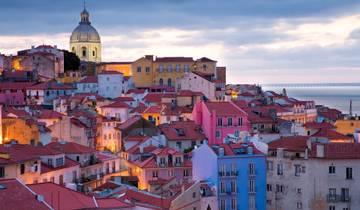
5 days
Best of Lisbon Tour (with Sintra, Évora and Cascais) – 5 Days in Portugal
- ✓ Comprehensive Lisbon tour
- ✓ Expert local guides included
- ✓ All accommodation arranged
- ✓ Transportation provided
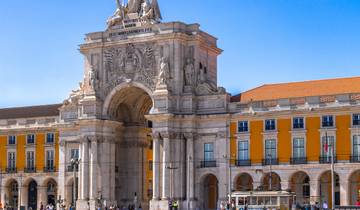
5 days
5 Days Lisbon and Fatima City Adventure
- ✓ Comprehensive Lisbon tour
- ✓ Expert local guides included
- ✓ All accommodation arranged
- ✓ Transportation provided
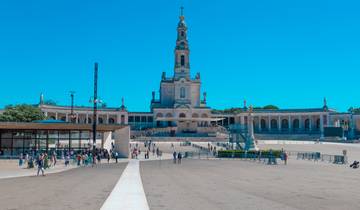
5 days
Best of Lisbon with Sintra, Nazaré, Fátima and Évora – 5 Days
- ✓ Comprehensive Lisbon tour
- ✓ Expert local guides included
- ✓ All accommodation arranged
- ✓ Transportation provided
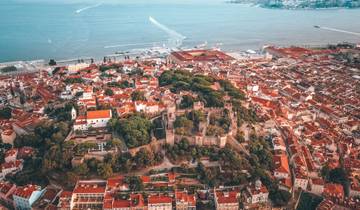
3 days
Wonders of Portugal
- ✓ Comprehensive Lisbon tour
- ✓ Expert local guides included
- ✓ All accommodation arranged
- ✓ Transportation provided
Multi-day tour packages powered by TourRadar. Prices and availability subject to change.
Essential Planning Information for 2026 Walking Tours
Current Costs for Walking Tours and Audio Guides in 2026
Free walking tours operate tip-based system with guides earning through participant donations at tour conclusion. Standard tips range €10-15 per person for 2.5-3 hour tours, with quality experiences justifying higher contributions €15-20 per person (check company websites for booking and meeting point details as policies may vary). No advance payment required—arrive at designated meeting points 10-15 minutes before departure with tour companies recognizing participants through distinctive umbrellas, flags, or guide vests. Tours depart regardless of weather with guides continuing through light rain but canceling during heavy storms.
Paid guided walking tours from professional companies cost €25-45 per person for small group experiences (8-15 people) lasting 3-4 hours. Premium tours €50-80 include specialized themes—food tours with tastings, fado culture with live performance, Jewish Lisbon heritage, street art exploration. Private walking tours start €120-200 for 2-4 people providing customized routes, flexible pacing, and in-depth attention impossible in group settings. Companies offering excellent English-language tours include Inside Lisbon, Lisbon Urban Adventures, Context Travel, and local guides bookable through ToursByLocals platform.
Audio guide applications downloaded to smartphones provide self-paced exploration with professional narration. Rick Steves Audio Europe offers free Lisbon walking tours covering downtown and Alfama districts. GPSmyCity app charges €5-8 per walking route with offline maps and turn-by-turn navigation. IZI.Travel provides free audio content for Lisbon monuments and neighborhoods. Premium app Vox City charges €10 for comprehensive Lisbon coverage including all major neighborhoods, monuments, and cultural context. Apps eliminate guide scheduling constraints allowing walks starting any time with pause/resume flexibility.
Physical Requirements and Accessibility in 2026
Lisbon’s topography creates significant walking challenges requiring honest fitness assessment before route planning. Alfama district involves continuous uphill climbing on steep cobblestone streets with staircases between levels—elevation gain reaches 100 meters from Tagus riverfront to São Jorge Castle. Bairro Alto sits atop 50-meter escarpment requiring either stair climbing or funicular transport. Daily walking routes easily accumulate 15-20km distances plus substantial elevation changes. Moderate fitness essential for enjoying walks without exhaustion—those with limited mobility should plan shorter routes, utilize historic transport between neighborhoods, and allocate rest periods.
Cobblestone calçadas covering Lisbon’s historic streets and sidewalks create uneven walking surfaces requiring sturdy footwear with good traction and ankle support. Leather soles slip dangerously on smooth stones especially after rain. Avoid heels, flip-flops, or smooth-soled fashion shoes unsuited to extended walking on irregular surfaces. Broken or missing cobblestones create trip hazards particularly when watching architecture rather than ground. Walking sticks help stability on steep sections. Allow 30-40% longer time than flat-surface equivalents when planning routes through historic quarters.
Wheelchair accessibility remains limited in medieval neighborhoods where narrow streets, staircases, and cobblestones prevent easy navigation. Baixa’s grid streets offer better accessibility with wider sidewalks and flatter terrain, though crosswalks lack comprehensive curb cuts. Belém provides relatively accessible riverfront promenade and monument exteriors, while interiors vary—Jerónimos Monastery has elevator access to upper choir, Belém Tower involves narrow spiral stairs. Modern neighborhoods (Parque das Nações, Avenida da Liberdade) feature contemporary accessibility standards. Wheelchair users benefit from accessible trams (some Tram 28 cars include low floors), taxis with trunk space for folding wheelchairs, and Accessible Portugal tour company specializing in adapted itineraries.
Alfama Walking Route: Medieval Labyrinth and Fado Heritage
Route Overview and Timing
Alfama represents Lisbon’s oldest neighborhood—medieval Moorish quarter surviving the 1755 earthquake through flexible street patterns dissipating seismic energy. The warren of narrow lanes climbing hillside from Tagus River to São Jorge Castle preserves working-class Portuguese character despite increasing tourist presence. This comprehensive route covers 4-5 hours walking approximately 6km with substantial elevation gain. Start early morning 8:30-9:00 AM for empty streets and open monuments before midday heat and tour bus crowds.
Begin at Praça do Comércio (Commerce Square) on riverfront—Lisbon’s monumental baroque plaza facing Tagus estuary. The yellow arcaded buildings reconstruct post-earthquake design by Marquis of Pombal. Walk east along waterfront toward Santa Apolónia, turning uphill through Arco da Rua Augusta entering medieval street grid. The contrast between rational Baixa grid and organic Alfama immediately apparent in narrowing streets and irregular building alignments.
Enter Alfama proper via Rua dos Bacalhoeiros reaching Igreja de Santo António (Saint Anthony Church) built on birthplace of Lisbon’s patron saint. The baroque church reconstructs medieval original destroyed in earthquake. Interior features elaborate azulejo tiles and gilt altarpieces. Free entry with donations supporting maintenance. Adjacent museum documents Saint Anthony’s life and cult development. Continue uphill via Rua das Escolas Gerais and Rua de São João da Praça passing local shops, neighborhood bars, and laundry hanging from balconies—authentic residential life amid tourist traffic.
Sé de Lisboa (Lisbon Cathedral) anchors Alfama’s religious heart—12th-century Romanesque fortress-church built after Christian reconquest from Moors. The severe exterior reflects frontier military needs during Reconquista period. Interior combines original Romanesque nave with Gothic cloister and baroque chapels showing architectural evolution. Entry free for nave, €5 for cloister, treasury, and archaeological excavations revealing Roman and Visigothic remains. Climb bell tower €2.50 for rooftop city views. Cathedral plaza includes Tram 28 stop—option to ride scenic tram through Alfama rather than walking continuation.
Essential Alfama Viewpoints and Hidden Corners
Continue climbing through Beco das Cruzes and Rua do Limoeiro reaching Miradouro de Santa Luzia—first major viewpoint revealing Alfama rooftops cascading toward Tagus, Igreja de Santo Estêvão’s dome, and cargo ships in river port. The shaded terrace features azulejo panels depicting pre-earthquake Lisbon and provides perfect photography angles morning light 9:00-11:00 AM. Small cafe serves coffee €1.20, fresh orange juice €3, and pastries €1.50-2.50.
Adjacent Miradouro das Portas do Sol offers expanded panorama from elevated position. The sun-drenched terrace with decorative tiles attracts tour groups 11:00 AM onwards—arrive before crowds for relaxed enjoyment. Cafe das Portas do Sol operates upscale terrace restaurant with light meals €12-18, cocktails €8-12, and finest viewpoint dining in Alfama. Museum of Decorative Arts occupies 17th-century palace beside viewpoint displaying Portuguese furniture, textiles, ceramics, and azulejos €4 entry.
Descend through Rua do Salvador exploring residential Alfama away from main tourist paths. Turn into Rua de São Miguel—Alfama’s vibrant commercial street lined with tascas serving grilled sardines, grocery shops, and fado houses advertising evening performances. Walk slowly absorbing neighborhood life—children playing, elderly residents conversing from windows, cats sunbathing on cobblestones. The authentic working-class character threatened by tourism gentrification still visible in traditional businesses and longtime residents maintaining community bonds.
Feira da Ladra (Thieves Market) operates Tuesday and Saturday mornings at Campo de Santa Clara below São Vicente de Fora church. The flea market sells antiques, vintage clothing, crafts, books, and assorted collectibles. Arrive early 8:00-9:00 AM for best selection before items picked over by dealers. Haggling expected—offer 50-60% of asking prices negotiating upward to fair agreements. Surrounding cafes serve breakfast to vendors and early shoppers. Market atmosphere provides cultural experience beyond object acquisition.
São Jorge Castle and Graça Extension
São Jorge Castle crowns Alfama’s highest point—Moorish fortification dating from 11th century controlling strategic position above river. Portuguese royalty occupied castle after 1147 reconquest until 16th-century earthquake damage and Ribeira Palace construction. The sprawling grounds include defensive walls with rampart walks, archaeological sites revealing Roman and Moorish occupation layers, restored palace sections, and spectacular panoramic views across Lisbon to Tagus estuary. Entry costs €15 for adults in 2026, €12.50 for seniors/students, free for children under 12 (check castelodesaojorge.pt for current official rates as pricing may vary).
Arrive at opening time 9:00 AM before tour bus groups flood grounds 11:00 AM-2:00 PM. Allow 90-120 minutes exploring ramparts, viewing platforms, archaeological sites, and camera obscura projecting live city views onto darkened room. The northern walls provide finest photography vantage—Alfama rooftops, Graça church, Mouraria neighborhood, São Vicente de Fora monastery, and distant Tagus bridge. Bring telephoto lens for architectural detail captures. Small cafe within grounds serves drinks €2-4 and light snacks €3-6.
Exit castle via northern gates descending to Graça neighborhood for elevated neighborhood character minus tourist intensity. Miradouro da Graça (Graça Viewpoint) offers westward panorama encompassing downtown Baixa, São Jorge Castle opposite hillside, Tagus River, and Cristo Rei statue across southern bank. The pine-shaded terrace with outdoor cafe provides relaxed break—espresso €1, beer €2-3, full meals €10-15. Local residents gather here late afternoon creating authentic neighborhood atmosphere. Igreja da Graça (Grace Church) features baroque interior and famous Cristo statue carried in procession during Holy Week celebrations.
Tram 28 stop at Graça provides convenient return transport to downtown (€3 cash onboard) avoiding downhill walking fatigue. Alternatively, continue walking through Mouraria neighborhood—historically Moorish quarter after reconquest when Muslim population relocated outside castle walls. Contemporary Mouraria blends traditional grocery shops, Chinese wholesale businesses, and emerging cafe culture. Largo do Intendente plaza anchors neighborhood revival with renovated buildings, art galleries, and weekend food markets. The walk from Graça to Martim Moniz plaza takes 20-25 minutes descending through authentic residential streets rarely seeing tourist traffic.
Belém Riverside Route: Age of Discoveries Monuments
Route Overview and UNESCO Heritage Sites
Belém preserves Portugal’s most concentrated Age of Discoveries heritage—monuments celebrating 15th-16th century maritime expansion when Portuguese navigators pioneered sea routes to Africa, Asia, and Americas. UNESCO recognition covers Jerónimos Monastery and Belém Tower acknowledging exceptional Manueline architecture and association with maritime achievement. This waterfront route spans 5-6 hours covering approximately 8km of relatively flat terrain along Tagus riverfront. Public transport reaches Belém easily—Tram 15E from Praça da Figueira (25 minutes, €3) or direct trains from Cais do Sodré (10 minutes, €1.35).
Begin at Mosteiro dos Jerónimos (Jerónimos Monastery)—masterpiece of Portuguese Manueline style combining Gothic structure with maritime-inspired decorative elements. King Manuel I commissioned the monastery 1501 to commemorate Vasco da Gama’s successful India voyage and house Hieronymite monks providing spiritual support for departing navigators. The honey-colored limestone facade displays extraordinary carved detail—maritime ropes, exotic flora, nautical instruments, royal emblems. Enter through south portal featuring sculptural program of saints, kings, and maritime allegories.
Interior church (free entry) stuns visitors with soaring vaulted ceiling supported by slender octagonal columns carved to resemble palm trees. Natural light floods whitewashed walls emphasizing architectural purity and uplifting spiritual atmosphere. Vasco da Gama’s tomb rests near entrance alongside poet Luís de Camões whose epic “Os Lusíadas” celebrates Portuguese maritime achievements. The chancel features royal pantheon with elaborate tombs of Manuel I, João III, and their families. Upper choir accessed via separate monastery ticket provides elevated view revealing ceiling structure and carved misericords.
Monastery cloister (€10 entry, combined ticket with Archaeological Museum €12) represents Portuguese Renaissance culmination—two-story arcade surrounding garden courtyard with extraordinarily detailed Manueline carving throughout. Every surface displays unique decorative treatment—maritime motifs, royal symbols, natural forms, geometric patterns. The chapter house and refectory feature exceptional azulejo tiles and architectural details. Archaeological Museum occupying monastery wing displays artifacts from Portuguese territories worldwide. Allow 90-120 minutes for comprehensive church and cloister visit arriving at 10:00 AM opening to explore before crowds intensify.
Pastéis de Belém and Riverfront Promenade
Exit monastery turning left 200 meters reaching Antiga Confeitaria de Belém (Pastéis de Belém)—original bakery serving Portugal’s most famous pastry since 1837. The iconic egg custard tarts follow secret recipe originating from Jerónimos monks, with production continuing in original factory building behind retail counters. Blue-and-white tiled interior spans multiple rooms accommodating hundreds of customers simultaneously. Lines form outside entrance during peak hours 10:30 AM-6:00 PM—arrive early morning 8:30-9:30 AM or late evening 7:00-8:30 PM for minimal waits. Pastéis cost €1.40 each, served warm with cinnamon and powdered sugar. Take-away service available but many prefer consuming fresh from oven in atmospheric tiled rooms with espresso €0.80.
Continue west along Avenida da Índia waterfront promenade toward Belém Tower. The riverside path offers Tagus views, gardens, contemporary art installations, and Padrão dos Descobrimentos (Monument to Discoveries) after 600 meters. This modernist monument inaugurated 1960 commemorating 500th anniversary of Henry the Navigator’s death. The stylized caravel prow rising 52 meters displays carved figures of Portuguese explorers, monarchs, cartographers, and missionaries involved in Age of Discoveries. Entry €6 provides elevator access to rooftop observation platform with panoramic views and interior exhibition documenting Portuguese maritime expansion. Wind-exposed rooftop requires warm layers even during summer.
Waterfront plaza below monument features compass rose marble map (Rosa dos Ventos) displaying Portuguese discovery routes worldwide. The 50-meter diameter map makes striking aerial photography subject—climb monument specifically for overhead view. Adjacent MAAT (Museum of Art, Architecture and Technology) occupies striking contemporary building by architect Amanda Levete. Entry €9 provides access to rotating art exhibitions and rooftop walkway overlooking river. The museum shop and cafe offer design-focused souvenirs and light meals €8-15 with river terrace seating.
Belém Tower and Maritime Heritage
Torre de Belém (Belém Tower) sits 700 meters further west along waterfront—UNESCO-listed defensive tower built 1515-1521 to protect Lisbon harbor entrance. The fortress combines military functionality with decorative Manueline architecture creating unique Portuguese Renaissance achievement. Exterior displays carved ropes, maritime emblems, royal shields, and Moorish-influenced watchtowers. The small platform where navigators embarked on voyages of discovery holds powerful symbolic resonance for Portuguese national identity.
Entry costs €8 for adults, €6.50 reduced rate for seniors/students, free for children under 12 (check patrimoniocultural.gov.pt for current official rates). Queue forms early morning continuing throughout day—advance online booking recommended to skip ticket line. Interior explores across five floors connected by narrow spiral stairways challenging for claustrophobic or mobility-limited visitors. Ground floor garrison room features ribbed vaulting and firing ports. Upper floors house governor’s quarters, king’s hall, and chapel with distinctive Manueline window overlooking river. Terrace provides close river views and monument photography angles. Allow 45-60 minutes for complete tower visit including queuing time.
Walk inland from tower 600 meters reaching Jardim da Praça do Império—formal gardens centered on fountain with geometric patterns and seasonal plantings. The gardens provide rest area between monument visits with shaded benches and refreshment kiosk. Surrounding buildings include Coach Museum (world’s largest historical coach collection €8 entry), Presidential Palace (not open to public), and Jerónimos Monastery visible across gardens creating unified monumental landscape. Return transport to central Lisbon departs from multiple stops—Tram 15E along Avenida da Índia, buses 727, 728, 729, 751, or trains from Belém station.
Baixa-Chiado-Bairro Alto Circuit: Downtown Lisbon
Pombaline Baixa Grid and Commerce Square
Baixa district represents Europe’s first planned urban grid—rational reconstruction following devastating 1755 earthquake that destroyed medieval Lisbon. Marquis of Pombal directed architect Eugénio dos Santos creating rectilinear street layout, standardized building facades, and earthquake-resistant construction using innovative wooden framework (gaiola pombalina). The neighborhood connects Praça do Comércio riverfront to Praça Dom Pedro IV (Rossio) uphill spanning 600 meters with streets named for traditional trades—Rua do Ouro (Gold Street), Rua da Prata (Silver Street), Rua dos Sapateiros (Shoemakers Street).
Start at Praça do Comércio (Commerce Square)—Lisbon’s grand baroque plaza opening to Tagus River. The yellow arcaded buildings house government ministries with central equestrian statue of King José I. Arco da Rua Augusta (Augusta Street Arch) provides €3 rooftop access to viewing platform above arcade with city panorama. Walk through arch entering Rua Augusta—Baixa’s main pedestrian street lined with souvenir shops, street performers, cafes, and retail chains. The grid streets running parallel (Rua do Ouro west, Rua da Prata east) maintain architectural integrity with restored pombaline buildings versus Rua Augusta’s contemporary commercial character.
Praça Dom Pedro IV (Rossio) terminates northern Baixa grid—historic plaza hosting political protests, celebrations, executions, and bullfights through centuries. The distinctive wave-pattern calçada pavement uses white and black stones creating optical effect. Central column supports bronze statue of King Pedro IV (Brazil’s Emperor Pedro I). National Theatre Maria II occupies northern plaza side presenting Portuguese and international productions. Rossio Train Station facade displays remarkable neo-Manueline horseshoe arches combining Moorish and Portuguese Renaissance elements. The station serves Sintra line making Rossio departure point for popular day trips.
Chiado Cultural Quarter and Literary Heritage
Climb west from Rossio via Rua do Carmo (or take Elevador de Santa Justa €5.30 round-trip shortcut) reaching Largo do Carmo—charming plaza centered on Igreja do Carmo ruins. The Gothic church destroyed in 1755 earthquake remains roofless memorial to catastrophe with standing walls and arches creating atmospheric archaeological museum €5 displaying tombs, sculptures, and prehistoric artifacts. The peaceful plaza includes outdoor cafes perfect for espresso breaks €1-1.50 while observing passing trams and pedestrian traffic.
Chiado neighborhood epitomizes Lisbon’s intellectual and artistic heritage—traditional district of bookshops, literary cafes, theaters, and elegant commerce. A Brasileira cafe at Rua Garrett 120 represents most iconic literary gathering spot, where Fernando Pessoa and fellow modernist writers debated literature over bica (espresso) through early 20th century. Bronze statue of Pessoa sits permanently at outdoor table welcoming selfie-seekers. Interior preserves art nouveau mirrors, marble counters, and belle époque atmosphere. Coffee €1.50 at counter, €3 at tables with service premium. Pastries €1.80-3 including famous bolo de arroz (rice cakes) and tortas.
Rua Garrett continues uphill past Teatro Nacional de São Carlos (opera house), luxury boutiques, and Livraria Bertrand—world’s oldest operating bookstore established 1732 (Guinness Record certified). The bookshop maintains traditional character with wooden shelves, reading nooks, and comprehensive Portuguese literature section plus English translations. Continue to Largo de Camões—plaza honoring national poet with central statue and surrounding azulejo-decorated buildings. São Carlos Theatre hosts opera and classical music performances September-June with tickets €15-80 depending on seats and productions.
Bairro Alto Nightlife District and Scenic Viewpoints
Bairro Alto climbs above Chiado—grid of narrow streets occupying hilltop plateau famous for nightlife concentration. Daytime visits reveal quiet residential neighborhood with laundry hanging from wrought-iron balconies, corner groceries, traditional restaurants, and street art covering building facades. The transformation begins sunset when bars open, tables appear in streets, and crowds fill alleys creating Lisbon’s premier nightlife experience. Self-guided daytime walking explores street art, historic churches, and neighborhood viewpoints before returning evening for bar hopping and live music.
Begin at Miradouro de São Pedro de Alcântara—terraced viewpoint garden with panoramic views across downtown to São Jorge Castle. Kiosk cafe serves drinks €2-4 and light snacks with outdoor seating on multiple levels. Information panels identify visible landmarks. The miradouro provides excellent golden hour photography 6:30-8:00 PM summer, 4:30-5:30 PM winter. Access via Elevador da Glória funicular from Praça dos Restauradores (€3.80 round-trip) or climb steep Calçada da Glória street on foot.
Walk through Bairro Alto grid streets observing daytime neighborhood character. Traditional restaurants serve lunch specials (prato do dia) €8-12 including soup, main, drink, coffee, and dessert—excellent value at Tasca do Manel, Restaurante Calcinha, or Bota Alta. Street art creates outdoor gallery throughout neighborhood with works by Vhils (Portuguese artist famous for carved concrete portraits), international muralists, and local graffiti artists. Pink Street (Rua Nova do Carvalho) connects Bairro Alto to Cais do Sodré district below—historically red-light district transformed into nightlife zone with music venues, cocktail bars, and dance clubs.
Principe Real Garden sits north of Bairro Alto proper—elegant 19th-century garden centered on enormous cedar tree with spreading canopy shading benches, playground, and cafe. The affluent residential neighborhood surrounding gardens features design shops, galleries, antique stores, and upscale restaurants. Weekend markets occupy garden plaza selling crafts, food, and vintage items. Pavilhão Chinês (Chinese Pavilion) at Rua Dom Pedro V 89 creates extraordinary drinking experience—bar decorated with thousands of collectible objects covering walls and ceilings including toy soldiers, model ships, movie posters. Cocktails €8-12, beer €3-4, and atmospheric interior worth visiting regardless of drinking interest.
Parque das Nações: Modern Lisbon Waterfront
Parque das Nações (Park of Nations) represents contemporary Lisbon—modern waterfront district created for Expo ’98 World’s Fair on former industrial docklands. The neighborhood contrasts historic districts with contemporary architecture, wide pedestrian spaces, riverside parks, and family attractions. This 3-4 hour walking route covers 6-7km of flat waterfront promenade exploring Lisbon’s 21st-century identity. Metro red line reaches Oriente station providing direct access.
Gare do Oriente (Oriente Station) showcases Santiago Calatrava’s soaring steel-and-glass architecture creating cathedral-like transit hub serving trains, metro, and buses. The station’s palm-tree inspired columns and translucent roof create impressive public space worth exploring independent of transport needs. Adjacent Vasco da Gama Shopping Centre offers 160 stores, restaurants, and cinema providing retail therapy between walking segments.
Oceanário de Lisboa (Lisbon Oceanarium) serves as district’s premier attraction—world-class aquarium featuring massive central tank surrounded by four biome exhibits representing Atlantic, Pacific, Indian, and Antarctic oceans. Designed by American architect Peter Chermayeff, the building rises on stilts above water creating striking modernist landmark. Entry costs €25 for adults, €16 for children 4-12, €22 for seniors/students in 2026 (check oceanario.pt for current official rates). Allow 90-120 minutes viewing sharks, manta rays, sunfish, otters, penguins, and thousands of marine species. The oceanarium excels for families with children finding aquarium more engaging than historical monuments.
Riverfront promenade extends 5km from Oceanarium to Parque Tejo offering continuous Tagus views, contemporary sculpture installations, landscaped gardens, and Vasco da Gama Bridge views. The cable car (Telecabine) operates 1.3km aerial route above waterfront €6 one-way, €9 round-trip providing elevated perspective and convenient transport between district endpoints. Gardens host outdoor concerts and events spring-autumn creating lively weekend atmosphere. Numerous cafes and restaurants along route serve meals €12-25 with outdoor terrace seating overlooking river.
Sample 2026 Walking Day Itineraries
Classic Lisbon Highlights Day Walk
8:30 AM – Begin at Praça do Comércio exploring waterfront plaza and optional Augusta Arch viewpoint €3. Walk through Rua Augusta observing pombaline architecture and morning street activity before tourist crowds arrive.
9:15 AM – Continue through Baixa grid reaching Rossio plaza. Coffee break at traditional pastelaria €2-3 for espresso and pastry. Photograph distinctive wave-pattern calçada and neo-Manueline station facade.
9:45 AM – Climb to Chiado via Rua do Carmo or Elevador de Santa Justa. Visit Convento do Carmo ruins €5 for atmospheric roofless church and small archaeological museum. Walk Rua Garrett past A Brasileira literary cafe (photo opportunity with Fernando Pessoa statue) and Bertrand bookstore.
11:00 AM – Take Elevador da Bica or walk to Miradouro de Santa Catarina viewpoint. The terrace provides Tagus views, street art, and relaxed atmosphere with local youth gathering. Continue to Bairro Alto exploring daytime neighborhood character and street art throughout grid streets.
12:30 PM – Lunch at traditional Bairro Alto tasca €10-15 for complete meal including wine. Recommendations: Tasca do Manel (grilled meats), Restaurante Calcinha (seafood), Bota Alta (Portuguese classics).
2:00 PM – Descend to Cais do Sodré via Pink Street (Rua Nova do Carvalho) observing nightlife district during daytime. Take Tram 15E from Cais do Sodré to Belém (€3, 25 minutes) avoiding afternoon walking fatigue.
2:45 PM – Visit Jerónimos Monastery (church free, cloister €10). Focus on church interior, Vasco da Gama tomb, palm-tree columns, and upper choir views. Skip cloister if time limited or visit Archaeological Museum with combined ticket €12.
4:00 PM – Walk to Pastéis de Belém for late afternoon custard tart experience €1.40 each avoiding peak midday crowds. Continue along waterfront to Monument to Discoveries with optional rooftop visit €6 for panoramic views.
5:15 PM – Reach Belém Tower (€8 entry) for golden hour photography. Interior visit optional depending on energy levels—exterior and riverfront provide excellent photo opportunities without tower climbing.
6:30 PM – Return to central Lisbon via Tram 15E or train from Belém station. Dinner in Bairro Alto or Bica neighborhood at restaurants opening early evening 7:00-7:30 PM.
Transport costs €9-12 (trams, funiculars), monument entries €16-26 (depending on selections), meals €15-25, coffee and pastries €5-8. Total day cost: €45-70 per person excluding dinner and shopping.
Alfama Deep Dive with Fado Experience
8:30 AM – Start at Sé de Lisboa cathedral (free church entry, €5 cloister). Explore Romanesque nave, Gothic cloister, and treasury museum with archaeological excavations below altar area. Climb bell tower €2.50 for early morning city views without crowds.
9:45 AM – Walk uphill through Alfama residential streets via Rua de São João da Praça and Rua das Escolas Gerais. Stop at local neighborhood cafes for authentic experience away from tourist paths. Reach Miradouro de Santa Luzia for first panoramic viewpoint over Alfama rooftops and Tagus River.
10:30 AM – Continue to Miradouro das Portas do Sol with expanded views. Visit Museum of Decorative Arts €4 displaying Portuguese furniture, ceramics, and azulejos in 17th-century palace setting. Alternative: Skip museum and explore surrounding residential lanes discovering hidden corners and neighborhood life.
11:30 AM – Descend through Rua de São Miguel to Feira da Ladra flea market (Tuesday and Saturday only) or continue exploring commercial Alfama streets. Visit traditional shops selling Portuguese products, handmade crafts, and neighborhood groceries supplying locals.
12:45 PM – Lunch at authentic Alfama tasca away from main tourist routes. Recommendations: Páteo 13 (creative tapas), Santo António de Alfama (traditional Portuguese), Tasca do Chico (lunch before evening fado). Expect €12-18 for complete meals including wine.
2:15 PM – Visit São Jorge Castle €15 exploring ramparts, archaeological sites, and panoramic viewing platforms. Allow 90-120 minutes for comprehensive visit including camera obscura demonstration. Focus photography on northern ramparts overlooking Alfama, Graça, and Mouraria neighborhoods.
4:30 PM – Exit castle descending to Graça neighborhood. Rest at Miradouro da Graça enjoying late afternoon views and local atmosphere. Take Tram 28 from Graça to downtown (€3) or continue walking down through Mouraria neighborhood for authentic residential experience.
6:00 PM – Return to accommodation for rest and dinner preparation before evening fado show. Many fado houses require reservations—book lunch or afternoon for dinner show 8:00-10:00 PM.
8:00 PM – Fado experience at traditional Alfama venue. Options include: Parreirinha de Alfama (€30-45 per person plus food minimum €20-30), Mesa de Frades (intimate chapel setting €25 entry plus dining), A Baiuca (small authentic venue €10-15 minimum). Shows run 9:00 PM-midnight with multiple performers rotating through evening.
Morning walking costs €16.50 (cathedral cloister, tower, museum, castle), lunch €15-20, transport €3-6, fado and dinner €50-75. Total day cost: €85-120 per person experiencing Alfama comprehensively with evening fado culture.
Contemporary Lisbon: LX Factory and Waterfront
10:00 AM – Begin at LX Factory in Alcântara district below 25 de Abril Bridge. Former textile factory complex transformed into creative hub with shops, galleries, restaurants, coworking spaces, and Sunday markets. Browse independent bookstore Ler Devagar occupying atmospheric factory hall with industrial decor. Shop design boutiques selling Portuguese products, vintage fashion, handmade jewelry.
12:00 PM – Lunch at LX Factory restaurants offering international cuisine €12-20. Options include Rio Maravilha rooftop (Brazilian-Portuguese fusion with bridge views), Cantina LX (casual Portuguese), or various food stalls during weekend markets. Alternative: Walk 15 minutes to Time Out Market Lisbon at Cais do Sodré for gourmet food court featuring city’s best chefs at casual prices €8-15 per dish.
1:30 PM – Walk along riverside from Alcântara to Belém (3km, 45 minutes) or take bus 714 saving energy. Pass beneath 25 de Abril Bridge photographing suspension span from below. Continue through docklands and parks reaching Belém monument district.
2:30 PM – Quick Belém highlights: Jerónimos Monastery exterior (free), Monument to Discoveries (exterior free, interior €6), Belém Tower (exterior photos free, interior €8). Focus time on MAAT contemporary art museum €9 for rotating exhibitions and striking riverside architecture.
4:30 PM – Train or tram from Belém to Cais do Sodré (10-15 minutes, €1.35-3). Explore Ribeira das Naus waterfront promenade with contemporary urban beach, outdoor bars, and Tagus sunset views. The renovated docklands provide popular evening gathering spot for locals and visitors mixing drinks, river views, and relaxed atmosphere.
6:00 PM – Walk to Pink Street (Rua Nova do Carvalho) observing transformation from historic red-light district to hipster nightlife zone. Early evening explores before crowds arrive—street art, vintage shops, emerging bars. Continue to Mercado da Ribeira/Time Out Market for diverse dining options from celebrity chef counters.
7:30 PM – Sunset at rooftop bar with city views. Options include Park Bar (repurposed parking garage rooftop in Bairro Alto), Topo Chiado (terrace overlooking Rossio and castle), or Lost In (garden terraces in Príncipe Real). Cocktails €8-12, light meals €10-18.
Transport €5-10, LX Factory purchases variable, MAAT entry €9, lunch €15-25, Time Out Market snacks €10-15, rooftop bar €15-25. Total day cost: €54-100 per person experiencing contemporary Lisbon cultural scene and waterfront transformation.
Practical Walking Tour Logistics for 2026
Footwear and Clothing Recommendations
Comfortable walking shoes with substantial cushioning and ankle support rank as most critical gear for Lisbon exploration. Cobblestone calçadas create uneven surfaces jarring feet and ankles through continuous impact over 15-20km daily distances. Leather soles slip dangerously on smooth stones especially after rain or morning dew—rubber soles with aggressive tread patterns provide necessary traction. Break in new shoes thoroughly before Lisbon trip avoiding blisters from untested footwear. Experienced walkers carry backup shoes allowing alternation to redistribute pressure points and reduce fatigue.
Layered clothing accommodates Lisbon’s microclimate variations between river level and hillside neighborhoods. Temperature drops 3-5°C climbing from Baixa to Alfama or Bairro Alto, while wind exposure increases at viewpoints and exposed hilltops. Spring and autumn require light jacket or sweater easily removed when sun emerges between cloudy periods. Summer walking necessitates sun protection—wide-brim hats, UV-protective clothing, and high-SPF sunscreen applied hourly during extended outdoor exposure. Winter layers combat Atlantic humidity making 12-15°C feel colder than equivalent dry conditions—waterproof outer shell essential November-March.
Practical accessories enhance walking comfort. Backpacks distribute weight better than shoulder bags preventing one-sided strain during long walks. Include refillable water bottles (tap water safe throughout Portugal), energy snacks supplementing restaurant meals, compact umbrellas for sudden showers spring-autumn, and smartphone external battery pack for extensive navigation and photography preventing dead phones miles from accommodation. Sunglasses protect eyes from reflection off white-painted buildings and river surfaces. Small first-aid kit addresses blisters, minor scrapes, and headaches without seeking pharmacies.
Photography Tips and Golden Hour Planning
Lisbon’s architecture, street scenes, and viewpoints reward photography planning around optimal light conditions. Golden hour (45 minutes after sunrise and before sunset) bathes yellow facades, azulejo tiles, and terracotta roofs in warm directional light creating dimensional depth and rich color saturation. Summer golden hour occurs 6:30-7:30 AM and 8:00-9:00 PM requiring very early or late shooting. Spring-autumn times shift to 7:00-8:00 AM and 6:30-7:30 PM. Winter provides 8:00-9:00 AM and 4:30-5:30 PM opportunities requiring less extreme schedule adjustments.
Morning light favors east-facing subjects—Alfama neighborhoods from Portas do Sol viewpoint, downtown Baixa from castle ramparts, waterfront monuments catching sunrise over Tagus. Evening light illuminates west-facing architecture—castle from downtown viewpoints, Bairro Alto buildings from river level, 25 de Abril Bridge from Belém or Alcântara. Midday harsh overhead sun creates flat lighting and harsh shadows better suited to rest periods than photography sessions. Overcast conditions eliminate harsh shadows enabling all-day shooting with consistent soft light ideal for architectural details and street photography.
Viewpoints (miradouros) provide essential photography platforms capturing Lisbon’s layered hillside neighborhoods and river vistas. Priority locations include São Pedro de Alcântara (downtown and castle panorama), Portas do Sol and Santa Luzia (Alfama rooftops), Senhora do Monte (360-degree city views), Graça (castle and Mouraria), and Santa Catarina (Tagus and bridge). Arrive 20-30 minutes before planned shooting time claiming optimal vantage points before tour groups occupy viewpoints. Telephoto lenses compress hillside layers creating compelling compositions, while wide angles capture environmental context and expansive cityscapes.
Safety Considerations and Common Hazards
Lisbon ranks among Europe’s safest capital cities with minimal violent crime affecting tourists. Petty theft concentrates in crowded tourist areas—Tram 28, Rossio plaza, around São Jorge Castle entrance, and Belém monuments. Protect valuables through front pockets or secure crossbody bags held against body in crowds. Leave unnecessary valuables at accommodation rather than carrying items inviting theft. Divide cash and cards between multiple pockets avoiding single-point loss if pickpocketed. Phone theft targets distracted tourists photographing—maintain awareness of surroundings especially when using smartphones at busy intersections and viewpoints.
Traffic represents greater hazard than crime for pedestrians. Portuguese drivers operate aggressively with minimal pedestrian yielding at unsignaled crosswalks. Make eye contact with drivers before entering roadways and assume vehicles won’t stop unless legally required at signals. Trams operate silently approaching from behind on tracks embedded in streets—maintain awareness of tram routes especially in historic districts where tracks run through narrow roads shared with pedestrians. Motor scooters and motorcycles use sidewalks illegally during traffic congestion creating pedestrian hazards on supposedly car-free walkways.
Physical hazards stem from infrastructure conditions. Broken or missing cobblestones create trip hazards throughout historic neighborhoods—watch foot placement rather than only architecture overhead. Steep streets become dangerously slippery when wet—descend slowly using walls or handrails for stability. Uneven sidewalks with abrupt height changes catch inattentive walkers especially after dark. Public stairs lack consistent handrails with some sections entirely unsupported. Assess personal ability honestly—climb stairs slowly, rest frequently, and choose alternative routes (funiculars, taxis) when fatigue increases injury risk.
Food and Refreshment Strategies for Walking Days
Strategic Cafe and Restaurant Breaks
Portuguese cafe culture provides perfect walking tour punctuation—frequent rest breaks with espresso (bica) €0.80-1.50, pastries €1-2.50, and people-watching from outdoor tables. Traditional pastelarias operate throughout neighborhoods serving breakfast (pequeno almoço) with coffee, juice, and pastry €3-5. Mid-morning break (10:30-11:00 AM) bridges breakfast and lunch preventing energy crashes during walking-intensive mornings. Afternoon cafe stop (4:00-5:00 PM) provides recovery period between day walking and evening activities.
Lunch pricing varies dramatically between tourist-oriented restaurants near monuments and neighborhood establishments serving locals. Tourist restaurants in Baixa, Belém, and central Alfama charge €15-25 for basic Portuguese dishes—grilled fish, meat plates, pasta. Walk 5-10 minutes from major monuments discovering authentic tascas where lunch specials (prato do dia) include soup, main course, drink, and dessert €8-12. Ask accommodation staff or tourism office for neighborhood recommendations specifically frequented by Portuguese workers versus international tourists.
Supermarkets and grocery shops provide budget-friendly picnic options—Pingo Doce and Continente chains throughout city offer sandwich materials, fresh fruit, pastries, drinks, and prepared salads at fraction of restaurant prices. Purchase morning supplies assembling park picnics at scenic miradouros rather than restaurant time commitment. Public water fountains throughout historic districts provide free refills—tap water safe and well-maintained across Portugal. Carrying snacks (fruit, nuts, energy bars) prevents reliance on tourist cafes during remote walking segments where options appear limited.
Authentic Portuguese Dining Experiences
Lunch represents main Portuguese meal traditionally featuring appetizers (couvert), soup, main course, side dish, and dessert consumed leisurely 12:30-2:30 PM. Traditional restaurants fill with local workers during this window requiring either advance reservations or accepting wait times. Menu items worth trying: bacalhau (salt cod prepared countless ways), sardines grilled whole (June-October season), cozido à portuguesa (mixed meat and vegetable stew), porco à alentejana (pork with clams), and arroz de marisco (seafood rice similar to paella).
Evening dining starts later than northern European customs—restaurants open 7:00-7:30 PM with Portuguese diners arriving 8:30-9:30 PM. Early arrivals encounter empty dining rooms transforming into animated spaces through evening. Fado restaurants combine dinner with traditional music performances beginning 9:00-9:30 PM and continuing past midnight. These establishments require reservations and charge cover fees €10-25 plus food minimum €20-40 per person. Quality varies from tourist-oriented performances to authentic neighborhood venues where performers and audience members understand fado’s melancholic soul.
Ginjinha (cherry liqueur) represents Lisbon’s traditional drink, served in tiny glasses or chocolate cups at specialized bars and shops. The most famous establishment A Ginjinha operates since 1840 near Rossio square serving €1.50 portions to standing crowds throughout day. Alternatives include Ginjinha Sem Rival in Alfama and Eduardo’s Bar near Praça da Figueira. Request “with them” (com elas) to include alcohol-soaked cherries at glass bottom or “without them” (sem elas) for straight liqueur. Cerveja (beer) remains popular with Sagres and Super Bock local brands served draft (imperial) in bars and restaurants €1.50-3 depending on location.
Frequently Asked Questions About Lisbon Walking in 2026
How much walking can you do in Lisbon in one day?
Fit walkers comfortable with hills easily cover 15-20km daily exploring 2-3 major neighborhoods with rest breaks and meal stops. Single neighborhood focus (Alfama only, Belém only) reduces distances to 8-12km while allowing deeper immersion and leisurely pacing. Moderate fitness levels handle 10-15km mixing walking with strategic historic transport use (trams, funiculars) for steepest climbs. Consider individual fitness honestly—attempting excessive distances creates fatigue, reduces enjoyment, and increases injury risk on uneven cobblestones. Quality exploration trumps distance accumulation.
Can you walk from Alfama to Belém?
The riverside route from Alfama to Belém spans approximately 8km requiring 1.5-2 hours walking along waterfront. However, this itinerary proves exhausting when adding Alfama hill climbing beforehand. Better strategy uses public transport between neighborhoods—Tram 15E from Commerce Square to Belém takes 25 minutes €3, or trains from Cais do Sodré reach Belém in 10 minutes €1.35. Reserve walking energy for neighborhood exploration rather than inter-district transfers. Combining Alfama and Belém in single day requires early start (8:00 AM) and accepting abbreviated neighborhood coverage versus two separate focused days.
Is Tram 28 worth taking in 2026?
Tram 28 provides scenic route through Graça, Alfama, Baixa, and Estrela neighborhoods offering historic transportation experience and efficient uphill transport. However, extreme tourist popularity creates serious drawbacks—long queues at major stops (1+ hours during peak season), pickpocketing targeting crowded trams, and sardine-can conditions preventing sightseeing through windows. Strategic use involves boarding at lesser-known stops (Prazeres cemetery, Estrela), riding at off-peak times (early morning before 9:00 AM, evening after 6:00 PM), or accepting tram as transport rather than sightseeing attraction. Alternative walking combined with less-crowded transport (funiculars, metro, taxis) often provides better experience.
What should I avoid in Lisbon?
Avoid tourist traps clustering near major monuments—restaurants adjacent to Jerónimos Monastery, Praça do Comércio arcades, and Alfama’s Portas do Sol charge premium prices (50-100% markup) for mediocre quality. Walk 200-300 meters from monuments finding better value and authentic character. Avoid taxi rides during metro strike days when surge pricing and traffic jams create expensive frustrating experiences—plan alternative days for walking-intensive neighborhoods or reschedule major attractions. Avoid assuming English everywhere—learning basic Portuguese phrases (greetings, please, thank you) shows respect generating warmer local interactions. Avoid late-night solo walks in Martim Moniz and Intendente areas where prostitution and drug activity concentrate, though violent crime remains rare even these neighborhoods.
How do I get around Lisbon without a car?
Metro covers city efficiently with four lines (blue, yellow, green, red) connecting major districts and neighborhoods. Purchase rechargeable Viva Viagem card €0.50 loading with single journeys €1.65 or 24-hour pass €6.80 allowing unlimited metro, bus, tram, and funicular travel. Trams reach historic hillside neighborhoods where metro doesn’t penetrate—routes 12E, 15E, 18E, 25E, 28E operate throughout day. Funiculars (Glória, Bica, Lavra) and elevator (Santa Justa) provide shortcuts up steep hills. Taxis and Uber abundant and affordable—typical cross-town rides €8-15 providing convenient alternative when tired or carrying shopping. Walking remains best way experiencing neighborhoods deeply, with public transport handling longer inter-district transfers.
Is Lisbon good for solo travelers?
Lisbon excels for solo exploration with safe streets, welcoming locals, abundant English speakers in tourist areas, and social opportunities through free walking tours and hostel activities. Solo travelers enjoy flexibility setting personal pace, changing plans spontaneously, and pursuing specific interests without group compromise. Accommodation options range from social hostels (€20-35 dorm beds) facilitating traveler connections to boutique hotels providing privacy and comfort. Solo dining presents no awkwardness—Portuguese cafes and tascas welcome individuals at bars or small tables. Join free walking tours meeting other solo travelers potentially forming casual groups for meals or attractions. Standard solo travel precautions apply—remain aware of surroundings, avoid excessive alcohol in unfamiliar areas, share itineraries with friends/family at home.
What is the best neighborhood to stay in Lisbon?
Baixa-Chiado provides optimal first-time visitor location—central position, excellent metro connections, walking distance to most major attractions, and abundant dining options. The flat terrain suits travelers avoiding Alfama and Bairro Alto hill climbing to/from accommodation daily. Alfama offers atmospheric medieval setting, proximity to castle and viewpoints, and authentic neighborhood character but requires accepting steep daily climbs and tourist crowds. Bairro Alto delivers nightlife immersion and bohemian atmosphere with evening noise potential disrupting sleep. Príncipe Real attracts design-conscious travelers seeking elegant residential setting, gardens, boutiques, and upscale dining slightly removed from tourist intensity. Budget travelers find excellent hostel concentrations in Baixa and Cais do Sodré districts.
Can you see Lisbon in 3 days?
Three days allow solid introduction to Lisbon’s essential neighborhoods and monuments. Day one covers Alfama-castle-Graça medieval quarters, day two explores downtown Baixa-Chiado-Bairro Alto, day three visits Belém UNESCO monuments. This schedule provides comprehensive overview hitting major attractions while allowing meal breaks and moderate pacing. However, three days limits spontaneity, requires strict schedules, and prevents exploring emerging neighborhoods (LX Factory, Parque das Nações, Campo de Ourique). Five-six days enable relaxed exploration, recovery time, day trip to Sintra, deeper neighborhood immersion, and inevitable discoveries requiring schedule flexibility. Quality travelers prefer adequate time over rushed checkbox tourism.
Is Lisbon hilly and hard to walk?
Lisbon’s seven hills create significant elevation challenges distinguishing it from flat European capitals. Alfama climbs 100 meters from riverfront to castle requiring sustained uphill effort. Bairro Alto sits atop 50-meter escarpment reached via steep streets or funiculars. However, strategic planning mitigates difficulty—use uphill transport (trams, funiculars, taxis) then explore neighborhoods downhill, start mornings at high elevations descending throughout day, allocate rest days between intensive walking days. Moderate fitness handles Lisbon comfortably with appropriate pacing and realistic daily distance expectations. Mobility-limited travelers focus on flatter areas (Belém, Baixa, Parque das Nações) supplementing with accessible transport.
What is the best month to visit Lisbon?
May and September-October provide ideal conditions combining comfortable temperatures 20-25°C, reduced tourist crowds versus summer peak, and manageable rain probability 25-35%. These shoulder months deliver excellent value with accommodation costs 20-30% below June-August rates, easier restaurant reservations, and more enjoyable walking without extreme heat or masses at monuments. March-April bring wildflowers, spring festivals, and pleasant weather 15-22°C though higher rain probability 40-45% requires waterproof layers. December-February offer lowest prices and smallest crowds but Atlantic weather systems create 45-50% rain probability and temperatures 10-15°C challenging outdoor activities. June-August guarantee sunshine and warmest weather but bring peak crowds, highest prices, and 30-35°C afternoon heat requiring early starts and midday breaks.