
Lisbon 3-Day Itinerary 2026: First-Time Visitor Guide
Key Takeaways
- Three-day itinerary covers Lisbon’s essential experiences including Belém UNESCO sites, Alfama medieval quarter, central neighborhoods, and key cultural attractions
- Daily costs range €80-120 per person including major attractions (€20-35), meals (€30-45), and transport (€6.80 unlimited day pass) with mid-range dining emphasis
- Strategic day structure balances morning monument visits during cooler hours, midday rest periods avoiding peak heat, and late afternoon/evening neighborhood exploration
- Advance booking requirements for 2026 include São Jorge Castle (book 3-5 days ahead summer), popular restaurants (2-3 days), and optional guided tours (1 week ahead)
- Geographic clustering optimizes time efficiency with Day 1 western Lisbon (Belém), Day 2 eastern hills (Alfama, castles), Day 3 central districts and flexible options
- Itinerary adaptations accommodate different travel styles through budget variations (€60-140 daily), pace modifications (relaxed vs. intensive), and optional day trip alternatives
Introduction: Optimal 3-Day Lisbon Planning for 2026
A three-day itinerary provides ideal duration for first-time visitors to experience Lisbon’s essential attractions, diverse neighborhoods, and authentic Portuguese culture throughout 2026. This timeframe enables thorough exploration of UNESCO World Heritage sites in Belém, medieval Alfama quarter, panoramic viewpoints, and central districts while maintaining balanced pacing that prevents exhaustion. The compact city geography concentrates major attractions within walkable distances, allowing efficient routing that maximizes experiences without constant transportation dependency.
The 2026 travel season brings enhanced visitor services across Lisbon, including extended monument hours during summer months (May-September), improved English-language signage throughout tourist areas, and expanded restaurant reservations systems accommodating advance planning. Strategic three-day structuring accounts for peak crowd periods, optimal lighting conditions for photography, and Portuguese meal timing customs that differ from North American patterns. Understanding these operational patterns transforms basic sightseeing lists into thoughtfully planned itineraries delivering superior experiences.
This comprehensive guide provides detailed day-by-day routing covering morning activities, midday meals, afternoon exploration, and evening experiences with specific timing recommendations, budget breakdowns, and practical logistics. Each day receives geographic theming—western neighborhoods, eastern hills, central districts—creating logical exploration patterns while minimizing backtracking and transportation inefficiencies. The itinerary balances structured planning with flexibility, allowing spontaneous adjustments based on weather, energy levels, and discovered interests while ensuring coverage of Lisbon’s premier first-visit experiences.
People Also Ask About 3-Day Lisbon Itineraries in 2026
Is 3 days enough time to see Lisbon in 2026?
Three days provides sufficient time to experience Lisbon’s major attractions, diverse neighborhoods, and essential cultural elements for first-time visitors throughout 2026. This duration covers Belém’s UNESCO monuments, Alfama’s medieval streets, São Jorge Castle, central districts (Baixa, Chiado, Bairro Alto), multiple viewpoints, and cultural experiences including Fado performances and Portuguese dining. However, three days requires efficient planning without extended day trips to Sintra or Cascais, which need separate days. First-time visitors prioritizing comprehensive Lisbon exploration over regional excursions find three days delivers satisfying city coverage without feeling rushed or exhausted.
What’s the best order for exploring Lisbon neighborhoods in 2026?
Optimal sequencing starts with Belém (Day 1) for UNESCO monuments establishing Portuguese maritime history context, continues through Alfama and eastern hills (Day 2) revealing medieval city character, and concludes with central districts (Day 3) showcasing contemporary urban Lisbon and shopping. This progression builds historical understanding from Age of Discoveries through medieval preservation to modern development, creating narrative arc throughout your visit. Geographic clustering minimizes daily transportation while grouping attractions by similar character and walking intensity, placing demanding hill-climbing days mid-visit when energy peaks rather than at beginning or end when arrival/departure logistics complicate scheduling.
How much does a 3-day Lisbon trip cost in 2026?
Budget travelers spend €60-80 daily (€180-240 total) through hostels (€35-50), self-catering meals (€20-30), walking emphasis, and free activity focus. Mid-range visitors investing €100-140 daily (€300-420 total) stay in comfortable hotels (€70-100), dine at quality restaurants (€40-60 daily), include paid attractions (€25-35), and use transport freely (€6.80 day passes). Check booking platforms for current 2026 accommodation rates as pricing varies significantly by season and booking timing. Summer high season (June-September) increases costs 25-35% compared to shoulder seasons, making spring (April-May) and fall (October-November) optimal for value-focused visitors.
Should you include a Sintra day trip in a 3-day Lisbon itinerary for 2026?
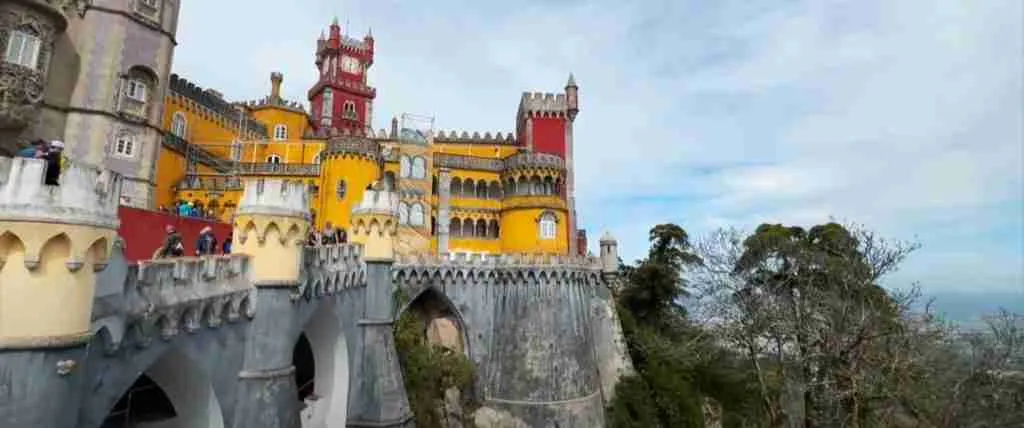
Sintra requires full-day commitment (8-10 hours including transport and palace visits) that reduces Lisbon city exploration time during limited three-day visits. First-time visitors prioritizing comprehensive Lisbon coverage should focus entirely on city neighborhoods and attractions, potentially extending stays to 4-5 days to accommodate both thorough city exploration and Sintra excursion. However, travelers particularly interested in palaces and romantic architecture might substitute Day 3 central Lisbon activities with Sintra day trip, recognizing this trade-off sacrifices downtown shopping, additional museums, and flexible exploration time for dramatic palace and garden experiences 30 kilometers outside Lisbon.
Extended multi-day tours – 5+ days
Featured Lisbon Multi-Day Tour Packages

3 days
Lisbon 3-Day Discovery Tour
- ✓ Comprehensive Lisbon experience
- ✓ Expert local guides included
- ✓ All accommodation included
- ✓ Transportation provided

5 days
Lisbon 5-Day Highlights Experience
- ✓ Comprehensive Lisbon experience
- ✓ Expert local guides included
- ✓ All accommodation included
- ✓ Transportation provided

7 days
Lisbon 7-Day Cultural Journey
- ✓ Comprehensive Lisbon experience
- ✓ Expert local guides included
- ✓ All accommodation included
- ✓ Transportation provided
10 days
Lisbon 10-Day Complete Adventure
- ✓ Comprehensive Lisbon experience
- ✓ Expert local guides included
- ✓ All accommodation included
- ✓ Transportation provided
Multi-day tour packages powered by TourRadar. Prices and availability subject to change.
Pre-Arrival Planning Essentials for 2026
Advance accommodation booking 4-6 weeks before arrival secures optimal properties and rates throughout 2026, particularly during peak summer months (June-September) when Lisbon hotels reach high occupancy. Central neighborhood accommodation (Baixa, Chiado, Príncipe Real) provides walking access to most attractions, eliminating transport dependencies and enabling flexible schedule adjustments. Budget €70-120 nightly for comfortable mid-range hotels with breakfast, or €35-60 for quality hostels with private rooms if preferring accommodation economy for enhanced dining or activity investments.
Monument ticket pre-booking prevents queue waits during high season, with several attractions offering online reservations through official websites. São Jorge Castle recommends advance booking 3-5 days ahead during summer when daily visitor limits create afternoon sellouts. Jerónimos Monastery and Belém Tower operate combo tickets (€12 vs. €10+€6 separately) available online, providing queue-skip entry and modest savings. Most museums and churches operate walk-up entry without advance requirements, though arriving at opening times (typically 10 AM) minimizes waits even without pre-purchase.
Restaurant reservations for dinner become essential at popular establishments during peak season, with 2-3 days advance booking recommended for quality mid-range restaurants and 1-2 weeks for highly-rated establishments. Lunch reservations remain generally unnecessary except at premium restaurants, as Portuguese dining culture emphasizes substantial midday meals making lunch service accommodations more readily available than dinner slots. Make dinner reservations immediately after booking accommodation to secure preferred restaurants for specific dates throughout your three-day visit.
Transportation planning begins with airport arrival logistics and extends through daily movement patterns. The metro (€1.65 per ride) connects airport to city center in 25-30 minutes, with unlimited day passes (€6.80) providing economical transport for days involving 5+ journeys. However, Lisbon’s compact geography means walking covers most daily routes, with strategic transport use limited to specific longer distances (airport transfers, Belém district access, late evening returns). Purchase rechargeable Viva Viagem cards (€0.50) at airport metro station upon arrival for convenient multi-day transport management throughout your stay.
Day 1: Belém District and Western Lisbon – 2026 Itinerary
Morning: Jerónimos Monastery and Monument to the Discoveries (9 AM – 12:30 PM)
Start Day 1 at Jerónimos Monastery with 9 AM arrival coordinating with monument opening, minimizing summer crowd encounters that build substantially by 10:30 AM. Take tram 15E from downtown (€3.15 or included in day pass, 20 minutes) to Belém, arriving 15-20 minutes before monastery opening to secure entry position. The monastery represents Portugal’s premier Manueline architectural masterpiece, built in the 16th century commemorating Vasco da Gama’s successful India voyage. The €10 admission (or €12 combo with Belém Tower) provides access to the church, cloister, and auxiliary spaces requiring 60-90 minutes for thorough exploration.
The monastery church showcases soaring vaulted ceilings with maritime motifs, elaborate stone carving, and the tombs of Vasco da Gama and poet Luís de Camões. The adjacent cloister demonstrates Manueline architecture at its finest through two-story arcaded galleries decorated with nautical rope, armillary spheres, and natural elements reflecting Portuguese maritime achievements. Morning light enters the east-facing cloister beautifully from 9-11 AM, creating optimal photography conditions and atmospheric architectural appreciation impossible during afternoon visits when direct sunlight creates harsh shadows.
After monastery exploration, walk 10 minutes along the waterfront to the Monument to the Discoveries (Padrão dos Descobrimentos), a modernist 1960 monument commemorating Portuguese exploration. The exterior viewing and surrounding plaza remain free, while interior elevator to observation deck costs €6 providing panoramic Tagus River and Belém district views. Budget 30-45 minutes total for exterior appreciation and optional interior visit. The waterfront location between monastery and tower creates natural walking progression while revealing Belém’s relationship to the Tagus River that facilitated Portuguese maritime expansion.
Midday: Belém Tower and Traditional Lunch (12:30 PM – 2:30 PM)
Continue waterfront walking 15 minutes to Belém Tower (Torre de Belém), arriving around 12:30 PM after morning monastery crowds thin slightly. The 16th-century fortress served as ceremonial gateway for departing explorers and defensive installation protecting Lisbon’s harbor approach. The €6 admission (or included in €12 combo ticket with monastery) allows climbing the tower’s narrow staircases to multiple levels and exterior terraces with river views. Budget 45-60 minutes for comprehensive tower exploration including exterior photography from surrounding grounds and promenade.
Lunch at traditional Portuguese restaurants near Belém offers authentic cuisine in relaxed settings. Os Jeronimos (Rua dos Jeronimos) serves quality Portuguese standards €12-18 for mains including bacalhau, grilled fish, and meat dishes with table wine €10-15. Alternatively, Floresta de Belém provides similar traditional menu in charming tilework-decorated dining room. Portuguese lunch culture emphasizes substantial midday meals, making this proper lunch timing according to local customs (most Portuguese eat lunch 1-2:30 PM). The meal provides needed rest after morning walking and monument exploration before afternoon activities.
After lunch, stop at Pastéis de Belém bakery (Rua de Belém 84-92) for Portugal’s most famous custard tarts (pastéis de nata). The bakery created the original recipe in 1837, maintaining secret formula producing distinctively flavored pastries with flaky crust and creamy custard. Queue outside indicates popularity but moves quickly, with interior seating available in multiple tiled rooms or takeaway service for eating in adjacent Jardim da Praça do Império gardens. Budget €1.30 per pastry and 20-30 minutes for queuing, ordering, and consuming these essential Portuguese treats.
Afternoon: MAAT and Waterfront Exploration (2:30 PM – 5 PM)
Walk 15 minutes east along the waterfront promenade toward the MAAT (Museum of Art, Architecture and Technology), passing under the 25 de Abril Bridge during this scenic riverside route. The contemporary museum building itself represents architectural interest with its undulating white tile exterior and waterfront positioning. Museum admission costs €9 for temporary exhibitions, though exterior architecture and surrounding public spaces remain free to explore. Budget 45-60 minutes for museum visit if contemporary art interests you, or simply appreciate the building’s exterior and continue waterfront walking.
The riverside promenade extends continuously from Belém Tower to downtown Cais do Sodré, providing 4 kilometers of scenic walking along the Tagus. However, most visitors turn back after MAAT, returning via the same waterfront route or taking tram 15E from nearby stops back toward central Lisbon. The afternoon promenade walk offers different lighting than morning, with western sun creating warm tones on the river and opportunities for varied photography perspectives of monuments visited earlier.
Return to central Lisbon via tram 15E (departures every 12-15 minutes) to downtown neighborhoods, arriving by 5 PM with time to rest at accommodation before evening activities. This natural pause between day and evening activities follows Portuguese cultural patterns, with late afternoon (5-7 PM) representing quieter periods before evening social life begins around 8 PM. Use this time for showering, outfit changes, rest, or preliminary dinner research if restaurant reservations weren’t made in advance.
Evening: Bairro Alto and Dinner (7 PM – 11 PM)
Begin evening with aperitif drinks at rooftop bar for sunset views over Lisbon. Park Bar (Bairro Alto, Calçada do Combro) or TOPO Chiado (Praça Luis de Camoes) offer panoramic city perspectives with cocktails €10-14 or wine/beer €5-8. Sunset timing varies throughout 2026 from approximately 5:30 PM in winter to 9 PM in summer, so adjust arrival timing accordingly for optimal light. The elevated perspectives provide orientation and dramatic city views concluding your first day’s geographic exploration from ground level.
Dinner at quality Portuguese restaurants showcases regional cuisine beyond lunchtime traditional cooking. Bairro do Avillez (Rua Nova da Trindade) offers modern Portuguese dishes €16-24 in casual-elegant setting, while 100 Maneiras Bistro (Largo da Trindade) serves Portuguese-contemporary fusion €18-26 for mains. Alternatively, traditional higher-end options like Cervejaria Ramiro specialize in seafood €25-40 per person. Reserve 2-3 days ahead for preferred timing, requesting 8:30-9 PM slots matching Portuguese dinner customs and providing comfortable post-aperitif timing.
After dinner, explore Bairro Alto neighborhood streets lined with bars, traditional houses, and nightlife venues. The pedestrian lanes fill with locals and tourists drinking on streets outside bars from approximately 10 PM onward. While full club commitment might feel excessive after extensive Day 1 walking, atmospheric neighborhood strolling with optional drink at local bar (€4-7 beers) provides cultural evening experience without exhausting commitment. Return to accommodation by midnight or 1 AM, as Day 2 requires morning energy for castle and hill-climbing activities.
Day 1 Cost Summary
Accommodation €70-100 per night (mid-range hotel double occupancy). Jerónimos Monastery €10, Belém Tower €6, breakfast €8-12, lunch €18-25, pastéis de nata €3-5, dinner €25-35, drinks €15-20, transport day pass €6.80, MAAT optional €9. Total day cost: €91.80-124 per person (excluding accommodation).
Day 2: Alfama, São Jorge Castle, and Eastern Hills – 2026 Itinerary
Morning: São Jorge Castle and City Views (9 AM – 12 PM)
Begin Day 2 at São Jorge Castle with 9 AM arrival avoiding peak midday crowds and heat during summer months. Reach the castle via tram 28 to Portas do Sol viewpoint (€3.15 or day pass), followed by 10-minute uphill walk through Alfama lanes to castle entrance. Alternatively, taxi directly to castle gates (€8-12 from downtown) preserving energy for extensive castle exploration. The €15 admission (book online 3-5 days ahead during summer) provides access to castle ramparts, archaeological site, exhibition spaces, and panoramic viewpoints requiring 90-120 minutes for comprehensive exploration.
The Moorish-origin castle reconstructed after 1755 earthquake offers Lisbon’s best panoramic views from multiple angles across battlements and towers. Walk the complete rampart circuit photographing downtown, river, bridges, and surrounding neighborhoods from varied perspectives. The archaeological site reveals foundations from multiple occupation periods including Roman, Moorish, and medieval Portuguese settlement. Morning timing ensures optimal photography light from east, illuminating western-facing downtown areas beautifully while avoiding afternoon heat that makes exposed castle walls uncomfortable during summer months.
After castle exploration, descend through Alfama neighborhood via medieval lanes toward Portas do Sol and Santa Luzia viewpoints. These adjacent miradouros provide decorated viewing terraces with azulejo panels, pergolas, and direct Alfama and river perspectives. The viewpoints operate freely without admission charges, offering photography opportunities and rest spots after castle exertion. Morning descent through Alfama reveals neighborhood life as residents conduct daily activities, shop at local grocers, and gather at neighborhood squares creating authentic cultural observation impossible during tourist-heavy afternoon periods.
Midday: Traditional Alfama Lunch and Sé Cathedral (12 PM – 2 PM)
Lunch in Alfama emphasizes traditional Portuguese cooking at neighborhood restaurants serving local clientele alongside tourists. Casa de Linhares (Beco dos Armazéns do Linho) offers traditional dishes €14-20 in historic setting, while Páteo 13 (Calçadinha de Santo Estêvão) serves modern takes on Portuguese classics €12-18. Alternatively, simple tascas throughout Alfama provide daily specials €10-15 including soup, main, drink, and dessert. These family-run establishments deliver authentic experiences and substantial midday meals preparing you for afternoon exploration without expensive pricing.
Visit Lisbon Cathedral (Sé de Lisboa) after lunch, located at Alfama’s base near downtown transition. The Romanesque cathedral built in 1147 represents Lisbon’s oldest church, featuring fortress-like exterior and Gothic interior spaces with rose windows and baroque chapels. Church entry remains free (cloister and treasury require €5), allowing 30-45 minute visits covering main architectural and religious elements. The cathedral’s archaeological and artistic significance combined with central location makes this essential visit requiring minimal time or cost investment.
Afternoon: Downtown Baixa and Chiado (2 PM – 6 PM)
Explore downtown Baixa district through grid-pattern pedestrian streets connecting Praça do Comércio riverside square with Rossio Square uphill. Baixa represents 18th-century reconstruction after 1755 earthquake destroyed medieval Lisbon, creating Europe’s first planned modern city district. Walk Rua Augusta pedestrian street viewing traditional shops, street performers, and the triumphal Arco da Rua Augusta (€3 for arch viewing platform providing downtown and river views, or free street-level appreciation). Budget 60-90 minutes for comprehensive Baixa exploration including both major squares and connecting streets.
Ascend to Chiado neighborhood via Santa Justa Elevator (€5.30 return or included in day pass) or adjacent staircases for free access. Chiado functions as Lisbon’s intellectual and artistic quarter, housing bookstores, theaters, traditional cafés, and boutique shops. Visit A Brasileira café (Rua Garrett) for historical atmosphere and coffee (€1.50-3 at counter, €3-5 seated), or browse Livraria Bertrand recognized as world’s oldest operating bookstore. The neighborhood’s literary and artistic heritage creates distinct character compared to commercial Baixa district below.
São Pedro de Alcântara viewpoint at Chiado’s western edge provides free panoramic perspectives toward São Jorge Castle and downtown from formal garden setting. The tiered gardens include fountains, azulejo-decorated walls, and multiple viewing levels capturing different compositional angles for photography. Late afternoon light (5-6 PM) illuminates castle and eastern hills beautifully, creating optimal viewing conditions compared to morning west-facing perspectives. The viewpoint’s garden character allows relaxed rest while observing city vistas after afternoon walking through downtown neighborhoods.
Evening: Fado Performance and Dinner (7:30 PM – 11 PM)
Attend traditional Fado performance in Alfama or Bairro Alto, experiencing Portugal’s distinctive musical tradition. Reputable venues include Mesa de Frades (Alfama), Tasca do Chico (Bairro Alto), and Clube de Fado (Alfama), with performances typically costing €25-45 including one drink and lasting 60-90 minutes. Reserve 2-3 days ahead specifying preferred time slot (most venues offer 8 PM and 10 PM shows). Fado houses require respectful silence during performances, with traditional Portuguese dishes available (€15-25 mains) though minimum consumption typically covers only one drink.
Alternatively, combine Fado attendance with dinner at restaurants offering performances as accompaniment rather than primary focus. These venues provide more relaxed atmospheres where conversation during non-performance periods proceeds normally while still experiencing authentic Fado music. Pateo de Alfama and Sr. Fado represent quality options blending dining and music, costing €35-50 per person including meal and performance. This approach suits travelers prioritizing dining comfort over intense musical focus.
Conclude evening with drinks in Bairro Alto or return to accommodation depending on energy levels after intensive Day 2 hill climbing and extended walking. The neighborhood’s bar scene operates similarly to Day 1 evening, though your greater familiarity with Lisbon geography enables more confident independent exploration. Budget conservatively for Day 2 evening if full dinner and Fado combination exceeds daily budget targets, potentially substituting casual Fado venue (Tasca do Chico €15 with drinks) and separate budget dinner for all-inclusive Fado restaurant experiences.
Day 2 Cost Summary
São Jorge Castle €15, breakfast €8-12, lunch €15-22, Sé Cathedral free (cloister optional €5), coffee €2-4, Rua Augusta arch optional €3, dinner €20-30, Fado performance €25-45, drinks €10-15, transport day pass €6.80. Total day cost: €101.80-147 per person (excluding accommodation).
Day 3: Museums, Markets, and Flexible Exploration – 2026 Itinerary
Morning: National Tile Museum or Time Out Market (9 AM – 12 PM)
Day 3 morning offers flexibility based on museum interest versus market exploration preferences. The National Tile Museum (Museu Nacional do Azulejo) showcases Portugal’s distinctive ceramic tile tradition in converted 16th-century convent 20 minutes from downtown via bus 794 (€1.65 or day pass). The €6 admission provides access to five centuries of azulejo development, masterpiece panels, and spectacular baroque convent church. Budget 90-120 minutes for thorough museum exploration. Arrive at 10 AM opening to enjoy collections before midday crowds build during summer season.
Alternatively, visit Time Out Market (Mercado da Ribeira) at Cais do Sodré for market browsing and potential brunch. The renovated market operates 10 AM-midnight daily, combining traditional produce market with curated food hall featuring 40+ vendors representing Lisbon’s best restaurants in casual format. Browse traditional market sections free, or sample vendors offering counter-service portions €8-18 per plate. The food hall atmosphere provides cultural experience and meal flexibility impossible in traditional restaurants, while communal seating creates social energy appealing after two intensive sightseeing days.
If Sunday coincides with Day 3, substitute museum visit with Feira da Ladra flea market in Alfama (Campo de Santa Clara), operating Tuesdays and Saturdays 9 AM-6 PM. The market spreads across hillside square offering antiques, vintage items, collectibles, and local crafts in authentic atmosphere distinct from tourist-focused shopping streets. Free browsing allows cultural observation and potential souvenir purchases at negotiable prices substantially below tourist shop rates elsewhere in Lisbon.
Midday: Príncipe Real and Jardim da Estrela (12 PM – 3 PM)
Explore Príncipe Real neighborhood and its central garden square providing upscale atmosphere and LGBTQ+ friendly character. The neighborhood features boutique shops, design stores, and quality cafés surrounding Jardim do Príncipe Real garden with ancient cedar tree, kiosks, and restaurant terraces. Lunch at neighborhood restaurants offers quality options like Lost In (fusion cuisine €16-24, panoramic terrace) or Pavilhão Chinês bar-restaurant (Portuguese-international €14-20 amid eclectic décor). Budget €18-28 for midday meal in this slightly upscale area.
Walk 15 minutes through residential streets to Jardim da Estrela and adjacent Basílica da Estrela. The garden provides 19th-century landscaping with walking paths, duck pond, Victorian-style greenhouse café (coffee €2-4), and locals’ recreational space. The basilica showcases late baroque-neoclassical architecture with distinctive white dome visible across western Lisbon. Church entry remains free, allowing 30-minute visits to appreciate baroque decoration, dome interior, and religious art. The combination of garden leisure and basilica culture creates relaxed midday pace after intensive Days 1-2 scheduling.
Afternoon: Optional Activities Based on Interests (3 PM – 6 PM)
Day 3 afternoon enables personalized exploration based on discovered interests from previous days or pre-trip priorities. Options include returning to favorite neighborhoods for deeper exploration, visiting additional museums (National Museum of Ancient Art €10, Berardo Collection free contemporary art, Gulbenkian Museum €10 for comprehensive fine art collection), shopping in Chiado boutiques or downtown commercial streets, or relaxing in Parque Eduardo VII gardens with city views from upper terrace.
Alternative afternoon routes include exploring LX Factory creative district in Alcântara (tram 15E to Calvário stop, then 5-minute walk), featuring street art, galleries, bookstores, and industrial-aesthetic shops in converted factory complex. Free entry allows browsing creative businesses, viewing permanent street art, and experiencing Lisbon’s contemporary creative culture. Budget 90-120 minutes for comprehensive LX Factory exploration including café stops or bookstore browsing at Ler Devagar.
If energy remains high and weather cooperates, consider sunset viewpoint circuit visiting multiple miradouros via walking or strategic tram use. The circuit might include Graça and Senhora do Monte viewpoints (reached via tram 28 or uphill walk), providing sunset perspectives across Lisbon with western light illuminating downtown and river. These elevated positions deliver dramatic golden hour photography opportunities and memorable final views concluding your three-day Lisbon exploration.
Evening: Farewell Dinner and Final Neighborhood Walk (7 PM – 11 PM)
Book quality restaurant for farewell dinner celebrating successful three-day exploration. Options span various budgets and cuisines: Cantinho do Avillez (modern Portuguese €18-28), Taberna da Rua das Flores (traditional-creative €16-24), or Pap’Açorda (Portuguese classics €20-32). If budgets allow splurges, consider Michelin-starred Belcanto (tasting menu €145-195) or 100 Maneiras (€85-125 tasting menu) for exceptional culinary conclusions to Lisbon visits. Reserve these premium restaurants 1-2 weeks advance for preferred timing during peak season.
After dinner, final evening walk through preferred neighborhoods creates reflective conclusion to three-day exploration. Return to favorite viewpoint for night perspectives over illuminated Lisbon, revisit atmospheric Alfama lanes under evening lighting, or enjoy final drinks in Bairro Alto or Príncipe Real bars. The informal conclusion without rigid scheduling allows emotional processing of accumulated experiences while physically absorbing Lisbon’s evening atmosphere one last time before departure.
Day 3 Cost Summary
Breakfast €8-12, National Tile Museum €6 OR Time Out Market brunch €12-20, lunch €18-28, optional museum/activity €0-10, coffee/snacks €5-8, farewell dinner €25-40, drinks €10-18, transport day pass €6.80. Total day cost: €72.80-132 per person (excluding accommodation).
Three-Day Budget Summary and Optimization for 2026
Standard mid-range three-day budget totals €266.40-403 per person for activities, meals, and transport excluding accommodation. Add accommodation costs (€210-300 for three nights mid-range hotel double occupancy) for complete trip budgets of €476-703 per person. These figures assume balanced approach combining paid attractions, quality restaurant meals, and strategic free activities throughout the itinerary. Check booking platforms for current 2026 accommodation rates as pricing varies significantly by season, with summer commanding 25-35% premiums over shoulder seasons.
Budget optimization reduces daily costs to €60-85 through strategic modifications: hostel accommodation (€105-150 for three nights), self-catered breakfast and occasional meals (reducing food costs to €20-30 daily), emphasis on free museums (first Sundays) and activities, walking transportation focus, and budget restaurant selections. Total budget three-day trips cost €285-405 per person including accommodation, representing 40-50% savings compared to standard mid-range approaches while maintaining quality cultural experiences through strategic free activity selection and meal timing.
Luxury travelers investing €150-220 daily enhance experiences through superior accommodation (€300-450 for three nights in boutique hotels), Michelin-starred dining experiences, private guided tours, taxis eliminating public transport, and premium attraction options like private Fado performances. Three-day luxury visits total €750-1110 per person including accommodation, justified for travelers prioritizing comfort, convenience, and exceptional culinary experiences alongside standard sightseeing activities.
Seasonal Considerations for 2026 Itineraries
Summer season (June-September) provides longest daylight hours with sunset around 8:30-9 PM, enabling extended evening exploration and outdoor dining without darkness concerns. However, midday temperatures reach 30-35°C (86-95°F) requiring heat management strategies including midday indoor breaks, morning/evening activity concentration, and substantial water consumption. Summer brings maximum tourist crowds at major attractions, making advance booking and early morning arrivals essential for comfortable experiences without excessive waits.
Spring (March-May) and fall (September-November) deliver optimal visiting conditions with comfortable temperatures (15-25°C/60-77°F), moderate crowds, and full attraction operations without summer congestion. These shoulder seasons enable flexible scheduling without rigid advance booking requirements, while accommodation and flight costs decrease 20-30% compared to summer peaks. Spring brings occasional rain requiring weather contingency planning, while fall provides stable sunny conditions and harvest-season culinary opportunities.
Winter (December-February) attracts minimal tourists and offers lowest accommodation rates (30-40% below summer pricing), though shorter daylight hours (sunset around 5:30-6 PM) compress daily schedules and eliminate late evening outdoor activities. Temperatures remain mild (10-16°C/50-61°F) by northern European standards, allowing comfortable walking with light jackets rather than heavy winter clothing. Christmas season brings festive decorations and special events, while January-February represent absolute low season with maximum availability and minimal crowds at all attractions.
Itinerary Modifications and Alternatives for 2026
Mobility-limited visitors modify the itinerary through strategic taxi use (€8-15 between neighborhoods), eliminating steep hill climbing in Alfama and castle approaches. Belém district and downtown Baixa provide flat walking opportunities accessing major attractions without elevation challenges. The metro system offers elevator access at most stations, though some Alfama and castle access requires unavoidable staircases and slopes. Budget additional €30-50 for taxi supplements throughout three-day visits when mobility concerns require transportation replacing walking segments.
Rainy day contingencies shift outdoor activities to indoor alternatives: emphasize museums (National Tile Museum, Gulbenkian, National Ancient Art, Berardo Collection) during Day 1 or 3 flexible periods, extend Time Out Market and shopping time, visit church interiors (São Roque baroque masterpiece, Sé Cathedral, Estrela Basilica), and utilize covered portions of LX Factory. Lisbon’s substantial indoor cultural offerings prevent rain-ruined itineraries, though advance checking of museum hours and temporary exhibition schedules ensures optimal backup planning.
Family-friendly adaptations include substituting National Coach Museum (engaging for children) for National Tile Museum, adding Oceanarium visits (€22 adults, €15 children) in Parque das Nações modern district, incorporating more park time at Estrela or Eduardo VII gardens, and selecting casual dining venues (Time Out Market, pizza/pasta restaurants) over formal establishments. The castle naturally appeals to children through ramparts and towers, while Belém monuments and Alfama streets provide varied environments maintaining younger visitors’ engagement throughout three-day explorations.
Practical Logistics and Timing Optimization for 2026
Monument opening times typically start 10 AM with last entries 30-60 minutes before closing (5-6 PM depending on season and specific site). Summer season extends hours at major attractions, with São Jorge Castle and Belém monuments operating until 7-8 PM June-September. Plan morning monument visits 9-10 AM arrivals avoiding midday crowds, particularly during summer high season when tour groups concentrate 11 AM-1 PM. Museum free entry Sundays attract substantially larger crowds requiring opening-time arrivals (10 AM typically) for comfortable viewing before afternoon congestion.
Portuguese meal timing differs from North American patterns, with lunch served 12:30-3 PM (peak 1-2 PM) and dinner beginning 8-9 PM (restaurants often don’t open until 7:30 PM). Tourist restaurants accommodate earlier timing, though authentic experiences follow local customs. Many restaurants close afternoons (3-7 PM) between lunch and dinner service, limiting mid-afternoon dining options to cafés, Time Out Market, or international cuisine establishments maintaining continuous hours.
Sunday operations require advance verification as some restaurants close, shops reduce hours, and certain attractions modify schedules. However, major tourist attractions maintain regular Sunday hours, and the first Sunday monthly provides free museum entry at most institutions. Portuguese culture embraces Sunday family time, creating different neighborhood atmospheres worth experiencing though requiring dining reservation awareness and shopping schedule adjustments compared to weekday visits.
FAQ: Lisbon 3-Day Itinerary 2026
Can you visit Sintra and Cascais during a 3-day Lisbon itinerary in 2026?
Realistically, no—comprehensive Lisbon exploration requires all three days for city neighborhoods, monuments, and cultural experiences when visiting for the first time. Sintra alone demands 8-10 hours including transport (€4.70 round trip train, 40 minutes) and palace visits, while Cascais needs 5-6 hours minimum. Consider extending stays to 4-5 days enabling both thorough Lisbon coverage and day trip excursions, or prioritizing city exploration during three-day visits and returning another time for regional destinations. However, early-rising visitors might substitute Day 3 flexible afternoon with half-day Cascais beach visit (€4.50 round trip train, 40 minutes), returning for evening farewell activities.
What happens if weather forecasts predict rain throughout the 3-day visit in 2026?
Pivot to indoor activity emphasis while maintaining geographic routing: Day 1 visits Belém monuments (interiors withstand rain) supplemented by Berardo Museum and extended Time Out Market time; Day 2 emphasizes São Jorge Castle covered portions, Sé Cathedral, and downtown shopping in covered Baixa streets; Day 3 focuses museums (National Tile Museum, Gulbenkian, National Ancient Art). Church interiors (São Roque baroque church, Estrela Basilica) provide architectural experiences without weather dependency. Most Lisbon activities proceed during light rain with umbrellas, as Portuguese culture embraces outdoor life despite precipitation. Only heavy sustained downpours genuinely disrupt itineraries.
Should vegetarians or vegans modify the suggested Lisbon itinerary for 2026?
Restaurant selections require adjustments as traditional Portuguese cuisine emphasizes seafood and meat, though Lisbon’s international food scene provides excellent vegetarian/vegan options. Substitute suggested restaurants with vegetarian-friendly alternatives: PSI (vegetarian-vegan, Príncipe Real), Ao 26 Vegan Food Project (downtown), and The Food Temple (vegan, Príncipe Real). Time Out Market includes multiple vegetarian vendors alongside traditional options. International restaurants throughout tourist areas offer vegetable-forward menus. Grocery stores and markets sell abundant produce for self-catering breakfast and snacks. Geographic itinerary routing remains identical; only specific restaurant recommendations require modification for plant-based dining preferences.
How does the itinerary change for visitors with children ages 8-14 in 2026?
Maintain core geographic structure while adjusting pace and attraction selection: shorten monument visits (children tolerate 45-60 minutes maximum vs. adult 90-minute comprehensive explorations), incorporate more park breaks (Estrela Garden, Eduardo VII), substitute National Coach Museum’s impressive royal carriages for tile museum, add Oceanarium visit if schedules allow. São Jorge Castle engages children through ramparts and towers, while Belém monuments’ scale maintains interest. Time Out Market simplifies family dining with varied options suiting different preferences. Budget 20% more time for bathroom breaks, snack stops, and energy-level variations. Consider accommodations with pools for afternoon rest periods maintaining multi-day energy.
Can seniors or visitors with limited walking ability follow this 3-day itinerary in 2026?
Yes, with strategic taxi use and pace modifications. Budget €30-50 daily for taxis replacing walking segments: taxi to São Jorge Castle rather than uphill approach (€8-12), taxi to Belém district instead of tram (€15-20), and taxi returns to accommodation after evening activities (€8-15). Eliminate or reduce viewpoint circuits requiring extensive stair climbing. Most major attractions provide elevator access or ground-level viewing. Consider accommodation with included breakfast, eliminating morning outing requirements. Extend itinerary to 4 days spreading activities across more days with reduced daily intensity, or accept selective attraction coverage prioritizing must-see monuments over comprehensive neighborhood walking.
What essential items should you pack for a 3-day Lisbon trip in 2026?
Comfortable broken-in walking shoes (expect 12-18km daily), sun protection (hat, sunglasses, SPF 30+ sunscreen) for summer visits, light rain jacket for spring/fall, reusable water bottle (public fountains throughout city), small daypack for daily essentials, portable phone charger (navigation dependency drains batteries), adapter for European outlets, prescription medications, and PhotoCopy of passport (separate from original). Summer visitors pack light breathable clothing; spring/fall travelers need light layers. Leave valuable jewelry at home; bring only essential credit cards. Download offline maps before arrival ensuring navigation without data dependency.
Should you book a guided tour instead of following this independent itinerary in 2026?
Independent exploration provides maximum flexibility, budget control, and personal pacing unavailable through guided tours, making self-guided approaches optimal for confident travelers comfortable with navigation and planning. However, first-time visitors uncertain about independent travel might book single-day guided experiences (€60-95 for comprehensive city tours) for Day 1, establishing orientation and confidence for independent Days 2-3. Walking food tours (€60-85) on Day 3 provide cultural insight and social interaction while allowing independent exploration other days. Full three-day guided packages (€300-500) suit travelers preferring complete logistics management despite sacrificing flexibility and increasing costs substantially.
How do you modify the itinerary if arriving late Day 1 or departing early Day 3 in 2026?
Late Day 1 arrival (after 3 PM) eliminates full Belém visit, substituting abbreviated downtown orientation: evening Baixa/Chiado walk, São Pedro de Alcântara viewpoint sunset, and Bairro Alto dinner maintaining introduction to central neighborhoods. Shift Belém to Day 3 morning, relocating Day 3 flexible activities to Day 2 evening if energy permits. Early Day 3 departure eliminates final day activities, making comprehensive Day 1-2 execution essential for satisfactory three-day experiences. Consider extending to unofficial “Day 4 morning” (late Day 3 evening checkout, morning final activities before afternoon departure) enabling true three full days exploration.
What photography equipment enhances the 3-day Lisbon experience in 2026?
Smartphones provide adequate photography for most travelers with computational photography compensating for technical limitations. Enthusiasts benefit from mirrorless cameras with 24-70mm equivalent zoom lenses capturing both architectural details and neighborhood scenes. Wide-angle capabilities (16-24mm equivalent) excel for monument interiors and viewpoint panoramas. Morning and evening activities provide optimal golden hour light eliminating need for advanced technical equipment compensating for midday harsh light. Bring extra batteries or portable chargers, as extensive photography drains power quickly. Tripods enable creative long exposures and self-portraits though bulk complicates daily carrying during extensive walking itineraries.
Should you purchase Lisbon tourist cards for 3-day visits in 2026?
Lisboa Card provides unlimited public transport plus free entry to 39 attractions for €47 (24 hours), €59 (48 hours), or €67 (72 hours). Calculate break-even thresholds: 72-hour card requires visiting €50+ in paid attractions plus substantial transport use (10+ journeys beyond walking) for value justification. Light transport users covering attractions primarily through walking won’t achieve card value. Heavy museum visitors with transport-dependent itineraries might save €20-40 through card use. Alternatively, daily transport passes (€6.80) plus selective attraction purchases often provide better value than all-inclusive cards for three-day first-visit itineraries emphasizing walking and free experiences alongside paid monuments.