
Lindos Day Trip from Rhodes 2026: Acropolis & Beach Guide
Perched on a dramatic cliff 50 kilometers southeast of Rhodes Town, Lindos combines ancient archaeological splendor with crystalline beaches in one of the Dodecanese’s most photographed settings. This comprehensive guide provides verified 2026 planning details for visiting the Acropolis, exploring St. Paul’s Bay, and navigating the whitewashed village streets efficiently.
Key Takeaways: Lindos Day Trip Planning 2026
- Budget Essentials: Plan €5.50 for bus transportation, €20 for Acropolis admission, and €30-50 for meals in 2026, with total day costs ranging €60-95 per person excluding accommodation.
- Timing Strategy: Arrive before 10:00 AM in summer 2026 to explore the Acropolis before peak crowds and intense heat, with optimal visiting months being April-June and September-October.
- Transportation Options: KTEL buses depart Rhodes Town every 30-60 minutes from 06:15 to 22:15 in 2026, taking 1 hour 25 minutes, providing flexible schedule control versus organized tours.
- Site Access: The Acropolis climb involves 300+ stone steps over 10-15 minutes without shade or railings; donkey rides (€8 one way) available though animal welfare concerns exist.
- Beach Combination: St. Paul’s Bay offers turquoise swimming waters with the Acropolis backdrop, though sunbed prices reach €60-110 per pair in 2026 high season.
- Village Experience: The car-free historic center features Byzantine architecture, traditional tavernas, and artisan shops accessible only on foot through narrow cobbled lanes.
People Also Ask About Lindos Day Trip 2026
How much does a Lindos day trip from Rhodes cost in 2026?
A day trip from Rhodes to Lindos costs €60-95 per person in 2026 for budget-conscious travelers. This includes €11 for roundtrip bus transportation (€5.50 each way), €20 for Acropolis entrance, €8-12 for lunch at a traditional taverna, €5-10 for snacks and drinks, and €6-12 for refreshments throughout the day. Mid-range visitors spending on sit-down restaurant meals, sunbed rentals at St. Paul’s Bay (€30-55 per person for sunbed pair), or optional donkey rides (€8-16 roundtrip) should budget €110-160 per person. Luxury travelers dining at premium rooftop restaurants, booking private boat tours, or purchasing artisan ceramics and embroidered linens may spend €180-250 per person for the complete experience.
What is the best time to visit Lindos Acropolis in 2026?
The optimal time to visit Lindos Acropolis in 2026 is early morning arrival (08:00-09:30) during April-June or September-October. Early morning visits in summer 2026 allow you to explore the archaeological site before tour groups arrive around 10:30-11:00 and before temperatures exceed 35°C (95°F) on the exposed clifftop. April through June offers mild temperatures of 20-28°C (68-82°F), wildflowers dotting the landscape, and moderate crowd levels. September and October provide similarly pleasant conditions with 23-30°C (73-86°F) temperatures and warm sea temperatures ideal for swimming at St. Paul’s Bay. Avoid July-August peak season when daily temperatures reach 38-42°C (100-108°F), the Acropolis becomes dangerously hot without shade, and cruise ship arrivals bring 2,000-3,000 additional visitors. Winter visits (November-March) offer solitude but face reduced Acropolis hours (08:30-15:10), closed Tuesdays, cooler swimming conditions, and limited village services.
How do I get from Rhodes Town to Lindos in 2026?
KTEL public buses provide the most economical transportation from Rhodes Town to Lindos in 2026, departing from Mandraki bus station (Rimini Square) every 30-60 minutes from 06:15 to 22:15 daily. The journey takes 1 hour 25 minutes, stopping at coastal villages including Koskinou, Kalithies, Faliraki, and Archangelos before reaching Lindos. Tickets cost €5.50 one way (€11 roundtrip) and can be purchased from the driver or ticket office. Return buses from Lindos to Rhodes depart from 06:45 to 21:45, providing flexibility for full-day visits. Organized tours typically cost €35-50 per person including roundtrip transportation and guide commentary but operate on fixed 6-hour schedules limiting independent exploration time. Rental cars offer maximum flexibility with 55-kilometer drives taking 50-60 minutes via the E95 coastal highway, though parking outside Lindos requires free shuttle buses into the pedestrian-only village center during summer. Taxis charge €60-80 one way for the journey.
Can I visit both the Acropolis and St. Paul’s Bay in one day trip 2026?
A single day trip from Rhodes easily accommodates visiting both Lindos Acropolis and St. Paul’s Bay in 2026, with most visitors completing both within 5-7 hours total. A recommended itinerary: depart Rhodes Town on the 08:30 or 09:00 bus, arriving Lindos 09:55-10:25; walk through the village (15 minutes) to reach the Acropolis entrance by 10:30; spend 90-120 minutes exploring the archaeological site; descend to St. Paul’s Bay (20-minute walk from village) by 12:30-13:00; enjoy 2-3 hours swimming, sunbathing, and lunch at beachside tavernas; return to the village by 15:30-16:00 for shopping and refreshments; catch return buses departing 16:30, 17:15, or 18:00 back to Rhodes Town. The proximity allows seamless combination—St. Paul’s Bay sits just 400 meters from the village center, offering stunning Acropolis views from the water. Visitors prioritizing swimming should reverse the itinerary: beach first in morning coolness (09:00-12:00), then Acropolis exploration in afternoon when temperatures moderate (15:00-17:00) and cruise ship crowds disperse.
Extended multi-day tours – 5+ days
Featured Rhodes Multi-Day Tour Packages
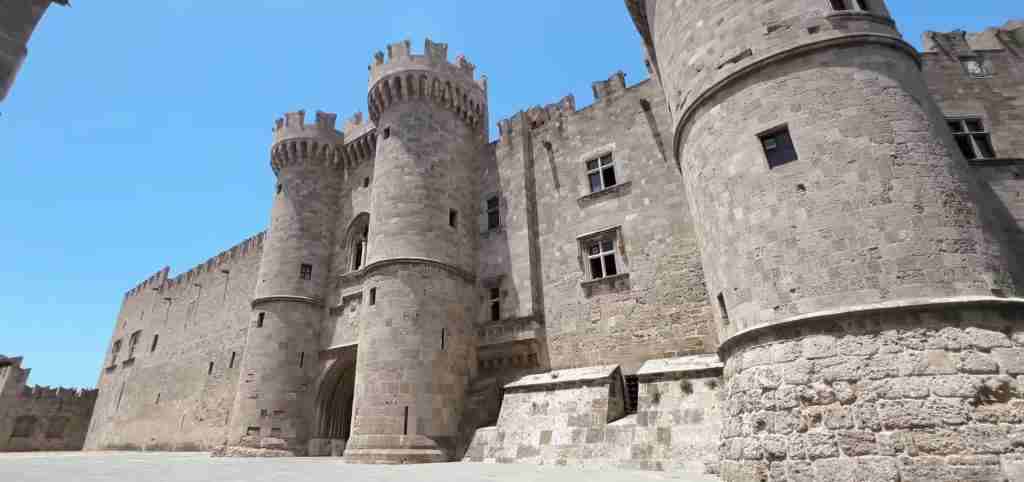
3 days
Rhodes 3-Day Discovery Tour
- ✓ Comprehensive Rhodes experience
- ✓ Expert local guides included
- ✓ All accommodation included
- ✓ Transportation provided
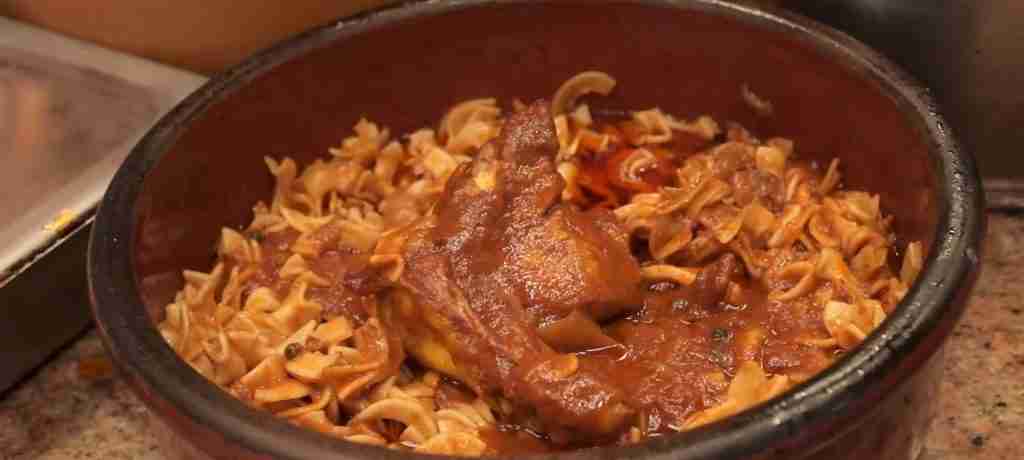
5 days
Rhodes 5-Day Highlights Experience
- ✓ Comprehensive Rhodes experience
- ✓ Expert local guides included
- ✓ All accommodation included
- ✓ Transportation provided
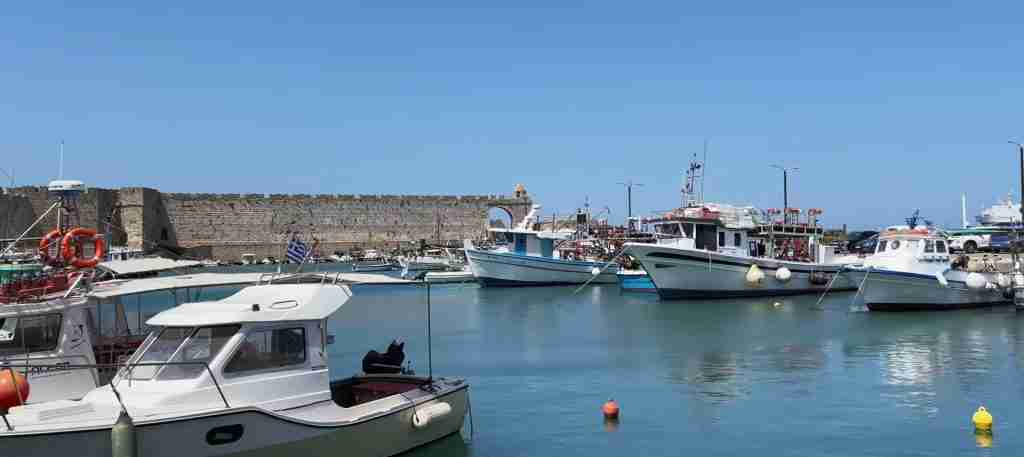
7 days
Rhodes 7-Day Cultural Journey
- ✓ Comprehensive Rhodes experience
- ✓ Expert local guides included
- ✓ All accommodation included
- ✓ Transportation provided
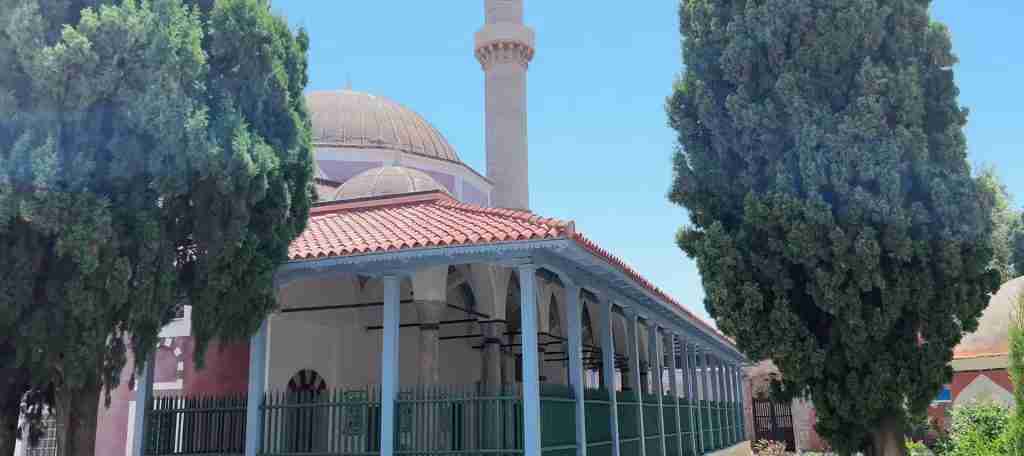
10 days
Rhodes 10-Day Complete Adventure
- ✓ Comprehensive Rhodes experience
- ✓ Expert local guides included
- ✓ All accommodation included
- ✓ Transportation provided
Multi-day tour packages powered by TourRadar. Prices and availability subject to change.
Introduction: Experiencing Lindos in 2026
Lindos stands as Rhodes’ most iconic destination beyond the medieval capital, drawing visitors to its improbable combination of archaeological grandeur and coastal beauty. The ancient Acropolis crowns a 116-meter limestone cliff overlooking two distinct beaches and a preserved Byzantine village where car-free cobbled streets wind between whitewashed houses adorned with traditional pebble mosaics. This concentration of attractions within walkable proximity makes Lindos the island’s premier day-trip destination, accessible yet substantial enough to reward full-day exploration.
The settlement’s significance extends across millennia. As one of the six cities comprising the ancient Dorian Hexapolis, Lindos flourished as a major maritime power from the 10th century BC through the Classical period. The goddess Athena received worship here from the 9th century BC, with the clifftop temple becoming one of the Aegean’s most important sanctuaries. Subsequent civilizations—Romans, Byzantines, Knights of St. John, Ottomans—each fortified the strategic position, creating the layered archaeological site visible today. The modern village developed during the 15th-18th centuries when wealthy sea captains built distinctive mansions featuring ornate doorways, courtyards with pebble floors creating intricate patterns, and carved wooden balconies.
Planning a 2026 visit requires understanding seasonal dynamics. Summer (June-September) brings intense heat necessitating early-morning Acropolis visits, peak crowds especially from cruise ship arrivals, and premium pricing at beaches and restaurants. Spring (April-May) and autumn (September-October) offer ideal conditions: moderate temperatures, manageable crowds, lower accommodation rates in nearby resorts, and pleasant sea temperatures for swimming. Winter (November-March) provides solitude but reduced hours at the Acropolis, limited village services, and cooler conditions discouraging beach activities.
The day-trip experience centers on three distinct zones requiring different time allocations and preparation. The archaeological Acropolis demands 90-120 minutes for thorough exploration, physical fitness for climbing 300+ stone steps, sun protection as no shade exists on the clifftop, and early arrival before 10:00 AM to avoid crowds and heat. St. Paul’s Bay requires 2-3 hours for meaningful beach time, swimming gear, cash for sunbed rentals or free towel space on limited public areas, and awareness of boat traffic in the small cove. The village merits 60-90 minutes for wandering cobbled streets, visiting traditional shops selling ceramics and embroidered linens, photographing distinctive architecture, and refreshments at rooftop cafés with Acropolis views.
Transportation logistics prove straightforward but require attention to schedules. KTEL buses provide reliable, economical service with frequent departures throughout the day, allowing flexible timing unlike fixed-schedule tours. The bus deposits visitors at Lindos’ entrance, requiring a 10-15 minute walk down to the village center and beach areas or uphill to reach the Acropolis path. Return buses fill rapidly during peak afternoon hours (16:00-18:00), making earlier or later departures strategic choices. Combining Lindos with other east coast destinations like Pefkos or Lardos requires rental car flexibility as inter-village bus connections prove limited.
Budget considerations in 2026 span wide ranges depending on choices. Minimalist visitors using public transport, bringing beach towels and snacks, limiting restaurant meals to one taverna lunch, and focusing on free village exploration can complete the day trip for €35-50 per person. Standard experiences including roundtrip bus transportation, Acropolis admission, sunbed rental, taverna lunch and dinner, refreshments, and modest shopping typically cost €90-130 per person. Premium experiences incorporating private transportation, rooftop restaurant dining, boat excursions from St. Paul’s Bay, donkey rides, and artisan purchases can exceed €180-220 per person.
Safety and accessibility factors require consideration. The Acropolis climb presents challenges: no handrails on narrow stone steps, significant drop-offs adjacent to pathways, uneven ancient surfaces inside the archaeological site, zero shade during midday hours, and no wheelchair access. Families with young children need vigilant supervision throughout the climb. The alternative donkey rides raise animal welfare concerns, with advocacy groups documenting inadequate rest periods and weight limit violations despite recent improvements. St. Paul’s Bay features calm, shallow waters generally safe for swimming, though boat traffic in the compact cove requires awareness, particularly with children.
The following sections provide comprehensive 2026 planning guidance covering transportation options with verified schedules and fares, detailed Acropolis exploration strategies including optimal timing and route recommendations, St. Paul’s Bay beach logistics addressing sunbed rental costs and free space availability, village navigation highlighting architectural gems and shopping opportunities, complete budget breakdowns across different spending tiers, seasonal timing analysis for weather and crowd optimization, and practical tips addressing everything from water supplies to photography positions.
Transportation from Rhodes Town to Lindos 2026
Public bus service operated by KTEL Rodou provides the most economical and flexible transportation between Rhodes Town and Lindos in 2026. Buses depart from the central KTEL station (Bus Station 1) at Mandraki on Averof Street, located outside the Nea Agora (New Market) building approximately 400 meters from the cruise ship terminals and 1.5 kilometers from Rhodes Old Town’s medieval center. The journey covers 55 kilometers along the east coast E95 highway, stopping at multiple villages including Koskinou, Kalithies, Afandou, Kolymbia, Archangelos, and smaller settlements before reaching Lindos in approximately 1 hour 25 minutes.
The bus fare from Rhodes Town to Lindos costs €5.50 one way in 2026. Tickets can be purchased directly from the driver upon boarding (cash only, have exact change or small bills ready) or from the KTEL ticket office at Mandraki station open daily from 06:00 to 20:00. Roundtrip tickets are not available—you must purchase separate one-way tickets for the return journey, which can be bought from the driver on return buses departing Lindos. The KTEL buses feature air conditioning, luggage storage space underneath for beach bags and backpacks, and audio announcements for major stops though village names may be unclear to first-time visitors.
Departure frequency from Rhodes Town to Lindos in 2026 ranges from every 30 minutes during peak morning hours to every 60-90 minutes during midday and evening periods. Summer season (April-October) schedule shows buses at: 06:15, 06:45, 08:30, 09:00, 09:30, 10:00, 10:30, 11:00, 11:30, 12:00, 13:00, 14:00, 14:30, 15:30, 16:30, 17:20, 18:00, 19:30, and 21:15. Winter season (November-March) operates reduced frequency with approximately 8-10 buses daily. The first morning buses (06:15 and 06:45) prove optimal for day-trippers seeking to reach Lindos before 08:30 and access the Acropolis immediately upon opening, though these early departures require pre-dawn wake-up times for hotel pickups and walks to the bus station.
Return buses from Lindos to Rhodes Town depart from the bus stop at the village entrance (the same location where arriving buses drop passengers) beginning at 06:45 and continuing through 21:45 in summer. Key afternoon return departures include: 14:00, 14:30, 15:00, 15:30, 16:30, 17:15, 18:00, 18:45, 19:15, and 20:00. The 16:30-18:00 window experiences highest demand as day-trippers and tour groups simultaneously depart, frequently resulting in standing-room-only conditions. Strategic travelers either leave earlier (14:30-15:30 buses offer guaranteed seating and arrive Rhodes Town by 16:00-17:00 for dinner reservations) or later (18:45-20:00 buses provide comfortable seating, sunset village ambiance, and arrival Rhodes Town around 20:00-21:30 for late dining).
Organized day tours from Rhodes Town to Lindos represent convenient alternatives to independent bus travel, typically costing €35-50 per person including roundtrip air-conditioned coach transportation, English-speaking guide commentary, and 5-6 hours in Lindos. Tours generally depart Rhodes Town hotels 08:30-09:30, arrive Lindos around 10:30, provide 4-5 hours free time for Acropolis visit and beach activities, then return to Rhodes 15:30-16:30 with hotel drop-offs completing by 17:30-18:30. The primary disadvantage involves fixed schedules limiting exploration time—tours allocate only 4-5 hours in Lindos versus unlimited time with independent bus travel allowing departure on any return bus through 21:45. Tours also concentrate arrivals during peak Acropolis crowds (10:30-11:30) when site congestion peaks and temperatures climb.
Rental car transportation offers maximum flexibility for Lindos day trips in 2026, with drives from Rhodes Town taking 50-60 minutes via the coastal E95 highway. Daily rental rates range €25-45 for compact vehicles, €35-60 for mid-size cars in summer season, with additional €15-25 insurance coverage recommended. Fuel costs add €8-12 roundtrip (approximately 110 kilometers total with parking searches). The primary challenge involves parking constraints—Lindos village prohibits private vehicles in the historic center and main beach areas. Summer visitors must park at designated lots 1-1.5 kilometers outside the village entrance, then ride free shuttle buses operating every 10-15 minutes to the village center. Spring and autumn (April-May, October-November) allow parking closer to the entrance with shorter 300-500 meter walks to village access points. Cars enable combining Lindos with other east coast destinations like Tsambika Beach (20 minutes north), Pefkos (8 minutes south), or Archangelos village (25 minutes north) for full-day coastal explorations.
Private taxi transportation from Rhodes Town to Lindos costs €60-80 one way (€120-160 roundtrip with wait time) in 2026. Taxis accommodate up to 4 passengers with luggage, providing door-to-door service from Rhodes accommodation to Lindos village entrance. The journey takes approximately 50 minutes via direct E95 highway routing without intermediate village stops. Taxis prove economical for groups of 3-4 splitting costs (€30-40 per person roundtrip) compared to organized tours, while offering complete schedule flexibility. Pre-booking through hotel concierges or reputable apps like Beat (the Greek taxi app) ensures confirmed availability and transparent pricing versus negotiating rates at taxi stands where inflated tourist pricing frequently occurs.
Boat excursions from Rhodes Town to Lindos provide scenic alternatives to land transportation, typically operating May-October in 2026. These full-day boat trips cost €45-70 per person including roundtrip sea transportation, swimming stops at coastal bays, onboard lunch or snacks, and 3-4 hours free time in Lindos. Boats depart Mandraki Harbor around 09:00-10:00, cruise 2-2.5 hours along the scenic east coast making swimming stops at Anthony Quinn Bay or other coves, arrive Lindos/St. Paul’s Bay around 12:00-13:00, depart return 16:00-17:00, and complete the cruise back to Rhodes by 19:00-20:00. The experience prioritizes scenic coastline views and swimming opportunities over Lindos exploration time—the allocated 3-4 hours barely suffices for Acropolis visit OR extended beach time, making thorough village exploration impossible. Boat trips suit travelers prioritizing coastal scenery and swimming over archaeological depth.
Lindos Acropolis Complete Exploration Guide 2026
The Acropolis of Lindos entrance fee costs €20 per person in 2026 for adults over 25 years. EU citizens under 25 years enter free with valid ID proving citizenship and age, while non-EU citizens under 18 years also receive free admission. Tickets must be purchased at the entrance gate as online advance booking requires selecting specific hourly time slots which many day-trippers cannot accurately predict given bus schedule variables. The ticket office accepts cash and credit cards, with lines forming from 09:00 onward during summer season—arriving by 08:30 before cruise ship groups reach the site minimizes wait times to under 5 minutes versus 15-30 minute queues developing after 10:30.
Opening hours in 2026 vary significantly by season following Greek Ministry of Culture protocols. Summer season (April 1-October 31) operates extended hours: 08:00-20:00 from April-August, 08:00-19:10 from September 1-15, 08:00-18:40 from September 16-30, 08:00-18:10 throughout October 1-15, and 08:00-17:40 during October 16-31. Winter season (November 1-March 31) implements reduced hours 08:30-15:10 daily except Tuesdays when the site remains closed. Last admission occurs 30 minutes before closing time across all seasons—arriving 08:00 in summer allows 12 hours potential exploration versus 15:10 winter last entry providing only 6.5 hours. Time slot entry requirements implemented in 2024 remain in effect for 2026: tickets valid from 15 minutes before to 15 minutes after the selected time for Acropolis sites, requiring arrival within your designated 30-minute window.
The climb from Lindos village to the Acropolis entrance covers approximately 300 meters horizontally and 116 meters vertical elevation over 10-15 minutes for moderately fit adults. Two pathways reach the summit: the traditional cobbled path through village streets beginning at the central square passes whitewashed houses, traditional shops, and the Byzantine Church of Panagia before joining stone steps to the entrance gate; the alternative donkey path (usable by walkers when donkeys are not passing) provides slightly longer routing with gentler gradient though still requiring significant stair climbing in the final sections. The stone steps feature irregular heights, smooth worn surfaces becoming slippery when wet or dusty, zero handrails throughout most sections, and dramatic unshaded drop-offs adjacent to portions of the path requiring careful footing and child supervision.
Donkey rides from the village to the Acropolis entrance cost €8 one way in 2026, operating approximately 08:00-17:00 during summer season from the donkey taxi station near the village entrance. The 10-minute ride traverses the longer donkey path avoiding the steepest village steps, though the final 50 meters to the ticket office still require walking. Riders must weigh under 100 kilograms (220 pounds) as heavier loads exceed animal welfare guidelines, though enforcement varies. Return trips cost another €8 (€16 roundtrip total), with donkeys and handlers waiting in shaded areas outside the Acropolis entrance for visitors’ return. Animal welfare organizations including Animal Action Greece have documented welfare concerns at Lindos including inadequate rest periods, weight limit violations, and insufficient shade at waiting areas, leading many conscious travelers to decline donkey rides despite the convenience.
Inside the Acropolis, the archaeological site encompasses multiple distinct structures and areas requiring 90-120 minutes for thorough exploration. The entrance path leads through the medieval Castle of the Knights of St. John constructed in the 14th century, with impressive fortification walls demonstrating Crusader military architecture. Beyond the castle gates, the Byzantine Church of St. John sits to the right, a small 13th-century chapel showing frescoed interiors when open for viewing. The path continues upward through additional fortification layers to reach the ancient Greek structures crowning the summit.
The Hellenistic Stoa dominates the upper terrace, a monumental colonnaded portico stretching 87 meters long with 42 columns originally standing 8.6 meters tall. Built in the 3rd century BC, this impressive structure served as gathering space for religious processions and ceremonies preceding temple worship. Ongoing restoration has re-erected several columns to demonstrate the stoa’s original scale and architectural refinement. Beyond the stoa, a monumental stairway of 34 steps leads to the Propylaea, the formal entrance gateway to the sanctuary’s sacred precinct.
The Temple of Athena Lindia occupies the Acropolis’ highest point, a Doric temple constructed around 300 BC replacing earlier archaic structures. The temple measured 22 meters long by 8 meters wide with 6 columns across the front and back facades and 12 columns along each side, following classical Greek temple proportions. Today, only foundation stones and four re-erected columns remain, but the position overlooking the sea demonstrates why this site became one of the Aegean’s most important sanctuaries to Athena. The goddess received worship here from the 9th century BC, with ancient sources describing rich votive offerings including jewelry, armor, and elaborate dedicatory monuments crowding the sacred precinct.
The Theater occupies the western slope below the temple terrace, a small Hellenistic structure carved into the natural rock during the 3rd-2nd centuries BC. The semicircular seating area accommodated approximately 1,800 spectators for dramatic performances, religious ceremonies, and civic gatherings. While smaller than major theaters at Epidaurus or Athens, Lindos’ theater demonstrates the settlement’s cultural sophistication and wealth during the Hellenistic period. The worn stone seating tiers remain intact enough to appreciate the structure’s original layout and commanding position overlooking the sea.
Panoramic viewpoints around the Acropolis perimeter provide spectacular photography opportunities and orientation to Lindos’ geography. The eastern edge offers stunning views directly down to St. Paul’s Bay, with the small chapel visible on the shoreline and fishing boats floating in crystalline waters. The northern outlook shows Lindos’ main beach (Megali Yialos) curving around the bay with the village’s whitewashed houses climbing the hillside. The southern perspectives reveal the rocky coastline stretching toward Pefkos and Lardos, with agricultural terraces and scattered settlements dotting the landscape. The western views look inland across olive groves and cultivated valleys toward the island’s mountainous interior.
Historical interpretation at the Acropolis relies primarily on informational panels positioned at key structures throughout the site. These multilingual signs (Greek, English, German, French) explain architectural features, construction dates, historical significance, and excavation findings. No audio guides exist as of 2026, and guided tour options must be arranged through external tour companies rather than on-site services. The small site museum previously located within the Acropolis closed in 2019 with collections transferred to Rhodes Archaeological Museum, leaving the Acropolis itself as a pure architectural experience without supplementary artifact displays.
Physical demands and safety considerations require realistic assessment before visiting. The site offers no shade anywhere—the exposed limestone cliff and ancient structures provide zero relief from Mediterranean sun, with surface temperatures on white marble potentially reaching 50-55°C (122-131°F) during midday summer hours. Visitors must bring 1-2 liters of water per person as no water fountains or beverage sales exist inside the archaeological site. Sunscreen, wide-brimmed hats, and light long-sleeve shirts prove essential for preventing sunburn and heat exhaustion. The ancient surfaces feature uneven stones, missing pavement sections, and significant elevation changes presenting trip hazards, especially concerning for elderly visitors and small children. No wheelchair access exists due to the steep approach path and irregular ancient surfaces throughout the site.
Optimal visiting strategy for summer 2026 involves arrival at the Acropolis entrance by 08:30-09:00, purchasing tickets immediately, and beginning exploration while temperatures remain moderate (under 30°C/86°F) and crowds minimal. Spend 60-75 minutes thoroughly exploring the main structures, photographing from multiple angles, and reading informational panels without time pressure. Exit the site by 10:00-10:30 before the peak heat (11:00-15:00) when exposed cliff becomes dangerously hot and cruise ship tour groups fill the narrow ancient pathways creating congestion. This morning visit strategy then allows descending to St. Paul’s Bay for swimming and beach activities during the hottest midday hours when beach shade structures and sea water provide natural cooling.
Alternative afternoon visit strategy (15:00-17:00) offers advantages for photographers and heat-sensitive visitors. Late afternoon light creates dramatic shadows on the ancient columns and softer illumination for photography compared to harsh midday overhead sun. Temperatures moderate from peak levels as sea breezes strengthen. Cruise ship groups depart Lindos by 15:00-16:00, leaving the Acropolis significantly less crowded during final visiting hours. However, this strategy requires dedicating morning hours to beach activities, village exploration, or alternative sites, potentially missing optimal cool morning Acropolis conditions that many visitors prefer.
St. Paul’s Bay Beach Experience 2026
St. Paul’s Bay occupies a dramatic cove on Lindos’ southern edge, formed by towering rock formations creating a sheltered inlet approximately 150 meters wide. The bay consists of two small sandy beaches totaling about 200 meters of shoreline, surrounded by limestone cliffs rising vertically from turquoise waters. The Acropolis towers directly above on the northern cliff face, creating one of Rhodes’ most photographed seascapes—ancient columns silhouetted against blue sky with fishing boats floating in crystalline waters below. The small white Chapel of St. Paul perches on the southeastern promontory, reportedly marking where the apostle landed in 51 AD to bring Christianity to Rhodes, making the bay a popular wedding venue for Greek Orthodox ceremonies.
Beach access from Lindos village requires a 15-20 minute walk from the central square. The pathway descends through residential streets, passes the Acropolis approach path junction, continues along a paved road suitable for pedestrians though occasionally used by service vehicles, and arrives at the bay’s northern beach section. The walk features minimal shade and moderate descent gradient manageable for most fitness levels, though the return uphill climb in afternoon heat proves more strenuous. Elderly visitors and families with small children should allocate extra time and bring adequate water for the walk. No public transportation or shuttle service operates to St. Paul’s Bay—walking represents the only access method from the village center.
Sunbed and umbrella rentals at St. Paul’s Bay cost €30-55 per person (€60-110 per pair) for the full day in 2026 summer season, representing Rhodes’ highest beach rental prices. Front-row positions directly on the sand with optimal sea views command premium rates of €50-55 per person, while second and third row positions on constructed platforms cost €35-45 per person. The organized beach sections occupy approximately 70-80% of the available beach space, leaving limited free areas for visitors bringing their own towels and umbrellas. The free sections concentrate at the beach ends and small gaps between sunbed rows, filling rapidly by 10:00-11:00 during July-August peak season. Early arrival (08:30-09:30) proves essential for securing free space, requiring towels, beach mats, and portable shade umbrellas which are not available for rental separately from sunbed packages.
Beach services at the organized sections include sunbed cushioning, large umbrellas providing 2-person shade, proximity to beach bar/restaurant, and attendant assistance. The beach bar operates full restaurant service 09:00-19:00 offering Greek taverna standards—Greek salad €8-10, grilled fish €16-24, calamari €14-18, beer €5-6, soft drinks €3-4, coffee €3-4, cocktails €10-14. Food quality receives generally positive reviews for fresh seafood grilled to order, though pricing reflects the captive beach market with restaurant bills typically totaling €40-60 per person for lunch with drinks. The beach bar accepts cash and credit cards, provides table service to sunbed areas, and features shaded seating for visitors not renting beach equipment.
Swimming conditions at St. Paul’s Bay prove generally excellent for families and cautious swimmers. The compact cove provides shelter from open sea waves, creating calm waters even when surrounding coastline experiences chop. Water depth increases gradually from the beach, with 10-15 meters of shallow waist-deep zone before reaching swimming depth. The sandy bottom features occasional rocky patches and small boulders near the edges requiring water shoes for comfortable entry. Visibility typically exceeds 10-15 meters on calm days, making snorkeling rewarding for observing small fish, sea urchins, octopus, and rocky reef structures around the bay’s periphery. Snorkeling gear is not available for rental at the beach—visitors must bring their own masks and snorkels or purchase from shops in Lindos village.
Boat traffic within St. Paul’s Bay creates the primary swimming safety concern. Small tour boats, glass-bottom boats offering submarine viewing experiences, and private vessels frequently enter and exit the compact cove, creating wakes and requiring swimmer awareness. The bay serves as a launching point for multiple boat tour operations offering 1-3 hour excursions along the coast to Navarone Bay, Charaki, and other swimming spots. Boat operators generally navigate carefully and watch for swimmers, but the confined space and continuous boat activity require parents to supervise children vigilantly and swimmers to remain aware of vessel movements, especially when swimming toward the bay entrance channel.
Water quality at St. Paul’s Bay demonstrates typical Greek island standards—generally clear with excellent visibility but variable depending on boat traffic and weather. The numerous boats anchoring in the bay contribute fuel odor and occasional surface film, particularly noticeable during peak July-August when 20-30 vessels may be present simultaneously. Some visitors report the bay smelling of gasoline during busy periods, detracting from the swimming experience. Swimming earlier in the morning (08:00-10:00) before boat tours commence or later in the afternoon (17:00-19:00) after boats return to harbor provides cleaner water conditions and reduced boat traffic concerns.
The Chapel of St. Paul sits on the southeastern cliff accessed via a short stone pathway from the beach. The small whitewashed chapel features traditional Greek Orthodox architecture with blue-domed roof and intimate interior accommodating 10-15 people. The chapel remains unlocked during daylight hours for visitor exploration, revealing icons, religious artwork, and simple furnishings. The exterior terrace provides excellent photography angles looking back across the bay toward the Acropolis, making this a popular sunset viewing location when late afternoon light illuminates the ancient ruins with golden tones. Religious services occur occasionally for weddings and special feast days, during which the chapel remains closed to tourists.
Alternative free beach areas exist near St. Paul’s Bay for visitors avoiding high sunbed rental costs. A small public beach section occupies the northwestern corner of the bay, offering approximately 15-20 meters of sandy shoreline with free access. This area fills rapidly by mid-morning during summer, requiring arrival before 09:00 to secure space for 2-4 people with towels and belongings. No shade exists in the free section—visitors must bring portable umbrellas or sun shelters which are not available for rental. The main Lindos beach (Megali Yialos) located 500 meters north of the village provides more extensive free beach space with organized sections offering lower sunbed rental rates (€15-25 per person versus St. Paul’s €30-55), though this main beach lacks St. Paul’s Bay’s dramatic Acropolis backdrop and intimate cove atmosphere.
Boat tour excursions departing from St. Paul’s Bay provide alternative perspectives on Lindos and opportunities for coastal exploration. Glass-bottom boat tours lasting 60-90 minutes cost €15-25 per person, departing hourly from 10:00-18:00 during summer season. These tours cruise past the Acropolis for photo opportunities, visit Navarone Bay (filming location for “The Guns of Navarone” movie), explore sea caves, and provide fish-feeding demonstrations through underwater viewing windows. Half-day boat tours lasting 3-4 hours cost €35-50 per person including stops for swimming at remote beaches, snorkeling at rocky reefs, and sometimes lunch or refreshments onboard. Private boat charters for 2-8 people cost €200-400 for 4 hours, allowing customized itineraries to specific swimming spots, fishing opportunities, or extended coastal exploration at personalized pace.
Optimal beach timing strategy balances swimming conditions, crowd levels, and heat management. Morning visits (08:30-12:00) offer cooler temperatures ideal for walking from village, calm waters before afternoon winds develop, and available free beach space if arriving before 09:30. However, morning boat tour activity peaks 10:00-12:00 creating maximum vessel traffic during prime swimming hours. Afternoon visits (14:00-18:00) provide warmer water temperatures, reduced boat activity after 17:00, beautiful late afternoon lighting for photography, but require the uphill walk back to village in warm conditions and miss optimal Acropolis morning visiting hours. Split-day strategies work effectively: visit Acropolis early (08:00-10:00), beach mid-morning through early afternoon (10:00-15:00), return to village for shade and refreshments during hottest hours (15:00-17:00), then back to beach for late afternoon swimming (17:00-19:00) when boat traffic ceases and dramatic lighting emerges.
Lindos Village Exploration and Activities 2026
The historic village of Lindos operates as a car-free pedestrian zone, preserving its authentic Byzantine character through strict architectural controls prohibiting modern development. The settlement occupies the hillside below the Acropolis, with approximately 500 traditional houses constructed from local stone, whitewashed in brilliant white, and featuring distinctive architectural elements including carved wooden doors, elaborate pebble mosaic courtyards (chochlakia), arched windows with wooden shutters, and flat roofs with decorative parapets. The narrow cobbled streets wind between buildings in organic patterns developed over centuries, creating a maze-like layout that encourages wandering exploration rather than direct navigation.
The central square (plateia) serves as the village’s social and commercial heart, featuring tavernas with shaded outdoor seating, the taxi stand, public bus stop, and pathways radiating toward the Acropolis, St. Paul’s Bay, and main beach. This square provides orientation for first-time visitors—most shops, restaurants, and attractions radiate outward from this central point within 200-400 meters walking distance. The square features the lone ATM machine in central Lindos, making cash withdrawal essential for visitors planning beach sunbed rentals, donkey rides, or purchases at cash-only shops. The ATM frequently runs out of cash during peak summer weekends, making Thursday-Friday withdrawals more reliable than Saturday-Sunday attempts.
Traditional Captain’s Houses represent Lindos’ most distinctive architectural treasures, mansions built by wealthy 17th-18th century sea captains demonstrating prosperity through elaborate decoration. Several houses open for public viewing, most notably the Papakonstantis Mansion managed by the Greek Ministry of Culture. Entrance costs €3-5 per person with irregular opening hours (typically 10:00-14:00, closed Mondays and Tuesdays). These houses showcase characteristic features including pebble mosaic floors creating geometric and organic patterns, carved wooden ceilings with painted decoration, internal courtyards with arcades, multiple levels connected by exterior staircases, and carved stone doorways featuring ornate lintels with date inscriptions, family crests, and religious symbols.
The Byzantine Church of Panagia (Virgin Mary) occupies a prominent position on the Acropolis approach path, visible from throughout the village. Built during the 13th-14th centuries, the church features traditional Byzantine architecture with stone construction, domed roof, and bell tower. The interior displays 18th century frescoes covering walls and ceilings in traditional Orthodox iconography, though deterioration has affected portions of the artwork. The church remains active for religious services, operating limited visiting hours outside service times—typically 09:00-12:00 and 17:00-19:00. Modest dress requirements apply (shoulders and knees covered), enforced by church wardens who provide wrap-around skirts and shawls for inappropriately dressed visitors. Photography inside the church is prohibited during services and discouraged during visiting hours out of respect for religious atmosphere.
Shopping in Lindos concentrates on traditional crafts, textiles, and ceramics rather than mass-produced tourist souvenirs. High-quality embroidered linens including tablecloths, pillowcases, and decorative textiles represent Lindos’ signature craft, with prices ranging €30-80 for small items to €200-500 for large tablecloths featuring intricate hand embroidery. Skilled local women still practice this traditional craft, though much contemporary merchandise comes from workshops elsewhere in Greece. Ceramic pottery and plates decorated with traditional Greek motifs cost €15-40 for small plates and bowls, €60-120 for large decorative platters. Handmade leather sandals custom-fitted to individual feet cost €40-80 per pair from several artisan shops continuing centuries-old cobbling traditions. Silver and gold jewelry featuring Greek designs costs €50-200 for pendants and earrings, €200-800 for elaborate necklaces and bracelets, with pricing dependent on precious metal content and craftsmanship complexity.
Restaurant and taverna options span budget through upscale categories, with atmospheric rooftop terraces providing Acropolis views commanding premium pricing. Budget tavernas near the central square offer Greek standards at €12-18 for main courses—moussaka €12, souvlaki €10, grilled fish €16-20 per kilogram, Greek salad €7-9. Mid-range restaurants feature broader menus incorporating international dishes, better wine selections, and enhanced ambiance at €18-28 for mains—seafood pasta €18, grilled octopus €22, lamb chops €24. Upscale rooftop restaurants positioned on upper village levels provide stunning sunset Acropolis views alongside refined Greek cuisine at €28-45 for mains—fresh lobster €42, sea bass baked in salt €38, lamb shank €32. Complete dinners with appetizers, mains, desserts, wine, and service typically total €35-50 per person at budget venues, €60-85 at mid-range restaurants, and €90-130 at premium establishments.
Café culture dominates daytime village life, with numerous establishments offering shaded seating for coffee, pastries, and refreshments. Traditional Greek coffee costs €2-3, cappuccino and espresso drinks €3-4, fresh orange juice €4-5, local desserts including baklava and galaktoboureko €3-5 per portion. These cafés serve as essential rest stops during Acropolis climbs and beach walks, providing shade, bathrooms (usually requiring small purchases), and cultural atmosphere for observing village life. Rooftop cafés positioned on upper village levels charge slight premiums (€1-2 more per item) but deliver spectacular Acropolis views making the extra cost worthwhile for photography opportunities and memorable ambiance.
The main Lindos beach (Megali Yialos) stretches approximately 400 meters along the village’s northern coastline, offering broader beach space and more moderate pricing than St. Paul’s Bay. Sunbed and umbrella rentals cost €15-25 per person (€30-50 per pair) for full-day use, with more available free beach space at the southern and northern beach ends. Water sports including jet skis (€60-80 per 15 minutes), parasailing (€50-70 per person), paddleboard rentals (€15-20 per hour), and banana boat rides (€15-20 per person) operate from the organized beach sections. Beach tavernas line the entire shoreline providing shaded dining tables, full meal service, and refreshments at slightly lower pricing than village restaurants—expect €30-45 per person for complete lunch with drinks versus €40-60 at village venues or St. Paul’s Bay establishments.
Photography opportunities throughout Lindos reward dedicated time with distinctive shots unavailable elsewhere on Rhodes. Classic angles include: rooftop terraces viewing the Acropolis rising above whitewashed houses (accessible from public roof cafés, request permission before photographing from private properties); narrow cobbled streets demonstrating Byzantine architecture and pebble mosaic courtyards (early morning or late afternoon light creates dramatic shadows); the Acropolis from St. Paul’s Bay showing ancient ruins reflected in calm water with Chapel of St. Paul in foreground (best light 16:00-sunset); village panoramas from the Acropolis showing settlement climbing the hillside with beaches curving around bays (midday overhead light minimizes shadows though haze may reduce clarity). Sunrise photography (06:00-07:00 summer, 07:30-08:30 spring/autumn) provides golden light on east-facing structures and empty streets free from tourist crowds, though requires overnight accommodation in Lindos or very early bus departure from Rhodes Town.
Evening activities in Lindos prove limited compared to Rhodes Town or Faliraki resort areas. The village features approximately 15-20 bars and lounges concentrated near the central square and main beach area, offering cocktails (€10-14), beer (€5-7), wine (€6-9 per glass), and casual atmosphere with outdoor seating. Live Greek music performances occur at 2-3 tavernas weekly during summer season, typically starting 21:00-22:00 with traditional bouzouki and folk dancing. Nightclub-style venues are absent from Lindos—serious nightlife requires travel to Faliraki (25 minutes by car) or Rhodes Town (50 minutes). Most day-trippers depart Lindos by 17:00-19:00 on return buses to Rhodes Town, leaving the village relatively quiet by 20:00-21:00 when primarily overnight guests and local residents populate tavernas and cafés.
Practical village facilities include limited public bathrooms (€0.50-1 fee at facilities near central square), ATM machine at central square (frequently empty during peak weekends), small supermarket selling snacks, drinks, sunscreen, and basic provisions at tourist-inflated prices (€1-2 above normal Rhodes pricing), pharmacy near central square open 09:00-14:00 and 17:00-20:00 except Sunday, and first aid station staffed during summer season 09:00-20:00 for minor medical issues. Internet cafés have largely disappeared with widespread mobile data availability—most restaurants and cafés offer free WiFi for customer use. Mobile phone coverage proves excellent throughout the village and beaches on all major Greek carriers, though data speeds may slow during peak afternoon hours when thousands of tourists simultaneously access networks.
Complete Budget Breakdown Lindos Day Trip 2026
Budget-conscious travelers can experience Lindos comprehensively for €60-95 per person in 2026 through strategic choices prioritizing public transportation, free beach access, single restaurant meal, and selective paid attractions. Roundtrip KTEL bus transportation from Rhodes Town costs €11 total (€5.50 each way). Acropolis entrance fee adds €20 per person (free for EU citizens under 25). A traditional taverna lunch featuring Greek salad, souvlaki or moussaka, and one beverage costs €18-25 per person at village establishments near the central square. Beach activities utilizing free towel space at St. Paul’s Bay or main Lindos beach eliminate sunbed rental costs, requiring only personal towels, beach mats, and portable shade umbrellas brought from accommodation. Snacks and drinks purchased from village supermarket (€8-12 for water bottles, fruit, chips, ice cream throughout the day) plus coffee or ice cream break (€5-7) complete essential expenses. This budget approach totals €62-75 per person, with flexibility for one modest souvenir purchase (€10-20) remaining under €95 maximum.
Mid-range travelers seeking comfortable experiences with enhanced services and dining should budget €110-160 per person for comprehensive Lindos day trips in 2026. This tier incorporates roundtrip bus transportation (€11), Acropolis admission (€20), sunbed rental at St. Paul’s Bay or main beach (€30-40 per person for full-day equipment), taverna lunch with multiple courses and drinks (€35-45 per person), village café breaks for coffee and dessert (€8-12 total across 2 stops), beach bar refreshments including cold drinks and snacks (€10-15), and optional donkey ride to Acropolis (€8-16 if choosing roundtrip service). This budget also accommodates modest shopping purchases such as small ceramic items, embroidered linens, or leather sandals (€30-50), and potentially a glass-bottom boat tour (€20-25 per person). Total mid-range spending reaches €112-158 per person depending on specific service choices and shopping extent.
Premium travelers prioritizing luxury experiences, private transportation, rooftop dining, and exclusive services should allocate €180-250 per person for exceptional Lindos day trips in 2026. This tier features private taxi transportation roundtrip (€120-160 split among 3-4 passengers equals €30-53 per person), Acropolis admission (€20), premium front-row sunbed rental at St. Paul’s Bay (€50-55 per person), upscale rooftop restaurant lunch with multiple courses, wine, and Acropolis views (€60-80 per person), afternoon café refreshments at premium venues (€15-20), private or semi-private boat excursion for coastal exploration and swimming (€35-50 per person for half-day shared tour, or €50-100 per person for private charter depending on group size), quality shopping purchases including handmade embroidery, custom leather sandals, or silver jewelry (€80-150), and upscale dinner before departure (€40-60 per person if extending stay into evening). Premium experiences total €185-248 per person with variations depending on exact services selected and shopping extent.
Family budget calculations require adjustments for multiple travelers and child-specific considerations. A family of four (2 adults, 2 children ages 8 and 12) executing a mid-range Lindos day trip in 2026 faces costs: roundtrip bus transportation €44 total (€11 per person all ages), Acropolis admission €40 (€20 each for 2 adults, children under 18 from non-EU countries free if policy continues, or €80 total if all 4 pay), sunbed rental €120-140 (2 pairs providing seating for family of 4), lunch at family-friendly taverna €70-100 (4 meals plus sharing appetizers and drinks), snacks and refreshments throughout day €25-35 (ice cream, drinks, beach bar items), creating total family expenses €299-409 or €75-102 per person. This demonstrates economies of scale for families sharing sunbed costs and meals versus individual travelers. The wide child-free beach space at main Lindos beach versus compact St. Paul’s Bay makes the former more suitable for families with young children requiring supervision space.
Sample daily budget breakdowns illustrating specific spending decisions across tiers provide concrete planning references:
Budget Day Trip Example (€68 total per person): 06:45 bus Rhodes to Lindos €5.50; 08:30-10:30 Acropolis exploration €20 admission; 10:30-11:00 village walk and supermarket snack purchase €5; 11:00-15:00 free beach time at main Lindos beach with personal towel (€0 cost); 15:00-16:00 taverna late lunch moussaka, Greek salad, water €22; 16:00-17:00 village shopping and sightseeing; 17:15 return bus Lindos to Rhodes €5.50; ice cream during afternoon village walk €3. Total €61 excluding minor incidentals.
Mid-Range Day Trip Example (€134 total per person): 09:00 bus Rhodes to Lindos €5.50; 10:00-12:00 Acropolis visit €20 admission; 12:00-12:30 village café coffee and baklava €7; 12:30-16:30 St. Paul’s Bay beach time with sunbed rental €40, beach bar lunch with fresh fish and wine €45, afternoon refreshments €8; 16:30-17:30 village shopping purchasing embroidered pillowcase €35; 18:00 return bus Lindos to Rhodes €5.50; donkey ride up to Acropolis €8. Total €174 with optional extras, or €126 minimum without shopping and donkey.
Premium Day Trip Example (€223 total per person): 09:00 private taxi Rhodes to Lindos (€40 per person share of €160 for 4 passengers); 10:00-12:00 Acropolis exploration €20; 12:30-15:00 rooftop restaurant lunch with appetizers, mains, dessert, wine, Acropolis views €75; 15:00-17:30 St. Paul’s Bay premium sunbed €55, beach bar champagne and mezze €25; 17:30-19:00 village shopping custom leather sandals €80; 19:30 private taxi return Rhodes (€40 per person); glass-bottom boat tour St. Paul’s Bay €20. Total €315 with all options, or €195 minimum reducing shopping and skipping boat tour.
Hidden costs and unexpected expenses frequently impacting Lindos budgets include: parking fees €7-10 for rental car visitors using official lots; ATM withdrawal fees €4-6 if using non-Greek bank cards for cash access; sunscreen and beach accessories purchased at village shops at premium pricing (€15-20 for quality sunscreen versus €8-10 at Rhodes supermarkets); higher beverage costs at beach bars (€6 beer, €4 water) versus bringing drinks from village supermarket (€3 beer, €1 water); taxi costs from bus stop to accommodation if staying outside Rhodes Town center adding €8-15 each direction; and exchange rate losses if paying in Euros with non-Euro currency cards potentially adding 2-3% to all expenses.
Money-saving strategies for budget-conscious travelers include: bringing personal beach equipment (towel, umbrella, snorkel gear) from Rhodes accommodation eliminating €30-50 rental costs; packing lunch from Rhodes supermarkets saving €15-25 per person versus beach/village restaurants; utilizing free beach sections arriving early before 09:00 to secure space; combining Lindos visit with other east coast destinations using rental car splitting fuel costs among group members; purchasing water, snacks, and supplies from Rhodes supermarkets before departure saving 30-50% versus Lindos village premium pricing; visiting during shoulder season (April-May, September-October) when accommodation costs less and some services offer discounts; and choosing later afternoon Acropolis visit (15:00-17:00) then staying for sunset and budget evening meal before late return bus avoiding expensive lunch costs.
Seasonal Planning and Optimal Timing 2026
April through June represents ideal timing for Lindos visits in 2026, combining moderate temperatures, manageable crowds, lower pricing, and comfortable beach conditions. Daily temperatures range 20-28°C (68-82°F) with minimal rainfall, creating perfect conditions for Acropolis climbing without dangerous heat exposure. Sea temperatures climb from cool 16-18°C (61-64°F) in early April to comfortable 21-23°C (70-73°F) by June, making swimming increasingly pleasant as season advances. Tourist numbers remain well below summer peak levels—Acropolis visitor counts in April-May reach 30-40% of July-August volumes, allowing uncrowded exploration and minimal wait times at ticket office or facilities. Accommodation pricing in nearby Pefkos and Lardos costs 30-50% less than peak summer rates, making overnight stays affordable for travelers wanting sunset and evening experiences. Wildflowers bloom across the landscape creating colorful photography opportunities, while extended daylight hours (sunset 19:30-20:30) provide ample time for comprehensive exploration.
July and August constitute peak season bringing maximum crowds, intense heat, premium pricing, and packed facilities. Daily temperatures regularly exceed 35°C (95°F) with occasional heat waves reaching 40-42°C (104-108°F), making midday Acropolis visits dangerous without extreme sun protection and water supplies. The exposed clifftop offers zero shade, with white marble surfaces radiating heat creating oven-like conditions. Sea temperatures reach 25-27°C (77-81°F) providing excellent swimming but offering little cooling relief from air temperatures. Cruise ship arrivals bring 2,000-4,000 additional visitors to Lindos on heavy days (typically Tuesday, Wednesday, Friday), concentrating in 10:00-15:00 timeframe when ships dock at Rhodes port. The Acropolis becomes severely crowded 10:30-14:30 with narrow ancient pathways experiencing congestion as tour groups bottleneck at major structures. Beach sunbed rentals reach maximum pricing €50-110 per pair with all equipment typically fully reserved by 10:00-11:00. Budget tavernas fully book lunch service 12:30-14:30 requiring 30-45 minute waits for tables. Despite challenges, July-August offers guaranteed excellent weather, longest beach hours, maximum evening activity in village, and peak cultural events including occasional concerts at the Acropolis after hours.
September and October provide the year’s optimal visiting conditions, combining summer warmth with autumn crowd reduction and maintained services. Early September (1-15) sustains summer temperatures 28-32°C (82-90°F) with peak season crowds persisting as Northern European schools remain on holiday. Mid-September through October brings ideal conditions: temperatures moderate to 23-28°C (73-82°F), sea temperatures remain warm 23-25°C (73-77°F) from summer heat retention, cruise ship arrivals decrease significantly reducing daily visitor peaks, and accommodation pricing drops 20-40% from summer rates while maintaining full services. October weather proves less predictable with occasional rainfall (4-6 rainy days monthly versus 1-2 in September) but generally remains pleasant for exploration. Services begin reducing in late October—some restaurants and shops close for winter renovation, boat tours operate reduced schedules or cease operation, and beach amenities start closing by month’s end. The Acropolis maintains summer hours (08:00-18:10 in mid-October) through October 31 before switching to winter schedule November 1.
November through March constitutes off-season with reduced services, limited crowds, cool temperatures, and significant operational changes. The Acropolis operates winter hours (08:30-15:10) and closes Tuesdays throughout this period, eliminating evening visits and sunset photography opportunities. Daily temperatures range 12-18°C (54-64°F) with occasional cold snaps bringing 8-10°C (46-50°F) conditions and strong winds. Sea temperatures drop to 16-19°C (61-66°F) deterring most swimming though hardy visitors still wade. Rainfall increases substantially with November averaging 10-12 rainy days, December-February 12-15 rainy days monthly, creating muddy conditions on Acropolis approach paths. Many village restaurants, shops, and beach facilities close entirely for winter renovation October-April, limiting dining and shopping options to 6-8 establishments serving primarily local residents. Beach sunbed operations cease completely—visitors finding empty beaches suitable for peaceful walks but not organized swimming activities. Bus service reduces to 8-10 daily departures versus 18-20 in summer. However, winter offers extreme solitude for history enthusiasts, with the Acropolis experiencing 90-95% fewer visitors than summer allowing uninterrupted exploration and photography. Overnight accommodation in Lindos village becomes extremely affordable (€30-60 per night versus €100-200 in summer) for travelers willing to sacrifice beach activities for archaeological focus.
Special event timing considerations for 2026 include Greek Orthodox Easter (April 20, 2026) when Lindos hosts traditional celebrations with church services, procession through village streets, midnight resurrection service at Byzantine churches, and family feasts creating authentic cultural atmosphere though restaurants may close Easter Sunday afternoon for private celebrations. August 15 (Feast of the Assumption) represents Greece’s most important religious holiday after Easter, bringing domestic tourism peak as Athenians flee cities for islands—expect maximum crowds and fully booked accommodation though witnessing religious processions provides cultural insight. Local feast days at Lindos including St. Paul’s celebration (June 29) and Panagia Church feast (August 15) feature special church services, traditional music, and communal festivities though tourist services operate normally.
Weather pattern variations require awareness for optimal planning. Meltemi winds (steady northerly winds characteristic of Aegean summer) blow strongest July-August creating choppy sea conditions on exposed beaches though St. Paul’s Bay’s sheltered position provides protection. These winds actually benefit summer visits by cooling 38-40°C (100-104°F) air temperatures to more manageable 32-35°C (90-95°F) conditions. Spring and autumn experience lighter winds allowing calmer sea conditions for swimming and boat tours. Rainfall concentrates November-March with occasional unseasonal storms affecting April and October—checking extended forecasts before finalizing Lindos plans proves worthwhile for shoulder season visits when weather proves less predictable than June-September guaranteed sunshine.
Crowd management strategies applicable across seasons include: arriving Acropolis immediately at opening (08:00 in summer, 08:30 in winter) for empty site exploration before tour groups arrive 10:30-11:00; using afternoon visiting windows (15:00-17:00 in summer when extended hours operate) after cruise ship departures; avoiding Tuesday and Wednesday peak cruise ship days when possible by consulting Rhodes cruise ship schedules available at PortRhodes website; visiting main Lindos beach instead of compact St. Paul’s Bay when maximum crowd dispersal desired; and planning village meals before 12:00 or after 15:00 avoiding peak taverna lunch rush 12:30-14:30.
Practical Tips and Essential Information 2026
Water requirements for Lindos day trips demand serious attention given heat exposure and physical exertion. Each person should carry minimum 1-2 liters of water for Acropolis visits, with additional supplies for beach time and village exploration. The Acropolis site provides no water fountains, vendors, or facilities—all supplies must be carried to the summit and back. Dehydration symptoms including dizziness, headache, and fatigue develop rapidly in 35-40°C (95-104°F) temperatures on exposed clifftop. Reusable water bottles can be refilled at village cafés and restaurants though purchasing bottled water proves necessary—expect €1.50-2 for 500ml bottles at village shops, €2-3 at beach bars. Tap water throughout Lindos meets EU safety standards and proves safe for drinking, though most visitors prefer bottled water for taste preferences.
Sun protection requirements extend beyond standard beach precautions given Acropolis exposure. High SPF sunscreen (50+ recommended) should be applied 30 minutes before Acropolis ascent and reapplied every 90-120 minutes including after swimming. Wide-brimmed hats provide essential head and face protection on shadeless clifftop—baseball caps offer insufficient coverage. Light-colored, lightweight long-sleeve shirts protect shoulders and arms better than repeated sunscreen application, while still allowing body heat dissipation. Sunglasses with UV protection prevent eye damage from intense Mediterranean sun reflecting off white marble surfaces. Lip balm with SPF prevents chapping from sun and wind exposure. After-sun lotion soothes inevitable burn despite precautions—purchase from Rhodes pharmacies before Lindos trip as village prices reach premium levels.
Footwear selection proves crucial for safety and comfort. The Acropolis approach path and internal ancient surfaces feature uneven stones, worn smooth steps, steep gradients, and no handrails creating slip and trip hazards. Sturdy closed-toe shoes with excellent tread (hiking sandals, trail runners, or lightweight hiking shoes) provide necessary traction and ankle support. Fashion sandals, flip-flops, and heeled shoes prove dangerously inadequate creating serious injury risk on irregular surfaces and steep sections. Beach visits allow shoe changes—bring lightweight sandals or water shoes in daypack for beach comfort after Acropolis athletic footwear service. The village’s cobbled streets prove manageable in casual sandals, though smooth-soled footwear may slip on polished stones particularly when wet from rain or morning cleaning.
Photography equipment recommendations balance capturing quality images with managing heat and physical demands. DSLR and mirrorless cameras with wide-angle lenses (16-35mm range) capture expansive Acropolis structures and panoramic coastline views effectively. The intense Mediterranean light creates high-contrast conditions challenging camera sensors—expose for highlights and recover shadows in post-processing, or use neutral density gradient filters balancing bright sky with darker foreground structures. Smartphone cameras prove increasingly capable with modern computational photography handling contrast challenges effectively through HDR processing. Bring extra batteries as heat drains power rapidly. Protect equipment from sand at beaches using sealed camera bags or waterproof cases. Optimal photography timing occurs early morning (07:00-09:00) when soft directional light creates modeling on architectural features before harsh overhead sun at midday, or late afternoon (16:00-sunset) when golden hour light warms ancient stones and creates dramatic shadows.
Cash versus card payment dynamics in Lindos require strategic planning. Most restaurants and shops accept credit cards with contactless payment available at many establishments, though minimum purchase amounts (€10-15) sometimes apply for card transactions. However, critical services operate cash-only: donkey rides (€8), beach sunbed rentals at some locations (€30-110), public bathroom fees (€0.50-1), village market snacks, and occasionally smaller tavernas or shops. The central square ATM serves entire village and frequently empties during peak weekends—withdraw cash Thursday-Friday for weekend visits, or carry adequate cash from Rhodes Town. Budget €100-150 in cash per person covering all potential cash-only expenses plus contingency for ATM outages or card processing issues.
Mobile phone and internet connectivity throughout Lindos proves excellent on major Greek carriers (Cosmote, Vodafone, Wind) with 4G coverage extending to all village areas, beaches, and the Acropolis summit. International roaming charges apply for non-EU visitors unless utilizing EU roaming agreements—verify costs with home carriers before departure. Most restaurants and cafés offer free WiFi for customers, though speeds and reliability vary significantly. Download offline maps (Google Maps, Maps.me) covering Lindos area before visiting as GPS functionality works without data connection, aiding navigation through village street maze and beach access paths. Emergency numbers (112 universal EU emergency number, 166 ambulance, 100 police) function from any mobile phone even without Greek SIM card.
Bathroom and facility locations require advance knowledge given limited public options. The Acropolis site contains no bathrooms—visitors must use village facilities before ascending the cliff. Public toilets at the central square charge €0.50-1 entrance fee with basic cleanliness standards and limited toilet paper supplies—carry tissues or small toilet paper roll as backup. Restaurant and café bathrooms typically require purchase for access—order coffee or drink (€3-4 minimum) for legitimate facility use. The Acropolis entrance area features a small café with bathrooms available for customers. St. Paul’s Bay beach bars provide bathroom access for sunbed rental customers or paying patrons, though facilities serve high user volumes creating cleanliness challenges during peak hours.
Security and safety considerations prove minimal in Lindos with violent crime essentially non-existent and petty theft rare. Standard precautions apply: secure valuables in hotel safes rather than bringing to beaches, watch bags in crowded village streets and bus stations, avoid leaving items unattended on beaches during swimming. The primary safety concerns involve physical risks: Acropolis cliff edges with no barriers creating fall hazards particularly dangerous for unsupervised children; heat exhaustion from insufficient water and sun protection during Acropolis visits; slips and falls on worn stone steps and uneven surfaces; and sea conditions when swimming at St. Paul’s Bay with boat traffic and occasional currents near bay entrance. The village operates a small first aid station near central square staffed during summer season 09:00-20:00 handling minor injuries, heat exhaustion, and providing basic medical advice with ambulance coordination for serious issues.
Accessibility challenges for mobility-impaired visitors prove significant throughout Lindos. The Acropolis offers no wheelchair access whatsoever—the approach path features 300+ stone steps with irregular heights, narrow passages between buildings, uneven ancient surfaces inside the site, and steep gradients making wheelchair navigation impossible and walker/cane use extremely difficult. No disabled parking exists near village entrance—mobility-impaired visitors face 400-600 meter walks from designated parking areas. The village’s cobbled streets feature uneven surfaces and stepped transitions challenging for wheelchairs and walkers. St. Paul’s Bay access path includes moderate gradient manageable with assistance though bathroom facilities prove cramped and may not accommodate wheelchairs. The main Lindos beach offers better accessibility with relatively level access from village and beach wheelchairs sometimes available for rent from organized beach sections though availability proves inconsistent. Mobility-impaired visitors should focus on accessible village areas, main beach, and views of the Acropolis from external positions rather than attempting the summit climb.
Language considerations prove minimal as English proficiency exists throughout Lindos tourist infrastructure. Restaurant menus, shop signage, and attraction information provide English translations, while taverna servers, shopkeepers, bus drivers, and beach attendants speak functional English for commercial transactions. However, learning basic Greek courtesy phrases enhances interactions and demonstrates cultural respect: “Kalimera” (good morning), “Kalispera” (good evening), “Efharisto” (thank you), “Parakalo” (please/you’re welcome), and “Signomi” (excuse me). Numbers 1-10 in Greek aid market shopping and price negotiations. Most younger Greeks under 40 speak excellent English from school education and tourism industry experience, while older residents and traditional establishment owners may have limited English requiring patience and gesture communication for complex requests.
Souvenir shopping authenticity varies significantly with careful selection required to avoid mass-produced imports misrepresented as local crafts. Genuine Lindos embroidered linens feature intricate hand-stitching in traditional patterns with natural fiber fabrics (linen, cotton) and typically cost €50-200+ for quality pieces—suspiciously low prices (€15-30) indicate machine embroidery or polyester fabrics from factories. Authentic ceramic pottery is heavier than cheap imports, features hand-painted designs with slight irregularities proving human creation rather than printed transfers, and typically carries artist signatures or studio marks. Handmade leather sandals measured and fitted to individual feet represent legitimate local craft sold by 4-5 traditional cobblers in the village. Generic “Greek” souvenirs including mass-produced statues, cheap jewelry, and clothing frequently originate in China despite “Made in Greece” labels—genuine local products command appropriate prices reflecting artisan labor and quality materials.
Combining Lindos with Other East Coast Destinations 2026
Rental car visitors can efficiently combine Lindos with multiple east coast attractions creating comprehensive full-day experiences. Tsambika Beach located 20 kilometers north of Lindos features a spectacular 1-kilometer golden sand beach backed by pine forest, consistently ranked among Rhodes’ most beautiful beaches. The beach offers extensive free space at northern and southern ends with organized sections providing sunbed rentals (€15-20 per person) at moderate pricing. Water sports including jet skis, paddleboards, and parasailing operate from beach concessions. The steep access road descends to beach level with designated parking (€3 for cars). Tsambika Monastery crowns the mountain 300 meters above the beach, accessible via 350 stone steps from a separate parking area on the mountain road. The Byzantine monastery features miraculous icon of Virgin Mary attributed with fertility blessings, attracting Greek pilgrims particularly on September 8 feast day. Combining Tsambika beach swimming (2-3 hours) with Lindos Acropolis visit (2 hours) and St. Paul’s Bay (2 hours) creates a rewarding full-day itinerary.
Pefkos village sits just 3 kilometers south of Lindos, offering a quieter alternative beach destination with family-friendly atmosphere and resort facilities. The main Pefkos beach stretches 800 meters with shallow, calm waters ideal for children, extensive free beach space, and moderate sunbed rental pricing (€12-18 per person). The compact village center features 30+ tavernas and restaurants, 20+ shops, and several beach bars providing full resort infrastructure without Lindos’ massive tourist crowds. Accommodation options range from budget apartments (€40-60 per night) to mid-range hotels (€80-120 per night), making Pefkos an alternative base for exploring Lindos and southern Rhodes. Bus connections between Pefkos and Lindos operate hourly during summer season (€2 fare, 10-minute journey), allowing car-free visitors to access both destinations easily.
Lardos village located 12 kilometers southwest of Lindos preserves authentic Greek character as a working agricultural community rather than pure tourist destination. The traditional village features a large central square lined with kafeneions (traditional coffee houses) serving Greek coffee and ouzo to local farmers and retirees, several tavernas offering authentic Greek home cooking at very modest prices (€8-14 for mains), and limited tourist infrastructure creating genuine cultural atmosphere. Lardos Beach lies 4 kilometers east of the village, a long stretch of sand and pebbles with organized sections, water sports, and beach bars. Combining Lardos village lunch (experiencing real Greek village life) with Lindos Acropolis visit and beach time creates a culturally enriched itinerary showing both archaeological/tourist Rhodes and contemporary local life.
Archangelos village positioned 18 kilometers north of Lindos represents Rhodes’ second-largest settlement offering authentic market town atmosphere, craft traditions including ceramic pottery and traditional boot-making, and access to multiple beach areas. The village operates as a working community serving surrounding agricultural areas rather than a tourist resort, with large central square, traditional market selling local produce, and numerous tavernas patronized by locals alongside visitors. Archangelos ceramics shops sell genuinely handmade pottery (€15-80 for plates, bowls, decorative items) at better prices than Lindos tourist venues. The village provides convenient midpoint stops for travelers driving between Rhodes Town and Lindos, particularly useful for lunch breaks avoiding higher Lindos restaurant pricing. Stegna Beach 5 kilometers east of Archangelos offers a pleasant alternative to crowded Lindos beaches with 800-meter sand and pebble shoreline, moderate development, and relaxed family atmosphere.
Seven Springs (Epta Piges) nature reserve located 10 kilometers west of Archangelos (28 kilometers north of Lindos) provides refreshing mountain escape from beach environments. The site features a valley with seven natural springs feeding streams through pine forest creating lush oasis ecosystem unique in otherwise arid Rhodes landscape. Walking trails lead through forest to the springs, over wooden bridges, and through a 186-meter tunnel constructed in 1930s carrying water to irrigate valley below. The tunnel walk proves popular family activity—low ceiling requires stooping, ankle-deep water flows through the passage, and complete darkness in central sections creates adventure atmosphere. Tavernas at the site entrance serve traditional Greek cuisine under massive plane trees with stream flowing past tables (€12-18 for mains). The cooler mountain temperatures (3-5°C below coastal areas) provide heat relief during summer. Combining Seven Springs nature experience with Lindos archaeological visit creates well-balanced day trip showing Rhodes’ environmental diversity.
Frequently Asked Questions: Lindos Day Trip 2026
Is one day enough for Lindos, or should I stay overnight?
One day suffices for most visitors seeking to experience Lindos’ main attractions—the Acropolis, St. Paul’s Bay, and village exploration. A well-planned day trip from Rhodes Town allows 6-8 hours in Lindos (arriving 09:00-10:00, departing 16:00-18:00) providing adequate time for 90-120 minutes at the Acropolis, 2-3 hours at beaches, and 60-90 minutes wandering village streets, shopping, and dining. However, overnight stays offer significant enhancements: sunset photography opportunities from the Acropolis and rooftop terraces, swimming at St. Paul’s Bay during golden hour when lighting creates spectacular Acropolis reflections, experiencing village atmosphere after day-trippers depart when locals reclaim the streets, early morning empty beach access before crowds arrive, and sunrise photography opportunities unavailable to day visitors arriving after 08:00. Budget accommodation in Lindos village or nearby Pefkos costs €40-80 per night in shoulder seasons, €100-180 in summer, versus €60-95 additional per person for comprehensive day trip expenses, making overnight stays worthwhile for photography enthusiasts and travelers seeking deeper Lindos immersion beyond major attractions.
Can I visit Lindos with young children or elderly family members?
Families with young children and elderly visitors can experience Lindos successfully with realistic expectations and appropriate adjustments. The village itself proves quite accessible with stroller-friendly main pathways (though side streets feature steps), tavernas welcoming children, and beaches suitable for supervised play. The main Lindos beach offers better family infrastructure than compact St. Paul’s Bay—shallow gradual water entry, extensive beach space for supervision, and less boat traffic. However, the Acropolis presents significant challenges: 300+ stone steps without handrails or shade, dangerous cliff edges requiring vigilant child supervision, 10-15 minute steep climb demanding moderate fitness, and no stroller or wheelchair access. Families with children under 6-8 years should consider viewing the Acropolis externally from village viewpoints and beach perspectives rather than attempting the summit climb. Elderly visitors with good mobility can manage the Acropolis with slow pace, rest stops, trekking poles for stability, and early morning visit timing avoiding peak heat. Those with limited mobility should focus on accessible village areas, main beach with relatively level access, and perhaps donkey rides for partial Acropolis approach (though donkey path still requires final walking section with steps). Carrying adequate water, snacks, sun protection, and first aid supplies proves essential for family visits given limited facilities and intense summer heat.
Are there alternative ways to reach the Acropolis besides walking or donkey rides?
No alternative access methods exist to reach the Lindos Acropolis beyond walking the stone pathway or donkey rides partway up—no cable cars, elevators, vehicle access, or other assisted transport operates to the summit. The site’s UNESCO archaeological status and historic preservation requirements prohibit modern transport infrastructure that would damage ancient structures and disrupt the site’s visual integrity. The donkey path itself only reaches partway to the entrance, with the final 50 meters requiring walking up stone steps regardless of whether visitors ride donkeys for the initial ascent. Visitors unable to manage the 10-15 minute walk up 300+ stone steps have limited options: view the Acropolis from external vantage points including St. Paul’s Bay shoreline providing stunning perspectives showing ancient structures crowning the cliff, rooftop cafés in the village offering elevated views across the settlement toward the summit, and the main beach area showing the Acropolis profile against the sky. Binoculars (8x or 10x magnification) allow detailed observation of architectural features from these external positions. Virtual reality and online virtual tours of the Acropolis provide digital exploration alternatives for mobility-restricted visitors, though these lack the authentic experience of physical presence at the site. The harsh reality remains that the Acropolis’ dramatic clifftop position creating its spectacular visual impact simultaneously makes it inaccessible to many visitors with mobility limitations.
What should I do if I miss the last bus back to Rhodes Town?
Missing the final bus from Lindos to Rhodes Town (departing 21:15 in summer, 20:00 in winter) requires alternative transportation arrangements with significant cost implications. Taxis represent the primary solution, though availability proves limited in Lindos village particularly during late evening hours when local drivers cease operations. Pre-booking a taxi through the hotel or taxi booking apps like Beat increases reliability versus attempting to find available taxis at the village taxi stand. Expect taxi costs of €70-90 for the 55-kilometer journey to Rhodes Town, taking approximately 50-60 minutes. Splitting costs among 3-4 travelers reduces per-person expense to €18-30 making this option economically viable for groups. Ride-sharing services (Uber, etc.) do not operate on Rhodes as of 2026. The extreme alternative involves finding emergency overnight accommodation in Lindos village, though availability during peak season proves limited and expensive (€120-200 for last-minute rooms in summer). The practical lesson involves confirming return bus schedules before beginning Lindos exploration, setting phone alarms for departure windows, and maintaining awareness of time throughout the day trip. The 16:30, 17:15, and 18:00 buses provide safer earlier return options versus attempting to maximize time until the 21:15 final departure which offers no margin for delays, getting lost, or misjudging walking times back to the bus stop.
How crowded does Lindos get during cruise ship days?
Cruise ship arrival days transform Lindos from pleasantly busy to overwhelmingly crowded, particularly during peak summer season when 2-4 large ships may dock simultaneously at Rhodes port. Ships typically arrive 07:00-09:00 and depart 17:00-19:00, with organized shore excursions reaching Lindos around 10:00-10:30 and departing 15:00-16:00. This creates a concentrated 10:30-15:00 window when cruise passengers peak, adding 2,000-4,000 visitors to Lindos beyond the regular daily tourists from Rhodes resorts and independent travelers. The Acropolis entrance experiences 20-40 minute ticket purchase lines versus 5-10 minutes on non-cruise days. Inside the archaeological site, narrow pathways become congested with tour groups occupying key photo positions and blocking circulation. Village streets transform into crowded pedestrian traffic jams, particularly the approach paths to the Acropolis. Tavernas fill completely for lunch service 12:30-14:30, requiring 30-60 minute waits for tables at popular restaurants. Beach sunbed availability drops to zero by 11:00 as cruise passengers occupy all rental equipment. However, cruise ship schedules work predictably: arriving Lindos before 10:00 allows exploring the Acropolis before cruise groups arrive; visiting after 16:00 provides empty site conditions after cruise passengers return to ships; and focusing on beach time 11:00-15:00 when cruise groups occupy the Acropolis creates effective crowd avoidance. Rhodes cruise ship schedules are published at PortRhodes website allowing strategic trip planning avoiding peak cruise days when possible—typically Tuesday, Wednesday, and Friday see heaviest cruise traffic during June-September season.
Can I swim at St. Paul’s Bay safely, and is the water clean?
St. Paul’s Bay provides generally safe swimming conditions with calm, protected waters thanks to the cove’s sheltered position surrounded by cliff formations. Water depth increases gradually from the beach, creating extensive shallow areas suitable for children and cautious swimmers before reaching deeper swimming zones. The sandy bottom with occasional small rocks and boulders proves manageable when wearing water shoes. Visibility typically exceeds 10-15 meters on calm days, making snorkeling rewarding for observing small fish and rocky reef ecosystems around the bay perimeter. However, swimmers must maintain awareness of boat traffic—numerous tour boats, glass-bottom boats, and private vessels enter and exit the compact cove throughout the day creating wakes and requiring constant vigilance, particularly concerning for children. The bay serves as a launching point for multiple boat tour operations, with 15-25 vessels potentially operating simultaneously during peak summer hours. Water quality proves variable and controversial: many visitors report crystalline conditions with excellent clarity, while others note gasoline odor and surface film from boat engines, particularly during July-August peak season when 20-30 boats may anchor simultaneously in the small cove. Swimming early morning (08:00-10:00) before boat tours commence or late afternoon (17:00-19:00) after boats return to harbor provides cleaner water conditions with reduced boat traffic. The bay’s protected position means limited wave action and water circulation, potentially allowing pollutants to concentrate versus open beaches with natural water exchange. Official water quality testing occurs seasonally with results posted at beach access points, though reports typically indicate acceptable bacterial levels meeting EU Blue Flag standards. Travelers with concerns about water quality might prefer the main Lindos beach where larger size and better circulation provide arguably cleaner conditions despite higher user volumes.
What’s the best way to avoid crowds at the Acropolis in summer 2026?
Multiple strategies effectively minimize crowd exposure at Lindos Acropolis during peak summer season. The single most effective approach involves arrival timing—reaching the Acropolis entrance by 08:30 (within 30 minutes of 08:00 opening) allows nearly solitary exploration before tour buses arrive around 10:30-11:00. This requires catching the 06:45 or 08:00 bus from Rhodes Town, arriving Lindos 08:20-09:25, then walking directly to the Acropolis without village exploration first (save village for post-Acropolis time when energy and heat tolerance decline). Cruise ship schedule research identifies heavy cruise days (typically Tuesday, Wednesday, Friday) when 2-4 ships dock at Rhodes with organized shore excursions flooding Lindos 10:30-15:00—avoiding these days entirely when flexible scheduling allows dramatically improves the experience. Late afternoon visits (15:30-17:30 when summer hours extend to 20:00 close) provide excellent alternatives as cruise groups depart by 15:00-16:00 and tour buses return to Rhodes. This late strategy trades morning cool temperatures for afternoon heat but gains nearly empty site conditions and beautiful golden hour lighting for photography as sunset approaches. Shoulder season travel (April-May, September-October) represents the ultimate crowd avoidance strategy, reducing daily visitor numbers by 60-70% versus July-August while maintaining pleasant weather and full service operations. Within the Acropolis itself, exploring less-prominent areas first while main attractions (Temple of Athena, Hellenistic Stoa) fill with tour groups, then returning to major structures after groups move on, maximizes your uncrowded time at key photo positions. Photography patience proves essential—waiting 5-10 minutes at popular viewpoints allows inevitable gaps between tour groups creating clean shots without background crowds. The combination of earliest possible arrival (08:00-08:30), avoiding Tuesday-Wednesday-Friday cruise days, and traveling shoulder season rather than July-August can transform the experience from overwhelmingly crowded to pleasantly manageable.
Are donkey rides ethical, and what are the alternatives?
Donkey ride ethics at Lindos remain contested with legitimate concerns documented by animal welfare organizations balanced against industry improvements and traditional cultural practices. Animal Action Greece conducted comprehensive assessments in 2022 finding concerning conditions including inadequate rest periods between rides, weight limit violations with tourists exceeding 100-kilogram maximum loads, insufficient shade at waiting areas, and limited veterinary care. However, the Lindos Donkey Association has implemented improvements including mandatory cotton or leather headcollars replacing uncomfortable chain versions, fly fringes protecting eyes from insect irritation, regular farrier and dental care, daily health monitoring, and maximum 6 rides per donkey totaling 60 minutes daily work versus continuous operation. Current regulations limit donkeys to 8:00-17:00 operation with mandatory rest periods, though enforcement varies and violations still occur. Conscious travelers uncomfortable supporting animal labor have straightforward alternatives: walk the Acropolis path which healthy adults complete in 10-15 minutes with moderate fitness and appropriate footwear; allow extra time (20-25 minutes) and rest stops if fitness concerns exist; use trekking poles for stability assistance on steep sections and irregular surfaces; and consider partial ascent to intermediate viewpoints providing excellent Acropolis views without summit completion if the full climb proves too demanding. The donkey path itself offers no significant gradient advantage over the direct walking route—both require substantial stair climbing in final sections with the donkey path simply providing longer, slightly less steep approach. Visitors choosing donkey rides despite welfare concerns should insist operators verify donkey weight limits, refuse rides on obviously distressed or injured animals, and report concerning conditions to village authorities or animal welfare organizations. The broader philosophical question involves whether traditional cultural practices (Lindos donkeys have transported visitors for decades) merit continuation despite modern animal welfare standards, or whether cultural traditions should evolve eliminating animal labor even when properly regulated—this remains a personal ethical decision each visitor must make based on their values regarding animal use in tourism contexts.
What restaurants in Lindos offer the best value and authentic Greek food?
Authentic Greek cuisine at reasonable pricing concentrates at establishments away from prime Acropolis-view positions where premium location costs drive menu inflation. Mavrikos restaurant near the central square operates as a family-run taverna since 1933, serving traditional Rhodes specialties including pitaroudia (chickpea fritters, €6), local cheeses (€8-10), grilled octopus (€18), fresh fish priced by kilogram (€45-60/kg for sea bream, sea bass), and extensive Greek wine selection emphasizing Rhodes producers. Main courses cost €14-24 with complete meals including appetizers, mains, house wine, and dessert totaling €35-50 per person. Kritikos taverna positioned on a quieter side street offers home-style Greek cooking with moussaka (€11), lamb kleftiko (€16), stuffed vine leaves (€9), and daily specials featuring seasonal vegetables and traditional recipes passed through family generations. Prices run 15-20% below prime-location restaurants while quality equals or exceeds tourist-oriented venues. Agostino restaurant provides excellent seafood specializations with whole grilled fish, octopus carpaccio, seafood pasta, and impressive raw bar at moderate pricing (€18-28 for mains, €45-65 per person complete meals). For budget-conscious travelers, Kalypso café near the village entrance serves simple taverna standards—Greek salad (€7), souvlaki (€9), gyros (€8), grilled chicken (€12)—at prices 30-40% below central village restaurants, though atmosphere and service prove more functional than atmospheric. The strategic approach involves splurging on one premium rooftop dinner for sunset Acropolis views and memorable ambiance (€70-100 per person), then choosing authentic family tavernas for lunch and other meals maintaining food quality while controlling costs (€25-40 per person). Local recommendations from shopkeepers and accommodation hosts identify current best values as restaurant quality and pricing shift seasonally with ownership changes, seasonal closures, and varying tourist demand across the year.
How much time should I allocate for the complete Lindos experience?
Comprehensive Lindos exploration including Acropolis visit, beach time, and village discovery requires 6-8 hours for most visitors seeking balanced experiences without rushing. Allocate 2-2.5 hours for the Acropolis (30 minutes roundtrip walking including ascent and descent, 90-120 minutes exploring the archaeological site reading informational panels, photographing structures, and enjoying panoramic views), 2.5-3.5 hours for beach activities at St. Paul’s Bay or main Lindos beach (15-20 minutes walking each direction from village, 2-3 hours swimming, sunbathing, and beach bar refreshments), and 1.5-2 hours wandering village streets, visiting shops selling ceramics and embroidered linens, exploring Byzantine Church, photographing distinctive architecture, and enjoying coffee or drinks at rooftop cafés with Acropolis views. Add 30-60 minutes for sit-down taverna lunch creating total time requirements of 7-9 hours for thorough exploration. Visitors catching the 09:00 bus from Rhodes Town arrive Lindos 10:25, explore through 17:00-18:00, catch return buses 17:15-18:00, and reach Rhodes Town by 18:45-19:30 having completed comprehensive day trips. Travelers seeking maximum time flexibility should consider the 08:00 or 08:30 bus arrivals (reaching Lindos by 09:25-09:55) allowing full exploration including relaxed beach time, extended village wandering, and comfortable afternoon return buses by 16:30-17:15 arriving Rhodes Town 18:00-19:00 for dinner reservations. Photography enthusiasts or history buffs wanting thorough Acropolis exploration with multiple visits to structures during changing light, extensive beach time, and detailed village photography easily spend 10+ hours justifying overnight stays rather than day-trip constraints. Families with young children requiring slower pace, frequent rest stops, extended beach play time, and meal breaks should add 1-2 hours to standard timing estimates, potentially making early bus departure (06:45 or 08:00) essential for avoiding rushed late-afternoon departures or considering overnight accommodation in Lindos or nearby Pefkos eliminating time pressures entirely.