
Liège Travel Guide 2026: Ultimate Planning Resource
Liège sits at the confluence of the Meuse and Ourthe rivers in the heart of Belgian Wallonia — a city that rewards curious travellers with an exceptional museum quarter, centuries of Mosan artistic heritage, and Santiago Calatrava’s breathtaking railway station, all at prices that make Brussels look extravagant. This complete 2026 planning guide covers verified costs for every budget tier, transport options, accommodation by neighbourhood, attraction prices, seasonal patterns, and the best day trips from one of Belgium’s most underrated destinations.
Key Takeaways: Visiting Liège in 2026
- Arrive by rail: SNCB Intercity trains connect Brussels to Liège-Guillemins every 30 minutes from approximately €16 (second class), with journey times of 1 hour 15 minutes to 1 hour 44 minutes. High-speed services take as little as 44 minutes. From 1 July 2026, SNCB no longer sells tickets on board — purchase in advance via the app or station machines.
- Get around affordably: Liège launched a new tram line in April 2025, complementing 75+ TEC bus routes across the city. A single Classique ticket costs €2.80 pre-purchased (valid 90 minutes, bus and tram), with a flat-rate simplification introduced 1 February 2026. Travellers under 26 can access an annual TEC pass for just €12.
- Budget costs in 2026: Budget travellers spend €60-100 per person daily (two sharing, hostel dorm to budget hotel). This covers accommodation, three meals, transport, and one or two free or low-cost attractions per day.
- Mid-range costs in 2026: Mid-range travellers spend €130-200 per person daily (two sharing a mid-range hotel), covering a comfortable 3-4 star hotel, proper sit-down meals, museum admissions, and local transport.
- Luxury costs in 2026: Luxury visitors budget €270-415 per person daily (two sharing a luxury hotel such as Van der Valk Sélys), covering fine dining, a spa-equipped hotel, and premium experiences.
- Unmissable highlights: The Grand Curtius Museum (€10 adult, free for under-26, free first Sunday of the month) ranks among Belgium’s finest comprehensive regional museums. La Montagne de Bueren — 374 steps to panoramic city views — costs nothing. The Sunday La Batte market stretches 3 km along the Meuse and is free to explore.
People Also Ask About Liège 2026
How much does it cost to visit Liège per day in 2026?
Mid-range visitors spend €130-200 per person daily in Liège, assuming two people sharing a mid-range hotel (accommodation €48-70 per person, three meals €54-82, transport and attractions €20-35). Budget travellers using hostel dorms or inexpensive hotels manage €60-100 per person daily. Luxury travellers — fine dining, a spa hotel such as Van der Valk Sélys, and private transport — budget €270-415 per person daily. A week in Liège costs €420-700 on a budget, €910-1,400 at mid-range, or €1,890-2,905 in luxury (all per person, two sharing).
How do I get from Brussels to Liège in 2026?
SNCB Intercity trains run every 30 minutes between Brussels and Liège-Guillemins, with second-class tickets starting at approximately €16. Standard journey time runs 1 hour 15 minutes to 1 hour 44 minutes, while faster Eurostar and ICE services that stop at Guillemins complete the trip in as little as 44 minutes at higher fares. From 1 July 2026, SNCB no longer sells tickets on board trains — buy through the SNCB app, the station ticket machines, or at the counter before your train departs. The journey is consistently one of the best-value intercity connections in Belgium.
What are the top things to do in Liège in 2026?
The Grand Curtius Museum (€10 adult, free for under-26) is Belgium’s most comprehensive regional museum, spanning 7,000 years of Liège history across six departments including Mosan art, weaponry, and decorative glass. La Montagne de Bueren — 374 steps connecting the lower city to the hillside — delivers panoramic views for free. Santiago Calatrava’s Guillemins railway station is architecturally unmissable (also free). The Sunday La Batte market stretches 3 km along the Meuse. In 2026, the Grand Curtius hosts a major Japonisme and Art Nouveau exhibition (17 April–27 September) celebrating the bicentennial of the Val Saint-Lambert crystal works.
When is the best time to visit Liège in 2026?
April through June and September through October offer the best combination of comfortable temperatures, reasonable hotel rates, and manageable visitor numbers. Summer (July–August) brings warm evenings and outdoor events but hotel prices rise 20-30% above shoulder-season levels. An Art Nouveau Week runs 6–14 June 2026 with free exhibitions, tours, and lectures across the city. December delivers one of Belgium’s most atmospheric Christmas markets at Place Saint-Lambert, though hotel rates spike in the two weeks surrounding market peak. January to March is the quietest and cheapest period, with museums fully open and the city’s café culture at its most authentic.
Extended multi-day tours – 5+ days
Featured Belgium Multi-Day Tour Packages
7 days
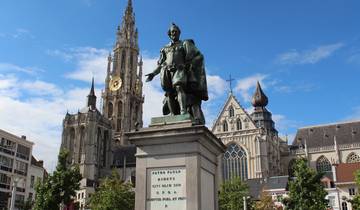
7 Day Brussels including Antwerp, Battle of the Bulge, Flanders Fields, Ghent, Bruges, Luxemburg & Dinant
- ✓ Comprehensive Belgium tour
- ✓ Expert local guides included
- ✓ All accommodation arranged
- ✓ Transportation provided
7 days
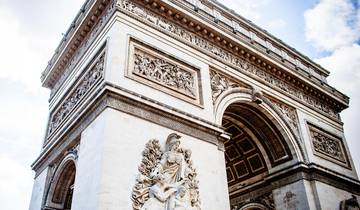
7 Days Across Paris & Brussels: From Eiffel Tower to Grand Place
- ✓ Comprehensive Belgium tour
- ✓ Expert local guides included
- ✓ All accommodation arranged
- ✓ Transportation provided
6 days
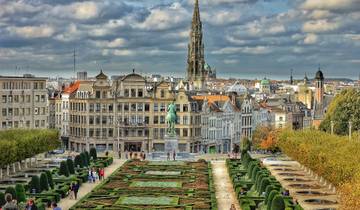
6 Days of Belgian Charm: Bruges, Ghent, Antwerp, Dinant & Luxembourg
- ✓ Comprehensive Belgium tour
- ✓ Expert local guides included
- ✓ All accommodation arranged
- ✓ Transportation provided

9 days
9 Days in Brussels and Luxembourg by Train: Fairytale Cities, Castles & Culture
- ✓ Comprehensive Belgium tour
- ✓ Expert local guides included
- ✓ All accommodation arranged
- ✓ Transportation provided
Multi-day tour packages powered by TourRadar. Prices and availability subject to change.
Introduction: Why Liège Deserves Your Full Attention
Belgium’s third-largest metropolitan area has spent decades living in the shadow of Brussels, Bruges, and Ghent — a reputation problem rooted partly in the city’s post-industrial grit during the collapse of the Liège steel and coal industries in the 1970s and 1980s, and partly in the indifference of a tourist infrastructure that never needed to work hard when more photogenic neighbours absorbed the coach tours. That era is decisively over.
What Liège offers in 2026 is something increasingly rare in Western Europe: a major city that functions primarily for its own residents rather than for its visitors. The university — Université de Liège, with over 26,000 students — anchors a cultural energy that fills the bars of Le Carré on a Tuesday evening, sustains dozens of independent bookshops and galleries along Féronstrée, and keeps the cost of a Walloon dinner and a glass of peket affordable enough that locals eat out several times a week.
The city’s geography shapes every visit. Liège folds itself into a dramatic valley where the Meuse meets the Ourthe, with residential hillsides rising steeply on both sides and the river providing the city’s central axis. Walking the city means either sticking to the flat riverbanks and compact medieval centre — where the Palais des Princes-Évêques and the Place Saint-Lambert define a walkable historic core — or ascending via the extraordinary Montagne de Bueren, a staircase of 374 stone steps that cuts straight up through a tight residential neighbourhood to deliver one of the great free views in Belgian tourism.
The artistic identity that most distinguishes Liège from other Belgian cities is Mosan art — a tradition of goldsmithing, enamelwork, and manuscript illumination that flourished in the Meuse valley from the 10th to the 13th centuries and produced some of medieval Europe’s most sophisticated sacred objects. The Grand Curtius Museum holds the finest accessible collection of this work, alongside weapons, decorative glass, archaeology, and religious art across five connected historic buildings. It is, without qualification, one of Belgium’s great museums, and the fact that it draws nothing like the crowds of the Groeningemuseum in Bruges says everything about how undervalued this city remains.
In 2026, Liège adds two compelling reasons to visit that neither Brussels nor Bruges can match. The Grand Curtius hosts the Japonisme and Art Nouveau exhibition (17 April–27 September 2026), celebrating the bicentennial of Val Saint-Lambert — the crystal works that put Liège’s glassmaking tradition on the world map — through 150 pieces spanning the crossover between Japanese aesthetics and Art Nouveau design. And the city’s Art Nouveau Week (6–14 June 2026) brings free public programming around Liège’s own substantial body of Art Nouveau architecture, a chapter of the city’s heritage that remains almost entirely undiscovered by visitors who flock instead to Brussels or Vienna for the same movement. With a new tram line fully embedded in the city’s transport fabric since its April 2025 launch, Liège is more accessible, more connected, and more confident than at any point in its recent history.
Why Visit Liège in 2026: Belgium’s Most Authentic City
The standard Belgian itinerary — Brussels one night, Bruges two nights, Ghent an afternoon — misses the city where Belgian identity is argued about most passionately and celebrated most exuberantly. Liège is the capital of Walloon culture in everything but administrative name (the official regional capital is Namur), the birthplace of Georges Simenon, and the home of the Liège waffle, the gaufre de Liège, which is the dense, pearl-sugar-studded original that Belgian waffle vendors worldwide have been selling cheap imitations of for decades.
Liège is also, by any honest comparison, substantially cheaper than its more famous Belgian neighbours. Hotel rates run 30-40% below Brussels equivalents. A three-course dinner at a proper Walloon brasserie — boulets à la liégeoise (meatballs in the city’s distinctive sweet-sour sauce), a main, a tarte au riz — costs €25-35 per person at a quality restaurant, not the €45-60 that the same meal demands in central Bruges. Museum entrance fees, where charged at all, are lower than Belgian average, and the city’s most spectacular experiences — La Montagne de Bueren, the Calatrava station, the Sunday market, the Collegiate Church of Saint-Barthélemy with its 12th-century baptismal font — are entirely free.
The railway station alone justifies a visit for architecture enthusiasts. Calatrava’s Liège-Guillemins, completed in 2009, is a cathedral of white steel and glass arching 35 metres above the platforms, a structure that belongs in conversation with the architect’s Zurich train station and Valencia City of Arts and Sciences. Arriving in Liège through this building sets an immediate tone: this city thinks carefully about how it presents itself to the world.
Practical events in 2026 add further appeal. The Art Nouveau Week (6–14 June) uses the Grand Curtius’s Japonisme exhibition as an anchor for free guided walks of Liège’s Art Nouveau domestic architecture — a body of work largely invisible to tourists for lack of organised access. The Sunday La Batte market, running every week of the year along the Meuse quays between Place Saint-Lambert and beyond Outremeuse, is one of the longest riverside markets in Europe, free to browse, and rich in local produce, antiques, second-hand books, and the kind of social cross-section that makes Liège feel like a genuinely egalitarian city.
Getting to Liège 2026: Train, Bus, Car, and Air
Liège-Guillemins is one of the best-connected secondary cities in Western Europe, served by domestic Belgian rail, international high-speed services from Paris, Amsterdam, and Cologne, and a Flixbus network that links it to destinations across the continent. For the vast majority of visitors, the train is both the fastest and most convenient option.
By Train Within Belgium
SNCB Intercity trains connect Brussels to Liège-Guillemins every 30 minutes throughout the day, with second-class single tickets starting at approximately €16 when bought in advance. Standard journey time is 1 hour 15 minutes to 1 hour 44 minutes on IC services. High-speed Eurostar and ICE trains that stop at Guillemins on the Brussels–Cologne corridor complete the route in as little as 44 minutes, though at significantly higher fares. From 1 July 2026, SNCB eliminates on-board ticket sales entirely — buy through the SNCB app, station ticket machines, or at counter windows before boarding.
From other Belgian cities: Namur to Liège runs approximately 1 hour by IC (around €10); Antwerp to Liège takes about 1 hour 30 minutes with a Brussels or Leuven connection (around €18-22); Ghent to Liège requires roughly 2 hours with a change (around €20-26). Leuven to Liège takes approximately 1 hour (around €12).
By International Train
Liège-Guillemins sits on the high-speed line connecting Paris with Brussels, Liège, and Cologne. Eurostar trains operate the Paris Gare du Nord to Liège route in 2 hours 31 minutes, with advance fares starting around €35-50; last-minute walk-up prices rise substantially. ICE services from Cologne reach Liège in approximately 1 hour 30 minutes (fares from €20-40 advance), while from Amsterdam the journey takes around 2 hours 30 minutes by ICE. From Aachen, regional trains connect to Liège in approximately 45 minutes for around €8-15. Maastricht to Liège takes approximately 30 minutes by regional train, with tickets in the €6-12 range.
By Car
Liège is 1 hour from Brussels via the E40/A3 motorway, 1 hour 30 minutes from Cologne via the E40, 2 hours 30 minutes from Amsterdam via the E25, and approximately 3 hours from Paris via the E42. The city has extensive underground car park networks at sensible prices: central car parks near Place Saint-Lambert, Médiacité (the shopping centre near Guillemins), and the Opéra charge €1.50-3 per hour with all-day caps of €12-20. Driving into Liège is straightforward, but parking in the compact historic centre requires planning — the Médiacité underground park near Guillemins offers good capacity and direct tram access into the centre.
By Bus (Flixbus and Eurolines)
Flixbus serves Liège from Paris (3-4 hours, from €8-20 advance), Amsterdam (3 hours, from €10-20), Frankfurt (3.5 hours, from €12-25), and other European hubs. Journey times are longer than rail but prices run lower for advance bookings, frequently by 50-70% versus the equivalent SNCB fare. The Flixbus stop is near Liège-Guillemins station.
By Air
Liège itself has a small airport (LGG, Liège Airport) 10 km from the city centre, primarily used for cargo with a limited number of seasonal charter and low-cost routes operated by TUIfly. A taxi from LGG to the city centre costs €25-35, and there is bus service via TEC route 56. Brussels Airport (BRU) is the main hub for international arrivals: the most practical connection combines the Brussels Airport Express train to Brussels-Midi and an SNCB IC to Liège-Guillemins, totalling around €20-25 for transport and 2-2.5 hours journey time. Charleroi Airport (CRL), used by Ryanair, is served by bus connections and is approximately 1.5 hours from Liège by public transport or car.
Getting Around Liège 2026: Tram, Bus, and Walking
Liège’s compact historical core is eminently walkable — the 20-25 minute walk from Guillemins station to Place Saint-Lambert passes through the modern city and requires no public transport at all for visitors staying near the centre. For wider exploration, the city’s TEC network of buses and its new tram line provides efficient and affordable coverage.
The New Liège Tram (April 2025)
Liège launched its first tram line in April 2025, a milestone that fundamentally reshaped the TEC bus network: 66 of the city’s bus lines (approximately 75% of the network) now connect directly to the tram. The line runs through the city centre and connects key points including the university quarter. The same Classique ticket used for buses is valid on the tram with no surcharge. Crucially, trams carry no ticket machines on board — buy before boarding from the platform machines (which accept cash), the TEC app, or MOBIB card vending points.
TEC Bus Network
More than 75 bus lines serve Liège, with most routes converging at Liège-Guillemins station or Place Saint-Lambert in the city centre. The TEC network underwent significant simplification on 1 February 2026: the old zone-based Next and Horizon tickets were abolished and replaced with a single flat-fare Classique ticket valid for 90 minutes across the entire network (excluding Express lines), allowing free transfers between bus and tram within the validity window.
Pricing in 2026: a Classique single ticket costs €2.80 when purchased through the TEC app, loaded onto a MOBIB card, or bought at tram platform machines. On-board bus ticket purchases cost €3.30 — always buy in advance. Express line single tickets cost €5.50. For travellers aged under 26 or over 65, an annual pass covering the entire classic network costs just €12 — exceptional value for any stay of more than a few weeks. The MOBIB card itself costs €5-6 as a one-time fee.
Walking and Cycling
The historic centre between Guillemins, Féronstrée, and Outremeuse covers roughly 2 km in any direction and is highly walkable. La Montagne de Bueren — the great staircase of 374 steps — connects the lower city near the Hors-Château street to the hillside neighbourhood of Cointe and rewards the climb with city-wide views. Blue-bike rental is available at Guillemins station for cyclists; however, Liège’s topography and city driving habits make cycling less pleasant here than in Flanders cities, and most visitors cover central attractions on foot.
Taxis and Rideshare
Taxis start at approximately €2.40 plus €3 per kilometre. A taxi from Guillemins to Place Saint-Lambert costs €6-8; longer cross-city journeys run €12-20. Uber operates in Liège and prices comparably to taxis for standard journeys. For airport transfers to Liège Airport (LGG), budget €25-35 by taxi; Brussels Airport connects more economically by rail.
Park and Ride
Two Park and Ride facilities connect directly to the tram: Sclessin (665 spaces, adjacent to the N63; note that spaces are reserved for Standard de Liège FC season-ticket holders on match days) and Coronmeuse near the exhibition centre. Both offer economical parking combined with tram access to the city centre.
Where to Stay in Liège 2026: Accommodation by Budget
Liège’s accommodation market concentrates around three zones: the historical city centre (most atmospheric, highest demand), the Guillemins area (transport-rich, several modern hotels opened since the 2009 station), and Outremeuse (most local character, lower prices). All three zones are practical bases, and no part of the city requires more than 20-25 minutes’ walk or a single tram/bus ride to reach the main attractions.
Budget Accommodation in Liège 2026 (€22-85 per Night)
Liège Youth Hostel in the Outremeuse neighbourhood is among the better-reviewed budget bases in the city, offering dormitory beds from €22-30 per person and private rooms at €55-70 per night, with direct access to the most authentic working-class neighbourhood in central Liège — the district where Georges Simenon was born and where traditional brasseries serve boulets at lunch prices rather than tourist rates. The hostel is an easy 20-minute walk or short bus ride from the main historical sights.
Budget chain hotels cluster around Guillemins station. The ibis Liège Centre Opéra sits at the intersection of proximity and affordability, with rooms in the €60-80/night range on typical dates and a central location near the Opéra and Féronstrée. Campanile Hotel Liège offers rooms from €55-75/night with on-site parking — a practical choice for car arrivals. Budget hotel pricing in Liège rises 20-30% during summer peak (July–August) and around the December Christmas market period.
Mid-Range Hotels in Liège 2026 (€90-150 per Night)
Pentahotel Liège sits close to Guillemins station with a design-conscious aesthetic, in-house gym, and rooms from €95-130/night. It draws a mix of business and leisure guests and reviews consistently well for value. Amosa Liège City Centre Hotel offers a boutique feel with rooms from €100-140/night and an excellent central position. ibis Styles Liège Guillemins occupies a modern building steps from the Calatrava station, with rates of €90-120/night and the reliability of the ibis Styles brand behind it. Holiday Inn Express Liège, slightly further from the centre but connected by tram, prices at €95-125/night.
Mid-range hotels in Liège are significantly cheaper than Brussels equivalents at the same star rating. A €110/night hotel in Liège competes with €165-190/night options in Brussels for comparable comfort and location quality. Booking 6-8 weeks in advance secures the best mid-range rates; last-minute bookings in summer push prices up 25-35%.
Luxury Hotels in Liège 2026 (€160-280 per Night)
Van der Valk Sélys Liège Hotel and Spa is the city’s most complete luxury property, with an indoor pool, full spa, and restaurant, at prices of approximately €180-260/night for standard rooms. It is the benchmark against which all other Liège luxury accommodation is measured and draws consistently high guest scores. Van der Valk Hotel Liège Congrès, oriented towards business travel and congress visitors, offers comparable facilities and prices at €160-230/night.
Liège lacks the ultra-luxury boutique hotel culture of Bruges or the business-travel five-star density of Brussels, which means luxury travellers pay less here for comparable comfort — and the Van der Valk spa hotel in particular would cost substantially more in any Belgian coastal or capital location.
Seasonal Accommodation Patterns
January to March delivers the lowest hotel rates across all categories, 25-35% below summer peak pricing. April, May, September, and October represent the sweet spot of comfortable prices and good availability. July and August are the most expensive months, with limited budget availability in the centre. The Christmas market period (the last two weeks of November through December 24) spikes rates for the Christmas market weekends before relaxing in late December. For events — Art Nouveau Week in June 2026, Standard de Liège home match weekends — book at least 4-6 weeks in advance.
Food and Dining in Liège 2026: Local Cuisine and Costs
Liège has a specific and proud gastronomic identity rooted in Walloon cooking traditions, with a handful of dishes that are genuinely the city’s own. The student population and the working-class Outremeuse district keep prices grounded: a proper sit-down lunch at a quality brasserie costs €15-25 per person including a drink, and street food around the Sunday market and along Féronstrée fills a gap for under €5.
Essential Liégeois Food and Drink
Boulets à la liégeoise are the defining dish: large meatballs in a sweet-sour sauce made with Sirop de Liège (the dark fruit preserve of apples, pears, and dates that is the city’s most distinctive culinary product), served with thick-cut frites and a beer. Expect to pay €14-20 for a full portion at a traditional brasserie. The Liège waffle — gaufre de Liège — is the original Belgian waffle: denser, smaller, embedded with pearl sugar caramelised on the outside, eaten warm from street stalls for €2-4. It shares almost nothing with the light, rectangular Brussels waffle sold to tourists everywhere.
Tarte au riz, a sweet rice custard tart that looks unassuming and tastes definitively Walloon, appears in bakeries across the city for €2-4 per slice. Peket (also written Pèkèt) is the Walloon genever — a juniper-flavoured spirit in the gin family — served in bars across Le Carré and Outremeuse for €2-3 a shot. Belgian beers need no introduction; a standard Jupiler or Leffe on draught costs €3-4, with abbey beers and craft options rising to €5-7.
Dining Price Brackets in Liège
Street food and markets deliver the best value in the city: waffles cost €2-4, frites with sauce run €3-5, and the Sunday La Batte market offers prepared foods, cheeses, and charcuterie for grazing at €3-8 per item. Snack bars and quick-service restaurants in the student and working-class areas price lunch mains at €10-15. Casual brasseries — the dominant restaurant type in Liège — charge €15-25 for a main course with a beer or glass of wine bringing the typical single-person lunch to €18-28. A full three-course dinner at a mid-range restaurant runs €25-40 per person excluding wine; add a bottle and service tip and a couple’s dinner lands at €60-90 total. Upscale and gastronomic restaurants serving contemporary Walloon cuisine or international fine dining charge €45-90 per person for a full evening.
A lunch formule du midi (set lunch menu: starter and main, or main and dessert) is one of the best value habits in Liège dining: brasseries that charge €28-35 for the same dishes à la carte in the evening offer two-course lunch menus for €14-18. The lunch habit is deeply embedded in Liège culture and the quality of these menus is consistently high.
Where to Eat in Liège by Neighbourhood
Le Carré, the compact entertainment district roughly bounded by Féronstrée, the Opéra, and Vinâve d’Île, concentrates the highest density of bars and restaurants in the city, with quality ranging from student kebab shops to wine bars and gastropubs. It becomes very lively from 18:00 onwards. Féronstrée itself, Liège’s main pedestrian commercial street, has traditional restaurants at mid-range prices. Outremeuse offers the most local experience: family-run brasseries serving Walloon comfort food to a neighbourhood clientele, at prices a notch below the tourist-adjacent centre. The area around the Collegiate Church of Saint-Paul and the Cathedral quarter has more upscale restaurant options catering to a professional and visitor mix. For self-catering, Carrefour, Delhaize, and Colruyt supermarkets operate throughout the city, with a central Carrefour in the Médiacité shopping area near Guillemins.
Top Attractions and Entrance Fees in Liège 2026
Liège’s attraction profile skews heavily towards free access, with paid admissions confined to the major museums and a handful of heritage sites. Visitors on tight budgets can construct full days of meaningful experience without spending a cent on entry fees.
Free Attractions in Liège
La Montagne de Bueren is the single most photographed experience in Liège: a staircase of 374 steps ascending directly from the Hors-Château street to the hillside neighbourhood above, framed by rose beds and leading to panoramic views across the valley. The climb takes 10-15 minutes and is entirely free, open at all times. At the top, the Coteaux de la Citadelle park offers further gardens and elevated views.
Liège-Guillemins railway station is a functioning transport hub and a work of architecture worth 30-45 minutes of unhurried attention: Calatrava’s arching white steel and glass structure creates interior light effects that change through the day, and the building is proportioned in a way that photographs cannot fully communicate. Free access, open continuously.
Place Saint-Lambert, the main historic square where the medieval Cathedral of Saint-Lambert once stood before its Revolutionary-era destruction, is surrounded by the Prince-Bishops’ Palace (now the Palace of Justice) and the modern glass Galerie Saint-Lambert shopping centre — the juxtaposition of medieval, Renaissance, and contemporary architecture makes it one of the more visually complex city squares in Belgium. Free access. The Perron, Liège’s freedom fountain on the adjacent Place du Marché, has served as a symbol of the city’s civic liberties since the 15th century — a 3-metre stone column topped by a pine cone and a three-armed lamp.
La Batte Sunday Market runs every Sunday from early morning until early afternoon along both Meuse quays between Place Saint-Lambert and beyond the Outremeuse bridge, covering a distance of approximately 3 km and selling everything from fresh Ardennes produce and local cheeses to antiques, books, flowers, clothing, and street food. No entry fee, no wristband — arrive, browse, eat a waffle, and leave on your own schedule.
The Collegiate Church of Saint-Barthélemy (Place Saint-Barthélemy) houses a 12th-century baptismal font by the Mosan goldsmith Renier de Huy that is widely regarded as a masterpiece of European Romanesque art — seven sculpted scenes from the life of John the Baptist encircling a bronze basin supported on oxen. The church itself is free to enter; a small donation supports the restoration fund. The Collegiate Church of Saint-Paul (Liège’s Cathedral since 1802) and the Palace of the Prince-Bishops are free to access externally; the Cathedral treasury is ticketed.
Parc de la Boverie, occupying the elongated island formed between two branches of the Meuse, is a public park with free entry, pleasant riverside walks, and a fine arts museum (La Boverie) that can be entered separately.
Paid Attractions in Liège 2026
The Grand Curtius Museum (Féronstrée 136) is Liège’s premier paid attraction and one of Belgium’s most underappreciated major museums. The adult ticket is €10 (combi entry covering both the Grand Curtius permanent collections and the adjacent Musée Grétry); visitors under 26 enter free; the first Sunday of every month offers free admission for all. Opening hours are Wednesday and Friday–Sunday 10:00–18:00, Thursday 10:00–20:00, closed Tuesday. The complex occupies several connected 17th-century patrician mansions on Féronstrée, with departments covering Mosan art, archaeology, religious art, decorative arts, weaponry, and the remarkable Duesberg collection of decorative clocks and furniture. The 2026 Japonisme and Art Nouveau exhibition (17 April–27 September) runs alongside the permanent collections; confirm the current supplement at the ticket desk.
The Aquarium-Muséum de Liège (Quai van Beneden), operated by the University of Liège, combines a historic natural history collection with a functioning public aquarium and the TréZOOr room. A combined ticket for adults runs approximately €8-10; check the university website for current pricing. La Boverie Fine Arts Museum (Parc de la Boverie) charges approximately €10 for permanent collection access; temporary exhibitions from national and international collections carry a supplement. The Musée de la Vie Wallonne (Museum of Walloon Life, Cour des Mineurs), housed in a former Franciscan monastery, charges approximately €8 for adults and offers one of the most thorough accounts of Walloon folk life and cultural history anywhere in the region. The Trésor de Liège (Cathedral treasury at the Collegiate Church of Saint-Paul) charges approximately €5 for access to religious goldsmithing and sacred art from the former Cathedral of Saint-Lambert. The Archéoforum, a basement-level Roman site beneath Place Saint-Lambert, charges approximately €5 for adult access.
Museum Passes Worth Considering
The museumPASSmusées annual pass (€64.95) provides unlimited access to over 250 Belgian and Dutch museums, including the Grand Curtius, La Boverie, and many other participating institutions across Belgium. For visitors planning four or more days in Liège with multiple museum visits, or for those combining Liège with visits to Namur, Brussels, or Maastricht, the pass pays for itself quickly. Under-26 visitors should check participating museums for free admission before purchasing: many Belgian institutions grant free entry to this age group regardless of a pass.
Liège Neighbourhood Guide: Understanding the City’s Districts
Liège’s neighbourhoods are navigable on foot once the valley geography is understood: the flat areas along the Meuse contain most tourist activity, while the hillsides rising on both banks hold residential neighbourhoods connected by staircases and steep streets. Visitors have six distinct zones worth understanding.
City Centre and Féronstrée
The medieval commercial and civic core stretching from Place Saint-Lambert to the Vinâve d’Île pedestrian zone. This area contains the Palace of the Prince-Bishops, the Perron, the Galerie Saint-Lambert, the Grand Curtius Museum, and the main shopping streets. It is the highest-demand zone for accommodation and the most expensive for restaurants. Most visitors spend a significant portion of their time here, and it sustains a constant, if not overwhelming, tourist presence.
Le Carré
A compact district immediately west of Féronstrée, defined by narrow streets including Rue de la Casquette and Rue du Pot d’Or, containing the highest density of bars, brasseries, and cafés in the city. Le Carré comes alive from early evening and peaks on Thursday, Friday, and Saturday nights. It is walkable, friendly, and affordable — the student population that sustains it keeps prices honest. For evening dining and drinks, this is Liège’s most lively quarter.
Cathedral Quarter and Saint-Paul
Immediately south of the centre, clustering around the Collegiate Church of Saint-Paul (Cathedral of Liège), the Trésor, and the Théâtre de Liège. This quarter has more upscale restaurants than Le Carré, a quieter atmosphere, and the density of baroque and neoclassical architecture associated with the former Prince-Bishopric. A good base for visitors wanting proximity to heritage sites without the noise of the entertainment district.
Outremeuse
The island district between two branches of the Meuse, accessible by bridges from the city centre and containing the Liège Youth Hostel, the Musée Tchantchès (dedicated to the city’s puppet tradition), and numerous traditional Walloon brasseries serving the neighbourhood rather than tourists. This is the most authentic residential quarter accessible to visitors, the birthplace of Georges Simenon (a plaque marks his house on Rue Léopold), and the location of the popular Fête de l’Outremeuse street festival in August. It is 15 minutes’ walk from Place Saint-Lambert.
Guillemins and Longdoz
The modern district around the Calatrava railway station, including the Médiacité shopping centre (open on Sundays — rare in Belgium), several mid-range and budget hotels, and good tram and bus connections to the centre. Less atmospheric than the historical core but practical for arrivals by train and well-served by the tram. The walk from Guillemins to Place Saint-Lambert along the Rue de la Régence and Boulevard d’Avroy is a legitimate urban walking route with its own points of interest.
Cointe and the Upper City
The hillside neighbourhoods above La Montagne de Bueren, largely residential, with the Coteaux de la Citadelle park, the former Citadelle, and the Cointe observatory and peace memorial offering views over the city. This area rewards visitors who climb Bueren and continue rather than immediately descending — the hilltop gardens and the outlook over the Meuse valley justify the detour.
Complete Daily Budget Breakdowns for Liège 2026
All daily costs below are per person, per day, assuming two people sharing accommodation. Hotel and hostel rates are divided by two before inclusion in any total. Every component uses a low-to-high range reflecting the genuine variation in what travellers spend within each tier.
Budget Tier Daily Costs in Liège 2026
Hostel dorm accommodation runs €22-30 per person per night. On a budget eating pattern — a bakery breakfast or skipping it, a lunch of street food or a cheap sandwich bar, a dinner at a neighbourhood snack restaurant or kebab shop in Outremeuse — meals total €26-39. Two or three TEC rides at €2.80 each covers most transit needs, with walking handling the rest: transport costs €5-6. On most days, budget travellers access only free attractions (La Montagne de Bueren, the Calatrava station, the Sunday market); on museum days, add the occasional €8-10 entry, averaging €0-6 per day for attractions. Coffee and a beer bring miscellaneous spending to €5-8.
Budget daily cost components: accommodation €22-30, meals €26-39, transport €5-6, attractions €0-6, miscellaneous €5-8. Total: approximately €60-90 per person daily (hostel accommodation).
Travellers using budget hotels instead of hostels spend €32-42 per person for accommodation (rooms of €65-85 divided by two). Total with budget hotel: approximately €70-100 per person daily. A week on a budget in Liège costs €420-700 per person (hostel) or €490-700 per person (budget hotel), two sharing.
Mid-Range Daily Costs in Liège 2026
A mid-range hotel room costs €95-140 per night, translating to €48-70 per person when two share. Mid-range meals — a proper café breakfast, a brasserie lunch (starter and main from the formule menu), and a three-course dinner at a quality Walloon restaurant — total €54-82 per person. TEC transport plus an occasional taxi or rideshare brings daily transport to €8-15. Visiting one or two paid museums (Grand Curtius at €10, Aquarium-Muséum at €8-10, La Boverie at €10) averages €12-20 per day. Coffees, a beer or two, and incidentals add €10-15.
Mid-range daily cost components: accommodation €48-70, meals €54-82, transport €8-15, attractions €12-20, miscellaneous €10-15. Total: approximately €130-200 per person daily, two sharing a mid-range hotel. A week at mid-range costs €910-1,400 per person.
Luxury Daily Costs in Liège 2026
Luxury accommodation at Van der Valk Sélys or equivalent runs €180-260 per room, or €90-130 per person when two share. Luxury meals — hotel breakfast, a refined lunch at a gastronomic brasserie, and dinner at one of Liège’s upscale restaurants — total €113-170 per person. Private transport (taxis, Uber, or a rental car for day trips) costs €20-35. Premium experiences such as private guided museum tours, spa access, and comprehensive attraction visits add €22-40. Wines, cocktails, and luxury incidentals contribute €25-40.
Luxury daily cost components: accommodation €90-130, meals €113-170, transport €20-35, attractions €22-40, miscellaneous €25-40. Total: approximately €270-415 per person daily, two sharing a luxury hotel. A week at luxury level costs €1,890-2,905 per person.
Solo Traveller Costs
Solo travellers staying in private hotel rooms bear the full room rate without sharing: a solo budget hotel traveller pays the full €65-85 room rate, making accommodation €65-85 rather than €32-42. Solo mid-range: full €95-140 room rate. A solo mid-range day in Liège accordingly costs €175-285 per person. Hostels eliminate this penalty entirely for budget travellers, as dorm beds are already priced per person.
Sample Liège Itineraries 2026
Two-Day Weekend Itinerary (Budget to Mid-Range)
Day 1 — Arrival and Historical Core: Arrive at Guillemins by train and take 30 minutes to appreciate the Calatrava architecture before walking 25 minutes to Place Saint-Lambert along Boulevard d’Avroy (free). At Place Saint-Lambert, examine the Palais des Princes-Évêques facade and the Perron on Place du Marché (free), then follow Féronstrée — both the Grand Curtius Museum building and the streetscape are worthwhile. Afternoon: Grand Curtius Museum admission (€10, allow 2-3 hours). Evening: dinner in Le Carré (budget €18-28, mid-range €28-40 per person), followed by a peket at one of the quarter’s traditional bars (€2-3).
Day 1 estimated cost per person: accommodation €35-70, museum €10, meals and drinks €25-45, transport €5. Total: approximately €75-130 per person.
Day 2 — Bueren, Outremeuse, and Market (if Sunday): Climb La Montagne de Bueren before 9:00 when the light is best and the staircase is quiet (free). Continue to the Coteaux de la Citadelle park for views, then descend to the Cathedral of Saint-Paul and the Trésor (€5 for the treasury). Cross into Outremeuse for a traditional Walloon lunch at a neighbourhood brasserie — boulets, a beer, tarte au riz (€20-28 per person). Walk the Sunday La Batte market if visiting on a Sunday (free, allow 1-2 hours). Afternoon: Musée de la Vie Wallonne (€8) or simply the riverside quays before departure.
Day 2 estimated cost per person: treasury €5, museum €8, meals and drinks €20-30, transport €5. Total: approximately €38-48 per person (plus accommodation if staying second night).
Four-Day Extended Itinerary (Mid-Range)
Day 1: Arrival and Guillemins exploration. Walk to centre via Boulevard d’Avroy. Place Saint-Lambert, Le Carré, dinner in Le Carré (€30-40 per person). Accommodation: Pentahotel or ibis Styles Guillemins (€95-130/room).
Day 2: Grand Curtius Museum including the Japonisme and Art Nouveau exhibition (€10, morning, allow 2.5-3 hours). Féronstrée lunch (formule du midi, €14-18). Aquarium-Muséum afternoon (€8-10). Evening: Outremeuse neighbourhood walk, dinner at a traditional brasserie (€22-30 per person).
Day 3: Day trip to Maastricht (30 min by regional train, approximately €10-12 return). The Vrijthof square, the Bonnefanten Museum (€16), and the historic city centre fill a comfortable day. Return to Liège for evening. Day 3 total incl. transport and Maastricht admission: approximately €50-70 per person (excluding Liège accommodation).
Day 4: La Montagne de Bueren morning climb (free). Cathedral of Saint-Paul and Trésor (€5). La Batte market (if Sunday) or La Boverie Fine Arts Museum (€10). Café lunch at a Place du Marché brasserie (€18-22). Afternoon departure from Guillemins.
Four-day mid-range total per person (two sharing): accommodation 3 nights × €48-70 = €144-210, daily costs days 1-4 approximately €480-680. Combined four-day total: approximately €620-890 per person including accommodation, transport, meals, and admissions (excluding international travel to/from Liège).
Five-Day Deep-Dive Itinerary Including UNESCO Heritage
Days 1-4 as above. Day 5: Blegny-Mine, a UNESCO World Heritage Site (Major Mining Sites of Wallonia) located 30 km from Liège and accessible by car or taxi in approximately 30 minutes. Underground guided tours of the former coal mine cost approximately €16-20 per adult and run on a fixed schedule — book in advance for weekday visits. Return to Liège for a farewell dinner in Outremeuse. Day 5 estimated cost per person: Blegny transport (taxi approximately €35-40 return shared between two) = €17-20 per person, admission €16-20, meals €20-28. Total Day 5: approximately €55-70 per person.
Seasonal Pricing and Best Times to Visit Liège
Liège experiences more pronounced seasonal variation in hotel pricing than in either visitor numbers or cultural programming — the city’s year-round student and local population keeps museums, restaurants, and cultural venues active even in the deepest January lull.
Spring (March to May)
Spring delivers comfortable temperatures (12-18°C by May), good light for photography, and hotel prices at 10-20% below summer peak. April and May are particularly pleasant for outdoor activities — the riverside quays and the Parc de la Boverie are at their best with trees in blossom. The 2026 Japonisme and Art Nouveau exhibition at Grand Curtius opens 17 April, making late April an especially strong time to visit. Easter weekend brings slightly elevated hotel rates; mid-April and all of May deliver excellent value at mid-range hotels.
Summer (June to August)
Summer is peak season, with hotel prices rising 20-30% above spring and autumn levels for comparable rooms. Temperatures reach 24-28°C in July and August. The Art Nouveau Week (6-14 June 2026) brings free cultural programming across the city and increases short-break bookings — book accommodation for this period at least 6-8 weeks in advance. July and August are the warmest and most tourist-busy months; the Sunday La Batte market is at its most vibrant, outdoor café seating fills quickly, and river activities are in full swing. The Standard de Liège FC football season pause means Sclessin Park and Ride spaces are freely available.
Autumn (September to November)
September and October are among the best months to visit Liège, combining comfortable temperatures (15-20°C), good availability at mid-range prices, and the final stretch of the Grand Curtius Japonisme exhibition (closing 27 September 2026). October and November see prices drop 15-25% below summer peak. Autumn light along the Meuse valley is excellent for photography. November is quiet and cool, excellent for focused museum-going without crowds.
Winter (December to February)
December brings one of Belgium’s most atmospheric Christmas markets to Liège, covering Place Saint-Lambert and the surrounding streets with decorated stalls, mulled wine, and seasonal food. The market period runs approximately late November to 30 December, with peak crowds and elevated hotel prices in the second and third weekends of December. Book Christmas market accommodation months in advance for central hotels. Post-market, late December and January drop to annual price lows — the quietest, cheapest window in the Liège calendar. The Grand Curtius notes early closing on December 24 (16:30) and December 31 (16:30), closure on December 25 and January 1, but remains fully open on December 26 and throughout January.
Hidden Costs and Fees: What to Budget for in Liège 2026
Several costs catch first-time visitors in Belgium by surprise. Building these into your budget prevents the end-of-trip arithmetic surprise that so many travellers experience.
Transport Card Fee
The TEC MOBIB travel card costs €5-6 as a one-time issue fee. This is mandatory for loading TEC multi-trip or pass products; single journeys can be bought via the TEC app without a physical card, but if you want to load a multi-ride product or an under-26 annual pass, the card fee applies. Factor this in on arrival.
Museum Audio Guides
The Grand Curtius and other major Liège museums offer audio guides for approximately €3-5, payable separately from admission. For non-French-speaking visitors navigating Mosan art or the weapons collection, an audio guide significantly enhances the visit and is worth budgeting.
Luggage Storage
Luggage storage lockers at Liège-Guillemins cost approximately €3-5 per item per day. This is useful on arrival or departure days when checking out of accommodation before a late train.
Restaurant Service and Tipping
Belgium does not add a compulsory service charge to restaurant bills, unlike France. Tipping is appreciated but not obligatory — leaving 10% rounds up a good meal appropriately, and rounding up the taxi fare to the nearest euro is standard. Budget accordingly for three meals a day by adding approximately €5-8 in rounding and discretionary tips.
Public Toilets
Public toilets in the historical centre and at the station are free; some staffed facilities charge €0.50. Café and restaurant toilets are available to customers.
Entry/Exit System (EES) — April 2026
As of April 10, 2026, the EU’s Entry/Exit System (EES) is fully operational at Belgian border crossings. For non-EU visitors, this means biometric registration (fingerprints and a photograph) on the first entry into the Schengen Area — the process is handled automatically by border officials and requires no advance application or fee. The EU’s ETIAS travel authorisation system, which will require a €7 online application from visa-exempt travellers, was expected to launch in the last quarter of 2026; as of the date of this guide, ETIAS is not yet operational and no advance action is required. Monitor the official ETIAS website (travel-europe.europa.eu) for launch confirmation.
Parking
Car arrivals who park in central Liège underground car parks pay €1.50-3 per hour with all-day caps of €12-20. Street parking is limited and time-restricted; the underground options at Médiacité (near Guillemins) and in the centre are strongly preferable. Parking costs can easily add €15-20 per day to a budget that didn’t account for them.
Money-Saving Strategies for Liège 2026
Liège is already one of the most affordable major city-break destinations in Western Europe, but several strategies reduce costs further without compromising the quality of the visit.
Free First Sundays at Museums
The Grand Curtius Museum offers free admission to permanent collections on the first Sunday of every month. Many Belgian museums adopt the same policy. If your visit overlaps with a first-Sunday, this single day eliminates €10 per person in admission costs. For a two-person visit, that is €20 saved in a single day.
TEC App Tickets and Under-26 Pass
Buying TEC Classique tickets through the app saves €0.50 per journey compared to on-board purchases, reducing a single ticket from €3.30 to €2.80. For visitors under 26, the annual pass at €12 for unlimited Classic network travel is the most extraordinary transport deal in Belgian tourism — even a three-day stay with moderate transit use recovers its cost several times over.
Formule du Midi Lunch Strategy
The lunch formule at Liège brasseries — a two-course set menu at €14-18 — offers the same kitchen quality as evening à la carte dining at 40-50% lower cost. Structuring the day’s main meal as lunch and eating lightly in the evening (street food, a brasserie plat simple, a supermarket picnic from Carrefour or Delhaize) reduces daily food spending significantly without sacrificing the experience of genuine Walloon cooking.
museumPASSmusées for Multi-Museum Visits
At €64.95/year, the museumPASSmusées pass covers 250+ institutions including the Grand Curtius, La Boverie, and a wide range of Namur, Maastricht, and Brussels museums. A visitor spending four or more days in Liège and visiting four participating museums recoups the pass cost; anyone combining Liège with day trips to Namur or Maastricht (both with strong pass-eligible collections) should consider it a standard purchase.
Advance Train Booking
SNCB’s best advance fares on the Brussels–Liège route start at approximately €16; last-minute purchase of the same journey costs €22-26. Booking 2-3 weeks in advance guarantees the lowest domestic tier. For Thalys/Eurostar services from Paris or Amsterdam, advance booking 4-8 weeks ahead captures promotional fares that are substantially cheaper than walk-up rates.
Self-Catering for Breakfasts
Hotel room breakfasts in Liège run €10-18 extra at mid-range properties. A supermarket breakfast — fresh bread from a bakery adjacent to any Carrefour, cheese, charcuterie, and coffee in the apartment — costs €3-5 per person. For longer stays, this difference compounds to €30-70 per person over a week.
Sunday La Batte Market for Street Food and Produce
Sunday breakfast and lunch at La Batte costs €5-12 per person and is genuinely one of the best food experiences in Liège — local cheesemakers, baked goods, fresh Ardennes produce, cooked sausages, and the best-value gaufres de Liège in the city (€2-3 from market stalls versus €3-4 in tourist-facing shops).
Day Trips from Liège 2026: Wallonia, the Netherlands, and Germany
Liège’s position at the junction of Belgian Wallonia, the Dutch Limburg province, and the German Rhineland makes it one of the strongest bases for multi-national day tripping in all of Western Europe. Seven destinations stand out for ease of access and quality of experience.
Spa, Belgium (45 Minutes)
The town of Spa gave the world its common noun for therapeutic bathing resorts — and it remains the most historically resonant destination for anyone interested in why European aristocracy once trekked to the Belgian Ardennes for thermal cures. The Thermes de Spa, a modern thermal complex built over the original medicinal springs, charges €25-35 for standard bath access (higher rates for thalassotherapy circuits). The town centre is free to walk, with 18th-century architecture, the casino (Belgium’s oldest), and surrounding forest trails making a full day easy to construct. From Liège, TEC buses serve Spa directly; the journey takes approximately 45-60 minutes and costs €2.80 on a Classique ticket. The Circuit de Spa-Francorchamps, one of Formula 1’s legendary tracks, lies 15 minutes from the town by car.
Namur, Wallonia’s Capital (1 Hour by Train)
Namur occupies the dramatic confluence of the Meuse and Sambre rivers, crowned by a hilltop Citadelle (free to the grounds, funicular access €4.50) that dominates the city from above. The Musée des Arts Anciens du Namurois holds strong collections of Mosan art that complement what the Grand Curtius offers in Liège — together they provide the fullest available picture of this distinctive medieval artistic tradition. SNCB trains connect Liège to Namur in approximately 1 hour; second-class tickets cost around €10. Namur’s compact historic centre, Baroque cathedral, and riverside café culture make it a satisfying half-day or full-day excursion.
Maastricht, Netherlands (30 Minutes by Train)
Maastricht is the shortest international day trip available from Liège and one of the most rewarding. The Netherlands’ southernmost city has a dense medieval centre, the Vrijthof square flanked by Saint-Servatius Basilica (a treasury of Carolingian relics), excellent independent bookshops (Boekhandel Dominicanen in a deconsecrated Dominican church), and strong shopping in the pedestrian zone. Regional trains from Liège-Guillemins to Maastricht take approximately 30 minutes; tickets range from €8-12 depending on purchase channel. The Bonnefanten Museum (€16) focuses on Flemish old masters and contemporary art in a striking Aldo Rossi building. Currency switches to Euro seamlessly; Dutch prices for café meals are slightly higher than Liège but the experience justifies the premium.
Aachen, Germany (45 Minutes by Train/Bus)
Aachen was Charlemagne’s capital and the coronation city of German kings for six centuries. The UNESCO-listed Cathedral (the treasury houses Charlemagne’s relics and is among the most significant medieval sacred collections in northern Europe; admission approximately €5), the Centre Charlemagne museum, and the city’s thermal baths (Carolus Thermen, from €20-35 for bath access) fill a comfortable day. Regional trains and bus connections from Liège take approximately 45-60 minutes; fares run €10-20 depending on service. Aachen’s December Christmas market, one of the most atmospheric in the German-speaking world, makes it a natural add-on to a Liège winter visit.
Dinant (1 Hour 30 Minutes by Train)
Dinant’s profile — a baroque onion-domed Collegiate Church wedged between a cliff face and the Meuse, topped by a citadel reachable by cable car — makes it one of the most photographed small towns in Belgium. The city is the birthplace of Adolphe Sax (inventor of the saxophone), with a dedicated museum (Maison de Monsieur Sax, free). Local specialities include couques de Dinant (extremely hard flavoured biscuits) and the local beer-based aperitif flamiche au Dinantais. SNCB connects Liège and Dinant in approximately 1 hour 30 minutes with a change at Namur; fares around €12.
Blegny-Mine UNESCO Site (30 Minutes by Car)
Blegny-Mine is one of four sites comprising the Major Mining Sites of Wallonia, inscribed as a UNESCO World Heritage Site in 2012. The former coal mine operated until 1980 and now offers one of the most immersive industrial heritage experiences in Belgium: underground guided tours (90 minutes) descend to working levels with original equipment and authentic mine conditions. Adult admission runs approximately €16-20 and tours operate on fixed schedules — advance booking is strongly recommended for weekday visits and essential for weekends. No direct public transport; a taxi from Liège costs approximately €35-40 return for two people, or €18-20 per person. Car hire from Guillemins area operators provides independence for the return.
Cologne, Germany (1 Hour 30 Minutes by ICE)
For a longer day trip combining world-class gothic architecture and Rhine riverfront culture, Cologne (Köln) is accessible via ICE from Liège-Guillemins in approximately 1 hour 30 minutes, with advance fares from €20-35. Cologne Cathedral (UNESCO) is free to enter; the cathedral tower (€6) delivers panoramic views over the Rhine. The city’s museums — the Museum Ludwig (€13 for contemporary art and Picasso collection), the Wallraf-Richartz Museum (€18 for medieval and Impressionist masterworks) — make a full cultural day realistic. December visitors to Liège who extend their trip to include Cologne’s Christmas market (one of Germany’s largest, across six locations in the city centre) experience a genuinely unforgettable combination of two of Northern Europe’s best markets.
Practical Essentials for Visiting Liège 2026
Liège is a straightforward European city for visitors. Standard EU and Schengen rules, a French-speaking but English-capable population, and a functioning public infrastructure make planning uncomplicated once a handful of specifics are understood.
Language
Liège is firmly French-speaking Wallonia. All signage, menus, and public information appear in French; museum labels at major institutions include English versions or audio guides. English is widely spoken in hotels, tourist-facing restaurants, the Grand Curtius, and among the student population; outside these contexts, basic French phrases for ordering, asking directions, and purchasing tickets are a practical courtesy. The Walloon dialect, a distinct Romance language, has limited contemporary everyday use but appears in place names and traditional brasserie names throughout the city.
Currency and Payments
Belgium uses the Euro (€). ATMs are plentiful throughout the centre and at Guillemins station. Card payment is accepted at hotels, mid-range and upscale restaurants, and most shops; small brasseries, market stalls, and street food vendors operate cash-only. Note that TEC bus drivers carry limited cash and cannot accept large notes; use the app or MOBIB card for bus payments. Contactless bank card payment on TEC vehicles is planned for 2027 but not available in 2026.
Entry Requirements and Border Technology
Belgium is a Schengen Area member. EU and EEA citizens enter freely. Visitors from the USA, Canada, Australia, New Zealand, and most other Western passport-holding countries enter visa-free for stays up to 90 days in any 180-day period; a valid passport (not just an ID card for non-EU nationals) is required. The EU’s Entry/Exit System (EES), fully operational since April 10, 2026, captures biometric data (fingerprints and a photograph) from all non-EU visitors at the first Schengen border point of entry — this is handled automatically at the border and requires no advance action. The ETIAS travel authorisation (€7 online application, similar to the US ESTA) is expected to launch in late 2026; as of the current date it is not yet required. Check the official European travel authorisation portal for launch status before booking late-2026 or 2027 visits.
Safety
Liège is a safe city for tourists by any European standard. Normal urban precautions apply — awareness of pickpockets in crowded markets and on public transport, avoiding poorly lit areas late at night, and keeping valuables secured. The Guillemins station area and Le Carré on weekend nights draw a boisterous crowd that is overwhelmingly safe but merits awareness if you are alone in the early hours. The general safety level is comparable to any major university city in Western Europe.
Opening Hours
Most Liège shops open Monday to Saturday 10:00-18:00 and close on Sunday. The Médiacité shopping centre near Guillemins is one of the few central retail locations open on Sunday — useful for supplies on arrival days. Museum opening patterns vary: the Grand Curtius is closed Tuesday; most city museums follow a Tuesday-closure convention. Restaurants close one day per week; Monday is the most common closure day, though brasseries in Le Carré operate seven days a week. Public holidays (including Easter Monday, Labour Day May 1, Belgian National Day July 21, and All Saints Day November 1) close most shops while keeping restaurants, cafés, and museums largely open.
Healthcare and Emergency
The European Health Insurance Card (EHIC) is valid in Belgium for EU citizens, covering necessary medical treatment at the rate paid by Belgian residents. Non-EU visitors need travel insurance with medical coverage. The universal EU emergency number is 112 (police, ambulance, fire). Pharmacies (marked by a green cross) are found throughout the centre; a rotating duty pharmacy provides 24-hour coverage, with the current duty address posted in every pharmacy window.
Internet and Connectivity
4G and 5G coverage is strong throughout central Liège. Free WiFi is available in hotels, most cafés, and public buildings including the Guillemins station. EU roaming rules mean EU mobile customers pay domestic rates throughout Belgium. Visitors from outside the EU purchasing a Belgian SIM card (available at Proximus, Telenet, and Orange outlets near the station) spend approximately €10-15 for a tourist data plan covering a typical one-week stay.
Frequently Asked Questions About Liège 2026
Is Liège worth visiting in 2026?
Liège is emphatically worth visiting, particularly for travellers who have already covered Brussels, Bruges, and Ghent and want to encounter Belgian culture outside the established tourist circuit. The Grand Curtius Museum alone would justify a visit to a city three times the size; combined with the Calatrava station, La Montagne de Bueren, the Sunday La Batte market, and a bar scene sustained by 26,000 university students, Liège offers more authentic engagement per euro spent than any comparable Belgian city. For 2026 specifically, the Japonisme and Art Nouveau exhibition (April–September) at Grand Curtius and the Art Nouveau Week in June add programming that does not exist elsewhere in Belgium.
How safe is Liège for tourists?
Liège is safe for tourists at a level comparable to any large Western European university city. The historical centre, Féronstrée, Le Carré, Outremeuse, and the Guillemins area present no unusual risks during the day or on normal evenings. Standard precautions — securing valuables in crowded market settings, choosing taxis from marked stands, and being aware of surroundings in less-populated areas late at night — apply as in any European city. The Sunday La Batte market, which draws a large mixed crowd, requires pocket-awareness as it does at any large open-air market. The city’s student population means the centre remains lively and populated until late, which itself contributes to a sense of security in the entertainment districts.
Do people in Liège speak English?
English is widely understood in tourist-facing contexts: hotels, major museums (the Grand Curtius has English-language audio guides and staff who speak English), restaurants and cafés catering to visitors, and the university areas. Outside these contexts, French is the working language. Liège is not as English-saturated as Brussels or Amsterdam, and attempting a few words of French — merci, s’il vous plaît, une bière Liégeoise — is genuinely appreciated in traditional brasseries and neighbourhood establishments. Most younger residents of Liège speak functional to fluent English, and menus in the central tourist zone appear in French and English.
What food is Liège most famous for?
Three things above all: the gaufre de Liège (the dense, pearl-sugar-studded Liège waffle, eaten warm from street stalls at €2-4), boulets à la liégeoise (meatballs in a sweet-sour sauce made with Sirop de Liège, the city’s distinctive apple-pear-date preserve), and Peket — the Walloon genever spirit served in every bar in Le Carré and Outremeuse. Tarte au riz (sweet rice custard tart) appears in every bakery and deserves sampling. Val Saint-Lambert crystal, whose bicentennial is celebrated in 2026, is the city’s most prestigious artisanal product — not edible, but available from specialist retailers and the Grand Curtius museum shop.
Can I visit Liège as a day trip from Brussels?
Liège makes a good day trip from Brussels, with trains running every 30 minutes from Brussels-Central or Brussels-Midi and journey times as low as 44 minutes on faster services (from €16 second class). A day trip comfortably covers the Grand Curtius Museum (2-3 hours), La Montagne de Bueren (1 hour including the view at the top), Féronstrée and Place Saint-Lambert, lunch at a brasserie in Le Carré, and the Calatrava station. Sunday visits in the La Batte market season add significantly to the experience. Those visiting on a budget free-Sunday (first Sunday of the month) eliminate museum admission costs entirely. A full overnight stay unlocks Outremeuse evenings, the Cathedral quarter, and a much more relaxed pace — Liège rewards the extra night.
What is the best neighbourhood to stay in Liège in 2026?
For first-time visitors prioritising walking access to major attractions, the city centre (Féronstrée / Le Carré zone) is the most convenient base, though hotels here are slightly more expensive than other parts of the city. Guillemins area hotels offer the best combination of price, transport connectivity (tram and all national rail services), and easy access to the centre via a 25-minute walk or a single tram stop. Outremeuse provides the most atmospheric and local experience, with the Liège Youth Hostel being the best-value option in the city — recommended particularly for independent travellers who want to be embedded in a living neighbourhood rather than a tourist zone. For luxury stays, the Van der Valk Sélys location on the Quai de Rome offers riverside views and spa access with a 10-minute walk to Place Saint-Lambert.
What are the best free attractions in Liège?
La Montagne de Bueren (374 steps, panoramic views), the Calatrava Guillemins railway station, Place Saint-Lambert and the Palais des Princes-Évêques exterior, the Perron fountain on Place du Marché, the Sunday La Batte riverside market, the Parc de la Boverie, and the Outremeuse neighbourhood walk through Simenon’s birthplace district are all entirely free. The Collegiate Church of Saint-Barthélemy (12th-century baptismal font, one of the great Romanesque metalwork pieces in European art) requests a donation but has no fixed admission charge. Together, these free experiences constitute the core of what makes Liège distinctive — a visitor who spent nothing on admission and everything on food, beer, and a good hotel would still leave having seen the essential city.
How much does the Grand Curtius Museum cost in 2026?
The adult ticket is €10 and covers both the Grand Curtius permanent collections and the adjacent Musée Grétry. Visitors aged under 26 enter free at all times. The museum admits all visitors free on the first Sunday of every month. Temporary exhibitions — including the 2026 Japonisme and Art Nouveau show running 17 April to 27 September — carry a supplementary charge; confirm the current amount at the ticket desk. Opening hours: Wednesday and Friday to Sunday 10:00-18:00, Thursday 10:00-20:00, closed Tuesday. The museumPASSmusées (€64.95/year) includes Grand Curtius among its 250+ participating museums.
What is a typical 5-day trip budget for Liège in 2026?
A 5-day in-city budget (accommodation for 4 nights plus daily costs): budget travellers using hostel dorms spend approximately €300-450 per person (4 × €22-30 accommodation plus €57-87 per day costs for 5 days). Budget hotel option for two sharing: approximately €350-500 per person. Mid-range travellers (4 nights, mid-range hotel): accommodation €192-280 (4 nights × €48-70 per person) plus €130-200 × 5 days = approximately €840-1,280 per person for the full 5-day stay. Luxury travellers (Van der Valk-equivalent): accommodation 4 × €90-130 = €360-520 plus €270-415 × 5 = approximately €1,710-2,590 per person. All figures cover accommodation, meals, transport, and attractions in Liège and do not include international travel costs to and from the city.
What are the best day trips from Liège in 2026?
Maastricht (Netherlands, 30 minutes by regional train, approximately €8-12) delivers the shortest and most rewarding international day trip — a Dutch university city with an outstanding historic centre, the Vrijthof square, the Bonnefanten Museum, and excellent independent food culture. Spa (45 minutes by TEC bus, €2.80 with Classique ticket) offers the original European spa town and the Thermes de Spa thermal baths. Namur (1 hour by train, approximately €10) adds Wallonia’s official capital, its dramatic Citadelle, and the Musée des Arts Anciens to a Liège-based itinerary. For UNESCO heritage, Blegny-Mine (30 minutes by car, underground tour €16-20) is the most immersive industrial heritage site in the region. Cologne (1.5 hours by ICE, from €20-35) brings the great Gothic Cathedral and Rhine city culture for those wanting a longer day.