
Lecce Day Trip from Bari 2026: Baroque Splendor of Southern Italy
This comprehensive 2026 planning guide provides all information needed to organize your Lecce day trip: transportation schedules and booking strategies, detailed itinerary covering major monuments, realistic budget calculations, dining recommendations, and practical tips for maximizing your baroque exploration. Whether you’re a first-time visitor seeking essential highlights or returning traveler ready to discover hidden corners, this guide ensures your day in Lecce delivers memorable experiences and architectural wonder.
Key Takeaways
- Direct trains connect Bari to Lecce in 90-120 minutes, with tickets costing €8-15 depending on service type in 2026
- Lecce’s baroque historic center is compact and walkable, featuring stunning churches and palaces carved from golden limestone
- Plan 6-8 hours in Lecce for comprehensive exploration including Basilica di Santa Croce, Piazza del Duomo, and Roman amphitheater
- Budget €60-85 per person for a complete day trip including train tickets, lunch, attractions, and snacks (excluding Bari accommodation)
- Book advance train tickets during summer months (June-September) when coastal tourism increases regional rail demand
- Lecce serves as gateway to Salento peninsula beaches, extending your day trip with optional coastal exploration
Planning Your Lecce Day Trip from Bari in 2026
Lecce stands as Puglia’s most architecturally refined city, earning its nickname “Florence of the South” through extraordinary baroque architecture that transforms honey-colored limestone into ornate facades, elaborate sculptures, and theatrical urban spaces. Located 150 kilometers southeast of Bari, this cultural capital of Salento peninsula offers one of Southern Italy’s most rewarding day trips, combining accessible transportation, compact walkable historic center, and concentration of artistic masterpieces within a single unforgettable destination.
The city’s golden age arrived during the 16th and 17th centuries when local architects developed a distinctive baroque style—Barocco Leccese—characterized by exuberant decorative detail carved directly into the region’s soft limestone. This material allowed craftsmen to achieve levels of sculptural complexity impossible with harder stone, resulting in buildings that appear more like three-dimensional lace than traditional architecture. Walking through Lecce’s historic center reveals layer upon layer of carved angels, mythological figures, botanical motifs, and heraldic symbols that cover every available surface.
Beyond baroque splendor, Lecce preserves significant Roman heritage including a well-preserved amphitheater in the city center and evidence of its ancient role as Lupiae, an important Messapian and later Roman settlement. The city’s historic center maintains its medieval street pattern overlaid with Renaissance and baroque interventions, creating an urban fabric where every corner reveals new architectural discoveries. Modern Lecce balances preservation with vibrant contemporary culture, filling its baroque palaces with art galleries, boutique hotels, and restaurants serving refined interpretations of Salento cuisine.
A day trip from Bari to Lecce provides manageable logistics combined with maximum cultural impact. The direct train connection eliminates driving stress while delivering you directly into the heart of the historic center. Lecce’s compact size means you can explore all major monuments on foot within 6-8 hours, leaving time for leisurely meals and shopping for local ceramics and papier-mâché crafts. The experience offers perfect contrast to Bari’s coastal character, revealing Puglia’s interior artistic sophistication and providing deeper understanding of the region’s cultural complexity.
People Also Ask About Lecce Day Trip from Bari 2026
How much does a Lecce day trip from Bari cost in 2026?
A complete Lecce day trip from Bari costs €60-85 per person in 2026, including round-trip train tickets €16-30 (check Trenitalia for current official rates), lunch €20-30 at a quality trattoria, museum/church entries €8-12, coffee and pastry breaks €6-10, and evening aperitivo €8-12. Regional train tickets (Regionale) cost €8 each way but take 2 hours, while faster Frecciargento services cost €15 each way with 90-minute journey time. Budget travelers using regional trains and eating street food can complete the trip for €40-50, while those choosing faster trains and upscale dining spend €90-110. These costs exclude accommodation in Bari, which ranges €80-150 per night for mid-range hotels.
Is one day enough to see Lecce from Bari in 2026?
One day provides sufficient time to experience Lecce’s essential baroque highlights and historic center atmosphere when properly planned. The 90-120 minute train journey allows departure from Bari around 8:00-9:00 AM with return around 7:00-8:00 PM, giving you 6-8 hours in Lecce. This timeframe covers Basilica di Santa Croce, Piazza del Duomo complex, Roman amphitheater, Chiesa di Santa Chiara, Via Palmieri shopping district, and a substantial lunch experience. The compact historic center means all major monuments sit within 15-minute walks of each other. Visitors seeking comprehensive exploration including multiple museum visits, extensive shopping, or beach excursions to nearby Salento coast benefit from overnight stays, but day trippers successfully capture Lecce’s essence and architectural magnificence within available hours.
What is the best way to get from Bari to Lecce in 2026?
Direct trains provide the most efficient and comfortable transportation from Bari to Lecce in 2026, departing from Bari Centrale station with arrivals at Lecce station just 1 kilometer from the historic center. Trenitalia operates two service levels: regional trains (Regionale) running hourly with 120-minute journey time and €8 tickets, and faster intercity services (Frecciargento, Frecciabianca) completing the trip in 90 minutes for €15. Morning departures between 7:00-9:00 AM position you in Lecce by 9:00-10:30 AM, while evening returns between 6:00-8:00 PM bring you back to Bari for dinner. Book tickets online through Trenitalia website or app, purchasing 1-2 weeks ahead during summer peak season for guaranteed seat assignments. Driving requires 90 minutes via SS16 and SS613 but presents parking challenges in Lecce’s restricted historic center, making trains the superior choice for day trippers.
When is the best time to visit Lecce from Bari in 2026?
May, June, and September-October provide optimal conditions for Lecce day trips from Bari in 2026, offering comfortable temperatures (20-28°C), manageable tourist volumes, and full access to outdoor monuments and cafes. Spring months (April-May) showcase the Salento countryside in bloom with mild weather perfect for extended walking through baroque streets, while early fall (September-October) maintains warm sunshine with fewer crowds and golden light ideal for photography. July-August bring intense heat (30-35°C) that challenges midday exploration but create vibrant evening atmosphere with longer daylight hours and local festivals. Winter months (November-March) see reduced tourist numbers and occasional rain but offer authentic local life experience with lower prices and uncrowded monuments—pack layers as temperatures range 10-15°C. Weekdays throughout the year provide quieter exploration than weekends when regional Italian tourists fill the historic center.
Extended multi-day tours – 5+ days
Featured Bari Multi-Day Tour Packages
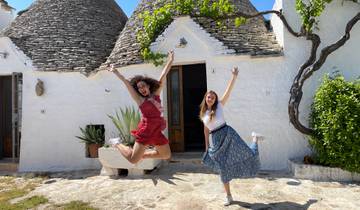
7 days
7-Day Puglia & Matera Explorer (Age 21 To 41)
- ✓ Comprehensive Bari tour
- ✓ Expert local guides included
- ✓ All accommodation arranged
- ✓ Transportation provided

6 days
The Best of Apulia, Private Tour from Bari
- ✓ Booking needs min. 2 travelers
5 days
5-Day Puglia & Matera Small-Group Tour from Bari (Max 8)
- ✓ Comprehensive Bari tour
- ✓ Expert local guides included
- ✓ All accommodation arranged
- ✓ Transportation provided
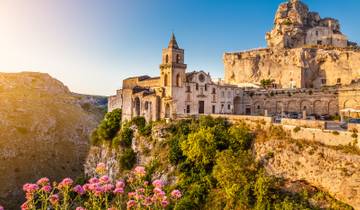
5 days
Matera & Apulia Private 5 Day Tour
- ✓ Comprehensive Bari tour
- ✓ Expert local guides included
- ✓ All accommodation arranged
- ✓ Transportation provided
Multi-day tour packages powered by TourRadar. Prices and availability subject to change.
Essential Planning Information 2026
Transportation Options and Schedules
Trenitalia connects Bari and Lecce with frequent daily service offering two distinct speed and price categories. Regional trains (Regionale) depart Bari Centrale hourly between 5:30 AM and 9:00 PM, following coastal route through Monopoli, Fasano, and Brindisi before turning inland to Lecce. The 120-minute journey costs €8 per direction in 2026 (check Trenitalia for current official rates), featuring standard seating without reservations on first-come basis. These trains stop at 15-20 intermediate stations, moving at moderate pace but offering budget-conscious option and glimpses of Adriatic coastline.
Faster intercity services (Frecciargento and Frecciabianca) complete the Bari-Lecce route in 90 minutes, departing 4-6 times daily with morning options around 7:30 AM, 8:45 AM, and 10:15 AM. Return evening services leave Lecce around 5:30 PM, 6:45 PM, and 8:00 PM. These premium trains cost €15 per direction, including assigned seats, air conditioning, and luggage racks. The time savings matters when maximizing day trip hours—departing Bari at 8:45 AM on Frecciargento places you in Lecce by 10:15 AM versus 11:00 AM on regional service.
Purchase tickets online through Trenitalia website (trenitalia.com) or mobile app, available in English with credit card payment. Buy regional tickets anytime as they carry no seat reservations, but book intercity services 1-2 weeks ahead during peak season (June-September) when trains fill completely. Print tickets or save digital versions on your phone—conductors scan QR codes during journey. Validate regional tickets at yellow machines on platforms before boarding; intercity tickets with reservations need no validation.
Lecce station sits 1 kilometer northwest of historic center, reachable via 15-minute walk along Viale Oronzo Quarta or local bus #1 (€1, every 20 minutes). The walk passes through residential neighborhoods before reaching Porta Napoli, the baroque gateway marking historic center entrance. Taxis wait at station charging fixed €8-10 to central hotels or Piazza Sant’Oronzo. Return to station follows same route—allow 20 minutes before train departure for comfortable buffer.
What to Bring for Your 2026 Day Trip
Pack light with comfortable walking shoes essential for 8-10 kilometers of cobblestone exploration through Lecce’s historic center. Bring sun protection (hat, sunglasses, SPF 30+ sunscreen) as Salento sunshine intensifies from April through October, with limited shade in baroque piazzas. Carry refillable water bottle—public fountains throughout historic center provide free drinking water. A small day pack holds purchases, extra layer for church visits (cover shoulders and knees), and phone charger since you’ll use camera extensively.
Download offline maps on Google Maps or Maps.me before departure as cellular service occasionally weakens in thick-walled baroque buildings. Print or save digital copies of train tickets and any pre-booked museum entries. Bring sufficient cash (€50-80) as smaller shops, gelaterias, and some restaurants prefer cash payment despite credit card acceptance at major establishments. A basic Italian phrasebook helps in family-run trattorias where English speakers may be limited, though tourist center staff speak English reliably.
Getting to Lecce from Bari 2026
Train Journey Experience
The Bari-Lecce rail journey traverses Puglia’s diverse landscape, beginning with industrial suburbs before emerging onto Adriatic coastline views near Monopoli. Regional trains hug the coast for 40 minutes, passing fishing villages and olive groves terraced down to sea. After Brindisi, the route turns inland through Salento’s flat agricultural plain—endless olive orchards punctuated by whitewashed masserie (fortified farmhouses) and occasional trulli structures. The landscape’s horizontal emphasis makes baroque Lecce’s vertical church towers visible from several kilometers distance as you approach the city.
Frecciargento trains follow the same route at higher speeds with more comfortable seating, individual power outlets, and better air conditioning. The faster pace means less time to absorb landscape details but significantly increases your hours in Lecce. Both services arrive at Lecce’s modern station, a functional 1960s structure recently renovated with clear signage, clean facilities, and tourist information desk (open 9:00 AM-1:00 PM, 3:00 PM-7:00 PM).
Alternative Transportation Options
Driving from Bari to Lecce requires 90-110 minutes via SS16 coastal road to Brindisi, then SS613 inland route. The 150-kilometer journey offers flexibility for stopping at coastal towns (Polignano a Mare, Monopoli) or inland villages, but parking in Lecce’s historic center presents challenges. The entire centro storico operates as limited traffic zone (ZTL) with vehicle access restricted to residents. Public parking at Parcheggio Ex Caserma costs €1.50 per hour (€12-18 for full day) located 800 meters from Piazza Sant’Oronzo, while Parcheggio Ex Stuard charges €1 hourly nearer historic center but fills quickly. Factor parking search time (15-30 minutes during peak hours) and €30-40 fuel costs when comparing with €16-30 train tickets.
Organized bus tours from Bari to Lecce operate May-October, departing around 8:00 AM with 7:00 PM returns. These €45-65 packages include round-trip coach transport, walking tour with guide, and free time for independent exploration—convenient for those wanting structured experience and guaranteed transportation. However, fixed schedules limit flexibility and group dynamics may not suit independent travelers preferring self-paced discovery.
Best Time for Your 2026 Day Trip
Seasonal Considerations for 2026
Spring (April-May) delivers ideal conditions for Lecce day trips, combining mild temperatures (18-25°C), flowering gardens in baroque courtyards, and manageable tourist numbers before summer crowds arrive. Easter week (April 13-20, 2026) brings elaborate religious processions through historic center streets, offering cultural spectacle but also hotel scarcity and increased prices—book trains and Bari accommodation months ahead if visiting this period. Late May sees Lecce at its most photogenic with jacaranda trees blooming purple against golden baroque facades.
Summer (June-August) presents trade-offs between long daylight hours (sunset around 8:00-8:30 PM) and intense midday heat (30-35°C). June offers sweet spot with warm but not extreme temperatures and festa di Sant’Oronzo (August 24-26) filling nights with concerts and celebrations. July-August challenge afternoon exploration—locals adopt siesta lifestyle from 1:00-5:00 PM when shops close and streets empty. Smart summer visitors follow local rhythm: explore baroque churches in morning cool, lunch leisurely during peak heat, resume monument visits after 5:00 PM when temperatures moderate and golden light enhances photography.
Fall (September-October) rivals spring for optimal conditions with harvest season adding agricultural dimension to surrounding countryside. September maintains summer warmth (25-30°C) while October brings comfortable walking temperatures (20-25°C) and reduced tourist density. The low-angle autumn sun creates dramatic shadows enhancing baroque architectural details, making this period favorite for photography enthusiasts. November transitions to cooler weather (15-20°C) with occasional rain but offers authentic local atmosphere and significant price drops.
Winter (December-March) sees Lecce at its most genuine with predominantly Italian visitors and local daily life unobscured by tourism. Temperatures range 10-15°C requiring jacket and layers, but Puglia’s southern location ensures frequent sunny days perfect for unhurried exploration. Christmas markets and nativity scenes fill piazzas December 8-January 6, while Carnival celebrations (February-March) bring costume parades and traditional sweets. Winter visitors sacrifice beach access and evening al fresco dining but gain uncrowded monuments, lower prices, and insights into Salento culture beyond tourism.
Weekly and Daily Timing Strategy
Weekdays (Tuesday-Thursday) provide optimal experience with fewer visitors, better restaurant availability, and authentic working-city atmosphere. Shops and museums maintain full schedules, locals fill cafes during morning coffee rituals, and you’ll find easier photography opportunities at major monuments without crowd management. Monday sees some museums and shops closed, while Friday attracts weekend tourists beginning early stays. Saturday brings heaviest crowds with regional Italian tourists and wedding parties using baroque churches and palaces as ceremony venues. Sunday morning focuses around 11:00 AM Mass at Duomo and Santa Croce, followed by promenade tradition along Via Palmieri—atmospheric but busy.
Arrive in Lecce around 9:00-10:00 AM for optimal timing, catching morning light on Basilica di Santa Croce’s elaborate facade before midday heat intensifies. This schedule allows 2-3 hours of morning exploration before 1:00 PM lunch, siesta or continued sightseeing through afternoon depending on season, then 5:00-7:00 PM final monuments before departure. Evening trains (7:00-8:00 PM) work well, but consider 6:00 PM departure if exhausted—the day trip requires substantial walking and sensory processing.
Sample 2026 Itinerary: Perfect Day in Lecce
Morning (9:00 AM – 1:00 PM): Baroque Masterpieces
Begin at Basilica di Santa Croce (Via Umberto I), Lecce’s baroque masterpiece and the city’s defining monument. Arrive when doors open at 9:00 AM for photography without crowds obstructing the extraordinary facade. Spend 30-45 minutes examining sculptural details: angels and demons, mythological creatures, botanical garlands, and heraldic symbols covering every centimeter of golden limestone surface. The six master stonemasons who worked on this facade (1549-1695) each contributed distinct styles, creating visual encyclopedia of baroque ornamental vocabulary.
Interior features five naves with elaborately carved altars and rose window filtering colored light across nave floor. Entry costs €5 (check official site for current rates), including access to adjacent Governor’s Palace (Palazzo dei Celestini) with its magnificent cloister. The palace now houses municipal offices but opens historic rooms for visitors—don’t miss the vaulted ceilings with original frescoes and carved stone staircases.
Walk 5 minutes south to Piazza del Duomo, entering through narrow passageway that suddenly reveals baroque urban theater: the cathedral, bell tower, episcopal palace, and seminary forming enclosed rectangular space that epitomizes Salento baroque town planning. Lecce Cathedral (Duomo di Lecce) presents two facades—modest side entrance facing piazza and elaborate main portal on cathedral’s west front. The 70-meter bell tower dominates skyline, climbable for €5 with panoramic views across terracotta rooftops to countryside (210 steps, open 9:00 AM-1:00 PM, 4:00 PM-7:00 PM).
Cathedral interior (free entry) showcases baroque altars in every chapel, with main altar featuring twisted columns and elaborate baldachin. The Diocesan Museum (Museo Diocesano) occupies seminary building around corner, displaying religious art collection including medieval manuscripts, baroque sculpture, and elaborate silver processional objects (€5 entry, open 9:00 AM-1:00 PM, closed Monday).
Exit piazza via Via Vittorio Emanuele, Lecce’s main shopping street linking baroque monuments. Stop at Caffè Alvino (Via Vittorio Emanuele 22) for espresso €1.20 and pasticciotto—Lecce’s signature pastry featuring flaky crust filled with custard cream, best eaten warm at 10:30 AM when fresh batches emerge from oven.
Continue to Piazza Sant’Oronzo, Lecce’s civic heart mixing Roman ruins with baroque palaces. The Roman amphitheater (1st-2nd century AD) occupies piazza center, partially excavated with visible arena floor, gladiator chambers, and seating sections. Free to view from street level; €5 entry for underground passage exploring amphitheater foundations (open 9:00 AM-8:00 PM summer, 9:00 AM-5:00 PM winter). The Sedile palace (16th century) fills piazza corner with elaborate loggia once serving as city council meeting space.
Midday (1:00 PM – 3:00 PM): Authentic Salento Lunch
Book lunch reservation at Alle Due Corti (Corte dei Giugni 1, off Via Leonardo Prato), occupying baroque courtyard with stone tables shaded by grapevine pergola. This family-run trattoria specializes in cucina povera—peasant cuisine elevated through quality ingredients and traditional preparation. Start with pittule (fried dough balls) €4-6 or cycling (roasted baby artichokes) €5-8, unique to Salento spring cuisine. Primi options include orecchiette con cime di rapa (handmade pasta with broccoli rabe) €10-12 or ciceri e tria (chickpeas with fried and boiled pasta strips) €9-11, ancient Jewish-influenced dish still popular in Lecce.
For secondi, order pezzetti di cavallo (horse meat stew) €12-15—traditional Salento specialty tender and mild-flavored despite ingredients, or grilled vegetables (melanzane, peperoni, zucchine) €10-12 for lighter option. House wine (primitivo or negroamaro) costs €8-12 per liter carafe. Complete lunch with pasticciotto or almond pastries, coffee, and limoncello. Total meal cost: €25-35 per person including wine. The restaurant fills noon-2:30 PM—book by 11:00 AM or arrive at 1:00 PM opening for guaranteed table.
Alternative dining options include La Torre di Merlino (Vico del Duca 1) for creative contemporary takes on Salento ingredients (€30-45 per person), or budget-friendly Pizzeria Napule (Via Guglielmo Paladini 25) serving authentic Neapolitan-style pizza €8-12 plus drinks. Street food option: panzerotti (fried calzone) from Natività (Via Trinchese 7) costs €3-5, eaten standing or taken to Villa Comunale gardens for picnic.
Afternoon (3:00 PM – 6:00 PM): Hidden Baroque and Shopping
Walk north to Chiesa di Santa Chiara (Piazza Vittorio Emanuele II), lesser-known baroque church featuring fantastical papier-mâché decorations covering ceiling and walls. These intricate scenes of daily life, religious imagery, and grotesque figures represent quintessential Salento folk art tradition (free entry, open 9:00 AM-noon, 4:00 PM-7:00 PM). The attached cloister houses contemporary art exhibitions in restored monastery cells.
Proceed to Via Palmieri, Lecce’s elegant shopping district occupying baroque palaces converted to boutiques. Browse Cartapesta Cardone (Via Palmieri 58) for traditional papier-mâché sculptures—religious figures, carnival masks, and folk art pieces ranging €20-200. L’Artigiano del Rame (Via Giuseppe Palmieri 50) sells hand-hammered copper cookware and decorative pieces, while Bottega dei Suoni (Via Augusto Imperatore 21) offers Salento folk music CDs and traditional tambourines.
Stop at I Diavoletti (Via Giuseppe Palmieri 34) for artisanal gelato featuring local flavors: mandorla (almond), fico d’India (prickly pear), and melone (cantaloupe). Two scoops cost €3-4. The gelateria uses only seasonal fruit and traditional recipes without artificial colors or stabilizers.
Visit Chiesa dei Santi Niccolò e Cataldo (Via Cimitero), 15-minute walk northwest from historic center through residential district. This Norman church (1180) predates baroque period, featuring original Romanesque portal with carved capitals and rose window. Interior mixes Romanesque austerity with later baroque additions creating unusual stylistic dialogue. The adjacent cemetery hosts elaborate family tombs and sculptural monuments (free entry to church, cemetery open daylight hours).
Return to historic center via Villa Comunale, Lecce’s public garden with shaded paths, belle époque fountain, and panoramic terrace overlooking surrounding countryside. Local families gather here late afternoon, creating authentic slice of daily life away from tourist zones. Free entry, open dawn to dusk.
Evening (6:00 PM – 7:30 PM): Aperitivo and Final Impressions
Reserve 30-45 minutes before train departure for aperitivo ritual at Caffè Letterario (Corte dei Cicala 13), baroque courtyard venue serving Spritz Salentino (€8-10)—regional variation using local bitter liqueur and prosecco. The aperitivo spread includes focaccia, olives, taralli (crunchy breadsticks), and local cheeses. Alternative venues: Corte dei Pandolfi (Via Giuseppe Garibaldi 3) for rooftop terrace views, or Shui (Vico dei Sotterranei 10) for contemporary cocktail interpretations.
Walk back to station via Via Imperatore Adriano and Viale Oronzo Quarta, allowing 20 minutes before train departure. Pick up supplies for train journey at Bar Stazione (inside station) if desired—panini €3-5, drinks €1.50-3. Board your return train to Bari, arriving around 8:30-9:30 PM depending on service selected.
Budget Planning for 2026 Day Trip
Complete Cost Breakdown
Transportation represents largest single expense for Lecce day trips from Bari. Round-trip regional train tickets cost €16 total (€8 each way), while faster intercity services total €30 (€15 each way) in 2026 (check Trenitalia for current official rates). The €14 premium buys 60 minutes saved—30 minutes each direction—plus guaranteed seating and greater comfort. Budget travelers content with slower pace choose regional service, while those maximizing limited vacation time prefer intercity speed.
Monument and museum entries total €8-15 depending on selections: Basilica di Santa Croce €5, cathedral bell tower €5, Diocesan Museum €5, Roman amphitheater underground €5. Many churches and monuments offer free entry (cathedral interior, Santa Chiara, Santi Niccolò e Cataldo), allowing budget-conscious visitors to experience baroque architecture without admission costs. Combined tickets covering multiple sites don’t exist in Lecce unlike some Italian art cities, so budget individual entries for attractions matching your interests.
Dining costs vary significantly based on restaurant selection and meal approach. Traditional trattoria lunch with wine costs €25-35 per person, while pizza and drinks total €12-18. Breakfast pastry and coffee €3-5, afternoon gelato €3-4, evening aperitivo with snacks €8-12. Total daily dining: €45-70 depending on choices. Budget strategy: substantial lunch at trattoria (€25-30), skipping expensive dinner since you’ll return to Bari for evening meal, and relying on coffee/pastry and aperitivo for other sustenance.
Miscellaneous expenses include water and snacks €5-8, shopping for souvenirs or local products €20-50 (optional), and any additional coffee or drink breaks €5-10. Public restrooms cost €0.50-1 (bars and cafes have free facilities for customers). Total miscellaneous: €10-20 without shopping, €30-70 with purchases.
Sample Budget Scenarios
Budget Day Trip (€50-65 per person): Regional train round-trip €16, free monument exploration (cathedral, churches, piazza viewing), street food lunch (panzerotti €5, supplies from market), two coffee/pastry breaks €6-8, gelato €3, water and snacks €5. Skip paid museum entries, focusing on exterior architecture and free churches. Return to Bari around 6:00 PM on regional train, dining in Bari rather than expensive Lecce aperitivo.
Standard Day Trip (€75-95 per person): Intercity train round-trip €30, trattoria lunch with wine €25-35, two paid monument entries (Santa Croce €5, bell tower or museum €5), coffee and pastry breaks €6-8, gelato €3-4, aperitivo before departure €8-10, miscellaneous €8-12. This mid-range approach covers essential experiences without luxury upgrades or extensive shopping.
Premium Day Trip (€110-140 per person): Intercity train round-trip €30, upscale lunch with multiple courses and wine €40-50, all monument entries €15-20, multiple coffee breaks at historic cafes €10-15, artisanal gelato €4-5, extended aperitivo €12-15, shopping for local crafts €30-50. Includes taxi from station to center (€10 round-trip) for convenience. This budget delivers comprehensive experience without time or quality compromises.
Money-Saving Strategies for 2026
Book train tickets 1-2 weeks ahead online through Trenitalia website, occasionally finding promotional fares €2-5 below standard rates. Regional trains never sell out but intercity services do during peak summer weekends—advance purchase guarantees seats and eliminates day-of-travel stress. Consider Tuesday-Thursday travel when hotels and restaurants occasionally offer midweek specials unavailable on weekends.
Time lunch as main meal (1:00-3:00 PM) when restaurants serve multi-course offerings at better value than evening prices. Trattoria lunch menus include primo, secondo, side dish, and wine for €18-25—better value than ordering à la carte. Skip expensive aperitivo near station, instead purchasing supplies from supermarket (Conad in Via Leuca) for train journey back to Bari.
Combine free architectural viewing with selective paid entry to 1-2 monuments that genuinely interest you rather than feeling obligated to enter everything. Lecce’s baroque magic appears equally impressive from piazzas and streets—you can appreciate 80% of artistic heritage without purchasing tickets. Focus paid entries on experiences offering unique access: cathedral bell tower for panoramic views, Santa Croce interior for architectural detail, Diocesan Museum for context on religious art.
Bring refillable water bottle and snacks from Bari rather than purchasing overpriced tourist-zone items. Fill bottles at public fountains throughout historic center (safe drinking water). Pack substantial breakfast in Bari before departure, reducing morning pastry costs in Lecce. Consider bringing picnic supplies for Villa Comunale lunch if visiting during pleasant weather, then splurging on nice dinner back in Bari instead.
Complete Day Cost Summary
Standard day trip budget: Round-trip intercity train €30, lunch at trattoria €28, two monument entries €10, morning pastry and coffee €4, afternoon gelato €4, aperitivo €10, miscellaneous drinks and snacks €8. Total day cost: €94 per person (excluding accommodation in Bari). Budget version using regional trains and simplified dining costs €55-65, while premium experience with all upgrades reaches €120-140 per person.
Booking Strategies for 2026 Season
Train Ticket Booking Timeline
Trenitalia opens bookings 4 months ahead for intercity services, 2 months for regional trains. Book summer weekend travel (June-September Fridays-Sundays) immediately when available as coastal tourism fills trains between Puglia cities. Weekday travel outside peak summer requires less advance planning—booking 1-2 weeks ahead ensures availability at standard rates. Regional trains never sell out due to no-reservation system, but intercity services reach capacity on popular routes and times.
Create Trenitalia account before booking, saving payment information and traveler details for faster checkout. The website occasionally experiences technical issues during high-demand periods—try different browsers or switch to mobile app if problems occur. Screenshot or download tickets immediately after purchase, storing backups in email and phone photo gallery. Ticket changes and cancellations follow Trenitalia’s fare rules: regional tickets allow free changes up to departure time, intercity tickets charge €5-10 change fees depending on fare type and timing.
Restaurant Reservations
Book lunch reservations at popular trattorias (Alle Due Corti, La Torre di Merlino) at least one day ahead during April-October, especially for weekend visits. Call directly (English spoken at tourist-oriented restaurants) or book through The Fork app, which offers 10-20% discounts at participating restaurants for off-peak hours. Walking-in without reservations works at pizzerias and casual spots even during busy periods, but risks 15-30 minute waits at prime lunch hours (1:00-2:00 PM).
Summer visitors dining outdoors should specify courtyard or terrace seating when booking—these atmospheric spaces fill first. Restaurants honor reservations with 15-minute grace period; call if running late to maintain your table. Confirm reservations 24 hours ahead if booking far in advance, as restaurants occasionally experience booking system errors or overbook intentionally assuming cancellations.
Accommodation in Bari
While this guide focuses on day trips, some travelers prefer overnight stays in Lecce to extend exploration. Summer accommodation (June-September) requires booking 2-3 months ahead as Lecce’s boutique hotels (20-30 rooms typical) fill completely. Spring and fall allow 2-4 week booking windows, while winter travelers often find same-week availability. Historic center properties (within baroque quarter) cost €100-180 per night for standard doubles, providing walking access to all monuments. Lecce lacks major chain hotels, instead offering boutique properties in converted palaces and b&bs in restored townhouses—expect personal service, distinctive design, and breakfast featuring local pastries.
Consider staying in Lecce if wanting evening atmosphere, early morning photography opportunities without crowds, or using city as base for exploring Salento peninsula beaches (Otranto, Gallipoli, Porto Cesareo all within 30-40 kilometers). Day trippers from Bari maximize accommodation value by sleeping in Bari’s larger hotel inventory at competitive prices, then allocating saved money toward dining and experiences during Lecce visits.
Practical Tips for 2026 Lecce Day Trips
Navigation and Getting Around
Lecce’s historic center spans roughly 1 kilometer north-south and 800 meters east-west, entirely walkable within 15-20 minutes corner to corner. The baroque quarter’s medieval street pattern creates labyrinthine feel with narrow alleys and unexpected piazzas, but getting lost poses no real problem—all streets eventually lead to major landmarks or historic center perimeter. Carry offline map app or printed map from tourist information office (Castello Carlo V, Viale XXV Luglio, open 9:00 AM-2:00 PM, 3:30 PM-7:00 PM daily).
Key orientation points: Piazza Sant’Oronzo marks geographic center with Roman amphitheater, Via Vittorio Emanuele II runs north-south connecting major monuments, Via Palmieri handles east-west shopping and dining, Porta Napoli (northwest) and Porta Rudiae (southwest) mark main historic entrances. Most baroque churches and palaces cluster within 5-minute walk of Piazza Sant’Oronzo—use this as reference point when planning monument sequences.
Cobblestone streets and uneven paving characterize the entire historic center, requiring sturdy footwear with good traction. Avoid wheels (strollers, rolling luggage) which struggle over rough surfaces and narrow doorway thresholds. Summer afternoon heat radiates intensely from light-colored stone streets and buildings—seek cafe shade during peak intensity (2:00-4:00 PM) or retreat to Villa Comunale’s tree cover.
Photography Opportunities
Golden hour (hour after sunrise, hour before sunset) delivers exceptional light for baroque architecture, with warm tones enhancing honey-colored limestone and dramatic shadows revealing carved details. Summer golden hour occurs 6:30-7:30 AM and 7:30-8:30 PM, winter shifts to 7:30-8:30 AM and 4:30-5:30 PM. Basilica di Santa Croce’s facade faces east, receiving beautiful morning light but falling into shadow by afternoon—prioritize this for morning photography.
Piazza del Duomo’s enclosed space creates unique lighting where sun illuminates different architectural elements throughout day as it moves across sky opening. Late morning (10:00-11:00 AM) lights cathedral facade, early afternoon (2:00-3:00 PM) highlights bell tower, late afternoon (5:00-6:00 PM) creates dramatic sidelighting across entire piazza. Return multiple times if serious about capturing full architectural drama.
Respect photography restrictions inside churches: Basilica di Santa Croce allows photography without flash, cathedral prohibits photos during religious services, some smaller churches request no photography. Always ask permission before photographing people, especially during religious ceremonies or private moments. Drone photography requires permits from local authorities and respects privacy laws—recreational drone use faces restrictions in dense historic centers.
Cultural Etiquette
Dress modestly when visiting churches: cover shoulders, avoid short shorts or revealing clothing. Carry light scarf or shawl for covering if needed—summer heat tempts casual dress that churches consider inappropriate. Maintain quiet voices inside religious spaces even when functioning primarily as tourist attractions—these remain active places of worship.
Lecce’s afternoon siesta (roughly 1:00-4:00 PM) sees many shops close while locals rest or enjoy extended lunches. Respect this rhythm rather than viewing it as inconvenience—it reflects centuries of adaptation to Mediterranean climate and lifestyle. Banks and post offices close by 1:30 PM, not reopening until following day. Plan morning for business requiring these services, afternoon and evening for dining and monument visits.
Italians maintain certain mealtime conventions: cappuccino consumed only before 11:00 AM (ordering afternoon cappuccino marks you as tourist), meals eaten sitting down rather than walking (gelato being acceptable exception), dinner service begins 7:30-8:00 PM. These customs reflect deeply held cultural values—following them demonstrates respect and enhances authentic experience.
Emergency Contacts and Services
Emergency services: 112 (general emergency number connecting to police, ambulance, fire), 118 (direct ambulance). Lecce Hospital (Ospedale Vito Fazzi) provides emergency care at Via San Cesario, accessible via taxi (€8-12 from historic center). Police station (Questura) sits at Via Filippo Miglietta 6, open 24 hours for urgent issues. Tourist police (Polizia Turistica) handle non-emergency tourist concerns at Via Templari 34, open 9:00 AM-1:00 PM, 3:00 PM-7:00 PM.
Pharmacies (farmacie) rotate Sunday/holiday duty—current roster posted at all pharmacy doors. Central locations include Farmacia Centrale (Piazza Sant’Oronzo 41, open daily 8:30 AM-8:00 PM) and Farmacia Torcelli (Via Palmieri 89, similar hours). Staff speak basic English and assist with minor health concerns, over-counter medications, and prescription fills (bring copy of prescription and passport).
Lost property: report to local police station for official documentation needed for insurance claims. Lost credit cards: call bank’s international emergency number immediately. Lost passport: contact your embassy in Rome for emergency travel documents—US Embassy (+39-06-46741), UK Embassy (+39-06-4220-0001), Australian Embassy (+39-06-852-721). Lecce lacks consular offices; nearest sit in Naples or Rome requiring travel for in-person services.
Frequently Asked Questions
Can you do Lecce and Alberobello in one day from Bari?
Combining Lecce and Alberobello in single day trip creates extremely rushed experience requiring 4+ hours in transportation alone. Bari to Alberobello takes 90 minutes, Alberobello to Lecce requires 2 hours, then Lecce back to Bari another 90-120 minutes—leaving minimal time for actual exploration. The two destinations lie in opposite directions from Bari (Alberobello northwest in Itria Valley, Lecce southeast in Salento), making efficient routing impossible. Dedicate separate days to each destination for meaningful experiences, or overnight in Lecce when combining with Salento coastal towns (Otranto, Gallipoli) for multi-day Salento exploration.
Is Lecce worth visiting if I’ve already seen other baroque cities?
Lecce baroque (Barocco Leccese) differs significantly from Spanish, Roman, or Sicilian baroque styles, warranting visit even for travelers familiar with baroque architecture elsewhere. The local pietra leccese (Lecce stone)—fine-grained golden limestone—allowed sculptors to achieve delicate lace-like effects impossible with harder materials used in Rome or Sicily. This resulted in uniquely exuberant decorative style with botanical, zoomorphic, and mythological elements covering entire facades. Additionally, Lecce concentrates numerous baroque masterpieces within compact walkable area, delivering higher density of architectural excellence than cities where baroque buildings scatter across larger urban areas.
What’s the best way to get from Lecce station to historic center?
Walking provides easiest and most pleasant option: 15 minutes via Viale Oronzo Quarta heading southeast toward Porta Napoli, the baroque city gate marking historic center entrance. The route passes through residential neighborhoods with local cafes and shops, offering glimpse of daily life beyond tourist zones. Local bus #1 runs every 20 minutes from station to Piazza Sant’Oronzo for €1 (buy tickets at tobacco shop inside station before boarding). Taxis wait at station taxi stand charging fixed €8-10 to central destinations—useful if carrying heavy bags or mobility-limited, but unnecessary for standard day-trippers with just day pack.
Are there luggage storage facilities in Lecce?
Lecce station offers left luggage service (deposito bagagli) inside main terminal building, charging €5 per bag per day with maximum 15-day storage. Service operates 7:00 AM-8:00 PM daily. Some hotels provide luggage storage for day-trippers if you book future nights or express interest in staying—call ahead to arrange rather than assuming automatic acceptance. Commercial luggage storage services (Bounce, Radical Storage) partner with shops and hotels throughout historic center for €5-8 daily rates bookable online. Day-trippers from Bari rarely need luggage storage since most travel with just day pack, but service helps travelers breaking journey between other destinations.
Can I visit Lecce’s beaches during day trip?
Lecce sits 10 kilometers inland from nearest Adriatic coast beaches at San Cataldo and Torre Chianca. Public buses run hourly from Lecce’s Villa Comunale to San Cataldo in 20 minutes for €1.50, providing beach access if desired. However, incorporating beach time into Lecce day trip significantly reduces hours available for baroque architecture exploration—the entire point of visiting this inland art city. Consider beach visits either as separate day trip from Bari to Polignano a Mare or Monopoli, or extend Lecce stay overnight to explore Salento’s superior beaches at Otranto, Porto Cesareo, or Gallipoli (30-45 minutes from Lecce), which offer more spectacular scenery than nearby San Cataldo.
Is English widely spoken in Lecce?
English proficiency varies significantly in Lecce compared to major tourist hubs like Florence or Venice. Staff at major monuments (Basilica di Santa Croce, cathedral), tourist-oriented restaurants near Piazza Sant’Oronzo, and hotels speak functional English sufficient for basic tourist interactions. Family-run trattorias in residential neighborhoods, smaller shops, and local markets may have limited English—bring translation app or basic Italian phrasebook. Younger Italians (under 40) generally speak better English than older generations. Learning basic Italian courtesies (buongiorno, grazie, per favore, scusi) earns goodwill and often prompts helpful attempts at English communication even from those with minimal language skills.
What are typical opening hours for Lecce’s churches?
Major churches follow similar schedules: mornings 9:00 AM-noon, afternoons 4:00 PM-7:00 PM, closed during midday. Sunday schedules adjust around morning Mass (10:00-11:30 AM) with churches remaining open continuously 9:00 AM-1:00 PM then reopening 4:00 PM-7:00 PM. Some smaller churches open only for morning and evening religious services, closing between for security reasons—ask tourist information office or hotel for current schedules if planning to visit specific lesser-known churches. Cathedral and Basilica di Santa Croce maintain most reliable tourist visiting hours. Always dress modestly and remain quiet—these function as active places of worship despite tourist attention.
Can I use credit cards everywhere in Lecce?
Major restaurants, hotels, and shops accept credit cards (Visa and Mastercard universal, American Express less common), but many smaller establishments prefer cash. Bring sufficient euros (€50-100 per person) for street food, markets, small cafes, church donations, public restrooms, and any businesses displaying “solo contanti” (cash only) signs. ATMs (bancomat) appear frequently throughout historic center—Intesa Sanpaolo, UniCredit, and BNL machines located on Via Vittorio Emanuele II and around Piazza Sant’Oronzo. Notify your bank before travel to prevent fraud blocks on Italian transactions. Small purchases under €10-15 often draw requests for cash even at card-accepting businesses due to transaction fees merchants pay.
How much time should I budget for lunch in Lecce?
Traditional Italian trattoria lunch requires 90-120 minutes from seating through final coffee—this reflects cultural norm of leisurely dining rather than restaurant slowness. The meal unfolds as social and gastronomic experience: aperitivo upon arrival (10 minutes), antipasto and primo courses (30-40 minutes), secondo and contorno (20-30 minutes), dolce or fruit (15-20 minutes), coffee and digestivo (10-15 minutes). Rushing through abbreviated version misses essential component of Italian cultural experience. Budget 2 hours for quality lunch, or choose faster alternatives: pizza places serve entire meal in 45-60 minutes, while street food options (panzerotti, focaccia) require just 10-15 minutes. Your lunch choice significantly impacts afternoon exploration timing.
What souvenirs are uniquely Leccese?
Cartapesta (papier-mâché) represents Lecce’s most distinctive craft tradition, creating religious figures, folk art pieces, carnival masks, and decorative objects through layered paper and glue formed over molds then hand-painted with extraordinary detail. Prices range €20-200 depending on size and complexity—purchase from specialized artisan shops (Cartapesta Cardone) rather than generic souvenir stores for authentic handmade quality. Ceramics featuring baroque-inspired designs and local motifs cost €15-80 for plates, bowls, and tiles. Salento food products make practical souvenirs: orecchiette pasta shapes, ‘nduja spreadable salami, dried figs, almond pastries, primitivo or negroamaro wines (check customs regulations for alcohol transport). Avoid generic “Made in Italy” items actually manufactured in China—look for “fatto a mano” (handmade) and shop names indicating local artisans.