Lavender Fields Provence 2026: When & Where to Visit
Key Takeaways:
- Peak lavender bloom occurs late June through mid-July 2026, with Valensole Plateau offering the most spectacular displays
- Budget €80-120 per day for lavender field tours including transportation, meals, and activities (check current official rates as pricing may vary)
- Sunrise and late afternoon provide the best lighting conditions for lavender field photography during the 2026 season
- Advance accommodation booking 4-6 months ahead ensures best rates and availability for July 2026 peak season
- Small group tours cost €65-95 per person for full-day lavender field experiences departing from Avignon or Aix-en-Provence
- Rental cars provide maximum flexibility for exploring multiple lavender regions across Provence in 2026
Planning Your Lavender Fields Adventure in 2026
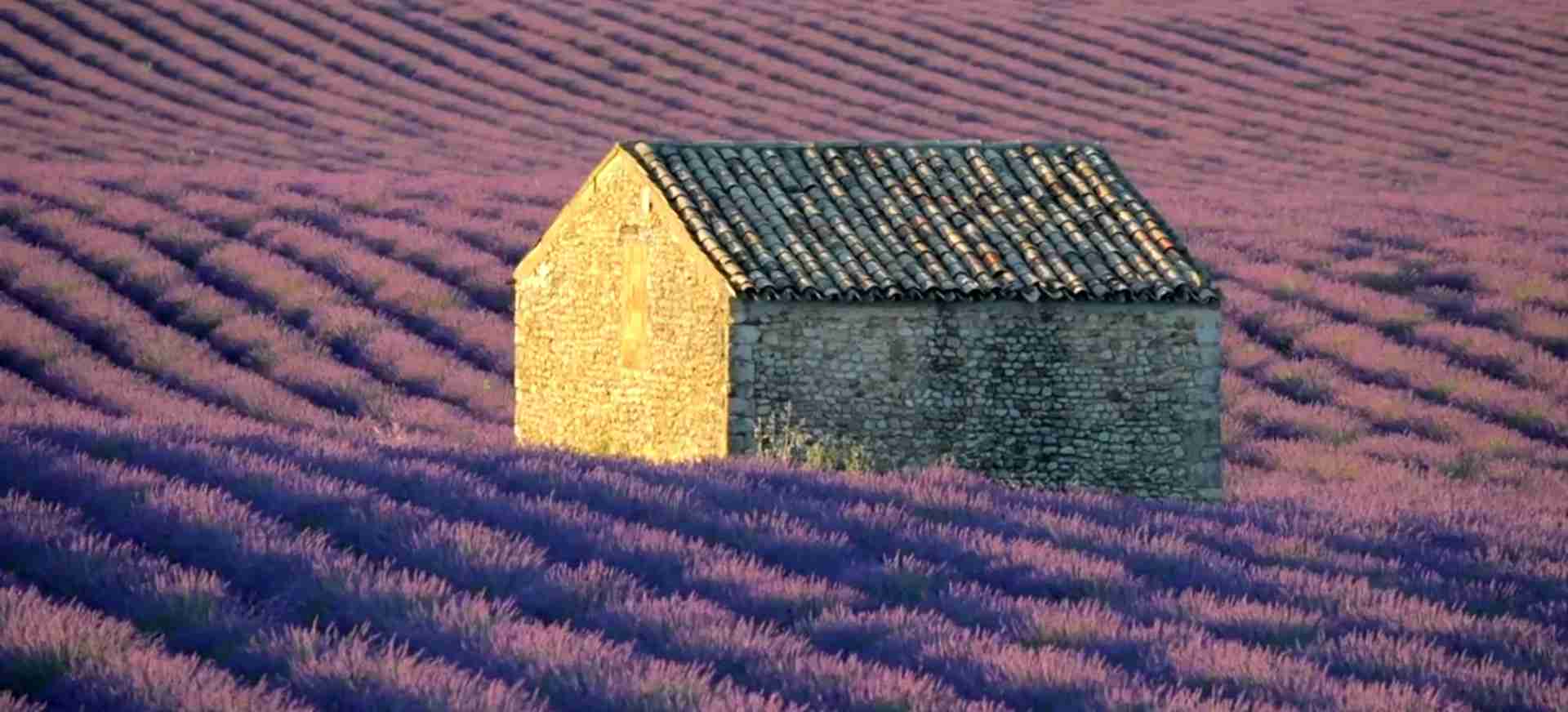
Provence’s lavender fields represent one of Europe’s most iconic natural spectacles, transforming the southern French landscape into an endless purple paradise each summer. The 2026 lavender season promises exceptional viewing opportunities across multiple regions, from the vast plateaus of Valensole to the intimate valleys surrounding Sault and the historic fields near Abbaye de Sénanque.
Understanding the precise timing of lavender bloom, which varies by elevation and microclimate across Provence, determines the success of your 2026 visit. The flowering season spans approximately six weeks, with lower elevation fields blooming first in mid-June and higher altitude plantations reaching peak bloom by mid-July. This natural variation allows visitors to experience lavender fields throughout an extended window during the 2026 summer season.
Planning your lavender field adventure requires careful consideration of accommodation availability, transportation logistics, and regional festivals that celebrate the harvest. The most popular viewing areas experience significant visitor numbers during peak bloom, particularly on weekends in early July when the fields reach maximum color saturation. Strategic planning for your 2026 visit ensures access to the best locations during optimal viewing conditions while avoiding the largest crowds.
Provence’s lavender cultivation extends across multiple départements, each offering distinct landscapes and viewing experiences. Alpes-de-Haute-Provence features the famous Valensole Plateau with its seemingly endless rows of lavender stretching toward distant mountains. The Vaucluse region encompasses the picturesque Luberon villages and the spiritual setting of Sénanque Abbey. The Drôme Provençale presents the historic lavender capital of Sault surrounded by rolling hills of purple blooms.
People Also Ask About Lavender Fields Provence 2026
When exactly do lavender fields bloom in Provence during 2026?
Lavender fields across Provence bloom from mid-June through late July 2026, with peak viewing conditions occurring during the final week of June through the second week of July. Lower elevation fields around Valensole begin blooming first, reaching peak color by late June. Higher altitude plantations near Sault and in the Drôme Provençale achieve maximum bloom approximately two weeks later, extending the viewing season into mid-July.
The precise bloom timing depends on spring weather patterns, with warmer temperatures advancing the season and cooler springs delaying peak bloom. Professional lavender photographers and tour operators monitor bloom progression throughout June to identify optimal viewing dates. The 2026 season follows typical patterns, with true lavender (Lavandula angustifolia) blooming slightly later than lavandin hybrids that dominate commercial cultivation.
How much does it cost to visit lavender fields in Provence in 2026?
Visiting Provence’s lavender fields costs €65-95 for organized full-day tours, €40-60 for rental car daily rates, and €15-25 for individual distillery visits with tastings in 2026. Check official tour operator websites for current rates as pricing may vary. Small group tours departing from Avignon cost €75-85 per person including transportation, guided visits to multiple fields, and distillery tours. Private tours range €300-450 for groups up to six people with customized itineraries.
Self-drive visitors pay €1.50-2.00 for parking at major viewing sites like Valensole Plateau and €5-8 for entrance to commercial lavender farms offering guided tours. Accommodation costs €120-180 per night for mid-range hotels in Valensole, Sault, or nearby villages during peak season. Budget travelers find hostel beds for €35-45 and camping options for €20-30 per night throughout the lavender region.
Which is the best lavender field location in Provence for 2026?
Valensole Plateau offers the most spectacular lavender field vistas for 2026 visitors, featuring over 800 square kilometers of continuous lavender cultivation with panoramic mountain backdrops. The plateau’s vast scale and gentle rolling terrain create the classic Provence lavender landscape featured in countless photographs and films. Early morning visits provide mirror-like reflections in irrigation ponds scattered throughout the fields.
Abbaye de Sénanque near Gordes presents the most photogenic individual location, combining medieval Cistercian architecture with intimate lavender gardens cultivated by resident monks. The abbey’s setting in a narrow valley creates concentrated views of purple blooms framing ancient stone buildings. Access requires advance booking during peak season, with visit slots limited to preserve the contemplative atmosphere.
Sault region appeals to visitors seeking authentic rural atmosphere with traditional small-scale lavender farming alongside extensive commercial fields. The area hosts Provence’s largest lavender festival in mid-August celebrating the harvest, though peak bloom occurs earlier in July. Surrounding villages maintain traditional agricultural character with family-owned distilleries welcoming visitors.
Do I need to book lavender field tours in advance for 2026?
Advance booking 2-4 weeks ahead secures spots on popular small group lavender tours during the 2026 peak season from late June through mid-July. Major tour operators from Avignon, Aix-en-Provence, and Marseille fill completely on weekends during peak bloom, particularly for English-language departures. Weekday tours maintain better availability with same-week booking often possible.
Private tours require 3-6 weeks advance notice for preferred dates during peak season, with maximum flexibility in late June before schools close for summer holidays. Self-drive visitors book accommodation 4-6 months ahead for July stays in Valensole, Sault, and popular Luberon villages where hotel capacity remains limited. Last-minute travelers find availability in larger towns like Manosque or Apt with short drives to lavender fields.
Extended multi-day tours – 5+ days
Featured Provence Multi-Day Tour Packages

8 days
Cycle Provence
- ✓ Comprehensive Provence tour
- ✓ Expert local guides included
- ✓ All accommodation arranged
- ✓ Transportation provided

8 days
Rhône Route Provence 2026 – A-Rosa Stella
- ✓ Comprehensive Provence tour
- ✓ Expert local guides included
- ✓ All accommodation arranged
- ✓ Transportation provided
7 days
Provence Discovery Tour
- ✓ Comprehensive Provence tour
- ✓ Expert local guides included
- ✓ All accommodation arranged
- ✓ Transportation provided

6 days
Rhône Route Rendez-Vous 2026
- ✓ Comprehensive Provence tour
- ✓ Expert local guides included
- ✓ All accommodation arranged
- ✓ Transportation provided
Multi-day tour packages powered by TourRadar. Prices and availability subject to change.
Essential Planning Information 2026
Understanding Lavender Bloom Cycles for 2026
Provence lavender cultivation divides between true lavender (Lavandula angustifolia) and lavandin hybrids (Lavandula x intermedia), each following distinct bloom schedules that shape your 2026 visit timing. True lavender, prized for fine perfumery and essential oils, grows at elevations above 800 meters and blooms later in the season from early July through early August. Lavandin dominates commercial production at lower elevations, blooming earlier from mid-June through mid-July and producing higher yields for industrial use.
The color intensity of lavender blooms increases gradually as flowers open along each stem, reaching peak saturation when approximately 80 percent of individual florets have opened. This optimal viewing window lasts 7-10 days before flowers begin fading and farmers commence harvest operations. Professional photographers target this precise window when fields display maximum color depth and uniform appearance across entire plantations.
Elevation differences across Provence’s lavender regions create natural bloom progression that extends the viewing season. Valensole Plateau at 400-600 meters elevation achieves peak bloom in late June. Mid-elevation areas around 700-900 meters including parts of the Luberon reach maximum color in early July. High-altitude plantations near Sault and in the Drôme above 1,000 meters peak in mid-July, providing final viewing opportunities before harvest.
Weather conditions during spring 2026 influence exact bloom timing by up to two weeks compared to average years. Warmer April and May temperatures advance flowering, while cool wet springs delay bloom progression. Local farmers and tourism offices provide weekly bloom reports throughout June as fields approach peak viewing conditions. These real-time updates prove essential for optimizing visit dates, particularly for travelers coming from distant origins who cannot easily adjust arrival times.
Current Costs and Pricing Breakdown for 2026
Organized lavender field tours from Avignon cost €75-85 for full-day small group experiences, €65-75 from Aix-en-Provence, and €85-95 from Marseille including transportation in air-conditioned minibuses, English-speaking guides, and visits to 3-4 lavender locations with distillery tours. Check tour operator websites for current official rates as pricing may vary. Half-day tours range €45-55 covering fewer locations over 4-5 hours.
Private customized tours cost €300-400 for groups up to four people, €400-500 for five to six passengers, and €500-600 for larger groups up to eight travelers. Private tour pricing includes flexible itineraries, personalized photography stops, and extended time at preferred locations. Luxury private experiences with gourmet picnic lunches in lavender fields range €800-1,200 for small groups.
Self-drive exploration requires rental car costs of €40-60 daily for compact vehicles, €55-75 for mid-size cars with better comfort for longer drives, and €70-90 for SUVs providing elevated viewing positions for field photography. Fuel costs average €15-25 daily depending on distances traveled between lavender regions. Parking at major viewing areas costs €1.50-2.00, with many rural field locations offering free roadside parking.
Individual distillery visits cost €8-12 for basic tours explaining lavender cultivation and distillation processes, €15-20 for extended experiences including essential oil workshops, and €25-35 for premium visits with artisan perfume creation sessions. Product purchases at distillery boutiques range from €5-8 for small lavender sachets to €25-40 for premium essential oils and €50-80 for artisan perfumes.
Entry to commercial lavender farms with designated viewing areas and photo opportunities costs €5-8 per person, while many traditional field locations remain accessible without charge. The iconic Abbaye de Sénanque requires advance booking through their website with €10 entrance for exterior views and lavender gardens, or €15-18 for combined visits including abbey interior tours.
Best Time to Visit Provence Lavender Fields in 2026
Seasonal Analysis for 2026 Lavender Viewing
The optimal lavender viewing window for 2026 spans late June through mid-July, with the peak period occurring during the first two weeks of July when the majority of fields across all elevations simultaneously display maximum bloom. This concentrated timeframe creates intense competition for accommodation and tours, requiring advance planning to secure preferred arrangements.
Early season visitors in mid to late June experience Valensole Plateau at peak bloom while enjoying smaller crowds and more moderate temperatures averaging 25-28°C during daytime. The lower elevation fields provide spectacular color at this time, though higher altitude plantations near Sault remain in early bloom stages. Accommodation rates during late June run 15-20 percent lower than peak July pricing, making this period attractive for budget-conscious travelers.
Peak season during the first two weeks of July delivers simultaneous bloom across all lavender regions, creating the maximum diversity of viewing options within a single visit. Temperatures range 28-32°C with long daylight hours extending until 9:00 PM, providing excellent morning and evening photography light. Weekend crowds increase significantly, particularly around the July 14 Bastille Day holiday when many French families visit the region.
Late season visits from mid to late July find commercial farms beginning harvest operations, which some photographers appreciate for adding visual interest through mechanical harvester activity and workers hand-cutting traditional lavender bundles. However, the viewing window narrows significantly after July 15 as farmers prioritize harvesting during stable weather conditions. High-altitude fields near Sault maintain bloom longer, often extending into early August.
Weather Patterns and Crowd Predictions for 2026
Provence weather during lavender season features predominantly sunny conditions with less than 10 percent chance of rain during the June-July viewing period. Daytime temperatures range 25-32°C, dropping to comfortable 15-18°C during evening hours ideal for outdoor dining in village restaurants. Morning temperatures of 18-22°C provide perfect conditions for early photography sessions when lavender fragrance intensifies.
Wind patterns during summer months typically remain light in morning hours before increasing to moderate breezes by afternoon. The Mistral, Provence’s characteristic north wind, blows periodically for 1-3 day periods, creating challenges for photography through waving lavender stems but improving air clarity for distant mountain views. Mistral periods occur most frequently in June with decreasing frequency through July.
Visitor numbers peak during weekends throughout the lavender season, with Saturday and Sunday crowds at major sites like Valensole and Sénanque reaching maximum capacity by mid-morning. Weekday visits provide substantially better experiences with easier parking access and more intimate viewing opportunities. The July 14 Bastille Day holiday weekend attracts the season’s largest crowds, extending from Friday July 11 through Tuesday July 15 in 2026.
Tour group activity concentrates between 10:00 AM and 4:00 PM when most organized excursions visit major lavender locations. Independent travelers scheduling early morning visits before 8:30 AM or late afternoon sessions after 5:00 PM avoid tour bus crowds while experiencing superior photography light. Sunrise occurs around 6:00 AM during peak season, offering magical early light across lavender fields before tourist arrivals.
Accommodation Strategies for 2026 Lavender Season
Budget Accommodation Options for 2026
Budget travelers find hostel accommodation in Manosque for €35-45 per night in shared dormitories, providing convenient access to Valensole Plateau located 15 kilometers north. Aix-en-Provence hostels cost €40-50 nightly with regular bus connections to lavender regions. Budget hotel rooms in smaller towns like Gréoux-les-Bains or Riez range €60-80 per night during peak season, offering private facilities without luxury amenities.
Camping proves popular among budget-conscious lavender visitors, with established campgrounds throughout the region charging €20-30 per night for basic tent sites and €35-45 for campervan hookups with electricity. Campgrounds near Valensole and Sault provide swimming pools, basic restaurants, and organized evening activities. Wild camping remains prohibited in most lavender field areas, though designated aire de camping-car parking areas welcome campervans for €8-12 nightly.
Vacation rental apartments in rural villages cost €70-100 per night for studio accommodations and €100-140 for one-bedroom units sleeping up to four people. These self-catering options reduce meal costs significantly compared to hotel stays, with local markets providing fresh Provençal ingredients. Minimum stay requirements of 3-7 nights apply at many properties during July peak season.
Advance booking 5-6 months ahead secures the best budget accommodation options, as inventory sells quickly for peak July dates. Last-minute travelers find availability in larger towns outside prime lavender zones, accepting longer drive times to reach viewing locations. Weekday stays offer better rates and availability compared to Friday-Saturday nights when weekend visitors arrive.
Mid-Range and Luxury Options for 2026
Mid-range hotels in Valensole village cost €120-160 per night for double rooms with private bathrooms, air conditioning, and breakfast included. Properties in Sault range €110-140 nightly, while accommodations in popular Luberon villages like Gordes or Roussillon command €150-200 per night during peak lavender season. These hotels provide comfortable amenities without extensive facilities, focusing on location convenience and authentic Provençal atmosphere.
Boutique hotels in restored Provençal farmhouses range €180-250 per night, featuring individual room designs with period furnishings, swimming pools, and manicured gardens. Many properties offer sunset aperitifs overlooking lavender fields and arranging private tours with local guides. Locations throughout Valensole Plateau and the Luberon provide immediate access to prime viewing areas with minimal driving.
Luxury accommodations in converted bastides and manors cost €300-500 per night, delivering five-star services including gourmet restaurants, spa facilities, and personalized concierge assistance for lavender field visits. Premium properties near Gordes and in the Luberon wine region combine lavender tourism with gastronomy and wine tasting experiences. Some estates maintain private lavender gardens for exclusive guest access.
Château hotels occupying historic aristocratic properties range €400-800 per night for standard rooms and €800-1,500 for suites, providing ultimate luxury with Michelin-starred dining, extensive wine cellars, and helicopter transfers to remote lavender locations. These properties cater to travelers seeking exceptional service combined with cultural immersion in Provençal heritage.
Transportation Guide 2026
Public Transport Options and Costs for 2026
Regional train service connects major cities to lavender regions, with TGV high-speed trains from Paris reaching Avignon in 2 hours 40 minutes for €45-95 depending on booking timing and class selection. Regional TER trains serve Aix-en-Provence, Manosque, and Forcalquier at €8-15 per journey, though direct access to prime lavender areas requires onward bus connections or taxi transfers.
Bus service from Avignon to Gordes operates daily during summer season at €5-8 one way, providing access to Sénanque Abbey with 3-kilometer walk from the village. Buses from Manosque to Valensole run 2-3 times daily at €3-4 per trip, though schedules limit flexibility for photography timing. The Drôme region around Sault maintains limited bus connections, making public transport challenging without extensive walking between bus stops and lavender fields.
Taxi transfers from Avignon train station to Valensole cost €80-100 one way, €120-150 to Sault, and €60-80 to Gordes. Return trips require advance booking as taxi availability in rural areas remains limited. Organized shuttle services from major hotels to popular lavender sites cost €25-35 per person round trip with fixed departure times limiting flexibility.
Public transport proves feasible for visiting one or two major lavender locations over multiple days but restricts the ability to explore diverse areas, photograph during optimal light conditions, or adjust schedules based on bloom progression. Travelers relying exclusively on buses and trains combine lavender viewing with extended village exploration rather than intensive field touring.
Self-Drive and Private Transport for 2026
Rental cars provide maximum flexibility for lavender field exploration, with pick-up locations at Marseille Airport, Avignon TGV station, and Aix-en-Provence city center. Compact cars cost €40-60 daily with automatic transmission adding €10-15 to rates. Mid-size vehicles range €55-75 daily, offering better comfort for longer drives between regions and elevated seating positions beneficial for field photography from roadside viewpoints.
GPS navigation proves essential for locating remote lavender fields and small distilleries throughout the countryside. Major rental companies provide GPS units for €8-12 daily, though smartphone mapping applications function reliably throughout most lavender regions. Downloading offline maps ensures navigation capability in areas with limited mobile coverage.
Fuel costs average €1.75-1.95 per liter for unleaded gasoline in 2026, with daily driving distances of 80-150 kilometers depending on the number of locations visited. A typical full-day lavender field circuit exploring Valensole, Moustiers-Sainte-Marie, and several distilleries consumes €20-25 in fuel for compact cars. Extended tours incorporating Sault and the Drôme region require €30-40 daily for fuel.
Parking at major lavender viewing points costs €1.50-2.00 at designated lots near popular fields, while countless rural roadside locations provide free parking with direct field access. Valensole village maintains free parking in the central square with lavender fields visible from multiple locations within walking distance. Arriving before 9:00 AM ensures parking availability at popular sites before tour buses arrive.
Motorcycle and scooter rentals appeal to some lavender visitors, with daily rates of €50-80 for mid-size motorcycles and €30-45 for scooters. The region’s excellent road conditions and light traffic on rural routes create ideal motorcycle touring, though limited luggage capacity restricts extensive purchases from distillery shops. Bicycle rentals at €15-25 daily suit exploration of concentrated areas like Valensole village surroundings, though distances between major lavender regions make cycling impractical for comprehensive touring.
Money-Saving Strategies for 2026 Lavender Visits
Advance Booking Benefits and Discounts for 2026
Tour operators offer early booking discounts of 10-15 percent for reservations made 8-12 weeks before travel dates, reducing costs from standard €75-85 rates to €65-75 per person for full-day lavender excursions. Some companies provide additional 5 percent reductions for direct bookings through official websites versus third-party platforms. Group discounts apply for parties of six or more, with savings of 15-20 percent compared to individual rates.
Accommodation booking 4-6 months ahead for July peak season secures lower rates before properties implement seasonal price increases, saving 20-30 percent compared to last-minute reservations. Mid-range hotels in Valensole charging €120-140 in early booking increase to €160-180 closer to arrival dates. Some properties offer 3-night minimum stay packages with total costs below three separate night bookings.
Rental car reservations 6-8 weeks advance produce rates 25-35 percent lower than week-of bookings, particularly for automatic transmission vehicles in high demand during summer season. Comparison booking platforms display rate variations among providers, with local French companies occasionally offering better value than international chains. Including full insurance coverage at booking avoids expensive add-ons at pick-up counters.
Train tickets from Paris to Avignon booked 2-3 months ahead cost €45-60 compared to €80-95 for last-minute purchases, representing substantial savings for travelers incorporating lavender visits into broader French itineraries. TGV promotional fares appear regularly on the SNCF website for advance purchase, with best rates selling quickly.
Seasonal Optimization Tips for 2026 Budget Travelers
Visiting during late June rather than early July reduces accommodation costs by 15-20 percent while still experiencing peak bloom at lower elevation fields. Hotels in Valensole charging €140-160 per night in early July drop to €110-130 in late June. This timing also avoids Bastille Day crowds while providing excellent viewing conditions across major lavender regions.
Weekday stays Monday through Thursday cost 10-15 percent less than Friday-Sunday periods when weekend visitors create maximum demand. Travelers with flexible schedules arriving Sunday evening and departing Thursday afternoon avoid weekend premium pricing entirely. Mid-week visits also reduce tour group congestion at popular viewing sites.
Self-catering accommodation with kitchen facilities eliminates restaurant meal costs, which average €35-50 per person daily for lunch and dinner in tourist areas. Local markets in Valensole, Sault, and larger towns provide fresh bread, cheese, charcuterie, and produce at reasonable prices. Preparing simple meals reduces total daily food costs to €15-20 per person while supporting local farmers.
Free lavender viewing locations outnumber commercial sites requiring entrance fees, with countless accessible fields along rural roads throughout Valensole Plateau and surrounding regions. Travelers willing to explore beyond promoted tourist sites discover equally spectacular fields without paying €5-8 entry charges. Local tourism offices provide maps identifying public viewing areas.
Walking or cycling between lavender locations in concentrated areas like Valensole village eliminates transportation costs while providing intimate landscape experiences. The compact area around Valensole features numerous lavender fields within 2-5 kilometers of the village center, accessible via quiet country roads ideal for walking or cycling. Bicycle rentals cost €15-25 daily compared to €40-60 for rental cars.
Sample 2026 Itineraries
One-Day Valensole Plateau Exploration for 2026
Begin at sunrise (approximately 6:00 AM in early July) at the iconic lavender field viewpoint 3 kilometers north of Valensole village on Route de Manosque, where photographers gather for the famous alignment of lavender rows with distant mountains. Spend 60-90 minutes photographing morning light across the plateau before most visitors arrive. Coffee and fresh croissants at Valensole village café costs €5-8.
Mid-morning visit (9:00-10:30 AM) to Angélvin Distillery 5 kilometers east of Valensole offers guided tours explaining traditional lavender distillation processes. The basic tour costs €8, while extended workshops including essential oil creation range €20-25. Browse the boutique for lavender products, sachets, and honey produced from hives placed in surrounding fields.
Late morning exploration (10:30 AM-12:30 PM) drives west toward Moustiers-Sainte-Marie, stopping at multiple roadside lavender fields along the D6 and D952 routes. The 30-kilometer drive passes through continuous lavender cultivation with numerous photo opportunities. Free roadside parking allows spontaneous stops at particularly photogenic locations.
Lunch (12:30-2:00 PM) in Moustiers-Sainte-Marie at a traditional restaurant costs €25-35 per person for Provençal specialties including herb-crusted lamb and ratatouille. The village setting at the entrance to Verdon Gorge provides dramatic mountain backdrops. Afternoon village exploration includes ceramic studios and the historic Notre-Dame chapel.
Afternoon lavender field time (2:30-4:30 PM) returns to Valensole Plateau for additional photography at different locations, seeking fields with interesting foreground elements like stone buildings or cypress trees. The plateau’s gentle topography allows easy off-road walking for finding optimal vantage points, though respecting private property boundaries remains essential.
Evening session (5:00-7:00 PM) captures late afternoon light painting lavender fields in warm golden tones. The hours before sunset provide the day’s most dramatic lighting conditions, with raking sidelight emphasizing the texture of lavender rows. Return to Valensole village for dinner at €30-40 per person featuring local wines and seasonal vegetables.
Rental car €50, fuel €20, distillery tour €8, lunch €30, dinner €35, coffee and snacks €12. Total day cost: €155 per person (excluding accommodation).
Three-Day Comprehensive Provence Lavender Circuit for 2026
Day 1: Valensole and Lower Verdon
Morning departure from Aix-en-Provence or Avignon reaches Valensole Plateau by 8:30 AM for optimal photography light across the extensive lavender fields. Spend 2-3 hours exploring the plateau’s northern section where the largest commercial plantations create endless purple vistas. Visit Terraroma Distillery at €10 for comprehensive tours including museum exhibits on lavender history and cultivation techniques.
Afternoon drive to Moustiers-Sainte-Marie explores lavender fields along the route with stops at traditional farms offering product sales and informal field access. Lunch in the village costs €25-35, followed by exploration of ceramic studios and village architecture. Late afternoon photography at fields near Lac de Sainte-Croix combines lavender with turquoise lake waters in the background.
Evening accommodation in Gréoux-les-Bains or Riez provides budget-friendly options at €80-110 per night with dinner in village restaurants at €30-40 per person.
Rental car €50, fuel €25, distillery tour €10, lunch €30, dinner €35, snacks €10. Total day cost: €160 per person (excluding accommodation €90-110).
Day 2: Luberon and Sénanque Abbey
Early departure reaches Abbaye de Sénanque by 8:00 AM for the first entry slot, ensuring photography of the monastery setting before tour group arrivals. Abbey entrance costs €10 for exterior views and lavender garden access, or €15-18 including interior visits. Spend 90 minutes photographing the iconic lavender field framing the medieval architecture.
Mid-morning drive through Luberon villages including Gordes, Roussillon, and Bonnieux explores the region’s ochre cliffs and perched villages. Coffee stops in village squares cost €3-5. The circular route passing through these picturesque locations covers approximately 60 kilometers with numerous photo opportunities beyond lavender fields.
Afternoon visit to Musée de la Lavande (Lavender Museum) near Coustellet provides comprehensive education on lavender history, cultivation methods, and essential oil production. Entry costs €8 with additional €5-8 for product purchases from the boutique. Interactive exhibits demonstrate traditional distillation equipment and contemporary processing techniques.
Evening accommodation in Gordes or nearby villages ranges €140-180 per night during peak season. Dinner featuring Provençal cuisine costs €35-50 per person at village restaurants with lavender-infused dishes appearing on seasonal menus.
Rental car €50, fuel €30, Sénanque entry €10, museum €8, lunch €28, dinner €40, coffee and snacks €12. Total day cost: €178 per person (excluding accommodation €140-180).
Day 3: Sault and Drôme Provençale
Morning drive to Sault crosses Mont Ventoux region, with optional detour to the famous mountain’s summit adding 90 minutes to the journey. Sault’s lavender fields surround the hilltop village at elevations ensuring peak bloom extends into mid-July. Visit the cooperative lavender distillery for free tours explaining industrial-scale essential oil production, with product sales supporting local growers.
Explore roads north of Sault into the Drôme Provençale where smaller family farms maintain traditional lavender cultivation methods. The D942 route toward Aurel and Montbrun-les-Bains passes through rolling landscapes of lavender fields interspersed with grain crops creating striped patterns. Lunch in Sault at simple restaurants costs €20-30 per person.
Afternoon return journey via different routes provides fresh lavender field perspectives, with opportunities to revisit favorite locations identified earlier in the trip. Consider stops at small distilleries offering personalized tours and direct product sales at lower prices than tourist-oriented shops.
Return to Aix-en-Provence or Avignon by evening, or extend the visit with additional nights in the region depending on flight schedules.
Rental car €50, fuel €35, lunch €25, distillery purchases €15-20, snacks €10. Total day cost: €135-140 per person (excluding accommodation).
Booking and Reservations for 2026 Lavender Season
Official Tour Operators and Booking Channels for 2026
Provence Reservation operates comprehensive lavender field tours from Avignon at €75-85 per person for full-day experiences, €45-55 for half-day excursions. Their small group format limits participants to 8 people, ensuring personalized attention and flexibility for photography stops. Book directly through their official website or by phone with English-speaking staff handling international reservations.
Taxi des Lavandes specializes in private customized lavender tours departing from Aix-en-Provence, Avignon, or Marseille at €300-400 for groups up to four passengers. Their drivers possess extensive knowledge of optimal viewing locations based on current bloom conditions, adjusting routes daily to showcase fields at peak color. Reserve 4-6 weeks ahead for preferred July dates.
Get Your Guide and Viator list multiple lavender tour operators with verified customer reviews, though prices typically include platform fees adding 10-15 percent to direct booking costs. These aggregator sites provide convenient comparison shopping but contact operators directly for best rates. Read recent reviews carefully as tour quality varies among providers.
Local tourism offices in Valensole, Sault, and Gordes maintain lists of licensed tour guides offering personalized lavender experiences at competitive rates. These independent guides often provide more flexibility than large tour companies, customizing itineraries to specific interests like photography, gastronomy, or distillery visits. Rates range €200-300 for half-day private tours.
Accommodation Booking Strategies for 2026 Peak Season
Book accommodations 4-6 months in advance for stays during the first two weeks of July when demand peaks across all lavender regions. Hotels in Valensole, Sault, and popular Luberon villages sell completely by April for peak July dates, leaving only expensive last-minute options. Early booking also secures rooms with lavender field views at properties with limited premier accommodations.
Booking.com and Airbnb offer the widest accommodation selection with user reviews guiding quality assessment. Filter search results by guest ratings above 8.5 and read recent reviews specifically mentioning lavender season stays. Some properties raise prices significantly during peak bloom weeks, so compare rates across platforms before committing.
Direct booking through hotel websites occasionally provides better rates or additional benefits like breakfast inclusion or room upgrades. Small family-run properties often prefer direct reservations avoiding platform commission fees, making phone or email contact worthwhile. Speaking basic French helps when communicating with smaller properties in rural areas.
Flexible cancellation policies prove valuable given the unpredictability of exact bloom timing, which can shift by 1-2 weeks depending on spring weather. Book accommodations with free cancellation until 7-14 days before arrival, allowing date adjustments if bloom reports indicate earlier or later than typical peak timing.
Consider accommodation locations based on primary lavender interests. Valensole provides easiest access to the vast plateau fields. Gordes area suits visitors combining lavender with Luberon village touring. Sault appeals to travelers seeking quieter atmosphere and traditional farming culture. Larger towns like Manosque or Apt offer more dining and shopping options with short drives to lavender areas.
Photography Guide for 2026 Lavender Fields
Optimal Shooting Times and Light Conditions
Sunrise photography from 6:00-7:30 AM delivers the day’s most magical lighting conditions with soft golden light raking across lavender rows creating pronounced shadows that emphasize field patterns. Morning air clarity remains excellent before afternoon heat haze develops, allowing sharp focus on distant mountains framing plateau landscapes. Dew on lavender stems catches early light creating subtle sparkle effects.
Late afternoon sessions from 5:30-8:00 PM provide warm directional light similar to sunrise but with the added advantage of knowing which specific fields display best color and composition through morning scouting. The raking sidelight accentuates the three-dimensional texture of lavender plants while painting fields in rich purple tones enhanced by golden hour color temperature. This timing also features fewer tourists compared to midday hours.
Midday photography from 11:00 AM-3:00 PM proves challenging due to harsh overhead lighting that flattens lavender field textures and creates unflattering shadows. However, overcast conditions during these hours provide soft even illumination ideal for capturing true purple color without the warm tones of golden hour. Polarizing filters enhance color saturation and reduce glare from waxy lavender leaves under midday sun.
Sunset light after 7:30 PM creates dramatic backlit opportunities with lavender silhouettes against colorful skies, though the brief window before darkness requires quick work. Scout locations during afternoon to identify compositions for sunset attempts. The alpenglow period 15-30 minutes after sunset occasionally produces exceptional soft pink light across landscapes worth capturing.
Essential Equipment and Camera Settings for 2026
Wide-angle lenses from 16-35mm capture expansive lavender field vistas with foreground interest elements like stone buildings or cypress trees. These focal lengths excel for emphasizing the vast scale of Valensole Plateau plantations. Include sky in compositions when clouds add visual interest, crop to exclude blank skies on clear days.
Standard zoom lenses from 24-70mm provide versatile coverage for both wider field views and tighter compositions isolating interesting details. This focal length range handles the majority of lavender photography situations, from establishing shots to medium compositions of lavender rows with architectural elements.
Telephoto lenses from 70-200mm compress distance between lavender rows and background mountains, creating layered compositions with stacked depth planes. These longer focal lengths excel for isolating specific field sections with photogenic qualities while excluding less attractive elements from the frame edges.
Macro lenses from 90-105mm enable detailed photography of individual lavender stems and bee activity on flowers, adding variety to lavender field photo collections. These close-up perspectives reveal the intricate structure of lavender blooms and allow creative bokeh effects with shallow depth of field.
Tripods prove essential for sunrise and sunset photography when slower shutter speeds become necessary as light levels drop. The stable platform ensures maximum sharpness even with long exposures. Carbon fiber tripods reduce weight for walking between field locations while maintaining adequate stability.
Polarizing filters enhance purple color saturation and improve sky contrast against lavender blooms. Rotate the filter while viewing through the camera to identify maximum color enhancement effect. These filters prove most effective when shooting perpendicular to sun direction, less useful for backlit situations.
Camera settings beginning at ISO 100-200 maintain maximum image quality with fine detail resolution. Aperture between f/8-f/11 provides adequate depth of field for lavender rows extending into the distance while maintaining sufficient sharpness across the frame. Shutter speed adjusts to achieve correct exposure based on available light conditions.
Regional Lavender Festivals and Events 2026
Sault Lavender Festival August 2026
Sault hosts Provence’s largest lavender festival on August 15, 2026, celebrating the completion of harvest season with parades, traditional music performances, and extensive artisan markets. The festival attracts thousands of visitors to the small hilltop village for celebrations honoring local lavender culture and agricultural heritage. Accommodation booking 6-8 months ahead proves essential as hotels fill completely.
Festival activities include demonstrations of traditional lavender cutting and bundling techniques, distillery open houses offering free tours, and competitions judging the finest essential oils produced during the season. Street vendors sell lavender-flavored foods including ice cream, honey, and pastries. Traditional Provençal folk groups perform throughout the day in village squares.
The festival coincides with peak bloom only at the highest elevation fields, as most commercial plantations complete harvest by mid-August. Visitors interested primarily in viewing lavender in bloom should visit during late June through mid-July rather than scheduling trips around the August festival. The event celebrates harvest culture rather than active bloom viewing.
Admission to the festival remains free with most activities accessible without charge. Some distillery workshops and artisan demonstrations request €5-10 participation fees. Food vendors accept cash for most transactions, with limited card payment options available. Plan to arrive early as parking capacity around the village fills by mid-morning.
2026 Updates & Current Information
New Developments and Changes for 2026 Season
Valensole Plateau introduces new designated photography viewing areas for 2026 season, addressing concerns about visitor impact on lavender crops and farmer property rights. These official viewing points provide optimal vantage locations while directing tourists away from actively cultivated areas where foot traffic damages plants. Parking facilities accommodate cars and tour buses at minimal cost.
Several distilleries expand visitor facilities for 2026 with new boutiques, expanded tasting areas, and enhanced educational exhibits explaining contemporary lavender cultivation and sustainable farming practices. Terraroma Distillery near Valensole opens a new interactive museum featuring historical distillation equipment and displays on lavender’s role in Provençal culture and economy.
Digital booking systems become standard across tour operators and major distilleries for 2026, replacing phone reservations with online platforms accepting international credit cards. These systems provide instant confirmation and automated reminders about visit details. Mobile tickets eliminate the need for printed vouchers, streamlining the check-in process at tour departure points.
Accommodation providers throughout lavender regions increasingly require minimum stay periods of 3-7 nights during peak July weeks, responding to strong demand and reducing turnover costs. This policy shift benefits travelers planning extended visits while challenging those seeking brief lavender field excursions as part of broader Provence itineraries. Book early to secure properties with more flexible policies.
Practical Tips for Lavender Field Visits 2026
Essential Preparation and Etiquette
Respect private property boundaries when photographing lavender fields, as virtually all plantations belong to working farms where lavender represents valuable commercial crops. Entering fields without permission damages plants and risks confrontation with property owners. Countless roadside viewing locations provide excellent vantage points without trespassing on private land.
Dress appropriately for outdoor exploration during summer heat with lightweight breathable fabrics, sun hats providing face protection, and comfortable walking shoes suitable for uneven terrain. Temperatures during midday hours regularly exceed 30°C, requiring sun protection and adequate hydration. Bring refillable water bottles with 1-2 liters capacity for full-day field excursions.
Apply broad-spectrum sunscreen with SPF 30+ before morning departures and reapply every two hours during extended outdoor time. The Provençal sun intensity during summer months causes rapid sunburn even during morning and evening hours. Sunglasses with UV protection reduce eye strain and allow comfortable viewing of lavender fields under bright conditions.
Pack insect repellent for visits during peak bloom when bees actively work lavender flowers gathering nectar and pollen. While bees generally ignore humans when focused on flowers, repellent provides additional comfort and reduces minor nuisance from other insects in rural agricultural areas. Avoid wearing bright floral patterns that might attract bee attention.
Bring adequate camera batteries and memory cards for extensive photography sessions, as lavender field beauty encourages capturing hundreds of images. Rural areas lack convenient electronics stores for emergency purchases. Spare batteries prove essential when shooting from sunrise through sunset during long summer days.
Local Customs and Cultural Considerations
Greet lavender farmers and distillery owners with polite “Bonjour” before asking questions or requesting information, following French cultural norms emphasizing courteous social interaction. Many rural residents appreciate visitors attempting basic French phrases even if conversations continue in English. This simple courtesy improves reception and often yields helpful local recommendations.
Purchase products from distilleries and farms when visiting their properties for tours or field access, supporting the agricultural operations that maintain Provence’s lavender heritage. Essential oil bottles, sachets, and honey represent authentic souvenirs directly benefiting lavender producers. Prices at farm shops typically match or undercut tourist boutiques while ensuring producer receives full value.
Avoid visiting lavender fields during midday heat on weekends when local French families traditionally enjoy outdoor activities. The cultural importance of family time during Sunday afternoons means increased traffic on rural roads and crowding at popular viewing sites. Weekday visits or early weekend mornings provide more peaceful experiences.
Observe quiet hours at rural accommodations, particularly in villages where residents maintain traditional schedules with early morning starts and evening relaxation. Avoid loud conversations or music after 10:00 PM respecting neighbors’ desire for peaceful evenings. These small courtesies enhance relationships with local hosts and community members.
Frequently Asked Questions About Provence Lavender 2026
Can you visit lavender fields for free in Provence?
Countless lavender fields throughout Provence remain accessible without entrance fees, particularly along rural roads crossing Valensole Plateau and surrounding regions. Roadside viewing and photography from public rights-of-way costs nothing while providing spectacular field vistas. Many farmers tolerate respectful visitors photographing from field edges without entering planted areas. Commercial lavender farms with designated visitor facilities charge €5-8 entry for maintained viewing areas, photography props, and bathroom facilities.
What is the difference between lavender and lavandin?
True lavender (Lavandula angustifolia) grows at higher elevations above 800 meters, produces superior essential oil for perfumery and aromatherapy, blooms later in July, and features compact growth with single flower stems. Lavandin (Lavandula x intermedia) dominates commercial cultivation at lower elevations, yields higher quantities of essential oil suitable for industrial cleaning products, blooms earlier in June, and displays larger bushier plants with multiple flower stems branching from main stalks. Lavandin’s hybrid vigor produces greater biomass but less refined aromatic qualities compared to true lavender.
How long does lavender season last in Provence?
The overall lavender viewing season spans approximately six weeks from mid-June through late July, with peak bloom occurring during the final week of June through mid-July across most regions. Individual fields maintain peak color for 7-10 days before farmers commence harvest operations. Elevation differences across Provence extend the season, with lower Valensole Plateau blooming first in late June and higher Sault area reaching peak in mid-July. By late July most commercial farms complete harvest, though some high-altitude fields maintain bloom into early August.
Is Valensole or Sault better for lavender viewing?
Valensole Plateau offers the most dramatic lavender landscapes with vast uninterrupted fields stretching toward distant mountains, superior photography opportunities with varied compositions, and better infrastructure including accommodation and dining options. Sault provides more traditional rural atmosphere with smaller family farms, later bloom timing extending into mid-July, and the major lavender festival in August. Choose Valensole for maximum visual impact and convenience, select Sault for authentic agricultural culture and quieter experiences. Many visitors explore both regions during multi-day trips.
What should you wear when visiting lavender fields?
Wear lightweight breathable clothing in light colors that reflect sunlight rather than absorbing heat, comfortable walking shoes with closed toes for uneven agricultural terrain, wide-brimmed sun hats providing face and neck protection, and sunglasses with UV filtering. Bring lightweight long-sleeve shirts or scarves for sun protection during extended outdoor time. Avoid wearing strong perfumes that might interfere with natural lavender fragrance or attract bees. Pack light layers for temperature variations between hot midday conditions and cooler morning and evening hours.
Can you pick lavender in Provence fields?
Picking lavender from commercial fields without permission constitutes theft from working farms where lavender represents valuable crops. Farmers rely on complete harvest yields for essential oil production and income. Some distilleries and farms specifically invite visitors to cut small bouquets for personal use, usually for €5-10 per bundle. Purchase dried lavender bouquets from farm shops and distillery boutiques to support local agriculture legally while obtaining high-quality stems properly dried and prepared.
What else is there to do in Provence during lavender season?
Explore picturesque hilltop villages like Gordes, Roussillon, Bonnieux, and Moustiers-Sainte-Marie featuring medieval architecture, artisan shops, and restaurants serving Provençal cuisine. Visit historic sites including Roman monuments in Orange and Vaison-la-Romaine, papal palace in Avignon, and Cistercian abbeys. Experience local markets offering regional products, cheeses, olives, and wines. Tour vineyards throughout Côtes du Rhône and Luberon wine regions. Hike or drive Mont Ventoux, swim in Lac de Sainte-Croix, or explore Verdon Gorge canyon landscapes.
How crowded do lavender fields get during peak season?
Major lavender viewing sites including Valensole village surroundings and Abbaye de Sénanque experience significant crowds during weekends in early July when fields reach peak bloom. Tour buses arrive throughout the day from 10:00 AM to 4:00 PM, creating parking challenges and busy conditions at popular locations. Weekday visits reduce crowds substantially, while sunrise and late afternoon timing avoids tour group presence completely. Less promoted field locations throughout the plateau maintain quiet conditions even during peak season.
Do you need a car to visit lavender fields in Provence?
Rental cars provide maximum flexibility for lavender field exploration, allowing visits to multiple regions, photography timing during optimal morning and evening light, and spontaneous stops at roadside fields. Organized tours from Avignon or Aix-en-Provence offer convenient car-free alternatives visiting major sites on fixed schedules. Public transportation reaches some lavender areas but requires significant time for connections and limits daily itinerary scope. Budget travelers combine organized day tours with self-drive rental cars for extended visits exploring diverse locations.
What is the best base town for visiting lavender fields?
Valensole village provides the closest accommodation to Valensole Plateau’s extensive lavender fields with walking access to multiple viewing locations and convenient drives throughout the region. Aix-en-Provence offers superior hotel selection, restaurants, and cultural attractions with 60-90 minute drives to major lavender areas. Gordes suits travelers combining lavender with Luberon village touring. Avignon provides excellent transportation connections and accommodation options with organized tours departing daily during season. Choose based on priorities for proximity to fields versus urban amenities and cultural attractions.