
Lake Maggiore Best Tours & Walking Routes 2026: Secret Spots & Lesser-Known Treasures
Lake Maggiore stretches 64 kilometres from Arona in the southern Piedmont foothills to the Swiss waterfront at Locarno, and rewards visitors who look beyond the famous island palaces with a landscape of hilltop UNESCO sanctuaries, medieval fortresses, dramatic Alpine gorges, and lake villages almost entirely free of crowds. In 2026, the Navigazione Laghi ferry network provides the practical spine for exploring this full range, with verified boat-tour prices from €11 to €38 per person. This guide covers the best official tours, the top walking routes by difficulty, and the secret spots that most first-time visitors miss entirely.
Key Takeaways
- Navigazione Laghi operates the official ferry network with verified 2026 boat-tour prices ranging from €11 per person for a two-island circuit to €38 for the full Switzerland cruise; the Lago Maggiore Express (boat plus Centovalli narrow-gauge train to Domodossola) costs €32 per adult and is available on weekends through October 4, 2026.
- A full Borromean Islands day — boat tour from Stresa plus the combo entry ticket for Isola Bella and Isola Madre — costs approximately €80–90 per person including a lakeside lunch; the islands open daily from 10:00 AM (last entry 5:00 PM) from March 12 to October 24, 2026.
- The Lago Maggiore Express all-in day (boat, Centovalli seat reservation, and the Trenitalia return from Domodossola) costs approximately €65–80 per person before meals; seat reservations on the narrow-gauge section are strongly recommended at €4 extra and can be made at vigezzinacentovalli.com.
- The most rewarding free walking routes include the Sant’Anna Gorge walk from Cannobio (4 km, gentle, 25-metre-deep gorge) and the paths through the Sacro Monte of Ghiffa UNESCO nature reserve (chestnut woods, baroque chapels, panoramic lake views) — both accessible year-round at no entry cost.
- The Stresa–Mottarone cable car has remained closed since the May 2021 accident; Mount Mottarone is accessible by car or on foot via marked hiking trails, rewarding walkers with panoramic views across seven lakes.
- The best strategy for 2026 is to base yourself in Baveno or Verbania rather than Stresa for lower accommodation costs, use the Navigazione Laghi day pass for flexible lake hopping, and dedicate at least one day to the northern lake villages — Cannobio, Cannero, and Ghiffa — that most visitors pass through without stopping.
People Also Ask About Lake Maggiore Tours 2026
What are the best boat tours of Lake Maggiore in 2026?
The Navigazione Laghi network runs three tiers of boat tours in 2026. The Borromean Islands circuit from Stresa costs €19.50 per adult and allows unlimited stops at Isola Bella, Isola Madre, and Isola dei Pescatori; this is the most popular tour on the lake. A step up is the Switzerland cruise (€38 per adult), which takes the full length of the Italian lake and crosses into Swiss waters, stopping at Locarno. The signature experience is the Lago Maggiore Express (€32 per adult for the boat section alone), which combines a three-hour cruise from a lakeshore port to Locarno with a ninety-minute journey on the Vigezzina–Centovalli narrow-gauge railway through the valleys to Domodossola, running on weekends from March 29 to October 4, 2026. Smaller, private motorboat tours depart from Stresa and Baveno for groups wanting a flexible itinerary; prices vary by operator but typically start around €40–60 per person for a two-hour circuit. Always use the marked Navigazione Laghi booth at Stresa’s Marconi Square pier — private operators occasionally present themselves as the official service at inflated rates.
How much do Lake Maggiore boat tours and island entries cost in 2026?
The main costs in 2026 break down as follows. The Navigazione Laghi Borromean Islands boat circuit from Stresa is €19.50 per adult. Separate island entry tickets (managed by Terre Borromeo) are: Isola Bella €27, Isola Madre €23, or a combined ticket for both at €40 — the combo represents the best value for a full islands day. Isola dei Pescatori has no entry fee. A €0.50 landing fee per island applies. Villa Taranto Botanical Garden in Verbania costs €15 per adult. Rocca di Angera charges approximately €15 per adult and includes the Doll and Toy Museum and the medieval garden (verify current rates at terreborromeo.it). The Sacro Monte of Ghiffa nature reserve and all walking routes are free. The Lago Maggiore Express boat-plus-train combination is €32 per adult, plus €4 for a recommended seat reservation on the Centovalli train. A full Borromean Islands day including boat and combo entry totals approximately €80–90 per person including lunch; check navigazionelaghi.it and terreborromeo.it for current official rates.
What are the best walking routes around Lake Maggiore in 2026?
Lake Maggiore offers walking routes for every fitness level in 2026. The easiest and most dramatic is the Sant’Anna Gorge walk from Cannobio’s lakeshore beach (Lido) along the Cannobino stream to the 25-metre-deep gorge and 17th-century chapel — a 4 km return route with minimal elevation gain, taking about 45 minutes each way. At the moderate level, the Lungolago di Ispra loop from Ranco covers 13.3 km along the lakeside promenade and through sheltered coves. The most celebrated challenging route is the Via delle Genti from Cannobio to Cannero Riviera, 14.5 km along an ancient traders’ path through chestnut forests with significant elevation gain — allow five hours. The Sacro Monte of Ghiffa trails wind through a UNESCO nature reserve above the lake, with a short woodland walk connecting the sanctuary and three baroque chapels. Mount Mottarone (1,491 m) is reached on foot via marked trails from Stresa or Gignese; the cable car from Stresa has been closed since 2021 and had not reopened as of July 2026. Current trail conditions and maps are available from local tourist offices and the Komoot platform.
What secret spots can visitors discover around Lake Maggiore in 2026?
The best-kept secrets of Lake Maggiore in 2026 cluster on the northern western shore, accessible by ferry or the lakeside road. The Sacro Monte of Ghiffa — a UNESCO Sacred Mountain above the small town of Ghiffa — draws very few tourists despite its baroque chapels, prehistoric archaeological trail, and sweeping lake views. Cannero Riviera, between Cannobio and Verbania, is a Mediterranean-climate village of fewer than a thousand residents overlooking the ruined Cannero Castles on two offshore rocks; a visit feels entirely removed from the Stresa crowds. Lake Mergozzo, a short drive from Verbania, is a separate small lake famous for exceptionally clear water and a beautifully preserved medieval village reachable on foot. The Santa Caterina del Sasso Hermitage on the Lombard shore near Leggiuno is carved into the cliff face above the lake and accessible only by boat or a steep staircase — a short detour from the main ferry route that most day-trippers skip entirely. Arona’s Colossus of San Carlo Borromeo, a 35-metre copper statue on a hill south of town, can be climbed via an internal staircase to look through the saint’s hollow eyes across the lake.
Extended multi-day tours – 5+ days
Featured Piedmont Multi-Day Tour Packages
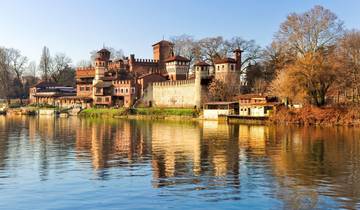
4 days
Discovering Turin
- ✓ Comprehensive Piedmont tour
- ✓ Expert local guides included
- ✓ All accommodation arranged
- ✓ Transportation provided
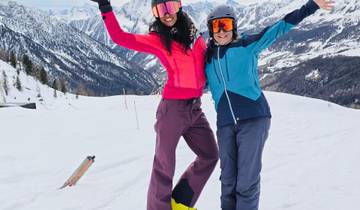
5 days
February Ski & Yoga Retreat in the Italian Alps | Champoluc, Monterosa Ski
- ✓ Comprehensive Piedmont tour
- ✓ Expert local guides included
- ✓ All accommodation arranged
- ✓ Transportation provided

5 days
December Festive Ski & Yoga Retreat | Pila Ski Resort, Italian Alps
- ✓ Comprehensive Piedmont tour
- ✓ Expert local guides included
- ✓ All accommodation arranged
- ✓ Transportation provided
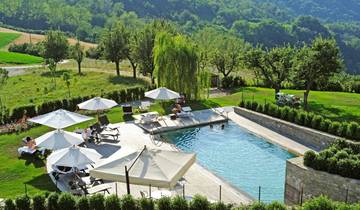
9 days
Gastronomic Barolo Self-Guided Walk
- ✓ Comprehensive Piedmont tour
- ✓ Expert local guides included
- ✓ All accommodation arranged
- ✓ Transportation provided
Multi-day tour packages powered by TourRadar. Prices and availability subject to change.
Introduction — Discovering Lake Maggiore Beyond the Postcard in 2026
Lake Maggiore has occupied a place on the European travel map since the era of the Grand Tour, when aristocrats journeying across the Alps would descend from the Simplon Pass to rest on its shores before pressing on toward Rome. The legacy of that period is visible today in the grand hotels of Stresa, the terraced gardens of the Borromean Islands, and Villa Taranto’s botanical collection — all places of genuine beauty and historical depth. But the lake is 64 kilometres long and divided between three territorial jurisdictions: the Italian regions of Piedmont and Lombardy, and the Swiss canton of Ticino. Most first-time visitors see perhaps ten kilometres of its western shore. The rewards of going further — north toward the Swiss border, across to the Lombard eastern shore, or up into the valleys above the lake — are disproportionate to the effort required.
This guide is designed for 2026 visitors who want both a reliable map of the official tours and current entry costs, and a genuine introduction to the places that rarely appear on first-timer itineraries. The two goals complement each other: the Navigazione Laghi ferry network is the backbone of any Lake Maggiore visit, and understanding how to use it efficiently is the same knowledge that allows you to reach Cannobio or Ghiffa rather than staying anchored to the Stresa-to-Borromean Islands circuit.
Lake Maggiore’s characteristic climate — warm, sheltered by the pre-Alps, with Mediterranean vegetation reaching unusually far north — creates conditions for spring camellias and rhododendrons in April, dahlia peaks in September, and year-round mild weather on the southern basin. The lake reaches its maximum depth of 372 metres near Cannobio and extends into Switzerland at its northern end, where the town of Locarno sits in a sunlit bay. This geographical range, from the gentle southern morainic hills near Arona to the granite peaks above Cannobio, is the source of the lake’s variety as a touring destination.
Official Boat Tours in 2026 — Navigazione Laghi Routes and Prices
All public ferry and boat-tour services on the Italian basin of Lake Maggiore are operated by Navigazione Laghi (Gestione Governativa Navigazione Laghi), a government body that also operates Lake Como and Lake Garda. In 2026, the Lake Maggiore summer timetable runs from March 29 to October 4, with services operating from eighteen Italian ports from Arona in the south to Cannobio in the north. Tickets can be purchased at pier ticket offices, online at navigazionelaghi.it, or — for standard passenger fares — via the NaviTap contactless payment system on board.
The most important distinction for planning purposes is between the scheduled liner service (which operates like a bus route, stopping at all piers) and the packaged excursion circuits (which are round-trip products priced as a single ticket). For a flexible lake-hopping strategy, the day pass on the Italian basin offers better value than buying individual point-to-point tickets; the pass allows unlimited boarding and reboarding at any stop within the network.
Borromean Islands Boat Circuits in 2026
Navigazione Laghi offers four departure points for Borromean Islands circuits, each priced slightly differently depending on distance. From Stresa — the closest major town — the circuit costs €19.50 per adult and €9.80 per child, departing from Marconi Square and looping through all three islands. From Baveno, slightly further north, the circuit is €18 per adult and €9 per child; Baveno is an easier departure for visitors staying further up the shore and the slightly lower price reflects the shorter distance. From Pallanza (Verbania), the circuit costs €19.50 per adult and €9.60 per child. A shorter two-island circuit from Stresa — omitting one of the Borromean Islands — is also available at €11 per adult and €5.50 per child, suitable for half-day visits or those who want to focus on just Isola Bella.
Island entry tickets are managed separately by Terre Borromeo and are not included in the boat fare. In 2026, Isola Bella admission is €27 per adult, Isola Madre is €23 per adult, and the combined ticket for both islands costs €40 per adult — the combo saves €10 over buying separately. Isola dei Pescatori has no admission charge; a €0.50 landing fee per island applies to all three. The islands open daily from March 12 with last entry at 5:00 PM (palaces close at 5:30 PM, gardens close at 6:00 PM). Book island entry tickets online at terreborromeo.it in July and August, when queues at the gate can reach 30–60 minutes at peak midday hours. Check navigazionelaghi.it and terreborromeo.it for current rates before visiting, as pricing may be updated.
The Switzerland Cruise in 2026
For visitors wanting to see the full length of the lake without the logistical complexity of the Lago Maggiore Express, Navigazione Laghi operates a direct Switzerland cruise priced at €38 per adult and €19 per child. The boat travels the entire Italian basin northward, past the Borromean Islands, the Cannero Castles (two ruined medieval towers on offshore rocks near Cannero Riviera), the Swiss-Italian border, and the Brissago Islands before arriving at Locarno’s bay. The cruise takes several hours in each direction and provides a panoramic perspective on the lake’s geography — the gradual transition from the broad southern basin to the narrower, more Alpine northern reaches, with the slopes rising sharply above the shoreline near Cannobio and the southern Swiss shore.
This tour is particularly well-suited to a clear day in May or September, when the Alps above Locarno carry a dusting of snow and the lake reflects an uninterrupted blue sky. Passengers with a full day can disembark at Locarno, explore the town and take the funicular to the Madonna del Sasso Sanctuary above the lake, and return on an afternoon sailing.
The Lago Maggiore Express in 2026 — Train, Boat, and Valley Combined
The Lago Maggiore Express is the signature one-day experience of the lake, combining the Navigazione Laghi boat service with the Vigezzina–Centovalli narrow-gauge railway on a circular itinerary through two countries and two landscape types. The 2026 season runs from March 29 to October 4, operating on Saturdays, Sundays, and public holidays, plus Mondays in June 2026.
The itinerary can begin from either end. Starting from the lake: passengers board a morning boat at one of six departure points (Arona, Angera, Stresa, Baveno, Intra, or Laveno) and sail north along the full length of the Italian basin to Locarno, arriving after approximately three hours. From Locarno’s Piazza Grande station, the Vigezzina–Centovalli railway departs on a ninety-minute journey through the valleys of Canton Ticino and the Piedmontese Vigezzo Valley, crossing stone viaducts above forested gorges, passing small mountain villages, and eventually arriving at Domodossola in Italy. From Domodossola, a Trenitalia or Trenord regional train returns to the departure point on the lake — this section is not included in the Lago Maggiore Express ticket and must be booked separately via trenitalia.com or trenord.it.
Starting from Domodossola reverses the experience: trains depart from Domodossola from 8:26 AM hourly, and the Centovalli train deposits passengers in Locarno, from where afternoon boats return to the Italian shore (departing Locarno at 16:00, arriving Stresa at approximately 18:40 or Arona at approximately 19:40).
The 2026 price for the Lago Maggiore Express boat-plus-Centovalli combined ticket is €32 per adult and €16 per child under twelve. A seat reservation on the Centovalli railway is strongly recommended and costs €4 per person, bookable directly at vigezzinacentovalli.com. Groups of eight or more must reserve seats in advance by emailing [email protected]. The total all-in cost for the round trip — including the recommended seat reservation and an approximate €8–10 Trenitalia return — is approximately €65–80 per person before meals. From June 14 to July 27, 2026, infrastructure works may affect the Arona–Domodossola rail section; check trenitalia.com for current schedules before booking.
Domodossola itself deserves more than a transit stop: its medieval historic centre has a pentagonal layout, a Saturday market in Market Square, and a short walk above the town to the Sacro Monte Calvario, a UNESCO World Heritage Site. A lunch pause of ninety minutes or two hours before the return train makes the day considerably richer.
The Borromean Islands in 2026 — What to Know Before You Go
The three islands that form the Borromean archipelago — Isola Bella, Isola Madre, and Isola dei Pescatori — sit a few hundred metres offshore from Stresa’s lakefront and together represent the most visited attraction on Lake Maggiore. Each has a distinct character, and the most productive approach is to treat them as a half-day or full-day sequence rather than trying to rush through all three in two hours.
Isola Bella
Isola Bella is the architectural and horticultural centrepiece of the group. The Borromeo family began transforming the rocky island in the seventeenth century into a layered terraced garden rising ten storeys above the water, fronted by a baroque palace containing a suite of decorated rooms and underground grottos encrusted with shells, pebbles, and tufa. The island is now managed by Terre Borromeo and welcomes visitors from 10:00 AM daily between mid-March and early November. Entry in 2026 is €27 per adult; the online booking system at terreborromeo.it allows visitors to pre-purchase timed entry, which is strongly advisable in July and August when walk-up queues are longest between 10:30 AM and 2:00 PM. The gardens rise on ten terraces planted with camellias, citrus trees, agaves, and Mediterranean species, with stone statues and obelisks marking the upper levels. The baroque palace’s most striking interior is the Hall of Napoleon, decorated with period furniture and portraits — the hall is named after the French emperor’s stay there in 1797, a visit confirmed in historical record.
Isola Madre
Isola Madre is the quieter and botanically richer of the two ticketed islands. Its English-style garden covers the entire island in a deliberate informality — specimen trees include a centuries-old Kashmir cypress said to be among the oldest in Italy, and the island hosts a collection of exotic birds including white peacocks and macaws that roam freely among the flower beds. The palace is smaller and less ornamented than Isola Bella, and the atmosphere is correspondingly more contemplative. Entry is €23 per adult, or €40 combined with Isola Bella. Visitors with only one island in their budget often find Isola Madre more surprising, as it receives less individual attention in travel media despite being the largest island in the group.
Isola dei Pescatori
Isola dei Pescatori (also known as Isola Superiore) is the one island that has remained a living community rather than becoming a managed heritage attraction. A small number of families still reside there year-round in a cluster of coloured houses compressed into narrow lanes. There is no admission charge and no formal attraction to visit; the appeal is entirely experiential — walking the main alley from end to end takes five minutes, but the combination of the lakewater pressed close on both sides, the smell of lake fish from the trattorias, and the absence of any vehicle road creates an atmosphere unlike anything on the mainland shore. This is the natural choice for lunch on a Borromean Islands day, and most restaurants offer fixed menus built around the local catch, with outdoor tables set directly above the water. Budget €18–28 per person for lunch with a glass of wine.
Western Shore Secret Spots in 2026 — Ghiffa to Cannobio
The upper western shore of Lake Maggiore, running north from Verbania through Ghiffa, Oggebbio, Cannero Riviera, and Cannobio, is the most consistently underestimated section of the Italian lake. The road narrows and the landscape steepens; hotels become simpler, prices drop, and the tourist infrastructure thins in a way that leaves room for genuine discovery. Ferry connections serve all the main villages, making the shore accessible without a car, though the route also rewards slow driving.
The Sacro Monte of Ghiffa — A UNESCO Heritage Walk for Free
Above the small town of Ghiffa, reached by a signposted road climbing through chestnut woods, the Sacro Monte of Ghiffa occupies a nature reserve on the slopes of Monte Carciago. It is one of nine Sacri Monti (Sacred Mountains) in Piedmont and Lombardy inscribed as a UNESCO World Heritage group in 2003, and it is the smallest and least visited of the group — which means that on a weekday morning in May or October, you may have the paths entirely to yourself.
The complex was built between the mid-seventeenth and mid-eighteenth centuries. Three baroque chapels dedicated respectively to the Incoronata, to San Giovanni Battista, and to Abraham stand along the wooded path, connected by an eighteenth-century portico of the Via Crucis. At the summit, the main sanctuary overlooks the lake and the Lombard pre-Alps on the opposite shore. The founder of the original devotional complex is not recorded with certainty, but the building phases are documented across more than a century of construction. Beyond the religious monuments, the nature reserve includes an archaeological trail through the wildest section of the woods, where traces of a prehistoric settlement have been identified by archaeologists, though the site is presented with interpretive signage rather than any formal excavation display. Entry is free; a visitor centre near the sanctuary has basic facilities. The Sacro Monte is accessible on foot from Ghiffa’s ferry stop in approximately thirty minutes via the uphill road.
Cannobio and the Sant’Anna Gorge — Best Easy Walk in 2026
Cannobio is the northernmost Italian town on the lake’s western shore, sitting a few kilometres from the Swiss border with a lakefront promenade of stone buildings and arcaded houses that dates its centre to the medieval period. It is included on the list of I Borghi più belli d’Italia (Italy’s most beautiful villages), and it earns the designation: the Sant’Agostino Square at the lake’s edge is particularly photogenic at the hour when the morning light catches the facades.
The most rewarding short excursion from Cannobio is the walk to the Sant’Anna Gorge (the Orrido di Sant’Anna), a natural feature entirely free to visit and no more than 4 kilometres each way from the town centre. The route follows the Cannobino stream inland from the Lido beach, passing along a cycle path beside the river, and reaches the gorge in approximately 45 minutes at a gentle pace. The Cannobino stream has carved a gorge 25 metres deep into the surrounding rock over thousands of years; the walls narrow to a few metres at the tightest point, and the water pools below in a reservoir of intensely green colour. A seventeenth-century chapel dedicated to Sant’Anna stands above the gorge on the old stone bridge. On hot summer days, local swimmers use the pool below the bridge; the depth and cold temperature of the water attract divers as well. The path is suitable for all fitness levels, with minimal elevation gain and a well-maintained surface throughout.
Beyond the gorge, the Cannobina Valley opens into a landscape of small mountain villages connected by the old Strada Borromea mule track, named for Saint Carlo Borromeo’s pastoral visit in 1547. The track is still walkable and provides access to the village of Gurro, which preserves evidence of Swiss immigration in its dialect and architecture — a linguistic and cultural anomaly worth the additional 90-minute walk for those with the time.
Cannero Riviera — Ruined Castles and Mediterranean Calm
Cannero Riviera sits six kilometres south of Cannobio on the same shore, a village of around seven hundred residents where the sheltered microclimate supports olive trees, laurel, and Mediterranean scrub well above the normal northerly limit of such species. The lakefront promenade is lined with oleander and mimosa, and the handful of restaurants and hotels maintain a pace of life several registers quieter than Stresa.
The defining visual feature of Cannero Riviera is the pair of ruined medieval tower complexes that rise from two rocky islets just offshore — the Cannero Castles (Castelli di Cannero). The towers are the remnants of a fortified complex built in the early sixteenth century by Ludovico Borromeo to defend the upper lake after the Duchy of Milan lost control of the Swiss Ticino region; local records associate an earlier fortification on the same rocks with a period of feudal brigandage in the late medieval period, though the specific details of this earlier phase are debated in local historiography. For most of the modern period, the ruins were structurally unsafe and inaccessible; Terre Borromeo has been undertaking a restoration project, and as of 2026 the Castelli di Cannero are listed as a ticketed attraction with boat transfer on the terreborromeo.it site — verify current access and opening status before planning a visit. From the shore, they remain one of the most romantically photogenic views on the entire lake, best photographed at dawn or dusk.
Villa Taranto Botanical Garden — More Than a Garden
On the lakefront between Intra and Pallanza in Verbania, Villa Taranto is one of the most significant botanical collections in Europe, created in the 1930s by Scottish captain Neil McEacharn on a sixteen-hectare promontory he purchased from an Italian noblewoman. McEacharn’s ambition was a garden that would combine the English landscape tradition with Italian architectural formality — terraces, fountains, and geometric parterres organized around an informal English park. The result, over thirty years of continuous planting and acquisition, was a collection of over twenty thousand plant species from all five continents, including early specimens of the giant Amazonian water lily (Victoria cruziana), dahlias in over three hundred varieties, and a collection of temperate and subtropical trees that has matured into a canopy visible from the lake.
McEacharn donated the estate to the Italian state in 1938–39 while retaining usufruct rights, and the gardens opened to the public in 1952. He lived at Villa Taranto until his death in 1964. The gardens are managed today by a non-profit body established in 1963 and carry membership in the Great Gardens of the World network. Entry in 2026 is €15 per adult (children 6–11 pay €2.50; children under 6 enter free). The gardens open from March and are accessible directly by ferry — Navigazione Laghi maintains a dedicated stop at the Villa Taranto pier, directly opposite the entrance. Peak flowering seasons are the rhododendron and camellia bloom in April–May and the dahlia festival in September, when the colour of the flower beds is at its most intense. A visit of 90 to 120 minutes covers the main circuit at a comfortable pace; the on-site bistrot next to the ticket office serves breakfast and lunch. Check villataranto.it for current opening hours, which vary by month.
Walking Routes Around Lake Maggiore in 2026 — By Difficulty
Lake Maggiore’s walking network ranges from paved lakeside promenades requiring nothing more than comfortable shoes to demanding ridge routes requiring navigation experience and appropriate equipment. The following routes represent the most accessible and rewarding options across three difficulty tiers for 2026.
Easy: Cannobio to the Sant’Anna Gorge
Distance: 4 km each way. Elevation gain: approximately 50 metres. Duration: 45 minutes each way at a leisurely pace. Terrain: paved cycle path alongside the river, then a short dirt track to the gorge.
The route begins at the Lido di Cannobio beach at the town’s northern edge and follows the Cannobino river on a path shared with cyclists. Two river bridges allow choice of bank; the right bank path is continuous to the gorge, while the left bank path ends at an older stone bridge that can be crossed to join the right bank. The gorge itself requires no technical ability to view from the bridges above, and the return journey retraces the same route. This is the most family-friendly route in the northern lake area and is particularly pleasant in early morning before the midday summer heat.
Easy to Moderate: Sacro Monte of Ghiffa Loop
Distance: 3–5 km depending on extension into the nature reserve. Elevation gain: approximately 200 metres from the ferry stop. Duration: 1.5–2.5 hours including time at the chapels and sanctuary.
The route climbs from Ghiffa’s pier through chestnut and oak woodland via a marked path to the sanctuary complex. The three baroque chapels and main sanctuary can be visited in sequence along the wooded path; the archaeological extension into the wilder part of the reserve adds another 30–40 minutes. Views from the sanctuary terrace extend across the lake to the Lombard shore. The descent returns on the same path or via the road through the village. Appropriate footwear is recommended as the path is uneven in places after rain.
Easy to Moderate: Lungolago di Ispra from Ranco
Distance: 13.3 km loop. Elevation gain: minimal. Duration: approximately 3.5–4 hours at walking pace.
This circular route along the Lombard lakeside promenade between Ranco and Ispra is considered one of the finest lakeside flat walks in the Italian lakes area. The path follows sheltered bays and headlands with consistently open lake views, passing through small communities and alongside vineyards and garden properties. The flat terrain and clear waymarking make it suitable for most fitness levels, though the length means an early start is advisable to avoid midday heat in summer. Ranco is accessible by ferry from the western shore.
Challenging: Via delle Genti — Cannobio to Cannero Riviera
Distance: 14.5 km one way. Elevation gain: approximately 715 metres. Duration: 4.5–5.5 hours. Classification: difficult (SAC T3 equivalent in places).
The Via delle Genti follows an ancient traders’ path connecting the lakeside villages of Cannobio and Cannero Riviera along the high ground above the western shore. The route climbs steeply from Cannobio into dense chestnut forests, passing through small hamlets and connecting ancient mule-track sections that were once the primary terrestrial connection between communities before road construction. The ridge sections offer open views across the lake to the Swiss shore and down to the Cannero Castles. The route ends at Cannero Riviera where the ferry service connects back to Cannobio or south to Verbania and Stresa. The one-way nature of the route and the ferry connection make it a self-contained day excursion. Solid hiking boots, a map (or the Komoot app with the downloaded route), and sufficient water are essential. Do not attempt in poor weather, as some exposed sections become slippery.
Moderate to Challenging: Mount Mottarone by Foot
Distance from Gignese or Stresa area: 8–14 km depending on starting point. Elevation gain: 700–1,000 metres depending on route. Duration: 3.5–5 hours to summit.
Mount Mottarone (1,491 m) stands between Lake Maggiore and Lake Orta and offers one of the most panoramic viewpoints in the pre-Alpine region, extending on clear days across seven lakes and to the Monte Rosa massif. The Stresa–Mottarone cable car has remained closed since the May 2021 accident that claimed fourteen lives, and as of July 2026 no reopening date had been announced, though the Piedmont regional government and the national tourism ministry reached an agreement in 2023 to fund reconstruction of the infrastructure. The summit is accessible by car via the road from Stresa and by marked hiking trails from several points including Gignese. The hiking routes ascend through mixed forest and open mountain pasture; the upper slopes in late spring are covered with flowering meadow plants. The summit area includes a restaurant, ski infrastructure (the mountain serves as a winter ski centre), and the Alpyland alpine coaster — a bobsled track on rails that operates as a summer attraction. The Botanical Garden Alpinia is located at mid-mountain near the old cable car midstation at Alpino and contains Alpine plant species in a remarkable setting above the lake; it is accessible on foot or by car.
Eastern Shore Hidden Gems in 2026
The Lombard eastern shore of Lake Maggiore receives considerably less attention in English-language travel media than the Piedmontese western shore, partly because it has fewer grand hotels and no equivalent of the Borromean Islands, and partly because it is less accessible by train. This relative neglect works in the visitor’s favour: the villages of Angera, Laveno, Luino, Maccagno, and Leggiuno are quieter, more local in character, and in some cases more historically rich than their western counterparts.
Rocca di Angera — The Forgotten Castle
Angera sits directly opposite Arona on the lake’s Lombard shore, connected to it by a short ferry crossing that takes passengers across the lake’s narrowest southern section. Above the village, the Rocca di Angera occupies a limestone promontory that controlled lake traffic in the medieval period. The fortress is among the best-preserved medieval structures in Lombardy, consisting of five buildings constructed between the twelfth and seventeenth centuries: the Castellana Tower, the Visconti wing, the Borromeo wing, a small palace of Scaligeri origin, and the Tower of Giovanni Visconti.
The architectural history is well documented. The historiographical tradition associates the castle’s early medieval development with the Visconti family and their consolidation of power following the Battle of Desio in 1277 — an event celebrated in the Hall of Justice frescoes, painted by an anonymous artist subsequently known as the “Master of Angera.” In 1449, the fortress was sold to the Borromeo family, who still own it today and have managed the site as a public heritage attraction since the mid-twentieth century. The Doll and Toy Museum inside the castle, founded in 1988 by Princess Bona Borromeo Arese, is considered one of the most significant collections of historic dolls and automata in Europe, and the medieval garden — reconstructed based on period illuminated manuscripts — provides a thoughtful outdoor complement to the historic rooms. Entry in 2026 is approximately €15 per adult including all internal attractions; verify the current price at terreborromeo.it before visiting.
Santa Caterina del Sasso Hermitage — The Cliff-Face Chapel
On the eastern shore between Laveno and Angera, the Santa Caterina del Sasso Hermitage is built directly into the face of a cliff above the lake, accessible either by a boat stop (the Navigazione Laghi service calls here) or by descending a flight of stairs from the road above. The hermitage complex, constructed in stages from the medieval period onward, comprises a small church, a cloister, and a series of attached buildings clinging to the rock. The lakeside facade, rising sheer from the water, is one of the most photographed architectural compositions on the lake — and one of the least crowded, since it sits off the main tourist axis between Stresa and the Borromean Islands. Entry is free, though a small donation is customary. The interior walls carry frescoes from various periods; the atmospheric approach by boat, rounding a headland to find the complex suddenly appearing on the cliff, is itself a significant part of the experience.
Luino and Its Wednesday Market
Luino is a working town of around fourteen thousand residents on the upper Lombard shore, closer in character to a regional centre than to a resort. Its outstanding weekly event is the Wednesday market, which by most accounts is one of the largest of its kind in the Italian lake district and draws buyers from across the border with Switzerland. The market reportedly traces its origins back several centuries, though precise historical documentation of an unbroken line from medieval fairs to the modern event is a matter of local tradition rather than fully verified archival record. In practical terms, what the market offers in 2026 is a significant collection of stalls selling food, clothing, household goods, and local produce, concentrated around the lakefront and the town’s central streets, running from approximately 9:00 AM to 4:00 PM. A Wednesday visit to Luino is a genuinely local experience entirely absent from the standard Lake Maggiore itinerary; it pairs well with a lakeside lunch at one of the waterfront restaurants before an afternoon ferry south.
Lesser-Known Towns Worth Exploring in 2026
The reputation of Lake Maggiore concentrates overwhelmingly on Stresa, to the extent that the town’s character and prices have been shaped entirely by international tourism. Several alternatives are significantly more atmospheric, more affordable, and more representative of the lake’s daily life.
Mergozzo — The Adjacent Lake Nobody Visits
Lake Mergozzo is a small, oval lake directly adjoining the western bank of Lake Maggiore near Verbania, separated from the main lake by a narrow strip of land. Once part of the larger lake before the Toce River built a sediment barrier, it is now hydrologically distinct — and famously clear, with transparency that allows visibility to several metres’ depth. The village of Mergozzo on its northern shore is medieval in origin, organized around a main square shaded by a monumental elm tree of considerable age, with stone-paved lanes and the kind of preserved lakeside architecture that has been too small and too quiet to attract significant development. The lake’s beaches are clean and calm; the village has a small selection of restaurants and guesthouses that cater to Italian visitors rather than international tour groups. Mergozzo also serves as a trailhead for the Val Grande National Park — Italy’s largest wilderness reserve, covering 150 square kilometres of largely roadless valleys above the lake — making it a viable base for anyone planning multi-day hiking in the area.
Arona and the Colossus of San Carlo Borromeo
Arona occupies the southern end of Lake Maggiore on the Piedmont shore and served historically as the principal seat of the Borromeo family before the family’s later focus shifted to the islands. The town today has a functioning commercial centre, an elegant lakefront promenade along People’s Square, and good rail connections to Milan (approximately one hour on the regional service to Milan Centrale). Its most striking monument is the Colossus of San Carlo Borromeo, a copper statue 35 metres tall standing on a hill above the town. The statue represents the Milanese archbishop Carlo Borromeo, who was born in the Borromeo fortress at Arona — a fortress subsequently destroyed during the Napoleonic wars. The interior of the statue contains a spiral staircase leading up to the head, from which the eyes and ears offer unusual perforated views of the lake and countryside; the climb is steep but takes only a few minutes and the view from the saint’s hollow eye sockets is memorable in an entirely non-conventional way.
Baveno — The Better Base for Stresa-Area Visits
Baveno sits two kilometres north of Stresa on the same western shore, separated from its famous neighbour by a relatively uninterrupted lakefront promenade but considerably quieter in both visitor numbers and hotel prices. The town is characterized by pink granite — its quarries supplied stone for construction projects in Milan and Rome — and by a small historic centre with a Romanesque baptistery dating to the early medieval period. For visitors planning Borromean Islands visits, Baveno offers ferry connections at a slightly lower boat-tour price than Stresa (€18 vs. €19.50) and accommodation that typically costs meaningfully less while still providing direct lakefront access. Queen Victoria stayed in Baveno in 1879, a visit documented in historical record and still celebrated locally, though the specific details of what she found remarkable have been coloured by subsequent tourist literature. The town’s Romanesque baptistery and the Church of Saints Gervase and Protase, both on the main square, are worth fifteen minutes of any visitor’s time for the medieval relief carvings on the exterior walls.
Cannero Riviera — The Quiet Alternative to Everything
Already mentioned in the context of the western shore walks, Cannero Riviera deserves an additional note as a place to stay rather than simply pass through. Its Mediterranean-feel lakeside, the views of the Cannero Castles, the absence of large hotels or tour-bus stops, and its position at the edge of the northern lake’s hiking network make it a practical base for anyone planning a multi-day exploration of the upper lake. The ferry connections in both directions allow day trips to Cannobio, Verbania, and Stresa without needing a car. The town received the Blue Flag beach designation — awarded annually by the Foundation for Environmental Education on the basis of water quality and management standards — reflecting both the purity of the lake water at this point and the quality of the beach facilities.
Getting Around Lake Maggiore in 2026 — Ferry Logistics
The Navigazione Laghi ferry network is the practical foundation of any Lake Maggiore touring day. The Italian basin is served by eighteen pier stops from Arona to Cannobio, with the main services operating from the Stresa–Baveno–Verbania–Laveno spine and branch services reaching the northern villages. The 2026 summer timetable (valid March 29 to October 4) offers the highest frequency of sailings; services reduce significantly in the winter months and some pier stops are suspended between October and March.
For a day focused on the western shore, the strategy is to board the southbound liner service in the morning from a northern town (Cannobio or Cannero) and disembark progressively at points of interest, returning north in the afternoon. The reverse works equally well. Point-to-point single fares start at approximately €4 for short crossings; for multiple stops in a single day, the day circulation pass is worth calculating in advance using the ticket search function at navigazionelaghi.it. The NaviTap contactless payment system accepts major credit cards and digital wallets on board standard liner services, though not on fast express services. Private water taxi services at Stresa offer a flexible alternative for small groups wanting door-to-door island transport without queuing at the main ferry pier.
Train access to the lake: the Milan–Domodossola line connects directly to Stresa (approximately 1 hour 30 minutes from Milan Centrale, trains roughly hourly), Baveno, Verbania, and points northward. Angera, Luino, and the eastern shore are less conveniently served by rail from Milan and are best reached by taking the ferry across from the western shore. Arona is on the same line as Stresa with a marginally shorter Milan journey time of approximately one hour.
When to Visit Lake Maggiore in 2026 — Season Guide for Tours and Walking Routes
Lake Maggiore’s visiting calendar divides into four distinct periods, each with significant differences in crowd levels, ferry frequency, and the seasonal character of the gardens.
Spring (March–May) is considered the peak season for garden visits. The rhododendron and camellia blooms at Villa Taranto and on Isola Madre are typically at their most intense in April and early May, drawing specialist plant enthusiasts from across Europe. Temperatures are comfortable for walking (15–22°C), crowds are manageable except during Italian national holidays and Easter weekend, and the ferry service is at full summer frequency from late March. This is arguably the most rewarding period for a first visit, combining flowering landscapes, moderate prices, and uncrowded island access.
Early summer (June–mid-July) offers reliably warm weather and the full activity programme — the Lago Maggiore Express, all boat tours, and the longest ferry timetables — but also rising visitor numbers, particularly on weekends. Hotel prices peak in July and August. The Borromean Islands are busiest between late June and mid-August; advance booking of island entry tickets becomes essential from late June onward.
Late summer (mid-July–August) is the warmest and most crowded period. Water temperatures permit swimming at the beaches of Cannobio and Cannero; the open-air Stresa Musical Weeks classical music festival takes place in late August and early September, drawing concert audiences to Stresa. Walking at altitude (above 800 m) is pleasant in the early morning before the midday heat. The Borromean Islands are at their busiest; arrive at the ferry pier before 9:30 AM or after 3:00 PM to avoid the longest queues.
Autumn (September–early November) is the most underrated season. September still offers warm temperatures and open swimming water, but visitor numbers drop markedly after the Italian school year begins in mid-September. Villa Taranto’s dahlia collection peaks in September; the Borromean Islands are open until October 24 in 2026. The Lago Maggiore Express runs through October 4. Walking routes through the chestnut forests are at their most atmospheric in October, when the foliage turns copper and the morning mist sits on the lake surface. Ferry services begin to reduce from mid-October, and some pier stops on the northern lake close for the winter season.
Practical Tips for Lake Maggiore Tours in 2026
Book island entry tickets in advance. From July through mid-September, walk-up queues at the Isola Bella ticket office regularly exceed 45 minutes. The online booking system at terreborromeo.it allows date-specific entry; buying tickets in advance costs the same as at the gate and eliminates the queue entirely. The combined Isola Bella–Isola Madre ticket at €40 is available online and provides the best per-island value.
Use Baveno or Verbania as a base. Stresa’s accommodation prices reflect its status as the lake’s main tourist centre; equivalent standards in Baveno typically run 15–25% cheaper, and the ferry connections make day tripping to the islands just as convenient. Verbania (the combined municipality of Pallanza and Intra) is larger, more locally oriented, and has good connections to Villa Taranto and the upper lake villages.
Reserve Lago Maggiore Express seats early. The Vigezzina–Centovalli narrow-gauge section has limited capacity. Weekend sailings in summer fill quickly, and the reservation fee of €4 per person is a minor cost for guaranteed seating. Book via vigezzinacentovalli.com after purchasing the main ticket at a Navigazione Laghi pier or online. Note that infrastructure works may affect Trenitalia connections in summer 2026; check trenitalia.com for current schedules.
Watch for the private motorboat scam at Stresa pier. Private operators near Marconi Square occasionally present themselves as the official ferry service, particularly to new arrivals, and charge considerably more than Navigazione Laghi prices. The official Navigazione Laghi booth is clearly marked at Stresa’s Marconi Square pier; always buy tickets there or at navigazionelaghi.it.
Carry cash for small purchases. Most restaurants, particularly on the islands and in smaller villages, accept cards for main meals, but the lakeside snack bars, beach facilities, and smaller establishments in villages like Cannero and Ghiffa may be cash-only or prefer it. ATMs are available in Stresa, Verbania, and Cannobio but are absent in the smallest ferry stops.
The Mottarone cable car remains closed. As of July 2026, the Stresa–Alpino–Mottarone cable car had not reopened following the 2021 accident. Visitors wanting the mountain’s famous seven-lake panorama should plan to drive (the summit road is open to private vehicles) or arrive on foot via the hiking trails from Stresa or Gignese. Budget three to five hours for a walking ascent from the lake. The Botanical Garden Alpinia at mid-mountain is accessible by car via a separate road.
Combine eastern and western shore visits in a single day. The Arona–Angera ferry crossing takes a few minutes and allows a logical circuit: train to Arona from Milan in the morning, ferry across to Angera and Rocca di Angera, then the main lakeshore ferry service north along the western shore to Stresa or Verbania for the Borromean Islands in the afternoon. This pattern makes efficient use of the ferry network and avoids backtracking.
For the northern lake in one day from Stresa: Take the morning ferry to Cannobio (approximately two hours), walk to the Sant’Anna Gorge and back, have lunch at one of the lakeside restaurants, then return south, optionally disembarking at Cannero Riviera for an hour before catching the next ferry. This circuit requires checking the ferry timetable at navigazionelaghi.it in advance to plan connection times, which vary by season.
Frequently Asked Questions — Lake Maggiore Tours 2026
Is the Borromean Islands boat tour ticket the same as the island entry ticket?
No — the two tickets are entirely separate and managed by different organisations. The Navigazione Laghi boat circuit ticket (€19.50 from Stresa in 2026) covers travel on the public ferry to and between the islands but does not include entry to the palace or gardens on any island. The Terre Borromeo entry tickets are purchased separately, either online at terreborromeo.it or at the island ticket offices. Isola Bella costs €27 per adult, Isola Madre costs €23, and the combined ticket for both is €40. Isola dei Pescatori has no entry fee. A €0.50 landing fee per island applies to all three. Buying the boat circuit plus the combo entry ticket, and adding lunch at Isola dei Pescatori, brings the total for a full Borromean Islands day to approximately €80–90 per person.
Can I visit the Borromean Islands without taking a guided tour?
Yes — entirely self-guided visits are the norm. The ferry circuit drops passengers at each island and continues; you board the next ferry when you are ready to move on, using the same circuit ticket for reboarding. On Isola Bella and Isola Madre, entry to the palace and gardens is self-guided, with a numbered route map provided at the entrance and audio guides available for rent at an additional charge. Guided tours are available but must be arranged in advance through Terre Borromeo. Isola dei Pescatori has no structured visit format at all; wandering its narrow lanes and choosing a restaurant for lunch is the complete experience.
How does the Lago Maggiore Express work in 2026?
The Lago Maggiore Express is a circular one-day excursion combining a boat cruise on the lake with a narrow-gauge train journey through the Centovalli and Vigezzo valleys. In 2026, it operates on weekends and public holidays from March 29 to October 4, plus Mondays in June. The combined boat-plus-Centovalli ticket costs €32 per adult and €16 per child under twelve; a recommended seat reservation on the narrow-gauge train section costs €4 extra (bookable at vigezzinacentovalli.com). The Trenitalia or Trenord regional train section connecting the lakeshore departure point to Domodossola is not included and must be purchased separately. Infrastructure works may affect rail connections in summer 2026; check trenitalia.com for current schedules. The itinerary can be done in either direction starting from the lake or from Domodossola; most visitors beginning from Stresa take the morning boat north to Locarno, then the afternoon Centovalli train to Domodossola, and return by Trenitalia train.
Is the Sacro Monte of Ghiffa worth visiting if I am not religious?
Yes — the Sacro Monte of Ghiffa is part of the UNESCO World Heritage “Sacri Monti of Piedmont and Lombardy” inscription valued for its landscape, its integration of baroque religious architecture into natural woodland, and its prehistoric archaeological dimension, none of which require any religious engagement. The path through the chestnut woods to the sanctuary and three chapels offers one of the most atmospheric short walks on the lake, and the panoramic views from the sanctuary terrace across to the Lombard shore are among the best elevated lake views accessible on foot from a ferry stop. Entry is free. The site is at its quietest and most evocative on weekday mornings in spring or autumn, when the woods are empty and the only sound is birdsong and the distant ferry horns from the lake below.
What is the best way to reach Cannobio without a car in 2026?
Navigazione Laghi operates regular ferry services from Stresa and Verbania north to Cannobio; the journey from Stresa takes approximately 90 minutes to two hours depending on the service type and number of stops. Check timetables at navigazionelaghi.it before planning, as service frequency varies significantly between weekdays and weekends and between high and low season. Cannobio is also served by regional buses from Verbania and by buses from the Swiss side at Locarno, providing an alternative connection for visitors combining a Swiss–Italian itinerary. The ferry is generally the most scenic option and places you directly on the lakefront promenade.
Are there walking routes suitable for families with young children around Lake Maggiore in 2026?
Several routes are well-suited to families. The Sant’Anna Gorge walk from Cannobio is the standout option: 4 km each way, almost flat, on a paved and unpaved path alongside the river, with the rewarding payoff of the gorge pool where older children can swim in summer. The lakeside promenade at Cannobio itself — one of the longest and most attractive on the western shore — is pushchair-accessible and provides a full afternoon of strolling. The Sacro Monte of Ghiffa path is manageable for children comfortable with 200 metres of elevation gain over a short distance. The Isola Bella gardens on Isola Bella are steep and stone-stepped and may be tiring for very young children; Isola Madre’s garden, being flatter and open, is more suitable for families with small children, and the peacocks wandering freely through the garden are reliably entertaining.
What is the cost of a typical day out on Lake Maggiore in 2026?
Costs vary significantly by activity type. A free or low-cost day — walking the Sant’Anna Gorge, visiting the Sacro Monte of Ghiffa, and using the ferry for one or two short hops — can be done for €15–25 per person including a packed lunch and local transport. A classic Borromean Islands day from Stresa, combining the boat circuit and the combined island entry ticket with lunch at Isola dei Pescatori, totals approximately €80–90 per person. The Lago Maggiore Express all-in (boat, Centovalli seat reservation, and the Trenitalia return) costs approximately €65–80 per person before meals. A heritage-focused day visiting Villa Taranto and Rocca di Angera by ferry costs approximately €55–75 per person including transport, both entry tickets, and lunch. These figures cover activities and transport only; accommodation is separate. Check navigazionelaghi.it and terreborromeo.it for current rates, which may be updated for 2026.
Can I visit Locarno as a day trip from Lake Maggiore in 2026?
Yes — Locarno is reachable by the Navigazione Laghi Switzerland cruise (€38 per adult) or as part of the Lago Maggiore Express (the boat section alone is €32). The ferry from Stresa to Locarno takes approximately three to four hours; allow a minimum of two to three hours in Locarno itself to visit the lakeside and the Madonna del Sasso Sanctuary (accessible by funicular from the town centre). Locarno is in Switzerland and the Swiss franc applies to all purchases; credit cards are universally accepted. Mobile data roaming from Italian SIM cards incurs charges unless you have an EU-wide data plan, so check your plan in advance. A full Locarno day trip is a long day from the southern lake; visitors based at Stresa or Baveno have a more manageable journey than those based further south at Arona.
Is the eastern shore of Lake Maggiore worth visiting in 2026?
The eastern (Lombard) shore rewards visitors who cross the lake by ferry, particularly for three specific stops: Angera with the Rocca di Angera medieval fortress (approximately €15 admission); Leggiuno for the Santa Caterina del Sasso Hermitage carved into the cliff face (free entry); and Luino for its Wednesday market. The shore is quieter and more local in character than the western side, without the density of grand hotels and tourist infrastructure that characterises Stresa. The ferry from Arona to Angera takes a few minutes; the liner service along the Lombard shore then connects to Laveno, Luino, and the upper eastern villages. A combined eastern-western shore day — crossing at Arona, moving north along the eastern shore by ferry, and returning across the lake from Laveno or Luino to Verbania — provides a comprehensive lake overview in a single long day.
When is the best time to visit the Borromean Islands in 2026 to avoid the worst crowds?
Isola Bella and Isola Madre are at their quietest and most enjoyable in May and the first half of June, and again in September and early October. The very best strategy for any summer visit is to take the first available morning ferry from Stresa (typically departing around 8:00–8:30 AM), reach Isola Bella before 9:30 AM, and complete the palace visit before the midday peak. By 10:30 AM, queues at the island’s main gate are already long. Alternatively, arriving after 3:00 PM on a weekday allows a late afternoon visit with significantly fewer visitors and the golden-hour light on the baroque gardens, though the palaces may be approaching their last entry time of 5:00 PM. Pre-booking the combined ticket online at terreborromeo.it and selecting an early morning time slot is the single most effective measure for anyone visiting in July or August.