Lagos Travel Guide 2026: Algarve’s Golden Coast
Lagos combines dramatic golden cliffs, centuries of maritime history, and Portugal’s warmest hospitality into one of the Algarve’s most compelling destinations. This historic coastal city balances authentic Portuguese culture with world-class beaches, where limestone formations meet turquoise waters and medieval walls frame modern cafes. Whether you’re exploring hidden grottoes by boat, discovering age-old traditions in cobblestone lanes, or watching sunset paint the Ponta da Piedade cliffs, Lagos delivers unforgettable experiences at every budget level.
Key Takeaways About Lagos 2026
- Budget Planning 2026: Daily costs range €85-110 for budget travelers sharing accommodation, €170-245 for mid-range comfort, and €320-460 for luxury experiences. A week in Lagos costs €595-770 budget, €1,190-1,715 mid-range, or €2,240-3,220 luxury per person.
- Best Timing 2026: May, June, and September offer optimal weather with fewer crowds and moderate prices. July-August brings peak season warmth and energy but requires advance booking. October-April delivers budget-friendly rates and authentic local atmosphere despite cooler temperatures.
- Signature Experience: Ponta da Piedade boat tours navigate through golden limestone caves and arches, offering perspectives impossible from land. Tours cost €20-35 per person and launch multiple times daily from Lagos Marina.
- Beach Diversity: Lagos provides 15+ distinct beaches from dramatic cliff-framed coves at Dona Ana and Camilo to the 4-kilometer golden expanse of Meia Praia, accommodating every preference from secluded hideaways to family-friendly shores.
- Transportation Hub Status: Direct trains connect Lagos to Faro Airport (€8, 1 hour 45 minutes) and Lisbon (€24, 4 hours). Local ONDA buses serve beaches and neighborhoods for €1.50 per ride, with comprehensive walkability in the historic center.
- Cultural Authenticity: Beyond tourist attractions, Lagos maintains genuine Portuguese identity through traditional fishing culture, local markets, family-run restaurants, and neighborhoods where daily life continues unchanged by tourism.
People Also Ask About Lagos Travel 2026
How much does Lagos cost per day in 2026?
Lagos daily costs range €85-110 per person for budget travelers sharing hostel dormitories or budget hotels, €170-245 for mid-range hotel comfort with quality dining, and €320-460 for luxury boutique accommodations with premium experiences. Budget travelers economize through supermarket meals, free beach days, and local bus transport. Mid-range visitors balance comfort with value through 3-star hotels, traditional Portuguese restaurants, and selective paid activities. Luxury travelers invest in boutique clifftop resorts, Michelin-caliber dining, private boat charters, and premium coastal experiences. All figures assume two people sharing accommodation with hotel costs divided equally.
What is the best month to visit Lagos in 2026?
June and September represent optimal Lagos timing in 2026, delivering warm Mediterranean weather (24-28°C), manageable crowds, and moderate accommodation rates between peak and off-season pricing. May extends spring freshness with wildflowers and comfortable temperatures ideal for active exploration. July-August bring peak summer heat (30°C+), maximum beach energy, and highest prices requiring 2-3 months advance booking. October offers lingering warmth with dramatically reduced crowds and shoulder-season discounts. November-March suit budget travelers accepting 15-20°C temperatures and occasional rain in exchange for €60-90 nightly hotel savings and authentic local atmosphere absent tourism pressure.
Is Lagos Portugal worth visiting in 2026?
Lagos absolutely merits visit planning for 2026, combining geological wonders found nowhere else in Europe with preserved maritime heritage and authentic Portuguese culture increasingly rare in developed beach destinations. The Ponta da Piedade limestone formations create cathedral-like sea caves accessible only by small boat, while 15 distinct beaches offer everything from dramatic cliff scenery to family-friendly shores. The historic center maintains genuine Portuguese character through local markets, traditional fishing culture, and neighborhoods unchanged by tourism. Superior value compared to Spanish Costa del Sol or French Riviera equivalents provides quality experiences at 30-40% lower cost. Strategic location enables day trips throughout western Algarve including Sagres cliffs and inland mountain villages.
How many days do you need in Lagos?
Three full days provide sufficient time to experience Lagos core attractions including Ponta da Piedade boat tours, 3-4 signature beaches, historic center exploration, and evening dining along the marina. Five days allow deeper immersion with day trips to Sagres, extended coastal walks, multiple boat excursions, and time to discover hidden neighborhood gems without rushed scheduling. Seven days support relaxed beach-focused holidays with sufficient downtime, cooking classes, surf lessons, and thorough exploration of all 15 beaches. Weekend visitors (2 days) can sample highlights but will necessarily skip significant experiences. First-time visitors planning comprehensive Algarve exploration allocate 4 nights to Lagos as the western region anchor before moving to other Algarve destinations.
Extended multi-day tours – 5+ days
Featured Algarve Multi-Day Tour Packages

3 days
Algarve 3-Day Discovery Tour
- ✓ Comprehensive Algarve experience
- ✓ Expert local guides included
- ✓ All accommodation included
- ✓ Transportation provided
5 days
Algarve 5-Day Highlights Experience
- ✓ Comprehensive Algarve experience
- ✓ Expert local guides included
- ✓ All accommodation included
- ✓ Transportation provided

7 days
Algarve 7-Day Cultural Journey
- ✓ Comprehensive Algarve experience
- ✓ Expert local guides included
- ✓ All accommodation included
- ✓ Transportation provided

10 days
Algarve 10-Day Complete Adventure
- ✓ Comprehensive Algarve experience
- ✓ Expert local guides included
- ✓ All accommodation included
- ✓ Transportation provided
Multi-day tour packages powered by TourRadar. Prices and availability subject to change.
Introduction to Lagos in 2026
Lagos occupies a unique position along Portugal’s Algarve coast where centuries of maritime exploration history converge with natural formations of extraordinary beauty. The city served as departure point for Portuguese Age of Discovery voyages, where ships left to map unknown African and Asian waters beginning in the 15th century. Today, those same protected harbors that sheltered exploration fleets welcome modern visitors arriving to discover limestone caves, golden beaches, and Portuguese culture preserved through careful development planning that prioritizes authenticity over mass tourism transformation.
The dramatic coastline defines Lagos identity. Towering golden sandstone cliffs surround the city to the south and west, carved by Atlantic waves into arches, pillars, and cathedral-sized grottoes that create one of Europe’s most photographed coastal landscapes. Ponta da Piedade headland represents the formation pinnacle, where weathered limestone creates passages navigable only in small boats. These geological features combine with 15 distinct beaches ranging from tiny cliff-backed coves to the sweeping 4-kilometer Meia Praia strand, ensuring every beach preference finds satisfaction.
Within 16th-century walls, the compact historic center preserves cobblestone lanes, azulejo-tiled buildings, and squares where locals gather for evening passeios. Traditional restaurants serve cataplana seafood stews and grilled fresh fish in settings unchanged for generations. The municipal market operates Tuesday through Saturday mornings with produce, fish, and regional specialties. Neighborhoods beyond tourist zones maintain authentic Portuguese rhythms where children play in streets, elderly residents tend potted plants, and corner cafes serve espresso to regulars who’ve occupied the same chairs for decades.
Lagos has grown deliberately, expanding infrastructure to accommodate increasing international interest while implementing policies that prevent the concrete high-rise development plaguing other Mediterranean destinations. Building height restrictions preserve skyline views, historic preservation requirements maintain architectural character, and seasonal business cycles ensure the city never becomes solely tourist-dependent. The result balances visitor economy with resident quality of life, creating a destination where tourism enriches rather than overwhelms local culture.
The 2026 season promises continued infrastructure improvements including enhanced marina facilities, expanded coastal boardwalks, and upgraded accommodation options across all price tiers. New direct flight connections from Northern European cities reduce travel friction, while improved train services strengthen Lagos position as Algarve exploration hub. Restaurant scene evolution continues with young Portuguese chefs returning from international training to reinvent traditional dishes using modern techniques, elevating culinary standards while respecting regional heritage.
Lagos attracts diverse visitor demographics creating unusual destination balance. Budget backpackers share beaches with luxury resort guests. Young surfers encounter retired European expats. Solo travelers meet multi-generation families. This mix prevents the mono-cultural tourism that can flatten destination personality, ensuring varied perspectives and interactions that enrich everyone’s experience. Summer brings party atmosphere particularly around nightlife zones, while spring and autumn deliver tranquil ambiance favoring nature appreciation and cultural immersion.
Practical considerations make Lagos accessible to travelers of varying experience levels. English fluency is widespread in tourism businesses though learning basic Portuguese courtesies enhances interactions. Crime rates remain remarkably low with standard precautions sufficient. Summer temperatures occasionally reach uncomfortable highs but Atlantic breezes moderate coastal heat. Infrastructure supports travelers with reduced mobility though historic center’s cobblestones and beach access stairs present challenges. Banking, healthcare, and communication infrastructure meet modern standards with multiple ATMs, 24-hour pharmacy, and reliable cellular/wifi coverage throughout the city.
This guide provides comprehensive planning information for 2026 Lagos visits across budget ranges and travel styles. Following sections detail specific neighborhoods, precise accommodation costs, daily budget breakdowns, seasonal timing considerations, activity options, transportation logistics, and insider strategies developed through extensive local knowledge and current 2026 pricing verification. Whether planning budget adventure, mid-range comfort, or luxury indulgence, Lagos delivers memorable Algarve experiences worthy of the journey.
Best Time to Visit Lagos 2026: Seasonal Planning
Lagos climate follows Mediterranean patterns with hot dry summers, mild wet winters, and pleasant shoulder seasons offering optimal conditions for most travelers. Understanding 2026 seasonal dynamics enables strategic timing that matches weather preferences, crowd tolerance, budget constraints, and activity priorities. Each season delivers distinct advantages and tradeoffs requiring careful evaluation against individual travel goals.
Summer Season June-August 2026: Peak Energy and Maximum Crowds
Summer represents Lagos at maximum intensity with daytime temperatures consistently reaching 28-32°C, minimal rainfall, and 12+ hours daily sunshine. Atlantic water temperatures climb to comfortable 20-22°C suitable for extended swimming without wetsuits. This period attracts maximum international visitors creating vibrant cosmopolitan atmosphere where dozens of languages mix on beaches and restaurant terraces fill every evening. Ponta da Piedade boat tours operate continuously throughout daylight hours with departures every 30 minutes. Beach clubs establish seasonal operations with DJ sets, food service, and rental equipment. Nightlife peaks with bars and clubs maintaining 2-3am closing times.
Accommodation availability becomes critical constraint during July-August requiring 6-8 weeks advance booking for mid-range hotels and 10-12 weeks for waterfront properties and luxury options. Prices reach annual peaks with budget hotels €80-100 nightly, mid-range €180-250, and luxury €350-500. Restaurant reservations become advisable for dinner particularly Friday-Sunday and at popular establishments. Beaches reach capacity by late morning with Dona Ana, Camilo, and Pinhão requiring early arrival (before 10am) to secure good positions. Popular surf breaks become crowded with lessons and recreational surfers competing for waves.
June offers summer weather benefits with slightly reduced prices and crowds compared to July-August peak. Early June particularly delivers excellent value as schools remain in session across most of Europe limiting family travel. September maintains warm conditions while crowds begin diminishing after mid-month as European schools resume. Late September combines near-summer weather with shoulder-season pricing creating sweet spot for budget-conscious sun seekers.
Summer suits travelers prioritizing beach time, nightlife energy, warm water swimming, and social atmosphere. Families with school-age children necessarily visit during these months. Young travelers seeking party scene find maximum options July-August. The season proves less ideal for budget travelers facing peak prices, visitors preferring quieter exploration, and those sensitive to heat or crowds. Active travelers may find extreme temperatures uncomfortable for hiking or extensive walking.
Shoulder Seasons April-May and September-October 2026: Optimal Balance
Shoulder seasons deliver Lagos finest weather-value-crowd balance with daytime temperatures 20-26°C, lower precipitation than winter, and manageable visitor numbers that maintain energy without overwhelming infrastructure. May and September particularly shine with warm sunny days ideal for beach relaxation combined with comfortable temperatures for walking, cycling, and exploration activities that become uncomfortable in July-August heat.
April brings spring wildflowers painting cliffs in yellow and purple, perfect light for photography, and emerging cafe culture as terraces reopen for alfresco dining. Water temperatures (16-18°C) remain cool requiring wetsuits for extended swimming though many visitors enjoy brief dips. May warms substantially with water reaching 18-20°C and reliable sunshine. September maintains summer warmth with gradually cooling water (20-21°C) remaining comfortable through month-end. October delivers increasingly variable weather with sunny stretches interrupted by Atlantic storms, though still provides 65% sunny days with temperatures 19-24°C.
Accommodation costs drop 30-40% below summer peaks with budget hotels €50-70, mid-range €120-170, and luxury €220-320 nightly. Advance booking windows compress to 2-4 weeks for most properties. Restaurants operate normal schedules without summer-only expansions but rarely require reservations except weekend evenings at top-tier establishments. Beaches maintain comfortable capacity with space readily available throughout the day. Boat tour operators run reduced schedules with departures every 60-90 minutes but rarely reach capacity allowing spontaneous booking.
Shoulder seasons suit experienced travelers who understand weather involves minor gambling but appreciate dramatic cost savings and crowd reduction. Active travelers benefit from comfortable hiking and cycling temperatures. Photography enthusiasts capture superior light quality. Visitors seeking authentic local interaction find residents more engaged and available when tourism pressure relaxes. The period proves less suitable for travelers requiring guaranteed beach weather, those focused primarily on swimming and water sports, or visitors uncomfortable with potential rain affecting outdoor plans.
Winter Season November-March 2026: Budget Opportunities and Local Authenticity
Winter transforms Lagos into predominantly Portuguese destination with international tourism reducing 70-80% from summer levels. Temperatures average 12-17°C with occasional sunny 20°C days alternating with rainy periods and strong Atlantic winds. December-February bring most rainfall with 6-8 rainy days monthly though precipitation typically arrives in short bursts rather than all-day events. January represents the coldest month with nighttime temperatures occasionally dropping to 8°C requiring warm layers.
This dramatic visitor reduction creates authentic atmosphere where local life dominates rather than tourism industry. Cafes serve elderly Portuguese regulars playing cards rather than international tourists scrolling phones. Markets focus on residents rather than souvenir hunters. Beaches become walking venues for locals and their dogs rather than sunbathing destinations. This period reveals genuine Portuguese culture and rhythms hidden beneath summer’s international overlay.
Accommodation bargains emerge with budget hotels €35-50, mid-range €80-120, and luxury €150-240 nightly representing 40-50% discounts from summer peaks. Many properties offer extended-stay weekly rates with additional savings. Restaurants reduce hours and menus but maintain quality with chefs focusing on hearty winter dishes. Some beach bars and seasonal businesses close entirely November-March. Boat tours operate weather-permitting with reduced schedules and occasional cancellations during storms. Activities shift toward cultural attractions, hiking, and indoor experiences rather than beach-focused programs.
Winter suits budget travelers accepting weather uncertainty for dramatic cost savings. Digital nomads and remote workers benefit from low-cost extended stays in quality accommodations. Older travelers seeking walking and mild activity find comfortable temperatures. Writers, artists, and creative professionals appreciate quiet atmosphere conducive to focused work. The season poorly fits beach-focused travelers, families seeking classic summer holiday, or visitors requiring guaranteed sunny weather and outdoor activities.
Special Event Timing 2026
Several annual events attract visitors and impact availability. Carnival celebrations in February bring street parties, costumes, and parades particularly vibrant in Lagos. Easter week (April 2026) combines religious processions with family gatherings creating accommodation demand spike. Santos Populares festivals in June celebrate saints’ days with neighborhood parties, grilled sardines, and nighttime revelry. Lagos Music Festival typically operates July bringing concerts and performances. August 15 Assumption holiday creates Portuguese domestic travel surge with advance booking essential. Understanding these patterns enables strategic timing around or toward events depending on interest level.
Weather Patterns and Microclimates
Lagos benefits from southwestern Algarve position creating slightly cooler summer temperatures than eastern Algarve destinations but milder winter conditions than northern Portugal. Atlantic influence moderates temperature extremes producing comfortable range most of year. Morning fog occasionally affects May-June early hours but typically burns off by mid-morning. Winter storms arrive from Atlantic bringing dramatic wave action spectacular for photography though limiting beach activities. Ponta da Piedade faces southwest capturing optimal afternoon light for photography particularly golden hour before sunset.
Getting to Lagos 2026: Complete Transportation Guide
Lagos accessibility has improved significantly with enhanced connections from major European cities and Portuguese hubs. Understanding arrival options enables cost-benefit evaluation across speed, convenience, and budget priorities. The city serves as western Algarve gateway with transportation infrastructure supporting onward exploration throughout the region.
International Arrival via Faro Airport
Faro Airport (88 kilometers east of Lagos) functions as primary international gateway serving direct flights from London, Dublin, Manchester, Birmingham, Amsterdam, Brussels, Frankfurt, Paris, and other major European cities. Summer 2026 adds new direct routes from Scandinavian cities and Eastern European capitals. Portuguese TAP Air operates year-round Lisbon-Faro connections with 6-8 daily frequencies. Budget carriers including Ryanair, easyJet, and Wizz Air dominate summer schedules with dramatically reduced winter service.
From Faro Airport to Lagos, travelers choose between public transport economy and private transfer convenience. The Aerobus direct service (€17, 1 hour 55 minutes) operates May-October with 7 daily departures though irregular spacing creates scheduling challenges. Purchase tickets at airport machines, from drivers (cash only), or via Vamus app offering slight discounts. The bus terminates at Lagos bus station in city center. Service operates 9:45am-6:45pm with no evening or night options.
Train travel (€8 total, 2 hours 5 minutes) requires initial bus from airport to Faro city train station. The local #16 bus runs every 30-50 minutes (€3, 20 minutes) connecting airport and Faro station. From Faro, regional trains depart for Lagos approximately hourly (€8, 1 hour 45 minutes) with all services requiring connection at Tunes station where cross-platform transfer takes 5-10 minutes. This option suits budget travelers accepting longer journey time and two transfers. Final train departures around 8pm limit evening arrival options.
Ride-hailing apps Uber and Bolt operate reliably from Faro Airport charging €30-35 for Lagos transfer depending on demand-based surge pricing. Apps display exact fare before booking eliminating negotiation uncertainty. Journey takes 50-70 minutes depending on traffic. Services operate 24 hours proving invaluable for late flight arrivals after public transport cessation. Tipping remains optional in Portugal though €2-3 appreciation is welcomed.
Official taxis queue at airport arrivals charging metered rates €90-110 for Lagos transfer. Night rates (9pm-6am) add 20% surcharge. Taxis accommodate four passengers with luggage. Insist on meter usage and obtain receipt. Pre-negotiated flat rates often exceed metered fares.
Private transfers booked in advance (€80-90) provide convenience particularly for families with children or travelers arriving with significant luggage. Yellow Fish and other regional transfer companies offer meet-and-greet service, child seats upon request, and fixed pricing regardless of traffic delays. Booking 2-3 weeks ahead secures lowest rates. Shared shuttles (€20 per person) operate scheduled departures accommodating multiple hotel dropoffs extending journey time but reducing costs.
Lisbon Connections: Train vs Bus Trade-offs
Lisbon to Lagos (300 kilometers) offers distinct rail and bus options each with strategic advantages. Train service via Comboios de Portugal (CP) provides comfort and scenery with journey requiring two trains connecting at Tunes (total €24, 4 hours 10 minutes). Intercity express trains operate Lisbon Oriente to Tunes (2 hours 30 minutes) offering comfortable seating, power outlets, and cafe car. Regional trains complete Tunes to Lagos (1 hour 30 minutes) with simpler amenities. Departures run 6am-8pm approximately every 2 hours. Book tickets online via CP website for 25% advance-purchase discounts. Lisboa Oriente Station connects directly to metro, bus, and Lisbon Airport via red line metro (€1.50, 10 minutes).
FlixBus low-cost service (€12-20, 3 hours 40 minutes fastest routes) operates modern coaches with wifi, power outlets, and luggage capacity. Multiple daily departures provide scheduling flexibility with some routes running direct while others make Algarve stops extending journey to 4+ hours. Book online for guaranteed seats and lowest fares. Rede Expressos traditional intercity service (€20-26, 3 hours 45 minutes) offers similar amenities with slightly higher comfort standards and reliability reputation. Both services operate Lisbon Sete Rios station connecting to blue/green metro lines.
Train advantages include superior legroom, walking freedom, scenic coastal views through Algarve, and reduced motion sickness versus highway travel. Disadvantages involve mandatory connection adding complexity, limited luggage space on regional trains, and potentially higher cost without advance booking. Bus advantages include direct routing, multiple departure times, and budget-friendly pricing. Disadvantages involve confined seating for 4 hours, traffic vulnerability, and occasional delays. Most travelers choose trains for comfort, buses for budget priority or convenient timing.
Driving to Lagos: Route Considerations
Driving from Faro Airport or Lisbon provides maximum flexibility for Algarve exploration though Lagos walkability and parking costs question necessity for city-stay-only visitors. From Faro, A22 toll highway (€6-8 depending on entry/exit points) covers distance in 50-60 minutes via modern motorway. Free N125 alternative follows coastal route through towns requiring 75-90 minutes but offering scenic views, village access, and restaurant/shop opportunities without toll expense. From Lisbon, A2 toll highway south becomes A22 east approaching Lagos (total tolls €20-25, total time 2 hours 45 minutes).
Rental cars book through international agencies (Europcar, Hertz, Avis) at €35-60 daily or local companies (Marina Car €18-25 daily including insurance, Luzcar €25-30 daily) offering airport pickup and Lagos return. Advance booking essential July-August. Manual transmission vehicles dominate Portuguese fleets with automatic options requiring advance reservation and premium pricing. International driving permits unnecessary for EU/UK/US/Canadian licenses valid 6+ months beyond travel dates.
Lagos Marina and Port Access
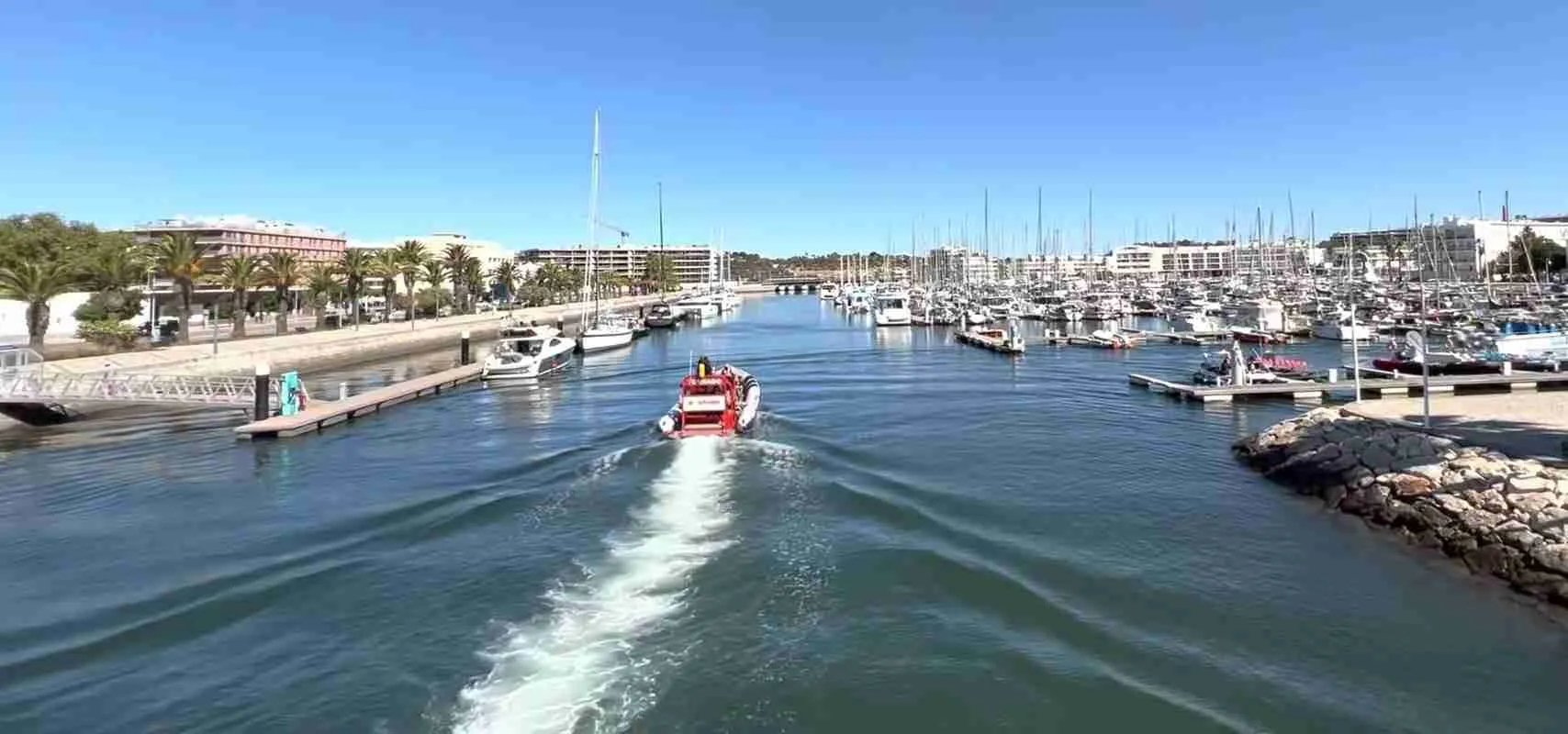
Private boats and charters dock at Lagos Marina offering Mediterranean yacht access though most visitors arrive via land transport. Marina provides 460 berths with seasonal reservations required May-September. Adjacent ferry services connect Lagos to Alvor in summer months (€10 round-trip, 30 minutes each direction) providing scenic alternative for day trips.
Transportation Within Lagos 2026: Getting Around
Lagos compact geography enables most visitors to navigate primarily on foot with selective public transport use for beach access and longer distances. Understanding available options optimizes convenience while controlling costs. The city’s walkable historic center concentrates restaurants, shops, and services within 15-minute strolls from most accommodation.
Walking: Primary Transportation Method
The historic center measures roughly 800 meters across enabling comfortable walking between major points in 10-15 minutes. Pedestrianized Rua 25 de Abril forms the main shopping street connecting Praça Gil Eanes central square with Praça Infante Dom Henrique near the harbor. Cobblestone surfaces dominate historic zones requiring appropriate footwear. Narrow sidewalks along some streets necessitate stepping into traffic during peak pedestrian periods. Most hotels and restaurants locate within this walkable core.
Coastal walking paths connect central Lagos with Meia Praia beach (2.5 kilometers east, 30-minute walk) and Ponta da Piedade lighthouse (2 kilometers south, 25-minute walk). The Ponta da Piedade clifftop boardwalk system enables scenic exploration with dramatic ocean views and beach access stairs. Summer heat makes afternoon walks challenging suggesting morning or evening timing for comfort.
ONDA Local Bus Service
Lagos operates ONDA municipal bus network serving beaches, neighborhoods, and shopping areas with single rides €1.50 valid one hour including transfers. Day passes (€4) offer unlimited travel value for visitors planning 3+ journeys. Purchase tickets from drivers (cash only) or through contactless payment where available. Bus stops marked with ONDA signs display route numbers but rarely show schedules requiring smartphone research or tourist office inquiry.
Key routes for visitors include services to Porto de Mós beach, Praia da Luz village, Palmares Golf, and Meia Praia. Buses run approximately every 30-60 minutes 7am-8pm weekdays with reduced weekend service. Summer extends some routes until 11pm serving beach club visitors. Routes 2 and 5 provide most tourist value connecting central Lagos with primary beaches.
VAMUS regional buses connect Lagos with neighboring Algarve towns including Sagres (€5, 45 minutes), Portimão (€5, 30 minutes), and Albufeira (€7, 1 hour 15 minutes). Purchase tickets at Lagos bus station (Terminal Rodoviário) on Avenida dos Descobrimentos. Services operate 6am-8pm with reduced weekend frequencies. Advance booking unnecessary except peak summer weekends.
Taxi and Ride-Hailing Services
Official taxis operate from Praça Gil Eanes rank in city center with metered fares starting €3.25 plus €0.47 per kilometer. Night rates (9pm-6am) and Sunday/holiday rates add 20% premium. Luggage and animal transport incur small surcharges. Airport runs and pre-negotiated fares often exceed metered costs. Insist on meter activation and obtain receipt. Limited English among drivers though smartphone translation apps bridge communication gaps.
Uber and Bolt provide reliable alternative with transparent pricing and cashless convenience. Lagos market depth ensures vehicles available within 5-10 minutes in central areas though response times extend in peripheral neighborhoods and during peak demand periods (Friday-Saturday nights, Sunday afternoons). Typical journeys cost €6-10 within greater Lagos with beach runs €8-12 depending on distance. Apps display exact fare before confirming ride eliminating negotiation uncertainty.
Bicycle and Scooter Rentals
Multiple shops rent bicycles €15-20 daily and electric scooters €20-30 daily including helmet and lock. Cycling suits flat coastal paths though hilly historic center proves challenging. Dedicated bike lanes remain limited requiring road sharing with motor traffic on most routes. Coastal path east toward Meia Praia offers protected cycling with ocean views. Electric bikes (€25-35 daily) reduce effort on climbs. Most rentals require passport deposit or credit card hold.
Car Rental for Regional Exploration
Renting cars from Lagos-based agencies facilitates Algarve exploration including Sagres, Carrapateira beaches, Serra de Monchique mountains, and eastern Algarve destinations beyond efficient public transport reach. Local companies Marina Car (office near marina) and Luzcar (behind Repsol station on Avenida dos Descobrimentos) offer competitive rates €18-30 daily including insurance with more flexible policies than international chains.
Parking within Lagos historic center proves challenging with limited street spaces and enforcement until 8pm charging €1-2 hourly. Several paid parking lots (€8-12 daily) serve visitors near marina and bus station. Many hotels lack parking requiring separate arrangements. Free parking exists in peripheral neighborhoods requiring 15-20 minute walks to center. Summer parking pressure necessitates early morning arrival for street spaces or acceptance of paid parking costs.
Accommodation Options Lagos 2026: Where to Stay
Lagos offers diverse accommodation spanning budget hostels to luxury clifftop resorts with over 270 properties competing across all categories. Understanding neighborhood characteristics, seasonal pricing dynamics, and value indicators enables optimal selection matching budget, preferences, and trip priorities. Advance booking windows vary dramatically by season with 2-4 weeks sufficient October-May but 8-12 weeks essential July-August for desirable properties.
Budget Accommodation €35-70 Nightly: Hostels and Budget Hotels
Lagos hostel scene ranks among Portugal’s best with modern facilities, strong social atmosphere, and convenient locations. Rising Cock Hostel operates since 2004 as party-hostel anchor with bar, events, and 2am-returning guests creating lively environment. Sol a Sol Hostel and Orange3 Hostel target mellower travelers preferring social interaction without party emphasis. HI Lagos (official Hostelling International) provides quiet traditional experience with private rooms alongside dormitories. Dormitory beds cost €18-30 nightly depending on season and room size with 8-bed dorms cheapest and 4-bed configurations commanding premium. Private rooms in hostels (€50-70) offer budget hotel alternative with hostel amenities and social opportunities.
Budget hotels and guesthouses deliver private accommodation €40-70 nightly typically including breakfast, private bathroom, and wifi. Casa Creativa Lagos and similar family-run properties provide personal attention and local recommendations though limited rooms (6-10 maximum) require advance booking. These properties concentrate in historic center enabling walking access to restaurants and marina. Expect smaller rooms (12-16 square meters), basic furniture, and occasionally shared bathrooms in lowest-price options. Portuguese hospitality standards ensure cleanliness and functionality even in economy properties.
Location strategy for budget travelers prioritizes walkability over views or amenities. Historic center positioning eliminates transportation costs and maximizes time efficiency. Properties near Praça Gil Eanes or along Rua 25 de Abril place guests within 5-minute walk of restaurants, supermarkets, and attractions. Peripheral locations require bus rides (€1.50 each direction) or 20-30 minute walks potentially offsetting accommodation savings.
Mid-Range Hotels €100-200 Nightly: Comfort and Convenience
Lagos mid-range category delivers substantial value with 3-4 star hotels offering quality service, central locations, and amenities including pools, breakfast, and concierge assistance. Tivoli Lagos (4-star, eco-certified) combines business and leisure facilities with spa, indoor pool, and marina-adjacent location. Lagos Atlantic Hotel provides rooftop pool, generous breakfast spread, and walking distance to Batata Beach. Lagos Avenida Hotel features contemporary design, marina views, and acclaimed Avenida Restaurante serving creative Portuguese cuisine.
This category typically includes spacious rooms (20-30 square meters), air conditioning, modern bathrooms, safes, and work desks. Daily housekeeping, 24-hour reception, and multilingual staff support smooth operations. Pools (often rooftop with views) operate May-October. Buffet breakfasts showcase Portuguese specialties including pastéis de nata, fresh fruit, regional cheeses, and hot dishes. Many properties provide packed beach bags, umbrellas, and towel service.
Marina-area hotels command €20-40 premiums over equivalent properties in less scenic locations but deliver sunset views and immediate restaurant access. Historic center hotels embed guests in atmospheric cobblestone lanes though potential nighttime noise from bars warrants higher-floor room requests. Properties near Meia Praia beach trade central location for beachfront convenience suiting visitors prioritizing sand and sea over cultural exploration.
Luxury Accommodation €250-500 Nightly: Premium Experiences
Lagos luxury segment includes boutique hotels, clifftop resorts, and design-forward properties delivering exceptional service and distinctive experiences. Cascade Wellness Resort (5-star) occupies clifftop position between Ponta da Piedade and Porto de Mós beach offering tranquil atmosphere, spectacular pool complex, spa facilities, and high-end dining. The property suits travelers seeking resort experience with Lagos exploration as secondary priority. Iberostar Selection positions along Meia Praia beach delivering 5-star beachfront resort with multiple pools, restaurants, and full-service amenities though 2.5-kilometer distance from center requires transportation planning.
Casa Mãe represents boutique luxury blending Portuguese architectural heritage with contemporary refinement through carefully designed intimate spaces emphasizing local art, traditional tile work, and modern comforts. The Editory by the Sea Lagos combines modern aesthetic with garden setting, outdoor pool, and quality restaurant in peaceful location slightly removed from central energy. Rooms in luxury properties measure 30-50 square meters with attention to design details, premium bedding, high-end bathrooms featuring rainfall showers or soaking tubs, and private balconies or terraces.
Luxury properties distinguish through personalized service including pre-arrival communication, customized recommendations, restaurant booking assistance, and private tour arrangements. Many offer in-room spa treatments, curated minibar selections, premium toiletries, and pillow menus. Common areas feature design furniture, art collections, and landscaped gardens or pools functioning as destinations themselves. Breakfast evolves into gourmet experience with à la carte options, champagne service, and chef preparation of eggs and specialty dishes.
Alternative Accommodation: Apartments and Villas
Self-catering apartments suit families and longer stays (7+ nights) providing kitchen facilities, living spaces, and weekly rates offering value versus nightly hotel costs. Properties range from simple studios (€60-90 nightly) to multi-bedroom apartments (€150-300 nightly) accommodating 4-8 guests. Neighborhoods including Old Town, Marina area, and Porto de Mós concentrate apartment inventory. Booking platforms including Airbnb, VRBO, and Booking.com list hundreds of options though Portuguese housing restrictions limit residential area rentals protecting local housing availability. Communicate directly with property owners regarding check-in procedures, parking availability, and cleaning arrangements.
Villas in surrounding areas deliver privacy and space for groups with private pools, multiple bedrooms, and outdoor dining areas (€200-600 nightly). These properties typically require car rental due to non-central locations in areas like Palmares, Porto de Mós hills, and inland properties. Weekly bookings (Saturday-Saturday) dominate summer with minimum stays often required.
Neighborhood Selection Guide 2026
Lagos Old Town (historic center) delivers maximum atmosphere, restaurant variety, and walkability at cost of potential nighttime noise and narrow streets. Marina area combines views, dining diversity, and boat tour proximity with premium pricing. Meia Praia beach zone suits beach-focused visits offering resort atmosphere and sunrise views though requiring transportation for central Lagos exploration. Porto de Mós residential area provides local authenticity and beach proximity with limited dining options requiring transport or walks to center. Luz village (6 kilometers from Lagos) operates as self-contained beach community attractive for families seeking smaller-scale atmosphere with day-trip access to Lagos attractions.
Understanding these geographical trade-offs enables strategic accommodation selection matching trip priorities. Cultural exploration and nightlife favor Old Town. Families with children benefit from Meia Praia’s calm waters and resort amenities. Budget travelers maximize value in historic center avoiding transportation costs. Luxury travelers seeking tranquility select clifftop resorts accepting reduced central access.
Daily Budget Planning Lagos 2026: Cost Breakdown
Understanding daily expense patterns across accommodation, food, activities, and transport enables realistic trip budgeting and spending optimization. Lagos delivers strong value compared to northern European beach destinations with quality experiences accessible across budget tiers. The following breakdowns assume two travelers sharing accommodation with hotel costs divided equally, representing standard travel patterns for couples or friends traveling together.
Budget Travel €85-110 Per Person Daily
Budget travelers prioritize cost minimization while maintaining reasonable comfort and accessing key experiences. Accommodation represents the category’s most flexible element with hostel dormitories (€20-25 per night) versus budget hotel rooms (€60-70 total, €30-35 per person sharing) trading privacy for savings. Hostel dormitories concentrate solo travelers and backpackers creating social opportunities but accepting shared sleeping spaces, potential snoring, and early-morning disruptions from roommates. Budget hotel rooms deliver privacy enabling couples to share economically.
Food costs control through strategic supermarket use combined with selective restaurant meals. Breakfast from Pingo Doce or Continente supermarkets (€5-8) includes fresh bread, cheese, fruit, yogurt, and coffee prepared at accommodation or picnicked at beach. Lunch from inexpensive eateries like A Forja (€12-18) or supermarket-prepared meals (€8-12) maintains nutrition without premium pricing. Dinner at traditional Portuguese restaurants Adega da Marina or Tasca da Lota (€15-25 per person including drink) delivers authentic cuisine with generous portions. Daily food total averages €32-51 per person through this mixed approach. Self-catering multiple meals daily reduces costs further though sacrifices dining experiences representing cultural exploration component.
Activities emphasize free beaches, self-guided walking, and selective paid experiences. Days structured around beach time (free), clifftop walking at Ponta da Piedade (free), historic center exploration (free), and one Ponta da Piedade boat tour (€20-25) create memorable experiences without constant spending. Municipal museum (€3) and afternoon wandering through neighborhoods cost nothing beyond comfortable shoes. Budget travelers skip premium restaurants, private tours, and expensive boat excursions in favor of natural beauty and cultural immersion requiring minimal expenditure. Activities average €23-30 daily accounting for occasional paid boat tours and museum visits.
Transportation relies on walking supplemented by ONDA buses when necessary. Historic center accommodation eliminates most transport needs with beaches reachable via €1.50 bus rides. Daily transport costs average €3-5 accounting for 1-2 bus trips. Budget travelers walk whenever feasible accepting 25-30 minute walks as exercise and exploration opportunity rather than inconvenience.
This budget enables authentic Lagos experience without luxury pretensions. Travelers accepting hostel dormitories, cooking some meals, and walking extensively explore Lagos comfortably for €85-110 daily per person. Groups of friends splitting apartment rentals and preparing meals collectively reduce costs toward the lower bound while maintaining more privacy than hostel dormitories. Solo travelers face higher per-person costs through single room supplements or acceptance of dormitory sleeping.
Mid-Range Comfort €170-245 Per Person Daily
Mid-range travelers balance comfort with value through quality 3-4 star hotels, diverse dining, and selective premium experiences. Accommodation in properties like Tivoli Lagos or Lagos Atlantic Hotel (€140-180 nightly, €70-90 per person sharing) delivers genuine comfort, breakfast inclusion, pools, and service supporting relaxed holidays. Private rooms, daily housekeeping, and amenities including safes, air conditioning, and quality bedding represent meaningful upgrades from budget tier. Buffet breakfasts eliminate morning planning and costs while showcasing Portuguese specialties.
Dining expands to embrace Lagos restaurant diversity. Breakfast (included at most mid-range hotels) saves €8-12 daily. Lunch at quality restaurants like Casa do Prego, O Camilo, or Pearl Food Trailer (€18-28 per person with drink) samples regional specialties in atmospheric settings. Dinner at Avenida Restaurante, Tasca Jota, or similar establishments (€30-50 per person with wine) accesses elevated Portuguese cuisine prepared by skilled chefs using quality ingredients. Occasional splurges at Al Sud or other premium venues punctuate the week without dominating budget. Daily food costs average €48-77 per person through this balanced approach mixing quality restaurants with strategic choices avoiding tourist-trap pricing.
Activity selection broadens to include multiple boat tours, kayaking, surfing lessons, and premium experiences. Budget allocates for Ponta da Piedade boat tour (€25), Benagil caves excursion (€45), and perhaps kayaking experience (€40) across a week. Wine tastings, cooking classes, and guided walking tours enrich cultural understanding beyond free self-exploration. Museum visits, historic site tickets, and beach equipment rentals accumulate without constant calculation. Activities average €40-60 daily enabling diverse experiences without continuous budget monitoring.
Transportation expands beyond walking to include Uber rides (€8-12) for comfort or time-saving, ONDA bus passes (€4 daily) for unlimited beach access, and occasional taxis for restaurant returns or late-night convenience. Car rental (€25-30 daily) facilitates Algarve day trips exploring Sagres, Monchique mountains, or eastern Algarve beaches. Daily transport averages €12-20 depending on day trip frequency and willingness to walk versus ride.
Mid-range budget supports comfortable Lagos exploration without constant economizing. Quality accommodation, excellent dining variety, diverse activities, and convenient transport enable focused vacation time rather than budget management. Couples and families occupy this category most commonly, valuing experiences and comfort over maximum savings.
Luxury Indulgence €320-460 Per Person Daily
Luxury travelers prioritize exceptional experiences, premium service, and distinctive memories over cost considerations. Accommodation at Cascade Wellness Resort, Iberostar Selection, or boutique properties (€280-360 nightly, €140-180 per person sharing) delivers resort-level amenities, spectacular settings, personalized service, and spaces functioning as destinations themselves. Private balconies with ocean views, in-room spa treatments, gourmet breakfast service, and concierge assistance create elevated daily experiences.
Dining emphasizes Lagos culinary pinnacle through Michelin-starred Al Sud, creative Avenida Restaurante, and quality seafood establishments. Breakfast in-room service or gourmet hotel buffets (included) starts days luxuriously. Lunch at premium waterfront venues (€35-50 per person) pairs ocean views with refined cuisine. Dinner at Al Sud or Don Sebastião (€60-90 per person with wine pairings) represents culinary achievement showcasing Portuguese ingredients through elevated techniques. Wine selections emphasize regional excellence rather than house pours. Daily food costs average €95-140 through this emphasis on dining as experience rather than mere sustenance.
Activities focus on exclusive experiences unavailable at lower tiers. Private boat charters (€200-300 for half-day) enable customized coastal exploration without crowds. Helicopter tours, private surf coaching, premium wine experiences, and exclusive access opportunities characterize this category. Professional photography sessions, couples’ spa treatments, and curated tours with expert guides deliver memorable experiences justifying premium pricing. Activities average €60-100 daily though expensive excursions create fluctuation.
Transportation emphasizes convenience through private transfers, car rental with premium vehicles, and unrestricted Uber/taxi use. Time becomes primary consideration rather than cost. Private transfers from Faro Airport (€80-90), luxury car rental (€60-80 daily), and spontaneous taxi use accumulate without calculation. Daily transport averages €25-40 depending on day trip frequency and chosen vehicle class.
Luxury budget enables Lagos finest experiences without compromise. Premium accommodation, exceptional dining, exclusive activities, and convenient transport deliver distinctive vacation creating lasting memories. This category suits special occasions, milestone celebrations, and travelers valuing quality and uniqueness over budget consciousness.
Weekly Budget Summaries 2026
Seven-day Lagos visits (excluding flights) cost approximately €595-770 per person for budget travel, €1,190-1,715 for mid-range comfort, and €2,240-3,220 for luxury experiences. These totals assume steady daily spending without single high-cost excursions dramatically impacting averages. Individual days fluctuate based on activities with beach-focused days costing less than boat tour or restaurant-heavy days. Groups splitting accommodation and meal costs trend toward lower ranges while solo travelers accepting single supplements or dormitories trend toward upper ranges within their chosen category.
Food and Dining Lagos 2026: Culinary Exploration
Lagos culinary scene balances traditional Portuguese specialties with contemporary innovation, where family-run establishments serving time-tested recipes alongside young chefs reimagining regional classics. The city’s fishing heritage ensures seafood dominance though meat dishes and vegetarian options increasingly populate menus. Understanding dining patterns, pricing tiers, and signature dishes enables culinary exploration matching interests and budget.
Traditional Portuguese Restaurants
Adega da Marina operates since establishment as Lagos institution serving generous portions of grilled fish, seafood rice, cataplana stews, and meat dishes in lively authentic atmosphere. The restaurant seats 200+ creating bustling energy particularly summer evenings when lines form before 7pm opening. Grilled fish selections change daily based on morning catch with dorado (sea bream), robalo (sea bass), and sardinhas (sardines) representing standard options. Portions accommodate Portuguese appetites often proving excessive for single diners suggesting sharing. Mains cost €15-25 per person with drinks, bread, and olives adding €5-8. The space lacks refinement favoring authenticity over polish.
Tasca da Lota specializes in petiscos (Portuguese tapas) and fresh seafood in cozy atmosphere emphasizing local ingredients and traditional preparations. Octopus salad, grilled prawns, chorizo flambéed tableside, and regional cheeses encourage sharing enabling diverse sampling. The restaurant accommodates 40 diners creating intimate ambiance contrasting Adega da Marina’s grand scale. Reservations advisable summer weekends. Expect €18-28 per person for satisfying meal including drinks.
A Forja (“the blue door restaurant”) maintains no-reservations policy creating constant queues testifying to quality grilled fresh fish served without pretense at remarkable prices. The family operation grills whole fish (€12-20 per person depending on selection) accompanied by boiled potatoes, salad, and olive oil. Arrive before 7:30pm or after 9pm avoiding peak crush. The stripped-down approach (paper tablecloths, basic wine, minimal service) emphasizes food quality over atmosphere suiting diners prioritizing taste and value.
Contemporary and Creative Dining
Al Sud earned Michelin star through chef Louis Anjos’s reinterpretation of Algarve ingredients using modern techniques and artistic presentations. Tasting menus (€120-150 per person without wine) progress through 8-10 courses showcasing seafood from Sagres auction, regional vegetables, and occasional meat courses. Ocean views through floor-to-ceiling windows complement dining experience. Wine pairings (€60-80) emphasize Portuguese vintages with international selections available. Reserve 2-3 weeks ahead for preferred dates. The experience demands 2.5-3 hours enabling proper pacing and appreciation.
Avenida Restaurante embodies modern Lagos dining through chef Roeland Klein’s creative approach to Portuguese and international influences. Six-course discovery menu (€65-85) rotates seasonally while lunch menu (€35-45 for three courses) delivers value without sacrifice. Marina location provides sophisticated atmosphere with bay windows, contemporary design, and attentive service. Wine list emphasizes Portuguese excellence across price points. The restaurant attracts discerning diners seeking elevation without Michelin formality.
Tasca Jota interprets Portuguese traditions through youthful energy and creative presentations. Stone floors, wooden beams, and candlelight create atmospheric backdrop for tapas including cod ceviche, tamarind chicken wings, and signature pork belly. Main courses €18-28 showcase quality ingredients and skilled preparation. The small space (35 seats) requires reservations summer months. Expect 90-minute dining windows supporting turnover necessary for sustainability.
Seafood Specialists
O Camilo occupies clifftop position above Praia do Camilo delivering spectacular ocean views through glass walls or from outdoor terrace. Grilled fresh fish, tiger prawns, seafood rice, and lobster (market price) represent menu cornerstones. The family operation maintains quality standards through decades of operation. Expect €25-35 per person for complete meal. Beach access stairs connect restaurant with namesake beach enabling combined dining-swimming days. Summer lunch requires advance arrival or late afternoon timing avoiding peak crush.
Pearl Food Trailer operates as chic oyster and wine bar from retro trailer on Lagos Marina pier. Fresh oysters (€2-3 each), prawns, and accompanying vinho verde create perfect light lunch or pre-dinner appetizers. The concept executes simple formula brilliantly with impeccable product quality and marina atmosphere. Expect €15-25 per person for satisfying snack. Operating hours 12pm-8pm with occasional closures during storms.
International and Casual Dining
Green Room serves Mexican cuisine with surfer atmosphere attracting younger crowds and Taco Tuesday promotions (free taco with drink purchase before 7pm). Burritos, enchiladas, and tacos deliver satisfying portions €12-18 per person. Vegetarian options abundant. Craft beer selection emphasizes Portuguese microbreweries alongside international choices. The social vibe encourages lingering though close table spacing creates limited privacy.
Qwazi Hamburgueria elevates burger craft through quality beef, creative toppings, and proper technique. Burgers €10-16 accompanied by proper chips satisfy without gourmet pretensions. The straightforward approach suits families and casual diners seeking familiar comfort with Portuguese quality standards.
Budget Dining Strategies
Lagos municipal market (Tuesday-Saturday mornings) sells fresh produce, regional specialties, fish, and prepared foods enabling picnic assembly at fraction of restaurant costs. Supermarkets Pingo Doce (near marina) and Continente (bus station area) stock prepared meals, rotisserie chicken, salads, and essentials for self-catering. Bakeries throughout historic center sell fresh bread (€1-2), pastéis de nata (€1), and sandwiches (€3-5) perfect for beach days or budget lunches. Many restaurants offer lunch menu deals €10-15 delivering three courses at significant discount versus dinner pricing.
Dining Customs and Timing
Portuguese dining follows relaxed southern European patterns with lunch 1-3pm and dinner 8-10pm. Arriving 7pm finds many restaurants empty with seating without reservations though atmosphere builds as evening progresses. Bread, butter, and olives arriving at tables represent billable items (€1-3) though refusal prevents charges. Service incorporates cover charges (couvert) separate from discretionary tipping. Portuguese waiters provide professional service without American-style constant checking. Tipping ranges 5-10% for good service with rounding up bills common for casual meals. Credit cards accepted universally though small family establishments occasionally prefer cash.
Top Attractions and Activities Lagos 2026
Lagos attractions blend natural wonders, historical sites, and modern experiences creating diverse itinerary possibilities. The following represent core experiences most visitors prioritize while planning Lagos stays. Strategic timing and advance planning optimize satisfaction and minimize crowds.
Ponta da Piedade: Geological Masterpiece
Ponta da Piedade headland (2 kilometers south of central Lagos) represents the region’s defining natural feature where Atlantic waves carved golden limestone into cathedral-sized grottoes, delicate arches, isolated pillars, and hidden passages creating otherworldly coastal landscape. This geological formation spans 20 million years of sediment layering, uplift, and erosion producing colors ranging from deep ochre to cream depending on mineral content and light conditions.
Experience the formations through three distinct approaches. Clifftop viewing via wooden boardwalk system (free access, open 24 hours) enables photography and scale appreciation from above with dramatic perspectives impossible from sea level. The boardwalk extends roughly 800 meters connecting multiple viewpoints with benches for sunset watching. Arrive golden hour (90 minutes before sunset) capturing optimal light painting cliffs in warm tones. Morning light works for eastern-facing formations though afternoon-evening delivers superior drama. The 1.5-kilometer walk from Lagos center takes 25-30 minutes through residential streets or follow coastal path adding scenic distance.
Boat tours (€20-35, 75 minutes) navigate directly into grottoes and through arches where ceiling height allows standing in open boats while floating through passages barely wider than vessel width. Small traditional Portuguese boats accommodate 10-12 passengers enabling tight maneuvering impossible for larger vessels. Tours depart Lagos Marina continuously 9am-6pm summer (reduced winter schedule) with no advance booking required except peak summer weekends. Multilingual guides provide geological history and formation stories in English, Portuguese, Spanish, French, German, and Italian. Tours venture into famous caverns nicknamed Cathedral, Kitchen, and Living Room based on formations suggesting domestic spaces. Calm water days enable deepest penetration while rough conditions restrict access protecting visitor safety.
Kayaking expeditions (€42-47, 2 hours) provide exercise combined with exploration enabling paddlers to investigate smallest passages where motor boats cannot venture. Tours include equipment, guide instruction, and safety briefing suitable for beginners accepting moderate physical challenge. The guided format provides geological information while managing group pacing and safety. Independent kayak rental (€20-25 for 2 hours) suits experienced paddlers preferring autonomous exploration though requires competent navigation and water skills. Sea conditions critically impact experience with calm mornings optimal and afternoon winds creating challenging paddling.
Lagos Historic Center: Maritime Heritage
The walled historic center preserves Portugal’s Age of Discovery legacy through architectural landmarks, museums, and atmospheric streets where exploration legacy permeates daily life. City walls date to 16th century with segments including Moorish fortifications from earlier Islamic occupation. Walking the walls (free access) provides elevated city views and architectural appreciation. Forte Ponta da Bandeira guards harbor entrance with museum displays covering exploration history and African contact (€3 entry, closed Mondays). The fortress interior includes maritime exhibits, 17th-century chapel, and rampart views across harbor and ocean.
Slave Market Museum occupies Europe’s first slave market building confronting uncomfortable history where African slaves arrived following Portuguese exploration beginning 1440s. Contemporary museum presentation examines trade economics, human costs, and lasting impacts through artifacts, documentation, and multimedia presentations. Entry €3, closed Mondays. The difficult history merits engagement understanding Portuguese role in Atlantic slave trade initiation.
Igreja de Santo António represents Baroque architectural achievement with gilded carved woodwork, azulejo tile panels, and ceiling paintings creating ornate interior contrasting plain exterior. The church operates as museum (€3 including adjacent Municipal Museum) with guides explaining artistic and historical significance. Adjacent Municipal Museum displays archaeological finds, regional costumes, and Lagos history through artifacts spanning Roman occupation to 20th century. Combined entry justifies both sites.
Simply wandering historic center reveals architectural details including azulejo tiles, wrought-iron balconies, carved doorways, and restored townhouses. Praça Infante Dom Henrique honors Henry the Navigator who established navigation school near Lagos. Praça Gil Eanes functions as social center where locals gather evenings and street performers entertain. Rua 25 de Abril pedestrianized shopping street concentrates retail, cafes, and restaurants in car-free environment enabling relaxed browsing.
Lagos Beaches: 15 Distinct Options
Lagos environs contain 15 named beaches each with distinct character, accessibility, and amenities creating diverse options matching preferences. Meia Praia (4 kilometers long) represents Lagos largest beach with golden sand, calm waters, and complete facilities including lifeguards, restaurants, water sports rentals, and parking. The eastern location catches morning sun with afternoon shade from cliffs. Walking access via coastal path or 5-minute ONDA bus ride (€1.50). Family-friendly shallow water and soft sand suit children. The beach never reaches capacity unlike cliff-backed coves.
Praia Dona Ana consistently ranks Portugal’s most beautiful beaches with towering golden cliffs, rock formations, and sheltered swimming cove. Steep stairs (70 steps) access the beach from clifftop parking or walking path. The small size (80 meters long) creates crowding summer middays requiring 9-10am arrival securing preferred positions. Crystal-clear water and dramatic scenery reward early commitment. Beach bar provides refreshments and lunch. Swimming between rock formations creates adventure though rip currents require caution beyond protected cove. The beach sits 1.2 kilometers south of Lagos center via coastal walking path.
Praia do Camilo ranks among Algarve’s most photographed beaches with wooden staircase (200 steps) descending cliff face to small golden cove surrounded by limestone pillars. The intimate scale accommodates perhaps 100 people maximum creating perpetual summer crowding. Early morning (before 10am) or late afternoon enables appreciation without shoulder-to-shoulder conditions. Natural arch connects to neighboring cove accessible at low tide. Beach bar at staircase top serves snacks and drinks. The clifftop O Camilo restaurant provides spectacular views. Located 2.5 kilometers south of Lagos requiring walk, bike, or bus #2 (€1.50).
Porto de Mós Beach offers long sandy stretch (500 meters) with moderate crowds, complete facilities, surf conditions, and western location catching afternoon sun. The beach attracts surfers and body boarders though swimmers find calmer southern end zones. Restaurants, parking, and lifeguards support full beach days. Bus service connects central Lagos though many visitors walk 1.5 kilometers from center. Families appreciate less dramatic access and spacious sand accommodating beach games and relaxation without cliff stairs.
Additional beaches including Pinhão, Estudantes, and Batata provide options within walking distance of historic center (10-15 minutes) offering convenience without dramatic scenery. These smaller coves suit quick beach breaks between cultural exploration. Summer crowds compress limited space creating shoulder-to-shoulder conditions by midday. Western beaches toward Sagres including Zavial and Ingrina require transport but deliver powerful waves for surfing and dramatic Atlantic exposure with fewer tourists.
Boat Tours and Water Activities
Beyond Ponta da Piedade, extended boat tours explore coastline toward Benagil caves (€42-51, 2-3 hours) though the famous Benagil cathedral cave lies beyond Lagos municipality requiring boat departure from Portimão or road transport to site. Dolphin watching tours (€51-70, 2.5 hours) venture offshore seeking common dolphins and bottlenose dolphins frequenting these waters with marine biologist commentary explaining behaviors and conservation. Success rates vary though operators generally achieve sightings on 60-70% of trips. Summer brings highest dolphin activity.
Surfing lessons (€40-55, 2 hours including equipment) introduce beginners to Atlantic waves with instructors teaching beach fundamentals before water practice. Lagos beaches provide forgiving learning conditions though surf quality proves inconsistent compared to Sagres or Arrifana further west. Stand-up paddleboarding rentals (€15-20 hourly) enable calm-water exploration in protected coves and marina areas. Jet ski tours (€80-120, 30-60 minutes) deliver speed and excitement exploring coastline at pace impossible under paddle or motor power. Snorkeling proves disappointing compared to Mediterranean clarity though rocky areas near Ponta da Piedade support some fish populations.
Day Trips from Lagos 2026
Sagres (45 minutes west via bus €5 or car) occupies dramatic clifftop position where Portugal ends and Atlantic begins. Cape São Vicente lighthouse marks continental Europe’s southwestern extremity with vertigo-inducing cliffs plunging 60 meters to ocean. Fortaleza de Sagres fortress contains navigation school ruins and exhibits covering Portugal’s exploration history. Sagres town provides excellent surfing, seafood restaurants, and launching point for western Algarve coastal beaches. Day trips combine fortress, lighthouse, lunch, and beach time returning to Lagos evening.
Silves (40 minutes northeast via car, bus connections exist but prove inconvenient) served as Moorish capital of Algarve Kingdom maintaining impressive hilltop castle and cathedral. Red sandstone castle represents best-preserved Algarve fortification with walls, towers, and cisterns dating to Moorish occupation. The medieval atmosphere and limited tourism create authentic exploration. Combine with Monchique mountain villages (additional 30 minutes) experiencing interior Algarve landscapes, eucalyptus forests, and mountain springs contrasting coastal plains.
Sample Lagos Itineraries 2026
Strategic day-by-day planning optimizes Lagos exploration balancing beach time, cultural activities, dining experiences, and rest periods. The following itineraries represent tested approaches accommodating first-time visitors while remaining flexible for spontaneous adjustments based on weather, energy, and emerging interests.
Three-Day First-Timer Lagos Weekend 2026
Day 1 – Arrival and Historic Center Orientation: Arrive Lagos mid-morning via Faro Airport transfer or Lisbon transport. Check into accommodation and explore historic center on foot. Visit Praça Gil Eanes for orientation, walk pedestrianized Rua 25 de Abril observing shops and cafes, and locate supermarket for supplies. Lunch at budget-friendly A Forja (€12-18) sampling grilled fish. Afternoon explores city walls, Forte Ponta da Bandeira fortress, and marina area understanding geographic layout. Evening dinner at Adega da Marina (€15-25) experiencing Portuguese restaurant atmosphere. Early sleep compensating for travel. Day cost: accommodation €30-90 per person depending on category, meals €30-45, fortress entry €3, minimal transport within Lagos. Total approximately €65-140 per person.
Day 2 – Ponta da Piedade and Beach Exploration: Breakfast at accommodation then morning Ponta da Piedade boat tour from Lagos Marina (€20-25, 10am departure optimal for light). Return to historic center for light lunch at Pearl Food Trailer (€15-25) with marina views. Afternoon beach time at Dona Ana or Camilo beaches with early arrival (1pm) securing positions before peak crowds. Pack towels, water, and sunscreen. Clifftop walking at Ponta da Piedade during golden hour photography (7-8pm summer). Dinner at Tasca da Lota (€20-30) sampling petiscos and regional specialties. Day cost: boat tour €20-25, meals €40-60, no transport if walking, beach free. Total approximately €65-90 per person.
Day 3 – Meia Praia and Departure Preparation: Morning walk or bus to Meia Praia beach experiencing Lagos long sandy beach with different character from cliff coves. Beach time with swimming and relaxation. Late lunch at beachfront restaurant (€18-28) or picnic from supermarket purchases (€8-12). Afternoon shopping for souvenirs, Portuguese ceramics, or regional products along Rua 25 de Abril and surrounding streets. Final evening dinner at Avenida Restaurante (€35-50) if budget allows or Casa do Prego (€15-25) for rooftop atmosphere. Sunset marina walk reflecting on Lagos experiences. Day cost: meals €40-80 depending on choices, transport €1.50 bus, shopping variable. Total approximately €45-85 per person plus souvenirs.
Three-day total: approximately €175-315 per person excluding accommodation depending on dining choices and shopping. Budget travelers trend €175-225, mid-range €225-290, allowing luxury dinner experiences pushes toward €315.
Five-Day Comprehensive Lagos Experience 2026
Day 1 – Arrival and Settling: Similar to three-day Day 1 with relaxed pacing. Evening explores marina sunset and identifies restaurant options for coming days. Day cost: approximately €65-140 per person.
Day 2 – Ponta da Piedade Focus: Dedicate full day to signature attraction. Morning clifftop walking photographing formations (free). Midday boat tour (€20-25) experiencing grottoes from sea level. Late lunch at O Camilo (€25-35) combining dining with Camilo Beach visit. Afternoon beach time or kayaking adventure (€42-47) for active exploration. Sunset watching from clifftop boardwalk. Casual dinner in historic center at Portuguese restaurant (€18-28). Day cost: €110-180 per person depending on kayaking choice and dining selections.
Day 3 – Beach Variety Day: Morning at Porto de Mós beach experiencing surf energy and western exposure. Pack beach bag and supplies. Midday relocates to Dona Ana for cliff scenery contrast. Picnic lunch from morning supermarket purchases (€8-12) or beach bar snacks (€15-20). Afternoon continues at chosen beach or visits multiple coves comparing characteristics. Early evening returns historic center for shower and rest. Dinner explores new restaurant category perhaps contemporary dining at Tasca Jota (€20-30). Day cost: €35-70 per person emphasizing free beach time.
Day 4 – Sagres Day Trip: Morning bus to Sagres (€5, 45 minutes) or rental car for flexibility. Visit Fortaleza de Sagres fortress and Cape São Vicente lighthouse exploring Portugal’s edge. Lunch at Sagres seafood restaurant (€20-30) overlooking dramatic coastline. Afternoon beach time at Beliche or Tonel beaches experiencing Atlantic power. Return Lagos evening. Dinner at budget-friendly establishment (€15-20) after full day excursion. Day cost: transport €5-20 depending on bus vs car, meals €40-55, fortress entry €3. Total approximately €50-80 per person.
Day 5 – Cultural Depth and Departure: Morning visits Igreja de Santo António and Municipal Museum (€3 combined entry) appreciating Baroque artistry and regional history. Slave Market Museum (€3) confronts difficult historical legacy. Final beach time at Meia Praia for different character or relaxed final hours. Farewell lunch at quality establishment (€25-40) celebrating successful trip. Afternoon packing and preparing departure. Early dinner if evening transport or relaxed final meal at favorite discovered establishment. Day cost: €50-90 per person depending on final splurge desires.
Five-day total: approximately €310-560 per person excluding accommodation across budget and spending philosophies. This itinerary balances must-see attractions, beach variety, day trip exploration, cultural sites, and spontaneous discovery time enabling deep Lagos appreciation beyond rushed weekend visit.
Money-Saving Strategies Lagos 2026
Strategic planning and local knowledge enable significant Lagos cost reduction without sacrificing experience quality. The following proven techniques deliver value while maintaining comfort and accessing signature attractions.
Timing Optimization for Maximum Value
Shoulder season visits (May, September-October) deliver 30-40% accommodation savings, reduced restaurant waits eliminating need for advance booking, and superior beach experience without July-August sardine-can crowding. September particularly offers warm water, reliable weather, and dramatic price reductions as European families return home when schools resume. Winter visits (November-March) slash accommodation 50% but gamble on weather requiring acceptance of 15-20°C temperatures and occasional rain offsetting cost savings through reduced beach viability.
Midweek arrivals secure lower hotel rates than Friday-Sunday check-ins. Booking 4-6 weeks ahead enables early-bird discounts while maintaining destination flexibility impossible with last-minute decisions. Package deals combining flights and accommodation through major booking platforms occasionally deliver bundled savings though independent booking often proves cheaper enabling component optimization.
Accommodation Value Maximization
Hostel private rooms deliver hotel privacy at dormitory-adjacent pricing (€50-70 nightly for couples versus €60-90 budget hotel rooms). Apartment rentals (€70-120 nightly) suit groups of 4+ splitting costs with kitchen enabling meal preparation reducing daily food expenses €20-30 per person. Weekly rates provide 10-15% discounts over nightly booking. Peripheral neighborhoods including Porto de Mós or inland areas cost €15-25 less nightly than marina-adjacent properties requiring 15-minute walk accepting location trade-off for savings. Free breakfast inclusion saves €8-12 per person daily justifying slightly higher room rates at mid-range hotels versus breakfast-excluded budget options.
Food Cost Control Without Sacrifice
Supermarket breakfast assembly (€5-8 per person) replaces restaurant breakfast (€10-15) through fresh bread, regional cheese, fruit, yogurt, and coffee prepared at accommodation. Lunch menu deals at restaurants (€10-15 for three courses) deliver restaurant experiences at 40% discount versus dinner pricing for identical kitchens. Lagos Municipal Market (Tuesday-Saturday mornings) provides fresh produce, fish, cheese, and olives enabling picnic assembly or apartment cooking at fraction of restaurant costs. Beach picnics create memorable dining with ocean soundtrack and sunset views impossible in restaurants.
Pingo Doce and Continente supermarkets sell prepared meals, rotisserie chicken, and ready-to-eat options (€5-10 per person) providing dinner alternatives when exhaustion prevents restaurant energy. Portuguese bakeries throughout historic center sell fresh sandwiches (€3-5), pastries, and coffee creating budget lunch options. Strategic restaurant selection favoring Portuguese establishments over tourist-oriented venues delivers better quality at 20-30% lower cost. House wine rather than premium bottles provides perfectly acceptable accompaniment at €3-5 versus €15-25 bottles. Declining bread and olives couvert charges saves €2-3 per person at each meal.
Activity and Attraction Savings
Free experiences including beaches (always free), clifftop walking at Ponta da Piedade (free), historic center exploration (free), sunset watching (free), and people-watching at Praça Gil Eanes (free) constitute memorable Lagos components without cost. One strategically chosen boat tour (€20-25) satisfies grotto exploration without booking every available excursion. Municipal museums (€3) deliver cultural enrichment at minimal cost. Beach equipment sharing with travel companions halves umbrella and lounger rental costs or eliminates them entirely through towel usage on sand.
Group tour bookings sometimes offer discounts for 4+ participants. Advance online booking occasionally provides 10-15% savings versus marina kiosk purchases day-of. Tuesday low-season operations occasionally discount boat tours seeking customers. Ponta da Piedade walking at clifftop level provides spectacular views and photography opportunities free versus paid boat tours experiencing formations from sea level complementing rather than replacing boat experience but enabling satisfaction without multiple tour bookings.
Transportation Cost Reduction
Walking maximum feasible distances (historic center measures 800 meters across enabling 15-minute walks between most points) eliminates transport costs entirely. ONDA day passes (€4) deliver unlimited bus travel value versus single rides (€1.50 each) for days requiring 3+ journeys. Bicycle rental (€15 daily) enables beach hopping and neighborhood exploration at fixed cost versus multiple bus rides or Uber trips accumulating through day. Car sharing with other travelers divides rental costs making day trips economical versus solo rental burden.
Bus travel from Faro Airport (€17) versus Uber (€30-35) or taxi (€90-110) saves significantly accepting 2-hour journey versus 50-minute drive. Booking private transfers weeks ahead secures €80 rates versus €90-110 last-minute pricing. Bus travel to Sagres (€5 each way) versus rental car (€25 daily plus fuel €6-8) suits solo travelers though groups of 3+ find car rental economical dividing costs three-four ways. Walking to Ponta da Piedade (free, 25-30 minutes) versus Uber (€8-10 round trip) builds exercise into sightseeing.
Hidden Cost Avoidance
Beach bar pricing reflects premium locations charging €5-8 for drinks costing €2-3 in supermarkets. Bringing cooler bags with purchased beverages and snacks eliminates markups. ATMs in tourist areas sometimes offer “dynamic currency conversion” displaying home currency amounts but applying terrible exchange rates. Always decline and charge in euros accepting bank’s conversion rate. Tourist-oriented restaurants on main squares charge 20-40% premiums versus equally good establishments two streets removed. Ask locals or hotel staff for recommendations avoiding tourist-trap pricing. Declined bread and olive couvert charges prevent €2-3 per person charges for items often consumed automatically.
Neighborhood Guide Lagos 2026
Lagos geography divides into distinct zones each with unique character, accommodation options, and suitability for different traveler types. Understanding neighborhood dynamics enables strategic base selection matching priorities and travel style.
Old Town Historic Center: Cultural Heart
The walled historic core concentrates Lagos cultural richness, restaurant diversity, and tourist energy into walkable 500-meter radius. Cobblestone streets, azulejo-tiled buildings, atmospheric squares, churches, museums, and countless dining options create immersive Portuguese environment. Accommodation ranges from hostels (€20-30 beds) to boutique hotels (€150-300 nightly) with mid-range options (€80-150) abundant. Every necessity locates within 10-minute walk: supermarkets, pharmacies, ATMs, restaurants, bars, and shops.
Advantages include maximum walkability eliminating transport costs and time waste, concentrated dining options enabling spontaneous exploration, cultural immersion through architectural heritage and daily Portuguese life, and evening entertainment proximity with bars and clubs accessible on foot. Disadvantages involve potential nighttime noise from bar districts requiring higher-floor rooms or earplugs, narrow streets creating occasional claustrophobia, limited parking making car ownership problematic, summer crowds creating pedestrian congestion, and premium pricing 10-20% above peripheral areas for equivalent accommodation quality.
Old Town suits travelers prioritizing cultural immersion, dining variety, nightlife access, and car-free vacation planning. Budget backpackers concentrating hostel options, young travelers seeking social atmosphere, and short-stay visitors maximizing limited time benefit most. Families with young children may find noise and crowds challenging. Travelers requiring quiet and space better explore peripheral neighborhoods.
Marina Area: Waterfront Energy
Lagos Marina development concentrates restaurants, boat tour operators, waterfront walking, and sunset views in modern complex contrasting historic center’s aged charm. New mid-range and upscale hotels (€120-250 nightly) deliver contemporary comfort with marina views commanding €20-40 premiums. Pedestrian bridge connects marina with historic center in 10-minute walk. Restaurants emphasize seafood and international cuisine with alfresco terraces maximizing water proximity. Boat tours depart continuously throughout day.
Advantages include spectacular sunset views across harbor, immediate boat tour access eliminating morning travel, diverse dining concentrated in small area, modern accommodation infrastructure with reliable wifi and amenities, and walking path connecting Meia Praia beach enabling coastal strolls. Disadvantages involve relatively sterile modern development lacking historic character, premium restaurant pricing 15-25% above historic center equivalents, limited supermarket access requiring walks to Pingo Doce, and crowds during boat tour peak hours creating congestion.
Marina area suits travelers prioritizing water views and modern comfort over historic atmosphere. Couples seeking romantic settings, boat tour enthusiasts maximizing aquatic exploration, and visitors accepting premium pricing for waterfront positions benefit most. Budget travelers find limited options. Cultural immersion seekers miss Portuguese authenticity present in historic center.
Meia Praia Beach: Resort Atmosphere
Meia Praia (4-kilometer golden beach east of Lagos) functions as self-contained beach resort zone with hotels ranging from budget (€60-90 nightly) to luxury beachfront resorts (€200-400 nightly). Direct beach access, sunrise views, water sports facilities, beachfront restaurants, and family-friendly calm waters create classic beach holiday environment. Distance from historic center (2.5 kilometers) requires bus rides (€1.50, 10 minutes) or 30-minute walks for cultural exploration and evening dining beyond immediate beachfront options.
Advantages include immediate beach access, less crowded beach versus cliff coves, family-friendly amenities including playgrounds and calm shallow water, sunrise views impossible from western-facing central Lagos, parking availability, and peaceful atmosphere removed from nightlife energy. Disadvantages involve isolation from cultural attractions requiring transport for historic center visits, limited restaurant variety concentrating beachfront establishments, reduced nightlife options, and potentially boring atmosphere for young travelers seeking social energy.
Meia Praia suits families with children prioritizing beach focus and calm waters, older travelers seeking relaxation over cultural intensity, long-stay visitors (7+ days) accepting isolated location for beach proximity, and budget travelers finding value in slightly lower accommodation pricing than central areas. Young travelers and cultural explorers miss social energy and historic atmosphere available elsewhere.
Porto de Mós: Local Authenticity
Porto de Mós (1.5 kilometers west of center) operates as residential neighborhood with local atmosphere, namesake beach, and mixed Portuguese-tourist population. Accommodation limited to handful of hotels (€70-150 nightly) and apartments. Small grocery stores, cafes serving local residents, and reduced tourist infrastructure create authentic Portuguese environment. Beach offers surf conditions and local beach culture contrasting tourist-dominated Dona Ana.
Advantages include genuine Portuguese neighborhood atmosphere, reduced accommodation costs 10-20% below historic center, immediate Porto de Mós beach access, local cafes and restaurants serving residents rather than tourists, and quieter evening environment. Disadvantages involve limited dining variety requiring walks or buses to central options, reduced accommodation choices, transportation needs for historic center exploration, and potentially boring atmosphere lacking tourist energy and international community.
Porto de Mós suits budget travelers accepting peripheral location for cost savings, Portuguese language speakers engaging local residents, longer-stay visitors (14+ days) embedding in community, and travelers seeking authenticity over tourist infrastructure. Short-stay visitors and those without transport find location inconvenient. Social travelers miss international community present in hostels and central areas.
Strategic Neighborhood Selection
First-time visitors allocate majority of Lagos stay to Old Town or Marina area maximizing walkability and experience concentration. Beach-focused travelers choose Meia Praia accepting reduced cultural immersion for immediate sand access. Longer visits (7+ days) consider splitting stays between historic center (initial immersion) and beach area (subsequent relaxation). Budget travelers prioritize Old Town hostels or peripheral neighborhoods accepting longer walks for savings. Luxury travelers select clifftop resorts west of center or upscale marina properties. Families weigh Meia Praia calm waters against Old Town cultural richness based on children’s ages and interests.
Practical Travel Tips Lagos 2026
Operational details and insider knowledge smooth Lagos visits addressing common questions and preventing avoidable problems. The following guidance reflects current 2026 conditions and local experience.
Language and Communication
Portuguese represents national and local language though English fluency prevails in tourism businesses including hotels, restaurants, tour operators, and shops. Younger Portuguese demonstrate higher English proficiency than older generations. Learning basic Portuguese courtesies (bom dia/good day, obrigado-obrigada/thank you male-female, por favor/please, desculpe/excuse me) enhances local interactions and demonstrates respect. Restaurant servers generally speak functional English though menu assistance sometimes requires patience and smartphone translation apps. Outside tourist zones, English proficiency declines requiring more creative communication through gestures, translation apps, or phrase books.
Money and Banking
Portugal uses Euro (€) with coins (1, 2, 5, 10, 20, 50 cents; €1, €2) and notes (€5, €10, €20, €50, €100) though largest notes rarely accepted in small businesses. ATMs throughout Lagos dispense euros typically in €20-50 notes. Most machines allow English language selection and accept international bank cards. Withdrawal fees vary by bank with some Portuguese banks charging €3-5 per transaction plus home bank fees. Notify banks before travel preventing fraud blocks on foreign transactions.
Credit and debit cards acceptance is nearly universal though small family establishments occasionally prefer cash. Visa and Mastercard dominate with American Express less widely accepted. Contactless payment operates at most terminals. Dynamic currency conversion offers sometimes appear at payment terminals displaying home currency amounts. Always decline and charge in euros to avoid terrible conversion rates. Banks apply superior exchange rates compared to merchant conversions. Carry €50-100 cash for emergencies, small purchases, and businesses preferring cash though cards suffice for most situations.
Weather Preparation
Summer (June-August) requires sun protection including SPF 30+ sunscreen, hat, sunglasses, and light breathable clothing. Temperatures occasionally reach 35°C creating discomfort for midday beach or walking. Reusable water bottles and hydration attention prevent heat issues. Evening temperatures cool requiring light jacket or sweater for marina walks after sunset. Spring-fall (April-May, September-October) demands layering with long pants, light sweater, and windbreaker for cool mornings warming to beach temperatures afternoon. Water temperature remains cool April-May (16-18°C) requiring wetsuit for extended swimming. Winter (November-March) requires warm layers, rain jacket, and closed shoes for rain likelihood and cool temperatures 12-17°C. Atlantic storms bring dramatic weather requiring flexibility canceling outdoor plans occasionally.
Safety and Security
Lagos maintains low crime rates with violent crime essentially absent though petty theft including pickpocketing occurs in tourist concentrations. Standard precautions suffice: money belts or secure pockets, vigilance in crowded areas, hotel safe usage for passports and excess cash, and beach belongings supervision during swimming. Car break-ins occur occasionally in beach parking lots. Leave nothing visible inside vehicles and remove valuables completely. Nighttime walking proves safe throughout Lagos though common-sense caution and awareness of surroundings applies. Emergency number 112 connects police, ambulance, and fire services. Lagos police station locates near bus station. Hospital Centro Hospitalar do Algarve provides emergency services with English-speaking staff.
Health and Medical Services
Tap water is potable throughout Portugal though many visitors prefer bottled water for taste. No vaccinations required for Portugal entry beyond standard immunizations. Pharmacies (farmácias) marked by green crosses sell over-counter medications including pain relievers, cold medicine, and basic first aid supplies. Pharmacists often speak English and provide advice for minor health concerns. At least one 24-hour pharmacy operates in Lagos with rotation schedule posted at all pharmacies. Private medical clinics provide English-speaking doctors for non-emergency concerns. European Health Insurance Card (EHIC) covers EU citizens for public healthcare though supplemental travel insurance recommended. Non-EU travelers should verify insurance coverage and claim procedures before traveling.
Internet and Communications
Reliable wifi operates in nearly all accommodation, restaurants, and cafes with varying speeds. Ask for passwords where not automatically provided. Data-heavy activities (video streaming, large file uploads) work best on accommodation wifi versus public networks. Portuguese cellular carriers include MEO, Vodafone, and NOS selling prepaid SIM cards (€10-20 including data allowance) at shops throughout Lagos. EU roaming regulations allow EU residents to use home data plans at domestic rates. Non-EU visitors requiring cellular data either purchase Portuguese SIM or verify international roaming costs with home carriers. WhatsApp, Signal, and similar messaging apps provide free communication over wifi. Several cafes including Everyday People Coffee, Twin Fin, and Abigail’s Cafe provide reliable wifi and laptop-friendly environments for remote work.
Shopping and Business Hours
Portuguese businesses follow traditional southern European patterns with lunch closures 1-3pm common in small family operations. Larger shops and tourist-oriented businesses maintain continuous hours. Standard hours approximate 10am-7pm Monday-Saturday with Sunday closures except restaurants and tourist-essential services. Supermarkets operate longer hours typically 8am-9pm daily. Lagos Municipal Market operates Tuesday-Saturday mornings 8am-1pm with Wednesday half-day closure. Restaurants serve lunch 12:30-3pm and dinner 7:30-10pm with continuous service 12-11pm common in tourist areas.
Cultural Etiquette
Portuguese value politeness, modesty, and respect. Greet staff entering shops with “bom dia” (good day) or “boa tarde” (good afternoon). Table manners emphasize keeping hands visible, not elbows on table, and waiting for everyone to receive food before eating. Dress modestly when visiting churches avoiding shorts, tank tops, and revealing clothing. Tipping 5-10% restaurant bills for good service represents norm with rounding up common for casual meals. Bar staff receive loose change or €1 per round. Taxi drivers receive no tip though rounding up to next euro is courteous. Hotel porters receive €1-2 per bag. Portuguese speak relatively quietly; loud conversations attract negative attention. Swimming beach boundaries designated by flags (green=safe, yellow=caution, red=prohibited). Topless sunbathing acceptable on most beaches though full nudity limited to designated areas. Beach behavior emphasizes family-friendly modesty. Smoking banned in enclosed public spaces including restaurants and bars with designated outdoor smoking areas.
Frequently Asked Questions About Lagos 2026
Is Lagos safe for solo travelers?
Lagos ranks among Portugal’s safest destinations with low violent crime and welcoming atmosphere toward solo travelers of all genders. Standard urban precautions suffice including awareness in crowded tourist areas where pickpocketing occasionally occurs, avoiding excessive alcohol consumption affecting judgment, informing accommodation of late returns, and trusting instincts regarding uncomfortable situations. Solo female travelers report feeling secure though basic safety practices apply including avoiding isolated areas late night and staying aware during nightlife activities. The hostel scene facilitates social connections for solo travelers seeking companionship rather than constant solitude. Many restaurants welcome solo diners without awkwardness. Emergency services respond efficiently to issues though English availability varies among police officers.
Can I swim at Lagos beaches year-round?
Swimming occurs year-round though comfort varies dramatically by season. Summer (June-September) provides warm water 20-22°C enabling extended swimming without wetsuits. Spring and fall (April-May, October) deliver cooler water 16-19°C manageable for brief dips or wetsuit swimming though most visitors find temperatures limiting for long sessions. Winter (November-March) presents cold water 14-16°C deterring most swimming though hardy locals and wetsuit users continue. Wetsuits extend swimming seasons significantly enabling October-May enjoyment impossible in swimwear alone. Lifeguards staff major beaches May-September with reduced winter presence. Red flags prohibit swimming due to dangerous conditions including strong currents, large waves, or jellyfish presence. Always observe flag warnings and swim only at lifeguarded beaches when possible. Meia Praia provides calmer waters than western Atlantic-exposed beaches.
Do I need a car in Lagos?
Cars prove unnecessary for Lagos-only visits given walkable historic center, ONDA bus beach access, and available taxis or Ubers for occasional longer trips. Walking, buses, and occasional ride-hailing enable comprehensive Lagos exploration without parking challenges and rental costs. Cars become valuable for broader Algarve exploration including Sagres, Monchique mountains, eastern Algarve destinations, and hidden beaches beyond public transport reach. Multi-destination Algarve trips visiting 3+ locations justify rental costs through flexibility and time savings impossible via bus schedules. Single-destination Lagos stays operate smoothly car-free. Consider needs carefully before booking rentals weighing cost (€25-35 daily including insurance), parking challenges (€8-12 daily plus limited street parking), and actual usage requirements versus convenient fantasy.
What is the drinking age in Portugal?
Legal drinking age is 18 for beer, wine, and spirits with enforcement generally relaxed though bars and clubs verify age at entry. Supermarkets and shops sell alcohol without request for identification unless purchaser appears obviously underage. Portuguese drinking culture emphasizes moderation rather than excessive consumption. Public intoxication is socially discouraged and can result in police intervention. Drinking alcohol on streets and public spaces is illegal though enforcement varies with heavy drinking more likely to attract attention than quiet beer consumption. Beach drinking restrictions exist in some areas during summer with enforcement sporadic. Bars serve alcohol until 2-3am in nightlife zones with later hours possible in clubs.
How much does a week in Lagos cost?
Seven-day Lagos visits cost approximately €595-770 per person for budget travelers sharing accommodation and economizing through supermarket meals and free activities, €1,190-1,715 for mid-range hotel comfort with quality dining and selective paid experiences, and €2,240-3,220 for luxury boutique stays with premium dining and exclusive activities. These totals exclude international flights but include accommodation, meals, local transport, and typical activity participation. Individual spending patterns vary significantly based on dining choices, activity preferences, accommodation standards, and transport decisions. Budget travelers minimizing restaurant meals and maximizing beach time approach lower ranges. Mid-range travelers balancing quality and value occupy middle ground. Luxury travelers emphasizing exceptional experiences reach upper ranges. Groups sharing accommodation costs reduce per-person expenses particularly in mid-range and luxury categories.
Is Lagos crowded in summer?
July-August bring peak visitor numbers creating crowded conditions at popular beaches (Dona Ana, Camilo, Pinhão) requiring 9-10am arrival securing preferred positions. Historic center pedestrian streets become congested particularly afternoons and evenings. Restaurants fill requiring reservations at desirable establishments especially Friday-Sunday. Boat tours operate at capacity with continuous departures throughout day. June and September maintain summer weather with moderately reduced crowds representing optimal timing for visitors seeking warmth without sardine-can density. Meia Praia and Porto de Mós beaches maintain space even peak summer due to larger size compared to cliff-backed coves. Early morning (before 9am) and evening (after 6pm) exploration of popular areas avoids worst congestion. Winter transforms Lagos into predominantly Portuguese destination with 70-80% fewer international visitors and authentic local atmosphere.
What beaches are best for families with children in Lagos?
Meia Praia represents optimal family beach with calm shallow waters, soft sand, lifeguard supervision May-September, playground facilities, beachfront restaurants, and space accommodating beach games without crowding neighbors. Gradual depth progression enables young children wading safely while parents supervise easily. The 4-kilometer length prevents feeling cramped. Batata Beach (near historic center, 10-minute walk) provides convenient family option with protection from wind, small size enabling easy child supervision, and immediate restaurant access though summer crowds compress limited space. Porto de Mós offers longer sandy beach with more surf energy suitable for older children interested in boogie boarding while maintaining family atmosphere. Cliff-backed coves including Dona Ana and Camilo present challenging steep stairs (70-200 steps) problematic for young children and stroller-impossible. Meia Praia’s accessibility and facilities make it superior family choice despite requiring bus ride or 30-minute walk from central Lagos.
Can I drink tap water in Lagos?
Portuguese tap water meets EU safety standards proving safe to drink throughout Lagos. Quality varies slightly by neighborhood with historic center occasionally experiencing temporary discoloration during maintenance work though remaining safe. Many visitors and Portuguese locals prefer bottled water for taste rather than safety concerns. Restaurants automatically serve bottled water when guests request water (€1-3 per bottle) with tap water available upon specific request though sometimes meeting resistance. Refillable water bottles and public fountains enable free hydration avoiding bottled water waste and expense. Hotels and hostels confirm their water safety standards though nearly universally tap water proves safe. Sensitive stomachs may prefer bottled water early in trips allowing digestive systems adjusting to new mineral content though this represents caution rather than necessity.
What is the best area to stay in Lagos for first-time visitors?
Historic Old Town represents optimal first-timer base combining walkability, restaurant variety, cultural immersion, and activity proximity enabling efficient exploration without transportation complications. Accommodation ranges from budget hostels (€20-30 dormitory beds) to mid-range hotels (€100-150 nightly) to boutique properties (€150-300 nightly) providing options across budgets. Marina area offers modern alternative with waterfront views and boat tour proximity though slightly less atmospheric. First-time visitors benefit from central positioning enabling spontaneous exploration, easy restaurant discovery, and reduced logistics planning. Car-free travel operates smoothly from historic center. Peripheral locations including Meia Praia beach or Porto de Mós suit specific preferences (beach focus, budget economy) but create transportation needs and reduced spontaneity challenging first visits. Strategic neighborhood selection dramatically impacts experience quality though Lagos compact size makes any location workable with proper expectations.
Are credit cards widely accepted in Lagos?
Credit and debit cards acceptance approaches universality in Lagos with Visa and Mastercard functioning at virtually all hotels, restaurants, shops, and tour operators. American Express acceptance proves spottier requiring card verification before assuming acceptance. Small family-run establishments occasionally prefer cash though increasingly accepting cards as Portuguese society modernizes. Contactless payment operates at most terminals. ATMs dispense euros readily accepting international bank cards with fees varying by issuing bank. Carrying €50-100 cash proves prudent for rare card-decline situations, small purchases, tips, and businesses explicitly requesting cash. Lagos Municipal Market vendors prefer cash. Some traditional restaurants discount bills slightly for cash payment avoiding card processing fees. Overall, cards suffice for 90%+ of transactions with small cash reserve handling remaining situations.