
La Paz Budget Guide 2026: Complete Cost Breakdown
This comprehensive budget guide breaks down every major expense category for La Paz travel in 2026. From accurate accommodation costs to detailed transportation pricing, from authentic dining options to attraction entrance fees, you’ll find the specific numbers needed to plan your budget with confidence. The guide includes sample daily budgets at three spending levels, money-saving strategies specific to La Paz, and practical tips for maximizing value throughout your stay.
Key Takeaways
- Budget travelers can explore La Paz comfortably on $35-50 USD per day in 2026, covering hostel accommodation, local meals, public transport, and essential attractions
- Mid-range travelers spending $80-120 USD daily enjoy boutique hotels, restaurant dining, guided tours, and premium experiences throughout the city
- Accommodation costs range from $8-15 USD for hostel dorms to $60-150 USD for mid-range hotels and $200-400+ USD for luxury properties in 2026
- The Mi Teleférico cable car system costs BOB 3 ($0.44 USD) per ride—one of the world’s most affordable urban cable car networks
- Set lunch menus (almuerzo) at local restaurants cost BOB 15-25 ($2.20-3.60 USD) for a complete meal including soup, main course, and drink
- The Boliviano’s favorable exchange rate (approximately BOB 6.9 = $1 USD) makes La Paz one of South America’s most budget-friendly capital cities
Introduction to La Paz Travel Costs 2026
La Paz stands as one of South America’s most affordable capital cities for international travelers in 2026. The world’s highest administrative capital—sprawling across a dramatic canyon at elevations between 3,200 and 4,100 meters—offers exceptional value across accommodation, dining, transportation, and attractions. Where neighboring capitals like Lima and Santiago demand substantial daily budgets, La Paz rewards visitors with memorable experiences at a fraction of the cost.
The Bolivian boliviano maintains favorable exchange rates against major currencies, amplifying purchasing power for visitors arriving with US dollars, euros, or British pounds. In 2026, exchange rates hover around BOB 6.9 per US dollar, meaning a $100 USD budget stretches to cover expenses that would consume $200-300 in more expensive South American destinations. This economic advantage extends across every spending category—from boutique hotel stays to multi-course restaurant meals to guided excursions.
La Paz’s affordability doesn’t compromise quality. The city’s tourism infrastructure has matured substantially over the past decade, introducing stylish accommodations, sophisticated dining options, and professional tour services that compete with regional capitals while maintaining significantly lower price points. Budget travelers find exceptional hostels with social atmospheres and modern amenities. Mid-range visitors discover boutique hotels with colonial character and genuine hospitality. Luxury seekers access premium properties at rates that would secure mid-range options in Buenos Aires or Santiago.
People Also Ask About La Paz Costs 2026
How much money do I need per day in La Paz in 2026?
Daily budget requirements in La Paz vary significantly by travel style in 2026. Budget travelers spending carefully can manage on $35-50 USD daily, covering hostel dorms, local meals, public transportation, and free attractions. Mid-range travelers enjoying private hotel rooms, restaurant dining, and organized tours should budget $80-120 USD per day. Luxury travelers staying at top hotels with premium experiences can expect $200-400+ USD daily. These figures exclude international flights but include all in-country expenses.
Is La Paz expensive compared to other South American cities in 2026?
La Paz ranks among South America’s most affordable capital cities in 2026. Direct comparisons show La Paz costing approximately 40-50% less than Lima, 50-60% less than Buenos Aires, and 60-70% less than Santiago for equivalent experiences. Only cities like Quito and Asunción offer comparable value among regional capitals. The favorable boliviano exchange rate, lower labor costs, and Bolivia’s overall economic positioning contribute to this substantial affordability advantage.
What currency should I bring to La Paz in 2026?
US dollars serve as the most practical foreign currency for La Paz in 2026. Exchange houses (casas de cambio) throughout the city accept USD at competitive rates, and some tourism businesses quote prices directly in dollars. Bring clean, undamaged bills—torn or heavily worn notes face rejection. Euros and British pounds are exchangeable but at less favorable rates with fewer exchange locations. ATMs dispense bolivianos at reasonable rates, though fees vary by bank.
Should I use cash or cards in La Paz in 2026?
Cash remains essential for most transactions in La Paz in 2026. Local markets, street food vendors, minibuses, and smaller shops operate cash-only. Credit cards work at upscale hotels, established restaurants, tour agencies, and major retailers, but expect occasional declined transactions and surcharges of 3-5% at some businesses. Carry bolivianos in small denominations (BOB 10, 20, 50 notes) for daily expenses and reserve cards for larger purchases at established businesses.
Extended multi-day tours – 5+ days
Featured La Paz Multi-Day Tour Packages

5 days
Uyuni Salt Flats & Desert Adventure 5D/4N (La Paz to La Paz)
- ✓ Comprehensive La Paz tour
- ✓ Expert local guides included
- ✓ All accommodation arranged
- ✓ Transportation provided

4 days
Uyuni Flats & The Sun Island. The Trip Starts In Puno: Budget 4 Days
- ✓ Comprehensive La Paz tour
- ✓ Expert local guides included
- ✓ All accommodation arranged
- ✓ Transportation provided
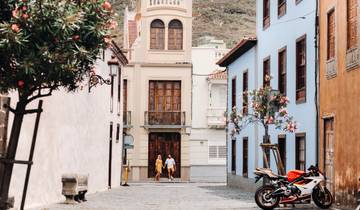
4 days
La Paz Culture Immersion
- ✓ Comprehensive La Paz tour
- ✓ Expert local guides included
- ✓ All accommodation arranged
- ✓ Transportation provided
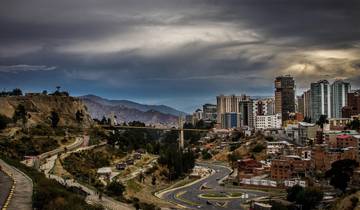
3 days
Bolivia Express: La Paz & Salar – 3 days/2 nights
- ✓ Comprehensive La Paz tour
- ✓ Expert local guides included
- ✓ All accommodation arranged
- ✓ Transportation provided
Multi-day tour packages powered by TourRadar. Prices and availability subject to change.
Accommodation Costs in La Paz 2026
Budget Accommodation Prices 2026
La Paz offers excellent budget accommodation options concentrated in the backpacker-friendly neighborhoods surrounding Calle Sagárnaga and the Witches’ Market. Hostel dorm beds cost $8-15 USD per night in 2026 depending on room size, amenities, and location (check booking platforms for current rates as pricing may vary seasonally). Expect 4-8 bed mixed dorms at the lower end and 4-bed female-only or premium dorms with en-suite bathrooms at higher prices. Most hostels include continental breakfast, WiFi, hot showers, and communal kitchen access.
Private rooms in hostels run $20-35 USD per night for doubles, offering an affordable step up from dorm sleeping while maintaining access to social common areas and included amenities. Basic hotels and guesthouses (residenciales) in central neighborhoods charge $25-40 USD for simple private rooms with shared or private bathrooms. These properties cater primarily to local travelers and offer authentic immersion in daily Bolivian life, though English-speaking staff may be limited.
Recommended budget accommodations in La Paz 2026:
- Hostel Pirwa La Paz: Dorms $10-14 USD, privates $28-38 USD. Colonial building, excellent location on Calle Linares.
- Wild Rover La Paz: Dorms $9-13 USD, privates $32-42 USD. Party atmosphere, rooftop bar, organized social events.
- Loki La Paz: Dorms $8-12 USD, privates $25-35 USD. Multiple common areas, travel desk, central location.
- The Adventure Brew Hostel: Dorms $11-15 USD, privates $35-45 USD. On-site microbrewery, excellent breakfast.
Mid-Range Accommodation Prices 2026
Mid-range hotels in La Paz deliver exceptional value in 2026, offering boutique character, attentive service, and comfortable rooms at prices that would secure budget options in other South American capitals. Expect to pay $60-120 USD per night for double rooms at established three and four-star properties (check booking platforms for current rates as pricing may vary seasonally). This category includes colonial-era buildings converted to atmospheric hotels, modern business hotels with full amenities, and boutique properties with distinctive design.
Mid-range rates include private bathrooms, daily breakfast, WiFi, heating (essential at La Paz’s altitude), and often additional amenities like on-site restaurants, tour booking services, and 24-hour reception. Properties in this range cluster around the historic center near Plaza Murillo and in the upscale Sopocachi neighborhood, offering excellent access to attractions, dining, and nightlife.
Recommended mid-range accommodations in La Paz 2026:
- Hotel Rosario La Paz: $70-95 USD. Historic property, excellent restaurant, rooftop terrace with views.
- Casa Grande Hotel: $80-110 USD. Sopocachi location, modern amenities, helpful staff.
- Stannum Boutique Hotel: $90-130 USD. Design-forward property, central location, acclaimed restaurant.
- Hotel Mitru Sur: $65-85 USD. Zona Sur location, modern business hotel, good for families.
Luxury Accommodation Prices 2026
Luxury hotels in La Paz offer refined experiences at rates significantly below international norms for five-star properties. Premium accommodations range from $150-300 USD per night for top boutique hotels to $300-500+ USD for the city’s finest luxury properties (check booking platforms for current rates as pricing may vary). These establishments provide international-standard amenities including spa facilities, fine dining restaurants, concierge services, airport transfers, and rooms with sophisticated design and premium linens.
La Paz’s luxury market remains smaller than neighboring capitals, creating an intimate atmosphere and personalized service often lost at larger international chain properties. Most luxury options concentrate in the Zona Sur neighborhoods of San Miguel, Calacoto, and Achumani, offering lower-altitude environments (3,300 meters vs. 3,600+ meters in the center) that ease acclimatization challenges.
Recommended luxury accommodations in La Paz 2026:
- Atix Hotel: $180-280 USD. Zona Sur landmark, exceptional design, spa, multiple restaurants.
- Casa Grande Suites: $200-320 USD. All-suite property, residential feel, outstanding service.
- Hotel Europa: $150-220 USD. Historic central location, colonial elegance, rooftop terrace.
Food and Dining Costs in La Paz 2026
Budget Dining Options 2026
La Paz offers extraordinary dining value for budget travelers in 2026. The almuerzo tradition—fixed-price lunch menus served at local restaurants between 12:00 PM and 2:30 PM—provides complete meals for BOB 15-25 ($2.20-3.60 USD). These three-course meals include soup (often quinoa or vegetable-based), a main dish (chicken, beef, or pork with rice and potatoes), and a drink (juice or soda). Quality varies by establishment, but even basic comedores serve filling, nutritious meals at these prices.
Street food costs even less while delivering authentic Bolivian flavors. Salteñas (savory-sweet meat pastries) cost BOB 5-8 ($0.70-1.15 USD) from morning vendors—purchase before 11:00 AM when supplies remain fresh. Tucumanas (fried empanadas) run BOB 3-5 ($0.45-0.70 USD). Api con pastel (purple corn drink with fried pastry) costs BOB 8-12 ($1.15-1.75 USD) and serves as a traditional breakfast. Anticuchos (grilled beef heart skewers) from evening street carts cost BOB 10-15 ($1.45-2.20 USD).
Market food halls provide another budget option. The Mercado Lanza and Rodriguez market feature food stalls serving complete meals for BOB 12-20 ($1.75-2.90 USD). Cleanliness standards vary—observe which stalls attract the most local customers and eat at peak hours when turnover keeps food fresh. Vegetarians find quinoa-based soups and potato dishes widely available.
Mid-Range Dining Costs 2026
Mid-range restaurants in La Paz serve quality meals in comfortable settings at prices that would qualify as budget dining in most capitals. Expect to pay BOB 50-100 ($7-14.50 USD) per person for dinner including a main dish and drink at established restaurants. This category includes traditional Bolivian restaurants, international cuisine (Italian, Asian, Mexican), trendy café-restaurants, and steakhouses serving quality beef.
Wine and cocktails add BOB 30-60 ($4.35-8.70 USD) to meal costs. Bolivian wines from the Tarija region offer good value, while imported options carry higher markups. Local Paceña beer costs BOB 15-25 ($2.20-3.60 USD) per bottle at restaurants. Singani (Bolivian grape brandy) cocktails run BOB 25-40 ($3.60-5.80 USD).
Recommended mid-range restaurants in La Paz 2026:
- Gustu: Tasting menus BOB 350-550 ($51-80 USD). World-renowned Bolivian cuisine, reservation essential.
- Popular Cocina Boliviana: Mains BOB 55-85 ($8-12 USD). Modern takes on traditional dishes, excellent value.
- Café del Mundo: Mains BOB 45-75 ($6.50-11 USD). International menu, great coffee, central location.
- La Comedie: Mains BOB 60-95 ($8.70-14 USD). French-influenced, intimate atmosphere, quality ingredients.
Grocery and Self-Catering Costs 2026
Self-catering significantly reduces food costs for travelers with kitchen access. La Paz supermarkets (Ketal, Hipermaxi, Fidalga) offer familiar products at reasonable prices. Budget approximately BOB 150-250 ($22-36 USD) weekly for basic self-catering covering breakfast and light meals, supplemented by market purchases and occasional restaurant dining.
Sample grocery prices in La Paz 2026:
- Bread (500g loaf): BOB 8-12 ($1.15-1.75 USD)
- Milk (1 liter): BOB 8-10 ($1.15-1.45 USD)
- Eggs (dozen): BOB 15-20 ($2.20-2.90 USD)
- Chicken breast (kg): BOB 35-45 ($5-6.50 USD)
- Rice (kg): BOB 8-12 ($1.15-1.75 USD)
- Bananas (kg): BOB 5-8 ($0.70-1.15 USD)
- Local beer (650ml): BOB 12-16 ($1.75-2.30 USD)
- Water (1.5L bottle): BOB 5-8 ($0.70-1.15 USD)
Transportation Costs in La Paz 2026
Mi Teleférico Cable Car System 2026
The Mi Teleférico cable car system revolutionizes La Paz transportation while providing spectacular urban views at minimal cost. Single rides cost BOB 3 ($0.44 USD) per line segment in 2026, making it one of the world’s most affordable urban cable car networks. The system operates 10 color-coded lines connecting neighborhoods across the city’s extreme vertical terrain, from the high-altitude El Alto (4,100 meters) to the lower Zona Sur (3,300 meters).
Multi-ride cards reduce costs further: BOB 50 ($7.25 USD) purchases 20 rides (BOB 2.50 per ride). Cards are reloadable and can be shared among travelers. The teleférico operates from 6:00 AM to 11:00 PM daily, with cabins departing every 10-12 seconds during peak hours. Coverage includes connections to the central historic district, the sprawling El Alto market area, and upscale Zona Sur neighborhoods. A complete city tour using multiple lines costs under $3 USD while providing extraordinary aerial perspectives.
Public Minibuses and Micros 2026
Public minibuses (trufis and micros) form the backbone of La Paz transportation. Fares range from BOB 1.50-3 ($0.22-0.44 USD) depending on distance in 2026. Routes are indicated by colored signs and destination names displayed on windshields—locals can help identify correct services. Minibuses operate from approximately 6:00 AM to 9:00 PM, with reduced service on Sundays and holidays.
The system requires cash (exact change appreciated) paid directly to the driver upon boarding or to an assistant who collects fares during the journey. Announce your destination stop by calling “bajo” (getting off) before reaching your location. During peak hours, buses become extremely crowded—secure belongings carefully and expect close quarters.
Taxi Costs 2026
Taxis provide convenient point-to-point transportation at reasonable rates. Within central La Paz, expect to pay BOB 10-20 ($1.45-2.90 USD) for typical rides. Journeys to Zona Sur run BOB 40-60 ($5.80-8.70 USD). Radio taxis (booked by phone or app) charge slightly more but offer greater security and air-conditioned vehicles. Always confirm the price before entering—most short trips should not exceed BOB 15 within the center.
Ride-sharing apps (particularly PedidosYa Taxi) operate in La Paz with similar pricing to traditional taxis but provide trip tracking, driver identification, and cashless payment options. Airport transfers from El Alto International Airport to central La Paz cost BOB 70-100 ($10-14.50 USD) via taxi or BOB 120-150 ($17-22 USD) via pre-booked private transfer. The most economical airport option combines Mi Teleférico (Blue Line to city center) with a short taxi ride, totaling approximately BOB 20-30 ($3-4.35 USD).
Regional Transportation from La Paz 2026
Bus travel from La Paz to major Bolivian destinations offers remarkable value. Sample one-way fares in 2026:
- La Paz to Copacabana (Lake Titicaca): BOB 30-50 ($4.35-7.25 USD), 3.5 hours
- La Paz to Oruro: BOB 25-40 ($3.60-5.80 USD), 3 hours
- La Paz to Uyuni (direct): BOB 100-180 ($14.50-26 USD), 10-12 hours
- La Paz to Sucre: BOB 100-150 ($14.50-22 USD), 12-14 hours
- La Paz to Cochabamba: BOB 50-80 ($7.25-11.60 USD), 6-7 hours
Premium bus services (cama and semi-cama) with reclining seats cost 50-100% more than basic services but provide significantly improved comfort for overnight journeys. Book through bus terminal ticket windows or reputable agencies—avoid street sellers offering suspiciously low fares.
Attraction and Activity Costs in La Paz 2026
Free Attractions in La Paz 2026
La Paz offers substantial free experiences for budget-conscious travelers in 2026. Walking through the historic center costs nothing while delivering remarkable cultural immersion. The Witches’ Market (Mercado de las Brujas) on Calle Sagárnaga provides free browsing through stalls selling dried llama fetuses, potions, and amulets—bring cash if you want to purchase curiosities. Plaza Murillo, the city’s political heart, features the Presidential Palace and Cathedral with no entrance fee to view the exterior architecture and observe daily Bolivian life.
The Mirador Killi Killi viewpoint offers panoramic city views accessible by minibus or a steep walk—no charge to access. Multiple churches throughout the historic center welcome visitors without entrance fees. The vibrant Sunday market in El Alto spreads across dozens of blocks selling everything imaginable—bring only the cash you’re willing to spend in the crowd. Free walking tours depart daily from Plaza San Francisco, operating on a tips-only basis (customary tip: BOB 30-50 or $4-7 USD per person).
Museum Entrance Fees 2026
La Paz museums charge modest entrance fees that won’t strain any budget. Sample pricing in 2026:
- Museo Nacional de Etnografía y Folklore: BOB 20 ($2.90 USD)
- Museo de Arte Contemporáneo: BOB 15 ($2.20 USD)
- Museo de la Coca: BOB 25 ($3.60 USD)
- Museo del Litoral: BOB 10 ($1.45 USD)
- San Francisco Church and Museum: BOB 25 ($3.60 USD)
- Museo de Instrumentos Musicales: BOB 15 ($2.20 USD)
- Museo Nacional de Arqueología: BOB 20 ($2.90 USD)
Most museums offer reduced rates for students with valid identification. Some close on Mondays; others close for lunch between 12:00 PM and 2:00 PM. The Museo de la Coca includes fascinating exhibits on coca leaf history and culture, while the Ethnography Museum houses Bolivia’s finest collection of indigenous textiles and artifacts.
Day Trip Costs from La Paz 2026
Day excursions from La Paz vary widely in cost depending on distance and inclusions. Popular options in 2026:
Valle de la Luna: Independent visit BOB 8 transport + BOB 15 entrance = $3.35 USD total. Guided tours start from $25 USD including transportation and guide.
Tiwanaku Archaeological Site: Independent visit approximately $15-20 USD (transport + entrance). Guided day tours range $40-70 USD including transportation, guide, entrance fees, and often lunch.
Lake Titicaca (Copacabana): Budget day trip $25-35 USD via tourist bus with brief stops. Full-day tours including boat ride to Isla del Sol run $50-80 USD. Overnight trips offer better value at $60-100 USD for two days.
Death Road Mountain Biking: Full-day tours range $80-140 USD depending on operator quality, bike standard, and group size. Premium operators with superior safety records and equipment occupy the higher end.
Chacaltaya (former ski resort): Half-day tours $30-50 USD. Once home to the world’s highest ski lift, now a viewpoint at 5,400 meters.
Sample Daily Budgets for La Paz 2026
Budget Traveler Daily Cost 2026
Budget travelers prioritizing value over comfort can experience La Paz fully on $35-50 USD daily in 2026. This budget assumes hostel accommodation, local dining, public transportation, and selective paid attractions.
Sample budget day:
Hostel dorm $12, breakfast included. Salteñas $1, almuerzo lunch $3, street food dinner $4. Mi Teleférico rides $1.50, minibus $0.50. One museum $3. Miscellaneous $2.
Hostel dorm $12, salteñas $1, almuerzo $3, street food $4, teleférico $1.50, minibus $0.50, museum $3, miscellaneous $2. Total day cost: $27 USD per person (excluding accommodation) + $12 accommodation = $39 USD total.
Budget weekly breakdown:
Accommodation (7 nights hostel dorm): $84. Meals (local options): $50-60. Transportation: $15-20. Attractions: $25-35. Miscellaneous: $20-25. Weekly total: $194-224 USD ($28-32 USD daily average).
Mid-Range Traveler Daily Cost 2026
Mid-range travelers enjoy hotel comfort, restaurant dining, and organized activities while maintaining reasonable spending. Budget $80-120 USD daily in 2026.
Sample mid-range day:
Hotel room $80 (double, per person $40 if sharing), café breakfast $6, restaurant lunch $12, restaurant dinner $18. Taxis $8, teleférico $3. Guided walking tour $15.
Hotel share $40, breakfast $6, lunch $12, dinner $18, taxis $8, teleférico $3, walking tour $15. Total day cost: $62 USD per person (excluding accommodation) + $40 accommodation = $102 USD total.
Mid-range weekly breakdown:
Accommodation (7 nights mid-range hotel): $280 per person (sharing double). Meals (mix of restaurants and cafés): $175-225. Transportation (taxis and teleférico): $60-80. Attractions and tours: $100-150. Miscellaneous: $40-60. Weekly total: $655-795 USD ($94-114 USD daily average).
Luxury Traveler Daily Cost 2026
Luxury travelers seeking premium experiences can enjoy La Paz’s finest offerings at rates below international norms. Budget $200-400+ USD daily in 2026.
Sample luxury day:
Boutique hotel $200, fine dining breakfast $15, upscale lunch $35, tasting menu dinner $90. Private driver $60, exclusive tour $80.
Boutique hotel $200, breakfast $15, lunch $35, dinner $90, private driver $60, exclusive tour $80. Total day cost: $280 USD per person (excluding accommodation) + $200 accommodation = $480 USD total.
Money-Saving Tips for La Paz 2026
Accommodation Savings Strategies 2026
Book accommodations directly with properties rather than through booking platforms to access local rates and negotiate discounts for extended stays. Many hotels offer 10-20% reductions for bookings of one week or longer. Hostels frequently discount private rooms on weekdays when occupancy drops. Consider accommodations slightly outside the immediate tourist center—Sopocachi and San Miguel neighborhoods offer quality options at lower prices than Calle Sagárnaga area properties.
Travel during shoulder season (April-May and September-November) for accommodation discounts of 20-30% compared to peak months (June-August and December-January). Verify if breakfast is included—a substantial included breakfast worth $5-8 adds meaningful value to accommodation costs.
Food and Dining Savings 2026
The almuerzo lunch menu offers unbeatable value—make lunch your main meal and eat lighter (and cheaper) breakfasts and dinners. Markets like Mercado Lanza and Rodriguez provide the lowest food costs in authentic settings. Self-cater breakfast and snacks if you have kitchen access—even budget hostels offer cooking facilities.
Avoid restaurants immediately surrounding Plaza San Francisco and the Witches’ Market, where tourist-oriented pricing inflates costs 30-50% above neighborhood restaurants just blocks away. Ask locals where they eat—the best almuerzos operate in commercial areas serving working Paceños rather than tourist zones.
Transportation Savings 2026
Purchase a Mi Teleférico multi-ride card immediately upon arrival—the per-ride discount accumulates quickly for anyone using the system regularly. Walk when possible in the historic center, where most attractions cluster within manageable distances despite challenging topography. Combine minibuses with teleférico connections for economical cross-city travel without taxi costs.
For day trips, join group tours rather than hiring private transportation—costs divide among participants while guides provide valuable context. Alternatively, arrange shared transportation at your hostel, where fellow travelers often seek trip companions to split vehicle costs.
Activity and Attraction Savings 2026
Free walking tours provide excellent city orientation while creating opportunities to tip based on value received rather than paying fixed tour prices. Many museums offer free or reduced admission on specific days—research current policies at your target attractions. Concentrate paid attractions into single days to maximize time and minimize transport costs.
Book tours through your accommodation or established agencies in the tourist area rather than online platforms that add booking fees. Negotiate tour prices—operators often reduce rates by 10-20% for cash payment or group bookings. Off-season visitors find even greater flexibility in pricing.
ATMs, Banking, and Money Exchange 2026
ATM Access and Fees 2026
ATMs throughout La Paz dispense bolivianos with withdrawals up to BOB 2,000-3,000 ($290-435 USD) per transaction in 2026. Major banks (Banco Mercantil Santa Cruz, BCP, Banco Nacional, Banco de Crédito) operate reliable ATMs accepting international cards. Withdrawal fees vary by bank and your home institution—expect $2-5 USD per transaction from Bolivian banks plus any foreign transaction fees your bank charges.
ATM locations concentrate in the central historic district, Plaza del Estudiante area, Sopocachi, and Zona Sur shopping centers. El Alto International Airport has limited ATM availability—withdraw cash in the city center for better reliability. Notify your bank of Bolivia travel before departure to prevent fraud-triggered card blocks.
Money Exchange Options 2026
Exchange houses (casas de cambio) cluster along Calle Camacho and near Plaza del Estudiante, offering competitive rates for US dollars without commission. Rates display prominently on electronic boards—compare several houses as rates vary by 1-3%. Exchange only at established locations with clear signage; avoid street changers who risk scams and counterfeit currency.
Hotels exchange currency at rates 3-5% below market—acceptable for small amounts when convenience matters. Banks offer reasonable rates but require passport presentation and involve longer processing times. Bring US dollars in good condition—bills with tears, writing, or excessive wear face rejection or reduced rates.
Tipping and Service Charges 2026
Tipping customs in La Paz differ from North American and European norms. Restaurant tips are appreciated but not obligatory—round up bills or add 5-10% for good service. Upscale restaurants may add service charges automatically; check bills before adding additional tips. Tour guides expect tips of BOB 20-50 ($3-7 USD) per person for day tours, with higher amounts for multi-day excursions based on service quality.
Taxi drivers do not expect tips—pay the agreed or metered fare. Hotel porters appreciate BOB 5-10 per bag. Free walking tour guides rely on tips; BOB 30-50 ($4-7 USD) per person reflects standard gratitude for 2-3 hour tours. Spa and salon services warrant 10% tips for good service.
Seasonal Price Variations in La Paz 2026
Peak Season Pricing (June-August) 2026
Peak season brings the highest prices and greatest crowds to La Paz in 2026. Dry season weather (clear skies, minimal rain) combines with Northern Hemisphere summer holidays to drive demand. Accommodation prices increase 20-40% at popular properties, and advance booking becomes essential for preferred options. Tour prices remain relatively stable, but premium operators book solid weeks in advance.
Major festivals during peak season (particularly Fiesta del Gran Poder in late May/early June) create extreme demand spikes. Book accommodations months ahead for festival dates and expect prices 50-100% above normal. The trade-off: festival periods offer unparalleled cultural experiences unavailable at other times.
Shoulder Season Pricing (April-May, September-November) 2026
Shoulder seasons combine favorable weather with reduced prices and crowds. Accommodation discounts of 15-30% apply at many properties, and last-minute availability improves substantially. Weather remains largely dry with comfortable temperatures, making these months ideal for budget-conscious travelers seeking quality experiences without peak-season premiums.
Tour availability expands during shoulder months as operators seek to fill capacity. Negotiate prices more aggressively—discounts of 10-20% often apply for cash payment or immediate booking. Major attractions receive manageable visitor numbers, reducing wait times and improving photography conditions.
Low Season Pricing (December-March) 2026
The wet season brings La Paz’s lowest prices alongside increased rainfall and occasional flooding disruptions. Accommodation rates drop 20-40% below peak prices, and premium properties become accessible to mid-range budgets. Many hostels offer promotional rates to maintain occupancy during slower months.
Weather during low season proves unpredictable—mornings often start clear before afternoon thunderstorms develop. Rain rarely lasts all day, and the lush green landscapes and dramatic cloud formations create unique photographic opportunities. Some outdoor activities and remote day trips may face cancellations due to road conditions; confirm tour viability before booking during heavy rain periods.
FAQ: La Paz Budget Planning 2026
How much cash should I bring to La Paz in 2026?
Bring $200-300 USD in cash as backup funds for the average one-week visit. ATMs provide reliable access to bolivianos, but carrying emergency US dollars ensures payment capability if cards malfunction. Exchange dollars as needed rather than converting everything at once—rates may improve during your stay, and carrying large amounts of local currency increases loss exposure.
Are credit cards widely accepted in La Paz in 2026?
Credit cards work at upscale hotels, established restaurants, major tour agencies, and shopping centers. However, cash dominates most transactions. Markets, local restaurants, minibuses, street vendors, and smaller shops operate cash-only. Visa enjoys the widest acceptance, followed by Mastercard; American Express faces frequent rejection. Always carry sufficient bolivianos regardless of card availability.
Is bargaining expected in La Paz in 2026?
Bargaining is appropriate at markets, souvenir shops, and with some service providers. Start at 60-70% of quoted prices and settle around 80-90% for reasonable deals. Fixed-price establishments (restaurants, museums, supermarkets) do not negotiate. Bargaining aggressively for tiny amounts damages relationships and reflects poorly on visitors—negotiate respectfully and accept final prices gracefully.
How much does a week in La Paz cost in 2026?
Weekly La Paz costs range from $200-280 USD for budget travelers, $650-850 USD for mid-range visitors, and $1,400-2,500+ USD for luxury experiences. These estimates include accommodation, meals, transportation, and standard activities but exclude international flights, specialized tours (like Death Road), and personal shopping.
What unexpected costs should I budget for in La Paz 2026?
Budget for altitude sickness medication (BOB 30-50 at pharmacies), additional water (dehydration intensifies at altitude), sun protection products (intense high-altitude UV), laundry services ($2-4 USD per load), SIM cards with data (BOB 30-50 for starter packs), and tips for services. Medical care for altitude complications—while rare—can add $50-200 USD for clinic visits and prescriptions.
Should I book tours in advance or in La Paz in 2026?
Book major tours (Death Road, multi-day excursions) 1-2 weeks ahead during peak season to secure preferred operators and dates. Day tours to Valle de la Luna, Tiwanaku, and city walking tours can be booked upon arrival without difficulty year-round. In-person booking at agencies along Calle Sagárnaga often yields better prices than online platforms, and you can assess operator professionalism before committing.
Is travel insurance necessary for La Paz in 2026?
Travel insurance with altitude sickness and emergency evacuation coverage is strongly recommended for La Paz visits. The city’s extreme elevation creates real medical risks for some travelers, and evacuation to lower altitudes or quality medical facilities can prove expensive without coverage. Ensure your policy covers activities you plan (especially Death Road cycling) and includes trip cancellation for weather-related disruptions.
How do prices in La Paz compare to Cusco in 2026?
La Paz offers approximately 30-40% lower prices than Cusco across most categories. Accommodation, meals, and local transportation cost substantially less in Bolivia’s capital. The difference reflects Bolivia’s lower overall cost structure and less-developed luxury tourism market compared to Peru’s flagship tourist destination.