
Kyoto UNESCO Sites vs Crowds: Insider Tips to Beat the Masses at Sacred Temples
The key to crowd-free UNESCO temple visits lies in understanding tourist patterns, leveraging local knowledge, and applying military-precision timing strategies that most visitors overlook. This comprehensive guide reveals insider secrets used by Kyoto locals, professional photographers, and meditation practitioners to access Japan’s most sacred spaces without fighting tourist masses.
🔑 Key Takeaways
- 5:30-7:00 AM arrival guarantees 2-3 hours of virtually crowd-free UNESCO temple experiences
- Weekday timing reduces crowds by 60-70% compared to weekend visits at major sites
- Alternative UNESCO gems like Ujigami Shrine and Kozan-ji offer authentic experiences without masses
- Strategic seasonal planning identifies low-crowd windows within peak cherry blossom and autumn periods
- Local route knowledge enables backdoor temple access and crowd-avoidance pathways
- Evening illuminations provide magical UNESCO experiences after day-tour crowds depart
Kyoto’s 17 UNESCO World Heritage Sites attract over 50 million visitors annually, creating challenging crowd conditions that can transform spiritual temple experiences into frustrating tourist gauntlets. However, strategic timing, insider knowledge, and alternative approaches allow savvy travelers to experience these sacred Historic Monuments of Ancient Kyoto in serene, contemplative conditions that honor their original spiritual purpose.
Understanding Kyoto’s Crowd Dynamics
Successfully avoiding crowds at Kyoto’s UNESCO sites requires understanding the complex patterns that drive tourist movement throughout the city. These patterns vary by season, day of week, time of day, and even weather conditions, creating opportunities for strategic travelers who plan accordingly.
Peak Crowd Times to Absolutely Avoid
Daily Peak Hours (9:00 AM – 4:00 PM): Tour buses disgorge thousands of visitors at major UNESCO sites between these hours. Kinkaku-ji can receive 100+ tour buses daily during peak seasons, creating human traffic jams that make contemplative experiences impossible.
Weekend Warrior Syndrome: Saturday and Sunday bring 3-5x more domestic visitors than weekdays. Japanese families and local tourists flood UNESCO sites on weekends, particularly during pleasant weather periods.
Cherry Blossom Chaos (April 1-10): Peak sakura season brings absolute maximum crowds with some sites experiencing 10x normal visitor numbers. Kiyomizu-dera’s approach streets become impassable pedestrian rivers during this period.
Autumn Foliage Frenzy (November 15-30): Fall color peak creates crowds approaching cherry blossom levels but concentrated in shorter timeframes. Popular temples like Daigo-ji require 2+ hour queues during peak autumn weekends.
Golden Crowd-Free Windows
Ultra-Early Access (5:30-7:00 AM): This represents the absolute best strategy for crowd-free UNESCO experiences. Most temples open at 6 AM during peak seasons, providing 2-3 hours before tour groups arrive. Even famous sites like Kinkaku-ji feel like private temples during these hours.
Lunch Break Relief (12:00-2:00 PM): Tour groups often break for lunch, creating brief crowd relief at major sites. This window works particularly well for sites requiring shorter visits like Ryoan-ji’s rock garden.
Evening Magic (5:00-7:00 PM): Day-tour groups depart by 5 PM to return to hotels for dinner, restoring tranquility to UNESCO sites. Many temples offer extended hours during peak seasons, with some providing evening illuminations.
Weather Opportunity Windows: Light rain or overcast conditions dramatically reduce crowds at outdoor UNESCO sites. Many tourists postpone visits during imperfect weather, creating peaceful experiences for prepared travelers.
Extended multi-day tours – 5+ days
Featured Tokyo to Kyoto Japan Multi-Day Tour Packages
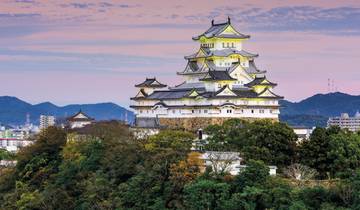
11 days
Japan´s Landscapes end Kyoto (18 destinations)
- ✓ Comprehensive Tokyo to Kyoto Japan tour
- ✓ Expert local guides included
- ✓ All accommodation arranged
- ✓ Transportation provided

14 days
Simply Japan
- ✓ Comprehensive Tokyo to Kyoto Japan tour
- ✓ Expert local guides included
- ✓ All accommodation arranged
- ✓ Transportation provided

17 days
Japan Adventure 17 Day
- ✓ Comprehensive Tokyo to Kyoto Japan tour
- ✓ Expert local guides included
- ✓ All accommodation arranged
- ✓ Transportation provided
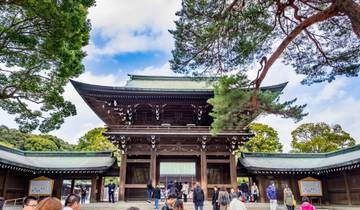
8 days
8 Day Highlights of Japan Small Group Tour Package
- ✓ Comprehensive Tokyo to Kyoto Japan tour
- ✓ Expert local guides included
- ✓ All accommodation arranged
- ✓ Transportation provided
Multi-day tour packages powered by TourRadar. Prices and availability subject to change.
Site-Specific Crowd Avoidance Strategies
Kinkaku-ji (Golden Pavilion): The Ultimate Crowd Challenge
As Kyoto’s most photographed UNESCO site, Kinkaku-ji presents the ultimate crowd-avoidance challenge. However, specific strategies can transform this tourist magnet into a peaceful spiritual experience.
Optimal Timing Strategy: Arrive at 6:00 AM sharp when gates open. The first hour (6:00-7:00 AM) offers virtually private access to the golden pavilion’s reflection pond. By 8:00 AM, crowds begin arriving, and by 9:00 AM, the site becomes a human zoo.
Photography Position Tactics: Head immediately to the main viewing platform’s right side for iconic reflection shots. Most early visitors cluster on the left, but the right side offers identical views with half the people. Professional photographers know this secret.
Alternative Viewing Points: Explore the upper temple grounds after photographing the pavilion. These areas remain peaceful even when lower grounds become crowded. The temple’s rear gardens offer contemplative experiences ignored by most visitors.
Seasonal Considerations: Winter provides the most peaceful Kinkaku-ji experiences, particularly on snowy days when the golden pavilion creates iconic images without crowds. Summer early mornings (5:30 AM starts) offer lush green backdrops with minimal visitors.
Kiyomizu-dera Temple: Mastering the Approach Routes
Kiyomizu-dera’s location in the popular Higashiyama district creates unique crowd-avoidance challenges requiring strategic approach planning and timing precision.
Backdoor Access Strategy: Approach via Kiyomizu-zaka slope from the top rather than climbing from Gion district. This reverse route encounters 70% fewer crowds and provides easier uphill walking. Park at Maruyama Park and walk downhill to the temple.
Multi-Level Crowd Distribution: The temple’s wooden stage attracts massive crowds, but upper and lower levels remain relatively peaceful. Explore the Jishu Shrine area above the main temple for love fortune-telling experiences without masses.
Golden Hour Illuminations: During autumn and spring seasons, evening illuminations (6:00-9:00 PM) provide magical experiences after day crowds depart. The illuminated wooden stage against colored foliage creates unforgettable images.
Weather Advantage Opportunities: Misty or rainy conditions create atmospheric temple scenes while dramatically reducing crowds. The wooden stage appears even more dramatic emerging from morning mist.
Fushimi Inari Taisha: Hidden Trail Strategies
While not officially part of the UNESCO designation, Fushimi Inari’s 10,000 torii gates connect directly to the heritage district and demonstrate crowd-avoidance principles applicable to all UNESCO sites.
Mountain Escape Strategy: Continue beyond the first thousand torii gates where 90% of tourists turn back. The upper mountain trails offer profound spiritual experiences with minimal visitors, particularly on weekdays.
Alternative Starting Points: Begin hikes from side entrances rather than the main shrine approach. Local hiking trails access the torii gate networks while avoiding the massive crowds at the primary entrance.
Early Morning Advantage: 5:30 AM starts provide 3-4 hours of peaceful torii gate photography before crowds arrive. The vermillion gates glowing in golden hour light create magical conditions for contemplative experiences.
Lesser-Known UNESCO Gems: Crowd-Free Alternatives
Ujigami Shrine: Ancient Serenity in Uji
As Japan’s oldest existing Shinto shrine, Ujigami represents one of Kyoto’s most peaceful UNESCO experiences, largely overlooked by international tourists focused on famous temples.
Location Advantages: Uji’s distance from central Kyoto (30 minutes by train) deters casual tourists while attracting serious heritage travelers. The shrine’s modest size and architectural simplicity appeal to cultural enthusiasts rather than Instagram tourists.
Cultural Integration: Combine Ujigami visits with Byodo-in Temple and green tea culture experiences. This creates full-day Uji itineraries with authentic local experiences rather than tourist-focused activities.
Spiritual Atmosphere: The shrine’s ancient architecture and quiet forest setting provide contemplative experiences impossible at crowded central Kyoto temples. Local visitors come for spiritual purposes rather than sightseeing.
Kozan-ji Temple: Mountain Forest Escape
Located in remote Takao district, Kozan-ji offers one of Kyoto’s most peaceful UNESCO experiences despite housing important cultural treasures like famous animal scroll paintings.
Natural Crowd Barriers: The temple’s mountain location requires dedicated transportation and hiking commitment, naturally filtering out casual tourists. The approach through towering cedar forests creates mystical atmospheric experiences.
Seasonal Advantages: Autumn provides spectacular mountain foliage without central Kyoto crowds. Winter visits offer profound silence and occasional snow scenes creating contemplative photography opportunities.
Cultural Depth: The temple’s historical significance and artistic treasures reward serious heritage travelers while remaining unknown to mass tourism circuits.
Enryaku-ji Temple: Mountaintop Monastery Escape
Mount Hiei’s Enryaku-ji Temple offers ultimate crowd escape through elevation and spiritual atmosphere, serving as headquarters of Tendai Buddhism with over 1,200 years of history.
Access Barriers: Cable car requirements and mountain location deter casual visitors while rewarding committed heritage travelers with profound spiritual experiences. The journey itself becomes part of the contemplative process.
Panoramic Perspectives: Mountain elevation provides spectacular views across Kyoto and Lake Biwa while offering cool temperatures during hot summer months. Multiple temple complexes spread across the mountain provide hours of peaceful exploration.
Spiritual Authenticity: Active monastic community maintains authentic Buddhist practices with meditation opportunities and cultural programs for serious spiritual seekers.
Advanced Timing Strategies for Peak Seasons
Cherry Blossom Season Crowd Navigation
Peak cherry blossom season presents extreme crowd challenges, but strategic approaches enable meaningful UNESCO experiences even during Japan’s busiest tourist period.
Pre-Peak Optimization (March 20-28): Visit during bud and early bloom stages when trees show 10-30% flowers. Experienced travelers know these periods offer 80% of the beauty with 20% of the crowds.
Weekday Advantages: Tuesday-Thursday visits during cherry blossom season encounter 50-60% fewer crowds than weekends. Business travelers and domestic tourists concentrate weekend visits, leaving weekdays relatively peaceful.
Multiple Site Strategy: Plan backup UNESCO sites when primary targets become overcrowded. If Daigo-ji proves impossible, shift to Ninna-ji or Tenryu-ji for alternative cherry blossom experiences.
Evening Illumination Focus: Many UNESCO sites offer evening illuminations during cherry blossom season, providing magical nighttime experiences after day crowds depart. Kiyomizu-dera’s illuminated stage surrounded by pink petals creates unforgettable memories.
Autumn Foliage Crowd Management
Autumn crowds rival cherry blossom season intensity but concentrate in shorter timeframes, creating opportunities for strategic timing within the foliage period.
Early Autumn Strategy (October 15-November 10): Begin autumn temple visits before peak color periods when crowds remain manageable. Early autumn offers 60-70% color development with significantly fewer visitors.
Peak Week Navigation (November 15-25): If visiting during absolute peak foliage, apply ultra-early timing (5:30 AM starts) and focus on lesser-known UNESCO sites like Daigo-ji’s upper levels or Tenryu-ji’s side gardens.
Weather Window Opportunities: Overcast and misty conditions during autumn create atmospheric temple scenes while deterring fair-weather crowds. Professional photographers prefer cloudy days for even lighting on colorful foliage.
Local Knowledge and Insider Routes
Transportation Crowd Avoidance
Alternative Station Usage: Use secondary train stations and bus stops to avoid tour group concentration points. Keihan Main Line stations often provide easier access to UNESCO sites than overcrowded JR stations.
Walking Route Optimization: Plan walking routes between nearby UNESCO sites to avoid returning to crowded transportation hubs. Higashiyama area allows peaceful walks between Kiyomizu-dera and Ginkaku-ji via historic streets.
Taxi Strategic Usage: Budget tactical taxi rides between distant UNESCO sites during peak crowds. While expensive (¥1,000-2,000), taxis bypass overcrowded public transportation and deposit visitors directly at temple entrances.
Local Behavior Patterns
Japanese Tourist Timing: Domestic visitors prefer 10 AM-3 PM temple visits, creating opportunities for international travelers willing to adjust schedules. Early morning and evening visits encounter predominantly local spiritual practitioners.
School Group Schedules: Elementary and middle school groups visit UNESCO sites during school trip seasons (May-June, October-November) but follow predictable schedules allowing avoidance planning.
Business Hour Considerations: Many Japanese tourists visit temples after work hours (5-7 PM), creating evening crowd opportunities that savvy international travelers can anticipate and avoid or embrace depending on preferences.
Weather-Based Crowd Strategies
Rain Advantage Opportunities
Light Rain Benefits: Gentle rainfall dramatically reduces crowds at outdoor UNESCO sites while creating atmospheric temple scenes. Many tourists postpone visits during imperfect weather, leaving temples peaceful for prepared travelers.
Rainy Season Strategy: Japan’s rainy season (mid-June to late July) offers some of the year’s most peaceful UNESCO temple experiences. Gardens appear more lush, moss temples gain vibrant colors, and tourist numbers drop significantly.
Storm Window Opportunities: Brief afternoon thunderstorms during summer clear crowds for 1-2 hours, creating windows for peaceful temple exploration immediately after storms pass.
Extreme Weather Advantages
Hot Weather Crowd Reduction: Temperatures exceeding 35°C (95°F) during summer dramatically reduce crowds at outdoor UNESCO sites. Heat-tolerant travelers can experience famous temples in relative solitude during extreme weather.
Cold Weather Benefits: Winter temperatures below 5°C (41°F) deter casual tourists while creating peaceful contemplative experiences for prepared visitors. Snow-covered temples offer iconic imagery without crowds.
Wind and Overcast Advantages: Less-than-perfect weather conditions consistently reduce tourist numbers while often creating more dramatic and atmospheric temple photography opportunities.
Technology and Planning Tools
Real-Time Crowd Monitoring
Google Maps Traffic Data: Check real-time crowd density at major UNESCO sites using Google Maps location data. Red indicators suggest overcrowding, while green indicates manageable visitor levels.
Social Media Intelligence: Monitor Instagram and Twitter location tags for real-time crowd reports from current visitors. Heavy social media posting indicates peak crowd conditions to avoid.
Weather App Integration: Use detailed weather forecasts to predict crowd-light days when tourists postpone visits due to rain or temperature extremes.
Advance Planning Resources
Temple Website Monitoring: Many UNESCO sites publish special event schedules and crowd warnings on official websites. School group visits and cultural ceremonies can create unexpected crowd surges.
Local Tourism Calendars: Japanese holiday calendars and school vacation periods predict domestic tourism surges affecting UNESCO site crowds. Golden Week and Obon create massive domestic tourist movements.
Transportation Alerts: Monitor Kyoto public transportation for service disruptions that concentrate crowds at alternative UNESCO sites when primary destinations become inaccessible.
Photography Strategies for Crowded Sites
Composition Techniques
Crowd Elimination Methods: Use telephoto lenses to isolate architectural details without including crowds. Frame shots focusing on temple rooflines, decorative elements, and garden details that exclude people naturally.
Long Exposure Techniques: During evening illuminations or low-light conditions, use long exposure photography to blur moving crowds while maintaining sharp temple architecture. This creates ethereal images suggesting spiritual atmosphere.
Perspective Manipulation: Explore elevated viewpoints and alternative angles that naturally exclude crowds from compositions. Many UNESCO temples offer upper levels and side paths unknown to casual photographers.
Timing for Optimal Shots
Golden Hour Priority: Early morning and late afternoon lighting enhances temple architecture while crowds remain lighter than midday periods. Professional photographers consistently arrive before sunrise for optimal conditions.
Blue Hour Opportunities: Evening twilight provides magical lighting for illuminated UNESCO sites while day crowds have departed. This creates ideal conditions for both photography and spiritual contemplation.
Seasonal Light Considerations: Each season offers unique lighting opportunities for crowd-free photography. Winter’s clear air enhances architectural details, while summer’s diffused light flatters garden scenes.
Cultural Etiquette in Crowded Conditions
Respectful Behavior Guidelines
Silent Observation: Maintain respectful silence even when crowds become noisy. These remain active religious sites serving local communities, requiring reverent behavior regardless of tourist chaos around you.
Photography Courtesy: Avoid blocking other visitors’ photography opportunities even during crowded conditions. Quick shots and consideration for others create positive experiences for all UNESCO site visitors.
Queue Respect: During peak crowds, follow Japanese queuing customs with patience and orderly behavior. Rushing or line-cutting violates cultural norms and disrespects local customs.
Supporting Temple Communities
Donation Consideration: Small temple donations (¥100-500) support conservation efforts and demonstrate respect for sacred spaces, particularly important when crowds strain temple resources and maintenance.
Local Business Support: Purchase refreshments and souvenirs from small shops near UNESCO sites rather than convenience chains. These family businesses often struggle with over-tourism impacts.
Noise Consideration: Keep conversations quiet and phones silenced within temple grounds. Crowded conditions amplify noise pollution that disrupts spiritual atmosphere for both locals and respectful visitors.
❓ Frequently Asked Questions
What’s the single best strategy to avoid crowds at Kyoto’s UNESCO sites?
Arrive at 6:00 AM when temples open during peak seasons. This provides 2-3 hours of virtually crowd-free exploration before tour groups arrive. Even famous sites like Kinkaku-ji feel like private temples during these early hours.
Which day of the week has the fewest crowds at UNESCO temples?
Tuesday through Thursday offer the least crowded UNESCO temple experiences, with 60-70% fewer visitors than weekends. Monday can be busy with weekend overflow, while Friday begins weekend tourism patterns.
Can I avoid crowds during cherry blossom season entirely?
Complete crowd avoidance is impossible during peak cherry blossom season, but ultra-early timing (before 7 AM), weekday visits, and focus on lesser-known UNESCO sites like Ujigami Shrine provide manageable experiences.
Which UNESCO sites naturally have fewer crowds year-round?
Ujigami Shrine in Uji, Kozan-ji Temple in Takao, and Enryaku-ji on Mount Hiei consistently maintain peaceful atmospheres due to remote locations and transportation requirements that deter casual tourists.
How do weather conditions affect crowds at UNESCO temples?
Light rain reduces crowds by 50-70% while creating atmospheric temple scenes. Extreme heat (35°C+) or cold (below 5°C) also significantly decreases visitor numbers, offering peaceful experiences for weather-prepared travelers.
Are evening illuminations less crowded than daytime visits?
Yes, evening illuminations during cherry blossom and autumn seasons attract fewer crowds than daytime visits since day-tour groups depart by 5 PM. However, popular illuminations still draw significant visitors on weekends.
What’s the best crowd-avoidance strategy for Kinkaku-ji Golden Pavilion?
Arrive exactly at 6 AM opening time, head immediately to the main viewing platform’s right side, and complete photography within the first hour. By 8 AM, crowds make peaceful viewing impossible.
How can I monitor real-time crowd conditions at UNESCO sites?
Use Google Maps location data to check crowd density, monitor social media location tags for current visitor reports, and watch for weather conditions that typically reduce tourist numbers like rain or extreme temperatures.
Which transportation methods help avoid tourist crowds?
Use secondary train stations, walk between nearby UNESCO sites via back streets, and consider tactical taxi usage during peak crowds to bypass overcrowded public transportation and tour bus concentration points.
Can I visit all 17 UNESCO sites while avoiding crowds effectively?
Yes, but requires strategic timing across multiple days. Focus on early morning visits for famous sites, midday visits for remote locations, and evening illuminations where available. Plan 5-7 days for comprehensive crowd-free UNESCO exploration.