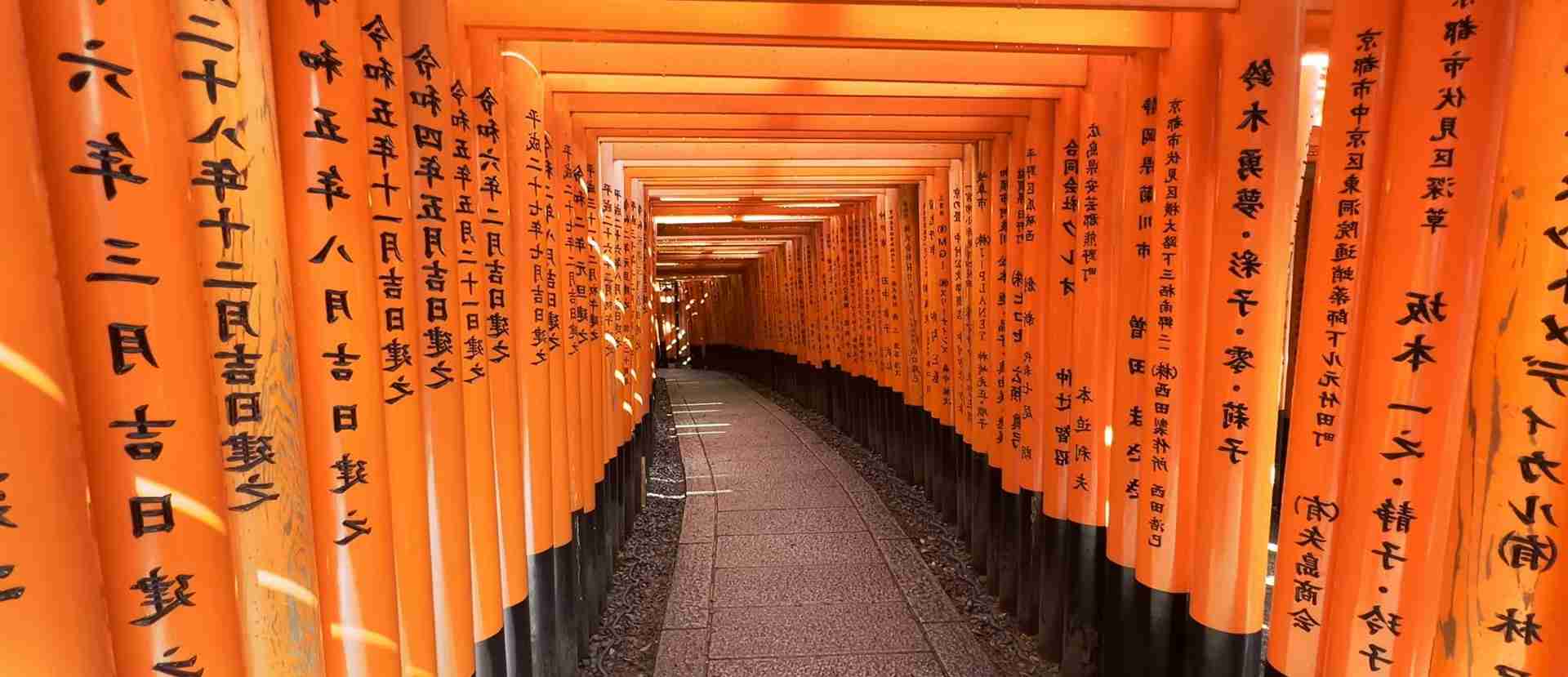
Kyoto Day Trips 2026: Nara, Osaka, Uji Guide
Kyoto’s central Kansai location enables effortless day trip exploration to three distinct destinations within 20-60 minutes by train: Nara’s ancient temples and famous bowing deer, Osaka’s vibrant urban culture and street food scene, and Uji’s serene tea heritage and UNESCO World Heritage phoenix hall. Each destination offers unique experiences impossible to find within Kyoto itself, with comprehensive transportation networks making same-day returns practical for travelers maintaining Kyoto-based accommodations while maximizing regional discovery.
Key Takeaways for Kyoto Day Trips 2026
- Transportation costs and efficiency in 2026: Nara reaches from Kyoto in 17-45 minutes (¥240-1,280 depending on line choice), Osaka in 15-50 minutes (¥410-1,450 depending on service), and Uji in just 17-30 minutes (¥240 JR or ¥310 Keihan), making all three feasible for full-day excursions with evening Kyoto returns
- Nara highlights and practical planning: The UNESCO-listed Todaiji Temple housing Japan’s largest bronze Buddha charges ¥800 admission, while Nara Park’s 1,200+ sacred deer roam freely requiring ¥200 for special feeding crackers—plan 5-7 hours minimum for temples, deer interaction, and Kasuga Taisha shrine exploration
- Osaka urban experience differentiation: While Nara and Uji emphasize cultural heritage, Osaka delivers contemporary Japan through Dotonbori neon-lit entertainment districts, Osaka Castle history, and legendary street food including takoyaki, okonomiyaki, and kushikatsu at prices averaging ¥500-1,500 per meal
- Uji matcha culture immersion 2026: This small city produces Japan’s finest green tea, with Byodoin Temple (¥700 admission including Hoshokan Museum, +¥300 for Phoenix Hall interior tours) anchoring visits complemented by matcha dessert tasting at historic tea houses along the Uji River
- Optimal timing for multiple destinations: Combine Nara and Uji in single extended days using the JR Nara Line connecting both (Kyoto→Uji 20 minutes, Uji→Nara 30 minutes), while Osaka requires full-day dedication given urban exploration pacing and evening dining culture extending until 11:00 PM
- JR Pass considerations for 2026 visitors: JR Pass holders access Nara (JR Nara Line), Uji (JR Nara Line), and Osaka (JR lines including Shinkansen) at zero additional cost, while private railways (Kintetsu to Nara, Hankyu/Keihan to Osaka) require separate tickets but often provide superior station locations
People Also Ask About Kyoto Day Trips 2026
What is the best day trip from Kyoto in 2026?
Nara represents the best single day trip from Kyoto for most visitors in 2026, combining cultural significance, accessibility, and unique experiences unavailable elsewhere. The 17-45 minute train journey (depending on service choice) delivers immediate access to UNESCO World Heritage temples including Todaiji housing Japan’s largest bronze Buddha, over 1,200 sacred deer roaming Nara Park that bow to request feeding crackers, and atmospheric shrine complexes like Kasuga Taisha featuring thousands of stone lanterns. The compact geography allows covering major attractions within 5-7 hours including travel time, enabling comfortable evening returns to Kyoto accommodations. Nara’s ancient capital heritage (710-794 CE) predates Kyoto itself, offering historical perspective impossible to gain within Kyoto alone, while the sacred deer create interactive experiences particularly appealing to families and photographers seeking memorable Japan moments beyond standard temple visits.
Can you visit Nara, Osaka, and Uji in one day from Kyoto in 2026?
Visiting all three destinations in one day remains technically possible but practically inadvisable in 2026, producing rushed experiences sacrificing depth for quantity. The combined minimum time requirements—Nara 5 hours, Osaka 6 hours, Uji 3 hours—exceed practical single-day limits before accounting for multi-destination travel transitions consuming additional 2-3 hours. However, combining Nara and Uji in extended 10-12 hour days proves realistic given their geographic alignment along the JR Nara Line (Kyoto→Uji 20 minutes, Uji→Nara 30 minutes), allowing early Uji temple visits (8:30 AM Byodoin opening) followed by afternoon Nara exploration and deer interaction. Osaka requires independent full-day allocation given urban sprawl necessitating subway transfers between attractions, evening dining culture with optimal experiences post-6:00 PM, and the entertainment districts’ vibrant nightlife extending until 11:00 PM—elements incompatible with multi-destination day trip pacing focused on efficient morning-afternoon sightseeing.
How much does a day trip from Kyoto to Nara cost in 2026?
Budget-conscious Nara day trips from Kyoto cost approximately ¥2,000-3,500 per person in 2026 including transportation, major attraction admissions, and modest meals. Transportation via JR Nara Line costs ¥720-760 round-trip (free for JR Pass holders), or ¥1,520-2,560 round-trip via faster Kintetsu services. Todaiji Temple admission charges ¥800 adults, deer feeding crackers cost ¥200, and optional Kasuga Taisha inner shrine admission adds ¥500. Lunch ranges ¥800-1,500 at casual restaurants near Nara Park, with dinner either in Nara or post-Kyoto return. Mid-range visitors spending ¥4,000-6,000 total upgrade to Kintetsu Limited Express trains (¥1,280 each way), add Kofukuji National Treasure Hall (¥700), dine at better restaurants (¥1,500-2,500 meals), and purchase matcha desserts or souvenirs. Premium experiences exceeding ¥8,000 incorporate guided tours, kaiseki dining, or comprehensive temple complex admissions including museums, though Nara’s primary attractions remain affordable compared to exclusive Kyoto experiences, with Nara Park’s deer interaction and shrine grounds providing free entertainment supplementing paid temple entries.
Is Osaka worth visiting as a day trip from Kyoto in 2026?
Osaka merits day trip consideration for travelers seeking urban energy, street food culture, and contemporary Japan contrasting sharply with Kyoto’s traditional temple atmosphere, though overnight stays better capture the city’s evening entertainment essence. The 15-50 minute train journey (depending on service) enables full-day exploration of Dotonbori’s neon-lit canal district, Osaka Castle grounds and museum, Kuromon Market’s fresh seafood stalls, and Shinsekai’s retro working-class neighborhoods. Osaka’s legendary food culture—takoyaki octopus balls, okonomiyaki savory pancakes, kushikatsu deep-fried skewers—provides culinary experiences unavailable in Kyoto at generally lower prices (¥500-1,500 meals versus Kyoto’s ¥1,000-3,000 average). However, Osaka’s optimal hours conflict with day trip logistics: Dotonbori’s electric atmosphere peaks after 6:00 PM when neon signs illuminate and crowds fill izakaya pubs; many restaurants operate dinner-only service starting 5:00-6:00 PM; and nightlife districts remain vibrant until 11:00 PM-midnight. Day trippers departing Osaka by 8:00 PM for Kyoto returns miss these defining elements, suggesting overnight Osaka stays for visitors prioritizing urban culture over additional Kyoto temple days.
Extended multi-day tours – 5+ days
Featured Kyoto Japan to Osaka Multi-Day Tour Packages
6 days
Japan: Castles & Cuisine
- ✓ Comprehensive Kyoto Japan to Osaka tour
- ✓ Expert local guides included
- ✓ All accommodation arranged
- ✓ Transportation provided
8 days
Japan: Koya-san & Kumano Kodo Trek
- ✓ Comprehensive Kyoto Japan to Osaka tour
- ✓ Expert local guides included
- ✓ All accommodation arranged
- ✓ Transportation provided
7 days
7 Days Kyoto & Osaka Hidden Nature Tour (private guide and driver)Family Tour – Customizable
- ✓ Booking needs min. 2 travelers
12 days
12 Days Seto Sea & Shikoku: West Japan Journey(private guide and driver)Family Tour – Customizable
- ✓ Booking needs min. 2 travelers
Multi-day tour packages powered by TourRadar. Prices and availability subject to change.
Introduction: Strategic Day Trip Planning from Kyoto in 2026
Kyoto’s position within Japan’s densely developed Kansai region provides exceptional day trip access to complementary destinations enriching multi-day itineraries beyond what Kyoto alone delivers. The compact geography concentrates three distinct experiences—Nara’s ancient heritage predating Kyoto, Osaka’s metropolitan energy representing modern Japan, and Uji’s specialized tea culture—within 20-60 minute train journeys, a proximity unmatched by most tourist regions globally. This accessibility transforms Kyoto from isolated destination into strategic base enabling diverse regional exploration while maintaining accommodation stability and luggage storage simplifying logistics compared to multi-city hotel transitions every 2-3 nights.
The destinations offer fundamentally different value propositions justifying selective visits based on traveler interests and available time. Nara delivers what many visitors expect from Japan but struggle to find in increasingly commercialized Kyoto: uncrowded temple grounds, accessible sacred deer creating Instagram-worthy moments, and authentic interactions with living religious sites functioning as active worship spaces rather than tourist attractions. The UNESCO World Heritage designation encompasses Todaiji, Kofukuji, and Kasuga Taisha complexes representing Japan’s 8th-century Buddhist flowering, while Nara Park’s 1,200 semi-tame deer—considered sacred messengers of Shinto deities—provide interactive wildlife experiences impossible in urban Kyoto. The compact 2-kilometer walking circuit connecting major sites enables thorough exploration within 5-7 hours including round-trip Kyoto transportation.
Osaka presents opposite appeal: relentless urban energy, working-class authenticity, and food-obsessed culture where Kyoto prioritizes aesthetic refinement. The metropolis of 2.7 million inhabitants functions as Kansai’s economic engine, its Dotonbori entertainment district embodying neon-soaked contemporary Japan familiar from media but absent in preserved Kyoto. The legendary food culture—locals claim “kuidaore” (eat until you drop)—spawned takoyaki, okonomiyaki, and kushikatsu while maintaining street food accessibility at fraction of Kyoto kaiseki prices. However, Osaka’s strengths emerge primarily evenings when entertainment districts activate, creating tension with day trip logistics favoring morning-afternoon sightseeing. Visitors prioritizing cultural heritage over urban experiences may skip Osaka entirely, while those craving contemporary Japan’s energy find it essential counterbalance to Kyoto’s historical focus.
Uji occupies unique middle ground: small-town tranquility, UNESCO heritage site importance, and specialized cultural significance as Japan’s premium green tea production region. Byodoin Temple’s Phoenix Hall appears on ¥10 coins, making it among Japan’s most iconically recognized buildings despite relatively low international tourism compared to Kyoto’s Fushimi Inari or Kinkakuji. The matcha culture permeating Uji—historic tea houses, matcha soft serve, green tea soba noodles, ceremonial grade powder shops—provides immersive specialization impossible in Kyoto’s diversified offerings. The 17-20 minute JR Nara Line journey from Kyoto Station makes Uji Japan’s most accessible UNESCO site from major city base, requiring just 3-4 hours for comprehensive visits including Byodoin, riverside walks, and tea house refreshments. This brevity enables morning Uji visits combined with afternoon Nara exploration for efficient two-destination days, or leisurely Uji-only half-days returning to Kyoto for evening activities.
Transportation infrastructure critically influences day trip feasibility. Multiple railway companies serve each destination—JR, Kintetsu, Hankyu, Keihan—with overlapping routes creating confusion but also optionality. JR Pass holders access Nara, Uji, and Osaka via JR lines at zero marginal cost, strongly incentivizing JR route selection despite private railways sometimes offering superior station locations or faster services. Travelers without JR Passes balance cost versus convenience, with private railways often delivering better cost-performance: Kintetsu reaches Nara’s attractions faster than JR (35 minutes versus 45 minutes) while depositing passengers closer to Todaiji; Hankyu connects central Kyoto to downtown Osaka more directly than JR routing through Kyoto Station; Keihan serves eastern Kyoto areas avoiding station transit. Understanding these trade-offs prevents defaulting to JR simply because English-language resources emphasize JR Pass coverage.
This guide provides comprehensive 2026 planning resources for each destination organized by practical decision-making needs rather than encyclopedic site listings. Each destination section covers transportation options with specific costs and station comparisons, attraction hierarchies identifying must-see versus optional sites given time constraints, food recommendations emphasizing regional specialties unavailable in Kyoto, realistic time allocations for different pacing preferences, and combination strategies for visitors maximizing limited Japan time through multi-destination days. The approach assumes Kyoto-based travelers making same-day returns rather than overnight stays, with timing recommendations optimizing attraction access while ensuring comfortable evening returns avoiding last-train anxieties common to insufficient day trip planning.
Transportation from Kyoto to Day Trip Destinations 2026
Understanding Kansai’s multi-company railway system proves essential for optimizing day trip efficiency and costs in 2026. Unlike Tokyo’s JR-dominated network, Kansai features robust private railways often providing superior service for specific routes despite JR Pass coverage creating misleading incentives toward JR-only travel planning.
Transportation to Nara from Kyoto 2026
Two primary railway options connect Kyoto and Nara, with station location differences significantly impacting walking distance to major attractions. JR Nara Line departs Kyoto Station’s platforms 8-10, operating Miyakoji Rapid trains completing the journey in 45 minutes for ¥720 one-way (¥760 per some sources, verify at ticket machines). Local trains require approximately 70 minutes making all 21 intermediate stops, strongly discouraging their use except when rapid schedules create extended waits. JR Pass coverage makes this route financially optimal for pass holders, with trains operating every 15-30 minutes throughout the day. JR Nara Station sits 15-20 minutes walk from Nara Park’s main attractions, requiring either walking or local bus connection (additional time and ¥220-230).
Kintetsu Railway operates from Kintetsu Kyoto Station located within Kyoto Station complex’s second floor southern section, requiring 5-minute internal navigation from JR platforms. Kintetsu Limited Express trains reach Kintetsu Nara Station in just 35 minutes for ¥1,280 one-way (¥760 base fare + ¥510 limited express surcharge), operating twice hourly with reserved seating ensuring passenger comfort. Standard Kintetsu Express trains (without surcharge) complete the journey in 44-50 minutes for ¥760 one-way, representing Kyoto-Nara’s most economical option for non-JR Pass holders. Kintetsu Nara Station’s underground location places it immediately adjacent to Kofukuji Temple and just 5-10 minutes walk from Nara Park’s deer concentrations and Todaiji approaches, providing substantial convenience advantages offsetting any cost premium over JR.
The decision matrix simplifies: JR Pass holders take JR Nara Line Miyakoji Rapid (free, 45 minutes, longer walk from station); non-JR Pass holders prioritizing cost take Kintetsu Express (¥760, 44-50 minutes, better station location); travelers valuing time over money take Kintetsu Limited Express (¥1,280, 35 minutes, best station location, comfortable seats). The ¥760 Kintetsu Express represents optimal balance for most independent travelers, saving ¥40 compared to JR while delivering 10+ minutes total time savings through faster train and reduced station-to-attraction walking. Budget-conscious travelers without JR Passes can walk the additional distance from JR Nara Station while saving ¥40, though this proves less appealing after full Nara Park exploration leaves visitors fatigued for return journeys.
Transportation to Osaka from Kyoto 2026
Osaka’s multiple downtown cores—Kita (Osaka/Umeda Station area) and Minami (Namba/Shinsaibashi area)—combined with four major railway companies create complex routing requiring destination-matched line selection. The fastest option, Tokaido Shinkansen bullet trains, connects Kyoto Station to Shin-Osaka Station in just 12-15 minutes for ¥1,450 non-reserved seats. JR Pass holders ride Hikari and Kodama shinkansen free (Nozomi requires supplemental fee), making this extraordinarily efficient for pass holders visiting Osaka’s northern Kita district. However, Shin-Osaka sits north of downtown requiring additional 3-4 minute JR connection to Osaka Station or 12-minute subway ride to central areas, partially negating time advantages for visitors targeting Namba or Dotonbori in southern Minami district.
JR Special Rapid trains on the Tokaido Line serve travelers without JR Passes or those departing from Kyoto Station targeting Osaka Station/Kita district. These trains complete Kyoto Station to Osaka Station in 28-30 minutes for ¥580 one-way, operating every 15 minutes throughout the day from platforms 4-7. This represents the standard recommendation for JR Pass holders avoiding shinkansen time investments for such short journeys, and cost-effective choices for independent travelers visiting Kita district attractions including Osaka Castle (15 minutes from Osaka Station) and Umeda Sky Building. The service’s frequency ensures minimal wait times regardless of arrival timing at Kyoto Station.
Private railways provide superior routing for travelers in central Kyoto targeting specific Osaka areas. Hankyu Railway’s Limited Express trains depart Kawaramachi Station (central Kyoto near Gion) reaching Osaka-Umeda Station in 44 minutes for just ¥410 one-way, offering Kyoto-Osaka’s most economical option for non-JR Pass holders while avoiding Kyoto Station detours for travelers based in eastern Kyoto. Hankyu trains operate every 10 minutes with comfortable limited express service guaranteeing seats for longer journey compared to crowded JR commuter trains. Karasuma Station (Kyoto subway/Hankyu intersection) provides alternative boarding for travelers in central-western Kyoto.
Keihan Railway serves eastern Kyoto residents and visitors targeting Osaka’s southern entertainment districts. Limited Express trains from Sanjo Station or Gion-Shijo Station reach Yodoyabashi Station in central Osaka in 50-55 minutes for ¥410-490 depending on boarding station, with Yodoyabashi connecting via Midosuji subway line to Namba (6 minutes, ¥230) and Shinsaibashi (4 minutes, ¥180). This route makes sense primarily for travelers already in eastern Kyoto avoiding Kyoto Station backtracking, or those specifically targeting Yodoyabashi’s business district. Most tourists find Hankyu or JR more straightforward for Osaka access.
The optimal Kyoto-Osaka routing depends entirely on Kyoto departure point and Osaka destination: JR Pass holders from Kyoto Station to Kita district use Shinkansen or Special Rapid; non-JR Pass holders from Kyoto Station to Kita use Special Rapid (¥580); non-JR Pass holders from central Kyoto to Kita use Hankyu (¥410); non-JR Pass holders targeting Minami district consider Hankyu to Umeda plus subway connection or extended JR routing via Osaka Station plus subway. The system’s complexity rewards research matching personal itinerary geography to railway network routing rather than defaulting to most-discussed JR options.
Transportation to Uji from Kyoto 2026
Uji’s proximity to Kyoto—just 10 kilometers south—makes it Kansai’s most accessible UNESCO site via frequent JR Nara Line service departing Kyoto Station. Miyakoji Rapid trains complete the journey in just 17-19 minutes for ¥240 one-way, operating 2-3 times hourly integrated with Nara-bound service. Local trains require 30 minutes making intermediate stops but cost identical ¥240, making rapid service preferable unless local train timing aligns perfectly with arrival at Kyoto Station. JR Pass coverage makes this route completely free for pass holders, representing exceptional value given Uji’s UNESCO heritage significance. JR Uji Station sits approximately 10 minutes walk south of Byodoin Temple across the Uji River, with pleasant approaches lined with tea shops providing atmospheric arrival experience.
Keihan Railway offers alternative routing useful for travelers in eastern Kyoto or those combining Uji with Osaka visits along Keihan’s network. From Sanjo Station or Gion-Shijo Station, take Keihan Main Line trains to Chushojima Station, then transfer to Keihan Uji Line for the final two stops to Keihan Uji Station. Total journey time approximates 35-45 minutes for ¥310-400 depending on departure station, with Keihan Uji Station located slightly closer to Byodoin (8 minutes walk) than JR Uji Station across the river. However, the transfer requirement and marginal cost savings (¥70 maximum) make Keihan routing primarily valuable for travelers already utilizing Keihan for other purposes rather than optimal choice for Kyoto Station-based travelers.
The decision simplifies dramatically: travelers departing Kyoto Station use JR Nara Line Miyakoji Rapid (¥240, 17 minutes, 2-3 trains per hour); travelers in eastern Kyoto along Keihan line may use Keihan routing if convenient but gain minimal advantage over walking/busing to Kyoto Station for JR service. Uji’s compact size and single major attraction (Byodoin) make transportation selection less critical than Nara or Osaka where station locations significantly impact walking distances and attraction access efficiency. The ¥240 JR cost remains negligible in Japan travel budgets, and the 17-minute journey time makes Uji feasible even for travelers with just 2-3 hours of available time seeking brief escapes from Kyoto’s intensity.
Nara Day Trip Planning 2026: Sacred Deer and Ancient Temples
Nara represents Kyoto’s most popular day trip destination for compelling reasons: convenient 45-minute access, UNESCO World Heritage significance, and unique sacred deer interactions unavailable elsewhere in Japan. The city served as Japan’s first permanent capital (710-794 CE) before court politics prompted capital relocation to Kyoto, leaving behind extraordinary 8th-century temple complexes preserved through UNESCO designation and continued religious significance maintaining active worship functions rather than pure tourist operations.
Essential Nara Attractions and Time Allocations 2026
Todaiji Temple anchors all Nara visits as Japan’s most historically significant temple and current home to the country’s largest bronze Buddha statue. The massive Daibutsuden (Great Buddha Hall) ranks among the world’s largest wooden structures despite 1692 reconstruction reducing original size by one-third, housing the 15-meter seated bronze Buddha (Daibutsu) cast in 752 CE representing Vairocana Buddha flanked by Bodhisattva attendants. Admission costs ¥800 adults, ¥400 children ages 6-12 (check official website for 2026 current rates), with the temple grounds open 7:30 AM-5:30 PM April-October, 8:00 AM-5:00 PM November-March. Plan 60-90 minutes for comprehensive Todaiji exploration including Daibutsuden interior, Nandaimon Gate guardian statues (national treasures), and peripheral halls scattered across northern Nara Park grounds. The photogenic “pillar with a hole” behind the Buddha—sized to match the Buddha’s nostril—allows children (and flexible adults) to squeeze through for purported enlightenment blessings, creating popular photo opportunities that occasionally generate queues.
Nara Park’s 1,200+ sacred deer constitute the visit’s defining feature, classified as national natural treasures and considered messengers of Kasuga Taisha’s Shinto deities according to local mythology. These semi-tame Sika deer roam freely throughout the 660-hectare park, approaching visitors for shika senbei (special deer crackers) sold by vendors for ¥200 per bundle of approximately 10 crackers. The deer have learned to bow when requesting food, creating delightful interactions that inevitably become trip highlights despite warnings about occasional aggressive behavior from deer surrounded by cracker-withholding tourists teasing through extended photo sessions. Feed crackers one at a time rather than displaying entire bundles attracting overwhelming herds; show empty hands after finishing to signal food depletion; and avoid tormenting deer by withholding food while taking photos, as frustration prompts biting, charging, or aggressive nudging especially during September-November mating season when males display territorial behavior.
Kasuga Taisha Shrine represents Shinto architecture’s graceful refinement, with vermillion-lacquered buildings set against primeval forest and famous for 3,000+ stone lanterns lining approach pathways. The shrine grounds remain free to enter with 6:30 AM-5:30 PM access (March-October) or 7:00 AM-5:00 PM (November-February), though interior shrine areas charge ¥500 admission for closer viewing of ceremonial spaces and artifact displays. Bronze and stone lanterns—donated by worshippers across centuries—cover every available surface along corridors and pathways, lit simultaneously during February Setsubun festival and mid-August Obon creating extraordinary evening illumination events attracting massive crowds. Plan 45-60 minutes for Kasuga Taisha exploration including forest walks and adjacent Kasugayama Primeval Forest trails accessing undeveloped portions of Nara Park’s sacred woodlands.
Kofukuji Temple, serving as Fujiwara clan’s family temple, features photogenic five-story pagoda appearing in countless Nara promotional materials as the city’s architectural icon. Temple grounds remain free to access 24/7, allowing unlimited viewing of exterior architecture and pleasant strolling through manicured landscapes surrounding Central Golden Hall (undergoing reconstruction until 2031). The National Treasure Hall and Eastern Golden Hall charge combined admission of ¥900 or individual tickets at ¥700 and ¥300, displaying priceless Buddhist statuary including Ashura statue and three-faced Kannon rarely seen outside specialized museum collections. Located just minutes from Kintetsu Nara Station, Kofukuji works efficiently as first or last stop depending on arrival/departure timing and energy levels after extended Todaiji-deer-Kasuga circuit. Allow 30-45 minutes for grounds appreciation, 60-90 minutes if including hall admissions and artifact examination.
Nara Sample Itineraries by Available Time 2026
Half-day Nara visits (4-5 hours total including round-trip Kyoto travel) require ruthless prioritization focusing exclusively on Todaiji Temple and deer interactions in immediate Nara Park vicinity. Depart Kyoto 8:30-9:00 AM arriving Nara 9:15-10:00 AM depending on train selection, proceed directly to Todaiji (30-minute walk from JR Nara Station, 15 minutes from Kintetsu Nara), spend 60-75 minutes exploring Daibutsuden and grounds, purchase deer crackers for 20-30 minute feeding session in nearby park areas with dense deer populations, grab quick lunch near Nara Station (30-40 minutes), and depart Nara 1:00-2:00 PM for 2:00-3:00 PM Kyoto return. This compressed schedule sacrifices Kasuga Taisha, Kofukuji, and thorough park exploration but captures Nara’s defining elements for travelers with limited time or combining Nara with afternoon Uji visits.
Standard full-day Nara visits (7-8 hours total) enable comfortable exploration of all major attractions without rushed pacing common to half-day attempts. Depart Kyoto 8:00-8:30 AM arriving Nara 8:45-9:30 AM, visit Kofukuji Temple immediately adjacent Kintetsu Nara Station (45 minutes), walk through Nara Park to Todaiji purchasing deer crackers along the way for opportunistic feeding (15 minutes walking, 20 minutes deer interaction), explore Todaiji comprehensively (90 minutes including Nandaimon Gate, Daibutsuden interior, peripheral buildings), lunch at restaurants near Todaiji or return toward station area (60 minutes), continue to Kasuga Taisha (15-minute walk from Todaiji area, 60 minutes exploration), return through Nara Park via different pathways for additional deer sightings and photo opportunities (30 minutes), browse shops near Kintetsu Nara Station for souvenirs and local specialties (30 minutes), depart Nara 4:00-5:00 PM for comfortable evening Kyoto return. This pacing allows pausing for photos, resting, and adapting to group energy levels rather than clock-watching anxiety diminishing enjoyment.
Extended Nara-Uji combination days (10-12 hours total) optimize JR Nara Line routing visiting Uji first then continuing to Nara, or reverse sequence depending on energy patterns and meal timing preferences. Morning Uji focus: depart Kyoto 8:00 AM arriving Uji 8:20 AM, visit Byodoin Temple immediately at 8:30-8:45 AM opening before tour groups arrive (90 minutes including Phoenix Hall tour and museum), walk Uji River area and tea shop street (45 minutes), matcha dessert at historic tea house (30 minutes), depart Uji 11:30 AM for 12:00 PM Nara arrival, execute standard Nara itinerary compressed to 4-5 hours hitting Todaiji (75 minutes), deer feeding (30 minutes), Kasuga Taisha (45 minutes), and quick Kofukuji exterior viewing (15 minutes), depart Nara 5:00-5:30 PM. Afternoon Uji alternative reverses sequence with morning Nara comprehensive exploration departing 2:00-2:30 PM for 30-minute Uji journey, arriving 2:30-3:00 PM for abbreviated Byodoin visit (60 minutes) and tea house refreshments (30-45 minutes) before 5:00-5:30 PM Kyoto return.
Nara Dining Recommendations and Food Culture 2026
Nara’s culinary identity centers on local specialties including kakinoha-zushi (sushi wrapped in persimmon leaves, originally preservation method now regional delicacy), narazuke (vegetables pickled in sake lees), and yamato-mana (local bitter greens variety). However, most visitors prioritize convenient lunch options near attractions over specialty regional cuisine requiring restaurant research and extended meal times reducing sightseeing duration. Casual restaurants around Todaiji and along Sanjo-dori near Kintetsu Nara Station serve udon, soba, curry rice, and teishoku set meals for ¥800-1,500, providing quick 30-40 minute refueling between morning and afternoon attraction visits.
For travelers prioritizing Nara specialties, Mahoroba Daibutsu Pudding near Kintetsu Nara Station offers local dessert fame through rich custard puddings (¥300-400) in traditional glass bottles becoming social media phenomena. Mizutani Tea House near Todaiji serves traditional Nara cuisine including kakinoha-zushi sets (¥1,200-1,800) in atmospheric machiya building, requiring 60-90 minutes for full lunch service but delivering authentic regional food experience. Maguro Koya specializes in fresh tuna dishes given Nara’s surprising seafood tradition despite landlocked location, with tuna rice bowls starting ¥1,200 and sashimi sets reaching ¥3,000+ at lunch. Budget travelers utilize convenience stores including FamilyMart and Lawson near both train stations, purchasing onigiri, sandwiches, and ready-made meals for ¥400-800 consumed as picnics in Nara Park’s scenic areas while deer observe hoping for cracker handouts.
Afternoon tea house stops between major attractions provide rest and authentic matcha experience despite Nara’s secondary status compared to Uji’s tea production dominance. Nakatanidou near Kintetsu Nara Station achieves fame through dramatic mochi-pounding demonstrations visible from the street, with fresh mochi wrapped around sweet red bean paste sold for ¥150 per piece—minimal expense justified more by entertainment value than culinary revelation. For substantial sit-down tea service, Kasuga Ninai Jaya Tea House within Nara Park grounds near Kasuga Taisha serves traditional sweets and matcha tea sets (¥800-1,200) in atmospheric thatched-roof building, allowing rest before return walking to stations while recovering from temple-shrine-deer circuit exertion.
Osaka Day Trip Planning 2026: Urban Energy and Street Food Culture
Osaka delivers everything Kyoto deliberately isn’t: brash, contemporary, food-obsessed, and proud of working-class roots despite serving as Kansai’s economic and population center. The metropolis of 2.7 million (19 million in greater Osaka region) operates as Japan’s second-largest urban area after Tokyo, maintaining distinct cultural identity locals aggressively defend through claims of superior humor, friendlier street interactions, and better food compared to refined but reserved Kyoto neighbors just 40 kilometers away.
Osaka Essential Districts and Attractions 2026
Dotonbori anchors Osaka tourism as the city’s most photographed and visited entertainment district, with neon-lit canal frontage, enormous 3D signs including running Glico Man and moving crab, and dense concentration of restaurants, izakaya pubs, and nightlife venues creating electric atmosphere especially post-sunset. The district centers on Dotonbori Canal’s pedestrian-friendly banks between Namba Station and Shinsaibashi Station, with famous photo opportunities at Ebisubashi Bridge providing classic neon-backdrop compositions featuring Glico Man illuminated sign. Dotonbori delivers Osaka’s street food specialties—takoyaki octopus balls (¥400-600 for 6-8 pieces), okonomiyaki savory pancakes (¥800-1,200), kushikatsu deep-fried skewers (¥100-300 per skewer), and ikayaki whole grilled squid (¥500-800)—through countless vendors and small restaurants competing aggressively for tourist spending. The district functions 24/7 with intensifying energy from 6:00 PM onward as office workers join tourists for dinner and drinks, reaching peak atmosphere 8:00-11:00 PM when crowds pack narrow streets generating overwhelming sensory experience of sound, light, food aromas, and humanity.
Osaka Castle provides historical gravitas balancing Dotonbori’s commercial entertainment, with 1583-origin castle serving as city symbol appearing in all promotional materials despite concrete 1931 reconstruction removing authentic feudal architecture. The castle tower museum charges ¥600 admission (check official website for 2026 current rates) operating 9:00 AM-5:00 PM, displaying armor, weapons, historical documents, and dioramas explaining the castle’s role in Japan’s 16th-century unification under Toyotomi Hideyoshi. The surrounding Osaka Castle Park remains free to access, with extensive grounds featuring stone fortifications, moats, Nishinomaru Garden (separate ¥200 admission), and cherry blossom viewing areas attracting massive spring crowds. Views from the 8th-floor observation deck deliver 360-degree Osaka panoramas contextualizing the city’s vast sprawl impossible to comprehend from ground-level street perspectives. Allow 90-120 minutes for comprehensive castle visit including grounds exploration, or 45-60 minutes for quick exterior viewing and photo opportunities without museum entry. Access via JR Osaka Loop Line to Osakajomen Station (15 minutes from JR Osaka Station), or Osaka Metro to Tanimachi Yonchome Station.
Kuromon Ichiba Market, operating since 1822 as “Osaka’s Kitchen,” provides fresh seafood, produce, and prepared foods experience attracting both local shoppers and tourists seeking authentic market atmosphere minus theme-park artificiality. The 580-meter covered arcade contains approximately 150 shops selling Hokkaido crab legs, Wakayama tuna, Akashi octopus, seasonal fruits, traditional Japanese pickles, and fresh wasabi root grated tableside by vendors. Unlike Tokyo’s Tsukiji Outer Market becoming increasingly tourist-oriented, Kuromon maintains working market function supplying Osaka restaurants and home cooks, though tourist foot traffic has increased substantially requiring early morning visits (7:00-8:00 AM) for authentic local-dominated experiences. Many stalls offer immediate consumption of purchased items—standing at counters eating grilled scallops (¥800-1,200), fresh oysters (¥500-800 per pair), or tuna sashimi (¥1,000-2,000)—making market visits double as lunch or breakfast depending on timing. Access via Osaka Metro to Nippombashi Station, with market running north from station exits along Kuromon Arcade.
Shinsekai (“New World”) delivers retro working-class Osaka atmosphere, with Tsutenkaku Tower centerpiece surrounded by densely packed kushikatsu restaurants, pachinko parlors, shogi game houses, and atmospheric alleyways evoking 1950s Japan preserved through economic stagnation rather than deliberate heritage conservation. The district maintains grittier, less polished character than Dotonbori’s tourist-optimized environment, attracting visitors seeking “real Osaka” beyond sanitized experiences while acknowledging the manufactured nostalgia as older residents moved away decades ago leaving businesses catering increasingly to tourists seeking that disappearing authentic atmosphere. Kushikatsu restaurants dominate Shinsekai dining, serving deep-fried skewered meats, vegetables, and seafood following strict “no double-dipping” sauce etiquette—one dunk only, supplementary sauce via provided cabbage leaf. Chains including Kushikatsu Daruma offer set courses (¥1,500-3,000) ensuring variety for first-timers overwhelmed by individual skewer ordering. Access via Osaka Metro to Ebisucho Station or Dobutsuen-mae Station, walking 5-10 minutes to Tsutenkaku Tower as navigational landmark.
Osaka Sample Itinerary and Timing Strategies 2026
Osaka day trips from Kyoto require acknowledging the tension between morning-afternoon tourist sightseeing patterns and evening-focused Osaka culture where the city’s best qualities emerge post-6:00 PM. A compromise approach: depart Kyoto 9:00-9:30 AM arriving Osaka 9:30-10:30 AM depending on line choice, begin at Osaka Castle for 2-hour morning visit during comfortable temperatures before afternoon heat, lunch at Kuromon Market (walking 20 minutes from castle or taking subway, 60-75 minutes for market exploration and standing-counter dining), afternoon Dotonbori preview walk (3:00-5:00 PM) experiencing district in daylight before neon activation, early dinner at major Dotonbori restaurant or okonomiyaki specialist (5:30-7:00 PM), post-dinner Dotonbori evening atmosphere walk as neon signs illuminate and crowds intensify (7:00-8:30 PM), depart Osaka 8:30-9:00 PM for 9:30-10:00 PM Kyoto return. This extended schedule sacrifices Kyoto evening activities but captures Osaka’s defining nighttime energy impossible to experience with 6:00 PM departures.
Alternative conservative itinerary for travelers uncomfortable with 9:00-10:00 PM Kyoto returns or prioritizing Kyoto evening activities: depart Kyoto 8:30 AM arriving Osaka 9:00-9:30 AM, comprehensive Osaka Castle visit (2 hours), Kuromon Market lunch and exploration (90 minutes including subway transit), afternoon choice between Shinsekai kushikatsu experience (2 hours including walking) or extended Dotonbori shopping and street food sampling (2.5 hours), depart Osaka 5:00-5:30 PM for 6:00 PM Kyoto return enabling normal Kyoto dinner and evening plans. This safer schedule misses nighttime Osaka entirely, providing adequate introduction for travelers viewing Osaka as obligatory checkbox rather than destination warranting overnight stays, but fails capturing the city’s personality expressed primarily through evening entertainment culture.
For visitors valuing Osaka’s urban energy highly enough to sacrifice Kyoto evening time: consider late-start itineraries departing Kyoto 12:00-1:00 PM, focusing entirely on afternoon-evening Osaka experiences including Dotonbori lunch (1:30-2:30 PM), Shinsekai kushikatsu early dinner (4:30-6:00 PM), Dotonbori evening return for neon-lit atmosphere and izakaya drinks (7:00-9:30 PM), and late Kyoto return (10:00-10:30 PM). This schedule abandons Osaka Castle and Kuromon Market’s morning-optimal experiences but aligns better with Osaka’s natural rhythms, delivering concentrated urban energy dose for travelers already experiencing abundant temples and historical sites through Kyoto-Nara portions of itineraries. The approach requires energy tolerance for late evening activities after full sightseeing days, and willingness accepting 11:00 PM Kyoto hotel returns leaving minimal evening decompression time before sleep.
Osaka Food Recommendations and Specialties 2026
Osaka’s food culture justifies dedicated culinary tourism, with locals proudly claiming “kuidaore” (eat until you drop) mentality prioritizing exceptional eating over other lifestyle expenditures. Takoyaki represents Osaka’s most iconic street food: wheat flour batter balls containing diced octopus, tempura scraps, pickled ginger, and green onion, cooked in specialized molded pans, topped with takoyaki sauce, mayonnaise, bonito flakes, and green seaweed powder. Countless takoyaki vendors operate throughout Osaka with Dotonbori concentration, charging ¥400-600 for 6-8 pieces providing substantial snack between meals. Quality varies dramatically, with Aizuya (original inventor, 1933 founding) near Namba and Kukuru in Dotonbori representing reliable tourist-friendly options, while locals seek neighborhood specialists avoided by guidebook-following visitors.
Okonomiyaki, often translated as “Japanese pizza” or “savory pancake,” originated in Osaka despite Hiroshima claiming its own regional variation. The dish combines wheat flour batter with cabbage, eggs, and choice proteins (pork belly most common, seafood variations available), cooked on griddles at diner-style restaurants where customers often prepare their own at table-integrated hotplates. Prices range ¥800-1,500 per okonomiyaki depending on size and ingredients, with most people ordering 1-2 alongside drinks for satisfying casual dinners. Mizuno near Dotonbori, operating since 1945, serves tourist-friendly okonomiyaki with English menus and staff assistance for first-timers intimidated by self-cooking expectations. Chibo chain locations throughout Osaka provide reliable quality and English support at slight premium over neighborhood specialists.
Kushikatsu deep-fried skewers represent Osaka working-class soul food, with everything from meats to vegetables to cheese dipped in batter, fried until crispy, and consumed with accompanying sauce following strict no-double-dipping etiquette (use provided cabbage leaves for additional sauce application). Individual skewers cost ¥100-300 depending on ingredient, with typical dinners consuming 8-15 skewers plus drinks totaling ¥2,000-3,500 per person. Shinsekai district specializes in kushikatsu given the food’s association with early 20th-century working-class Osaka culture, with Kushikatsu Daruma chain (multiple Shinsekai locations) offering accessible introduction through set courses eliminating individual ordering confusion. The experience emphasizes quantity over culinary sophistication, functioning as social eating and drinking rather than gastronomic exploration.
Beyond these big three, Osaka specialties include kitsune udon (thick wheat noodles with sweet fried tofu), ikayaki (grilled whole squid pressed thin, ¥500-800), negiyaki (green onion pancake, okonomiyaki variation), and butaman (pork buns, Osaka interpretation of Chinese baozi). Higher-end dining includes Osaka-style sushi emphasizing Osaka Bay seafood and distinctive preparation compared to Tokyo Edo-mae sushi traditions, and kaiseki multicourse meals rivaling Kyoto though receiving less international recognition. Most day trippers prioritize street food and casual dining over expensive restaurants given limited Osaka time allocation and desire sampling multiple specialty foods rather than single elaborate meals consuming 2+ hours.
Uji Day Trip Planning 2026: Matcha Tea Heritage and Phoenix Hall
Uji occupies unique position as Japan’s most accessible UNESCO World Heritage site from major city base, requiring just 17-30 minutes from Kyoto Station, yet attracting far fewer tourists than Kyoto’s overrun Fushimi Inari or Kinkakuji despite equal cultural significance. The small city of 180,000 residents produces Japan’s highest-grade matcha green tea, with local tea cultivation dating to 13th century when Buddhist monks established Uji as premium tea-growing region due to favorable climate, morning mists, and river valley geography creating ideal growing conditions unmatched elsewhere in Japan.
Byodoin Temple and Phoenix Hall 2026 Essential Information
Byodoin Temple’s Phoenix Hall (Hoodo) represents Japanese architecture’s pinnacle achievement, constructed 1053 CE during late Heian Period as Pure Land Buddhist visualization manifested in physical form. The graceful building features central hall flanked by curved wing corridors terminating in tail pavilions, the overall composition resembling phoenix with spread wings when viewed across the reflection pond—though the “phoenix” interpretation emerged retrospectively rather than original design intent. Two bronze phoenix statues crown the roof ridge, visible from ground level and contributing to the phoenix association firmly established centuries after construction. The hall appears on ¥10 coins, making it among Japan’s most widely recognized architectural images despite relatively low international name recognition compared to Tokyo Tower or Mount Fuji.
Byodoin admission costs ¥700 per person (check official website for 2026 current rates) including access to temple gardens, reflection pond viewing areas, and Hoshokan Museum displaying original temple treasures including phoenix roof ornaments, bronze bells, mandala paintings, and architectural fragments replaced during restoration projects. The gardens open 8:30 AM-5:30 PM with last entry 5:15 PM, reduced winter hours November-March closing 5:00 PM. Phoenix Hall interior tours require additional ¥300 charge with strictly controlled access: tours depart every 20 minutes starting 9:10 AM through 4:10 PM final departure, limited to 50 participants per tour lasting approximately 15-20 minutes. Japanese-language guides explain the gilded Amida Buddha statue carved by master sculptor Jocho and intricate interior decorations including painted clouds and celestial musicians on walls and ceilings. The tours fill rapidly during peak seasons (cherry blossom, autumn foliage) requiring early arrival or accepting potential sellout disappointment—arrive at 8:30 AM opening for same-day tour ticket purchase avoiding afternoon crowds.
The Hoshokan Museum, included in general admission, displays temple’s most valuable artifacts in climate-controlled modern facility opened 2001. Original phoenix roof ornaments demonstrate extraordinary metalworking skill through feather details and expressive poses impossible to appreciate from distant roof viewing. Bronze Bonshō temple bells showing Heian Period casting techniques, painted mandalas depicting Pure Land paradise cosmology, and architectural models explaining Byodoin’s design philosophy reward 45-60 minutes exploration for visitors interested in Buddhist art and Japanese cultural heritage beyond superficial photography. English signage explains major exhibits, though depth remains limited compared to Japanese interpretive materials.
Uji Tea Culture and Matcha Experiences 2026
Uji matcha production represents Japan’s highest grade, with powdered green tea sold at tea shops ranging ¥1,000-10,000+ per 30-40 gram container depending on quality grade. Ceremonial grade matcha (茶道用) commands premium prices for color, flavor complexity, and minimal bitterness suitable for traditional tea ceremony preparation, while culinary grade matcha (料理用) costs significantly less but lacks refinement for drinking straight, serving better in cooking and baking applications. Tea shop staff guide tourists through selection explaining grade differences and demonstrating proper whisking techniques, with sampling often available before purchase commitments. Notable tea shops along Byodoin Omotesando approach street include Tsujiri (1860 founding) and Nakamura Tokichi (1854 founding), both offering tea retail, traditional sweets, and tea house dining experiences.
Matcha soft serve ice cream dominates Uji food tourism, with virtually every shop offering their interpretation featuring varying matcha intensities and sweetness levels. Prices range ¥400-800 per serving with premium options adding kuromitsu black sugar syrup, shiratama rice dumplings, or warabi mochi jelly. The concentrated matcha flavor differs dramatically from typical green tea ice cream available at convenience stores nationwide, providing legitimate reason for sampling despite ubiquity. Nakamura Tokichi’s main branch operates café serving matcha parfaits (¥1,200-1,800), matcha soba noodles (¥1,000-1,500), and elaborate dessert presentations leveraging the tea house’s historic atmosphere and prime Uji River location.
Traditional tea houses offer formal matcha service with wagashi Japanese sweets in tatami rooms overlooking Japanese gardens, providing cultural immersion beyond casual café experiences. Taihoan tea house within Uji Municipal Park operates 10:00 AM-4:00 PM serving tea sets (¥600-800) including matcha and seasonal wagashi in authentic tearoom environment. The experience requires 30-45 minutes including explanations of tea ceremony basics for uninitiated visitors, proper bowl handling techniques, and wagashi appreciation matching seasonal motifs. For travelers specifically interested in tea culture rather than general sightseeing, Uji delivers substantially more authentic immersion than Kyoto’s tourist-focused tea ceremony experiences charging ¥3,000-10,000+ for similar services.
Uji Sample Itinerary and Combination Options 2026
Half-day Uji visits (3.5-4 hours total including round-trip travel) provide adequate time for Byodoin Temple, riverside walks, and matcha refreshments. Depart Kyoto 8:30 AM arriving Uji 8:50 AM, purchase Byodoin admission and Phoenix Hall interior tour tickets at 9:00 AM opening, explore gardens and photograph Phoenix Hall from multiple angles around reflection pond (45 minutes), tour Phoenix Hall interior at assigned time (20 minutes), visit Hoshokan Museum (45 minutes), exit temple by 11:00 AM, walk Uji River embankment and browse Omotesando tea shops (30 minutes), matcha dessert at Nakamura Tokichi or Tsujiri (45 minutes), depart Uji 12:45 PM for 1:05 PM Kyoto return. This pacing allows comfortable exploration without rush while returning to Kyoto before 1:30 PM, enabling afternoon Kyoto activities or second-destination combination with Nara.
Extended Uji-Nara combination days optimize JR Nara Line connectivity between destinations requiring just 25-30 minutes travel time, though the combined experience demands 10-12 hours total commitment. Early Uji departure: leave Kyoto 8:00 AM, arrive Uji 8:20 AM, complete Uji standard half-day itinerary by 12:30 PM, depart Uji 12:30 PM, arrive Nara 1:00 PM, execute concentrated Nara afternoon covering Todaiji (90 minutes), deer feeding (30 minutes), and quick Kasuga Taisha visit (60 minutes) before 5:00-5:30 PM Nara departure for 6:15-6:45 PM Kyoto return. This sequence prioritizes Byodoin’s early-morning calm before tour groups arrive, sacrificing comprehensive Nara coverage for two-destination efficiency appealing to travelers maximizing limited Japan time. Reverse sequence (morning Nara, afternoon Uji) works equally well depending on energy patterns and weather considerations affecting outdoor-heavy Nara comfort versus indoor museum-focused Uji alternatives during rain.
Leisurely Uji full-day visits (6-7 hours total) enable deeper tea culture exploration through multiple tea house experiences, additional temple visits beyond Byodoin, and extended riverside walking discovering quieter areas away from main tourist corridor. Add Ujigami Shrine (free admission, 10 minutes walk from Byodoin), Uji Shrine (free, 5 minutes from Ujigami), and Koshoji Temple (free grounds, ¥500 garden admission) for comprehensive UNESCO-area coverage. Multiple tea house stops—formal tea ceremony at Taihoan, matcha soba lunch at Nakamura Tokichi, afternoon dessert at Tsujiri—allow comparing matcha preparations and traditional sweets while resting between walking segments. This extended pacing suits tea enthusiasts, travelers seeking relaxation over attraction density, and visitors deliberately avoiding Kyoto’s crowds through alternative small-city atmosphere requiring no rushed schedules or crowded temple grounds competing with thousands simultaneously attempting identical photo compositions.
Frequently Asked Questions About Kyoto Day Trips 2026
Should I get a JR Pass for Kyoto day trips in 2026?
JR Pass value for Kyoto-based travelers depends entirely on broader Japan itinerary including long-distance shinkansen travel, not day trip costs alone. The 7-day ordinary pass costs approximately ¥50,000 (verify current 2026 pricing on official JR Pass website), requiring significant inter-city travel to justify expense versus individual tickets. For Kyoto day trips specifically, JR Pass provides unlimited free access to Nara (JR Nara Line, ¥720 each way without pass), Osaka (JR lines including shinkansen, ¥580-1,450 each way without pass), and Uji (JR Nara Line, ¥240 each way without pass). Three round-trip combinations total just ¥3,080 without pass—making pass purchase purely for Kyoto day trips financially absurd. However, travelers with passes purchased for Tokyo-Kyoto shinkansen (¥13,320 one-way), Kyoto-Hiroshima trips (¥11,560 one-way), or other major routes should absolutely utilize pass coverage for “free” day trip transportation, understanding that the pass’s real value comes from expensive long-distance travel rather than short regional hops totaling a few thousand yen.
Which Kyoto day trip is best for families with young children in 2026?
Nara overwhelmingly suits families with young children better than Osaka or Uji, providing interactive deer feeding experiences maintaining engagement for ages 3-12 who might struggle with temple-heavy traditional sightseeing. The sacred deer bow when requesting crackers, creating magical moments children remember long after forgetting which temple housed which Buddha statue, while the animals’ semi-tame behavior allows safe close-quarters interaction unlike typical wildlife observation requiring binoculars and patience. Nara Park’s vast open spaces permit running and playing between temple visits, releasing pent-up energy from train journeys and structured attraction touring, while multiple rest areas and family-friendly restaurants around Todaiji accommodate varying schedules and attention spans. The compact 2-kilometer walking circuit connecting Todaiji, deer areas, and Kasuga Taisha proves manageable even for families with stroller-age children, though stairs at some temple buildings and uneven stone pathways require carrying assistance. Osaka’s urban intensity and late-night optimal timing conflict with young children’s schedules and energy levels, while Uji’s quiet temple atmosphere and tea culture appeal more to adults than kids under 10 lacking patience for contemplative experiences.
Can I use IC cards like Suica or ICOCA for Kyoto day trips in 2026?
Yes, major IC transportation cards including Suica, PASMO, ICOCA, and others work seamlessly across all Kyoto day trip railway networks in 2026, accepting cards from any region throughout Kansai area trains and buses. These rechargeable smart cards eliminate ticket purchasing at machines before every journey, functioning through simple tap-on/tap-off at station gates automatically calculating correct fares. JR lines, Kintetsu, Hankyu, Keihan, and Osaka Metro all accept IC cards, making them universal payment method for Kansai transportation beyond just JR networks. However, IC cards provide convenience only—no discount over regular tickets—meaning financially they match single-journey ticket costs exactly while saving queueing time at ticket machines. For Kyoto day trip purposes, IC cards prove most valuable for travelers making multiple train/subway transfers within destinations (particularly Osaka), where fumbling with ticket machines between connections wastes time and creates stress. Purchase ICOCA cards at Kyoto Station JR ticket machines (¥2,000 minimum including ¥500 refundable deposit), or use existing Suica/PASMO cards from Tokyo visits as interoperability extends nationwide. The cards also work at convenience stores and vending machines, adding utility beyond pure transportation.
What happens if I miss the last train back to Kyoto from day trip destinations in 2026?
Last trains from Nara and Uji to Kyoto depart approximately 11:00-11:30 PM on most services, while Osaka maintains later service until midnight on major lines given the metropolis’s extensive nightlife culture. Missing final trains necessitates either expensive taxi rides (¥15,000-25,000 from Osaka, ¥8,000-12,000 from Nara depending on destination within Kyoto), emergency overnight stays at destination-city hotels if available without reservations (difficult during peak seasons), or utilizing manga cafes and internet cafes offering overnight stays (¥1,500-3,000) providing private booth spaces with computers, drink bars, and bathroom facilities until first morning trains around 5:30 AM. The latter option appeals primarily to budget backpackers comfortable with unconventional overnight accommodations rather than families or travelers expecting hotel comfort standards. Prevent last-train anxieties by researching specific service schedules before trips using Hyperdia or Google Maps transit planning, setting phone alarms for departure windows, and building 30-minute safety buffers accounting for getting lost, extended restaurant meals, or attraction exit delays. Most day trippers comfortably catch 8:00-9:00 PM return trains maintaining reasonable evening margins, though Osaka evening culture tempts some visitors into risky 10:30-11:00 PM departures occasionally resulting in missed connections during crowded peak hours requiring longer platform waits than expected.
Are Kyoto day trips worth it if I only have 4-5 days in Kyoto in 2026?
Day trip value depends on Kyoto saturation point and interest in regional diversity versus deep single-city immersion. Kyoto contains 17 UNESCO World Heritage Sites plus countless additional temples, shrines, gardens, and cultural experiences easily filling 7-10 days without exhausting significant attractions—suggesting 4-5 day visitors might prioritize Kyoto exploration over external destinations particularly for first-time Japan visitors lacking regional context. However, Nara specifically provides unique value even for time-limited travelers given its 45-minute proximity, distinct historical significance predating Kyoto, and sacred deer interactions creating experiences impossible within Kyoto itself. Consider dedicating one morning or full day to Nara (5-7 hours total) if interested in ancient temples and interactive wildlife, while skipping Osaka unless specifically craving urban culture and street food unavailable through Kyoto’s traditional restaurant scene. Uji suits tea culture enthusiasts willing sacrificing one Kyoto temple day for specialized matcha immersion in authentic production region, though 3-4 hour half-day visits enable combining Uji with afternoon Kyoto activities rather than full-day commitments. The strategic question: would you rather see Kyoto’s #8-12 ranked temples, or experience Nara’s sacred deer and Todaiji’s Great Buddha? For many travelers, the answer favors Nara’s uniqueness over incremental Kyoto temple additions.
What is the best day of the week for Kyoto day trips in 2026?
Weekdays (Tuesday-Thursday) provide optimal day trip experiences with reduced crowds, easier restaurant access, and more comfortable train seating compared to weekend tourist surges affecting all Kansai destinations. Nara particularly benefits from weekday visits given tour bus groups concentrating on weekends, making deer interactions more pleasant without crowds competing for cracker-distribution photo opportunities and Todaiji considerably less congested for Buddha statue viewing and pillar-hole squeezing attempts. Osaka shows less dramatic weekday advantages given the metropolis’s constant activity, though Kuromon Market and Osaka Castle experience lighter tourist volumes Tuesday-Thursday versus Friday-Sunday periods when domestic weekend travelers supplement international visitors. Uji maintains relatively consistent low-density tourism regardless of day given its second-tier status among international itineraries, though cherry blossom and autumn foliage peak weekends draw significant Japanese domestic visitors to Byodoin gardens. Mondays create temple closure complications: many Kyoto attractions close Mondays, making day trip alternatives attractive for Monday-arriving travelers, though verify specific attraction schedules as major sites including Todaiji, Byodoin, and Osaka Castle maintain seven-day operations. Holiday periods (Golden Week late April-early May, Obon mid-August, New Year late December-early January) dramatically increase crowds and complicate transportation with fully-booked trains and extended travel times due to congestion, strongly discouraging day trips during these peak domestic travel windows without advance planning and realistic expectations of diminished experience quality.
Can I store luggage while visiting day trip destinations from Kyoto in 2026?
Yes, all major stations—Kyoto, Nara (both JR and Kintetsu), Osaka (all stations), and Uji—provide coin lockers and luggage storage services enabling day trips while changing hotels or before/after accommodations check-in/check-out timing. Kyoto Station contains extensive coin locker banks near central exits and on multiple floors, with sizes ranging ¥300-700 depending on dimensions, operating 24/7 though lockers fill completely during peak seasons requiring early morning arrival for availability. Alternative luggage storage services including Ecbo Cloak operate from retail shops and cafes near Kyoto Station charging ¥600-800 per bag daily with online reservation ensuring availability regardless of peak season demand. For luggage-free day trips, store bags at Kyoto accommodations if staying multiple nights (most hotels hold luggage before check-in or after check-out free for guests), then travel to destinations with day packs only containing essentials. Nara’s stations offer limited coin lockers (¥300-500) that fill rapidly during peak hours, though the compact destination rarely necessitates luggage storage given most visitors making same-day Kyoto returns rather than Nara-based hotel changes. Osaka’s major stations contain extensive locker facilities given business traveler and tourist volumes, with Namba and Osaka Stations providing largest selection though early afternoon availability becomes problematic during busy seasons. The general principle: store luggage at Kyoto accommodations or station facilities rather than transporting to day trip destinations, simplifying travel and avoiding destination-city storage searches consuming valuable sightseeing time.
How do I know which train to take for Kyoto day trips with multiple operators in 2026?
Use English-language route planning apps including Google Maps Japan transit mode or Hyperdia (japan-guide.com/railpass) entering departure and destination stations, with results displaying all available services including departure times, platform numbers, required transfers, total journey time, and costs. These tools automatically incorporate real-time schedules and recommend optimal routes based on departure timing, making them superior to memorizing general route descriptions that miss specific service patterns. When searching, explicitly specify desired arrival time rather than just “earliest departure” to avoid being directed onto inconvenient local services when faster limited express trains depart shortly after. At stations, follow platform signage indicating line names (JR Nara Line, Kintetsu Kyoto Line, etc.) and train types (Rapid, Limited Express, Local), with English translations standard at major stations serving tourist volumes. For JR lines, green-colored signs indicate JR services, while private railways use company-specific colors (Kintetsu orange, Hankyu maroon, Keihan light blue). When uncertain, station staff at major tourist stations including Kyoto, Nara, and Osaka speak basic English and assist with platform direction and train identification. For JR Pass holders, avoid non-JR railways by filtering Google Maps/Hyperdia results to “JR only” options, accepting potential longer journey times versus private railway convenience in exchange for free pass-covered travel versus purchasing separate tickets.
Should I book guided tours for Kyoto day trips or travel independently in 2026?
Independent travel proves straightforward for Nara, Osaka, and Uji given excellent English signage, direct train connections requiring no transfers (on optimal routes), and compact destination geography limiting getting-lost complications, making guided tour premiums (typically ¥8,000-15,000 per person) difficult to justify for transportation and basic navigation services readily self-managed. Guided tours provide value primarily for travelers with specific constraints or preferences: inability to navigate even well-signed transportation systems due to anxiety or language concerns; desire for cultural context and storytelling during temple visits enhancing superficial architecture viewing; interest in experiencing traditional tea ceremony or geisha entertainment requiring specialized booking contacts; or time-maximization priorities where guides handle logistics enabling efficient multi-site coverage within compressed schedules. For typical independent travelers comfortable with basic transportation navigation and willing conducting minimal pre-trip research (15-30 minutes reading guides like this one), the DIY approach delivers superior value spending saved tour fees on better meals, additional attraction admissions, or extending Japan itineraries with extra destination days. The sweet spot for guided experiences: specialized cultural activities like tea ceremonies with maiko or traditional craft workshops rather than basic transportation and temple admission services easily self-managed using Google Maps and credit cards.
What should I pack for Kyoto day trips in 2026?
Day pack essentials for Kyoto regional day trips include comfortable walking shoes (expect 8,000-15,000 steps covering 5-8 kilometers Nara full-day visits, similar or more for Osaka), weather-appropriate clothing layers (temperatures vary significantly morning-to-evening especially spring/autumn), portable water bottle (¥130-150 vending machine bottles add up over multiple purchases), fully-charged smartphone with offline Google Maps downloaded for navigation backup, portable battery pack (10,000+ mAh capacity) given heavy mapping and photo use draining batteries rapidly, small umbrella (convenient stores sell ¥500 emergency umbrellas but quality suffers), hand sanitizer and tissues (public restrooms sometimes lack soap/paper), IC transportation card or cash for tickets and small purchases, and any required medications or personal health items unavailable at destination. Nara-specific additions: deer crackers purchased at park (¥200) rather than carrying from Kyoto; camera/phone with adequate storage given photo-heavy deer interactions creating 50-100+ images typical for engaged visitors. Osaka additions: elastic waistband pants accommodating street food volume consumption; separate small shopping bag for food purchases and souvenirs given Dotonbori’s compelling retail and Kuromon Market’s prepared food portability. Uji additions: reusable shopping bag for tea purchases (shops provide bags but eco-conscious visitors prefer minimizing waste); notebook for recording tea shop recommendations and tasting notes if seriously exploring matcha. Leave in Kyoto hotel: large bags, unnecessary electronics, valuable jewelry, bulky camera equipment beyond smartphones for casual shooting, and any items adding pack weight without clear utility—day trips require mobility and comfort over comprehensive gear preparedness.