Kuala Lumpur Travel Guide 2026: Gateway to Malaysia
Kuala Lumpur stands as Southeast Asia’s most dynamic fusion capital in 2026, where gleaming Petronas Twin Towers pierce cloudscapes above centuries-old temples, and hawker stalls serving RM5 nasi lemak operate steps from luxury shopping malls. The Visit Malaysia 2026 campaign positioning the city as a regional tourism hub brings enhanced infrastructure, expanded cultural programming, and target arrivals of 43 million international visitors, creating unprecedented opportunities for travelers seeking authentic Asian experiences at remarkably accessible prices.
Key Takeaways
- Extraordinary value proposition in 2026: Kuala Lumpur delivers daily travel costs from RM143 ($37) budget to RM1,333 ($341) luxury, with world-class public transport RM0.80-8.00 per ride, street food RM5-20 per meal, and budget hotels RM50-120 nightly offering far superior value than Singapore, Hong Kong, or Tokyo.
- Visit Malaysia 2026 campaign enhancement: National tourism initiative brings improved English signage, extended attraction hours, enhanced cultural programming throughout the year, and infrastructure upgrades across KLCC, Bukit Bintang, and heritage districts, with target arrivals reaching 43 million visitors creating vibrant but manageable crowds.
- Integrated multi-modal transportation 2026: Expanded LRT, MRT, and Monorail networks connect seamlessly at RM15 unlimited day passes (MyCity Pass), while Grab ride-hailing starts RM5 minimum fare and KLIA Ekspres trains reach the airport in 30 minutes for RM55, eliminating need for rental cars within the city.
- Petronas Towers represent just the beginning: Kuala Lumpur’s depth extends far beyond the iconic twin towers to include Batu Caves Hindu temples, colonial Merdeka Square, vibrant Chinatown and Little India enclaves, Islamic Arts Museum, street art districts, and the massive Central Market handicraft bazaar all accessible within compact walking or short transit distances.
- Strategic neighborhood selection determines experience quality: Bukit Bintang delivers shopping and nightlife at RM165-391 hotels, KLCC provides modern luxury near Petronas at RM285-600 rates, KL Sentral offers transportation hub convenience at RM120-280, while Chinatown enables authentic budget experiences at RM50-150 accommodations.
- Year-round tropical viability with monsoon management: Kuala Lumpur maintains 27-32°C temperatures throughout 2026 with afternoon monsoon rains November-March (wettest December-January) arriving as predictable 1-2 hour downpours 3-5pm rather than all-day events, enabling effective touring by scheduling outdoor activities mornings and using afternoon rain for indoor attractions, shopping, or hotel downtime.
People Also Ask About Kuala Lumpur Travel 2026
How Many Days Should I Spend in Kuala Lumpur in 2026?
Three to four days provides optimal coverage of Kuala Lumpur’s essential attractions and authentic experiences in 2026, allowing sufficient time without exhausting the city’s offerings. A 3-day itinerary enables visiting Petronas Twin Towers and KLCC Park (half-day), exploring Batu Caves and cultural temples (half-day), discovering Chinatown, Little India, and Central Market (full day), experiencing street food at Jalan Alor and shopping Bukit Bintang (evening), and including one flexible day for museums, day trips, or neighborhood wandering. Adding a fourth day permits comfortable pacing, deeper cultural immersion through cooking classes or walking tours, day trip possibilities to Malacca or Genting Highlands, and recovery time from tropical heat and jet lag. Budget-conscious backpackers can condense to 2 days hitting only top highlights (Petronas, Batu Caves, street food, basic shopping), while those seeking comprehensive exploration might extend to 5-6 days incorporating multiple day trips, visiting specialized museums like Islamic Arts Museum and National Museum, exploring outlying neighborhoods like Bangsar and Sri Hartamas, and experiencing the city at leisurely pace without daily pressure. First-time visitors should plan minimum 3 days to appreciate Kuala Lumpur’s multicultural complexity, architectural contrasts, and culinary diversity that define Malaysia’s capital character. The city works excellently as a Southeast Asia circuit component, combining naturally with 3-4 days in Penang, 2-3 days in Malacca, and 4-5 days in Malaysian Borneo for comprehensive Malaysia exploration, or serving as regional hub for broader itineraries including Singapore, Thailand, or Indonesia.
Is Kuala Lumpur Safe for Solo Travelers and Tourists in 2026?
Kuala Lumpur ranks among Southeast Asia’s safest major cities for tourists in 2026, with violent crime against foreigners extremely rare and petty crime manageable through common-sense precautions. Solo travelers including women report comfortable exploration throughout tourist areas during daytime and early evening, with KLCC, Bukit Bintang, and Chinatown maintaining visible security presence and active pedestrian traffic until 10-11pm. Specific safety considerations include petty theft risks in crowded areas (markets, LRT stations during rush hour) requiring vigilance with phones, cameras, and bags, occasional bag-snatching from motorcycles on quiet streets necessitating carrying bags building-side rather than road-side, and taxi scams when using street taxis rather than Grab requiring insistence on meter usage or app-based booking. Women traveling solo should avoid walking alone after 11pm in quiet areas, use Grab rather than walking late-night even short distances, dress modestly when visiting mosques and temples, and exercise normal urban caution without excessive concern as harassment remains relatively uncommon compared to other Asian capitals. Transportation safety stays high with LRT/MRT modern, well-lit, and monitored, Grab ride-sharing reliable and trackable through the app, and even late-night public transport generally safe though less frequent after midnight. Health risks stay minimal with excellent private hospitals (Gleneagles, Prince Court) providing international-standard care, tap water safe in hotels though locals prefer bottled, and dengue fever the primary health concern requiring DEET repellent use particularly after rain. Scams targeting tourists focus on overpriced taxi rides (solved by using Grab), fake tour operators selling marked-up day trips (book through hotels or legitimate operators like KKday), and occasional restaurant bill padding (verify prices before ordering). Solo travelers should maintain situational awareness, keep valuables in hotel safes, avoid displaying expensive jewelry or electronics unnecessarily, and trust instincts when situations feel uncomfortable, but can generally explore Kuala Lumpur with confidence and reasonable precautions rather than significant safety anxiety that might apply to higher-risk destinations.
What is the Best Transportation Option Between KLIA Airport and Kuala Lumpur City Center in 2026?
KLIA Ekspres train represents the optimal balance of speed, reliability, and value for airport transfers in 2026, completing the 57-kilometer journey from Kuala Lumpur International Airport (KLIA) to KL Sentral station in precisely 30 minutes for RM55 ($14) per person with departures every 15 minutes during peak hours and 20 minutes during off-peak. The dedicated airport rail link operates entirely separate from traffic, eliminating congestion variables that affect road transport, runs from 5:00am until 12:30am covering virtually all flight arrivals/departures, and terminates at KL Sentral transportation hub where connections to all LRT, MRT, and Monorail lines enable onward travel throughout the city. Ticket purchase occurs at automated machines accepting credit cards and cash, or through the KLIA Ekspres mobile app enabling advance booking and e-tickets avoiding queues. KLIA Transit operates the same route with intermediate stops (Salak Tinggi, Putrajaya, Bandar Tasik Selatan) for RM38.50 taking 38-42 minutes, serving travelers destined to these areas but offering minimal advantage for city center access. Grab ride-sharing provides door-to-door service from KLIA to city center hotels for RM65-85 ($17-22) taking 45-75 minutes depending on traffic and destination, making it cost-effective for groups of 3-4 sharing one vehicle (RM16-28 per person) and convenient with luggage, though vulnerable to severe delays during morning rush hour (7-9am) or afternoon peak (5-7pm) when journey times can extend to 90+ minutes. Premium airport taxis charge fixed RM80-100 ($20-26) via coupon system at arrival hall counters, offering slightly more comfort than Grab without meaningful advantages. Budget travelers can use buses to KL Sentral for RM10-12 taking 60-90 minutes, though inconvenient with luggage and less reliable than trains. Return trips from city to airport should account for security check time (arrive 2 hours domestic, 3 hours international) meaning KLIA Ekspres departures from KL Sentral should be 2-2.5 hours before flight time, while Grab requires 3-3.5 hours to account for potential traffic. First-time visitors, solo travelers, and those with standard luggage should default to KLIA Ekspres for speed and reliability, while families of 4+ or groups with excessive luggage might prefer Grab’s door-to-door convenience despite traffic unpredictability, and only seriously budget-constrained backpackers should consider bus options given marginal savings versus significant time cost.
Can I Visit Kuala Lumpur During Monsoon Season in 2026?
Kuala Lumpur remains entirely viable for tourism throughout 2026’s monsoon season (November-March with peak rainfall December-January), as tropical rain patterns arrive as predictable afternoon thunderstorms rather than all-day downpours that would prevent sightseeing. The city receives monsoon rainfall primarily as 1-2 hour intense storms occurring 3-5pm with remarkable consistency, meaning mornings stay predominantly dry and sunny enabling outdoor activities (Batu Caves visits, walking tours, Petronas Towers, park exploration) scheduled 8am-2pm before typical rain onset. This predictable pattern allows strategic daily planning: complete outdoor sightseeing by mid-afternoon, use rainy hours 3-6pm for indoor activities like shopping at Pavilion or Suria KLCC malls, visiting museums (Islamic Arts Museum, National Museum), attending cooking classes, or returning to hotels for rest, then resume evening activities after 6-7pm when storms typically clear for night markets, Jalan Alor street food, and rooftop bar experiences. Monsoon season advantages include 15-25% lower hotel rates than dry season (March-October), significantly reduced tourist crowds at major attractions enabling authentic experiences, lush green parks and gardens from regular rainfall, and comfortable temperatures 26-30°C cooler than dry season’s 29-33°C heat. Specific monsoon challenges require preparation: afternoon downpours render walking temporarily impossible necessitating umbrella carrying and rain jacket packing, outdoor attractions like KL Tower observation deck lose panoramic views during storms, and occasional flash flooding in low-lying areas (parts of Chinatown) can disrupt walking routes though major tourist zones (KLCC, Bukit Bintang) maintain excellent drainage. Photography suffers during monsoon with flat gray skies replacing brilliant blue backdrops for Petronas Towers shots, though dramatic storm clouds create artistic opportunities for those embracing moody aesthetics. December-January represents wettest months averaging 15-18 rainy days monthly with heavier afternoon downpours lasting 2-3 hours, while November and February-March transition periods bring 10-12 rainy days monthly with lighter shorter storms. Travelers should pack quick-dry clothing, waterproof bag protection for electronics, and accept afternoon schedule flexibility, but monsoon season Kuala Lumpur visits succeed for budget-conscious travelers prioritizing value over perfect weather, photographers seeking dramatic skies and empty attractions, and anyone comfortable with 1-2 hours daily indoor time during predictable afternoon rain rather than allowing monsoon to prevent entirely worthwhile and economical visits.
Extended multi-day tours – 5+ days
Featured Kuala Lumpur Multi-Day Tour Packages
3 days
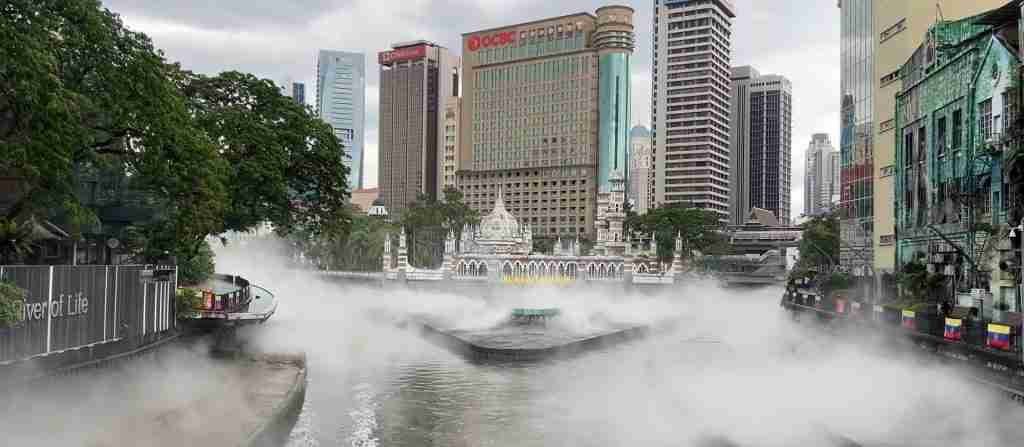
Kuala Lumpur 3-Day Discovery Tour
- ✓ Comprehensive Kuala Lumpur experience
- ✓ Expert local guides included
- ✓ All accommodation included
- ✓ Transportation provided
5 days
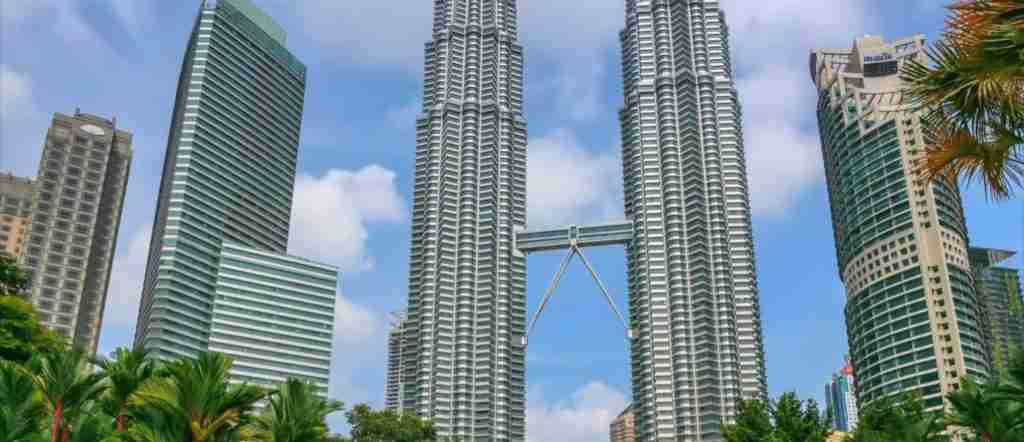
Kuala Lumpur 5-Day Highlights Experience
- ✓ Comprehensive Kuala Lumpur experience
- ✓ Expert local guides included
- ✓ All accommodation included
- ✓ Transportation provided

7 days
Kuala Lumpur 7-Day Cultural Journey
- ✓ Comprehensive Kuala Lumpur experience
- ✓ Expert local guides included
- ✓ All accommodation included
- ✓ Transportation provided
10 days
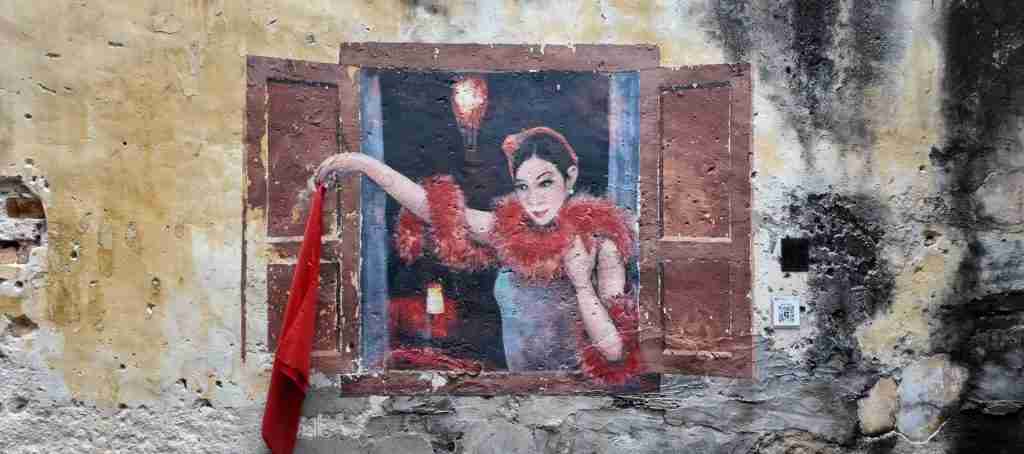
Kuala Lumpur 10-Day Complete Adventure
- ✓ Comprehensive Kuala Lumpur experience
- ✓ Expert local guides included
- ✓ All accommodation included
- ✓ Transportation provided
Multi-day tour packages powered by TourRadar. Prices and availability subject to change.
Understanding Kuala Lumpur’s Character in 2026
Kuala Lumpur embodies Malaysia’s “Truly Asia” essence as the only Southeast Asian capital where Islamic mosques, Chinese temples, Hindu shrines, and colonial architecture coexist within compact walkable distances, creating urban fabric reflecting the nation’s Malay, Chinese, and Indian ethnic composition. The city evolved from 1850s tin-mining settlement at the confluence of Klang and Gombak rivers to become Malaysia’s capital in 1957 at independence, then transformed into modern metropolis through 1980s-1990s development culminating in 1998 completion of Petronas Twin Towers that defined 21st-century skyline. This rapid modernization created distinctive urban character where gleaming glass towers rise directly above heritage shophouses, air-conditioned malls operate alongside open-air markets, and residents seamlessly navigate between traditional and contemporary lifestyles within single neighborhoods.
The 2026 Visit Malaysia campaign amplifies Kuala Lumpur’s tourism infrastructure through systematic improvements across accessibility, cultural programming, and visitor services. Government investment brings enhanced English-language signage throughout heritage districts, extended operating hours at major attractions during peak tourism months, expanded public transport frequency on LRT and MRT lines serving tourist areas, and coordinated cultural festivals throughout the year showcasing traditional arts, performances, and celebrations. The 43 million visitor target creates sustained activity and vibrant atmosphere without overcrowding that plagues Bangkok or Singapore, as Malaysia’s larger geographic area and multiple destination options (Penang, Langkawi, Borneo) distribute tourist flows effectively.
Kuala Lumpur’s compact tourist zone concentrates within the Golden Triangle bounded by KLCC to east, Bukit Bintang to center, and Chinatown to west, enabling exploration without extensive transit despite the city’s overall sprawl across 243 square kilometers. Petronas Twin Towers anchor the modern KLCC district featuring manicured KLCC Park, upscale Suria KLCC shopping, and contemporary hotels and restaurants. Bukit Bintang delivers commercial energy through massive Pavilion KL mall, street food hub Jalan Alor, and dense concentration of mid-range hotels and entertainment venues. Chinatown preserves heritage character through colonial architecture, Petaling Street market, Chinese temples, and budget guesthouses reflecting the city’s multicultural roots.
Climate patterns maintain consistent tropical heat year-round with temperatures 27-32°C showing minimal seasonal variation, meaning the distinction between “dry” and “wet” seasons involves rainfall timing rather than temperature changes. The wettest months (November-March) bring afternoon thunderstorms 12-18 days monthly, while drier periods (March-October) reduce rain frequency to 8-12 days monthly, but crucially both patterns deliver rain as predictable afternoon bursts rather than all-day events. This consistency enables year-round tourism viability with strategic daily scheduling rather than requiring specific seasonal timing as Vietnam or Thailand demand. Humidity stays high throughout 2026 averaging 75-85%, creating the perpetual warm dampness characteristic of equatorial climates that tourists from temperate regions find initially overwhelming but acclimate to within 2-3 days.
Top Attractions and Experiences in Kuala Lumpur 2026
Petronas Twin Towers and KLCC District
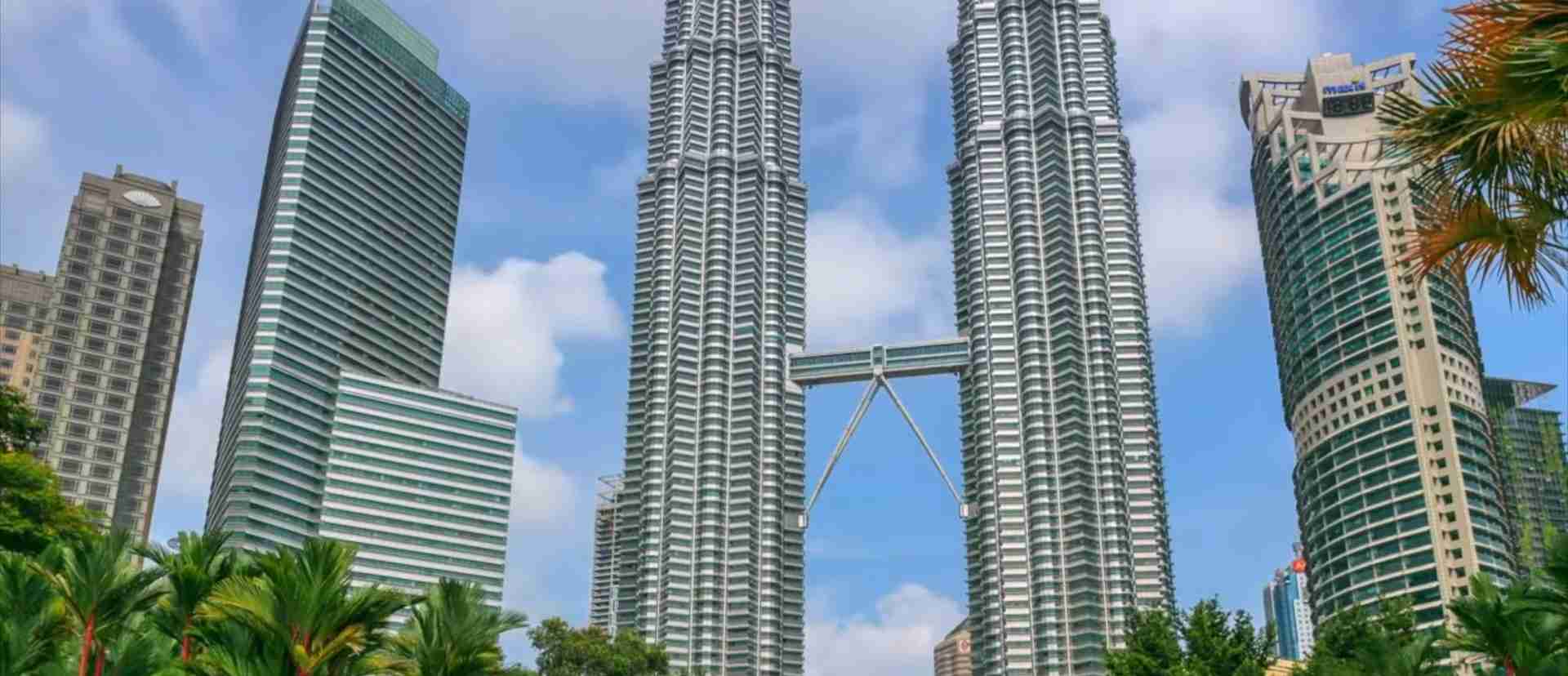
Petronas Twin Towers dominate Kuala Lumpur’s skyline as the world’s tallest twin structures at 452 meters, serving simultaneously as the city’s most recognizable landmark and Malaysia’s architectural representation of rapid economic development. Designed by Argentine-American architect Cesar Pelli and completed in 1998, the towers incorporate Islamic geometric patterns in their floor plan and facade while employing cutting-edge engineering including stainless steel-clad facade and bridge connecting the structures at 41st-42nd floors. Visitor access includes the Skybridge on Level 41-42 and Observation Deck on Level 86, offering panoramic views across Kuala Lumpur’s sprawling urban landscape from tropical hills to the Klang Valley. Admission costs RM85 ($31) for non-Malaysian adults and RM55 for children under 12, with tickets purchased online through the official Petronas Twin Towers website enabling selection of specific time slots (check official site for current pricing as rates vary). Peak visiting hours 10am-3pm see maximum crowds and hotter outdoor observation deck conditions, while early morning slots 9-10am or late afternoon 5-6pm provide better lighting for photography and reduced visitor density. The visit duration runs 45-60 minutes including Skybridge crossing, exhibitions explaining tower construction and Malaysian culture, and Observation Deck viewing, with security screening requiring arrival 15 minutes before ticket time.
KLCC Park surrounding the towers provides 50 acres of landscaped gardens, children’s playground, wading pool, and 1.3-kilometer jogging track creating urban green space for families, joggers, and those seeking respite from shopping mall air conditioning. The park functions best for morning visits 7-10am before heat intensifies or evening walks 6-8pm when towers illuminate and temperatures moderate, with free entry enabling casual enjoyment without admission costs. Suria KLCC shopping mall at the towers’ base operates 10am-10pm daily with 6 levels containing 450+ stores ranging from luxury brands (Burberry, Coach, Louis Vuitton) to mainstream retail (Zara, H&M, Uniqlo), Malaysian handicraft shops, electronics, and extensive food court plus upscale restaurants. The mall provides air-conditioned refuge during afternoon rain, quality restroom facilities, and convenient dining options though prices run 20-30% above street level equivalents.
Aquaria KLCC located in the KLCC Convention Centre basement showcases 5,000 marine and freshwater creatures including massive tiger sharks, graceful rays, poisonous sea snakes, and colorful reef fish in a 90-meter underwater tunnel creating immersive ocean experience. Admission costs RM69 ($18) adults and RM57 children with combination tickets available including Petronas Towers reducing total costs, operating hours 10am-8pm daily with last entry 7pm, and typical visit duration 90-120 minutes. The aquarium particularly suits families with children, rainy afternoon activities, and those interested in marine life, though snorkeling or diving enthusiasts might find it underwhelming compared to actual reef experiences available in Malaysian islands.
Batu Caves Temple Complex
Batu Caves represents Kuala Lumpur’s most dramatic cultural and natural attraction, combining massive Hindu temple complex dedicated to Lord Murugan with 400-million-year-old limestone formations creating cathedral-like caverns housing shrines, statues, and religious sites. The 140-foot-tall golden Murugan statue greets visitors at the base before the famous 272 rainbow-painted stairs climb steeply to the main Temple Cave, where natural light streams through ceiling openings illuminating elaborate Hindu altars and shrines amid stalactites and rock formations. Free admission enables budget-friendly visits, though modest dress requirements (shoulders and knees covered) must be observed with sarongs available for rent RM5 if needed. The complex operates daily 6am-9pm with morning visits 7-10am recommended before midday heat makes the stair climb exhausting and crowds from tour groups arrive 10am-3pm.
Transportation from central Kuala Lumpur involves KTM Komuter train from KL Sentral to Batu Caves station costing RM2.60 ($0.65) taking 30 minutes, followed by 5-minute walk to temple base, providing the most economical access though trains run every 20-30 minutes requiring schedule checking. Grab ride-sharing from KLCC or Bukit Bintang costs RM20-30 ($5-8) taking 25-35 minutes depending on traffic, offering door-to-door convenience particularly worthwhile for groups of 2-3 splitting costs. Half-day tours including Batu Caves, Royal Selangor Pewter factory, and Batik workshop run RM150-200 per person, providing convenient packaged experience though significantly more expensive than independent visits.
The stair climb challenges those with limited fitness as the steep ascent at tropical heat and humidity creates exertion requiring multiple rest stops, regular water intake, and sun protection through hat and sunscreen. Mischievous macaque monkeys inhabit the temple grounds and stairs, frequently grabbing food, water bottles, and unguarded bags requiring constant vigilance and avoiding feeding that encourages aggressive behavior. Dark Cave Conservation Site adjacent to the main temple offers educational 45-minute guided tours RM35 adults exploring cave ecosystems, rare species, and geological formations, appealing to nature enthusiasts though requiring separate admission and pre-booking. Ramayana Cave at the base features Hindu epic scenes in colorful dioramas with admission RM5, taking 15-20 minutes to explore and particularly interesting for those unfamiliar with Hindu mythology or traveling with children needing easier activity than main temple stairs.
Historical and Cultural Sites in Central Kuala Lumpur
Merdeka Square forms the historic heart where Malaysia declared independence from British rule on August 31, 1957, now featuring the world’s tallest free-standing flagpole (100 meters) flying the Malaysian flag above manicured lawns and colonial buildings. The square anchors the Heritage Trail including Sultan Abdul Samad Building (1897) showcasing Moorish architecture with distinctive clock tower, St. Mary’s Anglican Cathedral (1894) representing Gothic revival design, and Kuala Lumpur City Gallery displaying the city’s history and development. Free access enables self-guided exploration though minimal signage requires either hiring guide RM100-150 for 2-hour walking tour or using audio guide apps providing historical context. Evening visits 6-8pm capture the colonial buildings illuminated against night sky and locals gathering for recreation and photography, while midday visits suffer intense tropical sun and heat without significant shade.
Islamic Arts Museum Malaysia located on Jalan Lembah Perdana presents Southeast Asia’s largest Islamic decorative arts collection across 12 galleries spanning 30,000 square meters, showcasing textiles, ceramics, jewelry, weapons, manuscripts, and architectural elements from throughout the Islamic world. Admission costs RM14 ($4) adults and RM7 children with operating hours 10am-6pm Tuesday-Sunday (closed Mondays), typical visit duration 2-3 hours depending on interest level, and excellent air conditioning making it ideal afternoon activity during monsoon season rain. The architecture gallery features scale models of famous mosques worldwide including Masjid al-Haram in Mecca and Dome of the Rock in Jerusalem, while the textile collection displays rare Ottoman, Persian, and Indian fabrics demonstrating sophisticated craftsmanship. The museum restaurant serves Turkish-Middle Eastern cuisine at reasonable prices RM25-40 per meal in beautiful courtyard setting with fountain, making it worthwhile lunch stop even for those not deeply interested in Islamic art.
National Mosque (Masjid Negara) completed in 1965 expresses modernist Islamic architecture through distinctive blue star-shaped dome and 73-meter minaret, accommodating 15,000 worshippers in the main prayer hall with minimalist geometric design reflecting 1960s aesthetic. Free admission welcomes non-Muslim visitors outside prayer times (visit 9am-12pm, 3-4pm, 5:30-6:30pm) with modest dress strictly enforced requiring robes provided free at entrance for women in sleeveless or short clothing and long pants for men in shorts. The 30-40 minute self-guided visit explores the prayer hall, courtyard, and gardens revealing contemporary Islamic design and Malaysian religious practice, though photography restrictions apply in certain areas and respectful behavior essential as this remains active place of worship rather than tourist attraction.
Exploring Kuala Lumpur’s Diverse Neighborhoods in 2026
Chinatown and Petaling Street Market
Chinatown occupies the city’s oldest commercial district centered on Petaling Street market, where heritage shophouses dating to the 1880s contain traditional trades, modern retail, street food stalls, and budget accommodations creating authentic multicultural atmosphere. Petaling Street Market operates as covered pedestrian street lined with vendor stalls selling clothing, accessories, electronics, souvenirs, and counterfeit designer goods at heavily negotiable prices where aggressive bargaining expected and 50-70% off initial asking price often achievable. The market runs 10am-10pm daily with peak activity 5-9pm when locals join tourists for evening shopping and dining, while midday visits suffer intense heat under the covered but un-air-conditioned market roof. Authentic experiences far outweigh shopping value as identical goods appear in all stalls and quality varies wildly, making Petaling Street worthwhile for cultural atmosphere and bargaining entertainment rather than serious shopping needs.
Chinatown’s temples provide cultural depth beyond commercial tourism with Sri Mahamariamman Temple (Hindu) featuring elaborate gopuram tower with hundreds of colorful deities, Chan See Shu Yuen Temple showcasing southern Chinese architecture and craftsmanship, and Sin Sze Si Ya Temple serving as Kuala Lumpur’s oldest Taoist temple dating to 1864. All temples offer free admission with modest dress requirements and photography generally permitted in courtyard areas though not inside main shrines. Central Market (Pasar Seni) one block from Petaling Street operates in 1930s Art Deco building converted to handicraft center selling Malaysian batik, wood carvings, pewter, paintings, textiles, and traditional snacks across three floors with fixed prices eliminating bargaining stress and higher quality standards than Petaling Street market. Operating hours 10am-9:30pm daily with air conditioning, clean restrooms, and café facilities make Central Market comfortable shopping alternative particularly during afternoon heat or rain.
Chinatown accommodations concentrate budget guesthouses and hostels offering RM50-150 ($13-38) per night in heritage shophouses with basic amenities, fan or air conditioning, and shared or private bathrooms appealing to backpackers and budget travelers accepting aging facilities and street noise for authentic atmosphere and rock-bottom prices. The neighborhood’s nightlife emerges after sunset with rooftop bars like Reggae Bar and Merchant’s Lane offering cheap beer RM10-15 and live music, though the area quiets earlier than Bukit Bintang with most activity concluding by midnight. Food options span from street stalls serving char kuay teow RM6, Hokkien mee RM8, and fresh sugarcane juice RM3, to sit-down restaurants offering Cantonese seafood, dim sum, and Malaysian Chinese cuisine at RM20-40 per person providing excellent value concentrated dining opportunities.
Bukit Bintang and Shopping District
Bukit Bintang functions as Kuala Lumpur’s premier shopping and entertainment zone, anchored by Pavilion KL mega-mall featuring 700+ stores across 1.7 million square feet including luxury brands, mainstream retail, electronics, cosmetics, and extensive dining from food court hawker stalls to upscale restaurants. Pavilion KL operates 10am-10pm daily with free admission, excellent air conditioning, clean facilities, and frequent sales/promotions making it compelling destination for serious shoppers and casual browsers seeking respite from tropical weather. Neighboring malls (Lot 10, Fahrenheit 88, Starhill Gallery, Berjaya Times Square) create continuous climate-controlled shopping corridor where visitors can spend entire days mall-hopping without outdoor exposure, though this insulated experience misses authentic street-level Kuala Lumpur character.
Jalan Alor street food hub delivers Kuala Lumpur’s most accessible culinary immersion with two-block pedestrian zone lined with restaurants and hawker stalls serving Malaysian Chinese dishes including BBQ chicken wings RM1 each, satay skewers RM1-1.50, stir-fried noodles RM10-15, whole steamed fish RM25-40, and fresh seafood at market prices 6pm-midnight nightly. The controlled chaos features touting restaurant staff aggressively promoting their establishments, plastic chairs and tables filling the street, beer RM8-12 per large bottle, and bustling local and tourist crowds creating vibrant atmosphere that defines Southeast Asian street food culture. Prices run slightly higher than neighborhood stalls due to tourist-heavy clientele, but value remains excellent with RM30-50 delivering substantial feast, and the concentration of options enables sampling multiple dishes from different vendors in single evening. Recommendations include Wong Ah Wah for chicken wings, Mun Choong for BBQ seafood, and fruit juice stalls serving fresh watermelon and sugarcane RM3-5.
Bukit Bintang accommodations span all budget categories with luxury hotels RM400-800 ($100-200) like Grand Hyatt and JW Marriott offering full-service amenities and prime locations, mid-range properties RM200-350 ($50-90) including Hotel Maya and Traders Hotel providing quality comfort and modern facilities, and budget capsule hotels RM80-120 ($20-30) like The Bed KLCC delivering affordable clean accommodation for solo travelers and backpackers. The neighborhood’s central location enables walking to major attractions (15-minute walk to Petronas Towers, 10 minutes to KL Tower), easy LRT access from Bukit Bintang station, and proximity to nightlife, dining, and shopping creating convenience that justifies moderate price premiums over peripheral areas.
Little India and Masjid India District
Little India concentrates along Jalan Masjid India creating vibrant South Asian enclave where textile shops, jewelry stores, spice vendors, and Indian restaurants line narrow streets adorned with colorful fabrics and aromatic food smells. The neighborhood functions primarily as local Indian community commercial center rather than tourist attraction, providing authentic cultural immersion for those willing to navigate chaotic sidewalks, persistent vendor sales pitches, and minimal English signage. Masjid India (India Mosque) anchors the district as 19th-century religious site with distinctive onion domes, though non-Muslims cannot enter during prayer times and even visiting hours require modest dress and respectful behavior.
Indian cuisine opportunities range from banana leaf restaurants serving South Indian vegetarian meals RM10-15 with unlimited rice and curry refills, to Muslim mamak stalls offering roti canai RM1.50 per piece and teh tarik RM2-3, to upscale North Indian establishments presenting tandoori specialties and Mughlai curries RM25-40 per person. The neighborhood particularly excels for vegetarians and vegans as Tamil influence brings extensive meat-free options unusual in Malay and Chinese cuisine, with dosa, idli, sambar, and vegetarian biryanis widely available at minimal cost. Shopping focuses on textiles including sari fabrics, Punjabi suits, and traditional garments plus Indian jewelry, incense, spices, and Bollywood DVDs at wholesale prices catering primarily to local community rather than tourist souvenir hunters.
Little India suits half-day cultural exploration combining shopping, dining, and architectural photography, though it lacks the concentration of major attractions justifying extended stays. Budget accommodation exists through basic Indian-run guesthouses RM60-100 per night offering authentic atmosphere and rock-bottom prices, though facilities remain very basic and neighborhoods feel less secure after dark than Chinatown or Bukit Bintang. The district connects to broader Kuala Lumpur via Masjid Jamek LRT station and frequent Grab ride-hailing, enabling easy combination with other neighborhoods during full-day city exploration.
Transportation and Getting Around Kuala Lumpur 2026
Public Transportation Systems and Costs
Kuala Lumpur’s integrated rail network comprises LRT (Light Rail Transit), MRT (Mass Rapid Transit), and Monorail systems totaling over 100 stations connecting all major tourist areas, shopping districts, and transportation hubs across the city. LRT operates two lines (Kelana Jaya Line and Ampang/Sri Petaling Line) serving KLCC, Bukit Bintang, Masjid Jamek, and KL Sentral with per-ride costs RM0.80-8.00 depending on distance, while MRT runs two lines (Kajang Line and Putrajaya Line) linking northern suburbs to KLCC and city center with per-ride fares RM1.00-6.40. The Monorail single line serves Bukit Bintang corridor charging RM1.20-2.90 per trip, with all systems accepting contactless Touch ‘n Go cards purchased RM10 initial deposit plus load amount at station counters. MyCity Pass unlimited day travel costing RM15 provides best value for tourists making 3+ rail trips daily, covering all LRT, MRT, and Monorail lines plus RapidKL buses with 24-hour validity from first use.
Trains run approximately 6am to midnight with frequency varying by line and time, averaging 3-5 minutes during morning peak (7-9am) and evening rush (5-7pm), 5-10 minutes during midday, and 10-15 minutes during early morning and late evening. Stations feature air conditioning, clear signage in Malay and English, ticket machines accepting cash and cards, and elevators/escalators for accessibility, though crowding during rush hours makes traveling with large luggage challenging. The rail system connects seamlessly at major interchange stations (KL Sentral, Pasar Seni, Masjid Jamek) enabling cross-platform transfers between lines, while navigating requires moderate attention to direction, line names, and station stops though less complex than Bangkok or Tokyo systems.
RapidKL buses supplement rail coverage reaching neighborhoods without train stations, operating extensive routes across the city for flat RM1-2 fares regardless of distance, though route maps and schedules remain difficult for tourists to navigate without local knowledge or Google Maps guidance. Free “Go KL City Bus” services run four color-coded routes (Purple, Red, Green, Blue) connecting major tourist areas including KLCC, Bukit Bintang, Chinatown, and KL Sentral from 6am-11pm Monday-Thursday and 6am-1am Friday-Sunday, providing completely free hop-on hop-off service ideal for budget tourists and short trips between neighboring areas. The free buses run every 5-15 minutes, stop at clearly marked purple bus stops throughout the route, and operate modern air-conditioned vehicles making them excellent value though subject to traffic delays that plague all road transport.
Ride-Hailing and Taxi Services in 2026
Grab dominates Kuala Lumpur’s ride-hailing market as the primary alternative to traditional taxis, offering transparent pricing through the app, reliable service with driver tracking and rating systems, cashless payment via credit card or e-wallet, and English-language interface simplifying communication for tourists. GrabCar Economy starting at RM5 minimum fare charges RM1.30 per kilometer plus RM0.20 per minute, making typical 5-kilometer city center trips cost RM8-15 ($2-4), while GrabCar Premium charging RM4 base and RM1.50 per kilometer plus RM0.50 per minute provides nicer vehicles for RM15+ minimum. Surge pricing multiplies base fares by 1.3-2.0x during peak demand (morning rush hour, evening rush, heavy rain, late Friday-Saturday nights), significantly increasing costs though remaining competitive with taxis and far more reliable regarding pricing transparency and vehicle standards.
Airport transfers via Grab from KLIA/KLIA2 to central Kuala Lumpur run fixed RM65 economy or RM200 premium regardless of exact destination, traffic, or time of day, providing predictable pricing though vulnerable to extended journey times during rush hour traffic. Wait times vary from 1-3 minutes during normal hours in busy areas to 5-10 minutes in peripheral neighborhoods or late nights, with drivers generally professional, vehicles reasonably clean, and service quality dramatically superior to street taxis that frequently attempt meter scams or route inflation. Grab serves families and groups well with GrabCar 6-seater option accommodating luggage and passengers for only minor surcharge over standard GrabCar, making it often cheaper than multiple taxi rides when splitting costs.
Traditional taxis operate via red, blue, and yellow vehicles throughout Kuala Lumpur with official metered fares starting RM3 daytime and RM4.50 nighttime, incrementing by distance and time to reach totals comparable to Grab for equivalent trips. However notorious reputation for refusing to use meters, claiming “flat rate” fees double or triple legitimate costs, taking unnecessarily long routes, and sometimes harassing tourists creates strong recommendation to avoid street taxis entirely in favor of app-based Grab for all trips. The only exception involves pre-purchased taxi coupons at KLIA airport where fixed-price vouchers eliminate negotiation and scams, costing RM80-100 to city center with guaranteed metered service, though still more expensive and less convenient than KLIA Ekspres train or Grab.
Accommodation Strategies for Kuala Lumpur 2026
Budget Accommodation Options and Areas
Budget travelers in Kuala Lumpur access extensive hostel and guesthouse options across Chinatown, Bukit Bintang, and KLCC periphery offering dormitory beds RM30-60 ($8-15) per night and private rooms RM80-150 ($20-38) with basic amenities including air conditioning, Wi-Fi, shared bathrooms, and common areas. Chinatown delivers authentic atmosphere through heritage shophouses converted to budget lodging, exemplified by properties like BackHome Kuala Lumpur (RM45 dorms, RM120 private), Reggae Mansion (RM55 dorms with party atmosphere), and Mingle Hostel (RM50 dorms, RM140 private rooms) offering social environments, walking distance to Petaling Street market and street food, and rock-bottom prices accepting aging buildings and street noise.
Bukit Bintang budget options include capsule hotels like The Bed KLCC (RM60-90 per capsule) providing Japanese-style pod accommodation with privacy curtains, charging stations, air conditioning, and modern facilities in central location, plus traditional hostels like Container Hotel (RM50 dorms) and SohoTown Hostel (RM55 dorms, RM150 private) combining affordable rates with proximity to shopping, nightlife, and dining. These properties suit social backpackers, solo travelers, and budget-conscious tourists comfortable with shared spaces and basic amenities in exchange for prime locations and extensive cost savings enabling longer stays or budget allocation to tours, food, and entertainment.
Budget hotel chains including Tune Hotels, RedDoorz, and OYO offer private rooms RM80-180 ($20-45) with air conditioning, private bathrooms, basic furniture, and varying cleanliness standards scattered throughout Kuala Lumpur’s neighborhoods. These properties bridge hostels and mid-range hotels, suitable for couples, older travelers, or those seeking privacy without luxury hotel costs, though quality varies significantly making review checking essential through Booking.com, Agoda, or Google ratings before booking. KL Sentral area provides budget convenience through proximity to all transportation connections, though sterile atmosphere lacks Chinatown’s character or Bukit Bintang’s dining options.
Mid-Range and Luxury Accommodation in 2026
Mid-range hotels RM200-400 ($50-100) per night dominate Bukit Bintang, KLCC periphery, and KL Sentral providing quality accommodation with modern facilities, English-speaking staff, on-site restaurants, swimming pools, fitness centers, and convenient locations. Properties like Traders Hotel Kuala Lumpur (RM280-380) delivers excellent Petronas Towers views and KLCC connectivity, while Hotel Stripes (RM250-350) in Jalan Kamunting offers boutique experience and central access, and Aloft KL Sentral (RM220-320) combines transportation hub proximity with contemporary design. These hotels suit mid-range travelers, business visitors, families seeking amenities, and those prioritizing comfort and location over budget constraints, delivering excellent value proposition considering facility quality and positioning.
Luxury accommodations RM400-800+ ($100-200+) concentrate in KLCC and Bukit Bintang through international chains and premium local properties offering five-star service, extensive amenities, multiple dining options, spa facilities, and prestige locations. The Ritz-Carlton Kuala Lumpur (RM650-1,200) anchors luxury with British colonial elegance and prime Bukit Bintang position, while Mandarin Oriental (RM750-1,400) provides Petronas Towers views and world-class service, and Grand Hyatt (RM550-950) combines modern luxury with entertainment district convenience. These properties cater to luxury travelers, special occasions, and business executives on corporate rates, though Kuala Lumpur’s mid-range options often provide 70-80% of luxury hotel experience at 30-40% of luxury pricing making extreme upper-tier less compelling value than destination cities like Singapore where luxury becomes more necessary.
Neighborhood selection impacts overall Kuala Lumpur experience as significantly as accommodation category, with Bukit Bintang offering maximum convenience for shopping, dining, and nightlife at moderate noise levels, KLCC providing modern environment with Petronas proximity but higher prices and limited street-level character, Chinatown delivering budget authenticity with cultural immersion trading cleanliness and quiet, and KL Sentral serving transit-focused visitors prioritizing connections over neighborhood atmosphere. First-time visitors default to Bukit Bintang or KLCC periphery balancing access and experience, while repeat visitors or long-term stays might explore Bangsar, Ampang, or Sri Hartamas for local neighborhood feel beyond tourist concentration.
Food and Dining in Kuala Lumpur 2026
Street Food and Hawker Centers
Kuala Lumpur’s street food scene delivers Malaysia’s multicultural cuisine through hawker stalls and informal eateries serving authentic dishes at RM5-20 ($1.30-5) per meal, creating accessible culinary exploration without language barriers, advance reservations, or dress codes. Jalan Alor in Bukit Bintang concentrates tourist-friendly hawker restaurants specializing in Malaysian Chinese dishes including BBQ chicken wings RM1 each at Wong Ah Wah, satay RM1.50 per stick, char kuay teow RM12, butter prawns RM25-35, and fresh coconut water RM5, operating 6pm-midnight nightly with plastic tables spilling into the pedestrian street. Prices run 20-30% above neighborhood stalls due to tourist visibility, but convenience, variety, and atmosphere justify moderate premiums for visitors wanting concentrated options in controlled environment.
Nasi kandar represents Malaysian Indian Muslim cuisine delivered through 24-hour restaurants offering rice with choice of curries, vegetables, and proteins displayed cafeteria-style where customers point to selections and cashiers calculate prices based on chosen items. Pelita Nasi Kandar near KLCC operates around-the-clock serving classic nasi kandar RM10-20 with multiple curry options, fried chicken, fish, vegetables, and papadam crackers creating substantial meals at minimal cost in authentic local setting without tourist orientation. The system functions through pointing at dishes, receiving plate of rice with selected items, then paying at counter after eating based on visual assessment of portions rather than precise weighing creating slight pricing variability but generally fair outcomes.
Hawker centers including Madam Kwan’s in Pavilion KL food court, Lot 10 Hutong underground food court, and KLCC Suria food court aggregate multiple stalls under one roof with air conditioning, clean facilities, and varied cuisines enabling comfortable sampling across Malaysian, Chinese, Indian, and Western options at RM8-18 per dish. These settings suit families, first-time visitors hesitant about street hygiene, and those seeking climate-controlled dining during afternoon heat or rain, though authenticity decreases and prices increase 30-50% compared to street-level equivalents. Food court protocols involve claiming table, ordering and paying at individual stalls, receiving food at table when ready, and clearing trays after finishing unlike full-service restaurants.
Restaurant Dining and Specialty Cuisine in 2026
Mid-range restaurants across Kuala Lumpur serve Malaysian, Chinese, Indian, Western, Japanese, Korean, and Thai cuisines in air-conditioned comfort with menu service, table settings, and RM20-50 ($5-13) per person costs including drinks. Malay restaurants like Bijan Bar & Restaurant (RM40-80 per person) and Precious Old China (RM35-65) specialize in traditional Malay dishes including rendang, sambal, ikan bakar (grilled fish), and coconut-based curries served in heritage settings with cultural atmosphere. Chinese restaurants span Cantonese seafood at Oversea Restaurant (RM40-80 per person) featuring steamed fish, crab, prawns, and dim sum, to Szechuan hot pot at Chillax (RM45-75) offering spicy soup bases and premium meat slices, to casual noodle shops serving wonton mee RM12-18.
Indian fine dining elevates beyond banana leaf meals through restaurants like Saravana Bhavan (RM25-40) presenting South Indian vegetarian thalis and dosas, and Khan’s Restaurant (RM30-60) specializing in North Indian tandoori and curry preparations with naan bread and biryanis. International cuisines proliferate across Italian (Mezze Bistro RM50-80), Japanese (Ishin Japanese Dining RM60-100), Korean (Daorae Korean BBQ RM40-70), and Western (Marini’s on 57 RM80-150) creating dining diversity rivaling Singapore or Bangkok at notably lower costs. These restaurants suit special occasions, business meals, date nights, and travelers wanting familiar cuisines or elevated dining experiences beyond street food while maintaining reasonable budgets.
Vegetarian and vegan options concentrate in Little India through Tamil vegetarian restaurants, Buddhist vegetarian establishments in Chinatown serving meat substitutes and vegetable-based dishes, and modern plant-based cafes like Simple Life and Sala in Bangsar catering to health-conscious crowds with RM18-35 mains. Malaysia’s multicultural composition creates natural vegetarian abundance through Hindu and Buddhist influences, making meat-free eating far easier than neighboring Thailand or Vietnam where vegetarian understanding remains limited outside tourist areas. Halal dining dominates Malay and Indian Muslim establishments while Chinese and international restaurants offer varying halal certification, with Muslim travelers finding comprehensive halal options across all price categories and cuisines throughout the city.
Day Trips and Nearby Destinations from Kuala Lumpur 2026
Malacca Historical City
Malacca (Melaka) located 150 kilometers south of Kuala Lumpur preserves Malaysia’s richest colonial heritage through Dutch, Portuguese, and British architecture, Chinese Peranakan culture, and UNESCO World Heritage status recognizing the city’s historical significance as Southeast Asian trading hub. Day trips via bus from TBS (Terminal Bersepadu Selatan) cost RM10-20 ($2.50-5) taking 2-2.5 hours each direction, or private car/Grab charter RM250-350 ($65-90) round-trip providing door-to-door convenience and flexible timing for groups of 3-4 making per-person costs competitive. Organized tours RM180-250 per person include transportation, guide, and sometimes lunch while providing historical context and managing logistics at premium pricing versus independent travel.
Malacca’s compact historic center enables walking exploration within 2-3 hours covering Stadthuys (Dutch colonial building now museum), A Famosa fortress ruins, St. Paul’s Church hilltop, Jonker Street Chinatown, and Baba Nyonya Heritage Museum showcasing Peranakan culture. The city excels for architecture photography, colonial history enthusiasts, and those seeking UNESCO cultural experiences, though limited unique attractions beyond heritage buildings and museums make overnight stays unnecessary for most visitors preferring day-trip efficiency. Street food at Jonker Street night market (Friday-Sunday evenings) rivals Kuala Lumpur’s quality at lower prices, with chicken rice balls RM8, satay celup RM1 per stick, and cendol dessert RM3-5 justifying meal timing during Malacca visits.
Genting Highlands Resort
Genting Highlands perched 1,800 meters in the Titiwangsa Mountains provides Malaysia’s only legal casino alongside theme parks, hotels, shopping, and entertainment creating “City of Entertainment” mountain retreat 45 kilometers northeast of Kuala Lumpur. Transportation via Awana Skyway cable car from Awana Station (reached by Grab RM60-80 or Go Genting shuttle bus RM9 from KL Sentral) operates 7:30am-midnight daily costing RM10 adults return, delivering stunning aerial views during 10-minute ascent and eliminating winding mountain road queues. Direct buses from KL Sentral by Go Genting run RM9 return taking 60-75 minutes to Genting base then connecting to cable car, while private Grab to hilltop resorts costs RM110-140 during non-surge times.
Attractions include SkyWorlds outdoor theme park with 26 rides and attractions (RM158 adults, RM138 children for day pass) featuring European castle theming and roller coasters, Skytropolis indoor theme park (RM108 adults) with climate-controlled family rides, and Ripley’s Believe It or Not museum (RM58 adults). The casino operates 24 hours requiring passport for foreigners to enter gambling areas with table games, slots, and electronic gaming, though Islamic sensibilities mean many Malaysian Muslims avoid the resort creating predominately Chinese and international visitor composition. Cool mountain temperatures 15-25°C provide respite from lowland tropical heat making Genting popular during hot afternoons, though cloud cover frequently obscures views and creates misty atmospheric conditions. Day trips suit families wanting theme parks or those seeking cool weather break, while overnight stays enable casino experiences and extensive entertainment options across multiple days.
Practical Information for Kuala Lumpur Travel 2026
Money, Budgets, and Daily Costs in 2026
Daily budget estimates for Kuala Lumpur range from RM143 ($37) for budget backpackers to RM1,333 ($341) for luxury travelers, with comfortable mid-range travel achievable at RM414 ($106) per person covering quality accommodation, mix of street food and restaurant meals, transportation, and major attraction admissions. Budget category (RM143/$37 daily) breaks down to hostel dorm RM50, street food meals RM30 (RM10 breakfast, RM10 lunch, RM10 dinner), public transport RM20, one paid attraction RM30, miscellaneous RM13, creating bare-bones experience accepting dormitory living, exclusively local food, walking combined with public transit, and selective attraction visits. Mid-range category (RM414/$106) comprises hotel RM200, restaurant meals RM120 (RM20 breakfast, RM40 lunch, RM60 dinner including drink), Grab transport RM40, attractions RM40, miscellaneous RM14, delivering comfortable experience with private room, air-conditioned dining, convenient transportation, and access to major sites without budget stress. Luxury category (RM1,333/$341) includes 5-star hotel RM600, fine dining RM400, private car/guide RM200, premium attractions RM100, spa/special experiences RM33, providing maximum comfort, gourmet meals, personalized service, and exclusive experiences.
Currency exchange occurs at competitive rates through money changers concentrated in Bukit Bintang, KLCC, and shopping malls offering better rates than airport counters or hotels, with current exchange rate approximately RM3.90-4.00 per USD, RM4.50-4.60 per EUR, and RM5.00-5.10 per GBP (verify current rates before travel as fluctuations occur). ATMs accepting international cards proliferate throughout tourist areas dispensing Ringgit at interbank exchange rates plus 1-2% foreign transaction fees charged by home banks, with Maybank and CIMB providing widest ATM networks and fewest compatibility issues. Cash remains essential for street food, small shops, public transport, and taxis despite growing card acceptance in malls and restaurants, with recommended daily cash carrying RM100-200 ($25-50) sufficient for mixed spending while minimizing theft risk.
Tipping culture stays minimal in Malaysia with service charges often included in restaurant bills rendering additional tips unnecessary, though rounding up Grab fares by RM2-5 ($0.50-1.30) appreciated but not expected, hotel porters receiving RM5-10 per bag service appreciated, and exceptional restaurant service warranting optional 5-10% cash tip for servers. Most scenarios involve no tipping expectations creating significant cost predictability versus destinations like United States or Europe where 15-20% tips multiply meal costs substantially. Malaysia Tourism Tax adds RM10 ($2.55) per room per night for foreign tourists at all accommodation categories, collected at check-in or checkout but often not included in online booking prices requiring budget allocation beyond advertised rates.
Weather and Best Time to Visit in 2026
Kuala Lumpur’s equatorial location creates year-round tropical climate with temperatures consistently 27-32°C showing minimal seasonal variation, meaning the distinction between “best” and “worst” times involves rainfall patterns and hotel pricing rather than temperature changes or shoulder seasons applicable to temperate or monsoon-dominated destinations. The monsoon period (November-March) brings afternoon thunderstorms 12-18 days monthly with December-January wettest experiencing heaviest downpours lasting 1-3 hours typically 3-6pm, while the drier period (April-October) reduces rain frequency to 8-12 days monthly with shorter lighter storms though the pattern remains afternoon-focused rather than all-day events. This consistency means scheduling outdoor activities 8am-2pm and indoor pursuits 3-6pm enables effective touring throughout 2026 regardless of season, with afternoon rain functioning as predictable rhythm rather than trip-ruining impediment.
Optimal months balancing weather and value include March-April and September-October when rainfall moderates from monsoon peaks while hotel rates stay 15-25% below high season (June-August) creating sweet spot for budget-conscious travelers accepting occasional afternoon rain. Peak tourist season June-August coincides with summer school holidays bringing domestic Malaysian tourism, regional Asian visitors, and Western summer travelers creating maximum crowds at attractions and 20-30% hotel premium pricing despite higher temperatures 30-33°C and persistent humidity. December-January Christmas and Chinese New Year periods command highest hotel rates (40-60% premiums) despite wettest weather as holidays drive demand regardless of climate, making these months least attractive for value-focused tourists.
Festival timing considerations include Chinese New Year (late January-early February 2026) transforming the city through decorations, markets, and celebrations but causing business closures particularly in Chinatown where shops close 2-3 days during the holiday, Hari Raya Aidilfitri (April 2026) bringing Muslim celebrations with festive atmosphere but reduced restaurant availability during Ramadan fasting month preceding the holiday, and Deepavali (October-November 2026) illuminating Little India through lights and celebrations ideal for cultural photography. The Visit Malaysia 2026 campaign schedules coordinated events and festivals throughout the year creating enhanced cultural programming that justifies timing visits around specific events, though core attractions and experiences remain accessible year-round without requiring specific seasonal windows.
Frequently Asked Questions About Kuala Lumpur 2026
Do I Need a Visa to Visit Kuala Lumpur and Malaysia in 2026?
Visa requirements for Malaysia depend on passport nationality with citizens of 167 countries including United States, United Kingdom, European Union, Australia, New Zealand, Japan, South Korea, and Singapore receiving visa-free entry for tourism purposes up to 90 days (some nationalities receive 30 days) upon arrival at Kuala Lumpur International Airport. Passport validity requirements mandate 6 months remaining validity beyond intended departure date from Malaysia, though immigration officials sometimes accept 3 months for certain nationalities creating recommendation to maintain 6+ month validity eliminating potential issues. Chinese citizens can apply for eVisa costing RM200 ($52) processing fee enabling 30-day single entry or 90-day multiple entry for tourism, while Indian citizens receive 15-day visa-free entry for tourism under specific conditions or can apply for eVisa extending to 30 days. Citizens of countries without visa-free agreements including Pakistan, Bangladesh, Nigeria, and Syria require visa applications at Malaysian embassies prior to travel with processing times 5-10 business days and costs varying by nationality. All visa-free travelers must present confirmed onward/return flight tickets, proof of sufficient funds (credit card statements, bank letters, or cash), and hotel bookings for immigration clearance upon arrival, though actual checking remains sporadic with most Western passport holders waving through without detailed questioning. Immigration officials occasionally deny entry to travelers with previous overstays in Malaysia, insufficient proof of funds, or questionable travel histories, making compliance with all entry requirements critical despite typically smooth processing. Visa-free entry limitations prohibit employment, volunteering, or extended stays beyond tourism purposes, with violations resulting in deportation, fines, and future entry bans requiring careful adherence to visa conditions.
Is Kuala Lumpur Expensive Compared to Other Southeast Asian Cities?
Kuala Lumpur positions at the moderate end of Southeast Asian pricing scales, notably more expensive than ultra-budget destinations like Hanoi, Chiang Mai, or Jakarta, but significantly cheaper than Singapore, Hong Kong, and Tokyo, creating middle-ground value proposition. Accommodation costs run 20-30% above Hanoi or Bangkok at equivalent category levels, with Kuala Lumpur budget hostels RM50-80 versus Hanoi $8-12 equivalents (RM35-50), mid-range hotels RM200-350 versus Bangkok RM160-280 comparables, and luxury properties RM600-1,000 versus Singapore RM1,200-2,400 demonstrating the pricing spectrum. Food remains remarkably affordable with street meals RM5-15 matching or undercutting other budget Southeast Asian destinations, while restaurant dining RM30-80 per person for quality meals still delivers exceptional value versus Western equivalents. Transportation through extensive modern public transport RM0.80-8.00 per ride and Grab starting RM5 minimum creates lower mobility costs than taxi-dependent Singapore or limited-infrastructure Hanoi. Attraction pricing favors Kuala Lumpur with Petronas Towers RM85 versus Singapore Gardens by the Bay conservatories RM53 and Marina Bay Sands observation deck RM26 showing competitive landmark pricing, free temples and museums providing cultural immersion without admission costs, and overall activity expenses moderate compared to regional alternatives. The city’s value proposition particularly shines for travelers upgrading from Southeast Asian budget circuit destinations (Vietnam, Laos, Cambodia) offering first-world infrastructure, safety, cleanliness, and English prevalence at developing-nation pricing, though backpackers focused on minimizing every dollar find Thailand, Vietnam, or Indonesia delivering 10-20% savings across most categories. Mid-range and luxury travelers find Kuala Lumpur exceptional value with 4-star hotel quality matching Western 3-star at 30-40% of costs, restaurant meals approaching Western standards at 40-50% of prices, and transportation infrastructure exceeding most European or American cities at fraction of operating costs creating compelling proposition for comfortable travel without significant expense.
What Should I Pack for Kuala Lumpur in 2026?
Kuala Lumpur’s tropical climate requires lightweight breathable clothing suitable for 27-32°C temperatures combined with high 75-85% humidity creating perpetually warm damp conditions year-round. Essential items include lightweight quick-dry t-shirts and tank tops enabling multiple outfit changes as sweat becomes constant factor, breathable shorts or skirts for daytime wear though keeping knee-length pairs for temple visits requiring modest dress, one long lightweight pants and long-sleeve shirt for air-conditioned spaces and mosquito protection during evening, comfortable broken-in walking sandals or sneakers as feet swell in heat making new shoes problematic, flip-flops or slides for hostel showers and casual wear, and wide-brimmed hat or cap providing essential sun protection during outdoor exploration. Rain protection requires compact umbrella handling sudden afternoon downpours and lightweight packable rain jacket offering protection without heat-trapping materials that make heavy waterproof coats unbearable in tropical humidity. Mosque and temple visits demand modest covering with shoulders and knees covered for both genders, sarongs available for rent at most sites but bringing light scarf or wrap enables personal coverage without rental fees and provides airplane blanket and beach cover functions. Sunscreen SPF 50+ with regular reapplication every 2-3 hours prevents burns from equatorial sun intensity even during brief outdoor exposure, while DEET-based mosquito repellent combats dengue and malaria risks particularly after afternoon rain when mosquitoes emerge most actively. Electronics including universal power adapter for UK-style three-pin plugs used in Malaysia (220V 50Hz), power bank maintaining phone charge during full-day exploration when heavy navigation and photography drain batteries, and waterproof phone case or bag protecting devices during sudden rainstorms prove essential for modern connectivity-dependent travel. Money belt or hidden pouch securing passport, credit cards, and excess cash prevents theft in crowded markets and public transport, while small day pack carries water bottle (hydration critical in heat), snacks, umbrella, camera, and purchased items during daily touring. Malaysia’s excellent shopping enables purchasing forgotten items at Watsons, Guardian pharmacies, or 7-Eleven convenience stores throughout the city, though Western specialty products (specific medications, dietary supplements, toiletries) may prove difficult to locate making critical items worth packing from home. Cold weather clothing remains unnecessary as Kuala Lumpur never experiences genuinely cool temperatures even during monsoon season, though air-conditioned shopping malls and buildings can feel chilly after outdoor heat making light cardigan or long-sleeve layer worthwhile for extended mall time. Formal clothing generally unnecessary as Malaysian culture accepts casual dress even in upscale restaurants, though business travelers or special occasion diners might pack one smart-casual outfit meeting higher standards.
Can I Drink Tap Water in Kuala Lumpur?
Tap water in Kuala Lumpur meets World Health Organization safety standards with treatment at modern water facilities making it technically safe for consumption, though local customs and tourist recommendations favor bottled water due to variable pipe infrastructure and differing water taste creating practical rather than medical concerns. Hotels, shopping malls, and modern buildings maintain properly maintained plumbing delivering genuinely safe tap water that locals drink without issue, while older heritage buildings in Chinatown or budget guesthouses may have aging pipes introducing mineral tastes or slight discoloration creating preference for bottled alternatives. International chain hotels (Hilton, Hyatt, Marriott) explicitly state tap water safety for drinking, brushing teeth, and ice consumption in guest communications, while budget accommodations sometimes provide filtered water dispensers or recommend bottled water to guests creating mixed messaging. Bottled water costs RM1-2 ($0.25-0.50) for 1.5-liter bottles at convenience stores and supermarkets, RM3-5 at tourist areas and hotels, making it economically accessible regardless of traveler budget with minimal cost barrier to choosing bottled over tap. Most travelers adopt hybrid approach of drinking bottled water while using tap for teeth brushing, face washing, and shower without problems, as brief contact differs from drinking full volumes where taste issues or psychological concerns dominate. Ice in restaurants and cafes originates from commercially produced filtered sources rather than tap water making it generally safe even when tap water preference warrants avoiding, though ultra-cautious travelers can request no ice in drinks to eliminate any risk. Water fountains, public restrooms, and street vendor ice raise legitimate safety concerns as maintenance and cleaning standards vary widely, making them worth avoiding regardless of tap water official safety ratings. Visitors can minimize costs through purchasing large 5-liter bottles at supermarkets for RM3-4 then refilling small portable bottles for daily carry, bringing reusable water bottle from home for environmental sustainability, and requesting free boiled water at restaurants which all establishments provide without charge. Stomach sensitivities vary individually with some travelers experiencing minor digestive adjustment to Malaysian water regardless of safety ratings, making conservative bottled water approach worthwhile for those with sensitive systems or preferring complete peace of mind, while hardy travelers often drink tap water throughout stays without issues. The broader food safety picture suggests tap water safety ranks low on actual health risk hierarchy compared to street food hygiene, ice cleanliness, and general sanitation practices where traveler vigilance proves more impactful than water source decisions.
How English-Friendly Is Kuala Lumpur for Tourists in 2026?
Kuala Lumpur operates as highly English-friendly destination with widespread English proficiency across tourism sectors making it among Southeast Asia’s easiest cities for non-local-language travelers alongside Singapore and Manila. Former British colonial status established English as Malaysia’s second language with compulsory education from primary school creating broad population competency, while tourism industry professionals (hotels, restaurants, tour operators, transportation) maintain high English standards enabling smooth communication for all travel transactions. All public signage appears bilingual in Malay and English including train stations, street signs, attraction information, and government facilities, while shopping malls, restaurants, and tourist areas provide exclusively English menus, directories, and customer service creating seamless navigation without translation apps or language barriers. Hotel reception staff speak fluent English with training in hospitality communication, while Grab ride-hailing operates entirely through English-language app eliminating taxi communication challenges, and LRT/MRT systems feature comprehensive English announcements, digital displays, and ticket machines making public transport accessible without Malay knowledge. Challenges emerge in specific contexts including neighborhood hawker stalls where older generation vendors may speak limited English requiring pointing at desired dishes and using calculator price displays, traditional markets in Chinatown or Little India where vendors rely on basic trade English with heavy accent creating occasional misunderstandings, and some taxi drivers particularly older Malay drivers who prefer not engaging Grab showing variable English comfort. The younger generation under 40 years old generally speaks comfortable conversational English reflecting improved education standards and internet exposure, while older population 60+ years shows declining English capability particularly among ethnic Malays who primarily use Bahasa Malaysia in daily life. Tourist area concentration means 90%+ interactions proceed entirely in English without language stress, with occasional basic Malay phrases (“terima kasih” for thank you, “berapa?” for how much) appreciated but unnecessary for successful travel. Translation apps remain worthwhile downloads for rare situations like traditional medicine shops, remote temples, or specialized services, though seldom required in typical tourism contexts unlike neighboring Thailand or Vietnam where language barriers significantly complicate independent travel. The Visit Malaysia 2026 campaign includes improved English signage and tourist information materials enhancing already strong baseline capability, making Kuala Lumpur suitable destination even for solo travelers with zero foreign language skills and no inclination toward language learning as English functions effectively throughout all travel scenarios.
What Are the Most Instagrammable Spots in Kuala Lumpur 2026?
Petronas Twin Towers from KLCC Park fountains during early evening blue hour (6:30-7:30pm) creates Kuala Lumpur’s most iconic Instagram shot combining illuminated towers reflected in foreground water, city skyline backdrop, and dramatic sky transition from sunset to night, with optimal positioning at northeast corner fountains aiming southwest capturing both towers and fountain sprays. Batu Caves rainbow stairs photographed from base looking up captures 272 colorful steps leading to cave entrance with golden Murugan statue visible at top, best shot early morning 7-8am when fewer crowds enable clear stairway composition and soft morning light eliminates harsh shadows. Thean Hou Temple at sunset provides tiered Chinese architecture with elaborate roof details, red lanterns, and city skyline backdrop creating layered composition, with optimal timing 6-7pm when temple illuminates but sky retains color and weekend visits adding worshippers to scenes. Merdeka Square colonial buildings shot from padang (lawn) captures symmetrical Sultan Abdul Samad Building with clock tower and Moorish arches, best photographed afternoon 3-5pm when sun illuminates facade without harsh overhead light, or evening 7-9pm when golden illumination creates dramatic nighttime architectural portrait. Chinatown’s Petaling Street Market under the covered walkway with overhead red lanterns creates classic Southeast Asian market atmosphere, best captured evening 7-9pm when vendor lights illuminate stalls and crowds add activity to frames, though challenging light conditions require camera stabilization or higher ISO settings. KL Tower observation deck viewing Petronas Towers from elevated perspective shows the twin towers rising above city sprawl with jungle-covered hills beyond, optimal timing sunrise 7-8am or sunset 6:30-7:30pm when golden hour light bathes scene, though haze frequently obscures distant views requiring clear weather visits. Reggae Mansion rooftop bar in Chinatown delivers low-angle Kuala Lumpur skyline including Petronas and KL Tower with foreground bar culture, best photographed evening 7-10pm combining blue hour, illuminated buildings, and social atmosphere. Central Market Art Deco exterior with teal-and-cream facade and vintage architecture provides heritage building portrait ideal for street photography, while interior colorful handicraft stalls and batik displays offer Malaysian cultural content. Masjid Jamek mosque at Klang-Gombak river confluence with Moorish onion domes and palm trees creates historical Islamic architecture composition, photographed afternoon 2-4pm when sun illuminates white structure against blue sky, requiring respectful shooting from public spaces without entering mosque grounds during prayer times. Street art in Chinatown back alleys particularly Kwai Chai Hong’s murals depicting 1960s-70s Chinese-Malaysian life combines heritage architecture, vibrant art, and cultural storytelling for unique Instagram content, best visited afternoon 2-5pm when alley light quality improves. These locations provide diverse visual content spanning iconic landmarks, cultural sites, street scenes, and architectural details enabling comprehensive Kuala Lumpur photographic storytelling across Instagram feed aesthetics.
What Day Trips From Kuala Lumpur Require Overnight Stays Versus Day-Trip Timing?
Malacca functions perfectly as day trip from Kuala Lumpur with 2-2.5 hour bus rides each direction enabling 4-5 hours exploration time within compact UNESCO heritage center, covering major sites (Stadthuys, A Famosa, St. Paul’s Church, Jonker Street) comfortably without overnight accommodation, though weekend visits might extend to overnight for Friday-Saturday Jonker Street night market experience. Genting Highlands serves quintessential day trip destination just 45 kilometers distant reached in 60-90 minutes, with theme parks, shopping, casino, and restaurants accessible 9am-10pm making overnight stays worthwhile only for gambling-focused visitors wanting late-night casino access or families spending multiple days at theme parks. Cameron Highlands located 200 kilometers north requires 3.5-4 hour drives through mountain roads making overnight stay essential for worthwhile visits, as daily round-trip driving consumes 7-8 hours leaving insufficient time to explore tea plantations, strawberry farms, and hiking trails that constitute the highland appeal. Taman Negara rainforest preserve reaches 3 hours by road plus boat transfer making overnight camping or lodge stays minimum requirement, with most worthwhile experiences (jungle trekking, canopy walkway, wildlife observation) demanding 2-3 days enabling proper immersion in Malaysia’s premier rainforest destination. Pulau Ketam fishing village 90 minutes including ferry from Port Klang functions as quirky day trip showing traditional Chinese fishing community on stilts, though limited attractions beyond novelty suggest half-day excursion rather than full day or overnight commitment. Ipoh city 200 kilometers north requires 2-2.5 hour drive or train making day trips technically possible but rushed, with overnight stays enabling proper exploration of colonial heritage, street art, cave temples, and famous local cuisine without exhausting travel schedule. Penang located 350 kilometers north demands flight (1 hour, RM100-200) or 4-5 hour bus rendering it multi-day destination worth 2-3 nights minimum, as Georgetown’s UNESCO heritage zone, temples, museums, and legendary street food justify extended exploration impossible within day-trip constraints. Fraser’s Hill mountain resort 100 kilometers north reached in 2 hours provides weekend retreat rather than day trip, as limited activities (nature walks, bird watching, colonial architecture) suit leisurely multi-day pacing matching the low-key resort character. Putrajaya administrative capital 30 kilometers south enables easy 2-3 hour day trip visiting government buildings, mosques, and lakefront without overnight necessity, serving as brief excursion from Kuala Lumpur rather than standalone destination. The distinction involves practical mathematical calculation: destinations within 1.5 hours permitting 5-6 hours on-site exploration (8am departure, 10am arrival, 4pm departure, 6pm return) work as day trips, while those requiring 3+ hours transport each direction necessitate overnight stays preventing exhaustion and enabling worthwhile destination time justifying travel effort.
How Should I Handle Ramadan Period When Visiting Kuala Lumpur in 2026?
Ramadan in 2026 falls approximately late February through late March (exact dates follow Islamic lunar calendar announced closer to date) creating unique considerations as Malaysia’s Muslim-majority population observes fasting sunrise to sunset while maintaining tourist-friendly policies enabling travelers to navigate the period successfully. Food availability stays strong as non-Muslim establishments (Chinese restaurants, Indian eateries, Western chains, shopping mall food courts) operate normal hours throughout Ramadan, while Malay Muslim restaurants either close completely or operate limited evening hours after iftar (breaking fast), creating temporary unavailability roughly 7am-7pm daily though total food access never becomes problematic. Hotel restaurants serve breakfast, lunch, and dinner to guests throughout Ramadan regardless of religious background, as hospitality standards prioritize customer service over fasting observance, making accommodation dining secure option during daytime hours when street options reduce. Street food in Chinatown, Little India, and Jalan Alor continues operating though with possible reduced stalls and hours as Muslim vendors close creating 20-30% less selection without eliminating categories, while Chinese and Indian vendors maintain usual service. Public eating and drinking remains legal for non-Muslims during Ramadan in Malaysia unlike stricter Gulf states, though discretion and cultural sensitivity suggest avoiding ostentatious public consumption particularly in predominantly Malay neighborhoods (Kampung Baru) where observant Muslims fast, instead utilizing restaurants, hotels, or discreet areas for meals. Ramadan bazaars (Pasar Ramadan) emerge in late afternoon 4-6pm at locations throughout Kuala Lumpur selling traditional Malay foods, snacks, and drinks for iftar, creating excellent cultural experience for tourists interested in traditional cuisine and festive atmosphere though purchased food intended for evening breaking fast consumption. Business hours shift during Ramadan with government offices, some shops, and services closing earlier than normal around 4-5pm enabling staff to prepare iftar, while shopping malls maintain regular hours capitalizing on evening crowds shopping after breaking fast. The Ramadan atmosphere combines spiritual reflection with festive evening energy as streets fill after sunset with families dining together, mosques offering special prayers, and markets bustling until midnight creating unique cultural experience unavailable other times. Advantages of Ramadan visits include hotel discounts as Muslim tourism decreases creating 15-25% rate reductions, reduced crowds at daytime attractions as fasting observers avoid midday heat and activity, and access to special Ramadan food items and traditions enriching cultural understanding. Disadvantages involve limited Malay restaurant options during daylight requiring adjustment, generally slower business pace as energy levels decrease during fasting creating occasional service delays, and some evening activities canceling or modifying schedules accommodating observant population. Non-Muslim travelers should respect fasting observers by avoiding eating, drinking, or smoking in their direct presence though total avoidance unnecessary, dressing modestly particularly when visiting mosques or Malay areas, and exercising patience with service slower pace during this demanding religious period. The Visit Malaysia 2026 campaign ensures tourist operations continue throughout Ramadan as Malaysia balances Islamic identity with tourism economic importance, making the period entirely manageable for informed visitors willing to accept minor inconveniences in exchange for authentic cultural experience and reduced crowds plus pricing.
What Items Are Prohibited or Restricted When Entering Malaysia?
Malaysia maintains strict customs regulations prohibiting certain items and restricting others requiring declaration or permits when entering through Kuala Lumpur International Airport. Absolutely prohibited items include narcotic drugs and psychotropic substances with Malaysia enforcing mandatory death penalty for drug trafficking (defined as 15g+ heroin, 200g+ cannabis, 40g+ cocaine) creating zero-tolerance policy where even small personal-use amounts risk severe prosecution, pornographic materials including magazines, videos, and digital files on electronic devices subject to inspection and confiscation, weapons including firearms, ammunition, knives over certain sizes, martial arts equipment, and self-defense sprays all prohibited without special permits, endangered species products including ivory, turtle shells, exotic skins, and traditional medicines containing protected animals facing confiscation and heavy fines, and counterfeit goods including fake designer items, pirated software, and unauthorized copies subject to seizure. Restricted items requiring declaration include alcohol allowances limited to 1 liter spirits or wine per adult over 18 years entering from non-Muslim countries (Singapore, Thailand) with no allowance from Muslim countries, tobacco products limited to 225g (approximately 200 cigarettes) per adult over 18 with excess quantities taxed heavily, currency exceeding RM30,000 ($7,700) or equivalent foreign currency requiring declaration though smaller amounts freely transportable, prescription medications requiring original packaging, prescriptions, and declaration for controlled substances potentially requiring medical letters for larger quantities, and food items including fresh fruits, vegetables, meat products restricted based on quarantine regulations. Items commonly carried by tourists raising no issues include laptop computers, cameras, mobile phones, and personal electronics up to reasonable quantities for personal use, unopened packaged foods like snacks and sealed ingredients within reasonable personal quantities, clothing and personal items without quantity limits assuming tourist rather than commercial intent, and gifts under RM500 ($130) value per person avoiding customs duties. Specific concerns for different traveler profiles include medical marijuana users discovering all cannabis forms totally prohibited regardless of home country legality or medical prescriptions making importation impossible, vapers carrying e-cigarettes and vaping products now illegal to import after recent ban creating confiscation risk, and business travelers carrying product samples or equipment potentially requiring carnets or import documentation preventing casual border crossing. The customs declaration process involves red channel (goods to declare) versus green channel (nothing to declare) with most tourists proceeding green channel without inspection, though random checks occur requiring bag scans and questioning with penalties for undeclared restricted items including fines, confiscation, prosecution for serious violations like drugs or weapons. Best practices include leaving prohibited items home entirely rather than risking severe consequences, declaring restricted items exceeding allowances to pay duties rather than facing prosecution for smuggling, carrying prescription medications in original packaging with doctor’s letters for controlled substances, and maintaining conservative approach assuming stricter enforcement than experienced in Western countries as Malaysia takes customs violations seriously. The Visit Malaysia 2026 campaign includes improved customs signage and tourist-friendly information materials explaining regulations, though fundamental prohibitions remain unchanged as drug enforcement and restricted item policies reflect national security and religious values rather than tourism accommodation priorities.