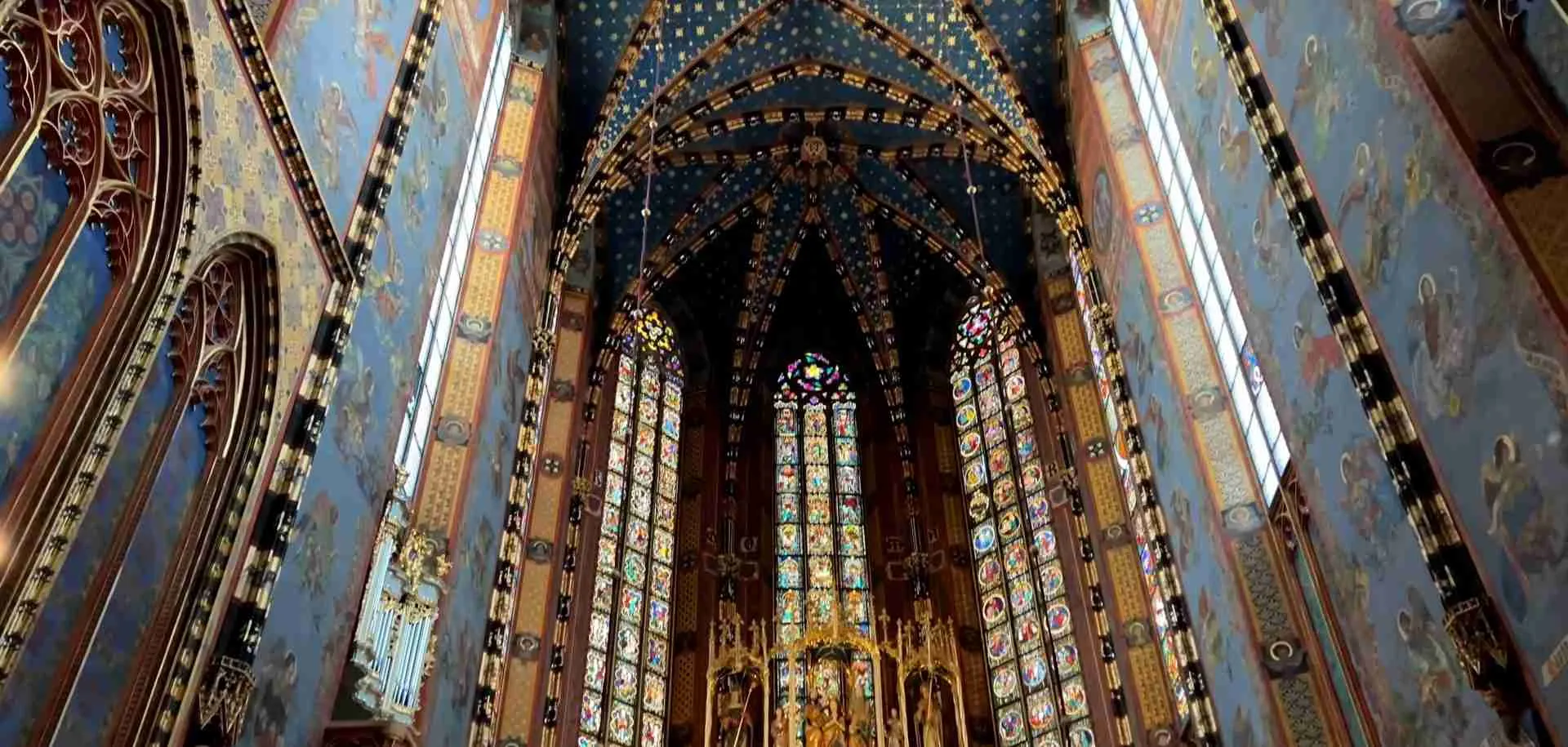
Krakow Travel Tips 2026: Essential Planning and Practical Advice
Krakow combines medieval charm with modern infrastructure, creating a destination where savvy travelers can maximize experiences while minimizing common tourist pitfalls. From navigating public transport efficiently to avoiding overpriced tourist traps, understanding practical realities transforms good trips into exceptional ones. This comprehensive guide provides insider knowledge, verified pricing, and strategic advice for experiencing Poland’s cultural capital like informed visitors rather than confused tourists.
Key Takeaways
- Book major attractions (Wieliczka Salt Mine, Auschwitz-Birkenau, Schindler’s Factory) 2-3 months ahead during peak season to secure English-language tours and preferred time slots
- Stay in Kazimierz district rather than Old Town for 30% lower hotel prices, better restaurants, and authentic local atmosphere while remaining 15-minute walk from main attractions
- Use 72-hour public transport pass (€8.40) instead of individual tickets, saving 40% on tram/bus costs while exploring efficiently
- Eat at milk bars (bar mleczny) for authentic Polish meals at €3.50-6 total cost, avoiding tourist-trap restaurants around Main Market Square charging 200% premiums
- Exchange currency at competitive kantors (exchange offices) rather than hotels or airport, saving 10-15% through better exchange rates
- Visit November-March for 40-50% lower accommodation prices and minimal crowds, accepting trade-offs of cold weather and 4pm winter sunsets
People Also Ask About Krakow Travel Tips 2026
What should first-time visitors know before traveling to Krakow in 2026?
Poland uses Polish Złoty (PLN) not Euro, requiring currency exchange despite EU membership. Book major attractions weeks ahead during peak season (May-September) as timed entries sell out. Krakow’s compact Old Town allows walking to 80% of attractions within 20 minutes, making central accommodation valuable despite higher costs. Learn basic Polish phrases (dzień dobry, dziękuję) for cultural respect, though English works throughout tourist areas. Finally, Auschwitz-Birkenau and Wieliczka Salt Mine both deserve full half-days minimum; attempting both in one day creates rushed, unsatisfying experiences.
How can I save money when visiting Krakow in 2026?
Stay in Kazimierz or Podgórze districts rather than Old Town, saving €20-40 nightly while remaining walkable to attractions. Eat lunch at milk bars (bar mleczny) for €3.50-6 full meals versus €15-25 at tourist restaurants. Purchase 72-hour transport pass (€8.40) covering unlimited tram/bus rides instead of individual tickets. Visit November-March for 40-50% lower hotel rates. Buy Krakow City Pass (€25) if visiting 4+ included attractions over three days, providing better value than individual entries. Exchange currency at competitive kantors not airport or hotel. Avoid Main Market Square restaurants; walk 2-3 blocks for identical food at 30% lower prices.
Is Krakow safe for tourists in 2026?
Krakow ranks among Europe’s safest major cities with low violent crime rates. Primary concerns include pickpocketing in crowded tourist areas (Main Market Square, tram stops during rush hour), particularly targeting distracted visitors. Stag party groups create noise and occasional drunken behavior but rarely threaten personal safety. Standard urban precautions apply: keep valuables secured in front pockets or cross-body bags, avoid unlit areas late night, decline unsolicited deals from overly friendly strangers. Solo women report feeling safe walking evening hours in central districts. Emergency services respond quickly; dial 112 throughout EU for police, medical, or fire assistance.
What’s the best time of year to visit Krakow in 2026?
April-May and September-October provide optimal balance of pleasant weather (15-20°C), manageable crowds, and 30% lower accommodation costs than peak summer. Summer (June-August) offers longest daylight hours (sunset 9pm) and fullest cultural calendars but brings peak prices, crowded attractions requiring advance bookings, and occasional afternoon thunderstorms. Winter (November-March) delivers dramatic savings (40-50% lower hotels) and atmospheric Christmas markets but requires accepting cold temperatures (-5 to 5°C), 4pm sunsets limiting outdoor exploration, and some reduced attraction hours. Choose timing based on budget versus weather priorities.
Extended multi-day tours – 5+ days
Featured Krakow Multi-Day Tour Packages
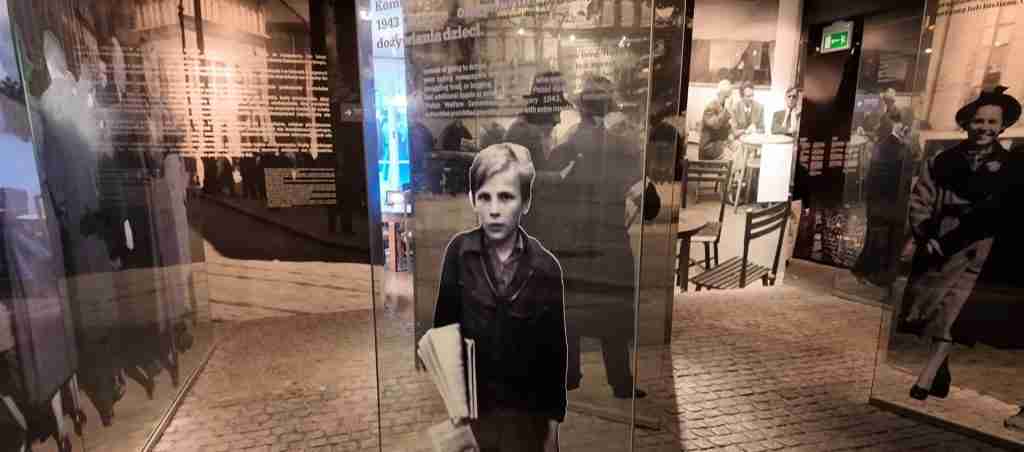
3 days
Krakow 3-Day Discovery Tour
- ✓ Comprehensive Krakow experience
- ✓ Expert local guides included
- ✓ All accommodation included
- ✓ Transportation provided

5 days
Krakow 5-Day Highlights Experience
- ✓ Comprehensive Krakow experience
- ✓ Expert local guides included
- ✓ All accommodation included
- ✓ Transportation provided

7 days
Krakow 7-Day Cultural Journey
- ✓ Comprehensive Krakow experience
- ✓ Expert local guides included
- ✓ All accommodation included
- ✓ Transportation provided
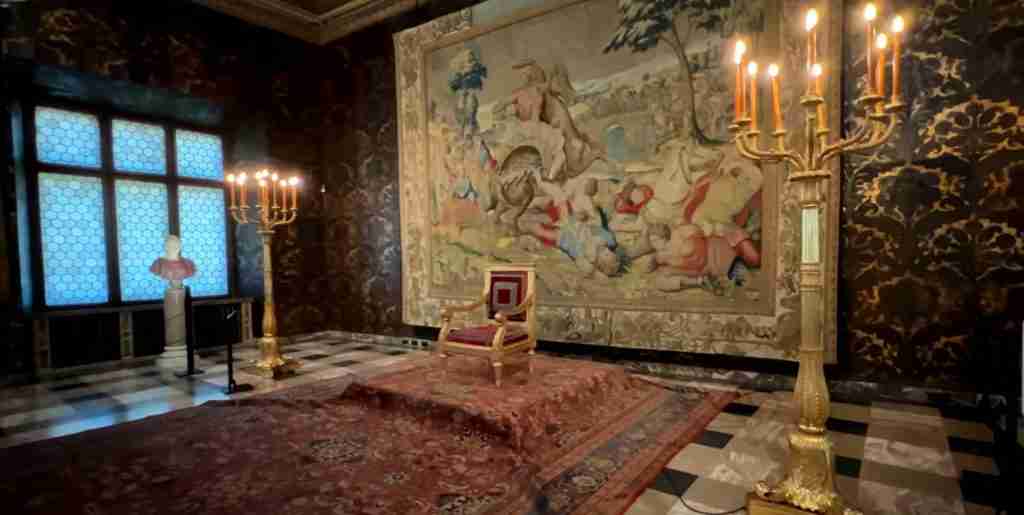
10 days
Krakow 10-Day Complete Adventure
- ✓ Comprehensive Krakow experience
- ✓ Expert local guides included
- ✓ All accommodation included
- ✓ Transportation provided
Multi-day tour packages powered by TourRadar. Prices and availability subject to change.
Introduction: Maximizing Your Krakow Experience in 2026
Krakow welcomes over 14 million visitors annually to its UNESCO-listed Old Town, profound World War II memorial sites, and underground salt mine cathedral chambers. This popularity creates both opportunities and challenges for independent travelers navigating between authentic local experiences and tourist-oriented services. The difference between spending €120 daily while fighting crowds at overpriced restaurants versus €70 daily while enjoying superior meals at neighborhood establishments often comes down to practical knowledge rather than luck.
This comprehensive guide addresses essential planning questions, strategic booking timing, neighborhood selection criteria, transportation efficiency, dining value optimization, and safety awareness that transform average trips into exceptional experiences. Whether you’re planning first-time reconnaissance or returning for deeper exploration, these verified tips provide frameworks for confident, informed decision-making throughout your Krakow journey.
The following sections organize practical advice by topic, allowing quick reference for specific concerns while maintaining logical flow for complete reading. Each recommendation includes specific examples, verified 2026 pricing, and contextual explanation helping you understand not just what to do, but why particular strategies work better than alternatives. From arrival at John Paul II Airport through departure days later, these tips address real situations travelers encounter, providing solutions before problems arise.
Pre-Trip Planning Tips for Krakow 2026
Booking Timeline Strategy
Major attractions require different advance booking windows based on popularity and capacity constraints. Auschwitz-Birkenau Memorial sells English-language guided tours 2-3 months ahead during peak season (May-September), with some dates fully booked by April for June-August visits. Book directly through the official memorial website rather than third-party operators charging markup fees. Free general entry exists but requires separate timed reservation; guided tours strongly recommended for first-time visitors to provide historical context.
Wieliczka Salt Mine tourist route tickets become available 60 days ahead. Summer afternoon slots fill 1-2 weeks before visit dates; morning departures maintain better availability. Book through official Wieliczka website or reputable tour operators including transport from Krakow. Standard admission costs €31; tours with pickup/drop-off run €50-65 total.
Schindler’s Factory requires online booking 1-2 weeks ahead during summer peak, same-week during shoulder seasons. Tickets cost €7 with timed 30-minute entry windows. The museum limits daily visitors creating better viewing experience than free-entry sites where crowds compromise educational value.
Accommodation booking depends on season and flexibility. May-September requires 1-2 months advance for good selection at competitive prices. October-April allows 2-3 weeks notice except Christmas period (mid-December) when prices spike 60-80% above normal winter rates. Budget travelers gain best value booking 6-8 weeks ahead when promotional rates appear before last-minute price increases.
Researching Neighborhoods Before Booking
Old Town (Stare Miasto) provides maximum convenience for attraction access but charges premium prices (€80-150 nightly mid-range hotels) and suffers weekend noise from Main Market Square nightlife. Request internal courtyard rooms if staying here; street-facing rooms experience significant bar noise until 2-3am Friday-Saturday.
Kazimierz delivers best overall value combining lower prices (€60-100 nightly), excellent restaurant density, and authentic neighborhood character. The historic Jewish quarter sits 15-20 minute walk from Old Town center, easily manageable for most visitors. Tram connections provide quick alternatives for weather or fatigue. This area hosts Krakow’s trendiest cafes, vintage bars, and live music venues while maintaining residential authenticity missing from Old Town’s tourist-oriented businesses.
Podgórze (south of Vistula River) offers budget options (€40-70 nightly) with quiet residential atmosphere. Schindler’s Factory location makes this district convenient for Day 2 itineraries. However, distance from Old Town requires tram usage for most activities; factor transport time into daily planning.
Kleparz (north of Old Town) combines proximity to Krakow Główny railway station with mid-range prices (€50-90 nightly). Ideal for travelers arriving by train, taking early morning day trips, or prioritizing transport logistics over atmospheric neighborhood character. Less visually charming than Kazimierz but more practical for specific travel patterns.
Understanding Polish Currency and Banking
Poland maintains Polish Złoty (PLN) despite European Union membership, requiring currency exchange for Euro or other travelers. Approximate exchange rate: 1 EUR = 4.3 PLN, 1 USD = 3.9 PLN (verify current rates before travel as fluctuations occur).
Currency exchange options ranked by value:
Best: Bank-operated ATMs (Bankomat) using debit cards with favorable exchange rates and minimal fees. Major banks include PKO Bank Polski, mBank, ING Bank Śląski. Withdraw larger amounts (200-400 PLN) minimizing per-transaction fees. Notify your bank of Poland travel dates preventing automatic fraud blocks.
Good: Competitive kantor exchange offices displaying rates prominently. Compare rates at 3-4 kantors around Rynek Główny or Kazimierz; differences of 5-10% exist between competitive and tourist-trap locations. Avoid kantors at airport or inside major hotels charging worst rates. Legitimate kantors provide receipts and official business licenses; declining either suggests scam operation.
Avoid: Hotel reception desks charging 10-15% worse rates than competitive kantors. Airport exchange counters offering convenience but poor value. Street money changers suggesting special deals typically execute scams.
Credit cards work throughout Krakow for hotels, restaurants, major attractions. Contactless payment increasingly standard. However, carry 100-200 PLN cash for street food, small purchases, public transport ticket machines (some accept only coins), and establishments preferring cash to avoid card processing fees.
Essential Apps and Digital Tools for 2026
Download before arrival for offline functionality:
Jakdojade: Public transport navigation showing real-time tram/bus arrivals, route planning, journey time estimates. Essential tool making Krakow’s transport system accessible for non-Polish speakers. Free version sufficient; paid version allows ticket purchase through app.
Google Maps: Download offline map of Krakow covering 50-kilometer radius including day trip destinations. Walking directions work excellently in Old Town’s medieval street layout where car navigation fails. Public transport directions integrate with actual schedules.
Google Translate: Download offline Polish dictionary for emergency communication, restaurant menu translation, sign reading. Camera translation function converts Polish text to English in real-time through phone screen.
Uber/Bolt: Ride-sharing apps providing transparent pricing, English-language interface, and automatic payment avoiding taxi scam concerns. Bolt typically 10-15% cheaper than Uber for identical routes; compare both apps before booking.
XE Currency: Real-time exchange rate calculator helping evaluate whether PLN prices represent good value compared to home currency. Updates even without internet connection using last-downloaded rates.
Arrival and Transportation Tips for Krakow 2026
From Krakow Airport to City Center
Train provides fastest, most economical option: 18 minutes to Krakow Główny station, €2 per ticket, departing every 30 minutes daytime (hourly overnight). Purchase tickets at yellow automated machines in arrival hall accepting credit cards and cash. Machines provide English language option; select “Kraków Główny” destination.
The train station sits 10-minute walk north of Old Town. Exit onto Lubicz Street, walk southwest toward visible church spires. Alternatively, tram lines 3, 8, 13, 24 depart directly from station forecourt reaching Old Town in 8-12 minutes (€1.40 ticket).
Bus 208 and night bus 902 cost €1.40, taking 40-50 minutes to city center depending on traffic. Buy tickets at airport machines or through mobile apps before boarding; drivers don’t sell tickets. Validate immediately upon boarding yellow/orange validators near doors to avoid fines.
Uber and Bolt offer door-to-door convenience at €12-18 for city center hotels. Worth premium pricing for late-night arrivals (after 11pm when train frequency drops), early departures, or traveling with heavy luggage. Request rides from designated pickup zone outside arrivals hall; follow app instructions for exact meeting point.
Official airport taxis charge fixed rates to city zones: €15-20 Old Town, €18-23 Kazimierz. Ensure driver activates meter or agrees price before departure. Avoid unofficial taxi touts inside terminal offering “special deals” – these typically overcharge 200-300%.
Mastering Public Transport in 2026
Krakow’s integrated tram and bus network operates on time-based ticketing (not distance-based), valid for both transport modes within purchased duration. This allows unlimited transfers between trams and buses using single ticket.
Ticket options and strategic selection:
- 20-minute ticket (€0.90): Sufficient for short central trips like Old Town to Kazimierz, Main Square to Wawel Castle. Risk miscalculating journey time resulting in expired ticket during travel; inspectors show no mercy for minutes-over violations.
- 60-minute ticket (€1.40): Safest choice for most journeys covering any single destination within city center plus buffer time for delays or exploring en route. Recommended default purchase.
- 24-hour pass (€3.50): Worthwhile if making 3+ journeys daily. Particularly useful for accommodation outside central walking areas or rainy days when tram usage increases.
- 72-hour pass (€8.40): Best value for 3-day visits involving regular transport use. Breaks even at 6 journeys over three days; most visitors exceed this easily visiting Schindler’s Factory, Kazimierz, and daily accommodation-attraction trips.
Purchase locations:
- Automated ticket machines at major tram/bus stops – Accept credit cards and coins, provide English language option
- Mobile apps (Jakdojade, SkyCash, MoBilet) – Require account setup and payment information but enable purchases anywhere
- Kiosks displaying “MPK” or “Bilety” signs – Accept cash only, scattered throughout city
- Ticket machines inside some trams/buses – Accept coins or contactless cards only (no banknotes)
Validation requirements: Stamp tickets immediately upon first boarding using yellow/orange validators near doors. Validated ticket shows four-digit time code indicating expiration. Multi-day passes require single validation on first use, then remain valid for full duration. Inspectors conduct random checks carrying handheld devices verifying ticket validity; fines for unvalidated or expired tickets start at €30 immediate payment.
When Walking Beats Public Transport
Krakow’s compact historical center makes walking the most enjoyable transport method for many routes. Old Town to Wawel Castle: 15 minutes. Old Town to Kazimierz: 20 minutes. Kazimierz to Schindler’s Factory: 18 minutes. These distances prove faster walking than waiting for trams, making connections, and dealing with underground passages at stops.
However, public transport saves time and energy for:
- Accommodation to attractions when staying outside central districts
- Rainy or very cold days when outdoor walking becomes unpleasant
- Late afternoon after 6-8 hours touring when fatigue accumulates
- Carrying purchases or luggage between locations
- Accessing peripheral attractions like Nowa Huta or suburban areas
Combine both methods strategically rather than religiously adhering to either extreme. Walk one direction when fresh and energetic; tram return when tired. Weather-dependent decisions maintain flexibility.
Accommodation Strategy and Booking Tips 2026
Neighborhood Selection Based on Priorities
Match accommodation location to travel style and specific priorities:
Maximum convenience, budget flexible: Old Town provides 5-minute walks to Main Market Square, Wawel Castle, major museums. Accept premium pricing (€80-150 nightly mid-range) and weekend noise. Request courtyard rooms on upper floors minimizing street sounds.
Best value with atmosphere: Kazimierz delivers 30% savings (€60-100 nightly) while maintaining excellent restaurant access, authentic neighborhood character, and 15-20 minute walks to Old Town. Tram line 3 provides quick connections for weather or fatigue. Choose areas around Szeroka Street or Plac Nowy for densest activity.
Budget priority, comfort acceptable: Podgórze offers €40-70 nightly hotels in quiet residential setting. Requires tram usage to Old Town (10-15 minutes) but convenient for Schindler’s Factory visits. Less atmospheric than central districts but functional for budget-conscious travelers.
Early departures/arrivals, transport hub access: Kleparz near Krakow Główny station (€50-90 nightly) suits travelers taking early morning trains, arriving late evening, or connecting to bus terminals. Less charming than alternatives but maximally practical for specific logistics.
Booking Timing and Price Optimization
Hotel pricing follows predictable seasonal and weekly patterns:
Seasonal variations:
- Peak season (May-September): Highest prices, book 1-2 months ahead for good selection
- Shoulder season (April, October): 20-30% lower than peak, book 2-3 weeks ahead
- Low season (November-March except Christmas): 40-50% below peak rates, book 1-2 weeks ahead
- Christmas period (mid-December): Prices spike back to peak levels despite winter season; book 2+ months ahead
Weekly patterns: Monday-Thursday rates run 15-25% below Friday-Saturday in same properties. Weekend city breaks from Western Europe drive Friday-Saturday demand; mid-week business travel drives Monday-Thursday occupancy. Visiting Monday-Thursday saves substantially if schedule allows.
Booking platforms comparison:
- Booking.com: Largest selection, competitive prices, reliable cancellation policies. Best starting point for research.
- Hotel direct websites: Sometimes offer 5-10% discounts versus booking platforms when contacted directly. Worth checking after finding property on Booking.com.
- Hostelworld: Specialized hostel booking with backpacker reviews and social atmosphere ratings. Essential for budget travelers seeking dorm beds.
- Airbnb: Apartment rentals for groups or longer stays (3+ nights). Calculate total including cleaning fees and service charges; headline nightly rates mislead without these additions.
Evaluating Hotel Value Beyond Star Ratings
Polish hotel star ratings don’t align precisely with Western European expectations. Three-star Krakow hotels often match four-star quality elsewhere at lower prices. Focus on these factors rather than star counts:
Location specificity: “Old Town” covers wide area; properties marketing this descriptor may sit 20-minute walks from Main Square in less atmospheric zones. Check exact address on Google Maps measuring walking distance to your priority attractions.
Recent renovation timing: Properties renovated 2020-2024 offer superior value versus older establishments at same price points. Reviews mentioning renovation dates help identify modernized options.
Breakfast quality and timing: Budget €10-15 value for included breakfast if offering hot dishes, fresh bread, and extended hours (6:30am-10:30am). Continental breakfast of packaged croissants and instant coffee worth €5 maximum; cheaper eating at nearby cafes.
Noise insulation quality: Critical in Old Town and Kazimierz where nightlife continues until 2-3am weekends. Recent reviews mentioning sleep quality and soundproofing indicate whether street-facing rooms remain livable.
Air conditioning availability: June-August temperatures reach 25-30°C; upper-floor rooms without AC become uncomfortably warm. Essential for summer visits, irrelevant other seasons.
Dining Tips and Restaurant Strategy 2026
Understanding Polish Meal Timing and Customs
Polish dining culture differs from Western European patterns in timing and structure. Traditional main meal occurs 2-4pm (obiad), with lighter evening meal (kolacja) 7-8pm. This creates lunch menu opportunities at restaurants offering set meals (danie dnia) weekdays 12-3pm at €5-8 including soup and main course – substantial savings versus evening à la carte pricing in identical kitchens.
Restaurant tipping operates at 10% for good service, added manually to bill total (not left on table). Many restaurants add automatic service charges for larger groups; check bill before adding additional tip avoiding double-payment. Cash tips preferred over credit card additions by service staff.
Water ordering: Tap water (woda z kranu) is safe drinking throughout Krakow but rarely offered automatically in restaurants. Ordering “still water” receives bottled mineral water charged €2-4. Request tap water specifically if preferring free option, though some establishments resist this request in tourist areas.
Milk Bars: Authentic Budget Dining
Bar mleczny (milk bars) represent communist-era cafeterias serving subsidized traditional Polish meals at remarkably low prices: €3.50-6 for soup, main course, and drink. These government-supported establishments maintain mission of providing affordable nutrition to local workers and students, creating exceptional value for informed tourists.
Operating procedures:
- Cafeteria-style ordering at counter; point at desired dishes if Polish language intimidates
- Pay immediately after ordering; take receipt to pickup counter
- Collect food when number called or name announced
- Bus own trays and plates to return areas
- No table service; no English menus in most locations
Famous Krakow milk bars:
- Bar Mleczny Tomasza: Near Old Town, slightly touristy but maintains authentic atmosphere and pricing. Good first milk bar experience for nervous visitors.
- Marchewka z Groszkiem: Kazimierz location, vegetarian-friendly options, homestyle cooking. Potato pancakes €2.80, pierogi €4.40.
- Bar Grodzki: Old-school atmosphere, minimal English, cheapest prices. Żurek soup €1.50, main courses €3-5.
Order recommendations: Pierogi (dumplings with various fillings), żurek (sour rye soup in bread bowl), placki ziemniaczane (potato pancakes with cream), kotlet schabowy (breaded pork cutlet). Portions satisfy hunger; avoid over-ordering on first visit.
Avoiding Tourist Trap Restaurants
Main Market Square (Rynek Główny) restaurants charge 200-300% premiums for identical food quality available 2-3 blocks away in any direction. The “terrace tax” for outdoor seating on Europe’s largest medieval square creates dramatic price inflation: €8 pierogi become €18, €5 beer becomes €12.
Identify tourist traps through these warning signs:
- Aggressive menu touts standing outside recruiting passersby
- Multilingual menus featuring cuisines from 5+ countries (Italian, Mexican, Polish, Asian fusion suggests frozen pre-prepared foods)
- Photos of dishes on laminated menus (legitimate restaurants use text-only menus changed seasonally)
- Prominent “English spoken here” or “Free WiFi” advertising (quality restaurants don’t need these crutches)
- Empty dining rooms during peak meal hours while nearby establishments fill (locals avoid for reasons)
Better dining strategy: Walk 3-5 blocks from Main Square into residential neighborhoods. Restaurants filled with Polish-speaking diners indicate local approval and fair pricing. Kazimierz’s Szeroka Street and surrounding blocks offer dozens of excellent restaurants at 40-60% lower costs than equivalent Old Town square locations.
Street Food and Quick Dining Options
Krakow’s street food scene provides authentic tastes at minimal cost:
Zapiekanka (€2-4): Open-faced mini-baguette pizza topped with mushrooms, cheese, vegetables, and various sauces. Sold from windows around Plac Nowy (Kazimierz) operating late into night. Essential post-bar snack and budget dinner option.
Obwarzanek Krakowski (€0.50): Ring-shaped bagels with sesame, poppy seed, or cheese toppings sold from street carts throughout city center. Traditional Krakow specialty, fresh-baked daily. Perfect walking snacks.
Kielbasa sausage (€2-3): Grilled Polish sausages served with mustard and bread from food trucks near Cloth Hall and market areas. Quality varies; busy trucks with lines indicate better products.
Market Hall dining: Hala Targowa (covered market at Plac Nowy) houses food stalls serving fresh prepared meals €5-8. Browse options before committing; quality exceeds typical food court experiences.
Money-Saving Strategies for Krakow 2026
Krakow City Pass Value Analysis
The 72-hour Krakow City Pass costs €25 including unlimited public transport (€8.40 value separately) plus free entry to 40 attractions. Calculate whether your specific itinerary benefits:
Included highlights:
- Wawel Castle State Rooms (€11)
- Schindler’s Factory (€7)
- Multiple synagogues (€3-5 each)
- Rynek Underground Museum (€10)
- Various smaller museums and galleries
- Unlimited trams and buses (€8.40)
NOT included (require separate tickets):
- Wieliczka Salt Mine
- Auschwitz-Birkenau Memorial
- Wawel Cathedral
- St. Mary’s Basilica
Break-even calculation: Pass saves money if visiting 4+ included paid attractions over three days. Travelers focusing primarily on free walking areas, dining experiences, and single day trip (Wieliczka or Auschwitz) may find individual tickets more economical. Review complete attraction list at official Krakow City Pass website before purchasing.
Free and Low-Cost Experiences
Budget-friendly activities requiring minimal or no spending:
Free walking areas:
- Main Market Square and Cloth Hall exterior (interior market browsing also free)
- Planty Park encircling Old Town (4-kilometer green belt, free concerts summer weekends)
- Kazimierz streets and squares (Szeroka, Plac Nowy)
- Vistula River boulevards and dragon statue
- Wawel Hill courtyards (castle interior requires tickets but grounds remain open)
Budget admission attractions:
- St. Mary’s Basilica (€3-5)
- Various synagogues (€3-5 each)
- Church of St. Peter and Paul (free entry, donations appreciated)
- Pharmacy Under the Eagle Museum (€3)
Free cultural experiences:
- St. Mary’s trumpet call (hejnał) from tower every hour on the hour
- Summer outdoor concerts in various squares (check local event listings)
- Street performer shows around Main Square evenings
- Gallery browsing in Kazimierz (no purchase obligation)
Seasonal Timing for Maximum Savings
Visit November-March for lowest overall costs accepting weather trade-offs:
Accommodation savings: Mid-range hotels drop 40-50% below summer rates. €120 July hotel becomes €65-75 February. Budget properties offering €80 summer rooms charge €40-50 winter.
Flight pricing: Airlines reduce Krakow routes 30-40% November-March versus June-August. Monitor fare comparison sites for sales; €150 summer flights become €80-100 winter from most European departure cities.
Restaurant promotions: Some establishments offer winter lunch specials and early-bird dinner discounts attracting business during slow season. Set menus providing three courses €12-15 appear more frequently than summer months.
Trade-offs accepting:
- Temperatures -5 to 5°C require substantial warm clothing (thermal layers, winter coat, waterproof boots)
- Sunset 4pm December severely limits outdoor exploration hours
- Some seasonal attractions reduce hours or close entirely
- Christmas markets mid-December create brief price spike despite winter season
- January-February offer absolute lowest prices but also greyest weather and shortest days
Shoulder seasons (April-May, September-October) provide compromise balancing moderate savings (20-30% below peak) with reliable weather and full attraction hours.
Safety and Security Tips for Krakow 2026
Crime Awareness and Prevention
Krakow maintains low violent crime rates relative to comparable European cities. Tourists face primarily petty theft and pickpocketing rather than physical threats. Common scenarios and prevention strategies:
Pickpocketing hotspots:
- Crowded trams and buses during rush hours (7-9am, 4-6pm)
- Main Market Square during peak tourist hours (11am-8pm)
- Train and bus stations especially with luggage distractions
- Cloth Hall browsing aisles where shoulder-to-shoulder crowds provide cover
Prevention tactics:
- Front pockets for wallets and phones rather than back pockets or external backpack compartments
- Cross-body bags worn to front in crowded areas
- Separate small daily-use wallet from passport/main cards kept in hotel safe
- Attention to surroundings rather than phone absorption when walking crowded streets
- Suspicious of anyone creating unnecessary physical contact or distractions
Common Tourist Scams and Avoidance
Currency exchange scams: Street money changers approaching tourists with “special rates” typically use sleight-of-hand switching bills during counting or providing counterfeit notes. Use only licensed kantor exchange offices with street-level storefronts displaying official permits. Never exchange money with individuals on streets.
Taxi overcharging: Unmarked taxis and airport touts charge 200-300% over legitimate rates. Use only official taxis from designated stands displaying company names and phone numbers, or Uber/Bolt apps providing transparent pricing. Agree price before departure or ensure meter activation.
Restaurant bill padding: Some tourist-oriented restaurants add items not ordered or charge inflated prices versus menu. Always request printed menu, verify all items before ordering, and check itemized bills carefully before payment. Dispute charges immediately if discrepancies appear.
“Charity” clipboard solicitors: Individuals with clipboards requesting signatures for petitions or donations often work pickpocket teams. One person distracts with clipboard while accomplice lifts valuables. Politely decline all street petition requests; legitimate charities don’t operate this way.
Emergency Services and Medical Care
Emergency number 112 operates throughout European Union providing police, ambulance, and fire response. English-speaking operators available 24 hours. For non-emergency police matters, contact municipal police (Straż Miejska) at local stations.
Medical care options:
Emergency medical treatment: Public hospitals provide emergency care regardless of insurance or payment ability. Quality meets Western European standards in major facilities like University Hospital and St. Lazarus Hospital. Treatment costs billed later; EU citizens with European Health Insurance Card receive reduced rates.
Pharmacy access: Pharmacies (apteka) operate throughout city with green cross signage. Many open late (until 8-10pm); some maintain 24-hour service. Pharmacists speak functional English and provide over-the-counter medications for minor ailments. Common medications like pain relievers, cold medicines, and stomach treatments available without prescriptions.
Private clinics: International-standard private medical facilities like LUX MED and Medicover accept international insurance and provide English-speaking doctors. Advance appointments available online or phone. Useful for non-emergency consultations, prescriptions, or follow-up care.
Solo Travel Safety Considerations
Solo travelers, including solo women, report feeling safe throughout Krakow’s central districts. The city maintains active street life until late evening with good visibility and police presence. However, apply standard urban awareness:
Accommodation selection: Choose centrally-located properties in well-lit areas with 24-hour reception desks. Read recent solo traveler reviews mentioning safety and neighborhood atmosphere. Hostels catering to international travelers provide social opportunities and shared security awareness.
Evening navigation: Stick to main streets with active businesses and pedestrian traffic after dark. Planty Park encircling Old Town remains safe until 10-11pm when walkers thin out. Poorly-lit side streets in peripheral districts deserve avoidance after midnight.
Social awareness: Stag party groups (primarily British) create noise and drunken behavior Friday-Saturday nights but rarely threaten personal safety beyond obnoxious behavior. Give loud groups wide berth. Decline unsolicited invitations from overly friendly strangers offering drinks or club recommendations; legitimate social connections develop naturally without aggressive recruiting.
Information sharing: Share accommodation address and daily itinerary with friends/family at home. Check in regularly via messaging apps. Solo travelers might consider guided tours for major sites (Auschwitz, Wieliczka) providing both educational value and group safety.
Cultural Etiquette and Local Customs 2026
Polish Social Norms and Expectations
Polish culture values courtesy, respect for elders, and formal initial interactions relaxing into warmth with familiarity. Understanding these patterns improves local interactions:
Greetings: “Dzień dobry” (good day) serves as universal greeting entering shops, restaurants, museums until late afternoon. “Dobry wieczór” (good evening) replaces it after 6pm. Failure to greet upon entering small shops or cafes registers as rude; clerks may respond coolly to greeters-skippers.
Formality levels: Address strangers and service workers formally until invited to informality. “Pan” (Mr.) and “Pani” (Mrs./Ms.) show respect. Younger service staff (under 30) often switch to English and casual register quickly; older generations maintain formal Polish longer.
Church behavior: Many Krakow churches function as active parishes, not merely tourist attractions. Respectful silence required during services. Photography often prohibited during Mass. Modest dress (covered shoulders, knees) expected; some churches provide shawls for under-dressed visitors. Remove hats when entering.
Tipping practices: 10% standard for good restaurant service, added manually to total (not left on table). Round up taxi fares to nearest 5-10 PLN. Hotel porters expect 5-10 PLN per bag. Tour guides typically receive €2-5 per person for half-day tours, €5-10 for full days.
Understanding Polish History Sensitivity
Poland’s 20th-century history shapes contemporary cultural sensitivity around World War II and communist-era topics. Respectful awareness prevents unintentional offense:
Terminology precision: Reference “Nazi German concentration camps” not “Polish concentration camps” – the latter implies Polish responsibility for Nazi crimes committed on occupied Polish territory. This distinction matters profoundly to Poles whose nation suffered devastating losses under German occupation.
Holocaust discussion: Polish responses to Nazi occupation included collaboration, resistance, and individual rescue efforts spanning moral spectrum. Avoid sweeping generalizations painting Poles as uniformly heroic rescuers or complicit bystanders; reality proved complex with individual choices under impossible circumstances.
Communist period acknowledgment: 1945-1989 communist rule represents complicated period combining Soviet domination, local resistance (Solidarity movement), economic hardship, and generational divides. Older Poles (60+) experienced this era directly; younger generations (under 40) know it only historically. Milk bars and some architectural elements survive from this period as cultural artifacts.
Photography Etiquette
Most Krakow attractions permit photography with varying restrictions:
Always permitted: Public streets, squares, parks. Exterior building facades. Cloth Hall market stalls (vendors appreciate asking permission for closeups). Wawel Castle courtyards.
Restrictions apply: Church interiors often prohibit flash photography; some ban all photography during services. Museums implement varying policies; check signage or ask staff. Schindler’s Factory prohibits photography in some exhibition rooms (clearly marked).
Strictly prohibited: Auschwitz-Birkenau restricts photography in certain areas including former gas chambers (marked with prohibition signs). Wieliczka Salt Mine permits photography without flash throughout tourist route.
Respect privacy: Photograph individuals only with permission, especially Holocaust survivors, Hasidic Jews, or monks/nuns. Street performers expect tips after photographing performances. Military installations and government buildings prohibit photography (rare in tourist areas).
Practical Logistics and Problem-Solving 2026
Internet and Mobile Connectivity
Free WiFi available at most hotels, restaurants, cafes, and major attractions. Quality varies; hotel WiFi typically faster than cafe networks. Main Market Square provides public WiFi though speeds disappoint during peak hours.
Mobile data options:
EU roaming: EU residents use domestic mobile plans throughout Poland at no additional charge (roaming charges abolished 2017). Data, calls, and texts function identically to home countries.
International visitors: Purchase local Polish SIM cards at Orange, Play, or T-Mobile shops for €10-15 including 10-20GB data sufficient for 3-7 day visits. Bring unlocked phone; passport required for activation. Airport kiosks sell tourist SIM packages at premium versus city-center mobile shops.
eSIM services: Digital providers like Airalo, Holafly offer Poland-specific data plans activated remotely without physical SIM cards. Convenient for compatible phones avoiding shop visits.
Luggage Storage Solutions
Store bags between hotel checkout and evening flights or during day trips:
Railway station lockers: Krakow Główny provides automated luggage lockers €2-4 per 24 hours depending on size. Located on main concourse; accept coins and cards. Maximum 72-hour storage.
Commercial storage services: Radical Storage, LuggageHero operate partner locations throughout Old Town and Kazimierz. Book online, drop bags at cafes or hotels partnering with services, retrieve using confirmation codes. Costs €5-7 daily per bag with insurance included.
Hotel courtesy storage: Many hotels store luggage for departing guests free of charge on checkout day. Request service at check-in confirming availability. High-end properties provide dedicated luggage rooms; budget places use storage closets or office space.
Laundry and Clothing Care
Multi-day visits require laundry planning:
Hotel laundry services: Available at mid-range and upscale properties charging €15-25 per load (wash, dry, fold). Expensive but convenient for business travelers or those avoiding self-service.
Self-service laundromats: Scattered throughout Kazimierz and outer districts. Costs €4-6 per wash load, €3-5 drying. Detergent purchased separately. Attendants speak limited English; Google Translate helps with machine instructions. Plan 2-3 hours total including travel time.
Apartment washing machines: Airbnb and apartment rentals often include washing machines. Check listings before booking if important. European machines wash slowly (90-120 minutes) but thoroughly.
Sink washing: Pack quick-dry travel clothing (synthetic or merino wool) enabling evening sink washing with morning dryness. Hotels provide bath towels accelerating drying when rolled with washed items.
Weather Preparedness by Season
Summer (June-August): Temperatures 20-28°C, occasional afternoon thunderstorms. Pack light layers, rain jacket, sunscreen, comfortable walking shoes. Evenings cool to 15-18°C requiring light sweater. Sunglasses essential for bright Old Town squares.
Fall (September-November): Temperatures 10-20°C declining through season. Rain increases October-November; waterproof jacket critical. Closed-toe walking shoes with grip for wet cobblestones. November brings first freezing mornings.
Winter (December-February): Temperatures -5 to 5°C, frequent snow. Thermal base layers, winter coat, waterproof boots with good traction, warm hat, gloves essential. Daylight 8am-4pm requires planning outdoor activities during limited bright hours. Hand warmers useful for very cold days.
Spring (March-May): Highly variable 5-20°C requiring layering strategy. Rain jacket necessary; umbrellas awkward on cobblestones and crowded sidewalks. Light gloves useful March-early April. May brings pleasant conditions similar to early September.
Frequently Asked Questions About Krakow Travel Tips 2026
Do I need to speak Polish to visit Krakow in 2026?
No, English functions effectively throughout Krakow’s tourist infrastructure. Hotels, restaurants, museums, and tour operators employ English-speaking staff. Younger Poles (under 35) typically speak good conversational English; older generations less so. Learn basic phrases (dzień dobry, dziękuję, przepraszam) for cultural respect and potentially friendlier service, but communication remains possible without Polish. Download Google Translate app with offline Polish dictionary for emergency situations and menu translation. Transport announcements provide Polish only; use navigation apps (Google Maps, Jakdojade) instead.
Can I use Euros in Krakow or do I need Polish currency?
Poland maintains Polish Złoty (PLN) as official currency despite EU membership. Very few establishments accept Euros, and those that do charge unfavorable exchange rates (typically 20-30% worse than proper currency exchange). Exchange Euros for Złoty at competitive kantor offices, use ATMs with debit cards, or rely on credit cards widely accepted at hotels, restaurants, major attractions. Carry 100-200 PLN cash for street food, small purchases, and transport tickets. Some machines accept cards only, others coins only – mixed cash/card strategy works best.
How much should I tip in Krakow restaurants and services?
Restaurant tipping follows 10% guideline for satisfactory service, added manually to bill total when paying. Round up to convenient amount rather than calculating exact percentages (64 PLN bill becomes 70 PLN). Some restaurants automatically add service charges for larger groups; check itemized bill before adding additional tip to avoid double-payment. Taxi rides round up to nearest 5-10 PLN. Hotel porters expect 5-10 PLN per bag. Tour guides typically receive €2-5 per person half-day, €5-10 full-day. Zero tips for poor service remain socially acceptable; Polish culture doesn’t demand tipping regardless of service quality.
Is Krakow accessible for travelers with mobility limitations?
Krakow presents challenges for wheelchair users and those with significant mobility limitations due to extensive cobblestone streets, medieval buildings lacking elevators, and historic structures predating accessibility requirements. However, modern improvements include: newer trams with low-floor boarding (numbered 50+ series), major museums installing elevators and ramps (Schindler’s Factory, Wawel exhibitions), and accessible hotel options in newer buildings. Old Town’s uneven cobblestones prove difficult for wheelchairs; powered mobility scooters handle better than manual chairs. Wieliczka Salt Mine offers limited accessibility requiring advance arrangement for adapted route avoiding stairs. Auschwitz-Birkenau provides wheelchair-accessible routes with advance notice. Private car tours reduce walking distances significantly versus independent travel.
What’s the best way to get from Krakow to other Polish cities in 2026?
Polish Railways (PKP) operates excellent intercity train connections: Warsaw 2h 30min (€15-30), Wrocław 3h (€12-25), Gdańsk 5h 30min (€25-40). Book advance tickets through PKP website for 30-40% discounts versus walk-up fares. Trains offer comfortable seating, onboard WiFi, bistro cars. Alternative bus services (FlixBus, PolskiBus) cost 20-30% less than trains but take 30-60 minutes longer with less comfort. Domestic flights serve longer distances inefficiently given security time and airport locations. Car rental makes sense for countryside exploration (Tatra Mountains, smaller towns) but remains impractical for city-to-city travel where trains excel.
Can I visit Krakow as a day trip from another city?
Theoretically possible but not recommended for quality experience. Warsaw-Krakow trains take 2h 30min each way, leaving 5-6 hours for actual sightseeing – barely sufficient for Old Town and Wawel Castle with zero flexibility for delays, meal breaks, or unexpected discoveries. Day-tripping from Prague (7h 30min train) or Vienna (6h 45min) proves entirely impractical. Krakow deserves minimum 2 full days, ideally 3-4, to experience major attractions without exhausting rush. If absolutely limited to single day, focus exclusively on UNESCO Old Town, Main Market Square, and Wawel complex, accepting you’ll miss Kazimierz, Schindler’s Factory, and any day trips. Better strategy: dedicate proper time to Krakow as standalone destination rather than treating it as checklist item.
What documents do I need to enter Poland in 2026?
EU/EEA citizens require valid national ID card or passport for entry; no visa needed for unlimited stays. US, Canadian, Australian, UK citizens enter visa-free for tourism stays up to 90 days within 180-day period using valid passport (minimum 3 months validity beyond intended departure). Other nationalities check visa requirements through Polish consular websites for specific citizenship rules. Poland participates in Schengen Agreement; entry stamp in Poland counts toward 90-day Schengen-wide limit. Travel insurance not legally required but strongly recommended covering medical emergencies, trip cancellations, lost luggage. Print accommodation confirmations and return tickets though border officers rarely request these documents from genuine tourists.
Are credit cards widely accepted or should I carry cash?
Credit and debit cards work throughout Krakow for hotels, restaurants, major attractions, and most retail. Contactless payment increasingly standard even for small purchases. However, carry 100-200 PLN cash for: street food vendors (zapiekanka, obwarzanek), milk bars preferring cash, small family restaurants avoiding card fees, public transport ticket machines accepting only coins, tipping service staff, emergency backup if card readers malfunction. ATMs scattered throughout city center; use bank-operated machines (PKO, mBank, ING) rather than independent operators charging higher fees. Notify your bank of Poland travel dates preventing automatic fraud blocks. Carry backup card in case primary card fails or gets lost/stolen.
How early should I arrive at Krakow airport for flights?
Budget airlines (Ryanair, Wizz Air) recommend 2 hours before departure for international flights due to strict boarding cutoffs. Legacy carriers suggest 90 minutes for European destinations, 2 hours intercontinental. Krakow’s compact airport means security screening typically takes 15-30 minutes during peak hours (6-8am, 4-7pm), faster during quiet periods. However, budget carriers absolutely enforce boarding gate closure times (typically 30 minutes before departure); missing this deadline forfeits flight with zero exceptions or refunds. Play it safe arriving 2 hours ahead, using extra time for duty-free shopping or airport cafe relaxation rather than risking expensive re-booking fees.
What’s the drinking age and alcohol culture in Krakow?
Legal drinking age 18 throughout Poland, enforced at bars, clubs, liquor stores. ID checks occur at establishments, particularly for young-looking customers. Polish vodka culture centers on straight shots rather than mixed drinks; expect quality vodkas (Żubrówka, Chopin, Belvedere) at €2-4 per shot. Beer culture equally strong with excellent Polish craft breweries emerging past decade alongside traditional brands like Żywiec and Tyskie. Craft beer costs €3-5 per pint, traditional lagers €2-3. Wine culture developing but remains secondary to vodka and beer. Public drinking legal but uncommon; Poles drink primarily in establishments rather than streets or parks. Stag party groups (British tourists) create reputation for excessive drinking unrepresentative of typical Polish behavior.