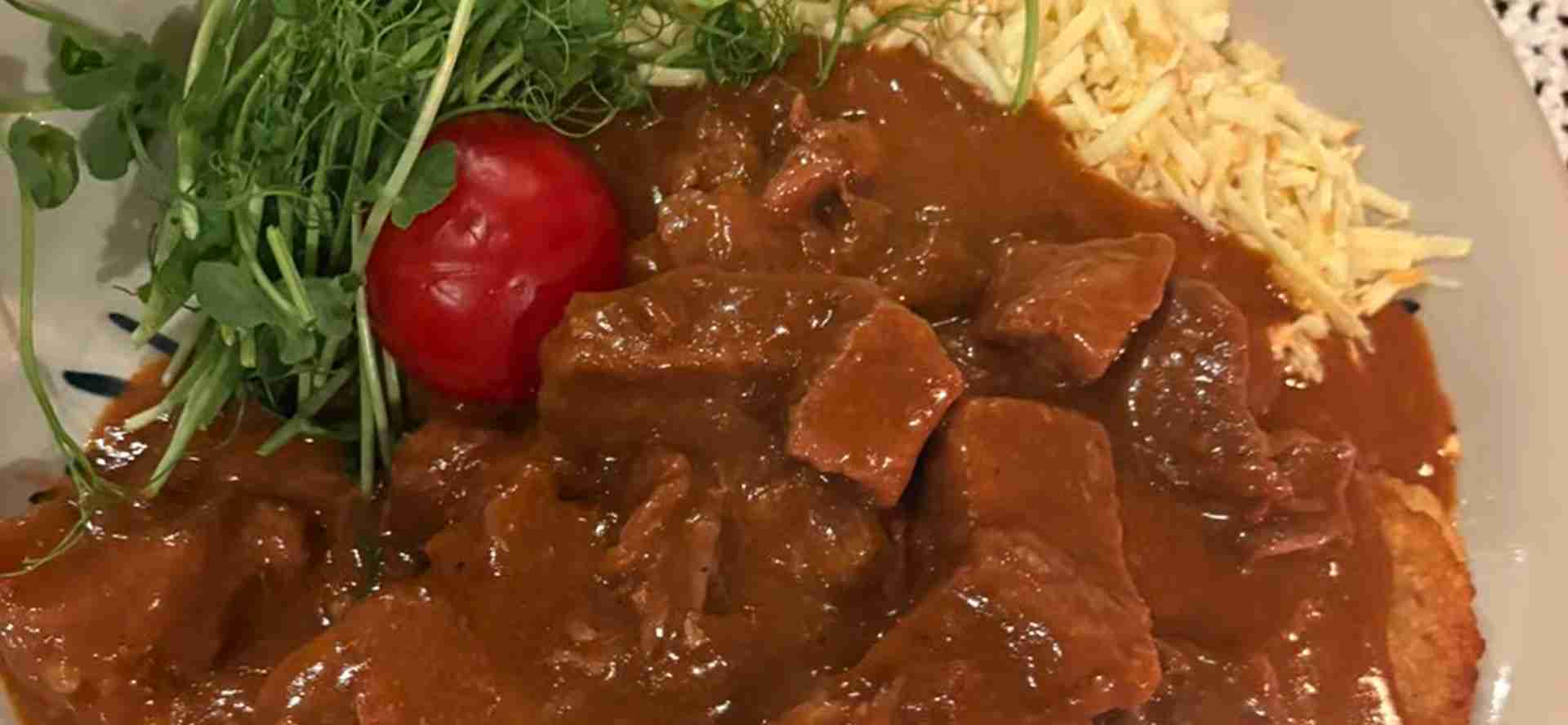
Krakow Food Guide: Polish Cuisine & Traditional Dishes
Krakow serves as the culinary heart of Poland, where centuries-old recipes meet modern gastronomic innovation. The city’s food culture reflects a complex history of royal courts, Jewish traditions, and rural Polish heritage, creating a unique culinary landscape that tells the story of Central Europe through flavors, techniques, and enduring traditions passed through generations.
Key Takeaways
- Royal Heritage: Krakow’s cuisine evolved from medieval royal courts, blending noble traditions with peasant fare to create dishes that defined Polish gastronomy
- Jewish Influence: Kazimierz’s Jewish community contributed essential elements including distinctive bread-making techniques, preservation methods, and flavor combinations still prominent today
- Seasonal Foundation: Traditional Polish cooking centers on seasonal availability, pickling, smoking, and fermentation techniques developed to preserve food through harsh winters
- Pierogi Mastery: These filled dumplings represent Poland’s most iconic dish, with dozens of traditional filling combinations reflecting regional and seasonal variations
- Vodka Culture: Polish vodka traditions extend far beyond spirits, encompassing elaborate food pairings, ritual consumption, and centuries of distillation expertise
- Modern Renaissance: Contemporary Krakow chefs reinterpret traditional recipes using local ingredients, reviving forgotten dishes while honoring historical authenticity
People Also Ask About Krakow Polish Cuisine
What makes Polish cuisine unique compared to other European cuisines?
Polish cuisine distinguishes itself through its emphasis on hearty, comforting dishes built around staple ingredients like potatoes, cabbage, beetroot, and various grains. Unlike Western European cuisines that often feature lighter preparations, Polish cooking embraces rich, substantial flavors developed through slow cooking, smoking, and fermentation. The cuisine reflects Poland’s agricultural heritage and climatic challenges, with preservation techniques playing a central role. Dishes often combine sweet and sour elements, using ingredients like sour cream, vinegar, and dried fruits. The influence of neighboring countries—German, Austrian, Russian, and Jewish culinary traditions—created a distinctive fusion that remains uniquely Polish while incorporating diverse European elements.
Why is Krakow considered Poland’s culinary capital?
Krakow earned its reputation as Poland’s culinary capital through its role as the historic royal seat and cultural center. The city hosted elaborate court banquets that defined Polish haute cuisine, while its position as a trading hub brought diverse ingredients and techniques. The Jewish community in Kazimierz contributed essential culinary traditions that enriched the local food culture. Unlike Warsaw, which suffered extensive destruction during World War II, Krakow preserved more of its historic food culture, traditional restaurants, and family recipes. The city’s universities and intellectual traditions maintained interest in culinary heritage, while its status as a tourist destination in recent decades has sparked a renaissance in traditional Polish cooking alongside innovative modern interpretations.
How did Jewish culinary traditions influence Krakow’s food culture?
Jewish culinary traditions profoundly shaped Krakow’s food landscape, particularly in the historic Kazimierz district. Jewish bakers introduced distinctive bread-making techniques, creating varieties that became citywide staples. Preservation methods including pickling, smoking, and salting influenced broader Polish cuisine. Jewish cooking contributed specific dishes like challah-inspired breads, various pickled vegetables, and specific meat preparation methods adhering to kosher traditions. The tradition of combining sweet and savory flavors, common in Jewish cooking, became integrated into Polish recipes. Even after the devastation of World War II, these influences persisted in traditional Krakow restaurants and home cooking, with recent decades seeing renewed interest in authentic Jewish recipes and the restoration of Jewish culinary heritage in the city.
What role do seasonal ingredients play in traditional Polish cooking?
Seasonal ingredients form the absolute foundation of traditional Polish cuisine, shaped by the country’s continental climate with harsh winters and abundant summers. Spring brings wild mushrooms, fresh herbs, and early vegetables that feature prominently in soups and salads. Summer abundance centers on berries, cucumbers, and fresh produce that gets preserved for winter months. Autumn’s harvest focuses on root vegetables, cabbages, and mushrooms that could be stored or preserved. Winter cooking relies heavily on these preserved foods—pickled vegetables, dried mushrooms, smoked meats, and stored root vegetables. This seasonal rhythm created Poland’s distinctive preservation techniques including fermentation, pickling, smoking, and drying. Even modern Polish cooking honors these seasonal patterns, with traditional dishes rotating through the year based on ingredient availability and historical preservation calendars.
Extended multi-day tours – 5+ days
Featured Krakow Multi-Day Tour Packages
4 days
Krakow, Poland
- ✓ Comprehensive Krakow tour
- ✓ Expert local guides included
- ✓ All accommodation arranged
- ✓ Transportation provided
3 days
Christmas Spirit in Krakow
- ✓ Booking needs min. 2 travelers
5 days
Journey into Polish History and Culture
- ✓ Comprehensive Krakow tour
- ✓ Expert local guides included
- ✓ All accommodation arranged
- ✓ Transportation provided
4 days
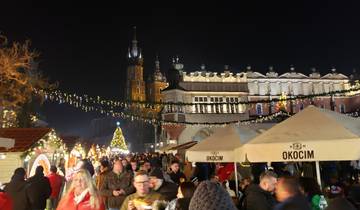
Krakow, Poland Christmas Markets
- ✓ Comprehensive Krakow tour
- ✓ Expert local guides included
- ✓ All accommodation arranged
- ✓ Transportation provided
Multi-day tour packages powered by TourRadar. Prices and availability subject to change.
Introduction: Understanding Krakow’s Culinary Heritage
Krakow’s food culture represents far more than regional variations of Polish cooking—it embodies centuries of political history, cultural exchange, and social transformation expressed through ingredients, techniques, and traditions. As Poland’s capital until 1596, Krakow hosted elaborate royal banquets that established standards for Polish haute cuisine, while its streets fed workers, students, and traders with hearty, affordable fare that became equally iconic.
The city’s unique position at the crossroads of Eastern and Western Europe allowed culinary influences to flow from Vienna, Budapest, Berlin, and beyond, creating a distinctive fusion that retained essentially Polish character while incorporating broader European elements. Jewish communities, particularly in Kazimierz, contributed essential traditions in bread-making, preservation, and flavor combinations that enriched the overall food culture and remain influential despite the tragedy of World War II.
Modern Krakow balances respect for traditional recipes with contemporary innovation. Historic restaurants maintain preparations unchanged for generations, while new establishments reinterpret classic dishes using modern techniques and presentation styles. This dynamic tension between preservation and evolution creates an exciting culinary landscape where 14th-century recipes coexist with avant-garde interpretations, united by commitment to Polish ingredients, seasonal rhythms, and cultural authenticity.
Understanding Krakow’s cuisine requires appreciating its historical context—the agricultural cycles that shaped preservation techniques, the royal courts that elevated simple ingredients, the poverty that created resourceful cooking methods, and the cultural exchanges that brought new flavors and ideas. Each dish tells a story of survival, celebration, identity, and continuity across tumultuous centuries.
The Foundations of Polish Cuisine
Historical Development and Influences
Polish cuisine evolved through distinct historical periods, each leaving lasting marks on modern cooking. Medieval Polish cooking centered on grains, game, and foraged ingredients, with limited use of spices due to cost. The Polish-Lithuanian Commonwealth’s golden age brought increased prosperity and culinary sophistication, with noble courts hosting elaborate banquets featuring dozens of courses. Italian chefs brought to Polish courts in the Renaissance introduced new techniques and ingredients, while French influence arrived in the 18th century, adding refined sauces and presentation styles.
The partitions of Poland disrupted culinary development but paradoxically enriched it through forced exposure to German, Austrian, and Russian cooking traditions. Each occupying power left culinary legacies—Austrian pastries, German meat preparations, Russian dumpling variations. Jewish communities, present in Poland for centuries, maintained distinct culinary traditions while also influencing broader Polish cooking through shared markets, ingredients, and techniques.
The Communist period standardized and simplified Polish cooking, with state restaurants serving limited menus and home cooks working with restricted ingredient availability. Post-1989 freedom brought explosion of culinary interest, with chefs rediscovering traditional recipes, seeking out historic ingredients, and reinterpreting Polish cuisine for contemporary tastes while maintaining connection to authentic traditions.
Core Ingredients and Staples
Polish cuisine builds on a relatively limited palette of core ingredients, used in countless combinations and preparations. Potatoes, introduced in the 18th century, became absolutely central to Polish cooking, serving as the base for dishes from simple boiled sides to elaborate casseroles and dumplings. Cabbage appears in fresh and fermented forms, with sauerkraut playing an essential role in winter cooking. Beetroot features prominently in soups, salads, and side dishes, its earthy sweetness defining many traditional recipes.
Grains including rye, wheat, and buckwheat provide foundation for breads, groats (kasza), and various grain dishes that sustain the cuisine. Dairy products—especially sour cream, butter, and fresh cheese—add richness and tang to countless preparations. Pork dominates meat consumption, appearing in forms from fresh cuts to extensive variety of sausages and smoked products. Mushrooms, both cultivated and wild, provide essential umami flavors, used fresh in season and dried for year-round availability.
Seasonings remain relatively simple compared to many cuisines—dill, parsley, marjoram, caraway, and black pepper form the core herb and spice palette. Onions and garlic provide aromatic base for many dishes, while horseradish adds sharp heat to accompaniments. This restrained seasoning approach allows primary ingredients to express their inherent flavors rather than overwhelming them with complex spice blends.
Seasonal Rhythms and Preservation Techniques
The Polish culinary calendar follows strict seasonal patterns born from agricultural necessity and climatic reality. Spring brings anticipation of fresh ingredients after winter’s preserved foods, with early vegetables, wild garlic, and first mushrooms celebrated in light soups and salads. Summer abundance focuses on preservation activities—pickling cucumbers and other vegetables, making preserves from berries, drying mushrooms and herbs for winter use.
Autumn harvest season marks intensive preservation work, with families pickling barrels of cabbage for sauerkraut, storing root vegetables in cellars, smoking meats, and preparing various preserves. This period’s abundance provides ingredients that sustain cooking through winter months. Winter cooking relies almost entirely on these preserved foods, with menus featuring sauerkraut dishes, pickled vegetables, dried mushroom soups, and smoked meats.
Traditional preservation techniques include fermentation (sauerkraut, pickled cucumbers), smoking (meats, fish), drying (mushrooms, fruits), and cold storage in root cellars. These methods not only preserved food but also developed distinctive flavors that became essential to Polish cuisine—the tang of fermented cabbage, the complex earthiness of dried mushrooms, the deep smokiness of traditional kielbasa. Modern Polish cooking maintains these techniques not just for practicality but for the irreplaceable flavors they create.
Essential Polish Dishes in Krakow
Pierogi: The Quintessential Polish Dumpling
Pierogi stand as Poland’s most internationally recognized dish and Krakow’s most beloved specialty. These filled dumplings consist of unleavened dough wrapped around various fillings, then boiled and often finished with butter, onions, or other toppings. The dough itself requires skill to achieve proper texture—thin enough to showcase filling, yet sturdy enough to hold together during boiling.
Traditional fillings divide into savory and sweet categories. Savory pierogi ruskie (Russian pierogi, despite the name being entirely Polish) combine potato, farmer’s cheese, and onions in the most classic preparation. Pierogi z kapustą i grzybami (cabbage and mushroom) feature sauerkraut and dried forest mushrooms, traditional for Christmas Eve. Meat pierogi contain seasoned ground meat, while seasonal variations incorporate fresh vegetables like spinach or nettles.
Sweet pierogi include fruit-filled versions using seasonal berries, cherries, or plums, often served with sour cream and sugar. Farmer’s cheese sweetened and combined with vanilla creates another popular sweet variation. Some preparations blur sweet-savory boundaries, incorporating both in single dishes or serving sweet pierogi as unexpected desserts.
Krakow’s pierogi tradition includes both home-cooking heritage and specialized pierogi restaurants (pierogiarnie) that serve dozens of filling combinations. The skill of proper pierogi-making passes through generations, with families maintaining signature filling recipes and dough techniques. Modern interpretations introduce novel fillings while respecting traditional preparation methods, creating fusion versions that honor the dish’s essential character while expanding its possibilities.
Bigos: Hunter’s Stew
Bigos represents Polish cooking at its most fundamental—a slowly simmered stew combining sauerkraut, fresh cabbage, various meats, and dried mushrooms into a dish that improves with reheating over several days. This hunter’s stew embodies the Polish approach to resourceful, flavorful cooking that transforms simple ingredients into complex, satisfying meals through patience and proper technique.
Traditional bigos incorporates whatever meats are available—leftover roasted meats, fresh pork, kielbasa, bacon, sometimes game. The mix of different meats creates depth of flavor impossible with single protein sources. Sauerkraut provides essential sour tang and tender texture after long cooking, while dried mushrooms add earthy umami complexity. Some versions include prunes or dried apples for subtle sweetness balancing the sour cabbage.
Proper bigos preparation requires patience—the dish should simmer for hours, developing complex flavors as ingredients meld and mellow. The best bigos benefits from being made in advance and reheated, with flavors continuing to develop between servings. Traditional preparation might involve cooking bigos multiple times over several days, creating legendary flavor complexity.
Krakow restaurants serve bigos as quintessential Polish comfort food, often presenting it in ceramic pots that maintain serving temperature. The dish appears especially prominently during winter months and hunting season, though quality establishments offer it year-round. Modern interpretations maintain the essential character—slow-cooked cabbage and meat—while sometimes refining ingredients or presentation for contemporary tastes.
Żurek: Sour Rye Soup
Żurek exemplifies Polish cuisine’s mastery of fermentation and sour flavors. This distinctive soup builds on a base of fermented rye flour mixed with water and left to sour for several days, creating complex tangy flavor unlike any other soup. The fermented base combines with broth, potatoes, sausage, and hard-boiled eggs for a hearty, uniquely Polish dish.
The soup’s preparation begins days before serving, with rye flour mixed with water and left in warm place to ferment naturally. This starter (zakwas) develops complex sour, slightly funky flavors that define the finished soup. Traditional recipes might maintain zakwas starters for years, adding to them continuously like sourdough cultures, creating family-specific flavor profiles passed through generations.
Finished żurek includes chunks of kielbasa, diced potatoes, and often halved hard-boiled eggs served in the bowl. The combination of sour broth, smoky sausage, creamy egg yolk, and tender potato creates complex interplay of flavors and textures. Some versions incorporate marjoram for herbal notes, while others add mushrooms or additional vegetables. The soup often arrives in hollowed bread bowls, adding rustic presentation and additional carbohydrate to the meal.
Krakow’s żurek preparations range from simple, traditional versions in milk bars to refined interpretations in upscale restaurants. The dish holds particular importance during Easter celebrations, often appearing as part of holiday meals. Its distinctive sour character initially surprises many visitors, but the soup’s complexity and heartiness convert skeptics into enthusiasts with properly prepared versions.
Kotlet Schabowy: Polish Breaded Pork Cutlet
Kotlet schabowy represents Polish comfort food in its purest form—a breaded, pan-fried pork cutlet bearing resemblance to Austrian schnitzel yet claiming distinct Polish identity through specific preparation details and traditional accompaniments. This dish appears on virtually every Polish menu, from humble milk bars to fine dining establishments, executed with varying levels of refinement but always recognizable.
Proper kotlet requires thin-pounded pork loin, tenderized through pounding to achieve even thickness and tender texture. The cutlet gets coated in flour, beaten egg, and breadcrumbs before pan-frying in hot fat (traditionally lard, though modern versions often use oil). The result should be crispy, golden exterior encasing juicy, tender meat with minimal greasiness despite the frying method.
Traditional accompaniments include mashed or boiled potatoes, coleslaw (surówka) made from shredded cabbage with vinegar and sugar, and often pickled cucumber or beet salad. These sides provide textural and flavor contrasts—creamy potatoes, crisp-tender coleslaw, sharp pickles—that complement the rich, breaded meat. Some versions incorporate mushroom sauce or other toppings, though purists prefer the simple breaded cutlet with classic sides.
The dish’s ubiquity in Polish cuisine stems from its simplicity, affordability, and crowd-pleasing nature. Nearly every Pole has strong opinions about proper kotlet preparation, with debates centering on breadcrumb texture, frying fat choice, and accompanying sides. Krakow restaurants serve countless kotlet variations, from basic milk bar versions to elevated interpretations using heritage pork breeds and house-made breadcrumbs, but the essential preparation remains remarkably consistent across establishments.
Gołąbki: Stuffed Cabbage Rolls
Gołąbki (literally “little pigeons” though containing no poultry) consist of cabbage leaves wrapped around filling typically combining ground meat and rice, then braised in tomato sauce until tender. This labor-intensive dish represents Polish home cooking at its most comforting, often prepared for Sunday dinners and special family gatherings.
Traditional preparation begins with softening cabbage leaves through blanching, requiring care to keep leaves intact for wrapping. The filling combines ground pork (sometimes mixed with beef), cooked rice, onions, and seasonings into a cohesive mixture. Each portion gets wrapped in cabbage leaves, creating tight packages that maintain their shape during long braising. The rolls cook slowly in tomato sauce, often enriched with stock and vegetables, until cabbage becomes meltingly tender and flavors meld completely.
Regional variations exist throughout Poland, with some versions using buckwheat instead of rice, others incorporating mushrooms into the filling, and still others varying the sauce from tomato-based to cream-based or clear broth. Krakow’s versions tend toward traditional tomato-sauce preparations, though modern restaurants experiment with refined presentations and unexpected filling variations while maintaining the dish’s essential character.
The dish’s name’s curious origin (comparing small cabbage rolls to little pigeons) reflects Polish culinary language’s whimsical nature. Despite requiring significant preparation time, gołąbki remain popular in home kitchens and restaurants alike, representing the type of nurturing, time-intensive cooking that defines traditional Polish hospitality and family meals.
Krakow Street Food Traditions
Obwarzanek Krakowski: The Krakow Bagel
Obwarzanek krakowski holds protected status as a regional specialty unique to Krakow, with production methods and characteristics defined by strict regulations. These ring-shaped breads, often compared to bagels though predating them historically, feature distinctive twisted appearance, crispy crust, and tender interior studded with poppy seeds, sesame seeds, or salt.
Traditional production involves hand-twisting dough into characteristic braided rings, briefly boiling them before baking—a technique that creates the distinctive crusty exterior and chewy interior texture. The bread must be consumed fresh, preferably within hours of baking, when the contrast between crisp crust and soft interior reaches perfection. Street vendors throughout Krakow’s Old Town sell obwarzanek from distinctive blue carts, maintaining a tradition dating back centuries.
The bread’s protected geographical indication status (similar to Champagne or Parmigiano-Reggiano) means authentic obwarzanek krakowski can only be produced in Krakow and surrounding areas, following traditional methods and ingredient specifications. This protection preserves both the product’s quality and the cultural tradition it represents, ensuring future generations can experience this distinctive Krakow specialty.
Locals typically consume obwarzanek plain as a quick snack while walking, though some enjoy them with butter or as accompaniment to other foods. The bread’s portability, affordability, and satisfying texture make it an ideal street food, consumed by everyone from students to businesspeople to tourists exploring the city’s streets.
Zapiekanka: Polish Pizza Bread
Zapiekanka emerged in 1970s Poland as creative response to limited ingredient availability during Communist era, evolving into a beloved late-night street food that remains popular today. This open-faced sandwich consists of halved baguette topped with sautéed mushrooms, cheese, and various additional toppings, grilled until cheese melts and bread crisps.
Plac Nowy in Kazimierz district serves as zapiekanka’s spiritual home, with numerous vendors surrounding the square offering countless topping variations. Classic preparation features simple combination of mushrooms and cheese, but modern versions incorporate ingredients from ham and pickles to shrimp and pineapple, creating fusion versions that expand far beyond the original concept while maintaining the essential open-faced format.
The dish’s appeal lies in its satisfying combination of textures—crispy bread base, creamy melted cheese, savory mushrooms—and its affordability and convenience as late-night food after bar-hopping in Kazimierz. The vendors’ vibrant atmosphere, especially on weekend evenings, creates social experience alongside the food itself, with crowds gathering around popular stalls debating topping choices and sharing recommendations.
While some food purists dismiss zapiekanka as inauthentic or low-brow, it represents authentic Polish street food culture that evolved organically from real conditions and needs. The dish’s continued popularity decades after those conditions changed demonstrates its genuine appeal beyond mere convenience or necessity.
Kielbasa and Grilled Meats
Polish sausage (kielbasa) appears throughout Krakow in countless varieties, from street vendor grills to restaurant platters to market stalls selling artisanal varieties. The term kielbasa encompasses dozens of distinct sausage types, each with specific meat blends, seasonings, and preparation methods creating unique characteristics.
Street vendors typically grill fresh kielbasa over charcoal, serving it with bread and mustard as simple, satisfying quick meal. The smoky char from grilling, combined with the sausage’s inherent seasonings and juicy texture, creates deeply satisfying flavors. Popular varieties include biała kielbasa (white sausage made from pork and veal), kielbasa śląska (Silesian sausage with specific spice blend), and countless regional and artisanal varieties.
Beyond sausages, grilled meat vendors offer kabanosy (thin, dried sausages), various pork cuts, and sometimes more elaborate preparations. These grills fill surrounding air with enticing aromas, drawing customers through sensory appeal as much as visible products. The combination of high heat, quality meat, and simple seasoning creates food that satisfies primal cravings for grilled protein.
Quality varies significantly between vendors, with best versions using premium meats, traditional recipes, and proper grilling techniques. Locals have strong preferences for specific vendors, often traveling across city to patronize particular stalls known for superior products. This dedication demonstrates the importance of even simple street food to Polish culinary culture and identity.
Traditional Polish Soups
Barszcz: Beetroot Soup
Barszcz represents Polish soup-making at its most refined, transforming simple beetroot into complex, elegant soup served in versions from crystal-clear consommé to hearty vegetable-laden preparations. The soup’s distinctive deep red color and earthy-sweet-sour flavor profile make it immediately recognizable and quintessentially Polish.
Clear barszcz (barszcz czysty) achieves remarkable clarity through careful cooking and straining, resulting in jewel-toned broth often served with small dumplings (uszka) filled with mushrooms. This version traditionally appears on Christmas Eve tables, representing Polish holiday cooking’s sophistication and symbolism. The clarity requires patient cooking and proper technique, making it a dish that demonstrates skill and care.
Hearty barszcz (barszcz ukraiński) incorporates vegetables including cabbage, potatoes, and beans, creating substantial meal-in-a-bowl often finished with sour cream. This version leans toward Ukrainian influences while maintaining Polish character, demonstrating the cuisine’s ability to absorb neighboring traditions while retaining distinct identity. The soup’s versatility allows seasonal variations, with different vegetables featured based on availability and occasion.
Barszcz’s preparation requires proper treatment of beetroot to achieve desired flavor balance—overly earthy, too sweet, or insufficiently sour versions all fail to capture the soup’s essential character. Traditional recipes often incorporate kvass (fermented beetroot liquid) for authentic sour notes, while modern shortcuts might use vinegar or lemon juice with less complex results. Krakow restaurants serving proper traditional barszcz demonstrate respect for Polish culinary heritage and technique mastery.
Rosół: Polish Chicken Soup
Rosół represents Sunday dinner tradition across Poland—slowly simmered chicken soup made from whole chicken, vegetables, and aromatics, resulting in golden, flavorful broth served with noodles. This seemingly simple soup requires careful technique and quality ingredients to achieve the depth of flavor that characterizes excellent versions.
Traditional preparation uses whole chicken (or older hen for more flavor), simmered for hours with carrots, parsnips, celery root, leeks, and onions. Some recipes char onion halves directly on stovetop before adding to pot, creating deeper color and flavor. The long, gentle cooking extracts maximum flavor from ingredients while creating clear, golden broth free from cloudiness. Finished soup gets strained, with meat and vegetables often served separately or returned to bowls with broth and noodles.
The soup’s cultural significance extends beyond mere nutrition—it represents family tradition, Sunday gatherings, and the comforting rituals of home cooking. Many Poles consider their grandmother’s rosół the definitive version, with family recipes passed through generations maintaining specific techniques or ingredient additions that create signature flavors.
Krakow restaurants serve rosół primarily on Sundays, maintaining the traditional weekly rhythm even in commercial settings. Quality versions demonstrate commitment to proper technique—hours of gentle simmering, quality ingredients, careful seasoning—that cannot be rushed or faked. The soup’s simplicity makes excellence difficult to achieve and impossible to fake, serving as reliable indicator of a restaurant’s overall cooking standards.
Mushroom Soup: Grzybow Variations
Polish mushroom soup (zupa grzybowa) showcases the country’s deep connection to forest mushroom culture, transforming dried wild mushrooms into intensely flavored, deeply satisfying soups served in various preparations throughout the year. The use of dried rather than fresh mushrooms creates concentrated, complex flavors impossible to achieve with cultivated varieties.
Traditional preparation begins with dried wild mushrooms (typically boletus/porcini varieties) soaked to rehydrate and release their flavor. The soaking liquid becomes soup base, enriched with stock, vegetables, and often cream or sour cream. The reconstituted mushrooms themselves get sliced and added to finished soup, providing textural element alongside intense umami flavor. Some versions incorporate barley or noodles for additional substance, creating meal-in-a-bowl preparations.
Christmas Eve versions (typically clear or lightly creamed) hold special significance in Polish holiday traditions, often served with small mushroom-filled dumplings (uszka) similar to those accompanying barszcz. This pairing of mushroom soup and mushroom dumplings demonstrates Polish cuisine’s willingness to intensify favored flavors rather than pursuing variety for its own sake.
The quality of mushroom soup depends entirely on the quality of dried mushrooms used—inferior specimens create weak, forgettable soups, while properly dried wild mushrooms from Polish forests produce soups of extraordinary depth and complexity. Krakow’s markets sell both commercial and artisanal dried mushrooms, with prices varying dramatically based on mushroom variety, collection location, and processing quality. Serious Polish cooks invest in premium dried mushrooms for special occasions, recognizing their irreplaceable contribution to traditional dishes.
Krakow’s Jewish Culinary Heritage
Historical Context and Preservation
Krakow’s Kazimierz district served as center of Jewish life in Poland for centuries, with the community developing rich culinary traditions that influenced broader Polish cuisine while maintaining distinct religious and cultural identity. Before World War II, Kazimierz bustled with Jewish bakeries, restaurants, butchers, and markets creating vibrant food culture that shaped the entire city’s culinary landscape.
The Holocaust devastated Krakow’s Jewish community, destroying not just lives but also centuries of accumulated culinary knowledge, family recipes, and food traditions. Post-war Communist period further suppressed Jewish cultural expression, including food traditions. Only after 1989 did serious efforts begin to research, preserve, and revive Jewish culinary heritage in Krakow, with some restaurants, bakeries, and cultural centers working to authentically recreate historical dishes and traditions.
Modern Kazimierz’s Jewish restaurants range from tourist-oriented establishments offering superficial interpretations to serious operations researching historical recipes and preparation methods to authentically recreate pre-war Jewish cuisine. The district’s annual Jewish Culture Festival includes food elements, helping educate both Poles and visitors about this essential component of Krakow’s cultural heritage that nearly disappeared entirely.
Traditional Jewish Breads and Baked Goods
Jewish bakers contributed essential bread traditions to Krakow’s food culture, with techniques and recipes that influenced broader Polish baking while maintaining distinct characteristics tied to Jewish dietary laws and cultural traditions. Challah, the traditional braided bread for Sabbath and holidays, represents perhaps the most recognizable Jewish bread, with its rich, slightly sweet dough and distinctive shape creating festive, celebratory character.
Bagels, while now associated globally with New York, trace their origins to Krakow’s Jewish community, with historical records documenting their production in the city dating back centuries. The ring-shaped, boiled-then-baked format created distinctive texture and preservation qualities that made them ideal for both immediate consumption and longer storage. Modern Krakow’s bagel production includes both tourist-oriented versions and attempts at historical authenticity, with varying degrees of success in recreating original recipes and techniques.
Other traditional Jewish baked goods included various rye breads, sweet pastries for holidays, and specialty items tied to specific celebrations or occasions. These products often featured ingredients like honey, dried fruits, and nuts, creating flavor profiles distinct from typical Polish baking while using many shared ingredients and techniques. Some traditional recipes survive in family collections or historical documents, while others exist only in memory or have been lost entirely.
Preserved and Pickled Foods
Jewish culinary traditions emphasized preservation techniques both for practical food storage and religious dietary requirements, contributing significantly to Polish pickle and fermentation culture. Jewish pickle-makers developed distinctive techniques and flavor profiles, with recipes for pickled cucumbers, herring preparations, and various fermented vegetables becoming integrated into broader Polish cooking.
Herring in particular occupied central position in Jewish cuisine, prepared in countless variations including pickled, creamed, chopped, and smoked. These preparations provided important protein sources in religiously observant households following kashrut dietary laws, while also demonstrating the culinary creativity possible within religious restrictions. Polish herring traditions today reflect this Jewish influence, though often without recognition of the cultural origins.
Fermented vegetables including sauerkraut, pickled cucumbers, and various mixed vegetable preparations featured prominently in Jewish cooking, both for preservation purposes and for the distinctive sour flavors they provided. These techniques and flavor preferences influenced Polish cuisine more broadly, contributing to the characteristic use of sour elements throughout traditional Polish cooking that distinguishes it from many other European cuisines.
Modern Jewish Cuisine Revival
Contemporary Krakow has seen renewed interest in authentic Jewish culinary traditions, with several establishments working to research and recreate historical recipes and preparation methods. This revival faces significant challenges—many recipes existed only in oral tradition and were lost with the community’s destruction, historical documentation is fragmentary, and authentic ingredients and techniques may differ from modern equivalents.
Serious efforts to revive Jewish cuisine involve historical research, consultation with elderly community members who remember pre-war cooking, examination of surviving recipe collections, and sometimes collaboration with Jewish culinary experts from other countries. The goal extends beyond merely recreating dishes to understanding the cultural context, religious significance, and social functions of traditional Jewish food in historical Krakow.
Some restaurants and cultural centers offer cooking classes, lectures, and events focused on Jewish culinary heritage, helping educate younger Poles about this nearly-lost aspect of their country’s culture. These efforts serve purposes beyond gastronomy—they represent cultural recovery, historical education, and attempts to restore some measure of the rich diversity that characterized pre-war Polish society. While nothing can truly replace what was lost, these preservation efforts ensure that Jewish culinary traditions maintain presence in contemporary Krakow rather than disappearing entirely from cultural memory.
Modern Polish Cuisine and Innovation
The New Polish Cuisine Movement
Contemporary Polish chefs have sparked a culinary renaissance that respects traditional recipes while embracing modern techniques, seasonal ingredients, and innovative presentations. This movement, sometimes called “New Polish Cuisine,” seeks to elevate Poland’s food culture to international standards while maintaining authentic connection to historical traditions and local ingredients.
The approach typically involves researching forgotten historical recipes, sourcing heritage ingredients from small producers, applying modern cooking techniques to traditional preparations, and presenting dishes with refined aesthetic sensibility. Rather than abandoning pierogi or bigos, these chefs reimagine them with premium ingredients, precise execution, and contemporary plating that makes traditional dishes feel fresh and relevant to sophisticated diners.
Krakow has emerged as a center for this movement, with several high-profile restaurants winning national and international recognition for their innovative approaches to Polish cuisine. These establishments often feature tasting menus that showcase seasonal ingredients, forgotten historical dishes, and creative reinterpretations of classics, demonstrating that Polish food culture extends far beyond tourist-oriented versions of a few famous dishes.
The movement also emphasizes connections to local producers—small-scale farmers, artisanal cheesemakers, traditional bread bakers, and other craftspeople maintaining quality ingredients and historical production methods. These relationships support rural economies while ensuring restaurants access to premium ingredients that make meaningful differences in finished dishes.
Fusion and International Influences
Modern Krakow’s culinary landscape includes creative fusion approaches that combine Polish traditions with international techniques and flavors, creating innovative dishes that honor heritage while exploring new possibilities. These fusion efforts range from subtle incorporations of Asian or Mediterranean elements into Polish dishes to more dramatic reinterpretations that use Polish ingredients in entirely non-traditional contexts.
Successful fusion respects both traditions being combined rather than simply adding exotic ingredients to traditional recipes for novelty’s sake. The best examples might use Japanese precision and presentation with Polish ingredients, or incorporate Polish pierogi-making techniques into Chinese dumpling traditions, creating genuine cultural dialogue rather than superficial mixing.
International influences also appear in Krakow’s diverse restaurant scene, with establishments serving cuisines from around the world while often incorporating local ingredients or Polish wine pairings. This diversity reflects both Poland’s increasing integration with global culture and Krakow’s specific status as international tourist destination and university city with cosmopolitan population seeking varied dining experiences.
Vegetarian and Modern Dietary Adaptations
Traditional Polish cuisine’s meat-heavy character has presented challenges as contemporary dietary preferences shift toward plant-based eating. However, Poland’s strong tradition of fasting periods (including meatless Christmas Eve and Lenten restrictions) created extensive repertoire of vegetarian dishes that modern restaurants can draw upon and reinterpret for current tastes.
Innovative chefs are creating sophisticated vegetarian and even vegan versions of traditional dishes, using techniques like smoking vegetables to create depth of flavor traditionally provided by meat, or developing plant-based alternatives to dairy products used in classic recipes. These adaptations respect dishes’ essential character while making them accessible to diners with different dietary requirements or preferences.
Krakow’s student population and tourist demographics create demand for vegetarian and vegan options that extends beyond traditional Polish offerings, with numerous restaurants specializing in plant-based cuisine using both Polish and international influences. This diversity demonstrates how Polish food culture continues evolving while maintaining connection to traditions that define its identity and appeal.
Polish Beverages and Drink Culture
Vodka Traditions and Culture
Polish vodka culture extends far beyond simple consumption of spirits, encompassing elaborate traditions around production, serving, toasting, and food pairing that reflect deep cultural significance. Poland claims vodka’s invention (competing with Russia and other countries), with production dating back centuries and developing into sophisticated craft with regional variations and prestigious brands.
Traditional vodka drinking follows specific etiquette—the first toast typically honors hosts or special guests, vodka gets consumed in small glasses with quick, decisive motion rather than sipping, and accompaniment with food (especially pickles, herring, or charcuterie) provides essential counterpoint to alcohol’s intensity. These rituals transform vodka consumption from mere drinking into social ceremony with cultural meaning and proper forms.
Flavored vodkas including żubrówka (bison grass vodka), cherry vodka, honey vodka, and countless other variations demonstrate Polish creativity in vodka production, with each infusion requiring specific techniques and aging to achieve proper balance. These flavored varieties often feature lower alcohol content than pure vodka, making them more approachable while offering complex flavor profiles beyond neutral spirit character.
Modern craft vodka movement has emerged in Poland, with small distilleries producing premium vodkas from specific grains or potatoes, employing traditional methods, and emphasizing terroir and production transparency. These artisanal vodkas command premium prices and attract enthusiasts interested in spirits’ cultural and technical dimensions rather than just alcohol content.
Polish Beer Culture
Poland’s beer tradition, while less internationally famous than its vodka, encompasses centuries of brewing history and contemporary craft beer renaissance that has made it one of Europe’s most exciting beer markets. Traditional Polish beer styles lean toward pale lagers and pilsners, reflecting Czech and German influences on brewing culture.
Communist-era consolidation reduced Poland’s brewing diversity dramatically, with state-owned breweries producing limited range of standardized lagers. Post-1989 freedom brought craft beer revolution, with microbreweries and brewpubs emerging throughout Poland, including numerous establishments in Krakow. These new brewers experiment with traditional styles, create Polish interpretations of international beer varieties, and develop innovative recipes using local ingredients.
Krakow’s craft beer scene includes dedicated beer bars offering dozens of Polish and international craft beers, brewpubs producing their own recipes on-site, and bottle shops selling extensive selections of Polish craft beers for home consumption. The city hosts beer festivals and events that celebrate both traditional and contemporary brewing, creating vibrant beer culture that complements rather than competes with Poland’s vodka heritage.
Other Traditional Polish Drinks
Beyond vodka and beer, Polish drink culture includes various traditional beverages with cultural significance and distinctive characteristics. Kompot, a sweetened fruit drink made from fresh or dried fruits simmered in water, appears frequently as everyday beverage in homes and traditional restaurants. The drink provides refreshing, slightly sweet alternative to water while showcasing seasonal or preserved fruits.
Krupnik, a honey liqueur infused with spices including cinnamon, cloves, and vanilla, represents traditional Polish sweet drink often served warm during winter months. The drink’s warming character and sweet, complex flavor make it popular cold-weather beverage and also featured in some traditional recipes as cooking ingredient.
Polish mead (miód pitny) maintains connections to medieval beverage traditions, with several producers creating various styles ranging from sweet to dry, still to sparkling. Mead production requires patience—traditional varieties age for months or years to develop proper character—making it relatively expensive specialty product rather than everyday drink. However, its historical significance and distinctive honey-based flavor ensure continued production and cultural relevance.
Contemporary Poland has also developed thriving wine culture, with small Polish vineyards producing wines from cold-climate grape varieties and imported wines becoming more accessible and affordable. While wine remains less culturally central than vodka or beer, growing interest demonstrates Polish drink culture’s continued evolution and adaptation to contemporary tastes and international influences.
Practical Aspects of Experiencing Krakow’s Food Culture
Types of Dining Establishments
Krakow’s diverse dining landscape includes various establishment types, each serving different functions and offering distinct experiences. Understanding these categories helps visitors navigate the city’s food scene effectively and choose appropriate venues for different occasions and budgets.
Milk bars (bar mleczny) represent uniquely Polish dining concept—cafeteria-style establishments originally subsidized to provide affordable meals to workers, now serving as both budget dining option and cultural experience. These no-frills venues serve traditional Polish dishes at remarkably low prices, with menu boards in Polish and service that can seem brusque to outsiders unfamiliar with local norms. Despite humble presentation, quality milk bars serve genuinely good food prepared using traditional recipes and techniques, offering authentic Polish cuisine experience without tourist markup.
Traditional restaurants (restauracja) range from family-run establishments serving regional specialties in cozy settings to larger venues with extensive menus and more formal service. These restaurants typically offer classic Polish dishes alongside some international options, with prices varying based on location, quality, and ambiance. The best traditional restaurants maintain recipes passed through generations, use quality ingredients, and execute classic dishes with care and respect for proper techniques.
Contemporary and fine dining establishments represent Krakow’s modern culinary scene, offering innovative interpretations of Polish cuisine or international menus using local ingredients. These venues typically feature refined presentations, sophisticated service, and higher prices reflecting their premium positioning. Some have earned national and international recognition, putting Krakow on the map as serious culinary destination beyond traditional comfort food.
Market Culture and Food Shopping
Krakow’s markets provide essential insight into local food culture while offering opportunities to purchase fresh ingredients, prepared foods, and artisanal products. These markets range from historic permanent structures to weekly outdoor markets, each with distinct character and offerings.
Stary Kleparz market, one of Krakow’s oldest, operates daily in covered structure and surrounding area, selling fresh produce, meats, dairy products, prepared foods, and flowers. The market serves primarily local shoppers rather than tourists, creating authentic atmosphere where vendors and customers engage in routine transactions and social interactions that characterize traditional market culture. The quality and prices vary between stalls, with regular customers developing relationships with preferred vendors based on product quality and fair dealing.
Plac Nowy in Kazimierz hosts both permanent food stalls (including the famous zapiekanka vendors) and periodic flea markets that include food vendors. The square’s social atmosphere, especially during evenings and weekends, makes it popular gathering spot where food consumption becomes part of broader social experience. The surrounding area includes various food shops, bakeries, and specialty stores catering to both residents and the district’s thriving tourist trade.
Contemporary farmer’s markets have emerged in recent years, typically operating weekly in various Krakow neighborhoods. These markets connect small producers directly with consumers, offering organic produce, artisanal cheeses, traditional bread, heritage meats, and other premium products often unavailable in conventional stores. While smaller and less frequent than traditional markets, these venues support local agriculture and provide access to ingredients that enable serious home cooking of traditional and contemporary Polish dishes.
Seasonal Considerations
Polish cuisine’s strong seasonal character means food experiences in Krakow vary significantly throughout the year, with different ingredients, dishes, and food-related activities prominent in different seasons. Understanding these seasonal patterns enhances appreciation of Polish food culture’s connection to agricultural rhythms and climatic realities.
Spring brings first fresh ingredients after winter’s preserved foods, with asparagus, early vegetables, and wild garlic appearing in markets and on menus. Traditional Easter dishes including żurek and various egg preparations mark the season’s most important celebration, while lighter preparations replace winter’s heavy stews and roasts. Outdoor dining begins as weather permits, with terraces and gardens opening throughout the city.
Summer offers peak abundance of fresh produce, berries, and herbs, with menus featuring lighter preparations showcasing seasonal ingredients. Cold soups including chłodnik (cold beetroot soup) and various fruit soups provide refreshing alternatives to winter’s hot, hearty preparations. Street food vendors operate at full capacity, and outdoor dining dominates the social dining scene. This season also brings various food festivals and events celebrating Polish cuisine and ingredients.
Autumn marks harvest season and intensive preservation activities, with mushroom foraging becoming popular recreation and fresh mushrooms appearing abundantly in markets. Menus shift toward heartier preparations anticipating winter, with game appearing more prominently and root vegetables featuring in various preparations. This season’s agricultural bounty provides raw materials for preserves, pickles, and other preserved foods that will sustain cooking through winter months.
Winter brings return to preserved foods, with sauerkraut, pickles, dried mushrooms, and smoked meats featuring prominently in traditional dishes. Hearty soups, stews, and braised preparations dominate menus, while holiday celebrations including Christmas and New Year bring special dishes and traditional preparations. Indoor dining prevails, with cozy restaurants providing warmth and comfort against harsh weather. This season most clearly demonstrates Polish cuisine’s historical connection to preservation techniques and its fundamental character as sustaining, warming food for difficult climatic conditions.
Frequently Asked Questions
What makes Polish food different from other Eastern European cuisines?
Polish cuisine distinguishes itself from other Eastern European cooking through its particular balance of flavors, emphasis on specific ingredients, and unique historical influences. While sharing some commonalities with Czech, Slovak, and Hungarian cuisines, Polish food features more prominent use of sour flavors through fermentation and pickles, greater emphasis on pork and specific pork products, and distinctive dishes like pierogi that, while similar to other dumpling traditions, have specifically Polish characteristics. The influence of Polish-Lithuanian Commonwealth history, Jewish culinary traditions, and particular agricultural patterns created flavor profiles and dish repertoires that, while related to neighboring cuisines, maintain distinct Polish character. Polish food tends toward heartier, more rustic preparations compared to more refined Austrian or Hungarian traditions, while featuring less spicy heat than some Russian cooking.
Are there good vegetarian options in traditional Polish cuisine?
Traditional Polish cuisine includes extensive vegetarian repertoire developed primarily for religious fasting periods when meat consumption was prohibited. These meatless traditions provide foundation for contemporary vegetarian options, including pierogi with potato-cheese, mushroom, or fruit fillings; various soups based on vegetables or mushrooms; vegetable dishes featuring cabbage, beetroot, or seasonal produce; and grain-based preparations. Polish religious calendar’s numerous meatless days created necessity for satisfying, flavorful vegetarian cooking that could sustain heavy physical labor, resulting in dishes with substance and complexity beyond token vegetable options. Modern restaurants increasingly offer vegetarian versions of traditionally meat-containing dishes, using techniques like mushroom-based gravies or smoked vegetables to provide depth of flavor previously supplied by meat. While historically vegetarian options existed primarily for religious rather than dietary-choice reasons, the extensive traditional repertoire provides foundation for satisfying contemporary vegetarian dining in Poland.
How important is bread in Polish food culture?
Bread occupies absolutely central position in Polish food culture, serving both practical nutritional role and deep symbolic significance. Traditional Polish meals feature bread as essential component rather than optional side, with specific breads appropriate for different occasions and uses. Dense rye breads provide sustaining base for hearty meals, while lighter wheat breads serve more refined purposes. Polish language includes numerous bread-related expressions and proverbs reflecting its cultural importance, and traditional hospitality rituals involve welcoming guests with bread and salt. Bread-making skills passed through generations as essential domestic knowledge, with family bread recipes maintaining distinctive characteristics. Contemporary Poland maintains strong bread culture despite industrial production availability, with artisanal bakeries preserving traditional recipes and techniques, and serious attention paid to bread quality as marker of overall dining standards. The bread served at a restaurant or present in a home immediately signals something about quality standards and cultural values, making it much more significant than mere carbohydrate source.
What role do mushrooms play in Polish cuisine?
Mushrooms hold exceptional importance in Polish cuisine, far beyond their role in most European cooking traditions. Poland’s extensive forests provide habitat for numerous wild mushroom varieties, and mushroom foraging remains popular recreational activity and serious culinary pursuit. The tradition of drying wild mushrooms for year-round use creates intensely flavored ingredient essential to many traditional dishes, providing umami depth impossible to replicate with cultivated varieties. Christmas Eve menus traditionally feature mushrooms prominently, often in multiple dishes, demonstrating their cultural significance beyond mere ingredient status. Polish culinary knowledge includes extensive mushroom identification skills, proper collection practices, and specific preparation techniques for different varieties. Dried wild mushrooms function almost as seasoning or fundamental flavor base rather than simple vegetable, with their concentrated earthiness providing essential character to soups, sauces, and various preparations. Quality of dried mushrooms significantly impacts finished dishes, making mushroom selection and preparation important aspects of serious Polish cooking that demonstrates cook’s knowledge and dedication to authentic flavors.
How does Krakow’s food differ from other Polish cities?
Krakow’s cuisine shares fundamental Polish character with other cities while featuring distinctive elements from its specific history and cultural influences. The city’s longer period as capital city, its relative preservation during World War II, and its historic Jewish community created culinary traditions somewhat different from Warsaw’s more modern, reconstructed food culture or Gdansk’s seafood-influenced Baltic cooking. Krakow maintains stronger connection to royal court traditions and noble cuisine that historically defined Polish haute dining. The city’s historic Jewish community in Kazimierz left lasting influences that, while partially lost in the Holocaust, still distinguish Krakow’s food culture. Additionally, Krakow’s status as major tourist destination has influenced its restaurant scene both positively (creating demand supporting high-quality establishments) and negatively (encouraging tourist-oriented venues with inflated prices and compromised authenticity). The presence of numerous quality traditional restaurants, contemporary innovative dining, and preserved culinary heritage makes Krakow arguably Poland’s most complete food destination, offering range of experiences from humble milk bars to sophisticated fine dining showcasing Polish cuisine’s full breadth and depth.
What is proper etiquette for dining in Polish restaurants?
Polish dining etiquette combines formal European table manners with specific local customs and expectations. When entering restaurant, wait to be seated rather than choosing table independently in more formal establishments. Greetings typically include “dzień dobry” (good day) upon arrival and “do widzenia” (goodbye) when leaving. Table manners follow continental European standards—fork in left hand, knife in right, hands visible on table rather than in lap. When ordering, especially in traditional restaurants, showing interest in staff recommendations demonstrates cultural engagement and often results in better service and suggestions. Tipping practices involve leaving 10-15% for good service, though practices vary and some Poles round up bills rather than calculating precise percentages. In milk bars and casual venues, expectations differ significantly, with self-service common and less formal atmosphere prevailing. Understanding establishment type helps navigate appropriate behavior—fine dining demands formal continental manners, traditional family restaurants appreciate polite engagement, milk bars expect quick, efficient ordering and eating without lingering over tables. During vodka toasts at more formal gatherings, maintain eye contact while toasting, consume vodka decisively rather than sipping, and wait for host to initiate toasts rather than proposing them as guest.
Are there foods unique to Krakow that can’t be found elsewhere in Poland?
Obwarzanek krakowski stands as Krakow’s most distinctive unique food product, with protected geographical indication ensuring it can only be authentically produced in Krakow and immediate vicinity. This braided ring-bread, while superficially similar to bagels, features specific characteristics including hand-twisting technique, brief boiling before baking, and toppings of poppy seeds, sesame seeds, or salt. The product’s protected status preserves both preparation methods and cultural tradition, making authentic obwarzanek available only in Krakow. Beyond this protected specialty, Krakow features some dishes and preparations more commonly found here than elsewhere in Poland, often relating to the city’s historical royal status or Jewish heritage. Certain traditional restaurants maintain family recipes and preparation methods specific to Krakow, creating dishes that, while using common Polish ingredients and techniques, achieve results particular to these establishments and city traditions. The city’s historic bakeries sometimes offer pastries and breads with recipes predating modern Poland, preserved through family or institutional continuity. However, most Polish dishes found in Krakow exist in some form throughout Poland, with regional variations creating differences in preparation, seasoning, or presentation rather than entirely unique dishes available nowhere else.
How has Polish cuisine evolved in recent decades?
Polish cuisine has undergone remarkable evolution since 1989’s political transformation, moving from standardized Communist-era cooking to diverse, sophisticated food culture encompassing traditional preservation, contemporary innovation, and international influences. The early post-Communist period brought sudden access to previously unavailable ingredients, international restaurant concepts, and broader culinary information, creating initial period of enthusiastic but sometimes uncritical adoption of non-Polish food culture. This phase gradually gave way to more thoughtful approach that values Polish culinary heritage while selectively incorporating international influences and modern techniques. The “New Polish Cuisine” movement emerged, focusing on researching forgotten traditional recipes, sourcing quality local ingredients from small producers, and presenting Polish dishes with contemporary refinement that demonstrates the cuisine’s sophistication. Craft beer, artisanal spirits, small-batch cheese, heritage breed meats, and organic produce became increasingly available, supporting both traditional cooking and innovative interpretations. Simultaneously, international travel and internet access democratized culinary knowledge, enabling Polish cooks and diners to engage with global food culture while developing stronger appreciation for their own traditions. Contemporary Polish cuisine reflects this maturation—confident in its identity, interested in its history, open to innovation, and increasingly recognized internationally as distinctive, worthwhile food culture rather than mere curiosity or budget option.
What drinks pair well with traditional Polish dishes?
Traditional Polish food pairing practices emphasize vodka’s role with rich, hearty dishes, where its clean alcohol cut provides counterpoint to fatty meats and intense flavors. Cold vodka complements pickled herring, various pork preparations, and rich stews, with tradition dictating quick consumption rather than sipping. However, modern Polish food culture has embraced beer as equally appropriate pairing for many traditional dishes, with pilsners and pale lagers providing refreshing contrast to heavy foods while Polish craft beers offer more complex pairing possibilities. Sour or tart dishes including barszcz and żurek pair well with crisp white wines or light beers that complement rather than compete with their acidity. Mushroom-based dishes work well with earthy red wines or brown ales that echo the mushrooms’ umami character. Rich meat dishes like bigos or gołąbki pair successfully with full-bodied red wines or dark beers that match their substantial flavors. For sweeter dishes including fruit pierogi or dessert preparations, Polish fruit liqueurs, mead, or dessert wines provide appropriate sweetness levels. Non-alcoholic options include kompot (fruit drink) which traditional meals often featured, or contemporary choices like sparkling water with lemon that cleanses palate between bites. The key principle involves either matching intensity (robust drinks with robust food) or providing contrast (clean, crisp beverages cutting rich flavors), with personal preference ultimately determining specific pairings beyond traditional vodka and beer conventions.
Can Polish food accommodate dietary restrictions like gluten-free or dairy-free diets?
Traditional Polish cuisine presents challenges for certain dietary restrictions given its reliance on wheat flour, dairy products, and cross-contamination in traditional preparation methods. However, the cuisine’s diversity provides foundation for accommodating various restrictions with appropriate modifications. Gluten-free diets can incorporate many Polish dishes with substitutions—buckwheat groats replace wheat-based kasza, rice or buckwheat flour creates alternative pierogi dough, and naturally gluten-free dishes like many meat preparations, vegetable dishes, and soups (excluding those thickened with flour) provide options. Dairy-free approaches can substitute non-dairy alternatives in recipes calling for milk or cream, though sour cream’s distinctive tang proves harder to replicate. Traditional Jewish dietary restrictions created precedent for accommodating specific requirements, demonstrating Polish cuisine’s adaptability within constraints. Modern Krakow restaurants increasingly recognize common dietary needs, with some establishments specifically catering to gluten-free, dairy-free, or other restricted diets. However, traditional milk bars and older establishments may have limited ability to accommodate special requests due to preparation methods, limited menu flexibility, and potential language barriers in explaining requirements. Visitors with serious allergies or restrictions should research restaurant options in advance, potentially contact establishments directly to discuss capabilities, and prepare to explain requirements clearly. The growing awareness of dietary restrictions among younger Polish chefs and restaurant owners means options continue expanding, though traditional venues may remain challenging for significantly restricted diets.