Koh Tao Day Trip from Koh Samui 2026: Complete Snorkeling & Diving Guide
Koh Tao transforms casual beachgoers into certified scuba divers through world-renowned PADI courses costing ฿9,500-12,000 ($285-360) while offering day-trippers from Koh Samui spectacular snorkeling around Koh Nang Yuan’s triple-island sandbar, encounters with sea turtles and blacktip reef sharks at protected bays, and access to 25+ dive sites featuring coral pinnacles, underwater caves, and seasonal whale shark appearances March-April. This comprehensive 2026 guide delivers verified ferry prices starting ฿550 ($17), complete day tour costs ฿1,500-2,000 ($49-63), diving certification timelines, best snorkeling spots ranked by marine life density, and strategic planning advice whether visiting for single-day exploration or multi-day dive certification.
Key Takeaways for Koh Tao Trips 2026
- High-speed ferries cost ฿550-1,400 ($17-42) covering 65 kilometers in 1 hour 30-45 minutes via Lomprayah or Lomlahkkhirin operators departing Mae Nam or Nathon piers 3-4 times daily
- Snorkeling day tours from Koh Samui cost ฿1,500-2,000 ($49-63) including speedboat transfers, equipment, lunch, and visits to Koh Nang Yuan (additional ฿250/$7.50 entrance fee), Mango Bay, and Hin Wong Bay
- PADI Open Water certification ranges ฿9,500-12,000 ($285-360) for 3-4 day courses certifying divers to 18 meters depth worldwide, with Koh Tao ranking among world’s cheapest quality dive destinations
- Fun diving for certified divers costs ฿800-1,200 ($24-36) per two-tank morning trips visiting sites like Chumphon Pinnacle, Southwest Pinnacle, or Japanese Gardens with equipment and guides included
- Best season spans March-September delivering calm seas, 15-25 meter underwater visibility, and peak whale shark sightings March-April, while November-December monsoon brings closures and rough conditions
- Day trip logistics require 8:00 AM ferry departure reaching Koh Tao 9:45 AM enabling 6-7 hours island time before 4:30 PM return ferry arriving Samui 6:15 PM, making overnight stay preferable for diving courses
People Also Ask About Koh Tao Day Trips 2026
How much does a Koh Tao day trip cost from Koh Samui in 2026?
Koh Tao day trips from Koh Samui cost ฿1,500-2,000 ($49-63) for speedboat snorkeling tours including hotel transfers, equipment, professional guides, Thai lunch, and visits to 3-4 locations typically covering Koh Nang Yuan, Mango Bay, Hin Wong Bay, and either Aow Leuk or Shark Bay. Tours exclude mandatory Koh Nang Yuan entrance fee ฿250 ($7.50) adults, ฿120 ($3.60) children under 120cm paid at island landing. Independent ferry-only options cost ฿550-1,400 ($17-42) round-trip Lomprayah high-speed catamaran plus ฿800-900 ($24-27) joining local Koh Tao-based snorkeling tours departing Mae Haad Pier, totaling ฿1,350-2,300 ($41-69) with greater scheduling flexibility though requiring separate bookings and coordination. Budget travelers minimizing costs take 8:00 AM Lomprayah ferry ฿600 ($18) each direction, book walk-up local snorkeling tour ฿800 ($24), bringing total to ฿2,000 ($60) versus all-inclusive Samui tours ฿1,500-2,000 ($49-63) offering pickup convenience but less island free time.
Can you do scuba diving on a Koh Tao day trip from Koh Samui in 2026?
Day-trip scuba diving from Koh Samui remains possible for certified divers through specialized tours costing ฿5,500-6,500 ($165-195) including speedboat transfers, two-tank diving at sites like Chumphon Pinnacle or Southwest, full equipment, guides, and lunch completing round-trip within 8-9 hours. Non-certified visitors attempt introductory Discover Scuba Diving experiences ฿2,500 ($75) for confined water training plus one shallow ocean dive maximum 12 meters, though rushed single-day timeline from Samui limits skill development and underwater enjoyment compared to multi-day courses. PADI Open Water certification requires minimum 3-4 days completing theory, pool sessions, and four ocean dives impossible within day-trip constraints, making overnight Koh Tao accommodation essential for proper dive certification. Most visitors book 4-5 night Koh Tao stays enabling relaxed Open Water certification, additional fun dives exploring diverse sites, and beach time between training sessions creating comprehensive diving experience impossible rushing day trips.
Is Koh Tao or Koh Nang Yuan better for snorkeling in 2026?
Koh Nang Yuan delivers superior snorkeling convenience and scenic beauty through shallow protected bays surrounding iconic triple-island sandbar, famous viewpoint accessible via 15-minute steep hike, and Japanese Garden reef featuring dense coral formations with clownfish, parrotfish, and sergeant majors in 2-6 meter depths ideal for beginners and non-swimmers. However, Koh Tao’s surrounding sites including Mango Bay, Hin Wong Bay, and Shark Bay offer greater marine biodiversity with regular sea turtle encounters, blacktip reef shark sightings, larger coral pinnacles, and varied reef environments appealing to experienced snorkelers seeking diverse underwater exploration. Standard snorkeling tours visit both destinations within single day enabling direct comparison, with morning Koh Nang Yuan stop providing Instagram-worthy scenery and easy snorkeling followed by afternoon Koh Tao bays delivering superior fish diversity and turtle encounter probability. Overall assessment favors Koh Nang Yuan for first-time snorkelers and photography enthusiasts prioritizing above-water scenery, while experienced snorkelers and marine life enthusiasts prefer Koh Tao’s surrounding sites despite lacking Nang Yuan’s postcard-perfect aesthetics.
What is the best time to visit Koh Tao for snorkeling and diving in 2026?
March-September represents optimal Koh Tao season delivering calm Gulf of Thailand conditions, minimal rainfall averaging 80-150mm monthly, underwater visibility 15-25 meters enabling excellent dive and snorkeling experiences, with March-April peak whale shark season offering rare encounters at Chumphon Pinnacle and Sail Rock sites. February-May provides driest weather though February-March sees maximum tourist crowds requiring advance booking, while June-August delivers reliable conditions with reduced visitor numbers and occasional afternoon storms clearing quickly without significantly impacting activities. September-October transitions toward monsoon with increasing rainfall, deteriorating visibility 8-12 meters, and higher cancellation probability though still functional for diving and snorkeling on clear days. November-December monsoon closure period brings 250-400mm monthly rainfall, rough seas preventing safe boat operations, and most dive shops shuttering until mid-December reopening, making this period unsuitable for Koh Tao visits regardless of attractive accommodation discounts during closure months.
Extended multi-day tours – 5+ days
Featured Koh Samui Multi-Day Tour Packages
4 days
4 Days 2027 Full Moon Party on Koh Phangan (private guide & driver)
- ✓ Booking needs min. 2 travelers

5 days
5 Days Full Moon Party Tour from Koh Samui (private guide & driver)
- ✓ Booking needs min. 2 travelers

7 days
Koh Samui's island worlds
- ✓ Comprehensive Koh Samui tour
- ✓ Expert local guides included
- ✓ All accommodation arranged
- ✓ Transportation provided

4 days
Samui Beach Package
- ✓ Comprehensive Koh Samui tour
- ✓ Expert local guides included
- ✓ All accommodation arranged
- ✓ Transportation provided
Multi-day tour packages powered by TourRadar. Prices and availability subject to change.
Introduction to Koh Tao Island 2026
Koh Tao emerged from obscure fishing village to global diving mecca issuing 60,000+ PADI certifications annually ranking second worldwide only to Australia’s Cairns, transforming 21-square-kilometer island into purpose-built scuba training destination where 70+ dive schools operate from Mae Haad, Sairee Beach, and Chalok Baan Kao creating infrastructure supporting budget backpackers through luxury resort guests. The island’s name “Turtle Island” in Thai references historical sea turtle nesting grounds though modern tourism pressure reduced nesting activity significantly, with conservation programs attempting restoration through protection zones and breeding initiatives.
Unlike developed Koh Samui or party-focused Koh Phangan, Koh Tao’s economy centers almost exclusively on diving and snorkeling tourism creating specialized services, competitive pricing driving affordability, and English-speaking staff fluency enabling seamless international visitor integration. The island’s surrounding waters feature 25+ established dive sites ranging from beginner-friendly shallow bays to advanced 30-meter pinnacles, creating progression pathway from first underwater breaths through professional divemaster certification within single destination.
Day-trippers from Koh Samui typically focus on snorkeling tours visiting Koh Nang Yuan and surrounding bays without diving certification, while serious diving enthusiasts commit 4-7 nights Koh Tao completing Open Water and Advanced certifications, fun diving additional sites, and potentially pursuing Rescue Diver or specialty courses extending stays to 2-3 weeks. The island’s compact size enables walking or scooter access to all beaches and dive schools within 20 minutes, with concentrated Mae Haad and Sairee Beach development providing restaurants, bars, accommodations, and services supporting diving-focused infrastructure.
Ferry connections link Koh Tao daily with Koh Samui (1.5-3.5 hours), Koh Phangan (30-45 minutes), and mainland Chumphon (1.5-2 hours) creating island-hopping circuits and enabling flexible access from various Gulf of Thailand gateways. Understanding transport options, accommodation proximity to dive schools, best season timing, and realistic activity planning ensures maximum value whether visiting single day or extended diving immersion.
Ferry Transportation Between Koh Samui and Koh Tao 2026
Ferry services connecting Koh Samui and Koh Tao operate year-round except severe weather periods, with two primary operators Lomprayah High Speed Ferries and Lomlahkkhirin providing 3-4 daily departures from multiple Samui piers. Understanding ferry schedules, booking strategies, and journey expectations enables efficient transport planning coordinating with island activities and accommodation check-in times.
High-Speed Catamaran Services 2026
Lomprayah High Speed Ferries dominates route with modern air-conditioned catamarans departing Mae Nam Pier (northern Samui) 8:00 AM, 12:30 PM, and 2:30 PM, plus Nathon Pier (western Samui) 10:30 AM and 4:00 PM, reaching Koh Tao Mae Haad Pier in 1 hour 45 minutes covering 65 kilometers. Fares cost ฿600-900 ($18-27) one-way depending on booking timing and season, with advance online reservations through operator website or aggregator platforms like 12Go, FerrySamui, or Klook typically 10-15% cheaper than walk-up pier purchases.
Lomlahkkhirin operates similar high-speed catamarans departing Mae Nam Pier 8:30 AM daily reaching Koh Tao 10:00 AM via 1 hour 30 minute direct crossing, though less frequent schedule compared to Lomprayah limiting departure flexibility. Pricing ranges ฿550-800 ($17-24) competitive with Lomprayah particularly advance bookings, with nearly identical onboard experience including air-conditioned seating, snack bar, toilets, and life jacket provisions.
High-speed catamarans provide fastest most comfortable crossing suitable for motion sickness sufferers through stable hull design and air-conditioned interior enabling relaxed travel. Upper deck open-air seating offers scenic Gulf views though sun exposure requires sunscreen and hat protection, while lower deck air-conditioned areas provide shade and relative quiet. Luggage up to 20 kilograms included in standard fare with excess baggage charges ฿100-200 ($3-6) per additional bag depending on weight, though enforcement varies with some crossings accepting reasonable excess without fees.
Standard Ferry Services and Combination Routes 2026
Standard slower ferries operated primarily by Songserm connect Koh Samui and Koh Tao via Koh Phangan intermediate stop, departing Nathon Pier 8:00 AM and Bangrak Pier 10:30 AM requiring 3 hours 15 minutes-3 hours 45 minutes total journey including 30-minute Koh Phangan stopover for passenger loading. Fares cost ฿450-700 ($13.50-21) undercutting high-speed catamarans 20-30% while adding 2+ hours travel time, appealing primarily to extreme budget travelers accepting extended journey discomfort for marginal savings.
Combination tickets bundling Samui-Phangan-Tao ferry segments with hotel transfers, sometimes sold by tour operators, create scheduling complexity requiring precise timing coordination between connections. These arrangements occasionally prove cheaper than direct high-speed services though added transfer time, potential delays between connections, and logistical complexity generally outweigh minor cost savings except multi-island itineraries genuinely visiting Koh Phangan as intermediate destination.
Ferry Booking Strategies and Logistics 2026
Advance booking 2-7 days prior departure guarantees seat availability particularly December-March peak season when ferries frequently sell out, with online platforms enabling instant confirmation, e-ticket delivery, and typically 24-hour advance free cancellation protecting against weather or plan changes. Walk-up same-day bookings possible low season April-November though December-February requires advance reservation avoiding sold-out departures particularly weekends and holidays.
Hotel pickup services included in some ferry bookings collect passengers 60-90 minutes before departure from Chaweng, Lamai, Bophut, and central locations transporting to appropriate pier, while independent travelers taxi or songthaew to pier arriving 30 minutes pre-departure for check-in and boarding. Pier check-in requires presenting booking confirmation (printed or mobile), receiving color-coded boarding wristband identifying ferry and destination, and checking larger luggage into designated storage area while carrying small bags aboard.
Mae Haad Pier on Koh Tao currently undergoes renovation creating occasional boarding chaos with multiple boats simultaneously arriving-departing, temporary walkways, and luggage collection confusion. Upon arrival passengers collect checked bags from pier workers, pay ฿20 ($0.60) mandatory island environmental tax at collection booth, then proceed to beach road where taxi drivers, hotel representatives, and tour operators congregate offering transport and services.
Koh Tao Snorkeling Day Tours 2026
Snorkeling day tours represent most popular activity for Koh Tao day-trippers and non-divers staying on island, with 10+ operators offering near-identical itineraries visiting 4-5 premier snorkeling sites around island and nearby Koh Nang Yuan. Understanding standard tour structure, site characteristics, and booking options enables selecting ideal experience matching interests, physical capabilities, and group preferences.
Standard Tour Itinerary and Sites 2026
Standard full-day snorkeling tours depart Mae Haad Pier 10:00 AM returning 5:00 PM, visiting Koh Nang Yuan (90 minutes including viewpoint hike), Mango Bay or Lighthouse Beach (45-60 minutes), Hin Wong Bay (45-60 minutes), Aow Leuk Bay (45-60 minutes), and Shark Bay (45-60 minutes), with onboard Thai lunch buffet, fresh fruit, drinking water, and coffee/tea service. Tours cost ฿800-900 ($24-27) including all equipment (mask, snorkel, fins, life jacket), English-speaking guide, boat transfer, lunch, and insurance, excluding Koh Nang Yuan entrance fee ฿250 ($7.50) adults paid separately at island landing.
Koh Nang Yuan visit typically occurs first enabling morning viewpoint access before midday heat and crowds, with boats anchoring offshore requiring swim or wade to beach approximately 50 meters through shallow water. The famous triple-island sandbar connects three small limestone outcrops enabling walking between islands when tide permits, with steep jungle trail ascending highest peak to panoramic viewpoint requiring 15-20 minutes energetic climbing rewarding effort with spectacular aerial perspective of sandbar and surrounding turquoise waters creating Koh Tao’s most iconic photo opportunity.
Snorkeling around Koh Nang Yuan concentrates on Japanese Garden reef system along western shore featuring dense coral formations with pink anemones, clownfish (including pink saddleback variety), damselfish, parrotfish, and wrasse in 2-5 meter depths perfect for beginners. Water clarity excellent December-April though June-September reduced visibility 5-8 meters from seasonal runoff, while coral damage from mass tourism and warming waters shows in areas though conservation efforts maintain viable reef systems supporting diverse fish populations.
Premier Koh Tao Snorkeling Locations 2026
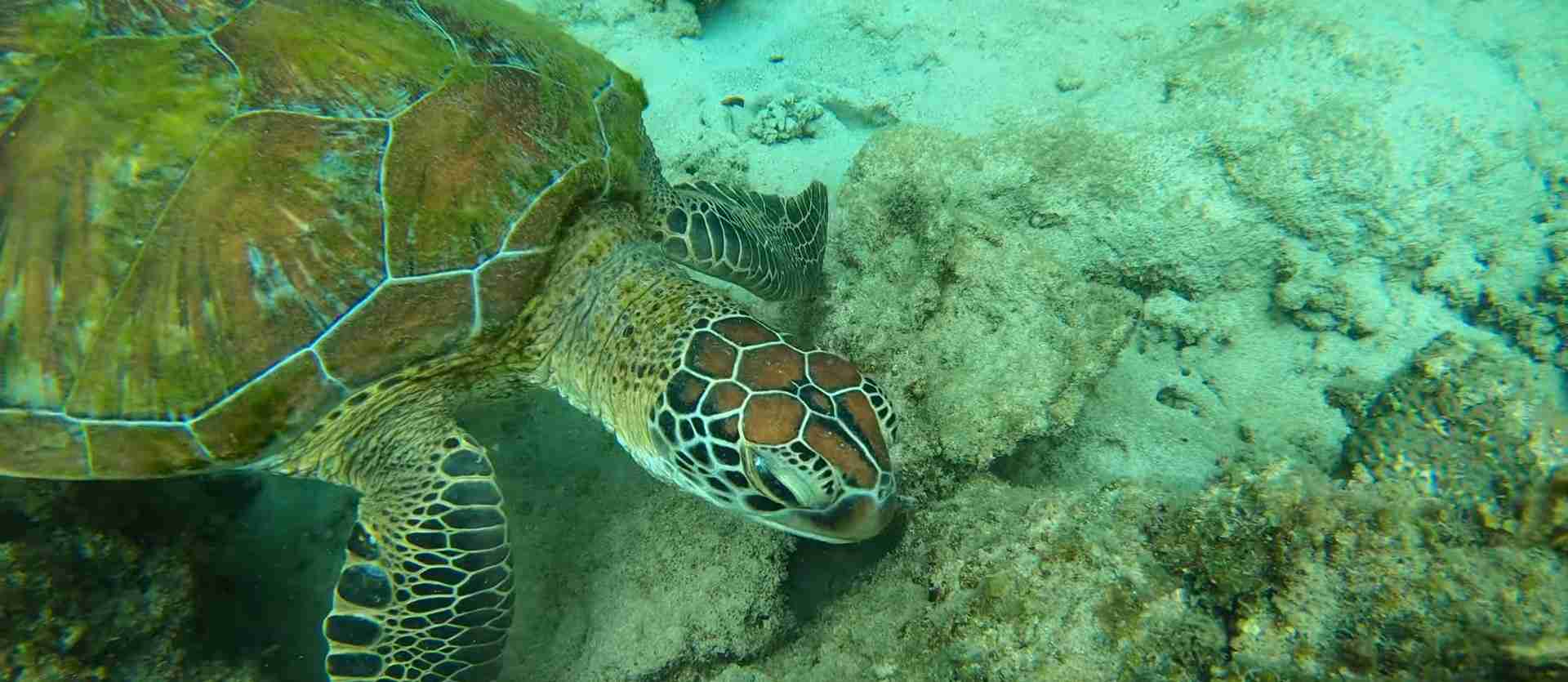
Mango Bay on northwest coast delivers best overall snorkeling experience through excellent coral coverage, calm protected waters, deep sections reaching 12-15 meters creating varied depths, and high probability sea turtle encounters particularly morning hours when turtles graze seagrass meadows and algae-covered rocks. The bay’s name derives from historical mango grove though development removed most trees, with current attraction purely underwater featuring purple coral, various anemone species, schooling yellow snappers, and occasional baby reef sharks in deeper areas.
Hin Wong Bay east coast creates photographer’s paradise with pristine coral reef extending both shallow and deep, numerous anemone gardens hosting clownfish colonies, larger pelagic fish including barracuda and trevally patrolling outer reef, and excellent underwater visibility due to deeper water proximity. The bay’s rocky shoreline and currents make boat access mandatory versus Shark Bay’s beach entry, with snorkeling exclusively boat-based focusing on offshore reef pinnacles reaching within 2 meters of surface.
Shark Bay (officially Haad Tien Beach) southern coast offers beach-accessible snorkeling attracting independent visitors renting equipment from nearby resorts, named for resident blacktip reef sharks frequently spotted in 3-6 meter depths along shallow reef edge though harmless and typically avoiding human swimmers. Green sea turtles also frequent the bay feeding on seagrass though coral damage from warming and tourism pressure reduced reef quality compared to boat-only sites, with sandy bottom areas interspersed between coral patches creating mixed underwater landscape.
Aow Leuk Bay southern coast provides crystal-clear water enabling 15-20 meter visibility peak season, large protected bay reducing currents and wave action, and excellent coral diversity including impressive massive coral formations and soft coral gardens. The bay’s depth ranges 2-12 meters with gradual slope ideal for beginners staying shallow while confident snorkelers explore deeper outer reef areas, and sea turtle sightings occur regularly though less reliably than Mango Bay morning sessions.
Premium and Private Snorkeling Options 2026
Premium snorkeling tours cost ฿1,200-1,800 ($36-54) offering smaller group sizes maximum 20-25 passengers versus standard tour boats carrying 40-60, upgraded lunch quality featuring fresh-made sandwiches and panna cotta dessert versus basic rice buffet, complimentary underwater photography with GoPro images provided via digital transfer, and sometimes additional sites like Lighthouse Beach or Twin Peaks impossible on standard schedules. Oxygen Tours and similar premium operators target quality-conscious travelers accepting 50-100% price premium for enhanced experience, smaller crowds, and professional service though visiting identical sites as budget operators.
Private longtail boat charters cost ฿6,000-10,000 ($180-300) full day accommodating 4-8 passengers, enabling custom itinerary selecting preferred sites, flexible timing adjusting to group pace, and privacy avoiding large tour boat crowds. Pricing negotiable depending on season, specific sites requested, and group size, with direct arrangements through beach longtail operators often cheaper than hotel concierge bookings adding commission markups. Private charters suit families with young children requiring flexible timing, photography enthusiasts wanting extended time specific locations, or groups desiring exclusive experience justifying higher per-person costs when splitting 6-8 ways.
Koh Tao Day Trip from Koh Samui Snorkeling Tours 2026
All-inclusive day tours from Koh Samui combine speedboat transportation, snorkeling equipment, guides, and Koh Tao site visits into single package eliminating independent ferry and local tour coordination. These tours cost ฿1,500-2,000 ($49-63) per person including Samui hotel pickup, speedboat round-trip (1 hour each way), visits to Koh Nang Yuan viewpoint and snorkeling, plus 2-3 additional Koh Tao snorkeling sites, Thai lunch onboard or beach restaurant, fruit and beverages, professional guides, and snorkeling equipment with life jackets.
Speedboat departure times typically 8:00-9:00 AM from Samui beaches (Mae Nam, Bophut, or Big Buddha areas) reaching Koh Tao 9:30-10:30 AM after brief Koh Nang Yuan preliminary stop, full day activities concluding 3:30-4:00 PM enabling 5:00-6:00 PM Samui return completing round-trip within 9-10 hours. Tours exclude Koh Nang Yuan entrance fee ฿250 ($7.50) adults, ฿120 ($3.60) children collected at island landing, with some operators bundling entrance in total price transparently stated during booking.
Operator selection matters significantly with Click2Go Thailand, Viator-listed companies, and established Samui tour offices providing reliable service, proper safety equipment, experienced guides, and professional organization, while random beach vendors and unlicensed operators create safety risks through inadequate equipment, uninsured boats, and untrained staff. Reading recent reviews on TripAdvisor, Viator, or Google focusing on safety mentions, guide quality, and equipment condition helps identify reputable operators versus questionable budget alternatives saving ฿200-300 ($6-9) while compromising safety and experience quality.
Scuba Diving in Koh Tao 2026: Certification Courses
Koh Tao’s diving industry foundations rest on beginner certification courses particularly PADI and SSI Open Water certifications comprising 60%+ island diving activity, with competitive pricing, professional instruction quality, diverse training sites, and English-language standardization creating ideal learning environment attracting 50,000-70,000 annual certification students from 100+ countries. Understanding course structures, costs, time requirements, and school selection criteria enables informed decisions whether pursuing casual diving introduction or serious certification investment.
PADI Open Water Diver Certification 2026
PADI Open Water Diver course costs ฿9,500-12,000 ($285-360) across Koh Tao’s 50+ PADI dive centers, representing world’s most popular entry-level certification enabling diving anywhere globally to 18 meters depth with certified buddy. The 3-4 day course structure includes knowledge development through e-learning modules or classroom sessions (1-2 days), confined water training in swimming pool mastering basic skills (half day), and four open water training dives at local sites applying skills in real ocean environment (2 days).
Course pricing variations reflect inclusions with budget ฿9,500-10,500 ($285-315) operators typically excluding accommodation, providing basic equipment, and offering larger group sizes 6-8 students per instructor maximizing efficiency. Mid-range ฿10,500-11,500 ($315-345) schools include superior equipment conditions, smaller groups 4-6 students per instructor, and sometimes free accommodation package bundling. Premium ฿11,500-12,000+ ($345-360+) centers deliver 4-student maximum ratios, newest equipment including dive computers for all students, private pools eliminating resort guest interference, and free accommodation at affiliated properties.
Prerequisites require minimum age 10 years (Junior Open Water certification with depth restrictions until age 15), basic swimming ability completing 200-meter continuous swim, 10-minute water treading, and medical fitness clearing PADI Medical Statement without disqualifying conditions. Medical exam available through local Koh Tao doctors ฿200-300 ($6-9) if medical history requires physician clearance before participating.
Course structure begins knowledge development completing five theory modules through PADI e-Learning online before arriving (recommended for time efficiency) or in-person classroom sessions on Koh Tao, followed by pool session practicing 20+ core skills including regulator recovery, mask clearing, buoyancy control, emergency procedures, and underwater communication. Open water dives 1-2 occur shallow sites like Twins or Ao Tanote practicing basic skills, while dives 3-4 progress to 12-18 meter sites like White Rock or Japanese Gardens demonstrating mastery and completing final skills assessments.
PADI Advanced Open Water and Specialty Courses 2026
PADI Advanced Open Water certification costs ฿9,000-11,000 ($270-330) for 2-day course including five adventure dives exploring different diving aspects, with mandatory deep dive to 30 meters and underwater navigation dive plus three electives choosing from wreck, night, buoyancy, drift, or other specialties. The course suits newly certified divers wanting extended training before independent diving, access to deeper dive sites restricted to advanced certification, or confidence building through varied diving experiences and specialty introductions.
Individual specialty courses cost ฿4,000-8,000 ($120-240) depending on specialty type, with popular options including Deep Diver (4 dives) ฿8,000 ($240), Wreck Diver penetrating HTMS Sattakut navy wreck (4 dives) ฿8,000 ($240), Nitrox Diver enriched air training (2 dives) ฿6,500 ($195), and Peak Performance Buoyancy (2 dives) ฿6,500 ($195). Specialties provide focused skill development in specific areas while counting toward Master Scuba Diver rating requiring Rescue certification plus five specialties representing recreational diving’s highest non-professional rating.
Discover Scuba Diving Experiences 2026
Discover Scuba Diving costs ฿2,500 ($75) for half-day introduction enabling first underwater breathing without certification commitment, including brief theory session covering basic concepts, confined water skill practice in pool or shallow protected bay, and one ocean dive to maximum 12 meters at beginner-friendly site under direct instructor supervision maintaining 2:1 student ratio. Additional ocean dive available ฿1,000 ($30) at second site if first dive succeeds and time permits, providing expanded underwater experience without progressing toward full certification.
The program suits genuinely uncertain individuals testing diving interest before committing 3-4 days and ฿10,000+ full certification costs, travelers with insufficient time for complete Open Water course, or those satisfying curiosity without pursuing serious diving hobby. However, Discover Scuba provides no certification, completed dives don’t credit toward future Open Water course (requiring full four-dive sequence), and limited 12-meter depth plus mandatory instructor direct control restricts experience compared to certified independent diving freedom.
Fun Diving for Certified Divers in Koh Tao 2026
Certified divers visiting Koh Tao access 25+ established dive sites through fun diving programs costing ฿800-1,200 ($24-36) per two-tank morning trip including equipment, guides, boat transfers, and light breakfast/lunch depending on operator. Understanding site selection, booking procedures, and diving logistics enables maximizing underwater time exploring Koh Tao’s diverse underwater environments from shallow coral gardens to deep pinnacles hosting pelagic species.
Morning and Afternoon Dive Trips 2026
Standard two-tank morning trips depart 7:00-8:00 AM returning 12:00-1:00 PM visiting two sites selected by dive guide based on weather, current, diver certification levels, and site rotation preferences. Cost ฿800-1,000 ($24-30) includes full equipment rental (BCD, regulator, wetsuit, weights, fins, mask), dive guide, boat transfer, light breakfast (coffee, tea, fruit), and sometimes lunch depending on operator. Divers owning equipment receive ฿200-300 ($6-9) discounts using personal gear, with dive computers recommended for profile tracking and safety though basic rental gear includes analog depth gauges and timing devices.
Afternoon trips 1:00-5:00 PM cost similarly ฿800-1,000 ($24-30) visiting different sites than morning rotation, appealing to divers completing morning activities or preferring less crowded sites as afternoon trips attract smaller groups. Single-tank sunset dives occasionally available ฿600-800 ($18-24) though less common due to limited demand and operational considerations. Three-tank trips to distant sites like Sail Rock cost ฿3,800-4,500 ($114-135) including breakfast, lunch, snacks, covering 2-hour boat journey to Gulf’s premier pinnacle reaching 15-40 meters with possible whale shark encounters peak season.
Premier Dive Sites Around Koh Tao 2026
Chumphon Pinnacle 13 kilometers northwest stands as Koh Tao’s signature dive site featuring massive granite pinnacle rising from 35-meter bottom to 14 meters below surface, creating vertical reef wall covered in soft corals, sea anemones, barrel sponges, and gorgonian fans hosting incredible marine biodiversity. Large schools of batfish, barracuda, and giant groupers patrol pinnacle walls, while whale sharks appear March-May cruising plankton-rich waters surrounding structure though sightings unpredictable requiring luck and timing alignment.
Southwest Pinnacle 13 kilometers southwest delivers similar underwater topography with four distinct pinnacles ranging 6-30 meters depth, famous for pink clownfish in anemone gardens, scorpionfish camouflaged on rocks, schooling snappers and fusiliers, and occasional manta ray visits though less frequent than whale shark sightings. The site’s varied depth enables multi-level diving with advanced divers exploring deeper pinnacles while Open Water certified divers stay shallow upper sections, all benefiting from pristine coral coverage and excellent fish diversity.
Japanese Gardens southwest Koh Tao features stunning soft coral gardens carpeting rocky reef from 5-16 meters, creating namesake appearance resembling manicured underwater landscape. The site’s shallow maximum depth makes it ideal for Open Water training dives, second dives following deep first dives, and snorkelers able to view upper reef sections from surface. Highlights include numerous anemones hosting various clownfish species, moray eels in crevices, leopard sharks resting sandy patches, and occasional turtle sightings though less reliable than other sites.
White Rock northeast coast serves dual purpose as training site for Open Water dive 4 and fun dive location for certified divers, offering 6-25 meter depth range with multiple reef levels, large rock formations creating swim-throughs and overhangs, and regular turtle encounters making it reliable turtle spotting location. The site’s easy conditions and proximity to Mae Haad enable quick boat access reducing transit time maximizing bottom time, though crowds from multiple dive schools create traffic particularly mornings when several Open Water courses converge.
Shark Island southeast coast features small rocky island surrounded by shallow reef 5-18 meters inhabited by regular blacktip reef shark population cruising sandy bottom areas, plus moray eels, triggerfish, pufferfish, and varied reef fish. Snorkelers access site from nearby Shark Bay beach swimming 100-150 meters offshore, while divers boat to island’s offshore reef zones diving deeper sections unreachable from beach snorkeling.
Selecting Dive Schools and Operators on Koh Tao 2026
Koh Tao’s 70+ dive schools create overwhelming selection confusion with price differences, reputation variations, and quality disparities requiring research distinguishing excellent operators from problematic choices. Understanding school categories, evaluation criteria, and red flags enables confident selection matching individual priorities whether cost minimization, instruction quality, group size preferences, or language requirements.
Major Dive School Categories 2026
Large-scale dive resorts including Bans Diving, Big Blue Diving, and Crystal Dive operate industrial-scale training certifying 100-200+ students weekly through large instructor teams, multiple boats, dedicated pools, and accommodations integrated with dive centers. These schools offer comprehensive services, multi-language instruction, guaranteed daily departures, and professional administration though large group sizes 6-8 students per instructor create less personalized attention compared to smaller operators. Pricing typically mid-range ฿10,500-11,500 ($315-345) Open Water with accommodation packages bundling rooms and courses for ฿13,000-16,000 ($390-480) total.
Boutique dive schools like Simple Life Divers, Scuba Shack, and Sairee Cottage Diving maintain smaller operations with 2-6 instructors, maximum 4 students per instructor, personalized service, and family-atmosphere creating intimate learning environment. Quality varies significantly with top boutique schools matching or exceeding large resort standards while problematic small operators cut corners on equipment maintenance, safety procedures, or instructor experience. Pricing ranges ฿9,500-12,000 ($285-360) depending on inclusions and reputation, with premium boutique schools commanding highest prices justified through superior instructor attention and equipment quality.
Budget backpacker-focused schools target cost-conscious travelers with ฿9,500-10,000 ($285-300) bare-minimum pricing, basic equipment, larger groups approaching 8 students per instructor, and accommodation in dorm-style lodging. These schools serve budget travelers prioritizing certification cost minimization over learning experience quality, though variability exists with some budget operators maintaining acceptable standards while others compromise safety through inadequate equipment maintenance or undertrained staff.
Evaluation Criteria and School Selection 2026
PADI 5-Star rating indicates operator meets enhanced training standards, maintains proper facilities, employs sufficient instructor staff, and follows quality protocols, though rating reflects PADI compliance rather than actual instruction quality requiring independent verification through reviews and reputation research. TripAdvisor rankings and recent reviews (within 6 months) provide valuable insight into current operations, instructor quality, equipment conditions, and customer satisfaction, though evaluating review patterns for consistency and specific issues mentioned rather than simple star averages delivers better assessment.
Instructor-to-student ratios dramatically impact learning quality with 4:1 maximum providing adequate personal attention, skill correction, and safety monitoring, while 6:1-8:1 ratios common budget schools create rushed instruction, limited individual feedback, and safety compromises through inadequate supervision. Requesting specific ratio guarantees during booking and confirming actual course group size upon arrival prevents bait-and-switch tactics advertising 4:1 but delivering 6:1+ actual courses.
Equipment quality inspection includes checking BCD inflation/deflation mechanisms, regulator breathing resistance and purge function, wetsuit condition without excessive tears or compression, mask seal quality, and fin strap integrity. Modern well-maintained equipment indicates operator investment in student safety and comfort, while worn damaged equipment suggests cost-cutting affecting multiple operational areas potentially including instructor quality and safety procedures.
Pool facilities examination reveals investment level with private dedicated pools ensuring uninterrupted training versus resort pools shared with hotel guests creating scheduling conflicts, noise, and interruptions. Pool depth adequate for skill practice requires minimum 2 meters enabling complete submersion, weight belt retrieval, and emergency procedures practice impossible shallow pools some budget schools utilize.
Best Snorkeling and Diving Season Koh Tao 2026
Koh Tao diving and snorkeling operates year-round except November-December monsoon closure, with distinct seasonal variations affecting underwater visibility, marine life encounters, weather reliability, and crowd levels enabling strategic timing optimizing experience quality matching preferences and constraints.
March-May: Peak Diving Season 2026
March-May represents Koh Tao’s premier diving window combining calm seas, maximum underwater visibility 20-30 meters approaching tropical destination peaks, minimal rainfall averaging 80-120mm monthly, and whale shark season peak March-April when plankton blooms attract feeding whale sharks to Chumphon Pinnacle, Sail Rock, and Southwest Pinnacle. Water temperature warms to 28-30°C (82-86°F) enabling comfortable diving with 3mm wetsuits or rash guards, while air temperature reaches 30-34°C (86-93°F) creating hot conditions between dives requiring shade and hydration.
March-April maintains heavy tourist crowds from December-February peak though slightly reduced from Christmas-Chinese New Year maximum, requiring advance booking 5-7 days securing preferred dive schools and ferry seats. May transitions toward shoulder season with declining visitor numbers, maintained excellent visibility, and continued favorable sea conditions though increasing heat and occasional afternoon thunderstorms signal approaching monsoon transition.
June-September: Optimal Value Season 2026
June-September delivers excellent diving conditions rivaling peak season though reduced crowds 30-40% below peak, maintained underwater visibility 15-20 meters adequate for enjoyable diving and snorkeling, and occasional whale shark appearances continuing beyond peak March-April window. Rainfall increases to 150-200mm monthly predominantly afternoon thunderstorms clearing quickly without multi-day periods, while water temperature peaks 29-30°C (84-86°F) enabling comfortable diving with minimal thermal protection.
July-August sees moderate tourist increase from European summer vacation influx though substantially lower than winter peak, with accommodation availability, easy walk-up dive bookings, and relaxed island atmosphere creating ideal conditions for extended stays without advance planning pressure. September marks monsoon transition onset with increasing rainfall, deteriorating visibility 10-15 meters, higher cancellation probability, though still functional majority days and attractive to budget travelers accepting weather uncertainty for reduced crowd benefits and occasional price discounts.
October-December: Monsoon Transition and Closure 2026
October brings unpredictable conditions mixing excellent clear days with multi-day rain periods, deteriorating visibility 8-12 meters average, increasing seas creating rough crossings and dive site access limitations, and rising cancellation frequency approaching 40-50% particularly late October. Early October visits gamble on weather catching good days though higher risk compared to reliable March-September period, unsuitable for non-flexible travelers with limited Koh Tao timeframe unable absorbing potential multi-day weather cancellations.
November-December monsoon closure period renders Koh Tao largely non-functional with 250-400mm monthly rainfall, rough seas preventing safe boat operations, and majority dive shops closing until mid-late December reopening timed to Christmas-New Year tourist influx. Ferry services reduce dramatically with frequent cancellations, accommodation options limited as properties shutter for annual maintenance, and island atmosphere dead creating unsuitable visit conditions regardless attractive low-season pricing attempting attracting customers during fundamentally non-operational period.
Day Trip Logistics and Planning Strategies 2026
Executing successful Koh Tao day trip from Koh Samui requires coordinating ferry schedules, activity timing, and realistic expectations managing what’s achievable within single day versus overnight visit enabling relaxed exploration and diving participation.
Independent Day Trip vs. Organized Tours 2026
Independent day trips via ferry enable flexibility selecting activities, extended island time, and potential cost savings combining cheap ferry ฿550-700 ($17-21) with local tour joining ฿800-900 ($24-27), totaling ฿1,350-1,600 ($41-48) versus organized Samui tours ฿1,500-2,000 ($49-63). However, independence requires coordinating separate ferry and local tour bookings, arriving Koh Tao with sufficient time joining 10:00 AM local snorkeling departures, and accepting limited Samui return ferry options potentially forcing earlier island departure than desired.
Organized all-inclusive Samui day tours simplify logistics through single booking covering all transport, activities, meals, and coordination, though sacrifice island free time and flexibility for convenience. Tours typically allow minimal Mae Haad village exploration or beach time beyond scheduled snorkeling stops, appealing to convenience-focused travelers avoiding independent coordination but unsuitable for those wanting extended island exploration or non-snorkeling activities.
Realistic Single Day Itinerary Koh Tao 2026
Optimal independent day trip catches 8:00 AM Lomprayah ferry from Mae Nam Pier arriving Koh Tao 9:45 AM, immediately joining 10:00 AM local snorkeling tour departing Mae Haad, returning to pier 5:00 PM enabling 6:15-6:30 PM Koh Tao departure reaching Samui 8:00-8:15 PM after dinner. This schedule provides 7+ hours island time predominantly snorkeling tour though allowing minimal village exploration, unsuitable for serious diving requiring 4+ hour commitment incompatible with day trip ferry timing.
Alternative relaxed day trip takes 8:00 AM ferry arriving 9:45 AM, enjoys Mae Haad breakfast and village exploration, catches midday ferry 12:30 PM returning Samui 2:15 PM enabling half-day Koh Tao visit focusing on village atmosphere, cafe culture, and beach time without structured activities. This approach suits travelers wanting Koh Tao taste without snorkeling or diving, though sacrificing underwater experiences that constitute island’s primary attraction and day trip justification.
When Overnight Stays Become Essential 2026
Diving certification courses absolutely require overnight accommodation as 3-4 day Open Water timeline combined with 8:00 AM-5:00 PM daily schedules prevents day-trip ferry commuting. Minimum 4-night Koh Tao stay enables completing Open Water plus 1-2 fun dives exploring additional sites, while 6-7 night stays accommodate Open Water, Advanced, and multiple fun dives creating comprehensive diving immersion impossible rushed shorter periods.
Serious snorkelers benefiting from multi-day visits access varied snorkeling tours visiting different site combinations, independent beach snorkeling from Shark Bay or Tanote Bay, sunset snorkeling at Ao Leuk, and relaxed exploration pacing impossible within compressed single-day timeline. Budget travelers particularly benefit from extended Koh Tao stays as accommodation costs ฿300-600 ($9-18) per night budget options offset ferry expenses while enabling cheaper local tour participation versus expensive Samui-based organized day tours.
What to Pack for Koh Tao Snorkeling and Diving 2026
Proper packing ensures comfort and functionality during water activities while avoiding unnecessary items creating luggage bulk and weight. Understanding essential items, recommended additions, and what operators provide enables efficient packing matching trip type whether day trip, snorkeling focus, or multi-day diving certification.
Snorkeling Equipment and Clothing 2026
Swimwear should be worn underneath clothing enabling quick changes without seeking facilities, with women’s one-piece or modest bikini recommended over revealing styles maintaining cultural sensitivity though tourist areas accept typical beach attire. Rash guard long-sleeve swim shirt provides superior sun protection versus sunscreen alone during extended water time, prevents jellyfish stings if encountered, and adds modest warmth for sensitive individuals though Koh Tao’s 28-30°C water rarely requires thermal protection beyond psychological comfort.
Personal snorkeling equipment including mask and snorkel justifies investment for frequent snorkelers or those with fit sensitivities, as tour-provided equipment varies widely from excellent modern gear to worn masks with compromised seals creating constant water ingress and fogging frustration. Quality mask costing ฿800-1,500 ($24-45) and snorkel ฿300-600 ($9-18) purchased Koh Tao dive shops or brought from home transforms experience compared to problematic rental equipment, while fins less critical as tour rentals typically adequate and personal fins create luggage bulk many travelers avoid.
Water shoes or sport sandals with secure heel straps enable rocky beach navigation, protect feet from sea urchins when wading, and function for island walking between activities, while flip-flops inadequate for any substantial walking or rough terrain access. Lightweight quick-dry shorts and t-shirts provide comfortable boat wear and island casual attire drying rapidly after water activities.
Diving Essentials for Certification Courses 2026
Dive computer recommended for Open Water students and essential for Advanced and beyond, enabling proper dive profile tracking, nitrogen loading monitoring, and safety stop calculation eliminating reliance on basic depth gauges and dive tables. Budget computers cost ฿8,000-12,000 ($240-360) new or ฿4,000-6,000 ($120-180) used Koh Tao shops, representing valuable investment for certified divers planning continued diving though rental ฿200-300 ($6-9) per day adequate for single courses without future commitment.
Dive log book tracks certification progress, dive site records, and provides official dive count verification essential for advanced courses and professional levels requiring minimum logged dives. PADI provides basic logbook during Open Water course though many divers prefer upgrading to quality leather-bound versions or digital logging through apps like Dive Log DT or Subsurface creating permanent electronic records immune to physical logbook loss.
Reef-safe sunscreen protects skin while minimizing coral damage from harmful chemicals, with mineral-based formulations using zinc oxide or titanium dioxide preferred over chemical sunscreens containing oxybenzone and octinoxate proven damaging to coral reefs. Brands like Stream2Sea, Raw Elements, or Badger provide effective reef-safe protection widely available Koh Tao shops ฿300-500 ($9-15) small bottles though bringing larger quantities from home reduces costs.
Photography and Electronics 2026
Waterproof phone case enables basic underwater photography and videography during snorkeling costing ฿300-800 ($9-24) for quality cases protecting against water damage while allowing photo/video capture. GoPro or similar action cameras deliver superior underwater capability with better image quality, hands-free mounting, and professional results though ฿8,000-15,000 ($240-450) investment substantial for casual use, with rental ฿300-500 ($9-15) daily from tour operators or dive shops providing accessible alternative.
Underwater housing for regular cameras enables DSLR or mirrorless underwater photography though ฿15,000-80,000+ ($450-2,400+) housing costs plus learning curve operating complex equipment underwater makes this serious investment unsuitable casual tourists. Most day-trippers find smartphone cases or GoPro rentals adequate documenting experiences without major equipment and cost commitment.
Power bank capacity 10,000-20,000mAh ensures phone charging capability as full-day activities and constant photography drain batteries rapidly, with boats typically lacking charging outlets making portable power essential rather than optional. Waterproof dry bag 10-20 liter capacity protects phones, cameras, and valuables during water activities and boat transfers, available ฿200-600 ($6-18) Koh Tao shops or brought from home.
Koh Nang Yuan Island Details and Regulations 2026
Koh Nang Yuan constitutes privately-owned island group comprising three small limestone outcrops connected by signature shallow sandbar creating Koh Tao region’s most photographed location, operated by Nangyuan Island Dive Resort enforcing strict environmental regulations protecting island beauty while accommodating day-trippers alongside resort guests paying premium nightly rates.
Entrance Fees and Access Rules 2026
Koh Nang Yuan entrance fee costs ฿250 ($7.50) adults, ฿120 ($3.60) children under 120cm height paid cash only at island landing checkpoint before accessing beaches or facilities. Tour operators never include entrance fee in tour pricing maintaining transparency and avoiding collection complications, with payment collected individually as visitors disembark boats. Resort guests staying Nangyuan Island Dive Resort bypass entrance fee as accommodation includes island access, though overnight rates ฿3,500-8,000+ ($105-240+) per night substantially exceed day-trip entrance costs.
Strict environmental regulations prohibit single-use plastic bottles, aluminum cans, styrofoam containers, fins for snorkeling (damaging coral from uncontrolled kicking), drones (disturbing wildlife and guests), and beach shoes (unnecessarily trampling coral when wading). Bag searches occur at landing checkpoint enforcing violations with confiscation of prohibited items and potential denial of entry for serious infractions. Visitors must bring reusable water bottles or purchase drinks at island restaurant/bar where ฿60-100 ($1.80-3) beverages sold at premium reflecting remote location and operational costs.
Viewpoint Hike and Island Exploration 2026
Viewpoint hike ascends highest limestone outcrop via steep jungle trail requiring 15-20 minutes continuous climbing through 60-70 meter elevation gain, rewarded by spectacular 360-degree panorama of sandbar, surrounding turquoise waters, and Koh Tao coastline creating Koh Tao’s signature photo opportunity. Trail features natural rock steps, rope handrails in steepest sections, and shade from jungle canopy though final approach exposes hikers to direct sun requiring sunscreen and hydration.
Physical difficulty moderate requiring reasonable fitness tolerating sustained uphill exertion in tropical heat and humidity, though achievable for most healthy adults proceeding appropriate pace with rest breaks. Improper footwear including flip-flops creates significant challenge and injury risk given steep irregular steps and loose rock sections, making sport sandals or athletic shoes strongly recommended. Families with young children under 6-8 years typically find hike too strenuous, while older children 8-12+ successfully complete climb with parental supervision and encouragement.
Sandbar walking enables photographing from beach level and wading between islands when tides permit, creating alternative to viewpoint for those unable or unwilling to hike. Small beach restaurants and bars sell food and beverages at inflated prices reflecting captive audience though providing necessary refreshments for full-day visits. Snorkeling concentrates western and southern shores where Japanese Garden reef systems flourish, with shallow 2-5 meter depths and calm protected waters ideal for beginners and non-swimmers using life jackets.
Frequently Asked Questions About Koh Tao 2026
Is Koh Tao worth visiting for non-divers in 2026?
Koh Tao offers substantial value for non-divers through excellent snorkeling rivaling regional destinations, beautiful viewpoints including Koh Nang Yuan and island overlooks, relaxed beach atmosphere at Sairee Beach and Chalok Baan Kao, and developing yoga/wellness scene creating multifaceted experience beyond diving-exclusive focus. However, island’s primary infrastructure, social atmosphere, and activity offerings center predominantly on diving community making extended stays less appealing for non-divers compared to Koh Samui’s diverse attractions or Koh Phangan’s beach and party scene. Day-trip snorkeling visits from Koh Samui provide ideal non-diver experience accessing Koh Tao’s underwater and scenic highlights without committing multi-night stays that may disappoint non-diving travelers seeking diverse land-based activities, restaurant variety, or beach club amenities better developed neighboring islands.
How long does PADI Open Water certification take on Koh Tao in 2026?
PADI Open Water certification requires minimum 3 days completing all requirements though many schools structure courses across 3.5-4 days providing more relaxed pacing, adequate rest between sessions, and scheduling flexibility for weather or student needs. Accelerated 3-day courses possible starting e-learning modules before arrival enabling condensed timeline: Day 1 orientation and pool training afternoon, Day 2 open water dives 1-2, Day 3 open water dives 3-4 and final exam, though rushed schedule creates stress and reduces learning quality compared to standard 4-day format. Most students benefit from 4-day structure enabling proper skills mastery, physical recovery between demanding pool and ocean sessions, and mental processing of extensive theory and practical information without overwhelming condensed timeline creating safety concerns or incomplete skill development.
Can you see whale sharks in Koh Tao in 2026?
Whale shark encounters occur Koh Tao March-May peak season when plankton blooms attract feeding whale sharks to Chumphon Pinnacle, Sail Rock, and Southwest Pinnacle sites, with sightings reported 15-30% of dives these locations during peak though highly variable depending on ocean conditions, plankton concentrations, and whale shark migration patterns impossible predicting day-to-day. Snorkelers occasionally spot whale sharks at Sail Rock during specialized snorkeling tours though diving provides superior encounter probability accessing sites at proper depths where whale sharks typically cruise. No guarantees exist for whale shark sightings as wild animals following natural behaviors, making whale shark focused trips gambles requiring flexible expectations understanding possibility exists without certainty, while conventional wisdom suggests booking multiple dive days peak season maximizing statistical probability though still no assurance.
What marine life can you see while snorkeling Koh Tao in 2026?
Koh Tao snorkeling regularly reveals green sea turtles and hawksbill turtles feeding on seagrass and algae particularly Mango Bay, Hin Wong Bay, and Aow Leuk morning hours, blacktip reef sharks cruising sandy bottoms Shark Bay and outer reef areas, various clownfish species including pink saddleback, common, and tomato varieties hosting anemones, parrotfish, angelfish, butterflyfish, damselfish, wrasse, and sergeant majors comprising typical reef fish populations. Larger occasional sightings include barracuda schools, giant groupers, moray eels in crevices, octopus, cuttlefish, and rare whale shark or manta ray encounters though these exceptional rather than expected. Coral quality varies significantly by site from pristine Japanese Gardens and Hin Wong Bay to damaged Shark Bay and Koh Nang Yuan areas affected by warming and tourism pressure, though all sites maintain viable reef systems supporting diverse marine communities visible typical snorkeling excursions.
Is it safe to swim and snorkel around Koh Tao in 2026?
Koh Tao snorkeling and swimming present minimal safety risks with calm protected bays, professional tour operators providing life jackets and safety supervision, and absence of dangerous currents at standard tourist sites creating safe environment for all ability levels including weak swimmers and children. Blacktip reef sharks encountered Shark Bay and occasionally other sites pose zero attack risk as harmless fish-eating species avoiding human contact, while jellyfish stings occur occasionally May-October causing painful welts treated with vinegar though rarely serious medical emergencies. Box jellyfish extremely rare Koh Tao unlike Andaman Sea locations experiencing seasonal outbreaks, making Gulf of Thailand generally safer for water activities. Primary risks involve sunburn from prolonged exposure without adequate protection, coral cuts from careless reef contact or rough entry/exit, and rare seasickness on rough days though preventable through medication and morning departure timing when seas typically calmest.
What is the difference between PADI and SSI diving certifications in 2026?
PADI and SSI represent competing diving certification agencies offering functionally equivalent certifications recognized worldwide by dive operators, with course requirements, safety standards, and certification cards enabling identical diving privileges regardless of issuing agency. PADI historically dominated Koh Tao with 70-80% market share though SSI recently expanded to 40-50% island presence through competitive pricing, digital-first course materials eliminating physical book purchases, and aggressive school recruitment. Course structures differ slightly with SSI emphasizing online learning through free app access versus PADI’s e-learning requiring separate payment, and SSI allowing more flexible specialties counting toward advanced ratings, though these operational differences create negligible practical impacts for recreational divers. Most travelers choose based on specific school quality, instructor reputation, pricing, and convenience rather than certification agency preference, as both PADI and SSI deliver professional standardized training producing competent safe divers when instruction quality maintained.
Should I book diving courses in advance or upon arrival Koh Tao in 2026?
Advance booking 3-7 days prior arrival guarantees spot at preferred dive school particularly December-March peak season when popular schools fill capacity, enables securing accommodation packages bundling courses and rooms at discount rates, and provides peace of mind with confirmed arrangements versus arrival uncertainty. However, walking up upon arrival enables in-person school inspection evaluating equipment conditions, meeting potential instructors, comparing facilities, and making informed selection impossible from online research, while shoulder season April-November typically maintains availability making advance booking unnecessary except specific school preferences or accommodation package desires. Recommended strategy involves researching 3-5 schools online shortlisting candidates, contacting directly inquiring availability and pricing, then booking preferred option 3-5 days advance if December-March or upon arrival after personal inspection if April-November low season when capacity readily available.
Can families with children do diving courses on Koh Tao in 2026?
Children age 10+ participate in PADI Junior Open Water certification earning restricted certification requiring diving with certified adults and maximum 12 meters depth until age 15 when full Open Water certification automatically applies without additional training. Ages 10-11 face strictest restrictions requiring diving with PADI professional or certified parent/guardian, while 12-14 dive with any certified adult to 18 meter maximum matching adult Open Water limits except professional supervision requirement. Many Koh Tao dive schools specialize in family certifications offering private or semi-private instruction keeping family units together, patient instructors experienced with children, and flexible scheduling accommodating family dynamics and children’s attention spans. However, diving demands maturity, focus, and physical coordination challenging for younger 10-11 year-olds making age 12+ more reliable for successful enjoyable certification, while 8-9 year-olds participate in Bubblemaker programs introducing diving in pools to 2 meters depth without ocean component or certification issuance.
What happens if weather cancels diving or snorkeling in Koh Tao 2026?
Weather cancellations initiated by dive operators or tour companies due to unsafe sea conditions trigger automatic rescheduling to next available day or full refund if rescheduling impossible due to traveler departure dates, protecting customers from operator safety decisions while eliminating financial loss. Customers independently canceling due to weather concerns without official operator cancellation typically forfeit deposits or face cancellation penalties per booking terms, making waiting for official operator cancellation announcement important protecting refund rights while ensuring safety decisions made by marine professionals assessing actual conditions versus anxious travelers overreacting minor weather concerns. Flexible travelers building extra Koh Tao days into itineraries absorb potential weather delays without disrupting subsequent plans, while tight schedules risk losing diving opportunities to uncancellable weather making shoulder season visits particularly risky for non-flexible travelers.
How does Koh Tao diving compare to other world diving destinations in 2026?
Koh Tao ranks among world’s premier diving training destinations for beginner certification through professional instruction, affordable pricing, excellent infrastructure, and diverse training sites, though underwater scenery and marine biodiversity fall short compared to premier dive destinations like Raja Ampat Indonesia, Red Sea Egypt, or Great Barrier Reef Australia featuring superior coral coverage, larger pelagic species, and pristine underwater visibility. Koh Tao’s value proposition centers on accessible affordable quality diving education rather than world-class underwater spectacle, making it ideal learning environment building foundational skills before progressing to more challenging expensive dive destinations globally. Experienced divers seeking spectacular underwater scenery often find Koh Tao underwhelming compared to Similans Thailand, Komodo Indonesia, or Sipadan Malaysia, though Sail Rock whale shark encounters and healthy reef systems at Chumphon and Southwest Pinnacles create memorable diving experiences justifying visits despite not ranking among global top-tier destinations.