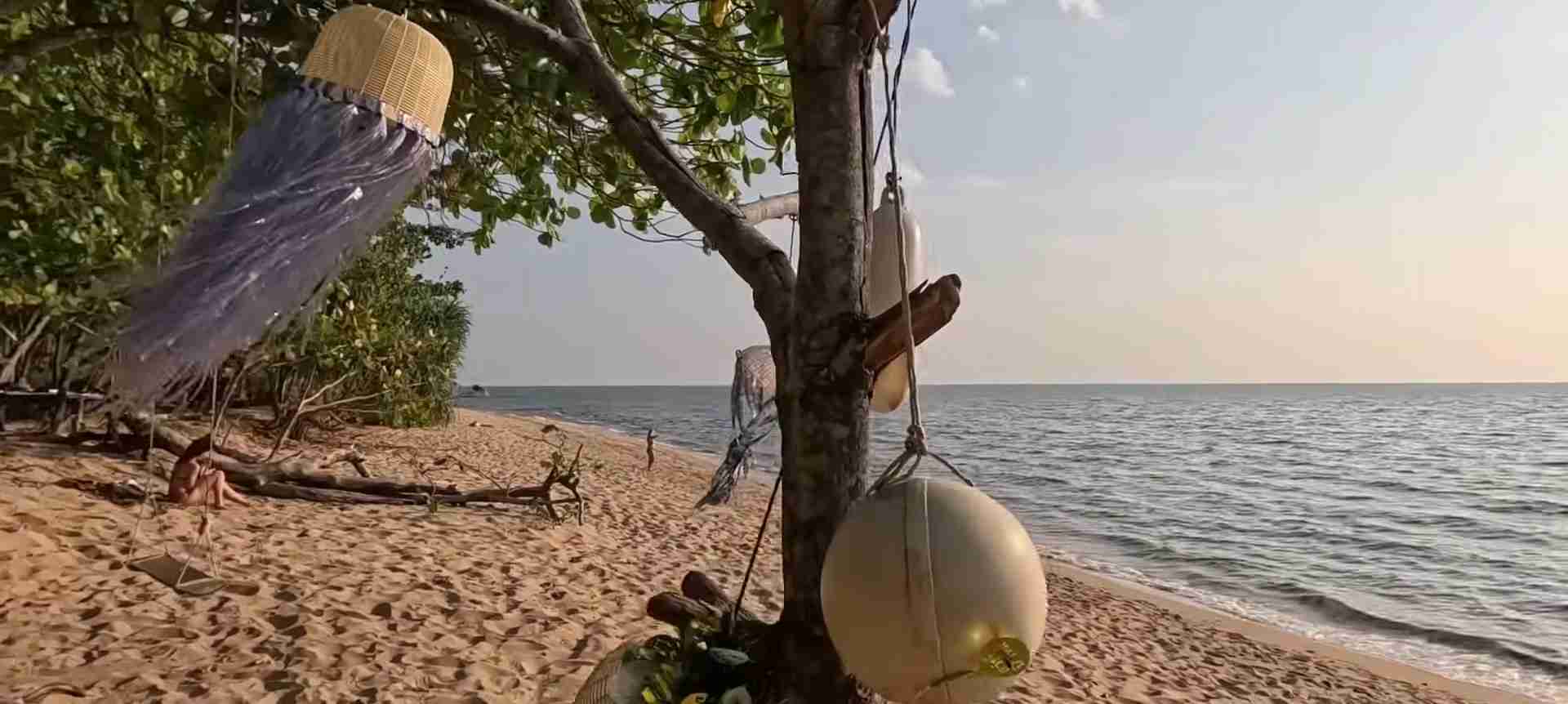
Koh Lanta Travel Guide: Laid-Back Island Escape
Koh Lanta offers Thailand’s Andaman coast in slow motion—a 25-kilometer-long island where development stops at low-rise bungalows scattered among coconut palms, where the longest beach stretches 3.5 kilometers without a single high-rise hotel, and where the fastest vehicles are rented scooters putting along coastal roads connecting pristine white-sand beaches to jungle-covered hills. Unlike Phuket’s commercialization or Phi Phi’s party atmosphere, Koh Lanta maintains deliberate tranquility that attracts families seeking safe swimming beaches, divers accessing world-class sites like Koh Haa and Hin Daeng, and travelers craving genuine island relaxation without sacrificing comfort or completely abandoning civilization.
Key Takeaways About Koh Lanta
- Geography and Scale: Koh Lanta actually comprises two main islands—smaller Lanta Noi in the north and larger Lanta Yai extending 25 kilometers south—with the entire west coast consisting of sequential beaches offering different atmospheres from family-friendly Klong Dao through alternative Klong Khong to secluded southern Bamboo Bay
- Beach Diversity: The island’s west-facing coastline delivers nine distinct beaches spanning shallow family swimming at Klong Dao, the 3.5-kilometer expanse of Long Beach (Phra Ae), bohemian Klong Khong’s reggae bars, tranquil Klong Nin’s rock-free swimming, dramatic Kantiang Bay framed by jungle hills, and isolated southern beaches requiring commitment to access
- World-Class Diving Access: Koh Lanta serves as gateway to extraordinary dive sites including Koh Haa’s six-island cluster with cathedral caves and lagoon snorkeling, pristine Koh Rok’s extensive coral reefs, and legendary Hin Daeng/Hin Muang pinnacles consistently ranked among Asia’s top diving destinations
- Cultural Authenticity: Lanta Old Town on the quieter east coast preserves century-old Chinese-Thai trading port character with stilted wooden houses, waterfront seafood restaurants, and museums documenting the island’s multicultural heritage combining Thai-Chinese merchants, Thai-Muslim fishermen, and Urak Lawoi sea gypsies
- Deliberate Development Limits: Local regulations cap building heights at coconut palm level, prohibit beach development beyond certain densities, and maintain the island’s character through restrictions that have prevented the high-rise hotel construction and commercial sprawl transforming other Andaman destinations
- Lanta Animal Welfare Impact: The island’s pioneering animal welfare organization founded in 2005 has sterilized approximately 90% of Koh Lanta’s dog and cat population, transforming street animal conditions while creating visitor experiences through tours, dog walking, and supporting Thai cooking classes at Time for Lime
People Also Ask About Koh Lanta
What Makes Koh Lanta Different from Other Thai Islands?
Koh Lanta distinguishes itself through deliberately slow-paced development maintaining low-density accommodation, absence of mass tourism infrastructure, and preservation of local character that other Thai islands sacrificed for rapid growth. The island lacks the party scene defining Koh Phi Phi, the commercial density overwhelming Phuket, or even the backpacker concentration on Koh Phangan. Instead, Koh Lanta attracts families appreciating safe shallow beaches, mature travelers seeking relaxation over nightlife, divers accessing exceptional sites without resort crowds, and long-term visitors (digital nomads, retirees) valuing the balance between tropical beauty and functional amenities. The west coast’s sequential beaches enable choosing precise atmosphere—family-focused Klong Dao, social Long Beach, alternative Klong Khong, or isolated southern stretches—while the entire island maintains walkable scale, affordable pricing, and authentic Thai character through preserved fishing villages and cultural sites.
Is Koh Lanta Good for Families with Children?
Koh Lanta ranks among Thailand’s most family-friendly islands due to exceptional shallow-water swimming beaches, calm waves protected by offshore islands, absence of dangerous currents that plague open-ocean beaches, and accommodation specifically designed for families with children. Klong Dao Beach proves ideal for young children—the 3-kilometer white-sand beach features gradual depth increases allowing kids to wade 20-30 meters from shore in waist-deep water, minimal rocks or coral creating foot hazards, and calm conditions from November through April. Long Beach offers similar safe swimming with added amenities including beachfront restaurants with kids’ menus, rental beach toys, and shallow areas perfect for sandcastle construction. Beyond beaches, family activities include visiting Lanta Animal Welfare where children interact with rescue cats and dogs, taking family-friendly cooking classes, exploring caves with guide assistance, and snorkeling trips to Koh Rok designed for beginners. The island’s car-free beach roads, scooter-accessible distances, and abundance of family bungalows create practical environment for traveling with children without sacrificing tropical beauty.
How Long Should You Stay on Koh Lanta?
Five to seven days enables comprehensive Koh Lanta experience covering multiple beaches, taking day trips to offshore islands, exploring Old Town and cultural sites, experiencing diving or snorkeling, and crucially, achieving the relaxation that defines the island’s appeal. The island’s 25-kilometer length and sequential beach layout reward extended stays—spending single nights at different beaches provides geographic variety while maintaining single island base. Three-day minimums allow sampling northern beaches (Klong Dao, Long Beach), taking one snorkeling trip to Koh Haa or Koh Rok, and visiting Old Town, though this rushes the laid-back rhythm the island encourages. Week-long stays enable deeper exploration: diving multiple sites, trying different beaches, taking cooking classes, visiting animal welfare center, exploring southern beaches and national park, plus essential beach time for reading, swimming, and sunset watching. Many visitors initially plan three-four days but extend after experiencing the island’s pace—the absence of must-see attractions creates permission to simply relax, making Koh Lanta ideal for longer stays without boredom that affects smaller islands.
What Is the Best Beach on Koh Lanta?
The “best” beach depends entirely on priorities, as Koh Lanta’s sequential west coast beaches each excel at different experiences. Long Beach (Phra Ae) wins for overall combination of length (3.5 kilometers), swimming quality, restaurant variety, and sunset views—the island’s longest beach provides space even during peak season, powder-fine sand, dependable swimming conditions, and dozens of beachfront dining options. Klong Dao claims best family beach through exceptionally shallow water, minimal rocks, and highest concentration of family-oriented resorts. Klong Nin delivers best tranquil swimming with clear water, rock-free bottom extending far offshore, and peaceful atmosphere with limited development. Kantiang Bay offers most dramatic scenery with jungle-covered hills framing crescent bay and upscale resorts including famous Pimalai. Bamboo Bay and beaches near Mu Koh Lanta National Park provide most isolation and pristine conditions but require commitment to access and accept limited facilities. Rather than seeking single “best” beach, visitors should match beach selection to daily mood—social Long Beach for dining and people-watching, quiet Klong Nin for peaceful swimming, Kantiang Bay for scenic beauty, exploring multiple beaches throughout stay.
Introduction: Understanding Koh Lanta’s Geography and Character
Koh Lanta occupies unique position in Thailand’s Andaman Sea island geography—large enough to support genuine infrastructure and diverse beaches, yet isolated enough to maintain character that mass tourism eroded elsewhere. The name “Koh Lanta” actually refers to island group including two main islands: smaller Lanta Noi in the north (largely undeveloped, home to sea gypsy villages) and larger Lanta Yai extending 25 kilometers south where virtually all tourist development concentrates. A bridge connecting the two islands and linking to mainland Krabi Province enables road access uncommon among Andaman islands, though most visitors still arrive via ferry creating psychological island separation.
Lanta Yai’s geography divides distinctly between developed west coast and quieter east coast. The west coast faces the Andaman Sea with nine sequential beaches stretching from Klong Dao in the north through Long Beach, Klong Khong, Klong Nin, Kantiang Bay, and smaller southern beaches to Mu Koh Lanta National Park at the southern tip. A single coastal road connects these beaches, creating easy scooter access between locations. The east coast, facing mainland Thailand across sheltered straits, features mangrove forests, fishing villages, and historic Lanta Old Town—Thailand’s authentic side contrasting with west coast’s tourism focus.
The island’s topography proves relatively flat near beaches, rising to jungle-covered hills in the interior reaching 400-meter elevations. This creates distinct microclimates—coastal areas remain hot and sunny, while interior forests generate afternoon clouds and occasional rain even during dry season. The hills separate east and west coasts enough that crossing requires 20-30 minute scooter rides through winding jungle roads, though most visitors base entirely on west coast beaches.
What distinguishes Koh Lanta from Phuket, Koh Samui, or even nearby Phi Phi Islands is deliberate development restraint. Local regulations implemented before tourism explosion cap building heights at tree level (roughly 15 meters), mandate setbacks from beaches, and restrict commercial density that creates the concrete jungles defining overdeveloped destinations. This foresight preserved Koh Lanta’s character—accommodation consists primarily of low-rise bungalows and boutique resorts nestled among coconut palms rather than high-rise hotels dominating beaches. Walking streets remain pedestrian-friendly, beaches maintain natural vegetation buffer, and the island retains working fishing village character alongside tourism infrastructure.
The island’s scale proves ideal for exploration without overwhelming—25 kilometers north to south allows visiting any beach within 30-40 minutes via scooter, yet provides enough diversity that week-long stays never feel repetitive. Unlike tiny islands where two days exhaust possibilities, or massive Phuket requiring vehicle dependence, Koh Lanta hits the sweet spot: large enough for variety, small enough to navigate easily, developed enough for comfort, untouched enough for authenticity.
Koh Lanta’s population demonstrates Thailand’s multicultural south—Thai-Chinese merchant families descended from trading port era, Thai-Muslim fishing communities, Buddhist Thai farmers, and Urak Lawoi (Chao Ley) sea gypsies maintaining traditional lifestyle. This diversity manifests in cuisine (Chinese noodles, Thai curries, Muslim roti), religious sites (Buddhist temples, Chinese shrines, mosques), and cultural festivals celebrating varied heritage. Old Town preserves this multicultural character most visibly, while beach areas integrate local fishing communities among tourist businesses.
Koh Lanta’s Beaches: West Coast Paradise
Koh Lanta’s west coast delivers sequential beach experiences spanning family-friendly shallows through party-adjacent atmospheres to isolated tropical perfection. Understanding each beach’s distinct character enables matching accommodation and daily activities to personal preferences, as the beaches differ significantly in development level, swimming conditions, and social atmosphere despite occupying single continuous coastline.
Klong Dao Beach: Family-Friendly Northern Gateway
Klong Dao Beach occupies Koh Lanta’s northwest corner, stretching nearly 3 kilometers immediately south of Saladan village where ferries dock. The beach claims “most family-friendly” designation through exceptional shallow water—children wade 20-30 meters offshore remaining in waist-deep conditions, with gradual sandy bottom eliminating the rocks and coral creating foot hazards at other beaches. The water clarity during dry season (November-April) proves excellent, and the beach’s northwest orientation provides some wave protection from southwest monsoons affecting more exposed southern beaches.
The beach quality at Klong Dao delivers powder-fine white sand soft enough that walking barefoot proves comfortable even during midday heat. The beach width varies with tide—high tide reduces beach to 15-20 meters, while low tide exposes 40-50 meters creating extensive shallow pools perfect for young children. Casuarina trees line the beach providing natural shade during morning hours, though afternoon sun (the beach faces west) requires umbrellas or retreat to beachfront restaurants.
Accommodation at Klong Dao concentrates at the island’s highest density, with resorts and hotels occupying beachfront positions and extending inland. Options range from budget bungalows through mid-range family resorts to upscale properties like Twin Lotus Resort & Spa and Crown Lanta Resort. This development creates convenience—restaurants, minimarkets, massage shops, tour booking offices, and rental shops cluster along the beach road. The proximity to Saladan (2 kilometers) provides easy access to supermarkets, ATMs, and ferry pier, making Klong Dao practical for families needing frequent supply runs or arriving with limited luggage.
The beach atmosphere skews family-oriented and slightly international, with notable Scandinavian presence (Swedish and Norwegian families) creating European expat community particularly during winter months. Evening entertainment includes fire shows organized by beachfront restaurants, though nightlife remains tame compared to party islands. The beach proves ideal for sunset walks, as the 3-kilometer length enables long strolls on firm sand watching the sun sink into the Andaman Sea.
Klong Dao’s main limitation is development density—while never approaching Phuket’s concrete sprawl, the beach feels more built-up than southern alternatives. Peak season (December-February) sees genuine crowds during midday, though never reaching sardine-packed levels. For travelers seeking isolation or undeveloped tropical beach fantasy, Klong Dao proves too commercial. However, for families with children, elderly travelers appreciating amenities, or anyone prioritizing convenience over pristine wilderness, Klong Dao delivers the best infrastructure without completely sacrificing beach quality.
Long Beach (Phra Ae): The Island’s Social Center
Long Beach, locally known as Phra Ae Beach, extends 3.5 kilometers south of Klong Dao as Koh Lanta’s longest continuous beach. The beach’s combination of excellent swimming, extensive length preventing crowding, abundant beachfront restaurants and bars, and central location make it the island’s social hub—the place visitors naturally gravitate for dining, sunset watching, and meeting fellow travelers.
The beach quality at Long Beach matches or exceeds Klong Dao, with fine white sand, clear water during dry season, and swimming conditions suitable for all abilities. The water depth increases more noticeably than Klong Dao—wading 10-15 meters reaches chest depth for adults, making it less ideal for very young children but excellent for actual swimming. The sandy bottom extends far offshore with minimal rocks, though a river flows into the sea at the northern end where swimming near the discharge proves less appealing. The beach’s length creates natural segmentation—northern sections near Klong Dao border see more traffic, central sections accessed via main parking area attract the crowds, and southern stretches toward Klong Khong maintain quieter atmosphere.
Palm trees and casuarinas line Long Beach providing extensive shade during morning hours, with many beachfront restaurants and bars offering cushioned loungers, “bamboo beds” (Thai-style day beds), and tables directly on sand. This creates the quintessential tropical beach scene—lounging under palms with fresh coconut, paddling in warm water, returning to beachside table for lunch, repeating the cycle until sunset transforms the sky orange and pink.
Accommodation along Long Beach spans all budget ranges but emphasizes mid-range and boutique options. Properties include budget bungalows set back from beach, mid-range hotels with pools, and upscale Layana Resort & Spa (considered Long Beach’s premier property). Most hotels position behind the tree line maintaining natural beach buffer, though beachfront restaurants ensure easy beach access. The central section features highest accommodation density, while northern and southern ends offer more spacious resort grounds.
The atmosphere at Long Beach skews social and international—backpackers staying at nearby hostels, couples at boutique hotels, families at resorts, and day-trippers from other beaches all converge here for dining and sunset. The beach road running parallel features restaurants serving Thai and international cuisine, bars with sunset happy hours, minimarkets, ATMs, tour offices, and the famous 7-Eleven that becomes “akin to nightclub” late nights with party-goers buying cheese toasties. Despite this activity, Long Beach avoids party-island chaos—the scene remains relaxed, bars close by midnight, and morning hours deliver peaceful beach time.
Long Beach excels for travelers wanting balance—beach quality approaching pristine southern beaches, amenities rivaling developed Klong Dao, social atmosphere enabling easy friend-making, yet sufficient length preventing overcrowding. The beach suits solo travelers seeking social environment, couples wanting variety in dining, families appreciating developed amenities, and anyone prioritizing having options over seeking isolation.
Klong Khong Beach: Alternative Bohemian Atmosphere
Klong Khong Beach, immediately south of Long Beach, shifts atmosphere dramatically despite geographic proximity. This beach attracts the backpacker crowd, alternative travelers, and long-term visitors seeking escape from mainstream tourism while maintaining reasonable comfort. The vibe incorporates reggae music, neon lights at beach bars, magic mushrooms available (though illegal), dreadlocked locals and expats, and general bohemian atmosphere reminiscent of Koh Phangan’s quieter beaches or Goa’s alternative scene.
The beach quality at Klong Khong proves more variable than northern beaches. Rocky sections interrupt sand, particularly at southern end, making swimming require careful location selection. The beach width narrows compared to Klong Dao and Long Beach, and high tide significantly reduces usable sand. However, the swimming proves perfectly adequate at carefully selected spots, and the rocks create interesting tidal pools attracting crabs and small fish. The beach attracts fewer families due to rocks and narrower sand, creating the quieter atmosphere alternative travelers seek.
Accommodation at Klong Khong emphasizes budget to mid-range bungalows and guesthouses, with beachfront properties maintaining low-key aesthetic matching the area’s vibe. Expect simple fan-cooled bungalows, small pools, reggae-themed bars, and generally laid-back management. The area lacks luxury resorts—upscale travelers seeking Klong Khong’s atmosphere without sacrificing amenities typically stay at nearby Rawi Warin Resort or Lanta Corner Resort positioned between Klong Khong and Klong Nin.
The defining feature of Klong Khong is the beach bar scene—sunset bars with cushioned seating, live music or DJs several nights weekly, affordable drinks, and international crowd mixing backpackers, digital nomads, and long-term residents. The atmosphere remains friendly rather than aggressive party scene, with music ending by midnight and emphasis on socializing over getting obliterated. The area attracts creative types—artists, musicians, writers, yoga teachers—creating community feel.
Klong Khong suits travelers seeking alternative atmosphere, those comfortable with simple accommodation, backpackers on extended trips, and anyone allergic to resort perfection. The area enables long-term budget stays (monthly bungalow rentals), provides easy social connection through beach bars, and maintains the “old Thailand” vibe increasingly rare on developed islands. However, families with young children, luxury seekers, or travelers wanting pristine swimming should base elsewhere.
Klong Nin Beach: Tranquil Mid-Island Perfection
Klong Nin Beach occupies the middle of Koh Lanta’s west coast, delivering the island’s most tranquil beach atmosphere combined with excellent swimming conditions. This beach achieves the balance many travelers seek—developed enough for good restaurants and accommodation, quiet enough for genuine relaxation, beautiful enough to satisfy tropical beach fantasies, and practical enough for extended comfortable stays.
The beach quality at Klong Nin ranks among the island’s finest. The nearly 2-kilometer white-sand beach features exceptionally clear water with minimal rocks extending far offshore, creating ideal swimming conditions. The sandy bottom remains rock-free across wide swath, eliminating the careful rock-dodging required at Klong Khong or even portions of Long Beach. The water clarity during dry season proves crystal-clear, and the beach experiences notably fewer jellyfish than other areas (reasons unclear, but consistently reported by visitors). The beach width provides ample space, and casuarina trees line sections offering natural shade.
The swimming conditions prove ideal for adults preferring actual swimming over wading. Water depth increases more quickly than Klong Dao, reaching swimming depth 10-15 meters from shore, with clean sandy bottom visible through clear water. The beach’s mid-island position provides some protection from rough seas during shoulder season (April-May, October-November), maintaining swimmable conditions when northern beaches turn choppy.
Accommodation at Klong Nin spans budget bungalows through mid-range beachfront properties, with emphasis on laid-back comfort over luxury. Properties position directly on beach or within easy walking distance, maintaining the intimate beachfront character. Notable options include Lanta Emerald Bungalow (budget with pool), Lanta Il Mare Beach Resort (family-friendly mid-range), and several small boutique properties. The development density remains moderate—sufficient for convenience without creating commercial sprawl.
The beach features excellent beachfront restaurants and bars operating directly on sand—tables with ocean views, loungers for all-day relaxation, fresh seafood grilled to order, and sunset cocktails. The dining scene emphasizes quality over quantity, with fewer restaurants than Long Beach but higher average quality. A small local market operates occasionally, and minimarkets provide basic supplies. The atmosphere remains decidedly chill—no party scene, no loud bars, just peaceful beach life.
Klong Nin attracts couples seeking romantic relaxation, solo travelers wanting peace while maintaining some social options, families with older children appreciating excellent swimming, and anyone prioritizing tranquility over activities. The beach provides base for exploring island (central location enables day trips north or south), offers quality beach time without crowds, and delivers the relaxation Koh Lanta promises. For many visitors, Klong Nin represents the perfect Koh Lanta beach—beautiful without being overrun, developed without feeling commercial, quiet without being isolated.
Kantiang Bay and Southern Beaches: Dramatic Seclusion
Kantiang Bay, roughly 15 kilometers south of Saladan, marks the transition to Koh Lanta’s southern region where beaches become more dramatic, development decreases, and accessing facilities requires more commitment. The crescent-shaped bay features jungle-covered hills rising directly behind white-sand beach, creating the dramatic tropical scenery dominating Koh Lanta photography. The bay hosts several upscale resorts including the famous Pimalai Resort & Spa, Koh Lanta’s most luxurious property, plus budget options like Baan Kantiang See Villa Resort.
The beach at Kantiang Bay delivers excellent swimming with clear water, fine sand, and scenic backdrop. The bay’s protection provides calmer conditions than exposed northern beaches, and the water clarity typically exceeds northern areas. The beach features beachfront massage, a few restaurants, and generally peaceful atmosphere. The area attracts couples seeking romantic seclusion and upscale travelers willing to sacrifice convenience for beauty and tranquility.
South of Kantiang Bay, development thins dramatically. Klong Jark Beach requires navigating rougher road but rewards with isolation and small waterfall hike through jungle (30 minutes to modest falls). Bamboo Bay, near the southern tip, delivers genuine seclusion with few resorts, minimal facilities, and beaches shared primarily with monkeys (who aggressively seek food—secure belongings). The southernmost area includes Mu Koh Lanta National Park with lighthouse viewpoint, small beach, and trails, though entrance fee (200 baht adults, 100 baht children) applies.
The southern beaches suit travelers prioritizing seclusion over convenience, those with transportation enabling daily trips north for supplies and dining variety, couples seeking romantic isolation, and visitors willing to accept limited restaurant options (often restricted to hotel restaurants). During dry season, accessing southern beaches via scooter proves straightforward. During monsoon season (May-October), rough roads and limited services make southern basing challenging—most properties close, and reaching northern facilities becomes difficult.
Diving and Snorkeling Around Koh Lanta
Koh Lanta serves as gateway to exceptional diving and snorkeling in the Andaman Sea, providing access to world-class sites including Koh Haa’s dramatic limestone formations and cave systems, pristine Koh Rok’s extensive coral reefs, and the legendary Hin Daeng/Hin Muang pinnacles consistently ranked among Asia’s premier dive destinations. The island hosts numerous PADI dive centers offering everything from introductory dives through technical diving courses, while snorkeling day trips enable non-divers to explore the same spectacular underwater environments.
Koh Haa: Six Islands and The Cathedral Cave
Koh Haa, literally “Five Islands” though actually comprising six islands, sits 16 kilometers west of Koh Lanta within Mu Koh Lanta National Park. The cluster of uninhabited limestone islands creates Thailand’s most accessible world-class diving and snorkeling destination, with sites suitable for complete beginners through advanced divers seeking challenging technical dives. The name derives from the five visible islands surrounding a central shallow lagoon, with a sixth smaller island completing the group.
The diving at Koh Haa centers on vertical walls covered in soft corals, sea fans, and colorful sponges descending to 30-40 meters. The limestone formations create dramatic underwater topography with swim-throughs, overhangs, and the famous “Cathedral” cave on Koh Haa Yai (the largest island). The Cathedral features two massive chambers where divers surface inside the cave amid stalactites, with natural light penetrating through openings creating ethereal atmosphere. The cave proves suitable for recreational divers when accessed at appropriate depths, though proper buoyancy control remains essential.
Marine life at Koh Haa includes hawksbill turtles frequently spotted during dives, blacktip reef sharks patrolling sandy areas, tigertail seahorses hiding among soft corals, schools of barracuda, snappers, fusiliers, and macro subjects including nudibranchs, ghost pipefish, and frogfish. The protected national park status maintains healthy coral coverage and fish populations exceeding more heavily-dived sites. Visibility typically ranges 20-40 meters, with best conditions November through April.
Snorkeling at Koh Haa rivals the diving, particularly in the central lagoon area. The shallow (3-8 meter) protected lagoon hosts thousands of coral formations—hard and soft corals creating rainbow underwater gardens visible clearly from surface. Snorkelers regularly encounter parrotfish, wrasse, damselfish, butterflyfish, sergeant majors, and occasionally juvenile blacktip sharks and hawksbill turtles in the shallows. The lagoon features small sandy beach where boats cannot anchor due to shallow coral, so snorkelers swim ashore for breaks. The calm protected conditions make Koh Haa ideal for beginner snorkelers and children, while the coral quality satisfies experienced snorkelers.
Day trips to Koh Haa depart Koh Lanta around 8:00 AM via speedboat, reaching the islands in 30-40 minutes. Standard snorkeling trips include two stops (typically lagoon and outer islands), lunch, guide assistance, equipment rental, and national park fees (400 baht adults, 200 baht children). Diving trips similarly include two dives with surface interval, equipment, lunch, and guide services. Reputable operators include Dive & Relax, Lanta Diver, Phoenix Divers, and numerous other PADI centers concentrated around Long Beach and Klong Dao.
Koh Rok: Pristine Coral Gardens
Koh Rok, comprising Koh Rok Nok and Koh Rok Nai separated by shallow channel, sits approximately 30 kilometers south of Koh Lanta making it the furthest common day trip destination. The journey requires 50-60 minutes by speedboat, but the extra distance rewards with arguably Thailand’s finest shallow coral reefs and the most pristine snorkeling conditions accessible as day trip from major islands. Like Koh Haa, Koh Rok falls within Mu Koh Lanta National Park, with entrance fees applying.
The coral reefs surrounding Koh Rok feature exceptional coverage and diversity—hard corals dominating shallow areas (3-12 meters depth), soft corals and sea fans on deeper sections, with the legendary “square kilometer of coral” between the two islands creating continuous underwater garden. The coral health exceeds most Andaman sites due to national park protection, relatively fewer visitors compared to Phi Phi or Phuket sites, and favorable current patterns maintaining water quality.
Marine life at Koh Rok includes clownfish (Nemo) living in anemones scattered across the reef, sea turtles grazing on seagrass beds and resting on coral, moray eels hiding in crevices, powder blue surgeonfish, snappers in large schools, occasional leopard sharks resting on sandy patches, and during lucky encounters, manta rays or whale sharks passing through. The fish populations remain healthy and approachable, with fish accustomed to snorkelers but not overfed creating natural behavior.
Snorkeling at Koh Rok involves exploring the shallow reefs around both islands, typically with two stops allowing different reef sections. The water clarity often reaches 30+ meters visibility, creating the crystal-clear conditions that make Koh Rok famous. The shallow depth (most snorkeling 3-8 meters) enables clear views of the reef without diving, and the calm protected waters suit all skill levels including children and beginners. The white-sand beaches on both islands provide lunch stops and rest breaks, with the main beach featuring basic facilities.
Day trips to Koh Rok require full-day commitment due to distance. Typical schedules depart Koh Lanta 8:00 AM, arrive Koh Rok around 9:30-10:00 AM, snorkel/dive two sites with beach lunch between, depart islands around 2:00 PM, returning Koh Lanta by 3:00-3:30 PM. The longer journey and distance keep daily visitor numbers lower than Koh Haa, though peak season (December-February) still sees multiple boats. The combination of distance, entrance fees, and longer day makes Koh Rok trips slightly more expensive than Koh Haa (typically 2,800 baht for snorkeling versus 2,500 baht for Koh Haa), but many visitors consider the extra cost worthwhile for superior coral conditions.
Hin Daeng and Hin Muang: Advanced Diver Pinnacles
Hin Daeng (Red Rock) and Hin Muang (Purple Rock) represent the Andaman Sea’s most famous advanced dive sites, consistently ranking in worldwide top-dive-site lists and attracting serious divers from across the globe. These twin limestone pinnacles rise from 70+ meter depths to break surface (Hin Daeng) or top out at 8 meters depth (Hin Muang), creating dramatic walls covered in soft corals and frequented by pelagic species including manta rays, whale sharks, and schools of tuna and barracuda.
The diving at Hin Daeng features vertical walls descending beyond recreational limits, covered in purple soft corals (creating the color-based names) and massive sea fans. The pinnacle’s exposure to open ocean creates current-swept conditions attracting pelagic species, though requiring stronger diving skills and current-management techniques. Manta rays appear regularly, particularly during cleaning station visits, while whale sharks pass through seasonally (most common February-April).
Hin Muang, slightly deeper and more challenging than Hin Daeng, attracts technical divers exploring beyond recreational 40-meter limits. The purple soft coral coverage proves even more dramatic than Hin Daeng, creating the underwater purple gardens that inspire photographers. The sites require advanced certification or significant logged dive experience due to depths, currents, and open-ocean conditions.
Day trips to Hin Daeng/Hin Muang from Koh Lanta require very long boat journeys (2+ hours each way) making them less common than Koh Haa or Koh Rok trips. Many divers instead access these sites via liveaboard diving safaris that include Hin Daeng/Hin Muang in multi-day itineraries. The sites prove unsuitable for snorkeling due to depth and current, remaining exclusively diving destinations for advanced practitioners.
Dive Operators and Courses on Koh Lanta
Koh Lanta hosts numerous PADI dive centers providing full range of diving services from complete beginner Discover Scuba Diving experiences through Advanced Open Water certifications to specialty courses and dive master training. The island’s dive industry maintains professional standards with experienced multilingual instructors, well-maintained equipment, and safety-focused operations.
Major dive operators include Lanta Diver (family-run PADI 5-Star center established 1999), Dive & Relax (Long Beach location), Phoenix Divers (speedboat with sundeck), Scubafish (environmentally-focused operation), and numerous smaller operations. Comparing operators based on group sizes, boat quality, instructor experience, and environmental practices helps identify best fit. Most centers offer online booking discounts (typically 10% off), making advance reservation financially worthwhile.
Beginner courses start with Discover Scuba Diving (introduction dive requiring no certification, includes pool training and one ocean dive) progressing through PADI Open Water certification (3-4 day course enabling independent diving to 18 meters). Advanced certifications, specialty courses (wreck diving, deep diving, underwater photography), and professional training complete the progression. The island’s variety of sites—from shallow protected Koh Haa lagoon through moderate walls to advanced Hin Daeng pinnacles—provides appropriate training grounds for all levels.
Snorkelers join dive boats at reduced rates, making Koh Lanta practical for mixed groups where some members dive while others snorkel. The typical arrangement allows snorkelers to explore shallow reefs above divers, reuniting during surface intervals and lunch breaks. This flexibility suits families with diving parents and snorkeling children, or friend groups with mixed experience levels.
Lanta Old Town: Historic Cultural Center
Lanta Old Town occupies Koh Lanta’s quieter east coast, preserving the island’s historic character as Chinese-Thai trading port and multicultural settlement. The village centers on a single main street lined with century-old wooden houses built on stilts over water, traditional Chinese shophouses painted bright colors, seafood restaurants with tables extending over the sea, and small museums documenting the island’s diverse cultural heritage. Unlike west coast beaches catering to tourists, Old Town maintains authentic working village atmosphere where tourism supplements rather than dominates local economy.
The architecture at Lanta Old Town represents Southern Thai coastal vernacular—wooden houses raised on posts protecting from tide and storms, wide verandas providing shade and workspace, ornate details on older Chinese shophouses, and tin roofs weathered by decades of monsoon rains. Many buildings date to the late 1800s and early 1900s when Old Town served as the island’s primary port and commercial center, before Saladan’s development shifted focus north. Walking the main street reveals architectural details: carved wooden fretwork, ceramic tiles decorating doorways, faded painted signs advertising long-closed businesses, and the weathering that gives old buildings character new construction cannot replicate.
The cultural diversity defines Old Town’s character. Thai-Chinese families descended from merchants who established the trading port operate many businesses. Thai-Muslim fishing families contribute to the community, with small mosque serving local population. Buddhist Thai maintain temple upstream. The Urak Lawoi (Chao Ley or sea gypsies), the islands’ indigenous population, historically based around Old Town though development has dispersed communities. This multicultural heritage manifests in cuisine (Chinese noodle shops, Thai curries, Muslim roti), religious festivals celebrating different traditions, and the community museum documenting shared history.
The Old Town Museum occupies small building near the main pier, featuring photographs documenting the island’s history, artifacts from traditional fishing and trading eras, information about Urak Lawoi culture and lifestyle, and exhibits explaining how Old Town functioned as commercial hub. The museum proves small—visitors typically spend 20-30 minutes—but provides valuable context for understanding the island’s development. Admission remains free though donations welcome, and the friendly owner sometimes provides informal tours sharing local history and stories.
The waterfront pier extending from Old Town’s center provides the village’s iconic feature. The long wooden pier stretches over turquoise water, offering views of nearby islands, moored longtail boats, and the mangrove-lined coast. Sunrise at Old Town pier proves particularly beautiful—the east-facing orientation catches morning light painting the sky pink and orange, contrasting west coast beaches’ sunset orientation. The pier houses a few shops, provides fishing access for locals, and serves as gathering point for community.
Dining at Old Town emphasizes seafood restaurants built on stilts over water, with tables providing direct sea views and gentle breezes cooling diners. The restaurants serve Thai and Chinese-Thai fusion cuisine—fresh fish grilled with garlic and lime, Chinese-style steamed fish, Thai curries, stir-fried vegetables, and noodle dishes. Prices remain reasonable despite waterfront locations, and the atmospheric setting surpasses generic beach restaurants. Several restaurants feature romantic tables at pier’s end, swings on terraces for Instagram photos, and evening lighting creating magical ambiance. Notable restaurants include Pinto Restaurant and Rareview Coffee & Restaurant.
Shopping at Old Town includes souvenir shops selling handicrafts, batik fabrics, hammocks, and typical tourist items at prices generally lower than west coast beach areas. A few boutique shops offer unique items—handmade clothing, local artwork, vintage items—distinguishing themselves from mass-produced souvenirs. The village’s Chinese Temple provides colorful photography subject, and small shops selling traditional goods (dried seafood, herbal medicines, religious items) offer glimpses of daily life.
Visiting Old Town requires transport from west coast beaches—scooter rides from Klong Dao or Long Beach take 20-30 minutes via roads crossing the island’s interior. Alternatively, visitors staying on the east coast at Old Town accommodations (limited options including guesthouses and small hotels) experience sunrise rather than sunset orientation. The village operates at slower pace than beach areas, with most activity concentrated midday and evening when restaurants open. Late afternoon timing enables exploring in cooler temperatures, enjoying sunset dinner, then riding back to west coast beaches under stars.
Lanta Animal Welfare: Island’s Compassionate Mission
Lanta Animal Welfare stands as Koh Lanta’s most impactful social enterprise, transforming the island’s stray animal situation while creating meaningful visitor experiences that fund ongoing rescue and rehabilitation work. Founded in 2005 by Norwegian expatriate Junie Kovacs, the organization operates as the island’s only veterinary clinic, providing medical care for injured and sick animals, running comprehensive sterilization and vaccination programs, and facilitating adoptions placing rescued dogs and cats in homes worldwide. The organization’s success in sterilizing approximately 90% of Koh Lanta’s dog and cat population has fundamentally changed street animal conditions on the island.
The organization operates from facilities near Klong Nin Beach, with the main rescue center housing medical clinic, recovery areas, and “Kitty City”—dedicated cat sanctuary hosting 30+ cats in spacious open-air facility. The dog areas separate animals based on recovery needs, with intensive care units for seriously injured or ill animals, general recovery kennels, and outdoor areas for dogs nearing adoption readiness. The facility design emphasizes animal welfare—spacious kennels, shade structures, proper ventilation, and enrichment activities keeping animals healthy and reducing stress.
Guided tours operate daily at 10:30 AM, costing 200 baht and lasting approximately one hour. The tours provide detailed introduction to the organization’s work, explaining the sterilization programs that reduced street breeding, the rescue operations finding injured animals, the medical treatments provided, and the adoption process connecting animals with forever homes. Guides share individual animal stories—many heartbreaking, some inspiring—illustrating the challenges street animals face and the transformations possible with proper care. The tours include visiting Kitty City where visitors interact with friendly cats, viewing dog areas (though direct interaction limited due to ongoing treatment), and learning about challenges running animal welfare operations on remote island.
Visitor activities beyond tours include dog walking for select animals healthy enough for exercise, playing with cats in Kitty City, and purchasing items from the on-site shop (all proceeds supporting animal care). The organization welcomes long-term volunteers committing minimum one month to help with daily animal care, facility maintenance, fundraising, and administrative tasks. Shorter visits prove impossible due to animal welfare concerns—transient volunteers create disruption for animals recovering from trauma, making extended commitments essential for volunteer programs.
The funding model demonstrates social enterprise success. The organization operates primarily on donations, with Time for Lime cooking school (also founded by Junie Kovacs) directing substantial portion of proceeds to animal welfare work. The cooking classes thus serve dual purpose—teaching Thai cuisine and cocktail making in fun environment while funding animal rescue operations. Visitors attending Time for Lime classes directly support Lanta Animal Welfare, making the cooking classes popular with animal lovers wanting to contribute while learning. Additional funding comes from visitor donations, sponsored animal programs (monthly contributions supporting specific animals), shop sales, and adoption fees covering medical expenses and transport.
The organization’s impact extends beyond Koh Lanta to broader Krabi and Trang provinces, with mobile sterilization clinics visiting remote areas, rescue operations responding to reports from neighboring regions, and educational programs teaching responsible pet ownership in schools. The daily operating cost approaches 25,000 baht (roughly $700), illustrating the substantial funding required maintaining professional veterinary care, feeding 100+ animals daily, and supporting full-time staff.
For visitors, Lanta Animal Welfare provides meaningful alternative to typical tourist activities. Animal lovers find the tour emotionally rewarding, children learn about animal welfare and compassion, and everyone contributes to important cause simply by visiting. The organization demonstrates how tourism can support social good—the visitor experience funds ongoing operations while educating tourists about animal welfare challenges. Many visitors report the Lanta Animal Welfare tour as highlight of their Koh Lanta stay, finding emotional connection and purpose beyond typical vacation activities.
Activities and Experiences on Koh Lanta
Beyond beaches and diving, Koh Lanta offers activities ranging from cultural immersion through cooking classes to jungle exploration via waterfall hikes, though the island intentionally maintains limited “must-do attractions” that define its low-key character.
Thai Cooking Classes at Time for Lime
Time for Lime operates adjacent to Lanta Animal Welfare, offering evening cooking and cocktail classes in outdoor garden setting surrounded by rescue cats and dogs. The classes, taught by experienced Thai instructor Noi, guide students through preparing three traditional Thai dishes—menu changes nightly but typically includes options like deep-fried papaya salad, pumpkin coconut lime soup, Penang curry, pad Thai, or green curry. All dishes accommodate dietary restrictions including vegetarian and vegan preparation (substituting fish sauce and dried prawns with plant-based alternatives).
The class format emphasizes fun and social interaction alongside cooking instruction. Students prepare individual portions working at dedicated stations, learning techniques like pounding curry paste in mortar and pestle, balancing Thai flavors (sweet, sour, salty, spicy), and achieving proper textures. The cocktail component teaches classic Thai-inspired drinks using fresh ingredients, with generous sampling throughout evening. Classes conclude with dinner—students eating their prepared dishes while socializing with fellow participants and resident animals wandering the garden.
The classes operate evenings (typically starting around 5:30-6:00 PM), last 3-4 hours including cooking and dining, and cost reasonable rates making them accessible activity. Advance booking proves essential during peak season. The combination of quality instruction, entertaining atmosphere, supporting animal welfare cause, and taking home new cooking skills makes Time for Lime consistently ranked among Koh Lanta’s top activities. The professional operation, experienced instructor, and well-designed facility distinguish it from more casual cooking classes on the island.
Cave Exploration at Khao Mai Kaew
Khao Mai Kaew Cave provides jungle adventure combining moderate hiking with limestone cave exploration. The cave requires mandatory guide service (arranged at entrance, guide fee approximately 200 baht), taking 1.5-2 hours total including approach walk and cave exploration. The trail to cave passes through local village where residents continue daily activities despite tourist traffic, providing authentic glimpses of rural Thai life.
Inside the cave, guides lead visitors through chambers featuring impressive stalactite and stalagmite formations, narrow passages requiring careful navigation, and sections needing headlamp illumination. The cave proves moderately challenging—some crawling required, slippery surfaces demand caution, and claustrophobia concerns may affect some visitors. However, the cave remains accessible to average-fitness individuals willing to accept minor discomfort. The guides share local legends associated with the cave and identify specific formations.
Waterfall Hiking at Klong Chak
Klong Chak Waterfall sits in southern Koh Lanta near Kantiang Bay, accessible via 30-minute jungle trail from parking area. The hike follows stream through forest, crossing water on rocks several times and ascending gentle grade. The waterfall itself proves modest—during dry season (December-April), water flow reduces to trickle, while monsoon season (May-November) generates stronger cascade. However, the forest walk provides value regardless of waterfall flow, with shaded trail, bird watching opportunities, and escape from beach heat.
The trail difficulty remains moderate—proper footwear required (no flip-flops), some boulder scrambling involved, and stream crossings potentially tricky during high water. Families with older children complete the hike successfully, though carrying young children proves challenging. The waterfall pool allows swimming when water levels permit, though many visitors simply cool off briefly before returning.
Kayaking and Stand-Up Paddleboarding
Several beaches offer kayak and stand-up paddleboard rentals enabling coastal exploration at personal pace. Klong Nin and Relax Bay (near Klong Khong) provide particularly good rental options with decent equipment. Typical rental costs 200-300 baht per hour or 500-800 baht full day. Kayaking along the coast reveals perspectives impossible from land—sea caves, natural arches, mangrove channels, and coral formations visible through clear water.
The calm dry season conditions (November-April) prove ideal for kayaking, with minimal wind, smooth water, and safe paddling even for beginners. Morning sessions avoid afternoon heat and wind, while late afternoon paddles catch golden hour light. Paddling to nearby islands, exploring coastline north or south from base beach, or simply floating offshore watching beach activity from water provides pleasant active alternative to stationary beach time.
Sunset Watching Rituals
The west-facing coast delivers spectacular sunsets November through April when clear skies predominate. Each beach develops its own sunset culture—Klong Dao features fire shows at beachfront restaurants, Long Beach sees crowds gathering at beach bars with sunset happy hours, Klong Khong’s reggae bars provide musical soundtracks, and quieter southern beaches offer private sunset experiences. The ritual of choosing sunset spot, ordering drinks, watching sky transform through orange-pink-purple, then continuing into evening dining becomes daily rhythm for many visitors.
Where to Stay on Koh Lanta: Accommodation Guide
Accommodation on Koh Lanta follows beach-based segmentation, with location choice significantly affecting daily experience, social atmosphere, and access to facilities. Understanding accommodation distribution and character enables matching lodging to priorities, as the island’s 25-kilometer length makes location selection consequential despite scooter accessibility.
Klong Dao: Family Resorts and Convenience
Klong Dao concentrates the island’s highest density of mid-range to upscale resorts oriented toward families, mature couples, and comfort-prioritizing travelers. Properties include Crown Lanta Resort & Spa (directly on beach with pool-access rooms), Twin Lotus Resort & Spa (upscale with spa and multiple pools), Laem Sai Beach Resort, and numerous smaller hotels offering air-conditioned rooms, swimming pools, on-site restaurants, and WiFi. The area suits families appreciating amenities, travelers preferring resort comfort, and anyone prioritizing proximity to Saladan (supermarkets, ATMs, pier) over beach isolation.
Budget options exist but prove limited compared to central and southern areas. The Klong Dao location trades pristine isolation for practical convenience—easy supply runs, abundant restaurant choices, tour booking offices steps away, and gentle beach perfect for children offset the increased development and peak-season crowds.
Long Beach: Backpacker Hostels to Boutique Hotels
Long Beach delivers the island’s widest accommodation range, from party hostels frequented by backpackers through mid-range family hotels to upscale boutique resorts. The southern end features hostels including Hub of Joys Hostel (social atmosphere, walkable to beach) and Blanco Hostel (party vibe, meeting place for young travelers), while central sections offer mid-range options like Lanta Casuarina Beach Resort (beachfront with pool) and budget Peaceful Resort Koh Lanta. The northern end hosts upscale Layana Resort & Spa, Long Beach’s premier property with contemporary design and direct beach access.
The Long Beach location suits travelers wanting beach quality with dining variety, solo travelers seeking social environment, couples appreciating balance between relaxation and activity, and anyone comfortable with moderate noise levels (beach bars operate until midnight). The accommodation density means peak season requires advance booking, though shoulder season enables walk-up availability and negotiated rates.
Klong Khong: Budget Bungalows and Alternative Atmosphere
Klong Khong emphasizes budget to lower-mid-range accommodation matching the area’s bohemian character. Expect simple bungalows with fan cooling (air-conditioning available at premium), basic pools, and laid-back management. Properties include Khum Laanta Resort (charming bungalows with beach access, some with kitchenettes) and Lanta Emerald Bungalow (budget-friendly with pool). The area enables affordable long-term stays—monthly bungalow rentals common—and provides immediate access to reggae beach bars and alternative crowd.
Klong Khong suits backpackers on extended trips, digital nomads seeking community, travelers comfortable with simple accommodation, and anyone attracted to alternative scene. Families with young children typically avoid the area due to rockier swimming and party-adjacent atmosphere, while luxury seekers find better options north or south.
Klong Nin: Boutique Comfort and Tranquility
Klong Nin offers primarily small boutique hotels and mid-range beachfront properties emphasizing intimate character over resort scale. Options include Lanta Il Mare Beach Resort (family-friendly on beach), Lanta Infinity Resort (pool with lush garden views), and several small bungalow operations. The area’s moderate development maintains peaceful atmosphere while providing sufficient facilities for comfortable extended stays.
Klong Nin suits couples seeking romance and relaxation, solo travelers wanting tranquility with some social options, and travelers prioritizing beach quality over nightlife. The central island position enables day trips north to Saladan or south to national park, while the excellent beachfront restaurants reduce need for ventures beyond the immediate area.
Kantiang Bay and South: Luxury Retreats and Seclusion
Southern Koh Lanta concentrates upscale resorts taking advantage of dramatic scenery and relative isolation. Pimalai Resort & Spa dominates as the island’s most luxurious property—hillside villas with infinity pools, premium spa, multiple restaurants, and exclusive beach access commanding prices significantly above island averages. Baan Kantiang See Villa Resort offers more affordable luxury with private pool villas and bay views. Budget options exist including Klong Jark Bungalows and Anda Lanta Resort, though choices prove limited compared to northern beaches.
Southern accommodation suits honeymooners seeking romance and seclusion, upscale travelers willing to sacrifice convenience for beauty and privacy, and visitors wanting to escape tourism entirely. The distance from Saladan and limited nearby restaurants require self-sufficiency or willingness to eat primarily at hotels, making southern basing commit to isolation.
Getting to and Around Koh Lanta
Koh Lanta’s accessibility combines ferry connections enabling true island arrival with road bridge to mainland offering vehicle access—unusual dual options providing flexibility in how visitors approach the island.
Ferry Services to Koh Lanta
Ferry services connect Koh Lanta to major destinations including Phuket, Krabi (Ao Nang), Koh Phi Phi, and Koh Ngai. The primary ferry pier sits at Saladan on the island’s northern tip, with boats arriving from multiple directions. Ferries from Phuket (roughly 4 hours) and Ao Nang (2 hours) operate during high season (November-April) with reduced service or complete suspension during monsoon months when rough seas make crossings dangerous. Koh Phi Phi ferries (90 minutes) maintain more reliable year-round service, as do connections to nearby Trang Province islands.
Booking ferry tickets in advance through online platforms or travel agents proves advisable during peak season (December-February) when services fill. However, walk-up tickets often remain available outside absolute peak periods. Prices vary by route and season—expect 400-1,000 baht depending on distance and vessel type (slower ferries cheaper than speedboats). Hotels typically arrange pier pickup and transfers as part of booking, or songthaews (shared pickup trucks) and taxis wait at pier for arriving passengers.
Road Access via Bridge and Mainland Connection
Koh Lanta connects to mainland Krabi Province via bridge linking Lanta Noi and Lanta Yai, plus vehicle ferries crossing the channel between Lanta Noi and mainland. This enables road travel from Krabi Town or Krabi Airport, with private taxi/minivan transfers taking 2-2.5 hours depending on ferry wait times. The road option operates year-round regardless of sea conditions, providing monsoon-season reliability when passenger ferries suspend service.
Travelers arriving Krabi Airport can book door-to-door transfers (minivan or private car) through hotels, travel agents, or online platforms. Shared minivans (cheaper, waiting for full vehicle) versus private transfers (more expensive, immediate departure) present the standard tradeoff. The journey includes vehicle ferry crossing between mainland and Lanta Noi—vehicles drive onto floating platform, cross 10-minute channel, then continue to Lanta Yai via bridge. Ferry fees included in transfer prices.
Getting Around Koh Lanta: Scooter Rental and Alternatives
Scooter rental dominates Koh Lanta transportation, with rental shops concentrated near major beaches charging 200-300 baht daily for automatic scooters. The island’s single main road running entire west coast length creates straightforward navigation—heading south passes through each beach sequentially, heading north returns to Saladan. Interior roads crossing to Old Town require more attention to navigation but remain manageable with GPS assistance.
Important scooter considerations include helmet requirements (legally mandatory, police checkpoints occur occasionally), proper licensing (international driving permits technically required though enforcement varies), fuel costs (petrol stations exist in Klong Dao and near Saladan—significantly cheaper than roadside bottle sellers who water down fuel), and road conditions (generally good on main road, rougher on secondary roads particularly southern areas and interior routes). Accidents occur regularly on Koh Lanta as throughout Thailand—wearing helmets, driving cautiously, avoiding night riding when possible, and maintaining awareness reduces risks.
Alternatives to scooter rental include songthaews (shared pickup trucks running main road routes, flagged down anywhere, typical fares 50-100 baht depending on distance), private taxis (negotiated rates, significantly more expensive but available for non-riders), bicycle rental (flat terrain near beaches makes cycling practical though distances limit radius), and simply walking (feasible for exploring single beach area but impractical for visiting multiple locations).
Practical Information for Visiting Koh Lanta
Best Time to Visit Koh Lanta
November through March delivers optimal Koh Lanta weather with dry skies, calm seas, comfortable temperatures (26-32°C), and low humidity enabling all activities. This dry season represents peak tourism period with highest accommodation rates, fully-booked popular resorts, and busier beaches particularly December-February. April transitions to hot season with temperatures rising to 35-38°C and humidity increasing but still minimal rain. May through October brings southwest monsoon—afternoon downpours, rougher seas limiting boat activities, many resorts closing (particularly southern beaches), and significantly reduced prices for properties remaining open. The monsoon proves less severe than eastern Thailand, with mornings often remaining sunny, but the beach/diving focus makes dry season clearly preferable for most visitors.
Money and Banking on Koh Lanta
ATMs cluster in Saladan, with machines also available at Klong Dao, Long Beach, and some southern beach 7-Elevens. However, ATMs occasionally run empty during peak season or experience technical problems, making arriving with sufficient Thai baht advisable. Currency exchange services operate in Saladan and major beach areas, though rates typically favor exchanging at Krabi Airport or mainland banks. Credit cards acceptance remains limited—upscale resorts and restaurants accept cards, but most guesthouses, small restaurants, tour operators, and shops require cash. Budget 20-30% above estimated daily expenses to cover cash-only requirements and ATM limitations.
Internet and Communication
WiFi proves widely available at hotels, guesthouses, restaurants, and cafes, with speeds generally adequate for browsing and social media though variable for video calls or large downloads. Saladan and Old Town offer strongest connections, while southern beaches experience more limited coverage. Digital nomads should investigate specific property internet speeds before booking extended stays—KoHub coworking space provides reliable high-speed internet for remote workers. Mobile data from Thai SIM cards (AIS, DTAC, True) works well across major beaches though weaker in southern areas, with tourist SIM cards available at Krabi Airport or mobile shops in Saladan.
Frequently Asked Questions About Koh Lanta
Is Koh Lanta Good for Solo Travelers?
Koh Lanta proves excellent for solo travelers, particularly those preferring relaxed social atmosphere over party scene. Long Beach and Klong Khong beaches offer easiest social connection through hostels, beach bars, and communal dining areas where solo travelers naturally meet. Klong Nin provides quieter solo experience for travelers seeking peace over constant socializing. The island’s safety record remains strong with low crime rates, though standard precautions apply (securing valuables, avoiding isolated areas after dark, trusting instincts about people and situations). Solo scooter travel proves practical given straightforward roads, and many activities (diving, cooking classes, beach time) work perfectly solo or facilitate meeting fellow travelers. Solo female travelers report feeling comfortable on Koh Lanta, citing friendly local community, established tourism infrastructure, and absence of aggressive harassment common at some Thai destinations.
Can You Swim Year-Round at Koh Lanta?
Swimming remains possible year-round though conditions vary dramatically between dry season (November-April) and monsoon season (May-October). Dry season delivers calm clear water, gentle waves, excellent visibility, and safe swimming conditions at all west coast beaches. Monsoon season brings rougher seas, reduced water clarity, stronger currents, and occasional days when swimming proves inadvisable due to wave size and rip currents. The Andaman Sea’s southwest monsoon affects Koh Lanta less severely than some Thai destinations, with many mornings remaining calm even during rainy season, but afternoon storms can quickly deteriorate conditions. The protected eastern coast and Old Town area maintain swimmable conditions more consistently, though beaches prove less appealing than west coast. Jellyfish occasionally appear year-round but increase during monsoon transitions (April-May, October-November), with Klong Nin reporting fewer jellyfish than other beaches for unclear reasons.
Do You Need a Car on Koh Lanta?
Cars prove unnecessary on Koh Lanta unless traveling with very young children, elderly family members with mobility limitations, or groups exceeding scooter capacity. Scooter rental provides superior flexibility and lower costs for the vast majority of visitors—parking proves easier, navigating traffic simpler, and the open-air experience more enjoyable. The single main road running the island’s west coast creates straightforward navigation requiring minimal driving skill. However, families with car seats requirements, travelers uncomfortable riding scooters, or groups where vehicle cost splits favorably may prefer renting cars. Car rental availability exists but proves less common than scooter rental, with options concentrated in Saladan. The island’s lack of highway speeds and congestion makes driving stress-free compared to mainland Thailand roads.
How Does Koh Lanta Compare to Koh Phi Phi?
Koh Lanta and Koh Phi Phi represent opposite ends of Thai island spectrum despite geographic proximity. Koh Phi Phi delivers dramatic limestone scenery, party atmosphere, backpacker scene, no vehicles (boat-only access), higher prices, genuine crowds, and younger demographic. Koh Lanta offers gentle beaches, family atmosphere, low-key development, scooter access, lower prices, manageable visitor numbers, and mature demographic. Phi Phi suits travelers seeking dramatic scenery, active nightlife, social party scene, and willingness to accept crowds for iconic beauty. Lanta suits families wanting safe beaches, couples seeking relaxation, divers prioritizing access over nightlife, and anyone allergic to party islands or mass tourism. Many travelers visit both—Phi Phi for 2-3 intense days, Lanta for week-long relaxation—experiencing contrasting Thai island styles. Day trips from Lanta to Phi Phi enable experiencing Phi Phi’s scenery without overnight commitment to crowds and prices.
What Should You Pack for Koh Lanta?
Beach essentials dominate Koh Lanta packing lists: swimwear (multiple sets enabling quick-dry rotation), reef-safe sunscreen SPF 50+ (coral-damaging chemicals increasingly restricted), wide-brimmed hat, sunglasses, lightweight quick-dry clothing, flip-flops for beach and casual wear, sandals suitable for walking and scooter riding, and one set closed-toe shoes for cave exploration or waterfall hikes. Reef-safe sunscreen proves particularly important given diving/snorkeling focus—mineral-based formulas using zinc oxide or titanium dioxide avoid oxybenzone and octinoxate that damage coral reefs. Bring insect repellent containing DEET for evening mosquitoes, basic first-aid supplies including anti-diarrheal medication, any prescription medications with extras for delays, and copies of important documents. Modest clothing for temple visits or cultural sites shows respect—shoulders and knees covered sufficiently. Power adapters for Thailand’s Type A, B, C, or F outlets enable charging electronics. Consider packing light and purchasing forgotten items at Koh Lanta’s 7-Elevens and shops rather than overpacking.
Are There Dangerous Animals on Koh Lanta?
Koh Lanta’s most problematic animals prove macaque monkeys, particularly at southern beaches near national park and Kantiang Bay. These monkeys display aggressive food-seeking behavior—grabbing bags, stealing from hands, entering rooms through open windows, and occasionally biting when food-defending. Securing all food, closing windows when absent, and maintaining distance from monkey groups prevents most problems. Sea creatures require awareness: jellyfish appear seasonally (particularly monsoon transitions), box jellyfish occasionally wash up (serious medical emergency if stung—seek immediate treatment), sea urchins hide in rocks (wear water shoes when walking rocky areas), and stonefish camouflage on seabeds (shuffle feet when walking shallow water rather than stepping). On land, snakes exist but rarely encountered on beaches or developed areas—trekking jungle trails warrants caution and watching where placing hands and feet. Mosquitoes carrying dengue fever represent the most common health threat—using DEET repellent particularly dawn and dusk reduces risk. Overall, Koh Lanta proves safe regarding dangerous wildlife compared to more remote or jungle-focused destinations.
Can You Do Day Trips from Koh Lanta to Other Islands?
Koh Lanta serves as excellent base for island day trips given central Andaman Sea location. Koh Haa (30-40 minutes by speedboat) and Koh Rok (50-60 minutes) represent most popular snorkeling destinations, with daily tours departing 8:00 AM and returning mid-afternoon. Four Islands tours (Koh Kradan, Koh Ngai, Koh Mook’s Emerald Cave, Koh Chuek) explore Trang Province islands south of Lanta. Koh Phi Phi day trips prove feasible though the 90-minute each-way journey limits time exploring versus overnight stays. Some operators offer Railay Beach trips accessing the famous rock climbing destination. Day trip bookings happen easily through hotels, beach-based tour offices, or online platforms, with hotel pickup typically included. The variety of accessible day trip destinations enables experiencing multiple island environments while maintaining single Koh Lanta base, though committing full week to Lanta without any day trips proves equally valid given the island’s own beach and activity variety.
Is Koh Lanta Affected by Plastic Pollution?
Koh Lanta maintains generally cleaner beaches than many Thai destinations due to regular cleanup efforts, though plastic pollution remains visible particularly after storms washing debris ashore. The west coast beaches facing open ocean collect more drift plastic than sheltered areas, with monsoon season seeing increased accumulation. Local initiatives including Trash Hero organizing weekly beach cleanups engage both residents and visitors in removal efforts. Travelers can minimize personal plastic impact by bringing reusable water bottles (water refill stations exist at many hotels and shops), declining plastic bags at 7-Elevens and markets, choosing restaurants using proper dishes over takeaway containers, and participating in beach cleanup events. The island’s relative lack of development compared to Phuket or Pattaya reduces local plastic generation, though ocean currents bring debris from distant sources beyond local control. Overall, Koh Lanta’s beaches prove cleaner than Thailand’s most developed islands while acknowledging ongoing challenges requiring continued conservation efforts.
What Happens During Monsoon Season on Koh Lanta?
Monsoon season (May-October) transforms Koh Lanta significantly, with many businesses closing, accommodation prices dropping 40-60%, visitor numbers declining dramatically, and weather patterns shifting to afternoon/evening downpours. Southern beaches see highest closure rates—resorts at Kantiang Bay, Bamboo Bay, and near national park frequently shut completely, while Klong Dao, Long Beach, and Klong Nin maintain partial operations with reduced services. Ferry services become unreliable as rough seas force cancellations, though road access via bridge continues functioning. Diving and snorkeling operate on reduced schedules with fewer departures and weather-dependent cancellations. However, monsoon season proves less severe than reputation suggests—mornings often remain sunny enabling beach time, rain typically arrives predictably afternoon/evening rather than all-day, and the dramatic reduction in visitors appeals to travelers seeking solitude. Budget-conscious visitors willing to accept weather uncertainty, schedule flexibility, and limited services can experience Koh Lanta at fraction of high-season costs during monsoon months, though the May-October period clearly represents compromise requiring realistic expectations about weather and closures.
How Far in Advance Should You Book Koh Lanta Accommodation?
Booking requirements vary dramatically by season and property type. Peak season (December-February) demands advance booking, particularly December 20-January 10 when popular resorts fill months ahead and even budget properties require 2-4 weeks notice. Shoulder season (November, March-April) permits more flexibility with 1-2 weeks advance booking generally sufficient. Low season (May-October) enables walk-up availability at operating properties, though reduced inventory means remaining open hotels sometimes fill despite overall low visitor numbers. Upscale resorts and popular boutique properties warrant earlier booking than generic mid-range hotels. Families requiring specific room configurations (adjoining rooms, extra beds) benefit from early booking ensuring availability. Solo travelers and couples willing to compromise on exact property can often find last-minute availability outside absolute peak weeks. Online booking platforms (Booking.com, Agoda) enable reserving with free cancellation providing security while maintaining flexibility to change plans.