Kilimanjaro Routes Compared: Machame vs Lemosho vs Marangu
Key Takeaways
- Machame Route offers the best balance of scenery, acclimatization, and success rates with its “climb high, sleep low” profile making it the most popular technical route
- Lemosho Route provides the highest summit success rates (up to 95%) due to longer acclimatization periods and gradual altitude gain through remote wilderness
- Marangu Route remains the only path with dormitory-style hut accommodation, making it ideal for climbers who prefer structured shelter over camping
- Route selection depends on fitness level, previous altitude experience, budget constraints, and preference for solitude versus social climbing experiences
- All three routes converge at Barafu Camp before the final summit push to Uhuru Peak at 5,895 meters
- Proper acclimatization through route selection is the single most important factor in summit success, regardless of physical fitness
Understanding Kilimanjaro’s Route Network
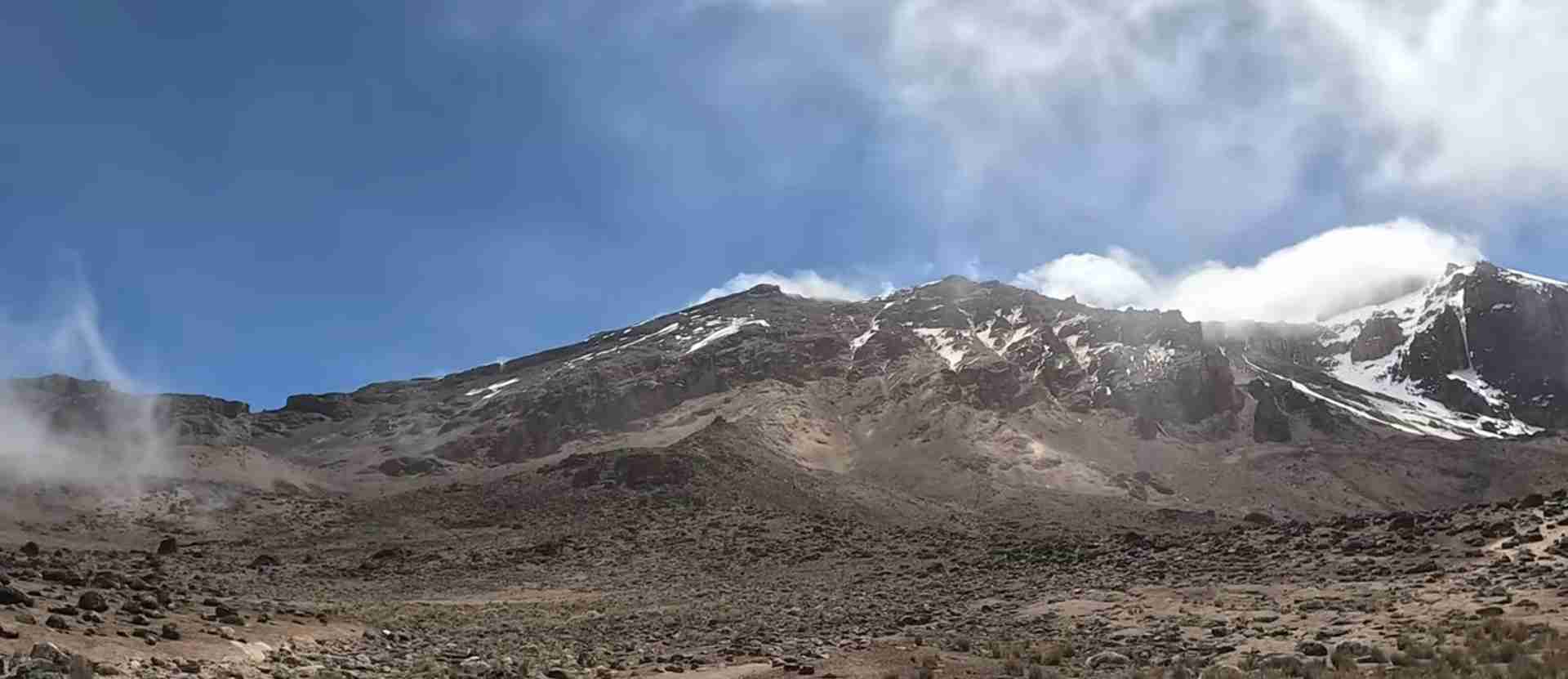
Mount Kilimanjaro, Africa’s highest peak at 5,895 meters, presents climbers with seven official routes to Uhuru Peak, each offering distinct characteristics that dramatically impact summit success rates, physical demands, and overall climbing experience. Among these pathways, three routes dominate climber preferences: the Machame Route, known as the “Whiskey Route” for its challenging terrain; the Lemosho Route, celebrated for its pristine wilderness approach; and the Marangu Route, nicknamed the “Coca-Cola Route” for its comparative accessibility and established infrastructure.
The geological diversity of Kilimanjaro creates dramatically different environments across each route, from dense montane rainforest teeming with colobus monkeys and exotic birdlife, through heather and moorland zones featuring giant groundsels and lobelias, to the alpine desert and arctic summit zone where temperatures plunge below -20°C. Understanding how each route traverses these ecological zones, combined with practical considerations of accommodation type, crowd density, and technical difficulty, enables climbers to make informed decisions aligned with their capabilities and expectations.
This comprehensive comparison examines the Machame, Lemosho, and Marangu routes across every critical dimension: distance and duration, elevation profiles and acclimatization opportunities, scenery and wildlife encounters, infrastructure and comfort levels, crowd patterns and solitude potential, technical challenges and fitness requirements, and historical context shaping each route’s character.
People Also Ask About Kilimanjaro Routes
Which Kilimanjaro route has the highest success rate?
The Lemosho Route achieves the highest summit success rates among Kilimanjaro’s major climbing paths, with experienced operators reporting 90-95% success when climbers complete the recommended 8-day itinerary. This exceptional performance stems from the route’s gradual altitude gain profile and extended acclimatization period, allowing climbers’ bodies adequate time to adapt to decreasing oxygen levels. The Lemosho approach begins at Londorossi Gate at 2,100 meters and traverses the remote Shira Plateau before joining the Machame Route, providing two additional acclimatization days compared to shorter itineraries. The Machame Route follows with success rates of 85-90% on 7-day itineraries, while Marangu trails at 65-75% primarily due to its steeper elevation profile and shorter standard duration.
Is Machame or Marangu more difficult?
Machame presents greater technical difficulty than Marangu, featuring steeper terrain, more varied surfaces, and the infamous Barranco Wall scramble that requires using hands and feet to navigate volcanic rock formations. The Machame Route earns its “Whiskey Route” designation from the challenging nature of its ascent, including significant daily elevation gains followed by strategic descents for acclimatization. Marangu follows a more direct path with gentler gradients and well-maintained trails suitable for trekking poles without technical climbing skills. However, Marangu’s perceived ease proves deceptive—its steeper overall elevation profile and shorter duration result in lower success rates despite less demanding daily terrain. Climbers must weigh daily technical difficulty against overall acclimatization effectiveness when evaluating route difficulty.
What makes the Lemosho Route special?
The Lemosho Route distinguishes itself through its remote western approach across the Shira Plateau, offering pristine wilderness experiences unavailable on more frequented paths. This route begins with a scenic drive through cultivated highland areas before entering the montane forest at Londorossi Gate, where climbers encounter dramatically fewer groups during the initial days. The traverse across the ancient Shira Plateau—a collapsed volcanic caldera—provides unobstructed panoramic views of Kibo’s snow-capped summit while maximizing time at moderate altitudes for physiological adaptation. Lemosho’s longer standard duration of 7-8 days creates the optimal “walk high, sleep low” acclimatization profile that proves critical for summit success. Wildlife encounters, particularly larger mammals, occur more frequently on Lemosho’s less-trafficked sections.
Can beginners climb Kilimanjaro via any route?
Beginners with reasonable fitness levels can attempt Kilimanjaro via all three major routes, though route selection significantly impacts success probability and overall experience quality. Marangu’s dormitory accommodation and less technical terrain historically attracted first-time high-altitude trekkers, though its lower success rates actually make it less suitable for inexperienced climbers concerned about reaching the summit. Machame’s popularity ensures well-established infrastructure and experienced support crews, while its varied terrain maintains engagement throughout the climb. Lemosho’s extended duration provides the best acclimatization for altitude novices, though its remote character requires greater self-sufficiency. All beginners benefit from choosing longer itineraries (7+ days) regardless of route, as additional acclimatization time compensates for lack of altitude experience.
Extended multi-day tours – 5+ days
Featured Kilimanjaro Multi-Day Tour Packages

1 days
One-Day Mount Kilimanjaro Hike via Marangu Route, Tanzania
- ✓ Comprehensive Kilimanjaro tour
- ✓ Expert local guides included
- ✓ All accommodation arranged
- ✓ Transportation provided
1 days
Best Kilimanjaro Hike: 1-Day Marangu Route Experience
- ✓ Comprehensive Kilimanjaro tour
- ✓ Expert local guides included
- ✓ All accommodation arranged
- ✓ Transportation provided
1 days
Big Kilimanjaro Trek : 1 Day Rongai Route
- ✓ Comprehensive Kilimanjaro tour
- ✓ Expert local guides included
- ✓ All accommodation arranged
- ✓ Transportation provided
7 days
7 Days Mount Kilimanjaro – Marangu Route
- ✓ Comprehensive Kilimanjaro tour
- ✓ Expert local guides included
- ✓ All accommodation arranged
- ✓ Transportation provided
Multi-day tour packages powered by TourRadar. Prices and availability subject to change.
Machame Route: The Whiskey Route Analyzed
Historical Development and Character
The Machame Route emerged as Kilimanjaro’s premier climbing path during the 1990s, gradually overtaking Marangu as increasing numbers of climbers sought more challenging and scenic alternatives to the established “tourist route.” Named after the Machame village on Kilimanjaro’s southwestern slopes where the route originates, this pathway earned its “Whiskey Route” moniker as a counterpoint to Marangu’s “Coca-Cola Route” designation—suggesting a more robust, adventurous experience compared to the softer comforts of hut accommodation.
The route’s development reflected growing understanding of altitude acclimatization principles among mountaineering operators. Unlike Marangu’s direct north-south approach, Machame’s designers created a circuitous path that enables the critical “climb high, sleep low” strategy, where climbers gain significant elevation during daily trekking before descending to lower sleeping altitudes. This physiological approach revolutionized Kilimanjaro climbing success rates and established Machame as the standard against which other routes are measured.
Route Profile and Daily Progression
The standard Machame itinerary spans 6-7 days covering approximately 62 kilometers from Machame Gate (1,800 meters) to Uhuru Peak and down via the Mweka Route. Day one ascends through lush montane rainforest to Machame Camp at 3,000 meters, gaining 1,200 meters through terrain rich with endemic flora including impatiens kilimanjari and giant ferns. The forest zone offers the highest probability of wildlife sightings, with blue monkeys, colobus monkeys, and numerous bird species active in the canopy.
Day two climbs through the heather and moorland zone to Shira Camp at 3,840 meters, traversing increasingly sparse vegetation dominated by giant heather trees and the distinctive giant groundsels that characterize Kilimanjaro’s middle elevations. This stage marks the transition from forest to semi-alpine environments, with widening views across the Shira Plateau toward Kibo’s glaciated summit.
Day three implements the crucial acclimatization strategy, climbing to Lava Tower at 4,630 meters before descending to Barranco Camp at 3,960 meters. This 670-meter descent after reaching significant altitude triggers physiological adaptations that prove essential for summit success. Lava Tower’s stark volcanic landscape contrasts dramatically with the giant groundsel forest surrounding Barranco Camp.
Day four presents Machame’s signature challenge: the Barranco Wall. This 257-meter near-vertical rock scramble requires climbers to use hands and feet, navigating natural rock steps and narrow ledges with exposure to significant drops. While not technically requiring ropes or specialized equipment, the Barranco Wall demands careful attention and reasonable fitness. After cresting the wall, the route continues to Karanga Camp at 3,995 meters.
Day five ascends to Barafu Camp at 4,673 meters, entering the alpine desert zone where vegetation ceases entirely. This exposed, rocky campsite serves as the staging point for the summit attempt, with climbers resting during afternoon and early evening before midnight departure.
Summit day begins around midnight, with climbers ascending scree and rock through darkness toward Stella Point on the crater rim at 5,756 meters, then continuing around the crater edge to Uhuru Peak at 5,895 meters for sunrise views across the African plains. Descent follows the Mweka Route to Mweka Camp at 3,100 meters, completing approximately 25 kilometers on this demanding final day.
Scenery and Environmental Diversity
Machame traverses all five of Kilimanjaro’s ecological zones with extended exposure to each, creating the most scenically varied experience among the three primary routes. The rainforest zone’s dense canopy gradually yields to the heather-moorland zone’s twisted giant heathers and giant lobelias, which in turn transition to the alpine desert’s stark volcanic landscapes before the arctic summit zone’s ice fields and glaciers.
The route’s western approach provides exceptional sunset and sunrise viewing opportunities, with the Shira Plateau offering unobstructed western horizons and Barranco Camp positioned for dramatic Kibo summit views. The circuitous routing enables climbers to observe the mountain from multiple angles throughout their ascent, building anticipation while revealing the geological complexity of this dormant stratovolcano.
Accommodation and Logistics
Machame operates exclusively as a camping route, with all climbers sleeping in tents at established campsites featuring basic toilet facilities and designated cooking areas. Quality operators provide comfortable dome tents, sleeping mats, and mess tents for communal meals, while budget operators may utilize less weather-resistant equipment. Climbers carry personal sleeping bags rated to -15°C or colder, with rental options available in Moshi and Arusha.
Porter support is mandatory on Machame, with regulations requiring minimum porter-to-climber ratios and maximum load limits. A typical climbing party includes guides, assistant guides, cooks, and porters, with ratios of 3-4 support staff per climber ensuring efficient camp setup and comprehensive logistical support throughout the expedition.
Success Rates and Optimal Duration
Machame’s success rate varies significantly based on itinerary duration. The 6-day itinerary achieves approximately 75-80% success rates, while the 7-day version with an additional acclimatization night at Karanga Camp reaches 85-90% success. This substantial improvement underscores the critical importance of adequate acclimatization time, particularly for climbers without previous high-altitude experience.
The route accommodates climbers of varying fitness levels, though successful summiting requires sustained physical effort across multiple demanding days. The Barranco Wall specifically challenges climbers with fear of heights or limited scrambling experience, though guides provide extensive support and routes around exposure points exist during peak congestion.
Lemosho Route: The Premium Wilderness Experience
Origins and Distinctive Character
The Lemosho Route represents Kilimanjaro’s premium climbing option, developed to provide maximum acclimatization opportunities while traversing the mountain’s most remote and pristine wilderness areas. Beginning at Londorossi Gate on Kilimanjaro’s western flank, this route approaches the summit through rarely-visited terrain before merging with Machame for the final ascent stages.
Lemosho’s development addressed two primary limitations of existing routes: insufficient acclimatization time leading to preventable summit failures, and overcrowding diminishing the wilderness experience on popular paths. By extending the standard itinerary to 7-8 days and routing through less-accessible western slopes, Lemosho attracts climbers prioritizing summit success and solitude over cost efficiency and speed.
Route Profile and Daily Stages
The 8-day Lemosho itinerary covers approximately 70 kilometers, beginning with a scenic drive from Moshi through highland agricultural areas before reaching Londorossi Gate at 2,100 meters. Day one’s trek through montane rainforest reaches Mti Mkubwa (Big Tree) Camp at 2,750 meters, a short acclimatization stage allowing bodies to begin adapting to altitude.
Day two crosses from rainforest into heather-moorland zone, ascending to Shira 1 Camp at 3,500 meters across terrain featuring giant heathers and the first views of Kibo’s ice-capped summit. This gradual altitude gain characterizes Lemosho’s acclimatization strategy, with moderate daily elevation changes preventing the rapid altitude exposure that triggers acute mountain sickness.
Day three traverses the spectacular Shira Plateau to Shira 2 Camp at 3,850 meters, crossing the ancient caldera floor with panoramic views in all directions. The Shira Plateau represents the remnants of Kilimanjaro’s oldest volcanic cone, which collapsed approximately 500,000 years ago, leaving a high-altitude plateau supporting unique vegetation communities.
Day four implements acclimatization hiking, ascending to Lava Tower at 4,630 meters before descending to Barranco Camp at 3,960 meters—the same “climb high, sleep low” strategy that makes Machame effective, but with additional prior acclimatization from Lemosho’s longer approach. This stage represents the convergence point with Machame Route traffic.
Days five through eight follow the Machame Route itinerary: ascending the Barranco Wall to Karanga Camp, continuing to Barafu Camp, summiting via Stella Point to Uhuru Peak, and descending the Mweka Route. The extended prior acclimatization from Lemosho’s approach significantly improves climber condition during these demanding final stages.
Wilderness Quality and Wildlife Encounters
Lemosho’s primary distinction lies in its wilderness character during the initial three days before joining Machame traffic. The western slopes receive fewer than 10% of Kilimanjaro’s total climbing traffic, creating opportunities for solitude impossible on more popular routes. Dawn departures may encounter no other climbing parties throughout entire trekking days, a rarity on Africa’s most-climbed mountain.
Wildlife sightings occur more frequently on Lemosho’s remote sections, with buffalo, elephants, and bushbuck occasionally observed in the lower forest zones. Bird diversity remains exceptional throughout, with endemic species including the Kilimanjaro white-eye and various sunbirds active in the heather zones. The extended traverse across the Shira Plateau maximizes exposure to Kilimanjaro’s unique high-altitude ecosystems.
Accommodation and Premium Service Standards
Like Machame, Lemosho operates as a camping-only route with tented accommodation at designated campsites. However, Lemosho’s premium positioning attracts operators offering enhanced service levels, including larger sleeping tents, superior mattresses, private toilet tents, and elevated meal quality. Luxury Lemosho operators provide additional amenities such as solar charging stations, hot water bottles, and dedicated dining tents with tables and chairs.
Porter support on Lemosho follows the same regulatory framework as Machame, though the route’s longer duration and heavier equipment loads result in larger support teams. Responsible operators ensure fair porter treatment including adequate wages, proper equipment, and reasonable load limits—considerations particularly important given the extended expedition duration.
Success Rates and Target Demographics
Lemosho achieves the highest summit success rates of any standard Kilimanjaro route, with 8-day itineraries reaching 90-95% success among properly prepared climbers. The 7-day version achieves 85-90% success, comparable to Machame’s best outcomes but with superior wilderness quality during initial stages.
The route attracts climbers prioritizing summit success over cost efficiency, those seeking wilderness solitude, and expeditions requiring extended acclimatization due to limited altitude experience or health considerations. Professional guides report fewer altitude-related complications on Lemosho compared to shorter routes, reflecting the physiological benefits of gradual altitude exposure.
Marangu Route: The Classic Coca-Cola Route
Historical Significance and Traditional Character
The Marangu Route holds distinction as Kilimanjaro’s oldest and most established climbing path, with infrastructure development beginning in the early 20th century when colonial administrators first enabled recreational ascents of Africa’s highest peak. Named after Marangu village on Kilimanjaro’s southeastern slopes, this route earned its “Coca-Cola Route” designation from the availability of soft drinks and other provisions at mountain huts—amenities considered remarkable when the nickname emerged in the 1960s.
Marangu’s historical primacy established it as the default Kilimanjaro experience for decades, with generations of climbers ascending via its established trail and distinctive hut system. This legacy continues influencing climber perceptions, though contemporary understanding of altitude acclimatization has shifted preferences toward routes offering superior adaptation opportunities.
Route Profile and Hut Accommodation System
The standard Marangu itinerary spans 5-6 days covering approximately 64 kilometers along Kilimanjaro’s southeastern slopes. Day one ascends through montane rainforest from Marangu Gate (1,860 meters) to Mandara Hut at 2,700 meters, gaining 840 meters through terrain featuring Kilimanjaro’s densest forest vegetation and highest wildlife encounter probability.
Day two continues through moorland to Horombo Hut at 3,720 meters, gaining 1,020 meters across increasingly open terrain dominated by giant heathers and lobelias. Horombo serves as the primary acclimatization point, with the optional 6-day itinerary including an additional night allowing climbers to make altitude-adjustment hikes toward Mawenzi Peak.
Day three (or four, on extended itineraries) crosses the alpine desert to Kibo Hut at 4,700 meters, the final staging point before the summit attempt. This demanding stage gains nearly 1,000 meters through stark volcanic terrain, arriving at the exposed Kibo Hut where temperatures drop significantly and altitude symptoms become pronounced.
Summit day begins around midnight, ascending steep scree slopes to Gilman’s Point on the crater rim at 5,681 meters, then continuing to Uhuru Peak at 5,895 meters. Unlike other routes that descend via Mweka, Marangu returns climbers along the ascent route, enabling direct return to Horombo Hut on summit day before final descent to Marangu Gate.
Marangu’s unique hut system provides dormitory-style accommodation with bunk beds, mattresses, and communal dining facilities. The three main huts—Mandara, Horombo, and Kibo—offer basic electricity, toilet facilities, and protection from Kilimanjaro’s weather extremes. This infrastructure appeals to climbers preferring solid shelter over camping, though hut capacity limits require advance booking during peak seasons.
Scenery and Environmental Characteristics
Marangu traverses Kilimanjaro’s southeastern slopes through all five ecological zones, though its direct north-south approach provides less varied perspectives than the circumnavigating western routes. The rainforest zone between Marangu Gate and Mandara Hut offers exceptional density and biodiversity, with the Maundi Crater side trip providing panoramic views across the plains toward Lake Chala.
The moorland zone between Mandara and Horombo features classic Kilimanjaro vegetation including giant groundsels and lobelias, with clear weather revealing both Kibo’s summit cone and the jagged peaks of Mawenzi to the east. The alpine desert crossing to Kibo Hut traverses the saddle between these two peaks, offering unique geological perspectives unavailable on western routes.
Success Rates and Acclimatization Considerations
Marangu records the lowest summit success rates among major Kilimanjaro routes, with 5-day itineraries achieving only 50-65% success and 6-day versions reaching 70-80%. These statistics reflect several compounding factors: the route’s steeper overall elevation profile, shorter standard duration providing less acclimatization time, and the misconception that hut accommodation somehow indicates easier climbing conditions.
The route’s “Coca-Cola” nickname perpetuates dangerous underestimation of Kilimanjaro’s challenges, attracting climbers with insufficient preparation who might choose more appropriate routes with proper guidance. Experienced operators now recommend Marangu only for climbers specifically preferring hut accommodation or those adding the critical extra acclimatization day.
Traffic Patterns and Social Dynamics
Marangu’s popularity and limited hut capacity create distinctive social dynamics, with climbers sharing dormitory spaces and dining facilities with dozens of other ascending parties. This concentrated accommodation contrasts sharply with camping routes where groups maintain separation, creating either welcome camaraderie or unwanted crowding depending on individual preferences.
Peak season bookings require advance reservations to secure hut space, with December-February and July-September representing highest demand periods. Off-season travel offers more spacious accommodations but increases weather uncertainty, particularly during April-May heavy rains.
Comparative Analysis: Route Selection Framework
Success Rate Comparison
Summit success rates provide the most objective route comparison metric, reflecting how effectively each path enables proper altitude acclimatization. Lemosho’s 8-day itinerary achieves 90-95% success, representing the gold standard for climbers prioritizing summit probability. Machame’s 7-day version reaches 85-90% success, offering excellent outcomes with shorter duration. Marangu’s 6-day itinerary achieves 70-80% success, acceptable but notably lower than western route alternatives.
These statistics assume proper preparation, qualified guides, and appropriate equipment. Individual factors including fitness level, prior altitude experience, and genetic predisposition to altitude sickness create substantial variance around these averages. Climbers with known altitude sensitivity benefit most from longer itineraries regardless of route selection.
Physical Difficulty Assessment
Daily physical demands vary significantly across routes, with Machame presenting the most technical challenges. The Barranco Wall scramble requires basic rock scrambling skills and comfort with exposure, though fixed ropes and guide assistance enable passage for all reasonable fitness levels. Machame’s varied terrain includes loose scree, rocky sections, and significant daily elevation changes that test endurance throughout.
Lemosho shares Machame’s technical requirements after the routes merge, including the Barranco Wall traverse. However, Lemosho’s longer overall duration spreads physical demands across more days, with gentler daily stages during the initial approach reducing cumulative fatigue before challenging final stages.
Marangu follows well-maintained trails throughout without technical scrambling requirements, suitable for climbers preferring straightforward trekking. However, the steeper elevation profile concentrates physical demands, and the return descent along the ascent route on summit day adds substantial mileage to already-exhausted climbers.
Scenery and Experience Quality
Scenic quality assessments involve subjective preferences, though general consensus favors western routes for variety and perspective. Machame’s circuitous path provides multiple viewing angles of Kibo’s summit cone, dramatic Barranco Valley scenery, and varied ecological zone transitions that maintain visual interest throughout.
Lemosho adds the spectacular Shira Plateau traverse, crossing the ancient caldera floor with 360-degree views unavailable on other routes. The western approach also provides optimal sunset positioning and extended time in unique high-altitude ecosystems.
Marangu offers beautiful rainforest scenery and the unique perspective of crossing the saddle between Kibo and Mawenzi, though its direct route provides less varied viewing angles. The return descent along the ascent path means identical scenery in both directions, reducing variety compared to routes descending via Mweka.
Solitude and Crowd Considerations
Climber density impacts experience quality substantially, with crowded trails and campsites diminishing wilderness immersion. Lemosho’s western approach guarantees minimal traffic during initial stages, with some groups encountering no other parties for entire trekking days. After merging with Machame, traffic increases but remains manageable outside peak season.
Machame’s popularity creates busy trails and crowded campsites, particularly during peak seasons (December-February, July-September). The Barranco Wall specifically concentrates traffic at bottleneck points, creating delays and queuing that some climbers find frustrating.
Marangu’s hut system creates unavoidable social contact, with dormitory accommodation and communal meals precluding privacy. Climbers seeking solitude find this arrangement challenging regardless of overall trail traffic levels.
Budget Considerations
Route costs vary based on duration, accommodation type, and operator positioning. Marangu’s shorter standard duration and existing infrastructure creates lowest baseline costs, though adding the essential extra acclimatization day reduces this advantage. Machame’s 7-day itinerary represents mid-range pricing with excellent value given superior success rates. Lemosho’s 8-day duration and premium positioning commands highest prices, justified by maximum success probability and wilderness quality.
Budget-conscious climbers should resist selecting routes based solely on cost, as failed summit attempts represent poor value regardless of expedition price. The additional investment in longer itineraries or premium routes often proves worthwhile given improved success probability.
Technical Climbing Elements Across Routes
Barranco Wall: Machame and Lemosho’s Defining Challenge
The Barranco Wall represents the single most technical element on Kilimanjaro’s standard routes, a 257-meter near-vertical rock face requiring hands-on scrambling to navigate. Rising from Barranco Camp at the base of Kibo’s southern glaciers, this volcanic rock formation presents the route’s most committing passage, with exposure to significant drops and limited route-finding options during peak traffic.
The climbing itself requires no specialized equipment—guides prohibit ropes for standard ascents—but demands basic scrambling competence and comfort with exposure. The “kissing rock” section where climbers hug the rock face while sidestepping along narrow ledges provides the most intense moments, though alternative lines exist during quiet periods. Experienced guides position themselves at challenging sections to provide physical assistance and verbal guidance.
Descent is not possible once committed to the wall, requiring climbers to complete the full scramble regardless of discomfort. Those with severe fear of heights or limited mobility should consider Marangu’s non-technical alternative, though doing so sacrifices Machame and Lemosho’s superior acclimatization profiles.
Summit Night: Universal Challenge Across All Routes
All three routes converge for the final summit push, with climbers departing around midnight for the 5-7 hour ascent to Uhuru Peak. This stage presents universal challenges regardless of approach route: extreme cold (temperatures reaching -20°C with wind chill), thin air (approximately 50% sea-level oxygen), and sustained steep climbing on loose scree and volcanic rock.
The darkness of night climbing reduces awareness of exposure and remaining distance, creating psychological challenges that compound physical exhaustion. Headlamps illuminate only immediate footsteps, with the summit visible only as distant headlamp processions snaking upward. Sunrise at Stella Point provides the first natural light, revealing the crater rim’s dramatic ice formations and the final relatively gentle traverse to Uhuru Peak.
Success on summit night depends primarily on prior acclimatization rather than fitness, explaining why route selection impacts outcomes so dramatically. Climbers with inadequate altitude adaptation experience severe acute mountain sickness symptoms that force retreat regardless of physical condition or determination.
Physiological Considerations: Understanding Altitude Acclimatization
The Science of Altitude Adaptation
Human physiology responds to decreasing atmospheric pressure through complex adaptations that require time to develop. At Kilimanjaro’s summit, atmospheric pressure drops to approximately 50% of sea-level values, meaning each breath delivers half the oxygen molecules available at lower elevations. Bodies compensate through increased breathing rate, elevated heart rate, modified blood chemistry, and cellular-level adaptations—processes requiring days to weeks for full development.
Route selection directly impacts acclimatization by determining how quickly climbers gain altitude and how long they spend at various elevation bands. Rapid ascent overwhelms adaptive mechanisms, triggering acute mountain sickness (AMS) symptoms including headache, nausea, fatigue, and disorientation. Severe cases progress to life-threatening high-altitude cerebral edema (HACE) or high-altitude pulmonary edema (HAPE), requiring immediate descent.
Route Profiles and Adaptation Opportunities
Lemosho’s gentle initial stages allow acclimatization to begin before reaching challenging altitudes, with climbers spending extended time in the 2,500-3,500 meter range where adaptation proceeds efficiently. The subsequent climb to Lava Tower and descent to Barranco reinforces adaptation through the “climb high, sleep low” principle, exposing bodies to higher altitudes during day hiking while recovering at lower sleeping elevations.
Machame implements similar strategies but with compressed timelines, requiring bodies to adapt more rapidly through the initial stages. The Lava Tower excursion provides equivalent acclimatization stimulus, but with less prior adaptation to build upon.
Marangu’s steeper profile limits acclimatization opportunities, with climbers reaching sleeping altitudes before adequate adaptation. The optional extra night at Horombo partially addresses this deficit, but the route’s fundamental design provides less physiological preparation than western alternatives.
Individual Variation and Risk Factors
Altitude response varies dramatically between individuals, with genetic factors explaining much of this variation. Fit, young climbers may suffer severe AMS while older, less-conditioned individuals adapt smoothly—fitness level provides minimal prediction of altitude tolerance. Previous high-altitude experience improves outcomes, as bodies retain partial adaptation for extended periods.
Risk factors including cardiovascular conditions, respiratory issues, and certain medications warrant pre-climb medical consultation. Climbers with known altitude sensitivity benefit most from longer itineraries and should consider Lemosho’s maximum-acclimatization approach regardless of cost premium.
Seasonal Considerations and Weather Patterns
Dry Seasons: Optimal Climbing Windows
Kilimanjaro’s two dry seasons—January through mid-March and June through October—provide optimal climbing conditions with minimal precipitation, clear skies, and stable temperatures. July and August represent peak season with highest success rates but maximum crowding, while January-February offer similar conditions with somewhat reduced traffic.
The dry season’s clear conditions enable summit sunrise views across the African plains, with Mount Meru, the Masai Steppe, and occasionally the distant Indian Ocean visible from Uhuru Peak. Photography opportunities maximize during these periods, and trail conditions remain manageable throughout.
Wet Seasons: Challenging but Quieter
The long rains (April-May) and short rains (November) bring daily precipitation, muddy trails, and obscured views that challenge climbers but dramatically reduce crowding. Budget-conscious climbers and those seeking solitude accept these tradeoffs, though success rates decline due to challenging conditions and reduced visibility.
Rain gear, waterproof bags, and proper layering systems become essential during wet season climbs, with equipment failures causing significant discomfort. Hut accommodation on Marangu provides advantage during heavy rains, offering reliable shelter unavailable on camping routes.
Route-Specific Weather Considerations
Western routes (Lemosho and Machame) receive slightly more precipitation than Marangu’s southeastern approach, though differences prove marginal for climbing purposes. All routes experience similar summit conditions regardless of approach direction, with summit night temperatures and wind chill consistent across paths.
The extended duration of Lemosho increases total weather exposure, requiring additional contingency planning for equipment and morale management during multi-day poor conditions. Machame’s moderate duration balances weather exposure against acclimatization needs effectively.
Conservation and Environmental Considerations
Kilimanjaro National Park Regulations
Kilimanjaro National Park implements comprehensive regulations protecting the mountain’s fragile ecosystems while enabling sustainable climbing tourism. All routes require registered guides and licensed operators, with permit fees funding conservation programs, trail maintenance, and rescue services. Waste management protocols require climbers to pack out all refuse, with designated waste collection points at each camp.
Climber limits per day vary by route, with western routes accommodating fewer parties to protect wilderness quality. Marangu’s hut capacity creates natural limits, while camping routes rely on campsite capacity restrictions. Peak season bookings require advance planning to secure permits and preferred departure dates.
Glacier Recession and Climate Change Impacts
Kilimanjaro’s iconic glaciers continue their dramatic recession, with ice coverage declining by over 80% since the early 20th century. Scientific projections suggest complete glacier loss within decades, fundamentally altering the summit experience and eliminating the ice formations currently visible from crater rim viewpoints.
Climate change also affects vegetation zones, with treelines advancing upward and fire risk increasing in alpine zones. Climbers today witness a mountain in transition, with the current experience likely unavailable to future generations in its present form.
Responsible Climbing Practices
Sustainable climbing requires selecting operators demonstrating genuine environmental commitment, fair porter treatment, and community benefit sharing. Certification programs including the Kilimanjaro Porters Assistance Project (KPAP) help climbers identify responsible operators, while direct questions about porter wages, equipment provision, and load limits reveal commitment levels.
Climber behavior impacts also accumulate, with proper waste disposal, trail etiquette, and respect for vegetation preserving conditions for future parties. Photography should avoid disturbing wildlife, and collection of natural souvenirs damages fragile ecosystems unable to regenerate at high altitudes.
FAQ: Comprehensive Route Comparison Questions
Which route is best for photography?
Lemosho and Machame provide superior photography opportunities due to their varied perspectives and extended time in scenic zones. The Shira Plateau traverse on Lemosho offers unique panoramic compositions unavailable elsewhere, while Machame’s Barranco Valley provides dramatic foreground elements against Kibo’s glaciated summit. Both routes position climbers for sunset and sunrise photography at multiple stages. Marangu’s direct approach limits perspective variety, though the Mawenzi views from the saddle provide unique compositions.
How do porter and guide requirements differ between routes?
Porter requirements remain similar across all camping routes, with park regulations mandating minimum support staff levels. Marangu’s hut accommodation reduces porter needs since climbers utilize established facilities rather than transported camping equipment. All routes require licensed guides with assistant guides for larger parties. Responsible operators maintain porter-to-climber ratios of 3-4:1, ensuring manageable loads and adequate support throughout expeditions.
Can routes be combined or customized?
Several hybrid options exist, including the Machame-Lemosho combination that begins at Londorossi Gate before following the Machame route from Shira Camp. The Northern Circuit extends any western route around Kilimanjaro’s northern slopes, adding 2-3 days and maximum acclimatization but at significantly higher cost. Rongai Route begins on the northern slopes, offering drier conditions and unique perspectives before joining the Marangu descent. Customization requires experienced operators and advance planning but enables tailored experiences unavailable through standard itineraries.
What fitness level is required for each route?
All routes require reasonable cardiovascular fitness enabling sustained daily hiking of 5-8 hours across challenging terrain. Machame and Lemosho demand comfort with scrambling and exposure during the Barranco Wall traverse. Marangu’s less technical terrain suits climbers preferring straightforward trekking without scrambling elements. Pre-climb training should focus on cardiovascular endurance, leg strength, and comfort carrying daypack loads over extended periods.
How do costs compare between routes?
Standard operator pricing positions Marangu lowest due to shorter duration and existing infrastructure, with Machame moderately higher and Lemosho commanding premium rates. However, cost per day remains relatively consistent, meaning longer itineraries simply accumulate more daily charges. Budget variations between operators exceed route-based differences, with luxury operators charging 3-4 times budget rates on identical routes. Value assessment should consider success probability alongside absolute cost.
Which route offers the best acclimatization for altitude-sensitive climbers?
Lemosho’s 8-day itinerary provides maximum acclimatization, recommended for climbers with known altitude sensitivity or those attempting high-altitude climbing for the first time. The extended approach builds adaptation before reaching challenging altitudes, reducing acute mountain sickness incidence and severity. Adding extra acclimatization nights to Machame or Marangu partially addresses their shorter durations but cannot fully replicate Lemosho’s gradual profile.
Are there age limits or restrictions for different routes?
Kilimanjaro National Park permits climbing from age 10 and above, with parental consent required for minors. No upper age limit exists, with climbers in their 70s and 80s successfully summiting via appropriate routes. Marangu’s less technical terrain suits older climbers or those with mobility limitations, while Machame and Lemosho require comfort with scrambling that may challenge certain age-related conditions. Pre-climb medical clearance provides peace of mind regardless of age.
How do I book the different routes?
All routes require booking through licensed Tanzanian operators, with direct arrangements typically more economical than international agency intermediaries. Advance booking of 2-4 months ensures permit availability during peak seasons, while off-season travel allows shorter planning horizons. Operator selection criteria should include safety record, guide qualifications, porter treatment policies, and client references. Online reviews and climbing forums provide valuable operator feedback from recent climbers.
Conclusion: Making Your Route Selection
The choice between Machame, Lemosho, and Marangu routes reflects priorities among success probability, wilderness quality, physical challenge, accommodation preferences, and budget constraints. No single route proves “best” in absolute terms—rather, optimal selection matches individual circumstances with route characteristics.
Climbers prioritizing summit success above other factors should choose Lemosho’s 8-day itinerary, accepting higher costs and extended duration for maximum acclimatization and wilderness quality. Those seeking excellent success rates with moderate duration find Machame’s 7-day version provides optimal balance. Budget-conscious climbers or those specifically preferring hut accommodation reasonably choose Marangu with the essential extra acclimatization night, accepting somewhat lower success probability.
Regardless of route selection, success depends on proper preparation, qualified guides, appropriate equipment, and respect for Kilimanjaro’s challenges. Africa’s highest peak rewards those who approach with humility, patience, and genuine appreciation for the privilege of standing atop the Roof of Africa.