
Key West Travel Guide 2026: Ultimate Planning Resource
America’s southernmost island paradise blends Caribbean atmosphere with Florida accessibility, offering year-round warmth, spectacular sunsets over Mallory Square, and a cultural legacy shaped by Hemingway, Cuban cigar makers, and treasure-salvaging wreckers. This comprehensive guide covers everything from pre-trip budgeting and seasonal strategies to neighborhood selection and hidden cost management for your 2026 Key West adventure.
Key Takeaways for Key West 2026
- Budget Planning 2026: Budget travelers need $115-195 per person daily assuming two sharing budget accommodations, mid-range visitors spend $240-385 per person daily, while luxury travelers invest $455-725+ per person daily for premium island experiences.
- Peak Season Pricing 2026: December through April commands highest rates with hotels $300-600+ per night, while May-June and September-November shoulder seasons offer 30-40% savings with acceptable weather before and after hurricane season peaks.
- Transportation Strategy 2026: Skip car rentals in Old Town where free Duval Loop buses, $1-4 city transit, walkability, and abundant Uber/Lyft service make personal vehicles unnecessary expenses costing $100+ daily including $40 parking fees.
- Neighborhood Selection 2026: Old Town locations within walking distance of Duval Street command premium rates but eliminate transportation costs, while New Town properties near Roosevelt Boulevard offer 25-35% lower prices requiring short bus or rideshare connections.
- Weather-Driven Value 2026: April offers optimal conditions with 70-80°F temperatures, minimal rainfall, post-spring break crowd reduction, and shoulder season pricing, while September presents highest hurricane risk despite attractive 40-50% discount rates.
- Free Experiences 2026: Sunset celebration at Mallory Square, Fort Zachary Taylor beach access with state park entry, Duval Loop bus service, self-guided Old Town architectural walks, and Southernmost Point photo opportunities cost nothing beyond time investment.
People Also Ask About Key West 2026
How much does a Key West vacation cost per day in 2026?
Daily costs in Key West vary dramatically by accommodation tier and travel style. Budget travelers need $115-195 per person daily when two share budget hotels or hostel dorms, covering basic meals, free Duval Loop transportation plus occasional paid transit, and selective paid attractions. Mid-range travelers spend $240-385 per person daily for comfortable hotels, restaurant meals across all price points, mixed transportation including rideshares, and comprehensive attraction access including Hemingway House, Key West Aquarium, and snorkeling tours. Luxury visitors invest $455-725+ per person daily for boutique or waterfront resort accommodations, upscale dining experiences, private transportation or premium tours, and exclusive activities like private sailing charters or spa treatments.
What’s the best time to visit Key West in 2026 for weather and value?
April 2026 offers the optimal balance between weather quality and pricing structure. Post-spring break crowds diminish significantly while temperatures remain ideal at 72-81°F with minimal rainfall and low humidity. Hotel rates drop 20-30% below March peak season pricing while remaining well below summer’s hurricane risk period. May extends similar advantages with slightly warmer conditions and further price reductions as shoulder season deepens. November presents excellent value for visitors comfortable with 10-15% hurricane season risk that month, offering 35-45% savings versus winter high season with temperatures cooling to comfortable 73-79°F ranges and Fantasy Fest crowds departed by mid-month.
Is a car necessary for visiting Key West in 2026?
Cars prove unnecessary and often burdensome for visitors staying in Old Town Key West. The historic district measures just two miles by four miles with exceptional walkability throughout Duval Street and surrounding blocks. Free Duval Loop buses run every 15 minutes from 10am-midnight serving 16 stops covering major attractions, while city transit costs $1-4 per ride connecting New Town locations. Uber and Lyft operate extensively with typical Old Town rides costing $8-15. Car rentals cost $100+ daily plus $40 parking fees at most hotels, totaling $140 daily expenses versus $10-25 daily for occasional rideshares. Reserve cars only for specific Overseas Highway day trips to Dry Tortugas or Upper Keys destinations, then use alternative transportation for remaining days.
What are the hidden costs in Key West that increase trip budgets in 2026?
Resort fees at many properties add $25-45 per night covering WiFi, beach chair access, and pool amenities despite these being standard expectations. Parking charges $30-50 daily at most hotels even when staying as guests, with limited street parking requiring ParkingApp.com payment at $3-8 hourly. Tipping expectations extend beyond standard 18-20% restaurant gratuity to include bartenders at $1-2 per drink, tour guides $10-20 per person, water sports instructors $15-30, and housekeeping $3-5 daily. Water taxi services between Stock Island marinas and Old Town charge $8-15 per person each way. Attraction combo packages appear discounted but include venues travelers may skip, creating false savings versus individual admissions purchased selectively.
Extended multi-day tours – 5+ days
Featured Florida Multi-Day Tour Packages
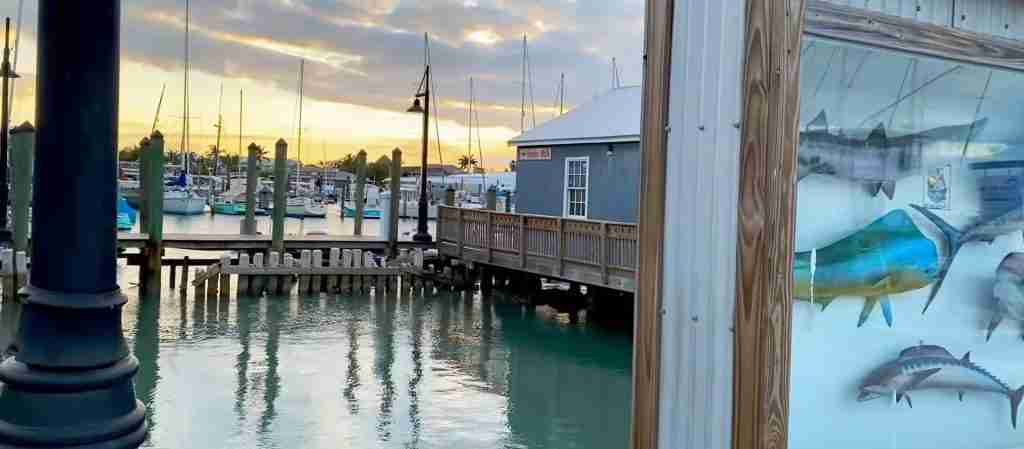
3 days
Florida 3-Day Discovery Tour
- ✓ Comprehensive Florida experience
- ✓ Expert local guides included
- ✓ All accommodation included
- ✓ Transportation provided
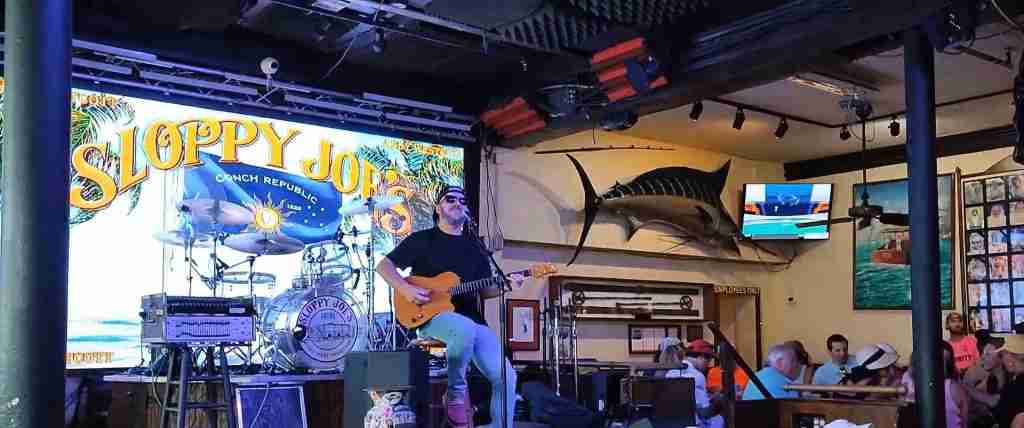
5 days
Florida 5-Day Highlights Experience
- ✓ Comprehensive Florida experience
- ✓ Expert local guides included
- ✓ All accommodation included
- ✓ Transportation provided
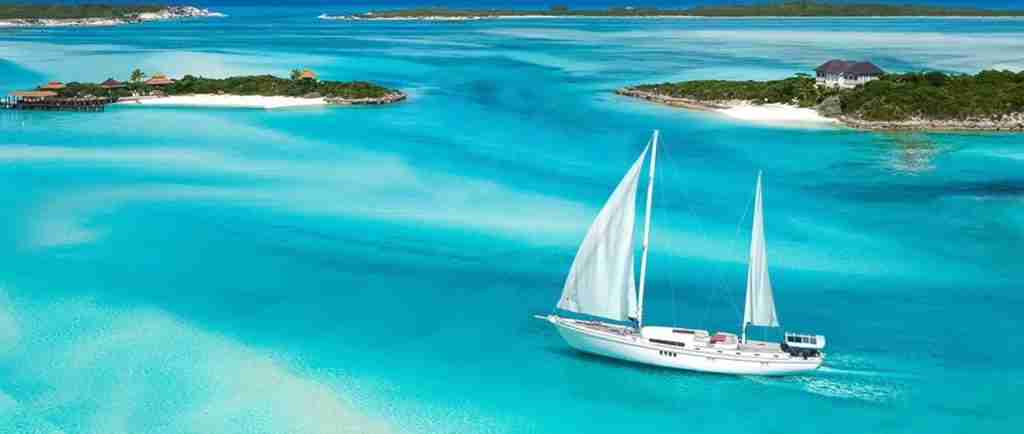
7 days
Florida 7-Day Cultural Journey
- ✓ Comprehensive Florida experience
- ✓ Expert local guides included
- ✓ All accommodation included
- ✓ Transportation provided
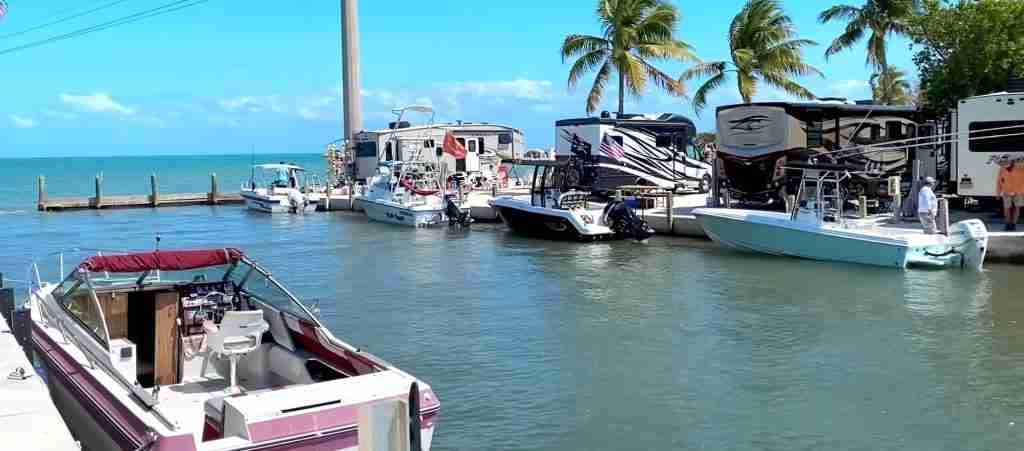
10 days
Florida 10-Day Complete Adventure
- ✓ Comprehensive Florida experience
- ✓ Expert local guides included
- ✓ All accommodation included
- ✓ Transportation provided
Multi-day tour packages powered by TourRadar. Prices and availability subject to change.
Introduction to Key West Travel Planning 2026
Key West operates as a cultural anomaly within the United States—a Caribbean island personality wrapped in American infrastructure, where Bahamian-style conch houses painted in tropical pastels line streets named for Spanish explorers, Cuban cafés serve cortaditos alongside Irish pubs pouring Guinness, and sunset watchers gather nightly in spontaneous celebration that predates any organized tourism campaign. The island’s 24.6 degrees north latitude places it closer to Havana than Miami, establishing tropical weather patterns, water temperatures rarely dipping below 70°F, and a laid-back tempo that resists mainland urgency despite cruise ship arrivals and Duval Street’s neon energy.
The 2026 travel landscape presents distinct advantages for visitors willing to time trips strategically around peak season constraints. December through March continues commanding premium rates as northern snowbirds flee winter cold, with March specifically bringing spring break crowds that test restaurant capacity and hotel availability. April through May shoulder season delivers optimal value propositions—weather remains exceptional with temperatures in comfortable 70-80°F ranges, rainfall stays minimal at 2-3 inches monthly, and hotel rates drop 20-35% below winter peaks while crowds thin noticeably after Easter weekend departures. June through August summer period brings intense heat, high humidity reaching 75-85%, and hurricane season concerns, offset by dramatic 40-50% rate reductions and authentic local atmosphere as tourists retreat and island residents reclaim their streets.
Hurricane season reality deserves honest assessment rather than dismissive optimism. The June 1 through November 30 official period peaks dangerously in September-October when warm Atlantic waters and favorable jet stream positioning create ideal storm development conditions. Key West’s exposed location at the Florida Straits’ terminus makes direct hits relatively rare—the island experiences major hurricane impacts roughly once per decade—but even near-miss storms trigger mandatory evacuations, business closures, and travel disruption extending days beyond actual storm passage. September 2026 forecasts predict active Atlantic season with 14-20 named storms, suggesting heightened caution for fall travel planning despite attractive pricing. Travelers booking summer or fall periods should purchase comprehensive trip insurance covering hurricane-related cancellations and maintain flexible departure schedules allowing evacuation timeline compliance.
Beyond weather considerations, Key West’s tourism infrastructure serves visitors exceptionally well across accommodation tiers. Old Town’s compact geography concentrates hotels, restaurants, attractions, and nightlife within walkable distance, eliminating transportation hassles that plague larger destinations. The free Duval Loop bus service running 15-minute intervals from 10am-midnight connects major stops throughout the historic district, while $1-4 city transit extends service to New Town, Stock Island, and airport connections. Bicycle culture thrives on the flat island terrain with rental shops offering week-long Conch Cruiser beach bikes at $50 total, providing authentic transportation matching local pace while eliminating parking concerns entirely.
Cultural authenticity persists despite tourism pressures that transform many island destinations into homogenized resort zones. Key West maintains working shrimp fleets, active artist communities producing original work rather than mass-market tchotchkes, neighborhood bars serving locals alongside tourists without price gouging, and architectural preservation standards protecting Victorian-era streetscapes from modern development intrusions. Fantasy Fest in late October epitomizes this authentic-commercial balance—an adults-only costume celebration that began as local creative expression now attracts 60,000+ visitors annually while retaining its bohemian spirit and community participation. Similarly, the nightly Mallory Square sunset celebration evolved organically from street performer gatherings rather than tourism board planning, creating spontaneous entertainment mixing juggling acts, sword swallowers, psychic readings, and artisan vendors against spectacular Gulf sunsets.
First-time visitors benefit from understanding Key West’s dual identity as both Caribbean escape and American city. Credit cards work universally, English dominates conversations, ATMs dispense dollars without foreign transaction fees, and US cell phone plans function normally—eliminating international travel complications. Yet the island atmosphere channels Jamaica or Turks and Caicos more than mainland Florida, with relaxed dress codes accepting swimsuit cover-ups in casual restaurants, afternoon siestas closing some businesses 2-4pm during summer heat, and social norms favoring conversation over productivity. This cultural hybridity allows easy access to tropical paradise without passport requirements, currency exchanges, or language barriers that complicate true Caribbean destinations.
Understanding Key West Costs in 2026
Key West ranks among Florida’s most expensive destinations, with tourism-driven pricing elevating costs 40-60% above Orlando or Tampa equivalents across accommodation, dining, and activity categories. The island’s remote location at the Overseas Highway’s terminus limits supply chains, increasing merchandise and food costs. Limited land area restricts hotel development, creating scarcity that supports premium pricing during high-demand periods. Understanding these cost structures and seasonal variations enables effective budget management and realistic trip planning.
Accommodation represents the largest expense component, consuming 45-55% of total trip budgets for most visitors. Budget-conscious travelers find limited hostel options with dormitory beds starting at $30-50 per night at establishments like Seashell Motel or Key West Youth Hostel, though availability remains constrained during peak season. Budget hotels and motels positioned in New Town along North Roosevelt Boulevard offer private rooms at $120-180 nightly, requiring short bus rides or $8-12 Uber trips to reach Old Town attractions. Mid-range properties including branded chains like Best Western, Holiday Inn, and independent boutique hotels price $250-400 nightly for standard rooms within or adjacent to Old Town, providing walkable access to major attractions and Duval Street nightlife. Luxury tier encompasses waterfront resorts like Ocean Key Resort, Casa Marina, and Pier House commanding $500-800+ nightly for premium rooms and suites with resort amenities, private beach access, and concierge services.
Seasonal rate fluctuations create 100-150% price spreads between peak winter months and summer low season. A mid-range Old Town hotel charging $350 nightly in February drops to $180-220 in September, representing $1,190-1,870 savings on a week-long stay simply by shifting travel dates. Shoulder season months—April-May and November-early December—split the difference with rates 20-35% below winter peaks while avoiding summer’s intense heat and hurricane concerns. Weekend pricing adds another premium layer, with Friday-Saturday nights commanding $40-80 surcharges above weekday rates even during slower periods. Multi-night minimum stays become standard during major events including New Year’s Eve, Fantasy Fest, and spring break weeks, with some properties requiring 3-5 night bookings.
Dining costs vary dramatically based on venue selection and meal timing strategies. Budget breakfast options include Cuban cafés serving café con leche and tostada for $5-8, mainland chain fast food at $8-12, or self-catered meals from Publix or Winn-Dixie supermarkets reducing costs to $3-6 per person. Lunch presents similar tiering—food trucks and casual spots like Santiago’s Bodega or El Siboney offer authentic Cuban sandwiches and plates for $12-18, while waterfront casual restaurants charge $18-28 for sandwiches, salads, and seafood baskets. Dinner escalates significantly with casual dining starting at $25-40 per person before beverages, mid-range restaurants like Latitudes or Blue Heaven running $45-70 per person, and upscale establishments such as Café Solé or Michael’s Restaurant reaching $80-120+ per person for multi-course meals with wine pairings.
Transportation costs depend entirely on lodging location and activity choices. Visitors staying in Old Town and limiting exploration to Duval Street, Mallory Square, nearby beaches, and walkable attractions spend nearly nothing—the free Duval Loop bus handles longer distances while most destinations sit within comfortable 0.5-1 mile walks. New Town hotel guests requiring daily Old Town access face $6-12 each direction via Uber/Lyft or $1-4 city bus fares, totaling $12-48 daily depending on trip frequency and service choice. Car rentals prove counterproductive for Old Town-focused visits, costing $100-140 daily between rental fees and mandatory parking charges at hotels, restaurants, and paid lots. Bicycles offer optimal value for active visitors at $10-15 daily or $50 weekly from rental shops including Eaton Bikes or We Cycle Key West, combining free parking, easy maneuvering through narrow Old Town streets, and authentic local transportation experience.
Attraction costs accumulate quickly for visitors attempting comprehensive sightseeing. Major paid attractions include Ernest Hemingway Home at $18-20 adults, Harry S. Truman Little White House at $20-22, Key West Aquarium at $18-20, Key West Butterfly Conservatory at $15-18, Fort Zachary Taylor State Park at $6 entry plus $2.50 pedestrian or $8 vehicle fees, and Key West Shipwreck Museum at $18-20. Water-based activities command premium pricing—snorkeling tours range $60-90 per person for half-day reef trips, sunset sailing cruises charge $65-95, parasailing runs $85-110 for tandem flights, and the Dry Tortugas ferry reaches $195-225 adults including breakfast, lunch, and fort entry. Budget-conscious alternatives include free beach access at Fort Zachary Taylor with park entry, Mallory Square sunset viewing, Southernmost Point photography, Cemetery tours, and extensive Old Town architecture appreciation requiring no admission fees.
Hidden costs and fees add 15-25% to base expense estimates if not anticipated. Hotel resort fees ranging $25-45 nightly appear as separate line items beyond quoted room rates, covering WiFi, pool access, beach chairs, and fitness facilities that should be standard inclusions. Parking charges $30-50 daily at most properties even for registered guests, with valet service adding $10-15 premium over self-parking rates. Tipping expectations extend beyond meals—bartenders receive $1-2 per drink minimum, tour guides expect $10-20 per person, water sports instructors $15-30, and housekeeping $3-5 daily. Sales tax adds 7.5% to most purchases including restaurant meals but excluding groceries, while some restaurants add automatic 18-20% gratuity for parties of six or more. Water sports rentals often exclude required security deposits of $200-500 returned after equipment inspection, temporarily reducing available spending money during activities.
Accommodation Costs and Strategies 2026
Lodging selection fundamentally shapes overall trip budgets and daily logistics in Key West, with location, property tier, and seasonal timing creating wide cost variations. Understanding neighborhood characteristics, seasonal pricing patterns, and booking strategies enables informed decisions balancing comfort, convenience, and affordability.
Budget Accommodation Options in Key West 2026
Budget travelers face limited hostel inventory in Key West compared to international backpacker destinations, with only 2-3 establishments offering dormitory accommodations. Key West Youth Hostel provides basic bunk beds in shared rooms at $30-50 per night depending on season, located in New Town requiring bus or bike access to Old Town attractions. Seashell Motel combines some dormitory-style budget rooms with private accommodations at slightly higher $50-65 rates, positioned near Smathers Beach on southern shore. These options suit solo travelers or groups comfortable with shared facilities and social hostel atmosphere.
Budget hotels and motels cluster along North Roosevelt Boulevard in New Town, offering private rooms at $120-180 nightly during regular season, $180-240 during winter peaks. Properties like Blue Marlin Motel, Econo Lodge, and El Patio Motel provide basic clean rooms with air conditioning, WiFi, small pools, and free parking—amenities eliminated at comparably-priced Old Town properties. The 2-3 mile distance from Old Town requires transportation solutions: free Duval Loop doesn’t extend to these properties, necessitating $1-4 city bus rides, $8-12 Uber trips, or $10-15 daily bike rentals. Budget-conscious visitors save $60-120 nightly versus comparable Old Town locations but spend $12-25 daily on transportation, creating net savings of $48-95 daily for couples sharing rooms.
Vacation rentals via Airbnb or VRBO occasionally offer budget alternatives, particularly studio units or rooms in shared homes priced $80-140 nightly. Location proves critical—New Town rentals match hotel pricing while Old Town listings command 30-50% premiums for walkable convenience. Booking platforms charge service fees totaling 14-18% of rental cost, and many properties require cleaning fees of $75-150 added to total regardless of stay length, making short 2-3 night bookings less economical than weekly reservations. Vacation rentals provide kitchen access enabling meal cost reductions of $30-60 daily for families or groups cooking breakfasts and some dinners.
Mid-Range Hotels and Boutique Properties 2026
Mid-range accommodations dominate Key West’s hotel landscape, spanning national chains and locally-owned boutique properties in the $250-400 nightly range during regular season. Branded options like Holiday Inn Express, Best Western, Fairfield Inn, and Hampton Inn deliver predictable quality with complimentary breakfast, pools, fitness centers, and parking included in base rates. These properties typically position in outer Old Town areas or New Town, providing free shuttles to Duval Street on fixed schedules or requiring short walks of 0.5-1 miles to reach main nightlife and dining zones.
Locally-owned boutique hotels capture Key West’s distinctive character through restored historic buildings, tropical landscaping, and personalized service. Properties like The Marker, Southernmost House, The Gardens Hotel, and Orchid Key Inn charge $280-420 nightly for rooms blending period architecture with modern amenities. These establishments typically occupy central Old Town locations within 2-4 blocks of Duval Street, eliminating transportation costs and late-night walk distances after bar-hopping. Intimate pool courtyards, complimentary wine hours, and concierge service justify premium pricing for visitors prioritizing atmosphere over standardized chain reliability.
Seasonal pricing creates dramatic rate fluctuations within mid-range tier. A boutique property charging $350 in February drops to $195-240 in June-September, while chain hotels reduce winter $280 rates to summer $160-190 levels. Fantasy Fest week in late October triggers temporary surge pricing with mid-range rooms reaching $400-550 for that specific period despite fall shoulder season status. Spring break weeks in March elevate rates 25-40% above February levels as college crowds converge. Booking 60-90 days advance for winter high season, 30-45 days for shoulder periods, and 14-30 days for summer low season secures optimal availability and occasional early-booking discounts of 10-15%.
Luxury Resorts and Waterfront Properties 2026
Luxury tier in Key West encompasses waterfront resorts, boutique properties, and historic landmarks offering premium amenities, prime locations, and elevated service levels. Properties like Casa Marina Key West, Ocean Key Resort & Spa, Pier House Resort, The Reach, and Sunset Key Cottages charge $500-800+ nightly for standard rooms, reaching $1,200-2,500+ for suites and private cottages. These establishments provide direct beach or marina access, full-service spas, multiple restaurant options, extensive pool complexes, and concierge teams arranging private charters, restaurant reservations, and activity bookings.
Casa Marina stands as Key West’s flagship historic resort, originally built by railroad magnate Henry Flagler in 1921. The beachfront property offers 311 rooms starting at $550-700 nightly, featuring expansive grounds, private beach, three pools, multiple dining venues, and preserved 1920s architecture. The Reach adjoins Casa Marina with slightly smaller scale and contemporary design, while sharing beach and amenity access. Both properties position at southern island edge, requiring 1.5-2 mile distance from Duval Street center addressed through resort shuttle services or $12-15 Uber rides.
Ocean Key Resort occupies prime Mallory Square waterfront, placing guests at sunset celebration epicenter with immediate Duval Street access. Rooms start at $580-750 nightly for harbor views, rising to $850-1,200 for upgraded suites. The location eliminates all transportation needs while immersing visitors in tourist activity peak—advantage for maximum convenience, drawback for those seeking quieter atmospheres. Pier House Resort offers similar downtown positioning with slightly lower $520-680 starting rates, balancing central location with more residential neighborhood setting one block off main Duval thoroughfare.
Sunset Key Cottages provides ultimate luxury isolation on a private 27-acre island accessed by resort launch from Mallory Square pier. The 40-cottage property charges $750-1,400+ nightly for one to three-bedroom units featuring full kitchens, private decks, and resort amenities including beach, pools, spa, and restaurant. The private island setting creates authentic escape atmosphere while maintaining 10-minute boat access to Old Town, appealing to celebrities, honeymooners, and visitors prioritizing seclusion over walkable nightlife access.
Neighborhood Location Strategies 2026
Old Town encompasses the western portion of Key West island, roughly bounded by White Street on the east and extending to Mallory Square waterfront. This compact zone contains Duval Street’s bars and restaurants, Hemingway House, Truman Little White House, museums, galleries, and majority of tourist infrastructure. Staying within Old Town eliminates transportation needs while immersing visitors in evening activity including street performers, bar crowds, and late-night energy that appeals to some travelers while disturbing others seeking peaceful evening retreats.
Within Old Town, specific streets offer quieter residential character despite central location. Properties on Eaton Street, Fleming Street, William Street, and Southard Street position 1-3 blocks parallel to Duval, providing walkable access while buffering noise levels. These locations prove ideal for visitors wanting Old Town convenience without nightly bar noise extending past midnight. Conversely, Duval Street itself and immediately adjacent blocks like Greene Street or Caroline Street place guests amid maximum action—optimal for party-focused trips, challenging for families with young children or light sleepers.
Truman Annex occupies former naval station land at Key West’s northwestern tip, adjacent to Fort Zachary Taylor State Park. This planned community features Victorian-style homes, quiet streets, Sunset Key ferry dock, and 5-10 minute walks to Mallory Square and Duval’s northern end. Hotels and vacation rentals here command 10-20% premiums over comparable Old Town properties while delivering peaceful neighborhood atmosphere and easy beach access. The area attracts couples, families, and visitors prioritizing relaxation over nightlife immersion.
New Town extends east from White Street along North Roosevelt Boulevard, encompassing shopping centers, chain restaurants, airport, and primarily residential neighborhoods. Hotels here price 25-35% below comparable Old Town properties but require transportation for attraction access. The location suits visitors with rental cars planning day trips along Overseas Highway, budget travelers accepting transit trade-offs for savings, and those visiting during summer when air-conditioned car travel between locations proves more comfortable than walking heat-soaked Old Town streets.
Stock Island sits immediately east of Key West, connected by causeway and technically part of greater Key West. This working-class area houses marinas, seafood processing facilities, and affordable housing with minimal tourist development. Scattered vacation rentals and small inns offer 30-40% savings versus Old Town pricing but require vehicles or water taxi services for Key West proper access. The authentic working waterfront atmosphere appeals to visitors seeking genuine local character away from tourism zones, though limited dining and entertainment options within walking distance necessitate Old Town trips for most evening activities.
Food and Dining Costs 2026
Key West’s culinary scene blends Cuban heritage, fresh seafood traditions, Caribbean influences, and contemporary American fare across 400+ restaurants, cafés, and bars. Understanding price tiers, neighborhood dining zones, and strategic meal timing enables visitors to manage food budgets while experiencing the island’s diverse flavors.
Budget Dining Options and Strategies 2026
Budget breakfast solutions center on Cuban cafés serving traditional morning fare at authentic prices. Cuban Coffee Queen, Five Brothers Grocery, and Sandy’s Café offer café con leche with tostada for $5-8, media noche sandwiches for $6-9, and breakfast platters with eggs, black beans, rice, and plantains for $10-14. These working-class establishments attract local construction crews and service workers alongside budget travelers, providing genuine cultural experience rather than touristy interpretations. Arriving before 8am avoids lines while capturing peak local atmosphere as islanders fuel up for workdays.
Mainland chain options provide familiar budget reliability—McDonald’s, Dunkin’, Subway, and Jersey Mike’s operate locations along North Roosevelt Boulevard with standard national pricing of $8-12 for breakfast, $10-15 for lunch. Starbucks charges identical mainland rates despite island location, offering comfortable WiFi-enabled workspace for digital nomads managing remote work between beach sessions. These chains lack Key West character but deliver consistent quality and pricing for budget-conscious families with children resistant to adventurous eating.
Grocery shopping at Publix or Winn-Dixie supermarkets enables dramatic food cost reduction for visitors with kitchen access through vacation rentals or extended-stay hotels. Breakfast supplies including bagels, cream cheese, fruit, yogurt, and coffee cost $20-30 providing 3-4 days’ worth of morning meals. Sandwich supplies for $25-35 generate 5-6 lunches at $4-6 per person versus $15-25 restaurant equivalents. Evening meal preparation proves less practical during vacation mode, but picnic dinners at Fort Zachary Taylor beach or Higgs Beach using deli selections, cheese, crackers, and wine create romantic alternatives to $60-90 restaurant tabs.
Lunch specials and early bird offerings provide restaurant dining at reduced prices. Many establishments including Santiago’s Bodega, El Siboney, and Firefly run lunch specials from 11am-3pm featuring $12-16 entrées versus $20-28 dinner pricing for identical dishes. Early bird menus at restaurants like Bagatelle, Blue Heaven, and Louie’s Backyard offer 4:30pm-6pm windows with $18-25 three-course menus compared to $35-50 regular dinner pricing. Timing dinner at 5pm captures savings while avoiding peak service rushes and table wait times that extend to 60-90 minutes at popular spots during winter high season.
Food trucks and casual counters scattered throughout Key West deliver quality meals at mid-range pricing. Garbo’s Grill near Duval serves fish tacos and Caribbean plates for $12-18, while various trucks rotate through Waterfront Brewery parking lot offering $10-16 options including Thai, Mexican, and barbecue. These mobile vendors frequently offer superior food quality compared to similarly-priced sit-down restaurants while eliminating tipping expectations beyond optional jar contributions, creating actual savings of 20-25% including service charges.
Mid-Range Restaurant Scene 2026
Mid-range dining dominates Key West’s restaurant landscape, serving tourists and locals across waterfront locations, historic Old Town buildings, and neighborhood spots off main Duval corridor. Lunch pricing at these establishments runs $18-28 for sandwiches, salads, seafood baskets, and Cuban specialties, while dinner escalates to $25-45 for entrées before beverages, sides, and gratuity.
Seafood-focused restaurants leverage Key West’s fishing heritage and reef proximity for fresh daily catches. Half Shell Raw Bar positions directly on Historic Seaport boardwalk, serving steamed lobster, stone crab claws (seasonal December-May), peel-and-eat shrimp, and raw oysters in casual open-air setting with $22-38 entrée pricing. A&B Lobster House occupies Alonzo’s Oyster Bar’s upper level with slightly elevated presentation and $28-42 dinner prices for whole lobster, hogfish, yellowtail snapper, and combination platters. Conch Republic Seafood Company emphasizes local specialties including conch fritters ($14), cracked conch ($24), and fresh fish preparations ranging $26-36 for dinner portions.
Cuban restaurants maintain Key West’s cultural connection to nearby Havana through family recipes passed across generations. El Siboney operates as locals’ favorite serving generous portions of ropa vieja, lechon asado, picadillo, and vaca frita for $16-24 at lunch, $18-28 at dinner. El Meson de Pepe positions prominently on Mallory Square with tourist-friendly service and traditional Cuban standards priced $20-32 for dinner, while Santiago’s Bodega offers contemporary Cuban fusion in intimate setting with tapas $12-18, entrées $24-36. These establishments provide authentic flavors without requiring Spanish language skills or cultural familiarity, welcoming tourists while maintaining recipes and preparations that satisfy Cuban-American locals.
American casual dining spans pub food, burgers, barbecue, and eclectic New American concepts. Irish Kevin’s, Hog’s Breath Saloon, and Sloppy Joe’s deliver classic bar food with burgers $15-19, wings $14-18, sandwiches $16-22, and mains $20-28 in lively atmosphere mixing tourists and locals. These Duval Street staples prioritize drinks over food quality but execute reliable pub standards in settings encouraging social interaction and people-watching from outdoor seating areas. More food-focused options like Blue Heaven, Better Than Sex dessert restaurant, and Nine One Five blur casual-upscale boundaries with $24-38 dinner entrées in distinctive settings ranging from historic Hemingway haunt to former bordello.
Neighborhood restaurants away from Duval Street tourist corridor often deliver superior value and more authentic local atmosphere. Waterfront Brewery on Stock Island, Hogfish Bar & Grill on Safe Harbor marina, and Tavern N Town in Bahama Village serve primarily local clientele with lunch $14-22, dinner $20-32, and genuine neighborhood character absent from Duval’s tourist-heavy establishments. These locations require short drives or Uber rides but reward exploration with 15-25% lower pricing and conversations with actual Key West residents rather than fellow visitors.
Upscale Dining Experiences 2026
Upscale Key West restaurants demonstrate that the island supports sophisticated cuisine beyond tourist-focused seafood shacks and Duval Street party bars. These establishments charge $35-60 for entrées, $80-120+ per person for complete meals including appetizers, desserts, and wine, delivering refined preparations, curated wine lists, and elegant atmosphere justifying premium pricing.
Café Solé has operated since 1996 in residential Old Town location, earning reputation for French-influenced cuisine emphasizing local seafood and seasonal ingredients. The intimate dining room seats 40 guests, requiring reservations weeks in advance during high season. Signature hogfish in brown butter ($48) showcases Key West’s prize catch, while duck breast, rack of lamb, and daily specials range $42-58. The wine list emphasizes French selections with markups 150-200% above retail, though BYOB policy allows guests bringing own bottles for $25 corkage fee creating significant savings for wine enthusiasts.
Latitudes on Sunset Key delivers resort dining with private island setting accessed via complimentary launch from Mallory Square. The beachfront location frames sunset views while menu features contemporary American cuisine with Caribbean accents—appetizers $18-28, entrées $42-62, with emphasis on fresh fish preparations and premium steaks. The resort setting eliminates casual walk-in traffic, creating refined atmosphere attracting special occasion diners and guests from Sunset Key Cottages. Round-trip launch service adds 30-minute minimum to dining timeline but provides romantic approach unavailable at mainland restaurants.
Michael’s Restaurant occupies historic house in residential Southard Street setting, serving contemporary American cuisine in multiple intimate dining rooms and garden courtyard. Chef-owner Michael Wilson emphasizes seasonal preparations with menu changing regularly based on product availability. Appetizers run $16-24, entrées $38-56, with particularly strong wine program featuring 200+ selections spanning $40-300+ bottles. The restaurant’s residential location away from Duval tourist flow creates sophisticated dining atmosphere without cruise-ship-day crowds that plague waterfront venues.
Seven Fish represents upscale casual category—refined preparations and quality ingredients served in relaxed atmosphere without formal service expectations. The 20-seat dining room features open kitchen, BYOB policy ($3 corkage), and daily-changing menu of fresh fish, meats, and creative sides. Entrées price $28-38, substantially below traditional upscale restaurants while delivering comparable quality. The tiny space requires reservations several days ahead during season but rewards patience with exceptional value among Key West’s fine dining options.
Transportation Costs and Getting Around Key West 2026
Key West’s compact geography and well-developed alternative transportation infrastructure make personal vehicle ownership unnecessary and often counterproductive for visitors. Understanding free options, low-cost public transit, and strategic rideshare use enables effective island navigation while minimizing transportation expenses.
Free Transportation Options 2026
The Duval Loop provides completely free bus service throughout Old Town’s historic district, operating from 6am-midnight with 30-minute intervals early morning, increasing to 15-minute frequency from 10am-midnight during peak hours. The route serves 16 stops on Whitehead, Simonton, Caroline, and Fleming Streets, connecting Mallory Square, Southernmost Point, Truman Little White House, Hemingway House, cemetery, and most Old Town hotels and attractions. Distinctive pink and blue buses feature Duval Loop signage at designated stops marked by round pink signs.
Walking dominates actual transportation mode for visitors staying in Old Town, with the district’s two-mile width and four-mile length creating maximum 2-mile distances between any two points. Duval Street’s one-mile north-south span from Gulf to Atlantic sides takes 15-20 minutes at casual pace, while east-west traverses from Whitehead to White Street require 20-30 minutes. Flat terrain eliminates elevation challenges, though summer heat and humidity make midday walks uncomfortable June through September when afternoon temperatures reach 88-92°F with 75-85% humidity. Evening walks prove pleasant year-round with temperatures dropping to 70-85°F ranges and Gulf breezes providing natural cooling.
Hotel shuttle services operate at select New Town properties, transporting guests to Old Town on fixed schedules typically running hourly intervals from 9am-11pm. Marriott Beachside, Best Western Key West Ambassador, Hampton Inn, and several others offer this complimentary service, addressing the primary drawback of New Town lodging locations by eliminating paid transportation needs. Schedules limit spontaneity compared to on-demand Uber access but work effectively for visitors maintaining structured daily itineraries with planned Old Town arrival and departure times.
Public Bus System 2026
Key West Department of Transportation operates fixed-route bus service connecting the island and Stock Island with fares at $1 per ride or $4 for unlimited day passes, representing exceptional value for visitors making multiple daily trips. The Lower Keys Shuttle extends service along Overseas Highway to Marathon and beyond, enabling day trip access to Middle Keys attractions like Crane Point Museum or Seven Mile Bridge viewpoints for $4 each direction.
Route information, real-time arrival tracking, and schedule updates access through Key West Transit website or by calling 305-600-1455. Buses run approximately hourly intervals on most routes, with exact timing varying by route and time of day. Service operates 6am-10pm weekdays, with reduced weekend schedules. The system uses standard transit buses with air conditioning, bike racks, and wheelchair accessibility, though crowding can occur during seasonal peaks and cruise ship days when both tourists and service workers utilize the system simultaneously.
On-demand transit service launched in November 2023, allowing mobile app booking for customized pickups and drop-offs throughout Key West and Stock Island. The KeyWestRides app operates similarly to rideshare services but at public transit pricing of $1 per trip, bridging gaps in fixed-route coverage. Service operates 6am-8pm with 15-minute booking windows, creating flexible transportation option for New Town hotel guests, Stock Island visitors, and travelers with destinations poorly served by fixed routes. Wait times average 10-20 minutes during regular periods, extending to 30-45 minutes during peak demand.
Rideshare and Taxi Services 2026
Uber and Lyft operate extensively throughout Key West with typical Old Town trips costing $8-15, airport transfers running $12-18, and Stock Island connections reaching $18-25. Driver availability remains consistent with wait times averaging 3-7 minutes during regular hours, occasionally extending to 10-15 minutes during early morning or late evening periods. Surge pricing activates during cruise ship arrivals, Fantasy Fest, New Year’s Eve, and other high-demand periods, potentially doubling or tripling base fares when demand significantly exceeds driver supply.
Traditional taxi services maintain presence with 24/7 availability particularly valuable for late-night airport departures or situations when rideshare apps malfunction. Key West Taxi dispatcher reaches 305-296-6666 for phone-based bookings, while taxis queue at airport arrivals, Mallory Square, and major hotels. Metered fares start at $3 base plus $2.85 per mile, creating Old Town trip costs of $10-18, roughly comparable to rideshare pricing during non-surge periods. Taxis accept credit cards though some drivers prefer cash, and tipping expectations run 15-20% of metered fare.
Pedicabs provide distinctive Old Town transportation combining human-powered cycling with covered passenger seating for two. These vehicles cluster around Duval Street, Mallory Square, and cruise ship pier, operating primarily during evening hours 6pm-2am. Pricing operates on negotiation rather than meters, with typical Old Town trips running $15-25 for 5-10 minute rides—substantially higher per-mile rates than motorized options but delivering unique experience, zero emissions, and direct support to individual drivers. Pedicabs navigate narrow Old Town lanes and alleys inaccessible to cars, occasionally creating faster routing than vehicles stuck in Duval Street pedestrian traffic.
Bicycle and Scooter Rentals 2026
Bicycle rentals provide optimal transportation combining exercise, authentic local experience, free parking, and budget-friendly pricing. Numerous shops including Eaton Bikes, We Cycle Key West, and Island Bike offer single-speed beach cruisers at $10-15 daily or $50-70 weekly, with multi-speed models adding $5-10 premium. Electric-assist bikes rent for $35-50 daily, reducing effort on longer rides while maintaining bike’s parking and maneuverability advantages over motorized vehicles. Most hotels offer secure bike storage, and abundant bike racks throughout Old Town provide locking options at destinations.
Key West’s flat terrain makes cycling accessible for riders of varying fitness levels, though summer heat creates afternoon discomfort during June-September when temperatures exceed 90°F. Designated bike lanes run along major routes including Truman Avenue, White Street, and sections of Duval, though many streets lack dedicated cycling infrastructure requiring shared roadway use. Florida law permits sidewalk cycling where prohibited signs aren’t posted, providing safer routing along busy roads, though cyclists must yield to pedestrians and ride at walking pace in crowded areas. Helmet usage isn’t legally required for adults but strongly recommended, particularly for visitors unfamiliar with local traffic patterns.
Scooter and moped rentals offer motorized convenience in compact package easier to park than cars. Rental shops charge $40-70 for 24-hour scooter access, $180-300 weekly, requiring valid driver’s license, credit card deposit of $300-500, and signed liability waivers. Florida categorizes sub-50cc scooters as bicycles requiring no motorcycle endorsement, while larger models demand motorcycle license. Insurance typically isn’t included in rental rates, leaving riders personally liable for damage or theft—comprehensive risk factor given tourist inexperience and Key West’s narrow streets with parked cars, pedestrians, and distracted drivers creating collision hazards.
Car Rental Economics 2026
Car rentals prove unnecessary for visitors staying in Old Town and focusing on walkable attractions, but become useful for specific scenarios: driving Overseas Highway to Dry Tortugas, accessing Upper Keys destinations like John Pennekamp State Park or Islamorada restaurants, or transporting families with young children requiring car seats and stroller storage. Rental costs at Key West International Airport run $90-140 daily for compact and midsize sedans during high season, dropping to $60-90 during summer. One-way rentals from Miami or Fort Lauderdale airports cost $20-40 daily premiums but eliminate 3.5-hour drive duplication if flying into mainland airports then driving the Overseas Highway represents desired arrival experience.
Parking costs add significant expense layer making cars economically questionable for Old Town-focused trips. Most hotels charge $30-50 daily parking even for registered guests, with valet service commanding $40-60 daily at upscale properties. Street parking requires ParkingApp.com or meter payment at $3-8 hourly with 2-3 hour maximums before requiring vehicle relocation. City parking garages charge $3-5 hourly, $25-35 daily, creating additional costs for restaurant visits, shopping, and attraction access. Combined rental and parking expenses reach $120-190 daily, substantially exceeding occasional rideshare use totaling $20-50 daily for similar mobility.
Strategic car rental for specific days creates optimal value equation—rent vehicle only for Overseas Highway day trips or Upper Keys excursions while using alternative transportation remaining days. A single day rental costs $90-140 versus $280-560 for four-day booking, while four days’ worth of rideshare and bus use runs $80-200 total. Booking through off-airport locations like Enterprise or Budget in New Town sometimes offers lower rates than airport locations, though requires initial Uber trip to reach rental office and lacks convenience of airport pickup immediately upon arrival.
Attraction Costs and Activity Planning 2026
Key West offers diverse attractions spanning historical sites, cultural museums, natural environments, and water-based adventures. Understanding pricing structures, combination tickets, and free alternatives enables comprehensive experience planning matching budgets and interests.
Major Paid Attractions 2026
Ernest Hemingway Home and Museum charges $18 adults, $8 children for self-guided tours through the author’s 1930s residence featuring original furnishings, lush tropical gardens, and descendants of Hemingway’s six-toed cats totaling 40-50 felines roaming the property. The Whitehead Street location sits within easy walk of Old Town center, with tours taking 30-45 minutes depending on garden exploration time and cat interaction duration. Operating hours run 9am-5pm daily, with last admission at 4:30pm. The property represents Key West’s single most-visited paid attraction, creating midday crowding during cruise ship days when 200+ visitors simultaneously navigate the relatively small house and grounds.
Harry S. Truman Little White House preserves the naval compound building where President Truman spent 175 days during his presidency, later used by Presidents Eisenhower, Kennedy, and Clinton. Guided tours costing $20-22 adults run every 20 minutes from 9am-4:30pm, lasting approximately 45 minutes. The property includes Truman’s poker table, original furnishings, historical photographs, and detailed explanations of presidential decisions made from Key West. The 111 Front Street location near Mallory Square makes pre- or post-sunset visit convenient, and smaller crowds compared to Hemingway House create more intimate touring experience.
Key West Aquarium operates as the island’s oldest tourist attraction, established in 1934 and featuring Atlantic reef species, sharks, sea turtles, and interactive touch tanks. Admission runs $18-20 adults, $12 children ages 4-12, covering self-guided viewing plus scheduled presentations including shark feedings at 11am, 1pm, 3pm, and turtle feedings at 11am and 4pm. The Mallory Square location provides convenient pre-sunset activity, with compact facility requiring 45-60 minutes for complete viewing including presentations. The aquarium prioritizes education and conservation over entertainment, creating authentic marine biology experience rather than theme park spectacle.
Fort Zachary Taylor Historic State Park combines Civil War-era fort exploration with Key West’s finest natural beach. Entry costs $6 per person pedestrian/cyclist admission or $8 vehicle entry, substantially lower than most attractions while delivering dual historical and recreational value. The beach features clearest water around Key West plus extensive coral reef accessible via shore snorkeling, creating exceptional value for families and beach enthusiasts. Park hours run 8am-sunset daily, with fort interior access until 5pm. Concession stands sell snorkel gear rentals, beach chairs, umbrellas, and food, or visitors bring own equipment and picnic supplies for minimal additional costs beyond entry fee.
Key West Butterfly and Nature Conservatory houses hundreds of free-flying butterflies from 50+ species in climate-controlled glass habitat featuring tropical plants, waterfalls, and exotic birds. Admission charges $15-18 adults, $10-12 children, covering self-guided exploration through the 5,000-square-foot facility requiring 30-45 minutes for thorough viewing. The Duval Street location makes visit easy to incorporate into walking tours, and air-conditioned environment provides welcome respite during summer heat. Photography opportunities abound though tripods aren’t permitted, and gentle butterfly landings on visitors occur frequently creating memorable interactions particularly engaging for children.
Water-Based Activities and Tours 2026
Snorkeling and diving capitalize on Key West’s reef proximity and clear water conditions. Half-day snorkel tours to reef locations 6-8 miles offshore cost $60-90 per person including equipment, instruction, and typically two different reef sites during 3-4 hour excursions. Fury Water Adventures, Sebago Watersports, and Dolphin Safari operate multiple daily departures from Historic Seaport docks, with morning trips generally offering better visibility before afternoon winds increase water movement. Equipment quality varies between operators—newer masks and fins with proper sizing create more enjoyable experience than worn rental gear, and reviews specifically mentioning equipment condition guide operator selection.
Scuba diving costs escalate based on certification requirements and site selection. Discover Scuba introductory dives for non-certified participants run $150-180 per person covering pool instruction followed by shallow reef dive with constant instructor supervision. Certified divers pay $85-120 for two-tank boat dives to reef locations, with wreck dives to Vandenberg or deeper sites commanding $120-160 premium pricing. Key West’s relatively shallow reefs and wrecks make ideal learning environment for newer divers while offering sufficient variety to engage experienced divers through multiple trip days.
Sunset sailing cruises rank among Key West’s signature experiences, combining Gulf sunset viewing with sailing experience on traditional schooners, catamarans, or party boats. Prices range $65-95 per person for 2-hour sunset sails departing approximately 90 minutes before sunset, typically including beer, wine, soft drinks, and light snacks. Schooner America and Sebago’s catamarans emphasize authentic sailing experience, while floating tiki bars and party boats prioritize social atmosphere over maritime tradition. Sunset timing varies throughout year from approximately 5:30pm during winter to 8:15pm summer, requiring schedule checking before booking to avoid dining conflicts.
Parasailing, jet skiing, and other motorized water sports operate from Smathers Beach, Garrison Bight Marina, and Safe Harbor locations. Parasailing tandem flights cost $85-110 for 10-12 minute flights reaching 400-600 feet elevation, providing spectacular aerial views of reefs, island, and surrounding waters. Jet ski tours run $110-160 per person for 1.5-2 hour guided trips around island perimeter or to nearby mangrove islands, combining speed thrills with wildlife viewing and backcountry exploration. Stand-up paddleboard and kayak rentals offer budget alternatives at $35-50 for 2-hour periods, enabling self-guided exploration of mangrove channels and shallow flats at personal pace.
Dry Tortugas National Park Access 2026
Dry Tortugas National Park sits 70 miles west of Key West, encompassing Fort Jefferson—a massive hexagonal fort begun in 1846—plus pristine coral reefs and seabird nesting colonies. The park reaches via ferry, seaplane, or private boat, with ferry representing most economical option while seaplane delivers fastest access and aerial perspective.
Yankee Freedom ferry operates daily departures year-round, charging $195-225 adults, $145 children ages 4-16, $185 seniors for full-day trips departing 8am and returning 5:30pm. The 2.5-hour each direction voyage includes breakfast, lunch, snorkel equipment, fort tour, and park entry fees in ticket price, creating comprehensive package eliminating additional costs. The 100-foot catamaran features air-conditioned cabin, outdoor sun decks, restrooms, and cash bar, accommodating 250 passengers though typical loads run 120-180 creating adequate space for comfortable passage. Advance booking secures optimal seating, and checking weather forecasts before committing to non-refundable tickets prevents seasickness on rough water days.
Seaplane service through Key West Seaplanes delivers 40-minute flights each direction, allowing half-day or full-day park visits with flexible departure timing. Prices run $365-395 per person for half-day access including aerial tour, beach time, and fort exploration, or $565-615 for full-day visits providing snorkeling time and extended exploration. The planes seat 8-10 passengers, creating intimate experience compared to ferry crowds, and aerial perspective showcasing reef formations and marine life from above adds significant value for photography enthusiasts and visitors prioritizing unique experiences over cost minimization.
Free and Low-Cost Activities 2026
Mallory Square sunset celebration costs nothing beyond optional purchases from street vendors, creating Key West’s most accessible signature experience. The nightly gathering begins forming 90 minutes before sunset as street performers, musicians, psychics, and artisans claim spots along the waterfront plaza. Jugglers, acrobats, trained cat acts, and various entertainers work for tips, creating eclectic atmosphere mixing authentic local culture with tourist-focused spectacle. Food carts sell conch fritters, shrimp skewers, and tropical drinks, while sunset watchers claim seating on plaza steps or seawall perches for unobstructed western horizon views.
Key West Cemetery occupies 19 acres in center of Old Town, offering self-guided walking tours through elaborate Victorian monuments, above-ground crypts, and humorous epitaphs reflecting island character. Notable markers include cigar-maker memorials, Cuban patriot tributes, USS Maine victims from 1898 explosion, and cemetery’s most famous inscription: “I Told You I Was Sick.” The Margaret Street and Passover Lane entrance provides free walking tour maps, or visitors explore independently discovering 100,000+ residents spanning 1847 to present. Cemetery tours require 45-90 minutes depending on historical interest level and tolerance for quiet contemplation.
Southernmost Point marker draws crowds to Whitehead Street’s terminus where painted concrete buoy marks continental USA’s southernmost accessible point, just 90 miles from Cuba. The photo opportunity costs nothing though parking proves scarce, creating typical 5-15 minute waits for unobstructed marker shots during midday peak hours. Visiting at sunrise or late evening eliminates crowds while providing better lighting for photography. The adjacent Southernmost Beach offers small sand area, rocky waterfront, and good snorkeling opportunities from shore without beach access fees.
Fort Zachary Taylor State Park beach access costs $6-8 entry but delivers exceptional value through clear water, quality snorkeling, shaded picnic areas, and maintained facilities. Budget-conscious visitors lacking snorkel equipment borrow or rent rather than purchasing, bring own food and beverages avoiding $12-18 concession stand meals, and maximize full-day beach enjoyment from single entry fee. The park’s northwestern exposure creates afternoon shade from Australian pines, providing comfortable beach time during summer heat when eastern and southern beaches receive full sun throughout afternoon hours.
Old Town architectural walking tours cost nothing for self-guided exploration of Victorian mansions, Bahamian conch houses, and shotgun cottages lining residential streets. Notable examples cluster along Eaton Street, William Street, and Fleming Street where restoration efforts preserve 1880s-1920s architectural character. The Historic Key West Preservation Board provides free walking tour maps from their Eaton Street office, or architecture enthusiasts create custom routes using online resources identifying specific structures by style periods and architectural significance. Combining cemetery and architecture walks creates full morning of free cultural exploration requiring only comfortable walking shoes and water bottles.
Complete Daily Budget Breakdowns 2026
Understanding realistic daily costs across different travel styles enables accurate trip budgeting and prevents mid-vacation financial stress. These comprehensive breakdowns account for accommodation, meals, transportation, attractions, and incidental expenses, with all figures representing per-person costs assuming two travelers sharing hotel rooms.
Budget Travel Daily Costs 2026
Budget-conscious travelers prioritizing cost minimization over luxury comfort need $115-195 per person daily, covering basic but adequate accommodation, strategic dining mixing self-catering with budget restaurants, free and low-cost transportation, and selective paid attraction access balanced with free activities. This tier requires planning discipline and willingness to accept trade-offs including New Town lodging locations, limited restaurant meals, bus travel rather than rideshares, and prioritizing free sunset celebrations and beach time over comprehensive paid attraction touring.
Accommodation forms the largest expense at $60-90 per person sharing budget hotel double rooms in New Town locations along North Roosevelt Boulevard. Properties like El Patio Motel, Econo Lodge, or Seashell Motel provide clean basics including air conditioning, WiFi, small pools, and free parking at these rates during regular season, rising to $90-110 during winter peaks. Alternatively, hostel dormitory beds run $30-50 per person for solo travelers comfortable with shared accommodations and social hostel atmosphere, though private hostel rooms reach similar pricing to budget hotels without privacy advantages.
Meal costs total $43-72 daily through strategic dining: Cuban café breakfast of café con leche and tostada for $5-8, food truck or casual lunch like Santiago’s Bodega Cuban sandwich for $12-18, and mixed dinner strategy alternating between $20-35 casual dining and self-catered meals from grocery supplies averaging $12-18 when amortized across trip. This approach samples Key West’s food culture while controlling costs through selective splurges rather than full-service restaurant meals thrice daily. Grocery shopping for breakfast supplies and occasional picnic dinners reduces average daily food costs by $15-25 versus full restaurant dining.
Transportation adds minimal $2-8 daily through free Duval Loop for Old Town access, $1 city bus rides as needed, and extensive walking throughout compact island. New Town hotel locations require transit to reach Old Town attractions, but scheduled bus service at $1-4 per ride or occasional Uber trips for heavy grocery loads or late-night returns totals far less than car rental’s $120-140 daily costs. Bicycle rental at $10-15 daily represents optional upgrade improving mobility and experience quality while maintaining budget-friendly spending levels.
Attraction spending of $10-25 daily enables selective paid admission to 1-2 major sites weekly—Fort Zachary Taylor State Park one day, Hemingway House another, Key West Aquarium a third—while emphasizing free activities including Mallory Square sunsets, cemetery tours, beach time, architecture walks, and extensive Old Town exploration. This strategy delivers comprehensive Key West experience through balanced paid-free activity mix rather than attempting to visit every attraction or accepting pure free-activity limitation.
Mid-Range Comfort Daily Costs 2026
Mid-range travelers seeking comfortable accommodations, diverse dining experiences, convenient transportation, and comprehensive attraction access spend $240-385 per person daily when two share mid-range hotel rooms. This tier represents most visitors’ actual spending patterns, balancing experience quality against budget consciousness through strategic choices rather than automatic luxury selection or constant cost minimization.
Accommodation costs $125-200 per person sharing $250-400 nightly mid-range hotels in or near Old Town. Properties like Holiday Inn, Best Western, local boutique hotels, and moderately-priced waterfront inns deliver comfortable rooms, included breakfasts at some properties, pools, walkable Old Town access, and reliable amenities at these rates during regular season. Winter high season elevates pricing to $175-225 per person range, while summer shoulder season drops costs to $95-140 per person for comparable properties and room categories.
Dining totals $77-113 daily across varied restaurant experiences: $12-18 breakfast either hotel complimentary service or café/casual restaurant, $25-35 lunch at waterfront casual spots or seafood restaurants, and $40-60 dinner at mid-range establishments including Cuban restaurants, American bistros, or seafood-focused venues. This budget accommodates occasional splurge meals at upscale restaurants balanced by budget lunches or casual dinners, plus $15-25 daily for afternoon drinks, sunset cocktails, or desserts at Key West’s numerous bars and ice cream shops.
Transportation runs $10-20 daily mixing free Duval Loop, occasional Uber rides for grocery runs or New Town errands, and possible bike rental for enhanced mobility. Mid-range travelers typically select Old Town accommodations eliminating most transportation needs, with spending primarily covering convenience rideshares during hot weather, late-night returns from bars, or trips carrying beach equipment and supplies. Some choose $10-15 daily bike rentals creating both transportation solution and recreational activity without incremental costs.
Attraction and activity spending of $30-50 daily funds comprehensive paid attraction access including Hemingway House, Truman Little White House, Butterfly Conservatory, Fort Zachary Taylor, plus one water-based activity weekly—half-day snorkel tour, sunset sail, or parasailing adventure. This level permits visiting desired attractions without constant cost evaluation while maintaining budget awareness through selective tour booking and emphasis on included beach and sunset activities requiring no additional spending beyond already-covered entry fees.
Luxury Experience Daily Costs 2026
Luxury travelers prioritizing premium accommodations, upscale dining, private transportation, and exclusive experiences invest $455-725+ per person daily when two share luxury hotel or resort rooms. This tier emphasizes convenience, quality, and unique opportunities over cost considerations, though even luxury travelers benefit from strategic choices avoiding unnecessary premium pricing on commodity services delivering identical results across price points.
Accommodation dominates luxury budgets at $250-400+ per person sharing $500-800+ nightly rooms at waterfront resorts like Casa Marina, Ocean Key Resort, Pier House, or boutique luxury properties. These establishments deliver prime locations, resort amenities including full-service spas, multiple restaurant options, concierge services, and beachfront or marina access justifying premium rates. Upgraded suites, private cottages at Sunset Key, or penthouse accommodations push per-person costs to $400-600+ range when couples split $800-1,200+ nightly rates for top-tier room categories.
Dining expenses reach $120-180 daily through upscale restaurant selections: $20-30 breakfast at hotel restaurants or quality cafés, $40-60 lunch at waterfront establishments or refined casual venues, and $60-90+ dinner at upscale restaurants like Café Solé, Latitudes, or Michael’s Restaurant. Adding wine service, appetizers, desserts, and afternoon drinks at resort bars or premium cocktail lounges elevates actual spending to $150-220 range for food-focused travelers emphasizing culinary experiences as central vacation components rather than functional necessity.
Transportation costs $25-45 daily primarily through rideshare convenience for all trips regardless of walkability, private transfers to off-island destinations, or premium tour transportation included in exclusive excursion packages. Luxury travelers typically avoid public buses and extensive walking in favor of door-to-door service maximizing comfort and minimizing time waste. Some rent convertibles or premium vehicles for Overseas Highway scenic drives, adding $140-200 daily for exotic car rental plus parking fees, though most find rideshare more convenient given parking limitations and DUI concerns when visiting multiple bars.
Activities and attractions consuming $60-100+ daily fund premium experiences: private sailing charters versus group sunset cruises, seaplane access to Dry Tortugas rather than ferry, spa treatments, private fishing charters, and combination packages bundling multiple premium activities. Luxury tier doesn’t necessarily visit more attractions than mid-range travelers but selects private, exclusive, or enhanced versions of standard activities—private snorkel charter to custom reef locations versus group tour boat, premium seating and champagne service on sunset sail, or private guide for historical tours versus self-guided or group presentations.
Seasonal Price Variations 2026
Key West’s tourism economy operates on pronounced seasonal pricing cycles driven by weather patterns, holiday periods, and event calendars. Understanding these fluctuations enables strategic timing decisions that dramatically impact total trip costs while maintaining quality experiences.
Winter Peak Season Pricing December-March 2026
December through March represents Key West’s high season when northern snowbirds escape winter cold, driving accommodation rates to annual peaks and creating maximum demand across all tourism sectors. Mid-range hotels charging $180-220 during summer elevate to $300-400 nightly, while luxury resorts jump from $350-500 to $600-800+ for comparable room categories. Budget properties maintain smaller percentage increases given absolute price limitations, rising from $120-160 to $180-240 nightly as travelers exhaust mid-range availability and accept budget accommodations over missing trips entirely.
December holiday period commands absolute peak pricing with Christmas week and New Year’s Eve triggering surge rates 30-50% above typical winter levels. Properties implement 3-5 night minimum stays for these periods, and availability disappears 4-6 months advance requiring booking by August-September for guaranteed accommodation access. New Year’s Eve specifically creates extraordinary demand for Mallory Square proximity given the island’s signature Red Shoe Drop celebration and waterfront party atmosphere attracting 30,000+ participants to relatively small viewing area.
January-February maintains consistent winter pricing without holiday premiums, offering prime weather conditions with temperatures 72-79°F, minimal rainfall averaging 1.5-1.8 inches monthly, low humidity creating comfortable outdoor activity conditions, and calm Gulf waters ideal for boating and water sports. These months attract retirees, couples celebrating anniversaries or winter getaways, and families during President’s Day weekend creating steady demand without the chaos of spring break or major events. Booking 60-90 days advance secures good availability at regular winter rates without extreme urgency.
March transitions from peak season to spring break season, with college students descending during the month’s middle two weeks creating different crowd demographics and atmosphere shifts. Accommodation pricing remains elevated at winter peak levels or slightly higher, but restaurant and bar scenes transform from sophisticated adult focus to party atmosphere concentrated along Duval Street. Families with young children often avoid mid-March specifically due to spring break behavior, while young adult travelers embrace the festive energy creating ideal party destination atmosphere during these specific weeks.
Spring Shoulder Season April-May 2026
April and May represent optimal value proposition months combining excellent weather conditions with meaningful price reductions as winter crowds depart and summer hasn’t yet delivered intense heat or hurricane concerns. Mid-range hotel rates drop 20-35% from winter peaks, falling to $220-280 in April and $180-240 in May as seasonal transition progresses. Luxury properties reduce rates similarly, with $600-800 winter pricing declining to $450-600 April, $380-520 May. These savings compound across week-long stays, creating $840-1,680 total accommodation savings for couples versus identical late-winter bookings.
Weather maintains near-ideal conditions with April temperatures 72-81°F, minimal 2-3 inch monthly rainfall, lowest humidity of entire year creating comfort even during midday outdoor activities, and water temperatures warming to 78-80°F eliminating any coolness concerns from winter’s 72-75°F ranges. May brings slightly warmer 75-84°F temperatures with increasing humidity signaling approaching summer, but conditions remain far more comfortable than June-September heat while avoiding winter crowds and pricing premiums.
Crowd levels diminish noticeably in April as spring break concludes and summer vacation season hasn’t commenced. Restaurants accept walk-in seating during weeknights, attractions operate without lengthy entry queues, beaches provide adequate space for comfortable towel placement without neighbor proximity creating cramped conditions, and overall island atmosphere relaxes from winter’s constant tourism pressure. May extends these advantages while introducing occasional early summer afternoon thunderstorms that pass quickly but remind visitors that wet season approaches.
Activity and tour pricing remains relatively stable year-round given operational costs, but availability improves dramatically allowing spontaneous booking versus winter’s multi-day advance reservation requirements. Snorkel tours, sunset sails, fishing charters, and other water-based activities operate with partially-filled boats rather than sold-out capacity, creating more personalized attention from guides and crew. Restaurants similarly provide better service with reduced table counts allowing kitchen staff to focus on quality over volume production.
Summer Low Season June-August 2026
Summer delivers Key West’s most dramatic pricing reductions, with mid-range hotels dropping to $140-200 nightly, luxury properties falling to $280-400+, and budget options reaching $90-140 ranges representing 40-50% savings versus winter equivalents. Weekly accommodation costs decline by $1,260-2,100 for mid-range couples, $2,240-2,800 for luxury travelers, creating substantial total trip savings despite summer’s weather challenges including intense heat, high humidity, and hurricane season concerns.
Weather conditions test visitor tolerance with temperatures consistently 87-92°F, humidity reaching 75-85% creating oppressive afternoon conditions that drive even locals indoors between noon and 4pm. Daily afternoon thunderstorms occur frequently, typically arriving 2-4pm, lasting 30-90 minutes, then clearing for pleasant evening conditions. These storms cool temperatures briefly but increase humidity, and occasionally persist into evening disrupting sunset viewing and outdoor dining plans. Air-conditioned indoor time becomes necessity rather than option, making hotel pool quality and proximity to indoor attractions more important than during temperate winter months.
Hurricane season officially runs June 1-November 30 with statistical peak in August-September, though actual storm impacts remain relatively rare in any specific summer. Key West experiences major hurricane hits roughly once per decade, and near-miss storms requiring evacuations perhaps twice per decade, meaning individual summer visits face low absolute risk percentages. However, weather monitoring becomes essential during summer bookings, and travel insurance covering hurricane-related cancellations proves mandatory rather than optional. Modern forecasting provides 5-7 days warning before potential impacts, allowing evacuation or trip cancellation decisions with adequate preparation time.
Crowd reduction creates authentic local atmosphere with tourism presence minimized and island residents reclaiming beaches, bars, and restaurants from winter’s tourist dominance. Service workers exhibit less stress from constant pressure, locals gather at neighborhood spots without tourist displacement, and overall vibe shifts from commercial tourism zone to residential community welcoming visitors rather than being overwhelmed by them. This atmospheric change appeals to travelers seeking authentic cultural experience over sanitized resort environment, though families with young children often prefer winter’s child-friendly focus versus summer’s adult-oriented local scene.
Fall Shoulder Season September-November 2026
September represents hurricane season’s statistical peak creating maximum risk despite attractive 45-55% pricing discounts versus winter rates. Mid-range hotels price at $130-180 nightly, luxury properties $260-380, budget options $85-130—absolute annual minimums across all categories. These rates reflect genuine risk premium reversal where reduced demand despite perfect physical conditions stems from hurricane threat rather than weather quality degradation. September temperatures remain warm at 83-87°F with high humidity but manageable given reduced tourist activity, and water temperatures peak at 82-84°F creating ideal swimming and water sports conditions when weather cooperates.
October transitions from peak hurricane risk toward fall shoulder season proper, with Fantasy Fest in late October creating temporary high-season pricing spike for that specific week despite overall fall status. The 10-day adults-only costume celebration attracts 60,000+ visitors annually, triggering winter-equivalent or higher pricing for participating hotels while creating raucous party atmosphere throughout Old Town. Properties implement 3-5 night minimums for Fantasy Fest week, and families with children typically avoid Key West entirely during this period given explicit adult content including body paint, revealing costumes, and street party behavior extending late into evenings.
November delivers exceptional value combining comfortable weather, low pricing, and minimal hurricane risk as season officially ends November 30. Temperatures cool to 77-82°F with decreasing humidity creating pleasant outdoor conditions, rainfall diminishes from summer peaks, and tourist crowds remain light following Fantasy Fest departures. Mid-range hotels price $160-220, luxury properties $320-480, creating savings of 30-40% versus winter while avoiding summer’s heat and hurricane concerns. November represents optimal value month for risk-averse travelers unwilling to accept September’s hurricane probability or summer’s oppressive heat.
Money-Saving Strategies for Key West 2026
Strategic planning and informed decision-making reduce Key West expenses without sacrificing experience quality. These proven tactics address major cost categories while maintaining vacation enjoyment and avoiding false economies that save dollars while degrading trip satisfaction.
Accommodation Booking Tactics 2026
Booking timing significantly impacts rates, with 60-90 day advance reservations for winter high season capturing standard pricing before late inventory scarcity triggers premium rates. Shoulder season bookings benefit from 30-45 day advance windows, while summer allows 14-30 day lead times or even last-minute bookings when hurricane forecasts show clear conditions. Avoid booking 6-12 months advance except for major events—hotels haven’t released full inventory or special rates, and cancellation policies create risk if circumstances change.
Comparison shopping across platforms frequently reveals $20-40 nightly differences for identical rooms. Check hotel direct websites first as some properties guarantee lowest rates and offer perks like free parking or resort fee waivers for direct bookings. Then compare Booking.com, Expedia, Hotels.com, and Priceline for potential discounts, reading cancellation policies carefully as deeply discounted rates often carry non-refundable restrictions. Loyalty program members should always check brand sites—Marriott, Hilton, IHG points redemptions or member rates occasionally beat third-party discounts.
Weeknight stays versus weekend arrivals save $30-60 nightly at most properties. Friday-Saturday nights command premium pricing even during slower seasons, while Sunday-Thursday rates reflect lower demand. Arriving Sunday and departing Friday captures weeknight pricing for entire stay, avoiding weekend premiums while maintaining Saturday night experience through actual presence rather than hotel occupancy. This strategy proves particularly effective during shoulder seasons when absolute demand remains low but weekend pricing psychology persists.
Property location choices create largest single savings opportunity through New Town versus Old Town selection. Accepting 2-3 mile distance from main attractions and 10-20 minute bus rides or bike transportation saves $60-120 nightly on room rates, totaling $420-840 weekly for couples sharing. For visitors with rental cars planning Overseas Highway day trips, New Town locations with free parking eliminate $30-50 daily Old Town parking fees creating double savings benefit. Budget travelers prioritizing beach time over bar-hopping find New Town proximity to Fort Zachary Taylor and southern beaches reduces transit needs versus Old Town base.
Dining Cost Reduction Without Sacrifice 2026
Lunch specials and early bird dinners cut restaurant costs 30-45% for identical food quality through timing flexibility. Ordering $28 dinner entrée as $16 lunch special saves $12 per person, or shifting dinner to 5-6pm early bird window reduces three-course meals from $45 to $25. These strategies require adjusting meal schedules slightly—eating substantial lunch at 12:30pm then lighter early dinner at 5:30pm versus standard 7-8pm reservations—but deliver authentic restaurant experiences at budget-friendly pricing.
Cuban cafés and ethnic restaurants provide exceptional value through authentic preparations at working-class pricing. El Siboney’s generous portions of ropa vieja or lechon asado cost $18-24 versus $32-42 at tourist-focused restaurants, while Cuban Coffee Queen’s breakfast runs $5-8 versus $14-18 at hotel restaurants or Duval Street cafés. These establishments serve primarily local clientele maintaining authentic pricing rather than tourist-inflated rates, and food quality often exceeds expensive alternatives through traditional family recipes and fresh preparation.
Self-catering selective meals through grocery shopping dramatically reduces cumulative food costs. Breakfast supplies from Publix including bagels, cream cheese, fruit, yogurt, and coffee cost $25-35 providing 4-5 days’ worth of morning meals at $5-7 per person daily versus $12-18 restaurant breakfasts. Sandwich and salad supplies for picnic lunches at beaches or parks cost $30-40 generating 5-6 lunches at $5-7 per person versus $15-25 restaurant equivalents. The strategy doesn’t require eliminating restaurant meals entirely—cooking breakfast and occasional lunch while dining out for dinners maintains vacation atmosphere while cutting food costs by 35-45%.
Happy hour specials and drink timing strategies reduce beverage expenses without limiting consumption. Many bars offer 4-7pm happy hours with $2-3 discounts on draft beers, house wines, and well cocktails, plus complimentary appetizers or discounted food items. Attending happy hour at one establishment, enjoying discounted drinks and snacks, then moving to dinner location afterward saves $15-25 versus ordering pre-dinner drinks at dinner restaurant’s regular pricing. Buying package store alcohol for in-room evening drinks costs $8-12 per person versus $12-18 per drink at resort bars, though only properties allowing outside alcohol without corkage fees enable this approach.
Transportation Expense Minimization 2026
Maximizing free Duval Loop bus service eliminates most transportation costs for Old Town-focused visits. The 16-stop route connects Mallory Square, Duval Street, Southernmost Point, Hemingway House, cemetery, and most Old Town hotels on 15-minute intervals from 10am-midnight. Learning the route and planning activity sequences around bus stops—visiting Hemingway House then catching bus to Southernmost Point then riding to Mallory Square for sunset—creates efficient free transportation requiring only short walks between bus stops and specific destinations.
Bicycle rental for full week costs $50-70 versus daily rideshare expenses of $15-35, creating breakeven at 2-3 days while providing superior island exploration capability. Bikes access narrow lanes and alleys cars can’t reach, require no parking fee payments or spot hunting, and enable spontaneous routing changes impossible with scheduled buses. The $50 weekly rental provides transportation for 5-7 days at $7-10 daily equivalent, substantially less than any motorized alternative while adding recreational activity and authentic local experience.
Strategic car rental for specific days rather than full trip duration optimizes costs for visitors planning Overseas Highway excursions or Upper Keys day trips. Renting vehicle for 1-2 days to drive to Dry Tortugas, visit Bahia Honda State Park, or explore Islamorada restaurants costs $100-180 total versus $400-700 for week-long rental plus daily parking fees. Using bikes, buses, or occasional rideshares remaining days saves $300-600 weekly while maintaining mobility for activities requiring vehicle access. Booking off-airport rental locations sometimes offers lower rates than airport pickups though requires initial Uber trip to reach rental office.
Attraction and Activity Savings 2026
Combination ticket packages offer 15-30% savings versus individual admission purchases when travelers plan visiting included attractions. Old Town Trolley sells packages bundling trolley tour with Hemingway House, Aquarium, or Shipwreck Museum at $55-75 versus $60-85 purchasing separately. Fury Water Adventures offers snorkel-sunset sail combinations at $125-145 versus $150-180 booked individually. However, package value requires genuine interest in all included components—buying three-attraction package to save $15 but only visiting two attractions wastes money versus selective individual purchases.
Free activity emphasis creates fulfilling experiences without admission costs. Mallory Square sunset celebration, Fort Zachary Taylor beach with $6-8 state park entry, cemetery tours, architectural walks, Southernmost Point photos, and extensive Old Town exploration combine for comprehensive Key West experience requiring minimal spending. Visitors dedicating 3-4 days to free activities while budgeting for 2-3 premium experiences like Hemingway House, snorkel tour, or sunset sail enjoy rich diverse experiences while maintaining reasonable attraction budgets of $80-120 total per person versus $200-300+ attempting comprehensive paid access.
Off-season tour pricing and last-minute deals reduce water-based activity costs 20-40% during summer and fall when operators offer discounts to fill boats. Sunset sails dropping from $85 winter pricing to $55-65 summer rates, snorkel tours declining from $85 to $60-70, and other tours following similar patterns create savings while delivering identical experiences minus winter crowds. Asking about same-day availability at Historic Seaport operator kiosks sometimes produces walk-up discounts of $10-20 off advertised rates when boats haven’t filled through advance bookings.
Hidden Costs and Fees 2026
Unexpected expenses accumulate quickly in Key West, often adding 15-25% to budgeted totals if not anticipated during planning. Understanding these additional costs prevents mid-trip financial stress and enables accurate expense forecasting.
Hotel Resort Fees and Add-On Charges 2026
Resort fees appearing as separate line items beyond quoted room rates add $25-45 per night at most mid-range and luxury properties, covering services and amenities that should be standard inclusions: WiFi internet access, pool and beach chair use, fitness center entry, local phone calls, and sometimes beach towel service or bottled water. These fees apply automatically regardless of actual amenity usage, and declining specific services doesn’t reduce charges. Budget properties rarely assess resort fees given their basic service models, creating hidden advantage that partially offsets higher absolute nightly rates at properties charging resort fees.
Some hotels present resort fees as optional during booking then apply them automatically at check-in, while others disclose mandatory fees in fine print requiring careful reading to detect before committing to reservations. Total price comparison must include resort fees—a $280 nightly rate with $35 resort fee actually costs $315, making direct price comparison against $300 rate with no resort fee clearly unfavorable despite initially appearing cheaper. Asking specifically about resort fees during booking and reading confirmation emails carefully prevents unpleasant check-in surprises.
Parking charges represent another significant hidden cost at most Old Town properties, adding $30-50 daily for self-parking, $40-60 for valet service even for registered guests. Properties quote room rates without mentioning parking fees, then present charges at check-in as mandatory separate items. Weekly parking costs $210-350 dramatically increasing overall accommodation expense, particularly painful for visitors who rarely use vehicles after initial arrival. New Town properties universally include free parking given ample space and lower real estate costs, while Old Town properties monetize limited parking as premium amenity.
Early check-in and late checkout charges apply when requesting accommodation outside standard 3pm arrival, 11am departure windows. Hotels typically charge half-day room rate ($75-200+) for early check-in before noon or late checkout after 2pm, though some waive fees for loyalty program members or based on availability. Flights arriving before noon or departing after 2pm create timing conflicts where paying half-day rates proves cheaper than alternative solutions like storing luggage at airport for $8-12 hourly or killing time at cafés spending comparable amounts on food and beverages while waiting for standard check-in times.
Tipping Expectations and Service Charges 2026
Restaurant tipping follows standard American expectations at 18-22% of pre-tax check total, with 20% representing normal service baseline and 15% signaling below-average experience. Some restaurants automatically add 18-20% gratuity for parties of six or more, occasionally for parties of four during busy periods, creating confusion if diners don’t notice and add additional tip. Reviewing check carefully before calculating tip prevents double-tipping mistakes while ensuring adequate compensation for good service. High-end restaurants sometimes suggest 20-25% tipping on checks, but standard 18-22% remains appropriate regardless of price point.
Bar tipping operates on per-drink basis rather than percentage, with $1-2 per drink appropriate for standard beer or cocktail service, $2-3 for complex cocktails requiring significant preparation. Running tabs through evening and tipping 18-20% of total at closing proves acceptable alternative to per-drink tipping, though bartenders prefer per-drink tips creating immediate feedback and reward for good service. Hotel pool bars and beach bars with table service typically expect 15-20% on total check including drinks and food, with higher percentages appropriate when staff delivers multiple rounds to beach chairs or pool lounges requiring extended service.
Tour guide tipping varies by activity type and group size, generally running $10-20 per person for half-day tours, $20-30 for full-day experiences. Snorkel tour crew typically receive $10-15 per person for half-day trips with two-person crews warranting split between captain and deckhand. Sunset sail crew, fishing charter guides, and dive instructors fall into similar ranges, with exceptional service or smaller private groups justifying higher amounts. Cash proves preferred over credit card tips as crew members receive immediate compensation without processing delays or management deductions.
Hotel housekeeping receives $3-5 daily left in room at checkout or daily if seeking mid-stay cleaning, though extended-stay guests sometimes provide $15-25 at trip end for full week service. Front desk staff, bellhops, and valet drivers operate on $2-5 per service model—$3-5 for bellhop handling luggage, $2-3 for valet retrieving vehicles, occasional tips for front desk staff providing exceptional service like room upgrades or difficult dinner reservations. These amounts represent standard rather than extraordinary service tipping, with exceptional assistance warranting increased tips appropriately.
Taxes and Processing Fees 2026
Florida state sales tax at 6% plus Monroe County surcharge at 1.5% creates 7.5% total applied to most purchases including restaurant meals, attraction admissions, tour bookings, retail purchases, and hotel room rates. Groceries remain exempt from sales tax, while prepared foods from grocery deli counters or bakeries carry tax creating slight price advantage for basic ingredients versus ready-to-eat options. The 7.5% adds $7.50 to every $100 spent, accumulating to $150-300 additional cost on $2,000-4,000 total trip budgets requiring incorporation into expense planning.
Tourist development tax adds 6% specifically to hotel accommodations, vacation rentals, and other lodging but not to attraction tickets or restaurants, creating total 13.5% tax on accommodation expenses when combined with standard sales tax. A $300 nightly room rate generates $40.50 in taxes before any resort fees or parking charges, reaching $440+ total daily cost when all fees and taxes combine. This tax structure makes accommodation the most heavily-taxed trip component, incentivizing off-season travel when lower base rates reduce absolute tax amounts despite percentage remaining constant.
Credit card processing fees of 2.5-3.5% appear occasionally at small businesses, food trucks, and cash-preferred establishments that add surcharges for card payments to offset merchant processing costs. These fees technically violate card network policies but persist at businesses calculating that occasional customer complaints cost less than 3% fee on all revenue. Carrying $100-200 cash for small purchases, food trucks, and known cash-discount businesses saves $3-6 per $100 spent while providing payment backup if card networks or readers malfunction.
Sample Three-Day Budget Itinerary 2026
This detailed three-day plan demonstrates budget travel execution balancing cost consciousness with comprehensive Key West experience, spending $115-195 per person daily through strategic accommodation, dining, and activity choices.
Day One: Arrival and Old Town Orientation
Morning arrival at Key West International Airport connects via $12-15 rideshare to El Patio Motel in New Town, checking in for $130 nightly rate including free parking, pool access, and basic but clean room with air conditioning and WiFi. After settling in, take $1 city bus to Old Town for initial orientation walk along Duval Street, exploring shop windows, artist galleries, and waterfront atmosphere while getting oriented to island geography. Grab lunch at Santiago’s Bodega with authentic Cuban sandwich and mojito for $18 total, then continue walking tour through residential streets admiring Victorian architecture and conch houses.
Afternoon activities include self-guided cemetery tour using free map from Margaret Street entrance, spending 60-90 minutes discovering elaborate monuments, humorous epitaphs, and historical significance of Cuban patriots, cigar makers, and USS Maine victims. Walk to Southernmost Point for photo opportunity, timing visit for late afternoon when crowds diminish and lighting improves for photography. Continue to Fort Zachary Taylor State Park for $6 pedestrian entry, spending remaining afternoon hours swimming at Key West’s best beach, exploring historic fort, and possibly shore snorkeling if having own equipment.
Evening begins at Mallory Square for sunset celebration, arriving 90 minutes before sunset to claim good viewing position and watch street performers gather. After sunset, walk to El Siboney for Cuban dinner with ropa vieja entrée, black beans and rice, sweet plantains, and water for $24 including tax and 20% tip. Return to New Town hotel via $1 city bus, relaxing at pool with grocery-store-purchased beer for $8 six-pack providing evening beverages at $1.33 per serving versus $6-8 bar pricing. Daily costs: accommodation $65 per person sharing, meals $42, transportation $14, attractions $6. Total: $127 per person.
Day Two: Water Activities and Cultural Exploration
Start day with grocery-purchased breakfast of bagels, cream cheese, fruit, and coffee prepared in motel room using coffeemaker and plastic utensils from Publix for $7 per person amortized across purchased supplies. Take free Duval Loop bus to Historic Seaport for 9am half-day snorkel tour at $65 per person including equipment, visiting two reef sites with abundant tropical fish, coral formations, and possible sea turtle sightings. Tour returns at 1pm, perfect timing for quick lunch at food truck near Waterfront Brewery with fish tacos and water for $14.
Afternoon focuses on paid cultural attractions starting with Ernest Hemingway Home and Museum at $18 admission, spending 45-60 minutes touring author’s residence, admiring tropical gardens, and photographing six-toed cats descended from Hemingway’s original pets. Walk to Key West Butterfly Conservatory for $16 admission, exploring climate-controlled habitat with hundreds of free-flying butterflies, exotic birds, and tropical plants over 30-45 minute visit. Browse Duval Street shops, galleries, and street vendors for remaining afternoon hours without purchase pressure, simply absorbing island commercial energy.
Evening includes sunset viewing from different perspective at Higgs Beach, avoiding Mallory Square crowds while enjoying equally spectacular Gulf sunset with local residents picnicking and relaxing. Prepare simple picnic dinner from grocery supplies purchased earlier—deli sandwiches, chips, cookies, and drinks totaling $12 per person—eating on beach while watching sunset transition. Return to motel via city bus, spending quiet evening at pool or watching cable television. Daily costs: meals $33, snorkel tour $65, attractions $34, transportation $2. Total: $134 per person.
Day Three: Free Activities and Departure Flexibility
Begin with final grocery-supplied breakfast in room for $7 per person, checking out at 11am standard time and storing luggage at motel’s front desk since evening flight doesn’t depart until 8pm. Rent bicycle from We Cycle Key West for $12 including helmet and lock, riding to Fort Zachary Taylor for second beach visit with $6 park entry, this time bringing snorkel equipment borrowed from friend or purchased from Walmart for $25 one-time investment providing unlimited shore snorkeling access across trip.
Spend morning swimming, snorkeling reef visible from beach, and relaxing under shaded Australian pines while reading or napping. Pack picnic lunch from grocery supplies—sandwiches, fruit, drinks totaling $10 per person—eating at beach picnic tables. Continue beach time through early afternoon, then cycle back through Old Town for final exploration, visiting specific shops or galleries noted during Day One walk. Stop at Cuban Coffee Queen for authentic café con leche and pastelito for $6, sitting at counter alongside construction workers and locals ending their workdays.
Retrieve luggage from motel at 6pm, return bicycle to rental shop, and take $12 rideshare to airport for 8pm flight. Remaining time allows airport browsing and last-minute conch shell gift shopping before security. Daily costs: meals $23, bicycle rental $12, park entry $6, transportation $12. Total: $53 per person. Three-day trip total: $314 per person including accommodation, meals, snorkel tour, cultural attractions, beach access, and transportation, demonstrating comprehensive Key West experience achievable within budget tier parameters through strategic choices and activity sequencing.
Sample Five-Day Mid-Range Itinerary 2026
This comprehensive five-day plan demonstrates mid-range travel execution balancing comfort, convenience, and experience quality, spending $240-385 per person daily through strategic selections across accommodation, dining, and activity categories.
Day One: Arrival and Waterfront Welcome
Early afternoon arrival at Key West International Airport followed by $15 Uber ride to Holiday Inn Old Town near Duval Street, checking into $280 nightly room including complimentary breakfast, pool, fitness center, and central location eliminating most transportation needs. After unpacking and pool relaxation, walk 0.3 miles to Blue Heaven for late lunch in historic setting serving contemporary American cuisine with conch fritters appetizer and hogfish sandwich totaling $42 including beverages and tip. Spend afternoon exploring immediate neighborhood—browsing galleries on Eaton Street, photographing distinctive architecture, and getting oriented to Old Town layout.
Evening begins with 6pm sunset sail on Sebago catamaran at $85 per person including open bar, light snacks, and 2-hour Gulf sailing with sunset viewing from water. After sail returns at 8pm, walk to Half Shell Raw Bar on Historic Seaport for casual waterfront dinner with steamed shrimp, oysters, and Key West pink shrimp totaling $58 including drinks and tip. Short walk back to hotel completes Day One. Daily costs: accommodation $140 per person sharing, meals $100, sunset sail $85, transportation $15. Total: $340 per person.
Day Two: Cultural Immersion and Beach Time
Start with complimentary hotel breakfast buffet, then walk to Harry S. Truman Little White House for 10am guided tour at $21 admission, learning about presidential Key West connection through 45-minute historical presentation. Continue to Key West Aquarium at Mallory Square for $19 admission, viewing reef species, sharks, and sea turtles while catching scheduled feeding presentations at 11am and 1pm. Lunch at A&B Lobster House on waterfront with lobster roll and craft beer totaling $45 including tip.
Afternoon includes Uber ride to Fort Zachary Taylor State Park for $8, entering with $8 vehicle admission covering both visitors, and spending 3 hours swimming at Key West’s clearest beach, snorkeling reef from shore using $30 rental equipment from park concession, and exploring Civil War fort. Return Uber to Old Town at 5:30pm for $8, shower and change at hotel, then walk to Latitudes on Sunset Key for upscale dinner requiring water taxi ride included with dinner reservation, ordering fresh grouper entrée with wine totaling $95 including taxi tip and restaurant gratuity. Return water taxi drops at Mallory Square for evening walk back to hotel. Daily costs: meals $140, attractions $48, transportation $16. Total: $204 per person.
Day Three: Dry Tortugas Adventure
Early 7am departure from hotel walking to Historic Seaport for 8am Yankee Freedom ferry to Dry Tortugas National Park, boarding massive catamaran for 2.5-hour voyage including complimentary breakfast. Arrive at Fort Jefferson for 4.5 hours exploring massive hexagonal fort, snorkeling pristine reefs with provided equipment, swimming crystal-clear waters, and touring historical structures with ranger presentations. Ferry provides buffet lunch before 2:30pm departure, returning to Key West at 5pm after full-day island adventure completely contained within $210 per-person ticket price including all meals, snorkel gear, fort entry, and transportation.
Evening allows recovery from full day with casual approach—light dinner at El Meson de Pepe on Mallory Square with Cuban specialties and mojitos totaling $48 including tip, followed by stroll along waterfront and early return to hotel. Daily costs: meals $48, Dry Tortugas tour $210. Total: $258 per person.
Day Four: Active Exploration and Nightlife
After hotel breakfast buffet, rent bicycles from Eaton Bikes at $15 per person for full day including locks and helmets, cycling to Ernest Hemingway Home for 10am arrival avoiding peak afternoon crowds. Tour author’s residence and gardens for $18 admission, photographing six-toed cats and learning about Hemingway’s Key West decade through self-guided exploration. Cycle to Key West Butterfly Conservatory on Duval Street for $16 admission and 30-45 minute visit with tropical butterflies and birds in climate-controlled habitat.
Lunch at Santiago’s Bodega with contemporary Cuban fusion including ropa vieja and craft cocktails totaling $42 including tip, then afternoon cycling tour of residential neighborhoods discovering lesser-known architecture, quiet side streets, and local atmosphere away from tourist corridors. Return bicycles at 5pm, shower and change at hotel, then prepare for evening entertainment starting with 7:30pm dinner at Café Solé requiring reservation made several days advance, enjoying renowned French-influenced cuisine with appetizers, duck breast entrée, wine, and dessert totaling $135 including tip.
After dinner, walk to Duval Street for bar-hopping experiencing Key West nightlife—stop at Irish Kevin’s for live music with $8 craft beer, Sloppy Joe’s for historical atmosphere and $9 cocktails, and rooftop bar for final drinks with city views before returning to hotel around midnight. Daily costs: meals $185, bicycle rental $15, attractions $34, nightlife drinks $25. Total: $259 per person.
Day Five: Final Morning and Departure
Start with final hotel breakfast buffet, check out at 11am with luggage storage at front desk since flight departs at 6pm. Walk to Southernmost Point for photos missed during earlier days, then to cemetery for self-guided architectural tomb tour using free map. Lunch at Firefly restaurant with Caribbean-American fusion cuisine including conch fritters and fresh fish totaling $48 including beverages and tip. Afternoon shopping for gifts and souvenirs along Duval Street and side galleries, browsing without purchase pressure but picking up Key lime products, local artwork, or shells as desired.
Final sunset viewing at Mallory Square with street performer entertainment and Gulf horizon views, grabbing quick Cuban coffee and pastry from vendor for $8. Retrieve luggage from hotel at 4:30pm, take $15 Uber to airport for 6pm departure with final reflections on comprehensive five-day experience balancing culture, nature, cuisine, nightlife, and relaxation. Daily costs: meals $56, transportation $15. Total: $71 per person. Five-day trip total: $1,132 per person demonstrating mid-range travel delivering comfort, quality experiences, and memorable moments without excessive luxury pricing or constant budget consciousness.
Family Travel Considerations 2026
Key West welcomes families with children through child-friendly attractions, beach access, and outdoor activities, though some planning adjustments optimize experiences for younger travelers compared to adult-only trips. Understanding family-specific costs, appropriate attractions, and timing strategies enables successful multigenerational vacations.
Family-Friendly Accommodations 2026
Suite hotels and vacation rentals provide optimal family lodging through separate sleeping areas, full kitchens reducing dining costs, and living spaces preventing cramped quarters that strain patience during afternoon downtime. Holiday Inn Express offers two-room suites with pull-out sofas at $320-420 nightly accommodating four family members in reasonable comfort, while vacation rentals through VRBO or Airbnb provide full homes at $350-550 nightly for 2-3 bedrooms including kitchen, laundry, outdoor space, and often pool access. These options cost more than standard hotel rooms but eliminate need for two separate rooms while providing amenities that reduce other expense categories.
Location selection prioritizes proximity to family attractions and beaches over adult nightlife access. Properties near Fort Zachary Taylor, Smathers Beach, or southern island areas position families away from Duval Street’s bar scene while providing walking distance to beach activities consuming most family vacation time. New Town locations work well for families with rental cars planning beach days and Overseas Highway excursions, offering 30-40% lower rates than Old Town equivalents while pool time and beach activities replace walkable nightlife as primary amenities.
Resort properties like Casa Marina or Oceans Edge deliver comprehensive family amenities including kids’ pools, beach access, organized activities, and on-site dining eliminating constant logistics management. These properties charge $450-700+ nightly but provide structured environment where children safely explore grounds while parents relax knowing boundaries and supervision exist. The premium pricing trades against elimination of restaurant searches, attraction transportation, and constant activity planning that exhausts parents coordinating multiple children’s competing interests and energy levels.
Child-Appropriate Activities 2026
Beach time forms families’ primary activity, with Fort Zachary Taylor offering best combination of clear water, gentle entry, shade availability, and facilities including showers, restrooms, and concessions. The $8 vehicle entry admits all vehicle occupants making per-person cost negligible for families, and snorkeling from shore provides safe introduction to underwater exploration for children comfortable with basic swimming. Smathers Beach provides larger sand area ideal for castle building, shallow water close to shore, and volleyball courts for active older children, though water clarity doesn’t match Fort Zachary Taylor’s standards.
Key West Butterfly Conservatory engages children through interactive butterfly encounters, colorful species, and climate-controlled comfort during hot weather. The $16 adult, $10 child admission seems expensive for 30-45 minute visit but creates memorable experience as butterflies land on visitors and exotic birds pose for photos. Key West Aquarium similarly appeals to children through touch tanks, feeding presentations, and relatively compact layout preventing exhaustion from excessive walking. The $18 adult, $12 child pricing proves reasonable for 60-90 minute visit including scheduled presentations.
Glass-bottom boat tours provide underwater viewing without requiring swimming skills or snorkel comfort, operating from Historic Seaport at $45-55 per person including children over age 4. The 2-hour trips cruise to reef locations where glass panels in boat bottom reveal tropical fish, coral formations, and marine life visible to all passengers regardless of water confidence. Pride of Key West and similar operators run multiple daily departures, and enclosed cabin areas protect from sun exposure that concerns parents managing young children’s heat tolerance.
Pirate-themed attractions including pirate ship cruises, treasure museum visits, and costume shops appeal to elementary-age children embracing Key West’s historical connection to Caribbean piracy and shipwreck salvaging. The Key West Shipwreck Museum at $18 adults, $12 children presents interactive exhibits, actor presentations, and climb-able tower creating entertainment alongside education. Pirate schooner sunset sails combine family sailing with theatrical pirate performances, though $75-95 per person pricing adds quickly for four-person families totaling $300-380 single activity costs.
Family Dining Strategies 2026
Breakfast preparation in vacation rental kitchens or suite hotel kitchenettes saves $15-25 per person daily versus restaurant breakfasts, totaling $60-100 family savings each morning. Bagels, cereal, fruit, yogurt, and coffee cost $35-50 from grocery stores providing 3-4 days’ breakfasts, with children often preferring familiar foods over restaurant adventures during morning hours when hunger reduces adventurous eating willingness. This strategy reserves restaurant experiences for lunch and dinner when family members arrive fed and patient rather than managing hangry children through breakfast wait times.
Lunch timing at 11:30am-12pm captures restaurants before peak 1-2pm rushes when wait times extend to 45-90 minutes testing children’s patience limits. Early arrival secures immediate seating at casual spots, and many children’s menus offer $8-12 options including drinks versus $18-28 adult entrées creating per-person savings while delivering appropriate portion sizes. Splitting adult entrées between younger children often proves more economical than ordering separate kids’ meals, though policies vary by restaurant regarding shared plates or split charges.
Picnic dinners at beaches or parks eliminate restaurant expenses 2-3 evenings weekly while providing recreational beach time during comfortable sunset hours. Publix deli sandwiches, rotisserie chicken, pre-made salads, chips, and drinks cost $40-60 feeding family of four versus $120-180 restaurant equivalents, and outdoor eating accommodates children’s energy better than confined restaurant seating requiring 60-90 minutes stillness. Fort Zachary Taylor, Higgs Beach, and Smathers Beach all provide picnic facilities, and sunset timing creates natural entertainment eliminating need for post-meal activities.
Solo Travel in Key West 2026
Solo travelers navigate Key West successfully through strategic planning addressing accommodation costs, safety considerations, and social opportunities unique to traveling alone. Understanding solo-specific logistics and connection-building tactics creates rewarding independent experiences.
Solo Accommodation Economics 2026
Hotel single supplements eliminate cost-sharing advantages couples and groups enjoy, requiring full room rates for single occupancy. Budget hotels charging $120-180 nightly don’t reduce rates for one guest versus two, creating $120-180 solo nightly costs versus $60-90 per person for couples sharing. This reality makes hostels particularly attractive for budget solo travelers—$30-50 dormitory beds avoid single supplement penalties while providing built-in social opportunities through common areas and shared kitchen spaces where travelers naturally interact.
Some boutique hotels offer legitimate single rooms at reduced rates acknowledging the solo market, charging $180-240 for compact singles versus $280-350 for standard doubles. These rooms typically measure 150-200 square feet with smaller beds and limited seating, but provide private bathrooms, standard amenities, and convenient locations at meaningful discounts. Inquiring specifically about single rooms or solo traveler rates occasionally reveals options not advertised online, though availability remains limited compared to standard room inventory.
Vacation rentals rarely offer solo advantages given minimum stay requirements and cleaning fees that remain constant regardless of occupancy. A studio rental at $140 nightly plus $125 cleaning fee totals $530 for three nights or $177 per night effective cost, while booking same space for one week reduces per-night average to $153 through fee amortization. Solo travelers benefit from weekly rentals when planning extended stays, but short 2-4 night visits pay premium rates compared to hotel alternatives.
Safety and Social Strategies 2026
Key West ranks among safer Florida destinations with relatively low violent crime rates and tourism-focused police presence throughout Old Town. Solo travelers follow standard urban precautions—avoiding isolated areas after dark, staying aware of surroundings in crowded Duval Street bars where pickpocketing occasionally occurs, and limiting alcohol consumption to maintain awareness. The compact walkable geography creates safety through constant population presence and short distances between any location and busy commercial areas where help exists if needed.
Solo dining proves easier in Key West than many destinations given bar seating prevalence at most restaurants and casual atmosphere discouraging judgment of solo diners. Sitting at bars creates natural conversation opportunities with bartenders and neighboring diners, while table service remains available without social pressure or awkward “table for one” interactions. Breakfast and lunch solo dining attracts minimal attention as business travelers and locals commonly eat alone, while dinner bar seating at popular spots like Half Shell Raw Bar or Santiago’s Bodega often results in spontaneous conversations with fellow travelers or friendly locals.
Tour activities provide structured social opportunities combining solo independence with group experiences. Snorkeling tours, sunset sails, and walking tours gather 10-30 participants creating natural conversation opportunities during transportation, activity downtime, and shared experiences. Solo travelers on group tours often pair up informally during activities, exchange recommendations, and occasionally coordinate subsequent days together while maintaining flexibility to separate if interests diverge. These temporary connections enrich experiences without commitment pressures or compatibility concerns affecting traveling companions.
Solo Activity Recommendations 2026
Self-guided attractions including Hemingway House, Truman Little White House, Fort Zachary Taylor, and cemetery tours work perfectly for solo exploration allowing personal pacing without group coordination. Audio guides provide context without requiring tour group adherence to fixed schedules, and solo visitors often engage more deeply with exhibits rather than maintaining conversation with travel companions. Photography opportunities increase through solo flexibility—waiting for ideal lighting without considering others’ patience, returning to favorite spots multiple times, and pursuing specific interests without group compromise.
Beach time suits solo travelers through reading opportunities, people-watching entertainment, and easy bag-watching arrangements with neighboring beach-goers when swimming. Fort Zachary Taylor attracts primarily couples and families creating safe social atmosphere where asking neighbors to watch belongings while swimming rarely poses problems, and afternoon hours see regular groups establishing spots for entire days creating familiar faces for repeated visits across multi-day stays.
Sunset celebrations at Mallory Square create ideal solo social experiences through shared experience focus and transient crowd nature. Solo travelers claim seating along seawall or plaza areas, naturally engage in conversations with neighbors about street performers or sunset quality, and depart after sunset without social obligation to join others for dinner or evening activities. The event’s public nature eliminates solo awkwardness while providing rich people-watching and cultural immersion without requiring planned social interaction or forced conversations.
Frequently Asked Questions About Key West Travel 2026
How many days do you need in Key West?
Three to five days provides optimal duration for comprehensive Key West experience without exhausting available attractions or creating excessive repetition. Three days allows visiting major cultural sites including Hemingway House and Truman Little White House, enjoying beach time at Fort Zachary Taylor, experiencing sunset celebration at Mallory Square, sampling Cuban and seafood restaurants, and exploring Old Town architecture. Five days adds Dry Tortugas excursion, comprehensive snorkeling or diving experiences, bicycle island tours, deeper restaurant exploration, and relaxed pacing without constant activity scheduling. Seven-day visits suit visitors combining Key West with relaxation priorities, day trips to Upper Keys, or using the island as base for writing retreats or remote work periods. Weekend trips of 2-3 nights capture highlights but create rushed atmosphere requiring selective activity choices rather than comprehensive exploration.
What is the cheapest month to visit Key West?
September delivers absolute lowest pricing across accommodation, some tours, and package deals representing 45-55% savings versus winter high season, but carries highest hurricane risk during Atlantic season’s statistical peak. June and July offer slightly higher but still dramatically reduced pricing at 40-50% below winter rates while preceding September-October’s peak storm probability. November provides best value balancing reasonable pricing at 30-40% below winter with minimal hurricane risk as season officially ends November 30, comfortable temperatures cooling to 77-82°F, and light crowds following Fantasy Fest departures. These shoulder and summer months sacrifice winter’s perfect weather and peak-season energy but reward budget-conscious travelers with substantial savings and more authentic local atmosphere as tourism pressure diminishes.
Can you get around Key West without a car?
Cars prove completely unnecessary for visitors staying in Old Town and focusing on walkable attractions, beaches, restaurants, and nightlife concentrated within two-mile-wide historic district. Free Duval Loop buses run every 15 minutes serving 16 stops throughout Old Town from 10am-midnight, while city transit system charges $1-4 per ride connecting New Town, Stock Island, and airport. Uber and Lyft operate extensively with 3-7 minute average wait times and $8-15 typical Old Town trip costs. Bicycle rentals at $10-15 daily or $50-70 weekly provide optimal transportation combining exercise, authentic local experience, and free parking throughout island. The compact geography, flat terrain, and multiple transportation alternatives make Key West among easiest Florida destinations to navigate without personal vehicles, with car ownership creating expense burdens through $100+ daily rental costs and $30-50 parking fees rather than mobility advantages.
Is Key West expensive compared to other Florida destinations?
Key West ranks among Florida’s most expensive destinations, pricing 40-60% above Orlando, Tampa, or Jacksonville equivalents across accommodation, dining, and activity categories. The island’s remote location at Overseas Highway terminus limits supply chains increasing merchandise costs, while limited land area restricts hotel development creating scarcity supporting premium pricing during high-demand periods. However, seasonal variations create value opportunities—summer and shoulder season rates drop to levels competitive with mainland Florida destinations while delivering superior beach quality, cultural authenticity, and unique island atmosphere unavailable in Orlando theme park zones or generic beach resort areas. Strategic timing, neighborhood selection, and dining choices enable reasonable budgets even during expensive winter season, though visitors expecting Miami or Fort Lauderdale pricing face disappointment without careful planning and cost management.
What should I pack for Key West in 2026?
Lightweight clothing dominates packing lists given year-round warm temperatures and casual island atmosphere accepting shorts, sundresses, and sandals at most restaurants and attractions. Bring reef-safe sunscreen required by Florida law protecting coral ecosystems, wide-brim sun hat providing face and neck protection during beach and outdoor activities, and quality sunglasses with UV protection given intense tropical sun exposure. Swimwear deserves multiple sets allowing daily beach or pool time with dry backup options, while light rain jacket or small umbrella handles afternoon thunderstorms common during summer months. Comfortable walking shoes prove essential given extensive Old Town exploration on foot, though flip-flops and sandals suffice for beach and casual dining. Winter visitors December-February should pack light sweater or long pants for occasional 60-65°F evening temperatures, though daytime warmth rarely requires more than t-shirts and shorts even during coolest months.
Are there sharks in Key West waters?
Sharks inhabit Key West waters as normal components of healthy reef ecosystems, but attacks remain extraordinarily rare with zero fatalities recorded in Monroe County history and fewer than five documented bites in past 50 years. Most commonly observed species including nurse sharks, reef sharks, and occasional hammerheads pose minimal threat to swimmers staying in designated swimming areas near beaches. Snorkelers and divers sometimes observe sharks during reef tours, creating exciting wildlife encounters rather than dangerous situations as these species typically avoid human contact. Following basic precautions including swimming during daylight hours, avoiding murky water after storms, not wearing shiny jewelry that resembles fish scales, and staying in groups rather than swimming alone essentially eliminates already-minimal risk. The Gulf and Atlantic waters surrounding Key West present far lower shark encounter probability than California, North Carolina, or South Carolina beaches where documented attacks occur with greater frequency.
Can you swim in Key West beaches?
Key West beaches offer excellent swimming with clear water, gentle entry, and warm temperatures year-round, though understanding specific beach characteristics helps select optimal locations. Fort Zachary Taylor State Park provides clearest water around Key West with visibility often reaching 30-60 feet, sandy bottom transitioning to coral reef accessible via shore snorkeling, and southwestern exposure creating afternoon shade from Australian pines. Smathers Beach offers largest sand area stretching nearly two miles along southern shore with gentle waves, gradual depth progression, and facilities including restrooms, showers, concessions, and equipment rentals. Higgs Beach attracts primarily locals with smaller crowds than tourist-heavy Fort Zachary or Smathers, featuring pier fishing opportunities, picnic areas, and reasonable swimming conditions though slightly more seaweed and natural debris than maintained resort beaches. All beaches experience seasonal variation with calmest conditions December-April and occasional seaweed accumulation during summer months, but swimming remains safe and enjoyable year-round with proper awareness of conditions and marine life.
What is Fantasy Fest and should families attend?
Fantasy Fest represents Key West’s signature adults-only event—a 10-day costume celebration in late October channeling Mardi Gras atmosphere through body paint, elaborate costumes, street parties, and explicit adult themes. The festival attracts 60,000+ visitors annually for themed parties, costume contests, parade, and Duval Street revelry creating raucous party atmosphere throughout Old Town. Families with children should avoid Key West during Fantasy Fest week given significant body paint and revealing costumes visible throughout downtown, late-night party crowds, and general adult-oriented behavior inappropriate for young viewers. Hotels implement 3-5 night minimum stays and charge winter-equivalent or higher pricing despite fall shoulder season status, while family-friendly activities take backseat to festival programming. Families visiting other weeks enjoy welcoming atmosphere and child-appropriate activities, but Fantasy Fest specifically caters to adult participants comfortable with explicit content and party culture.
How far is Dry Tortugas from Key West?
Dry Tortugas National Park sits 70 miles west of Key West in Gulf of Mexico, requiring 2.5-hour ferry ride or 40-minute seaplane flight to reach. The distance prohibits day trips via private boat for most visitors lacking substantial marine experience and appropriate vessels, making ferry or seaplane the practical access methods. Yankee Freedom ferry operates daily year-round departures at 8am returning 5:30pm, providing full-day access including 4.5 hours at fort and reef locations plus meals and snorkel equipment in ticket price. The substantial distance and limited access create pristine environment—Fort Jefferson and surrounding waters receive far fewer visitors than Florida Keys mainland parks, delivering exceptional snorkeling, birdwatching, and historical exploration in remote setting worth the time investment and $195-225 ferry cost or $365-615 seaplane premium.
What are the best restaurants in Key West for authentic Cuban food?
El Siboney occupies top position among locals and knowledgeable visitors for authentic Cuban cuisine served in simple cafeteria-style setting with generous portions, traditional preparations, and working-class pricing reflecting genuine Cuban-American restaurant culture rather than tourist interpretations. The Catherine Street location away from Duval corridor attracts primarily Cuban-American families and service workers who grew up eating these recipes, validating authenticity through sustained local patronage. Santiago’s Bodega offers contemporary Cuban fusion in intimate Southard Street setting, respecting traditional foundations while incorporating modern techniques and presentations that appeal to adventurous diners. El Meson de Pepe on Mallory Square trades some authenticity for tourist-friendly service and waterfront location, but maintains quality traditional dishes including ropa vieja, lechon asado, and picadillo executed well despite premium pricing reflecting prime real estate position. Cuban Coffee Queen and Five Brothers Grocery serve breakfast and lunch items in authentic working-class café atmosphere where construction crews and locals gather for café con leche, tostada, and media noche sandwiches at prices unchanged by tourism influence.