Key West Food Guide: Best Local Cuisine
Key West’s culinary landscape blends Caribbean soul with Cuban tradition and fresh Atlantic catches, creating a distinctive island cuisine shaped by centuries of maritime culture, immigrant communities, and tropical abundance. This southernmost point of the continental United States developed a food culture unlike anywhere else in Florida, where conch fritters share menus with Cuban sandwiches, where hogfish becomes sandwich art, and where Key lime pie achieves legendary status.
Key Takeaways About Key West Cuisine
- Signature Seafood Specialties: Conch fritters, hogfish sandwiches, yellowtail snapper, stone crab claws (seasonal mid-October through mid-May), Key West pink shrimp, and Florida spiny lobster (seasonal August through March) define local seafood traditions rooted in commercial fishing heritage and Caribbean culinary influence.
- Cuban Culinary Foundation: Strong Cuban immigrant community established authentic restaurants serving roast pork with plantains, Cuban sandwiches on pressed Cuban bread, cortaditos with buttered bread, and black beans with rice reflecting decades of cultural integration between Key West and Havana during the cigar industry era.
- Key Lime Pie Obsession: The island’s signature dessert uses tart Key limes (smaller and more aromatic than Persian limes) combined with sweetened condensed milk in a graham cracker crust, traditionally yellow (never artificially green), served plain, with whipped cream, meringue topping, or chocolate-covered on a stick at specialty shops throughout the island.
- Floribbean Fusion Philosophy: Restaurant menus blend Florida seafood with Caribbean spices, tropical fruits, Latin American techniques, and Bahamian traditions creating the distinctive “Floribbean” cuisine that characterizes Keys cooking through jerk seasonings, citrus marinades, coconut preparations, and tropical fruit salsas.
- Fresh Catch Philosophy: Many restaurants offer “catch of the day” selections with local fishermen delivering hogfish, mahi-mahi, grouper, yellowfin tuna, wahoo, and other Atlantic species daily, with several establishments offering “cook your catch” services where diners bring their own sport-caught fish for professional preparation.
- Waterfront Dining Culture: Open-air restaurants, thatched-roof tiki bars, dock-side seafood shacks, and historic buildings with harbor views define the Key West dining experience where roosters roam through restaurant gardens, live music accompanies meals, and sunset views become part of the culinary ritual celebrated at establishments throughout the island.
People Also Ask About Key West Cuisine
What Are the Must-Try Signature Dishes in Key West?
Conch fritters top every visitor’s culinary checklist as the quintessential Key West appetizer. These golden-fried spheres combine ground conch meat with seasoned batter, onions, peppers, and Caribbean spices, served with Key lime aioli or spicy pink sauce at establishments like the Conch Shack on Duval Street, Hogfish Bar & Grill on Stock Island, and Conch Republic Seafood Company in the historic seaport. The hogfish sandwich achieved legendary status at Hogfish Bar & Grill, where fresh-caught hogfish is blackened or fried, then piled high with Swiss cheese, sautéed mushrooms and onions on Cuban bread, creating what locals consider the island’s best seafood sandwich. Yellowtail snapper, prepared grilled, blackened, or pan-sautéed with tropical preparations, appears on nearly every seafood menu and represents the Florida Keys’ most popular local fish. Cuban sandwiches reflect the island’s strong Cuban heritage, with El Siboney and other authentic Cuban restaurants serving traditional versions with roasted pork, ham, Swiss cheese, pickles, and mustard on pressed Cuban bread. Key lime pie stands as the island’s most famous dessert, with variations ranging from traditional preparations at Blue Heaven and Kermit’s Key Lime Shop to chocolate-covered frozen versions served on sticks for portable enjoyment.
What Makes Key West Conch Preparation Unique?
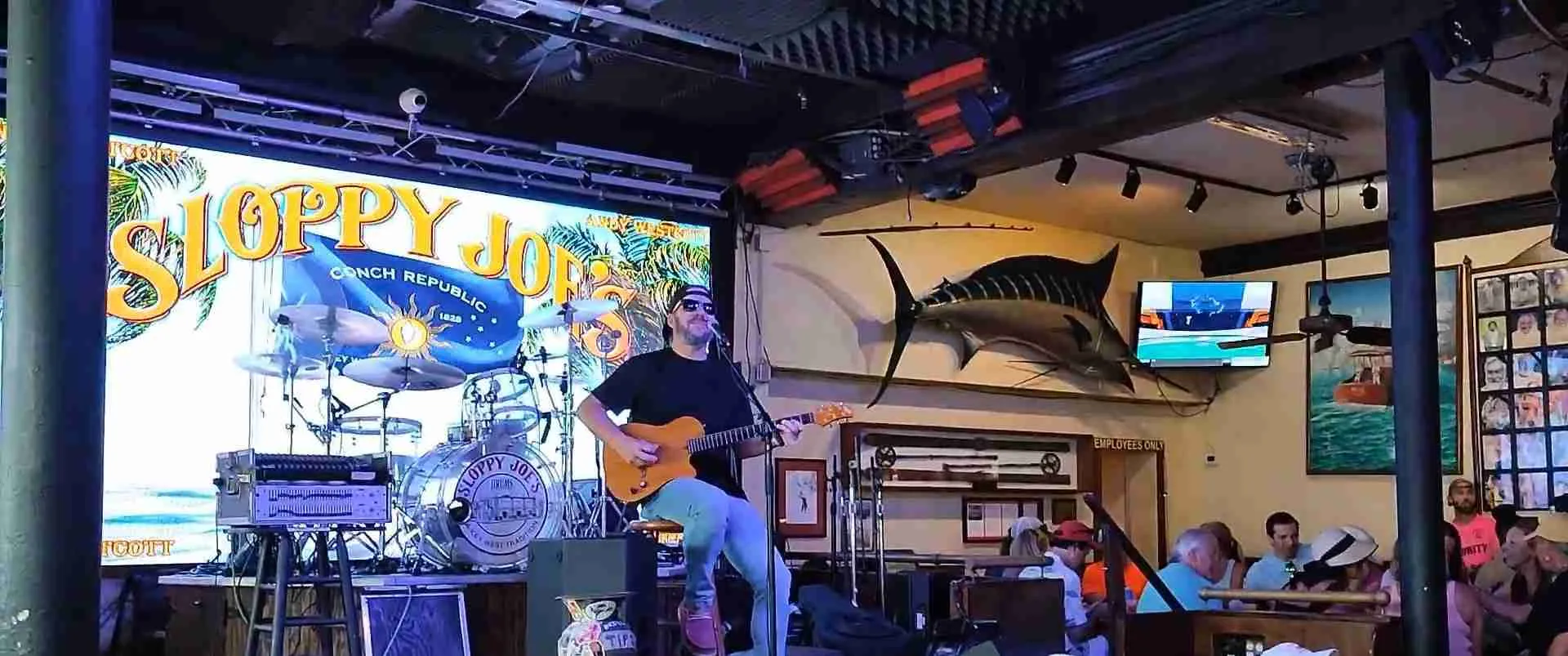
Conch occupies a central position in Key West culinary tradition that extends beyond simple preparation into cultural identity, with the term “Conch” itself serving as the nickname for Key West natives. The queen conch, a large marine mollusk with protein-rich meat, arrives imported from the Bahamas and Caribbean since local harvesting restrictions protect declining populations, yet the preparation methods remain authentically Keys-style. Restaurants serve conch in multiple traditional preparations including fritters (the most popular form with ground conch mixed into seasoned batter), cracked conch (pounded thin, breaded, and fried similar to schnitzel, served with Key lime mayo at establishments like Sloppy Joe’s), conch chowder (tomato-based with vegetables and spices), conch salad (fresh conch ceviche with citrus, peppers, and onions similar to Bahamian preparations), and conch ceviche (marinated in citrus juices with tropical fruits). The texture resembles tender calamari when properly prepared but becomes chewy and rubbery when overcooked, making skilled preparation the mark of an accomplished Keys chef. Traditional Bahamian influences shape Key West conch cooking, as generations of Bahamian immigrants brought conch preparation techniques that merged with Cuban and Caribbean methods, creating the distinctive flavor profiles found throughout the island.
Where Do Locals Actually Eat in Key West?
Hogfish Bar & Grill on Stock Island, located away from the Duval Street tourist corridor near the commercial fishing docks, attracts locals seeking authentic atmosphere and fresh-catch seafood in a waterfront tiki setting where fishing boats unload their daily catches and live music plays throughout the day. El Siboney at 900 Catherine Street serves authentic Cuban food with generous portions at remarkably affordable prices (most entrees under $20), drawing Cuban-American families and long-time residents for roast pork, ropa vieja, and traditional sides in a no-frills dining room with table service. Seven Fish, a small bistro-style restaurant with intimate seating and a regularly changing menu, gained local following for its Thai curry yellowtail snapper and innovative seafood preparations that avoid tourist-trap formulas. Blue Heaven in Bahama Village offers outdoor dining under tree canopies where roosters roam freely, combining quirky Key West atmosphere with quality food at breakfast and brunch when locals gather for banana pancakes and lobster Benedict before the tourist crowds arrive. Eaton Street Seafood Market serves both as a fish market where locals purchase fresh catch and a casual restaurant with outdoor seating where simple preparations showcase quality seafood without Duval Street markups. Alonzo’s Oyster Bar on the Historic Harborwalk attracts locals during happy hour when the entire appetizer menu and drinks become half-price, offering beer-steamed shrimp, oysters from cold-water sources, and Key lime martinis at neighborhood bar prices.
What Cuban Foods Should Visitors Try in Key West?
Cuban cuisine forms an integral part of Key West’s culinary identity, with authentic restaurants serving traditional dishes that reflect the island’s historical connection to Havana during the cigar industry era when Cuban immigrants established permanent communities. The Cuban sandwich, served at establishments throughout the island but particularly well at El Siboney, combines slow-roasted pork, ham, Swiss cheese, pickles, and mustard on Cuban bread that’s pressed until the cheese melts and the bread develops a crispy exterior. Lechón asado (roast pork) appears as the centerpiece of traditional Cuban meals, served with black beans, white rice, and sweet plantains (maduros) at family-run restaurants where recipes pass through generations. Ropa vieja, shredded beef in tomato-based sauce with peppers and onions, demonstrates Spanish colonial influences on Cuban cooking and arrives with the same rice and beans accompaniment. Cuban coffee culture thrives at cafes like Cuban Coffee Queen, where cortaditos (espresso cut with steamed milk and sugar), café con leche (coffee with milk), and coladas (strong espresso meant for sharing in small cups) fuel morning routines and afternoon breaks. Tostones (twice-fried green plantains) and maduros (sweet fried ripe plantains) serve as essential side dishes that add textural contrast to savory entrees. Media noche sandwiches, similar to Cuban sandwiches but on sweeter, softer bread and typically smaller, make excellent late-night snacks. The traditional Cuban breakfast includes tostada (buttered Cuban toast) served with café con leche for dipping, a simple combination that becomes ritual at authentic Cuban bakeries and cafes throughout Key West.
Extended multi-day tours – 5+ days
Featured Florida Multi-Day Tour Packages

3 days
Florida 3-Day Discovery Tour
- ✓ Comprehensive Florida experience
- ✓ Expert local guides included
- ✓ All accommodation included
- ✓ Transportation provided

5 days
Florida 5-Day Highlights Experience
- ✓ Comprehensive Florida experience
- ✓ Expert local guides included
- ✓ All accommodation included
- ✓ Transportation provided

7 days
Florida 7-Day Cultural Journey
- ✓ Comprehensive Florida experience
- ✓ Expert local guides included
- ✓ All accommodation included
- ✓ Transportation provided

10 days
Florida 10-Day Complete Adventure
- ✓ Comprehensive Florida experience
- ✓ Expert local guides included
- ✓ All accommodation included
- ✓ Transportation provided
Multi-day tour packages powered by TourRadar. Prices and availability subject to change.
Introduction to Key West Culinary Heritage
Key West developed a distinctive culinary identity through geographic isolation, maritime abundance, and cultural convergence unlike any other American city. Located 150 miles from the Florida mainland and 90 miles from Cuba, this island at the end of the Overseas Highway created a food culture shaped by Caribbean trade routes, Cuban immigration waves, Bahamian settlement patterns, commercial fishing traditions, and the tropical climate that limited agricultural options while encouraging creative approaches to seafood and imported ingredients. The result transformed simple ingredients into a recognized regional cuisine that balances rustic authenticity with contemporary innovation.
The foundation of Key West cooking rests on exceptional seafood variety delivered daily by commercial and sport fishing fleets. The deep waters surrounding the island yield hogfish, yellowtail snapper, grouper, mahi-mahi, wahoo, tuna, and other species that achieve legendary status in local preparations. Seasonal stone crab from mid-October through mid-May and spiny lobster from August through March add luxury elements to the seafood rotation. Key West pink shrimp, smaller and sweeter than Gulf varieties, provides another signature ingredient that appears in countless preparations from simple peel-and-eat presentations to complex Caribbean-spiced dishes.
Cuban influence permeates Key West cuisine more deeply than casual observation might suggest. During the late 19th and early 20th centuries, Cuban cigar manufacturers relocated to Key West to avoid Spanish colonial taxation, bringing thousands of workers who established a permanent Cuban community. These immigrants created restaurants, bakeries, and cafes that served authentic dishes using traditional methods and recipes, establishing culinary institutions that continue operating generations later. The proximity to Havana (closer than to Miami until the Overseas Highway connected Key West to the mainland in 1938) meant regular ferry service, constant cultural exchange, and ingredient availability that kept Cuban food traditions vibrant and authentic rather than allowing them to fade into Americanized versions.
Bahamian settlers arrived in waves during the 19th century, bringing conch preparation methods that became synonymous with Key West identity. The term “Conch” itself became the local nickname for natives, reflecting how central this mollusk became to island culture. Bahamian influence extended beyond conch to include johnnycakes, peas and rice, and other Caribbean staples that merged with Cuban and American southern traditions. The resulting culinary fusion created what modern restaurants market as “Floribbean” cuisine, though the blend occurred organically through decades of cultural interaction rather than as a conscious culinary movement.
The physical environment shaped eating patterns and ingredient availability. Limited freshwater and rocky soil prevented large-scale agriculture, making the island dependent on seafood supplemented by imports and what tropical fruits (especially limes) grew successfully. The hot, humid climate encouraged outdoor dining, cold beverages, citrus-based preparations that provided refreshing acidity, and cooking methods that didn’t require extended indoor heat sources. This environment favored grilling, frying, and quick sautés over slow braises and oven roasting, creating a cuisine characterized by bold flavors, fresh preparations, and minimal cooking time from catch to plate.
Tourism transformed Key West dining beginning in the mid-20th century, particularly after the completion of the Overseas Highway made automobile access practical. Restaurants evolved to serve visitors while attempting to maintain authenticity, creating tension between preservation of traditional methods and adaptation to tourist expectations. Some establishments embraced the challenge successfully, educating visitors about local specialties while maintaining quality standards that satisfied residents. Others drifted toward generic “tropical” themes with frozen conch mixture and artificially green Key lime pie. The best contemporary restaurants balance these demands by sourcing quality ingredients, respecting traditional preparations, and creating atmosphere that feels genuinely Keys rather than manufactured for tourist consumption.
The modern Key West food scene reflects all these historical layers while adding contemporary chef-driven innovation. Young chefs trained in formal culinary programs arrive seeking the creative freedom that island isolation provides, opening restaurants that apply modern techniques to local ingredients. Tasting menus featuring seasonal catches, Asian fusion interpretations of Caribbean flavors, and farm-to-table movements adapted to an island with limited farming create new directions while the old Cuban restaurants, conch shacks, and fishing dock eateries maintain traditions that stretch back generations. This coexistence of old and new, authentic and innovative, casual and refined, creates a dining landscape where a $8 Cuban sandwich at a neighborhood cafe can provide equal satisfaction to a $50 tasting menu at a chef-driven establishment, and where the definition of “best” depends entirely on what experience the diner seeks.
Essential Key West Signature Dishes and Preparations
Conch fritters stand as the island’s most iconic appetizer, appearing on nearly every seafood restaurant menu with variations in size, seasoning, and accompanying sauces. The fundamental preparation involves grinding conch meat, mixing it with batter containing flour, eggs, onions, bell peppers, celery, and Caribbean-inspired seasonings (often including Old Bay, cayenne, or hot sauce), then deep-frying small portions until golden brown. The Conch Shack on Duval Street built its reputation on what they market as “Best Ever” conch fritters, using a traditional Bahamian family recipe that emphasizes chunky conch pieces rather than finely ground meat. Hogfish Bar & Grill serves their version with tangy citrus aioli. Conch Republic Seafood Company offers conch fritters as part of their extensive conch menu that includes chowder, salad, and cracked conch preparations. Quality fritters achieve crispy exteriors with tender, well-seasoned interiors where distinct conch flavor comes through rather than being overwhelmed by batter or spices. Lesser establishments serve predominantly batter with minimal conch content, often using pre-made frozen mixture rather than preparing from scratch.
The hogfish sandwich achieved cult status through Hogfish Bar & Grill on Stock Island, where it became the signature dish that defined the restaurant. Hogfish, a reef-dwelling species with delicate, scallop-like flavor, gets spear-caught by local divers and arrives fresh to the restaurant. The classic preparation blackens or fries the hogfish fillet, then stacks it high with melted Swiss cheese, sautéed mushrooms and onions on fresh Cuban bread from local bakeries. The combination creates textural and flavor contrasts between the flaky fish, creamy melted cheese, savory vegetables, and crispy-soft bread. The sandwich size overwhelms modest appetites, often providing enough for sharing or creating leftovers. Other restaurants attempted to replicate the success, offering hogfish preparations on menus throughout the Keys, but the original at Hogfish Bar & Grill maintains its reputation through consistent quality and the authentic fishing-dock atmosphere where commercial boats unload catches visible from dining tables.
Yellowtail snapper represents the Florida Keys’ most popular local fish, caught year-round in waters surrounding the island and prized for its mild, slightly sweet flavor and firm white flesh. Restaurants prepare yellowtail in numerous styles reflecting diverse culinary influences. Traditional preparations include simple grilling with lemon and butter, blackening with Cajun spices, or pan-sautéing with garlic and white wine. Caribbean-influenced versions feature jerk seasoning, mango salsa, or coconut crusting. Seven Fish built local following with their Thai curry yellowtail snapper, combining the local catch with Asian-inspired coconut curry sauce served over sushi rice. Blue Heaven offers yellowtail Benedict at brunch, substituting the traditional Canadian bacon with blackened yellowtail atop English muffins with poached eggs and hollandaise. La Trattoria serves their signature Pesce Locale with hogfish, artichoke hearts, spinach, roasted garlic, and Parmesan cream sauce, occasionally substituting yellowtail when hogfish isn’t available. The fish’s versatility allows it to adapt to virtually any culinary tradition while maintaining its essential character.
Stone crab claws emerge as a seasonal delicacy that defines autumn and winter dining in Key West. Harvested from mid-October through mid-May, stone crabs represent sustainable seafood since fishermen remove one claw from each crab and return the animal to the water where it regenerates the lost claw. The meat, precooked on fishing boats immediately after harvest, requires only chilling before service. Traditional preparation serves the claws cold with mustard sauce, allowing the sweet, firm meat to shine without additional seasoning. Restaurants crack the claws before plating, making them easier to eat while maintaining presentation. The Stoned Crab restaurant specializes in stone crab preparations beyond the traditional cold service, incorporating the meat into dishes like stone crab artichoke dip, stone crab cakes, and pasta preparations. Half Shell Raw Bar, Conch Republic Seafood Company, and other waterfront establishments make stone crab seasonal menu highlights. Market prices fluctuate based on harvest success, with typical pricing ranging from moderate to expensive depending on claw size and seasonal availability.
Cuban sandwiches maintain authentic character at Key West’s Cuban restaurants, particularly El Siboney where traditional methods and quality ingredients create the definitive version. The sandwich requires specific components: slow-roasted pork shoulder (lechón) marinated in mojo criollo (citrus-garlic marinade), sliced ham, Swiss cheese, dill pickles, and yellow mustard on Cuban bread. The assembly gets pressed in a plancha (sandwich press) until the bread develops crispy exterior while cheese melts throughout. Cuban bread itself matters critically, with its distinctive slightly sweet flavor and airy interior distinguishing it from Italian bread or baguettes. El Siboney uses bread from local Cuban bakeries that maintain traditional methods including lard in the dough and palmetto fronds laid atop loaves during baking (though modern regulations often require parchment paper substitutes). The finished sandwich should achieve perfect balance between crispy pressed exterior and tender interior, with all components melding while remaining distinct. Mediocre versions use regular sandwich bread, omit the roast pork, over-mustard the sandwich, or fail to press it properly, creating something technically similar but lacking the essential character that makes the Cuban sandwich a cultural icon.
Key lime pie occupies a unique position as both the signature Key West dessert and a broader symbol of Florida Keys identity. Authentic preparation uses actual Key limes (smaller, more aromatic, and more acidic than standard Persian limes), sweetened condensed milk, egg yolks, and graham cracker crust. The filling achieves its characteristic yellow color naturally from egg yolks and never includes green food coloring (bright green pie signals inauthentic tourist-trap versions). Traditional toppings include whipped cream or meringue, though many establishments serve it plain. Kermit’s Key Lime Shop gained fame for their variations including chocolate-covered frozen Key lime pie on a stick, combining the classic dessert with ice cream texture. Blue Heaven’s towering meringue-topped version became an Instagram phenomenon. The Old Town Bakery produces traditional versions sold whole or by the slice. Blond Giraffe’s version emphasizes the essential tartness that makes Key lime pie distinctive rather than just another sweet dessert. Quality versions balance three elements: the tart lime filling that makes your mouth pucker slightly, the sweet condensed milk that provides creamy body and counterpoint to the acid, and the buttery graham cracker crust that adds textural contrast. Inferior versions use bottled lime juice, add excessive sugar that masks the lime character, or use standard pie crust instead of graham crackers.
Traditional Cuban Cuisine and Cultural Influence
El Siboney at 900 Catherine Street operates as Key West’s most authentic Cuban restaurant, maintaining traditional recipes and preparation methods that reflect the island’s Cuban heritage. The restaurant occupies a modest building away from the Duval Street tourist corridor, drawing Cuban-American families, long-time residents, and visitors seeking genuine Cuban food rather than Americanized adaptations. The menu features traditional dishes at remarkably affordable prices, with most entrees priced under $20 despite generous portions that often provide leftovers. The signature lechón asado (roast pork) demonstrates the Cuban approach to pork preparation, with shoulder marinated overnight in mojo criollo containing sour orange juice, garlic, cumin, and oregano, then slow-roasted until the meat becomes tender enough to pull apart. The finished pork arrives with crispy exterior (masitas) and tender interior, served with black beans, white rice, and sweet plantains. The combination of these elements — savory pork, earthy beans, neutral rice, and sweet plantains — creates the balanced flavor profile central to Cuban cooking. The Cuban sandwich at El Siboney uses this same roast pork, maintaining consistency between dishes while demonstrating how the same base ingredient transforms through different preparations.
Ropa vieja, which translates literally as “old clothes” referring to the shredded appearance of the dish, showcases Spanish colonial influences on Cuban cuisine. The preparation begins with flank steak braised until tender, then shredded and simmered in tomato-based sauce with bell peppers, onions, garlic, cumin, and bay leaves. The slow cooking melds flavors while the meat absorbs the sauce, creating a savory, slightly sweet preparation that pairs with white rice and black beans. The dish’s origins trace to Spain’s Sephardic Jewish communities who brought chickpea stew recipes to the Canary Islands and Cuba, where the preparation evolved to use beef and local peppers. At El Siboney and other authentic Cuban restaurants, ropa vieja demonstrates the comfort food appeal of Cuban cooking, with familiar flavors and textures that satisfy without pretension or complexity. The dish appears throughout Miami’s Cuban restaurants but maintains particular authenticity in Key West where the Cuban community’s historical depth and proximity to the island kept traditional methods alive.
Cuban coffee culture provides the social lubricant that binds the Cuban-American community while introducing visitors to caffeine traditions that differ markedly from American drip coffee or espresso bar culture. The foundation is café cubano, espresso brewed strong and sweetened heavily with sugar whipped into the first drops of coffee, creating a foam (espumita) that floats atop the dark liquid. Cortadito cuts this intense coffee with steamed milk, creating a drink similar to a cortado but distinctly Cuban in its preparation and sweetness. Café con leche, served at breakfast, combines equal parts strong coffee and hot milk, traditionally accompanied by tostada (buttered Cuban toast) for dunking. Colada, unique to Cuban coffee culture, presents a large cup of café cubano meant for sharing, accompanied by small plastic cups for distribution among a group — a social ritual rather than an individual beverage. Cuban Coffee Queen and other Cuban cafes throughout Key West maintain these traditions, with cafeteria-style windows where locals order quick shots of cortadito between errands or gather for conversation around shared coladas. The coffee’s intensity and sweetness shock visitors accustomed to milder American coffee, but the ritual and social aspects become apparent through observation of how Cuban-Americans use coffee as connector throughout the day.
Plantains appear as essential side dishes in multiple preparations reflecting the fruit’s versatility at different ripeness stages. Tostones use green plantains sliced thick, fried once until slightly tender, smashed flat, then fried again until crispy, creating a starchy side dish with neutral flavor that serves similar purpose to french fries but with denser texture and slightly tangy character. Maduros use very ripe black-skinned plantains sliced on the diagonal and fried until caramelized, creating a sweet counterpoint to savory entrees. The transformation from starchy-neutral tostones to sweet maduros through ripening demonstrates plantain versatility, with Cuban cooks using the appropriate preparation to balance the other elements on the plate. At El Siboney, both preparations arrive as side dish options, allowing diners to choose based on whether they want savory-neutral or sweet contrast to their entree. The maduros’ caramelized exterior and creamy interior provide textural interest while the natural fruit sugars offer sweetness without feeling like dessert. Tostones’ crispy texture and neutral flavor make them ideal for eating plain or with mojo sauce (garlic-citrus sauce) when served as an appetizer.
The Cuban breakfast plate, served at Cuban restaurants and cafes throughout Key West’s morning hours, demonstrates the traditional Cuban approach to starting the day. The foundation consists of café con leche (half strong coffee, half hot milk) served in a large cup alongside tostada (Cuban toast buttered and sometimes pressed until slightly crispy). The ritual involves dunking the toast into the milky coffee, creating a simple comfort food combination that serves both practical (cheap, filling, quick) and cultural (traditional, social, familiar) purposes. Some establishments expand the breakfast to include eggs (typically scrambled or fried), ham or bacon, and additional sides, but the essential pairing of café con leche and tostada remains central. Cuban Coffee Queen, operating from a food-truck-style location, serves this breakfast combination alongside more elaborate options like the Cuban breakfast burrito that incorporates scrambled eggs, rice, beans, and cheese in a flour tortilla with optional meat additions. The breakfast burrito represents adaptation to American breakfast preferences while maintaining Cuban flavor profiles, demonstrating how Cuban food culture remains living and evolving rather than frozen in historical forms.
Fresh Seafood and Local Catch Traditions
Hogfish Bar & Grill on Stock Island represents the quintessential Keys fishing-dock restaurant where commercial boats unload catches within view of dining tables and the fish served inside likely swam in nearby waters that morning. Located on Safe Harbor Marina away from the tourist-heavy areas of Key West proper, the restaurant attracts locals, fishermen, and visitors seeking authentic atmosphere and genuinely fresh seafood. The open-air structure with thatched roof creates shade while maintaining the outdoor feel, with breezes carrying salt air and occasional glimpses of tarpon swimming in the marina. The namesake hogfish sandwich built the restaurant’s reputation, but the menu extends beyond this signature to include whatever the boats brought in that day. Daily catch boards list available species with preparation options (grilled, blackened, fried, jerk-seasoned), allowing diners to choose their fish and cooking method. This approach to menu planning reflects the reality of fishing-dependent restaurants where availability changes daily based on weather, season, and luck. The restaurant’s location on Stock Island, historically where commercial fishing operations based themselves away from the resort areas, provides authenticity that purpose-built tourist restaurants cannot replicate.
Half Shell Raw Bar operates in the Key West Historic Seaport adjacent to the commercial fishing docks, with raw bar service, picnic table seating, and an atmosphere that feels more like a working fish house than a polished restaurant. The establishment sources seafood from the adjoining Half Shell Market which supplies both the restaurant and sister operations, maintaining control over quality and freshness. The raw bar serves oysters from various sources including cold-water varieties from Vancouver and Martha’s Vineyard alongside local species, allowing comparison of flavor profiles and textures. Peel-and-eat shrimp arrive in generous portions with cocktail sauce, served cold and requiring manual work that keeps the dining experience casual and hands-on. The conch fritters follow traditional preparation with chunky conch pieces rather than fine grind. Daily catch specials highlight whatever arrived from local boats, with grouper, snapper, mahi-mahi, and other species prepared grilled, blackened, or fried. The restaurant gained additional fame through appearance on the Travel Channel’s television programming, though the atmosphere remains unpretentious despite media attention. The location allows diners to watch fishing boats unload their catches, connecting the meal directly to the source in ways that appeal to those seeking authentic experiences rather than refined presentations.
Conch Republic Seafood Company occupies a prime waterfront location in the historic seaport with open-air seating on three sides providing harbor views and sunset opportunities. The restaurant specializes in local seafood with particular emphasis on Key West pink shrimp and stone crab when in season. The pink shrimp, smaller and sweeter than Gulf varieties, gets prepared multiple ways including peel-and-eat cold presentations, grilled preparations with garlic butter, and incorporation into pasta dishes and seafood towers. The raw bar serves oysters, clams, and ceviche alongside the shrimp. Live music plays daily, creating festive atmosphere that makes the restaurant popular for both dining and drinking. The establishment’s relationship with local fishing operations ensures fresh catch availability and supports the commercial fishing industry that remains economically important to Key West despite tourism’s dominance. The restaurant also offers a “cook your catch” service where sport fishermen can bring their own fish for professional preparation, acknowledging the significant sport fishing tourism that brings anglers seeking permits, bonefish, tarpon, and offshore species.
Eaton Street Seafood Market demonstrates the fish market-restaurant hybrid model that serves both commercial and dining purposes. The market side sells fresh whole fish and fillets to residents and visitors wanting to cook at home, with display cases showing whatever arrived from local boats that day — grouper, snapper, hogfish, mahi-mahi, lobster tails, stone crab claws (seasonal), and other species priced by weight. The restaurant side operates casually with outdoor seating, serving simple preparations that showcase fish quality rather than complex techniques. The fish sandwich, available grilled, blackened, or fried, uses whatever species the customer selects from the daily catch. Lobster rolls feature Florida spiny lobster (not Maine lobster) in a preparation adapted from New England traditions. Conch fritters, fish tacos, and chowders provide familiar options while the daily specials highlight seasonal availability. The casual atmosphere includes Key West chickens roaming through the outdoor dining area, adding to the quirky authenticity that characterizes genuine Keys establishments. The location on Eaton Street in Old Town places it within walking distance of most accommodations while remaining far enough from Duval Street to avoid the highest tourist traffic.
The “cook your catch” service offered by multiple Key West restaurants acknowledges the importance of sport fishing to island tourism while providing solution for anglers who want to eat their catch without hotel room cooking facilities. Anglers bring their cleaned fish to restaurants like Conch Republic Seafood Company, Brutus Restaurant, Keys Fisheries, and others that offer the service, selecting from preparation options (grilled, blackened, fried, jerk-seasoned) and side dishes. The restaurants charge by weight for the cooking service, typically less than menu prices for equivalent fish since the customer provided the main ingredient. This arrangement benefits both parties: anglers get professionally prepared fish without needing cooking equipment, while restaurants gain customers who then purchase sides, drinks, and desserts. The service reflects the practical reality that many visitors stay in hotels or vacation rentals without full kitchens and that fishing success often yields more catch than a small group can consume, making restaurant preparation more appealing than attempting complicated cooking in limited facilities. The prevalence of this service throughout the Keys demonstrates how deeply fishing culture permeates the islands and how restaurants adapted to serve both dining customers and the substantial fishing tourism market.
Distinctive Key West Restaurant Experiences
Blue Heaven in Bahama Village operates in a former brothel and cockfighting ring (before such activities became illegal), creating dining atmosphere unique to Key West where roosters still roam freely through the outdoor courtyard, sometimes jumping onto tables seeking dropped food. The restaurant’s history stretches back through Key West lore, with stories of Hemingway’s attendance at fights in the 1930s adding literary mystique. The open-air courtyard features tropical plants, eclectic art, live music during peak hours, and the famous roosters that have become the restaurant’s unofficial ambassadors. The breakfast and brunch service attracts particular crowds, with banana pancakes, lobster Benedict, and other creative preparations served in an environment that feels simultaneously laid-back and quintessentially Keys. The Key lime pie arrives with towering meringue that became social media famous, though the pie’s quality matches its impressive appearance. The lunch and dinner service continues the same philosophy of fresh local ingredients in creative preparations, with yellowtail snapper preparations earning particular praise. The restaurant embraces rather than fights its quirky reputation, understanding that visitors seek experiences that feel authentically Key West rather than generic tropical resort atmosphere.
Little Pearl operates differently from traditional Key West restaurants, offering only a prix fixe four-course tasting menu with three nightly seatings that require advance reservations. Located away from the Duval Street corridor in Old Town, the intimate restaurant changes its menu regularly to reflect seasonal ingredient availability and chef creativity. Each course offers three options, allowing diners some choice within the structured format while maintaining the tasting menu philosophy. The format requires ordering all courses upfront rather than sequentially, a style more common to fine dining establishments than casual island restaurants. The ever-changing menu makes specific recommendations impossible, but the focus remains on fresh local catch and seasonal produce prepared with techniques that demonstrate culinary training while respecting ingredient quality. The intimate atmosphere and limited seating create a refined experience markedly different from the casual conch shacks and waterfront tiki bars that dominate Key West dining, appealing to diners seeking chef-driven contemporary cuisine rather than traditional Keys preparations. The restaurant represents how Key West dining evolved beyond its fishing-village roots while maintaining connection to local ingredients and island character.
Louie’s Backyard occupies a restored Victorian mansion listed on the National Register of Historic Places, providing upscale dining with spectacular water views from multiple dining rooms and outdoor decks. The restaurant evolved from a three-table operation under original owner Louie Signorelli to become one of Key West’s premier fine dining destinations, serving lunch and dinner with emphasis on fresh seafood in refined preparations. The main dining room, after deck, and upper deck all offer views of the Atlantic Ocean and the famous Key West sunset, making dinner reservations particularly sought-after during peak season. The menu balances traditional Keys seafood (yellowtail snapper, grouper, lobster) with more exotic preparations reflecting broader culinary trends. The Caribbean jerk pork tenderloin demonstrates how the restaurant incorporates island influences while maintaining fine dining standards. The Bahamian conch chowder with bird pepper hot sauce and conch fritters with hot pepper jelly show respect for traditional Keys dishes elevated through refined technique and presentation. The wine list earns consistent praise, with staff knowledgeable about pairings for seafood-heavy menus. The restaurant maintains dress code standards higher than most Key West establishments, requiring “country club casual” attire for dinner service, reflecting its positioning as a special occasion destination rather than casual dining option.
Latitudes Restaurant on Sunset Key provides the unique dining experience requiring a boat ride from Key West proper. Guests with dinner reservations board a complimentary ferry from the dock on Front Street, creating a sense of escape and occasion before the meal begins. The restaurant operates on Sunset Key, a private island resort, with waterfront dining that provides some of Key West’s best sunset views without the Mallory Square crowds. The menu emphasizes seafood with preparations leaning toward fine dining rather than casual Keys cooking, with yellowtail snapper, lobster ravioli, and other refined dishes served in elegant surroundings. The lunch service offers slightly lower prices than dinner (around $25-30 per plate versus $50 for dinner entrees) while providing the same views and boat ride experience. The dress code restricts tank tops and cover-ups at dinner, maintaining the upscale atmosphere. After the meal, guests can catch any return boat rather than being tied to a specific departure time, allowing flexibility for lingering over coffee or drinks. The restaurant appeals particularly to couples seeking romantic dining experiences and visitors wanting to feel they’ve truly escaped to a private island, even if only for a few hours.
Hogfish Bar & Grill deserves repeated mention as it exemplifies the fishing-dock aesthetic that defines authentic Keys dining. The open-air thatched-roof structure on Safe Harbor Marina in Stock Island maintains working-class authenticity while serving food quality that attracts visitors and locals equally. The waterfront location provides marina views where fishing boats, sailing vessels, and working craft create visual interest more genuine than manicured resort settings. The bar serves craft beers with emphasis on local Florida breweries, understanding that the clientele prefers quality beer over fancy cocktails. Live music plays afternoons and evenings, ranging from solo acoustic performers to full bands, creating soundtrack to the dining experience without overwhelming conversation. The crowd mixes tourists who discovered the place through research or recommendations with locals who consider it a neighborhood gathering spot, creating the demographic diversity that signals authentic rather than manufactured atmosphere. The restaurant embraced its appearance on food television without allowing it to change the fundamental character, maintaining the laid-back fishing-community vibe that made it noteworthy initially. The location requires intentional travel — it’s not somewhere you stumble across while walking Duval Street — ensuring that diners make conscious choice to seek it out rather than defaulting to convenience.
Key Lime Pie: History, Variations, and Best Versions
Key lime pie emerged as Florida Keys signature dessert from practical circumstances rather than culinary innovation, with the recipe developing when refrigeration was limited, fresh milk was scarce, and Key limes grew abundantly throughout the islands. Sweetened condensed milk, invented in the mid-19th century and stable without refrigeration, provided the dairy component that fresh milk couldn’t supply reliably. The natural acidity of Key lime juice thickened the condensed milk through chemical reaction rather than heat, allowing pie assembly without baking (though modern versions typically include brief baking for safety and texture). Early versions used saltine cracker crusts rather than graham crackers, reflecting ingredient availability on an isolated island, though the graham cracker crust became standard as supply chains improved. The yellow color comes naturally from egg yolks included in the filling, with authentic versions never including green food coloring despite tourist expectations that the pie should match the fruit’s name. The pie became so associated with the Florida Keys that the Key lime itself received designation as Florida’s state pie in 2006, cementing the dessert’s cultural importance beyond mere popularity.
Kermit’s Key Lime Shop built an empire on Key lime pie variations while maintaining respect for the traditional preparation. The shop offers classic pie in multiple sizes, chocolate-covered pie slices, frozen Key lime pie on a stick (their most famous innovation combining pie filling with ice cream texture and dark chocolate coating), Key lime cookies, Key lime candies, and other products extending the flavor profile into new formats. The frozen pie on a stick became particularly popular as a portable dessert option suitable for walking Duval Street or enjoying at the beach, with the chocolate shell providing structural support and flavor contrast to the tart filling. The shop ships pies nationwide, understanding that many visitors want to recreate or share the Key West experience after returning home. The success of Kermit’s demonstrated that Key lime pie could support specialty retail businesses beyond restaurant dessert menus, inspiring competitors and imitators throughout the Keys and broader Florida. The original location on Elizabeth Street operates as combination shop and small museum celebrating Key lime pie history, with vintage Key lime advertising, historical photographs, and pie-making equipment displays alongside the retail sales.
Blue Heaven’s Key lime pie became Instagram famous for its towering meringue topping that extends several inches above the pie filling, creating dramatic visual presentation alongside the restaurant’s quirky atmosphere complete with roaming roosters. The meringue, made from egg whites whipped with sugar and browned with a torch or under broiler, adds textural contrast to the creamy filling while providing impressive height that photographs well. The presentation reflects Blue Heaven’s overall approach to food and atmosphere — embrace the quirky, make it memorable, don’t take yourself too seriously, but maintain quality underneath the showmanship. The pie’s fame through social media brought additional visitors to an already popular restaurant, demonstrating how signature dishes can drive traffic when they combine quality with shareability. The traditional preparation underneath the impressive meringue maintains proper tartness and texture, ensuring that the visual appeal doesn’t substitute for flavor quality.
The Old Town Bakery provides traditional Key lime pie in whole or slice form, using time-tested recipes without gimmicks or excessive innovation. The focus remains on proper balance between tart lime filling, sweet condensed milk, and buttery graham cracker crust, creating the platonic ideal of the dessert rather than attempting to reinvent it. The bakery sells both to walk-in customers and wholesale to restaurants throughout Key West, making their version perhaps the most widely consumed even if not the most famous. The pies ship well and maintain quality for days, making them popular purchases for visitors wanting to bring authentic Key West food back home. The bakery represents the workman-like approach to Key lime pie that prioritizes consistency and quality over novelty, understanding that sometimes the traditional preparation done well surpasses creative variations that prioritize innovation over fundamental flavor.
Common mistakes that identify inferior Key lime pie include artificial green coloring (authentic pie is yellow from egg yolks, never bright green), using standard Persian limes rather than actual Key limes (detectable through less complex flavor and reduced tartness), excessive sweetness that masks the essential lime character (the pie should make your mouth pucker slightly), standard pastry crust instead of graham cracker (changes both texture and flavor balance), and using bottled lime juice rather than fresh (produces flat flavor without the bright aromatic notes fresh juice provides). Tourist-trap restaurants often serve green pie because visitors expect it to look “lime-colored,” sacrificing authenticity to meet uninformed expectations. Quality establishments educate diners about proper preparation, sometimes including menu descriptions that explicitly mention the yellow color to prevent disappointed expectations when the pie arrives.
Waterfront Dining and Outdoor Restaurant Culture
Waterfront dining defines Key West restaurant culture as fundamentally as the food itself, with establishments ranging from ultra-casual dock-side shacks to refined establishments maximizing sunset views through careful architectural design. The tropical climate makes outdoor dining comfortable nearly year-round (summer heat excepted during midday), encouraging restaurants to embrace open-air designs with thatched roofs, ceiling fans, and seating that blurs boundaries between inside and outside. The water views — whether Atlantic Ocean, Gulf of Mexico, marina basins, or harbor areas — provide natural entertainment as boats pass, dolphins surface, pelicans dive, and sunset rituals unfold. This connection to water reinforces the connection between the plate and the source, making seafood dinners feel properly situated when consumed overlooking the same waters where the fish swam hours before.
Sunset viewing became ritualized at Mallory Square where crowds gather nightly for the sunset celebration featuring street performers, vendors, and the natural spectacle of the sun descending into the Gulf of Mexico. Restaurants capitalized on this ritual by positioning themselves to offer sunset views from dining tables, allowing guests to participate in the tradition while enjoying dinner or drinks. Latitudes on Sunset Key, Louie’s Backyard, Sunset Pier, and other waterfront establishments time dinner service around the sunset, with reservations for tables with best views commanding premium times. The sunset itself becomes part of the dining experience, with conversation pausing as the sun touches the horizon and applause sometimes breaking out when it finally sinks below the water line. This ritualization of sunset viewing demonstrates how Key West culture blends natural phenomena with social practices, creating traditions that feel both spontaneous and prescribed.
Live music accompanies many dining experiences throughout Key West, particularly at outdoor waterfront venues where musicians set up on small stages or corners of the dining area. The music ranges from solo acoustic guitarists playing Jimmy Buffett covers and island classics to full bands performing reggae, rock, blues, and other styles that fit the tropical bar atmosphere. Hogfish Bar & Grill features afternoon and evening music, Conch Republic Seafood Company offers daily live entertainment, and Two Friends Patio Restaurant provides regular performances alongside their harbor-view seating. The music volume typically remains low enough to allow conversation while providing ambient soundtrack, though some venues lean toward louder party atmosphere depending on the night and crowd. The prevalence of live music reflects both the tourist economy (musicians provide entertainment value that encourages longer stays and additional drink orders) and the Key West culture that values artistic performance and bohemian lifestyle choices that attract musicians to the island.
The roaming chickens of Key West add quirky character to outdoor dining that visitors initially find surprising and quickly accept as normal. These feral descendants of escaped domestic chickens and fighting roosters roam freely throughout the island, protected by ordinances that prevent capture or relocation. At restaurants like Blue Heaven and Eaton Street Seafood Market, the chickens wander through dining areas hoping for dropped food, occasionally jumping onto tables or chairs in bold pursuit of crumbs. Children particularly enjoy the chickens, viewing them as entertainment alongside the meal. The chickens became unofficial mascots of Key West’s relaxed attitude toward wildlife coexistence and rejection of mainland norms about proper restaurant environments. Tourist photographs frequently feature the chickens, cementing them as part of the Key West dining experience alongside conch fritters and Key lime pie. Health regulations technically prohibit wild animals in dining areas, but enforcement remains minimal, reflecting the island’s general approach to rules as suggestions rather than absolute requirements.
Tiki bars and thatched-roof structures provide the architectural framework for outdoor dining throughout Key West, creating shaded spaces that filter sunlight while maintaining open-air feel and tropical atmosphere. The thatched roofs, traditionally made from palm fronds but now more commonly synthetic materials that last longer and meet fire codes, create the visual shorthand for “island bar” that tourists expect and locals embrace. Ceiling fans supplement natural breezes, moving air through open structures that lack walls or include only partial walls for definition without true enclosure. Bar seating wraps around central serving stations where bartenders mix tropical drinks and pour beers, creating social spaces where strangers converse more easily than in traditional restaurant layouts. High-top tables and picnic tables provide additional seating, maintaining the casual atmosphere where dress codes don’t apply and bare feet after beach visits cause no concern. This architectural approach reflects the historical reality of an island where air conditioning was unavailable and maximizing breeze capture determined livability, adapted into restaurant design that now serves aesthetic and atmospheric purposes beyond pure function.
Casual and Budget-Friendly Dining Options
El Siboney stands as Key West’s best value for authentic Cuban food, with generous portions at prices (most entrees under $20) that seem impossible given the location and quality. The restaurant operates without resort prices or tourist markups, serving the Cuban-American community and budget-conscious visitors equally. A complete meal including entree, rice, beans, plantains, and sometimes included soup costs less than appetizers at upscale establishments, providing filling comfort food that satisfies without pretension. The portions often exceed what one person can finish, creating leftovers for later meals or sharing opportunities. This combination of authenticity, quality, and value makes El Siboney essential stop for budget travelers and food-focused visitors alike, demonstrating that expensive doesn’t necessarily mean better in Key West’s diverse dining landscape.
BO’s Fish Wagon earns description as “junkyard chic” for its haphazard collection of found objects, driftwood, license plates, and various detritus that creates visual chaos while somehow feeling perfectly Keys. The walk-up window operation serves simple fish sandwiches, conch preparations, and other seafood basics with emphasis on flavor over presentation. The grouper sandwich, available grilled or fried with Key lime sauce, represents straightforward Keys cooking without the waterfront-view pricing of fancier establishments. The location on Caroline and William Streets places it within walking distance of most Old Town hotels while the quirky appearance and local reputation keep it from feeling like a generic tourist stop. The experience requires embracing disorder and authenticity over polished presentation, rewarding diners who value character over comfort. The restaurant became a Key West institution through decades of operation, attracting everyone from backpackers to celebrities drawn by the no-nonsense approach and quality results despite the chaotic setting.
Falafel King operates from a tiny space off an alleyway near Mallory Square, requiring attention to find the small sign pointing toward the entrance. The Middle Eastern menu provides relief from endless seafood, serving falafel, shawarma, and other preparations at prices ($8-12) that seem absurdly low for the location. The portions remain generous despite the low prices, with take-out boxes stuffed full of food that satisfies hunger while barely denting the budget. The strategy of buying food from Falafel King and carrying it to Mallory Square for the sunset celebration combines free entertainment with affordable dinner, demonstrating how thoughtful planning allows budget-conscious visitors to enjoy Key West without constant financial stress. The restaurant demonstrates that the island supports diverse dining options beyond seafood and Cuban food, with entrepreneurs finding niches that serve both residents and visitors seeking alternatives to the dominant culinary themes.
Amigos Tortilla Bar near Duval Street serves fresh-Mex food (burritos, bowls, tacos) at prices around $10 that defy the location’s tourist-heavy surroundings. The simple menu focuses on quality ingredients assembled quickly, providing satisfying meals without long waits or high costs. The open-air counter seating facing the street creates ideal people-watching opportunities while consuming affordable food, combining entertainment with sustenance. The restaurant became popular with locals and repeat visitors who appreciate finding reasonable prices within easy walking distance of accommodations and attractions. The business model reflects understanding that not everyone wants $25 entrees at every meal, with budget-conscious travelers and locals equally grateful for options that don’t require choosing between eating well and managing costs.
Alonzo’s Oyster Bar on the Historic Harborwalk draws crowds during happy hour when the entire appetizer menu and drinks become half-price, transforming a potentially expensive waterfront restaurant into a budget-friendly experience. The beer-steamed shrimp and mussels in marinara, conch fritters, and oysters from various cold-water sources provide quality seafood at prices that feel reasonable rather than exploitative. The strategy of arriving during happy hour hours allows enjoying harbor views and waterfront atmosphere while controlling costs, demonstrating how timing choices impact overall trip budgets. The restaurant’s location away from Duval Street but still within walking distance of most hotels makes it accessible without feeling like a tourist trap, attracting locals alongside visitors during the discounted hours. The Key lime martini became a house specialty, combining the local signature flavor with cocktail culture in a drink that photographs well and tastes better than its gimmicky premise might suggest.
Contemporary and Chef-Driven Restaurants
Seven Fish operates as a small intimate bistro that demonstrates how chef-driven contemporary cooking can maintain Keys authenticity while applying modern techniques and global influences. The ever-changing menu reflects seasonal availability and chef creativity, with the Thai curry yellowtail snapper becoming a signature that combines local catch with Asian-inspired preparation. The restaurant seats perhaps thirty diners, creating an atmosphere more similar to neighborhood bistros in urban centers than typical Key West tourist restaurants. The clean minimalist decor avoids tropical clichés, letting the food carry the island connection through ingredient choice rather than relying on visual signaling. The wine list receives careful curation, with staff knowledgeable about pairing suggestions for seafood-heavy menus. The restaurant represents the generation of chefs who arrived in Key West seeking creative freedom after training in formal culinary programs, bringing technical skills and global exposure while committing to local ingredients and community integration.
Little Pearl established itself as Key West’s most refined dining experience through the prix fixe tasting menu format that requires advance planning and creates event-like dining rather than casual meals. The intimate space with limited seating and three nightly seatings creates exclusivity without pretension, focusing attention on the food rather than scene-making or status display. The ever-changing menu prevents reliance on signature dishes, pushing the kitchen toward constant evolution and ingredient-driven cooking where what’s available determines what gets served rather than maintaining consistent menu offerings. This approach connects to traditional Keys cooking’s dependence on daily catch availability while applying contemporary fine dining philosophy about seasonality and ingredient quality. The restaurant attracts food-focused visitors seeking meals as experience and occasion, willing to plan ahead and pay premium prices for cooking that demonstrates technical skill and creative vision.
Santiago’s Bodega operates in tapas format where small plates encourage ordering multiple dishes for sharing rather than individual entrees. The Spanish-influenced menu provides alternative to the Caribbean-Cuban-seafood trinity that dominates Key West dining, with preparations emphasizing olive oil, wine, Spanish peppers, and other Mediterranean ingredients alongside local seafood. The small plate format allows sampling variety within single meals, appealing to adventurous eaters who want to experience range rather than committing to large portions of single preparations. The wine and beer list emphasizes Spanish selections, maintaining thematic consistency while providing alternatives to tropical cocktails and American beer that dominate most Keys bars. The restaurant demonstrates how Key West dining evolved beyond its fishing village roots to incorporate broader culinary influences while maintaining commitment to quality ingredients and skilled preparation.
The Flaming Buoy Filet Company combines retro supper club aesthetics with contemporary sensibility, creating atmosphere described as “one part supper club, one part corner bistro, one part personal whim.” The menu balances steaks with seafood, acknowledging that not every diner wants fish despite the island location. The cocktail program receives particular attention, moving beyond standard tropical drinks to include classic cocktails and creative contemporary preparations. The restaurant embraces quirky Key West character while maintaining food quality and service standards higher than typical island casual dining. The combination appeals to visitors seeking something between ultra-casual conch shacks and formal fine dining, filling the middle ground where quality matters but stuffiness doesn’t.
Cafe Marquesa demonstrates how chef-driven restaurants can operate successfully within hotel settings while maintaining identity separate from the accommodation. The restaurant inside the Marquesa Hotel serves creative American cuisine with strong seafood emphasis, using local catches in preparations that show technical skill without excessive complication. The yellowtail snapper appears in multiple preparations depending on seasonal inspiration, sometimes simply grilled with citrus, other times incorporated into more complex flavor compositions. The intimate setting with limited tables creates quiet atmosphere unusual in Key West where loud bars and party crowds dominate many dining experiences. The restaurant appeals particularly to visitors seeking refined dining without the production of tasting menus or the casualness of waterfront tiki bars, finding comfortable middle ground that prioritizes food quality and cooking skill while maintaining approachable rather than intimidating atmosphere.
Seasonal Specialties and Sustainable Seafood
Stone crab season from mid-October through mid-May creates annual ritual around the harvesting and consumption of stone crab claws, with restaurants featuring them prominently on seasonal menus and diners seeking them as time-limited delicacy. The sustainable harvesting method — removing one claw and returning the live crab to regenerate the lost claw — allows the fishery to continue indefinitely without depleting the population, making stone crab one of the most environmentally responsible seafood choices available. The claws arrive precooked since they must be boiled on fishing boats immediately after harvest to prevent the meat from sticking to the shell. Restaurants serve them chilled with mustard sauce (the traditional accompaniment that provides tangy contrast to the sweet meat), with cracking tools provided for diners to access the meat. Market prices fluctuate based on harvest success and demand, with larger claws commanding premium prices over smaller sizes. The seasonal limitation adds urgency to the dining experience, with locals and regular visitors timing trips to overlap with stone crab availability and restaurants competing for reputation as best stone crab source.
Florida spiny lobster season runs August through March, overlapping partially with stone crab season and creating the “surf and turf” combinations that appear on restaurant menus throughout autumn and winter. The spiny lobster differs significantly from Maine lobster, lacking the large claws and featuring all meat in the tail. The flavor tends slightly sweeter and more delicate than Maine lobster, with texture that some find superior. Restaurants prepare the tails grilled with butter, broiled, incorporated into pasta dishes, used in lobster rolls (though the warm-water species requires different treatment than cold-water Maine lobster), and served simply steamed. The “cook your catch” services at multiple restaurants acknowledge the significant lobster fishing by recreational divers who capture them during the special two-day sport season preceding the commercial opening, with successful divers often catching more than they can immediately consume and seeking restaurant preparation.
Key West pink shrimp availability varies but peaks during autumn and winter months when the shrimp reach optimal size. The smaller sweeter variety compared to Gulf shrimp carries distinctive flavor that becomes apparent in simple preparations like peel-and-eat cold presentations where the shrimp quality cannot hide behind heavy sauces or seasonings. Restaurants serve the pink shrimp boiled and chilled with cocktail sauce, sautéed in garlic butter, grilled on skewers, incorporated into pasta dishes, and featured in shrimp baskets. Conch Republic Seafood Company and other establishments with strong local fishing connections emphasize pink shrimp when available, marketing them as superior to imported shrimp varieties. The locavore appeal resonates with environmentally conscious diners seeking to reduce food miles and support local fishing industries, with Key West pink shrimp representing the intersection of quality, sustainability, and regional identity that modern food culture values.
Sustainable seafood practices increasingly influence Key West restaurant sourcing decisions, with establishments marketing their commitment to responsible fishing methods, supporting local rather than industrial fishing operations, and selecting species based on population health. The Monterey Bay Aquarium Seafood Watch program provides guidelines that many restaurants reference, though the specifics of Florida Keys fisheries sometimes require local knowledge beyond national recommendations. Hogfish, for instance, receives sustainable ratings when spear-caught by divers who selectively target individual fish rather than using methods that catch juveniles or damage habitat. Yellowtail snapper stocks remain healthy under current management, making it a preferred choice over grouper species that face overfishing pressure. The conch served throughout the Keys must be imported since Florida waters closed to conch harvesting decades ago due to population decline, raising questions about whether continued conch consumption makes sense given the inability to source it sustainably from local waters. Restaurants navigate these complex issues with varying sophistication, from those that simply continue traditional practices without examining sustainability to those that actively research sourcing decisions and educate diners about why certain species appear or disappear from menus based on population assessments.
Breakfast and Brunch Traditions
Blue Heaven’s breakfast and brunch service attracts crowds so large that arriving early becomes essential strategy, with the outdoor courtyard filled with diners by mid-morning during peak season. The banana pancakes achieve particular fame, combining ripe bananas with traditional pancake batter and serving them with coconut syrup or traditional maple. The lobster Benedict substitutes the traditional Canadian bacon with chunks of Florida spiny lobster under poached eggs and hollandaise sauce on English muffins, creating luxurious breakfast that justifies the slightly higher price than standard Benedict preparations. The Key lime-stuffed French toast demonstrates creative approaches to incorporating the signature flavor into unexpected dishes, with Key lime custard between thick brioche slices creating both visual and flavor interest. The roosters wandering through the dining area during breakfast create entertainment particularly for children, though their boldness in approaching tables for dropped food occasionally startles unprepared diners.
Cuban Coffee Queen serves traditional Cuban breakfast from its casual counter-service location, providing authentic experience at prices far below hotel breakfast buffets or fancy brunch establishments. The Cuban breakfast burrito adapts the traditional café con leche and tostada combination into portable form, wrapping scrambled eggs, rice, beans, and cheese in a flour tortilla with optional meat additions. The cortadito with buttered Cuban bread represents the traditional Cuban breakfast in its simplest form — strong sweet coffee cut with milk alongside toast for dunking. The casual atmosphere and quick service make it ideal for visitors wanting breakfast without long waits or complicated ordering, with locals forming the bulk of the morning crowd before work. The location functions more as community gathering space than pure restaurant, with regulars who arrive daily for the same breakfast and the social interaction that accompanies it.
Two Friends Patio Restaurant on Front Street provides waterfront breakfast seating with harbor views where boats pass and pelicans dive while diners consume omelets, breakfast sandwiches, and other morning standards. The Caribbean crab cake Benedict demonstrates how restaurants incorporate local seafood into traditional breakfast preparations, substituting the usual Canadian bacon with lump crab cakes. The outdoor seating under umbrellas creates pleasant morning environment when temperatures remain comfortable before midday heat arrives. The restaurant’s location near the Historic Seaport makes it convenient for visitors staying in Old Town hotels while the water views provide superior atmosphere to interior dining rooms. The breakfast and brunch service provides more casual experience than dinner at the same location, with simpler food and lower prices that make it accessible for daily breakfast rather than special occasion dining.
Moondog Cafe & Bakery on Whitehead Street operates as hip cafe serving breakfast through early afternoon with emphasis on creative preparations rather than traditional diner food. The menu changes regularly but maintains focus on fresh ingredients, house-made items, and flavor combinations that feel contemporary rather than routine. The outdoor seating and modern interior attract younger crowds and food-focused visitors seeking breakfast that demonstrates culinary thought beyond eggs and bacon. The house-baked pastries, creative toast preparations, and seasonal specials show commitment to quality ingredients and skilled preparation applied to the most routine meal of the day. The cafe demonstrates how Key West breakfast options extend beyond hotel buffets and traditional diners to include establishments that take morning food seriously as creative opportunity rather than obligatory service.
The Southernmost Beach Cafe provides beach-adjacent breakfast with ocean views from its location near the Southernmost Point marker. The Caribbean and American influences on the menu create breakfast options ranging from familiar pancakes and omelets to more adventurous preparations incorporating tropical fruits and island spices. The location makes it particularly appealing for visitors wanting to maximize beach time, allowing breakfast consumption steps from the sand and water. The casual atmosphere requires no dress code beyond basic beach coverage, making it easy to arrive straight from morning beach walks or swims. The breakfast service extends later than many establishments, accommodating visitors who sleep late during vacation and don’t want to rush morning routines to meet standard breakfast hours.
Craft Cocktails, Bars, and Key West Drinking Culture
The Key lime martini emerged as signature cocktail that bridges the gap between Key West’s dessert fame and craft cocktail culture, with variations appearing at bars throughout the island. The basic preparation combines vodka, Key lime juice, simple syrup, and often Triple Sec or other orange liqueur, shaken with ice and served in a martini glass, sometimes with a graham cracker rim that references Key lime pie’s crust. Alonzo’s Oyster Bar claims one of the best versions, serving it during happy hour alongside their half-price appetizers. The drink delivers the tart-sweet balance of actual Key lime pie while maintaining enough alcohol presence to function as cocktail rather than dessert beverage. The rim treatment varies between establishments, with some using graham cracker crumbs, others using sugar, and purists arguing that anything beyond a simple lime wheel garnish crosses into gimmick territory. The cocktail’s popularity demonstrates how signature local flavors translate into various formats, allowing visitors to experience Key lime character beyond pie consumption.
Hog’s Breath Saloon on Front Street operates as classic Keys bar that emphasizes drinking culture over food, though their Hogarita (frozen margarita variation) and other cocktails pair with bar food including fish sandwiches, conch fritters, and other casual options. The outdoor patio with live music creates party atmosphere that attracts crowds particularly during sunset hours and evening when the bar becomes destination for drinking and socializing rather than dining. The location near the waterfront and central Old Town position makes it easy destination for bar-hopping visitors moving between Duval Street establishments. The emphasis on quantity and value over craft cocktail precision reflects the broader Key West approach to drinking that prioritizes fun and accessibility over sophisticated mixology, though the bar maintains quality standards that prevent it from becoming spring-break disaster despite the rowdy reputation.
Sunset Pier provides purpose-built sunset viewing for cocktails rather than full dinner, with the dock extending into the water to maximize unobstructed views of the sun setting into the Gulf of Mexico. The coconut mojito and other tropical drinks come in large portions with emphasis on visual presentation and tropical flavor over subtle craft cocktail balance. The atmosphere during sunset hours becomes festive as crowds gather for the free natural spectacle, with the bar’s position away from the main Mallory Square celebration providing alternative viewing location without the street performers and vendor chaos. The pricing reflects the premium location and timing, with drinks costing more than neighborhood bars charge, though the sunset view provides value beyond the liquid in the glass. The establishment demonstrates how Key West drinking culture intertwines with sunset ritual, creating drinking occasions tied to natural phenomena rather than simply consuming alcohol indoors.
The craft beer scene in Key West remains smaller than in mainland Florida cities but includes local brewing operations and strong selection of Florida craft beers at quality bars. Hogfish Bar & Grill features rotating local craft selections alongside standard domestic beers, understanding that their clientele appreciates quality beer with fresh seafood. First Flight Island Restaurant & Brewery operates both as restaurant and brewery, producing their own beers on-site while serving food that ranges beyond typical brewpub fare. The brewery location in the historic Pan Am Airways building (site of the first international flight ticket office) adds historical interest to the beer-drinking experience. The Florida Keys Brewing Company operates production facility on Stock Island while maintaining tasting room where visitors can sample the range before purchasing packaged beer for consumption elsewhere. The craft beer culture in Key West remains secondary to tropical cocktails and mainstream domestic beer in terms of overall consumption volume, but the options satisfy beer-focused visitors seeking alternatives to frozen margaritas and rum runners that dominate tourist bar culture.
Food Tours, Markets, and Culinary Education
Key West Food Tours operates walking tours that combine dining with cultural and historical education, stopping at multiple restaurants throughout the tour to sample dishes while guides explain Key West food history, Cuban influences, and local culinary traditions. The tours provide efficient introduction to the island’s cuisine for first-time visitors while offering insider perspective beyond what independent dining provides. The typical tour includes stops at Cuban restaurants, conch preparation establishments, Key lime pie purveyors, and other locations representing the range of Key West food culture. The advantage over independent exploration lies in the guide’s knowledge about what to order, which establishments represent authenticity versus tourist traps, and the historical and cultural context that makes the food meaningful beyond simple consumption. The tours solve the problem many visitors face when confronted with hundreds of restaurant options and limited time, providing curated experience that ensures sampling of essential dishes and flavors that define the destination.
Eaton Street Seafood Market and similar operations combine retail fish sales with restaurant service, allowing visitors to see the actual fish available before ordering and providing options for preparing it themselves if they have cooking facilities. The market displays whole fish and fillets with prices by weight, educating customers about seasonal availability, species identification, and selection criteria for quality seafood. The staff can clean, fillet, or portion fish to customer specifications, providing services that transform whole fish into cooking-ready portions. The market approach appeals to visitors renting vacation homes with full kitchens who want to prepare fresh local seafood without restaurant markups, though the adjoining casual restaurant provides alternative for those without cooking facilities or inclination. The combination of retail and restaurant creates hybrid business model that serves multiple customer needs while maintaining connection to the commercial fishing industry that supplies both components.
The Taste of Key West annual event brings together local restaurants, wine vendors, and craft breweries for waterfront dining festival at Truman Waterfront Park. The event typically occurs in March, positioning itself as signature culinary event of the year where diners can sample offerings from multiple establishments in single evening while enjoying live music and sunset views. The festival format allows efficient exposure to the island’s dining scene, with restaurants presenting their signature dishes or special preparations created for the event. The wine and beer selections provide pairing opportunities while demonstrating the breadth of alcoholic beverage options available beyond the frozen tropical drinks that dominate casual bar culture. The event demonstrates community support for the local food scene while providing fundraising opportunity for local organizations, combining culinary appreciation with civic engagement in ways that strengthen the food culture beyond simple commercial transactions.
Dietary Accommodations and Special Needs
Vegetarian and vegan options exist throughout Key West though seafood-heavy traditional cuisine makes finding plant-based meals require more effort than in destinations with established vegetarian restaurant scenes. Many Cuban restaurants offer black beans and rice, sweet plantains, tostones, and salads as vegetarian options, though checking about meat-based cooking stock in beans remains important. Conch Republic Seafood Company, Blue Heaven, and other establishments with extensive menus include vegetarian appetizers, salads, and pasta dishes. The presence of tropical fruits, fresh vegetables, and Latin American ingredients that naturally work in vegetarian preparations means that restaurants can accommodate plant-based diets when asked, even if dedicated vegetarian entrees don’t appear on printed menus. The challenge comes more from Key West’s identity as seafood destination where restaurants focus on what they do best (fish) rather than attempting to serve all dietary preferences equally.
Gluten-free dining requires communication with restaurant staff about preparation methods, cross-contamination concerns, and ingredient sources, though awareness of celiac disease and gluten sensitivity increased significantly among Key West restaurants in recent years. Fresh fish prepared simply grilled or blackened without breading provides naturally gluten-free protein, with rice and vegetables as safe side dish options. Conch fritters, fried fish, and many appetizers contain gluten through breading or batter, requiring substitutions or avoidance. Several restaurants mark gluten-free options on menus or provide separate gluten-free menus upon request, understanding that significant portion of visitors require accommodations. The challenge comes with Cuban bread (essential to Cuban sandwiches and tostada), graham cracker crusts (traditional for Key lime pie), and flour-based batters that appear throughout Keys cooking, requiring advance planning and clear communication rather than assumptions about what contains gluten.
Children’s dining in Key West benefits from the casual atmosphere and outdoor seating that dominates the restaurant scene, with roaming chickens, water views, and informal service creating kid-friendly environments even at restaurants that lack specific children’s menus. Seafood aversion among children (common with pickier eaters) requires backup options, with many restaurants offering burgers, chicken tenders, pasta, and other standard children’s preferences alongside seafood specialties. The challenge comes less from unwelcoming restaurants than from the reality that extended waits for tables, late dinner times during sunset hours, and alcohol-focused bar culture create environments that work better for adults than young children. Breakfast and lunch service at restaurants like Blue Heaven, Moondog Cafe, and casual spots provides more child-appropriate timing and atmosphere than evening dinner at upscale establishments.
Practical Dining Information and Cost Considerations
Restaurant pricing in Key West varies dramatically based on location, ambiance, and target clientele, with casual Cuban restaurants and conch shacks charging $12-18 per person for full meals while waterfront establishments and fine dining operations command $35-50+ per entree. The average food cost per person per day reaches approximately $81 based on typical visitor spending, though budget-conscious diners can reduce this significantly through strategic choices. Breakfast at Cuban cafes costs $8-12, lunch sandwiches run $9-15, and dinner entrees at mid-range restaurants average $20-30, meaning careful selection allows three meals daily for $40-50 per person. The happy hour strategy at Alonzo’s Oyster Bar and similar establishments provides half-price appetizers that function as dinner when ordered in quantity, reducing costs while maintaining quality. The challenge comes from the temptation of waterfront sunset dining and specialty cocktails that quickly escalate bills beyond budget constraints, requiring discipline or acceptance of higher spending as part of the Key West experience.
Reservations become essential at popular restaurants during high season (November through April), with places like Latitudes, Louie’s Backyard, Little Pearl, and Blue Heaven booking days or weeks ahead for prime dining times. The casual nature of many Keys establishments creates the impression that walk-ins will succeed, but reality proves otherwise when trying to dine at specific restaurants during sunset hours or weekend evenings. The alternative strategy involves flexible timing, eating earlier or later than peak hours, or choosing less prominent establishments where availability remains better. Many restaurants accept reservations only for parties above certain sizes or maintain first-come, first-served policies that require arrival early and acceptance of wait times. The lack of universal reservation systems means calling directly or checking individual restaurant websites rather than relying on aggregator platforms that may not accurately represent availability.
Tipping expectations in Key West follow standard American restaurant practices of 18-20% for satisfactory table service, though the preponderance of outdoor casual dining and counter-service operations sometimes creates confusion about appropriate amounts. Table service restaurants clearly expect standard tips, but counter-service establishments with tip jars present ambiguity about whether tipping applies to simple transaction of ordering and picking up food. Happy hour pricing at places like Alonzo’s should calculate tips based on regular prices rather than discounted happy hour amounts, maintaining fair compensation for servers whose work remains the same regardless of pricing promotions. The high cost of living in Key West combined with seasonal employment patterns makes service industry workers particularly dependent on tips, arguing for generosity even when service doesn’t reach perfection.
Parking challenges affect dining choices more than many visitors anticipate, with limited street parking in Old Town and expensive lot fees creating frustration when trying to reach restaurants. Walking or biking from centrally located accommodations provides better strategy than attempting to drive to each restaurant, though this limits options to Old Town area rather than Stock Island establishments like Hogfish Bar & Grill that require vehicle access. Some restaurants provide parking lots or validation for nearby lots, but these remain exceptions rather than standard. The parking situation encourages concentration of dining in walkable areas while potentially missing worthwhile establishments that require driving, creating trade-off between convenience and comprehensiveness when planning dining itinerary.
Frequently Asked Questions
What seafood should visitors avoid due to overfishing concerns?
Grouper faces overfishing pressure throughout Florida waters, making it species that environmentally conscious diners might limit despite its popularity and delicious flavor. Multiple grouper species (red, black, gag, goliath) face population challenges from slow growth rates, late sexual maturity, and historical overharvesting that depleted stocks before management improved. Conch raises sustainability questions since all conch served in Keys restaurants must be imported from Bahamas or Caribbean sources after Florida waters closed to harvesting decades ago due to population collapse. The continued demand for conch fritters, chowder, and other preparations creates pressure on populations in waters that may lack adequate management, though certification programs attempt to ensure sustainable sourcing. Nassau grouper, occasionally appearing on menus as premium option, faces such severe overfishing that it’s listed as threatened under the Endangered Species Act, making it poor choice despite legal sale. Swordfish and some tuna species face sustainability concerns depending on fishing methods and locations, though these appear less frequently on Keys restaurant menus than local catches.
Can visitors bring their own fish to restaurants for preparation?
Multiple Key West and Florida Keys restaurants offer “cook your catch” services where sport fishermen bring their cleaned fish for professional preparation, with establishments including Conch Republic Seafood Company, Keys Fisheries, Brutus Restaurant & Seafood Market, and others advertising the service. The typical arrangement charges by weight for the cooking service (often $8-12 per pound depending on preparation method) plus sides ordered separately, providing value compared to purchasing equivalent fish from the restaurant while allowing anglers to enjoy their catch without hotel room cooking complications. The fish must arrive cleaned and iced, with restaurants unwilling to accept fish that sat warm in vehicles or wasn’t properly handled after catching. Advance phone call confirming the service’s current availability prevents disappointment, as restaurants sometimes suspend the service during busy periods or when kitchen capacity becomes limited. The preparation options typically include grilled, blackened, fried, broiled, and sometimes additional specialty preparations, with diners selecting sides from the regular menu. Some restaurants provide cleaning services for additional fees, removing the need for anglers to perform the messy work themselves, though this increases the total cost.
How do visitors identify authentic Key lime pie versus imitations?
Authentic Key lime pie displays yellow color from egg yolks and natural lime juice rather than artificial green coloring that signals tourist-trap versions created to match uninformed expectations about “lime” requiring green appearance. The graham cracker crust distinguishes traditional preparation from standard pastry crusts that alter both texture and flavor balance. The filling should taste distinctly tart with noticeable pucker effect rather than being excessively sweet in ways that mask the lime character and appeal only to sugar preference. Fresh Key lime juice provides complex aromatic flavor that bottled juice cannot match, with the difference immediately apparent to experienced tasters though perhaps subtle to first-timers. The texture should remain firm but creamy rather than runny or overly set, indicating proper proportions of condensed milk, egg yolks, and lime juice combined correctly. Menu descriptions that specifically mention Key limes rather than generic “lime” suggest attention to authenticity, though this remains imperfect indicator. Asking locals or hotel concierges for recommendations steers visitors toward established authentic sources rather than generic tourist restaurants that serve inferior versions to unknowing customers.
What Cuban dishes beyond the famous sandwich should visitors try?
Lechón asado (slow-roasted pork shoulder marinated in mojo criollo) represents foundational Cuban cooking technique that appears in multiple preparations including as standalone entree with rice and beans or as filling for Cuban sandwiches. The pork’s preparation requires overnight marination and slow roasting that home cooks often avoid, making restaurant versions worth trying to experience proper execution. Ropa vieja (shredded beef in tomato sauce with peppers) demonstrates Spanish colonial influence on Cuban cuisine through technique and flavor profile that differs from typical American pot roast despite similar starting ingredients. The picadillo (ground beef with olives, raisins, and spices) shows another approach to Cuban beef preparation, often served with fried plantains and white rice. Boliche (Cuban pot roast stuffed with chorizo) appears less commonly on restaurant menus but represents traditional holiday and celebration cooking worth trying when available. The traditional Cuban breakfast plate with café con leche and tostada provides experience of how Cuban-Americans start their day, offering cultural insight beyond dinner dishes. Yuca con mojo (boiled cassava root with garlic-citrus sauce) appears as side dish that demonstrates root vegetable cooking techniques from Cuba, offering textural interest and distinctive flavor unfamiliar to most American diners.
How expensive is dining in Key West compared to mainland Florida?
Key West restaurant prices exceed mainland Florida averages significantly, with typical dinner entrees costing $20-30 at casual restaurants and $35-50+ at waterfront or upscale establishments, compared to mainland prices often $5-10 lower for equivalent meals. The island location creates higher operating costs through increased shipping expenses for all supplies, limited competition compared to larger markets, and tourist-driven demand that allows restaurants to charge premium prices. Budget dining options exist through Cuban restaurants like El Siboney, casual spots like Falafel King, and strategic use of happy hour pricing, allowing controlled costs for visitors willing to avoid waterfront sunset dining and specialty cocktails. The average daily food cost of $81 per person includes all meals and beverages but can be reduced to $40-50 through careful choices, or easily exceeded through dinner at upscale restaurants with cocktails and wine. Breakfast tends toward reasonable pricing at Cuban cafes and casual spots, lunch sandwiches and casual meals provide mid-range options, and dinner at waterfront locations during sunset hours commands highest prices. The cost reality requires accepting higher dining expenses as part of the Key West experience or limiting expensive meals to one or two occasions while relying on budget options for most dining.
Are there food allergies that create particular challenges in Key West?
Shellfish allergies create obvious challenges in a seafood-focused destination where cross-contamination risks exist in kitchens preparing multiple fish and shellfish dishes using shared equipment and fryers. Conch (actually a large sea snail classified as shellfish) appears throughout Keys cooking in preparations ranging from obvious (conch fritters, chowder) to hidden (possibly in seafood stocks or mixed seafood dishes), requiring clear communication with servers about the allergy’s severity. Stone crab, Key West pink shrimp, and lobster represent other shellfish that permeate the cuisine and require avoidance for those with allergies. Coconut allergies face challenges with tropical preparations incorporating coconut milk, shredded coconut garnishes, and coconut-crusted fish preparations that appear in Caribbean-influenced cooking. The prevalence of lime (especially Key limes) in everything from pie to marinades to cocktails creates challenges for citrus allergies, though this remains less common than shellfish concerns. The best approach involves clear communication about allergies when making reservations and when ordering, carrying emergency medication (EpiPen) when necessary, and accepting that some restaurants cannot adequately accommodate certain allergies due to kitchen size, equipment limitations, or preparation methods that create cross-contamination risks.
What distinguishes Floribbean cuisine from standard Caribbean cooking?
Floribbean cuisine emerged as marketing term and actual cooking philosophy blending Florida seafood (particularly species like yellowtail snapper, hogfish, and stone crab) with Caribbean spices, Latin American techniques, tropical fruits, and Southern United States influences into style specific to the Florida Keys and South Florida. The foundation relies on exceptionally fresh local catches prepared with Caribbean seasonings (jerk spices, scotch bonnet peppers, allspice, thyme) and Latin American citrus-based marinades (mojo, lime juice, sour orange) rather than purely Caribbean ingredients and methods. The tropical fruit integration uses mango, papaya, pineapple, and other fruits available in both Florida and Caribbean as salsas, garnishes, and sauce components. The cooking techniques blend American grilling and frying with Caribbean methods like slow-roasting with spice rubs and Latin American quick sautés with citrus deglazing. The result creates cuisine that feels simultaneously familiar to American diners through recognizable fish preparations and exotic through Caribbean and Latin flavor profiles, making it accessible while offering new taste experiences. Authentic Floribbean cooking requires actual fresh local seafood rather than frozen imports and genuine Caribbean spices rather than American approximations, with quality establishments sourcing properly and lesser operations using the term as marketing while serving generic preparations.
Where can visitors learn to prepare Key West specialties?
The Key West Cooking Show Chef Demonstration with Meal provides theatrical educational experience where professional chefs demonstrate preparation of Keys specialties including conch fritters, Key lime pie, and fish preparations while explaining techniques and answering questions, with the meal consumed after the demonstration. The show format emphasizes entertainment alongside education, making it suitable for visitors wanting exposure to the cooking without the intensive hands-on experience of traditional cooking classes. Several restaurants offer occasional cooking classes or demonstrations, though schedules vary and require advance research and reservation. The informal approach involves striking up conversations with chefs at smaller restaurants during slower hours, with many willing to discuss techniques and provide tips for home preparation of signature dishes. Purchasing fresh seafood from markets like Eaton Street Seafood Market and asking the staff for preparation recommendations provides practical education specific to the fish available. Reading menus carefully and asking servers detailed questions about preparation methods allows learning through observation and inquiry even without formal instruction, with the accumulated knowledge applicable to home cooking attempts.
What eating experiences capture authentic Keys culture versus tourist productions?
Hogfish Bar & Grill on Stock Island represents authenticity through its working marina location where commercial fishing boats unload catches, its mix of locals and visitors, unpretentious thatched-roof structure, and food quality that doesn’t rely on premium location to justify its reputation. El Siboney demonstrates cultural authenticity through its Cuban-American clientele, affordable pricing that serves residents rather than exploiting tourists, traditional recipes maintained over generations, and location away from Duval Street tourist corridor. The chickens roaming through Blue Heaven’s dining area, while potentially seeming like deliberate quirkiness, actually reflect authentic Key West approach to wildlife coexistence and rejection of mainland standards about proper restaurant environments. Alonzo’s Oyster Bar during happy hour captures local social rituals around affordable waterfront drinking and eating, with regular customers who maintain weekly or daily routines rather than one-time vacation visits. Cuban Coffee Queen provides cultural authenticity through its cafeteria-style window service, cortadito-drinking regulars conducting business and socializing, and its function as community gathering space rather than simple transaction location. The authentic experiences involve establishments that would continue operating profitably even if tourism ended tomorrow because they serve genuine local needs rather than existing purely to extract money from visitors.
How has Key West cuisine evolved in recent decades?
Contemporary chef-driven restaurants like Seven Fish, Little Pearl, and Santiago’s Bodega represent evolution toward globally influenced cooking that maintains connection to local seafood while applying techniques and flavor profiles from Asian, European, and modern American fine dining. This contrasts with historical Keys cooking that emphasized simplicity, local ingredients by necessity rather than philosophy, and techniques passed through families rather than culinary schools. The sustainability consciousness appears increasingly in restaurant marketing and sourcing decisions, with establishments promoting local fishing relationships, sustainable species selection, and “ocean-to-table” philosophies that earlier generations practiced by default without conceptualizing as movement. The craft cocktail culture introduced mixology sophistication beyond frozen tropical drinks and rum runners, with bartenders applying techniques from urban cocktail scenes to Key West’s rum-heavy tradition. The tasting menu format at restaurants like Little Pearl imports fine dining structures that contrast sharply with casual conch shacks and Cuban family restaurants that defined Keys dining historically. The food tour and culinary tourism industry emerged, commodifying and educating visitors about food culture in ways that earlier generations experienced through simple residency and eating rather than formal instruction. The evolution created broader range from ultra-traditional establishments maintaining recipes and methods unchanged for decades to cutting-edge restaurants that would fit equally in Miami, New York, or San Francisco, with the full spectrum coexisting across the small island geography.