
Japan Solo Travel Guide 2026: Safety & Best Experiences
Solo travel in Japan ranks among the world’s most rewarding independent adventures, combining exceptional safety with a culture that celebrates individual dining, onsen bathing, and temple visits, while infrastructure designed for efficiency and English signage makes navigation accessible even for first-time visitors exploring Tokyo’s neon streets, Kyoto’s ancient temples, or Osaka’s food markets entirely alone.
Key Takeaways
- World-Class Safety 2026: Japan ranks 9th globally for travel safety with #1 ratings in violent crime protection and transportation safety, creating an environment where solo travelers walk freely at night, leave belongings unattended, and navigate cities with minimal safety concerns compared to most destinations worldwide.
- Solo Dining Culture: Counter seating at ramen shops, sushi bars, and izakayas welcomes solo diners as standard practice rather than exception, with many establishments specifically designed for individual eating where office workers routinely enjoy quiet meals alone without judgment or awkwardness.
- Women-Only Train Cars: Major cities operate designated women-only carriages during rush hours (Tokyo 7:30-9:30 AM weekdays, Osaka all-day on certain lines) clearly marked with pink signage, providing safe spaces for female solo travelers on crowded commuter trains where harassment prevention remains a priority.
- Infrastructure Excellence: English signage at major stations, numbered subway lines with color coding, IC cards (Suica, PASMO) that work nationwide, and punctual trains running until midnight create seamless independent navigation without language skills or group support.
- Best Solo Destinations 2026: Tokyo delivers vibrant energy with endless solo activities from teamLab digital art to Shibuya Crossing people-watching; Kyoto offers contemplative temple visits and traditional experiences; Osaka provides food-focused adventures and nightlife; while Kanazawa, Hiroshima, and Takayama reward deeper cultural immersion away from tourist crowds.
- Social Connection Opportunities: Hostels, group food tours, walking tours, language exchange meetups, and solo-friendly activities like onsen bathing, tea ceremonies, and cooking classes enable connections with fellow travelers and locals despite traveling independently, balancing solitude with social interaction.
People Also Ask About Solo Travel Japan 2026
Is Japan safe for solo female travelers in 2026?
Japan remains exceptionally safe for solo female travelers in 2026, consistently ranking among the world’s safest destinations with violent crime against tourists extremely rare and petty theft uncommon compared to other popular destinations. Women walk alone at night in major cities without concern, though reasonable precautions apply in entertainment districts after midnight. The main safety consideration involves potential harassment on crowded trains during rush hours (7:30-9:30 AM weekdays), addressed through women-only train carriages marked with pink signage on lines throughout Tokyo, Osaka, Kyoto, and other cities. These designated cars operate during peak commute times on JR East, Tokyo Metro, Osaka Metro, and private railways, providing safe spaces separate from crowded mixed carriages. Japanese culture prioritizes social harmony and respect, creating environments where harassment and aggressive behavior face strong social disapproval. Many solo female travelers report feeling safer in Japan than in their home countries, citing the ability to explore freely without constant vigilance.
What are the best solo travel experiences in Japan for 2026?
The best solo travel experiences in Japan for 2026 combine activities naturally suited to individual exploration with opportunities for social connection when desired. Counter-seating restaurants from casual ramen shops to Michelin-starred sushi bars welcome solo diners, with establishments like Ichiran ramen offering private booths for focused eating. Onsen (hot spring) bathing provides contemplative solo relaxation in destinations like Hakone, Kinosaki, and Kurokawa. Temple visits throughout Kyoto, Nara, and Kamakura offer peaceful individual reflection with audio guides and multilingual explanations. Digital art museums like teamLab Borderless and teamLab Planets in Tokyo deliver immersive experiences enhanced by personal pacing. Food tours in Tokyo’s Tsukiji Market, Osaka’s Dotonbori, and Kyoto’s Nishiki Market connect solo travelers with small groups while exploring culinary culture. Hiking Mt. Fuji’s trails, walking the Nakasendo Way between Magome and Tsumago, or exploring the Kumano Kodo pilgrimage routes suits independent adventurers. Capsule hotels provide uniquely Japanese solo accommodation experiences. Group activities like cooking classes, tea ceremonies, sake tastings, and walking tours offer structured social interaction with fellow travelers while maintaining independent flexibility.
How much does solo travel in Japan cost in 2026 compared to traveling with others?
Solo travel in Japan costs 20-40% more than traveling with partners or groups due to single accommodation pricing, with the premium concentrated in lodging rather than food, transport, or activities. Budget solo travelers spend ¥12,000-18,000 ($80-120) daily staying in hostels ¥2,500-6,000 ($17-40), capsule hotels ¥3,000-5,000 ($20-35), or budget business hotels ¥6,000-8,000 ($40-55), while couples sharing rooms at ¥12,000-18,000 pay ¥6,000-9,000 per person. Mid-range solo travelers allocating ¥25,000-40,000 ($170-270) daily book single rooms at business hotels ¥10,000-15,000 versus couples paying ¥15,000-22,000 total (¥7,500-11,000 each). Food, transport, and activity costs remain identical for solo and group travelers—a ¥800 ramen bowl or ¥230 subway ride costs the same regardless. Single supplements at traditional ryokans add 20-50% to per-person rates, though some properties offer solo-friendly pricing. Budget optimization strategies include choosing hostels with private rooms, capsule hotels, or business hotels in outer neighborhoods, eating at counter-seating restaurants and convenience stores, and using hostel common areas for social connection without paying group activity premiums.
Do I need to speak Japanese to travel solo in Japan in 2026?
Solo travelers navigate Japan successfully without speaking Japanese through widespread English signage, numbered transportation systems, translation apps, and helpful infrastructure designed for international visitors. Major train stations in Tokyo, Osaka, Kyoto, and other cities display English announcements and signage, while subway lines use numbers (Ginza Line = G, Marunouchi Line = M) enabling navigation through codes rather than kanji. IC cards like Suica and PASMO eliminate ticket-buying language requirements through tap-and-go payment. Google Maps provides English directions for trains, buses, and walking routes with real-time updates. Restaurants in tourist areas offer English menus or photo menus, while convenience stores require no interaction. Reservation apps like Tabelog and Google Maps show English reviews and booking options. Hotel check-in processes accommodate English speakers, particularly business hotels and international chains. Translation apps like Google Translate’s camera function converts menu text and signs instantly. Learning basic phrases (sumimasen = excuse me, arigatou gozaimasu = thank you, eigo wa hanasemasuka = do you speak English) demonstrates respect and smooths interactions. Japanese people frequently help lost tourists even without shared language, using gestures and translation apps. The biggest language challenges arise in rural areas, traditional restaurants without English menus, and complex situations requiring detailed communication—advance preparation and translation technology overcome most barriers.
Extended multi-day tours – 5+ days
Featured Japan Multi-Day Tour Packages
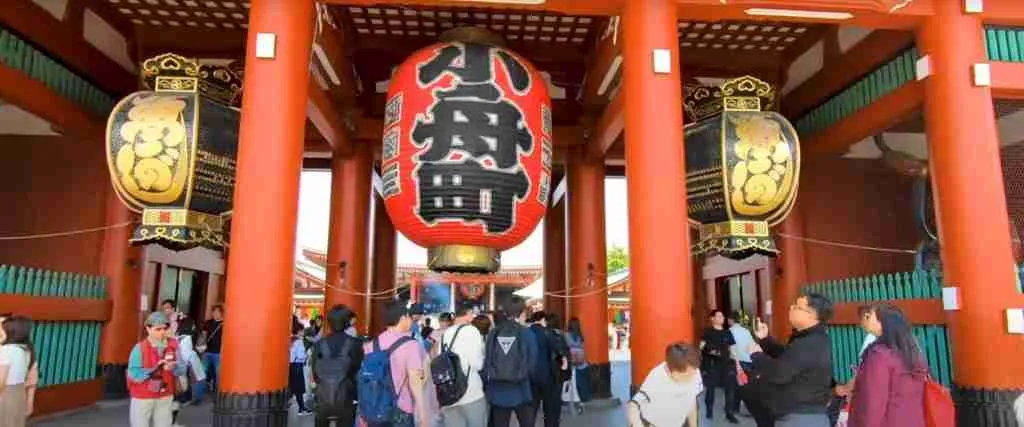
3 days
Japan 3-Day Discovery Tour
- ✓ Comprehensive Japan experience
- ✓ Expert local guides included
- ✓ All accommodation included
- ✓ Transportation provided
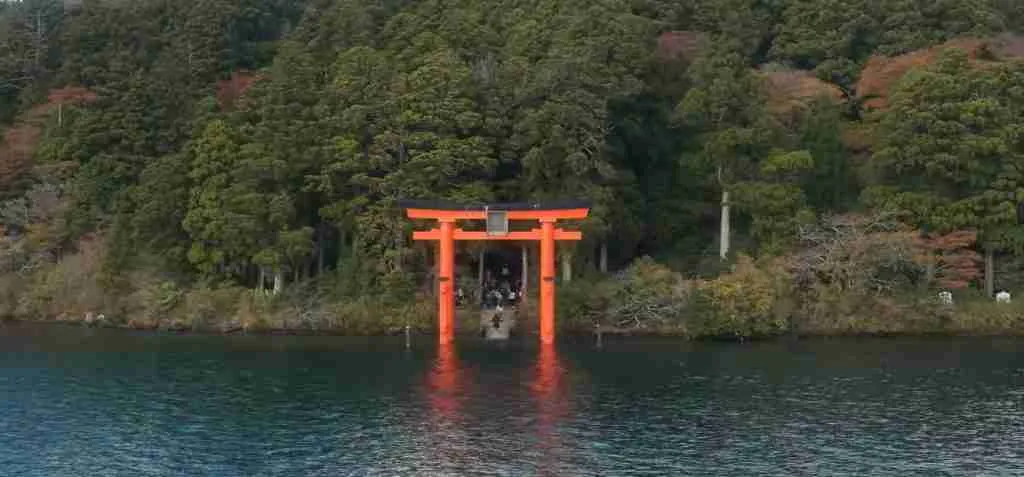
5 days
Japan 5-Day Highlights Experience
- ✓ Comprehensive Japan experience
- ✓ Expert local guides included
- ✓ All accommodation included
- ✓ Transportation provided
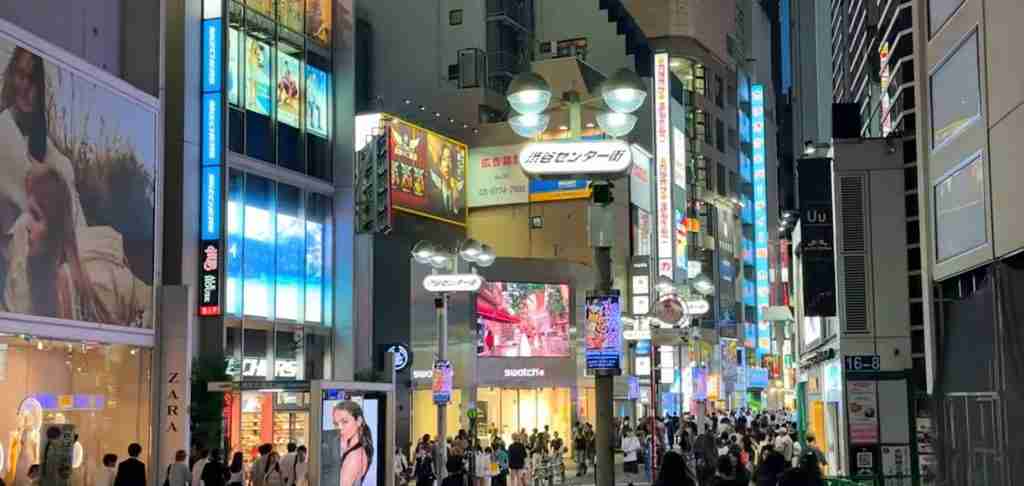
7 days
Japan 7-Day Cultural Journey
- ✓ Comprehensive Japan experience
- ✓ Expert local guides included
- ✓ All accommodation included
- ✓ Transportation provided
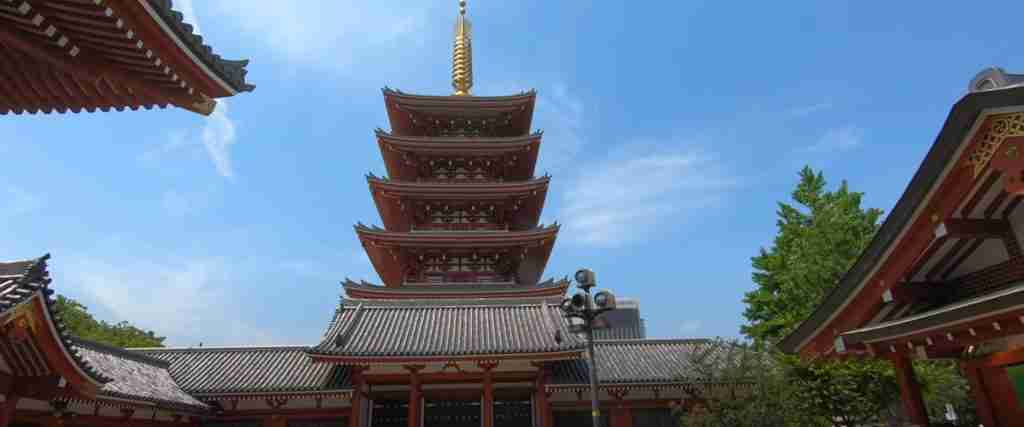
10 days
Japan 10-Day Complete Adventure
- ✓ Comprehensive Japan experience
- ✓ Expert local guides included
- ✓ All accommodation included
- ✓ Transportation provided
Multi-day tour packages powered by TourRadar. Prices and availability subject to change.
Introduction: Why Japan Excels for Solo Travel in 2026
Japan’s emergence as the world’s premier solo travel destination stems from the convergence of exceptional safety, cultural acceptance of solitary activities, and infrastructure designed for efficiency rather than social interaction—creating an environment where independent travelers thrive without the support systems required in less accessible destinations. The 2026 travel landscape sees solo travel accounting for 30-40% of international visitors to Japan, with domestic solo trips from Japanese travelers increasing 17% year-over-year as cultural attitudes shift toward embracing independence and individual pace over group conformity. This behavioral change reflects both practical advantages of solo exploration and Japan’s natural alignment with activities suited to personal rhythm.
Safety statistics position Japan uniquely among major destinations. The country ranks 9th globally for overall travel safety in 2026 according to Berkshire Hathaway Travel Protection’s analysis, with #1 rankings specifically for violent crime protection and transportation safety—the two categories most critical for solo travelers navigating unfamiliar environments alone. The U.S. State Department maintains a Level 1 travel advisory for Japan, its lowest risk classification requiring only normal precautions equivalent to traveling in Western Europe or North America. Violent crime against tourists remains extremely rare, petty theft occurs far less frequently than European capitals, and street harassment that plagues solo travelers in many destinations faces strong cultural disapproval in Japan where social harmony and respect govern public behavior.
Cultural acceptance of solo activities distinguishes Japan from societies where eating, drinking, and leisure assume group participation. Counter seating at restaurants from standing soba shops to omakase sushi bars serves individual diners as the primary customer rather than accommodating solo eaters reluctantly. Office workers routinely enjoy quiet solo lunches without social stigma. Karaoke boxes rent to single customers singing alone. Onsen bathing naturally occurs individually despite communal facilities. Temple visits and museum exploration suit contemplative solo pacing better than rushed group tours. This cultural framework means solo travelers experience authentic Japanese life rather than tourist-specific solo alternatives, blending into daily patterns where independence constitutes normal behavior rather than unusual choice.
Infrastructure excellence enables seamless navigation without language skills or local knowledge. English signage appears throughout major stations, numbered subway systems (Ginza Line = G-01, G-02, G-03) allow navigation by codes rather than kanji, and IC cards eliminate ticket-purchasing complexity through universal tap-and-go payment. Trains run punctually until midnight with clear electronic displays showing next stops in English. Google Maps provides real-time directions for complex journeys combining multiple train lines. Convenience stores offering 24/7 access to food, ATMs, and essentials appear every few blocks in cities. Free WiFi at stations, hotels, and many shops enables constant connectivity for navigation and translation. This comprehensive system means solo travelers spend minimal time confused or lost, maximizing exploration time versus logistical frustration common in less developed destinations.
The 2026 solo travel experience in Japan balances complete independence with connection opportunities when desired. Hostels create social environments through common areas, group activities, and shared kitchens where solo travelers meet naturally. Food tours, walking tours, and cultural experiences gather small groups providing structured social interaction without requiring advance companion commitment. Language exchange meetups, hiking groups, and local community events welcome foreign participation. Yet privacy and solitude remain available through single accommodation options, quiet temple grounds, solo-friendly restaurant counter seating, and activities like onsen bathing designed for individual contemplation. This flexibility allows travelers to calibrate social interaction daily based on mood and energy rather than being locked into either constant companionship or complete isolation.
Safety for Solo Travelers in Japan 2026
Japan’s safety profile for solo travelers in 2026 delivers quantifiable advantages across violent crime, petty theft, transportation security, and emergency response compared to most popular destinations worldwide. The country maintains one of the lowest crime rates globally with 737,679 reported criminal offenses in 2024 across a population of 125 million—a rate substantially below Western Europe and North America when adjusted per capita. Violent crime against random individuals, particularly foreign tourists, occurs rarely enough that incidents make national news rather than constituting routine occurrences. This exceptional baseline safety means solo travelers focus on experiencing Japan rather than constant vigilance against threats.
Violent crime statistics demonstrate Japan’s safety advantage clearly. Recognized “major crimes” including homicide, robbery, rape, and sexual assault totaled 14,614 incidents nationwide in 2024, representing an 18.1% increase year-over-year that raised concerns domestically yet remains dramatically lower than comparable nations. For context, this total across Japan’s entire population of 125 million equals roughly 11.7 violent crimes per 100,000 people—compared to rates 30-40 times higher in the United States and 10-15 times higher in European capitals. Random violent attacks targeting strangers constitute a tiny fraction of this total, with most incidents involving known parties in domestic or personal disputes. Foreign tourists face virtually zero risk of violent assault in normal circumstances, though mental health-related random attacks have increased modestly and warrant basic awareness of surroundings in isolated areas late at night.
Petty theft and pickpocketing operate at levels unthinkable in Western cities. Lost wallets returned with cash intact occur routinely enough to surprise first-time visitors but reflect normal behavior rather than exceptional honesty. Belongings left briefly on restaurant tables, train seats, or public spaces typically remain undisturbed. Bicycle theft represents one of the few common property crimes, yet even this pales compared to European cities. Pickpocketing concentrates in tourist-heavy areas during crowded events but remains rare compared to Barcelona, Paris, or Rome where constant vigilance proves necessary. Solo travelers can relax moderate attention levels without becoming easy targets—basic awareness suffices rather than hyper-vigilance required elsewhere.
Transportation safety ranks #1 globally according to 2026 travel safety assessments. Japan’s train and subway systems operate with exceptional security through numerous factors: punctual schedules minimize time waiting on platforms, well-lit stations and carriages discourage crime, security cameras cover platforms and trains comprehensively, station staff maintain visible presence, and cultural respect for public order creates self-policing behavior among passengers. Emergency call buttons appear in every train car enabling immediate contact with conductors. Late-night trains reduce frequency after midnight but continue operating with maintained safety standards. Taxis operate with honest meters, clean vehicles, and professional drivers without safety concerns. The combination means solo travelers use public transportation confidently at all hours without the safety calculations required in many cities.
Women-only train cars address the specific safety concern of potential harassment on crowded trains during rush hours. Tokyo, Osaka, Kyoto, and other major cities operate designated women-only carriages clearly marked with pink signage on platforms and train exteriors during peak commute times. In Tokyo, these cars run weekday mornings from first train until approximately 9:30 AM on major lines including JR Saikyo Line, JR Chuo Line, Tokyo Metro lines, and private railways. Osaka implements more extensive coverage with Midosuji Subway Line maintaining women-only cars all day every day, while JR West lines in Kansai operate women-only carriages throughout service hours including weekends. These designated spaces allow female solo travelers to avoid crowded mixed cars during rush hours when inappropriate touching incidents occasionally occur, though such harassment targets primarily Japanese women conditioned to avoid confrontation rather than foreign tourists more likely to respond vocally.
Emergency services and healthcare access provide reliable support systems for solo travelers encountering problems. Emergency number 110 reaches police, 119 calls fire department and ambulance, with English-speaking operators available in major cities and translation services deployed when needed. Koban police boxes appear throughout cities staffed by officers assisting with directions, lost items, and minor issues—foreigners frequently approach koban for help without hesitation. Hospitals in Tokyo, Osaka, Kyoto, and tourist areas maintain English-speaking staff or translation services, though medical costs without insurance run high (doctor visits ¥5,000-10,000, emergency rooms ¥15,000-30,000, hospitalization ¥50,000+ daily). Travel insurance remains essential rather than optional given these costs. Natural disaster preparedness through earthquake-resistant buildings, tsunami warning systems, and typhoon tracking demonstrates government commitment to safety infrastructure benefiting residents and visitors equally.
Practical safety considerations for solo travelers in 2026 focus on natural disasters rather than crime. Japan’s seismic activity means earthquakes occur regularly, with most being minor tremors causing no damage but occasional significant events requiring preparedness. Typhoon season runs May-October peaking August-September, bringing heavy rain and strong winds that disrupt transportation but rarely endanger travelers following official warnings. Smartphone emergency alert systems notify all users of earthquake, tsunami, and severe weather warnings in Japanese and English. Hotels and public buildings post clear evacuation routes and procedures. The J-Alert system provides nationwide emergency notifications. Solo travelers should familiarize themselves with basic earthquake response (drop, cover, hold on), know hotel evacuation routes, monitor weather during typhoon season, and register with embassy travel programs for emergency contact.
Best Solo Travel Destinations in Japan 2026
Tokyo dominates solo travel in Japan 2026 as the world’s largest metropolitan area combining endless activities, comprehensive English infrastructure, abundant solo-friendly accommodation, and 24-hour accessibility that enables independent exploration without time constraints or group coordination. The capital delivers vibrant energy through neighborhoods catering to every interest—technology and anime in Akihabara, youth fashion in Harajuku, traditional atmosphere in Asakusa, upscale shopping in Ginza, nightlife in Shinjuku and Shibuya, and preserved historical character in Yanaka. Solo travelers move between these districts freely using comprehensive subway and train networks, spending entire days exploring without encountering language barriers or navigation challenges that plague less developed cities.
Tokyo’s solo dining scene excels beyond any global city through counter seating culture where individual eating constitutes the norm rather than exception. Standing soba shops near train stations serve quick meals to solo commuters, conveyor belt sushi chains welcome single diners at individual seats, ramen shops offer private booth seating at establishments like Ichiran specifically designed for solitary eating, and high-end sushi bars seat individuals at counters directly facing chefs preparing omakase courses. Izakaya drinking establishments accommodate solo customers at bar seating for casual evening meals. Department store food halls (depachika) provide prepared foods for hotel room dining. Convenience stores stock complete meals available 24/7. This comprehensive system means solo travelers eat excellent food across all price points without awkwardness or reduced options compared to groups.
Tokyo accommodation options serve solo travelers extensively through capsule hotels providing uniquely Japanese overnight experiences at ¥3,000-5,000 ($20-35), hostels offering private rooms alongside dormitories with social common areas at ¥4,000-8,000 ($27-55), and business hotels delivering compact efficient rooms at ¥8,000-15,000 ($55-100) with locations near major stations. Neighborhoods particularly suited for solo bases include Asakusa for traditional atmosphere and budget options, Ueno for museums and park access, Ikebukuro for transport hub convenience, Shinjuku for nightlife proximity, and Shibuya for youth energy. Tokyo’s 24-hour operation means trains run until 1 AM with first trains starting 5 AM, convenience stores never close, and late-night dining options remain plentiful—solo travelers operate on personal schedules without being stranded by early closures.
Kyoto attracts solo travelers seeking contemplative cultural immersion through 1,600+ Buddhist temples, 400+ Shinto shrines, traditional gardens, tea ceremonies, and preserved historical districts offering peaceful individual exploration rather than Tokyo’s energetic stimulation. The ancient capital’s compact size enables bicycle or bus navigation covering major sites within single days, while temples designed for quiet reflection suit solo pacing better than rushed group tours. Early morning visits to famous temples like Kiyomizu-dera, Kinkaku-ji (Golden Pavilion), and Fushimi Inari Shrine before tour groups arrive provides solitary experiences at usually crowded locations. Lesser-known temples in eastern Higashiyama district and northern Arashiyama area offer tranquil contemplation without crowds.
Kyoto’s traditional experiences welcome solo participants through tea ceremonies at establishments throughout the city, kimono rental and photo sessions with professional assistance, temple meditation sessions (zazen), and walking tours of geisha districts like Gion. The city’s accommodation ranges from budget guesthouses ¥3,000-6,000 in traditional machiya townhouses to luxury ryokans ¥20,000-60,000+ offering kaiseki meals and onsen baths. Staying near Kyoto Station provides central access and abundant dining options, while Higashiyama puts visitors within walking distance of major eastern temples. Solo travelers should book accommodation 3-6 months ahead for cherry blossom season (late March-early April) and autumn leaves (November) when prices double-triple and availability disappears.
Osaka serves as Japan’s food capital where solo travelers explore street food culture, visit working-class izakayas, and experience Kansai region’s outgoing personality contrasting with Tokyo’s reserved formality. The city’s culinary specialties—okonomiyaki savory pancakes, takoyaki octopus balls, kushikatsu fried skewers, and ramen—appear at countless casual restaurants welcoming solo diners at counter seats. Dotonbori entertainment district provides neon-lit atmosphere with restaurants, bars, and attractions operating late into night. Osaka’s accommodations cost 20-30% less than Tokyo equivalents with business hotels ¥7,000-12,000 and hostels ¥3,000-6,000 offering budget-friendly bases for exploring the wider Kansai region.
Osaka’s strategic location enables day trips to Kyoto (30 minutes, ¥560), Nara (45 minutes, ¥570), Kobe (20 minutes, ¥410), and Himeji (60 minutes, ¥1,520) using JR trains and local railways—solo travelers can base in affordable Osaka while exploring expensive Kyoto without paying premium accommodation rates. The city’s nightlife welcomes solo visitors through stand-up bars, small izakayas with communal seating, and entertainment districts where individual exploration feels natural rather than awkward. Local Osakans demonstrate friendlier, more direct communication than Tokyo residents, often initiating conversations with foreign visitors and offering assistance without prompting.
Hiroshima combines sobering historical sites with natural beauty and culinary excellence, attracting solo travelers seeking meaningful cultural experiences beyond typical tourist activities. The Peace Memorial Museum and surrounding park provide contemplative solo reflection on atomic bombing history, while ferry rides to nearby Miyajima island showcase the famous floating torii gate and friendly deer population. Hiroshima’s okonomiyaki (savory pancakes layered rather than mixed) represents regional specialty available throughout the city at casual restaurants. The compact downtown concentrates around Peace Memorial Park enables walking access to major sites, while tram network reaches outlying areas cheaply (flat ¥220 fare). Solo travelers find Hiroshima less crowded than Tokyo, Kyoto, or Osaka while maintaining full English infrastructure and safety standards.
Kanazawa delivers traditional Japanese atmosphere without Kyoto’s overwhelming tourist crowds, offering solo travelers authentic cultural experiences at measured pace. The city’s Kenroku-en Garden ranks among Japan’s three most beautiful traditional gardens, while preserved Higashi Chaya geisha district, Nagamachi samurai district, and contemporary 21st Century Museum of Art provide diverse attractions. Fresh seafood from the Sea of Japan appears at Omicho Market where solo diners eat at counter-seating sushi stalls. Limited express trains connect Kanazawa to Tokyo in 2.5 hours (¥14,000) and Kyoto in 2 hours (¥7,500), positioning it for multi-city itineraries. Accommodation and dining cost 15-25% less than Kyoto with equivalent quality, making Kanazawa budget-friendly for extended solo stays.
Takayama and the Japanese Alps attract solo travelers seeking mountain scenery, traditional villages, and rural Japanese experiences contrasting with urban destinations. The preserved old town features Edo-period merchant houses, morning markets selling local produce and crafts, and sake breweries offering tastings. Day trips to Shirakawa-go village showcase UNESCO World Heritage thatched-roof farmhouses in mountain settings. Hiking trails around Kamikochi provide alpine scenery accessible via seasonal buses. Takayama’s small scale and walkability suit solo exploration, while traditional ryokans hosting solo travelers offer cultural immersion. Limited express trains from Nagoya reach Takayama in 2.5 hours (¥6,000), with some visitors combining Takayama, Kanazawa, and Kyoto into comprehensive cultural itineraries using the Hokuriku Arch Pass.
Solo Dining and Food Experiences 2026
Counter seating culture defines Japan’s solo dining advantage, positioning individual eaters as primary customers rather than accommodated exceptions at restaurants ranging from casual chains to Michelin-starred establishments. Ramen shops epitomize solo-friendly design through counter seating facing open kitchens where diners watch chefs prepare bowls, with many establishments providing individual booth partitions creating private dining spaces within communal restaurants. Ichiran ramen chain pioneered “flavor concentration booths” where solo diners sit in individual cubicles separated by dividers, ordering via vending machines and receiving bowls through bamboo screens without server interaction—perfect for introverted travelers preferring minimal social contact during meals. This booth system appears at Ichiran locations throughout Tokyo, Osaka, Fukuoka, and other cities with no reservation requirements and 24-hour operation at flagship branches.
Conveyor belt sushi restaurants (kaiten-zushi) welcome solo diners through individual counter seating where plates rotate past on moving belts, enabling grabbing desired items without ordering or server interaction. Chains like Sushiro, Kura Sushi, and Hamazushi charge ¥110-180 per plate with two pieces, allowing complete meals for ¥1,000-2,500 depending on appetite and premium selections. Electronic tablets at seats enable ordering specific items directly from kitchen, combining conveyor belt browsing with custom requests. These accessible sushi experiences operate throughout Japan with English-language touch screens, photo menus, and no cultural intimidation compared to traditional sushi bars—ideal entry points for solo travelers new to Japanese dining.
High-end sushi bars (edomae sushi) seat solo diners at counters directly facing chefs (itamae) preparing omakase courses piece-by-piece, creating intimate interactions where chefs explain fish varieties, preparation techniques, and optimal eating methods in English at establishments accustomed to international guests. Reservations at prestigious restaurants like Sukiyabashi Jiro, Sushi Saito, or Sushi Yoshitake require advance booking (1-3 months) through concierge services or Japanese phone numbers, with omakase courses costing ¥15,000-40,000+ ($100-270+) per person regardless of party size. Mid-tier sushi bars throughout Tsukiji Outer Market, Ginza, and neighborhood shopping streets serve excellent omakase ¥8,000-15,000 accepting walk-in solo diners, particularly for lunch when prices drop 30-40% compared to dinner.
Standing eating establishments (tachigui) provide quick solo meals at minimal cost through stand-up counter service near train stations and business districts. Standing soba and udon shops serve noodles ¥400-600 in 5-10 minutes—office workers grab breakfast or lunch between meetings without sitting. Standing sushi bars offer fresh fish ¥800-1,500 for satisfying portions faster than seated restaurants. Standing bars (tachinomiya) serve drinks and small plates in casual neighborhood settings welcoming solo customers joining local regulars. These efficient, no-frills establishments emphasize food quality over atmosphere, perfect for solo travelers prioritizing authentic experiences and budget efficiency over leisurely dining.
Izakaya drinking establishments accommodate solo diners at bar counter seating alongside groups at table sections, with many small neighborhood izakayas consisting entirely of counter seats where solo locals and tourists sit side-by-side ordering small plates (yakitori, karaage, edamame, sashimi) and drinks over extended evenings. Chain izakayas like Torikizoku, Tsubohachi, and Watami offer English menus and picture ordering systems removing language barriers, while independent izakayas provide authentic local atmosphere with potentially limited English but welcoming attitudes toward foreign customers. Solo izakaya visits allow flexible dining—order gradually as appetite develops rather than committing to full meals upfront, leaving when satisfied rather than waiting for group consensus.
Food tours connect solo travelers with small groups (typically 6-10 people) exploring local markets, street food areas, and specialty restaurants while guides explain Japanese cuisine and culture. Tokyo food tours cover Tsukiji Outer Market sampling fresh sushi, tamagoyaki (egg omelet), wagyu beef, and green tea; Shibuya and Harajuku neighborhoods tasting modern crepes, character-themed cafes, and trendy desserts; and Shinjuku izakaya hopping visiting 3-4 different drinking establishments. Osaka tours focus on street food in Dotonbori trying takoyaki, okonomiyaki, kushikatsu, and ramen at famous stalls. Kyoto tours combine Nishiki Market sampling and traditional tea ceremony experiences. These 3-4 hour tours cost ¥8,000-15,000 ($55-100) including food, providing structured social interaction with fellow solo travelers while accessing local knowledge beyond independent exploration.
Cooking classes teach Japanese cuisine preparation through hands-on instruction in small group settings (6-12 participants) where solo travelers learn techniques while socializing with classmates. Popular classes include sushi rolling, ramen making, bento box preparation, wagashi traditional sweets, and home-style Japanese cooking. Sessions typically run 2-3 hours costing ¥8,000-15,000 including ingredients and eating the prepared meal. Tokyo classes concentrate in Asakusa and Shibuya, Kyoto offers traditional kaiseki and vegetarian temple food (shojin ryori) classes, while Osaka focuses on okonomiyaki and takoyaki preparation. English-language instruction accommodates international participants, with many classes providing recipe cards for recreating dishes at home. These experiences combine cultural education, practical skills, and social interaction appealing to solo travelers seeking active participation rather than passive observation.
Department store food halls (depachika) in basement levels of major department stores offer extensive prepared food selections ideal for solo travelers preferring private hotel dining or picnic meals. Depachika at stores like Isetan, Mitsukoshi, Takashimaya, and Daimaru stock sushi platters, bento boxes, salads, side dishes, desserts, and beverages from numerous vendors representing different specialties. Shopping after 7 PM provides 30-40% discounts on perishable items as stores clear inventory before closing. Solo travelers can assemble varied meals selecting small portions from multiple vendors rather than ordering full restaurant portions, with options spanning budget-conscious to premium quality. This flexibility particularly benefits travelers tired of restaurant dining but wanting better quality than convenience store meals.
Solo-Friendly Accommodation Options 2026
Capsule hotels provide quintessentially Japanese solo accommodation through compact sleeping pods stacked in rows, offering private enclosed spaces with lighting controls, alarm clocks, electrical outlets, and WiFi access at budget prices ¥3,000-5,000 ($20-35) per night. Modern capsule hotels like Nine Hours (Tokyo, Kyoto), First Cabin (multiple cities), and Nadeshiko Hotel Shibuya (women-only) elevate the concept beyond budget crash pads through sleek minimalist design, quality bedding, spacious shared bathrooms with premium amenities, and communal lounges for working or socializing. Capsules typically measure 1m high × 1m wide × 2m deep—sufficient for sleeping and phone use but not standing or extensive activity. Luggage storage lockers and shared facilities mean living from backpacks rather than suitcases. These hotels suit solo travelers prioritizing location and experience over space, particularly for 1-2 night stays in expensive cities.
Hostels balance budget accommodation with social environments through dormitory beds ¥2,500-4,000 ($17-27) and private rooms ¥5,000-8,000 ($35-55) while maintaining communal kitchens, lounges, and common areas where solo travelers meet naturally. Tokyo hostels like Nui., Book and Bed, Unplan Kagurazaka, and Wise Owl Hostels create boutique atmospheres with thoughtful design, organized social events, and knowledgeable staff offering local recommendations. Kyoto hostels including Len Kyoto, Piece Hostel Sanjo, and Khaosan World Asakusa combine traditional machiya architecture with modern amenities. Osaka hostels like J-Hoppers and Hana Hostel provide budget bases near nightlife and transport hubs. Many hostels organize group activities (walking tours, bar crawls, day trips) enabling solo travelers to join structured social events, while private room options provide retreat space when desired.
Business hotels deliver functional solo accommodation through compact single rooms ¥8,000-15,000 ($55-100) with private bathrooms, WiFi, work desks, and locations near major train stations optimized for efficiency over luxury. Chains like Toyoko Inn, Super Hotel, Dormy Inn, APA Hotel, and Daiwa Roynet maintain consistent quality standards nationwide—rooms measure 12-18 square meters with small but complete facilities including shower/bath, toilet, sink, TV, fridge, and tea-making equipment. Many business hotels include breakfast buffets in rates, providing substantial morning meals (Japanese rice, miso soup, fish, and Western options) worth ¥800-1,200 if purchased separately. These hotels target Japanese business travelers, meaning English support varies but basic check-in/checkout proceeds smoothly through simple procedures. Solo travelers appreciate predictable quality, convenient locations, and fair pricing without single supplements common at Western hotels.
Boutique hotels and guesthouses offer characterful alternatives to chain business hotels through converted traditional buildings, design-focused properties, and locally-owned establishments providing personal service at ¥12,000-25,000 ($80-170) for single rooms. Tokyo boutique properties like Hotel Koe, Trunk Hotel, and Mustard Hotel Shibuya target stylish solo travelers seeking Instagram-worthy spaces. Kyoto machiya guesthouses convert historical townhouses into intimate lodging with 4-8 rooms, tatami floors, Japanese gardens, and cultural atmosphere. Takayama and Kanazawa feature family-run guesthouses where owners offer local insights and occasionally share meals with guests. These properties suit travelers valuing uniqueness and local connection over standardized efficiency, with advance booking essential during popular seasons.
Traditional ryokans welcome solo travelers at properties throughout Japan, though single traveler pricing typically adds 20-30% premiums to per-person rates compared to double occupancy due to meals and service structured around couples. Budget ryokans near onsen resort towns charge ¥12,000-18,000 ($80-120) per person including two meals and communal bathing facilities. Mid-range properties at ¥20,000-35,000 ($135-235) provide kaiseki dinner and breakfast with private or semi-private bathing options. Luxury ryokans exceeding ¥40,000-80,000+ ($270-540+) deliver exceptional meals, elegant rooms with private onsen baths, and personalized service justifying premium pricing for solo travelers seeking ultimate cultural immersion. Some ryokans prohibit solo bookings during peak seasons or require contacting them directly rather than online booking—research individual property policies before planning stays.
Solo traveler accommodation selection strategy in 2026 balances budget, location, social interaction desires, and trip phase. Start Tokyo stays in social hostels enabling connections with fellow travelers and local knowledge from staff, transition to business hotels in Osaka and Hiroshima for efficient bases while covering substantial ground, splurge on ryokan experiences in Hakone or Takayama for 1-2 nights of cultural immersion, and finish in Kyoto boutique guesthouses combining privacy with local character. Booking 3-6 months ahead for cherry blossom season (late March-early April) and autumn leaves (November) secures better rates and availability before popular properties sell out. Last-minute bookings during low season (January-February, June-July) can yield discounts of 20-40% as properties fill unsold inventory.
Transportation and Navigation for Solo Travelers 2026
IC cards revolutionize solo travel transportation through tap-and-go payment eliminating ticket-purchasing complexity across trains, subways, buses, and even convenience stores throughout Japan. Suica (JR East), PASMO (Tokyo Metro/private railways), and ICOCA (JR West) represent the three major cards achieving nationwide interoperability—a Suica purchased in Tokyo works seamlessly in Osaka, Kyoto, Fukuoka, Sapporo, and other cities without restriction. These cards require ¥500 ($3.35) refundable deposits plus initial balance loads (¥1,000-10,000), then function by tapping card readers at station gates with fares automatically deducted. Solo travelers simply enter stations, tap cards on sensors, ride trains following Google Maps directions, and exit by tapping again—no complex route calculations, ticket machines, or language interactions required.
Mobile Suica and PASMO apps enable iPhone users to add virtual IC cards to Apple Wallet, eliminating physical cards entirely through smartphone tapping at gates. This digital approach particularly benefits solo travelers avoiding lost cards, enables balance checking via apps, and allows reloading from credit cards anywhere rather than finding station machines. Android phone compatibility requires Japanese market phones with Osaifu Keitai (mobile wallet) functionality not present in most international models, making physical cards necessary for Android users. The convenience of mobile IC cards transforms urban transportation from potential stress point to seamless component of solo exploration.
Google Maps provides comprehensive English-language navigation for complex multi-train journeys throughout Japan, showing optimal routes, platform numbers, exit gates, walking directions between stations, and real-time delay information updated continuously. Solo travelers input destination addresses or station names, receive step-by-step directions including which train car position minimizes walking at transfer stations, and follow turn-by-turn guidance through station corridors to correct platforms. The app functions offline after caching map data, though internet connection enables live updates and alternative route suggestions when trains experience delays. This navigation capability means solo travelers tackle complicated journeys (requiring 2-3 train transfers through massive stations like Shinjuku or Tokyo Station) with confidence matching locals familiar with systems.
Train station signage in major cities displays English alongside Japanese through color-coded line systems, numbered stations, and clear directional arrows guiding passengers between platforms, exits, and connecting lines. Tokyo Metro assigns letters to lines (Ginza = G, Marunouchi = M, Hibiya = H) and numbers to stations (Ginza-G09, Ueno-G16), creating alphanumeric codes enabling navigation without reading kanji. Electronic signs above platforms show next train arrival times, destinations, and car positions in English. Announcements on trains include English for major stations. This comprehensive multilingual infrastructure operates across Tokyo, Osaka, Kyoto, Nagoya, Fukuoka, and Sapporo systems—solo travelers read signs, follow directions, and reach destinations without language barriers.
Japan Rail Pass value calculations require individual assessment for solo travelers based on specific itineraries rather than automatic assumptions. The 7-day Ordinary Pass costs ¥50,000 ($335) following the October 2023 price increase, while Tokyo-Kyoto-Osaka-Hiroshima round-trip Shinkansen tickets total approximately ¥55,000-60,000 ($370-400)—the pass saves modest amounts on this classic route but loses money on simpler Tokyo-Kyoto round trips costing only ¥26,640 ($178). Solo travelers moving between 3+ cities using Shinkansen benefit from pass convenience and savings, while those spending extended time in single cities or using local trains primarily should calculate actual route costs before purchasing. Regional passes like JR East Tohoku Pass (¥20,000 for 5 days) or JR West Kansai-Hiroshima Pass (¥17,000 for 5 days) often deliver better value for focused regional travel than nationwide passes.
Luggage forwarding services (takkyubin) enable solo travelers to move between cities carrying only day bags rather than full luggage through convenient door-to-door delivery at ¥2,000-2,500 per large suitcase sent next-day from Tokyo hotel to Kyoto hotel. Yamato Transport and Sagawa Express operate nationwide with English-language booking at hotel front desks or convenience stores—pack bags by designated time, receive delivery confirmation, and collect luggage at next accommodation 24-48 hours later. This service particularly benefits solo travelers lacking companions to watch bags while using toilets, navigating crowded trains during rush hours, or visiting attractions between hotel checkouts and evening arrivals at next destinations. The small cost delivers substantial convenience improvement for multi-city itineraries.
Bicycle rental suits solo exploration in compact cities like Kyoto, Kanazawa, and Takayama where major attractions cluster within 3-5 kilometer ranges cycled easily in flat terrain. Community bicycle systems (Kyoto City Bike) and private rental shops (¥1,000-2,000 for full-day rentals) provide standard city bikes with baskets, locks, and maps showing recommended routes. Electric-assist bicycles help navigate hills in cities like Nagasaki or Hiroshima. Solo travelers enjoy flexibility of cycling at personal pace, stopping spontaneously at temples, shops, or cafes without train schedule constraints, and covering more ground than walking while experiencing neighborhoods intimately unlike bus/train journeys. Safety considerations include following traffic rules (ride on left, obey signals), using designated bike lanes where available, and locking bikes securely even in safe Japan.
Social Connection and Group Activities for Solo Travelers 2026
Walking tours gather solo travelers into small groups (typically 8-15 people) exploring neighborhoods with English-speaking guides providing historical context, cultural insights, and local recommendations impossible to gain through independent sightseeing. Free walking tours operating on tip-based models in Tokyo (Shibuya, Harajuku, Asakusa), Kyoto (Gion, Higashiyama), and Osaka (Dotonbori) last 2-3 hours covering major attractions while enabling conversations with fellow participants. Paid tours (¥3,000-8,000) often focus on specific themes like Tokyo’s food culture, Kyoto’s geisha districts, or Hiroshima’s peace history with expert guides offering deeper knowledge. These structured experiences suit solo travelers wanting social interaction without long-term companion commitment—spend a morning with a group, then continue independently based on energy and interest.
Cooking classes and cultural workshops create natural social environments where solo travelers interact through shared activities rather than forced conversation. Sushi-making classes teach fish preparation, rice seasoning, and rolling techniques in 2-3 hour sessions where participants work alongside classmates before eating prepared meals together. Wagashi (traditional sweets) workshops guide participants through shaping delicate confections reflecting seasons and aesthetics. Tea ceremony experiences explain ritual significance while demonstrating proper techniques. Pottery classes in areas like Kyoto enable creating personal ceramics. These hands-on activities cost ¥8,000-15,000 and attract mixed groups of solo travelers, couples, and friends—the activity focus removes social pressure while enabling organic connections based on shared interests.
Language exchange meetups throughout major cities connect Japanese people practicing English with foreign travelers learning Japanese through casual conversation over coffee or drinks. Events organized through Meetup.com, Facebook groups, or dedicated language exchange cafes create structured opportunities for cultural exchange and potential friendships. Tokyo hosts numerous weekly exchanges in Shibuya, Shinjuku, and Roppongi, while Osaka, Kyoto, and other cities maintain regular schedules. Solo travelers gain Japanese language practice, local insights from native speakers, and social connections with both Japanese participants and fellow foreigners—many travelers report making lasting friendships through language exchanges that transform solo trips into socially connected experiences.
Hostel-organized activities and bar crawls provide ready-made social opportunities for guests through scheduled events requiring minimal initiative beyond showing up. Popular Tokyo hostels organize nightly events including group dinners at local restaurants, walking tours to nearby neighborhoods, pub crawls through Golden Gai or Roppongi, karaoke sessions, and day trips to Mt. Fuji or Nikko. Kyoto hostels arrange temple visits, bike tours, and traditional craft workshops. These programmed activities suit solo travelers wanting guaranteed social interaction without researching and booking separately—simply join hostel activities meeting fellow guests through structured shared experiences.
Hiking groups and outdoor activities connect solo travelers through physically active shared experiences in Japan’s mountains, forests, and countryside. Mt. Fuji climbing season (July-September) attracts thousands of solo hikers who naturally group together during ascents, sharing experiences at mountain huts and summit sunrises. The Nakasendo Way between Magome and Tsumago enables solo trekking through preserved post towns with other travelers following the historic route. Kamikochi alpine valley trails see solo hikers meeting on paths and combining for portions of journeys. Organized hiking tours through companies like Hiking Japan gather small groups for guided mountain experiences with English-speaking leaders. These outdoor activities particularly appeal to active solo travelers seeking physical challenge and natural beauty alongside social connection through shared adventure.
Online communities and travel apps facilitate connections between solo travelers through platforms designed for meeting fellow adventurers. Apps like Meetup, Couchsurfing (for social events not just hosting), and TourBar enable finding events, joining group activities, or meeting other travelers interested in specific experiences. Facebook groups like “Japan Travel Collective” and “Tokyo Expats” post regular meetups, events, and travel companion searches. Reddit communities including r/JapanTravel enable pre-trip connections with travelers visiting during overlapping dates. These digital tools transform solo travel from completely independent experience into flexible social networks where connection opportunities exist for those seeking them while maintaining independence for travelers preferring solitude.
Solo Activities and Experiences Suited to Independent Travel 2026
Onsen (hot spring) bathing represents quintessentially Japanese solo experience through communal yet individual relaxation in natural thermal waters, with hundreds of onsen resort towns throughout the country offering day-use bathing or overnight ryokan stays. The bathing process naturally suits solo visitors—strip in changing rooms, wash thoroughly at shower stations before entering baths, then soak quietly in indoor and outdoor pools separated by gender. Conversation rarely occurs in onsen beyond basic greetings, creating meditative environments perfect for contemplative solo travelers. Famous onsen destinations include Hakone near Tokyo (1.5 hours by train), Kinosaki in Hyogo Prefecture featuring seven public bathhouses walkable in yukata robes, Kurokawa in Kumamoto known for forested outdoor baths, and Beppu in Oita offering sand baths and diverse spring types. Solo travelers should research onsen tattoo policies—many traditional establishments prohibit visible tattoos though attitudes gradually liberalize, particularly at modern facilities and private rental baths.
Temple and shrine visits throughout Japan suit individual contemplation through quiet grounds, meditation spaces, and cultural significance best appreciated at personal pace rather than rushed group schedules. Kyoto’s 1,600+ temples enable days of solo exploration discovering hidden gardens, attending morning meditation sessions (zazen) at Zen temples open to visitors, and experiencing seasonal beauty through cherry blossoms, autumn leaves, or snow-covered pavilions. Nara’s Todai-ji Temple houses the massive bronze Buddha in the world’s largest wooden building, with adjacent parks populated by friendly deer bowing for crackers. Tokyo’s Meiji Shrine provides forest sanctuary in central Shibuya, while Sensoji Temple in Asakusa maintains active traditional atmosphere. Solo travelers can spend hours at single temples reading histories, photographing architecture, and absorbing spiritual atmospheres without group time pressures or companion compromise.
Museum and art gallery exploration maximizes value through solo pacing—lingering at favorite exhibits, skipping uninteresting sections, and following personal curiosity without group consensus. Tokyo’s Tokyo National Museum in Ueno houses Japan’s most extensive collection of Japanese art and archaeology with English explanations throughout. teamLab Borderless and teamLab Planets deliver immersive digital art experiences where solo visitors create personalized journeys through interactive installations. The Mori Art Museum in Roppongi presents contemporary art with spectacular city views from observation deck. Kyoto National Museum and Nara National Museum showcase Buddhist art and cultural treasures. Osaka’s Abeno Harukas Art Museum and Nakanoshima Museum of Art provide rotating exhibitions. Solo travelers can visit during weekday mornings when crowds thin, use audio guides for detailed explanations, and spend entire days exploring at personal rhythm.
Photography sessions in Japan’s photogenic locations suit solo travelers pursuing perfect shots without rushing companions or waiting for group readiness. Tokyo’s Shibuya Crossing offers urban energy best captured during blue hour (dusk) from overlooking Starbucks window seats. Bamboo groves in Arashiyama Kyoto provide ethereal morning light filtering through dense stalks. Fushimi Inari’s thousands of vermilion torii gates create tunnel-like scenes climbing mountainside. Mt. Fuji views from Hakone, Lake Kawaguchi, or Chureito Pagoda reward early morning dedication before clouds obscure the peak. Cherry blossom spots throughout Japan attract photographers in spring, while autumn foliage transforms temples and gardens into color spectacles. Solo photographers control timing, positioning, and patience required for optimal shots without group schedule compromises—arriving pre-dawn for sunrise shots or waiting hours for perfect light becomes feasible when traveling independently.
Shopping experiences in Japan reward solo travelers through flexibility to browse extensively without boring companions, pursuit of specific interests (anime, fashion, technology, crafts), and spontaneous purchases without group judgment. Tokyo’s Akihabara electronics district spans multiple blocks devoted to cameras, computers, games, and anime goods with solo shoppers common. Harajuku and Shibuya concentrate youth fashion at independent boutiques and major retailers. Ginza delivers luxury shopping at department stores and international brands. Osaka’s Shinsaibashi shopping arcade and Kyoto’s Teramachi covered street provide traditional and modern goods. Crafts and souvenirs at specific markets—Nishiki Market in Kyoto, Takayama’s morning markets, Kanazawa’s crafts—enable purchasing regional specialties. Solo shoppers avoid group time pressures, comparison shop across multiple stores, and pursue individual interests ranging from high-tech toilets to traditional ceramics without compromise.
Café culture throughout Japan creates welcoming environments for solo visitors spending hours working, reading, or people-watching over coffee and pastries. Kissaten traditional coffee shops serve expertly brewed coffee in retro atmospheres—many customers sit alone reading newspapers or books for extended periods. Modern specialty coffee shops in Tokyo neighborhoods like Shimokitazawa, Nakameguro, and Kichijoji attract solo laptop users and readers. Themed cafés including cat cafés, owl cafés, maid cafés, and character cafés in Harajuku provide unique solo experiences. Kyoto’s traditional teahouses in Gion and temple districts offer matcha and wagashi sweets in atmospheric settings. Chain cafés like Starbucks, Doutor, and Komeda Coffee Shop provide reliable WiFi and power outlets for solo travelers needing workspace. This extensive café infrastructure means solo visitors always find comfortable third spaces between accommodation and sightseeing for rest, planning, and observation.
Practical Tips and Cultural Considerations for Solo Travel 2026
Cash requirements in Japan remain higher than most developed countries despite increasing card acceptance at major hotels, department stores, and chain restaurants. Solo travelers should carry ¥10,000-20,000 ($67-135) cash for daily expenses including local restaurants, temples, taxis, and small shops that accept only cash. Withdraw from 7-Eleven ATMs charging lowest fees (¥110 for amounts under ¥10,000, ¥220 for ¥10,000+) versus Family Mart and Lawson ATMs charging ¥660 flat fees. Japan Post Bank ATMs accept international cards with no fees though operating hours and availability vary. Credit cards work at accommodation, major retailers, and convenience stores, but assume cash-only at neighborhood restaurants, street food stalls, and traditional establishments. Splitting large bills (¥10,000 notes) poses challenges at small shops and taxis—maintain supply of ¥1,000 notes through convenience store purchases or bank exchange.
WiFi and connectivity options for solo travelers include pocket WiFi rental devices delivering portable internet for multiple devices at ¥700-1,200 ($5-8) daily, or prepaid SIM cards offering data plans ¥2,000-5,000 ($13-35) for 7-30 days. Pocket WiFi devices picked up at airports upon arrival and returned before departure provide constant connectivity without phone configuration—ideal for travelers using tablets, laptops, or multiple devices simultaneously. SIM cards suit single-device users with unlocked smartphones, offering comparable data at lower total cost for longer trips. Free WiFi at hotels, stations, convenience stores, and cafes provides supplementary connectivity but insufficient for constant navigation and translation needs solo travelers require. International phone plans with roaming rarely compete on value—disable roaming and rely on WiFi/local SIM unless emergency calls justify premium pricing.
Language barriers diminish through translation apps (Google Translate’s camera function converts menu and sign text instantly), Google Maps providing English navigation, and widespread English in tourist areas and major cities. Solo travelers should learn basic phrases demonstrating respect and facilitating basic interactions: “Sumimasen” (excuse me), “Arigatou gozaimasu” (thank you very much), “Eigo wa hanasemasuka?” (do you speak English?), “Kore wa ikura desuka?” (how much is this?), and “Toire wa doko desuka?” (where is the toilet?). Japanese people frequently help lost tourists despite language limitations through gestures, translation apps, and kindness—asking for assistance typically yields friendly responses and genuine desire to help. Rural areas, traditional restaurants, and older proprietors present larger language challenges requiring patience, pointing at pictures/menus, and translation technology.
Etiquette and cultural awareness helps solo travelers avoid unintentional offense or social awkwardness through understanding Japanese norms. Remove shoes when entering homes, traditional restaurants, temple buildings, and some accommodations—look for raised floors, shoe racks, or slippers indicating shoe removal areas. Quiet behavior on trains means no phone calls, minimal conversation volume, and consideration for fellow passengers—the silence on crowded Tokyo trains contrasts sharply with Western public transport. Eating while walking constitutes poor etiquette except in festival settings—purchase food and eat standing near shops or find seating rather than walking streets while eating. Tipping does not exist and attempting to tip may cause confusion or offense—all prices include service without additions. Bow slightly when greeting people, receiving items, or thanking someone—Japanese people understand foreigners don’t bow perfectly but appreciate effort. These considerations demonstrate respect and smooth solo travel interactions.
Solo female traveler safety considerations beyond general Japan safety focus on women-only train cars during rush hours (7:30-9:30 AM weekdays in Tokyo, all-day in some Osaka lines) clearly marked with pink signage, avoiding late-night crowds in entertainment districts when drunken behavior increases, and trusting instincts if situations feel uncomfortable despite Japan’s overall safety. Women-only floors at some business hotels and capsule hotels provide additional security for solo female guests preferring same-gender accommodation areas. Solo women report feeling safer in Japan than most countries, freely walking at night and exploring without constant vigilance, though basic awareness and avoiding obviously risky situations (accepting drinks from strangers, following unknown people to secondary locations) apply universally. The cultural respect for personal space and low harassment levels compared to many destinations creates unusually comfortable environments for independent female travel.
Emergency contacts and resources for solo travelers include emergency numbers (110 for police, 119 for fire/ambulance), embassy contact information for nationality-specific assistance, and apps like Safety Tips providing earthquake/disaster alerts in English. Koban police boxes throughout cities staff officers helping with directions, lost items, and minor issues—approaching koban with translation apps enables communication when problems arise. Travel insurance remains essential with medical costs high (doctor visits ¥5,000-10,000, emergency rooms ¥15,000-30,000, hospitalization ¥50,000+ daily)—purchase comprehensive coverage including medical evacuation before departure. Register with embassy travel programs (U.S. STEP, UK Travel Aware) providing emergency notifications and consular contact if natural disasters or crises occur. Store emergency contacts, accommodation addresses, and important documents in both physical and digital formats accessible offline.
Seasonal Considerations for Solo Travel Planning 2026
Spring season (March-May) attracts maximum tourists during cherry blossom viewing (hanami) from late March through early April when sakura trees bloom progressively from south to north across Japan. Tokyo typically peaks late March to early April, Kyoto blooms early April, while northern areas like Sendai and Aomori see peak flowers mid-to-late April. This beautiful season brings crowds overwhelming popular viewing spots, accommodation prices doubling or tripling in Kyoto, and advance bookings essential 4-6 months ahead. Solo travelers visiting during cherry blossoms should expect packed trains, full restaurants, and jostling crowds at famous spots like Philosopher’s Path in Kyoto or Ueno Park in Tokyo. The tradeoff between stunning natural beauty and overwhelming tourist volumes requires deliberate decision—cherry blossoms justify the chaos for many solo travelers while others prefer less crowded seasons offering equally rewarding experiences.
Golden Week (late April to early May) represents Japan’s major domestic holiday period when Japanese families travel extensively, creating higher prices, sold-out accommodations, and crowded attractions as international tourists face competition from domestic travelers. The specific dates vary yearly (2026: April 29-May 6) combining multiple national holidays into consecutive days off work. Solo international travelers should avoid Golden Week entirely or book 6+ months ahead accepting premium pricing and crowds. The week before or after Golden Week maintains excellent spring weather without domestic travel surge. Solo travelers benefit from flexibility here—shift Japan trips to early April or mid-May avoiding both Golden Week and peak cherry blossoms while still experiencing pleasant temperatures and occasional late or early flowering trees in different regions.
Summer season (June-August) divides into rainy season (tsuyu) from early June through mid-July bringing humidity and frequent rainfall, and hot humid period late July through August when temperatures reach 30-35°C (86-95°F) with oppressive humidity. Rainy season delivers 15-25% lower accommodation prices and thinner crowds accepting occasional showers and gray skies—solo travelers can tour comfortably with umbrellas and rain gear while enjoying reduced competition for popular attractions. Late July and August see summer festivals (matsuri), fireworks displays (hanabi), and Bon holiday (mid-August) when Japanese visit ancestral homes creating domestic travel surge. Solo travelers targeting summer should focus on rainy season for budget travel or late July for festival experiences, avoiding mid-August Bon holiday week when prices spike and transport becomes crowded.
Autumn season (September-November) rivals spring for popularity during autumn foliage viewing (koyo) when maple leaves turn brilliant reds and oranges from late October through November. Kyoto temples framed by fall colors attract massive crowds and premium pricing comparable to cherry blossom season. Tokyo and other cities show beautiful foliage with less intensity than Kyoto’s concentrated temple landscape. Northern regions and mountain areas peak earlier (mid-October) while southern areas maintain color through late November. Solo travelers seeking autumn foliage should consider less touristy destinations like Kanazawa, Takayama, or Nikko delivering spectacular colors without Kyoto’s overwhelming crowds, or visit Kyoto before mid-October or after Thanksgiving when prices moderate. September and early October offer pleasant weather (20-25°C / 68-77°F), thinner crowds, and lower prices before autumn leaf peak.
Winter season (December-February) provides maximum budget savings and minimal crowds with accommodation 30-40% cheaper than spring/autumn, empty attractions, and available restaurants without reservations. The tradeoff involves cold weather (Tokyo 5-10°C / 41-50°F, Kyoto 2-8°C / 36-46°F) and shorter daylight hours (sunset 4:30-5:00 PM). Hokkaido winter contradicts national patterns through high demand and prices driven by world-class skiing, Sapporo Snow Festival (February), and winter activities—solo travelers targeting snow experiences should focus on Hokkaido while budget travelers maximize savings in Tokyo, Kyoto, Osaka, and southern areas. New Year holiday (December 28-January 4) sees Japanese businesses close and domestic travel increase—avoid this period or plan carefully around closures and reduced services. January-February deliver best budget travel windows with rock-bottom prices, though cold weather and limited seasonal attractions (no cherry blossoms, autumn leaves, or summer festivals) mean fewer natural highlights beyond winter illuminations and snow in northern areas.
Frequently Asked Questions
How do I meet people while traveling solo in Japan in 2026?
Meet people while solo traveling in Japan through staying at social hostels organizing group activities, walking tours, and bar crawls; joining food tours connecting with 6-10 fellow travelers; attending language exchange meetups where Japanese locals practice English with foreigners; participating in cooking classes, tea ceremonies, or cultural workshops with small groups; using apps like Meetup, Couchsurfing, and TourBar to find events and gatherings; visiting popular hostel bars and common areas; and joining day trips or hiking groups through tour companies. Tokyo hostels like Nui., Unplan Kagurazaka, and Book and Bed organize nightly social events from group dinners to karaoke sessions where guests meet naturally. Food tours in Tsukiji Market, Osaka Dotonbori, or Kyoto Nishiki Market create structured 3-4 hour experiences with 8-12 participants often traveling solo. Language exchanges through Meetup.com occur nightly in Shibuya, Shinjuku, and other Tokyo neighborhoods, weekly in Kyoto and Osaka. Solo travelers maintain control over social interaction levels—join hostel activities when seeking company, retreat to private accommodation when needing solitude, and balance connection with independence based on daily energy and preferences.
What are the best apps and resources for solo travelers in Japan 2026?
Essential apps for solo travelers in Japan include Google Maps for comprehensive navigation showing train routes, walking directions, and real-time delays; Hyperdia for detailed train schedules and fare calculations; Google Translate with camera function converting signs and menus from Japanese to English; Suica/PASMO mobile apps (iPhone only) for digital IC card payment; Japan Official Travel App providing offline maps, tourist information, and translation assistance; Tabelog for restaurant reviews and reservations with English interface; and Safety Tips delivering earthquake, tsunami, and disaster alerts in multiple languages. Messaging apps like WhatsApp and LINE enable communication with accommodation, tour operators, and new friends. Meetup.com and Couchsurfing apps help find events and social gatherings. Booking platforms including Booking.com, Hostelworld, and Airbnb provide accommodation reservations. Currency converter apps track spending in yen versus home currency. Weather apps monitoring forecasts and typhoon warnings prove essential during May-October. Download essential apps before departure and cache offline maps enabling functionality without constant internet connectivity, though pocket WiFi or local SIM cards provide reliable connections for navigation and translation needs throughout trips.
Can I travel to rural Japan solo, or should I stick to major cities in 2026?
Solo travelers can successfully visit rural Japan despite language challenges and reduced English infrastructure by choosing accessible destinations with tourist facilities, planning logistics carefully, using translation apps, and accepting slower pace and occasional communication difficulties as part of authentic experiences. Accessible rural destinations include Takayama (preserved old town, morning markets, day trips to Shirakawa-go), Kanazawa (gardens, geisha districts, samurai areas with substantial English signage), Hakone (onsen resort area with clear tourist infrastructure near Tokyo), Nikko (temples and nature 2 hours from Tokyo), Kinosaki Onsen (walkable hot spring town with seven public bathhouses), and Kamikochi (alpine valley accessible via bus). These locations maintain tourist infrastructure including English maps, staff accustomed to foreign visitors, and transportation connections from major cities. Challenges in rural areas include limited English speakers, restaurants lacking English menus, reduced public transportation frequency, and occasional accommodation preferring Japanese-speaking guests. Solo travelers succeed in rural Japan through advance accommodation booking (confirming English communication capability), downloading offline maps and translation apps, researching transportation schedules carefully (buses may run 2-4 times daily), carrying sufficient cash (fewer ATMs accepting international cards), and maintaining patient, flexible attitudes when communication difficulties arise. The rewards include authentic cultural experiences, natural beauty, traditional atmosphere, and genuine interactions with locals encountering fewer international visitors compared to Tokyo or Kyoto.
Is it safe to travel solo in Japan if I don’t speak any Japanese?
Solo travelers visit Japan safely without speaking Japanese through combination of widespread English infrastructure in major cities, translation technology, helpful locals, and low crime rates creating forgiving environment for language-limited visitors. Major train stations, airports, and tourist areas provide English signage and announcements, while numbered subway systems (G-01, M-15) enable navigation by codes rather than kanji. Google Maps gives English directions for complex journeys, Google Translate’s camera function converts menu and sign text instantly, and translation apps facilitate basic communication when needed. Many Japanese people study English in school (though speaking confidence varies) and try helping lost tourists through translation apps, gestures, and genuine kindness despite language barriers. Restaurants in tourist areas offer English menus or extensive photo menus requiring no language. Hotels accustomed to international guests handle check-in/checkout with minimal conversation. Convenience stores require zero interaction while providing 24/7 access to food, ATMs, and essentials. The main challenges without Japanese involve rural areas with limited English, traditional restaurants lacking visual menus, complex situations requiring detailed explanation (medical issues, police reports), and deeper cultural conversations with locals. Learning basic survival phrases (hello, thank you, excuse me, toilet, how much, help) demonstrates respect and facilitates basic interactions. Carrying hotel business cards with Japanese addresses enables showing taxi drivers destinations when verbal communication fails. The safety concern matters less than logistical efficiency—travelers navigate successfully without Japanese though advance preparation, technology reliance, and occasional frustration prove necessary.
What should I do if I get sick or have an emergency while traveling solo in Japan?
Handle medical issues and emergencies while solo traveling in Japan by calling 119 for ambulance (fire department also responds), visiting koban police boxes for assistance and directions to hospitals, seeking hotel staff help arranging doctor appointments or hospital visits, purchasing comprehensive travel insurance before departure covering medical costs and evacuation, and registering with embassy travel programs (U.S. STEP, UK Travel Aware) enabling consular assistance. Japanese medical care maintains high quality standards but costs prove expensive without insurance—doctor visits run ¥5,000-10,000 ($35-70), emergency room treatment ¥15,000-30,000 ($100-200), and hospitalization ¥50,000+ ($335+) daily. Major city hospitals including Tokyo University Hospital, Kyoto University Hospital, and Osaka University Hospital maintain English-speaking staff or provide translation services, while smaller facilities rely on translation apps and gestures. Pharmacies sell over-the-counter medications for minor ailments (headaches, stomach issues, colds) without prescriptions—pharmacists sometimes speak basic English in tourist areas. Emergency numbers in Japan are 110 for police and 119 for fire/ambulance, with operators in major cities accessing English-speaking support when needed. Koban police boxes throughout cities provide first-response assistance and directions to medical facilities. Store emergency contacts, insurance information, accommodation addresses, and embassy contact details in both phone and physical documents accessible if technology fails. Prescription medications should be carried in original containers with doctor letters in English explaining medical necessity, particularly for controlled substances requiring customs declaration.
How can I manage loneliness during extended solo travel in Japan?
Manage solo travel loneliness in Japan by balancing solitude with social connection through strategic accommodation choices (hostels with social events versus isolated business hotels), joining group activities when craving company, using technology to maintain home connections, and accepting loneliness as natural part of solo travel rather than problem requiring constant solution. Stay at social hostels organizing group dinners, walking tours, and bar crawls creating ready-made social opportunities with fellow travelers. Join food tours, cooking classes, walking tours, or cultural workshops gathering small groups for 3-4 hour shared experiences. Attend language exchange meetups connecting with locals and foreign residents. Use hostel common areas for working, reading, or casual conversation with other guests. Video call family and friends during downtime, share experiences through social media or travel blogs, and maintain connection with home support systems. Schedule high-social-interaction days (group tours, hostel activities, busy attractions) alternating with quiet solo days (temple visits, museums, personal reading time) rather than expecting constant companionship or complete isolation. Accept that solo travel naturally includes lonely moments alongside profound freedom—both represent authentic components of independent adventure. Loneliness peaks during meals, evenings in hotel rooms, and when witnessing couples/groups sharing experiences, but many solo travelers report these moments creating space for self-reflection, personal growth, and appreciation for individual exploration impossible within groups. Bringing engaging books, maintaining travel journals, developing photography skills, and pursuing personal interests provides positive outlets during alone time rather than viewing solitude negatively.
What items should I pack specifically for solo travel in Japan versus traveling with others?
Pack for solo travel in Japan emphasizing self-sufficiency, compact luggage for maneuvering alone, and items enabling social connection when desired. Essential solo-specific items include portable charger/power bank (10,000+ mAh capacity) since no companion carries backup charging, universal adapter for Japanese outlets (Type A flat two-prong), compact umbrella for sudden rain without borrowing, quick-dry clothing enabling laundry without waiting for companions, small first-aid kit including pain relievers, antihistamines, and stomach remedies, photocopy of passport and insurance documents stored separately from originals, and modest cash emergency fund (¥10,000-20,000) hidden in separate location from primary wallet. Solo travelers benefit from lightweight wheeled luggage (not backpacks) navigating train stations and hotel check-ins alone, packing cubes organizing belongings for efficient one-person packing/unpacking, combination locks securing luggage when leaving bags at accommodations, and travel journal for recording experiences and processing solo reflections. Technology includes unlocked smartphone for local SIM cards, downloaded offline maps and translation apps, and charger cables in easy-access positions. Clothing should balance respect for Japanese conservative dress (covering shoulders and knees for temple visits) with comfort for extensive walking (quality walking shoes essential), layering for variable indoor/outdoor temperatures, and modest style for onsen/public bath use. Skip bulky items relying on companion sharing (large first-aid kits, multiple guidebooks, excessive toiletries) and pack essentials enabling complete independence without depending on others for basic needs. The goal is traveling light enough to manage luggage alone while maintaining self-sufficiency for common situations arising during independent travel.
Are there any solo traveler discounts or special programs in Japan for 2026?
Japan offers limited solo traveler discounts compared to regions specifically targeting independent travelers, though certain programs and strategies reduce costs. Youth hostels provide discount memberships through HI Japan (Hostelling International) reducing nightly rates ¥200-500 for members under 26. Student discounts apply at museums, attractions, and some temples for travelers with valid international student cards (ISIC) though savings typically range ¥100-300 per entry rather than substantial percentages. Some tour companies including Intrepid Travel and G Adventures organize small group tours (10-15 people) predominantly attracting solo travelers, eliminating single supplement charges while providing structured experiences. Japan Rail Pass, regional rail passes, and metro day passes cost identical amounts for individuals versus groups—no single traveler penalties or group discounts exist. Restaurant and activity costs remain fixed regardless of party size. The primary financial consideration involves accommodation single supplements adding 20-50% to per-person rates at hotels and traditional ryokans compared to double occupancy—combat this through choosing hostels, capsule hotels, and business hotels offering true single rooms at fair pricing rather than doubled rates. Money-saving strategies for solo travelers include eating at counter-seating restaurants providing full portions at standard prices, using IC cards for transportation (no ticket purchasing complexity), shopping at convenience stores and supermarkets (discount prepared food after 7 PM), visiting free attractions (shrines, parks, observation decks), and traveling during low season (January-February, June-July) when accommodation costs drop 30-40%. Solo travelers spend 20-40% more than paired travelers overall but achieve cost management through strategic choices rather than official solo traveler discount programs.
Can solo travelers participate in traditional Japanese experiences like tea ceremonies and ryokan stays?
Solo travelers fully access traditional Japanese experiences including tea ceremonies, ryokan stays, kaiseki meals, onsen bathing, temple meditation, and cultural workshops, though some experiences involve single supplements or minimum group sizes requiring advance planning. Tea ceremony experiences throughout Kyoto, Tokyo, and other cities welcome individual participants at ¥3,000-8,000 for 45-90 minute sessions including matcha preparation, proper drinking technique, and cultural explanation. Many tea ceremony venues combine solo guests into small groups (4-8 people) providing both authentic experience and social connection. Ryokan accommodations accept solo travelers at most properties though per-person rates for singles typically add 20-30% premiums compared to double occupancy due to kaiseki meals and service structured around couples. Some ryokans prohibit solo bookings during peak seasons (cherry blossoms, autumn leaves, New Year), while others embrace solo guests and adjust portions appropriately. Research individual ryokan policies before booking and consider properties specifically marketing to solo travelers or contacting accommodations directly explaining solo status. Onsen bathing naturally suits solo experiences through communal yet individual relaxation separated by gender with minimal conversation expected. Temple meditation sessions (zazen) at Zen temples in Kyoto and other cities welcome solo participants sitting in group settings following silent meditation practice. Cooking classes, sake brewery tours, pottery workshops, and kimono rental experiences combine solo travelers into small groups for instruction and activities. The key involves advance research confirming solo participation options, potential price premiums, and booking policies—most traditional experiences welcome solo travelers though prices and policies vary by provider. Solo status rarely prevents participation but may impact costs and require advance coordination versus spontaneous walk-in availability common for groups.
What’s the best way to document my solo travel in Japan for memories and sharing?
Document solo Japan travel through combination of photography, journaling, social media sharing, video clips, and collecting physical mementos creating multilayered record of experiences. Photography strategy includes smartphone convenience for spontaneous shots, dedicated camera for quality images (lightweight mirrorless cameras balance quality with portability), asking fellow travelers or locals for portrait photos (Japanese people almost always agree to photo requests), using selfie stick or small tripod for self-portraits at iconic locations, and taking both sweeping landscape shots and detail photos (food, signs, interesting textures) capturing complete experience. Video clips of 5-15 seconds showing train journeys, street scenes, and atmospheric moments compile into montage videos using simple editing apps like iMovie or InShot—far more engaging than hours of raw footage. Travel journaling either handwritten in portable notebook or typed into smartphone notes app records daily activities, emotional reactions, interesting conversations, and personal reflections impossible to capture visually. Recording specific details (restaurant names, local interactions, unexpected discoveries) creates future reference and memory triggers beyond generic photo albums. Social media posting through Instagram stories, Facebook updates, or dedicated travel blogs shares experiences with friends/family while documenting chronological journey—posting regularly maintains connection with home support system during extended solo travel. Collecting physical souvenirs including temple stamps in specialized books (goshuincho available at temples for ¥1,500-2,000), train tickets, restaurant business cards, local maps, and small regional items creates tangible memory collection. The solo travel documentation advantage involves complete control over timing, subjects, and perspective without group compromise or waiting for companions—capture authentic personal experiences rather than curated group-pleasing images.