
Japan Cherry Blossom Forecast 2026: Where & When
Japan’s 2026 cherry blossom season arrives earlier than average across most regions, with Tokyo’s blooms opening March 21 and reaching peak viewing March 28, while Kyoto follows March 25 to April 2. The Japan Meteorological Corporation forecasts warmer spring temperatures creating ideal conditions for travelers planning hanami celebrations, with the optimal viewing window spanning March 29 through April 7 for central Japan’s major destinations including Tokyo, Kyoto, and Osaka.
Key Takeaways
- Earlier blooms in 2026: Warmer March-April temperatures push flowering dates 3-5 days earlier than average in northern and eastern Japan, with Tokyo blooming March 21 and Kyoto March 25
- Peak viewing window March 29-April 7: This 9-day period captures full bloom across Tokyo, Kyoto, Osaka, and surrounding central Japan destinations where most international visitors concentrate their trips
- Book accommodation 6-12 months ahead: Cherry blossom season represents Japan’s busiest travel period, with prime Tokyo and Kyoto hotels filling by December 2025 for spring 2026 stays
- 2026 offers cost advantages: Accommodation and tour prices trend 10-20% lower than 2025, with favorable exchange rates ($1 = ¥122.56) benefiting international travelers despite new Kyoto accommodation taxes
- Full bloom lasts only 5-7 days: Each location’s peak viewing period remains fleeting, requiring flexible travel dates and daily forecast monitoring through Japan Meteorological Corporation updates and the Sakura Navi app
- Regional bloom progression spans three months: Early kawazu-zakura varieties bloom in Kawazu from late January, while somei-yoshino cherry trees progress from southern Kyushu in late March to Hokkaido’s Sapporo by late April
People Also Ask About Japan Cherry Blossom Forecast 2026
When will cherry blossoms bloom in Tokyo in 2026?
Tokyo’s cherry blossoms are forecast to begin flowering on March 21, 2026, with full bloom expected around March 28. The Japan Meteorological Corporation’s latest forecast (updated February 19, 2026) predicts these dates based on warmer-than-average March temperatures. Peak viewing typically extends from first bloom through approximately April 4, though weather conditions like rain or wind can shorten this window. The best viewing period for Tokyo spans 5-7 days centered around the March 28 full bloom date, when 80% of blossoms reach maximum display.
What is the best time to visit Japan for cherry blossoms in 2026?
The optimal viewing window for 2026 cherry blossoms runs from March 29 through April 7, capturing full bloom across central Japan’s major destinations including Tokyo, Kyoto, and Osaka where most international visitors travel. This 9-day period balances bloom timing across multiple cities, allowing travelers to experience peak sakura in 2-3 locations within one trip. For travelers prioritizing Tokyo alone, March 26-April 2 represents the ideal window, while Kyoto-focused trips should target March 31-April 7. Northern destinations like Sendai (April 6-13) and Sapporo (April 26-May 3) bloom later, extending opportunities through early May 2026.
How much do hotels cost during cherry blossom season 2026 in Japan?
Accommodation during cherry blossom season 2026 ranges from ¥6,000-15,000 ($40-100) per night for budget hotels and hostels, ¥15,000-30,000 ($100-200) for mid-range properties, and ¥30,000-60,000+ ($200-400+) for luxury accommodations in Tokyo and Kyoto. The 2026 season presents unusual cost advantages, with prices trending 10-20% lower than 2025 due to reduced Chinese tourism and favorable exchange rates. However, Kyoto implements new accommodation taxes from March 1, 2026, adding ¥200-10,000+ per night depending on room rates, with luxury properties (¥10,000+ per night) facing the highest surcharges. Early booking 6-12 months in advance secures better rates and availability before prime locations fill.
Where are the best places to see cherry blossoms in Japan 2026?
Tokyo’s Ueno Park (1,200 cherry trees), Shinjuku Gyoen (1,000 trees across 65 varieties), and Meguro River (800 trees along 3.8km) rank among the capital’s premier viewing locations for 2026. Kyoto’s Maruyama Park features the iconic Gion Shidare-zakura weeping cherry surrounded by 680+ additional trees, while the Philosopher’s Path offers canal-side strolls beneath arching branches. Mount Yoshino in Nara Prefecture claims Japan’s most famous sakura site with over 30,000 cherry trees blanketing the mountainside, while Lake Kawaguchiko and Chureito Pagoda near Mount Fuji combine cherry blossoms with Japan’s most iconic peak. Each location blooms within the same regional timeline, with Tokyo spots peaking March 28-April 2 and Kyoto locations April 1-6 in 2026.
Extended multi-day tours – 5+ days
Featured Japan Multi-Day Tour Packages
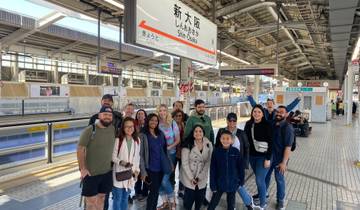
9 days
9D Splendid Japan-Private 3 Star Hotels-Osaka to Tokyo
- ✓ Comprehensive Japan tour
- ✓ Expert local guides included
- ✓ All accommodation arranged
- ✓ Transportation provided
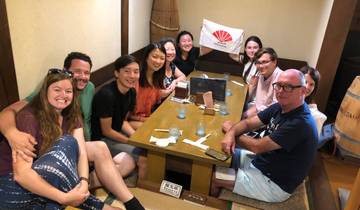
8 days
8D Splendid Japan-Private 3 Star Hotels-Osaka to Tokyo
- ✓ Comprehensive Japan tour
- ✓ Expert local guides included
- ✓ All accommodation arranged
- ✓ Transportation provided
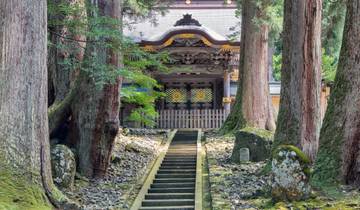
10 days
Feudal Japan with Japanese Alps (11 destinations)
- ✓ Comprehensive Japan tour
- ✓ Expert local guides included
- ✓ All accommodation arranged
- ✓ Transportation provided
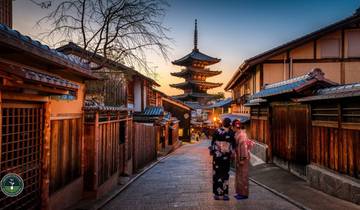
10 days
Japan Classic 10 Day – One Life Adventures
- ✓ Comprehensive Japan tour
- ✓ Expert local guides included
- ✓ All accommodation arranged
- ✓ Transportation provided
Multi-day tour packages powered by TourRadar. Prices and availability subject to change.
Understanding Cherry Blossom Bloom Timing in 2026
The 2026 cherry blossom season arrives earlier than average across most of Japan, driven by warmer predicted temperatures in March and April. The Japan Meteorological Corporation’s forecast indicates this early bloom pattern affects northern and eastern regions most significantly, while western Japan experiences timing closer to historical averages. Understanding the bloom progression helps travelers select optimal destinations and dates for their 2026 hanami celebrations.
How Cherry Blossoms Progress Toward Flowering
Cherry blossom buds form during the preceding summer and enter dormancy through autumn and winter. Dormancy breaking requires exposure to temperatures between -5°C and 15°C during autumn and winter months, preparing trees for spring awakening. In 2026, dormancy breaking occurred somewhat weaker than average in many western Japan areas due to milder winter conditions, while eastern regions experienced more typical dormancy patterns. After dormancy ends, buds enter the growth stage where warming spring temperatures accelerate development toward flowering. The rate of growth increases proportionally with temperature, explaining why warmer March-April forecasts translate to earlier bloom dates in 2026.
Weather Factors Affecting 2026 Bloom Dates
March and April 2026 temperatures are forecast to reach above-average levels across most of Japan, particularly in eastern regions including Tokyo and surrounding Kanto areas. This warmth accelerates cherry blossom development, pushing bloom dates 3-5 days earlier than typical years in many locations. Western Japan including Kyoto, Osaka, and Hiroshima experiences temperatures closer to seasonal averages, resulting in bloom timing that aligns more closely with historical patterns. The Japan Meteorological Corporation incorporates artificial intelligence analysis of temperature patterns from autumn 2025 through spring 2026 to generate forecast dates, explaining why early forecasts (December 2025) have been refined through weekly updates as actual weather conditions evolve.
Full Bloom Definition and Duration in 2026
Official “full bloom” (mankai) occurs when 80% of a tree’s flowers have opened, typically arriving 5-7 days after first flowering (kaika). The Japan Meteorological Corporation tracks official observation trees at 58 locations across the country, declaring first bloom when 5-6 flowers open and full bloom when the 80% threshold is reached. Peak viewing extends from approximately two days before full bloom through five days after, creating a 7-10 day optimal viewing window at each location. Strong winds, heavy rain, or sudden temperature changes can shorten this period dramatically, sometimes reducing spectacular displays to just 2-3 days. This fleeting nature explains why flexible travel dates and daily forecast monitoring prove essential for successful cherry blossom trips in 2026.
2026 Cherry Blossom Forecast by Region
Japan’s cherry blossom season progresses from south to north across three months, beginning with early kawazu-zakura varieties in January and culminating with late-blooming somei-yoshino trees in Hokkaido by late April. The 2026 forecast reflects this traditional progression with slight modifications based on warmer spring temperatures affecting bloom acceleration in different regions. Each area’s forecast dates reference the most common somei-yoshino variety unless specifically noted as kawazu-zakura or other early-blooming types.
Early Kawazu Cherry Blossoms: January-February 2026
Kawazu-zakura cherry trees bloom approximately two months before standard somei-yoshino varieties, offering the year’s first sakura viewing opportunities in warm southern regions. The original kawazu-zakura tree discovered along the Kawazu River in Shizuoka Prefecture in 1955 is forecast to bloom around January 22, 2026, while trees in Kawazu’s Sasahara Park (venue for the annual Kawazu-Zakura Festival) should flower around February 4, both dates arriving earlier than typical years. These distinctive cherry trees display deep pink blossoms that hang downward rather than clustering upward like somei-yoshino, creating different aesthetic qualities that appeal to photographers and early-season travelers. Okinawa Prefecture features kanhi-zakura varieties blooming mid-January through early February 2026, with deep pink flowers visible at Nakijin Castle ruins and Mount Yae, offering Japan’s earliest official cherry blossom viewing.
Southern Kyushu and Shikoku: Late March 2026
Southern Japan’s major cities initiate the somei-yoshino cherry blossom season in late March 2026. Fukuoka’s forecast shows flowering beginning March 22 with full bloom arriving April 1-2, while Hiroshima follows an identical March 22 flowering timeline reaching full bloom April 1-2. Kochi in Shikoku Prefecture claims one of Japan’s earliest somei-yoshino blooms, with flowering forecast for March 21 and full bloom March 27-30, making it competitive with central Japan’s major cities. Kagoshima in southern Kyushu begins flowering March 24 with full bloom arriving April 3, representing the region’s later bloom despite its southern latitude due to specific microclimatic conditions. These southern locations offer opportunities for travelers seeking to catch early season blooms before crowds peak in Tokyo and Kyoto during the first week of April 2026.
Central Japan: Tokyo, Kyoto, Osaka Late March-Early April 2026
Central Japan’s major tourist destinations concentrate most international cherry blossom visitors and represent the heart of hanami culture. Tokyo’s forecast (updated February 19, 2026) predicts flowering beginning March 21 with full bloom March 28, creating a prime viewing window from March 26 through April 2. Nagoya matches Tokyo’s schedule with March 21 flowering and March 30 full bloom. Shizuoka also begins flowering March 20, aligning closely with Tokyo’s timeline. Osaka and Kyoto bloom slightly later than Tokyo, with both cities forecast for March 25 flowering, followed by full bloom April 1 in Osaka and April 2 in Kyoto. This 4-5 day gap between Tokyo and Kyoto allows travelers to experience both cities during a single week-long trip timed around the March 29-April 7 optimal window.
Gifu Prefecture experiences March 19 flowering with March 27 full bloom, while nearby areas follow similar patterns. The concentration of bloom dates within a narrow 6-day window (March 19-25 for flowering) across central Japan’s major cities creates the peak travel period where accommodation and transportation experience maximum demand and highest pricing despite 2026’s overall cost advantages.
Northern Honshu and Mountain Regions: Early-Mid April 2026
Japan’s mountainous central regions and northern Tohoku areas bloom approximately two weeks after Tokyo, extending the season into mid-April 2026. Kanazawa on the Sea of Japan coast forecasts March 31 flowering with April 6 full bloom, while Niigata follows April 5 flowering and April 10 full bloom. Sendai, approximately two hours north of Tokyo by train, won’t see flowers until April 6 with full bloom arriving April 11, offering excellent alternatives for travelers who miss central Japan’s late March-early April peak. Mount Fuji’s surrounding areas including Lake Kawaguchiko and the Fuji Five Lakes region bloom roughly one week after Tokyo (early-mid April), creating the iconic combination of cherry blossoms framing Japan’s sacred mountain against lingering snow-capped peaks.
Hokkaido: Late April-Early May 2026
Japan’s northernmost main island Hokkaido represents the cherry blossom season’s grand finale, with Sapporo forecast for April 26 flowering and April 30 full bloom. This late timing creates unique opportunities for travelers who prefer avoiding peak crowds in Tokyo and Kyoto or who can’t travel during the late March-early April central Japan window. Hokkaido’s cool spring climate extends viewing periods slightly longer than warmer southern regions, potentially maintaining good viewing conditions through early May 2026. The three-week gap between Tokyo’s March 28 full bloom and Sapporo’s April 30 peak allows dedicated cherry blossom enthusiasts to follow the sakura front northward, experiencing blooms across multiple weeks by strategically planning routes from Kyushu through Honshu to Hokkaido.
Best Time to Visit Japan for Cherry Blossoms 2026
Selecting optimal travel dates for 2026 cherry blossom viewing requires balancing bloom forecasts, crowd levels, accommodation availability, and weather conditions. While the traditional peak period concentrates around the first week of April, 2026’s forecast variations and cost advantages create opportunities for strategic timing across different preferences and priorities. Understanding the best windows for specific destinations helps travelers maximize their chances of experiencing peak bloom conditions.
Prime Viewing Window: March 29-April 7, 2026
The 9-day period from March 29 through April 7 represents the optimal window for experiencing cherry blossoms across central Japan’s most popular destinations in 2026. This window captures Tokyo’s full bloom period (March 28) plus approximately 5 days of peak viewing, while also encompassing Kyoto and Osaka’s full bloom dates (April 1-2) with their associated optimal viewing periods. Travelers visiting during this timeframe can realistically experience peak sakura in Tokyo during the first half of their trip (March 29-April 2) before moving to Kyoto for the second half (April 2-7), though some overlap exists where excellent viewing continues in Tokyo even as Kyoto begins reaching peak conditions.
This concentrated window also coincides with the highest accommodation demand and pricing, though 2026’s overall cost reductions moderate this factor compared to typical years. Weekend dates within this period (March 29-30, April 5-6) experience maximum crowds from domestic Japanese travelers, while weekday viewing (March 31-April 4) offers relatively calmer conditions despite still-high international visitor numbers.
Tokyo-Focused Strategy: March 26-April 2, 2026
Travelers prioritizing Tokyo and surrounding Kanto region destinations should target March 26 through April 2 for optimal bloom conditions in 2026. This 7-day window begins two days before Tokyo’s forecast full bloom (March 28), capturing the aesthetic period when blossoms approach but haven’t yet reached peak saturation, through approximately five days post-peak when flowers remain beautiful but begin showing signs of petal fall. The earlier arrival date (March 26) also allows contingency if Tokyo’s bloom arrives even earlier than the March 21 forecast, while the April 2 departure still captures excellent conditions if cool weather extends the viewing period beyond typical timelines.
This Tokyo-focused window permits day trips to nearby destinations like Kawaguchiko (Mount Fuji views), Nikko, and Kamakura that bloom on similar schedules, creating comprehensive Kanto region sakura experiences without requiring travel to western Japan. March 26-April 2 timing typically avoids the most intense Kyoto crowds while still experiencing substantial but manageable Tokyo visitor numbers.
Kyoto-Focused Strategy: March 31-April 7, 2026
Kyoto-centric itineraries benefit from March 31 through April 7 timing in 2026, beginning approximately six days before Kyoto’s April 2 full bloom forecast and extending five days beyond peak. This schedule captures Kyoto during its most spectacular period while allowing flexibility if blooms arrive slightly earlier (March 25 first flowering could lead to March 30-31 full bloom under warm conditions) or extend slightly longer under cooler weather. The March 31 arrival also permits day trips to Osaka (April 1 full bloom), Nara (similar timing to Kyoto), and Hiroshima (April 1-2 full bloom), creating comprehensive Kansai and western Honshu regional coverage.
Kyoto experiences more intense crowds than Tokyo during cherry blossom season, with particularly congested conditions around Kiyomizu-dera Temple, the Philosopher’s Path, and Maruyama Park during midday hours (10 AM-3 PM). The March 31-April 7 window unavoidably coincides with peak domestic and international visitor numbers, making early morning starts (before 8 AM) and evening illumination visits (yozakura) essential strategies for manageable viewing conditions.
Northern Japan Alternative: April 4-13, 2026
Travelers seeking fewer crowds and extended season opportunities should consider northern Tohoku region destinations during April 4-13, 2026. This window captures Sendai’s April 6 flowering and April 11 full bloom while avoiding the intense central Japan crowds from late March through early April. Northern Japan regions offer comparable scenic beauty with dramatically reduced visitor numbers compared to Tokyo and Kyoto, though accessing these areas requires additional transportation time and may offer fewer English-language services than major cities. The April timing also benefits from slightly warmer weather compared to late March, creating more comfortable outdoor hanami picnic conditions.
Hokkaido Extended Season: April 24-May 5, 2026
Hokkaido represents Japan’s latest cherry blossom destination, with Sapporo’s April 26 flowering and April 30 full bloom allowing travelers to extend the season by nearly one month beyond central Japan’s peak. The April 24-May 5 window encompasses Sapporo’s prime viewing while permitting travel to other Hokkaido destinations that bloom on similar schedules. This timing completely avoids central Japan’s peak crowds and often features lower accommodation costs than the late March-early April period, despite 2026’s overall price advantages across all periods. Hokkaido’s cooler spring temperatures may extend viewing periods beyond the typical 7-10 days, potentially maintaining good conditions through the first week of May 2026.
Tracking Cherry Blossoms with Forecast Tools 2026
Accurate cherry blossom forecasting requires sophisticated meteorological analysis and real-time tracking as the season approaches. Multiple organizations and tools help travelers monitor bloom progression and adjust plans to maximize their chances of experiencing peak viewing conditions during 2026’s fleeting sakura season. Understanding which sources provide the most reliable information and how to interpret their updates proves essential for successful trip planning.
Japan Meteorological Corporation Forecasts
The Japan Meteorological Corporation (JMC) serves as the primary authoritative source for cherry blossom forecasts, releasing detailed predictions beginning in mid-December and updating weekly through the bloom season. The first 2026 forecast appeared December 18, 2025, followed by updates January 8, February 6, February 19, and February 26, with additional weekly updates scheduled through April as actual bloom conditions develop. JMC forecasts predict both first flowering (kaika) dates when 5-6 flowers open on official observation trees, and full bloom (mankai) dates when 80% of flowers have opened, for approximately 1,000 locations across Japan. These predictions incorporate temperature data from the preceding autumn, current winter conditions, and projected spring weather patterns, analyzed through artificial intelligence algorithms that improve accuracy as actual conditions unfold.
Early forecasts released 3-4 months before bloom season (December-January) provide general guidance for initial trip planning but historically show greater variability than forecasts released 4-6 weeks before flowering. The February 19, 2026 forecast represents the fifth update and incorporates actual February temperature data, making it significantly more reliable than December’s initial predictions. Travelers should monitor JMC updates weekly beginning in late February 2026, adjusting travel dates if forecasts shift bloom timing by several days from earlier predictions.
Sakura Navi Mobile Application
The Sakura Navi app developed by Japan Meteorological Corporation provides mobile access to detailed cherry blossom forecasts, real-time bloom status reports, and location-specific viewing recommendations. Available for iOS and Android devices, the app achieved #1 ranking in the travel category across 11 countries including Thailand, Philippines, Singapore, Malaysia, and Hong Kong during the 2026 season. The app’s distinctive “Flowering Meter” feature quantifies each location’s progress toward blooming and full bloom on a percentage scale, helping travelers understand whether cherries at their destination are 25%, 50%, or 75% toward full bloom rather than simply showing “not yet blooming.” This granular tracking enables last-minute destination switches when travelers realize their original city won’t reach peak bloom during their travel dates.
Sakura Navi includes photographs uploaded by users showing current bloom conditions at popular viewing spots, providing visual confirmation beyond numerical forecast data. The app sends push notifications when locations approach first flowering and full bloom, alerting travelers to begin or adjust their viewing plans. While the app’s interface is primarily Japanese language, English translations are available for major sections, and the visual Flowering Meter transcends language barriers.
Japan-Guide.com Independent Forecasts
Japan-guide.com publishes independent cherry blossom forecasts based on Japan Weather Association data combined with on-site observations and proprietary prediction algorithms. Their forecasts emphasize “best viewing periods” rather than just first bloom and full bloom dates, defining optimal viewing as starting slightly before full bloom and extending into the early petal-fall period. This best-viewing focus provides more practical guidance for travelers than strict bloom dates, since the most photogenic period often extends beyond the technical 80% full bloom threshold. Japan-guide.com typically begins publishing 2026 forecasts in early March and updates them multiple times weekly as the season progresses, offering a useful complement to JMC’s official forecasts.
Real-Time Bloom Reports and Social Media
As cherry blossoms begin flowering across Japan in late March 2026, real-time reports from visitors and locals provide ground-truth confirmation of actual conditions versus forecast predictions. Instagram, Twitter, and dedicated hanami forums feature daily photographs showing current bloom status at specific parks and temples, helping travelers make hour-by-hour decisions about which locations to visit. Popular hashtags like #sakura2026, #hanami2026, and location-specific tags (#UenoPark, #MaruyamaPark) aggregate these real-time reports. The fleeting nature of full bloom means conditions can change dramatically within 24-48 hours, making these immediate reports more valuable than week-old forecasts during the peak viewing period.
Best Cherry Blossom Viewing Spots by City 2026
Japan offers thousands of exceptional cherry blossom viewing locations from urban parks to mountain temples, each providing distinct atmospheres and aesthetic experiences. The following destinations represent the most celebrated and accessible hanami spots across major cities, selected for their combination of spectacular blooms, cultural significance, and visitor amenities. These locations bloom according to their regional forecasts detailed earlier, with Tokyo spots peaking March 28-April 2, Kyoto sites April 1-6, and Osaka venues April 1-5 in 2026.
Tokyo Cherry Blossom Locations 2026
Tokyo concentrates numerous world-class cherry blossom viewing sites within easy metro access, offering variety from traditional gardens to modern riverside walks. Ueno Park ranks among Tokyo’s most famous hanami destinations with approximately 1,200 cherry trees lining its main pathways, attracting nearly 2 million visitors during the roughly two-week bloom period. The park’s Edo-period tradition of hanami parties continues today with festive food stalls, illuminated evening viewing (yozakura), and traditional performances under the blossoms. Ueno’s central location near museums, Shinobazu Pond, and Ueno Zoo makes it ideal for combining cherry blossom viewing with other activities, though weekend crowds reach exceptional density requiring early arrival to secure good picnic spots.
Shinjuku Gyoen National Garden features over 1,000 cherry trees representing 65 distinct varieties, creating extended bloom periods as different types flower sequentially from late March through late April. This diversity means Shinjuku Gyoen maintains good viewing conditions for 3-4 weeks compared to typical single-variety locations that peak for just 7-10 days. The garden’s admission fee (check official website for 2026 rates) reduces crowds compared to free parks, creating a more contemplative atmosphere ideal for photographers and those seeking tranquil hanami experiences. Alcohol is prohibited in Shinjuku Gyoen, distinguishing it from traditional boisterous hanami party venues.
Meguro River presents 3.8 kilometers of cherry-lined waterway with approximately 800 trees creating a pink canopy over the water. The riverside location supports numerous cafes, restaurants, and shops offering sakura-themed food and drinks, while pink lanterns illuminate evening strolls creating romantic yozakura atmospheres. Meguro River’s urban setting amid residential neighborhoods provides authentic local hanami experiences compared to tourist-heavy locations like Ueno Park.
Chidorigafuchi represents Tokyo’s most serene hanami experience, with a 700-meter walking path alongside the Imperial Palace moat lined with over 200 cherry trees. The location’s boat rental service allows paddling beneath overhanging cherry branches, creating unique perspectives impossible at land-only viewing spots. Evening illuminations transform the moat into a magical setting where lit cherry trees reflect off dark water. Chidorigafuchi’s proximity to Yasukuni Shrine and the East Gardens of the Imperial Palace enables combined cultural and natural experiences.
Rikugien Gardens features a magnificent weeping cherry tree (shidare-zakura) approximately 70 years old as its centerpiece, with cascading branches creating a waterfall effect when illuminated at night. The gardens’ construction in 1702 by feudal lord Yanagisawa Yoshiyasu followed aesthetic principles drawn from classical waka poetry, creating deliberate scenic compositions that frame cherry blossoms against traditional landscape elements. Rikugien charges admission (verify current rates), reducing crowds and maintaining garden quality.
Kyoto Cherry Blossom Locations 2026
Kyoto’s cherry blossom sites combine spectacular natural beauty with centuries of cultural and historical significance, creating deeply atmospheric hanami experiences. Maruyama Park in the Higashiyama district claims Kyoto’s most iconic cherry tree, the Gion Shidare-zakura (Weeping Cherry of Gion), a massive weeping cherry over 10 meters tall whose blossom-laden branches arch nearly to the ground. This single tree draws enormous crowds and receives evening illumination from dusk until midnight, creating otherworldly beauty. The park’s additional 680+ cherry trees ensure spectacular viewing even when the famous weeping cherry isn’t at absolute peak, though the Gion Shidare-zakura’s bloom timing typically coincides with overall park peak around April 2, 2026.
The Philosopher’s Path (Tetsugaku no Michi) offers a peaceful 2-kilometer stone walkway following a canal through northern Higashiyama, lined with hundreds of cherry trees creating an arching canopy over the water. The path connects Nanzen-ji Temple to Ginkaku-ji Temple, allowing contemplative walks beneath blossoms while exploring Zen Buddhist sites. Early morning visits (before 8 AM) provide solitary experiences before crowds arrive, while evening walks under lantern light create romantic atmospheres. The Philosopher’s Path represents Kyoto’s quintessential combination of natural beauty and spiritual significance.
Daigoji Temple features approximately 1,000 cherry trees across its extensive grounds, famous since the 16th century when feudal lord Toyotomi Hideyoshi held legendary hanami parties here. The temple hosts annual reenactments of Hideyoshi’s celebrations on the second Sunday of April, featuring period costumes and traditional ceremonies. Daigoji’s mountain setting provides elevated views over cherry-covered slopes, creating dramatic vistas impossible in flat urban parks. The temple’s 150,000 Buddhist artifacts and cultural properties add historical depth to hanami experiences.
Arashiyama district on Kyoto’s western edge centers around the 400-year-old Togetsukyo Bridge, which provides expansive views across the Katsura River toward mountains covered with thousands of cherry trees. The bridge area blooms around March 27 onward in 2026, with peak viewing typically continuing through early April. Arashiyama’s bamboo groves, temples, and traditional atmosphere create full-day exploration opportunities combining cherry blossoms with broader cultural experiences.
Kiyomizu-dera Temple ranks among Kyoto’s most celebrated destinations year-round, with cherry blossoms decorating the temple grounds and surrounding hillsides from early to mid-April. The temple’s famous wooden terrace provides bird’s-eye views over Kyoto with cherry trees in the foreground, creating iconic photographs combining traditional architecture and natural beauty. Evening illuminations during bloom season light both the temple buildings and surrounding cherry trees, drawing massive crowds that require patience and strategic timing to navigate.
Mount Yoshino: Japan’s Ultimate Cherry Blossom Destination
Mount Yoshino in Nara Prefecture claims the title of Japan’s most famous cherry blossom viewing location, with over 30,000 cherry trees covering the mountainside in what represents the country’s largest concentration of sakura. Yoshino has attracted hanami pilgrims for over 1,000 years, celebrated in classical Japanese poetry and art as the ultimate expression of cherry blossom beauty. The mountain’s elevation creates staggered bloom timing, with lower slopes (Shimo-senbon) flowering in early April, middle slopes (Naka-senbon) reaching peak in mid-April, and upper slopes (Kami-senbon) blooming in late April 2026. This progression extends Yoshino’s viewing season to 3-4 weeks compared to typical single-location 7-10 day windows.
The mountain hosts approximately 30 temples and shrines scattered among the cherry trees, creating sacred atmospheres where hanami traditions blend with Buddhist and Shinto practices. Visitors can hike downward through blossom-covered slopes, pausing at historic temples while watching petals drift through the air. Traditional hanami practices at Yoshino include laying picnic mats among the trees and enjoying seasonal snacks with sake, following customs established by Toyotomi Hideyoshi who held elaborate celebrations here 400 years ago. Yoshino’s popularity means extreme crowds during peak weekend periods in mid-April, with early morning weekday visits offering the best balance of spectacular blooms and manageable visitor numbers.
Mount Fuji Cherry Blossom Views 2026
Combining cherry blossoms with Mount Fuji views creates Japan’s most iconic photographic composition, celebrated in ukiyo-e woodblock prints and modern photography alike. Lake Kawaguchiko on Fuji’s northern shore provides the classic viewing perspective, with cherry trees framing views of the snow-capped peak across the lake. The Chureito Pagoda in Fujiyoshida City offers the most famous composition, with the five-story pagoda positioned in front of Mount Fuji with cherry blossoms in the foreground. This viewpoint requires climbing approximately 400 steps to reach the observation platform, which becomes extremely crowded during peak bloom (early to mid-April 2026) with photographers arriving before dawn to secure positions.
Mount Fuji area blooms occur roughly one week after Tokyo, peaking in early to mid-April 2026 when Tokyo’s cherry blossoms have largely finished. This timing means travelers can experience Tokyo’s peak in late March, then move to the Fuji Five Lakes region in early April for extended viewing opportunities. Morning visits (7-9 AM) provide the highest probability of clear Fuji views, as afternoon clouds frequently obscure the mountain even during otherwise sunny weather. Overnight stays at Lake Kawaguchiko maximize chances of catching clear conditions during the optimal morning visibility window.
Accommodation Planning for Cherry Blossom Season 2026
Cherry blossom season represents Japan’s busiest tourism period, requiring strategic accommodation planning to secure suitable lodging at reasonable rates. The 2026 season presents unusual opportunities with prices trending 10-20% lower than 2025 across many categories, though peak-period demand still necessitates advance booking and realistic budget expectations. Understanding accommodation cost structures, booking timelines, and alternative strategies helps travelers optimize their cherry blossom trip lodging.
Accommodation Cost Ranges for Cherry Blossom Season 2026
Budget accommodation during cherry blossom season 2026 ranges from ¥6,000-15,000 ($40-100) per night for dormitory beds in hostels (¥3,000-6,000 / $20-40 per person), basic guesthouses (¥6,000-10,000 / $40-65 per room), and economy business hotels (¥10,000-15,000 / $65-100 per room). These budget options concentrate near major train stations in secondary neighborhoods rather than prime tourist districts, requiring 10-20 minute subway rides to reach central sightseeing areas. Capsule hotels offer unique Japanese experiences at ¥3,000-5,000 ($20-33) per person, though limited space and shared facilities suit solo travelers better than couples or families.
Mid-range accommodation spans ¥15,000-30,000 ($100-200) per night, encompassing standard business hotels in convenient locations (¥15,000-20,000 / $100-130), comfortable tourist hotels near major attractions (¥20,000-25,000 / $130-165), and boutique properties with superior design or traditional elements (¥25,000-30,000 / $165-200). This category represents the sweet spot for most international travelers, balancing comfort, location, and value. Room sizes in this range typically measure 15-20 square meters with queen or two single beds, modern amenities including private bathrooms, and often some English-speaking staff.
Luxury accommodation exceeds ¥30,000 ($200) nightly, including four-star hotels (¥30,000-50,000 / $200-330), five-star properties (¥50,000-80,000 / $330-530), and heritage ryokan inns with kaiseki dining and onsen baths (¥40,000-100,000+ / $265-660+ per person including dinner and breakfast). Premium locations overlooking cherry blossom viewing spots command surcharges of approximately ¥10,000 ($65) above standard rates, while rooms with direct sakura views from windows or balconies add similar premiums. Heritage ryokan near Mount Fuji, Kyoto temples, or Hakone hot springs offer immersive traditional experiences combining cherry blossom viewing with cultural authenticity.
2026 Cost Context and Price Advantages
The 2026 cherry blossom season benefits from significant cost reductions compared to recent years, driven by reduced Chinese tourism following geopolitical tensions and favorable exchange rates. Accommodation prices across Tokyo, Kyoto, and Osaka trend 10-20% lower than equivalent 2025 rates, with particularly steep reductions in Kyoto and Osaka where Chinese visitor concentrations historically drove premium pricing. A 16-day cherry blossom tour that cost approximately $4,850 per person in 2025 now prices at $3,783 in 2026, representing 22% savings. Hotels that typically required booking 12+ months in advance have shown availability just 2-3 months before the season, with travelers reporting $100 per night rooms in Ueno, Tokyo booked only two weeks before arrival.
The Japanese yen’s exchange rate of $1 = ¥122.56 (as of January 19, 2026) amplifies these advantages for American, European, and other international visitors, making every aspect of the trip from accommodation to meals more affordable. However, this favorable pricing environment faces partial offsets from new tax implementations. Kyoto introduced higher accommodation taxes effective March 1, 2026, charging ¥200 ($1.30) per night for budget stays under ¥6,000, ¥1,000-4,000 ($6.50-26) for mid-range ¥6,000-20,000 accommodations, and ¥10,000+ ($65+) for luxury properties exceeding ¥20,000 per night. These taxes apply per person per night, significantly impacting multi-night luxury stays while minimally affecting budget travelers.
Booking Timeline and Strategy for 2026
Optimal booking timing for cherry blossom season accommodation targets 6-12 months in advance, ideally securing reservations by December 2025 for late March-early April 2026 stays. This extended advance booking applies particularly to Tokyo and Kyoto where prime hotel inventory fills earliest, while secondary cities like Hiroshima, Kanazawa, and Sendai may offer availability 3-6 months ahead. The 2026 season’s reduced demand creates unusual flexibility, with decent options appearing even 2-3 months before travel, though this shouldn’t be relied upon as typical pattern.
Booking refundable rates or free cancellation options provides flexibility to adjust dates if cherry blossom forecasts shift bloom timing by several days from initial December-January predictions. Many hotels offer free cancellation until 7-14 days before check-in, allowing travelers to monitor weekly forecast updates and relocate to different cities if necessary. This strategy proves particularly valuable given the fleeting 5-7 day full bloom period that can shift substantially if March temperatures vary from predictions.
Alternative accommodation strategies include staying in nearby cities with easy train access to primary destinations. Osaka sits just 15 minutes from Kyoto by shinkansen and 45 minutes by regular express train, offering substantially more hotel inventory and often lower prices than Kyoto itself. Nagoya provides another alternative base, within 30-40 minutes of Kyoto by shinkansen and featuring less crowded cherry blossom sites within the city. Even staying in less touristy Tokyo neighborhoods 20-30 minutes from major sightseeing areas by subway can secure better rates and availability than prime districts like Shinjuku or Asakusa.
2026 Cherry Blossom Season: Cost Advantages and New Fees
The 2026 cherry blossom season presents a unique cost environment combining overall price reductions from reduced tourism with new tax implementations affecting specific categories. Understanding this mixed landscape helps travelers budget accurately while capitalizing on genuine savings opportunities unavailable in recent years. The combination of favorable exchange rates and softer demand creates the most affordable cherry blossom season conditions since pre-2019 levels.
Exchange Rate Advantages in 2026
The Japanese yen’s weakness against major currencies provides substantial purchasing power advantages for international visitors in 2026. The exchange rate of $1 = ¥122.56 represents approximately 20-25% improvement for U.S. dollar holders compared to historical rates, meaning accommodation, meals, transportation, and activities cost proportionally less in dollar terms. A ¥15,000 hotel room costs approximately $122 at current rates compared to $150+ at stronger yen valuations, creating $28 per night savings that accumulate significantly over multi-night stays. European travelers with pounds and euros experience similar advantages, though exact conversion rates vary by currency.
Flight and Tour Package Savings
International flights to Japan during cherry blossom season 2026 show 10-20% price reductions compared to 2025, particularly on routes from Asian countries affected by reduced Chinese demand. Tour packages demonstrate even steeper discounts, with organized cherry blossom itineraries pricing 20-22% below equivalent 2025 offerings. This pricing environment reflects airlines and tour operators competing for the available visitor market rather than capacity constraints driving premium pricing. Travelers booking independently rather than through packages should monitor flight prices beginning 3-4 months before travel, when airlines typically finalize seasonal pricing and begin promotional sales.
New Kyoto Accommodation Taxes 2026
Kyoto implemented revised accommodation taxes effective March 1, 2026, substantially increasing charges for mid-range and luxury hotels while maintaining minimal impact on budget properties. The tiered structure charges ¥200 per person per night for stays under ¥6,000, ¥1,000-4,000 for ¥6,000-20,000 accommodations, and ¥10,000+ for luxury properties exceeding ¥20,000 per night per person. A couple staying three nights in a ¥25,000 per night luxury ryokan faces ¥60,000+ ($490) in accommodation taxes alone, while budget travelers in a ¥8,000 business hotel pay just ¥6,000 ($49) total tax for the same three-night period.
These taxes apply specifically to Kyoto accommodations, not Tokyo, Osaka, or other destinations, creating incentives to minimize Kyoto nights in favor of day trips from Osaka or other nearby bases. A traveler staying four nights in Osaka (no special accommodation tax) while making day trips to Kyoto avoids these surcharges entirely while still experiencing Kyoto’s cherry blossoms. This strategy proves particularly effective given the 45-minute express train connection between the cities.
Proposed Visa Fee Increases
Japan’s government has proposed substantial visa fee increases potentially taking effect around April 2026, though exact implementation dates remain subject to confirmation. Current single-entry visa fees of approximately ¥3,000 ($19) may increase to ¥15,000 ($97), while multiple-entry fees could rise from ¥6,000 ($39) to ¥30,000 ($195). These increases align Japan with visa pricing in the United Kingdom (£127) and European Schengen zone (€90), representing significant additional costs for travelers requiring visas.
The proposed April implementation date means travelers visiting Tokyo, Osaka, or southern destinations whose cherry blossoms bloom in March should apply for visas before the increase takes effect, potentially saving $78-156 per person. However, travelers targeting Hokkaido’s late April-early May blooms or extended trips spanning both March and April may face the higher fees regardless. Citizens of visa-exempt countries including the United States, Canada, United Kingdom, Australia, and most European Union nations remain unaffected by these fee changes.
Transportation Planning for Cherry Blossom Season 2026
Efficient transportation planning proves essential for maximizing cherry blossom viewing opportunities across multiple cities while managing costs and time. Japan’s extensive rail network makes intercity travel straightforward, though choosing appropriate options between Japan Rail Pass, individual tickets, and regional passes requires cost-benefit analysis based on specific itineraries. Understanding transportation economics helps travelers allocate budgets effectively while maintaining schedule flexibility.
Japan Rail Pass Value Analysis for 2026
The Japan Rail Pass provides unlimited travel on most JR trains including shinkansen bullet trains (excluding fastest Nozomi and Mizuho services) for 7, 14, or 21 consecutive days. A 7-day ordinary pass costs approximately ¥50,000 ($408), 14-day ¥80,000 ($653), and 21-day ¥100,000 ($816) at 2026 rates (verify current official pricing). The pass delivers value when intercity shinkansen travel exceeds the pass cost, typically requiring at least 2-3 long-distance journeys during the coverage period.
A Tokyo-Kyoto round trip alone costs approximately ¥29,000 ($237) for reserved seats on Hikari shinkansen, meaning a 7-day pass achieving breakeven requires just one additional medium-distance trip (Tokyo-Nikko ¥5,000, Kyoto-Hiroshima ¥11,000). Travelers visiting Tokyo, Kyoto, Osaka, and one additional destination (Hiroshima, Kanazawa, Mount Fuji area) within 7 days typically save ¥10,000-20,000 ($82-163) with the pass compared to individual tickets. However, travelers staying primarily in one city with only a single round-trip to another destination may find individual tickets more economical.
IC Cards for Local Transportation
Prepaid IC cards (Suica, Pasmo, ICOCA) simplify local subway, bus, and train travel within cities, functioning like tap-and-go transit cards in other countries. Cards cost ¥2,000 initially (¥500 deposit, ¥1,500 usable credit) and can be recharged at any station. A typical day of Tokyo sightseeing using subway might consume ¥1,000-1,500 ($8-12) in fares depending on distance traveled, while Kyoto’s more compact size and extensive bus network might require just ¥500-800 ($4-6) daily. IC cards also work at convenience stores and vending machines, adding convenience beyond just transportation.
Cultural Experiences During Cherry Blossom Season 2026
Cherry blossom season encompasses more than visual appreciation of flowers, extending to cultural traditions, seasonal foods, and social practices that define hanami as a comprehensive Japanese cultural experience. Understanding and participating in these customs deepens engagement with the season while creating memorable interactions with local culture. The following experiences represent essential elements of authentic cherry blossom season participation.
Traditional Hanami Picnic Parties
Hanami literally translates as “flower viewing” but traditionally refers to social gatherings beneath cherry trees combining appreciation of blossoms with food, drink, and companionship. Traditional hanami involves spreading picnic blankets or tarps beneath cherry trees, sharing bento box meals and seasonal snacks while enjoying sake or beer with friends, family, or colleagues. Many Japanese companies organize office hanami parties, sometimes assigning junior employees to arrive early and secure prime viewing spots for evening celebrations.
Participating in hanami requires obtaining a waterproof tarp or picnic blanket (available at 100-yen shops or convenience stores), assembling food and drinks from convenience stores or preparing traditional items like sakura mochi, and arriving early for popular spots during peak viewing periods. Proper hanami etiquette includes respecting tree roots by not sitting directly on them, not shaking branches to create “petal showers” which damages trees and shortens bloom periods for others, bringing garbage bags to remove all trash (public bins remain scarce in Japanese parks), and maintaining reasonable noise levels especially during evening gatherings. These practices ensure sustainable enjoyment while respecting both nature and fellow viewers.
Yozakura: Evening Cherry Blossom Illumination
Yozakura (“night cherry blossoms”) refers to cherry trees illuminated after sunset, creating ethereal atmospheres dramatically different from daytime viewing. Major parks and temples illuminate their cherry trees during bloom season, with lights shining upward through branches creating glowing pink canopies against dark skies. Popular yozakura locations in Tokyo include Ueno Park, Chidorigafuchi, Rikugien Gardens, and Meguro River, while Kyoto’s Maruyama Park, Kiyomizu-dera Temple, and the Philosopher’s Path offer illuminated evening viewing.
Yozakura viewing requires warmer clothing than daytime hanami, as spring evening temperatures in late March-early April typically range 8-12°C (46-54°F). Evening illuminations also concentrate crowds into smaller time windows (typically 6-10 PM) compared to all-day viewing, requiring patience navigating popular locations. The magical atmosphere and photographic opportunities justify these minor inconveniences for many visitors.
Sakura-Flavored Seasonal Foods and Drinks
Japanese food culture celebrates cherry blossom season through limited-time seasonal products flavoring everything from ice cream to beer with preserved cherry blossom petals or extract. Traditional sakura mochi features pink-tinted rice cake wrapped in preserved cherry blossom leaf, offering subtle floral flavor that epitomizes spring. Modern interpretations include sakura ice cream, sakura lattes at Starbucks and other cafes, sakura-flavored Kit-Kat chocolates, and even sakura beer from major breweries.
These products appear in convenience stores, supermarkets, and specialty shops only during cherry blossom season, creating urgency to experience them during the limited March-April window. The flavor profile combines subtle sweetness with delicate floral notes, distinct from Western cherry flavors which typically emphasize fruit rather than blossom characteristics. Trying sakura-flavored treats represents an accessible way to engage with seasonal Japanese food culture during cherry blossom visits.
Photography Tips for Cherry Blossoms 2026
Capturing exceptional cherry blossom photographs requires understanding optimal lighting conditions, composition techniques, and timing strategies that maximize aesthetic impact. The fleeting nature of peak bloom means photographers typically have just 3-5 days of ideal conditions at each location, making preparation and execution critical for achieving desired results. The following techniques apply across skill levels from smartphone photography to professional cameras.
Optimal Lighting and Weather Conditions
Overcast days provide superior cherry blossom photography conditions compared to bright sunshine, as diffused cloud light eliminates harsh shadows and prevents blown-out highlights on white-pink petals. Sunny conditions create high contrast challenging for cameras to capture detail in both bright blossoms and shaded areas beneath trees, while overcast light maintains consistent exposure across the scene. Light rain creates wet petal surfaces that intensify color saturation and add water droplet detail, though protecting camera equipment becomes essential.
Golden hour periods shortly after sunrise (6-7 AM in late March) and before sunset (5-6 PM) offer warm directional light that enhances pink blossom tones and creates dimensional depth through side-lighting. These timing windows also coincide with thinner crowds at popular locations, providing cleaner compositions without numerous people disrupting views. Blue hour immediately after sunset extends photographic opportunities as illuminated yozakura locations create dramatic nighttime compositions impossible during daylight.
Composition Techniques and Perspectives
Incorporating architectural or natural elements with cherry blossoms creates more compelling compositions than isolated flower close-ups. Traditional Japanese structures (temples, shrines, pagodas), modern architecture (Tokyo Skytree with cherry blossoms), or natural landmarks (Mount Fuji framed by sakura) provide context and scale that pure blossom photographs lack. The Chureito Pagoda composition combining five-story pagoda, Mount Fuji, and foreground cherry trees exemplifies this layered approach that has made it one of Japan’s most photographed locations.
Low-angle perspectives shooting upward through cherry branches toward sky create depth and drama unavailable from eye-level shooting. This technique works particularly well with blue sky backgrounds where white-pink blossoms contrast strongly against deep blue, or with backlit petals glowing when positioned between camera and sun. Conversely, elevated viewpoints overlooking cherry-covered parks or mountainsides (Kiyomizu-dera Temple terrace, Mount Yoshino viewing platforms) provide sweeping vistas showcasing bloom density impossible to capture from ground level.
Frequently Asked Questions About Japan Cherry Blossom 2026
How long do cherry blossoms last in Japan?
Individual cherry blossoms last approximately 7-10 days from opening to petal fall at each specific location, with the peak viewing period (full bloom when 80% of flowers have opened) lasting just 5-7 days. Weather conditions dramatically affect this timeline—cool temperatures extend viewing periods while warm weather, rain, or wind shorten them, sometimes reducing spectacular displays to just 2-3 days. The overall cherry blossom season across all of Japan spans approximately three months from late January (kawazu-zakura in southern regions) through early May (somei-yoshino in Hokkaido), but any single location experiences only a brief window. This fleeting nature explains why accurate forecast monitoring and flexible travel dates prove essential for successful viewing.
Can I still see cherry blossoms if I miss full bloom dates?
Yes, cherry blossoms remain attractive for approximately 3-5 days after full bloom as petals begin falling, creating “petal snow” effects when wind carries blossoms through the air and carpet ground surfaces in pink. Many photographers and visitors consider this late-bloom period equally beautiful to full bloom itself, offering different aesthetic qualities. Arriving 2-3 days after forecast full bloom dates still typically provides good viewing conditions, while arriving a full week late finds most petals fallen with primarily green leaves remaining. The 2026 season’s staggered regional timing also permits traveling to later-blooming northern destinations if missing central Japan’s peak—Sendai blooms two weeks after Tokyo, while Hokkaido extends the season by a full month.
Do I need to book cherry blossom viewing tickets in advance?
Most cherry blossom viewing locations including public parks, riverside walks, and temple grounds require no advance tickets and permit free entry. Notable exceptions include Shinjuku Gyoen (admission fee required but no advance booking needed), some private gardens, and specific temple illumination events that may implement capacity controls during peak viewing. The main advance planning requirement involves accommodation rather than viewing site access, as hotels fill 6-12 months ahead for cherry blossom season while the blossoms themselves remain freely accessible. Special organized hanami tours or boat cruises beneath cherry blossoms may require advance booking, but independent viewing at famous locations like Ueno Park, Maruyama Park, or Meguro River involves simply arriving at the location.
What should I wear for cherry blossom viewing in Japan?
Late March-early April temperatures in Tokyo and Kyoto range approximately 10-18°C (50-64°F) during daytime, requiring layered clothing including light jacket or cardigan that can be removed as afternoon temperatures peak. Evening hanami and yozakura illumination viewing requires warmer layers as temperatures drop to 8-12°C (46-54°F), with wind near rivers creating additional chill. Comfortable walking shoes prove essential as cherry blossom viewing involves extensive walking between multiple locations and standing during crowded peak periods. Many visitors choose to rent kimono for hanami, creating photogenic traditional appearances particularly effective in historic Kyoto settings—rental shops near major tourist areas offer packages including kimono, obi belt, accessories, and dressing services typically costing ¥3,000-8,000 ($25-65) for 3-6 hour rentals.
Are cherry blossom forecasts reliable?
Cherry blossom forecasts issued by the Japan Meteorological Corporation achieve reasonable accuracy particularly from February onward as actual spring weather conditions develop, though predictions made 3-4 months in advance (December-January) show greater variability. Forecasts typically predict bloom dates within ±3 days accuracy 4-6 weeks before flowering, improving to ±1-2 days in the final 2-3 weeks before bloom. However, sudden temperature changes or weather events can shift timing unexpectedly—a warm week can accelerate blooms by several days while cold snaps delay them. Weekly forecast updates allow travelers to adjust plans as predictions refine, making flexible booking with free cancellation valuable insurance against forecast variations. Real-time reports from visitors already in Japan during the bloom period provide the most accurate ground-truth information about actual conditions versus forecasts.
Can I experience hanami culture if I don’t speak Japanese?
Yes, language barriers don’t prevent participating in hanami culture, as the core activity involves sitting beneath cherry trees appreciating blossoms rather than complex verbal interactions. Major tourist destinations in Tokyo and Kyoto feature substantial English signage and staff with basic English ability, while convenience stores selling hanami supplies operate on self-service models requiring minimal communication. Joining public hanami areas in parks simply requires finding open space, spreading a blanket, and enjoying food while viewing blossoms—no Japanese language needed. Some visitors find enthusiastic Japanese hanami groups welcoming them to join celebrations, particularly when traveling solo, though this requires comfort with language-barrier communication through gestures and translation apps. The Sakura Navi app provides English translations of forecasts and viewing spot information, while Google Translate camera function can interpret Japanese signage and menus in real-time.
What’s the difference between hanami in Tokyo versus Kyoto?
Tokyo hanami emphasizes modern urban settings combining cherry blossoms with contemporary city life—parks like Ueno feature festival atmospheres with food stalls and large crowds, while locations like Meguro River integrate cherry viewing with trendy cafes and shops. Kyoto hanami centers more heavily on traditional settings pairing cherry blossoms with historic temples, shrines, and preserved architecture, creating deeply atmospheric experiences connecting to centuries of cultural history. Tokyo’s efficient subway system makes accessing multiple diverse viewing spots rapid and convenient, while Kyoto’s more compact core allows walking between historic locations though this creates more concentrated crowds. Tokyo generally experiences slightly less intense crowding as visitors disperse across the massive metropolitan area, while Kyoto’s tourist concentrations particularly around Higashiyama district temples reach exceptional density requiring early morning visits or strategic timing to manage. Both cities offer spectacular viewing, with choice depending on whether travelers prefer modern urban energy (Tokyo) or historic traditional atmosphere (Kyoto).
Are there cherry blossoms outside Tokyo and Kyoto worth visiting?
Absolutely—Mount Yoshino in Nara Prefecture features over 30,000 cherry trees creating Japan’s most spectacular concentrated bloom, while smaller cities like Kanazawa, Hiroshima, and Sendai offer equally beautiful viewing with substantially fewer crowds than Tokyo or Kyoto. Hokkaido’s Sapporo extends the season into late April-early May for travelers who miss central Japan’s late March-early April peak, while rural areas throughout Japan feature uncrowded riverside and mountain locations accessible to adventurous travelers with rental cars or comfort using Japanese regional rail systems. The Fuji Five Lakes region combines cherry blossoms with iconic Mount Fuji views, creating compositions impossible in major cities. These alternative destinations often provide more authentic local hanami experiences as domestic Japanese families and friends gather for traditional celebrations without the international tourist presence that dominates Tokyo and Kyoto hotspots during peak season.
How do I handle crowds during peak cherry blossom viewing?
Arriving at popular viewing locations before 8 AM provides the most effective crowd-avoidance strategy, as morning light offers excellent photography conditions while tourist numbers remain minimal compared to 10 AM-3 PM peak periods. Weekday viewing experiences less crowding than weekends when domestic Japanese travelers join international visitors, making Monday-Thursday superior to Saturday-Sunday for popular locations. Evening yozakura illuminations concentrate crowds into narrow time windows but create unique atmospheres justifying the density for many visitors. Visiting second-tier locations rather than the most famous spots reduces crowding while maintaining spectacular views—Tokyo’s Asukayama Park or Sumida Park offer alternatives to packed Ueno Park, while Kyoto’s Heian Shrine provides beautiful viewing with less congestion than Maruyama Park. Accepting that some crowd presence is unavoidable during history’s most popular hanami season and embracing the festive communal atmosphere rather than fighting against it improves the overall experience.
Should I visit Japan during cherry blossom season or choose a different time?
Cherry blossom season offers Japan’s most iconic natural spectacle and deepest connection to seasonal Japanese culture, making it worthwhile despite crowds and premium pricing for travelers prioritizing this specific experience. The 2026 season’s unusual cost advantages (10-20% lower prices than 2025) and favorable exchange rates create the most affordable cherry blossom conditions in recent years, reducing typical financial penalties for peak-season travel. However, travelers prioritizing uncrowded experiences, lower costs, or different seasonal attractions might prefer visiting during autumn foliage season (November), summer festivals (July-August), or winter snow seasons in northern Japan and mountain areas. Japan offers spectacular experiences year-round, with cherry blossom season representing one excellent option rather than the only worthwhile visiting period. First-time visitors often choose cherry blossom season for its cultural significance and visual impact, while repeat visitors might explore different seasonal highlights during subsequent trips.