
Izmir Best Tours & Walking Routes 2026: Complete Travel Guide
Turkey’s third-largest city combines Mediterranean charm with millennia of history through walkable waterfront promenades, sprawling bazaars, and ancient ruins scattered throughout modern neighborhoods. Izmir offers travelers the rare advantage of exploring major cultural attractions independently via excellent public transport or through affordable organized tours that reveal hidden historical layers beyond surface-level sightseeing.
Key Takeaways
- Kordon Promenade Self-Guided Walk: The iconic 9.3-kilometer waterfront path from Alsancak to Üçkuyular provides Izmir’s signature walking experience entirely free, combining Aegean Sea views, cafe culture, and easy tram connections to major attractions
- Free Walking Tour Quality 2026: Tip-based free walking tours operate daily covering Konak Square, Clock Tower, Kemeralti Bazaar, and Agora ruins typically lasting 2-3 hours with knowledgeable local guides who work for gratuities (€10-20 standard)
- Organized City Tour Value: Full-day group tours cost $91-120 including transportation, professional guides, and public transport tickets, offering superior efficiency for first-time visitors compared to independent exploration requiring navigation of Turkish-language bus systems
- Old Town Walking Circuit 2026: The compact Konak-Kemeralti-Agora triangle covers 2.5 kilometers connecting Izmir’s Clock Tower, 17th-century bazaar, and Roman marketplace ruins, easily walkable in 3-4 hours with cafe breaks
- Best Walking Season Strategy: Spring (April-May) and fall (September-October) provide ideal walking temperatures (18-25°C) avoiding summer’s intense heat while maintaining full daylight hours for photography along the waterfront and through historic quarters
People Also Ask About Izmir Tours & Walking Routes 2026
Are Free Walking Tours in Izmir Worth It in 2026?
Free walking tours in Izmir deliver exceptional value for budget travelers and first-time visitors seeking historical context beyond self-guided exploration. These tip-based experiences typically run 2-3 hours covering Konak Square, the iconic Clock Tower, Kemeralti Bazaar’s labyrinthine streets, and the Agora archaeological site with local guides providing cultural narratives impossible to glean from map navigation alone. The “free” model operates on voluntary gratuities – guides work entirely for tips, with €10-20 per person representing standard appreciation for quality tours, though participants determine final amounts based on satisfaction and financial means.
Tour quality varies significantly based on individual guide expertise and group dynamics. The best Izmir free walking tour guides demonstrate deep historical knowledge connecting ancient Smyrna’s Greek and Roman heritage through Ottoman transformation to modern Turkish Republican identity, while weaker guides simply recite Wikipedia facts at tourist landmarks. Reading recent reviews on GuruWalk or similar platforms identifies consistently high-rated guides who customize routes based on group interests, incorporate local food tastings, and reveal hidden synagogues, caravanserais, and architectural details even Izmir residents miss. Small group sizes (6-12 people) create more personalized experiences than large impersonal tours following flag-waving leaders through crowded bazaar alleys.
The tours particularly benefit travelers who struggle with Izmir’s limited English signage and Turkish-dominant street life. Guides navigate the Kemeralti Bazaar’s confusing maze efficiently, explain cultural practices like Turkish coffee fortune reading, and provide local restaurant recommendations avoiding tourist traps. They also teach practical skills including using the tram system with credit cards, recognizing authentic versus imported goods in the bazaar, and understanding mosque visiting etiquette for non-Muslims. These contextual lessons transform chaotic first impressions of Izmir into comprehensible cultural experiences, justifying the 2-3 hour time investment even for experienced independent travelers.
What’s the Best Self-Guided Walking Route Through Izmir in 2026?
The optimal self-guided walking route combines the Kordon waterfront promenade with the Konak-Kemeralti historical center, creating a 6-8 kilometer loop requiring 4-5 hours including stops. Start at Konak Square viewing the ornate Clock Tower (built 1901) and adjacent Yalı Mosque before entering Kemeralti Bazaar through the streets behind Konak. Navigate 2 kilometers through the bazaar’s covered lanes visiting Kızlarağası Han caravanserai (now housing art galleries), historic coffee houses serving traditional Turkish coffee, and the Jewish quarter’s synagogues. Exit the bazaar near Agora Open Air Museum (€2-3 entrance), spending 1 hour exploring the Roman-era marketplace ruins with their underground vaulted chambers.
From the Agora, walk west 500 meters to the waterfront reaching the Kordon promenade at Cumhuriyet Meydanı. Turn north following the seaside path through Alsancak district, stopping at waterfront cafes for Turkish tea while watching fishing boats and ferries cross the bay. The Kordon’s northern section features Atatürk Museum (documenting modern Turkey’s founder) and tree-shaded parks with bench seating. Continue 3-4 kilometers north toward Alsancak harbor or reverse direction south to Konak Pier (shopping center with sea-view restaurants) completing the circuit. The entire route remains flat following sea-level terrain, though Kemeralti’s cobblestone streets require sturdy walking shoes rather than sandals or dress shoes.
Optimal timing begins 9:00-10:00 AM when Kemeralti shops open but tourist crowds remain minimal. Morning light illuminates the Clock Tower beautifully for photography, while bazaar vendors set up fresh produce and fish displays creating authentic market atmosphere. Complete the Kemeralti-Agora section by 1:00 PM before afternoon heat peaks, then spend 2-3 PM midday hours in waterfront cafes during the hottest period. Resume walking the Kordon 3:00-6:00 PM as temperatures moderate and locals emerge for evening promenades. This pacing prevents exhaustion while capturing varied light conditions for photography across different hours.
How Much Do Organized Izmir City Tours Cost in 2026?
Full-day Izmir city tours range $91-120 per person for small-group experiences (8-14 participants) including professional English-speaking guides, air-conditioned transport, public tram rides, and entrance fees for Agora and Kadifekale. These comprehensive 6-8 hour tours combine major highlights including Konak Square, Kemeralti Bazaar, Agora ruins, Asansör (historic elevator providing panoramic views), and Kadifekale fortress with efficient routing impossible to replicate independently without extensive local knowledge. Tour prices reflect guide salaries, transport costs, and booking platform commissions, representing fair value when compared to €40-50 independent costs for taxis plus entrance fees without cultural interpretation.
Half-day walking tours focused specifically on the historic center cost $50-75 for 3-4 hour experiences exploring Konak, Kemeralti, and Agora with local guides. These abbreviated tours suit cruise ship passengers with limited port time or travelers combining Izmir sightseeing with afternoon departure to nearby Çeşme or Ephesus. Private tours command €150-200 for 1-4 person groups, delivering customized itineraries adjusting pace and interest areas based on participant preferences – ideal for families with children, photography enthusiasts wanting extended shooting time, or travelers with specific historical interests like Jewish heritage or early Christian sites.
Food tours focusing on Izmir’s culinary traditions separate from general sightseeing tours, typically costing $80-110 for 3-4 hour experiences including 6-8 tastings at traditional restaurants, bakeries, and street vendors. These specialized tours introduce regional specialties including boyoz (savory pastries), kumru sandwiches, gevrek (sesame bread rings), and mastic-flavored desserts while explaining food’s cultural significance in Aegean Turkish identity. The higher per-hour cost reflects included food expenses and guides’ culinary expertise beyond standard historical knowledge. Budget-conscious travelers can achieve similar experiences independently by researching restaurant recommendations, though lacking cultural context guides provide about ingredients, cooking methods, and eating customs.
Can You Walk Everywhere in Izmir or Do You Need Transportation in 2026?
Izmir’s compact historic center (Konak-Alsancak-Kemeralti triangle) proves entirely walkable covering 3-4 kilometers between major attractions, though strategic tram use extends sightseeing range and prevents exhaustion during summer heat. The waterfront Kordon promenade spans 9.3 kilometers from Alsancak to southern Üçkuyular, exceeding comfortable walking distance for most tourists attempting to cover the entire length plus historical sites in a single day. The IZBAN metro and ESHOT tram systems provide frequent service (every 10 minutes) connecting tourist areas efficiently, with credit card tap payment eliminating ticket purchasing confusion for foreign visitors.
Outlying attractions including Kadifekale fortress (3 kilometers uphill from Konak) and Karşıyaka waterfront (across the bay) require either tram/ferry combinations or taxi transport, as walking these distances adds 2-3 hours to already full touring days. Kadifekale’s steep 200-meter elevation gain makes walking from the city center exhausting, while the reward of panoramic views justifies the short taxi ride (₺80-120) or tram to Basmane followed by local dolmuş minibus. The Karşıyaka ferry crossing from Konak provides pleasant 15-minute boat rides for pedestrians, creating scenic public transport experiences beyond simple point-to-point travel functionality.
Weather conditions heavily influence walking viability across seasons. Spring and fall temperatures (18-25°C) enable all-day walking covering 8-10 kilometers comfortably, while summer heat (30-38°C June-August) necessitates strategic tram use between major sites, limiting continuous walking to early morning and evening hours when temperatures moderate. Winter rain (December-February) doesn’t prevent walking given Izmir’s mild Mediterranean climate, but occasional downpours make tram reliance more practical. The city’s excellent tram infrastructure means visitors never face binary walk-everywhere versus take-taxis choices – instead, intelligent combinations of walking scenic sections and riding trams for longer or uphill segments optimize both experience and energy expenditure.
Extended multi-day tours – 5+ days
Featured Izmir Multi-Day Tour Packages
3 days
Izmir 3-Day Discovery Tour
- ✓ Comprehensive Izmir experience
- ✓ Expert local guides included
- ✓ All accommodation included
- ✓ Transportation provided
5 days
Izmir 5-Day Highlights Experience
- ✓ Comprehensive Izmir experience
- ✓ Expert local guides included
- ✓ All accommodation included
- ✓ Transportation provided
7 days
Izmir 7-Day Cultural Journey
- ✓ Comprehensive Izmir experience
- ✓ Expert local guides included
- ✓ All accommodation included
- ✓ Transportation provided
10 days
Izmir 10-Day Complete Adventure
- ✓ Comprehensive Izmir experience
- ✓ Expert local guides included
- ✓ All accommodation included
- ✓ Transportation provided
Multi-day tour packages powered by TourRadar. Prices and availability subject to change.
Introduction to Izmir Tour and Walking Planning 2026
Izmir’s appeal for pedestrian exploration stems from Ottoman-era urban planning that created the Kordon waterfront promenade and the dense Kemeralti commercial district, both predating automobile dominance and naturally scaled for human movement. Modern infrastructure improvements including the seamlessly integrated tram system, waterfront renewal projects, and archaeological site preservation transformed what could be challenging navigation into straightforward orientation using the bay as constant reference point. The city rewards wandering through neighborhood backstreets where elderly residents sip tea outside family-run cafes unchanged for generations, contrasting with sanitized tourist zones in larger Turkish cities.
Tour infrastructure serves both international visitors and domestic Turkish tourists, creating competitive quality standards and pricing. Dozens of licensed guides operate through established platforms like GetYourGuide, Viator, and ToursByLocals, while local agencies in Alsancak and Konak offer walk-in bookings at sometimes lower rates through direct negotiation. The free walking tour movement established strong presence in Izmir through platforms like GuruWalk, democratizing access to guided experiences previously requiring €50-100 private guide fees. This diversity allows travelers matching tour styles and budgets to personal preferences rather than accepting limited options.
Strategic planning recognizes Izmir functions as both destination and gateway – travelers often split time between city touring and day trips to nearby Ephesus (80 kilometers south), Pergamon (100 kilometers north), or Çeşme Peninsula beaches (80 kilometers west). Allocating 1-2 full days for Izmir itself provides sufficient time for the Kordon promenade walk, Kemeralti Bazaar exploration, and Agora archaeological site without rushed pacing. Additional days allow deeper dives into specific interests like Ottoman architecture, Jewish heritage sites, contemporary art galleries in converted warehouses, or systematic culinary experiences beyond casual street food sampling.
This guide provides comprehensive 2026 planning information including self-guided walking route maps, tour pricing comparisons, seasonal timing strategies, and neighborhood-specific recommendations. Each section functions independently allowing direct application to your travel planning whether arranging pre-trip bookings or making spontaneous decisions after arrival. The information balances practical logistics with cultural context, enabling both efficient sightseeing and meaningful engagement with Izmir’s distinctive Aegean character blending Mediterranean relaxation with urban Turkish energy.
Kordon Waterfront Promenade Walking Guide 2026
The Kordon promenade constitutes Izmir’s defining public space, stretching 9.3 kilometers along the Aegean coastline from northern Alsancak to southern Üçkuyular district. This fully paved pedestrian and cycling path showcases the city’s Mediterranean identity through continuous sea views, palm-lined parks, and waterfront cafes where locals gather for sunset tea. The promenade operates 24 hours with no entrance fees, though strategic walking covers specific sections rather than the entire length unless training for marathons. The northern Alsancak section (3 kilometers) offers the densest cafe culture and urban energy, while the central Konak portion connects historical attractions, and the southern extension provides quieter family-oriented parks.
Starting from Alsancak’s northern end near the historic train station, the Kordon heads south past the Atatürk Museum (located in an elegant Ottoman mansion, €3 entrance if visiting interior) and Cumhuriyet Meydanı square with its equestrian monument to modern Turkey’s founder. This 3-kilometer stretch to Konak features Izmir’s highest concentration of waterfront dining – fish restaurants serving grilled sea bass and sea bream, trendy cafes offering specialty coffee, and traditional meyhanes (taverns) where locals drink rakı anise spirit with meze appetizers. Weekend evenings see thousands of Izmir residents strolling, jogging, or cycling this section, creating vibrant social atmosphere impossible to experience in private vehicles.
The Konak section centers on the ornate Clock Tower and adjacent Konak Square, marking the promenade’s historical heart. From here, the path continues south passing Konak Pier (1890s Ottoman customs house converted into shopping center with rooftop restaurants) and curves around the bay toward Göztepe and Üçkuyular. This southern 5-kilometer extension receives less tourist traffic but offers more authentic local atmosphere – neighborhood parks where families picnic, fishing spots where men cast lines into the bay, and simple tea gardens serving Turkish breakfast spreads. The Göztepe ferry terminal provides convenient return transport to Konak avoiding the long walk back.
Kordon Walking Route Variations and Highlights 2026
The Classic Alsancak-Konak Walk covers 3 kilometers requiring 45-60 minutes at leisurely pace with stops for photography and coffee breaks. Begin at Alsancak harbor walking south along the wide paved path separated from vehicle traffic by planted median strips. Key landmarks include Pasaport ferry terminal (2 kilometers from start), historic Kordon buildings displaying neoclassical and art nouveau architecture from Izmir’s cosmopolitan early 20th century, and continuous cafe terraces offering front-row seats to bay views. This route perfectly suits early morning (7:00-9:00 AM) walks before cafe crowds or late afternoon (4:00-7:00 PM) social promenades merging with sunset viewing.
Extended Full Kordon Experience spans the complete 9.3 kilometers from Alsancak to Üçkuyular, taking 2-2.5 hours of continuous walking or 3-4 hours with breaks. This ambitious route suits serious walkers and runners training distances, or visitors wanting comprehensive waterfront exploration. Proceed south from Alsancak through Konak continuing past the tourist zone into residential neighborhoods where the promenade maintains quality but crowds thin dramatically. Sunset Pier at 5.2 kilometers marks the halfway point offering rest facilities and refreshment kiosks. Complete the route to Engelliler Park at 9.3 kilometers, then use Göztepe ferry or tram for return transport rather than backtracking the full distance.
The Reverse Konak-Alsancak Route starts at the Clock Tower walking north, providing different perspectives on familiar scenery while frontloading historical sightseeing before waterfront relaxation. Visit Konak Square and the Clock Tower first (free to photograph, impressive Ottoman architecture), then enter Kemeralti Bazaar for 1-2 hours before emerging near Konak Pier. From the pier, follow the Kordon north through the business district and into Alsancak’s cafe zone, timing arrival for lunch or late afternoon drinks. This sequence separates intensive cultural sightseeing from meditative waterfront walking, preventing sensory overload from attempting too much simultaneously.
Kordon Cycling and Alternative Activities 2026
Bicycle rentals operate at multiple points along the Kordon, charging approximately ₺50-100 per hour or ₺200-300 per day for standard city bikes. Dedicated cycling lanes parallel the pedestrian path for most of the route’s length, though some sections require sharing space with walkers during crowded weekend periods. Cycling covers the full 9.3-kilometer stretch in 30-40 minutes of continuous riding, enabling comprehensive waterfront exploration within limited timeframes while providing exercise and wind-cooled relief from summer heat. Evening bike rides (sunset hours 6:00-8:00 PM) showcase the promenade at peak atmospheric conditions when golden light bathes the bay and cafe lights begin twinkling.
Rollerblading and scooter rentals supplement cycling options for alternative wheeled exploration, though availability proves less consistent than bicycle services. Some waterfront cafes and sports shops rent roller skates for similar hourly rates as bikes, attracting teenagers and young adults demonstrating skills along the smooth pavement. Electric scooters appeared recently through various sharing apps, though regulations remain evolving and availability fluctuates seasonally. The Kordon’s flat, well-maintained surface suits all wheeled activities – no hills or obstacles impede smooth riding unlike many European waterfront paths with stairs or cobblestones breaking continuity.
Horse-drawn carriages occasionally operate weekend hours offering short tours along the Kordon, though these represent tourist novelty rather than serious transportation. The carriages concentrate near Konak Square and Cumhuriyet Meydanı, charging ₺200-400 for 15-20 minute rides more about atmosphere than efficient sightseeing. Families with young children find the carriage experience entertaining, while romantics appreciate the old-fashioned ambiance despite limited practical value for actually covering ground or reaching specific destinations. The same routes are easily walkable in similar timeframes while saving money for cafe refreshments.
Kemeralti Bazaar Complete Navigation Guide 2026
Kemeralti Bazaar ranks among the world’s largest historic open-air markets, covering approximately 4 square kilometers through 5,000+ shops, workshops, cafes, mosques, and caravanserais in the Konak district. The bazaar developed over 400 years from a small Ottoman marketplace expanding through successive centuries as Izmir’s commercial importance grew, eventually filling the area between the ancient harbor (now Konak Square) and the Agora ruins. Modern Kemeralti maintains its traditional labyrinthine character – narrow alleys branching in unexpected directions, covered passages opening into sunny courtyards, and distinct quarters specializing in specific goods from textiles to spices to antiques.
No entrance fee applies – simply walk into the bazaar from Konak Square or numerous side entrances, immediately immersing yourself in chaotic vitality. Unlike sanitized tourist bazaars, Kemeralti functions primarily as local shopping district where Izmir residents purchase household goods, clothing, produce, and services making it simultaneously authentic and occasionally overwhelming for visitors expecting gentle cultural experiences. The bazaar operates approximately 9:00 AM-7:00 PM Monday-Saturday with reduced hours or closures on Sundays, though specific shop schedules vary widely. Peak activity occurs 10:00 AM-2:00 PM when locals complete morning shopping, while late afternoons see quieter conditions as shops prepare closing.
Strategic navigation requires accepting that getting lost is inevitable and part of the experience. The bazaar’s irregular grid defies logical mapping, with streets changing names every block and similar-looking passages connecting in confusing ways. Instead of rigid route planning, establish mental landmarks including Hisar Mosque (central religious monument visible from many alleys), Anafartalar Caddesi (main street running north-south providing reorientation reference), and Konak Square (southern boundary where the waterfront provides unmistakable orientation). Smartphone GPS helps but proves less useful than expected given dense building canopies blocking satellite signals and inaccurate mapping of tiny unnamed alleys.
Kemeralti Quarter-by-Quarter Exploration 2026
The Textile and Clothing Quarter occupies the bazaar’s northern sections near Anafartalar Caddesi, featuring wholesale fabric shops, tailors offering custom clothing, and retail stores selling everything from traditional Turkish textiles to cheap imported garments. This area sees heavy local traffic as Izmir residents shop for household fabrics, curtains, and seasonal clothing at prices significantly below mall retail. Visitors interested in purchasing Turkish cotton towels, silk scarves, or custom-tailored shirts find good selection and prices here, though quality inspection remains essential as modern imports compete with traditional handicrafts. Bargaining is expected though less aggressive than stereotypical bazaar interactions – stating half the initial asking price usually begins reasonable negotiation.
The Jewish Quarter surrounds Havra Sokağı (Synagogue Street) preserving Izmir’s historic Sephardic Jewish community heritage. Several synagogues operate along this street including Beth Israel Synagogue, most remaining closed to casual visitors but viewable from exteriors. The quarter’s atmosphere differs from the bazaar’s Muslim majority areas – quieter alleys, distinctive architecture combining Ottoman and European styles, and remaining Jewish-owned businesses including textile shops and import companies established generations ago. Guided Jewish heritage tours provide synagogue interior access and historical context about Sephardic Jews fleeing Spanish Inquisition who found refuge in Ottoman Izmir from the 1490s onward.
The Food Market concentrates near the bazaar’s western edge where Kemeralti transitions toward residential neighborhoods. Fresh produce vendors display seasonal fruits and vegetables in photogenic pyramidal arrangements, while fish market stalls spread ice-covered counters showcasing Aegean catches – sea bream, sea bass, mullet, and octopus sold by the kilogram. Spice shops line adjacent streets offering saffron, sumac, dried mint, and regional specialties including mastic from nearby Çeşme. Visitors not staying in self-catering accommodations can still appreciate the sensory experience – vibrant colors, aromatic spices, vendors calling sales pitches – while sampling dried fruits, nuts, and Turkish delight sweets sold for immediate consumption.
Kemeralti Historical Buildings and Caravanserais 2026
Kızlarağası Han represents the bazaar’s most beautifully restored caravanserai, converted from Ottoman-era merchants’ lodging into cultural center housing art galleries, handicraft studios, and a rooftop cafe with panoramic bazaar views. The two-story stone building surrounds a peaceful courtyard providing respite from bazaar chaos, with galleries exhibiting contemporary Turkish art, traditional calligraphy, and jewelry designers’ studios where craftspeople work on-site. The rooftop cafe (accessible free through the gallery entrance) offers Turkish coffee and light meals while overlooking the bazaar’s terracotta rooftops – one of Izmir’s best photo opportunities combining historical architecture with urban landscape.
Hisar Mosque (1597) anchors the bazaar’s spiritual center, its minaret visible across surrounding districts providing orientation reference for lost shoppers. The mosque welcomes non-Muslim visitors outside prayer times following respectful etiquette – shoes removed, shoulders and knees covered, women’s hair covered with provided scarves. The interior showcases classic Ottoman architecture with Iznik tile decoration, wooden galleries, and carpet-covered prayer hall. The adjacent courtyard includes ablution fountains and shaded sitting areas where elderly locals rest between errands, exemplifying mosques’ traditional role as community centers beyond purely religious functions.
Kemeraltı’s smaller hans and historical buildings scatter throughout the bazaar, many unlabeled and discoverable only through exploratory wandering. Look for arched stone doorways leading to interior courtyards, old Ottoman signs with ornate calligraphy, and upper-story wooden balconies (cumba) projecting over narrow streets. Some hans maintain original merchant functions – wholesale textile trading, carpet storage, import/export offices – while others deteriorate awaiting restoration funding. The unlabeled, unrestored structures often provide more authentic historical atmosphere than polished tourist sites, though accessibility varies and some remain private property closed to casual entry.
Kemeralti Culinary Experiences and Traditional Foods 2026
Boyoz represents Izmir’s signature breakfast pastry – savory flatbread made from flour, tahini, and olive oil, traditionally served with hard-boiled eggs and Turkish tea. Numerous bakeries throughout Kemeralti prepare fresh boyoz morning hours, selling them warm from ovens for ₺10-20 each. The pastry’s Jewish Sephardic origins reflect Izmir’s multicultural heritage, though modern versions adapted to Turkish ingredients and tastes. Eating boyoz requires local technique – tearing pieces to scoop hard-boiled egg while sipping sweet black tea, creating simple but satisfying breakfast reflecting Aegean region’s emphasis on olive oil and uncomplicated flavors.
Kumda Kahve (sand coffee) preparation constitutes unique Izmir tradition found at specialized coffee houses within the bazaar. Baristas bury small copper pots into pans of heated sand, using sand’s even heat distribution to brew Turkish coffee slowly achieving particular flavor and foam quality impossible with direct flame heating. Watching the preparation process entertains as much as drinking the final product – rhythmic stirring motions, precisely timed removal from sand, and ceremonial pouring into delicate cups. Prices range ₺40-60 per cup, premium over standard Turkish coffee justified by theatrical presentation and superior taste for coffee enthusiasts appreciating subtle distinctions.
The bazaar’s hidden restaurants and lokanta (simple eateries) serve authentic Izmir home cooking to local workers and savvy visitors avoiding tourist traps. Look for establishments with no English menus, crowded with Turkish clientele during lunch hours (12:30-2:00 PM), and displaying daily specials in steam trays behind glass counters. Point to desired dishes receiving generous portions of vegetable stews, meat dishes, rice pilaf, and salads for ₺80-150 complete meals. These budget eateries provide genuine taste of regional cooking – Aegean vegetable dishes with olive oil, grilled fish when available, and seasonal specialties like stuffed grape leaves or artichoke hearts reflecting proximity to agricultural regions.
Organized Walking Tours Through Izmir 2026
Free walking tours operate daily year-round with morning (10:00 AM) and afternoon (2:00 PM) departures meeting at Konak Square near the Clock Tower. These 2.5-3 hour experiences cover the Old Town triangle including Konak, Kemeralti Bazaar, and Agora ruins with English-speaking local guides working entirely for tips. Group sizes typically range 8-15 participants though numbers fluctuate seasonally – smaller winter groups create more intimate experiences while summer crowds sometimes exceed 20 people challenging guides’ ability to maintain cohesion through crowded bazaar alleys. Booking advance reservations through GuruWalk or similar platforms secures your spot and helps guides anticipate group sizes for planning purposes.
The standard free tour route begins photographing the Clock Tower before entering Kemeralti Bazaar through the main entrance behind Konak Square. Guides navigate specific routes through the bazaar highlighting architectural details, explaining spice uses, and stopping at traditional coffee houses for brief cultural demonstrations. The tour exits Kemeralti near the Agora ruins, spending 30-40 minutes exploring the underground vaulted chambers and column-lined Roman marketplace while explaining ancient Smyrna’s commercial importance. Total walking distance covers approximately 3 kilometers at slow pace with frequent stops, requiring comfortable shoes for uneven cobblestone sections though remaining flat throughout without significant elevation changes.
Tipping expectations create the primary financial consideration – while tours are “free” to book, guides depend entirely on gratuities for income making tips essential rather than optional. European and American participants typically tip €10-20 per person for standard quality tours, with exceptional guides receiving €20-30 from satisfied customers. Poor tour quality or disappointing experiences might justify €5-10 tips or no tip for genuinely problematic service, though social pressure within groups often compels minimum tipping even for mediocre tours. Budget-conscious travelers should budget €15 per person into daily expenses when planning free tour participation, treating them as discounted paid tours rather than genuinely zero-cost activities.
Premium Paid Walking Tours and Specialized Themes 2026
Food-focused walking tours cost $80-110 per person for 3-4 hour culinary explorations including 6-8 tastings at traditional restaurants, street food vendors, and specialty shops. These tours separate from free walking tours by incorporating substantial food costs and guides with specific culinary expertise explaining regional ingredients, cooking techniques, and food culture beyond simple restaurant recommendations. Tastings include boyoz breakfast pastries, kumru sandwiches, gevrek sesame bread, olive oil tastings, Turkish coffee variations, and mastic-flavored desserts reflecting Izmir’s Aegean coastal cuisine. Groups typically remain small (maximum 8-10 people) enabling personal interaction and dietary accommodation for vegetarians or food allergies.
Jewish heritage tours specialize in Izmir’s Sephardic community history, visiting synagogues, the Jewish quarter, and historical sites connected to Ottoman-era Jewish life. These half-day experiences cost $75-100 per person with certified guides providing synagogue interior access normally closed to individual tourists. The tours explain Sephardic Jews’ arrival following Spanish Inquisition expulsion, their commercial success in Ottoman Izmir’s tobacco and textile trades, and modern demographic changes as younger generations emigrated to Israel and Turkey’s Jewish population declined. Participants gain appreciation for Izmir’s religious diversity and intercommunal Ottoman traditions where Muslims, Jews, Christians, and Greeks coexisted in adjacent quarters sharing commercial spaces.
Photography-focused walking tours cater to camera enthusiasts prioritizing ideal shooting conditions over comprehensive historical coverage. Morning golden hour tours (6:30-9:30 AM) capture soft light on the Clock Tower, Kordon promenade, and Kemeralti’s photogenic alleyways before tourist crowds. Evening sunset tours (4:00-7:00 PM) position participants at optimal viewpoints for bay sunsets, silhouette photography along the waterfront, and blue hour architectural shots as city lights illuminate. These specialized tours cost $90-120 per person with photographer guides teaching technical settings, composition techniques, and location scouting skills beyond simple tourism documentation.
Full-Day Comprehensive City Tours 2026
Full-day Izmir city tours operate 9:00 AM-5:00 PM covering maximum attractions through efficient routing impossible for independent travelers unfamiliar with local transport systems. Standard itineraries include Konak Square and Clock Tower, Kemeralti Bazaar exploration, Agora archaeological site, Kadifekale fortress panoramic views, Asansör historic elevator, and Kordon promenade walk with lunch at traditional restaurant. Tours use combination of air-conditioned minibuses (8-14 participants), tram rides teaching public transport usage, and walking segments totaling 3-4 kilometers across the day. Prices range $91-120 per person including professional English-speaking guides, all transport, entrance fees (Agora, Asansör), and lunch though beverages typically constitute additional expense.
The tours’ primary value proposition combines transportation efficiency with expert cultural interpretation – guides provide historical context, navigate Kemeralti’s confusing streets, arrange optimal Kadifekale photo angles, and share local knowledge about restaurant quality and shopping authenticity beyond guidebook information. First-time Izmir visitors particularly benefit from this comprehensive introduction, completing one day what might require three days of independent exploration while avoiding dead-end streets, closed attractions, and tourist trap restaurants. The social aspect of small-group travel appeals to solo travelers seeking companionship and shared experiences versus isolating independent sightseeing.
Tour quality varies significantly between operators despite similar pricing, making review research essential during booking. High-rated tours feature knowledgeable guides who engage participants through questions and discussions rather than droning monologues, maintain flexible pacing adjusting to group energy levels, and provide authentic lunch venues serving regional specialties versus generic tourist restaurants. Poor-quality tours rush participants through attractions for photo stops without substantive explanation, skip promised sites when running late, or end at shops where guides receive commission for directing tourist spending. Reading 20-30 recent reviews across multiple platforms identifies consistently reliable operators versus inconsistent services with mixed experiences.
Self-Guided Old Town Walking Circuit 2026
The compact Konak-Kemeralti-Agora circuit covers 2.5 kilometers connecting Izmir’s most significant historical attractions within a walkable triangle requiring 3-4 hours including exploration time. Begin at Konak Square where the ornate Clock Tower (built 1901, designed by French architect Raymond Charles Père) serves as the city’s primary landmark featured on virtually all Izmir tourism materials. The four-faced clock rising 25 meters displays Ottoman baroque architecture with elaborate columns, fountain basin, and decorative elements gifted by German Emperor Wilhelm II during his Ottoman alliance period. Photograph the tower’s ornate details in morning light (9:00-11:00 AM) when sun illuminates the eastern facade, or return for blue hour (sunset +30 minutes) when building lights create magical nighttime atmosphere.
Adjacent to the Clock Tower stands Yalı Mosque (1755), its compact size and waterfront position making it Izmir’s most photogenic Ottoman religious building. The mosque’s hexagonal form differs from typical square mosques, covered by a dome decorated with traditional Iznik tiles and Arabic calligraphy. Non-Muslims may enter outside prayer times (avoid visiting noon-1:00 PM Friday when weekly congregational prayers occur) following mosque etiquette – shoes removed, shoulders and knees covered, women’s hair covered. The interior’s intimate scale contrasts with Istanbul’s massive imperial mosques, creating personal spiritual atmosphere enhanced by natural light filtering through stained glass windows.
From Konak Square, enter Kemeralti Bazaar through the streets behind the Clock Tower, navigating approximately 1.5 kilometers through the bazaar’s labyrinthine alleys toward the Agora exit. Specific route planning proves futile given the maze-like layout – instead, head generally northwest using Hisar Mosque’s minaret as reference point visible above surrounding buildings. Allocate 1.5-2 hours for Kemeralti exploration allowing spontaneous diversions into interesting side alleys, coffee break at traditional cafe, and shopping time for textiles, spices, or ceramics if desired. The bazaar’s confusing character makes getting temporarily lost inevitable – embrace this as authentic experience rather than navigation failure, asking shopkeepers for directions toward “Agora” when reorientation becomes necessary.
Agora Archaeological Site Detailed Visit 2026
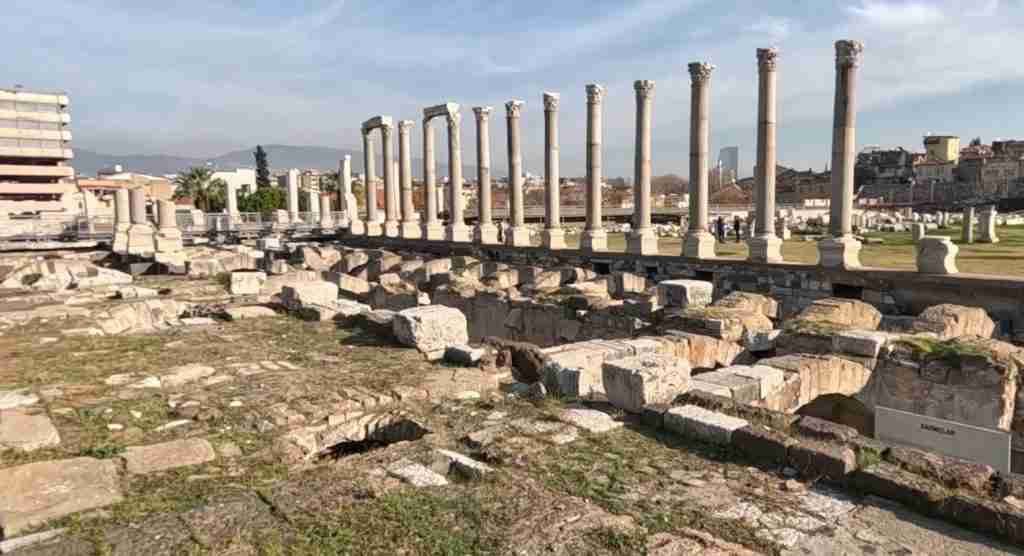
Agora Open Air Museum opens 8:00 AM-6:00 PM summer season (April-October) and 8:00 AM-5:00 PM winter season (November-March) with €2-3 entrance fee making it Turkey’s most affordable archaeological site visit. The Museum Pass Turkey (Müze Kart) covers admission, worthwhile for travelers visiting multiple Turkish archaeological sites though single-day Izmir visitors find better value paying the minimal direct entrance fee. The Agora comprises ancient Smyrna’s Roman-era marketplace and civic center rebuilt by Emperor Marcus Aurelius following a devastating 178 CE earthquake, featuring Corinthian columns, underground vaulted chambers (basilica), and remnants of shops lining the marketplace perimeter.
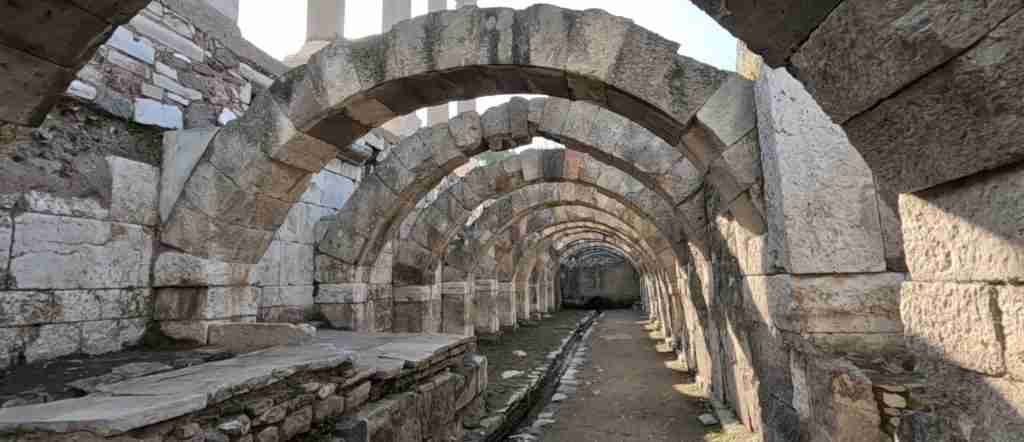
The underground basilica constitutes the site’s most impressive feature – vaulted corridors creating cathedral-like spaces where ancient merchants stored valuable goods away from marketplace heat and sun. Walking these chambers evokes tangible connection to daily commercial life 1,800 years ago, with morning light filtering through entrance arches illuminating the ancient stonework. The basilica’s exceptional preservation stems from centuries of soil burial protecting the structure from destruction, with modern excavations beginning only in the 1930s under Turkish archaeological teams. Photography in the underground chambers requires adjusting camera settings for low light or using external flash, though natural light near entrance arches often provides sufficient illumination during midday hours.
Above-ground sections display three-story column fragments indicating the marketplace’s monumental original scale – reconstructed columns rising 14-15 meters suggest the ancient commercial center’s architectural grandeur. Information panels in Turkish and English explain the Agora’s layout including the stoa (covered walkway), open marketplace area, and civic buildings housing city administration. Allocate 45-60 minutes for thorough Agora exploration including reading informational signs, photographing architectural details, and imagining the bustling ancient marketplace atmosphere from the evocative ruins. The site lacks cafe facilities – visit restrooms before entering or hold until completing your visit and returning to nearby Kemeralti cafes.
Completing the Circuit: Asansör and Kadifekale Options 2026
From the Agora, walk 800 meters west toward Karataş neighborhood reaching Asansör (historic elevator) connecting waterfront to hillside residential areas. Built 1907 by wealthy Jewish banker Nesim Levi providing free public access replacing steep stairs, the elevator now functions as tourist attraction charging nominal ₺5 fee for the 50-meter vertical ride. The upper station features panoramic viewing terrace overlooking Izmir Bay and city center – exceptional sunset viewing location as afternoon light paints the water and distant mountains. An upscale restaurant occupies the elevator building’s upper floor serving Mediterranean cuisine with premium pricing justified by unparalleled views (reserve tables in advance for dinner when sunset views peak).
Kadifekale (Velvet Castle) crowns a 186-meter hill 3 kilometers northeast of Konak, offering 360-degree panoramic views over Izmir and the Aegean Sea. The Hellenistic-era fortress features partially preserved walls, towers, and cisterns from the ancient city’s defensive fortifications, though modern shantytown development encroached on the archaeological site diminishing its atmosphere. Visiting Kadifekale requires either 30-minute uphill walk from Konak (steep, hot during summer), tram to Basmane followed by dolmuş minibus, or taxi ride (₺80-120 direct from Konak). Free entrance allows exploring the ruins and photography platform, though site security and neighborhood safety receives mixed traveler reports – visit during daylight hours and exercise normal urban caution.
Most first-time visitors prioritize Asansör over Kadifekale given easier access and better-maintained facilities, reserving the castle for return visits or travelers specifically interested in Hellenistic military architecture. Photography enthusiasts seeking comprehensive Izmir panoramic shots find Kadifekale’s elevated position superior to Asansör’s mid-level perspective, justifying the extra effort required. The old town circuit concludes at Asansör with options to either walk 1 kilometer back to Konak or continue north into Karataş neighborhood’s residential streets before rejoining the Kordon promenade for waterfront stroll back to central areas.
Karşıyaka and Northern Bay Walking Routes 2026
Karşıyaka district occupies Izmir Bay’s northern shore, accessible via frequent ferry service from Konak (15-minute crossing, ₺15 one-way using credit card tap payment). This primarily residential area offers authentic local lifestyle removed from tourist concentration around Konak, with its own waterfront promenade, fish market, cafes, and shopping streets frequented by Izmir residents rather than visitors. The Karşıyaka Kordon mirrors the southern shore’s waterfront path, though less polished and more neighborhood-oriented – families cycling together, elderly couples walking arm-in-arm, teenagers skateboarding, creating living portrait of ordinary Izmir life beyond tourist performances.
The ferry crossing itself constitutes half the experience – standing on deck watching Izmir’s skyline recede while approaching Karşıyaka’s waterfront, feeling wind and salt spray, sharing space with commuters shuttling between home and work. Ferries depart every 10-15 minutes during peak hours (7:00-9:00 AM, 5:00-7:00 PM), every 20-30 minutes midday and evening, operating continuously throughout daylight and evening hours. The boats accommodate several hundred passengers across open-air deck and enclosed seating, with locals favoring outdoor deck space for views and fresh air. Sunset ferry crossings provide exceptional photography as backlit silhouettes and golden water reflections create natural beauty rivaling planned tourist attractions.
Karşıyaka’s fish market (Balık Pazarı) operates morning hours when fishing boats return with Aegean catches, creating lively scene of vendors displaying sea bream, sea bass, mackerel, and squid on ice-covered counters. Adjacent restaurants grill purchased fish immediately for breakfast or lunch customers – select your fish, negotiate price, and eat it grilled simple with lemon and bread 15 minutes later at minimal markup over market price. This authentic experience reflects Mediterranean fishing culture beyond sanitized tourist venues, though requires comfort with basic Turkish communication and willingness to eat at simple plastic tables under market canopy rather than white-tablecloth restaurants. The market operates daily except Mondays, with weekend mornings (Saturday-Sunday 8:00-11:00 AM) offering peak activity and selection.
Bostanlı Waterfront and Sunset Park 2026
Bostanlı neighborhood stretches north of Karşıyaka’s main ferry terminal, featuring modern waterfront development contrasting with the older Kordon’s established character. The Bostanlı Setur Marina hosts private yachts and sailing clubs, with adjacent boardwalk lined by contemporary cafes and restaurants attracting younger Izmir residents. Sunset Park (Günbatımı Parkı) provides designed public space with viewing platforms, amphitheater hosting summer concerts, and children’s playgrounds making it family destination during weekend afternoons. The park’s name reflects its primary function – sunset viewing across the bay with Izmir’s southern shore backlit by setting sun creates natural spectacle drawing hundreds of viewers during summer evenings.
Walking from Karşıyaka ferry terminal to Bostanlı covers approximately 2.5 kilometers along the waterfront promenade, taking 30-40 minutes at moderate pace. The route remains entirely flat following sea level, with the path alternating between paved walkway and wooden boardwalk sections. Bicycle rentals near the ferry terminal allow faster coverage of this distance, while the ESHOT tram paralleling the waterfront provides alternative for tired walkers or limited timeframes. Saturday markets operate in Bostanlı square (8:00 AM-4:00 PM) where local farmers and producers sell organic vegetables, homemade jams, artisanal bread, and regional specialties – worthwhile destination for food-interested travelers though requiring early rising to catch peak morning activity before stalls pack up afternoon.
The northern bay’s primary appeal targets travelers seeking Izmir beyond tourist zones – experiencing where actual residents live, shop, and socialize rather than areas designed for visitor consumption. Karşıyaka’s neighborhoods reveal middle-class Turkish urban life with apartment buildings, local schools, family-run businesses, and community centers constituting everyday existence for most Izmir residents. Budget extra time for this excursion as ferry schedules and slower exploration pace mean the round trip from Konak totals 3-4 hours minimum, though rewards include authentic cultural immersion and excellent waterfront dining at prices 20-30% below tourist-zone restaurants serving comparable food quality.
Seasonal Considerations for Izmir Walking 2026
Spring months (April-May) provide optimal walking conditions combining comfortable temperatures (18-25°C), manageable tourist crowds, and spring flowers blooming in parks and along the Kordon. Morning walks proceed pleasantly without oppressive heat, while afternoon temperatures remain tolerable for continuing outdoor activities rather than requiring midday shade breaks. Spring timing also catches Orthodox Easter and Labor Day holidays when Greek and Armenian minorities celebrate traditional observances visible in Alsancak neighborhoods’ churches. Occasional spring rain showers occur but rarely persist more than 1-2 hours, with quick-drying pavement and immediate sunshine return making light rain jacket sufficient preparation rather than plan-disrupting weather events.
Summer heat (June-August) reaches 32-38°C regularly with occasional 40°C+ heat waves creating challenging conditions for extended outdoor walking. Strategic timing becomes essential – early morning (7:00-10:00 AM) and evening (6:00-9:00 PM) hours provide comfortable walking temperatures, while midday (11:00 AM-5:00 PM) demands shade, air-conditioned spaces, and minimal outdoor exposure. Summer visitors should embrace Mediterranean lifestyle rhythms – morning sightseeing, long lunch with siesta, late afternoon beach or pool time, evening promenade walks extending into nighttime hours when temperatures finally moderate. The Kordon especially thrives summer evenings when thousands of residents gather enjoying cool sea breezes unavailable in inland neighborhoods, creating vibrant social atmosphere justifying the daytime heat inconvenience.
Autumn (September-October) rivals spring as ideal walking season with warm but not excessive temperatures (22-28°C), crystal-clear atmospheric conditions providing excellent photography light, and reduced summer tourist crowds. September especially features perfect weather – sea temperatures still warm from summer heating (22-24°C encouraging swimming), afternoon heat moderated from August peaks, and generally dry conditions before November rain season begins. Fall grape and fig harvests occur in surrounding agricultural regions, with fresh seasonal fruits appearing in Kemeralti market stalls at peak quality and minimum prices. Cultural events including Izmir International Fair (September) bring additional activity though hotel prices increase during major convention periods.
Winter Walking Strategies and Advantages 2026
Winter temperatures (November-March) remain remarkably mild by European standards, typically ranging 10-18°C with occasional 5-8°C cold snaps during January-February. This Mediterranean climate means winter walking remains viable with appropriate layering – light jacket or sweater sufficient for morning hours, often removable by afternoon when sun warms the air. Rain becomes more frequent December-February with monthly averages reaching 8-10 days precipitation, though Turkish winter rain typically consists of short showers rather than all-day downpours. Carrying compact umbrella or light rain jacket provides insurance without significantly burdening daypack weight.
Winter advantages include dramatically reduced tourist crowds, lower hotel prices (30-50% discounts versus summer peak season), and authentic local atmosphere without seasonal workers and cruise ship passengers distorting neighborhood character. Museums and archaeological sites feel more intimate with minimal visitor numbers, allowing photography without human clutter and unhurried appreciation of details impossible when queuing behind large tour groups. The Agora especially benefits from winter solitude – exploring ancient ruins virtually alone creates powerful connection to historical atmospheres diluted when sharing space with dozens of selfie-taking tourists.
Cultural events shift indoors during winter months – theaters, concert halls, and art galleries maintain active programming serving local Turkish audiences rather than tourist crowds. Izmir’s European Opera and Ballet presents winter season performances in state-of-the-art theaters, while contemporary art galleries in Alsancak’s Kıbrıs Şehitleri Caddesi concentrate openings and exhibitions during October-April when Izmir’s arts community returns from summer coastal dispersal. Winter visitors willing to research Turkish-language cultural calendars access performances and exhibitions at local resident prices (₺100-300) versus summer tourist festival premiums.
Frequently Asked Questions About Izmir Tours & Walking 2026
Is Izmir safe for solo travelers walking alone in 2026?
Izmir ranks among Turkey’s safest major cities for solo travelers including solo women, with Aegean coastal culture emphasizing secular, cosmopolitan values creating more liberal social atmosphere than conservative inland regions. The tourist-frequented Kordon promenade, Alsancak neighborhood, and central Konak areas maintain excellent safety records day and night, with visible police presence, busy pedestrian traffic, and well-lit streets discouraging criminal activity. Solo women report minimal harassment compared to Istanbul or Ankara, though basic urban awareness applies – avoid deserted areas late night, ignore aggressive vendor attention, and dress moderately respecting local cultural norms even in liberal Izmir.
Kemeralti Bazaar requires heightened awareness regarding pickpocketing in crowded sections, though violent crime remains extremely rare. Wear cross-body bags rather than backpacks vulnerable to unnoticed opening, keep valuables in front pockets, and maintain awareness when photographing or consulting smartphones creating distraction opportunities. The bazaar’s labyrinthine layout occasionally leaves travelers disoriented in less-maintained sections where poverty and informal settlements border commercial areas – if surroundings feel unsafe, backtrack to busier streets rather than pushing deeper into unknown territory. Asking shopkeepers for directions toward main streets provides safe solution versus relying solely on smartphone GPS which may route through questionable shortcuts.
Nighttime walking along the Kordon remains safe given continuous activity until midnight, with cafes, restaurants, and promenading families creating natural surveillance. Alsancak neighborhood nightlife areas see heavy pedestrian traffic Thursday-Saturday nights making solo walking comfortable, though standard urban night precautions apply – stick to well-lit main streets, avoid shortcuts through empty parks or alleys, and use official taxis from established stands versus accepting rides from unmarked vehicles. Solo travelers uncomfortable with late-night solo walking can easily join local promenaders on the Kordon, where the Mediterranean evening stroll tradition creates social atmosphere welcoming individual participation without requiring formal group membership.
How much walking is too much for one day in Izmir in 2026?
Covering 8-10 kilometers total walking represents reasonable daily maximum for average fitness levels exploring Izmir, accounting for both planned routes and spontaneous wandering through neighborhoods and bazaars. This distance typically breaks down as: 3-4 kilometers Kordon promenade walking, 2-3 kilometers Kemeralti Bazaar navigation, 1-2 kilometers connecting routes between major attractions, plus additional meandering through interesting side streets. Attempting significantly more invites exhaustion diminishing afternoon and evening enjoyment, while covering less misses Izmir’s essential pedestrian character demanding foot exploration for proper appreciation.
Age and physical condition obviously affect realistic daily walking capacity – seniors or travelers with mobility limitations might cap distances at 5-6 kilometers supplemented by strategic tram use between areas, while fit younger visitors comfortably exceed 12-15 kilometers when motivation strikes. Heat significantly impacts endurance independent of distance – summer conditions make 6 kilometers feel more exhausting than winter’s 10 kilometers, requiring extended cafe breaks for hydration and cooling between walking segments. Spreading major walking days across visit duration prevents consecutive exhaustion – plan intensive 10-kilometer walking day followed by lighter 4-5 kilometer day allowing recovery before next demanding itinerary.
Strategic tram integration prevents sacrificing sightseeing coverage when personal walking limits prevent complete pedestrian exploration. The IZBAN and ESHOT systems connect all major tourist areas with 10-minute frequency, making distance coverage via public transport painless when legs tire from earlier walking. Mixing walking and tram riding also provides varied experiences – observing Izmir through tram windows offers different perspectives than street-level walking, while interacting with local commuters adds cultural dimension beyond tourist-zone walking. Calculate realistic personal daily limits based on home country walking habits – if you rarely walk 5+ kilometers daily at home, don’t expect suddenly managing 12 kilometers in Izmir’s heat.
Can you drink tap water in Izmir or do you need bottled water while walking in 2026?
Turkish authorities declare Izmir’s municipal tap water safe for consumption meeting EU standards, though most locals and experienced travelers prefer bottled water avoiding potential stomach sensitivity issues. Tap water receives chlorination treatment creating chemical taste many find unpleasant, while occasional infrastructure problems in older neighborhoods introduce contamination risks despite official safety declarations. Visitors can brush teeth and rinse mouths with tap water without concern, but drinking water consumption should rely on bottled sources particularly during first days before gut bacteria adjust to local water’s mineral content and treatment chemicals.
Bottled water costs ₺10-25 for 1.5-liter bottles at supermarkets and ₺20-40 at tourist-area kiosks, making hydration affordable even on tight budgets. Cafes and restaurants typically provide complimentary tap water when requested, though many automatically serve bottled water (₺15-30) included in bill charges – clarify preference when ordering to avoid unwanted expenses. Carrying refillable water bottles from hotel allows starting walks hydrated, with numerous refill opportunities at cafes along major routes. The Kordon especially features water fountains and cafe density enabling constant hydration access during long promenade walks.
Summer walking demands aggressive hydration planning – consume 2-3 liters water minimum during 4-5 hour walking days to replace sweat losses in 30°C+ heat. Dehydration symptoms including headache, fatigue, and dizziness commonly affect tourists underestimating fluid needs in Mediterranean heat, particularly travelers arriving from cooler northern European climates. Carrying water bottles draws stares from locals who question tourists’ bottle-carrying when cafes exist everywhere, but practical hydration trumps Turkish opinions about proper cafe-based refreshment culture. Winter walking requires less obsessive hydration though maintaining fluid intake prevents dehydration despite reduced sweat awareness in cool conditions.
What’s the best footwear for walking Izmir’s different surfaces in 2026?
Athletic walking shoes or trail runners provide optimal footwear balancing the Kordon’s smooth pavement, Kemeralti’s cobblestones, and Agora’s uneven archaeological surfaces in single versatile package. Shoes should feature cushioned soles protecting feet during multi-hour walks, grippy treads preventing slips on polished marble or wet stones, and closed toes shielding from rough surfaces and occasional debris. Breaking in new shoes before traveling prevents blisters ruining walking plans – wear planned Izmir shoes for several 5-kilometer walks at home identifying pressure points and allowing leather to soften before committing to all-day Turkish touring.
Sandals or flip-flops prove inappropriate for serious Izmir walking despite Mediterranean climate tempting casual footwear choices. Kemeralti’s uneven cobblestones twist ankles in unsupportive sandals, while archaeological sites’ rocky terrain punishes exposed toes. Reserve sandals for beach days or short evening Kordon strolls after full-day sightseeing concludes, when minimal walking remains and comfort trumps performance requirements. Women’s fashion sandals with heels create particular hazards on cobblestones and marble surfaces, resulting in countless twisted ankles and falls among tourists prioritizing appearance over function – save fashionable footwear for restaurant dinners reached via taxi rather than walking tours.
Waterproof features matter primarily for winter visitors when rain probability increases, though Gore-Tex or similar treatments add comfort preventing wet-sock misery during unexpected showers. Summer visitors can skip waterproofing given minimal rain risk, prioritizing breathable mesh construction preventing overheated sweaty feet in 35°C temperatures. Bring two pairs of walking shoes if extended Izmir stays planned, alternating daily allowing shoes to dry and air between wearings. This practice extends shoe life while preventing bacterial growth and odor problems in hot humid conditions where single-pair daily use creates perpetual dampness breeding foot health issues.
Are there public restrooms available along major walking routes in 2026?
Public restroom availability varies dramatically across Izmir walking routes, requiring strategic planning and opportunistic usage preventing uncomfortable situations. The Kordon promenade features scattered public facilities near major parks and ferry terminals, though cleanliness standards fluctuate and toilet paper supply proves unreliable necessitating carrying personal tissues. Most facilities charge ₺5-10 entrance fees collected by attendants maintaining cleaning, with payment providing access to squat toilets (traditional Turkish style) or occasional Western-style seated toilets in newer installations.
Cafes and restaurants provide superior restroom alternatives when walking routes align with food breaks – order tea (₺20-30) or coffee obtaining restroom access included with purchase rather than paying standalone public facility fees. Turkish hospitality culture generally permits restroom use even without purchases when politely requested, though making small purchase demonstrates appreciation and prevents shopkeepers viewing tourists as exploiting free facilities. Shopping malls including Konak Pier and Forum Bornova offer Western-standard restrooms with proper plumbing, climate control, and regular cleaning making them worthwhile detours when natural calls demand comfortable facilities.
Archaeological sites including the Agora maintain on-site restrooms near ticket offices, though basic maintenance and squat-toilet configurations challenge travelers unfamiliar with Turkish facilities. Museums universally provide restrooms included with entrance fees, typically maintained at higher standards than outdoor public facilities. Strategic restroom planning involves using hotel facilities before departing morning walks, stopping at major museums or cafes mid-route, and accepting that Turkish restroom standards differ from Western expectations requiring flexibility and adjustment. Carrying personal toilet paper, hand sanitizer, and wet wipes in daypack provides insurance against facilities lacking supplies or proper hygiene standards.
Can walking tours accommodate dietary restrictions and food allergies in 2026?
Standard walking tours accommodate common dietary preferences including vegetarian requirements relatively easily given Turkish cuisine’s abundant vegetable-based meze, salads, and grain dishes forming traditional meal components. Informing tour operators during booking allows guides preparing restaurant partners about vegetarian needs, ensuring appropriate options appear during included meals. Vegan requirements prove more challenging given Turkish cooking’s heavy yogurt, butter, and cheese usage, though possible with advance communication and guide flexibility selecting restaurants understanding plant-based distinctions beyond simple meat avoidance.
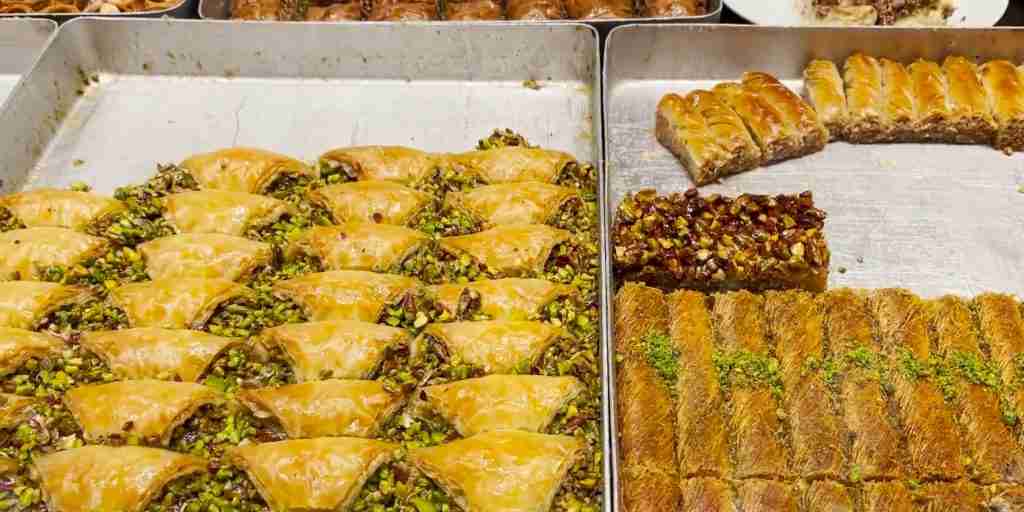
Food allergies require comprehensive advance communication given language barriers and Turkish restaurant culture’s limited familiarity with Western allergy awareness expectations. Severe nut allergies demand particular caution as pistachios, walnuts, and hazelnuts appear extensively in Turkish desserts and some savory dishes, often unlabeled in traditional restaurants and bazaar food stalls. Gluten-free requirements face challenges with bread’s central role in Turkish meals, though rice-based dishes, grilled meats, and vegetable preparations provide safe alternatives when restaurants receive clear advance instructions. Carrying translated allergy cards in Turkish (available through allergy awareness websites) communicates requirements beyond guides’ English vocabularies enabling kitchen staff proper understanding.
Free walking tours rarely include substantial food beyond occasional coffee or tea demonstrations, making personal dietary management simpler – simply skip optional food stops if concerns exist about ingredients or cross-contamination. Food-focused walking tours require thorough pre-booking communication about restrictions since multi-stop tastings constitute the tour’s core value proposition. Reputable food tour operators accommodate most restrictions with advance notice, though severe allergies or highly restrictive diets might warrant reconsidering food tour participation given inherent risks sampling unfamiliar preparations in environments lacking Western allergen labeling standards. Independent walking with self-selected restaurant stops provides maximum control for travelers with significant dietary concerns requiring strict ingredient verification impossible in group tour settings.
What should you wear when visiting mosques during walking tours in 2026?
Mosque visiting requires modest clothing covering shoulders, upper arms, and knees for both men and women, with women additionally covering hair with headscarves. Men’s standards prove relatively simple – long pants (no shorts) and t-shirts with sleeves (no tank tops or sleeveless shirts) satisfy requirements. Women need long pants or skirts covering knees, tops covering shoulders and elbows, and scarves covering hair completely – many mosques provide loaner scarves at entrances though quality and cleanliness vary making personal scarves preferable. Lightweight cotton or linen scarves pack compactly in daypacks, easily draped over hair when entering mosques then removed immediately upon exiting.
Shoes must be removed before entering mosque prayer halls, placed on shelves near entrances or carried in provided plastic bags. This tradition necessitates wearing easily removable shoes rather than complicated lacing boots requiring extended removal time blocking entrance queues. Socks should be clean and hole-free given visibility when shoes removed – walking tours combining mosques with other attractions mean socks remain visible throughout the day making tidiness important. Bare feet are acceptable though less common, with most Turkish Muslims wearing socks maintaining foot hygiene on prayer carpets.
Conservative dress extends beyond mosques improving overall cultural experiences in Kemeralti Bazaar and traditional neighborhoods where religious conservatism exceeds coastal Kordon areas’ liberal standards. Women wearing shorts and tank tops in bazaar areas receive unwanted attention and occasional verbal harassment, while modestly dressed women blend comfortably into local crowds avoiding uncomfortable situations. This doesn’t require full covering – knee-length shorts or skirts with shoulder-covering tops satisfy both practical comfort and cultural respect. Men face fewer restrictions though sleeveless tank tops marking Western tourist status sometimes attract unwanted vendor attention versus sleeved shirts signaling awareness of local norms commanding slightly more respect.
How do you navigate Izmir’s tram system as a tourist in 2026?
Izmir’s tram system operates through tap payment using contactless credit/debit cards, eliminating traditional ticket purchasing confusion for international visitors. Simply tap your credit card on the yellow card readers at tram station entrances, ride to your destination, then tap again when exiting – the system automatically calculates and charges appropriate fares (₺15 per ride) to your card. This technology revolutionized tourist public transport access removing language barriers and cash requirement previously complicating tram usage. The system accepts Visa, Mastercard, and most international contactless cards, though occasionally rejecting certain card types requiring backup payment methods.
The tram network comprises two main lines covering tourist areas comprehensively. Line 1 runs along the Kordon from Üçyol through Konak, Alsancak, and north to Ege Üniversitesi campus, serving the waterfront promenade and connecting major tourist neighborhoods. This line operates 6:00 AM-midnight approximately with 10-minute peak frequency and 15-minute off-peak service. Line 2 extends from Konak east toward Bornova through residential areas less relevant for tourists, though connecting at Konak station for convenient transfers. Tram maps appear at all stations showing complete routes, though smartphone apps like Moovit provide real-time tracking and journey planning in English.
Tram etiquette follows standard European public transport norms – standing passengers move toward doors when others need to exit, priority seating near doors reserves for elderly and disabled passengers, and eating food is discouraged though not prohibited. Rush hours (7:30-9:00 AM, 5:00-7:00 PM weekdays) see crowded conditions with standing room only, while midday and weekends provide comfortable seating. Tourists with luggage should avoid peak commuter hours when possible, using midday or evening services accommodating baggage without blocking aisles. The trams provide efficient transport supplementing walking tours, particularly useful for reaching Kadifekale, returning from distant Kordon sections, or accessing hotels outside central walking zones.
What are the best photo spots in Izmir for Instagram or professional photography in 2026?
The Clock Tower at Konak Square provides Izmir’s most iconic photo composition, best captured during golden hour (first hour after sunrise, last hour before sunset) when warm light enhances the ornate Ottoman baroque architecture. Position yourself in the square gardens framing the tower against blue sky or sunset colors, using the fountains and palm trees as foreground elements adding depth. Blue hour (30-60 minutes after sunset) offers alternative magic when building lights illuminate the tower creating dramatic nighttime atmosphere with still-visible sky color. Avoid midday harsh overhead lighting creating unattractive shadows and blown-out highlights on the white stone facade.
Kızlarağası Han’s rooftop cafe delivers exceptional elevated perspective over Kemeralti Bazaar’s terracotta rooftops, with afternoon light (3:00-5:00 PM) creating warm tones across the undulating roof landscape. This unique viewpoint captures Izmir’s historic architectural character impossible from street level, with mosque minarets punctuating the horizon and bay views in the background. The cafe requires beverage purchase for rooftop access (₺40-80 minimum), worthwhile investment for photography enthusiasts seeking unusual perspectives beyond standard tourist snapshots. Morning light also works though shadows prove less dramatic than afternoon golden hour illumination.
The Kordon promenade offers countless compositions combining sea, sky, and urban elements across its 9.3-kilometer length. Sunset hour (one hour before sunset, repeated seasonally based on changing sunset times) creates the quintessential Izmir waterfront photograph – silhouetted palms, golden-orange sky reflected in calm bay water, and distant mountains backlit by setting sun. Position yourself along the Alsancak section for cafe terraces and pedestrian activity adding human elements, or choose quieter southern sections for minimalist nature-focused compositions. Bring tripod for long-exposure techniques smoothing water movement and creating light trails from passing boats after sunset, though hand-held photography works during brighter golden hour periods.
Conclusion: Maximizing Your Izmir Walking Experience 2026
Successful Izmir exploration balances organized tour efficiency with independent walking discovery, recognizing each approach’s distinct advantages rather than viewing them as competing alternatives. First-time visitors benefit enormously from half-day or full-day tours providing historical context, navigation guidance, and comprehensive attraction coverage impossible to replicate independently within limited timeframes. Return visitors or extended-stay travelers transition naturally toward self-guided walking exploring neighborhoods and attractions at personal pace without group schedules dictating timing and focus. The optimal strategy combines both approaches – guided tour establishing orientation and knowledge foundation, followed by independent walking revisiting preferred areas and discovering personal interests beyond standard itineraries.
Seasonal timing dramatically impacts walking enjoyment independent of attraction quality or tour guide excellence. Spring and fall shoulder seasons deliver superior experiences through ideal weather combining with manageable crowds and authentic local atmosphere, justifying premium effort scheduling Izmir visits during these windows. Summer visitors must embrace Mediterranean lifestyle rhythms – early mornings, midday siestas, evening activities – transforming heat from obstacle into invitation toward cultural adaptation. Winter travelers gain crowd-free intimacy with archaeological sites and museums while accepting occasional rain and reduced cafe terrace appeal, perfectly suiting travelers prioritizing depth over weather guarantees.
The Kordon waterfront promenade and Kemeralti Bazaar constitute Izmir’s essential walking experiences, each revealing different facets of the city’s character. The Kordon showcases modern Turkish urban life – cafe culture, Mediterranean leisure, waterfront recreation – accessible to visitors regardless of Turkish language ability or cultural background. Kemeralti demands deeper engagement navigating chaotic streets, decoding commercial customs, and accepting temporary disorientation as part of authentic immersion into traditional Turkish market life. Experiencing both provides balanced Izmir impression avoiding one-dimensional perceptions of either cosmopolitan modernity or timeless tradition.
These walking experiences and tours transform Izmir from generic Mediterranean stopover into memorable destination rewarding travelers who invest time and effort exploring beyond cruise ship excursions and airport transfer routes. The city’s compact scale makes comprehensive exploration achievable within 2-3 days versus sprawling metropolises requiring weeks for similar coverage. Yet Izmir’s layers resist superficial understanding – Ottoman architectural details, subtle neighborhood character shifts, culinary regional variations – revealing themselves only through patient walking observation supplemented by knowledgeable guides contextualizing visible elements. Approach Izmir walking with curiosity rather than checklist completion mentality, allowing the city to unfold at pedestrian pace revealing charms invisible from tour bus windows or rushed attraction visits.